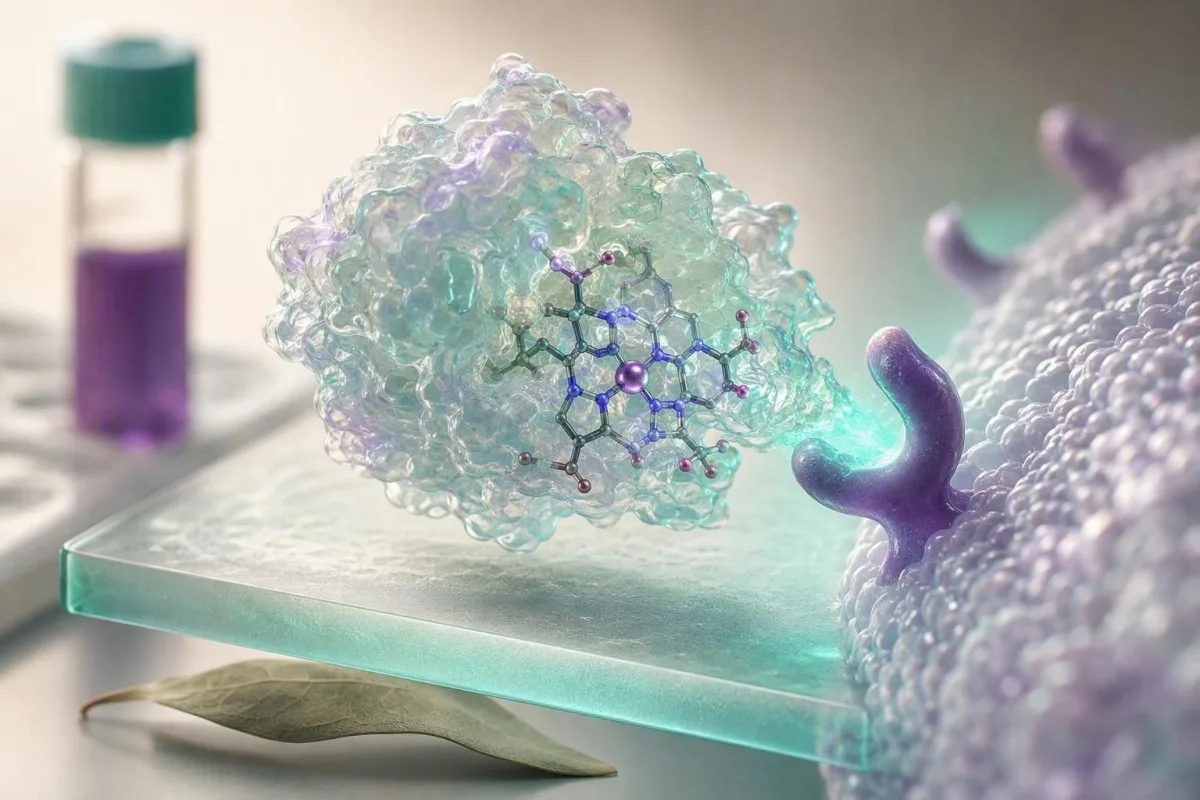
Un resultat normal de B12 activa poc després de la suplementació pot documentar una ingesta recent en lloc d'un subministrament tisular restaurat. El moment, la funció renal, els símptomes i l'àcid metilmalònic sovint decideixen què significa el número.


- Dosi recent de B12 pot elevar la holotranscobalamina en qüestió d'hores a dies, de manera que un resultat normal poc després del tractament no exclou de manera fiable la deficiència prèvia.
- Rang de holotranscobalamina és comunament d'aproximadament 37-150 pmol/L, però cada laboratori ha d'utilitzar el seu propi interval específic de l'assaig.
- Prova de B12 actiu mesura la B12 unida a la transcobalamina, la fracció disponible per a la captació cel·lular; no mesura directament l'activitat de la B12 intracel·lular.
- Prova de MMA augmenta quan la B12 cel·lular és insuficient, però la funció renal reduïda pot augmentar l'MMA fins i tot quan l'estat de la B12 és adequat.
- Moment de la injecció és el més important: una injecció de 1.000 micrograms pot fer que els resultats de B12 sèrica i activa semblin tranquil·litzadors durant setmanes, mentre que la recuperació neurològica triga més.
- Pla de seguiment ha de registrar la forma, dosi, via i data exactes de la B12; sense aquests detalls, comparar resultats sovint és enganyós.
- revisió urgent és adequat per a dificultats noves en la marxa, entumiment progressiu, confusió, debilitat severa o símptomes d'anèmia, independentment d'una prova de B12 activa recentment normal.
La B12 recent pot fer que la holotranscobalamina sembli normal?
Sí. La vitamina B12 oral o injectada recentment pot augmentar temporalment la holotranscobalamina, sovint anomenada B12 activa, fins i tot quan la prova es va demanar perquè es sospitava deficiència. El resultat ens indica llavors que la B12 absorbible ha entrat recentment a la circulació; no pot, per si sola, provar que les reserves tissulars, la funció nerviosa o la causa original de la deficiència estiguin corregides. A data de 3 de setembre de 2026, la meva regla pràctica és senzilla: documentar cada dosi presa en els 14 dies anteriors abans de considerar tranquil·litzadora una prova de B12 activa.
Una sola tauleta de B12 de 1.000 micrograms pot alterar els marcadors circulatoris abans que un pacient noti cap canvi clínic. En els meus 15 anys de pràctica, he vist pacients prendre un suplement durant tres dies abans de la prova, rebre un resultat normal de holotranscobalamina i assumir que els seus mesos de formigueig no tenien cap component nutricional.
Una injecció de B12 crea un problema interpretatiu més gran i persistent que una tauleta estàndard. La B12 sèrica i la holotranscobalamina poden elevar-se marcadament després del tractament parenteral, mentre que l'àcid metilmalònic, la recuperació del recompte sanguini i els símptomes neurològics segueixen diferents línies temporals; la nostra guia d'injeccions de B12 versus tauletes explica el contrast farmacològic.
L'enfocament del Dr. Thomas Klein és tractar un resultat de B12 activa post-dosi com un resultat en context de tractament, no com un resultat diagnòstic de base. Kantesti és un Analitzador de sang amb IA que conserva les dates de la dosi al costat dels biomarcadors, perquè un valor aïllat sense moment és freqüentment la pregunta clínica incorrecta.
La pregunta útil per fer al seu metge
Pregunti si l'objectiu és diagnosticar una deficiència no tractada, confirmar la resposta bioquímica o investigar símptomes persistents. Aquestes són tres preguntes diferents, i poden requerir diferents moments i proves.
El que mesura realment la holotranscobalamina
La holotranscobalamina mesura la vitamina B12 unida a la transcobalamina, la proteïna transportadora que lliura la B12 a les cèl·lules. És la fracció circulant biològicament disponible, però encara és una mesura circulant en lloc d'una lectura directa de la funció enzimàtica intracel·lular.
La majoria de la B12 circulant està unida a la haptocorrina i no està immediatament disponible per als teixits; la holotranscobalamina representa aproximadament entre el 10% i el 30% de la B12 total circulant. Aquesta biologia és la raó per la qual la prova de B12 activa pot identificar algunes deficiències primerenques que la B12 total passa per alt, especialment al voltant de concentracions de B12 total borderline.
Molts laboratoris classifiquen la holotranscobalamina per sota d'aproximadament 35 pmol/L com a baixa i valors per sobre 50 pmol/L com a adequats, amb una zona grisa al mig. No obstant això, aquests valors de tall depenen de l'assaig, de manera que l'interval de referència imprès pel laboratori que informa té prioritat sobre qualsevol llindar d'internet; vegeu la nostra visió general de B12 activa i MMA.
Un resultat normal de holotranscobalamina és més fort quan es va prendre abans d'introduir suplements, injeccions o begudes energètiques fortificades. És menys decisiu en persones que utilitzen productes de complex B d'alta dosi, que sovint contenen entre 500 i 5.000 micrograms de B12 per dosi; la nostra guia de suplements de complex B cobreix aquestes dosis amagades.
La rapidesa amb què la B12 oral canvia una prova de B12 activa
La B12 oral pot elevar ràpidament la holotranscobalamina perquè una part d'una dosi gran és absorbida per difusió passiva fins i tot quan l'absorció del factor intrínsec està alterada. Una prova activa de B12 normal després de diverses dosis recents pot reflectir, per tant, el suplement en lloc de l'estat no tractat del pacient.
A dosis fisiològiques, el factor intrínsec regeix la captació de B12 a l'ili terminal; a dosis al voltant de 1.000 micrograms, aproximadament 1% poden entrar a través de la difusió passiva. Aquest petit percentatge és clínicament significatiu, per això les tauletes d'altes dosis poden funcionar per a molts pacients però també poden ocultar les proves diagnòstiques.
Normalment aconsello als pacients que no improvisin un període de “washout” quan tinguin entumiment preocupant, canvis en l'equilibri, anèmia, embaràs o un pla de tractament dirigit pel metge. Pausar el tractament només per fer un valor de laboratori "més net" pot ser un intercanvi inadequat; el metge pot interpretar el resultat contra l'historial de dosis.
Per a una re-prova diagnòstica no urgent, molts metges demanen als pacients que evitin la B12 oral durant almenys 48 a 72 hores, tot i que aquesta és una convenció pràctica de laboratori més que una regla universalment validada. L'evidència és sincerament mixta sobre l'interval ideal, així que la consistència entre les proves sovint importa més que perseguir un dia suposadament perfecte; llegiu la nostra guia de temps de prova de sang.
Per què les injeccions de B12 causen el major parany de temps
Una injecció de B12 pot fer que la holotranscobalamina i la B12 total semblin altes durant dies o setmanes, de manera que aquests marcadors són eines pobres per diagnosticar una deficiència basal immediatament després. El resultat pot confirmar l'exposició a la B12 però no explicar per què es va desenvolupar la deficiència ni si els efectes tissulars s'han resolt.
La hidroxocobalamina es dóna comunament com 1.000 micrograms intramusculars, de vegades diverses vegades durant 2-3 setmanes en règims de càrrega. Una mostra de sang recollida poc després pot mostrar un resultat molt per sobre del límit superior de referència, i aquesta elevació s'espera més que no pas que sigui tòxica en la majoria de situacions.
La guia de la British Society for Haematology aconsella que la B12 sèrica no és útil per monitorar pacients que reben teràpia intramuscular de B12 (Devalia et al., 2014). A la pràctica, segueixo els símptomes, l'hemograma complet, la resposta de reticulòcits quan hi ha anèmia, i l'adherència al règim previst en lloc de demanar proves sèriques de B12 activa.
Un augment de reticulòcits pot començar aproximadament 3 a 5 dies després d'un tractament eficaç, mentre que l'hemoglobina sovint millora al llarg de 4 a 8 setmanes si la deficiència de B12 estava causant l'anèmia. Els símptomes persistents de formigueig mereixen atenció fins i tot amb un resultat post-injecció alt; la nostra guia de resultats alts de B12 separa els efectes esperats de la suplementació d'altres patrons.
Quan una prova d'MMA afegeix un context útil
L'àcid metilmalònic és més útil quan la holotranscobalamina és borderline, alterada recentment per suplements, o discordant amb els símptomes i els resultats del recompte sanguini. L'MMA augmenta quan el metabolisme depenent de la B12 està alterat, convertint-lo en una prova funcional complementària en lloc d'un reemplaçament de l'avaluació clínica.
Una concentració plasmàtica d'MMA per sota d'aproximadament 0,40 micromols/L sovint es considera normal, tot i que els intervals de l'assaig local varien. Valors més alts donen suport a la deficiència funcional de B12 quan la funció renal és normal i no hi ha cap malaltia confounding important; la nostra detallada Explicació de la prova de MMA discuteix les alternatives comunes.
La MMA pot romandre elevada breument després que comenci el tractament amb B12, per la qual cosa provar-la immediatament després d'una píndola o injecció no sempre resol el problema. Trobo que una disminució mesurada durant diverses setmanes és més informativa que un sol valor post-tractament, especialment en pacients que van començar la teràpia abans de la seva primera avaluació.
Kantesti La IA interpreta la holotranscobalamina juntament amb la MMA, la creatinina, la eGFR, la MCV, l'hemoglobina i l'exposició documentada a suplements en lloc de tractar qualsevol marcador com a definitiu. Kantesti és un plataforma d’interpretació d’anàlisi de sang AI dissenyat per posar de manifest aquest patró per a la discussió amb un metge, no per diagnosticar anèmia perniciosa amb una sola càrrega.
Quan la funció renal fa que l'MMA sigui menys específic
Una funció renal reduïda pot augmentar la MMA independentment de l'estat de la B12, de manera que una MMA elevada és menys específica quan la eGFR és inferior a 60 mL/min/1,73 m². Aquesta és una de les raons més comunes per les quals una prova de MMA sembla contradir un resultat normal de B12 activa.
La MMA s'elimina parcialment pels ronyons, i les concentracions augmenten comunament a mesura que la eGFR disminueix. Una MMA de 0,55 micromol/L en un adult gran amb una eGFR de 38 mL/min/1,73 m² requereix una interpretació diferent del mateix resultat en una persona de 28 anys amb una eGFR de 105.
L'homocisteïna també augmenta en la deficiència de B12, però es veu afectada per l'estat del folat, la vitamina B6, el hipotiroïdisme, la funció renal, el tabaquisme i diversos medicaments. Quan tant la MMA com l'homocisteïna són altes en algú amb funció renal preservada i holotranscobalamina baixa, el cas de deficiència funcional es torna més persuasiva.
No etiqueteu un augment de la MMA relacionat amb els ronyons com a fracàs del tractament sense revisar la creatinina i la trajectòria de la eGFR. El nostre guia d’etapes de la ERC i article GFR després de la deshidratació expliquen per què fins i tot els marcadors renals requereixen context.
Quins canvis en la CBC poden aclarir la història
Un recompte sanguini complet pot proporcionar pistes independents de deficiència de B12, però una MCV normal no l'exclou. La macrocitosi, l'anèmia, l'RDW alta, els glòbuls blancs baixos o les plaquetes baixes donen suport al diagnòstic quan estan presents, però la deficiència neurològica de B12 pot ocórrer amb un CBC normal.
Un MCV per sobre de 100 fL augmenta la sospita de deficiència de B12 o folat, exposició a l'alcohol, malalties hepàtiques, hipotiroïdisme, medicaments o trastorns de la medul·la òssia. La deficiència de ferro pot contrarestar la macrocitosi i produir una MCV enganyosament normal, per això mai utilitzo un índex de glòbuls vermells com a veto.
Un RDW en augment pot ser una pista precoç durant la recuperació perquè les cèl·lules produïdes recentment difereixen en mida de les cèl·lules més antigues. Després que comença el tractament, el CBC pot semblar més variable abans de millorar; el nostre guia de seguiment d'MCV alt descriu el diagnòstic diferencial.
La revisió clínica de Carmel emfatitza que les manifestacions neurològiques poden ocórrer sense anèmia o macrocitosi (Carmel, 2000). La nova alteració de la sensació de vibració, la inestabilitat en la marxa o el canvi cognitiu haurien de promptar una avaluació mèdica oportuna, fins i tot si la B12 activa s'ha normalitzat després d'un suplement.
Per què un resultat normal post-dosi no pot descartar l'anèmia perniciosa
Un resultat normal de holotranscobalamina després del tractament amb B12 no pot excloure l'anèmia perniciosa perquè la prova mesura la B12 subministrada, no l'autoimmunitat del factor intrínsec. El diagnòstic subjacent és important perquè determina si es necessiten discussions sobre la substitució de tota la vida i la vigilància gàstrica.
L'anèmia perniciosa és el resultat de danys autoimmune que afecten la producció del factor intrínsec i les cèl·lules parietals gàstriques, reduint l'absorció fisiològica de B12. La positivitat dels anticossos contra el factor intrínsec és altament específica, però un resultat negatiu no exclou completament la malaltia; els anticossos contra les cèl·lules parietals són menys específics i s'han d'interpretar amb cautela.
A la meva consulta, la història clau sovint s'amaga a plena vista: malaltia tiroide autoimmune, vitil·lig, gastritis crònica, cirurgia gàstrica prèvia i familiars que reben injeccions regulars de B12. Un valor normal després d'autotractament no hauria de tancar aquesta conversa; consulteu el nostre guia de proves d'anèmia perniciosa.
Kantesti, un Eina d’anàlisi d’analítica de sang impulsada per IA, pot organitzar els resultats d'anticossos, els índexs del CBC, la gastrina si està disponible i els marcadors relacionats amb la B12 al llarg del temps. No pot reemplaçar la decisió d'un metge sobre endoscòpia, avaluació autoimmune o si el reemplaçament parenteral segueix sent necessari.
Medicaments i condicions que canvien el pla de seguiment
La metformina, els inhibidors de la bomba de protons, la cirurgia gàstrica, la malaltia inflamatòria intestinal, la malaltia celíaca i la restricció dietètica poden causar o perpetuar la deficiència de B12 malgrat una prova temporalment normal de B12 activa. Corregir el nombre sense identificar el conductor sovint condueix a una incertesa recurrent.
La reducció de la B12 associada a la metformina és més probable amb dosis més altes i exposició més llarga, particularment més enllà de 4 anys; es recomana una avaluació periòdica de la B12 en pacients amb risc d'anèmia o neuropatia. La supressió àcida pot reduir l'alliberament de B12 lligada als aliments, tot i que l'efecte clínic varia considerablement d'una persona a una altra.
Un pacient que pren 2.000 mg de metformina al dia pot mostrar un resultat saludable de B12 activa després de començar un suplement, mentre que el problema d'absorció original segueix sent rellevant. Això no és una raó per deixar la metformina sense consell; és una raó per registrar el tractament i monitoritzar intel·ligentment, tal com es descriu a la nostra guia d'anàlisis de sang després de la metformina.
La malaltia celíaca i els trastorns ilials poden complicar el tractament oral perquè la resposta depèn de l'activitat de la malaltia i la dosi. Si hi ha diarrea crònica, pèrdua de pes, deficiència de ferro o antecedents familiars de malaltia celíaca, un metge pot haver d'investigar abans d'un autotractament prolongat; la nostra guia de temps del repte de gluten explica una trampa diagnòstica.
Com preparar-se per a una prova útil de holotranscobalamina
Per a la prova de B12 activa més clara, proporcioneu al laboratori i al prescriptor el producte de B12 exacte, la dosi, la via i la data de la vostra última dosi. Normalment, el dejuni no és necessari per a la holotranscobalamina, però les condicions pre-test consistents fan que els resultats seriacions siguin més comparables.
Escriviu si el producte era cianocobalamina, metilcobalamina, hidroxocobalamina o un multivitamínic sense etiquetar, més la dosi en micrograms. “Prec B12 de vegades” no és suficient informació clínica quan els resultats es troben a prop d'un llindar de decisió com 35 a 50 pmol/L.
Si el vostre metge vol una línia de base sense tractament i esteu clínicament estable, pregunteu específicament si s'han de deixar els suplements orals durant 48 a 72 hores i quant de temps després d'una injecció s'ha de fer la prova. No assumiu que una instrucció general de dejuni s'aplica a la B12; la nostra suplements abans de les proves de sang cobreix efectes pre-test més amplis.
Fer una foto de l'etiqueta del suplement i guardar-la amb l'informe evita un problema sorprenentment comú: la B12 sovint s'amaga en productes per al cabell, pols energètics, vitamines prenatals i begudes fortificades. La vista de tendència de Kantesti està construïda al voltant d'entrades amb data, ja que comparar dos valors sense dates de tractament pot crear una falsa narrativa de millora o recaiguda.
Quan repetir la B12 activa, l'MMA i la CBC
El moment del seguiment depèn del motiu pel qual va començar el tractament: la B12 activa sovint no és necessària després de les injeccions, mentre que la revisió del CBC i dels símptomes pot ser més útil a les 4-8 setmanes. L'MMA pot afegir context quan la línia de base era incerta, però s'ha d'interpretar tenint en compte la funció renal i el moment del tractament.
Per deficiència hematològica, una resposta de reticulòcits al voltant del dia 5 al 10 i una nova avaluació de la CBC (hemograma complet) aproximadament a 6 a 8 setmanes poden documentar la recuperació. La manca de millora esperada hauria de desencadenar una revisió del ferro, folat, pèrdua de sang en curs, malaltia de la medul·la òssia, compliment del tractament i si el diagnòstic original va ser correcte.
Per a la neuropatia, la trajectòria dels símptomes és més important que la cerca d'un valor elevat de B12 activa. La recuperació nerviosa pot trigar mesos i pot ser incompleta després d'una deficiència prolongada, de manera que els problemes d'equilibri que empitjoren, la nova debilitat o els símptomes de bufeta s'han d'avaluar ràpidament en lloc de gestionar-los mitjançant suplements repetits.
Kantesti AI compara resultats anteriors i destaca canvis que poden superar la variació de laboratori ordinària, però el pla de seguiment pertany a l'equip mèdic tractant. Els lectors que vulguin entendre canvis significatius entre extraccions poden revisar la nostra guia de resultats costat a costat i el nostre enfocament de validació mèdica.
Situacions especials: embaràs, edat avançada i dietes basades en plantes
L'embaràs, la vellesa i els patrons d'alimentació basats en plantes poden canviar la probabilitat pre-test de deficiència de B12, però no fan que un resultat recentment suplementat de holotranscobalamina sigui diagnòstic. La interpretació més segura encara combina la història d'exposició, els símptomes, la CBC (hemograma complet) i els marcadors funcionals quan és apropiat.
L'embaràs altera el volum plasmàtic i la interpretació de laboratori, mentre que la demanda fetal fa que l'adequació sostinguda de B12 sigui clínicament rellevant. Les persones que utilitzen suplements prenatals ja poden estar prenent 2,6 micrograms o més diaris, de manera que l'etiqueta del suplement ha de formar part de tota discussió sobre B12; la nostra guia de seguretat de suplements en l'embaràs ofereix context pràctic.
Els adults majors de 65 anys tenen una major prevalença de malabsorció de cobalamina alimentària, exposició a medicaments i gastritis autoimmune. En un pacient gran amb caigudes o símptomes cognitius, no descarto la B12 simplement perquè un multivitamínic recent hagi produït una prova normal de B12 activa; la nostra guia de proves de sang en gent gran explica patrons de fragilitat més amplis.
Les dietes veganes estrictes requereixen una font fiable de B12 perquè els aliments vegetals no fortificats no subministren de manera fiable B12 activa. Es pot utilitzar un suplement diari de 25 a 100 micrograms o un pla intermitent de dosis més altes, però els consells de prescripció individuals són importants; vegeu la nostra guia d'aliments rics en B12.
Quan els símptomes importen més que un resultat recentment normal
La pèrdua progressiva de sensibilitat, la dificultat per caminar, la nova debilitat, la confusió, el canvi visual o els símptomes d'anèmia severa necessiten revisió mèdica, fins i tot si la holotranscobalamina va ser normal després de la B12 recent. Un resultat alterat per suplements mai no s'ha d'utilitzar per justificar senyals d'alerta neurològics.
Busqueu assessorament el mateix dia per a dificultats de marxa que progressen ràpidament, falta d'alè severa, dolor al pit, desmais o confusió marcada. Aquests símptomes tenen moltes causes possibles, i la deficiència de B12 és només una d'elles; retardar l'avaluació per repetir una prova de vitamines no és un pla segur.
Una pista subtil però significativa és la pèrdua del sentit de la vibració o de la posició en lloc de només dolor. He conegut pacients els símptomes dels quals es van atribuir a l'estrès durant mesos perquè la seva CBC (hemograma complet) era normal, però la història i els marcadors funcionals justificaven el tractament i una avaluació més profunda.
Kantesti AI és una servei d’interpretació de proves del laboratori d’IA que poden ajudar els usuaris a preparar un resum de tendències concís per a un metge, incloent dates de suplements i valors de CBC (hemograma complet) aparellats. La nostra consell assessor mèdic revisa els principis de seguretat clínica, però els símptomes urgents requereixen atenció mèdica local en lloc d'una interpretació en línia.
Un pla pràctic per interpretar el seu proper resultat
El millor pas següent després d'un resultat de holotranscobalamina potencialment enganyós és classificar la prova com a basal, post-dosi oral o post-injecció, i després escollir els marcadors de seguiment corresponents. Això evita tant la falsa tranquil·litat com les proves repetides innecessàries.
Si la prova es va realitzar abans dels suplements, un resultat baix de holotranscobalamina juntament amb símptomes compatibles o canvis en la CBC recolzen una avaluació clínica ràpida. Si es va realitzar després de la B12 oral, registreu l'interval i considereu si l'MMA, l'homocisteïna, els anticossos o una repetició en condicions consistents respondran a la pregunta restant.
Si la prova va seguir a una injecció, no utilitzeu el valor elevat de B12 activa per jutjar l'èxit del tractament ni per excloure l'anèmia perniciosa. Centreu-vos en la indicació del tractament, el curs dels símptomes, la recuperació de la CBC i la causa de la ingesta o absorció alterada; el nostre guia de rang de B12 normal explica les diferències d'unitat i llindar.
Kantesti ha donat suport a més de 2 milions d'usuaris a 127+ països amb interpretació multilingüe de laboratori, però un resultat de B12 segueix sent més útil quan està ancorat a un calendari. Deseu l'informe, l'etiqueta del suplement, la data de la injecció, els resultats renals i els símptomes junts; el nostre guia de tecnologia d’IA descriu com l'anàlisi de tendències contextual s'ha dissenyat per ajudar, no substituir, l'atenció clínica.
Preguntes freqüents
Quant de temps després de prendre B12 augmenta la holotranscobalamina?
La holotranscobalamina pot augmentar en poques hores o dies després d'una dosi oral de B12 perquè la cobalamina absorbida es carrega ràpidament a la transcobalamina. Un producte oral d'alta dosi que conté 1.000 micrograms pot alterar significativament una prova activa de B12 fins i tot quan l'absorció subjacent roman alterada. La durada exacta varia segons la dosi, la formulació, la funció renal i les reserves prèvies, per la qual cosa no hi ha un interval de rentat universalment validat. Per a una nova prova diagnòstica estable i no urgent, els metges sovint utilitzen de 48 a 72 hores sense B12 oral, però les instruccions individuals haurien de prevaler.
Puc tenir una prova de B12 activa normal i seguir tenint deficiència de B12?
Sí, un test de B12 activa normal pot coexistir amb suplementació recent de B12, tractament precoç, variació de l'assaig o un quadre clínic que encara requereix investigació. La holotranscobalamina mesura la B12 circulant disponible per a la captació, no l'activitat enzimàtica intracel·lular directa ni la causa de la malabsorció. Un test d'MMA per sobre del límit superior local, sovint al voltant de 0,40 micromol/L, pot donar suport a la deficiència funcional quan el eGFR es preserva. Els nous símptomes neurològics requereixen avaluació clínica independentment d'un valor recentment normal de B12 activa.
He de deixar la B12 abans d'una anàlisi d'MMA?
No interrompi la suplementació de B12 prescrita sense consultar el metge que va demanar la prova, especialment si pateix anèmia, està embarassada, té neuropatia o es sospita anèmia perniciosa. El tractament amb B12 pot reduir els nivells de MMA amb el temps, de manera que una prova de MMA després del tractament pot ja no reflectir la línia de base sense tractament. Quan la prova no és urgent, el metge pot demanar una pausa definida dels suplements orals, normalment de 48 a 72 hores, però això no és adequat per a tots els pacients. S'ha de comprovar la funció renal perquè un eGFR inferior a 60 mL/min/1.73 m² pot augmentar independentment la MMA.
Quant de temps després d'una injecció de B12 he de fer la prova de B12 activa?
La prova de B12 activa immediatament després d'una injecció de B12 de 1.000 micrograms normalment no és útil per diagnosticar la deficiència de base, ja que la concentració circulant pot romandre alta durant dies o setmanes. La guia hematològica britànica no recomana la B12 sèrica per monitorar pacients que reben tractament intramuscular de B12. El seguiment depèn habitualment de la resposta als símptomes, una resposta de reticulòcits al cap d'uns 5 a 10 dies quan hi ha anèmia, i una CBC aproximadament a les 6 a 8 setmanes. El metge tractant ha de decidir si l'MMA, els anticossos o una altra prova segueixen sent útils.
Què és un resultat de holotranscobalamina borderline?
Un resultat de holotranscobalamina borderline és habitualment un valor al voltant de 35 a 50 pmol/L, encara que els laboratoris utilitzen diferents assajos i intervals de referència. La vitamina B12 activa borderline és més preocupant quan la MMA està elevada, el GFR és normal, el MCV és alt, o hi ha símptomes com entumiment i desequilibri. És menys interpretable si la persona va prendre vitamina B12 en els dies anteriors o va rebre una injecció recentment. Una prova repetida en condicions consistents o una prova de MMA associada poden aclarir el panorama.
El folat alt pot emmascarar una deficiència de B12?
Una ingesta alta de folat pot millorar l'anèmia per deficiència de B12 mentre la lesió neurològica continua, motiu pel qual un hemoglobina normal no exclou la neuropatia relacionada amb la B12. Aquesta preocupació és més rellevant amb dosis de suplement d'àcid fòlic al voltant d'1 mg diari o més, en lloc d'una ingesta alimentària ordinària. L'holotranscobalamina, l'MMA, l'homocisteïna, els índexs del CBC i els símptomes s'han d'interpretar junts. La nova entumefacció, el canvi en la marxa o els símptomes cognitius justifiquen una revisió mèdica oportuna fins i tot quan el folat i l'hemoglobina són normals.
Obteniu avui una anàlisi de sang amb IA
Uneix-te a més de 2 milions d’usuaris a tot el món que confien en Kantesti per a una anàlisi instantània i precisa de proves de laboratori. Pengeu els vostres resultats d’anàlisi de sang i rebeu una interpretació completa de biomarcadors 15,000+ en segons.
📚 Publicacions de recerca citades
Klein, T., Mitchell, S., & Weber, H. (2026). Prova de sang del virus Nipah: guia de detecció i diagnòstic precoç 2026. Kantesti Recerca mèdica amb IA.
Klein, T., Mitchell, S., & Weber, H. (2026). Guia de tipus de sang B negatiu, prova de sang de LDH i recompte de reticulòcits. Kantesti Recerca mèdica amb IA.
📖 Referències mèdiques externes
⚕️ Avís mèdic
Aquest article és només per a finalitats educatives i no constitueix assessorament mèdic. Consulteu sempre un professional sanitari qualificat per a decisions de diagnòstic i tractament.
Senyals de confiança E-E-A-T
Experiència
Revisió clínica liderada per metges dels fluxos de treball d’interpretació de laboratori.
Experiència
Enfocament en medicina de laboratori sobre com es comporten els biomarcadors en context clínic.
Autoritat
Escrit pel Dr. Thomas Klein amb revisió de la Dra. Sarah Mitchell i el Prof. Dr. Hans Weber.
Fiabilitat
Interpretació basada en l’evidència amb vies de seguiment clares per reduir l’alarma.