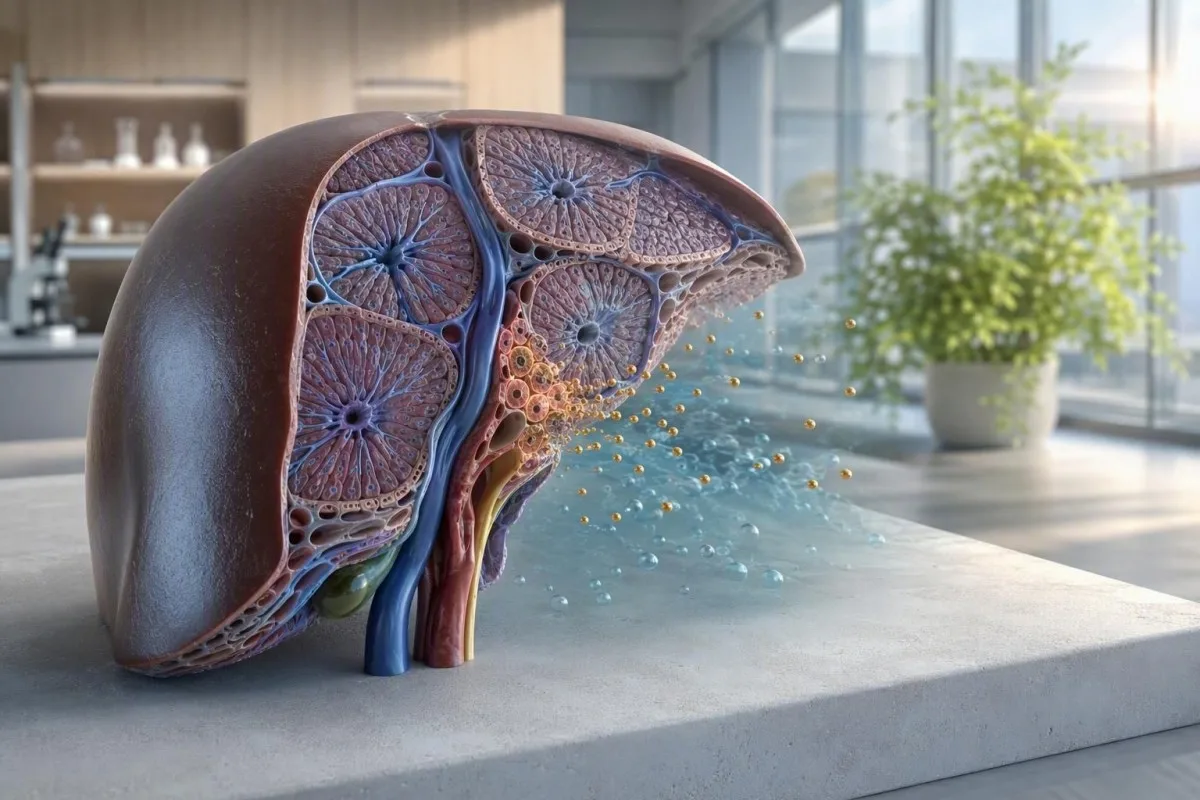
Повишеният AST рядко причинява симптоми сам по себе си; симптомите са вследствие на заболяването на черния дроб, мускулите, сърцето или системното състояние, което стои зад него. Съпътстващият лабораторен профил е много по-важен от една стойност, отбелязана като отклонена.


- Обикновено безсимптомно: AST от 45–100 U/L често не причинява преки симптоми и изисква контекст, а не паника.
- Референтен диапазон: Много лаборатории за възрастни използват горна референтна граница на AST около 35–40 U/L, но специфичните за пола граници варират според метода на изследване.
- Насока, свързана с физическото натоварване: Тежките силови упражнения могат да повишат AST и CK за 7 или повече дни, понякога с AST, надвишаващ ALT.
- Спешни признаци: Пожълтяване на очите, обърканост, многократно повръщане, силна слабост, натиск или стягане в гърдите или урина с цвят на кола изискват оценка в същия ден.
- Важен е моделът: AST с висока CK предполага освобождаване от мускулите; AST в съчетание с отклонения в билирубина, INR или алкалната фосфатаза поражда съмнение за заболяване на черния дроб или нарушение на жлъчния ток.
- Не се самолекувайте: Спрете само несъществените хранителни добавки след обсъждане с медицински специалист и не преустановявайте рязко предписаните лекарства.
- Полезно повторно изследване: При леко изолирано повишение медицинските специалисти обичайно повтарят AST, ALT, ALP, билирубин, CK и GGT, след като пациентът е избягвал усилени физически натоварвания и алкохол в продължение на няколко дни.
Причинява ли високият AST симптоми сам по себе си?
Симптомите при висок AST обикновено липсват, тъй като AST е ензим, който се освобождава при увреждане на клетките, а не токсин. Повечето хора с леко повишен AST се чувстват напълно добре; когато има симптоми, те отразяват основния проблем на черния дроб, мускулите, сърцето или системното заболяване, а не самата стойност на AST.
AST, или аспартат аминотрансфераза, се открива в чернодробните клетки, но също и в скелетните мускули, сърцето, богати на еритроцити проби, бъбреците и мозъчната тъкан. Резултат от 55 U/L може да бъде само 1,4 пъти над горната граница на една лаборатория, докато същото число може да е близо до 2 пъти горната граница в друга лаборатория; флаговете за отклонение са отправни точки, а не диагнози.
В клиничната ми практика най-тревожните пациенти често са тези, които се чувстват напълно нормално след рутинен панел. Това е очаквано: ранното мастно чернодробно заболяване, свързаното с лекарства освобождаване на ензими и освобождаването на мускулни ензими след физическо натоварване могат да протичат безсимптомно. Д-р Томас Клайн многократно вижда една и съща практическа грешка — да се приема, че отклоненият ензим непременно обяснява умората, когато недоспиването, анемията, заболяването на щитовидната жлеза или промените в настроението може да са отделни проблеми.
Кантести е един AI кръвен анализатор който разглежда AST заедно с ALT, билирубин, алкална фосфатаза, GGT, CK, възрастта, пола, лекарствата и предишните стойности, вместо да приписва значение на едно изолирано отклонение. Към 21 август 2026 г. най-безопасното ни послание остава просто: доброто самочувствие е успокояващо, но не заменя проследяването въз основа на общия модел.
Защо нормалното самочувствие не дава окончателен отговор
Леко повишеният AST може да е преходен, но безсимптомните чернодробни заболявания са достатъчно чести, така че персистирането на отклонението има значение. Американският колеж по гастроентерология препоръчва потвърждаване на отклонения резултат от изследване на чернодробната биохимия, преди да се започне широкообхватно изследване, а след това оценяване на модела и рисковите фактори (Kwo et al., 2017).
Стойности на AST: кога резултатът е леко повишен и кога е по-тревожен?
Референтните граници за AST при възрастни обичайно са около 10–40 U/L, въпреки че правилният референт е диапазонът, отпечатан от съответната лаборатория. AST над 3 пъти горната граница изисква своевременен клиничен преглед, докато стойности над 10–15 пъти горната граница се нуждаят от спешна оценка, дори ако симптомите са ограничени.
AST не измерва доколко добре черният дроб изпълнява функциите си. Билирубин, INR или протромбиново време, албумин, брой тромбоцити и психично състояние дават по-добра оценка на обработката на жлъчката, производството на фактори на кръвосъсирването, признаците за хронично образуване на цикатрикси и риска от остра чернодробна недостатъчност. Нормалният албумин не изключва ново чернодробно увреждане, тъй като стойностите на албумина се променят бавно, често в продължение на седмици.
52-годишен маратонец с AST 89 U/L, ALT 42 U/L и CK 1 900 U/L след състезание с бягане по наклон надолу има съвсем различен рисков профил от човек със заседнал начин на живот и AST 89 U/L, ALT 130 U/L, билирубин 48 µmol/L и тъмна урина. Първият модел често отразява възстановяване на мускулите; вторият може да изисква оценка на черния дроб в същия ден. Нашето Ръководство за съпоставяне на AST и ALT обяснява защо тези два показателя трябва да се разглеждат заедно.
Kantesti AI е an Платформа за кръвни изследвания тълкуване с AI който сравнява степента на повишение на AST с по-ранните резултати на съответния човек, тъй като повишение от 18 до 78 U/L може да бъде по-информативно от клинична гледна точка, отколкото стабилна стойност около 45 U/L. Внезапната промяна също налага проверка на качеството и времето на вземане на пробата.
Защо повишенията на AST, свързани с черния дроб, могат да протичат безсимптомно
Ранното чернодробно увреждане често не причинява явни симптоми, тъй като черният дроб разполага със значителен функционален резерв. Обикновено хората забелязват симптоми едва когато възпалението, нарушеното оттичане на жлъчката, напредналата фиброза или системното заболяване станат по-значими.
Метаболитно дисфункционално-асоциираната стеатозна болест на черния дроб, по-рано често наричана мастна болест на черния дроб, е едно от честите безсимптомни обяснения за леко повишени стойности на AST или ALT. Ръководството EASL-EASD-EASO от 2024 г. препоръчва активно откриване на случаи при хора с диабет тип 2, затлъстяване или множество метаболитни рискови фактори, тъй като само чернодробните ензими могат да бъдат нормални въпреки наличието на стеатоза или фиброза (EASL-EASD-EASO, 2024).
Неприятната истина е, че умората е неспецифична. В клиничната практика не отдавам умората на AST 58 U/L, без да попитам за сънна апнея, приема на алкохол, вирусно заболяване, депресия, железен статус, резултати от изследванията на щитовидната жлеза и промени в лекарствата. Причината, свързана с черния дроб, става по-вероятна, когато заедно се появят гадене, дискомфорт в дясната горна част на корема, сърбеж, жълтеница, светли изпражнения или тъмна урина; вижте нашето ръководство за предупредителните признаци за билирубин.
Преобладаването на AST понякога се свързва с алкохолно чернодробно увреждане, особено когато съотношението AST:ALT надвишава 2, но това съотношение само по себе си нито е чувствително, нито диагностично. Напредналата фиброза, цирозата, дефицитът на витамин B6 и мускулното увреждане също могат да променят съотношението — един от онези клинични детайли, които се губят в опростените съвети онлайн.
Симптомът, който променя спешността
Нова обърканост, необичайна сънливост, лесно образуване на синини или бързо нарастваща жълтеница при повишен AST не са ситуация за рутинно повторно изследване. Тези признаци могат да сигнализират за нарушена чернодробна функция и изискват спешна оценка на място, включително изследване на билирубин, INR, глюкоза и бъбречна функция, както и преглед на лекарствата.
Симптоми при висок AST, свързан с мускулите: болезненост, слабост и CK
Мускулното увреждане може значително да повиши AST, често преди или едновременно с появата на мускулна болезненост, а CK е основното уточняващо изследване. По-висок AST от ALT след интензивно физическо натоварване е често срещан; висок CK, нормален билирубин и нормален GGT правят мускулния произход по-вероятен.
Скелетните мускули съдържат много AST. Pettersson и колегите му установяват, че интензивните силови тренировки при здрави мъже повишават AST, ALT, CK, миоглобина и лактатдехидрогеназата за най-малко 7 дни, докато билирубинът, GGT и алкалната фосфатаза остават нормални (Pettersson et al., 2008). Ето защо тежка тренировка 24–72 часа преди изследване на “чернодробен панел” може да създаде подвеждаща картина.
Човек с мускулна болезненост със забавено начало след нова тренировка по CrossFit може да има AST 120 U/L и ALT 55 U/L без чернодробно заболяване. Тежка генерализирана слабост, подуване на мускулите, намалено отделяне на урина, повишена температура или урина с цвят на чай са различна ситуация: те могат да показват значимо мускулно разграждане и изискват спешно изследване на CK, креатинин, калий, фосфат, калций и урина. Научете повече за опасните стойности на CK.
Хемолизата в епруветката за вземане на кръв също може фалшиво да повиши AST, тъй като червените кръвни клетки съдържат AST. Ако лабораторията съобщи за хемолиза или за неправдоподобен еднократен скок на AST, чисто повторно вземане на проба може да бъде по-ценно от обширни изследвания; вижте нашето ръководство за повторно вземане на хемолизирана проба покрива практическите детайли.
Причини за висок AST, които лекарите разграничават първо
Основните причини за висок AST са увреждане на чернодробните клетки, освобождаване от скелетните мускули, употреба на алкохол, лекарства или хранителни добавки, вирусно заболяване, намален кръвоток към черния дроб и хемолиза на пробата. Най-безопасната следваща стъпка е да се разграничат отклоненията с чернодробен профил от тези с мускулен профил, вместо да се правят предположения само въз основа на AST.
Признаците за чернодробен профил включват повишени ALT и билирубин, повишени GGT или алкална фосфатаза, нисък брой тромбоцити и отклонен INR. Признаците за мускулен профил включват висок CK, скорошно непривично физическо натоварване, травма, гърчове, мускулни инжекции, мускулни симптоми, свързани със статини, или възпалително мускулно заболяване. AST е по-малко специфичен за черния дроб от ALT, така че изолираното повишение на AST изисква допълнително внимание, преди да бъде определено като “чернодробно увреждане”.”
За лекарствата е необходима точна анамнеза: предписани лекарства, болкоуспокояващи без рецепта, билкови смеси, продукти за бодибилдинг и смеси за “детоксикация” — всички те имат значение. Токсичността от ацетаминофен или парацетамол може да доведе до стойности на AST и ALT от хиляди U/L, докато хроничните ефекти на лекарствата в ниски дози може да са леки и безсимптомни. Никога не спирайте предписан статин, противоепилептично или антидепресивно лекарство само въз основа на резултат от приложение — първо се консултирайте с предписалия го лекар.
Кантести е един Инструмент за анализ на кръвни изследвания с AI който идентифицира съчетания от показатели, като AST плюс CK или AST плюс билирубин и ALP, след което насочва към подходящ разговор с медицински специалист. Читателите, които обмислят прием на хранителни добавки, трябва също да прегледат нашия основан на доказателства списък с рискове при продукти за черния дроб.
Предупредителни признаци, изискващи спешна медицинска помощ, а не само повторно изследване на AST
Високият AST изисква медицинска оценка в същия ден, когато е съпроводен с жълтеница, обърканост, припадък, силна коремна болка, симптоми от страна на гръдния кош, повтарящо се повръщане, много тъмна урина или изразена слабост. Тези предупредителни признаци насочват към състоянието, което стои зад повишения AST, а не към опасно ниво на AST само по себе си.
Потърсете спешна помощ незабавно при натиск или стягане в гърдите, задух, изпотяване, колапс или болка, разпространяваща се към челюстта, ръката или гърба. AST може да се повиши при увреждане на сърдечния мускул, но резултатите от тропонина и ЕКГ — а не AST — насочват съвременната диагностика на инфаркта; нашият ръководство за спешността при тропонин обяснява разликата.
Потърсете спешен преглед при пожълтяване на очите, обърканост, невъзможност да задържате течности, силна болка в дясната горна част на корема или бързо влошаващо се състояние. Острата чернодробна недостатъчност се определя като остро чернодробно увреждане с коагулопатия, обикновено INR 1,5 или по-висок, плюс енцефалопатия при човек без известна цироза; това е спешно състояние, изискващо болнично лечение, а не проблем за наблюдение у дома.
Тъмнокафява урина след тежко физическо натоварване, излагане на топлина или обездвижване изисква спешна оценка дори без болка, тъй като миоглобинът може да увреди бъбреците. Ако урината е просто концентрирана след недостатъчен прием на течности, картината е по-неясна; диференциалната диагноза при тъмна урина помага да се формулират въпросите, които лекарят ще зададе.
Как AST, ALT, билирубин, ALP, GGT и CK се тълкуват заедно
AST придобива клинична стойност, когато се интерпретира като част от модел заедно с ALT, билирубин, алкална фосфатаза, GGT, CK и понякога INR. Нито едно допълнително изследване само по себе си не доказва източника, но съчетанията от резултати значително променят вероятността за участие на черния дроб, жлъчните пътища или мускулите.
Едновременното повишение на AST и ALT, особено при преобладаване на ALT, често насочва към хепатоцелуларно увреждане. Повишаването на алкалната фосфатаза и GGT заедно с директния билирубин по-скоро насочва към холестаза или нарушен отток на жлъчката; подробен водещ модел за холестаза може да помогне на читателите да се подготвят за този разговор.
Повишен AST с CK 5 пъти над горната граница на нормата, нормален билирубин и нормален GGT е много по-съвместим с мускулен принос, отколкото само с чернодробен процес. Обратно, AST 70 U/L с билирубин 70 µmol/L и INR 1,7 е тревожен въпреки умереното повишение на ензима, тъй като височината на ензимите и чернодробната функция не са едно и също измерване.
Д-р Томас Клайн съветва пациентите да снимат целия резултат, включително референтните интервали и часа на вземане на пробата, вместо да съобщават само “моят AST беше висок”. Kantesti AI сравнява пълни панели и тенденции, докато нашият контролен списък за чернодробния панел показва кои стойности често липсват в основния панел.
Какво може и какво не може да покаже съотношението AST:ALT
Съотношение AST:ALT над 2 може да подкрепи наличието на свързано с алкохола чернодробно увреждане в подходящ клиничен контекст, но не може да диагностицира употреба на алкохол или цироза. Физическите упражнения, напредналата фиброза, мускулните заболявания и статусът на витамин B6 също могат да доведат до преобладаване на AST.
Съотношението се изчислява чрез разделяне на AST на ALT, като се използват едни и същи единици. AST 80 U/L и ALT 40 U/L дават съотношение 2,0, но практическото тълкуване зависи от GGT, билирубина, броя на тромбоцитите, употребата на алкохол, мускулните симптоми, CK и предишните резултати. Съотношение без действителните стойности на ензимите особено лесно може да бъде надценено.
Съотношения под 1 не изключват значимо чернодробно заболяване. При метаболитно чернодробно заболяване ALT може да е по-висок от AST в по-ранните етапи, докато AST може да стане относително по-висок при прогресираща фиброза; клиницистите използват неинвазивни скорове и образни изследвания, а не само съотношението. Нашият наръчник за проследяване на граничен ALT обяснява обичайния поетапен подход.
Данните честно казано са противоречиви относно използването на точно определена граница на съотношението извън случаите, свързани с употреба на алкохол. Това е полезен клиничен ориентир, а не присъда — и това разграничение предпазва хората както от фалшиво успокоение, така и от ненужен срам.
Преди повторно изследване на AST: физическо натоварване, алкохол, гладуване и време на изследването
При леко, необяснимо повишение на AST избягването на усилени физически упражнения и алкохол преди повторното изследване може да помогне за изясняване на резултата. Много клиницисти препоръчват 5–7-дневна почивка от физически упражнения, когато е възможно освобождаване на ензими от мускулите, въпреки че точният интервал зависи от нивото на CK, симптомите и интензивността на тренировките.
Не се опитвайте да “изчистите” AST чрез прекомерен прием на вода, гладуване или детоксикиращ продукт. Хидратацията е разумна, ако обичайно можете да приемате течности, но тя не възстановява чернодробно увреждане и не предотвратява мускулното разграждане. Хранете се обичайно, освен ако клиницистът ви не е дал указания за гладуване, и запишете всяка хранителна добавка с дозата и датата на започване.
Алкохолът може директно да повиши AST, да влоши стеатозното чернодробно заболяване и да увеличи риска от някои лекарствени нежелани реакции. Периодът без алкохол преди повторното изследване може да помогне за тълкуването, но подобрението не доказва, че алкохолът е бил единствената причина; тенденциите трябва да се разглеждат в контекста на цялата клинична картина. За реалистични очаквания вижте промените в кръвните маркери след спиране на алкохола.
Kantesti AI използва анализ на тенденциите с датирани резултати, за да покаже дали AST се е нормализирал след почивка от тренировки или продължава да се повишава въпреки нея. Това разграничение често предотвратява обичайната, но неполезна реакция да се назначава многократно едно и също изследване, без да се променят условията преди теста.
Изследвания, които лекарите могат да назначат при персистиращо повишен AST
Персистиращото повишение на AST обикновено води до повторно изследване на чернодробните показатели, както и до тестове, насочени към предполагаемия източник, например CK при мускулен произход или скрининг за хепатит при чернодробно увреждане. Широк “панел за всичко” рядко е най-добрият първи ход; анамнезата и първоначалният модел трябва да насочват изследванията.
Типичното изследване при потвърден модел на чернодробно увреждане може да включва ALT, ALP, GGT, общ и директен билирубин, албумин, INR, пълна кръвна картина, изследване за хепатит B и C, изследвания на железния метаболизъм, глюкоза или HbA1c, липиден профил и ехография при показания. Насоките на ACG на Kwo и колеги препоръчват систематично изследване на честите причини, вместо стойността на AST да се разглежда изолирано (Kwo et al., 2017).
Ако е възможно освобождаване на ензими от мускулите, CK, креатининът, електролитите, изследването на урината, щитовидните показатели, прегледът на лекарствата и понякога изследването за миозит могат да бъдат по-информативни. Персистиращата слабост с повишен CK не е просто “мускулна треска след фитнес”; нашият преглед на антителата при миозит описва пътя за консултация със специалист.
Кантести услугата за интерпретация на AI лабораторни тестове организира тези допълнителни показатели в удобен за клинициста отчет, но не може да диагностицира хепатит, мускулно заболяване или лекарствено увреждане само по лабораторни данни. Той е предназначен да подпомогне въпросите за реален медицински преглед, а не да замести прегледа или образната диагностика.
Тълкуване на AST при спортисти, бременни жени и по-възрастни хора
Тълкуването на AST се променя в зависимост от скорошните тренировки, бременността, физическата слабост, лекарствата и мускулната маса. Резултат, който вероятно е свързан с физическо натоварване при състезателен спортист, може да изисква различна оценка при по-възрастен човек с новопоявила се слабост или при бременна пациентка с високо кръвно налягане.
Спортистите често имат по-висок изходен CK и по-големи повишения на AST след физическо натоварване, особено след ексцентрични упражнения, като бягане по наклон надолу или тежки фази на спускане. Полезният въпрос не е “висок ли е AST?”, а “колко е висок спрямо предишни резултати, свързани с тренировките, CK, бъбречната функция, симптомите и възстановяването?” Нашият ръководство за изследване на спортисти за издръжливост добавя контекст отвъд рутинния панел.
По време на бременност повишените стойности на AST или ALT, съпроводени с главоболие, зрителни нарушения, болка в горната част на корема, високо кръвно налягане или нисък брой тромбоцити, изискват спешна акушерска оценка, тъй като прееклампсията и HELLP синдромът са потенциални състояния, при които времето е от съществено значение. Специфичните за бременността референтни интервали и клиничният контекст са важни; вижте флагове за рискови находки при лабораторни изследвания за бременност в същия ден.
При по-възрастни хора по-ниската мускулна маса може да направи “нормалната” CK по-малко успокояваща, когато слабостта е изразена, а полифармацията увеличава вероятността от лекарствени взаимодействия. Това е една от областите, в които предпочитам внимателния преглед пред увереното дистанционно тълкуване.
Опасен ли е високият AST или опасна е причината?
Високата AST е сигнал за клетъчен стрес или увреждане, а не заболяване, което само по себе си вреди на организма. Опасността зависи от източника, скоростта на промяната, степента на повишение, съпътстващите отклонения в билирубина или INR, симптомите и наличието на засягане на бъбреците или сърцето.
Еднократно установена AST от 48 U/L при човек в добро общо състояние обикновено не е спешност, особено след физическо натоварване или наскоро прекарана вирусна инфекция. AST от 480 U/L с жълтеница, коремна болка и повишаващ се билирубин представлява различна клинична ситуация, въпреки че нито една от двете стойности сама по себе си не определя прогнозата. Динамиката плюс функцията са основното правило.
При тежки чернодробни увреждания AST и ALT могат да спадат, докато състоянието на пациента се влошава, тъй като остават по-малко клетки, способни да освобождават ензими; повишаването на INR, билирубина или лактата, както и объркаността, са по-тревожни признаци в този контекст. Този противоинтуитивен модел обяснява защо “ензимите ми спаднаха” не винаги е безопасно заключение след боледуване, наложило болнично лечение.
Kantesti AI маркира комбинации, които изискват бърз преглед от лекар, и насочва читателите към човешки надзор чрез нашия Медицински консултативен съвет. Ако се чувствате остро зле, не изчаквайте дигитално тълкуване.
Често срещани погрешни схващания относно симптомите при повишен AST
Липсата на симптоми не доказва, че високата AST е безобидна, а умората не доказва, че AST причинява отпадналостта. И двете твърдения могат да бъдат верни едновременно, поради което цялостният преглед е по-полезен от търсенето на отделни симптоми.
“AST означава чернодробно увреждане” е непълно твърдение. AST може да произхожда от скелетната мускулатура, а лабораторна проба, повредена при обработката, също може да повиши стойността ѝ. “ALT ми е нормална, значи съм добре” също е непълно твърдение, тъй като мускулните заболявания, свързаните с алкохол промени и някои хронични чернодробни заболявания могат да се проявят с преобладаване на AST.
“Чернодробните детоксикации” не са лечение за отклонения в чернодробните ензими и самите те могат да съдържат концентрирани растителни съставки с потенциал да причинят чернодробно увреждане. По-безопасният, основан на доказателства подход е да се установи източникът, да се избягват ненужният прием на алкохол и хранителни добавки, да се контролират диабетът или теглото, когато е приложимо, и да се спазва планът за повторно изследване; нашият преглед на храненето и подкрепата за черния дроб отделя реалистичните съвети от маркетинга.
Накрая, не сравнявайте резултати от различни лаборатории, без да отбележите метода на изследване и референтния диапазон. Някои европейски лаборатории използват по-ниски горни референтни граници за AST, специфични за пола, така че един и същ резултат може да получи различна маркировка, въпреки че няма реална биологична промяна.
Какво да носите на преглед по повод висок AST
Най-полезната подготовка за преглед е пълен лабораторен отчет с дата, плюс 7-дневна хронология на физическите упражнения, алкохола, заболяванията, лекарствата, добавките и симптомите. Тази информация често установява обратима причина по-бързо, отколкото повторното изследване на AST без контекст.
Донесете предишните резултати за AST, ALT, билирубин, ALP, GGT, CK, тромбоцити и креатинин, ако са налични. Отбележете времето на интензивните физически упражнения, повишената температура, пътуванията, новите лекарства, промените в дозите, инжекционните лечения и хранителните добавки. Едноредова бележка като “интензивна тренировка за крака 36 часа преди изследването” може съществено да промени тълкуването.
Задайте четири директни въпроса: По-вероятно ли е причината да е в черния дроб или в мускулите? Кои съпътстващи резултати подкрепят това? Трябва ли да повторя изследванията и при какви условия? Кои симптоми трябва да ме насочат към спешна медицинска помощ? Нашият контролен списък за обобщение на кръвни изследвания може да ви помогне да организирате този разговор, без да го замества.
Д-р Томас Клайн препоръчва да донесете оригиналния PDF, вместо ръчно преписани стойности, тъй като единиците, лабораторните коментари и скритите свързани маркери често се пропускат. Инструментите за проследяване на тенденциите на Kantesti могат да помогнат за представянето на хронологията, а нашият подход за клинична валидация описва предпазните мерки при интерпретацията на резултатите.
Практически план за следващи стъпки при висок AST
Лекото изолирано повишение на AST без тревожни симптоми обикновено налага планирано повторно изследване и преглед на контекста; значителното повишение или предупредителните симптоми изискват своевременна лична медицинска оценка. Не преценявайте значимостта на резултата само по симптомите.
Ако AST е под приблизително 2 пъти горната референтна граница на лабораторията и се чувствате добре, свържете се с клинициста, назначил изследването, прегледайте физическото натоварване, алкохола, лекарствата и хранителните добавки и попитайте дали е подходящо повторно изследване на панел с CK. Избягвайте интензивни тренировки, докато планът не стане ясен, ако се подозира освобождаване на ензими от мускулите. Не отлагайте спешната медицинска помощ, ако се появят симптоми.
Ако AST се задържи повишен повече от 3–6 месеца, повиши се при повторно изследване или е придружен от отклонения в ALT, билирубин, ALP, GGT, тромбоцитите или INR, причината заслужава по-задълбочено изясняване. Метаболитните рискови фактори, излагането на вирусен хепатит, фамилната анамнеза за претоварване с желязо и приемът на лекарства променят последователността на изследванията.
Кантести е един Платформа за интерпретация на биомаркери с AI е създаден, за да улесни обсъждането на тези модели и тенденции, а не за да омаловажава опасна комбинация. За точност, съобразена с конкретния пациент, и принципи за безопасност, прегледайте нашия Ръководство за AI технология и потърсете пряка медицинска помощ при всеки тревожен симптом.
Често задавани въпроси
Може ли високата стойност на AST да Ви кара да се чувствате уморени?
Високото ниво на AST обикновено не причинява директно умора; умората се дължи на основното състояние, като вирусно заболяване, възпаление на черния дроб, недостатъчен сън, анемия, заболяване на щитовидната жлеза, депресия или лекарствени ефекти. Леко повишение на AST от 45–100 U/L може да се наблюдава при хора, които се чувстват напълно добре. Умора в съчетание с жълтеница, тъмна урина, многократно повръщане, обърканост или изразена слабост изисква незабавна медицинска оценка, тъй като тези симптоми могат да са признак на значимо заболяване на черния дроб или мускулите. Пълният панел, особено ALT, билирубин, ALP, GGT, CK и INR, когато е показано, е по-информативен от AST самостоятелно.
Какво ниво на AST е опасно?
Няма единична стойност на AST, която сама по себе си да е опасна, но спешността нараства в зависимост от величината, скоростта на повишаване, симптомите и съпътстващите изследвания. AST над 10 пъти горната граница на нормата за лабораторията, често над приблизително 350–400 U/L, когато горната граница е 35–40 U/L, изисква своевременна клинична оценка. Дори стойности на AST под 100 U/L могат да бъдат обезпокоителни, когато билирубинът е висок, INR е 1,5 или повече, или са налице обърканост и жълтеница. Обратно, AST около 80 U/L след интензивно физическо натоварване, при висок CK и нормален билирубин, може да е свързан с мускулите, а не с чернодробна недостатъчност.
Може ли физическото натоварване да причини високи нива на AST при нормални нива на ALT?
Да, интензивното или непривично физическо натоварване може да повиши AST при нормална или само леко повишена ALT, тъй като скелетните мускули съдържат AST. Интензивните силови тренировки могат да поддържат AST и CK повишени поне 7 дни, докато билирубинът, GGT и алкалната фосфатаза може да останат нормални. Когато анамнезата съответства, лекарят може да препоръча избягване на тежки тренировки в продължение на 5–7 дни преди повторно изследване на AST, ALT и CK. Урина с цвят на кола, силна слабост, подуване на мускулите, намалено количество урина или повишена температура след физическо натоварване изискват незабавна медицинска оценка, а не рутинно повторно изследване.
Трябва ли да спра употребата на алкохол преди повторно изследване на AST?
Обикновено е разумно да избягвате алкохол преди повторно изследване на AST, тъй като алкохолът може да допринесе за повишаване на AST и да затрудни интерпретацията. Оптималният интервал варира в зависимост от количеството и модела на употреба на алкохол, останалите чернодробни показатели, симптомите и лекарствата, затова поискайте конкретен съвет от лекаря, назначил изследването. Съотношение AST:ALT над 2 може да подкрепя наличието на чернодробно увреждане, свързано с алкохол, в подходящия клиничен контекст, но не е диагностично и може да се наблюдава и при мускулно увреждане или напреднала фиброза. Не приемайте кратък период без алкохол и подобрения резултат като доказателство, че няма друго чернодробно заболяване.
Може ли високото ниво на AST да означава инфаркт?
AST може да се повиши след увреждане на сърдечния мускул, но не се използва за диагностициране на инфаркт, тъй като не е достатъчно специфичен. Съвременната спешна оценка се основава на симптомите, находките от ЕКГ и серийните резултати за сърдечен тропонин. Стягане или натиск в гърдите, задух, изпотяване, припадък или болка, разпространяваща се към челюстта, ръката, гърба или рамото, изискват спешна медицинска помощ независимо от стойността на AST. Изолираното повишение на AST, установено амбулаторно при липса на сърдечни симптоми, много по-често се изследва с оглед на причини, свързани с черния дроб, мускулите, лекарствата, алкохола или пробата.
Какви изследвания трябва да се повторят с AST?
Повторното изследване на AST често се прави заедно с ALT, алкална фосфатаза, GGT, общ и директен билирубин, албумин, пълна кръвна картина и понякога INR, за да се оцени възможен чернодробен профил. CK, креатинин, електролити и изследване на урината са полезни, когато скорошно физическо натоварване, травма, гърчове, мускулна болка, слабост или тъмна урина насочват към мускулен произход. При персистиращо повишение могат да последват изследвания за хепатит, изследване на железния статус, метаболитен скрининг, ехография и преглед на приеманите лекарства. Правилният подбор зависи от това дали AST е леко повишен, нараства или е придружен от симптоми или отклонения в маркерите за чернодробна функция.
Вземете анализ на кръвен тест с ИИ още днес
Присъединете се към над 2M+ потребители по целия свят, които се доверяват на Kantesti за моментален и точен анализ на лабораторни тестове. Качете резултатите от вашия кръвен тест и получете цялостно тълкуване на биомаркерите 15,000+ за секунди.
📚 Публикации от изследвания с препратки
Klein, T., Mitchell, S., & Weber, H. (2026). Ръководство за серумни протеини: Кръвен тест за глобулини, албумин и съотношение A/G. Kantesti AI Medical Research.
Klein, T., Mitchell, S., & Weber, H. (2026). Ръководство за изследване на комплемент C3 и C4 и ANA титър. Kantesti AI Medical Research.
📖 Външни медицински източници
Pettersson J et al. (2008). Мускулните упражнения могат да причинят силно патологични чернодробни функционални тестове при здрави мъже. British Journal of Clinical Pharmacology.
EASL-EASD-EASO (2024). Клинични практични насоки на EASL-EASD-EASO за управление на метаболитно дисфункция-асоциирано стеатозно чернодробно заболяване (MASLD). Journal of Hepatology.
⚕️ Медицинска декларация
Тази статия е само с образователна цел и не представлява медицински съвет. Винаги се консултирайте с квалифициран медицински специалист за решения относно диагностика и лечение.
Сигнали за доверие E-E-A-T
Опит
Медицински преглед, воден от лекар, на работните процеси за интерпретация на лабораторни резултати.
Експертиза
Фокус в лабораторната медицина върху това как се държат биомаркерите в клиничен контекст.
Авторитетност
Написано от д-р Томас Клайн, с преглед от д-р Сара Мичъл и проф. д-р Ханс Вебер.
Надеждност
Интерпретация, основана на доказателства, с ясни последващи стъпки за намаляване на тревогата.