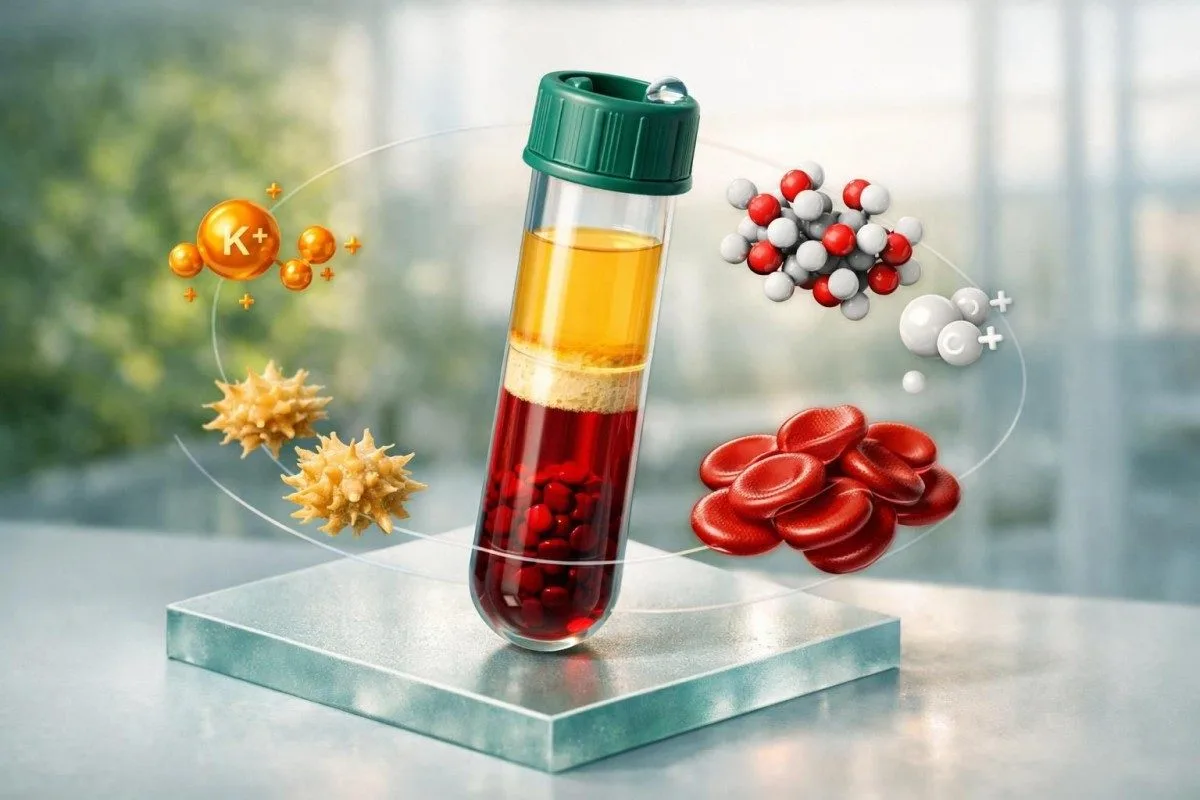
Червен флаг в лабораторен резултат може да означава всичко — от тривиален проблем с пробата до спешен случай в същия ден. Ето как клиницистите преценяват кои стойности изискват телефонно обаждане, кои могат да изчакат и какво трябва да попитат пациентите следващо.


- Критична стойност означава, че лабораторията смята, че забавяне в прегледа може да е опасно; не е същото като рутинен флаг за висока или ниска стойност.
- Калий обикновено се нарича критична при ≥6.0 mmol/L или ≤2.5 mmol/L, особено при бъбречно заболяване или симптоми от ЕКГ.
- Натрий под 120 mmol/L или над 160 mmol/L може да причини подуване или свиване на мозъка, а скоростта на промяна е толкова важна, колкото и самото число.
- Глюкоза под 50 mg/dL или над 400-500 mg/dL често задейства обаждане в същия ден, но обработката на пробата може фалшиво да понижи глюкозата.
- Хемоглобин под 7 g/dL е често срещан спешен праг, но кървящите симптоми и скоростта на спад са по-важни от червения шрифт.
- Тромбоцити под 20 ×10^9/L повишава риска от спонтанно кървене, но свързаното с EDTA слепване може погрешно да отчете опасен брой.
- тенденция на креатинина е по-важно от единична стойност; покачване на 0.3 mg/dL за 48 часа покрива критериите за AKI, дори ако резултатът все още изглежда близо до нормалното.
- Фалшиви аларми се случват при хемолиза, контаминация с EDTA, стискане на юмруци, забавена обработка и дехидратация.
- Следваща стъпка е просто: отговорете на обаждането, запишете точния тест и единиците, попитайте дали пробата е повторена и следвайте указанията за същия ден.
Какво всъщност означава критична лабораторна стойност
Критични стойности са резултати от кръвни изследвания толкова високи или толкова ниски, че лабораторията спешно се свързва с лекар, защото изчакването може да е опасно, и на Кантести ИИ обикновено ги обясняваме като числа, които може да изискват действие в рамките на минути до часове. Те не са същите като обикновените флагове H или L; типични примери при възрастни са калий ≥6.0 mmol/L или ≤2.5 mmol/L, натрий ≤120 mmol/L, глюкоза <50 mg/dL и хемоглобин <7 g/dL, докато много по-малки отклонения се обсъждат по-спокойно относно гранични резултати.
A референтен диапазон е статистика; критичната граница е оперативна. При 52-годишен маратонец с AST 89 IU/L след състезание е абнормно, но повечето лаборатории няма да се обадят за този резултат; при пациент в дом за възрастни с глюкоза 38 mg/dL как да се четат резултатите от кръвните изследвания, обикновено се задейства незабавно обаждане. Ако се учите.
, тази разлика спестява много ненужен страх. Медицинско валидиране Лабораториите не се опитват да поставят диагноза по една стойност; те се опитват да предотвратят опасно забавяне. Много анализатори автоматично преизчисляват стойности извън границите на аналитичната правдоподобност, а нашият екип в обръща особено внимание на тази стъпка за предварителна верификация, защото истинска стойност на паника.
Аз съм Томас Клайн, д-р, и най-силно помня обажданията, при които числото изглеждаше ужасяващо, но физиологията не беше такава. Повечето маркирани резултати не са спешни случаи.; важните са отклоненията, които се вписват в профила на пациента, времето и симптомите.
Защо лабораториите се обаждат веднага и защо един праг се различава от друг
Лабораториите се обаждат веднага. защото някои резултати могат да променят лечението в рамките на минути до часове, а не дни. Амбулаторният критичен праг за калий при възрастни често е 6.0 mmol/L., но някои лаборатории в Обединеното кралство и в Европа използват 6.2 mmol/L, а праговете при педиатрия, онкология и интензивно лечение може да се различават, защото рисковият профил е различен.
Работата е там, че не всички лаборатории обслужват едни и същи пациенти. Стабилен пациент на диализа с калий 6.1 mmol/L в 7:00 ч. може да бъде обработен по съвсем различен начин от преди това напълно здрав човек със същата стойност, поради което нашите клиницисти на Медицински консултативен съвет разглеждат диагнозата, медикаментите и тенденцията, а не числото изолирано.
Повечето акредитирани лаборатории използват протокол за повторение (read-back): обаждащият се посочва резултата, получателят го повтаря обратно и часът се документира. Някои също използват делта проверки, което означава, че сравняват текущия резултат с последни стойности; повишение на креатинин от 0.9 до 1.5 mg/dL за една нощ може да е по-тревожно от стабилно 2.4 mg/dL при известна хронична бъбречна болест.
Клиничният работен процес на Kantesti е изграден върху същата логика, ориентирана към контекста, и ние я описваме в нашия Ръководство за работния процес за AI лабораторно тълкуване. Забелязването на червено число е лесно. Решаването кое червено число не може да чака до утре е истинската работа.
Електролити, които най-често задействат паник стойности
Калий, натрий и калций са електролитните резултати, които най-често водят до спешни повторни обаждания. Много лаборатории за възрастни дефинират критичния калий като ≥6.0 mmol/L или ≤2.5 mmol/L., критичен натрий като ≤120 или ≥160 mmol/L, и критичен общ калций като ≥13.0 или ≤6.5 mg/dL, въпреки че местните политики варират.
Когато преглеждам панел с калий 6.3 mmol/L и при нормална клинична картина, веднага търся хемолиза, тромбоцитоза и левкоцитоза. Псевдохиперкалиемия е достатъчно честа, че повторна проба от плазма може да спести ненужно спешно посещение; ако това е вашият модел, прочетете нашето ръководство за предупреждение при високи нива на калий.
A натрий под 120 mmol/L става по-опасен, когато пада бързо; гърчовете са много по-вероятни при остра хипонатриемия, отколкото при хронична стабилна стойност на 118 mmol/L. Експертният панел, ръководен от Verbalis, отбелязва, че симптомите и темпът са толкова важни, колкото и самият брой, и тежката хипернатриемия над 160 mmol/L може да е също толкова тревожна, защото мозъчните клетки се свиват бързо (Verbalis et al., 2013); нашето ръководство за диапазоните на натрия навлиза по-дълбоко.
Общ калций може да подвежда, когато албуминът е нисък, поради което йонизираният калций под около 0.90 mmol/L често има по-голяма тежест от леко ниската обща стойност. Един лабораторен модел, който никога не пренебрегвам, е висок калий + нисък калций + ниска алкална фосфатаза в същото вземане; това често означава замърсяване с EDTA, а не три едновременни заболявания, и нашето статия за тълкуване на калция обяснява защо.
Магнезият е тихият „виновник“
A магнезий под 1.2 mg/dL може да поддържа аритмии и да направи хипокалиемията по-трудна за коригиране, дори ако магнезият не е първият резултат, който лабораторията отчита. При пациенти с калий под 3.0 mmol/L, аз често проверявам магнезия, преди да приема, че лошата диета е единствената причина; симптомите и стратегията за заместителна терапия са различни при нашите обяснение за нисък калий.
Глюкоза, бикарбонат и анионна разлика, когато „захарта“ се превърне в спешност
Критична глюкоза често е <50 mg/dL или >400 до 500 mg/dL при възрастни и бикарбонат под 15 mmol/L или анионна разлика над 20 превръща резултата от тревожен в потенциално спешен. Клинично значение има комбинацията: захар, кетони, бикарбонат, психичен статус и хидратация.
Венозна глюкоза 42 mg/dL заслужава незабавно внимание, но аз все пак питам как е обработена пробата. Непреработената кръв продължава да „консумира“ глюкоза след вземането; при топли условия стойността може да спадне приблизително с 5% до 7% на час, така че понякога забавената проба обяснява ниска стойност при човек без никакви симптоми.
При ДКА, глюкозата обикновено е >250 mg/dL и серум бикарбонат <18 mEq/L; при HHS, глюкозата често е >600 mg/dL с изразена дехидратация и осмолалитет над 320 mOsm/kg. Тази рамка все още идва директно от класическия преглед на Diabetes Care от Kitabchi и колеги (Kitabchi et al., 2009), и нашият водещ показател за анионната разлика помага на пациентите да разберат защо един изолиран показател за глюкоза може да пропусне по-голямата спешност.
HbA1c почти никога не генерира обаждане за същия ден, защото отразява последното 8 до 12 седмици, а не последните 8 часа. Ако в отчета ви има неочаквано повишение, започнете с нашия преглед на високата глюкоза. След това използвайте нашия обяснител за граничните стойности на HbA1c , за да разберете защо 11.2% е сериозно, но не се управлява по същия начин като симптоматична глюкоза от 486 mg/dL.
Резултати от пълна кръвна картина (CBC), които могат да бъдат наистина опасни
Хемоглобин, тромбоцити и абсолютен брой на неутрофилите са стойностите от пълната кръвна картина (CBC), които повечето лаборатории третират като потенциално опасни. Честите прагове за амбулаторни възрастни са хемоглобин <7 g/dL, тромбоцити <20 ×10^9/L, и ANC <0.5 ×10^9/L, докато общият брой на левкоцитите сам по себе си често е по-малко полезен.
A хемоглобин 6.8 g/dL при пациент с умора в продължение на седмици поради дефицит на желязо това не е същата спешност като 6.8 g/dL при черни изпражнения, болка в гърдите или задух. Приемал съм пациенти с хемоглобин над 8 g/dL защото активно са кървели, и безопасно съм организирал разговори за преливане още на следващия ден за хронично стабилни пациенти под 7 g/dL.
A брой на тромбоцитите под 10 ×10^9/L повишава риска от спонтанно кървене, особено ако има температура, сепсис или нови синини. Но агрегация на тромбоцитите, зависима от EDTA може фалшиво да отчете тромбоцити при 18 ×10^9/L или по-ниско; повторение в епруветка с цитрат често го коригира, поради което нашият водещ (low platelet) гид за ниски тромбоцити винаги комбинира броя с преглед на натривка.
Неутропения с температура е едно от малкото CBC (пълна кръвна картина) съчетания, които променят тона ми веднага: ANC <0.5 ×10^9/L плюс температура ≥38.0°C изисква онкологична или спешна оценка в същия ден. Сравнете нашето водач за висок WBC модел с тази статия за CBC признаци, които повишават подозрението за левкемия защото умерен брой с бласти може да е много по-сериозен от скок на WBC, свързан със стероиди.
Защо диференциалът има по-голямо значение от общия показател
Един абсолютен брой неутрофили се изчислява от общия брой WBC и процента на неутрофилите. Пациент с WBC 1.2 ×10^9/L и 20% неутрофили има ANC 0.24 ×10^9/L, което е много по-рисково, отколкото само WBC подсказва.
Бъбречни, чернодробни и показатели за съсирване — кои числа имат най-голямо значение
Креатинин, INR и билирубин могат да бъдат спешни, но опасната част често е моделът, а не единична универсална стойност. Остро бъбречно увреждане се определя от повишение на креатинина с 0.3 mg/dL за 48 часа или 1,5 пъти спрямо изходното ниво в рамките на 7 дни, и много лаборатории третират INR >5.0 като критична стойност.
Според насоките на KDIGO, скок от 0.8 до 1.2 mg/dL може да сигнализира за ранно AKI дори когато 1.2 mg/dL все още изглежда близо до нормалното на много разпечатки (KDIGO AKI Work Group, 2012). Ето защо нашият ръководство за кръвни бъбречни изследвания преподава интерпретация на тенденциите, преди пациентите да бъдат погрешно успокоени от единичен референтен диапазон.
с варфарин, може все пак да се поиска INR между 5 и 9 без кървене често се управлява чрез спиране на дозите и внимателно проследяване, вместо с незабавна линейка, но планът зависи от възрастта, риска от падане и причината пациентът да приема антикоагуланти. А INR над 5 при човек, който не приема антикоагуланти, е много по-тревожно, защото насочва към чернодробна недостатъчност, дефицит на витамин K или проблем с пробата; нашият PT/INR води обхваща нюансите.
Огромни AST или ALT стойности, понякога >1000 IU/L, изглеждат страшно, но правилата за амбулаторно връщане при повишени трансаминази са изненадващо непоследователни. Клъстерът, който ме тревожи повече, е нарастващ билирубин + нарастващ INR + объркване или ниска глюкоза , защото това подсказва нарушена синтетична функция на черния дроб, а не само раздразнени чернодробни клетки.
Резултати, които изглеждат страшно онлайн, но не винаги водят до повторно обаждане от лабораторията
Тропонин, D-димер, феритин, CRP и A1c могат да бъдат значително отклонени, без да задействат системата за паника на лабораторията. Тези изследвания често се интерпретират със симптоми, времева рамка и предварителна вероятност, а не с един-единствен абсолютен праг.
A тропонин над 99-ия персентил е абнормен, но промяната за 1 до 3 часа често е по-информативна от самото първо число. Виждам тревожни пациенти с малки, стабилни повишения при хронично бъбречно заболяване или сърдечна недостатъчност, които са по-малко спешни от човек с по-малка стойност, която ясно нараства; нашият статия за тенденциите при тропонин разглежда тази логика.
A D-димер 1,2 mg/L FEU е често срещан след операция, бременност, инфекция или просто с възрастта. Повечето лаборатории не третират D-димера като критична стойност, защото той е инструмент за изключване, а не диагноза, и процентът на фалшиво положителни резултати е висок извън правилния клиничен контекст.
Феритин над 1000 ng/mL или CRP над 100 mg/L може да отразява значително възпаление, увреждане на черния дроб или злокачествено заболяване, но рядко задейства същия непосредствен лабораторен—клиничен работен процес като калий 6,7 mmol/L. Това е от онези области, в които контекстът е по-важен от числото.
Фалшиви аларми от хемолиза, контаминация, дехидратация и лабораторни особености
Хемолиза, замърсяване, дехидратация и забавена обработка са най-честите причини резултат, който изглежда опасен, да не отразява истинската физиология на пациента. При прегледа ни на качени отчети за Kantesti повтарящата се следа не е едно странно число, а модел от числа, които си противоречат.
Проба с частична хемолиза може фалшиво да повиши калий, ЛДХ, и понякога AST, докато дехидратацията може да концентрира хемоглобин, албумин, и натрий достатъчно, за да изглежда по-зле, отколкото е реално. Ако няколко стойности са само леко повишени след повръщане, диария или тежки упражнения, сравнете ги с нашата статия за фалшиво високи стойности, свързани с дехидратация.
Още виждам псевдохиперкалиемия от стискане на юмруци по време на вземане на пробата, продължително време на турникета и вибрации при транспортиране в пневматични системи. Друг класически пример е слепване на тромбоцитите , който дава фалшиво ниско броене, докато пациентът изобщо няма синини.
Ето практична следа по модел: висок калий + много нисък калций + неочаквано ниска алкална фосфатаза насочва към замърсяване с EDTA по-често, отколкото към три нови диагнози. Когато историята и химията не съвпадат, поискайте повторение, преди да стигнете до катастрофални заключения.
Разликите в методите имат значение
Някои изследвания за натрий използват индиректни йон-селективни електроди, които могат да подценят натрия при тежка хипертриглицеридемия или парапротеинемия. Директен ISE или натрий от кръвно-газов анализ може да коригира привидно критична стойност, която не се вписва в картината „на леглото“.
Какво трябва да направят пациентите след спешно обаждане от лабораторията
Ако лаборатория или клиника се обади за критичен резултат, отговорете, запишете точния тест, стойност и единици и следвайте указанията за същия ден. Отидете незабавно в Спешното отделение за болка в гърдите, силен задух, припадък, объркване, гърчове, изразена слабост или активно кървене, независимо какво пише в портала.
Задайте шест въпроса: Каква е стойността, какви са единиците, повторен ли е образецът, каква е последната ми стойност, кои симптоми променят плана и кои лекарства трябва да спра до като говоря с лекаря? Пациентите, които управляват изследванията си през портали, се справят по-добре, когато могат да проверят резултата спрямо оригиналния PDF, поради което често ги изпращам към нашия онлайн наръчник за безопасност на резултатите.
Като Томас Клайн, д-р, съм изненадващо строг по този въпрос: не се опитвайте сами да коригирате критичен резултат с интернет „лекарства“. Пиенето на големи количества вода при натрий 126 mmol/L може да влоши хипонатриемията, а приемането на допълнителен калий за крампи, когато вашето изследване всъщност 6.1 mmol/L може да бъде опасно.
Ако ситуацията не е спешна и искате резултатът да бъде организиран бързо, качете PDF или ясна снимка в нашия безплатната демонстрация за кръвни изследвания тълкуване. След това прегледайте работния процес в нашия Ръководство за качване на PDF , така че Kantesti AI да сортира маркерите, да идентифицира съпътстващи (сдвоени) отклонения и да ви покаже кое заслужава обаждане още същия ден и кое — планирано проследяване.
Как AI кръвен анализ с Kantesti ви помага да четете резултатите от кръвни изследвания безопасно
Kantesti AI помага, като чете целия панел, а не само червените полета, и като сравнява резултата с предишни базови стойности. Калий от 5.7 mmol/L с стабилна бъбречна функция е различно от 5.7 mmol/L с бикарбонат 16 mmol/L, при нарастващ креатинин и с включен ACE инхибитор; нашият Интерпретация на кръвни изследвания, задвижвана от изкуствен интелект двигател е създаден за разпознаване на този модел.
Към 21 април 2026 г., Kantesti AI е анализирал 2M+ резултати от кръвни изследвания през 127+ държави и 75+ езика, така че нашата платформа вижда голямо количество реален „шум“ от форматиране, преди изобщо да коментира стойност. Нашият AI мапва качените PDF-и и снимки към библиотека от биомаркери с повече от 15,000 маркера и след това проверява резултата спрямо референтния интервал, възраст, пол, метод и тенденция.
Повечето пациенти намират изгледа на тенденциите за по-полезен от еднократното тълкуване. Падане на хемоглобина от 13.4 до 10.2 g/dL за 6 седмици, или повишение на креатинина от 1.0 до 1.4 mg/dL, често е по-важно дали някоя от стойностите е преминала червената граница на лабораторията.
Когато преглеждам ескалирани отчети, рядко търся една-единствена „магическа“ стойност. Търся комбинации като висок калий с нисък бикарбонат, падащ хемоглобин с висок BUN или ниски тромбоцити с абнормен PT/INR — и точно там нашата платформа помага на читателите да преценят дали следващата стъпка е повторно изследване, обаждане в същия ден или Спешното отделение.
Изследователски бележки и публикации, релевантни за спешно тълкуване на лабораторни резултати
Изследванията имат значение, защото тълкуването на критичните стойности на практика е проблем на система: лабораторната медицина, клиничният контекст и комуникацията трябва да се подредят в една линия. Затова публикуваме практични ръководства наред с продуктова работа и затова читателите, които искат произход, могат да разгледат публикациите, изброени по-долу.
По-долу са дадени два примера: статията в Zenodo за изследване на кръв за вируса Нипах и ръководството в Figshare за кръвна група B, LDH и брой на ретикулоцитите. Те не са наръчници за спешна медицина, но показват междудисциплинарната детайлност, която ни интересува, когато странна стойност се появи пред пациента след работно време.
Читателите, които искат по-широката клинична мисия, могат да видят За нас. Идеята не е да се „зариват“ пациентите със статии; идеята е да се покаже логическата верига зад това защо някои резултати водят до незабавна ескалация, а други заслужават контролирано повторно изследване.
Накратко: ако лабораторията се обади, приемете, че числото заслужава внимание, а не паника. Най-безопасният отговор е бърза потвърждение, преглед на симптомите и правилното ниво на последващи действия.
Често задавани въпроси
Какво е критична стойност при кръвен тест?
Критична стойност е лабораторен резултат, който е толкова далеч извън очаквания диапазон, че лабораторията спешно уведомява лекар, тъй като забавянето на прегледа може да е опасно. Чести примери при възрастни включват калий при или над 6,0 mmol/L, натрий при или под 120 mmol/L, глюкоза под 50 mg/dL и хемоглобин под 7 g/dL, въпреки че праговете се различават според лабораторията и групата пациенти. Критичната стойност не е същото като рутинен флаг за „високо“ или „ниско“ в портал. Числото все пак трябва да се интерпретира заедно със симптомите, динамиката (тенденцията) и качеството на пробата.
Кои резултати от кръвни изследвания обикновено предизвикват спешни обаждания от лабораторията?
Най-честите резултати от повторно обаждане при възрастни са тежки отклонения в калия, натрия, глюкозата, калция, хемоглобина, тромбоцитите, абсолютния брой неутрофили и INR. Много лаборатории се обаждат на клиницистите при калий на стойност 6,0 mmol/L или по-висока, натрий на стойност 120 mmol/L или по-ниска, глюкоза под 50 mg/dL или над 400 до 500 mg/dL, тромбоцити под 20 ×10^9/L и INR над 5,0. Креатининът също може да изисква спешност, но повишението във времето често е по-важно от единична висока стойност. Точните прагове варират според болницата, държавата, възрастта и клиничната ситуация.
Означава ли флагнат резултат с висока или ниска стойност, че трябва да отида в Спешното отделение (ER)?
Не, маркиран резултат не означава автоматично спешност, защото повечето флагове в порталите се базират на референтни граници, а не на „граници на паника“. Леко повишен ALT, феритин от 600 ng/mL или HbA1c от 8.2% са отклонения, но обикновено не са спешен случай в рамките на същия час. Спешното отделение е подходящо, когато стойността е наистина критична или когато имате и болка в гърдите, объркване, силна слабост, припадък, гърчове, задух или активно кървене. Симптомите винаги имат предимство пред цвета в портала.
Може ли лоша проба да доведе до паникьосващ резултат?
Да, пробните (контаминационни) проблеми са много реална причина за опасно изглеждащи резултати. Хемолизата може фалшиво да повиши калия и LDH, замърсяване с EDTA може да повиши калия, като същевременно понижи калция, забавената обработка може да понижи глюкозата с около 5% до 7% на час, а слепването на тромбоцитите може да доведе до фалшиво нисък брой тромбоцити. Ето защо клиницистите често повтарят неочаквана критична стойност, преди да предприемат действия, когато пациентът изглежда добре. Резултат, който не се вписва в историята, заслужава повторен преглед.
Трябва ли да повторя изследването, преди да се притеснявам?
Повторното изследване често е правилната следваща стъпка, когато стойността е неочаквана, пациентът няма симптоми или пробата може да е била компрометирана. Това е често при псевдохиперкалиемия, слепване на тромбоцитите и натриеви артефакти, причинени от тежка липемия или парапротеинемия. Но ако лекарят ви каже да започнете лечение веднага, или ако имате опасни симптоми, не отлагайте спешната помощ за повторно вземане на проба. Решението зависи както от стойността, така и от клиничния контекст.
Какво трябва да попитам, ако лабораторията или клиниката се свържат с мен относно спешни резултати?
Поискайте точния тест, стойността, единиците и дали лабораторията вече е повторила пробата. След това попитайте какъв е бил последният ви резултат, кои симптоми биха променили плана и дали трябва да спрете някакви лекарства като добавки с калий, инсулин, диуретици или варфарин. Ако отговорът включва болка в гърдите, объркване, припадък или активно кървене, потърсете спешна помощ сега. Записването на тези детайли предотвратява изненадващо много недоразумения.
Може ли Kantesti AI да ми помогне да разбера критични резултати от лабораторни изследвания?
Да, Kantesti AI може да организира отчет, да сравни текущите стойности с предишни тенденции и да обясни защо някои комбинации като висок калий с нисък бикарбонат или спад на хемоглобина при нарастващ BUN са по-спешни, отколкото изглеждат на пръв поглед. Инструментът е полезен за качени PDF-и и снимки, защото структурира информацията на ясен език за около 60 секунди. Но не бива да забавя спешната медицинска помощ, когато лаборатория или лекар ви кажат, че резултатът изисква действие още същия ден. AI е най-добре да се използва за изясняване, а не за замяна на спешни медицински съвети.
Какви симптоми означават, че трябва да се обадя на спешна помощ, вместо да чакам лекарят да се обади обратно?
Обадете се незабавно на спешна помощ при болка в гърдите, тежка задух, припадък, гърчове, нова обърканост, силна слабост или неконтролируемо кървене. Тези симптоми могат да сигнализират за опасно въздействие на абнормен калий, натрий, глюкоза, кръвна картина или коагулационни изследвания и изискват незабавна оценка.
Мога ли да ям или да приемам обичайните си лекарства, докато чакам указания относно критичен лабораторен резултат?
Приемайте обичайните предписани лекарства, освен ако клиницист не ви каже друго, но избягвайте допълнителни дози или самостоятелно коригиране на дозата. Попитайте конкретно за инсулин, таблетки за диабет, антикоагуланти, таблетки с калий или диуретици, защото те често влияят върху спешните решения за лабораторни резултати.
Мога ли да шофирам сам(а) след спешно обаждане за лабораторен резултат?
Ако се почувствате замаяни, объркани, много отпаднали, с недостиг на въздух, с болка в гърдите, с тежко кървене или със симптоми на много ниска глюкоза, не шофирайте сами. Обадете се на спешна помощ или помолете някого да ви отведе безопасно.
Вземете анализ на кръвен тест с ИИ още днес
Присъединете се към над 2M+ потребители по целия свят, които се доверяват на Kantesti за моментален и точен анализ на лабораторни тестове. Качете резултатите от вашия кръвен тест и получете цялостно тълкуване на биомаркерите 15,000+ за секунди.
📚 Публикации от изследвания с препратки
Klein, T., Mitchell, S., & Weber, H. (2026). Кръвен тест за вируса Nipah: Ръководство за ранно откриване и диагностика 2026. Kantesti AI Medical Research.
Klein, T., Mitchell, S., & Weber, H. (2026). Ръководство за кръвна група B отрицателна, LDH кръвен тест и брой на ретикулоцити. Kantesti AI Medical Research.
📖 Външни медицински източници
KDIGO Работна група за остра бъбречна увреда (2012). KDIGO клинично практическо ръководство за остро бъбречно увреждане. Kidney International Supplements.
⚕️ Медицинска декларация
Тази статия е само с образователна цел и не представлява медицински съвет. Винаги се консултирайте с квалифициран медицински специалист за решения относно диагностика и лечение.
Сигнали за доверие E-E-A-T
Опит
Медицински преглед, воден от лекар, на работните процеси за интерпретация на лабораторни резултати.
Експертиза
Фокус в лабораторната медицина върху това как се държат биомаркерите в клиничен контекст.
Авторитетност
Написано от д-р Томас Клайн, с преглед от д-р Сара Мичъл и проф. д-р Ханс Вебер.
Надеждност
Интерпретация, основана на доказателства, с ясни последващи стъпки за намаляване на тревогата.