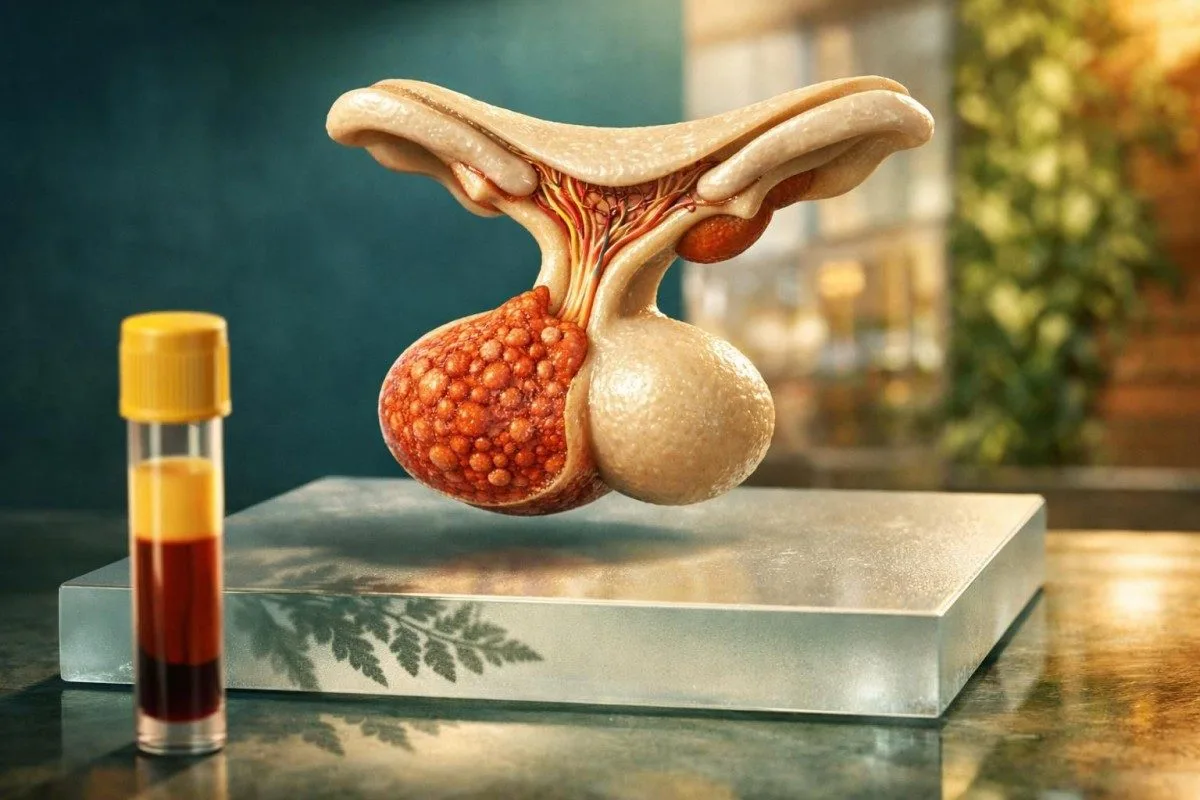
এটা এটা একক GH সংখ্যাই বহু সময়ত ৰোগীয়ে ভবা ধৰণৰ তুলনাত কম কথা কয়। উপযোগী উত্তৰ সাধাৰণতে IGF-1, ডাইনামিক পৰীক্ষা, লক্ষণসমূহ, আৰু পিটুইটাৰী পেনেলৰ বাকী অংশৰ পৰা আহে।.


- এলোমেলি GH (Random GH) কেইঘণ্টামানৰ ভিতৰতে 0.1 ng/mLতকৈ কমৰ পৰা 10 ng/mLৰ বহু ওপৰলৈকো সলনি হ’ব পাৰে, সেয়ে এটা নমুনাই বিৰলভাৱে অভাৱ বা আধিক্য দুয়োটাই নিশ্চিতকৈ নিৰ্ণয় কৰে।.
- IGF-1 সাধাৰণতে প্ৰথম ভাল পৰীক্ষা, কিয়নো ই গড় GH সংস্পৰ্শক প্ৰতিফলিত কৰে আৰু বয়স-সমন্বিত (age-adjusted) লেবৰেটৰী সীমাৰ সৈতে তুলনা কৰি পঢ়া হয়।.
- এলোমেলি পৰীক্ষাত কম গ্ৰ’থ হৰম’ন (growth hormone) স্তৰ বহু সময়ত স্বাভাৱিক শাৰীৰবৃত্তীয় (normal physiology) হয়; কম IGF-1ৰ সৈতে লক্ষণ বা পিটুইটাৰী ৰোগ থাকিলে অধিক তাৎপৰ্যপূর্ণ।.
- উচ্চ গ্ৰ’থ হৰম’ন (growth hormone) স্তৰ শুই উঠাৰ পিছত (sleep), ব্যায়াম (exercise), উপবাস (fasting), বা মানসিক চাপ (stress)ৰ পিছত সাধাৰণ; স্থায়ীভাৱে উচ্চ IGF-1 থাকিলে এক্ৰ’মেগালি (acromegaly)ৰ চিন্তা বাঢ়ে।.
- উদ্দীপনা পৰীক্ষা (Stimulation testing) সন্দেহজনক অভাৱৰ বাবে ব্যৱহাৰ কৰা হয়, আৰু বহুতো প্ৰাপ্তবয়স্ক (adult) প্ৰট’কলত উদ্দীপিত শিখৰ (stimulated peak) প্ৰায় 3 ng/mLতকৈ তলত থাকিলে অস্বাভাৱিক বুলি ধৰা হয়—যদিও পৰীক্ষা-পদ্ধতি (assay) আৰু BMIৰ কিছুমান সীমাবদ্ধতা (caveats) থাকে।.
- গ্লুক’জ দমন পৰীক্ষা (Glucose suppression testing) সন্দেহজনক আধিক্যৰ বাবে ব্যৱহাৰ কৰা হয়; 75 g মুখে খোৱা গ্লুক’জৰ পিছত বহুতো পৰীক্ষাত GHক 1.0 ng/mLৰ তললৈ দমন (suppress) কৰিব নোৱাৰিলে চিন্তাজনক।.
- ভুলকৈ কম (False lows) স্থূলতা (obesity), মুখে খোৱা ইষ্ট্ৰ’জেন (oral estrogen), যকৃতৰ ৰোগ (liver disease), হাইপ’থাইৰয়ডিজম (hypothyroidism), অপুষ্টি (malnutrition), আৰু ঠিকমতে নিয়ন্ত্ৰণ নোহোৱা ডায়েবেটিছ (poorly controlled diabetes)ৰ বাবে হ’ব পাৰে, কিয়নো সত্যিকাৰৰ পিটুইটাৰী বিকলতা নোহোৱাকৈও IGF-1 কমি যাব পাৰে।.
- পৰৱৰ্তী পদক্ষেপসমূহ অস্বাভাৱিক বৃদ্ধি হৰম’ন পৰীক্ষাৰ ফলাফলৰ পিছত সাধাৰণতে পুনৰ পৰ্যালোচনা, বয়স-সমন্বয় কৰা IGF-1, আন পিটুইটাৰী হৰম’নসমূহ, আৰু কেতিয়াবা পিটুইটাৰী MRI অন্তৰ্ভুক্ত থাকে।.
কিয় এটা এলোমেলি গ্ৰ’থ হৰম’ন (growth hormone) পৰীক্ষাই বহু সময়ত ভুল ধাৰণা দিয়ে
A বৃদ্ধি হৰম’ন পৰীক্ষা এলোমেলি (random) কৰা হলে প্ৰায়ে ভুল বুজাবুজি হয়, কিয়নো GH পালছৰ দৰে মুক্তি পায়; এজন সুস্থ প্ৰাপ্তবয়স্কই পঢ়িব পাৰে 0.1 ng/mL তকৈ কম পুৱা ১০ বজাত আৰু কেইবাবাৰো ng/mL একে দিনতে পিছলৈ। অস্বাভাৱিক ফলাফলৰ পিছত, বেছিভাগ ৰোগীয়ে বয়স-সমন্বয় কৰা IGF-1 আৰু তাৰ পিছত হয় উদ্দীপনা পৰীক্ষা সন্দেহ কৰা অভাৱৰ বাবে, বা ৭৫-গ্ৰাম গ্লুক’জ দমন পৰীক্ষা সন্দেহ কৰা আধিক্যৰ বাবে—ইয়েই তৎক্ষণাৎ নিৰ্ণয় নহয়। কান্টেষ্টি এ আই, ত, আমাৰ AI এ এই সমস্যাটো আগতেই চিনাক্ত কৰে, ঠিক তেনেকৈ আমাৰ গাইডত কিয় উচ্চ বা নিম্ন সীমাই ভুল বুজাবুজি কৰিব পাৰে বুলি ব্যাখ্যা কৰা আছে কেনেকৈ উচ্চ বা নিম্ন সীমাই ভুল বুজাবুজি কৰিব পাৰে.
GH নিঃসৰণ পালছৰ দৰে হয়—শ্ৰেষ্ঠ ডাঙৰ ঢৌবোৰ হয় slow-wave sleep ৰ সময়ত, আৰু ব্যায়াম, মানসিক চাপ, উপবাস, বা তীব্ৰ অসুখৰ পিছত সৰু ঢৌ হয়। পৰীক্ষা-মানকৰণ এতিয়াও সম্পূৰ্ণ নিখুঁত নহয়, সেয়েহে 2 ng/mL মান বিভিন্ন লেবৰেটৰীত বেলেগ দেখা যাব পাৰে, যদি পদ্ধতি জনা নাথাকে (Clemmons et al., 2011)।.
মই Thomas Klein, MD, আৰু মই সাপ্তাহিকভাৱে এইটো দেখা পাওঁ: এজন ৩৪ বছৰীয়া লোকে ৰুটিন পেনেলত 'কম' GH পায় 0.2 ng/mL আৰু আতংকিত হয়, কিন্তু দেখা যায় যে তাৰ IGF-1 আৰু কোনো পিটুইটাৰী ৰোগ নাই। বেছিভাগ ৰোগীয়েই ভাল কৰে যেতিয়া আমি পিছলৈ সৰি যাওঁ, লক্ষণসমূহ পুনৰ চাওঁ, আৰু একে ধৰণৰ সাধাৰণ বুদ্ধিৰ পদ্ধতি ব্যৱহাৰ কৰোঁ যিটো আমি সীমান্তৱৰ্তী পৰীক্ষাৰ ফলাফল.
ব্যৱহাৰিক মূল কথা সহজ।. কম এলোমেলি (random) GH সাধাৰণতে অতি কমেই বুজায়, আৰু উচ্চ এলোমেলি (random) GH ৱৰ্কআউটৰ পিছত বা বেয়া ৰাতিৰ টোপনিৰ পিছত ই সম্পূৰ্ণৰূপে স্বাভাৱিক (physiologic) হ’ব পাৰে; কেৱল একেধৰণৰ স্থায়ী ধৰণ (consistent pattern) আৰু লক্ষণ (symptoms) থাকিলেহে কথাটো গুৰুত্ব পায়।.
কেতিয়া GHতকৈ IGF-1 প্ৰথম ভাল পৰীক্ষা
বয়স-সমাযোজিত IGF-1 সাধাৰণতে প্ৰথম পৰীক্ষা হিচাপে ই ভাল, কাৰণ ই ১৫ মিনিটৰ পালছৰ (pulse) তুলনাত সময়ৰ লগে লগে গড় GH সংস্পৰ্শক প্ৰতিফলিত কৰে। বেছিভাগ এণ্ড’ক্ৰাইন ক্লিনিকে dynamic testingৰ আগতে IGF-1 নিৰ্দেশ দিয়ে, আৰু Kantestiৰ neural network এ ইয়াক বয়স, লিংগ, যকৃতৰ (liver) সূচক, আৰু বহল বায়'মাৰ্কাৰ ৰেফাৰেন্স গাইড আমাৰ এ আই ব্লাড টেষ্ট এনালাইজাৰ.
যকৃতে বেছিভাগ পৰিবাহিত (circulating) IGF-1 GHৰ প্ৰতিক্ৰিয়াত। সেইবাবেই স্থায়ীভাৱে কম IGF-1 এ GHৰ অভাৱ (deficiency) সমৰ্থন কৰিব পাৰে আৰু বয়স-সমাযোজিতভাৱে উচ্চ IGF-1 এ acromegalyৰ দিশলৈ আঙুলিয়াব পাৰে; কিন্তু Molitch et al. (2011) এ উল্লেখ কৰে যে আন পিটুইটাৰী (pituitary) ঘাটতি আগতেই নাথাকিলে কেৱল IGF-1 এ অকলে প্ৰাপ্তবয়স্ক GHৰ অভাৱ প্ৰমাণ নকৰে।.
বয়সে বহুত গুৰুত্ব দিয়ে। এজন 145 ng/mLৰ IGF-1 ৫৮ বছৰীয়া এজনৰ বাবে স্বাভাৱিকভাৱে স্বস্তিদায়ক হ’ব পাৰে, কিন্তু ১৯ বছৰীয়া এজনৰ বাবে অপ্রত্যাশিতভাৱে কম; সেইবাবেই মই ৰোগীক ক’ওঁ যে তেওঁলোকে নিজৰ ফলাফল বন্ধুৰ সৈতে কেতিয়াও তুলনা নকৰিব—একেধৰণৰ ফাঁদ আন এণ্ড’ক্ৰাইন পৰীক্ষাতো দেখা যায় যেনে আমাৰ থাইৰয়ড হৰম’ন পেনেল গাইড.
IGF-1 তথাপিও ভুলভাৱে বিভ্ৰান্ত কৰিব পাৰে।. যকৃতৰ ৰোগ (liver disease), অপুষ্টি (undernutrition), চিকিৎসা নোহোৱা hypothyroidism, ভালদৰে নিয়ন্ত্ৰণ নোহোৱা ডায়েবেটিছ, আৰু মুখেৰে খোৱা ইষ্ট্ৰ’জেন (oral estrogen) সকলোবোৰে সত্যিকাৰৰ পিটুইটাৰী বিকলতা নোহোৱাকৈ IGF-1 কমাব পাৰে, আনহাতে puberty আৰু গৰ্ভাৱস্থাই (pregnancy) reference interval ওপৰলৈ সলনি কৰিব পাৰে।.
কম গ্ৰ’থ হৰম’ন (growth hormone) স্তৰে আচলতে কি বুজাব পাৰে
A কম growth hormoneৰ স্তৰ এটা random লেবৰেটৰী স্লিপত কদাচিতেই একো নিৰ্ণয় (diagnose) কৰে; অৰ্থপূৰ্ণ ধৰণ (meaningful pattern) হৈছে কম IGF-1 আৰু লক্ষণ (symptoms), পিটুইটাৰী-সম্পৰ্কীয় ঝুঁকিৰ কাৰক (risk factors), বা ব্যৰ্থ হোৱা stimulation পৰীক্ষা (failed stimulation test)। প্ৰাপ্তবয়স্কৰ ক্ষেত্ৰত, কোনোবাই কেন্দ্ৰীয়ভাৱে ওজন বৃদ্ধি (central weight gain), ব্যায়াম কৰাৰ ক্ষমতা কমি যোৱা (reduced exercise capacity), হাড়ৰ ঘনত্ব কম (low bone density), বা পিটুইটাৰী অস্ত্ৰোপচাৰৰ ইতিহাস (history of pituitary surgery) থাকিলে মই সাধাৰণতে এই কথাবোৰ চিন্তা কৰোঁ, আৰু বহুতে ইতিমধ্যে আমাৰ দৰে আন কাম-কাজ (workups) কৰি থৈছে ভাগৰুৱা (fatigue)-কেন্দ্ৰিক লেবৰেটৰী তালিকা.
প্ৰাপ্তবয়স্ক GHৰ অভাৱ (Adult GH deficiency) অধিক সম্ভাৱনাময় হয় পিছত পিটুইটাৰী টিউমাৰৰ অস্ত্ৰোপচাৰ, ক্ৰেনিয়েল ৰেডিয়েচন (cranial radiation), আঘাতজনিত মগজুৰ আঘাত (traumatic brain injury), subarachnoid hemorrhage, বা একাধিক পিটুইটাৰী হৰম’নৰ ঘাটতি (multiple pituitary hormone deficits). । ৰোগীৰ যদি libido কম বা পুৱা শক্তি কম (low morning energy)ও থাকে, তেন্তে মই বেছিভাগ সময়ত বহল এণ্ড’ক্ৰাইন ছবিখন (broader endocrine picture) পুনৰ পৰ্যালোচনা কৰোঁ, য’ত পুৱা testosteroneৰ সময় (timing) প্ৰথমে GHক দোষাৰোপ কৰাৰ পৰিৱৰ্তে।.
শিশুসকল বেলেগ বেলেগ। এজন প্ৰাক্-যৌৱনকালীন শিশু যি বৃদ্ধি পাইছে বছৰত ৪ৰ পৰা ৫ চে.মি.তকৈ কম হাৰত, উচ্চতাৰ পূৰ্বৰ শতাংশাইল কমি যোৱা, বা হাড়ৰ বয়স পলমকৈ দেখা দিয়া—এনে ক্ষেত্ৰত এটা GH মান স্বাভাৱিক যেন লাগিলেও শিশুৰ এণ্ড’ক্ৰাইন পৰ্যালোচনা যোগ্য; কাৰণ এই পৰিস্থিতিত এলোমেলি GH প্ৰায়েই অতি কম উপযোগী।.
ইয়াত সেই সূক্ষ্ম কথাটো আছে যিটো বেছিভাগ ৱেবছাইটে এৰি দিয়ে: অপুষ্টি আৰু মুখেৰে দিয়া ইষ্ট্ৰ’জেনে IGF-1 ৰ পৰিমাণ ৰোগীয়ে আশা কৰাতকৈ বেছি কমাব পাৰে, আৰু স্থূলতাই উদ্দীপিত GH-ৰ প্ৰতিক্ৰিয়া ম্লান কৰিব পাৰে। যদি শৰীৰৰ গঠন বা হৰম’ন-বন্ধনজনিত সমস্যা ছবিখন ঘোলা কৰি তুলিছে, তেন্তে মই কেতিয়াবা সম্পৰ্কীয় সূচকসমূহ একে ধৰণে তুলনা কৰোঁ যিদৰে আমি আমাৰ SHBGৰ প্ৰসংগ.
যেতিয়া কম IGF-1 অধিক বিশ্বাসযোগ্য হয়
কেৱল কম IGF-1 অধিক বিশ্বাসযোগ্য হৈ পৰে যেতিয়া আন দুটা বা তাতকৈ অধিক অন্য পিটুইটাৰী অক্ষ বেয়া হৈ থাকে। ব্যৱহাৰত, কম free T4 ৰ সৈতে কম টেষ্ট’ষ্টেৰন বা কম ইষ্ট্ৰাডাইঅল আৰু অনুপযুক্তভাৱে কম LH বা FSH থাকিলে pretest probability যথেষ্ট বৃদ্ধি পায়, যাৰ ফলত কিছুমান এণ্ড’ক্ৰাইন’লজিষ্টে কিছুমান ক্ষেত্ৰত dynamic testing দিশে আগবাঢ়ি যায়।.
উচ্চ গ্ৰ’থ হৰম’ন (growth hormone) স্তৰে কি বুজাব পাৰে আৰু কেতিয়া এক্ৰ’মেগালি (acromegaly)ৰ চিন্তা হ’ব লাগে
উচ্চ growth hormone ৰ পৰিমাণ চিন্তাজনক মূলত যেতিয়া বয়স-সমন্বয় কৰা IGF-1 উন্নীত থাকে আৰু ব্যক্তিজনৰ acromegaly ৰ লক্ষণ থাকে; শুই থকাৰ পিছত, ব্যায়ামৰ পিছত, বা উপবাসৰ পিছত এটা মাত্র উচ্চ GH দেখা পোৱা সাধাৰণ আৰু বহু সময়ত নিৰাপদ/সাধাৰণ (benign)। লেবত প্ৰথম অতিরিক্ত সূত্ৰ কেতিয়াবা আন এটা পিটুইটাৰী সংকেত হয়, সেইবাবে মইো পৰ্যালোচনা কৰোঁ prolactin ৰ ধৰণসমূহ.
Acromegaly সাধাৰণতে GH নিঃসৰণ কৰা পিটুইটাৰী এডেন’মা ৰ পৰা হয়। ক্লাছিক সূত্ৰসমূহ হ’ল আঙঠি বা জোতা টানকৈ লাগিবলৈ ধৰা, দাঁতৰ মাজত নতুন ফাঁক, তেলীয়া ছাল, ঘাম, carpal tunnel ৰ লক্ষণ, sleep apnea, উচ্চ ৰক্তচাপ, বা গ্লুক’জ বৃদ্ধি—আৰু Katznelson আৰু সহকৰ্মীসকলৰ (2014) Endocrine Society ৰ গাইডলাইন এপ্ৰিল ২০, ২০২৬ পৰ্যন্ত এই পৰীক্ষা-নিৰীক্ষাৰ ভিত্তি হিচাপে এতিয়াও স্থিৰ হৈ আছে।.
GH excess থকা সকলো মানুহেই স্পষ্টভাৱে ডাঙৰ হৈ থকা যেন নেদেখায়। মই দেখিছোঁ যে কেৱল সামান্য IGF-1 বৃদ্ধি—স্বাভাৱিক সীমাৰ ওপৰৰ মাত্ৰ ১.১ৰ পৰা ১.৩ গুণ—যাৰ আটাইতকৈ ডাঙৰ অভিযোগ আছিল মূৰৰ বিষ, ভাগৰুৱা, আৰু ৰক্তচাপ বাঢ়ি যোৱা—এতিয়াও সূক্ষ্ম যে পৰিয়ালৰ ফটোবোৰ পৰীক্ষাৰ তুলনাত বেছি প্ৰকাশক আছিল।.
সাময়িক GH বৃদ্ধি হয় যৌৱনকালত, গৰ্ভাৱস্থাত, তীব্ৰ ব্যায়ামত, উপবাসত, বেয়াকৈ নিয়ন্ত্ৰিত টাইপ ১ ডায়েবেটিছত, তীব্ৰ অসুস্থতাত, আৰু মানসিক চাপত. । সেইবাবে মই কেৱল এটা এলোমেলি মানৰ ভিত্তিত কোনো ব্যক্তিক উচ্চ GH বুলি কোৱা নকৰোঁ, যদিহে বাকী ছবিখন মিলি নাযায়।.
সন্দেহজনক অভাৱৰ বাবে কোনবোৰ উদ্দীপনা (stimulation) পৰীক্ষা ব্যৱহাৰ কৰা হয়
সন্দেহ কৰা প্ৰাপ্তবয়স্ক GH deficiency ৰোগ নিৰ্ণয় কৰা হয় এটা উদ্দীপনা পৰীক্ষা, এটা এটা এলোমেলীয়া GH ধৰা নহয়। ক্লাছিক পৰীক্ষাটো হৈছে ইনচুলিন ট’লাৰেন্স টেষ্ট, আনহাতে গ্লুকাগন আৰু মেকিম’ৰেলিন সাধাৰণ বিকল্প; আমাৰ চিকিৎসকসকলে মেডিকেল এডভাইজাৰী ব’ৰ্ড এইবোৰ কেৱল তেতিয়াহে ব্যৱহাৰ কৰে যেতিয়া লক্ষণ, IGF-1, আৰু পিটুইটাৰী সম্পৰ্কীয় পৰিয়ালৰ ইতিহাসে এই কষ্টৰ যুক্তি দেখুৱায়।.
এটা ইনচুলিন ট’লাৰেন্স টেষ্ট, ৰ সময়ত, নিয়ন্ত্ৰিত হাইপ’গ্লাইচেমিয়া সৃষ্টি কৰিবলৈ ইনচুলিন দিয়া হয়, বেছিভাগ সময়তে গ্লুক’জৰ নাদিৰ 40 mg/dL তকৈ তলত বা তত্ত্বাৱধানৰ অধীনত স্পষ্ট এড্ৰেনাৰ্জিক লক্ষণৰ সৈতে। ng/mL, GH সাধাৰণতে লিটাৰ প্ৰতি মাইক্ৰ’গ্ৰাম, হিচাপে সংখ্যাগতভাৱে একে ধৰণে ৰিপ’ৰ্ট কৰা হয়, আৰু বহুতো প্ৰাপ্তবয়স্ক প্ৰট’কলত এটা পিক GH 3 ৰ পৰা 5 ng/mL তলত.
দ্য... গ্লুকাগন ষ্টিমুলেচন টেষ্ট —এইটো দ্ৰুত নহয়—বেছিভাগ সময়3 ৰ পৰা 4 ঘণ্টা —কিন্তু ই ইচ্ছাকৃত হাইপ’গ্লাইচেমিয়া এৰাই চলে আৰু খিঁচুনি বা কৰ’নাৰী ৰোগে ITT-টোক বেয়া ধাৰণা কৰি তুলিলে তেতিয়া বহুলভাৱে ব্যৱহাৰ কৰা হয়। বহু কেন্দ্ৰই পিক GH 3 ng/mL তলত.
দ্য... অস্বাভাৱিক বুলি ব্যাখ্যা কৰে, আনহাতে কিছুমান স্থূলতা-সমাযোজিত প্ৰট’কলত কম থ্ৰেছহ’ল্ড ব্যৱহাৰ কৰা হয় যি 1 ng/mL ৯০ মিনিট. সাধাৰণতে GH ৰ এটা শীৰ্ষ (peak) ২.৮ ng/mL ৰ তলত প্ৰাপ্তবয়স্কৰ ক্ষেত্ৰত সাধাৰণতে অস্বাভাৱিক বুলি গণ্য কৰা হয়, যদিও উপলব্ধতা আৰু ৰিম্বাৰসমেণ্ট দেশভেদে এতিয়াও ভিন্ন হয়।.
প্ৰস্তুতি (preparation) বেছিভাগ ৰোগীয়ে আশা কৰাতকৈ অধিক গুৰুত্বপূৰ্ণ। ৮ৰ পৰা ১০ ঘণ্টা উপবাস, , 24 ঘণ্টা, কঠোৰ ব্যায়াম এৰাই চলা চিকিৎসা বৈধকৰণ.
প্ৰাপ্তবয়স্কৰ GH ঘাটতি অতি তীব্ৰভাৱে সন্দেহ কৰা হয় আৰু এণ্ড’ক্ৰাইন ফ’ল’আপৰ প্ৰয়োজন।
BMI কিয় কাট-অফ (cutoff) সলনি কৰে.
গ্লুক’জ দমন (glucose suppression) পৰীক্ষাৰে চিকিৎসকে কেনেকৈ গ্ৰ’থ হৰম’নৰ আধিক্য নিশ্চিত কৰে
স্থূলতা (obesity) শাৰীৰিকভাৱে উদ্দীপিত GH ৰ শীৰ্ষ কমায়, সেয়ে অধিক ওজনৰ ৰোগীয়ে সত্যিকাৰৰ গঠনগত (structural) পিটুইটাৰী ৰোগ নাথাকিলেও এটা পুৰণি কাট-অফত বিফল হ’ব পাৰে। এইটো সেই ধৰণৰ ক্ষেত্ৰ য’ত সংখ্যাটোককৈ (number) প্ৰসংগ (context) অধিক গুৰুত্বপূৰ্ণ, আৰু কিছুমান কেন্দ্ৰই এতিয়া অতিমাত্ৰা নিৰ্ণয় (overdiagnosis) এৰাবলৈ BMI-সমন্বিত সীমা (thresholds) ব্যৱহাৰ কৰে। সন্দেহ কৰা GH আধিক্য (excess) সাধাৰণতে এটা ৭৫-গ্ৰাম মুখেৰে খোৱা গ্লুক’জ দমন পৰীক্ষা (oral glucose suppression test) আমাৰ বিষয়ে উচ্চ বয়স-সমন্বিত IGF-1 ৰ পিছত.
অধিকাংশ আধুনিক পৰীক্ষাত, GH এ তললৈ দমন কৰিব লাগে 1.0 ng/mL ৰ তলত গ্লুক’জৰ পিছত; কিছুমান অতি-সংবেদনশীল প্লেটফৰ্মে অধিক কঠোৰ স্বাভাৱিক লক্ষ্য ব্যৱহাৰ কৰে 0.4 ng/mL ৰ তলত. । GH এই সীমাৰ ওপৰত থাকিলে আৰু IGF-1 ও উচ্চ থাকিলে, এক্ৰ’মেগেলীৰ সম্ভাৱনা তীব্ৰভাৱে বৃদ্ধি পায় (Katznelson et al., 2014)।.
এই পৰীক্ষা নিখুঁত নহয়।. সঠিকভাৱে নিয়ন্ত্ৰণ নোহোৱা ডায়েবেটিছ, যকৃতৰ ৰোগ, বৃক্কৰ ৰোগ, কিশোৰাৱস্থা, গৰ্ভাৱস্থা, আৰু পৰীক্ষাৰ ড্ৰিফ্টে ফলাফল অস্পষ্ট কৰিব পাৰে, আৰু কিছুমান ইউৰোপীয় এককে U.S. লেবৰেটৰীৰ তুলনাত অলপ বেলেগ দমন কাটঅফ ব্যৱহাৰ কৰে।.
যদি দমন বিফল হয়, তেন্তে সাধাৰণতে পৰৱৰ্তী পদক্ষেপ হয় কনট্ৰাষ্টসহ পিটুইটাৰী MRI আৰু অধিক বিস্তৃত পিটুইটাৰী পেনেল। মই স্ন’ৰিং, আঙঠিৰ মাপ, মূৰৰ বিষ, আৰু আগৰ বিয়াৰ আঙঠি এতিয়াও খাপ খাই নে—সেই বিষয়ে ও সুধোঁ; ৰোগীয়ে বহু সময়ত লক্ষণ আৰম্ভ হোৱাৰ আগতে নহয়, আগতে সেই কথা মনত পেলায়।.
আমি যেতিয়া পৰীক্ষাটো পুনৰ কৰোঁ
IGF-1 কেৱল অলপ বেছি থাকিলে, লক্ষণসমূহ পাতল/কম স্পষ্ট হ’লে, বা নমুনাটো আগৰ ফলাফলৰ তুলনাত বেলেগ এটা পৰীক্ষা প্লেটফৰ্মৰ পৰা আহিলে মই পৰীক্ষা পুনৰ কৰোঁ বা পুনৰ ফ্ৰেম কৰোঁ। এই সৰু পদ্ধতিগত বিৱৰণে আচৰিত ধৰণে বহুতো অতিৰিক্ত MRI ৰ পৰা ৰক্ষা কৰে।.
কিয় গ্ৰ’থ হৰম’ন পৰীক্ষাৰ ফলাফল কেতিয়াবা ভুলকৈ কম বা ভুলকৈ বেছি যেন লাগে—সাধাৰণ কাৰণসমূহ
মিছা বৃদ্ধি হৰম’নৰ পৰীক্ষাৰ ফলাফল এইবোৰ সাধাৰণ কাৰণ GH আৰু IGF-1 শাৰীৰবৃত্তীয় অৱস্থা, শৰীৰৰ গঠন, আৰু পৰীক্ষা (assay) ডিজাইনৰ ওপৰত প্ৰতিক্ৰিয়া কৰে। Kantesti AI এ ফলাফলক কম-বিশ্বাসযোগ্য (low-confidence) বুলি গণ্য কৰে যেতিয়া নমুনাটো তীব্ৰ ব্যায়াম, শুব নোৱাৰা/নিদ্ৰা বিঘ্ন, উপবাস, মুখেৰে ইষ্ট্ৰ’জেন ব্যৱহাৰ, বা ডাঙৰ অসুখৰ পিছত লোৱা হয়—ঠিক সেই ধৰণৰ পৰিস্থিতি যিটো Clemmons et al. (2011) এ যুক্তি দিছিল যে লেবৰেটৰীয়ে উপেক্ষা কৰা উচিত নহয়।.
কঠোৰ ৱৰ্কআউটে সাময়িকভাৱে GH কেইবাবাৰো বৃদ্ধি কৰিব পাৰে, আৰু গভীৰ শুৱাই দিনটোৰ সৰ্ববৃহৎ পালছ (pulse) সৃষ্টি কৰিব পাৰে। মই সাধাৰণতে ৰোগীক ক’ব লাগে— 24 ঘণ্টা গতিশীল পৰীক্ষা (dynamic testing) কৰাৰ আগতে গধুৰ প্ৰশিক্ষণ এৰিবলৈ আৰু নিশা শিফটৰ ঠিক পিছত লোৱা নমুনাৰ পৰা সিদ্ধান্ত ল’ব নালাগে।.
স্থূলতা (obesity) সাধাৰণতে উদ্দীপিত GH ৰ প্ৰতিক্ৰিয়াক দমন কৰে, আনহাতে মুখেৰে ইষ্ট্ৰ’জেনে IGF-1 অধিক কমাব পাৰে যিমানখিনি ট্ৰেন্সডাৰ্মেল ইষ্ট্ৰ’জেনে কমায়, কাৰণ প্ৰথম-পাছ যকৃতৰ (first-pass liver) প্ৰভাৱ থাকে। এইটোৱেই এটা কাৰণ যাৰ বাবে মই বহু সময়ে হৰম’নৰ পৰিস্থিতি (hormone context) পৰ্যালোচনা কৰোঁ—বিশেষকৈ মুখেৰে থেৰাপী ব্যৱহাৰ কৰা মহিলাসকলৰ ক্ষেত্ৰত—বয়স-ভিত্তিক ৰেফাৰেন্স যেনে আমাৰ ইষ্ট্ৰাডাইঅল (estradiol) ৰেঞ্জ.
। পৰীক্ষা (assay) ভিন্নতা বাস্তৱ। এটা প্লেটফৰ্মৰ পৰা অহা GH 0.7 ng/mL পৰীক্ষা (assay) ভিন্নতা বাস্তৱ। এটা প্লেটফৰ্মৰ পৰা অহা GH আন এটা প্লেটফৰ্মৰ পৰা অহাৰ সৈতে সদায় একে নহয়, আৰু উচ্চ-ড’জ বায়’টিনে কিছুমান ইমিউন’এছেই (immunoassay) প্ৰভাৱিত কৰিব পাৰে—গতিকে ক্ৰমাগত অনুসৰণ (serial follow-up) আদৰ্শগতভাৱে একে লেব আৰু একে পদ্ধতি ব্যৱহাৰ কৰাই উচিত; এয়া একে ধৰণৰ চিন্তাধাৰা যিটো ব্যক্তিগত ভিত্তি.
বয়স, কিশোৰাৱস্থা (puberty), যৌন হৰম’ন (sex steroids), আৰু শৰীৰৰ গঠন (body composition) এ সংখ্যাবোৰ কেনেকৈ সলনি কৰে
বয়স, বয়ঃসন্ধি (puberty), যৌন হৰম’ন (sex steroids), আৰু শৰীৰৰ চৰ্বি (body fat) এ GH জীৱবিজ্ঞান যথেষ্ট পৰিমাণে সলনি কৰে, সেয়ে এটা একক (universal) কাট-অফে কাম নকৰে। একে IGF-1 সংখ্যাই ৬৫ বছৰীয়া এজনৰ বাবে আশ্বাসদায়ক হ’ব পাৰে আৰু ১৫ বছৰীয়া এজনৰ বাবে চিন্তাজনক হ’ব পাৰে—সেইবাবেই শিশু এণ্ড’ক্ৰাইন’লজিষ্টসকলে বহু সময়ে GH পৰীক্ষা বয়ঃসন্ধিৰ সূচক (puberty markers) যেনে LH.
এই চিত্ৰখনে দেখুৱায় কিয় বয়স আৰু বয়ঃসন্ধিৰ স্তৰে স্বাভাৱিক GH-axis ৰ আশা (expectations) সলনি কৰে। বয়ঃসন্ধিয়ে GH আৰু IGF-1 ওপৰলৈ ঠেলি দিয়ে। বয়ঃসন্ধি দেৰিকৈ আৰম্ভ হোৱা কিশোৰ-কিশোৰীসকলৰ ক্ষেত্ৰত কিছুমান কেন্দ্ৰই ব্যৱহাৰ কৰে যৌন-হৰম’ন প্ৰাইমিং (sex-steroid priming).
যৌন হৰম’ন প্ৰাপ্তবয়স্কৰ ক্ষেত্ৰতো গুৰুত্বপূৰ্ণ। মুখেৰে ইষ্ট্ৰ’জেনে IGF-1 কমাব পাৰে, আৰু কম ইষ্ট্ৰ’জেন বা এণ্ড্ৰ’জেনৰ অৱস্থা (androgen states) এ শৰীৰৰ গঠন সলনি কৰিব পাৰে—সেয়ে মই কেতিয়াবা পিটুইটাৰী ৰোগ (pituitary disease) অতিমাত্ৰা (overcalling) কৰাৰ আগতে বৃহত্তৰ প্ৰজনন-হৰম’ন কাঠামো (reproductive-hormone frame) ইষ্ট্ৰাডাইঅল ৰেফাৰেন্স ৰেঞ্জ ৰ সৈতে পৰীক্ষা কৰোঁ।.
দেহৰ চৰ্বি (body fat)ৰ পৰিৱৰ্তনৰ ব্যাখ্যা দুয়োদিশতে সলনি হ’ব পাৰে। স্থূলতা থকা লোকসকলে গঠনগত পিটুইটাৰী ৰোগ নথকাকৈও উদ্দীপিত GHৰ শিখৰ কম দেখা দিব পাৰে, আনহাতে পাতল-দেহী সহনশীলতা ক্ৰীড়াবিদসকলে তীব্ৰ পালছ (brisk pulses) দেখুৱাব পাৰে; দৈনন্দিন অনুশীলনত, মতবাদতকৈ পৰিস্থিতি (context) অধিক গুৰুত্বপূৰ্ণ।.
শিশুসকল সৰু-সৰু প্ৰাপ্তবয়স্ক নহয়
শিশুসকলৰ বাবে সৰ্বোত্তম স্ক্ৰিনিং সঁজুলি বহু সময়ত এটা বৃদ্ধি-চাৰ্ট (growth chart), লেবৰেটৰী ফৰ্ম নহয়। উচ্চতা-গতিবেগ (height velocity) over ৬ৰ পৰা ১২ মাহৰ ভিতৰত, হাড়ৰ বয়স (bone age), পিউবাৰ্টি (pubertal) সময়সূচী, পৰিয়ালৰ উচ্চতাৰ ধৰণ, আৰু দীৰ্ঘম্যাদী ৰোগৰ স্ক্ৰিনিং—সাধাৰণতে মোক এটা একক GH পৰিমাপতকৈ অধিক কথা কয়।.
অস্বাভাৱিক গ্ৰ’থ হৰম’ন পৰীক্ষাৰ ফলাফল পোৱাৰ পিছত কি কৰিব লাগে
অস্বাভাৱিক বৃদ্ধি হৰম’নৰ পৰীক্ষাৰ ফলাফল, সৰ্বাধিক সুৰক্ষিত পৰৱৰ্তী পদক্ষেপ সাধাৰণতে স্ব-চিকিৎসা (self-treatment) নহয়, বৰং পুনৰ ব্যাখ্যা (repeat interpretation). । ২০ এপ্ৰিল, ২০২৬ অনুসৰি, কোনো ডাঙৰ গাইডলাইনেই একেটা এলোমেলীয়া সংখ্যাৰ পৰা GHৰ ঘাটতি (GH deficiency) বা এক্ৰ’মেগালি (acromegaly) নিৰ্ণয় কৰিবলৈ পৰামৰ্শ নিদিয়ে, সেয়ে মই লক্ষণ (symptoms), ঔষধ (medications), IGF-1, আৰু মূল লেবৰেটৰী পদ্ধতি (original lab method)ৰ পৰা আৰম্ভ কৰোঁ; যদি আপুনি ঘৰত ৰিপ’ৰ্ট বাছনি কৰি আছে, তেন্তে আমাৰ গাইড অনলাইনত ফলাফল সুৰক্ষিতভাৱে কেনেকৈ পঢ়িব সহায় কৰে।.
আপুনি যি যি আগৰ ৰিপ’ৰ্ট আছে সকলো আনক, কেৱল চিহ্নিত (flagged) পৃষ্ঠাখন নহয়। মূল লেবৰেটৰীৰ ফটো বা PDF, ঔষধৰ তালিকা (medication list), সম্পূৰকৰ তালিকা (supplement list), উচ্চতা আৰু ওজনৰ ইতিহাস (height and weight history), আঙঠি বা জোতা-আকাৰৰ পৰিৱৰ্তন (ring or shoe-size change), আৰু যিকোনো পিটুইটাৰী ইতিহাস (pituitary history)—এইবোৰে এণ্ড’ক্ৰাইন (endocrine) ভিজিট বহু বেছি ফলপ্ৰসূ কৰি তোলে; আমাৰ লেব PDF আপলোড গাইড ক’তকৈ কোনবোৰ বিৱৰণ আটাইতকৈ উপযোগী দেখুৱায়।.
সুধিব—আপোনাক প্ৰ’লেক্টিন (prolactin), TSH আৰু free T4, পুৱা কৰ্টিছল (morning cortisol), LH বা FSH, ইষ্ট্ৰাডাইঅল (estradiol) বা টেষ্ট’ষ্টেৰন (testosterone), ফাষ্টিং গ্লুক’জ (fasting glucose) বা HbA1c, যকৃতৰ এনজাইম (liver enzymes), আৰু বৃক্কৰ কাৰ্যক্ষমতা (kidney function). । মই যেতিয়া ক্ৰমাগত (serial) এণ্ড’ক্ৰাইন লেবৰেটৰী পৰীক্ষা চাওঁ, তেতিয়া একক বিন্দুতকৈ ৬ৰ পৰা ২৪ মাহলৈ (6 to 24 months) ধাৰা-প্ৰবাহ (trend data) বেছি কথা কয়, ঠিক সেইকাৰণেই মই সময়ৰ লগে লগে ফলাফল অনুসৰণ (tracking results over time) ভাল পাওঁ।.
কিছুমান কথা দ্ৰুত আগবাঢ়িব লাগে।. নতুনকৈ দৃষ্টিশক্তি হেৰোৱা (New visual loss), তীব্ৰ মূৰধৰ (severe headaches), শিশুৰ দ্ৰুতগতিত বৃদ্ধি-সম্পৰ্কীয় পৰিৱৰ্তন (rapidly progressive growth change), শিশুৰ পুনঃপুন হাইপ’গ্লাইচেমিয়া (recurrent hypoglycemia), বা স্পষ্টকৈ হাত-পা/আঙুল-নখৰ (acral) ডাঙৰ হোৱা তৎক্ষণাৎ এণ্ড’ক্ৰাইন পৰ্যালোচনা (endocrine review) আৰু কেতিয়াবা একে সপ্তাহতে (same-week) ইমেজিং (imaging)ৰ প্ৰয়োজন হয়।.
আৰু এটা সোজা কথা: কম ফলাফল (low result) পোৱাৰ পিছত বিশেষজ্ঞৰ মতামত নোহোৱাকৈ GH ইনজেকচন (GH injections), পেপটাইড সিক্ৰেটাগ’গ (peptide secretagogues), বা এণ্টি-এজিং ষ্টেক (anti-aging stacks) আৰম্ভ নকৰিব। জিমত কিনা পেপটাইডে কেইবাবছৰলৈ পৰীক্ষা বিকৃত (distorted) কৰি প্ৰকৃত নিৰ্ণয় পলম কৰোৱা কেইবাটাও ঘটনা মোক ঠিক কৰিবলগীয়া হৈছিল।.
Kantesti AI এ কেনেকৈ আপোনাক গ্ৰ’থ হৰম’ন পৰীক্ষা সুৰক্ষিতভাৱে ব্যাখ্যা কৰাত সহায় কৰে
Kantesti AI এ সহায় কৰে—এটা এটা সংখ্যাক ভাগ্য বুলি ভাও ধৰা নহয়, বৰং বৃদ্ধি হৰম’ন পৰীক্ষা পৰিস্থিতি (context) যোগ কৰি। আপোনাৰ ৰিপ’ৰ্ট আপলোড কৰক to বিনামূলীয়া ডেম’ চেষ্টা কৰক, আৰু আমাৰ AI-এ GH, IGF-1, থাইৰয়ড মাৰ্কাৰ, যকৃত কাৰ্যক্ষমতা, গ্লুক’জ, যৌন হৰম’ন, আৰু আগৰ ধাৰাসমূহ প্ৰায় 60 ছেকেণ্ডত.
Kantesti এ সেৱা আগবঢ়ায় 2M+ ব্যৱহাৰকাৰী ইমূৰৰ পৰা সিমূৰলৈ ১২৭+ দেশ আৰু ৭৫+ ভাষা, আৰু আমাৰ 2.78T-পেৰামিটাৰ Health AI CE-মাৰ্কযুক্ত, HIPAA-, GDPR-, আৰু ISO 27001-সমন্বিত প্ৰক্ৰিয়াৰ ভিতৰত কাম কৰে। ব্যৱহাৰিক অৰ্থত, ইয়াৰ মানে আমাৰ AI-এ চিনাক্ত কৰিব পাৰে যে কম IGF-1-ৰ কাৰণ পিটুইটেৰী নিজেই নহয়, বৰং যকৃতৰ বিকাৰ, মুখেৰে খোৱা ইষ্ট্ৰ’জেন, বা অপুষ্টি আদিৰ দ্বাৰা ভালদৰে বুজাব পাৰি।.
আমি আৰু এটা অতি “আকৰ্ষণীয় নহ’লেও” সত্যিই উপযোগী কামো কৰোঁ: আমাৰ প্লেটফৰ্মে টেগ কৰে এলোমেলো GH কম-নিশ্চয়তাৰ তথ্য বিন্দু হিচাপে, যদিহে জোড়া IGF-1, এটা ডাইনামিক পৰীক্ষা, বা একে ধৰণৰ সুস্থ-চিকিৎসাজনিত কাহিনী নাথাকে। বেছিভাগ ৰোগীয়ে এই আশ্বাস সহায়ক বুলি পায়—বিশেষকৈ যেতিয়া অস্বাভাৱিকতাখন ৰোগ নহয়, কেৱল শব্দ/নয়েজহে বুলি ওলাই আহে।.
মই থমাছ ক্লেইন, MD, আৰু ক্লিনিকত মই দিয়া এই পৰামৰ্শটো হ’ল: থমকি যাওক, পৰীক্ষাৰ পদ্ধতি (assay) নিশ্চিত কৰক, IGF-1 চাওক, তাৰ পিছত লক্ষণ আৰু ঝুঁকিৰ কাৰক সত্যিই মিলিলে তেতিয়াহে কেৱল ডাইনামিকভাৱে পৰীক্ষা কৰক। যদি আপুনি আপোনাৰ এপয়ণ্টমেণ্টৰ আগতে এটা গঠিত প্ৰথম ধাপ বিচাৰে, Kantesti-এ তথ্য সংগঠিত কৰিব পাৰে; আপোনাৰ এণ্ড’ক্ৰাইন’লজিষ্টে ৰোগ নিৰ্ণয় কৰিব।.
সঘনাই সোধা প্ৰশ্ন
এটা কি এলোমেলি গ্ৰ’থ হৰম’ন পৰীক্ষাই অভাৱ ধৰা পেলাব পাৰে?
নং. এটা এটা এলোমেলি বৃদ্ধি হৰম’ন (GH) পৰীক্ষাই বিৰলভাৱে অভাৱ বা আধিক্য ধৰা পেলায়, কিয়নো GH পালছৰ দৰে নিঃসৰণ হয় আৰু কেইঘণ্টামানৰ ভিতৰতে 0.1 ng/mL-তকৈ কমৰ পৰা 10 ng/mL-তকৈ বেছি পৰ্যন্ত উঠা-নমা কৰিব পাৰে। বেছিভাগ এণ্ড’ক্ৰাইন’লজিষ্টে প্ৰথম স্ক্ৰীনিং পৰীক্ষা হিচাপে বয়স-সমন্বয় কৰা IGF-1 ব্যৱহাৰ কৰে আৰু তাৰ পিছত সন্দেহযুক্ত অভাৱৰ ক্ষেত্ৰত উদ্দীপনা পৰীক্ষা (stimulation test) বা সন্দেহযুক্ত আধিক্যৰ ক্ষেত্ৰত 75-g গ্লুক’জ দমন পৰীক্ষা (glucose suppression test)ৰে নিশ্চিত কৰে। এটা মাত্র অস্বাভাৱিক GH মানক নিৰ্ণয় (diagnosis) হিচাপে নহয়, এটা সূত্ৰ (clue) হিচাপে ধৰা উচিত।.
স্বাভাৱিক বৃদ্ধি হৰম’ন পৰীক্ষাৰ ফলাফল কি?
একে একে সৰ্বজনীনভাৱে উপযোগী কোনো একক স্বাভাৱিক এলোমেলি GH (গ্ৰ’থ হৰম’ন) মান নাই। বহুতো প্ৰাপ্তবয়স্কৰ লেব’ৰেটৰীয়ে প্ৰায় 0 ৰ পৰা 5 ng/mL লৈকে ৰেফাৰেন্স অন্তৰাল তালিকাভুক্ত কৰে, কিন্তু সুস্থ লোকসকলেও সেই সীমাৰ তলত বা ওপৰত থাকিব পাৰে—শুই থকাৰ সময়, ব্যায়াম, উপবাস, মানসিক চাপ, আৰু পৰীক্ষা পদ্ধতি (assay method) অনুসৰি। সন্দেহজনক এক্ৰ’মেগেলী (acromegaly)ৰ ক্ষেত্ৰত, 75 g মুখেৰে খোৱা গ্লুক’জৰ পিছত 1.0 ng/mL তকৈ তললৈ GH দমন (suppression) বহুতো পৰীক্ষাত স্বাভাৱিক বুলি গণ্য হয়; কিন্তু প্ৰাপ্তবয়স্কৰ GH অভাৱ (GH deficiency)ৰ ক্ষেত্ৰত অৰ্থবহ সংখ্যা হৈছে আনুষ্ঠানিক পৰীক্ষাত উদ্দীপিত (stimulated) শীৰ্ষ (peak) মান।.
উচ্চ বৃদ্ধিৰ হৰম’নৰ মাত্ৰাই কি বুজায়?
উচ্চ বৃদ্ধিৰ হৰম’ন (growth hormone) ৰ মাত্ৰা সম্পূৰ্ণ স্বাভাৱিক হ’ব পাৰে যদি নমুনা ব্যায়াম কৰাৰ পিছত, শোৱাৰ সময়ত, উপবাসৰ পিছত, বা তীব্ৰ অসুস্থতাৰ সময়ত সংগ্ৰহ কৰা হৈছিল। বয়স অনুসৰি ঠিক কৰা IGF-1 বৃদ্ধি পালে আৰু এক্ৰ’মেগেলী (acromegaly) ৰ লক্ষণ দেখা দিলে ই অধিক চিন্তাজনক হৈ পৰে, যেনে আঙঠি বা জোতাৰ আকাৰ ডাঙৰ হোৱা, ঘাম ওলোৱা, মূৰৰ বিষ, শুই থাকোঁতে শ্বাস বন্ধ হৈ যোৱা (sleep apnea), বা গ্লুক’জ বৃদ্ধি পোৱা। নিশ্চিতকৰণৰ বাবে সাধাৰণতে ৭৫-গ্ৰাম মুখেৰে খোৱা গ্লুক’জ দমন পৰীক্ষা (oral glucose suppression test) লাগে আৰু GH দমন নহ’লে বহু সময়ত পিটুইটাৰী MRI ৰ প্ৰয়োজন হয়।.
কম বৃদ্ধি হৰম’নৰ মাত্ৰাই কি বুজায়?
এলোমেলি পৰীক্ষাত কম বৃদ্ধি হৰম’ন (GH) স্তৰে সাধাৰণতে নিজে নিজে একো নুবুজাবও পাৰে, কিয়নো GH নিঃসৰণ স্বাভাৱিকভাৱে পালছৰ মাজত কমি যায়। IGF-1 কম থাকিলে, লক্ষণসমূহে প্ৰাপ্তবয়স্কৰ GH ঘাটতিৰ লগত মিলিলে, বা ব্যক্তিজনৰ পিটুইটাৰী ৰোগ, বিকিৰণৰ ইতিহাস, আঘাতজনিত মগজৰ আঘাত (traumatic brain injury), বা আন কেইবাটাও পিটুইটাৰী হৰম’নৰ ঘাটতি থাকিলে এই ফলাফলবোৰ অধিক গুৰুত্বপূৰ্ণ হয়। প্ৰাপ্তবয়স্কৰ ক্ষেত্ৰত, ITT, গ্লুকাগন, বা মেক’ম’ৰেলিন (macimorelin) পৰীক্ষাত উদ্দীপিত (stimulated) শীৰ্ষ (peak) কম হোৱাটোৱে এলোমেলি GH কম থকাৰ তুলনাত বহু বেছি ডায়েগন’ষ্টিক মূল্য বহন কৰে।.
বৃদ্ধিৰ হৰম’ন পৰীক্ষাৰ আগতে মই উপবাস থাকিব লাগিবনে?
সাধাৰণভাৱে এলোমেলি GH পৰীক্ষাৰ বাবে সদায় উপবাসৰ প্ৰয়োজন নহ’বও পাৰে, কিন্তু গতিশীল পৰীক্ষাৰ ক্ষেত্ৰত বেছিভাগ লেবৰেটৰীয়ে খাদ্য নাখাই ৮ৰ পৰা ১০ ঘণ্টা সময় ক’ব লাগে। ২৪ ঘণ্টা তীব্ৰ ব্যায়াম এৰক আৰু মুখেৰে খোৱা ইষ্ট্ৰ’জেন, ষ্টেৰ’ইড, ডায়েবেটিছৰ ঔষধ, পেপটাইড সম্পূৰক, আৰু উচ্চ-ড’জ বায়’টিনৰ বিষয়ে চিকিৎসকক জনাওক। এই তথ্যসমূহে সংখ্যাটোৰ দৰে একে পৰিমাণে তেজ পৰীক্ষাৰ ফলাফল কেনেকৈ পঢ়িব সলনি কৰিব পাৰে।.
অস্বাভাৱিক বৃদ্ধি হৰম’ন পৰীক্ষাৰ ফলাফলৰ পিছত মই কি কৰা উচিত?
মূল প্ৰতিবেদন, বয়স-সমন্বয় কৰা IGF-1, লক্ষণসমূহ, আৰু সংশ্লিষ্ট পিটুইটাৰী হৰম’নসমূহৰ সৈতে পুনৰ তেজ পৰীক্ষাৰ ফলাফল ব্যাখ্যা কৰক। আপুনি প্ৰ’লেক্টিন, TSH, মুক্ত T4, পুৱা কৰ্টিছল, LH বা FSH, ইষ্ট্ৰ’ডিয়ল বা টেষ্ট’ষ্টেৰন, গ্লুক’জ, আৰু যকৃত কাৰ্যক্ষমতা পৰীক্ষা লাগিব নে নাই সুধিব, আৰু MRI লাগেনে নে নাই সুধিব। দৃষ্টিগত পৰিৱর্তন, তীব্ৰ মূৰ বিষ, শিশুৰ হাইপ’গ্লাইচেমিয়া, বা হাত, ভৰি, বা মুখৰ বৈশিষ্ট্যসমূহৰ স্পষ্টভাৱে ক্ৰমাগত বৃদ্ধি হ’লে তৎক্ষণাৎ পৰ্যালোচনা কৰাটো বুদ্ধিমানসন্মত।.
স্থূলতাই বৃদ্ধিৰ হৰম’ন পৰীক্ষাত প্ৰভাৱ পেলায়নে?
হয়। স্থূলতা (obesity) এ উদ্দীপনা পৰীক্ষাৰ সময়ত GH ৰ বৃদ্ধি কমাব পাৰে আৰু সামান্যকৈ IGF-1 কমাব পাৰে; অৰ্থাৎ গধুৰ ৰোগীসকলৰ ক্ষেত্ৰত গঠনগত পিটুইটাৰী ৰোগ নাথাকিলেও সীমান্তৱৰ্তীভাৱে অস্বাভাৱিক যেন দেখা যাব পাৰে। সেইবাবেই কিছুমান এণ্ড’ক্ৰাইন কেন্দ্ৰই কম BMI-সমন্বিত (BMI-adjusted) কাটঅফ ব্যৱহাৰ কৰে, বিশেষকৈ যেতিয়া উদ্দীপিত GH ৰ শীৰ্ষ (peaks) প্ৰায় 1 ৰ পৰা 5 ng/mL ৰ ভিতৰত পৰে। এই পৰিসৰৰ এটা ফলাফলক তেতিয়া লক্ষণ, পিটুইটাৰী সম্পৰ্কীয় ইতিহাস, আৰু ব্যৱহৃত নিৰ্দিষ্ট পৰীক্ষা (exact assay) মনত ৰাখি ব্যাখ্যা কৰিব লাগে।.
বিকাশ হৰমোনStimulation পৰীক্ষাৰ বাবে কিমান সময় লাগে?
বেছিভাগ GH Stimulation পৰীক্ষাত প্ৰায় ২ৰ পৰা ৩ ঘণ্টা ধৰি বাৰম্বাৰ তেজ লোৱা হয়, যদিও প্ৰটোকল ভিন্ন হয়। পৰীক্ষা কেন্দ্ৰত থাকিবলৈ পৰিকল্পনা কৰক, আৰু ইনচুলিন ব্যৱহাৰ কৰা হ'লে ঘৰলৈ যোৱাৰ বিষয়ে সুধিব, কাৰণ ই অস্থায়ীভাৱে কম তেজৰ চেনিৰ কাৰণ হ'ব পাৰে।.
কিডনি ৰোগে IGF-1 বা বৃদ্ধি হৰম’ন (growth hormone)ৰ ফলাফলত প্ৰভাৱ পেলাব পাৰেনে?
হয়। ক্ৰনিক কিডনি ৰোগে GH সংকেত প্ৰদান (signaling), IGF-1 বান্ধনি প্ৰ’টিন (binding proteins), পুষ্টি, আৰু বৃদ্ধি ধৰণ (growth patterns) সলনি কৰিব পাৰে, সেয়েহে ফলাফলক কেৱল সোজাসাপ্টা পিটুইটাৰী (pituitary) ৰোগ নিৰ্ণয় হিচাপে নধৰি কিডনিৰ কাৰ্যক্ষমতা, এলবুমিন বা পুষ্টিৰ অৱস্থা, ঔষধ, আৰু লক্ষণৰ সৈতে মিলাই পঢ়া উচিত।.
সম্পূৰক বা ঔষধে IGF-1 বা growth hormone পৰীক্ষাৰ ফলাফলত প্ৰভাৱ পেলাব পাৰেনে?
হয়। মুখেৰে খোৱা ইষ্ট্ৰ’জেন, টেষ্ট’ষ্টেৰন বা এনাব’লিক ষ্টেৰ’ইড, গ্লুক’ক’ৰ্টিক’ইড, গ্লুক’জ নিয়ন্ত্ৰণৰ জৰিয়তে ডায়েবেটিছৰ ঔষধ, আৰু উচ্চ-ড’জ বায়’টিন সম্পূৰকে সকলোবোৰে ব্যাখ্যা জটিল কৰিব পাৰে। নিজে নিজে নিৰ্ধাৰিত ঔষধ বন্ধ নকৰিব; পৰীক্ষাৰ আগতে কি ৰাখিব লাগিব বুলি ক’বলৈ অর্ডাৰ কৰা চিকিৎসক বা লেবৰেটৰীক সুধিব।.
আজিয়েই AI-চালিত তেজ পৰীক্ষাৰ বিশ্লেষণ লাভ কৰক
বিশ্বজুৰি ২ মিলিয়নতকৈ অধিক ব্যৱহাৰকাৰীয়ে বিশ্বাস কৰা Kantesti-ত যোগদান কৰক—তাৎক্ষণিক আৰু সঠিক লেব পৰীক্ষাৰ বিশ্লেষণৰ বাবে। আপোনাৰ তেজ পৰীক্ষাৰ ফলাফল আপলোড কৰক আৰু কেইছেকেণ্ডমানৰ ভিতৰতে 15,000+ বায়’মাৰ্কাৰৰ সম্পূৰ্ণ ব্যাখ্যা লাভ কৰক।.
📚 উদ্ধৃত গৱেষণা প্ৰকাশনা
Klein, T., Mitchell, S., & Weber, H. (2026)।. aPTT স্বাভাৱিক পৰিসৰ: D-ডাইমাৰ, প্ৰটিন C তেজ জমা হোৱাৰ গাইড.। Kantesti AI Medical Research.
Klein, T., Mitchell, S., & Weber, H. (2026)।. ছিৰাম প্ৰটিন গাইড: গ্ল’বিউলিন, এলবুমিন আৰু এ/জি অনুপাত তেজৰ পৰীক্ষা.। Kantesti AI Medical Research.
📖 বাহ্যিক চিকিৎসা সম্পৰ্কীয় উৎসসমূহ
⚕️ চিকিৎসা অস্বীকাৰ
এই লেখাটো কেৱল শিক্ষামূলক উদ্দেশ্যৰ বাবে, আৰু ই চিকিৎসাজনিত পৰামৰ্শ নহয়। ৰোগ নিৰ্ণয় আৰু চিকিৎসাৰ সিদ্ধান্তৰ বাবে সদায় যোগ্য স্বাস্থ্যসেৱা বিশেষজ্ঞৰ সৈতে পৰামৰ্শ কৰক।.
E-E-A-T বিশ্বাস সংকেত
অভিজ্ঞতা
চিকিৎসক-নিৰ্দেশিত লেব ব্যাখ্যা কাৰ্যপ্ৰবাহৰ ক্লিনিকেল পৰ্যালোচনা।.
বিশেষজ্ঞতা
ক্লিনিকেল পৰিপ্ৰেক্ষিতত বায়’মাৰ্কাৰসমূহ কেনেকৈ আচৰণ কৰে—সেই বিষয়ে লেবৰেটৰী মেডিচিনৰ গুৰুত্ব।.
কৰ্তৃত্বশীলতা
ড° থমাছ ক্লেইনৰ দ্বাৰা লিখিত; ড° ছাৰাহ মিচেল আৰু প্ৰফ. ড° হান্স ৱেবাৰৰ দ্বাৰা পৰ্যালোচনা।.
বিশ্বাসযোগ্যতা
স্পষ্ট অনুসৰণ পথৰ সৈতে প্ৰমাণ-ভিত্তিক ব্যাখ্যা—আতংক কমাবলৈ।.