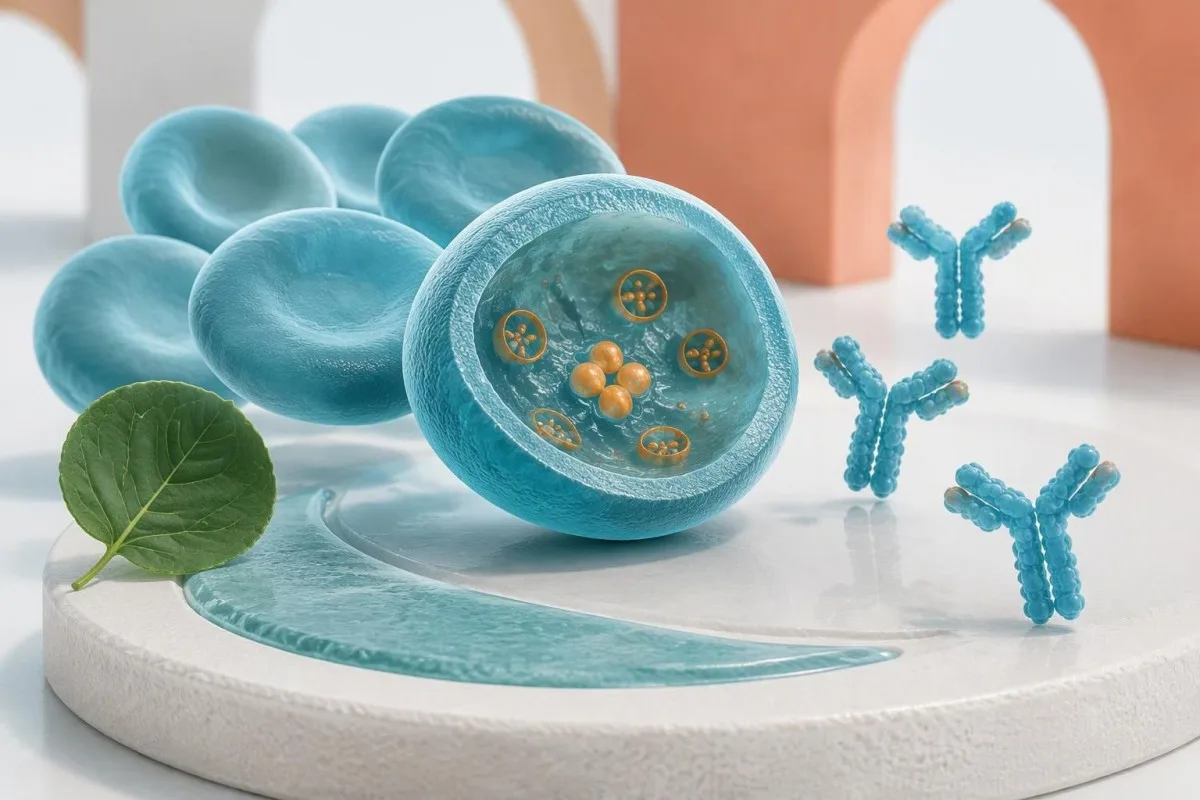
النتيجة الإيجابية ديال الأجسام المضادة تقدر تعكس تعرّض سابق لـ Babesia، ماشي بالضرورة مرض دابا. الدليل الحاسم كيجي غالباً من اختبار الطفيليات، والأعراض، ومستوى الخطر الخاص بك.


- إيجابية Babesia IgG ما كتأكدش وجود عدوى نشطة؛ فالأجسام المضادة تقدر تبقى قابلة للكشف لأكثر من عام من بعد ما كتصفى العدوى.
- اختبار Babesia PCR كيكشف الحمض النووي ديال الطفيلي، وكيكون مفيد بزاف خصوصاً ملي كتكون مستويات الطفيليات منخفضة بزاف باش تكشفها لطاخة الدم بشكل موثوق.
- نسبة الطفيليات فلطاخة الدم كتحسب النسبة المئوية لكريات الدم الحمراء اللي فيها طفيليات؛ 1% كتعني تقريباً خلية وحدة مصابة من بين كل 100 كرية دم حمراء تم فحصها.
- عيارات IgG ديال 1:1024 أو أكثر تقدر تشير لعدوى حديثة أو نشطة بـ Babesia microti، ولكن ما كتعوضش التأكيد باختبار PCR أو اللطاخة.
- ارتفاع عيار الأجسام المضادة 4 مرات بين عينات مأخوذة فالأوقات المناسبة كيدعم وجود عدوى حديثة؛ أما النتيجة الإيجابية الواحدة فما كتسمحش بهاد المقارنة.
- أعراض الطوارئ كيشمل التشوش، ضيق النفس فالراحة، الإغماء، ألم فالصدر، ولا انخفاض ملحوظ فكمية البول، بغض النظر على عيار الأجسام المضادة.
- سخانة ديال 38°C ولا أكثر بلا طحال كتستدعي التواصل الطبي الفوري والتقييم المستعجل، حتى قبل ما يكملو تحاليل Babesia.
- مدة العلاج كتكون عادةً من 7 لـ10 أيام فالحالات العرضية غير المعقدة عند المرضى اللي المناعة ديالهم سليمة، ولكن بعض المرضى اللي عندهم ضعف شديد فالمناعة خاصهم العلاج لمدة 6 أسابيع على الأقل.
- بقاء الأجسام المضادة من بعد العلاج ماشي اختبار كيتأكد من الشفاء، وما كيعنيش بوحدو أنه خاص دورة أخرى ديال المضادات الحيوية.
واش نتائج اختبار Babesia الإيجابية كتعني وجود عدوى نشطة؟
إيجابية الأجسام المضادة ديال Babesia بوحدها ما كتأكدش وجود عدوى نشطة. يقدر IgG يبقى إيجابي لأكثر من عام من بعد ما كتصفى العدوى؛ اختبار Babesia PCR ولا لطاخة الدم، مع تفسير النتائج على ضوء الأعراض، كيساعدو باش نحددو واش الطفيليات كاينة دابا. بقاء الأجسام المضادة بوحدو ما كيدلش على فشل العلاج.
كلمة «إيجابي» كتوصف نتيجة الاختبار، وماشي بالضرورة الحالة الصحية ديالك دابا. اختبار الأجسام المضادة كيكشف الاستجابة المناعية ديالك، بينما PCR كيكشف DNA ديال الطفيلي، والفحص المجهري كيقلب على الطفيليات داخل كريات الدم الحمراء؛ هاد الطرق الثلاثة كتوفر أنواع مختلفة من الأدلة وماشي تشخيصات قابلة للتبادل.
Kantesti هو محلل تحاليل الدم بالذكاء الاصطناعي كيساعد يشرح علاش نتيجة إيجابية وحدة للأجسام المضادة خاصها سياق سريري. أنا Thomas Klein، المدير الطبي الرئيسي فـKantesti؛ فالنهج ديالي كنفرق بين الدليل على التعرض والدليل على وجود الطفيليات فالدم دابا، قبل ما نهضرو على شنو تقدر تعني النتيجة بالنسبة للعلاج.
يقدر شخص ما عندوش أعراض وشخص عندو السخانة يكون عندهم نفس عيار IgG، ولكن يحتاجو لخطوات تالية مختلفة. فمقارنة توضيحية، شخص بصحة مزيانة عندو 45 عام ونتيجة إيجابية قديمة يقدر يحتاج توضيح، بينما مريض عندو السخانة، والهيموغلوبين ديالو كينقص، وتعرّض مؤخراً لقرّاد، خاصو يدير فحوصات مباشرة بسرعة.
أول خطوة عملية هي نحددو بالضبط شنو اللي كانت نتيجتو إيجابية. جيب التقرير كامل، بما فيه الكائن المسبب، والطريقة، وتاريخ أخذ العينة، والمجال المرجعي؛ الشرح ديالنا لـ نتائج الأجسام المضادة الإيجابية كيفرق بين السؤالين العامّين ديال التعرف المناعي والمرض النشط، بينما النظرة العامة على منظمتنا كتشرح الدور ديالنا.
شنو كيقيس فعلياً اختبار Babesia IgG الإيجابي؟
إيجابية IgG ديال Babesia كتعبر على التعرف المناعي على مستضدات Babesia، وماشي على عدد الطفيليات الحية. تقدر الأجسام المضادة تبقى لأكثر من عام، وداكشي علاش النتيجة الإيجابية تقدر تعكس عدوى سابقة، ولا عدوى حديثة، ولا أحياناً تفاعل مضلل خاصو التوضيح.
بقاء الأجسام المضادة هو خاصية طبيعية للذاكرة المناعية. الخلايا المنتجة للأجسام المضادة واللي كتعيش مدة طويلة تقدر تستمر فإنتاج IgG من بعد ما كيختافيو الطفيليات اللي يمكن كشفها؛ وكتحذر إرشادات IDSA الخاصة بداء البابيزيا تحديداً من أن الأجسام المضادة تقدر تبقى لعام أو أكثر، وكتوصي بالتأكيد باللطاخة أو PCR قبل علاج مريض عندو نتيجة إيجابية للأجسام المضادة (Krause et al., 2021).
IgM is not an automatic proof of new babesiosis. Although IgM can support a recent immune response, false-positive reactions and persistence complicate interpretation; 1 isolated IgM result should not override a negative diagnostic evaluation or become the sole reason for a prolonged treatment course.
A negative antibody test does not reliably exclude very early infection. If testing occurs during the first days of illness, the antibody response may not yet be detectable; this is why clinicians may order 2 direct tests—PCR and a smear—instead of waiting for serology to become positive.
The meaning of IgG is organism-specific. A Babesia antibody result should not be interpreted as proof of protective immunity or as a vaccination-style target; our discussion of CMV IgG patterns illustrates why 2 infections can produce similar-looking antibody reports yet require different clinical decisions.
كيفاش خاص تفسير عيارات الأجسام المضادة ديال Babesia؟
Babesia antibody test interpretation depends on the assay, species, and timing—not a universal positive cutoff. For Babesia microti, an IgG titer of 1:1024 or higher can suggest recent or active infection, but even a high titer does not replace direct parasite testing.
A titer reports how far a sample can be diluted while remaining reactive. A result of 1:256 means reactivity remains detectable at that dilution under the laboratory’s method; it does not mean 256 parasites, 256 days of illness, or a particular percentage of affected red blood cells.
A 4-fold rise is more informative than a small fluctuation. For example, a change from 1:64 to 1:256 in appropriately timed paired samples supports recent infection, whereas 1:128 to 1:256 is only a 2-fold change and may reflect biological or assay variation.
Comparing different laboratories can create a false trend. If a result changes from 1:128 to 1:256 after switching methods, the apparent increase may not represent a genuine immune change; paired testing is easiest to interpret when the same laboratory, species antigen, and assay are used.
High titers are supporting evidence, not a severity scale. The IDSA guideline describes a Babesia microti IgG titer of at least 1:1024 as suggestive of recent or active infection, while still prioritizing smear or PCR confirmation (Krause et al., 2021); تفسير الأجسام المضادة ديال حمى كيو shows why infectious antibody cutoffs cannot be transferred between organisms.
شنو يقدر يأكد اختبار Babesia PCR؟
A Babesia PCR test detects parasite DNA in a laboratory sample and can confirm babesiosis when symptoms and exposure fit. PCR is especially useful at low parasite levels, but 1 positive result after treatment does not necessarily prove that viable parasites are causing ongoing illness.
PCR often detects lower parasite burdens than routine microscopy. A patient can therefore have positive PCR and a negative smear without either result being an error; the 2 tests have different detection limits, and a negative smear alone cannot settle a strongly suspected low-level infection.
A negative PCR only addresses the organisms covered by that assay. A Babesia microti-specific assay may not detect Babesia duncani, Babesia divergens, or Babesia venatorum; these 3 examples matter when travel, geography, transfusion exposure, or immune status raises suspicion beyond the species named on the report.
Collection timing can change the result. Treatment before sampling, a very low parasite burden, or specimen problems can reduce detection; when symptoms remain convincing, the clinician may request a repeat sample and expert microscopy rather than treating 1 negative PCR as an absolute exclusion.
PCR positivity is not the same as a parasite viability test. DNA may remain detectable after clinical improvement, particularly with sensitive assays, so repeat testing needs a defined clinical purpose; our guide to توقيت PCR والنتائج السلبية explains the general timing problem without implying that 2 different infections share identical detection windows.
كيفاش كيكشف فحص لطاخة الدم طفيليات Babesia؟
A blood smear can confirm Babesia by showing parasites inside red blood cells and can quantify parasitemia. Parasitemia of 1% means approximately 1 affected red blood cell per 100 examined; that percentage helps assess burden, but symptoms and organ function still determine urgency.
Babesia often appears as ring forms within red blood cells. The characteristic 4-part Maltese cross tetrad is strongly suggestive when present, but it is uncommon enough that its absence cannot rule out babesiosis; an experienced microscopist must consider the complete pattern rather than hunt for one famous image.
Smear examination requires an explicit clinical request when suspicion is high. An automated complete blood count does not substitute for a manual parasite search, and the IDSA guideline recommends examining at least 200–300 oil-immersion fields before considering a smear negative when parasites are sparse.
A small parasitemia percentage can coexist with significant illness. Severe anemia, kidney dysfunction, respiratory compromise, or immune suppression can make a result below 10% clinically serious; conversely, the percentage alone does not describe blood pressure, oxygenation, or the speed at which hemoglobin is falling.
Malaria and Babesia can look similar on an initial smear. Travel history, parasite morphology, and molecular testing help separate them, and fever after travel should never be dismissed because a Babesia antibody test is positive; our travel-fever smear guide explains why these 2 possibilities sometimes need parallel evaluation.
شنو إلا كانت نتائج IgG وPCR واللطاخة متناقضة؟
Disagreeing Babesia test results usually reflect differences in timing, sensitivity, or what each method measures. Positive IgG with negative PCR and smear is different from positive PCR with a negative smear; interpreting all 3 results together prevents both missed infection and unnecessary treatment.
IgG-positive, PCR-negative, smear-negative results often favor past exposure when the patient is well. They do not absolutely exclude infection under every circumstance, but 1 isolated antibody result is insufficient evidence for active babesiosis; current fever, immune suppression, assay coverage, and prior treatment determine whether more testing is reasonable.
PCR-positive, smear-negative results can indicate low-level parasitemia. In an untreated symptomatic patient, that combination can support diagnosis; after treatment in a clinically recovered immunocompetent patient, the same 2-result pattern may not warrant further medication, because molecular detection can outlast symptoms.
Smear-positive, PCR-negative results deserve laboratory clarification. Possible explanations include a species not covered by PCR, a specimen problem, or misidentified cellular material; the next step may be expert slide review and broader molecular testing rather than choosing whichever of the 2 reports seems more reassuring.
Kantesti helps organize results, but cannot independently certify parasite identification from an uploaded report. The distinction between a yes/no PCR and a percentage parasitemia is explained in our النوعي مقابل الكمي; انحلال الدم معلومات المنهجية السريرية explains why 2 contradictory results require clinical and laboratory oversight.
شنو هي نتائج تحاليل الدم الأخرى اللي كتدعم الاشتباه فداء البابيزيا؟
Babesiosis often produces anemia, low platelets, and laboratory evidence of red blood cell breakdown. No single CBC or chemistry value confirms Babesia, but a falling hemoglobin combined with rising LDH and indirect bilirubin can make a positive antibody result more clinically concerning than IgG alone.
The hemoglobin trend matters more than one unfamiliar flag. In an illustrative case, a decline from 13.5 to 9.0 g/dL over several days, accompanied by fever and new thrombocytopenia, warrants prompt evaluation for hemolysis and other serious causes; the antibody titer cannot explain that deterioration on its own.
LDH is sensitive to cellular injury but not specific to Babesia. An illustrative LDH of 600 U/L may support hemolysis if the laboratory upper limit is 250 U/L, yet liver, muscle, and specimen-handling problems can also raise it; our LDH result explanation separates these possibilities.
Low haptoglobin supports hemolysis only in context. A result of 10 mg/dL may be below a laboratory’s range, but liver function and baseline variation affect interpretation; our guide to أسباب انخفاض الهبتوغلوبين explains why 2 patients with the same number may have different underlying problems.
Kidney function, bilirubin, and oxygenation help assess severity rather than establish species. A creatinine increase from 0.8 to 1.6 mg/dL over a short interval deserves urgent attention even with modest parasitemia, and a hemolyzed laboratory specimen must not be confused with hemolysis occurring inside the patient.
شنو هي الأعراض اللي كتحتاج تقييماً مستعجلاً أو استعجالياً؟
Suspected babesiosis needs emergency assessment when there is confusion, fainting, chest pain, breathlessness at rest, or markedly reduced urine output. A person without a spleen who develops a fever of 38°C أو أكثر should seek urgent assessment rather than wait for antibody or PCR confirmation.
New jaundice or dark urine with fever needs same-day medical assessment. These findings can signal hemolysis, liver disease, or another urgent condition rather than harmless dehydration; having 1 positive Babesia IgG result does not identify the cause, so clinicians usually assess the broader pattern.
Dark urine is a clue, not a home diagnostic test. Tea-colored urine with weakness and a falling hemoglobin is more concerning than an isolated color change after reduced fluid intake; our علامات التحذير ديال البول الغامق explains why the combination of 2 or more new symptoms changes the response.
Do not use the parasite percentage as permission to stay home when you feel seriously unwell. Respiratory difficulty, confusion, or poor circulation can require hospital care even below 10% parasitemia; if you are breathless at rest or fainting, call your local emergency number rather than arranging routine repeat testing.
Urgent treatment decisions may precede the final PCR report. In severe illness, clinicians can collect diagnostic samples and begin management based on the clinical picture and smear findings; tell the team about spleen removal, immune-suppressing medicines, recent transfusion, and symptom onset during the first assessment.
علاش الناس اللي ما عندهمش الطحال أو مناعتهم ضعيفة كيكونو أكثر عرضة للخطر؟
People without a functioning spleen and those with substantial immune suppression have greater risks of severe or persistent babesiosis. The spleen helps remove affected red blood cells, while impaired antibody responses can make 1 negative serology result less reassuring than it would be in an otherwise healthy patient.
Spleen removal changes the safety threshold for fever. After splenectomy, a temperature of 38°C or higher warrants urgent assessment for serious infection, including bacterial causes unrelated to Babesia; do not assume the fever is explained by an old antibody result, and follow any individualized emergency plan already provided.
B-cell-depleting treatment can complicate both diagnosis and recovery. Rituximab, certain blood cancers, transplantation, and other major immune-suppressing conditions can increase persistence or relapse risk; documenting the last treatment date and current medicines may be more useful than ordering a second antibody titer.
Selected highly immunocompromised patients may need at least 6 weeks of treatment. The prolonged approach includes at least the final 2 weeks with no parasites detected on smears, according to evidence discussed in the IDSA guideline and the persistent-babesiosis series by Krause et al. (2008).
Kantesti can help organize the relevant reports, but immune risk must come from your history as well as laboratory values. A total IgG measurement and a Babesia-specific IgG result answer 2 different questions; our frequent-infection testing guide explains why normal routine blood counts do not rule out clinically significant immune suppression.
واش استمرار الأجسام المضادة ديال Babesia كيعني أن العلاج ما نجحش؟
Persistent Babesia antibodies do not, by themselves, indicate treatment failure. IgG can remain detectable for more than سنة واحدة, and a stable or slowly declining titer is not a reliable test of cure; recovery is assessed through symptoms and, when indicated, direct parasite testing.
Repeated antibody testing can create anxiety without changing management. A patient may feel well after a standard 7–10-day course and still receive a positive IgG result months later; that finding alone is not a reason to restart treatment or continue medication until the antibody becomes negative.
PCR can also stay positive after symptoms resolve. The IDSA guideline notes that molecular positivity can persist for months after standard treatment in immunocompetent patients, which is why routine ongoing PCR monitoring after symptom resolution is generally discouraged in this group (Krause et al., 2021).
Persistent fatigue does not automatically equal persistent parasitemia. A hemoglobin that is recovering from 8.5 to 10.5 g/dL can still leave someone tired, and sleep disruption or another diagnosis may contribute; recurrent fever, new hemolysis, or worsening organ function deserves a fresh assessment rather than an assumption.
Hemolysis after parasite clearance may occasionally have another mechanism. Delayed autoimmune hemolytic anemia has been described after babesiosis, particularly in people without a spleen; a direct Coombs result can help investigate immune-mediated red cell destruction, but neither 1 positive Coombs test nor persistent IgG independently proves Babesia relapse.
فوقاش كيكون العلاج ضرورياً، وكيفاش كتتراقب فترة التعافي؟
Treatment is generally directed at confirmed symptomatic babesiosis, not isolated antibody positivity. Uncomplicated illness in an immunocompetent patient is usually treated for 7–10 أيام; severe disease, persistent parasitemia, and major immune suppression require individualized specialist management and a different follow-up plan.
Atovaquone plus azithromycin is the preferred regimen for many patients with babesiosis. Clindamycin plus quinine is an alternative in selected circumstances, but drug choice depends on severity, tolerability, interactions, and patient factors; the 7–10-day standard course must not be extended solely because an antibody remains positive.
An asymptomatic positive PCR or smear is different from isolated positive IgG. IDSA guidance generally does not recommend treatment for asymptomatic patients unless parasites continue to be seen on thin smears for more than 1 month; immune suppression or other high-risk circumstances still require an individualized specialist decision.
Exchange transfusion is considered for selected severe cases, not triggered by a titer. Parasitemia above 10%, severe hemolytic anemia, or major pulmonary, kidney, or liver compromise can prompt discussion with infectious-disease and transfusion specialists; the decision incorporates the whole clinical picture and is not an automatic numerical rule.
Monitoring should have a purpose and a stopping point. Smears are followed during treatment in immunocompetent patients, but usually not after symptoms resolve; highly immunocompromised patients need closer surveillance, and our دليل توقيت تحاليل الدم helps separate 2 issues: biological recovery and the slower disappearance of laboratory signals.
كيفاش كيأثر التعرّض والمنطقة الجغرافية ونوع الطفيلي على التفسير؟
Exposure history changes how plausible a positive Babesia result is and which confirmatory assay is appropriate. Babesia can be transmitted through ticks and transfusion, and more than 1 species causes human disease; a Babesia microti-only test should not be treated as a universal Babesia screen.
No remembered tick bite does not exclude babesiosis. Small ticks can go unnoticed, and transfusion provides a separate transmission route; the review by Vannier and Krause (2012) describes both routes, so clinicians should ask about transfusion as well as outdoor exposure when evaluating 1 unexplained febrile illness.
European and North American testing needs are not identical. Babesia microti predominates in many recognized United States cases, whereas Babesia divergens and Babesia venatorum are relevant in Europe; these 3 examples explain a difference in assay coverage, not a different principle for distinguishing antibodies from active parasitemia.
Symptoms often appear weeks after exposure rather than immediately after a tick is removed. Reconstructing the previous 1–2 months of outdoor activities, travel, and transfusions can therefore be more helpful than focusing only on yesterday; transfusion-associated timing can be longer, so provide dates rather than a guessed source.
Tick-related conditions do not share the same diagnostic pathway. Tick bites can also precede Lyme disease, anaplasmosis, or alpha-gal allergy, but 1 diagnosis does not establish the others; prevention includes appropriate repellents, clothing protection, and tick checks, while unexplained symptoms still need condition-specific testing.
شنو خاصك تجيب معاك لمراجعة نتيجة Babesia؟
A useful Babesia review needs the complete report, symptom dates, exposure history, and immune-risk information. Bring all 3 test categories if available—antibody, PCR, and smear—because a cropped positive flag can hide the species, method, or timing that changes the interpretation.
Record units and result formats exactly. A titer of 1:256, parasitemia of 2%, and a PCR marked detected describe 3 different measurements; copying them into one generic positive-result field removes information the clinician needs, especially when comparing pretreatment and post-treatment samples.
An uploaded image can introduce transcription errors. A faint colon may turn 1:256 into 1256, and a decimal can change 0.2% into 2%; our قائمة تدقيق نسخ PDF recommends checking the extracted value against the source before interpreting a trend or acting on an apparent change.
Kantesti is an AI blood test interpretation platform that can place antibody reports beside CBC and chemistry trends. The useful output is a clearer set of questions—not a substitute for parasite microscopy, prescribing, or urgent assessment; our دليل تقنية الذكاء الاصطناعي explains the distinction between interpreting 1 report and establishing a clinical diagnosis.
My review checklist is deliberately short. I, Thomas Klein, would ask: Which species was tested, were direct tests collected before treatment, are symptoms improving, and is there spleen or immune risk? Those 4 questions usually provide more actionable information than repeating an antibody panel without a reason.
مصادر الأبحاث وحدود الأدلة المخبرية المرتبطة بها
Babesia management should rest on disease-specific evidence, not unrelated biomarker publications. اعتبارًا من 15 أكتوبر 2026, this article draws its diagnostic and follow-up recommendations from the cited IDSA guideline and peer-reviewed Babesia literature; the 2 Zenodo guides below provide background on associated laboratory questions only.
The IDSA 2020 guideline was published in Clinical Infectious Diseases in 2021. Its central distinction remains useful: confirm suspected acute babesiosis with smear or PCR rather than a single antibody result; the 2012 New England Journal of Medicine review provides additional context on transmission, diagnosis, and severe-disease risk.
Kantesti is an AI-powered blood test analysis tool, not a source of independent Babesia treatment-trial evidence. Our background دليل دراسات الحديد helps explain anemia-related measurements, but iron deficiency and hemolysis are 2 different processes; a low hemoglobin should not prompt iron supplementation without evidence that iron replacement is appropriate.
Coagulation testing may become relevant in severe systemic illness. The related coagulation laboratory guide describes aPTT and other tests, but neither an abnormal aPTT nor a D-dimer result confirms babesiosis; the 2 listed Zenodo deposits are supporting educational material rather than Babesia diagnostic guidelines.
Source labels should not imply a review or indexing status that has not been verified. The publication-search links supplied with the 2 deposits are discovery links, not proof of ResearchGate or Academia.edu hosting; our 0 معايير المحتوى الطبي describe the editorial boundaries, including why persistent antibodies must not be presented as treatment failure.
الأسئلة الشائعة
واش إيجابية الأجسام المضادة IgG ديال البابيزيا كتعني أن عندي عدوى نشيطة؟
0. إيجابية IgG ديال Babesia بوحدها ما كتأكدش وجود عدوى نشطة. الأجسام المضادة تقدر تبقى قابلة للكشف لأكثر من عام من بعد ما كتزول العدوى، ونتيجة وحدة ما كتقدرش تفرّق بين تعرض سابق ووجود الطفيليات فالدم دابا. الطبيب غالباً كيستعمل اختبار PCR ديال Babesia أو مسحة الدم، مع الأعراض وتاريخ التعرض، باش يأكد الاشتباه فداء البابيزيا الحاد. الحمى، أو هبوط الهيموغلوبين، أو ضعف كبير فالمناعة كيخلي التقييم السريع أكثر أهمية.
شنو كتعني عيار IgG ديال Babesia بنسبة 1:256؟
0 عيار IgG ديال Babesia بنسبة 1:256 كيعني أن العينة بقات متفاعلة فداك التخفيف حسب الاختبار ديال المختبر. ما كيقيسش عدد الطفيليات ولا شدة المرض، وكون النتيجة إيجابية كيعتمد على الحد المرجعي ديال المختبر وعلى النوع اللي تدار عليه الاختبار. الطلوع من 1:64 لـ 1:256 كيمثل زيادة بـ4 مرات، وقد يدعم وجود عدوى حديثة إلا كانت العينات خذات فالوقت المناسب وكانت قابلة للمقارنة. نتيجة وحدة ديال 1:256 خاصها تبقى مرتبطة بالسياق السريري، وإلا كان الشك فعدوى نشطة، خاص اختبار مباشر للطفيليات.
واش ممكن تحليل PCR ديال البابيزيا يجي إيجابي ملي كتكون لطاخة الدم سلبية؟
0 يمكن لتحليل PCR ديال Babesia يخرج إيجابي حتى إلا كانت لطاخة الدم سلبية، حيث PCR كيقدر يكشف الحمض النووي ديال الطفيلي حتى إلا كان بكمية أقل من اللي كتكشفها الفحوصات المجهرية العادية. عند مريض كيعاني من الأعراض وما تعالجش، هاد الجوج ديال النتائج يقدرو يتوافقو مع عدوى بكمية قليلة، وماشي بالضرورة يكون كاين تناقض بين التحاليل. من بعد العلاج، يقدر التحليل الجزيئي يبقى إيجابي رغم التحسن السريري، وبالتالي الإيجابية ديال PCR ما كتعنيش تلقائياً خاص تزيد أدوية. الحالة المناعية، وعودة الأعراض، ونتائج لطاخة الدم هي اللي كتحدد خطة المتابعة.
شحال يقدرو يبقاو الأجسام المضادة ديال بابيزيا إيجابيين من بعد العلاج؟
0 Babesia antibodies يقدرو يبقاو إيجابيين لأكثر من عام من بعد ما كاتسالي العدوى. استمرار IgG ماشي اختبار موثوق باش نتأكدو من الشفاء، وما كيدلش بوحدو على فشل العلاج. بالنسبة لمريض مناعتو سليمة وتشافى من الأعراض من بعد المدة المعتادة ديال العلاج، اللي هي 7–10 أيام، إعادة اختبار الأجسام المضادة بشكل روتيني غالباً ما كتعاونش فمعرفة واش تعافى. ظهور حمى جديدة، تفاقم ففقر الدم، أو تثبيط كبير للمناعة كيتطلب تقييم سريري منفصل.
واش خاصني نتعالج إلا كانت الأجسام المضادة ديال Babesia إيجابية ولكن كنحس براسي مزيان؟
الشخص اللي حاس براسو مزيان عموماً، ما خاصّوش ياخذ علاج ديال Babesia غير حيث تحليل الأجسام المضادة جا إيجابي. كيوصي الدليل الإرشادي ديال IDSA بالتأكيد المباشر باستعمال اللطاخة أو PCR قبل التفكير فالعلاج بناءً على إيجابية الأجسام المضادة. بالنسبة للمرضى اللي ما عندهم حتى أعراض وتأكد عندهم وجود الطفيليات فالدم، ما كيوصاش بالعلاج عموماً إلا بقاو الطفيليات باينين فاللطاخات الرقيقة لأكثر من شهر. الناس اللي ما عندهمش الطحال أو عندهم تثبيط كبير للمناعة، خاصهم نصيحة فردية من اختصاصي.
فوقاش خاص لشي واحد ما عندوش الطحال يطلب المساعدة المستعجلة إلا شكّ فإمكانية الإصابة بالبابيزيا؟
أي واحد ما عندوش الطحال خدام وطلعات ليه السخانة لـ38°C ولا كثر، خاصّو يتاصل بطبيب فوراً ويدير تقييم مستعجل، بلا ما يتسنى التأكيد ديال Babesia. التخلاط، الإغماء، ألم فالصدر، ضيق التنفس فالراحة، ولا النقص الكبير فكمية البول كيتطلبو العناية الاستعجالية. يقدر يوقع داء البابسيات الحاد حتى إلا كانت الطفيليات فالدم أقل من 10%، وهاد النسبة بوحدها ما كتأكدش باللي الحالة آمنة. السخانة من بعد استئصال الطحال تقدر حتى تكون بسبب التهابات بكتيرية خطيرة ما عندهاش علاقة بـBabesia.
احصل على تحليل الدم بالذكاء الاصطناعي اليوم
انضم إلى أكثر من 2 مليون مستخدم عالمي يثقون في Kantesti لتحليل فوري ودقيق لنتائج التحاليل المخبرية. ارفع نتائج تحليل الدم الخاصة بك واحصل على تفسير شامل لـ 15,000+ للـ biomarkers في ثوانٍ.
📚 أبحاث منشورة مُشار إليها
Klein, T., Mitchell, S., & Weber, H. (2026). دليل دراسات الحديد: السعة الكلية للحديد، تشبع الحديد، وسعة الربط. Kantesti بحث طبي بالذكاء الاصطناعي.
Klein, T., Mitchell, S., & Weber, H. (2026). النطاق الطبيعي لزمن الثرومبوبلاستين الجزئي المنشط (aPTT): دليل تخثر الدم D-Dimer، البروتين C. Kantesti بحث طبي بالذكاء الاصطناعي.
📖 مراجع طبية خارجية
Krause PJ et al. (2021). Clinical Practice Guidelines by the Infectious Diseases Society of America (IDSA): 2020 Guideline on Diagnosis and Management of Babesiosis. Clinical Infectious Diseases.
Vannier E, Krause PJ. (2012). Human Babesiosis. مجلة نيو إنجلاند للطب.
Krause PJ et al. (2008). Persistent and Relapsing Babesiosis in Immunocompromised Patients. Clinical Infectious Diseases.
⚕️ إخلاء مسؤولية طبية
هذه المقالة لأغراض تعليمية فقط ولا تشكل نصيحة طبية. استشر دائمًا مقدم رعاية صحية مؤهلًا لاتخاذ قرارات التشخيص والعلاج.
إشارات الثقة E-E-A-T
خبرة
مراجعة سريرية يقودها الأطباء لسير عمل تفسير التحاليل.
خبرة
تركيز طب المختبر على كيفية سلوك الـ biomarkers في السياق السريري.
السلطة
مكتوب من طرف الدكتور Thomas Klein مع مراجعة من طرف الدكتورة Sarah Mitchell والأستاذ الدكتور Hans Weber.
الجدارة بالثقة
تفسير قائم على الأدلة مع مسارات متابعة واضحة لتقليل الإنذار.