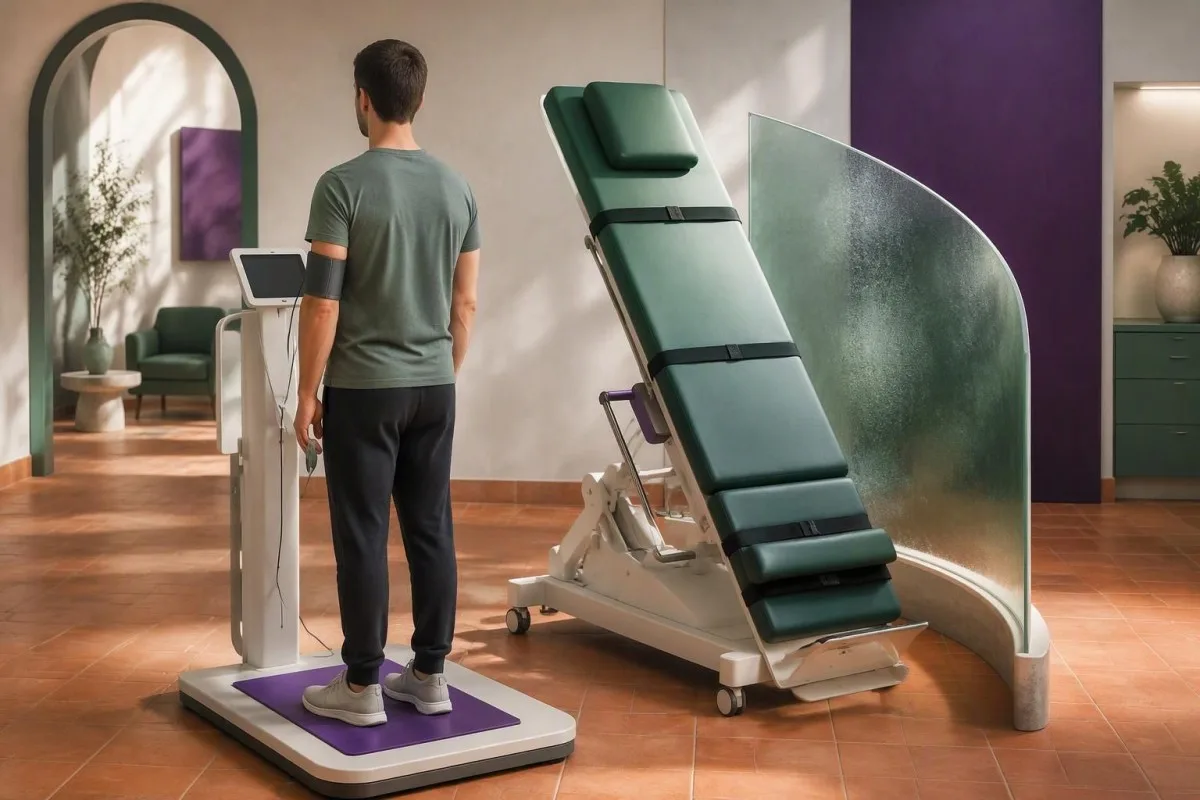
ክሊኒኮች POTS ን የሚመረምሩት ቀጥ ብሎ በመቆም ወቅት የልብ ምት ዘላቂ ጭማሪ፣ ከአቀማመጥ ለውጥ ጋር የተያያዙ ሥር የሰደዱ ምልክቶች እና ሌሎች መንስኤዎችን በማስወገድ ነው። የደም ምርመራ ሌሎች ሊሆኑ የሚችሉ ማብራሪያዎችን ለመለየት ይረዳል፤ POTS ን ግን ሊያረጋግጥ አይችልም።.

ዋና ዋና ነጥቦች
- የአዋቂዎች የመጠን ወሰን: ሌሎች ሁሉም መስፈርቶች ሲሟሉ፣ ዕድሜያቸው 20 ዓመትና ከዚያ በላይ በሆኑ አዋቂዎች ውስጥ ቀጥ ብሎ በመቆም በ10 ደቂቃዎች ውስጥ ቢያንስ 30 ምቶች/ደቂቃ የሆነ ዘላቂ የልብ ምት ጭማሪ POTS ን ይደግፋል።.
- የታዳጊዎች የመጠን ወሰን: ዕድሜያቸው 12–19 ዓመት የሆኑ ሰዎች በአጠቃላይ ቢያንስ 40 ምቶች/ደቂቃ የሆነ ዘላቂ ጭማሪ ያስፈልጋቸዋል፤ የአዋቂዎች የመጠን ወሰኖች ለታናናሽ ሕፃናት በራስ-ሰር መተግበር የለባቸውም።.
- የምልክቶች ቆይታ: ዘመናዊዎቹ የካናዳ መስፈርቶች በቆመ አቀማመጥ የሚከሰቱ ተደጋጋሚ ምልክቶች ቢያንስ ለ3 ወራት እንዲቆዩ ይጠይቃሉ፤ አንዳንድ የቆዩ ትርጓሜዎች 6 ወራት ይጠይቁ ነበር።.
- የደም ግፊት: ዘላቂ የቆመ አቀማመጥ ዝቅተኛ የደም ግፊት—በሲስቶሊክ ቢያንስ 20 mmHg ወይም በዲያስቶሊክ 10 mmHg መቀነስ—በቆመ አቀማመጥ ለሚከሰተው የልብ ምት መፍጠን የተለየ ማብራሪያ እንዳለ ያመለክታል።.
- የቆሞ ምርመራ፦ ሐኪሞች ከ5–10 ደቂቃ እረፍት በኋላ በተኙበት ሁኔታ የመነሻ መለኪያዎችን ይመዘግባሉ፤ ከዚያም ለ10 ደቂቃ በቆሙበት ጊዜ የልብ ምትንና የደም ግፊትን ደጋግመው ይለካሉ።.
- የማዘንበል ጠረጴዛ ምርመራ፦ በክትትል የሚደረግ ወደ ላይ የማዘንበል ምርመራ የቆሞ ምርመራ ውጤቶች ግልጽ ባይሆኑ ምርመራውን ሊደግፍ ይችላል፤ ሆኖም ለእያንዳንዱ ታካሚ አያስፈልግም።.
- የደም ምርመራ፦ ሄሞግሎቢን፣ ፌሪቲን፣ ኤሌክትሮላይቶች፣ የኩላሊት ሥራ እና የታይሮይድ ምርመራ ተመሳሳይ ምልክቶች የሚያስከትሉ ሌሎች ሁኔታዎችን ለመመርመር ይረዳሉ፤ በመደበኛ የደም ምርመራ ውጤት ብቻ POTS ምርመራ አይረጋገጥም።.
- ደህንነት፦ የደረት ሕመም፣ ከባድ የትንፋሽ ማጠር፣ በአካል እንቅስቃሴ ጊዜ መሳት ወይም አዲስ የነርቭ ምልክቶች በቤት ውስጥ ራስን በማቆም ከመሞከር ይልቅ ፈጣን ምርመራ ይፈልጋሉ።.
POTS እንዴት ይመረመራል—እና በእርግጥ ምን ያረጋግጠዋል?
የPOTS ምርመራ በቆመ ሁኔታ ውስጥ በ10 ደቂቃ ውስጥ ቀጣይነት ያለው የልብ ምት መጨመርን—በአዋቂዎች ቢያንስ 30 ምት/ደቂቃ ወይም ከ12–19 ዓመት ዕድሜ ላይ 40 ምት/ደቂቃ—ከቢያንስ 3 ወር የቆዩ እና በአቀማመጥ ለውጥ ጋር የተያያዙ ተደጋጋሚ ምልክቶች ጋር ይጠይቃል፤ ቀጣይነት ያለው የኦርቶስታቲክ የደም ግፊት መቀነስ ወይም ሌላ ማብራሪያ መኖር የለበትም። የቆሞ ምርመራ ወይም የማዘንበል ጠረጴዛ ምርመራው ይህን ንድፍ ይመዘግባል፤ የደም ምርመራ ደግሞ ተመሳሳይ ምልክቶች የሚያስከትሉ ሌሎች ሁኔታዎችን ያስወግዳል።.
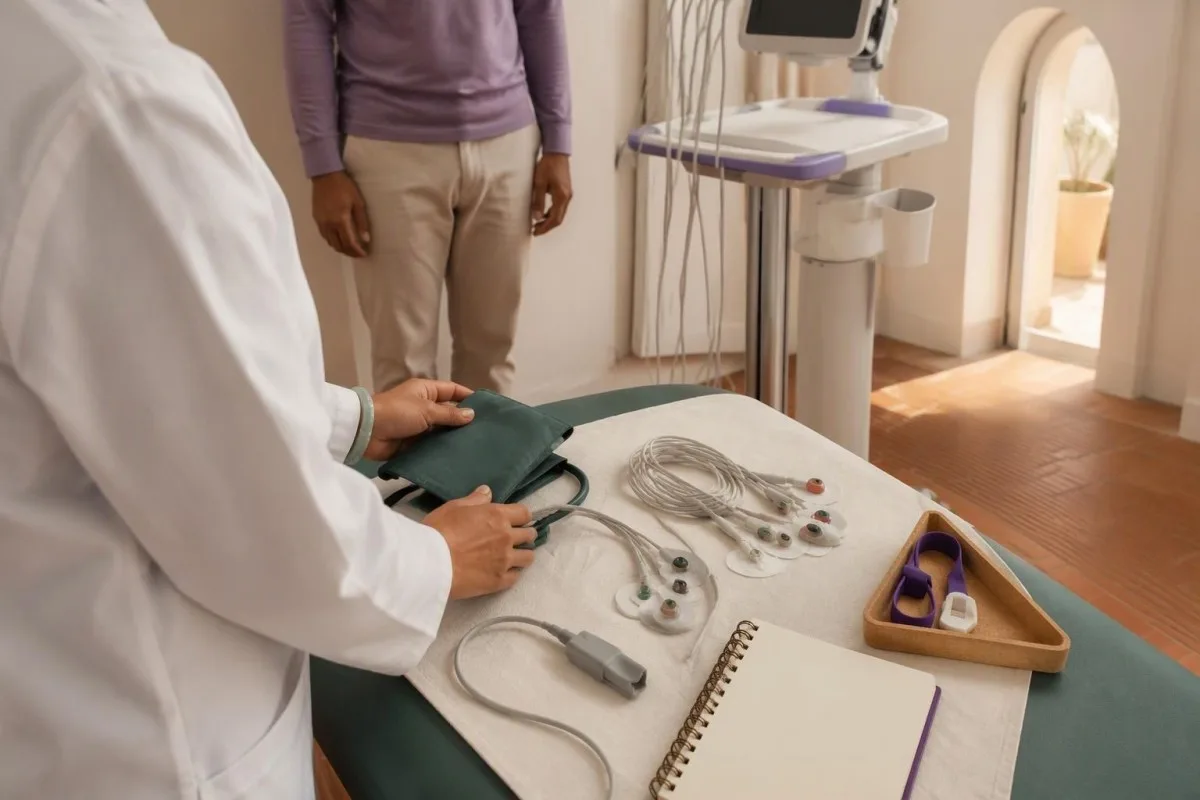
ምርመራው የአንድ አዎንታዊ ምርመራ ውጤት ሳይሆን ጥምረት ነው። በሌላ ረገድ ጤናማ በሆነ አዋቂ ሰው ላይ የልብ ምት በ35 ምት/ደቂቃ መጨመሩ POTS እንዳለ አያረጋግጥም፤ ምክንያቱም ምልክቶቹ በቆሙ ጊዜ መባባስና በመተኛት መሻሻል አለባቸው። የውኃ እጥረት፣ የደም ማነስ፣ የመድኃኒት ተጽዕኖዎችና ሌሎች ምክንያቶችም መታሰብ አለባቸው።.
ከፍተኛው ቁጥር ይልቅ ተደጋጋሚ መለኪያዎች የበለጠ አስፈላጊ ናቸው። በRaj እና ሌሎች (2022) የቀረበው የCMAJ ግምገማ፣ በካናዳ መመሪያ ላይ ተመስርቶ፣ ብቁ የሚያደርገው ጭማሪ ቢያንስ በ1 ደቂቃ ልዩነት በተወሰዱ ቢያንስ 2 የቆሙ መለኪያዎች ላይ መታየት እንዳለበት ይገልጻል፤ ይህም ለአጭር ጊዜ በእንቅስቃሴ ምክንያት በሚፈጠር ድንገተኛ ጭማሪ ላይ መመርኮዝን ይቀንሳል።.
መደበኛ ምርመራ የሕክምና ታሪክን፣ የአካል ምርመራን፣ በቆሙና በተኙ ሁኔታዎች የሚለኩ ወሳኝ ምልክቶችን እና 12-ሊድ ECGን ያካትታል። ሐኪሞች ምልክቶቹ ከቆሙ በኋላ ቀስ በቀስ ይጀምራሉ ወይስ በድንገት ይነሳሉ ብለው ይጠይቃሉ፤ ምክንያቱም የመጀመሪያው ንድፍ ካሳ የሳይነስ ታኪካርዲያን የሚያመለክት ሲሆን፣ ሁለተኛው ደግሞ የተለየ ምርመራ የሚያስፈልገውን የልብ ምት ምት መዛባት ሊያመለክት ይችላል።.
Kantesti ለPOTS ጥርጣሬ ጠቃሚ የሆኑ የላቦራቶሪ ውጤቶችን ለማብራራት የሚረዳ AI የደም ምርመራ ተንታኝ ነው፤ ሆኖም በቆሙ ሁኔታ የልብ ምት ምላሽን መለካት ወይም ምርመራውን ማድረግ አይችልም። ስለ ድርጅታችን ስለ ትምህርታዊ ይዘታችን ያለውን አገልግሎት ያብራራል፤ የ10 ደቂቃው የፊዚዮሎጂ ግምገማ ግን የክሊኒካዊ ሥራ ሆኖ ይቀጥላል።.
በተለያዩ ዕድሜዎች ምን የልብ ምት መስፈርቶች ይተገበራሉ?
20 ዓመትና ከዚያ በላይ ዕድሜ ያላቸው አዋቂዎች በአጠቃላይ በቆሙ ወይም ወደ ላይ በተዘነበሉ በ10 ደቂቃ ውስጥ ቢያንስ 30 ምት/ደቂቃ የሆነ ቀጣይነት ያለው የልብ ምት ጭማሪ ያስፈልጋቸዋል።. ከ12–19 ዓመት ዕድሜ ያሉ ታዳጊዎች በአጠቃላይ ቢያንስ 40 ምት/ደቂቃ ያስፈልጋቸዋል፤ ምክንያቱም ጤናማ ታዳጊዎች በቆሙ ጊዜ ከአዋቂዎች የሚበልጥ የልብ ምት ጭማሪ ሊኖራቸው ይችላል።.
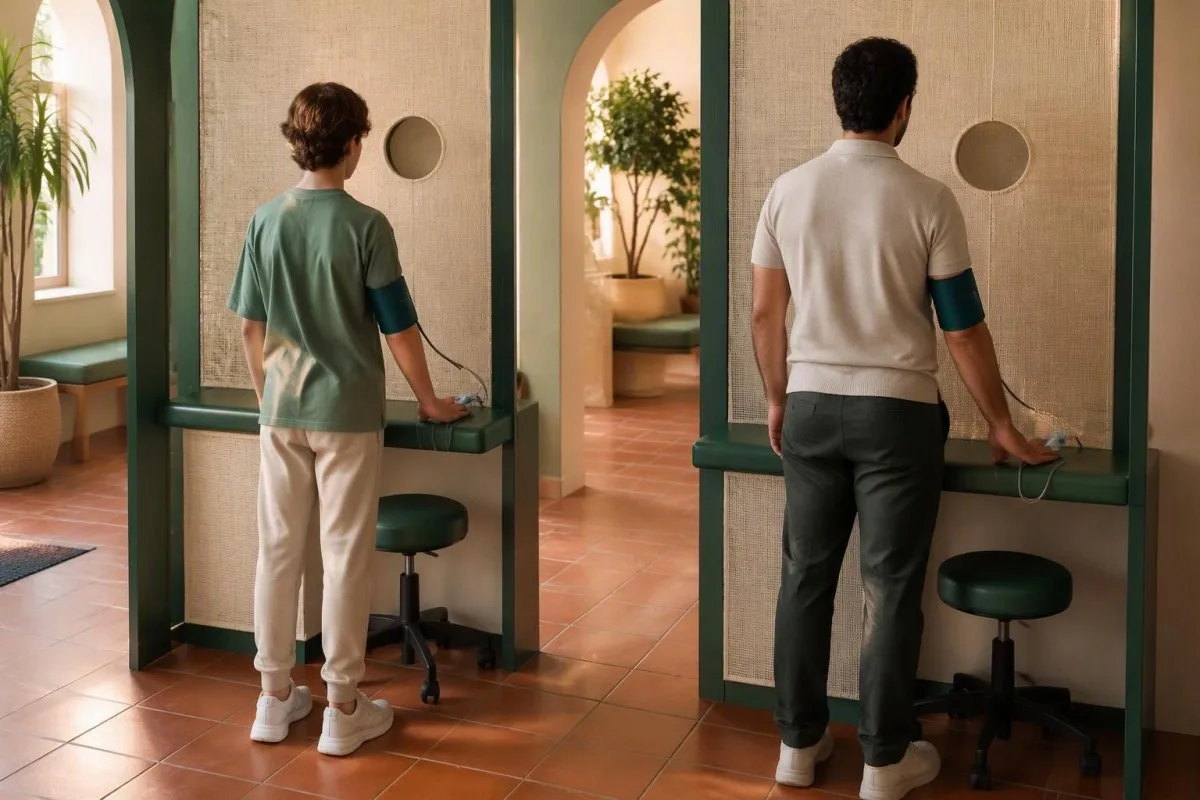
የዕድሜውን ወሰን በቀላሉ ማለፍ ይቻላል፦ የ18 ዓመት ወጣት በአጠቃላይ በ40 ምት/ደቂቃ መስፈርት ይመዘናል፤ በአዋቂዎች 30 ምት/ደቂቃ መስፈርት አይደለም። የ2015 የHeart Rhythm Society የስምምነት መግለጫ ከ12–19 ዓመት ዕድሜ ላይ ከፍ ያለውን መስፈርት ይጠቀማል፤ ይህም መደበኛ የወጣትነት ምላሾችን እንደ ሲንድሮም ከመመደብ ለመቆጠብ ነው (Sheldon እና ሌሎች፣ 2015)።.
በዘመናዊው የምርመራ መስፈርት መሠረት በቆሙ ጊዜ የልብ ምት ከ120 ምት/ደቂቃ በላይ መሆን አያስፈልግም። ለምሳሌ፣ የአዋቂ ሰው የልብ ምት ከ72 ወደ 106 ምት/ደቂቃ ቢጨምር የልብ ምት መስፈርቱን ሊያሟላ ይችላል፤ ከ102 ወደ 125 ምት/ደቂቃ የሚጨምር ሰው ግን የመጨረሻው የልብ ምት ከፍ ያለ ቢሆንም የጭማሪ መስፈርቱን አያሟላም።.
ዝቅተኛ የእረፍት ጊዜ የልብ ምት ሌላ የትርጓሜ ችግር ይፈጥራል። የካናዳ መመሪያ መስፈርቶቹን ሲተገብር በጀርባ ተኝቶ የሚለካ ዝቅተኛው የልብ ምት 60 ምት/ደቂቃ እንዲሆን ይጠቀማል። ይህም ከተለመደው ዝቅተኛ የአትሌት መነሻ ወደ መደበኛ የቆሞ የልብ ምት መጨመርን POTS ብሎ ከመሰየም ለመቆጠብ ያለመ ነው፤ ይህ ልማድ ግን በሁሉም ትርጓሜዎች አንድ ዓይነት አይደለም።.
ከ12 ዓመት በታች ያሉ ሕፃናት ቀላል የአዋቂዎች የወሰን መስፈርት ሳይሆን የሕፃናት ሐኪም ትርጓሜ ይፈልጋሉ። በዕድሜ የሚለያዩ የማጣቀሻ እሴቶች በላቦራቶሪ ሪፖርቶቻቸው ላይም ተጽዕኖ ያሳድራሉ፤ ለዚህም ነው መመሪያችን ስለ children's lab interpretation separates educational assistance from assessment by a pediatric clinician.
POTS ከመመርመሩ በፊት ምልክቶች ለምን ያህል ጊዜ መቆየት አለባቸው?
Contemporary Canadian POTS criteria require symptoms for at least 3 months, alongside qualifying upright measurements. The symptoms must be frequent, worse while upright and improve after lying down; a fast pulse during a few days of fever or gastrointestinal illness does not establish a chronic autonomic syndrome.
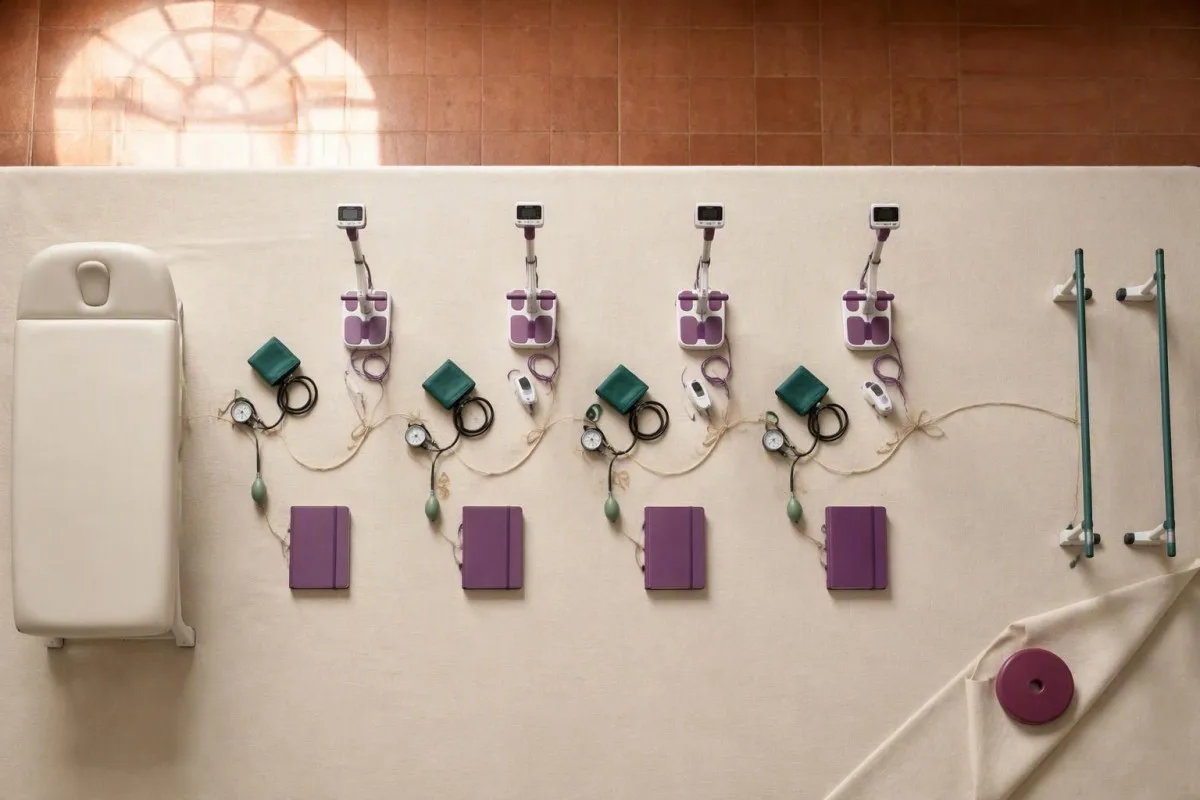
Older publications and some clinical services use a 6-month duration requirement, so apparent disagreement between assessments may reflect different definitions rather than a measurement error. Raj et al. (2022) describes the 3-month criterion; a referral letter should identify the framework used rather than simply saying the test was positive.
Typical symptoms include lightheadedness, palpitations, blurred vision, weakness and fatigue during upright activity. A hypothetical person with 4 months of symptoms while showering or queuing, relieved by lying down, has a more characteristic history than someone with equally severe fatigue that never changes with posture.
Fainting is not necessary for POTS diagnosis, and recurrent fainting does not automatically mean POTS. Documenting whether a 2-minute episode follows standing, exertion, a painful procedure or no recognizable trigger helps distinguish orthostatic intolerance from vasovagal syncope, arrhythmias and other causes of transient loss of consciousness.
Kantesti's educational approach separates symptom overlap from diagnostic proof: 3 months of fatigue plus normal bloodwork is insufficient without the orthostatic pattern. Post-exertional symptom worsening may warrant assessment for ME/CFS diagnostic criteria, which can coexist with POTS but uses a different diagnostic framework.
ክሊኒክ ሐኪም የPOTS የመቆም ምርመራን እንዴት ያከናውናል?
A POTS standing test measures heart rate and blood pressure after 5–10 minutes lying quietly, then during up to 10 minutes of standing. A commonly described schedule records measurements at 1, 3, 5, 8 and 10 minutes, while documenting symptoms and whether the person can safely remain upright.
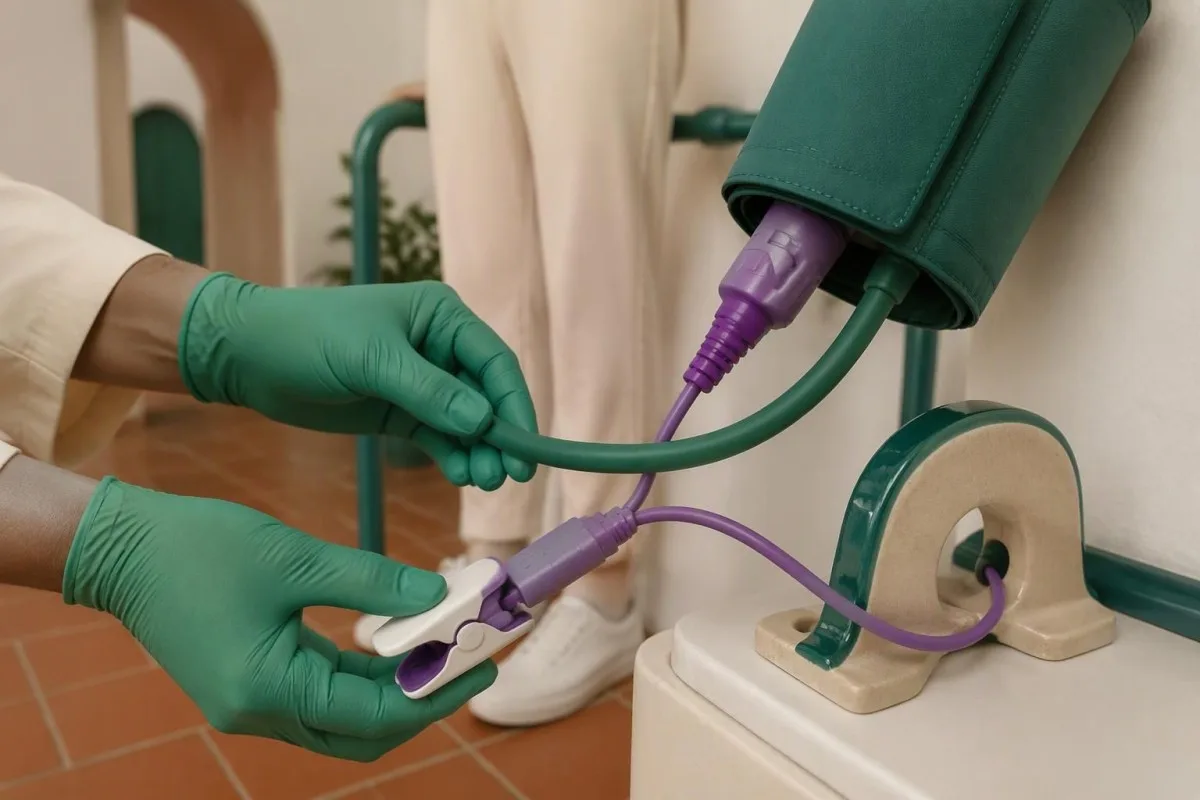
The lying baseline matters. Comparing a seated pulse with a standing pulse is not equivalent to the standard supine-to-standing assessment, because sitting already imposes some orthostatic stress; using a seated baseline can underestimate the change over the subsequent 10 minutes and obscure an otherwise qualifying pattern.
During testing, the patient usually stands quietly with supervision rather than marching, talking continuously or repeatedly contracting the calves. The leg-muscle pump returns fluid toward the heart, so movement during minutes 3–10 can alter the result; locking the knees or deliberately provoking symptoms is not a useful substitute.
Heart rate and blood pressure should be captured together, with the cuff arm supported near heart level. A cuff reading taken while the arm hangs well below the heart can distort pressure interpretation, while a wrist wearable may show movement artifacts during the first 1 minute after standing.
Preparation should be documented, not improvised. A practical record includes medication timing, recent illness, fluid intake and time of day alongside the 5–10-minute baseline; our baseline testing preparation guide explains why consistent conditions also make accompanying laboratory results more interpretable.
በቆመ አቀማመጥ የሚለኩ ወሳኝ ምልክቶች ስለ ደም ግፊት ምን ያሳያሉ?
Orthostatic vital signs assess blood pressure as well as pulse. A sustained fall of at least 20 mmHg systolic or 10 mmHg diastolic within 3 minutes upright meets conventional criteria for classical orthostatic hypotension; that finding can explain compensatory tachycardia and argues against diagnosing POTS from the pulse increase alone.
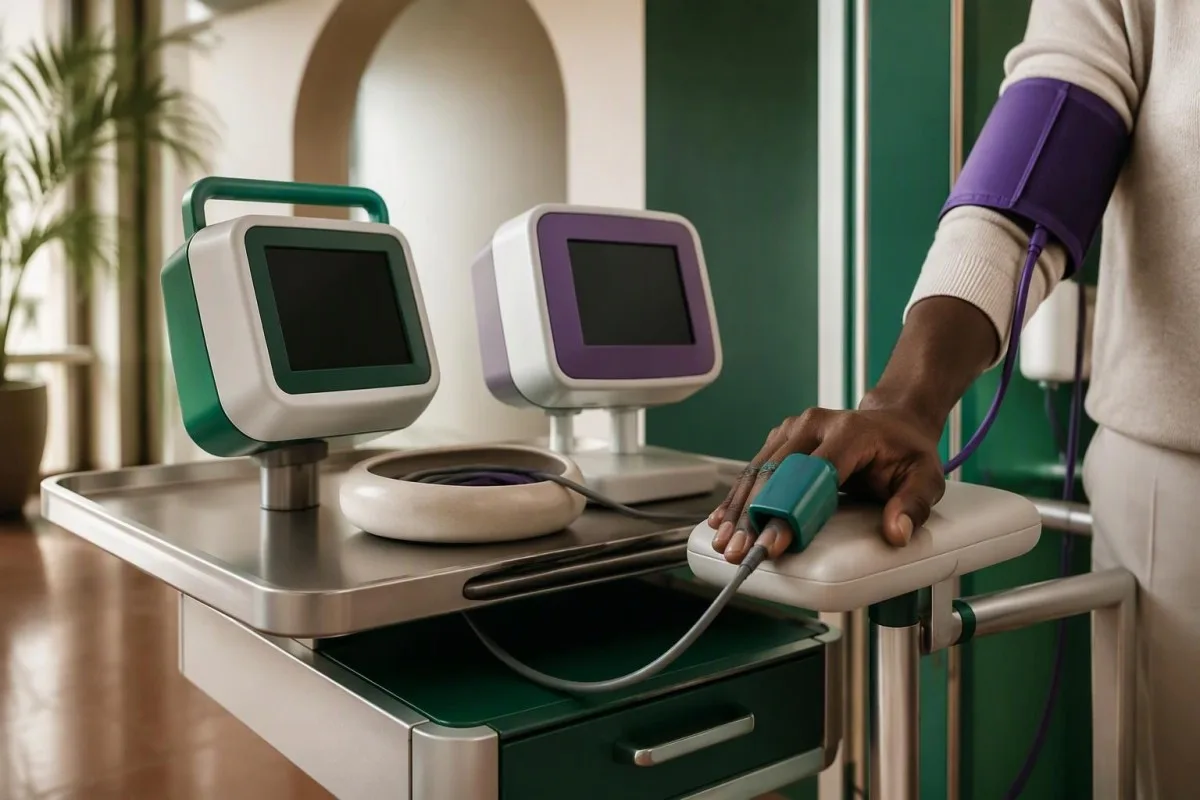
A hypothetical change from 118/76 to 94/64 mmHg is a fall of 24/12 mmHg. Even if heart rate simultaneously rises by 40 beats/min, the pressure drop changes the interpretation: clinicians should investigate volume depletion, medication effects or impaired pressure regulation instead of treating the pulse threshold as confirmation.
A brief pressure dip immediately after standing is different from sustained orthostatic hypotension. Initial orthostatic hypotension often occurs within roughly 15 seconds and can resolve before an intermittent cuff completes its first measurement; such a transient response does not necessarily exclude POTS when the later pattern meets all criteria.
Symptoms in the first 10–20 seconds can therefore be missed by a normal reading at 1 minute. Continuous beat-to-beat pressure monitoring may clarify that early pattern; clinicians may also assess later falls occurring beyond 3 minutes when the history suggests delayed orthostatic hypotension rather than isolated postural tachycardia.
Normal sodium or potassium does not prove adequate circulating volume. The usual sodium reference interval is approximately 135–145 mmol/L, but dehydration can exist within that interval; our የኤሌክትሮላይት ውጤት መመሪያ explains why concentration, fluid losses and kidney function need to be read together.
የልብ ምት ጭማሪን እንዴት ማስላትና መተርጎም ይገባል?
አስሉ የ orthostatic heart-rate increase by subtracting the stable lying baseline from each upright reading. Clinicians then look for a sustained increase of at least 30 beats/min in adults or 40 beats/min at ages 12–19, rather than accepting the largest isolated value from a watch or monitor.
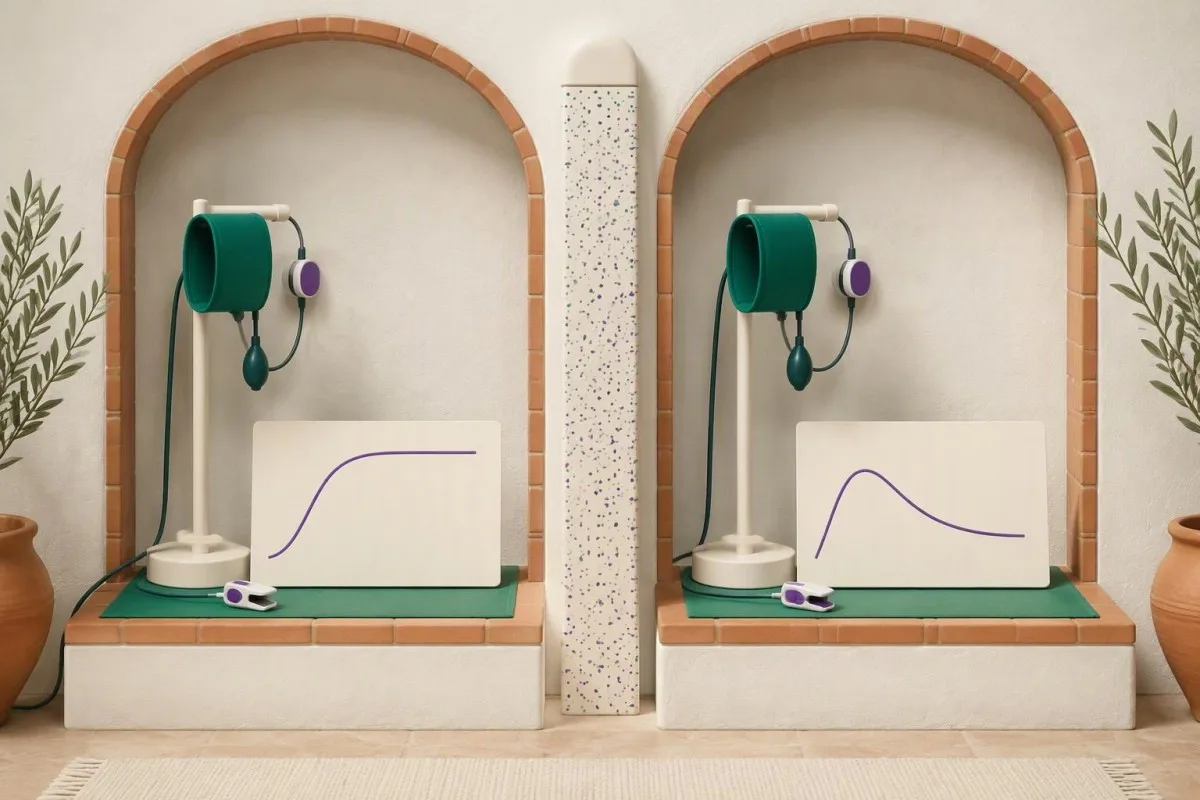
Consider a clearly hypothetical 28-year-old with a resting rate of 68 beats/min and standing readings of 92, 101, 104, 103 and 102. The increases are 24, 33, 36, 35 and 34 beats/min; this satisfies the heart-rate component, but symptoms, pressure and exclusions still determine whether POTS is diagnosed.
Now consider a hypothetical 16-year-old whose rate rises from 70 to 106 beats/min and remains there. The 36-beats/min increase exceeds the adult threshold but not the adolescent threshold of 40; the person may still have clinically significant orthostatic intolerance and deserves assessment rather than dismissal.
An isolated peak is less convincing. If an adult goes from 75 to 112 beats/min immediately after standing, then settles to 94–98 throughout minutes 3–10, the brief 37-beats/min spike does not demonstrate a sustained qualifying response; movement artifact or normal early adjustment may explain the peak.
Symptoms do not map neatly onto the size of the rise: a 45-beats/min increase is not automatically more disabling than a 32-beats/min increase. Recording the rhythm and trigger is often more useful for next steps, particularly when reviewing tests for palpitations alongside orthostatic measurements.
ውጤቱን ምን ሊያዛባው ይችላል—እና ምርመራው መቼ መደገም አለበት?
Hydration, medication, recent illness and time of day can change upright heart-rate measurements. Orthostatic tachycardia is often greater in the morning, so a negative afternoon assessment may warrant a repeat morning test when the history strongly suggests POTS; repeating testing is not the same as changing conditions to force a positive result.
Acute fever, vomiting, diarrhea or inadequate fluid intake can produce a qualifying rise without establishing POTS. A single 10-minute assessment during such an episode should be interpreted as an acute physiological response until the temporary explanation has resolved and the chronic symptom history can be assessed properly.
Beta-blockers and ivabradine can blunt the pulse increase, while stimulants, some decongestants and norepinephrine-reuptake inhibitors can increase it. Record the exact dose and last administration time—for example, a prescribed morning dose taken 2 hours before testing—and follow the testing service's instructions rather than stopping treatment independently.
Nicotine and caffeine can influence sympathetic activity, but abstinence instructions vary between services and test types. Mention vaping, smoking and nicotine replacement used within the preceding hours; nicotine exposure testing describes exposure assessment, not a test that confirms or excludes POTS.
Poor sleep and a large meal can change symptoms and physiological responses even when the equipment is accurate. A repeat assessment after a 5–10-minute rest should record those circumstances; our poor-sleep testing guide explains why the same context can also complicate accompanying laboratory interpretation.
የPOTS የጠረጴዛ ማዘንበል ምርመራ መቼ ጠቃሚ ነው?
A POTS tilt table test is useful when standing measurements are inconclusive, safe standing is difficult or the clinician needs more detailed heart-rate and pressure monitoring. A passive head-up tilt, often around 60–70 degrees, can document the response over at least 10 minutes; many straightforward cases do not require it.
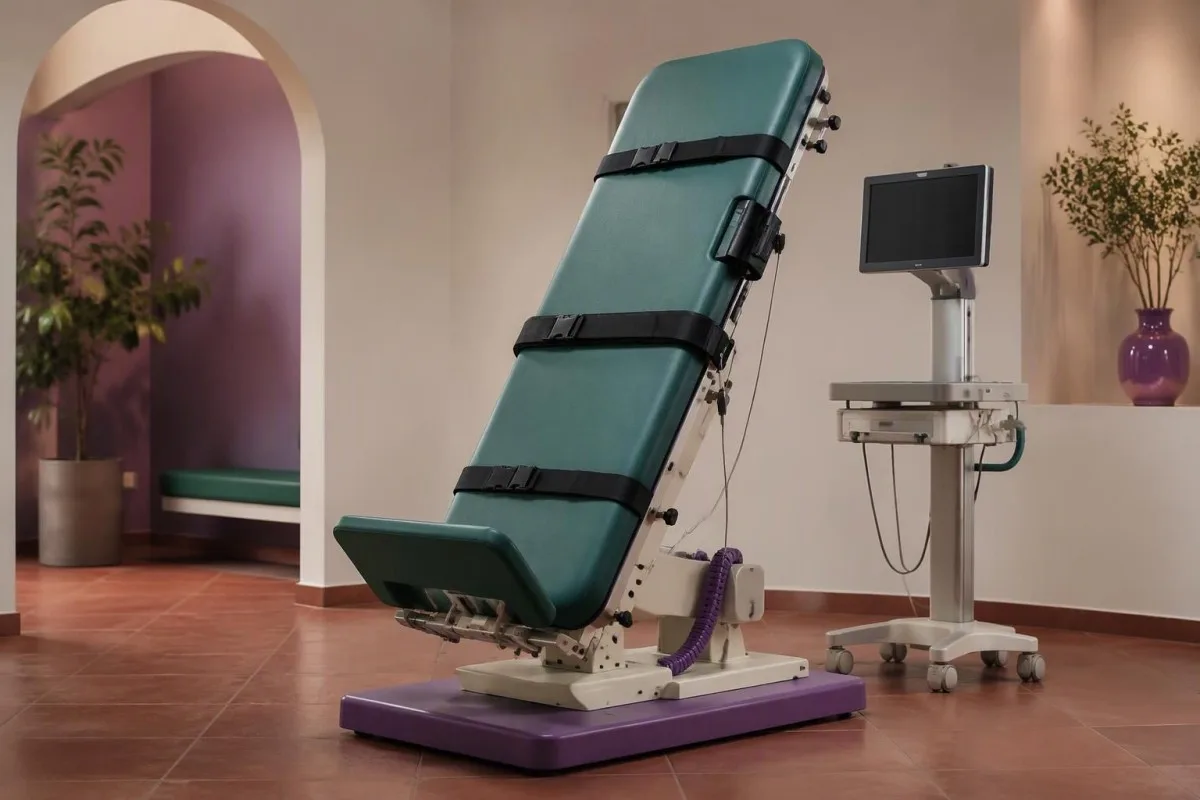
Passive tilt differs from active standing because the table supports the person and reduces use of the leg-muscle pump. Heart rate can therefore rise more on tilt than during standing, meaning the two tests are not interchangeable simply because both expose the circulation to gravity for 10 minutes.
Plash et al. (2013) compared 15 people with POTS and 15 controls. Using a 30-beats/min threshold at 10 minutes, specificity was 40% for tilt versus 67% for standing; this small study illustrates why a positive tilt threshold without the appropriate clinical history can misclassify healthy responses.
Longer syncope protocols may continue beyond the initial 10 minutes and sometimes use medication provocation. A later vasovagal fall in pressure or a medication-induced response should not be treated as identical to an unprovoked POTS-pattern response; ask which portion of the protocol supports the proposed diagnosis.
The report should state the tilt angle, baseline rest, duration, medications and monitoring method. The same transparency principle informs our ማረጋገጫ እና ክሊኒካዊ ደረጃዎች: documented methods are necessary for interpretation, but an AI benchmark does not validate a patient's tilt result or replace specialist judgment.
POTS ን የሚመስሉ ሌሎች ሁኔታዎችን ለማስወገድ የትኞቹ የደም ምርመራዎች ይረዳሉ?
Bloodwork does not confirm POTS. Common investigations include hemoglobin, ferritin, electrolytes, kidney function and thyroid testing; a morning cortisol may be included in a core workup or ordered according to clinical suspicion and local practice. These tests look for alternative explanations for tachycardia, weakness and orthostatic symptoms.
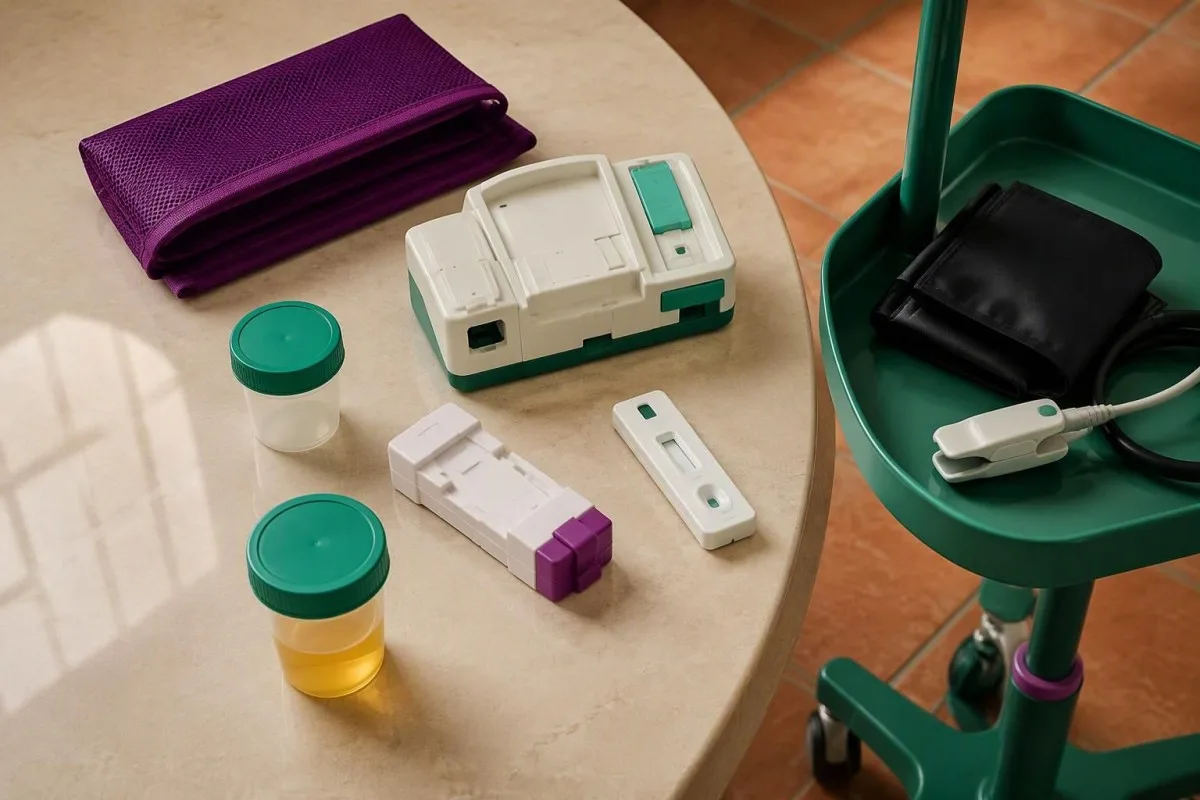
Hemoglobin assesses anemia, while ferritin helps assess iron stores; the two answer different questions. Ferritin of 10 ng/mL can indicate depleted stores even when hemoglobin remains within the local reference interval, so a normal CBC does not make low iron-store symptoms irrelevant.
A suppressed TSH with elevated free T4 suggests thyrotoxicosis, a potential explanation for tachycardia that must be addressed before attributing the pattern to POTS. Free T4 ranges are assay-dependent—often approximately 10–22 pmol/L—so the laboratory's own interval matters when reviewing thyroxine and TSH results.
Morning cortisol needs both sampling time and assay context. A markedly low result, such as below approximately 3 µg/dL or 83 nmol/L, raises concern for adrenal insufficiency but requires clinician-led interpretation; intermediate values may need stimulation testing, as explained in our የኮርቲሶል የጊዜ መመሪያ.
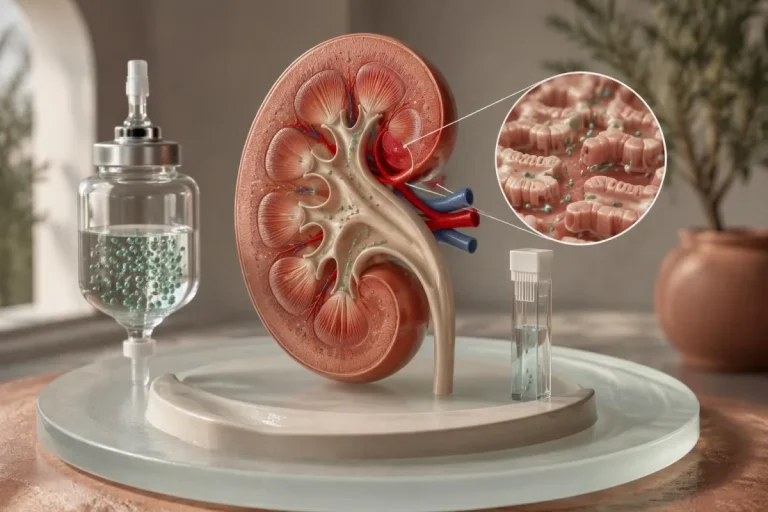
Kantesti is an AI blood test interpretation platform that helps explain hemoglobin, ferritin and renal results in context, rather than converting normal values into a POTS label. A BUN/creatinine ratio above 20 may occur with volume depletion when both are expressed in mg/dL, but our የኩላሊት ሬሾ ትርጓሜ ገደቦቹን ያብራራል።.
የደም ማነስና የብረት እጥረት ግምገማውን እንዴት ይለውጣሉ?
Anemia can cause compensatory tachycardia and must be evaluated before a pulse rise is attributed to POTS. Iron deficiency without anemia may contribute to fatigue and reduced exercise tolerance, but a low ferritin result neither confirms POTS nor proves that iron deficiency explains the entire orthostatic symptom pattern.
For example, a hypothetical adult with hemoglobin of 9.2 g/dL, ferritin of 6 ng/mL and a 38-beats/min upright rise needs assessment of the anemia and its cause. The qualifying pulse change cannot be interpreted in isolation; reduced oxygen-carrying capacity can drive tachycardia before any autonomic diagnosis is established.
Ferritin below approximately 15 ng/mL strongly supports depleted iron stores in otherwise healthy adults, but inflammation can raise ferritin and obscure deficiency. A value of 45 ng/mL during an inflammatory illness is therefore not equivalent to the same value when well; complete iron-study interpretation adds transferrin saturation and clinical context.
The source of deficiency matters as much as replacement. Heavy periods, dietary restriction, gastrointestinal losses and malabsorption call for different investigations; prolonged menstrual flow beyond 7 days is one reason to review ከባድ የወር አበባ ደም መፍሰስ rather than assuming every symptom belongs to an autonomic condition.
Kantesti AI can help explain why hemoglobin of 9.2 g/dL and ferritin of 6 ng/mL warrant clinical review, but it cannot decide whether anemia fully accounts for a standing-test result. Persistent posture-related symptoms after correction may justify reassessment; an abnormal laboratory result and genuine POTS can coexist.
ECG እና የልብ ምት ክትትል በምርመራው አካል የሚሆኑት ለምንድን ነው?
A 12-መሪ የECG (12-lead ECG) helps check that the tachycardia is sinus rhythm and looks for cardiac clues that a pulse monitor cannot identify. A Holter or longer event monitor is selected when symptoms suggest an intermittent arrhythmia, persist independently of posture or remain unexplained after the initial orthostatic assessment.
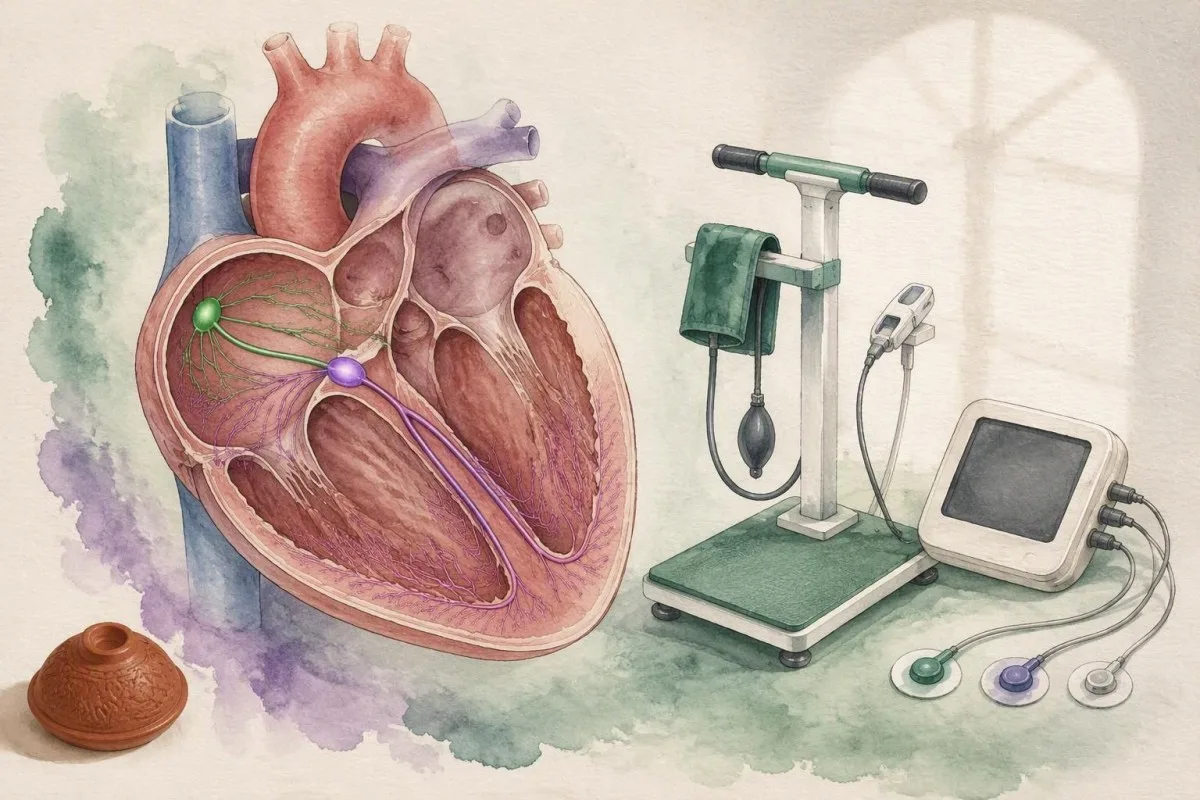
POTS-related sinus tachycardia usually builds with upright stress and decreases after lying down. An episode that abruptly switches from 80 to 180 beats/min and stops just as suddenly raises a different question, particularly if it occurs while resting; a wearable heart-rate number alone cannot identify the rhythm.
Inappropriate sinus tachycardia can overlap symptomatically with POTS but is less posture-dependent. The 2015 Heart Rhythm Society definition includes a resting sinus rate above 100 beats/min and a mean 24-hour rate above 90 beats/min, with distressing symptoms and no primary cause (Sheldon et al., 2015).
Monitor duration should match episode frequency. Daily events may be captured on a 24–48-hour Holter, whereas less frequent episodes may need a longer monitor; a normal short recording does not exclude an arrhythmia that simply did not occur during the recording period.
Echocardiography and troponin are not routine confirmation tests for uncomplicated POTS. New chest pain, exertional fainting, an abnormal ECG or concerning examination findings may justify a separate cardiac pathway; our troponin testing limits guide explains why 1 normal biomarker cannot settle every cardiac concern.
የራስ-ገዝ የነርቭ ሥርዓት ምርመራዎች ወይም የኖረፒንፍሪን መጠን POTS ን ያረጋግጣሉ?
Additional autonomic tests and catecholamine measurements are not required for every POTS diagnosis. Specialists may use them to investigate particular mechanisms or a broader autonomic disorder; an upright norepinephrine concentration of at least 600 pg/mL is often used as a hyperadrenergic feature, not as a standalone diagnostic test.
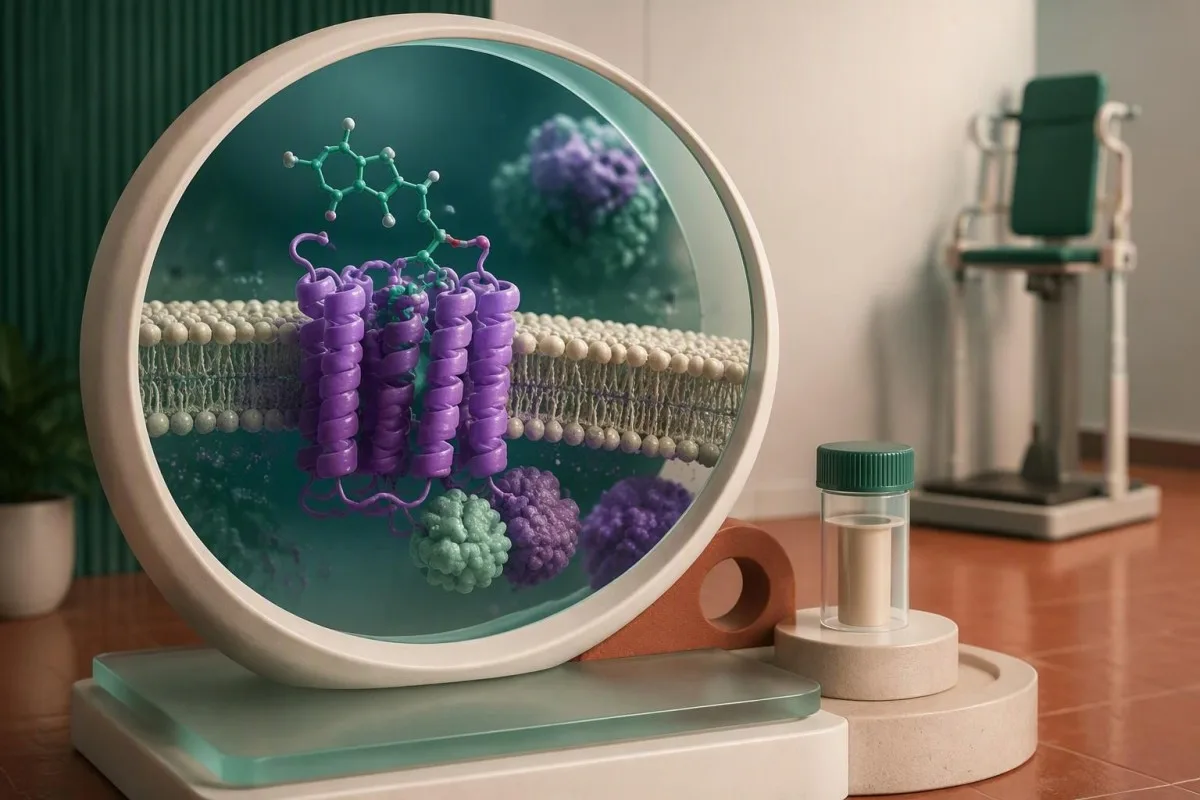
An elevated upright norepinephrine result can reflect compensation for reduced central volume, not simply primary sympathetic overactivity. Values at or above 600 pg/mL therefore need to be interpreted alongside blood pressure, symptoms, medications and the collection protocol; proposed POTS subtypes are not always mutually exclusive.
Catecholamine collection is sensitive to posture and handling. Specialist protocols may obtain samples after at least 10 minutes in specified positions, with their own rest and transport requirements; comparing a seated sample from one laboratory with a prolonged-upright sample from another can create a misleading apparent trend.
Sweat testing, Valsalva testing and heart-rate responses to deep breathing assess different autonomic functions. These investigations may help when there are additional neurological or autonomic features, but a normal result on 1 of them does not erase a documented orthostatic tachycardia pattern or independently rule out POTS.
Kantesti does not treat a norepinephrine value of 600 pg/mL as a positive POTS screen. Episodic headache, sweating and marked hypertension may instead prompt clinician-directed metanephrine testing; our pheochromocytoma testing clues guide explains why that investigation answers a different question.
የደም ምርመራው መደበኛ ከሆነ ወይም የመቆም ምርመራው አሉታዊ ከሆነስ?
Normal bloodwork does not rule out POTS, because routine laboratory tests do not measure the upright cardiovascular response. A single negative 10-minute standing test also may not settle a strongly suggestive history; clinicians should review test conditions, consider repeat assessment and investigate other explanations rather than automatically confirming or dismissing the syndrome.
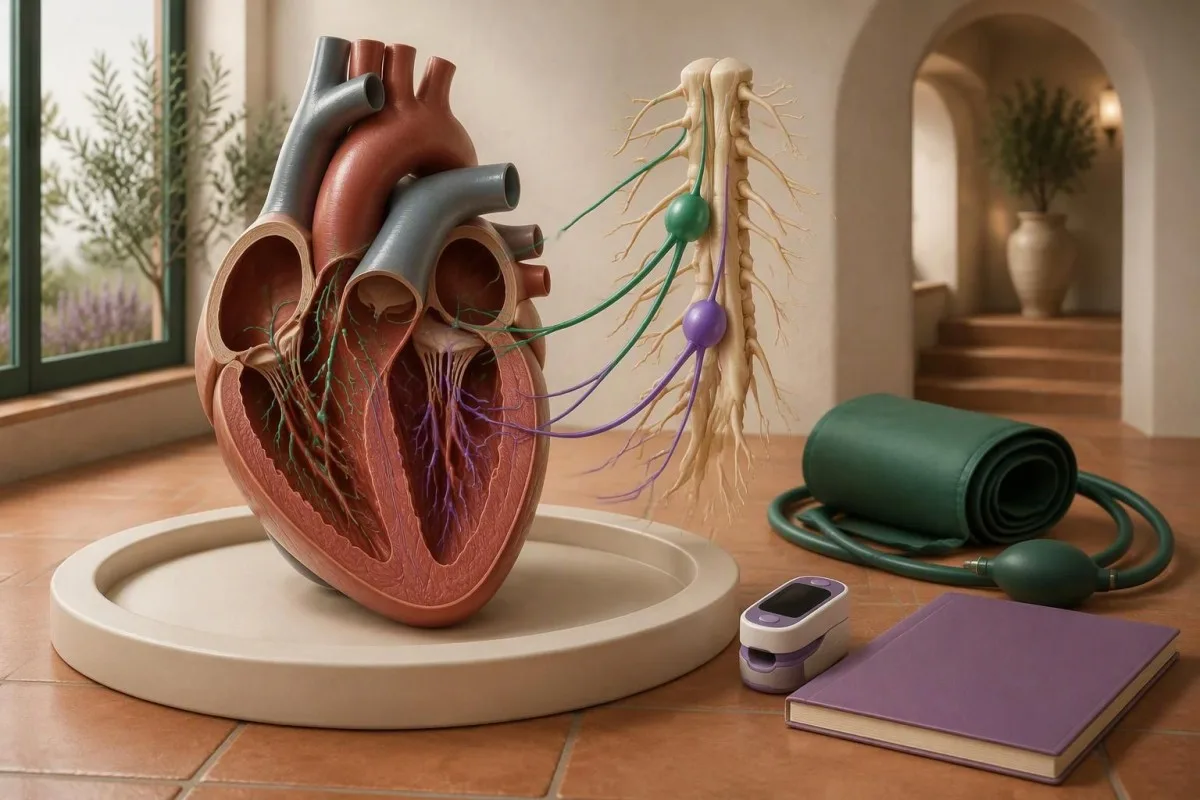
Someone with frequent orthostatic symptoms may not meet the heart-rate threshold on a particular day. A hypothetical adult with an increase of 26 beats/min still deserves a symptom-focused assessment, but that result does not satisfy the 30-beats/min component and should not be rounded upward to secure a label.
A repeat morning assessment may be reasonable when the first test followed substantial fluid intake, rate-lowering medication or an abbreviated baseline rest. If repeated, well-performed 10-minute assessments remain below threshold, clinicians should broaden the differential rather than assuming an unrecorded POTS response must exist.
Persistent fatigue, tingling or cognitive symptoms can justify targeted investigations even after a basic panel is normal. A borderline vitamin B12 result around 200–300 pg/mL may need contextual follow-up rather than dismissal, as described in our የድንበር B12 ግምገማ; exact laboratory thresholds differ.
Clinical features should determine additional testing, not an indiscriminate autoimmune or hormone panel. At least 3 months of symptoms establishes chronicity under contemporary criteria, but it does not identify the cause; sleep disorders, vasovagal susceptibility, medication effects and overlapping post-viral conditions may require separate assessment.
ቀጣይ ጊዜ ምን ይዘው መምጣት አለብዎት—እና AI ምን ሊያብራራ ይችላል?
ይዘው ይምጡ dated symptoms, medication details, orthostatic measurements and existing laboratory reports to the clinician assessing suspected POTS. A useful record includes the lying baseline, timed readings through 10 minutes, accompanying blood pressure and symptom changes; AI can explain laboratory context, but diagnosis requires clinical assessment of the whole pattern.
A home log should support the consultation, not create a fainting risk. If a clinician recommends home measurements, have assistance, stop when presyncope develops and do not insist on completing 10 minutes; chest pain, severe breathlessness, exertional fainting or new neurological symptoms warrant prompt medical assessment.
Ask 3 practical questions: did my measurements meet the age-appropriate threshold, was sustained orthostatic hypotension absent, and were plausible alternative causes evaluated? A referral report that answers those questions is more useful than a list of pulse peaks without baseline conditions, symptom duration or rhythm information.
Kantesti is an AI lab test interpretation service that helps organize the laboratory part of this discussion while leaving the 10-minute orthostatic assessment to clinicians. Our ኃላፊነት ያለው የAI መርሆዎች describe that boundary; review ግላዊነትን እና ውሂብዎን before sharing reports that contain identifying information.
The 2 Zenodo publications listed below provide supplementary education on kidney ratios and urinalysis, not validation of POTS diagnostic criteria or an AI diagnostic claim. Neither publication establishes a POTS biomarker; the clinical recommendations in this article instead draw on the CMAJ review, Heart Rhythm Society consensus and comparative standing-versus-tilt study listed separately.
ተደጋግመው የሚጠየቁ ጥያቄዎች
0 POTS እንዴት ይመረመራል?
በቆመ አቀማመጥ ላይ በመቆየት የሚባባሱ ሥር የሰደዱ ምልክቶች ከቆመ በ10 ደቂቃ ውስጥ በቀጣይነት ከሚከሰት የልብ ምት መጨመር ጋር ሲኖሩ፣ ቀጣይነት ያለው የኦርቶስታቲክ የደም ግፊት መቀነስ ወይም ሌላ ማብራሪያ ሳይኖር POTS ይመረመራል። የተለመደው የጭማሪ መጠን 20 ዓመትና ከዚያ በላይ ለሆኑ አዋቂዎች በደቂቃ ቢያንስ 30 ምቶች፣ እና ከ12–19 ዓመት ዕድሜ ላሉት በደቂቃ 40 ምቶች ነው። የዘመናዊዎቹ የካናዳ መስፈርቶች ምልክቶች ቢያንስ ለ3 ወራት እንዲቆዩ ይጠይቃሉ፣ ምንም እንኳን አንዳንድ የቀድሞ ትርጓሜዎች 6 ወራትን ቢጠቀሙም። ሐኪም በቆሞ ወይም በማዘንበል የሚደረጉ ልኬቶችን ከታሪክ፣ ከምርመራ፣ ከኤሌክትሮካርዲዮግራም እና ከተመረጡ ምርመራዎች ጋር በማጣመር ይገመግማል።.
የማዘንበል ጠረጴዛ ምርመራ ሳይደረግ በመቆም የሚደረግ ምርመራ POTSን ማረጋገጥ ይችላል?
በትክክል የተከናወነ የቆሞ ምርመራ የማጋደል ጠረጴዛ ምርመራ ሳያስፈልግ ለPOTS ምርመራ የሚያስፈልጉትን የአቀማመጥ ለውጥ መለኪያዎች ሊሰጥ ይችላል። ሐኪሞች በአጠቃላይ ለ5–10 ደቂቃዎች ተኝቶ በጸጥታ ከቆዩ በኋላ የመነሻ መለኪያ ያገኛሉ፣ ከዚያም ለ10 ደቂቃዎች በቆሙበት ጊዜ የልብ ምትንና የደም ግፊትን በተደጋጋሚ ይለካሉ። ዘላቂ የሆነ እና መስፈርቱን የሚያሟላ ጭማሪ ከረጅም ጊዜ የአቀማመጥ ለውጥ ምልክቶች ጋር መከሰትና ሌሎች ምክንያቶች መወገዳቸው ያስፈልጋል። ውጤቶቹ ግልጽ ባልሆኑበት፣ መቆም ደህንነቱ በማይጠበቅበት ወይም የበለጠ ዝርዝር ክትትል በሚያስፈልግበት ጊዜ የማጋደል ምርመራ ጠቃሚ ነው።.
POTS እንዲኖርዎት የልብ ምትዎ ከ120 መብለጥ አለበት?
በዘመናዊው የPOTS መመዘኛዎች መሠረት፣ በቆሞ ጊዜ የልብ ምት ከ120 ምቶች/ደቂቃ በላይ መሆን አያስፈልግም። የልብ ምቱ ከ72 ወደ 106 ምቶች/ደቂቃ የሚጨምር አዋቂ ሰው የ34 ምቶች/ደቂቃ ጭማሪ አለው፤ ጭማሪው ዘላቂ ከሆነም የልብ ምት መስፈርቱን ሊያሟላ ይችላል። ከ102 ወደ 125 ምቶች/ደቂቃ የሚጨምር ሰው ግን የ23 ምቶች/ደቂቃ ጭማሪ ብቻ አለው፣ እና ያንን መስፈርት አያሟላም። የመጨረሻውን ምርመራ አሁንም ምልክቶች፣ የደም ግፊት እና ሌሎች ሊሆኑ የሚችሉ ማብራሪያዎች ይወስናሉ።.
POTSን የሚያረጋግጡት የደም ምርመራዎች ምንድን ናቸው?
POTSን የሚያረጋግጥ መደበኛ የደም ምርመራ የለም። ሄሞግሎቢን፣ ፌሪቲን፣ ኤሌክትሮላይቶች፣ የኩላሊት ተግባር እና የታይሮይድ ምርመራዎች ተመሳሳይ ምልክቶችን የሚያስከትሉ ሌሎች ሁኔታዎችን ለመለየት ይረዳሉ፤ እንደ ግምገማውና እንደ አካባቢያዊ ፕሮቶኮሉ የጠዋት ኮርቲዞል ምርመራም ተገቢ ሊሆን ይችላል። ለምሳሌ፣ 9.2 g/dL ሄሞግሎቢን ከ6 ng/mL ፌሪቲን ጋር የብረት ክምችት መቀነሱን የሚያመለክት የደም ማነስ እንዳለ ያሳያል፤ ይህም ለልብ ምት መፍጠን አስተዋጽኦ ሊያደርግ ስለሚችል ምርመራ ያስፈልገዋል። መደበኛ ውጤቶች POTSን አያስወግዱም፤ ምክንያቱም በቆሞ ሁኔታ የሚከሰተውን የልብና የደም ሥር ምላሽ አይለኩም።.
ስማርት ሰዓት በቤት ውስጥ POTSን ሊመረምር ይችላል?
ስማርት ሰዓት POTS ን በተናጠል ሊመረምር አይችልም፤ ሆኖም የሚመዘግበው መረጃ ለምክክር ምልክቶችን ለመመዝገብ ሊረዳ ይችላል። ተለባሽ መሣሪያዎች በቋሚነት ቢያንስ 20 mmHg ሲስቶሊክ ወይም 10 mmHg ዲያስቶሊክ የደም ግፊት መቀነስን ለመመርመር የሚያስፈልገውን በተመሳሳይ ጊዜ የሚደረግ የደም ግፊት ግምገማ በአስተማማኝ ሁኔታ አያቀርቡም። የእንቅስቃሴ ተጽዕኖዎችም በ10 ደቂቃ ውስጥ ከሚከሰቱ ቀጣይ ለውጦች የተለዩ አጭር የልብ ምት ከፍተኛ ጭማሪዎችን ሊያስከትሉ ይችላሉ። ለመሳት የተጋለጠ ማንኛውም ሰው ያለ ቁጥጥር የመቆም ሙከራ ከማድረግ መቆጠብ እና ደህንነቱ የተጠበቀ ግምገማ ከሐኪም ጋር መወያየት አለበት።.
መደበኛ የማዘንበል ጠረጴዛ ምርመራ ቢኖርም POTS ሊኖር ይችላል?
0 መደበኛ የዘንበል ጠረጴዛ ምርመራ ውጤት የማያቋርጡ የኦርቶስታቲክ ምልክቶችን በራሱ አያስረዳም፤ ነገር ግን POTS መኖሩንም አያረጋግጥም። መድኃኒቶች፣ የሰውነት ውሃ መጠን፣ የቀኑ ሰዓት እና የምርመራው ፕሮቶኮል በመጀመሪያዎቹ 10 ደቂቃዎች ውስጥ መስፈርቱን የሚያሟላ ጭማሪ መታየቱን ሊነኩ ይችላሉ። ሐኪም ቀደም ሲል በሚገባ የተመዘገበ የቆሞ ምርመራን ሊገመግም፣ ተገቢ ሲሆን ግምገማውን ሊደግም ወይም ሌሎች ምክንያቶችን ሊመረምር ይችላል። ከዕድሜ ጋር ከሚዛመደው ገደብ በታች የሚሆኑ ተደጋጋሚ የምርመራ ውጤቶች፣ POTS መኖሩ እንደሚጠበቅ ከመገመት ይልቅ ግምቱን እንደገና እንዲመረምሩ ሊያነሳሱ ይገባል።.
በወጣት ላይ POTS ን ለመመርመር በደቂቃ 30 ምቶች የልብ ምት መጨመር በቂ ነው?
በደቂቃ 30 የልብ ምት ጭማሪ፣ በአጠቃላይ ከ12–19 ዓመት ዕድሜ ላለው ጎረምሳ የPOTS የልብ ምት መስፈርትን አያሟላም። ለጎረምሶች የተለመደው ወሰን ቀጥ ብሎ በቆመ በ10 ደቂቃ ውስጥ ቢያንስ 40 የልብ ምት በደቂቃ የሚደርስ ዘላቂ ጭማሪ ነው። ያነሰ ጭማሪ ያለው ታዳጊ አሁንም ከባድ የኦርቶስታቲክ አለመቻቻል ወይም ሌላ ሊታከም የሚችል ሕመም ሊኖረው ይችላል። ከ12 ዓመት በታች የሆኑ ሕፃናት የአዋቂዎችን መስፈርት በራስ-ሰር ከመተግበር ይልቅ የሕፃናት ሕክምና ትርጓሜ ያስፈልጋቸዋል።.
የደም ምርመራ ውጤት እንዴት ማንበብ
የላቦራቶሪ ሪፖርትዎን ይስቀሉ፤ የKantesti AI እያንዳንዱን ባዮማርከር በቀላል ቋንቋ በጥቂት ሰከንዶች ውስጥ ያብራራል። በዓለም ዙሪያ ከ2 ሚሊዮን በላይ ሰዎች ይጠቀሙበታል።.
ማጣቀሻዎች
- ክላይን፣ ቲ.፣ ሚቸል፣ ኤስ.፣ እና ዌበር፣ ኤች. (2026)።. BUN/ክሬቲኒን ሬሾ ተብራርቷል፡ የኩላሊት ተግባር ምርመራ መመሪያ።. የKantesti AI የሕክምና ምርምር።. የዶአይ
- ክላይን፣ ቲ.፣ ሚቸል፣ ኤስ.፣ እና ዌበር፣ ኤች. (2026)።. ሽንት ውስጥ ያለው ዩሮቢሊኖጅን ምርመራ፡ የተሟላ የሽንት ትንተና መመሪያ 2026።. የKantesti AI የሕክምና ምርምር።. የዶአይ
- Raj SR et al. (2022). Diagnosis and management of postural orthostatic tachycardia syndrome. CMAJ. የዶአይ PubMed
- Sheldon RS et al. (2015). 2015 Heart Rhythm Society Expert Consensus Statement on the Diagnosis and Treatment of Postural Tachycardia Syndrome, Inappropriate Sinus Tachycardia, and Vasovagal Syncope. Heart Rhythm. የዶአይ PubMed
- Plash WB et al. (2013). Diagnosing postural tachycardia syndrome: comparison of tilt testing compared with standing haemodynamics. Clinical Science. የዶአይ PubMed
- 2ሚ+የተተነተኑ ምርመራዎች
- 127+አገሮች
- 100+ቋንቋዎች
ስለ የሕክምና ቡድኑ


የE-E-A-T እምነት ምልክቶች
ልምድ
በሐኪም መሪነት የላቦራቶሪ ትርጓሜ የስራ ፍሰቶች ክሊኒካዊ ግምገማ።.
ባለሙያነት
በክሊኒካዊ አውድ ውስጥ ባዮማርከሮች እንዴት እንደሚሰሩ ላይ የላቦራቶሪ ሕክምና ትኩረት።.
ስልጣን ያለው
በዶ/ር ቶማስ ክላይን በሕክምና የተገመገመ፣ ከዶ/ር ሳራ ሚቼል እና ከፕሮፌሰር ዶ/ር ሃንስ ዌበር አስተዋጽኦ ጋር።.
አስተማማኝነት
ለማስጠንቀቂያ ምላሽ መቀነስ ግልጽ የቀጣይ መንገዶች ያለው በማስረጃ የተደገፈ ትርጓሜ።.
የሕክምና ማስተባበያ
ይህ ጽሑፍ ለትምህርታዊ ዓላማ ብቻ ነው እና የሕክምና ምክር አይደለም። ለምርመራ እና ለሕክምና ውሳኔዎች ሁልጊዜ ብቁ የጤና ባለሙያን ያማክሩ።.
ታትሟል · የአርትዖት ቡድኑን ያነጋግሩ
በKantesti Ltd የታተመ፣ በእንግሊዝና ዌልስ የተመዘገበ፣ የኩባንያ ቁጥር. 17090423, ፣ ለንደን፣ ዩናይትድ ኪንግደም።.
