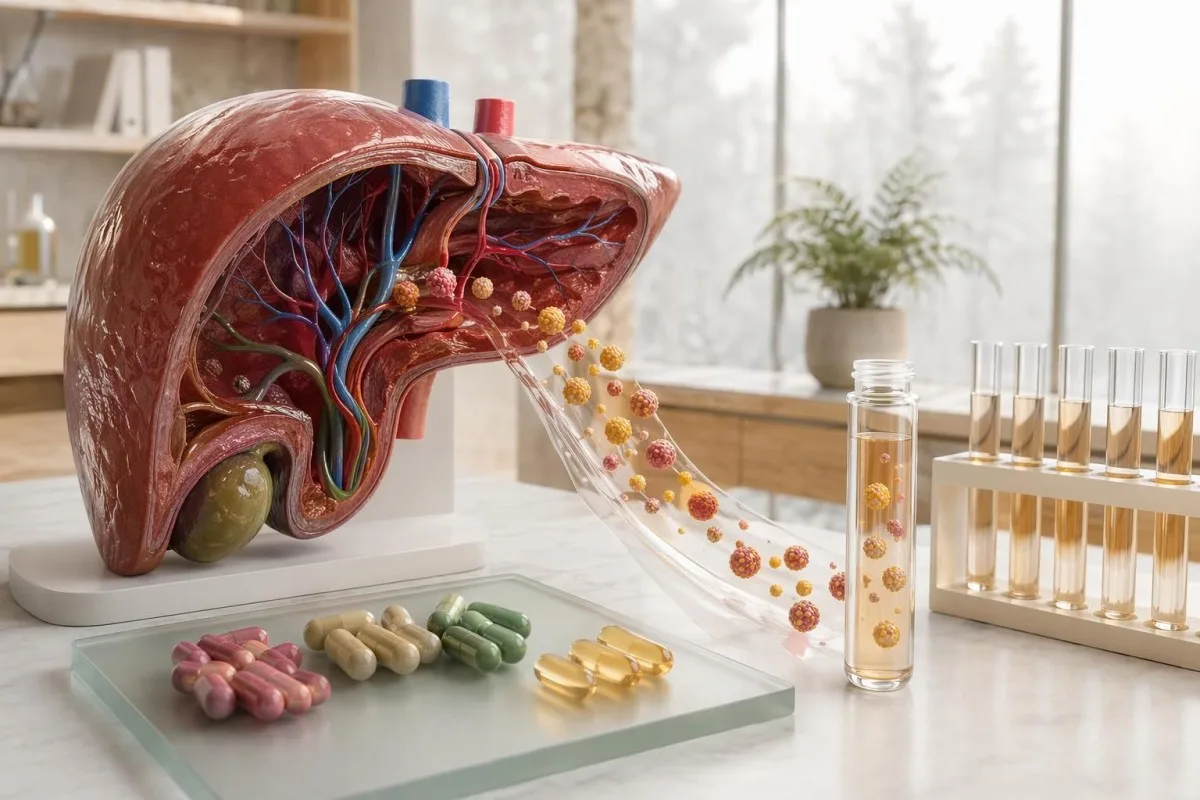
Popular cholesterol supplements can move lipid numbers, but the safer question is what to measure before and after. Here is how I compare the evidence, lab markers, and interaction risks in clinic.


- LDL-C should usually fall by at least 10 mg/dL to prove a supplement is doing anything beyond normal lab variation.
- Non-HDL-C is calculated as total cholesterol minus HDL-C; it tracks all atherogenic cholesterol and is especially useful when triglycerides are above 200 mg/dL.
- ApoB below 90 mg/dL is a reasonable low-risk target for many adults, while very high-risk patients often need values closer to 65 mg/dL under clinician care.
- Red yeast rice cholesterol labs should include ALT, AST, bilirubin, baseline LDL-C, and a symptom-triggered CK because monacolin K behaves like a statin.
- Plant sterols for LDL at 1.5–2.4 g/day typically lower LDL-C by about 7–10%, but they do not replace medication for high-risk patients.
- Psyllium fiber at 7–10 g/day may lower LDL-C by roughly 5–10%, but it can reduce absorption of some medicines if taken too close together.
- Berberine can affect glucose and drug metabolism; check fasting glucose or HbA1c and review diabetes medicines before using 500 mg two or three times daily.
- Niacin at lipid-lowering doses can raise ALT, fasting glucose, and uric acid; I rarely suggest it without close medical supervision.
- Retesting is most useful at 6–12 weeks after starting a supplement, using the same fasting status and preferably the same laboratory.
Which cholesterol supplements need lab checks first?
Supplements for high cholesterol can modestly lower LDL-C, but they should be treated like lipid-active drugs: check LDL-C, non-HDL-C, ApoB, ALT, AST, fasting glucose or HbA1c, triglycerides, kidney function, and medication interactions before starting; recheck lipids in 6–12 weeks. Red yeast rice needs liver and muscle-symptom monitoring, plant sterols mostly need lipid tracking, and berberine or niacin need glucose and liver checks. I’m Thomas Klein, MD, and at Kantesti AI we see the same pattern repeatedly: the supplement is rarely the hard part; interpreting the trend safely is.
The best supplements to lower cholesterol are the ones that move the marker that matches your risk. LDL-C is useful, but non-HDL-C and ApoB often explain why two people with the same LDL-C have different heart risk; our guide to lipid panel reading walks through that mismatch in more detail.
I worry when a patient starts three products at once and brings me a new LDL-C of 142 mg/dL with no baseline. A 10–15 mg/dL change may be supplement effect, diet shift, fasting difference, weight loss, lab variation, or simple regression to the mean.
As of May 19, 2026, no over-the-counter supplement has the same cardiovascular-outcome evidence as properly prescribed lipid-lowering medication for high-risk patients. A supplement can be reasonable when risk is low or intermediate, but an LDL-C above 190 mg/dL, known coronary disease, diabetes with organ damage, or a high Lp(a) level should trigger a clinician-led plan rather than a shopping basket.
How should LDL-C, non-HDL-C, and ApoB guide supplement choice?
LDL-C, non-HDL-C, and ApoB answer different questions: LDL-C estimates cholesterol mass, non-HDL-C captures all atherogenic cholesterol, and ApoB estimates the number of atherogenic particles. A supplement that lowers LDL-C but leaves ApoB high may not have reduced particle-driven risk enough.
LDL-C below 100 mg/dL is often called near-optimal for lower-risk adults, but many high-risk patients need LDL-C below 70 mg/dL, and some European guidance uses targets near 55 mg/dL for very high-risk disease. The 2018 AHA/ACC cholesterol guideline lists ApoB as a risk-enhancing marker, especially when triglycerides are 200 mg/dL or higher (Grundy et al., 2019).
Non-HDL-C is calculated by subtracting HDL-C from total cholesterol, and a common practical target is about 30 mg/dL above the LDL-C goal. If triglycerides are 260 mg/dL and LDL-C is reported as 118 mg/dL, I pay closer attention to non-HDL-C and ApoB because calculated LDL-C can under-read risk.
Kantesti AI interprets lipid results by comparing the full pattern: LDL-C, HDL-C, triglycerides, non-HDL-C, ApoB when available, fasting status, age, sex, diabetes markers, kidney function, and trend direction. For a deeper risk-marker explanation, see our ApoB blood test guide; ApoB above 130 mg/dL is usually not a supplement-only conversation in my clinic.
What labs matter before red yeast rice?
Red yeast rice cholesterol labs should include LDL-C, non-HDL-C, ApoB if available, ALT, AST, bilirubin, creatinine/eGFR, and a medication review before the first dose. It can lower LDL-C because some products contain monacolin K, a lovastatin-like compound.
Red yeast rice can lower LDL-C by roughly 15–25% when it contains meaningful monacolin K, but product-to-product variation is large. In Becker et al.’s 2009 Annals of Internal Medicine trial, red yeast rice lowered LDL-C in statin-intolerant patients, yet that result does not guarantee the capsule on a shop shelf has the same dose or purity.
ALT and AST are the baseline safety labs I want before red yeast rice, and I repeat them if symptoms appear or if the patient uses alcohol heavily, antifungals, macrolide antibiotics, amiodarone, or other liver-active drugs. An ALT or AST above 3 times the lab’s upper limit of normal usually means stop and reassess, not push through.
When I review statin-starting labs, I use the same reasoning for red yeast rice: liver enzymes before, symptoms during, and lipids after 6–12 weeks. CK is not needed for everyone, but muscle pain with weakness, dark urine, or CK above 5 times the upper limit should be treated urgently.
Do plant sterols for LDL need safety labs?
Plant sterols for LDL mostly need lipid follow-up rather than liver or kidney safety labs in otherwise healthy adults. A typical dose of 1.5–2.4 g/day lowers LDL-C by about 7–10%, with little effect on HDL-C or triglycerides.
Plant sterols reduce intestinal cholesterol absorption, so the lab marker to watch is LDL-C or non-HDL-C after 6–12 weeks. Demonty et al.’s 2009 Journal of Nutrition meta-analysis found a continuous dose-response up to about 2 g/day, after which extra intake gives diminishing LDL-C returns.
The nuance patients rarely hear: plant sterols lower the number, but cardiovascular outcome data are not as strong as for proven medicines. I am comfortable with sterols in a 38-year-old with LDL-C 128 mg/dL and low 10-year risk; I am not comfortable using them alone in a 62-year-old with prior stent placement and LDL-C 116 mg/dL.
Sterols work best when the diet is already moving in the right direction, especially soluble fiber, unsaturated fats, and fewer ultra-processed carbohydrates. If you are building a food-first plan, our cholesterol-lowering foods guide explains why LDL-C can fall within 4–8 weeks while ApoB sometimes lags.
How should fiber supplements be monitored?
Psyllium and oat beta-glucan usually need lipid monitoring, hydration advice, and medication-timing checks rather than intensive safety labs. Psyllium 7–10 g/day and beta-glucan around 3 g/day can lower LDL-C by roughly 5–10% in many adults.
Fiber lowers LDL-C partly by binding bile acids, forcing the liver to use cholesterol to make more bile acids. The effect is not glamorous, but it is reliable enough that I often suggest it before higher-risk supplement experiments when LDL-C is only mildly elevated.
The safety issue is not liver injury; it is absorption and tolerance. Psyllium can reduce absorption of levothyroxine, iron, some antidepressants, and several cardiac medicines if swallowed at the same time, so a 2–4 hour gap is sensible for many prescriptions.
Fasting status matters less for LDL-C than for triglycerides, but consistency still saves confusion. If your first lipid panel was fasting, repeat it fasting; our fasting versus non-fasting guide explains why triglycerides can jump 20–50 mg/dL after a carbohydrate-heavy meal.
What should you check before berberine?
Berberine requires glucose, liver, kidney, and interaction checks because it can affect both metabolism and medication handling. Common supplement doses are 500 mg two or three times daily, but patients taking diabetes, blood pressure, transplant, or anticoagulant medicines need clinician review first.
Berberine’s cholesterol effect is usually modest, often quoted around 10–20% LDL-C reduction in small trials, but the evidence quality is uneven. I care just as much about fasting glucose, HbA1c, ALT, AST, bilirubin, creatinine, and eGFR because the same patient often takes it for cholesterol and insulin resistance.
Fasting glucose of 70–99 mg/dL is normal, 100–125 mg/dL suggests prediabetes, and 126 mg/dL or higher on repeat testing supports diabetes diagnosis. HbA1c of 5.7–6.4% is prediabetes, and 6.5% or higher meets the diabetes threshold when confirmed; our berberine lab guide goes deeper on this overlap.
A clinical pattern I see: LDL-C improves from 154 to 136 mg/dL, but fasting glucose drops from 88 to 69 mg/dL in a patient already using a sulfonylurea. That is not a success story; that is a hypoglycaemia risk hidden inside a cholesterol plan.
When do omega-3 supplements help cholesterol labs?
Omega-3 supplements help triglycerides more than LDL-C, and high-dose DHA-containing products can raise LDL-C in some patients. EPA/DHA doses of 2–4 g/day may lower triglycerides by about 20–30%, but LDL-C and ApoB should be checked after starting.
Triglycerides below 150 mg/dL are generally normal, 150–199 mg/dL is borderline high, 200–499 mg/dL is high, and 500 mg/dL or higher raises concern for pancreatitis risk. If triglycerides are 380 mg/dL, omega-3s may make sense; if LDL-C alone is 155 mg/dL with triglycerides 92 mg/dL, they are not my first cholesterol tool.
The LDL-C rise with DHA is not universal, but I have seen 15–25 mg/dL increases after high-dose mixed fish oil in people who were thrilled their triglycerides fell. ApoB tells the quieter story: if ApoB falls, risk may improve despite LDL-C wobble; if ApoB rises, we need to rethink.
The Omega-3 Index is a red-cell membrane measure of EPA plus DHA, often considered low below 4% and more favourable around 8–12%. Our Omega-3 Index test article explains why that test is not the same as a triglyceride response.
Why is niacin no longer a casual cholesterol supplement?
Niacin is no longer a casual cholesterol supplement because lipid-dose niacin can raise liver enzymes, glucose, and uric acid while adding little outcome benefit for many statin-treated patients. Lipid doses are usually 1–2 g/day, far above the vitamin-dose range.
Niacin can lower triglycerides and raise HDL-C, but raising HDL-C as a number has not consistently reduced cardiovascular events. Baigent and the Cholesterol Treatment Trialists showed that LDL-C reduction itself tracks outcome benefit, with about 22% fewer major vascular events per 1 mmol/L LDL-C lowering in statin trials; niacin has not matched that certainty in modern practice.
Before niacin, I want ALT, AST, bilirubin, fasting glucose or HbA1c, uric acid, and a medication review. Uric acid above 7.0 mg/dL in men or above about 6.0 mg/dL in women increases gout risk, and niacin can push a borderline patient into a very painful week.
The common mistake is buying slow-release niacin because flushing feels annoying. Slow-release forms can be more hepatotoxic, so if niacin is used at all, it belongs in a supervised plan; our article on high uric acid explains why a painless lab rise still matters.
Which popular cholesterol supplements have mixed evidence?
Garlic, green tea extract, artichoke, guggul, policosanol, and many blended products have mixed cholesterol evidence and deserve extra interaction screening. The danger is not just weak LDL-C lowering; it is hidden duplication, liver stress, or anticoagulant interaction.
Garlic may slightly lower total cholesterol in some analyses, but the LDL-C effect is usually small enough that normal biological variation can hide it. Green tea extract has case reports of liver injury, especially concentrated extracts, so I am more cautious with capsules than with brewed tea.
Guggul is one I approach carefully because it can raise LDL-C in some people and interacts with thyroid and anticoagulant pathways. Policosanol results vary by study location and product, which is a red flag when patients expect a predictable 20 mg/dL LDL-C drop.
Medication review is the lab-safety step people skip. If you take warfarin, apixaban, clopidogrel, amiodarone, antifungals, HIV medicines, transplant drugs, seizure medicines, or thyroid replacement, read our supplement timing guide before adding anything with a proprietary blend.
How do liver enzymes and CK change supplement safety decisions?
ALT, AST, ALP, GGT, bilirubin, and CK help separate liver irritation, bile-flow problems, and muscle injury after cholesterol supplements. ALT or AST above 3 times the upper reference limit, or CK above 5 times the upper limit with symptoms, should prompt stopping the suspected product and seeking care.
ALT is more liver-specific than AST, while AST also rises after hard exercise, muscle injury, or statin-like muscle toxicity. A 52-year-old marathon runner with AST 89 IU/L and ALT 32 IU/L after hill repeats is a different story from AST 89 IU/L and ALT 142 IU/L after starting red yeast rice.
GGT and ALP help decide whether the pattern looks cholestatic rather than hepatocellular. Some European labs use lower GGT reference ranges, but in many adult panels a GGT above 60 IU/L deserves context, especially with alcohol use, fatty liver, or enzyme-inducing medicines.
Kantesti AI flags these patterns by comparing enzyme ratios, bilirubin, ALP, GGT, symptoms, medication timing, and recent exercise. If you are trying to understand the pattern before a clinician visit, our liver function test guide explains why one high enzyme rarely tells the whole story.
Why check glucose and kidney markers before cholesterol supplements?
Glucose and kidney markers matter because cholesterol supplements are often used by people with insulin resistance, hypertension, or early kidney disease. Baseline HbA1c, fasting glucose, creatinine, eGFR, and sometimes urine albumin-creatinine ratio can prevent the wrong supplement from looking harmless.
Creatinine alone can miss early kidney risk, particularly in older adults with low muscle mass. eGFR below 60 mL/min/1.73 m² for more than 3 months supports chronic kidney disease, and that changes how I think about high-dose magnesium combinations, potassium-containing products, and multi-ingredient powders.
HbA1c is not perfect, but it is useful when supplements affect glucose. HbA1c below 5.7% is normal, 5.7–6.4% suggests prediabetes, and 6.5% or higher supports diabetes when confirmed; our HbA1c range guide explains the borderline zone.
The practical issue is sequence. If LDL-C falls 18 mg/dL but HbA1c rises from 5.6% to 6.0% after niacin, the lipid win may not be worth it; if berberine lowers glucose too far in a patient using insulin, the cholesterol plan has become a medication-safety problem.
Which medication interactions should stop a supplement trial?
A cholesterol supplement trial should pause if there is a high-risk interaction with anticoagulants, transplant medicines, HIV antivirals, antifungals, macrolide antibiotics, antiarrhythmics, seizure medicines, or diabetes drugs. The more prescriptions someone takes, the less I trust a supplement label alone.
Red yeast rice plus a statin, gemfibrozil, clarithromycin, itraconazole, or heavy alcohol intake increases my concern for muscle or liver toxicity. The reason we worry about combinations is cumulative pathway pressure: CYP3A4 inhibition plus a statin-like compound can raise active drug exposure even when each item seems acceptable alone.
Warfarin users need special caution with garlic, ginkgo-containing blends, high-dose fish oil, vitamin K changes, and green tea extracts. INR targets vary by indication, but many patients are kept around 2.0–3.0, and a sudden supplement can move the number before bruising or bleeding symptoms appear.
I ask patients to bring the actual bottle, not a memory of the brand. Our medication monitoring guide lists common retest windows, but a transplant patient or someone on anticoagulation should not start a cholesterol supplement without their treating team.
When should labs be repeated after starting supplements?
Repeat lipids 6–12 weeks after starting a cholesterol supplement, and repeat liver or glucose safety labs sooner if symptoms or high-risk products are involved. A change smaller than 10 mg/dL in LDL-C may be noise unless the trend repeats.
LDL-C has day-to-day and lab-to-lab variation, often around 5–10% even when nothing meaningful changed. If LDL-C moves from 146 to 139 mg/dL after 8 weeks of garlic, I do not call that a clinical victory; if it moves from 146 to 116 mg/dL twice, I pay attention.
A good trial changes one variable at a time. Start plant sterols on May 1, keep diet stable for 6 weeks, repeat the same lipid panel around mid-June, and document dose; if you start sterols, berberine, fasting, and a new exercise plan together, the result becomes impossible to interpret.
Kantesti AI helps patients compare sequential PDFs and photos by checking units, reference ranges, fasting labels, and date spacing. Our blood test comparison article explains why the slope across 3 results beats a single flagged number.
How Kantesti turns cholesterol supplement labs into safer decisions
Kantesti converts cholesterol supplement decisions into a structured lab review: baseline risk, supplement mechanism, expected LDL-C or triglyceride change, safety labs, and interaction flags. Our platform is not a prescription service, but it helps patients and clinicians see patterns quickly.
I’m Thomas Klein, MD, and my view is simple: a supplement plan without before-and-after labs is guessing with nicer packaging. Our AI blood test analyzer reads uploaded blood test PDFs or photos in about 60 seconds, then compares lipid markers with liver, kidney, glucose, inflammation, and medication-context clues.
Kantesti’s clinical standards are reviewed with physician oversight, and our medical validation process focuses on pattern recognition rather than single-marker alarmism. Our medical team, including reviewers listed on the Medical Advisory Board, built guardrails for cases like red yeast rice plus elevated ALT or omega-3 use with rising LDL-C.
Our research group has also published engineering validation work, including a multilingual clinical decision-support deployment across 50,000 interpreted reports in this AI triage study. If you want to check your own cholesterol supplement labs before the next appointment, upload them to the free blood test demo and bring the interpretation to your clinician.
Frequently Asked Questions
What labs should I check before taking supplements for high cholesterol?
Before taking supplements for high cholesterol, check LDL-C, HDL-C, triglycerides, non-HDL-C, ApoB if available, ALT, AST, bilirubin, fasting glucose or HbA1c, creatinine, and eGFR. Red yeast rice, niacin, and berberine need more safety attention than plant sterols or psyllium. A baseline is useful because LDL-C can vary 5–10% even when no treatment has changed.
How soon should I recheck cholesterol after starting red yeast rice?
Recheck LDL-C, non-HDL-C, and ideally ApoB about 6–12 weeks after starting red yeast rice. ALT and AST should be checked sooner if you develop fatigue, nausea, dark urine, right upper abdominal discomfort, or muscle symptoms. CK is usually symptom-triggered, but CK above 5 times the upper limit with weakness or dark urine needs urgent medical review.
Are plant sterols safe for lowering LDL cholesterol?
Plant sterols are generally well tolerated in adults and typically lower LDL-C by about 7–10% at 1.5–2.4 g/day. They mainly need lipid follow-up rather than routine liver or kidney monitoring in low-risk people. They should not replace clinician-prescribed therapy in patients with LDL-C at or above 190 mg/dL, established cardiovascular disease, or very high inherited risk.
Can berberine lower cholesterol and blood sugar at the same time?
Berberine may modestly lower LDL-C and can also lower fasting glucose or HbA1c in some patients, especially at 500 mg two or three times daily. That dual effect can be helpful, but it can also create hypoglycaemia risk in people taking insulin, sulfonylureas, or several diabetes medicines. Check fasting glucose or HbA1c, liver enzymes, kidney function, and medication interactions before starting.
Which cholesterol supplement is safest with statins?
Psyllium fiber and plant sterols are usually safer adjuncts to statins than red yeast rice or niacin, because they do not add a statin-like drug effect. Red yeast rice contains monacolin K in some products and can increase the risk of muscle or liver toxicity when combined with statins. Anyone taking statins should review ALT, AST, muscle symptoms, and drug interactions before adding lipid-active supplements.
Do omega-3 supplements lower LDL cholesterol?
Omega-3 supplements mainly lower triglycerides rather than LDL-C. EPA/DHA doses of 2–4 g/day can reduce triglycerides by about 20–30%, but DHA-containing products may raise LDL-C in some patients. Recheck LDL-C, non-HDL-C, triglycerides, and ApoB after 6–12 weeks if you start high-dose omega-3s for lipid management.
When is high cholesterol too high for supplements alone?
LDL-C of 190 mg/dL or higher is usually too high for supplements alone and should prompt evaluation for inherited cholesterol disorders and medication options. Patients with prior heart attack, stroke, coronary stent, diabetes with organ damage, chronic kidney disease, or high Lp(a) also need clinician-led risk reduction. Supplements may support diet and lifestyle, but they should not delay evidence-based treatment in high-risk cases.
Get AI-Powered Blood Test Analysis Today
Join over 2 million users worldwide who trust Kantesti for instant, accurate lab test analysis. Upload your blood test results and receive comprehensive interpretation of 15,000+ biomarkers in seconds.
📚 Referenced Research Publications
Klein, T., Mitchell, S., & Weber, H. (2026). Multilingual AI Assisted Clinical Decision Support for Early Hantavirus Triage: Design, Engineering Validation, and Real-World Deployment Across 50,000 Interpreted Blood Test Reports. Kantesti AI Medical Research.
Klein, T., Mitchell, S., & Weber, H. (2026). B Negative Blood Type, LDH Blood Test & Reticulocyte Count Guide. Kantesti AI Medical Research.
📖 External Medical References
⚕️ Medical Disclaimer
This article is for educational purposes only and does not constitute medical advice. Always consult a qualified healthcare provider for diagnosis and treatment decisions.
E-E-A-T Trust Signals
Experience
Physician-led clinical review of lab interpretation workflows.
Expertise
Laboratory medicine focus on how biomarkers behave in clinical context.
Authoritativeness
Written by Dr. Thomas Klein with review by Dr. Sarah Mitchell and Prof. Dr. Hans Weber.
Trustworthiness
Evidence-based interpretation with clear follow-up pathways to reduce alarm.