Nicotine has a roughly 2-hour half-life, but cotinine can remain detectable for several days. A positive result shows nicotine exposure—not necessarily tobacco smoking—and its meaning depends on the specimen, cutoff and exposure history.

Những điểm chính cần ghi nhớ
- Positive cotinine test usually means nicotine exposure exceeded the assay cutoff; cigarettes, vaping, nicotine pouches and nicotine replacement can all produce positives.
- Nicotine half-life averages about 2 hours, compared with roughly 16 hours for cotinine; neither value establishes a guaranteed negative-test date.
- Urine detection commonly lasts approximately 3–7 days after nicotine stops, but sustained exposure and sensitive assays can extend detection beyond a week.
- Blood and saliva detection commonly lasts approximately 2–4 days, although low cutoffs or slower metabolism can extend positivity toward a week or longer.
- Cutoff differences matter: research-oriented thresholds may be around 3–10 ng/mL in serum or saliva and 30–50 ng/mL in urine; some urine screens use 200 ng/mL.
- Nicotine replacement such as a 21 mg/24-hour patch or 2 mg gum can keep cotinine detectable despite successful avoidance of cigarettes.
- Secondhand smoke can produce measurable cotinine, especially with low cutoffs; a single low-positive result cannot reliably identify the nicotine source.
- Unexpected results deserve review of specimen type, units, collection time, nicotine products and confirmation method—not accusations or a homemade detox plan.
What does a positive cotinine test actually mean?
A positive cotinine test usually means your body absorbed nicotine and the measured cotinine exceeded that laboratory’s reporting cutoff. It does not, by itself, prove cigarette smoking, establish the last exposure time or diagnose nicotine poisoning; the same result can follow vaping, nicotine replacement or substantial environmental exposure.
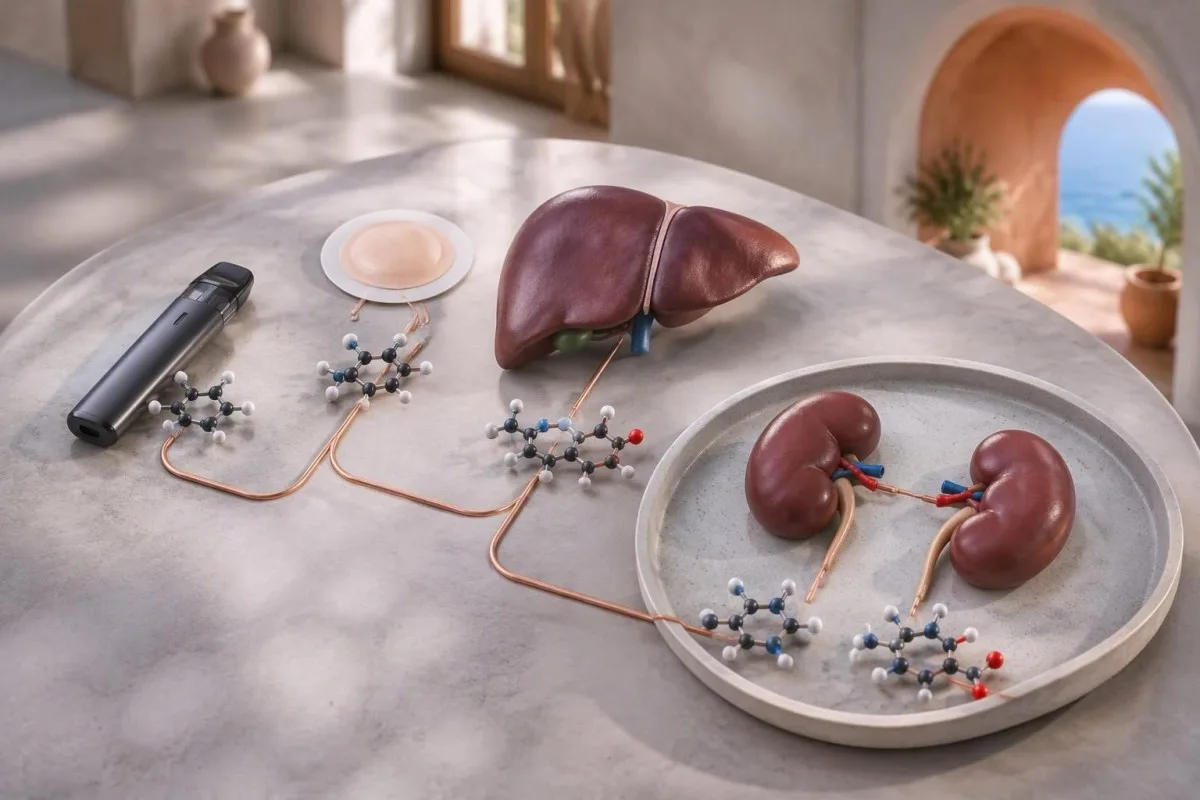
Cotinine is a nicotine metabolite, not a tobacco-specific chemical. Approximately 70–80% of absorbed nicotine is converted to cotinine, which explains why laboratories usually test the metabolite rather than relying on nicotine’s much shorter detection period (Benowitz, Hukkanen and Jacob, 2009).
Kết quả được báo cáo là “positive” answers a threshold question; a result of “18 ng/mL” provides a concentration. Our guide to kết quả định tính so với định lượng explains why a binary report cannot reveal how far above the threshold a specimen was.
For a hypothetical example, two people could both receive a positive urine result at a 50 ng/mL cutoff: one after nicotine gum, another after cigarettes. Their reports do not establish equivalent smoke exposure, cardiovascular risk or cessation progress because the nicotine source remains unresolved.
Kantesti là một Máy phân tích xét nghiệm máu AI that can help explain laboratory wording, including why a roughly 16-hour cotinine half-life does not identify an exact smoking date. Our nền tảng công ty explains who operates the service; an AI explanation is not independent verification of abstinence.
Why does cotinine last longer than nicotine?
Nicotine has an average half-life of about 2 hours, while cotinine averages approximately 16 hours. Cotinine therefore accumulates with repeated exposure and falls more slowly after nicotine stops; individual cotinine half-lives can range from roughly 8 hours to more than 30 hours.
Half-life means a 50% reduction, not complete removal. With a hypothetical starting blood cotinine concentration of 160 ng/mL and a fixed 16-hour half-life, the simplified sequence is 80 ng/mL after 16 hours, 40 after 32 hours and 20 after 48 hours.
At a 10 ng/mL cutoff, that simplified example reaches the threshold after about 64 hours; at 3 ng/mL, it takes approximately 92 hours. These calculations assume no further nicotine, unchanged clearance and a concentration measured after the initial formation phase—not conditions that every real specimen satisfies.
Repeated nicotine doses arrive before the previous cotinine has cleared, creating a higher baseline. A person using nicotine throughout the day may therefore remain positive longer than an occasional user even when both stop at the same time; the starting concentration changes the calculation as much as the half-life does.
The Society for Research on Nicotine and Tobacco review advises allowing approximately 6–7 days when minimizing residual-cotinine misclassification is necessary, rather than treating an average half-life as a deadline (Benowitz et al., 2020). Our thời điểm xét nghiệm máu của chúng tôi explains why sampling time belongs beside every trend.
How long does cotinine stay in urine?
Cotinine commonly remains detectable in urine for approximately 3–7 days after nicotine exposure stops, but daily use, a high starting concentration or a sensitive cutoff can extend detection beyond a week. Urine usually contains higher cotinine concentrations than blood, making it useful for detecting lower-level exposure.
Urine cotinine concentrations are often several times higher than serum concentrations, so urine and blood cutoffs cannot be exchanged. A urine result of 100 ng/mL is not equivalent to a blood result of 100 ng/mL, and neither concentration can be converted reliably into a cigarette count.
Hydration changes the amount of water carrying the metabolite. A hypothetical urine concentration of 80 ng/mL could fall below a 50 ng/mL cutoff in a more dilute specimen without proving faster elimination; creatinin nước tiểu và độ pha loãng help explain this distinction.
Free cotinine and total cotinine are different measurements. Total-cotinine methods include cotinine released from its glucuronide conjugate during laboratory processing, so two urine results can differ even if both are expressed in ng/mL; check the analyte name before comparing dates or laboratories.
Routine urine testing does not automatically include cotinine. Our hướng dẫn diễn giải phân tích nước tiểu covers the separate measurements commonly present on a urine panel; a nicotine assessment usually requires its own order, cutoff and analytical method rather than a standard dipstick.
What can a nicotine blood test detect?
A nicotine blood test may measure nicotine, cotinine or both; the analyte determines the useful window. Blood cotinine commonly remains detectable for approximately 2–4 days after exposure stops, with longer detection possible when the starting concentration is high, metabolism is slow or the cutoff is low.
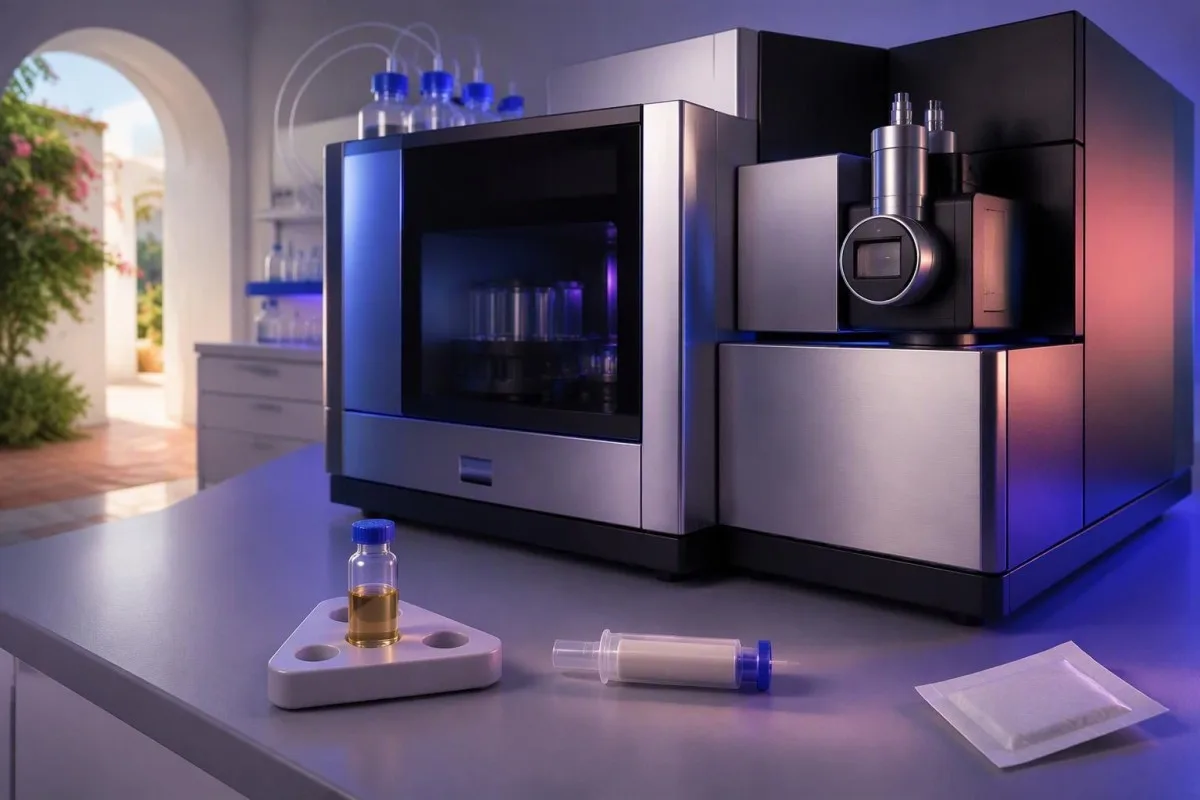
Serum, plasma and whole blood are not interchangeable report labels. Many published smoking-classification thresholds concern serum or plasma cotinine; a result should be interpreted using the laboratory’s validated specimen and method, rather than importing a cutoff from another matrix because both involve a blood collection.
A hypothetical report showing nicotine below detection but cotinine at 25 ng/mL is biologically plausible. Nicotine can disappear from the measurable range while its metabolite remains; this pattern does not establish that exposure occurred exactly 1, 2 or 3 days earlier.
Kantesti AI can help distinguish nicotine from cotinine on a report, including whether a value such as 25 ng/mL is compared with the correct laboratory limit. Our hướng dẫn giải thích dấu ấn sinh học provides broader context, but a blood panel alone cannot identify every nicotine source.
Blood is less affected by immediate urine dilution, but that does not make it a universal source-verification test. Ask whether the order is intended to assess recent nicotine exposure, a tobacco-free policy or ongoing treatment; these are 3 different questions, and cotinine alone cannot answer all of them.
How does saliva cotinine testing compare?
Saliva cotinine generally tracks circulating cotinine and commonly detects exposure for approximately 2–4 days, although sensitive testing or slower clearance can extend this interval. Saliva collection is noninvasive, but the collection device, method and cutoff still determine whether a result is called positive.
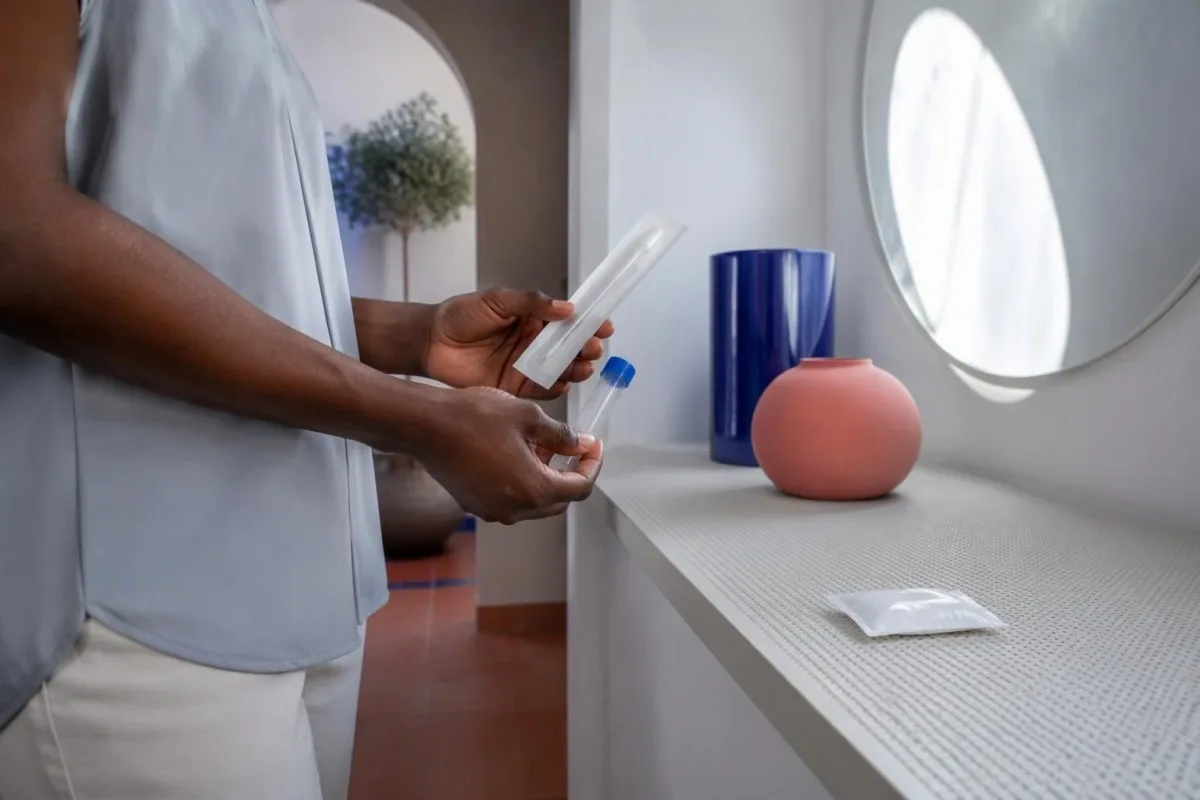
Saliva cotinine is often modestly higher than plasma cotinine, rather than matching it exactly. The pharmacokinetic review by Benowitz, Hukkanen and Jacob (2009) describes an average saliva-to-plasma relationship around 1.2, but this is a population observation—not a conversion formula for an individual report.
Collection instructions matter: stimulated saliva, collection pads and laboratory preparation can affect the recovered concentration. A 5 ng/mL result obtained with one device should not be treated as directly comparable with a 5 ng/mL result from a different method without checking the laboratory documentation.
A cotinine swab is not automatically a nicotine swab. Nicotine itself can be affected by very recent oral product use or contamination, whereas cotinine primarily reflects metabolism; ask exactly which analyte was measured before interpreting a specimen collected soon after nicotine gum, a pouch or vaping.
Different saliva tests answer different physiological questions. Our discussion of saliva versus urine testing concerns cortisol, not cotinine, but illustrates the same practical rule: specimen-specific thresholds and collection instructions must stay attached to the result.
Why do cotinine cutoffs change the answer?
A cotinine cutoff is a decision threshold, not a universal boundary between smoking and nonsmoking. Research-oriented thresholds may be approximately 3–10 ng/mL in serum or saliva Và 30–50 ng/mL in urine, while some qualitative urine screens use 200 ng/mL; laboratories and programs can choose different limits.
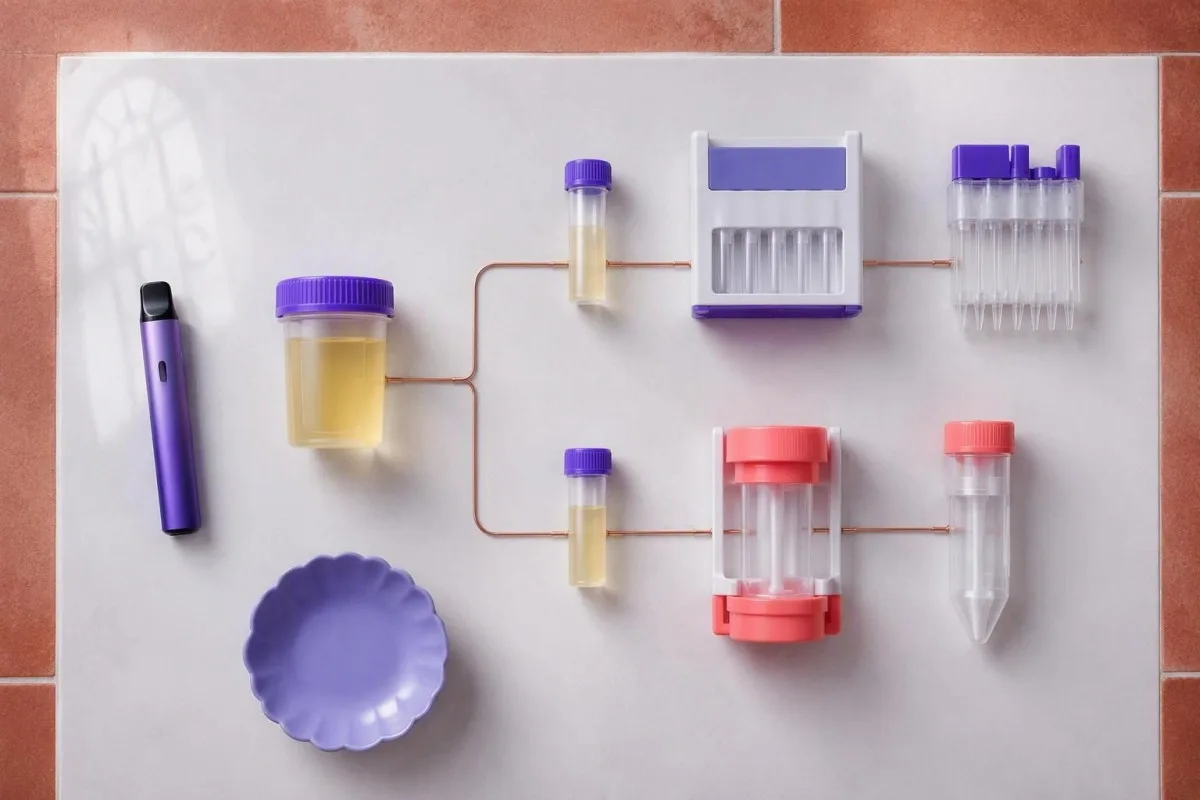
Lower cutoffs detect more low-level exposure but increase overlap with environmental exposure. Higher cutoffs reduce that overlap while missing some light or intermittent nicotine use; the threshold is selected around the intended classification task, not because cotinine becomes biologically harmful at that number.
In US population data from 1999–2004, the optimal overall serum cutoff for distinguishing self-reported cigarette smokers from nonsmokers was about 3 ng/mL, lower than older thresholds around 14–15 ng/mL (Benowitz et al., 2009). Population exposure patterns and statistical objectives help explain why one historical cutoff should not be imposed everywhere.
Consider a hypothetical serum cotinine result of 8 ng/mL: a 3 ng/mL rule classifies it positive, while a 10 ng/mL rule classifies it negative. Kantesti can explain that discrepancy, but neither label independently proves smoking; our kết quả ngoài khoảng tham chiếu separates laboratory flags from diagnoses.
Detection limit, quantification limit and positivity cutoff are separate concepts. A laboratory might detect cotinine below its program’s positive threshold, so “detected” and “positive” are not necessarily synonyms; request the numeric result and decision rule when a borderline classification has consequences.
| Mức | Khoảng | Ý nghĩa |
|---|---|---|
| Serum or saliva classification | Approximately 3–10 ng/mL | Examples discussed in biochemical-verification literature; not a universal normal range or smoking diagnosis. |
| Urine classification | Approximately 30–50 ng/mL | Examples of lower urine thresholds; specimen method and free versus total cotinine must be checked. |
| Higher-threshold urine screen | Example: 200 ng/mL | Used by some qualitative assays; a negative result can still contain measurable cotinine below this cutoff. |
| Hypothetical serum result | 8 ng/mL | Positive under a 3 ng/mL rule, negative under a 10 ng/mL rule; the concentration is unchanged. |
Can vaping or nicotine pouches cause a positive?
Vaping and nicotine pouches can produce a positive cotinine test whenever they deliver nicotine. Cotinine does not distinguish tobacco-derived nicotine from synthetic nicotine, and avoiding combustion does not prevent nicotine metabolism; a person who has never smoked cigarettes can therefore have a clearly positive result.
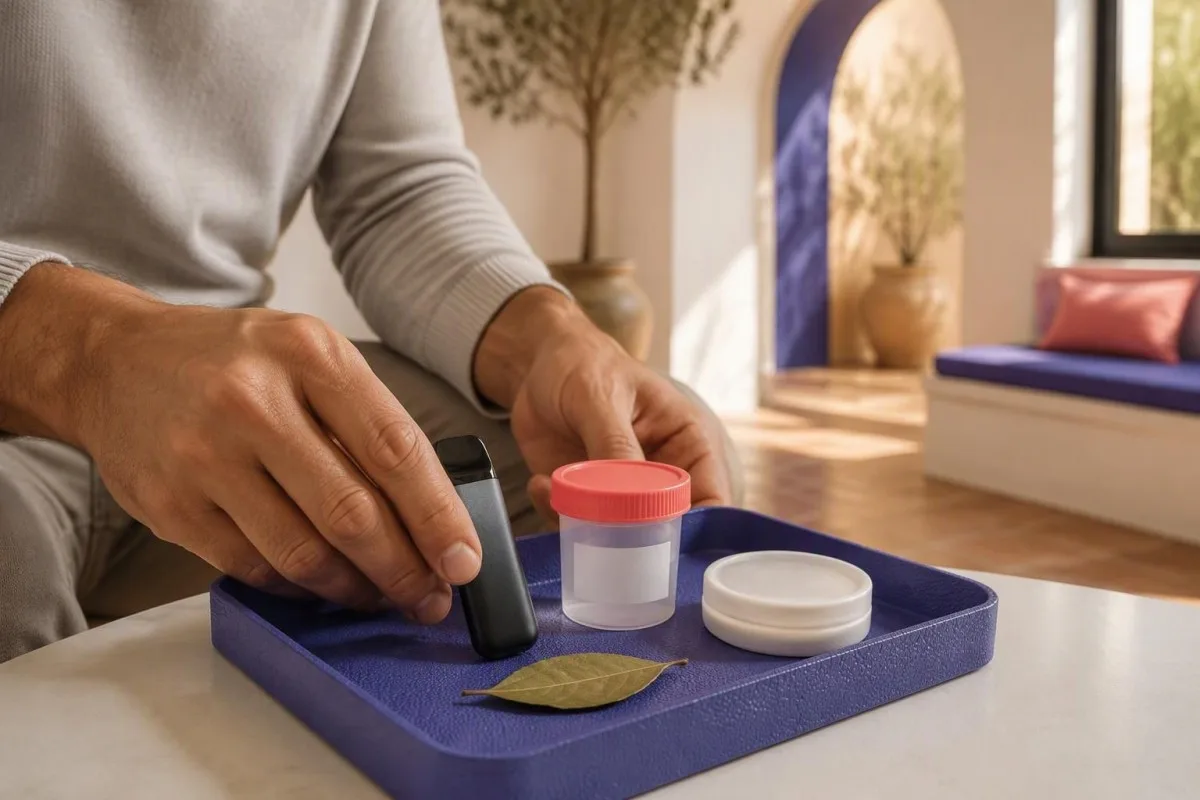
Product strength is not the same as absorbed dose. An e-liquid containing 20 mg/mL nicotine describes its concentration, not the amount reaching the bloodstream; device output, puff duration, nicotine formulation and frequency all affect exposure, making a concentration-to-cotinine prediction unreliable.
A hypothetical person who switches completely from cigarettes to vaping may retain similar cotinine concentrations if absorbed nicotine remains similar. That does not mean smoke exposure is unchanged: cotinine tracks nicotine, whereas carboxyhemoglobin and carbon monoxide concern combustion-related exposure and have their own limitations.
Synthetic nicotine produces ordinary cotinine after metabolism. The molecule’s manufacturing origin does not exempt it from a cotinine assay; similarly, a nicotine pouch labeled 6 mg contains a stated product dose, not proof that exactly 6 mg was absorbed or that a particular test level will follow.
A genuinely nicotine-free product should not create cotinine through nicotine metabolism. However, an unexpected positive requires checking all exposure sources and the product’s actual contents before declaring the laboratory wrong; residual exposure from another source can outlast the switch to a nicotine-free product.
Will nicotine patches, gum or lozenges test positive?
Nicotine replacement therapy can produce positive cotinine results even when cigarette abstinence is complete. A 21 mg/24-hour patch, 2 mg gum hoặc 4 mg lozenge supplies nicotine that is metabolized to cotinine; these are genuine exposure results, not inherently false positives.
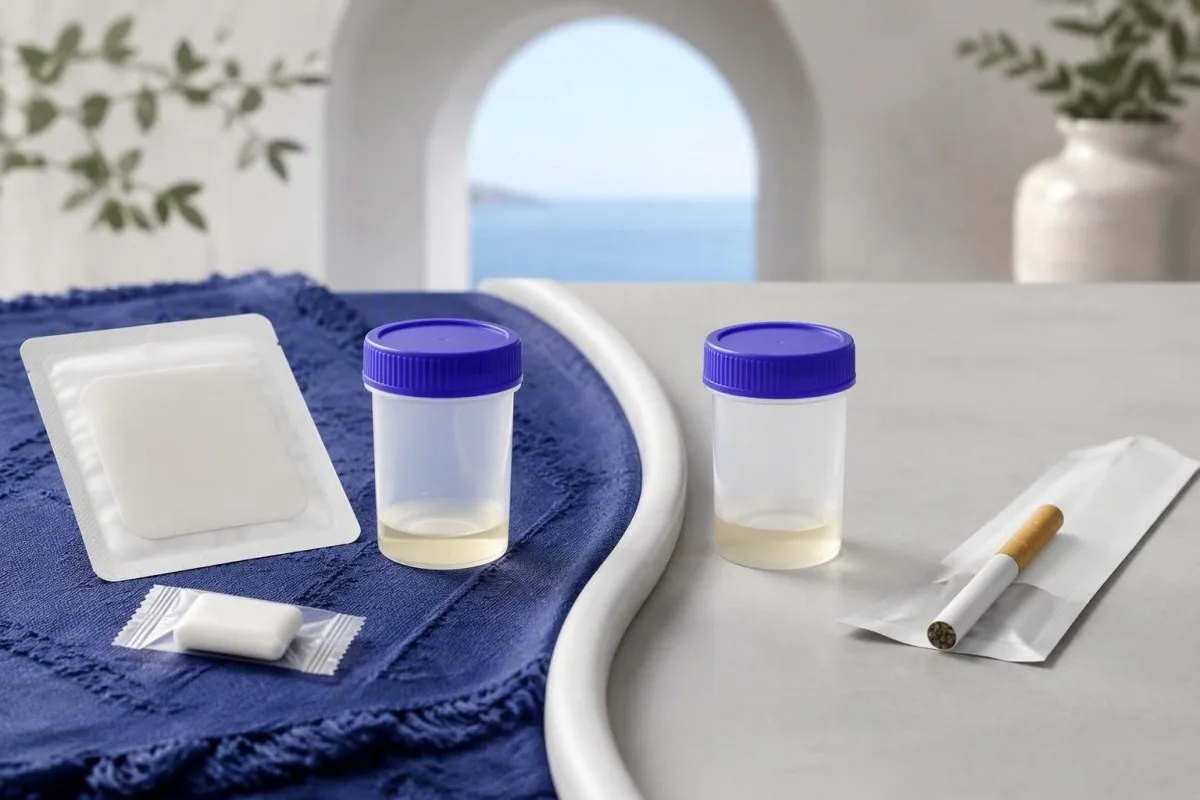
Continuous delivery changes the exposure pattern. A patch can maintain nicotine input across many hours, while gum or lozenges create repeated doses; combining a patch with a short-acting product can sustain cotinine throughout the day without any cigarettes being used.
For a hypothetical cessation plan using a 21 mg patch plus 2 mg gum, a positive urine cotinine result is unsurprising. The result should be assessed against whether the program requires tobacco abstinence or complete nicotine abstinence—two policies that can treat the same prescribed treatment differently.
Do not stop cessation medication solely to alter a screening result without speaking with the prescribing clinician or testing program. Our baseline test preparation guide explains why medication names, doses and collection times should be recorded rather than silently changed before testing.
Varenicline and bupropion do not contain nicotine, so they do not directly generate cotinine through nicotine metabolism. A positive result during either treatment still warrants review of patches, gum, vaping, pouches and environmental exposure; the medication name alone cannot establish the explanation.
Can secondhand smoke explain a low-positive result?
Secondhand tobacco smoke can produce measurable cotinine and sometimes a positive result when the cutoff is low. Passive exposure is generally lower than sustained active nicotine use, but concentrations overlap at the low end; one low-positive result cannot reliably separate passive exposure from occasional direct use.
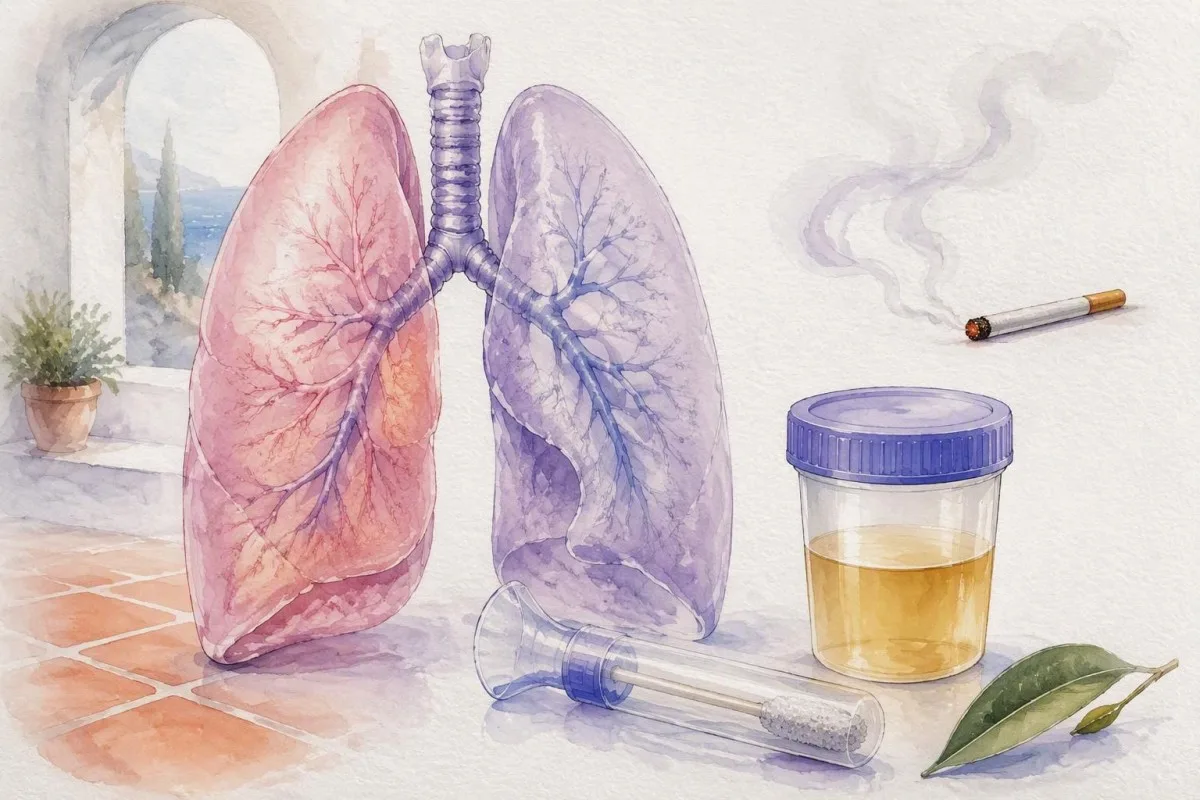
There is no universally valid secondhand-smoke ceiling. An exposure lasting 10 minutes outdoors is not comparable with repeated hours in an enclosed smoking environment; ventilation, proximity and repetition matter, so a single number cannot establish the source without an exposure history.
A hypothetical serum cotinine result of 4 ng/mL may be compatible with several explanations: substantial passive exposure, recent low-dose nicotine use or declining concentrations after cessation. It would exceed a 3 ng/mL cutoff, but that classification should not be relabeled as proof of cigarette smoking.
Children require exposure-focused interpretation, not adult smoking labels. A low detectable result in a child should prompt questions about smoke or aerosol in the home, vehicles and caregiving settings; our guide to giới hạn diễn giải AI của trẻ em explains why pediatric context changes the follow-up.
Repeated measurements can clarify whether exposure is falling after an environmental change, but only when the specimen type and method remain comparable. The 2020 biochemical-verification review discusses overlapping nicotine sources and cutoffs; it supports contextual interpretation rather than assigning blame from a borderline concentration (Benowitz et al., 2020).
What makes cotinine clear faster or slower?
Exposure amount, repeated dosing, metabolic variation and organ function can all change cotinine persistence. Cotinine half-lives ranging from roughly 8 hours to more than 30 hours explain why two people who stop nicotine together may cross the same cutoff on different days.
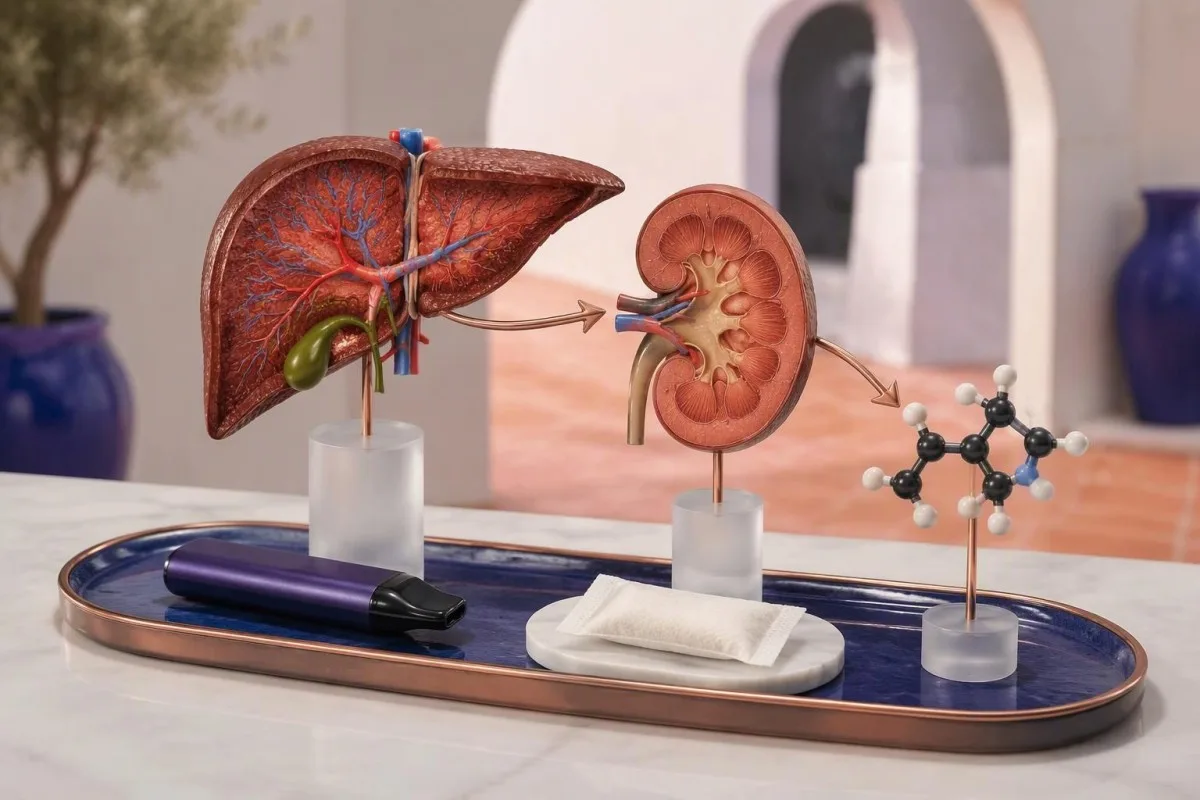
CYP2A6 activity affects nicotine and cotinine metabolism, but cotinine concentration reflects both formation and removal. Genetic differences therefore cannot be reduced to “slow metabolism always means a higher result”; nicotine intake, timing and the specific metabolic step also influence the observed value.
Pregnancy can accelerate nicotine and cotinine metabolism, while impaired kidney function can alter handling of nicotine-related compounds. Neither circumstance creates a reliable personal countdown from a standard 16-hour half-life; pregnancy exposure assessment and reduced kidney function require their own clinical context.
Routine liver enzymes do not measure cotinine clearance. A normal ALT or AST cannot establish that cotinine will disappear within 3 days, and an elevated enzyme does not predict its exact persistence; our viết tắt xét nghiệm gan của chúng tôi explains what those measurements actually represent.
Body size, age and hormonal influences may contribute to variability, but precise claims such as “exercise removes cotinine twice as fast” lack a dependable clinical basis. Benowitz, Hukkanen and Jacob (2009) describe multiple pharmacokinetic influences; none supports calculating a guaranteed negative date from weight or a consumer metabolism estimate.
How are unexpected cotinine positives confirmed?
An unexpected cotinine screen can be reviewed with a quantitative, more specific method such as liquid chromatography–tandem mass spectrometry. Confirmation can establish the analyte concentration more reliably, but cotinine confirmation alone still cannot distinguish cigarettes from vaping, pouches or nicotine replacement.
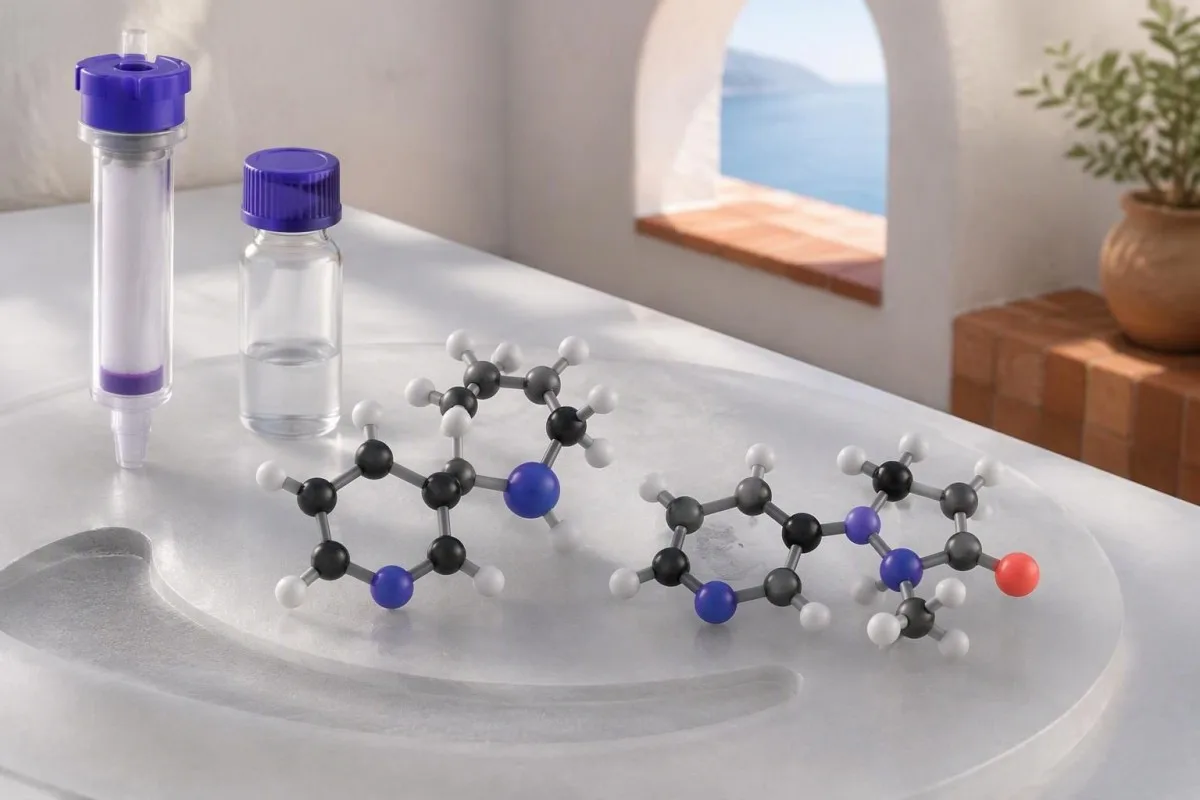
Screening immunoassays and mass-spectrometry methods have different specificity. Cross-reactivity and method-related disagreement are reasons to confirm a surprising screen—not reasons to assume every positive is false; our EtG cutoff interpretation guide explains this distinction for another exposure metabolite without implying identical detection windows.
Anabasine and anatabine are minor tobacco alkaloids sometimes used alongside cotinine to investigate tobacco exposure during nicotine replacement. Urinary thresholds around 2 ng/mL have been used in verification research, but these are supplementary markers with assay-specific interpretation rather than a universal smoking-confirmation rule.
Some tobacco-derived vaping liquids can contain minor alkaloids, whereas synthetic nicotine or highly purified products may not. Consequently, anabasine positivity does not invariably mean cigarette combustion, and anabasine negativity cannot exclude every nicotine product; the exposure question must be defined before ordering a larger panel (Benowitz et al., 2020).
Kantesti là một nền tảng giải thích kết quả xét nghiệm máu AI that can help explain a cotinine concentration alongside the method and cutoff printed on a report. Our khung thẩm định và giám sát describes interpretation standards; it should not be read as assay validation or a guarantee about an individual’s nicotine source.
How should you prepare for a cotinine retest?
Prepare by following the laboratory’s collection instructions and documenting every nicotine source, dose and last-use time. Normal hydration and consistent specimen methods improve interpretability, but no drink, supplement or fixed 3 ngày abstinence interval can guarantee a negative cotinine result.
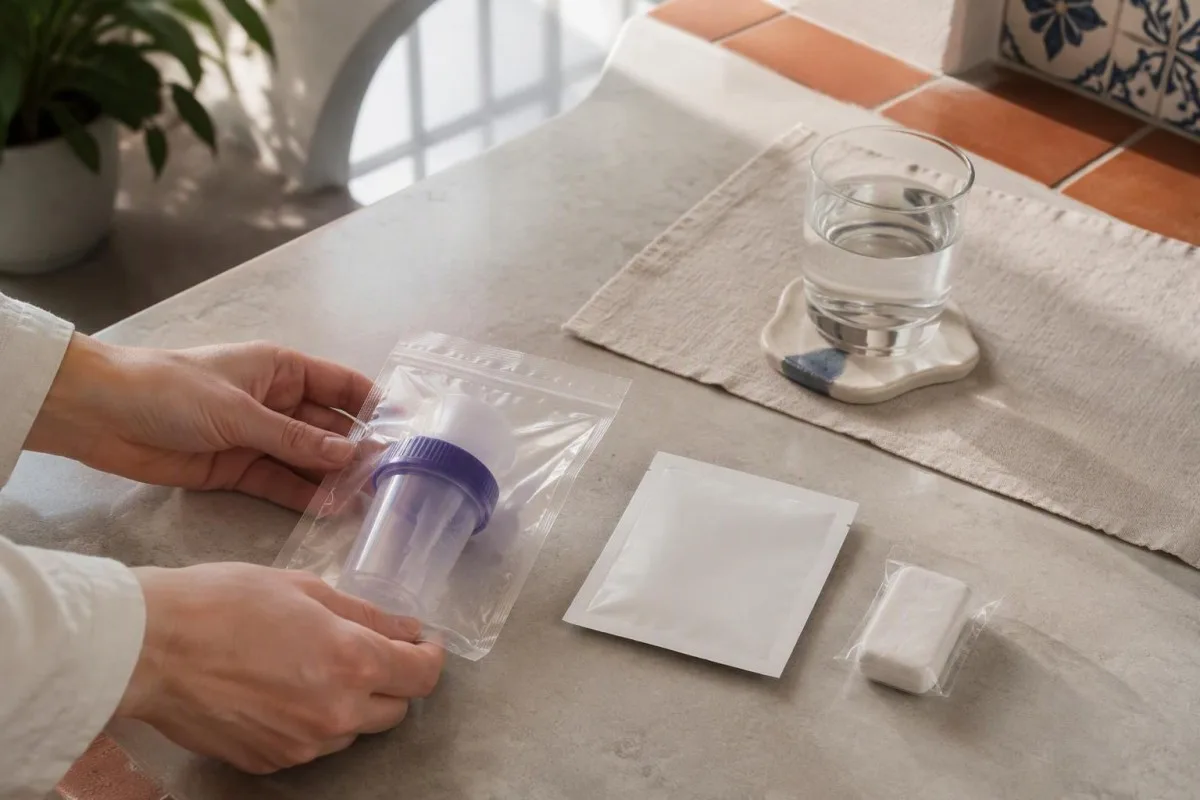
Record ongoing nicotine treatment rather than concealing it. A useful exposure list includes patch strength in mg per 24 hours, gum or lozenge strength in mg, pouch strength and vaping frequency; “I stopped smoking” is incomplete if nicotine input continues through another route.
Mức giảm giả định từ 120 to 60 ng/mL could reflect reduced exposure, ordinary clearance or a more dilute urine specimen. Our guide to sự thay đổi giữa các xét nghiệm máu explains why biological and analytical variation must be considered before treating any two-point trend as a precise dose estimate.
Excess water can dilute urine without speeding cotinine metabolism and may lead to an invalid or rejected specimen under the program’s rules. Detox teas, high-dose supplements and strenuous exercise do not provide a validated negative-test timetable; excessive water intake can also create avoidable health risks.
If retesting is clinically appropriate, ask whether the same laboratory, specimen and free-versus-total cotinine method will be used. A 50 ng/mL urine cutoff and a 10 ng/mL serum cutoff answer different threshold questions; switching methods can change the label without demonstrating a new nicotine exposure.
What if the result affects surgery or insurance?
A cotinine result used for surgery, insurance or an employment-related program must be interpreted against that program’s written rules. A nicotine-free requirement differs from a tobacco-free requirement, and a positive result from a 21 mg patch may be handled differently depending on the purpose of testing.

Cotinine is not a direct measure of healing, anesthesia safety or complication probability. Surgical programs may use it as an exposure-verification tool, but the measured concentration cannot by itself quantify an individual’s operative risk; ask how prescribed nicotine replacement is treated before making medication changes.
A preoperative cotinine screen also answers a different question from an anesthesia-related enzyme assessment. Our guide to xét nghiệm enzym gây mê explains that separate issue; the presence of several preoperative tests does not make their interpretation or risk thresholds interchangeable.
When a result is disputed, request the analyte, numeric concentration, specimen, cutoff, method and available confirmation pathway. Those 6 details are more useful than a generic statement that nicotine clears “in a few days,” particularly when a qualitative screen supplies no concentration or uncertainty information.
Kantesti cannot certify abstinence or override a program’s eligibility decision. Before sharing a nicotine-related report, review our danh sách kiểm tra quyền riêng tư khi tải kết quả lên and the recipient’s requirements; an AI-generated explanation does not replace chain-of-custody documentation or formal laboratory confirmation.
Research context and practical cotinine follow-up
The safest next step is to interpret cotinine with its specimen, cutoff, method and complete nicotine history—not an assumed negative-test deadline. Kết quả 8 ng/mL can cross one laboratory threshold but not another, so the report’s decision rule should come before any conclusion about smoking.
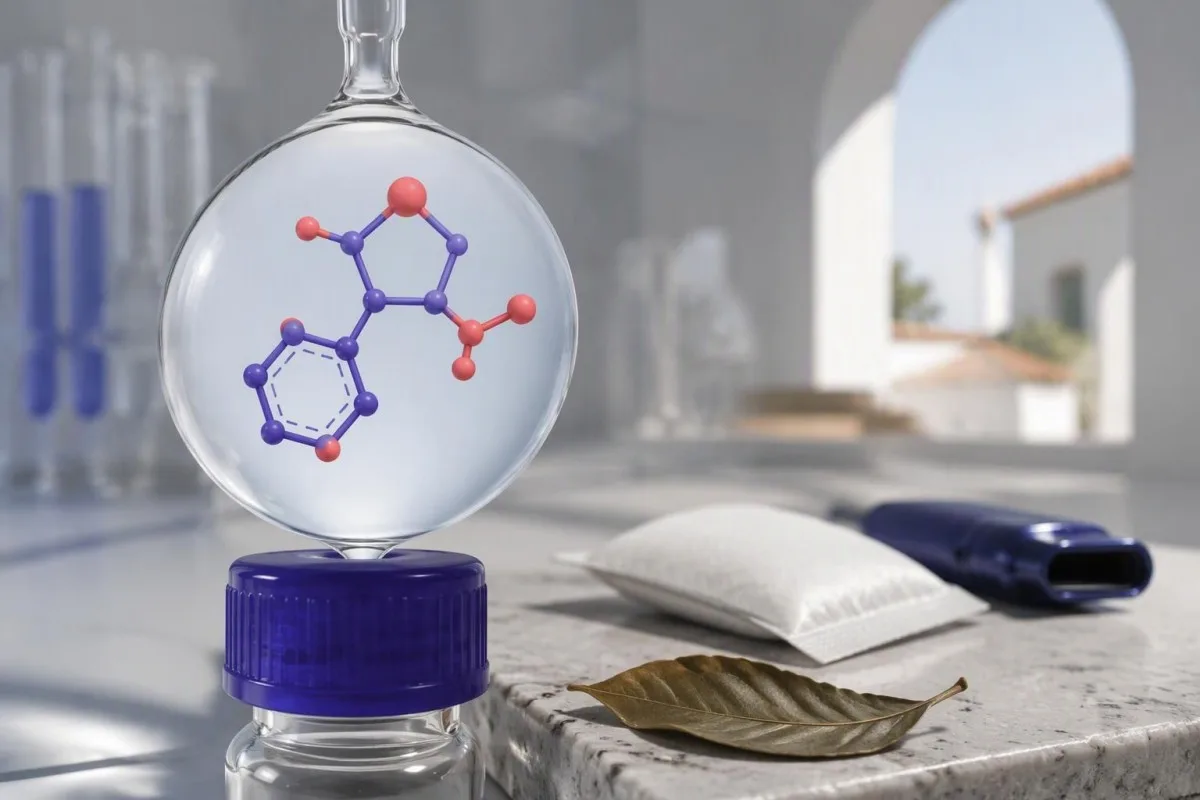
The main cotinine evidence comes from pharmacokinetic and biochemical-verification research. Benowitz, Hukkanen and Jacob (2009) explain metabolism, while Benowitz et al. (2020) discuss specimen-specific cutoffs and alternative biomarkers; these sources support an approximate 16-hour average half-life, not a personalized guarantee.
Kantesti là một Nền tảng diễn giải biomarker bằng AI that can help turn laboratory wording into questions for the ordering clinician. Our responsible AI guidance explains the boundary: an AI interpretation should not label a person a smoker from one borderline result or independently decide whether treatment should stop.
The two Zenodo publications listed below concern urinalysis and iron studies, not cotinine clearance. Our related iron panel interpretation resource is provided as separate educational context; neither DOI should be cited as evidence for nicotine detection windows or smoking-classification thresholds.
A positive cotinine result alone is usually not an emergency, but suspected nicotine poisoning should be assessed on symptoms rather than waiting for a cotinine number. After a recent exposure, repeated vomiting, marked dizziness, confusion, breathing difficulty or collapse require urgent help; cotinine testing cannot replace immediate clinical assessment.
Câu hỏi thường gặp
Sau khi cai thuốc, cotinine tồn tại trong nước tiểu bao lâu?
Cotinine thường vẫn có thể được phát hiện trong nước tiểu khoảng 3–7 ngày sau khi ngừng tiếp xúc với nicotine, nhưng các xét nghiệm có độ nhạy cao và việc sử dụng kéo dài có thể khiến thời gian phát hiện vượt quá một tuần. Nồng độ ban đầu, ngưỡng cắt, phương pháp đo cotinine tự do hay tổng lượng cotinine và độ pha loãng nước tiểu đều ảnh hưởng đến kết quả. Tiếp tục dùng miếng dán nicotine, kẹo cao su, thuốc lá điện tử hoặc túi nicotine sẽ cung cấp nicotine mới và khiến mốc thời gian không phản ánh việc ngừng hoàn toàn nicotine. Không có khoảng thời gian kiêng cố định nào đảm bảo xét nghiệm nước tiểu cho kết quả âm tính.
Xét nghiệm cotinine dương tính có nghĩa là tôi đã hút thuốc lá phải không?
Xét nghiệm cotinine dương tính cho thấy mức phơi nhiễm nicotine vượt ngưỡng của xét nghiệm, nhưng không nhất thiết là do hút thuốc lá. Miếng dán nicotine 21 mg/24 giờ, kẹo cao su nicotine, thuốc lá điện tử hoặc túi ngậm nicotine đều có thể tạo ra cotinine mà không cần hút thuốc lá. Khói thuốc thụ động cũng có thể tạo ra nồng độ đo được, đặc biệt ở các ngưỡng thấp như 3 ng/mL trong huyết thanh. Để xác định nguồn phơi nhiễm cần khai thác tiền sử phơi nhiễm và, khi phù hợp, thực hiện thêm xét nghiệm.
Nicotin hoặc cotinin có thể được phát hiện trong máu trong bao lâu?
Nicotine has an average half-life of about 2 hours, while cotinine averages approximately 16 hours. Blood cotinine commonly remains detectable for around 2–4 days after exposure stops, although low cutoffs, high initial concentrations or slower metabolism can extend detection toward a week or longer. A nicotine blood test may measure nicotine, cotinine or both, so the analyte name matters. These estimates are not guaranteed negative-test timelines.
Can secondhand smoke make a cotinine test positive?
Secondhand tobacco smoke can produce measurable cotinine and may trigger a positive result when the laboratory uses a low cutoff. A hypothetical serum result of 4 ng/mL exceeds a 3 ng/mL threshold but does not independently establish active smoking. Repeated enclosed exposure differs substantially from brief outdoor exposure, and low concentrations overlap with occasional direct nicotine use. The specimen, cutoff and exposure history should be reviewed together.
Will nicotine patches or gum cause a false-positive cotinine test?
Nicotine patches and gum can cause a true positive cotinine result because they contain nicotine that the body metabolizes. A 21 mg patch or 2 mg gum can maintain detectable cotinine despite complete cigarette abstinence. This is not inherently an assay error; it may instead reflect a mismatch between nicotine-free and tobacco-free testing rules. Do not stop prescribed cessation treatment solely to change a result without discussing the testing requirement with the clinician.
Can drinking water help me pass a cotinine test?
Drinking extra water can dilute urinary cotinine concentration, but it does not reliably accelerate nicotine metabolism or guarantee a negative test. A dilute specimen may cross a 50 ng/mL cutoff while still containing cotinine, and some programs may reject it based on specimen-validity measures. Normal hydration and honest documentation of nicotine exposure produce more interpretable results. Excessive water intake and detox products are not safe or validated negative-test strategies.
Tìm hiểu cách đọc kết quả xét nghiệm máu của bạn
Tải lên báo cáo xét nghiệm của bạn và AI của Kantesti sẽ giải thích từng dấu ấn sinh học bằng ngôn ngữ dễ hiểu chỉ trong vài giây. Được hơn 2 triệu người trên toàn thế giới sử dụng.
Tài liệu tham khảo
- Klein, T., Mitchell, S., & Weber, H. (2026). Kiểm tra Urobilinogen trong nước tiểu: Hướng dẫn phân tích nước tiểu hoàn chỉnh 2026. Nghiên cứu y khoa của Kantesti AI. DOI
- Klein, T., Mitchell, S., & Weber, H. (2026). Hướng dẫn về xét nghiệm sắt: TIBC, độ bão hòa sắt và khả năng gắn kết. Nghiên cứu y khoa của Kantesti AI. DOI
- Benowitz NL et al. (2020). Biochemical Verification of Tobacco Use and Abstinence: 2019 Update. Nicotine & Tobacco Research. DOI PubMed
- Benowitz NL, Hukkanen J, Jacob P 3rd (2009). Nicotine Chemistry, Metabolism, Kinetics and Biomarkers. Handbook of Experimental Pharmacology. DOI PubMed
- Benowitz NL et al. (2009). Optimal Serum Cotinine Levels for Distinguishing Cigarette Smokers and Nonsmokers Within Different Racial/Ethnic Groups in the United States Between 1999 and 2004. American Journal of Epidemiology. DOI PubMed
- 2 triệu+Các xét nghiệm được phân tích
- 127+Các quốc gia
- 100+Ngôn ngữ
Về đội ngũ y tế


Tín hiệu tin cậy E-E-A-T
Kinh nghiệm
Đánh giá lâm sàng do bác sĩ phụ trách đối với quy trình diễn giải kết quả xét nghiệm.
Chuyên môn
Tập trung vào y học xét nghiệm: cách các chỉ dấu sinh học (biomarker) hoạt động trong bối cảnh lâm sàng.
Tính uy quyền
Được Tiến sĩ Thomas Klein đánh giá về mặt y khoa, với sự đóng góp của Tiến sĩ Sarah Mitchell và Giáo sư, Tiến sĩ Hans Weber.
Độ tin cậy
Diễn giải dựa trên bằng chứng, kèm các lộ trình theo dõi rõ ràng để giảm mức độ báo động.

Tuyên bố miễn trừ trách nhiệm y tế
Bài viết này chỉ nhằm mục đích giáo dục và không cấu thành lời khuyên y tế. Luôn tham khảo ý kiến của nhà cung cấp dịch vụ chăm sóc sức khỏe đủ năng lực để đưa ra quyết định chẩn đoán và điều trị.
Đã xuất bản · Liên hệ với ban biên tập
Xuất bản bởi Kantesti Ltd, đăng ký tại Anh và xứ Wales, số công ty. 17090423, London, Vương quốc Anh.
