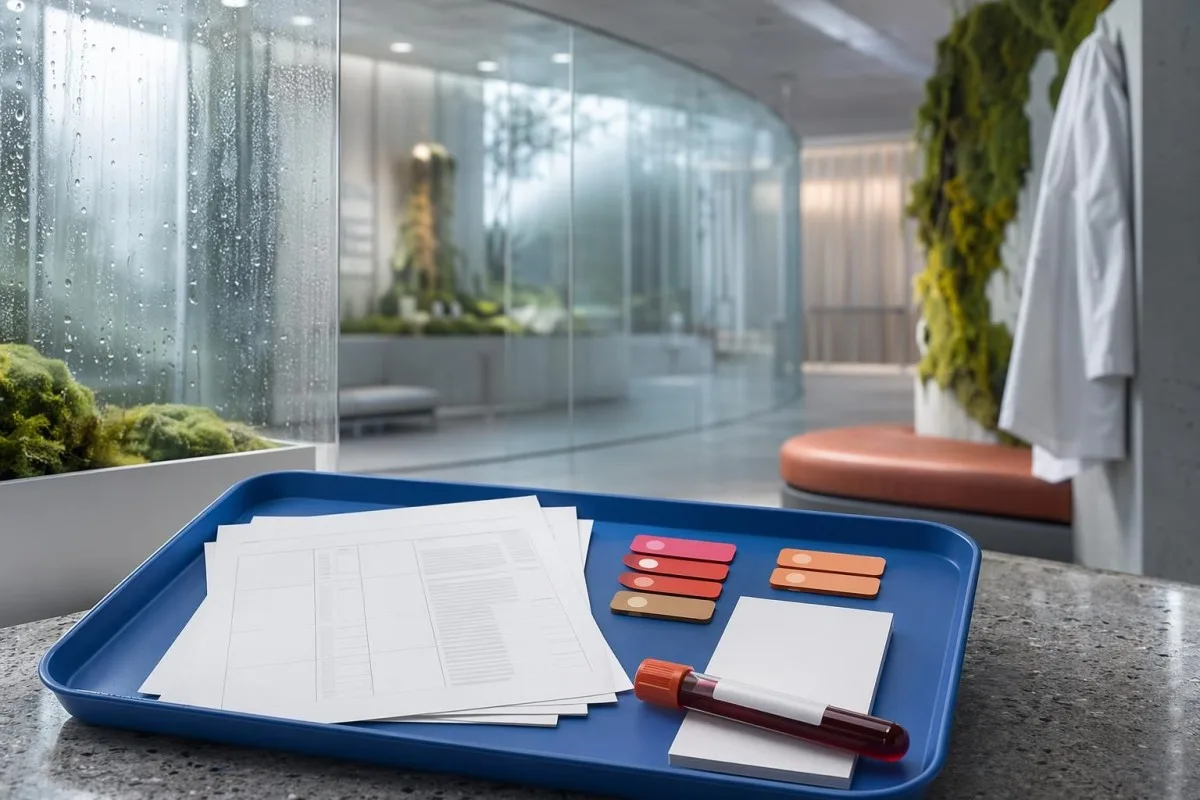
ایک AI لیب سمری ایک مختصر اپائنٹمنٹ کو بہت زیادہ مفید بنا سکتی ہے، خاص طور پر جب آپ کے نتائج مختلف پورٹلز، PDFs، تصاویر اور پرانی لیب شیٹس میں بکھرے ہوئے ہوں۔.


- خون کے ٹیسٹ کی سمری بنانے والا جنریٹر وزٹ سے پہلے غیر معمولی نتائج، رجحانات، علامات، ادویات، سپلیمنٹس اور سوالات کو ترتیب دینا چاہیے؛ اسے آپ کی تشخیص نہیں کرنی چاہیے یا آپ کے معالج کے فیصلے کو نظرانداز نہیں کرنا چاہیے۔.
- اہم/نازک قدریں مثلاً پوٹاشیم 6.0 mmol/L سے اوپر، سوڈیم 125 mmol/L سے نیچے یا گلوکوز 300 mg/dL سے اوپر کے ساتھ علامات ہوں تو معمول کے اپائنٹمنٹ نوٹس کے بجائے اسی دن طبی مشورہ درکار ہوتا ہے۔.
- ٹرینڈ ریویو اکثر ایک ہی فلیگ سے زیادہ مفید ہوتا ہے؛ کریٹینین کا 0.7 سے 1.1 mg/dL تک بڑھنا تب بھی اہم ہو سکتا ہے جب لیب اسے ابھی نارمل کہہ رہی ہو۔.
- سادہ انگریزی میں لیب کے نتائج یونٹس، ریفرنس رینجز اور کلیکشن کی تاریخیں محفوظ رکھنی چاہئیں کیونکہ mmol/L، mg/dL اور IU/L کی تشریح بدلتی ہے۔.
- دوا کا سیاق و سباق (Medication context) بایوٹین، سٹیرائڈز، ڈائیوریٹکس، سٹیٹنز، میٹفارمین، آئرن اور تھائرائڈ کی گولیاں مخصوص بایومارکرز کو چند دنوں سے لے کر چند مہینوں کے اندر منتقل کر سکتی ہیں۔.
- ڈاکٹر سوالات انہیں فوری حفاظتی، تشخیص، ادویات میں تبدیلی، دوبارہ ٹیسٹنگ، ریفرلز اور طرزِ زندگی کی فالو اپ میں درجہ بندی کی جانی چاہیے۔.
- اے آئی لیب رپورٹ ریڈر یہ ٹولز تیاری کے لیے بہترین ہیں؛ پھر بھی ایک معالج کو آپ کا جسمانی معائنہ، ہسٹری، امیجنگ اور بعض اوقات دوبارہ نمونے درکار ہوتے ہیں۔.
- رازداری کم سے کم ضروری ریکارڈ شیئر کرنا، فیملی اپ لوڈز کے لیے رضامندی استعمال کرنا اور لیب رپورٹوں کے پبلک اسکرین شاٹس سے گریز کرنا جن میں نام یا تاریخِ پیدائش ہو۔.
خون کے ٹیسٹ کے نتائج کی سمری بنانے والا جنریٹر آپ کے ڈاکٹر کے وزٹ میں کیا لانا چاہیے؟
A خون کے ٹیسٹ کے نتائج کا خلاصہ بنانے والا ٹول آپ کے معالج کو ایک صفحے کا، منظم انداز میں غیر معمولی نتائج، رجحانات، علامات، ادویات، سپلیمنٹس اور آپ کے اہم ترین سوالات کا خلاصہ دینا چاہیے۔ یہ آپ کو 10–15 منٹ کی اپائنٹمنٹ مؤثر طریقے سے استعمال کرنے میں مدد دیتا ہے؛ یہ طبی مشورہ، فوری نگہداشت، جسمانی معائنہ یا دوبارہ ٹیسٹنگ کا متبادل نہیں ہے جب نمبرز غیر محفوظ لگیں۔.
کنٹیسٹی ایک ہے۔ AI خون کے ٹیسٹ کی رپورٹ کی تشریح جو ایک کثیر صفحاتی PDF یا تصویر کو تقریباً 60 سیکنڈ میں ڈاکٹر-وزٹ خلاصے میں بدل دے۔ میرے کلینیکل کام میں سب سے مفید خلاصے وہ نہیں ہوتے جو سب سے لمبے ہوں؛ بہترین یہ ہے کہ ایک اسکرین پر فِٹ ہو اور پھر بھی تاریخیں، یونٹس، ریفرنس رینجز اور پچھلی بار کے بعد کیا بدلا ہے دکھائے۔.
عام غلطی یہ ہے کہ بغیر ٹائم لائن کے 18 اسکرین شاٹس لے کر آنا۔ اگر آپ اصل لیب رپورٹ کے ساتھ ایک مختصر خلاصہ بھی لائیں تو GP، انٹرنسٹ یا اینڈوکرائنولوجسٹ زیادہ تیزی سے کام کر سکتا ہے، مثلاً: “LDL-C 168 mg/dL، پچھلا 142 mg/dL، والد کو 54 سال کی عمر میں ہارٹ اٹیک ہوا، 5 ماہ پہلے کیٹو ڈائٹ شروع کی۔” لیب فلیگز کی بنیادی زبان کے لیے، ہماری گائیڈ خون کے ٹیسٹ کی رپورٹ کیسے پڑھیں ایک مفید ساتھی ہے۔.
ایک تیار کردہ خلاصہ “ابھی کارروائی کی ضرورت ہے” کو “اگلی وزٹ میں پوچھیں” سے الگ کرے۔ پوٹاشیم 6.0 mmol/L سے اوپر، سوڈیم 125 mmol/L سے نیچے، کیلشیم 12.0 mg/dL سے اوپر، ہیموگلوبن 7–8 g/dL سے نیچے (علامات کے ساتھ)، یا گلوکوز 300 mg/dL سے اوپر (ڈی ہائیڈریشن یا کنفیوژن کے ساتھ) کو صاف ستھرا PDF دیکھنے کا انتظار نہیں کرنا چاہیے۔.
آپ کو خام لیب رپورٹ بھی ساتھ کیوں لانی چاہیے؟
اصل لیب رپورٹ ساتھ لائیں کیونکہ معالجین کو عین اسسی، یونٹس، ریفرنس انٹرول، کلیکشن ٹائم اور لیبارٹری کی تبصرے درکار ہوتے ہیں۔ خلاصہ خون کے ٹیسٹ کے نتائج کو سادہ انگریزی میں سمجھا سکتا ہے، مگر اصل رپورٹ میڈیکو لیگل اور کلینیکل سورس دستاویز ہی رہتی ہے۔.
دو لیبارٹریز ایک ہی اینالائٹ مختلف طریقے سے رپورٹ کر سکتی ہیں: گلوکوز UK میں 5.6 mmol/L یا US میں 101 mg/dL کے طور پر نظر آ سکتا ہے، اور کریٹینین µmol/L یا mg/dL میں رپورٹ ہو سکتا ہے۔ ڈاکٹر نتائج کا محفوظ موازنہ نہیں کر سکتا جب تک تاریخ، یونٹ اور ریفرنس انٹرول ویلیو کے ساتھ نہ جائیں۔.
PDF تصویر میں پری-اینالیٹیکل اشارے بھی ہو سکتے ہیں۔ فاسٹنگ اسٹیٹس، نمونے کی ہیمولائسز، “بہت زیادہ لیپیمک” جیسی تبصرے، پروسیسنگ میں تاخیر اور اسپیسیمین کی قسم بعض اوقات بیماری سے زیادہ عجیب نتیجے کی بہتر وضاحت کر دیتی ہے۔ اگر آپ کے پاس کئی رپورٹس ہیں تو ہماری لیب رزلٹ ٹریکر بتاتا ہے کہ ہر بار کے بعد کون سی سیاقی تفصیلات محفوظ رکھنا قابلِ قدر ہیں۔.
میرے تجربے میں، مریض اکثر صفحے کے فوٹر کو کاٹ دیتے ہیں جہاں لیب طریقہ کار میں تبدیلیاں درج کرتی ہے۔ یہ اہم ہے۔ ایک مختلف امیونواسے پلیٹ فارم پر ناپا گیا TSH معمولی طور پر شفٹ ہو سکتا ہے، اور FEU میں رپورٹ ہونے والا D-dimer تقریباً DDU میں رپورٹ ہونے والی ویلیو سے دوگنا ہوتا ہے۔.
سمری کو کن غیر معمولی نتائج کو سب سے پہلے نمایاں کرنا چاہیے؟
ایک اچھا خلاصہ نتائج کو کلینیکل رسک کے مطابق نمایاں کرتا ہے، نہ کہ اس بات سے کہ خط H یا L کتنا خوفناک لگتا ہے۔ کریٹیکل الیکٹرولائٹ، گلوکوز، گردے، جگر، کلاٹنگ اور مکمل خون کا ٹیسٹ کے نتائج کو ہلکے کولیسٹرول یا وٹامن کی غیر معمولی باتوں کے اوپر رکھنا چاہیے۔.
لیب کا H فلیگ صرف یہ معنی رکھتا ہے کہ ویلیو اس لیب کے ریفرنس انٹرول سے اوپر ہے؛ یہ خود بخود بیماری کا مطلب نہیں۔ مثال کے طور پر 5.1 g/dL کا البومین اکثر ڈی ہائیڈریشن ہوتا ہے، جبکہ 6.2 mmol/L کا پوٹاشیم اگر واقعی ہو تو خطرناک ہو سکتا ہے۔ علامتوں سے الجھے مریض ہماری نوٹ ہائی اور لو فلیگز.
کریٹیکل ویلیوز لیبارٹری کے مطابق مختلف ہوتی ہیں، مگر بہت سے ہسپتال پوٹاشیم 2.8 mmol/L سے نیچے یا 6.0 mmol/L سے اوپر، سوڈیم 125 یا 160 mmol/L سے اوپر، گلوکوز 50 mg/dL سے نیچے، اور INR 5.0 سے اوپر (غیر ٹارگٹ رینج میں) کو فوری سمجھتے ہیں۔ ان ویلیوز کو براہِ راست معالج سے رابطے کا سبب بننا چاہیے، خاص طور پر کمزوری، دل کی دھڑکن تیز ہونا، بے ہوشی، کنفیوژن یا سینے کے درد کے ساتھ۔.
بہترین AI لیب رپورٹ ریڈر صرف سرخ باکسز لگاتا نہیں؛ یہ پوچھتا ہے کہ پیٹرن قابلِ یقین ہے یا نہیں۔ اگر نمونے میں ہیمولائسز نوٹ کی گئی ہو تو 6.4 mmol/L کا پوٹاشیم لیب کا آرٹیفیکٹ ہو سکتا ہے، مگر 6.4 mmol/L کا پوٹاشیم، eGFR 22 mL/min/1.73 m² کے ساتھ، اور اسپرینولیکٹون کے استعمال کے ساتھ ایک مختلف بات ہے۔.
سمری وقت کے ساتھ رجحانات (trends) کیسے دکھائے؟
ٹرینڈ لائنز میں ہر اہم بایومارکر کے لیے تاریخ، سمت، رفتار اور تبدیلی کا سائز دکھنا چاہیے۔ ریفرنس رینج کے اندر کوئی نتیجہ بھی اہم ہو سکتا ہے اگر وہ آپ کے اپنے بیس لائن سے تیزی سے ہٹا ہو۔.
0.72 سے 1.12 mg/dL تک کریٹینین میں اضافہ بعض بالغ مردوں کی ریفرنس رینجز میں “نارمل” لگ سکتا ہے، مگر یہ ایک چھوٹے قد/جسم والے شخص میں اندازاً فلٹریشن میں بڑی کمی کی نمائندگی کر سکتا ہے۔ KDIGO کی 2024 CKD گائیڈ لائن دائمی گردوں کی بیماری کی تعریف eGFR 60 mL/min/1.73 m² سے کم یا یورین البومین-کریٹینین ریشو 30 mg/g سے زیادہ جیسے غیر معمولی نتائج سے کرتی ہے، اور یہ کم از کم 3 ماہ تک برقرار رہیں (KDIGO، 2024)۔.
میں یہ فیرٹِن کے ساتھ بھی دیکھتا ہوں۔ 9 ماہ میں فیرٹِن کا 80 سے 24 ng/mL تک گرنا لیب میں گھبراہٹ نہیں جگا سکتا، مگر بے چین ٹانگوں اور گرنے والے MCV والے ماہواری کے مریض میں یہ طبی طور پر معنی خیز ہے۔ ہماری گائیڈ خون کے ٹیسٹ کے رجحان (trend) کی تجزیہ اس سست ڈرف پیٹرن کو مزید تفصیل سے کور کرتی ہے۔.
خلاصے میں بہت چھوٹی تبدیلیوں کو زیادہ پڑھنے سے گریز ہونا چاہیے۔ ALT کا 22 سے 27 IU/L یا TSH کا 1.8 سے 2.2 mIU/L میں بدلنا عموماً شور ہوتا ہے، جب تک کہ یہ تبدیلی دہرائی نہ جائے، علامات موجود نہ ہوں یا ادویات تبدیل نہ کی گئی ہوں۔ بہت سے اینالائٹس میں حیاتیاتی تغیر 5–20% تک ہو سکتا ہے، چاہے کلینیکی طور پر کوئی اہم واقعہ نہ ہوا ہو۔.
علامات لیب کے نتائج کو زیادہ مفید کیسے بناتی ہیں؟
علامات لیب کے نتائج کو زیادہ مفید بناتی ہیں کیونکہ وہ الگ تھلگ نمبروں کو کلینیکل مفروضوں میں بدل دیتی ہیں۔ ہیموگلوبن 9.8 g/dL کے ساتھ تھکن کا مطلب نارمل CBC، TSH 9.5 mIU/L اور کم فری T4 کے ساتھ تھکن سے مختلف ہوتا ہے۔.
خلاصے میں علامات شروع ہونے کی تاریخ، شدت، پیٹرن اور یہ کہ علامات اس غیر معمولی نتیجے سے مطابقت رکھتی ہیں یا نہیں درج ہونا چاہیے۔ دھڑکن کے ساتھ پوٹاشیم 2.9 mmol/L، وزن میں کمی کے ساتھ TSH کا 0.1 mIU/L سے کم دب جانا، یا پیاس کے ساتھ فاسٹنگ گلوکوز 132 mg/dL—ان سب کے لیے مختلف فالو اپ راستے بنتے ہیں۔.
علامات کی زبان کو ٹھوس رکھیں۔ “3 ہفتے کھڑے ہونے پر چکر آتے ہیں، دست کے بعد زیادہ خراب، گھر پر BP 92/60” “مجھے کچھ ٹھیک نہیں لگ رہا” سے زیادہ مفید ہے۔ چکر کے پیٹرنز کے لیے انیمیا گلوکوز نمک گائیڈ دکھاتی ہے کہ CBC، گلوکوز اور الیکٹرولائٹس مختلف سمتوں میں کیسے اشارہ دے سکتے ہیں۔.
سادہ انگریزی میں “blood test results” کا خلاصہ ان علامات کو بھی بتانا چاہیے جو آپ کو نہیں ہیں۔ بخار نہیں، سینے میں درد نہیں، کالے پاخانے نہیں، شدید پیٹ درد نہیں، حمل نہیں اور کوئی نئی نیورولوجیکل علامات نہیں—یہ چیزیں معالج کو یہ فیصلہ کرنے میں مدد دے سکتی ہیں کہ دوبارہ ٹیسٹ کرنا ہے، تسلی دینی ہے یا معاملہ بڑھانا ہے۔.
کن ادویات اور سپلیمنٹس کو شامل کرنا چاہیے؟
ہر نسخہ، اوور دی کاؤنٹر دوا، سپلیمنٹ، ہارمون، انجیکشن اور حالیہ اینٹی بایوٹک شامل کریں کیونکہ بہت سے لیب نتائج براہِ راست اسی سے بدل سکتے ہیں۔ خوراک، شروع ہونے کی تاریخ، بند ہونے کی تاریخ اور آخری بار لینے کا وقت اکثر برانڈ نام سے زیادہ مفید ہوتے ہیں۔.
5–10 mg روزانہ بایوٹین بعض امیونواسے کو متاثر کر سکتی ہے، جن میں thyroid اور troponin ٹیسٹ شامل ہیں، یہ پلیٹ فارم پر منحصر ہے۔ پریڈنیسون چند دنوں میں سفید خون کے خلیوں کی تعداد اور گلوکوز بڑھا سکتی ہے، جبکہ statins ALT یا CK کو ہلکا سا بڑھا سکتے ہیں، خاص طور پر شدید ورزش کے بعد۔.
میٹفارمین کا استعمال B12 اور گردوں کے نتائج کے ساتھ رکھا جانا چاہیے۔ طویل مدتی میٹفارمین بعض مریضوں میں وٹامن B12 کی کم سطح سے وابستہ ہے، اور جب eGFR مخصوص حدوں سے نیچے گرے تو اکثر خوراک کی ایڈجسٹمنٹ پر غور کیا جاتا ہے۔ ایک عام ذیابیطس کی دوا کے بعد ٹائم لائنز کے لیے دیکھیں ہماری میٹفارمین لیب گائیڈ.
سپلیمنٹس کو نہ بھولیں۔ آئرن کی گولیاں اگر ڈرا کے فوراً پہلے لی جائیں تو سیرم آئرن کو بگاڑ سکتی ہیں، کریٹینین عضلاتی لوگوں میں حقیقی گردوں کی چوٹ کے بغیر کریٹینین بڑھا سکتی ہے، اور زیادہ خوراک وٹامن D اگر ڈوز زیادہ ہو تو کیلشیم بڑھا سکتی ہے۔ میں مریضوں سے کہتا ہوں کہ وہ “ٹیسٹ سے پہلے آخری خوراک” لکھیں کیونکہ اکثر یہی ایک تفصیل پہیلی حل کر دیتی ہے۔.
ڈاکٹر عموماً کون سے لیب پیٹرنز سب سے پہلے پڑھتے ہیں؟
ڈاکٹر عموماً انفرادی ویلیوز سے پہلے پیٹرنز پڑھتے ہیں: differential کے ساتھ CBC، گردہ-الیکٹرولائٹ بلاک، جگر کے انزائمز، LDL اور گلوکوز رسک، thyroid axis، آئرن اسٹڈیز اور سوزش کے مارکرز۔ خلاصے میں متعلقہ مارکرز کو ایک ساتھ گروپ کرنا چاہیے۔.
ایک CBC پیٹرن صرف ایک گنتی سے زیادہ معلوماتی ہوتا ہے۔ کم ہیموگلوبن کے ساتھ کم MCV، زیادہ RDW اور 30 ng/mL سے کم فیرٹِن اکثر آئرن ڈیفیشینسی کی طرف اشارہ کرتا ہے، جبکہ کم ہیموگلوبن کے ساتھ MCV کا 100 fL سے اوپر ہونا B12، فولیت، الکحل، جگر کی بیماری یا میرو (marrow) کی وجوہات کی طرف اشارہ کر سکتا ہے۔ ہماری CBC کے اجزاء رہنمائی کرتے ہیں یہ بتاتا ہے کہ ڈاکٹر کون سے حصے ایک ساتھ دیکھتے ہیں۔.
جگر کے انزائمز کو بھی کلسٹرنگ کی ضرورت ہوتی ہے۔ ALT 95 IU/L کے ساتھ AST 70 IU/L اور GGT 110 IU/L اکثر ہیپاٹو سیلولر انجری کی طرف اشارہ کرتے ہیں جس کے ساتھ کولیسٹیٹک یا الکحل/دوائی کا سیاق ہو، جبکہ میراتھن کے بعد تنہا AST 89 IU/L پٹھوں کی وجہ ہو سکتا ہے۔ مجھے ایک 52 سالہ رنر یاد ہے جس کا AST پہلے خطرناک لگ رہا تھا، یہاں تک کہ CK 2,000 IU/L سے زیادہ نکلا—ایک ہِل ریس کے بعد۔.
کنٹیسٹی ایک ہے۔ اے آئی سے چلنے والا خون کے ٹیسٹ کا تجزیہ کا آلہ 2M+ لوگ 127 ممالک میں ایک ہی ریکارڈ کے اندر بایومارکرز، علامات اور دواؤں کا موازنہ کرنے کے لیے استعمال کرتے ہیں۔ ہمارا نیورل نیٹ ورک متعلقہ مارکرز کو ایک ساتھ گروپ کرتا ہے کیونکہ LDL-C، non-HDL-C، ApoB، ٹرائیگلیسرائیڈز اور HbA1c مل کر ایک زیادہ مفید کارڈیو میٹابولک کہانی بتاتے ہیں بنسبت اس کے کہ انہیں الگ الگ دیکھا جائے۔.
AI سمری آپ کو کن سوالات پوچھنے میں مدد دے؟
یہ خلاصہ آپ کو مبہم پریشانیوں کی فہرست تھما دینے کے بجائے درجہ بندی شدہ، جواب دیے جا سکنے والے سوال پوچھنے میں مدد دے۔ بہترین سوالات فوریّت، ممکنہ وجوہات، دوبارہ ٹیسٹنگ، دواؤں کے اثرات، ریفرلز اور وہ تبدیلیاں پوچھتے ہیں جو پلان بدل دیں۔.
پہلا مضبوط سوال یہ ہے: “آج کون سا نتیجہ مینجمنٹ بدلتا ہے؟” یہ توجہ اُن 1–3 قدروں پر رکھتا ہے جو سب سے زیادہ اہم ہیں۔ اگر LDL-C 192 mg/dL ہے تو 2018 AHA/ACC کولیسٹرول گائیڈ لائن LDL-C کو 190 mg/dL یا اس سے زیادہ پر شدید ہائپرکولیسٹرولیمیا کی حد کے طور پر دیکھتی ہے جس کے لیے ہائی پرائیورٹی رسک مینجمنٹ ضروری ہوتی ہے (Grundy et al., 2019)۔.
دوسرا سوال ریورس ایبلٹی (واپس پلٹنے کی صلاحیت) کو جانچنا چاہیے: “کیا یہ فاسٹنگ، بیماری، ورزش، ڈی ہائیڈریشن یا کسی دوائی کی وجہ سے ہو سکتا ہے؟” گیسٹرو اینٹرائٹس کے بعد کریٹینین میں اضافہ، CrossFit کے بعد CK میں تیز اضافہ، یا اسٹرائڈز کے بعد ہلکی لیوکوسائٹوسس—ان میں مکمل تشخیصی تعاقب کے بجائے دوبارہ چیک کی ضرورت ہو سکتی ہے۔ دوبارہ ٹائمنگ کے لیے، ہمارا غیر معمولی ری ٹیسٹ گائیڈ عملی وقفے فراہم کرتا ہے۔.
تیسرا سوال حدوں (thresholds) کے بارے میں ہے: “اگلی اپائنٹمنٹ سے پہلے مجھے کس نمبر پر کال کرنی چاہیے؟” یہ خاص طور پر پوٹاشیم، INR، گلوکوز، نیوٹروفِلز اور ہیموگلوبن کے لیے مفید ہے۔ صرف “اگر یہ بگڑ جائے” نہیں—اصل نمبر پوچھیں۔”
AI لیب رپورٹ ریڈر کو کیا فیصلہ نہیں کرنا چاہیے؟
ایک اے آئی لیب رپورٹ ریڈر دواؤں کی تشخیص نہیں کرنی چاہیے، شروع نہیں کرنی چاہیے یا بند نہیں کرنی چاہیے، کسی اہم لیب کال کو اوور رائیڈ نہیں کرنا چاہیے، یا یہ فیصلہ نہیں کرنا چاہیے کہ علامات محفوظ ہیں۔ اسے شواہد کو اس طرح ترتیب دینا چاہیے کہ آپ کا کلینیشن آپ کے ساتھ مل کر بہتر فیصلہ کر سکے۔.
تیار کردہ خلاصہ آپ کے پھیپھڑوں کو سن نہیں سکتا، تھائرائڈ کا بڑھا ہوا ہونا محسوس نہیں کر سکتا، یرقان (jaundice) کی جانچ نہیں کر سکتا، سوجن کا معائنہ نہیں کر سکتا یا یہ نوٹس نہیں کر سکتا کہ آپ اچانک بہت بیمار لگ رہے ہیں۔ اسی لیے “نارمل لیبز” کو کبھی بھی سینے کا درد، ایک طرف کمزوری، بے ہوشی، کنفیوژن یا سانس کی تنگی جیسی شدید علامات کو رد کرنے کے لیے استعمال نہیں کرنا چاہیے۔.
لیب کی غلطیاں اور حیاتیاتی جال (biological traps) بھی ہوتے ہیں۔ EDTA کی آلودگی پوٹاشیم کو غلط طور پر زیادہ اور کیلشیم کو کم دکھا سکتی ہے، ہیمولائسز AST اور پوٹاشیم کو بگاڑ سکتی ہے، اور non-fasting ٹرائیگلیسرائیڈز کا نتیجہ ہائی فَیٹ کھانے کے بعد 100 mg/dL سے زیادہ چھلانگ لگا سکتا ہے۔ ہمارے مضمون میں اے آئی لیب ایرر چیکس بتایا گیا ہے کہ سافٹ ویئر کیا اور کیا نہیں اندازہ لگا سکتا۔.
تھامس کلائن، MD، ان کیسز کا ایک سادہ اصول کے ساتھ جائزہ لیتے ہیں: اگر نمبر اور شخص آپس میں میچ نہیں کرتے تو تشخیص بنانے سے پہلے دوبارہ چیک یا ویریفائی کریں۔ یہ پرانا سا لگتا ہے، مگر یہ حیرت انگیز حد تک نقصان سے بچاتا ہے۔.
آپ لیب سمری کو محفوظ طریقے سے کیسے شیئر کریں؟
لیب خلاصہ محفوظ طریقے سے شیئر کریں: شناختی معلومات محدود رکھیں، فیملی ریکارڈز کے لیے رضامندی لیں اور فائلیں صرف قابلِ اعتماد کلینیکل یا پرائیویسی فوکسڈ چینلز کے ذریعے بھیجیں۔ ایک لیب رپورٹ میں اکثر آپ کا پورا نام، پیدائش کی تاریخ، پتہ، کلینیشن، لیب ایکسیشن نمبر اور تشخیص کے اشارے شامل ہوتے ہیں۔.
Kantesti کی ڈیٹا ہینڈلنگ GDPR کے مطابق اور پرائیویسی فوکسڈ ہے، مگر مریضوں کو پھر بھی سمجھدار عادتیں اپنانے کی ضرورت ہے۔ سوشل گروپس میں لیب اسکرین شاٹس پوسٹ نہ کریں اگر آپ کا نام، بارکوڈ یا پیدائش کی تاریخ نظر آ رہی ہو؛ یہ تفصیلات آپ کی شناخت کر سکتی ہیں چاہے آپ اوپر والا کونا کراپ کر دیں۔.
فیملی شیئرنگ مددگار ہے جب اسے جان بوجھ کر کیا جائے۔ ایک والد/والدہ بچے کے ferritin کو ٹریک کرے، ایک بالغ بچہ بڑے والدین کی eGFR میں مدد کرے، یا بہن بھائی وراثتی لپڈ رسک کا موازنہ کریں—تو یہ ریکارڈ کریں کہ کس نے رضامندی دی اور کیوں۔ ہمارے گائیڈ میں فیملی لیب ریکارڈز بتایا گیا ہے کہ نسلوں تک محفوظ رکھنے کے قابل کون سے ریکارڈز ہیں۔.
اگر آپ کسی اور شخص کی رپورٹ اپلوڈ کرتے ہیں تو اسے ایسے سمجھیں جیسے آپ ان کا میڈیکل چارٹ اٹھا رہے ہوں۔ رسائی محدود رکھیں، شیئر کیے گئے ڈیوائسز سے پرانی کاپیاں ہٹا دیں اور خلاصہ صرف تب ڈاکٹر کو لائیں جب مریض رضامند ہو یا ان کی دیکھ بھال کے لیے آپ قانونی طور پر ذمہ دار ہوں۔.
یونٹس اور ملک کے لحاظ سے مخصوص رینجز کیوں اہم ہیں؟
یونٹس اور ملک کے مطابق ریفرنس رینجز اہمیت رکھتے ہیں کیونکہ ایک ہی نتیجہ کنورژن کے بعد نارمل، ہائی یا لو لگ سکتا ہے۔ ایک محفوظ خلاصہ اصل یونٹ محفوظ رکھتا ہے اور جب مددگار ہو تو اس کے ساتھ کنورٹ کیا ہوا یونٹ بھی شامل کرتا ہے۔.
88 µmol/L کا کریٹینین تقریباً 1.0 mg/dL ہے، 5.2 mmol/L کا ٹوٹل کولیسٹرول تقریباً 201 mg/dL ہے، اور 7.0 mmol/L کا گلوکوز 126 mg/dL ہے۔ بغیر کنورژن کے، مریض جو ممالک کے درمیان منتقل ہوتے ہیں یونٹ کی تبدیلی کو صحت کی تبدیلی سمجھ سکتے ہیں۔.
ریفرنس وقفے (reference intervals) عمر، جنس، حمل کی حالت، بلندی اور لیبارٹری طریقہ کار کے مطابق بھی مختلف ہوتے ہیں۔ کچھ یورپی لیبز TSH کے لیے دوسروں کے مقابلے میں کم اپر لِمٹس استعمال کرتی ہیں؛ کچھ امریکی رپورٹس وٹامن D کو 30 ng/mL سے کم پر فلیگ کرتی ہیں، جبکہ دیگر گائیڈنس 20 ng/mL سے کم کو ڈیفیشینسی پر فوکس کرتی ہے۔ ہمارے یونٹ کنورژن گائیڈ عام جالوں سے گزرتا ہے۔.
سادہ زبان میں خلاصہ یہ کہنا چاہیے کہ جب طریقے بدلیں تو “براہِ راست موازنہ نہیں کیا جا سکتا”۔ یہ خاص طور پر ٹیسٹوسٹیرون اسیز، D-dimer کی اکائیاں، ہائی-سینسِٹیو ٹروپونن، تھائرائڈ اینٹی باڈیز اور حسابی LDL-C کے لیے درست ہے جب ٹرائیگلیسرائیڈز زیادہ ہوں۔.
لیب سمری میں اضافی سیاق و سباق (context) کس کو چاہیے؟
حاملہ مریض، بچے، برداشت (endurance) ایتھلیٹس، بڑے عمر کے افراد، گردے کی بیماری والے افراد اور ہائی رسک ادویات لینے والوں کو اضافی سیاق و سباق (context) کی ضرورت ہوتی ہے کیونکہ ان کی نارمل رینجز اور رسک تھریش ہولڈز مختلف ہوتے ہیں۔ بالغوں کے لیے ایک عمومی خلاصہ ان گروپس کو گمراہ کر سکتا ہے۔.
حمل پلازما والیوم، alkaline phosphatase، تھائرائڈ ریفرنس وقفے، پلیٹلیٹس اور آئرن مارکرز کو بدل دیتا ہے۔ 10.6 g/dL کا ہیموگلوبن مختلف ٹرائمیسٹر کے لحاظ سے مختلف طرح سے سمجھا جا سکتا ہے، جبکہ بلڈ پریشر اور پیشاب میں پروٹین کو اسی دن توجہ درکار ہوتی ہے جب پری ایکلیمپسیا کا امکان ہو۔.
بچے چھوٹے بالغ نہیں ہوتے۔ alkaline phosphatase نشوونما کے دوران زیادہ ہو سکتی ہے، لیمفوسائٹ فیصد عمر کے ساتھ بدلتے ہیں، اور کریٹینین کا انحصار زیادہ تر پٹھوں کے ماس پر ہوتا ہے۔ والدین کو پیڈیاٹرک رپورٹس کا موازنہ عمر کے مطابق رینجز سے کرنا چاہیے، بالغوں کے پورٹل ڈیفالٹس سے نہیں؛ ہمارا پیڈیاٹرک رینج گائیڈ اسی مسئلے کے لیے بنایا گیا ہے۔.
ایتھلیٹس ایک اور پرت کا اضافہ کرتے ہیں۔ CK شدید تربیت کے بعد 1,000 IU/L سے زیادہ ہو سکتی ہے، AST پٹھوں سے بڑھ سکتی ہے، اور سوڈیم میں تبدیلیاں برداشت والے ایونٹس کے دوران خطرناک ہو سکتی ہیں۔ بڑے عمر کے افراد پٹھوں کے ماس میں کمی کے باوجود “نارمل” کریٹینین دکھا سکتے ہیں، اس لیے GFR اور cystatin C زیادہ واضح ہو سکتی ہیں۔.
ایک صفحے کی ڈاکٹر سمری میں کیا ہونا چاہیے؟
ایک صفحے کا ڈاکٹر خلاصہ آپ کے ٹیسٹ کروانے کی وجہ، نمایاں ترین غیر معمولی نتائج، ٹرینڈ میں تبدیلیاں، علامات، ادویات، سپلیمنٹس، متعلقہ تاریخ اور 3–5 درجہ بند سوالات پر مشتمل ہونا چاہیے۔ اگر اسے 60 سیکنڈ میں اسکِم (skim) نہ کیا جا سکے تو یہ بہت لمبا ہے۔.
کلینیکل وجہ سے شروع کریں: سالانہ چیک، تھکن، نئی دوا کی مانیٹرنگ، زرخیزی کی منصوبہ بندی، کولیسٹرول کا جائزہ، ڈایبیٹیز فالو اپ یا غیر واضح وزن میں کمی۔ پھر پچھلی قدروں کے ساتھ ٹاپ 3 غیر معمولی چیزیں درج کریں، ہر ہلکی سی نارمل سے ہٹتی ہوئی آئٹم نہیں۔.
درمیان میں سیاق و سباق ہونا چاہیے۔ فاسٹنگ اسٹیٹس، خون لینے کا وقت، پچھلے 72 گھنٹوں میں حالیہ بیماری، پچھلے 72 گھنٹوں میں ورزش، اگر متعلقہ ہو تو الکحل کا استعمال، ماہواری یا حمل کا سیاق و سباق، اور پچھلے 3 مہینوں میں کسی بھی دوا کی تبدیلی شامل کریں۔ عملی پری-وزٹ لسٹ کے لیے ہماری گائیڈ دیکھیں: نئے ڈاکٹر کے لیبز.
آخر میں سوالات رکھیں۔ میری پسندیدہ فارمیٹ یہ ہے: “1. کیا کوئی چیز فوری (urgent) ہے؟ 2. ممکنہ پیٹرن کیا ہے؟ 3. کیا چیز دوبارہ کرنی ہے اور کب؟ 4. کیا کسی دوا کا جائزہ درکار ہے؟ 5. کون سا نتیجہ ریفرل کو متحرک کرے گا؟” یہ ساخت اپائنٹمنٹ کو مضبوط بنیاد پر رکھتی ہے۔.
Kantesti سادہ انگریزی میں خون کے ٹیسٹ کے نتائج کیسے بناتا ہے؟
Kantesti بناتا ہے سادہ انگریزی میں خون کے ٹیسٹ کے نتائج رپورٹ پڑھ کر، بایومارکرز کی شناخت کرتے ہوئے، اکائیاں برقرار رکھتے ہوئے، متعلقہ مارکرز کو ایک ساتھ گروپ کر کے اور نتائج کا کلینیکل سیاق و سباق کے ساتھ موازنہ کر کے۔ آؤٹ پٹ تشخیص کے لیے نہیں بلکہ تیاری کے لیے ڈیزائن کیا گیا ہے۔.
کنٹیسٹی ایک ہے۔ AI بایومارکر تشریح پلیٹ فارم جو ہر نمبر کو اکیلے تشریح کرنے کے بجائے متعلقہ مارکرز کو ایک ساتھ گروپ کرتا ہے۔ فرق اہم ہے: فیرٹِن، ٹرانسفرِن سیچوریشن، ہیموگلوبن، MCV اور CRP صرف فیرٹِن کے مقابلے میں مل کر بہتر آئرن کی کہانی بتاتے ہیں۔.
ہماری طریقۂ کار کی وضاحت اُن قارئین کے لیے کی گئی ہے جو سسٹم کے پیچھے انجینئرنگ اور کلینیکل حفاظتی حدود کو سمجھنا چاہتے ہیں۔ یہ ٹیکنالوجی گائیڈ دستاویز پارسنگ، بایومارکر شناخت، زبان کی ہینڈلنگ اور یہ کہ ہمارا پلیٹ فارم مختلف رپورٹ فارمیٹس میں کیسے کام کرتا ہے، بیان کرتا ہے۔.
سسٹم 75+ زبانوں کو سپورٹ کرتا ہے کیونکہ مریض ہمیشہ اپنی پہلی زبان میں دیکھ بھال حاصل نہیں کرتے۔ ایک ہسپانوی رپورٹ، ایک جرمن رپورٹ اور ایک عربی رپورٹ میں ایک ہی سوڈیم کا نتیجہ ہو سکتا ہے، مگر آس پاس کی اصطلاحات اور اکائیاں مختلف ہوتی ہیں؛ خلاصے کو سب کچھ ایک ہی ٹیمپلیٹ میں زبردستی فِٹ کرنے کے بجائے اس کا احترام کرنا چاہیے۔.
شیڈولڈ وزٹ سے پہلے آپ کو کب عمل کرنا چاہیے؟
لیب ویلیوز اہم ہوں، علامات شدید ہوں، یا رپورٹ واضح طور پر فوری کلینیشن نوٹیفکیشن کہے تو مقررہ وزٹ سے پہلے عمل کریں۔ خون کے ٹیسٹ کا خلاصہ بنانے والا سسٹم ایمرجنسی اسسمنٹ کو کبھی سست نہیں کرنا چاہیے۔.
اسی دن کی ہدایت عام طور پر مناسب ہوتی ہے جب پوٹاشیم 6.0 mmol/L سے اوپر ہو، پوٹاشیم 2.8 mmol/L سے نیچے ہو، سوڈیم 125 mmol/L سے نیچے ہو، گلوکوز 50 mg/dL سے نیچے ہو، گلوکوز 300 mg/dL سے اوپر ہو اور علامات ہوں، یا سانس پھولنا، سینے میں درد یا بے ہوشی کے ساتھ نئی شدید انیمیا ہو۔ یہ عملی حفاظتی حدیں ہیں، تشخیص کے اصول نہیں۔.
ڈایبیٹیز کی حدیں زیادہ رسمی ہوتی ہیں۔ American Diabetes Association کی 2026 Standards of Care میں ڈایبیٹیز کی تشخیصی شرائط درج ہیں جن میں HbA1c 6.5% یا اس سے زیادہ، fasting plasma glucose 126 mg/dL یا اس سے زیادہ، oral glucose tolerance test پر 2-hour glucose 200 mg/dL یا اس سے زیادہ، یا classic علامات کے ساتھ random glucose 200 mg/dL یا اس سے زیادہ شامل ہیں (ADA, 2026)۔ مریضوں کے لیے آسان حدوں کے لیے ہماری گلوکوز ارجنٹ گائیڈ اگلا پڑھنے کے لیے ایک اچھا انتخاب ہے۔.
اگر شخص بیمار نظر آئے تو انتظار نہ کریں۔ نارمل CRP ہر سنگین حالت کو رد نہیں کرتا، سینے کے درد کے بعد بہت جلد نارمل troponin کو دوبارہ ٹیسٹنگ کی ضرورت پڑ سکتی ہے، اور نارمل CBC شدید سر درد یا اعصابی علامات کو محفوظ نہیں بناتا۔.
Kantesti سمریز کے لیے کون سی ویلیڈیشن اور طبی نگرانی (medical oversight) مدد کرتی ہے؟
Kantesti کے خلاصے تکنیکی ویلیڈیشن، معالج کی نظرثانی اور ہماری تشریحی فریم ورک کی شائع شدہ دستاویزات سے سپورٹ ہوتے ہیں۔ 24 جون 2026 تک، مریضوں کو ہر AI خلاصے کو اب بھی کلینیشن کی نظرثانی کے لیے تیاری سمجھنا چاہیے، نہ کہ حتمی طبی فیصلہ۔.
Kantesti کے کلینیکل مواد کا میڈیکل اوور سائٹ کے ساتھ جائزہ لیا جاتا ہے، اور ہمارے ڈاکٹر حفاظتی حدود پر توجہ دیتے ہیں: اہم ویلیوز، غلط تسلی، ادویات کے باہمی تعاملات اور کب دوبارہ ٹیسٹنگ کی ضرورت ہے۔ قارئین اس عمل کے پیچھے موجود لوگوں کو ہماری طبی مشاورتی بورڈ.
ہماری تکنیکی ویلیڈیشن مواد میں بتایا گیا ہے کہ ہم انجن کو structured cases، کثیر زبانوں والی رپورٹس اور کلینیکل طور پر متعلقہ edge cases کے خلاف کیسے ٹیسٹ کرتے ہیں۔ یہ طبی توثیق صفحہ ہماری موجودہ فریم ورک کا جائزہ لینے کے لیے بہترین جگہ ہے، جس میں benchmark design اور limitations بھی شامل ہیں۔.
Kantesti LTD. (2026). کلینیکل ویلیڈیشن فریم ورک v2.0. Zenodo. https://doi.org/10.5281/zenodo.17993721. متعلقہ لسٹنگز کو تلاش کیا جا سکتا ہے ResearchGate کے ریکارڈز اور Academia کے ریکارڈز. Kantesti LTD. (2026). اے آئی بلڈ ٹیسٹ اینالائزر: 2.5M ٹیسٹ تجزیہ کیے گئے | عالمی صحت کی رپورٹ 2026. Zenodo. https://doi.org/10.5281/zenodo.18175532. متعلقہ لسٹنگز کو ResearchGate اور Academia.edu پر تلاش کیا جا سکتا ہے۔.
اکثر پوچھے گئے سوالات
خون کے ٹیسٹ کا خلاصہ بنانے والا جنریٹر کیا ہے؟
خون کے ٹیسٹ کا خلاصہ بنانے والا ایک ایسا ٹول ہے جو لیب کے نتائج کو ایک وزٹ کے لیے تیار خلاصے کی صورت میں ترتیب دیتا ہے، جس میں غیر معمولی قدریں، رجحانات، علامات، ادویات اور سوالات شامل ہوں۔ اسے اصل اکائیاں، ریفرنس رینجز اور جمع کرنے کی تاریخیں محفوظ رکھنی چاہئیں کیونکہ 7.0 mmol/L گلوکوز 126 mg/dL کے برابر ہے۔ یہ ٹول آپ کو 10–15 منٹ کی اپائنٹمنٹ کی تیاری میں مدد دے سکتا ہے، لیکن یہ بیماری کی تشخیص نہیں کرے گا اور نہ ہی کلینیشن کی جانچ کا متبادل ہے۔.
کیا کوئی AI لیب رپورٹ ریڈر مجھے بتا سکتا ہے کہ میرے نتائج خطرناک ہیں یا نہیں؟
ایک AI لیب رپورٹ ریڈر ممکنہ طور پر فوری توجہ طلب پیٹرنز کی نشاندہی کر سکتا ہے، لیکن وہ خود سے حفاظت کا فیصلہ نہیں کر سکتا۔ ایسے اقدار جیسے پوٹاشیم 6.0 mmol/L سے اوپر، سوڈیم 125 mmol/L سے نیچے، گلوکوز 50 mg/dL سے نیچے یا INR 5.0 سے اوپر جو کسی منصوبہ بند اینٹی کوآگولیشن رینج سے باہر ہوں، اکثر فوری طور پر معالج کی ہدایت کی ضرورت ہوتی ہے۔ سینے میں درد، بے ہوشی، الجھن، جسم کے ایک طرف کمزوری یا شدید سانس پھولنے جیسے علامات کا فوری جائزہ لیا جانا چاہیے، چاہے رپورٹ زیادہ تر نارمل ہی کیوں نہ لگے۔.
AI خلاصے کو استعمال کرنے کے بعد مجھے اپنے ڈاکٹر کے پاس کیا لے کر جانا چاہیے؟
AI خلاصہ، اصل لیب رپورٹ، پچھلے نتائج، ادویات اور سپلیمنٹس کی فہرست، علامات کے نوٹس اور آپ کے سرفہرست 3–5 سوالات پیش کریں۔ ادویات جیسے ڈائیوریٹکس، تھائرائیڈ کی گولیاں، سٹیرائڈز، سٹیٹنز، میٹفارمین، آئرن، بایوٹین اور وٹامن ڈی کے لیے خوراک اور وقت (ڈوز اور ٹائمنگ) شامل کریں۔ اگر آپ کے پاس ایک سے زیادہ ملک یا لیب کے نتائج ہیں تو اصل یونٹس برقرار رکھیں کیونکہ mmol/L، mg/dL، µmol/L اور IU/L قابلِ تبادلہ نہیں ہیں۔.
میں گھبرائے بغیر خون کے ٹیسٹ کے نتائج کیسے سمجھ سکتا/سکتی ہوں؟
ہر H یا L فلیگ پر فوراً ردِعمل دینے کے بجائے رسک، پیٹرن اور ٹرینڈ کو دیکھ کر خون کے ٹیسٹ کے نتائج کو سمجھیں۔ ایک ہلکا اور اکیلا فلیگ بے ضرر ہو سکتا ہے، جبکہ کم ہیموگلوبن، کم MCV، زیادہ RDW اور فیرٹین 30 ng/mL سے کم جیسا کلسٹر آئرن کی کمی کی طرف اشارہ کر سکتا ہے۔ یہ پوچھیں کہ آیا یہ ویلیو نازک (critical) ہے، کیا علامات اس سے مطابقت رکھتی ہیں، کیا کوئی دوائیں یا روزہ (fasting) اسے سمجھا سکتی ہیں، اور اسے کب دوبارہ دہرایا جانا چاہیے۔.
کیا خون کے ٹیسٹ کے نتائج سادہ انگریزی میں اتنے درست ہوتے ہیں کہ طبی فیصلے کیے جا سکیں؟
سادہ انگریزی میں خون کے ٹیسٹ کے نتائج تیاری کے لیے مفید ہوتے ہیں، لیکن طبی فیصلوں کے لیے معالج کی جانب سے جائزہ ضروری ہے۔ سادہ زبان میں خلاصہ یہ سمجھا سکتا ہے کہ HbA1c 6.5% یا اس سے زیادہ ہونے پر یہ ذیابیطس کی تشخیصی حد پوری کرتا ہے یا یہ کہ LDL-C 190 mg/dL یا اس سے زیادہ ہونے پر یہ زیادہ خطرے والی کولیسٹرول کی حد ہے، لیکن آپ کے ڈاکٹر کو پھر بھی آپ کی سابقہ معلومات، معائنہ اور بعض اوقات دوبارہ ٹیسٹنگ کی ضرورت ہوگی۔ ایک واضح خلاصہ ملاقات کو بہتر بنائے، اس کی جگہ نہ لے۔.
کیا مجھے رجحانات کے تجزیے کے لیے پرانے لیب نتائج اپ لوڈ کرنے چاہئیں؟
جی ہاں، پرانے لیب کے نتائج اکثر قیمتی ہوتے ہیں کیونکہ رجحانات (trends) خطرے کو اس سے پہلے ظاہر کر سکتے ہیں کہ کوئی قدر ریفرنس رینج سے باہر جائے۔ کریٹینین کا 0.7 سے 1.1 mg/dL تک بڑھنا، فیرٹین کا 80 سے 24 ng/mL تک گرنا، یا LDL-C کا 120 سے 170 mg/dL تک بڑھنا—یہ سب کلینیکل گفتگو کو بدل سکتے ہیں۔ رپورٹس تاریخوں، یونٹس اور لیب کے ناموں کے ساتھ اپ لوڈ کریں تاکہ رجحان طریقہ یا یونٹ میں تبدیلی سے مسخ نہ ہو۔.
کیا پانی کی کمی میرے خون کے ٹیسٹ کے نتائج بدل سکتی ہے؟
ہاں۔ پانی کی کمی خون کو عارضی طور پر گاڑھا کر سکتی ہے اور ہیموگلوبن، ہیماتوکریٹ، سوڈیم، یوریا نائٹروجن، یا کریٹینائن جیسے اقدار کو زیادہ دکھا سکتی ہے۔ معمول کی جانچ سے پہلے عام طور پر پئیں جب تک کہ آپ کے معالج نے مخصوص سیال پابندیاں یا تیاری کی ہدایات نہ دی ہوں۔.
کیا مجھے اسی لیبارٹری میں دوبارہ خون کا ٹیسٹ کروانا چاہیے؟
اگر ممکن ہو تو منصوبہ بند فالو اَپ کے لیے اسی لیبارٹری اور ملتی جلتی جمع کرنے کی شرائط استعمال کریں، کیونکہ ٹیسٹ کے طریقے اور ریفرنس رینجز مختلف ہو سکتے ہیں۔ آپ کا معالج جان بوجھ کر کوئی دوسری لیبارٹری یا طریقہ منتخب کر سکتا ہے، اس لیے ضروری ٹیسٹنگ میں تاخیر کرنے کے بجائے ان کی ہدایات پر عمل کریں۔.
آج ہی اے آئی سے طاقتور خون کے ٹیسٹ کا تجزیہ حاصل کریں
دنیا بھر میں 2M+ صارفین میں شامل ہوں جو فوری اور درست لیب ٹیسٹ تجزیے کے لیے Kantesti پر بھروسہ کرتے ہیں۔ اپنے خون کے ٹیسٹ کے نتائج اپلوڈ کریں اور چند سیکنڈ میں 15,000+ بایومارکرز کی جامع تشریح حاصل کریں۔.
📚 حوالہ دی گئی تحقیقی اشاعتیں
کلائن، ٹی.، مچل، ایس.، اور ویبر، ایچ. (2026). Kantesti LTD. (2026). کلینکل ویلیڈیشن فریم ورک v2.0. Zenodo..۔ Kantesti اے آئی میڈیکل ریسرچ۔.
کلائن، ٹی.، مچل، ایس.، اور ویبر، ایچ. (2026). Kantesti LTD. (2026). AI بلڈ ٹیسٹ اینالائزر: 2.5M ٹیسٹس کا تجزیہ کیا گیا | گلوبل ہیلتھ رپورٹ 2026. Zenodo..۔ Kantesti اے آئی میڈیکل ریسرچ۔.
📖 بیرونی طبی حوالہ جات
گردے کی بیماری: عالمی سطح پر نتائج بہتر بنانے کے لیے کثیر الجہتی ورک گروپ (2024)۔. KDIGO 2024 کلینکل پریکٹس گائیڈ لائن برائے دائمی گردے کی بیماری کی تشخیص اور انتظام.۔ Kidney International.
امریکن ڈایبیٹیز ایسوسی ایشن پروفیشنل پریکٹس کمیٹی (2026)۔. 2. ذیابیطس کی تشخیص اور درجہ بندی: Standards of Care in Diabetes—2026.۔ Diabetes Care.
⚕️ میڈیکل ڈس کلیمر
یہ مضمون صرف تعلیمی مقاصد کے لیے ہے اور طبی مشورہ نہیں ہے۔ تشخیص اور علاج کے فیصلوں کے لیے ہمیشہ کسی مستند صحت کے ماہر سے رجوع کریں۔.
E-E-A-T اعتماد کے اشارے
تجربہ
معالج کی قیادت میں لیب تشریح کے ورک فلو کا کلینیکل جائزہ۔.
مہارت
لیبارٹری میڈیسن کا فوکس یہ کہ بایومارکرز کلینیکل سیاق میں کیسے برتاؤ کرتے ہیں۔.
مستندیت
ڈاکٹر تھامس کلائن نے لکھا، ڈاکٹر سارہ مچل اور پروف. ڈاکٹر ہانس ویبر نے نظرثانی کی۔.
امانت داری
شواہد پر مبنی تشریح واضح فالو اپ راستوں کے ساتھ تاکہ گھبراہٹ کم ہو۔.