مسلسل خارش جلد کا مسئلہ، دوا کا اثر، یا پتھ کے بہاؤ میں رکاوٹ کا ابتدائی اشارہ ہو سکتی ہے۔ حمل کے دوران، اسی علامات کے لیے اسی دن زچگی کا مشورہ ضروری ہے - یہاں تک کہ جب پہلا نتیجہ معمول کا ہو۔.


- بائل ایسڈ ٹیسٹ سیرم میں بائل مرکبات کی پیمائش کرتا ہے؛ نتیجہ 19 micromol/L یا اس سے زیادہ حمل میں دیگر وجوہات پر غور کرنے کے بعد انٹرا ہیپاٹک کولیسٹاسس کی حمایت کرتا ہے۔.
- حمل میں شدید کولیسٹاسس کا مطلب ہے کہ سب سے زیادہ بائل ایسڈ 100 micromol/L یا اس سے زیادہ اور اس کے لیے فوری زچگی کی قیادت میں منصوبہ بندی کی ضرورت ہوتی ہے کیونکہ اس رینج میں جنین کا خطرہ سب سے واضح طور پر بڑھ جاتا ہے۔.
- پہلا عام نتیجہ حاملہ خواتین میں جگر کی ابتدائی بندش کو رد نہیں کرتا؛ خارش دن یا کبھی کبھار ہفتوں پہلے سے موجود ہو سکتی ہے۔.
- غیر ضروری نمونے موجودہ یوکے کی ہدایت کے مطابق حمل کی بندش کے شبہ میں قابل قبول ہیں، لیکن لیبارٹری کا طریقہ کار اور اس کا اپنا حوالہ وقفہ اب بھی اہم ہے۔.
- بند جگر کا پیٹرن عام طور پر الکلائن فاسفیٹیز اور GGT میں ALT اور AST کے تناسب سے زیادہ اضافہ ہوتا ہے؛ بلیروبن ابتدائی طور پر نارمل رہ سکتا ہے۔.
- اسی دن کی دیکھ بھال حمل میں خارش کے لیے مناسب ہے جس میں بچے کی حرکات میں کمی، یرقان، پیشاب کا گہرا رنگ، پاخانہ کا ہلکا رنگ، بخار، پیٹ کے اوپری دائیں حصے میں درد، یا شدید بیمار محسوس ہونا شامل ہے۔.
- دوبارہ ٹیسٹنگ ایک طبی فیصلہ ہے، پہلے ٹیسٹ کی ناکامی نہیں؛ علامات میں تبدیلی اور حمل کی عمر کے مطابق یہ طے کرنے میں مدد ملتی ہے کہ کیا تقریباً 1 ہفتے کے اندر دوبارہ خون کے ٹیسٹ کی ضرورت ہے۔.
- سپلیمنٹس سے خود علاج نہ کریں بغیر کسی وجہ کے خارش کے دوران جگر کی صفائی کے لیے فروخت کیا جاتا ہے؛ کچھ جڑی بوٹیوں کی مصنوعات جگر کو بند کرنے والی چوٹ کا سبب بن سکتی ہیں یا اسے بڑھا سکتی ہیں۔.
جب خارش والے شخص کو فوری طور پر بائل ایسڈ ٹیسٹ کی ضرورت ہو
A بائل ایسڈ بلڈ ٹیسٹ سب سے زیادہ فوری ہوتا ہے جب حمل میں خارش ہوتی ہے، خاص طور پر ہتھیلیوں یا پیروں کے تلووں پر، رات کو بڑھ جاتی ہے، یا بغیر کسی واضح جلد کے نمودار ہوتی ہے۔ اسی دن اپنی زچگی یونٹ یا زچگی ٹیم کو کال کریں؛ بچے کی حرکات میں کمی، یرقان، پیشاب کا گہرا رنگ، پاخانہ کا ہلکا رنگ، بخار، یا پیٹ کے اوپری دائیں حصے میں درد کے لیے آؤٹ پیشنٹ ٹیسٹ کا انتظار کرنے کے بجائے فوری تشخیص کی ضرورت ہے۔.
حمل کے باہر، عام خارش جو زیادہ دیر تک رہتی ہے 6 ہفتے جلد کی واضح وضاحت کے بغیر دوا کے جائزے اور ہدف شدہ لیبارٹری ورک اپ کی ضرورت ہے۔ میری پریکٹس میں، اشارہ اکثر ایسی خارش ہوتی ہے جو گرم شاور کے بعد یا سونے کے وقت بہت زیادہ ہوتی ہے لیکن اس میں کوئی بنیادی ریش نہیں ہوتا - کھجانے کے نشان ایک نتیجہ ہیں، تشخیص نہیں؛ ہماری خارش والی جلد کے لیے بلڈ ٹیسٹ گائیڈ وسیع اسکرین کی وضاحت کرتا ہے۔.
بائل ایسڈ کا نتیجہ غیر حاملہ بالغوں کے لیے ایمرجنسی کا اکیلا نمبر نہیں ہے۔ فوری ضرورت پیٹرن سے آتی ہے: نیا یرقان، کل بلیروبن 3 ملی گرام/DL (51 مائیکرومول/L) 3 mg/dL (51 micromol/L), ، بخار کے ساتھ پیٹ میں درد، یا الجھن رکاوٹ، انفیکشن، یا جگر کے فعل میں خرابی کی نشاندہی کر سکتی ہے اور اس کے لیے فوری طور پر ذاتی تشخیص کی ضرورت ہے۔.
ڈاکٹر تھامس کلین، MD، مریضوں کو مشورہ دیتے ہیں کہ وہ یہ نہ سمجھیں کہ خارش “صرف خشک جلد” ہے جب یہ پیشاب یا پاخانہ کے رنگ میں تبدیلیوں کے ساتھ اچانک شروع ہوتی ہے۔. Kantesti ایک AI خون کا ٹیسٹ اینالائزر ہے جو بائل ایسڈ کے رپورٹ شدہ نتیجے کو بلیروبن، ALT، AST، ALP، GGT، البومین، اور علامات کی تاریخ کے ساتھ رکھتا ہے؛ یہ زچگی یا ایمرجنسی کی فوری دیکھ بھال کا متبادل نہیں ہے۔.
بائل ایسڈ بلڈ ٹیسٹ دراصل کیا ماپتا ہے
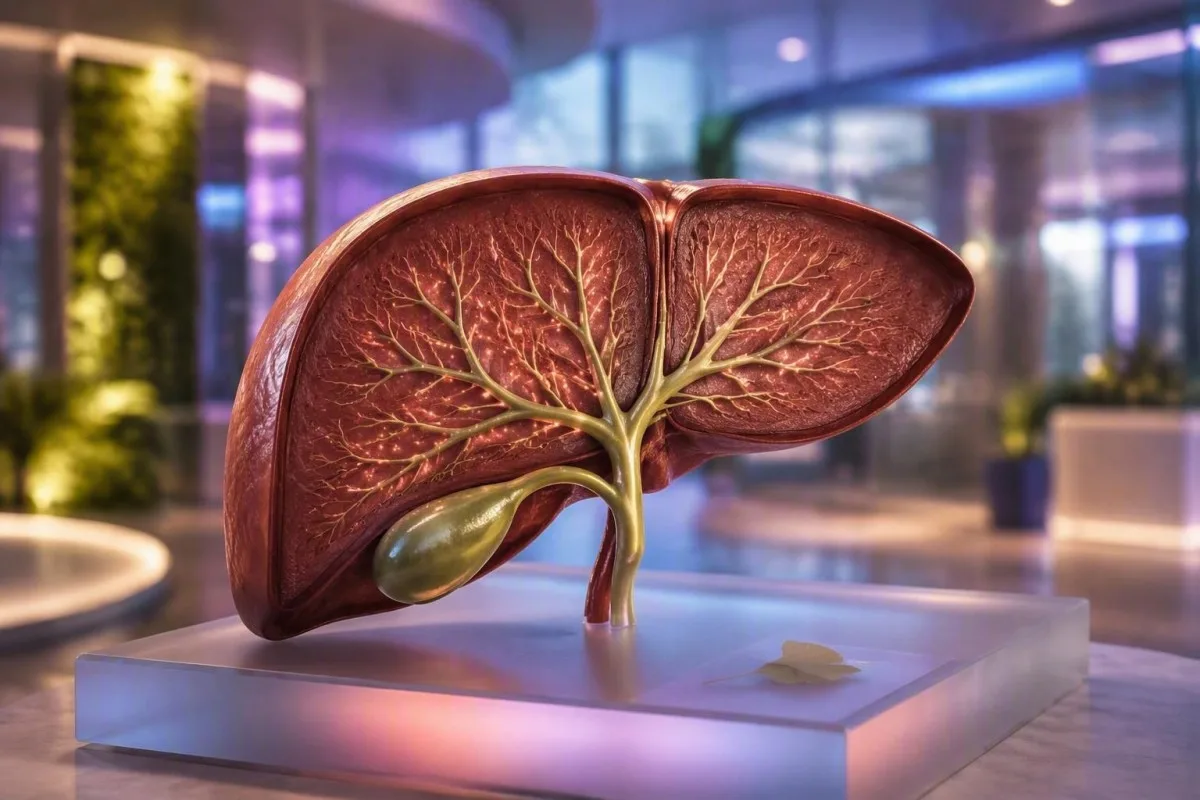
بائل ایسڈ بلڈ ٹیسٹ سیرم میں گردش کرنے والے بائل ایسڈ کی ارتکاز کی پیمائش کرتا ہے نہ کہ گیل بلڈر میں ذخیرہ شدہ بائل کی مقدار کی۔ زیادہ گردش کرنے والی اقدار سے ظاہر ہوتا ہے کہ جگر بائل ایسڈ کو عام طور پر بائل میں منتقل نہیں کر رہا ہے، حالانکہ اکیلا ٹیسٹ اس کی وجہ کی نشاندہی نہیں کر سکتا۔.
بائل ایسڈ کلیسٹرول سے hepatocytes میں بنتے ہیں، آنتوں کے بیکٹیریا سے تبدیل ہوتے ہیں، پھر روزانہ کئی بار پورٹل گردش کے ذریعے دوبارہ گردش کرتے ہیں۔ یہ دوبارہ گردش بتاتی ہے کہ کھانا ویلیو کو کیسے تبدیل کر سکتا ہے اور کیوں ایک سنگل نتیجے کو لیبارٹری کے تجزیے، نمونے کے تناظر، اور علامات کے ساتھ پڑھا جانا چاہیے - نہ کہ عالمگیر انٹرنیٹ رینج کے خلاف۔.
Most clinical laboratories measure total serum bile acids, often by an enzymatic cycling method; they do not routinely separate cholic, chenodeoxycholic, and conjugated fractions. A result may be reported in micromol/L، اور 1 micromol/L is not interchangeable with a bilirubin value in mg/dL.
For people reviewing a multi-test report, جگر پینل میں کیا شامل ہوتا ہے is a useful companion because bile acids are often ordered separately from routine liver chemistry. That separation is a practical reason an ordinary “normal LFT” cannot reliably rule out early pregnancy cholestasis.
حمل میں بائل ایسڈ کی حدیں اور بلند نتائج کا کیا مطلب ہے
In pregnancy, a non-fasting total bile acid concentration of 19 micromol/L or above is commonly used in UK practice to support a diagnosis of حمل کا اندرونی پتتاشی when itching is present and competing causes have been assessed. Peak values of 40-99 micromol/L indicate moderate disease, while 100 micromol/L or above indicates severe disease with the clearest evidence of increased stillbirth risk.
The thresholds are risk bands, not a score for how miserable someone feels. RCOG’s 2022 Green-top Guideline describes mild ICP as 19-39 micromol/L, moderate ICP as 40-99 micromol/L, and severe ICP as 100 micromol/L or more; each maternity service adapts surveillance and birth planning to the whole obstetric picture.
The individual participant data meta-analysis by Ovadia et al. found a stillbirth prevalence of 3.44% among singleton pregnancies with peak bile acids of at least 100 micromol/L, compared with 0.13% below 40 micromol/L (Ovadia et al., 2019). That finding is why clinicians focus on the highest documented value, not merely the result from the day itching feels worst.
Some North American services have historically used more than 10 micromol/L as an abnormal threshold, while UK guidance uses 19 micromol/L for non-fasting testing. This is one of those areas where context matters more than pretending every laboratory uses the same cut-off; compare the result with its printed interval and maternity protocol.
خارش کا کون سا پیٹرن کولیسٹاسس کا خدشہ بڑھاتا ہے؟
Itching from cholestasis is often generalized, can be intense on the palms and soles, and commonly becomes more troublesome at night; it usually starts without a primary rash. These features raise suspicion but do not prove a liver cause, because eczema, scabies, pregnancy dermatoses, thyroid disease, kidney disease, and medicines can also itch.
In a typical maternity clinic scenario, a person at 32 weeks reports two sleepless nights from itching feet but has no rash and normal blood pressure. I would not dismiss this because fetal monitoring is reassuring that morning: the relevant next step is bile acids plus liver chemistry, followed by a defined plan if symptoms continue.
A visible rash changes the differential but does not automatically exclude ICP; people can have eczema or scratch-related skin changes and cholestasis at the same time. Take photographs before applying multiple new creams, and tell the clinician about new antibiotics, antifungals, hormones, anticonvulsants, and over-the-counter products.
Unexplained itch with yellow eyes or skin needs assessment for bilirubin patterns rather than cosmetic treatment alone. Our explanation of when bilirubin becomes concerning helps distinguish a mild isolated result from symptoms that warrant faster care.
نارمل پہلا بائل ایسڈ نتیجہ دوبارہ کیوں کرنا پڑ سکتا ہے
A normal bile acids result does not reliably rule out early intrahepatic cholestasis of pregnancy because itch can begin before biochemical elevation. If characteristic itching persists, clinicians commonly repeat bile acids and liver tests in about 1 ہفتے کے اندر۔, sooner if symptoms escalate or new warning signs appear.
The practical mistake I see is treating a first normal result as a lifetime clearance certificate. Bile acids can vary over days, and pregnancy physiology changes rapidly in the third trimester; record when itch began, where it occurs, sleep disruption, and whether a rash was present at the time of each draw.
RCOG advises repeating liver blood tests after 1 ہفتے کے اندر۔ following diagnosis and tailoring further tests to the clinical situation. For suspected but unconfirmed disease, the same principle applies: the obstetric clinician should set the interval rather than relying on symptoms alone or on a home fetal monitor.
ملاقاتوں کے درمیان خون کے ٹیسٹ میں فرق are not always biological change—assay variation, fasting status, and sample timing contribute. Kantesti AI ایک AI خون کے ٹیسٹ کی رپورٹ (blood test interpretation) پلیٹ فارم ہے that can display sequential results with their dates, which makes a rising pattern easier to discuss with the clinician who knows the pregnancy.
کیا روزہ بائل ایسڈ بلڈ ٹیسٹ کے نتائج کو تبدیل کرتا ہے؟
Fasting can lower serum bile acid concentrations after a meal, but suspected pregnancy cholestasis should not be delayed solely to obtain a fasting specimen. UK guidance supports روزہ نہ رکھنے کی حالت میں bile-acid testing because it better fits real-world maternity assessment and avoids missed or delayed testing.
Ask the laboratory or maternity team whether the result is fasting or non-fasting and which reference interval applies. A meal containing fat stimulates gallbladder contraction and enterohepatic circulation, so a value drawn صبح کی گولی کے 2-4 گھنٹے بعد after eating can differ meaningfully from an early-morning fasting sample without either sample being “wrong.”
Do not deliberately eat a fatty meal to make the test positive, and do not skip food if pregnancy nausea makes fasting unsafe. The goal is an interpretable clinical measurement, not a number engineered around a threshold; the ordering team may request a repeat under more standardized conditions if the result sits close to a decision boundary.
Laboratories also vary in pre-analytic instructions, which is why a photo of the complete report is more useful than a transcribed flag. Our blood-test PDF checking guide outlines details to verify before any automated interpretation.
بلند بائل ایسڈ کے بعد کون سے جگر کے ٹیسٹ کیے جانے چاہئیں؟
High bile acids should usually be followed with bilirubin, ALT, AST, alkaline phosphatase, GGT, albumin, and often a full blood count and clotting assessment when liver dysfunction is suspected. A cholestatic pattern features ALP and GGT rising more than ALT and AST, but pregnancy makes ALP harder to interpret because placental ALP normally increases.
ALT and AST can be normal in ICP, mildly raised, or occasionally substantially elevated; normal transaminases do not invalidate a raised bile-acid result. Conversely, elevated ALT with normal bile acids may reflect viral hepatitis, fatty liver disease, medication injury, or another hepatocellular process rather than ICP.
ALP is produced by placenta as well as liver, so an isolated high ALP in late pregnancy is not a reliable cholestasis marker. GGT is often normal or low in typical ICP; a conspicuously high GGT can prompt clinicians to consider an alternative biliary or medication-related explanation, especially outside pregnancy.
دی cholestasis liver-test pattern is useful preparation for a follow-up visit. Kantesti’s neural network reads these markers as a pattern and highlights missing complementary tests, rather than asserting that one abnormal enzyme identifies a diagnosis.
حمل کے باہر بلند بائل ایسڈ کی کیا وجوہات ہیں؟
High bile acids outside pregnancy can result from bile duct obstruction, primary biliary cholangitis, primary sclerosing cholangitis, viral hepatitis, drug-induced liver injury, advanced fatty liver disease, and some inherited transport disorders. The next test depends on the liver pattern, symptoms, medication exposure, and whether bilirubin is conjugated.
A sudden rise with colicky upper abdominal pain, fever, and jaundice raises concern for obstruction or biliary infection and needs urgent clinical assessment, often with ultrasound. A gradual itch-plus-fatigue pattern in a middle-aged adult, particularly with high ALP and positive antimitochondrial antibodies, points clinicians toward autoimmune cholestatic disease instead.
Medication history is unusually high yield here. Antibiotics such as amoxicillin-clavulanate, anabolic agents, some antifungals, and certain herbal or bodybuilding products can produce a cholestatic pattern weeks after exposure; stopping a prescribed medicine without advice is not safe, but reporting every product is essential.
When I review this pattern, I often pair it with positive antimitochondrial antibody results only when the clinical context justifies that test. A high bile-acid number is a signal to investigate bile handling, not proof of one specific disease.
حمل میں انٹرا ہیپاٹک کولیسٹاسس کا انتظام کیسے کیا جاتا ہے
Intrahepatic cholestasis of pregnancy is managed by an obstetric team using symptom treatment, repeat blood testing, assessment of other pregnancy risks, and delivery timing based chiefly on peak bile acids and gestational age. Ursodeoxycholic acid may improve maternal itch and liver biochemistry, but it has not been shown to eliminate fetal risk.
Ursodeoxycholic acid is commonly prescribed at an initial dose around 10-15 mg/kg/day, often divided into 2 or 3 doses, with adjustment under specialist supervision. The PITCHES trial found no reduction in a composite adverse perinatal outcome with routine use, though some patients experience worthwhile itch relief; that distinction matters when expectations are set.
Antenatal testing can be reassuring but cannot reliably predict or prevent every stillbirth associated with severe ICP. SMFM recommends offering delivery at 36 0/7 to 39 0/7 weeks for bile acids below 100 micromol/L and at 36 0/7 weeks for levels of 100 micromol/L or higher, with individualized exceptions (Lee et al., 2021).
Do not use antihistamines, herbal teas, or topical products as a substitute for reporting new pregnancy itch. The pregnancy lab-safe supplement guide explains why “natural” does not automatically mean liver-safe.
بلند بائل ایسڈ کے لیے الٹراساؤنڈ یا ماہرانہ جائزہ کب درکار ہوتا ہے
High bile acids need imaging or specialist review when the liver pattern suggests obstruction, bilirubin rises, pain or fever is present, symptoms persist after pregnancy, or the clinical course is atypical for ICP. Ultrasound is commonly the first imaging test because it can assess gallstones, bile-duct dilation, and liver appearance without ionizing radiation.
In straightforward ICP, abdominal ultrasound is not always necessary because the condition is functional cholestasis rather than a blocked duct. But a total bilirubin above 34 micromol/L (2 mg/dL), focal right-upper abdominal pain, fever, or a markedly raised GGT shifts the balance toward looking for another process.
Clinicians may calculate an R ratio using ALT divided by its upper limit of normal, then divided by ALP divided by its upper limit of normal. An R ratio above 5 is hepatocellular, below 2 is cholestatic, and 2-5 is mixed; it is a useful classification tool, not a diagnosis.
For chronic liver-risk context, a FIB-4 interpretation can be informative outside pregnancy, although it is not validated as a decision tool for ICP. Pregnancy itself alters platelets and liver chemistry, so specialist judgement comes first.
فوری وارننگ کے نشانات: دوبارہ ٹیسٹنگ کا انتظار نہ کریں
Seek urgent same-day medical care for itching with jaundice, fever, severe right-upper abdominal pain, persistent vomiting, confusion, easy bleeding, very dark urine, pale stool, or rapidly worsening illness. In pregnancy, reduced or changed fetal movements require immediate contact with maternity services regardless of a recent bile-acid value.
A person with itching, temperature above 38.0 degrees C, jaundice, and upper abdominal pain may have biliary infection or acute liver disease; this is not a watch-and-wait scenario. Similarly, confusion, drowsiness, new bruising, or bleeding may indicate impaired liver function and warrants emergency assessment.
For pregnancy, do not wait until the next morning to report a genuine reduction in movement after the usual individual pattern has been established. Eat or drink something only if it helps you notice movement while arranging contact; it should never be used to delay a call to maternity triage.
Dark urine can reflect dehydration, medicines, bilirubin, or muscle pigment, so it needs context. Our dark urine urgent-care guide helps clarify the questions a clinician will ask, but it cannot assess fetal wellbeing.
ترسیل کے بعد بائل ایسڈ کا کیا ہوتا ہے؟
Bile acids and liver tests from intrahepatic cholestasis of pregnancy usually improve after delivery and should be rechecked if symptoms or abnormal tests persist. Persistent itch, jaundice, or abnormal liver chemistry beyond 6 weeks postpartum deserves evaluation for another liver or biliary condition.
Most patients notice itch easing within days of birth, often before every laboratory marker has normalized. A follow-up liver panel and bile acids at around 6 ہفتے is a sensible safety net in many care pathways, particularly after moderate or severe disease, although local maternity services differ in their exact schedule.
A previous ICP episode raises recurrence risk in a later pregnancy, commonly quoted as 45-90% depending on population and severity. That broad interval reflects genuine uncertainty: genetics, multiple pregnancy, assisted reproduction, and hormone exposure likely influence risk, but no single prediction test is definitive.
After recovery, keep a copy of the peak bile-acid value and date of diagnosis. It also helps to understand bilirubin patterns after pregnancy if a later result is flagged, because isolated bilirubin and cholestatic liver disease are different clinical puzzles.
Kantesti جگر کے نتائج کے ساتھ بائل ایسڈ کی تشریح کیسے کرتا ہے
Kantesti interprets a bile-acid result by checking units, the laboratory reference interval, pregnancy context, symptom flags, and accompanying liver markers rather than labelling a result in isolation. A result at or above 100 micromol/L in a reported pregnancy context should trigger immediate advice to contact the obstetric team, not a reassurance message.
Kantesti ایک AI-powered خون کے ٹیسٹ کی تجزیہ کرنے کا ٹول ہے used across more than 127 countries, so our system is designed to recognize that units, reference intervals, and maternity pathways vary by laboratory and region. It can organize the questions for the treating team, but it cannot diagnose ICP, determine delivery timing, or interpret fetal movements.
Dr. Thomas Klein, MD, and our clinical reviewers emphasize a small but vital safeguard: never upload a result without preserving the collection date, gestational week, fasting status if known, and complete laboratory page. Kantesti کے طبی توثیقی (medical validation) معیاروں میں describe the clinical-oversight approach behind contextual lab interpretation.
If a report contains ALP, GGT, bilirubin, ALT, and AST but not bile acids, our system identifies that bile acids may be a missing test in pregnancy itch rather than inventing a value. The اے آئی تشریح ٹیکنالوجی گائیڈ explains why source-document checks remain part of safe automated analysis.
بلند بائل ایسڈ کے نتیجے کے بعد پوچھنے والے سوالات
After a high bile acids result, ask whether the sample was fasting or non-fasting, what the peak value is, whether the laboratory interval fits the assay, and when testing will be repeated. In pregnancy, also ask who to call for changed movements and what delivery-timing plan applies to your specific peak level and gestational age.
Bring a dated symptom timeline rather than relying on memory: onset of itch, palms or soles involved, visible rash, sleep loss, medications, supplements, urine colour, stool colour, and any pain. That list can distinguish a rising biochemical process from a persistent dermatologic one and makes repeat-test decisions much more precise.
Ask whether hepatitis screening, ultrasound, autoimmune markers, or medication changes are indicated by your liver pattern. There is no universal panel for every person with high bile acids; ordering every rare test at once creates false positives and can distract from the time-sensitive problem.
Kantesti ایک AI بایومارکر تشریح پلیٹ فارم ہے built to help patients prepare for these conversations by preserving trends and explaining common patterns in plain language. Our میڈیکل ایڈوائزری بورڈ supports physician-led review principles: an app can organize evidence, but the clinician caring for you makes the diagnostic and treatment decisions.
بائل ایسڈ کی تشریح کے پیچھے تحقیقی ثبوت اور طبی معیارات
As of September 15, 2026, the best-established risk threshold in intrahepatic cholestasis of pregnancy remains a peak total bile acid level of 100 micromol/L, based on individual participant data rather than itch severity alone. Evidence is less certain for lower values, where maternal symptoms and obstetric factors still guide individualized care.
Ovadia et al. pooled data from 5,269 women with ICP and showed that bile-acid concentration was more useful for stillbirth stratification than ALT, AST, or bilirubin alone (Ovadia et al., 2019). The evidence does not mean lower levels are “risk free”; it means the measurable excess stillbirth risk was concentrated most clearly at the highest peak range.
Kantesti’s research reporting follows a clinical-validation framework that separates extraction accuracy from medical interpretation and triage safety. Readers who want the organization’s broader methodology can review our کلینیکل ورک فلو کی مثالیں and the cited validation records below; neither should be used to self-manage pregnancy complications.
For a human second look at a confusing report, Dr. Thomas Klein recommends bringing the original PDF and symptom timeline to the clinician rather than relying on copied numbers. That simple habit catches unit errors, especially when a laboratory reports bile acids in a format unfamiliar to the patient.
اکثر پوچھے گئے سوالات
حمل میں بائل ایسڈز کے خون کے ٹیسٹ کا نارمل نتیجہ کیا ہے؟
A non-fasting total bile acid result below 19 micromol/L does not meet the UK diagnostic threshold for intrahepatic cholestasis of pregnancy, but it does not fully exclude early disease when typical itching continues. The Royal College of Obstetricians and Gynaecologists classifies 19-39 micromol/L as mild ICP, 40-99 micromol/L as moderate ICP, and 100 micromol/L or higher as severe ICP. Laboratories and regions may use different methods or reference intervals, so the printed report and maternity team's protocol take priority. Persistent palm-and-sole itch without rash should be reported even after an initially normal result.
کیا نارمل لیور انزائمز کے ساتھ بائل ایسڈز زیادہ ہو سکتے ہیں؟
Yes, bile acids can be elevated while ALT, AST, bilirubin, and GGT remain within their laboratory reference intervals, particularly early in intrahepatic cholestasis of pregnancy. A normal liver panel therefore does not replace a bile acids blood test when pregnancy itching is clinically suggestive. Conversely, high liver enzymes with normal bile acids can indicate another liver condition such as viral hepatitis, medication injury, or fatty liver disease. Clinicians interpret the complete liver pattern and symptoms together rather than using one test as a rule-out tool.
کیا مجھے بائل ایسڈ کے خون کے ٹیسٹ سے پہلے روزہ رکھنا چاہیے؟
You should follow the ordering laboratory's instructions, but suspected pregnancy cholestasis should not be delayed simply because you have eaten. Current UK maternity guidance accepts non-fasting bile-acid testing, while food intake can still affect the numerical concentration through normal enterohepatic circulation. Record whether the sample was fasting and roughly when you last ate, especially if a result is near 19 or 40 micromol/L. Your maternity clinician may request a repeat under standardized conditions if the result and symptoms do not align.
اگر مجھے خارش ہو رہی ہو تو مجھے کتنی جلدی بائل ایسڈ کا دوبارہ ٹیسٹ کروانا چاہیے؟
Persistent typical itching in pregnancy after a normal initial result commonly leads to repeat bile acids and liver tests in about 1 week, with an earlier review if symptoms worsen. The appropriate interval depends on gestational age, severity of itch, prior results, jaundice, and fetal-movement concerns. Reduced fetal movements require immediate maternity contact regardless of the planned repeat-test date or a previous result below 19 micromol/L. Do not wait for a scheduled blood draw if fever, severe abdominal pain, jaundice, or acute illness develops.
حمل میں پتتاش کے تیزاب کی کون سی سطح خطرناک ہے؟
A peak total bile acid concentration of 100 micromol/L or higher is the range most consistently linked to increased stillbirth risk and is classified as severe intrahepatic cholestasis of pregnancy. In the Ovadia et al. 2019 meta-analysis, stillbirth prevalence in singleton pregnancies was 3.44% at this level, compared with 0.13% below 40 micromol/L. Any value of 19 micromol/L or higher with pregnancy itching still needs maternity-led assessment and a plan for monitoring and timing of birth. Risk depends on the peak level, gestation, multiple pregnancy, coexisting conditions, and clinical course.
کیا بلغم کی تیزابیت ترسیل کے بعد معمول پر آجاتی ہے؟
Bile acids and itch from intrahepatic cholestasis of pregnancy usually improve after delivery, often with symptom relief in the first several days. Many maternity pathways arrange liver chemistry and sometimes bile-acid follow-up at around 6 weeks postpartum, particularly after more marked elevation. Ongoing itch, jaundice, or abnormal results beyond 6 weeks should trigger evaluation for a non-pregnancy liver or biliary condition. A prior ICP diagnosis also raises recurrence risk in future pregnancies, often estimated between 45% and 90%.
آج ہی اے آئی سے طاقتور خون کے ٹیسٹ کا تجزیہ حاصل کریں
دنیا بھر میں 2M+ صارفین میں شامل ہوں جو فوری اور درست لیب ٹیسٹ تجزیے کے لیے Kantesti پر بھروسہ کرتے ہیں۔ اپنے خون کے ٹیسٹ کے نتائج اپلوڈ کریں اور چند سیکنڈ میں 15,000+ بایومارکرز کی جامع تشریح حاصل کریں۔.
📚 حوالہ دی گئی تحقیقی اشاعتیں
کلائن، ٹی.، مچل، ایس.، اور ویبر، ایچ. (2026). Kantesti LTD. (2026). کلینیکل ویلیڈیشن فریم ورک v2.0 (میڈیکل ویلیڈیشن پیج)۔ Zenodo. https://doi.org/10.5281/zenodo.17993721.۔ Kantesti اے آئی میڈیکل ریسرچ۔.
کلائن، ٹی.، مچل، ایس.، اور ویبر، ایچ. (2026). Kantesti LTD. (2026)۔ AI بلڈ ٹیسٹ اینالائزر: 2.5M ٹیسٹ کا تجزیہ کیا گیا | گلوبل ہیلتھ رپورٹ 2026۔ Zenodo. https://doi.org/10.5281/zenodo.18175532.۔ Kantesti اے آئی میڈیکل ریسرچ۔.
📖 بیرونی طبی حوالہ جات
Royal College of Obstetricians and Gynaecologists (2022). Intrahepatic cholestasis of pregnancy: Green-top Guideline No. 43. RCOG Green-top Guideline.
⚕️ میڈیکل ڈس کلیمر
یہ مضمون صرف تعلیمی مقاصد کے لیے ہے اور طبی مشورہ نہیں ہے۔ تشخیص اور علاج کے فیصلوں کے لیے ہمیشہ کسی مستند صحت کے ماہر سے رجوع کریں۔.
E-E-A-T اعتماد کے اشارے
تجربہ
معالج کی قیادت میں لیب تشریح کے ورک فلو کا کلینیکل جائزہ۔.
مہارت
لیبارٹری میڈیسن کا فوکس یہ کہ بایومارکرز کلینیکل سیاق میں کیسے برتاؤ کرتے ہیں۔.
مستندیت
ڈاکٹر تھامس کلائن نے لکھا، ڈاکٹر سارہ مچل اور پروف. ڈاکٹر ہانس ویبر نے نظرثانی کی۔.
امانت داری
شواہد پر مبنی تشریح واضح فالو اپ راستوں کے ساتھ تاکہ گھبراہٹ کم ہو۔.