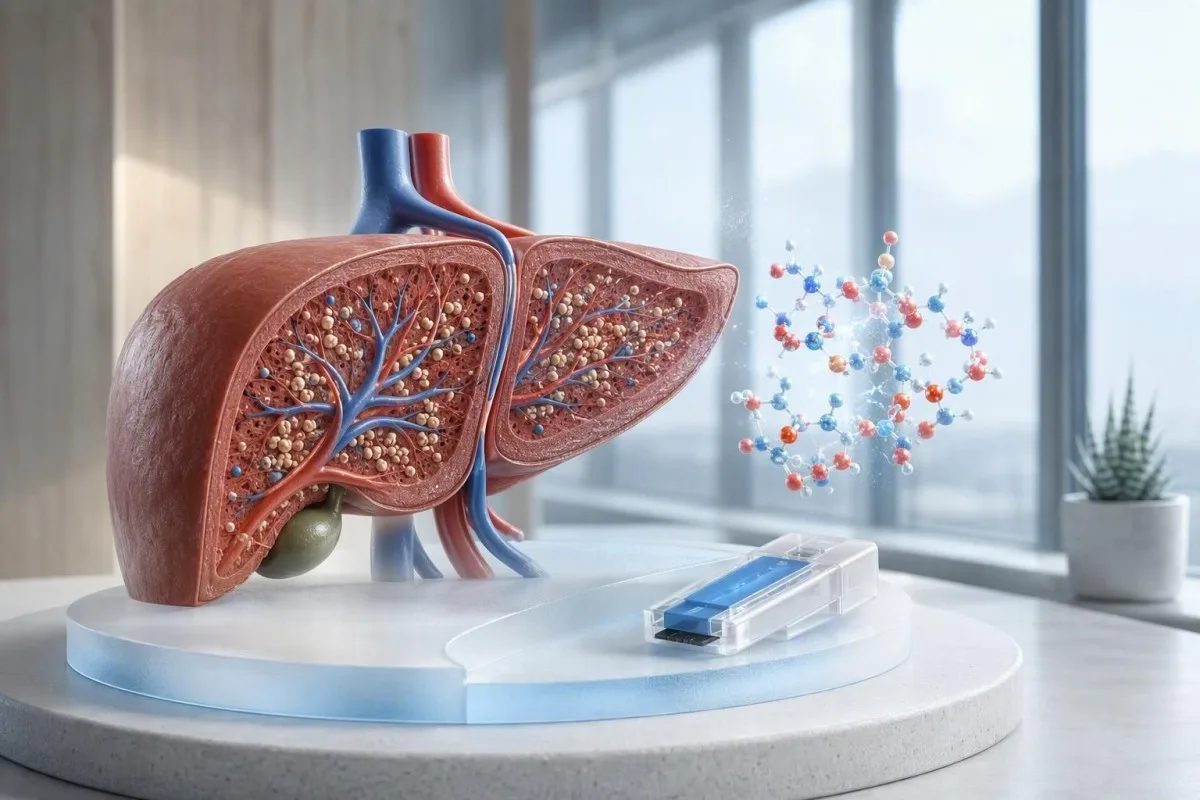
Результат низького рівня глюкози не є автоматично повторюваною гіпоглікемією. Практичне питання полягає в тому, чи вказують симптоми, час, ліки, фізіологія та обробка зразка в одному напрямку.



- Справжня гіпоглікемія у дорослих без діабету потребує тріади Віппла: відповідні симптоми, низький виміряний рівень глюкози в плазмі та полегшення симптомів після підвищення рівня глюкози.
- 70 мг/дл або 3.9 ммоль/л є тривожним значенням для людей, які отримують цукрознижуюче лікування; нижче 54 мг/дл або 3.0 ммоль/л є клінічно значущою гіпоглікемією.
- Затримка обробки може знизити рівень глюкози приблизно на 5% до 7% на годину в нерозділеному зразку при кімнатній температурі.
- Інсулін та сульфонілсечовини є найчастішими причинами низького рівня цукру в крові, пов'язаними з ліками, особливо після пропущеного прийому їжі, незвичайних фізичних навантажень або зниження функції нирок.
- Спричинені алкоголем низькі показники часто виникають через 6-24 години після вживання алкоголю, коли споживання їжі обмежене, оскільки алкоголь блокує вироблення глюкози печінкою.
- Одиничне значення глюкози натщесерце від 60 до 69 мг/дл без симптомів зазвичай перевіряється повторно перед розширеним ендокринним обстеженням.
- Важкі захворювання можуть спричинити низький рівень глюкози через сепсис, печінкову недостатність, ниркову недостатність або недостатнє харчування та потребують невідкладного клінічного контексту.
- Інсулін, C-пептид, бета-гідроксибутират та скринінг на сульфонілсечовину слід брати під час задокументованого низького рівня, коли це можливо.
Чи є результат низького рівня глюкози справжньою гіпоглікемією?
Справжня гіпоглікемія — це клінічна подія, а не просто позначене лабораторне число. У дорослих без діабету лікарі шукають тріаду Віппла: симптоми, що відповідають низькому рівню глюкози, задокументований низький рівень глюкози в плазмі в цей час і чітке покращення після вживання вуглеводів. Станом на 10 вересня 2026 року це залишається найкориснішим первинним фільтром для причин низького рівня глюкози.
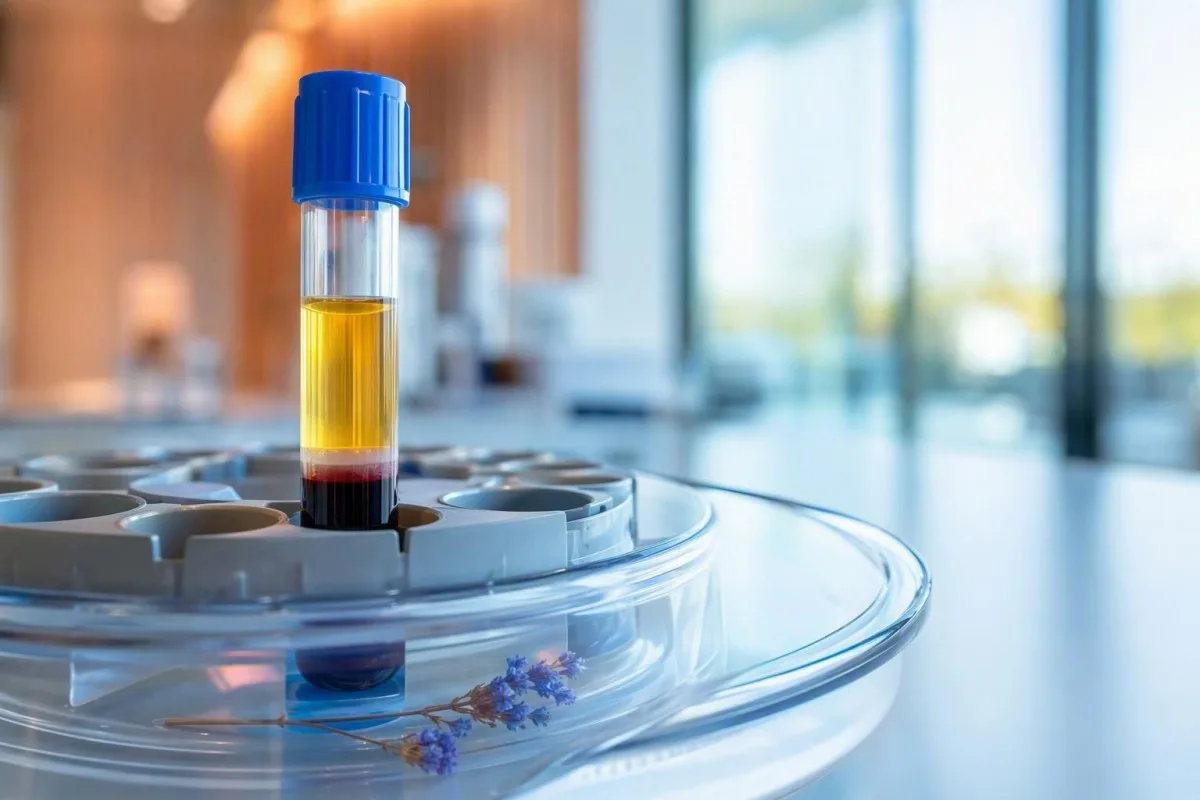
Швидкий рівень глюкози у венозній крові 62 мг/дл або 3,4 ммоль/л у людини, яка почувається добре, не еквівалентний стану розгубленої, спітнілої людини з показником 42 мг/дл, виміряним за допомогою глюкометра. Останньому потрібне негайне лікування; перший може відображати тривалість голодування, затримку обробки або індивідуальну норму, яка трохи нижча.
У моїй клінічній практиці найпоширенішою помилкою є розцінювання втоми, тремтіння або голоду як доказів гіпоглікемії. Ці симптоми перетинаються з тривогою, зневодненням, анемією та недосипанням, тому доктор Томас Кляйн спочатку запитує, чи вимірювали глюкозу під час симптомів, а не через години потому.
Kantesti AI — це Платформа для розшифровки аналізу крові AI що ставить результат низького рівня глюкози поруч зі статусом голодування, HbA1c, маркерами нирок та печінки, а не маркуванням одного ізольованого значення як діагнозу. Для контексту очікуваних значень за статтю та часом див. наш довідник діапазонів глюкози.
Чому тріада Віппла захищає пацієнтів від надмірних обстежень
Товариство ендокринологів рекомендує оцінювати гіпоглікемічні розлади лише тоді, коли задокументовано тріаду Віппла, оскільки випадкові низькі значення є поширеними, а ендокринне тестування може призвести до помилкових результатів (Cryer et al., 2009). Цей підхід не означає ігнорування симптомів; він означає отримання надійного рівня глюкози під час епізоду.
Які показники глюкози вимагають повторного аналізу або термінових дій?
Рівень глюкози в плазмі нижче 54 мг/дл або 3,0 ммоль/л заслуговує на клінічну увагу, тоді як 54-69 мг/дл часто вимагає підтвердження в контексті. Портативний глюкометр, аналіз венозної плазми та безперервний монітор глюкози можуть відрізнятися настільки, що тип зразка має значення.
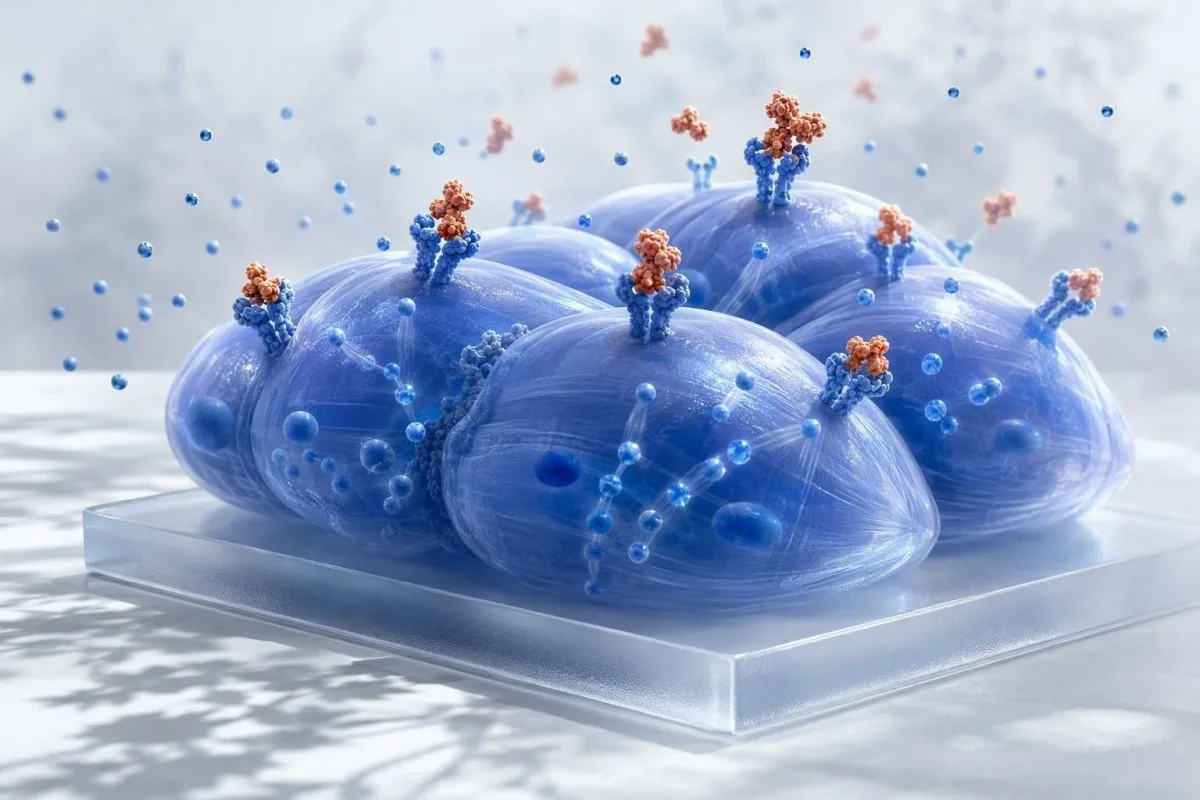
Міжнародна група з вивчення гіпоглікемії вибрала 54 мг/дл оскільки когнітивні порушення стають більш імовірними нижче цього порогу, а повторний вплив може притупити попереджувальні симптоми. Американська діабетична асоціація використовує 70 мг/дл або 3.9 ммоль/л як порогове значення для людей, які отримують інсулін або стимулятори секреції інсуліну (American Diabetes Association Professional Practice Committee, 2025).
Портативні глюкометри корисні для негайного прийняття рішення щодо безпеки, але їх допустима аналітична варіація є суттєвою поблизу нижнього кінця. Якщо домашній глюкометр показує 58 мг/дл, а ви почуваєтесь нормально, вимийте та висушіть руки, негайно повторіть тест з новою смужкою, а потім отримайте лабораторний показник плазми, якщо результат зберігається.
Референтні інтервали є специфічними для лабораторії, тому червоний прапорець не є синонімом хвороби. Наш пояснення результатів поза межами норми і посібник із біомаркерів показують, чому лабораторний метод та референтний інтервал є частиною кожної інтерпретації.
Які ліки можуть викликати низький рівень цукру в крові?
Інсулін, сульфонілсечовини та меглітиніди спричиняють більшість медикаментозних гіпоглікемій. Ризик різко зростає, коли звичайна доза зустрічається з меншим прийомом їжі, блювотою, збільшенням активності, втратою ваги, зниженням функції нирок або випадковим подвоєнням дози.
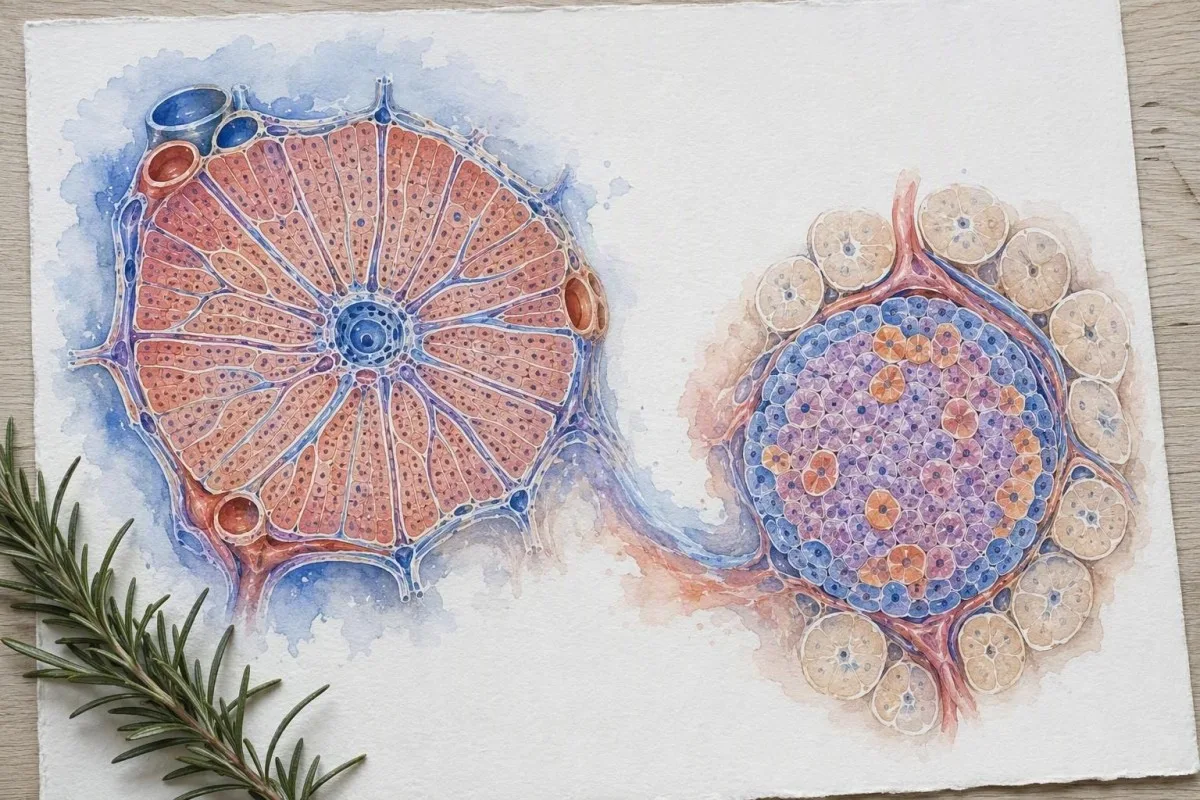
Інсулін тривалої дії може спричинити тривале зниження рівня глюкози, тоді як інсулін швидкої дії зазвичай відповідає пропущеному або затриманому прийому їжі протягом кількох годин. Сульфонілсечовини, такі як гліклазид, глімепірид та гліпізид, можуть викликати рецидивуючу гіпоглікемію протягом 12–24 годин або довше при нирковій недостатності, тому один, здавалося б, виправлений епізод може повторитися.
Менш відомі лікарські асоціації включають хінін, пентамідин, деякі фторхінолонові антибіотики та трамадол; докази варіюються залежно від препарату та пацієнта. Бета-блокатори зазвичай не викликають зниження рівня глюкози самі по собі, але вони можуть приглушувати пальпітації та тремор, залишаючи піт або раптову плутанину як перші попередження.
Kantesti може організувати лабораторні зміни в медикаментозну епоху, але не може безпечно рекомендувати припинити прийом інсуліну, сульфонілсечовини або заміщення стероїдів без залучення лікаря. Розгляньте попереджувальні знаки в нашому посібнику з симптомів гіпоглікемії, особливо якщо епізоди виникають вночі.
Практичний перегляд ліків
Принесіть точний продукт, дозу, час прийому, нещодавні зміни дози та безрецептурні ліки для перегляду. Одна фотографія коробок з ліками часто виявляє дублюючі інгредієнти або силу таблетки, яка відрізняється від призначеної.
Чому ліки стають ризикованими після пропущених прийомів їжі?
Ліки, що знижують рівень глюкози, стають небезпечними, коли ефект інсуліну перевищує доступну глюкозу з їжі. Пропущений обід, гастроентерит, стоматологічна процедура, зменшення апетиту або незаплановане тренування можуть перетворити раніше стабільну дозу на епізод низького рівня глюкози.
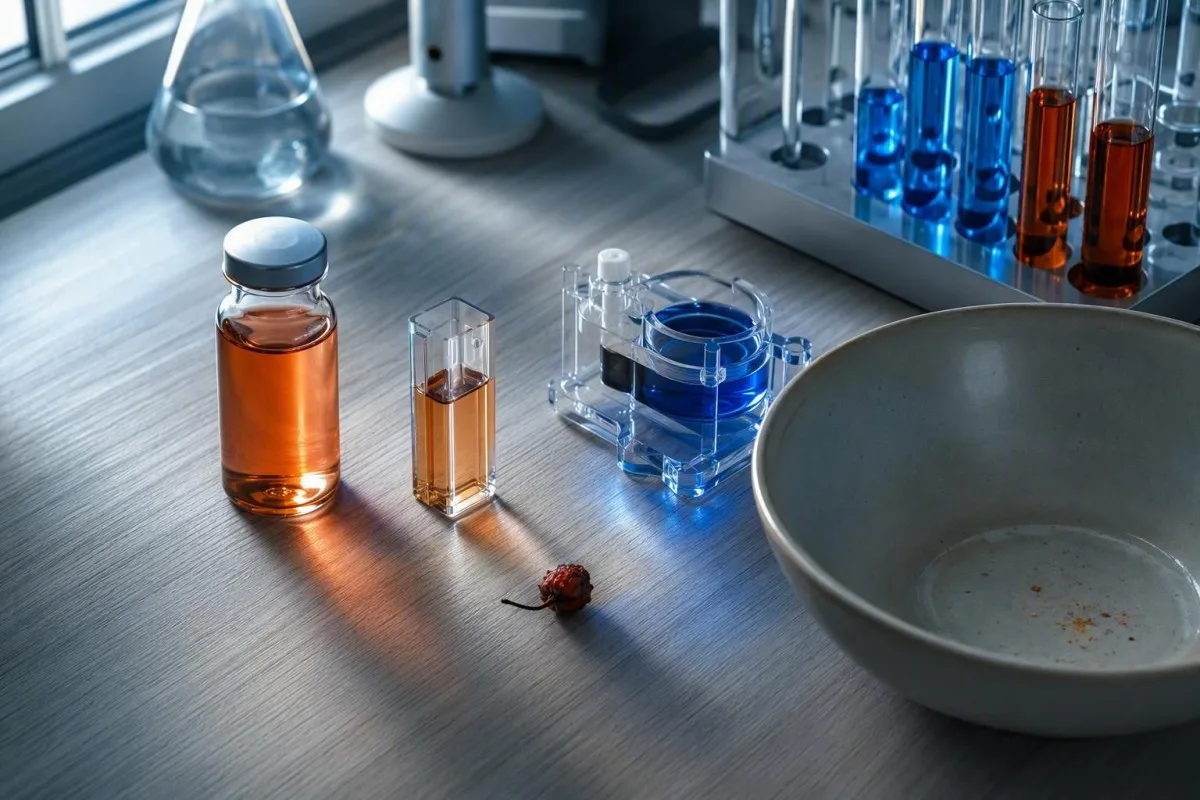
Нирки виводять кілька інсулінових препаратів та багато метаболітів сульфонілсечовини, тому зниження eGFR може збільшити ефективний вплив, навіть якщо рецепт не змінився. Нове зниження разом із нудотою, поганим споживанням їжі та підвищенням креатиніну викликає більше занепокоєння, ніж той самий рівень глюкози у здорової людини після тривалого нічного голодування.
Я бачив пацієнтів, які зосереджувалися на дозі, ігноруючи втрату ваги на 6 кг після хвороби або нову вечірню прогулянку. Ці деталі важливі: скелетні м'язи залишаються більш чутливими до інсуліну після фізичних навантажень, а пізня активність може збільшити ризик нічної гіпоглікемії.
Кантесті – це Платформа для інтерпретації біомаркерів AI що може порівнювати глюкозу, HbA1c, eGFR та тенденції препаратів за періодами звітності. Їхня перевірка шаблонів підтримує, а не замінює, рішення лікаря щодо медикаментів; наша посібник з відстеження безпеки медикаментів пояснює корисний контекст, тоді як технологічний гайд описує наш робочий процес клінічного огляду.
Як алкоголь знижує рівень глюкози через кілька годин?
Алкоголь може викликати гіпоглікемію, пригнічуючи вироблення глюкози печінкою, особливо після вживання алкоголю без їжі. Ризик найбільший, коли глікоген печінки вичерпаний голодуванням, блювотою, тривалими фізичними навантаженнями, недоїданням або захворюваннями печінки.
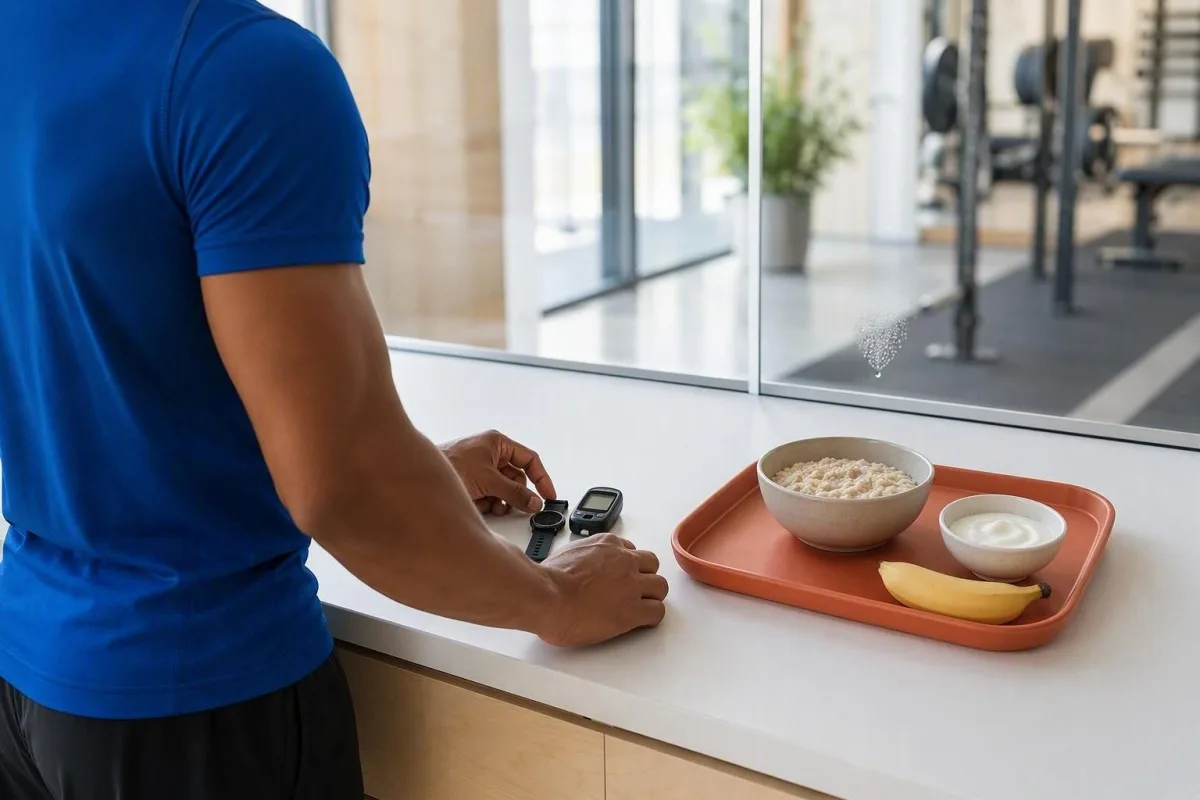
Метаболізм етанолу підвищує співвідношення НАДН до НАД+ у печінці, спрямовуючи піруват до лактату та обмежуючи глюконеогенез. Простіше кажучи, печінка може мати запаси палива, але не може ефективно виробляти нову циркулюючу глюкозу, коли алкоголь і голодування збігаються.
Гіпоглікемія, пов'язана з алкоголем, часто з'являється 6–24 годин після вживання алкоголю, не обов'язково під час видимої інтоксикації. Цей відкладений час пояснює, чому людина може прокинутися пітнілою, тремтячою або розгубленою після вечора вживання алкоголю, за яким слідувала невелика вечеря або тривала блювота.
Низький рівень глюкози з підвищеним AST, низьким рівнем альбуміну, підвищеним INR або повторною блювотою потребує ширшої оцінки стану печінки та харчування, а не лише порад щодо споживання цукру. Дивіться наш огляд змін біомаркерів після припинення вживання алкоголю щодо часового проміжку пов'язаних лабораторних змін.
Чи можуть голодування, дієта або фізичні вправи пояснити низький рівень глюкози без діабету?
Коротке голодування може призвести до незначного зниження рівня глюкози у здорової людини, але повторні симптоматичні показники нижче 54 мг/дл не відкидаються як нормальне дієтування. Голодування знижує рівень інсуліну та підвищує рівень глюкагону, кортизолу, гормону росту та кетонів для захисту постачання мозку паливом.
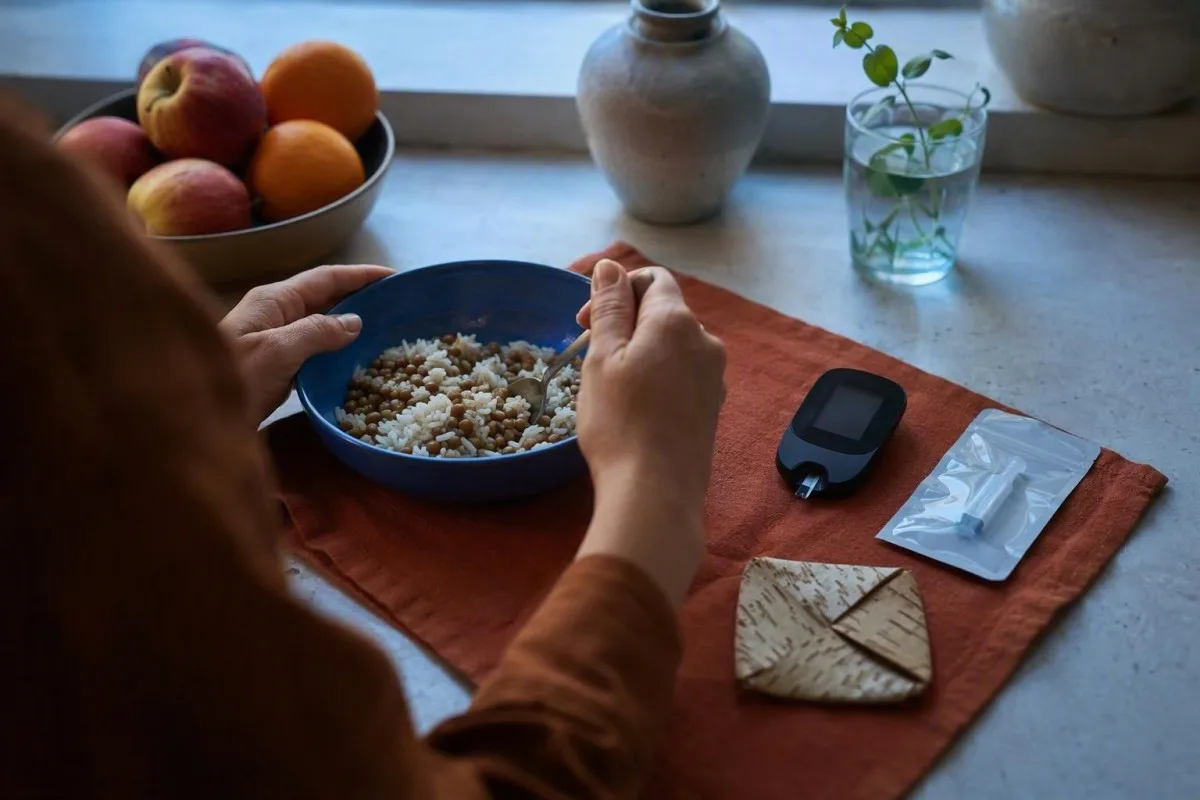
Приблизно після 12–24 годин без їжі доступність глікогену в печінці стає дуже мінливою; стан тренування, попереднє споживання вуглеводів та розмір тіла мають значення. Більшість здорових дорослих компенсують це збільшенням окислення жирів та виробленням кетонів, тому помірно низький рівень глюкози без нейроглікопенічних симптомів може бути фізіологічним.
Тривалі фізичні навантаження відрізняються від легких. Бігун, який завершує тривалий захід із поганим відновленням вуглеводів, може відчувати низький рівень глюкози під час відновлення, особливо якщо додаються алкоголь, тепловий удар або знижене споживання; спортсмени також повинні враховувати лабораторні показники при тривалих тренуваннях.
Інтервальне голодування не лікує незрозумілу гіпоглікемію і може полегшити пропуск пов'язаного з медикаментами шаблону. Наш посібник з лабораторних досліджень під час голодування пояснює, чому документування точних годин голодування важливіше, ніж просто вказати, що тест був проведений натщесерце.
Коли хвороба викликає клінічно значущий низький рівень глюкози?
Сепсис, виражена дисфункція печінки, ниркова недостатність, серцева недостатність та важке недоїдання можуть спричинити небезпечну гіпоглікемію. У людини, яка гостро хворіє, низький рівень глюкози є показником тяжкості стану і повинен спонукати до медичного огляду в той же день.
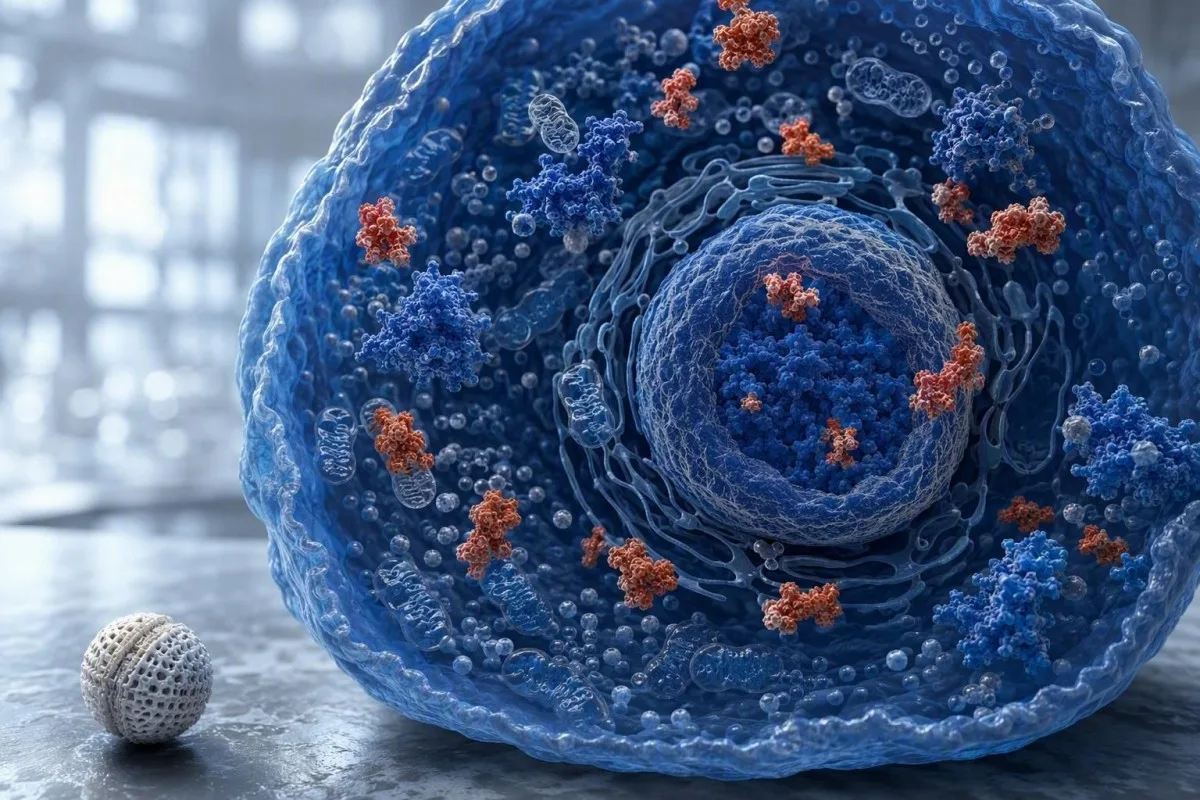
Сепсис збільшує використання глюкози імунними та периферичними тканинами, тоді як погана перфузія та дисфункція печінки зменшують вироблення глюкози. Рівень глюкози нижче 70 мг/дл при підозрі на інфекцію викликає більше занепокоєння, коли підвищується лактат, падає артеріальний тиск, змінюється психічний стан або припиняється пероральний прийом їжі.
Печінка зберігає глікоген і виконує глюконеогенез, тому виражена печінкова дисфункція може призвести до низького рівня глюкози поряд з підвищеним білірубіном, подовженням INR та низьким рівнем альбуміну. Ниркове захворювання сприяє цьому через зниження кліренсу інсуліну, менший нирковий глюконеогенез та поганий апетит; ця комбінація особливо важлива у людей, які лікуються від діабету.
Критичний стан не є місцем для домашніх експериментів з голодуванням або добавками. Наш огляд маркерів сепсису окреслює відповідний лабораторний шаблон, який повинен спонукати до термінової допомоги.
Які гормональні розлади та рідкісні стани викликають повторні зниження рівня глюкози?
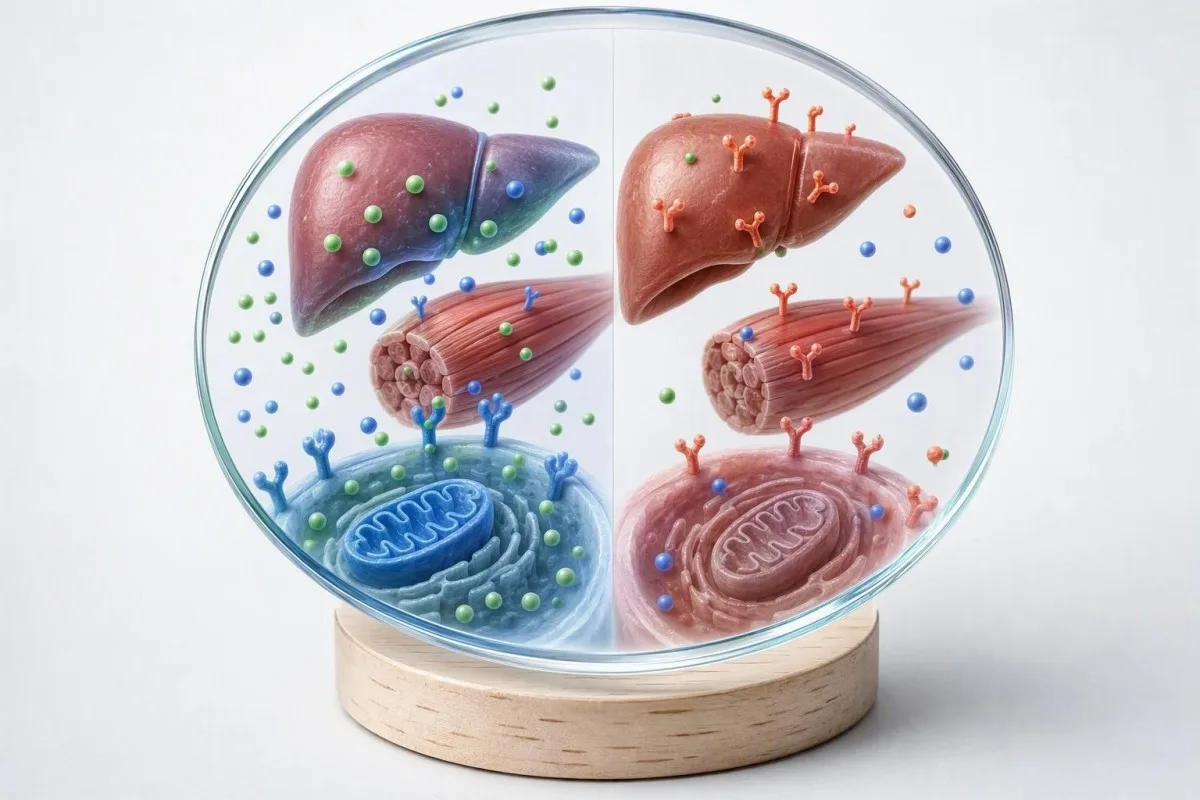
Надпочорникова недостатність, гіпопітуїтаризм та, рідко, пухлини, що виробляють інсулін або IGF-II, можуть спричинити рецидивуючу гіпоглікемію натщесерце. Ці діагнози є рідкісними, тому тестування є найбільш надійним, коли біохімічні докази зібрані під час фактичного епізоду низького рівня глюкози.
Кортизол підтримує глюконеогенез та судинний тонус, тому надниркова недостатність може проявлятися низьким рівнем глюкози, втратою ваги, нудотою, низьким артеріальним тиском, гіпонатріємією або гіперпігментацією. Один випадковий рівень кортизолу не діагностує надниркову недостатність; ранковий час, тяжкість захворювання та будь-який вплив глюкокортикоїдів суттєво змінюють результат.
Дефіцит гормону росту може сприяти гіпоглікемії натщесерце у дітей і набагато рідше є єдиним поясненням у дорослих. Неізольована гіпоглікемія від надлишку IGF-II є рідкісною і зазвичай виникає при великій відомій або клінічно очевидній пухлині, втраті ваги та пригнічених маркерах інсуліну.
Доктор Томас Кляйн рекомендує, щоб підозрювані ендокринні причини тестувалися у ендокринолога, а не за допомогою випадкових панелей між епізодами. Правильний час забору зразка є центральним, як показано в нашому посібнику з обробки ACTH .
Чи може затримка обробки зразка призвести до помилково низького рівня глюкози?
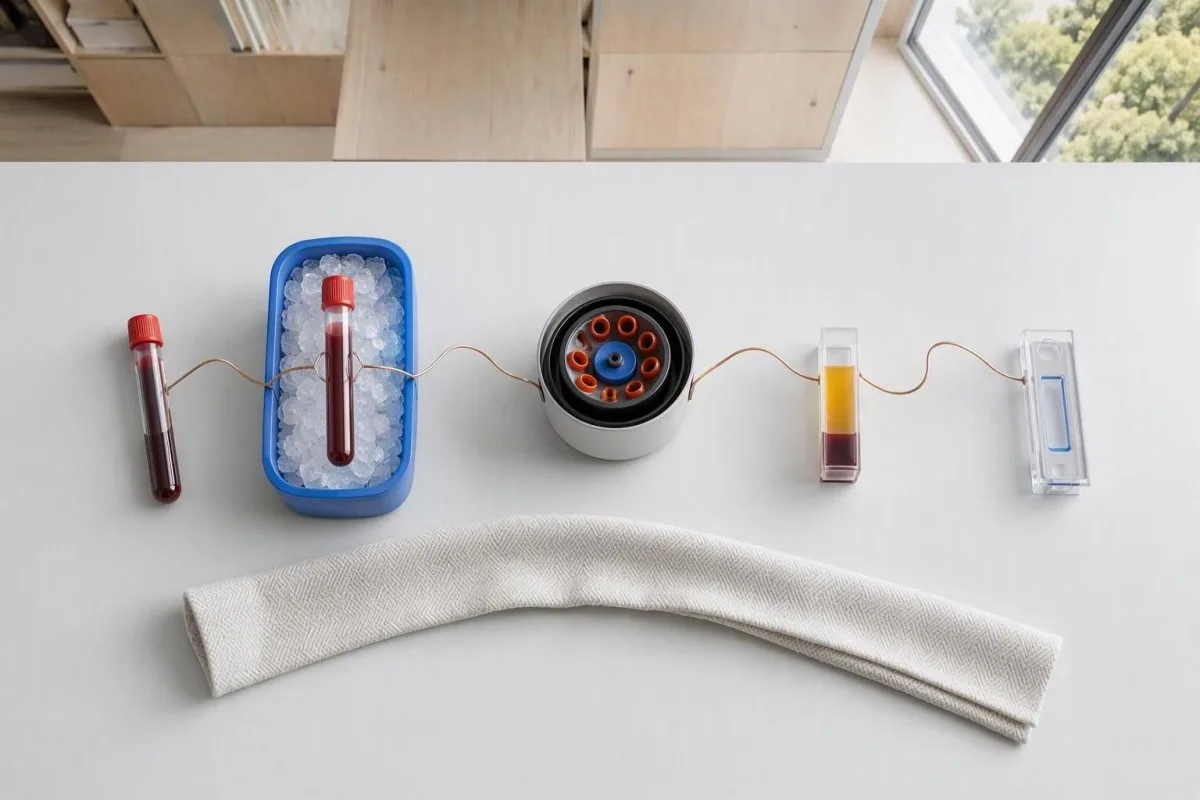
Так. Клітини в необробленому зразку продовжують споживати глюкозу, тому затримка розділення може спричинити псевдогіпоглікемію. При кімнатній температурі глюкоза в цільній крові може знижуватися приблизно на 5% до 7% на годину, зі швидшим зниженням при вираженій лейкоцитозі або тромбоцитозі.
Це одна з найбільш недооцінених причин низького рівня цукру в крові при амбулаторному тестуванні. Зразок, взятий у зайнятій клініці, залишений у дорозі або пізно розділений, може повернутися з показником 55 мг/дл, незважаючи на те, що людина була безсимптомною, а швидке повторне тестування нормальне.
Пробірки, що містять фторид, уповільнюють гліколіз, але не зупиняють його миттєво; негайне охолодження та своєчасне розділення плазми залишаються кращими запобіжниками. Дуже висока кількість лейкоцитів або тромбоцитів може споживати глюкозу настільки швидко, що спричиняє виражену псевдогіпоглікемію, стан, який іноді називають "викраденням лейкоцитів".
Kantesti AI позначає низький рівень глюкози, який суперечить решті панелі та зареєстрованим симптомам, як питання для перевірки, а не автоматична мітка захворювання. Подібне попереднє аналітичне міркування застосовується до помилок забору лактату, де своєчасність може змінити результат до аналізу.
Які аналізи слід провести під час задокументованого зниження рівня глюкози?
Найбільш інформативні аналізи беруться, коли рівень глюкози в плазмі низький, в ідеалі нижче 55 мг/дл або 3,0 ммоль/л із симптомами. Інсулін, C-пептид, проінсулін, бета-гідроксибутират і скринінг на сульфонілсечовину допомагають розрізнити багато основних механізмів.
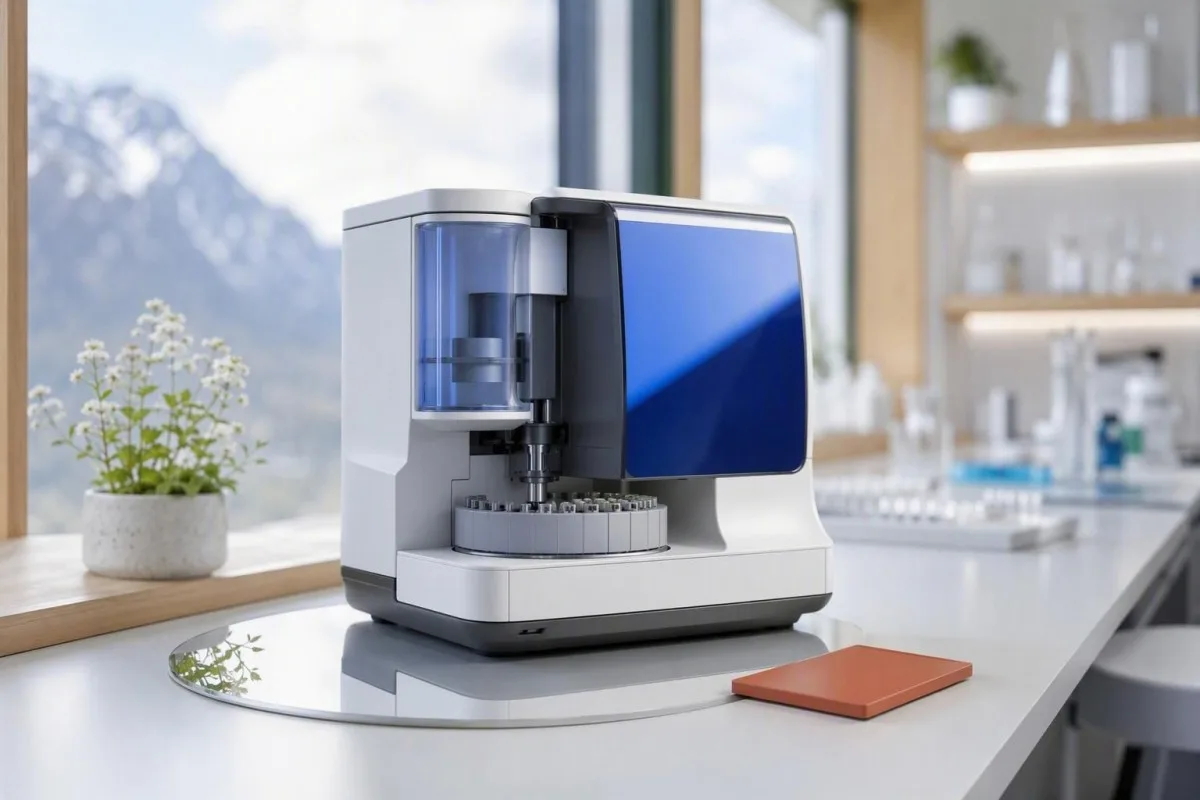
Інсулін повинен бути належним чином пригнічений під час гіпоглікемії натщесерце. Виявлений або неприйнятно високий рівень інсуліну з низьким рівнем бета-гідроксибутирату вказує на те, що дія інсуліну запобігає нормальному виробленню кетонів, тоді як низький рівень інсуліну з підвищеними кетонами більше вказує на голодування, алкоголь, гормональний дефіцит або системне захворювання.
C-пептид виділяється разом з ендогенним інсуліном, але відсутній у формах ін'єкційного інсуліну. Тому низький C-пептид при вимірюваному інсуліні свідчить про вплив екзогенного інсуліну, тоді як високий інсулін і високий C-пептид вказують на ендогенну секрецію або вплив сульфонілсечовини; інтерпретація є більш складною при порушенні функції нирок.
Кантесті – це Інструмент для аналізу результатів аналізу крові на основі AI які можуть відображати ці парні маркери протягом звіту, але для діагностики потрібен зразок з епізоду та клініцист, який знає список ліків. Дивіться наш посібник C-peptide під час використання інсуліну та практичний приклади клінічного робочого процесу чому одного значення інсуліну ніколи не буває достатньо.
Як співвідношення інсуліну та C-пептиду звужують коло причин?
Низький рівень глюкози з низьким рівнем інсуліну та високим рівнем кетонів зазвичай відображає відповідну фізіологію голодування або неінсулінові причини; низький рівень глюкози з незниженим інсуліном та низьким рівнем кетонів свідчить про надмірний вплив інсуліну. Ця закономірність є більш корисною, ніж результат інсуліну, розглянутий ізольовано.
Під час справжнього голодування інсулін зазвичай падає до майже невиявлюваних рівнів, а бета-гідроксибутират підвищується, оскільки жир забезпечує альтернативне паливо. Пригнічений результат кетонів, незважаючи на рівень глюкози нижче 55 мг/дл є корисним сигналом тривоги для гіпоглікемії, опосередкованої інсуліном, але лабораторні показники відрізняються.
Позитивний скринінг на сульфонілсечовину може майже ідеально імітувати пухлину, що виробляє інсулін, оскільки як інсулін, так і C-пептид можуть бути високими. Цей тест часто пропускають, якщо клініцист спеціально його не призначить, особливо коли списки ліків неповні або ліки спільно використовуються в родині.
Підвищений C-пептид не обов'язково означає пухлину; резистентність до інсуліну та знижений кліренс нирок зазвичай підвищують його, коли глюкоза в нормі або висока. Наша інтерпретація високого C-пептиду надає протилежний сценарій високої глюкози.
Як слід повторно протестувати один несподіваний низький результат?
Безсимптомний, несподіваний низький рівень глюкози зазвичай швидко повторюється в контрольованих умовах перед спеціалізованим тестуванням. Повторний тест повинен задокументувати тривалість голодування, симптоми, вживання алкоголю за попередні 24 години, фізичні навантаження, хворобу, прийом ліків і те, чи була зразок оброблений лабораторією оперативно.
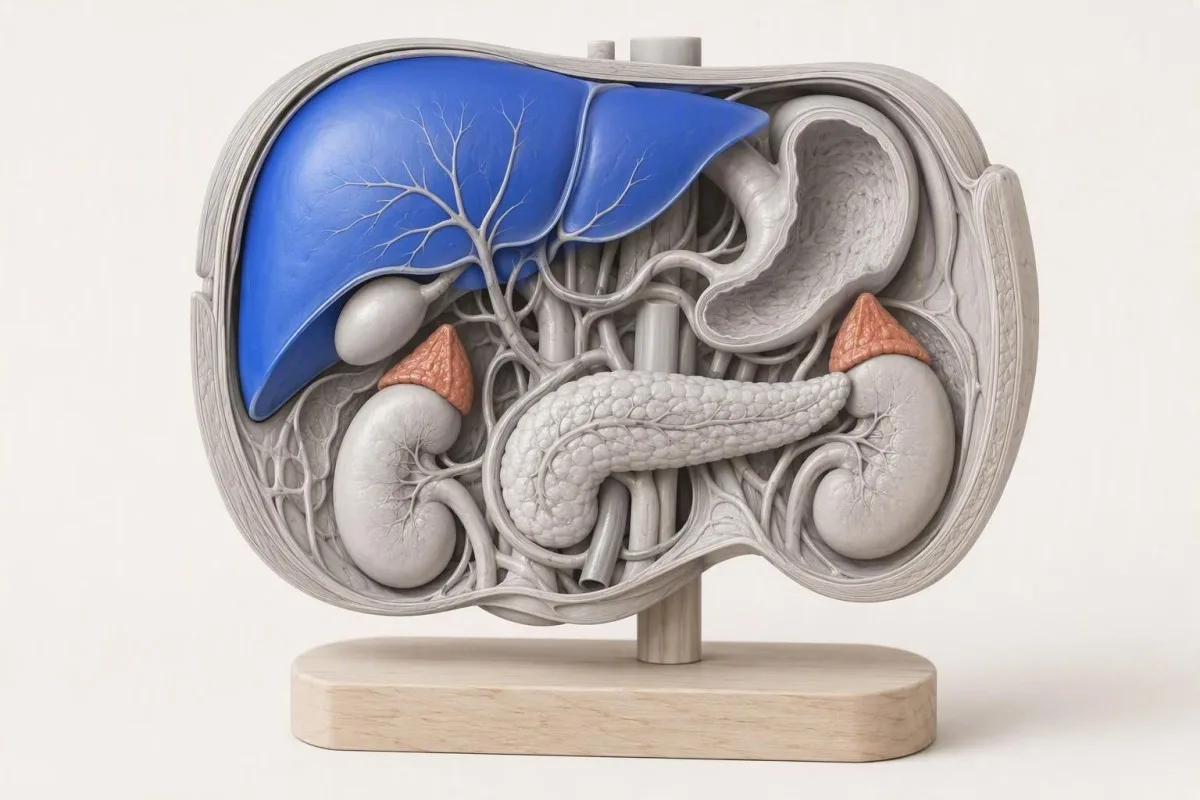
Для стабільного дорослого з одним венозним результатом від 60 до 69 мг/дл, я зазвичай віддаю перевагу ранковому плазмовому глюкози після звичайного нічного голодування від 8 до 12 годин, а не компенсаційного 20-годинного голодування. Їжте нормально напередодні, уникайте незвичайних витривалих фізичних навантажень і не вживайте алкоголь напередодні ввечері, якщо тільки лікар не порадив вам інше.
Принесіть журнал симптомів: час, їжа, активність, ліки, показники глюкометра, якщо доступні, та що полегшувало симптоми. Цей запис часто має більшу діагностичну цінність, ніж повторні широкі гормональні панелі, особливо коли закономірність виникає після їжі, а не вночі.
Kantesti може порівняти повторний аналіз з попередніми результатами та зберегти контекст, що робить тренд інтерпретованим. Почніть із розумного план базового тестування і дізнатися, чому результати змінюються між візитами.
Коли низький рівень глюкози є надзвичайною ситуацією?
Низький рівень глюкози є небезпечним, коли він викликає сплутаність свідомості, судоми, непритомність, нездатність безпечно ковтати, незвичайна поведінка або потребу в допомозі іншої людини. Лікуйте негайно швидкозасвоюваними вуглеводами, якщо людина притомна і може ковтати, а потім негайно зверніться за медичною допомогою, коли симптоми сильні, повторюються або не мають пояснення.
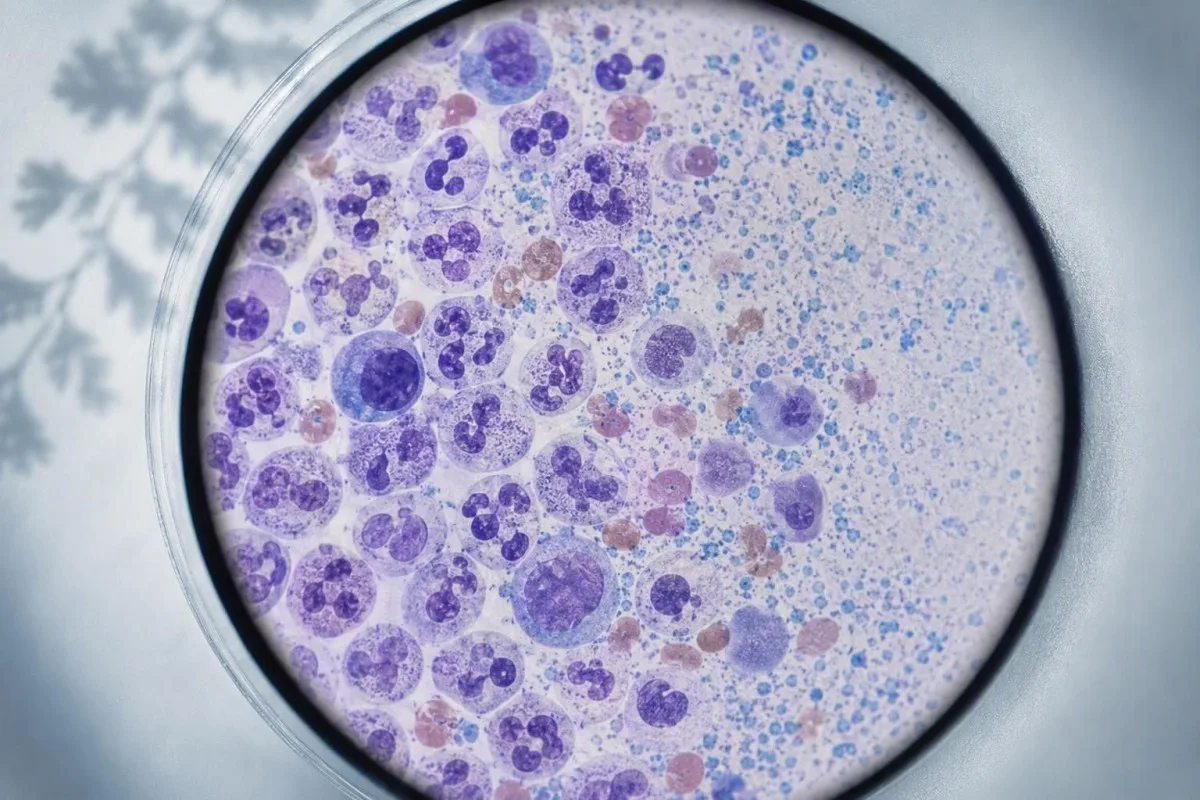
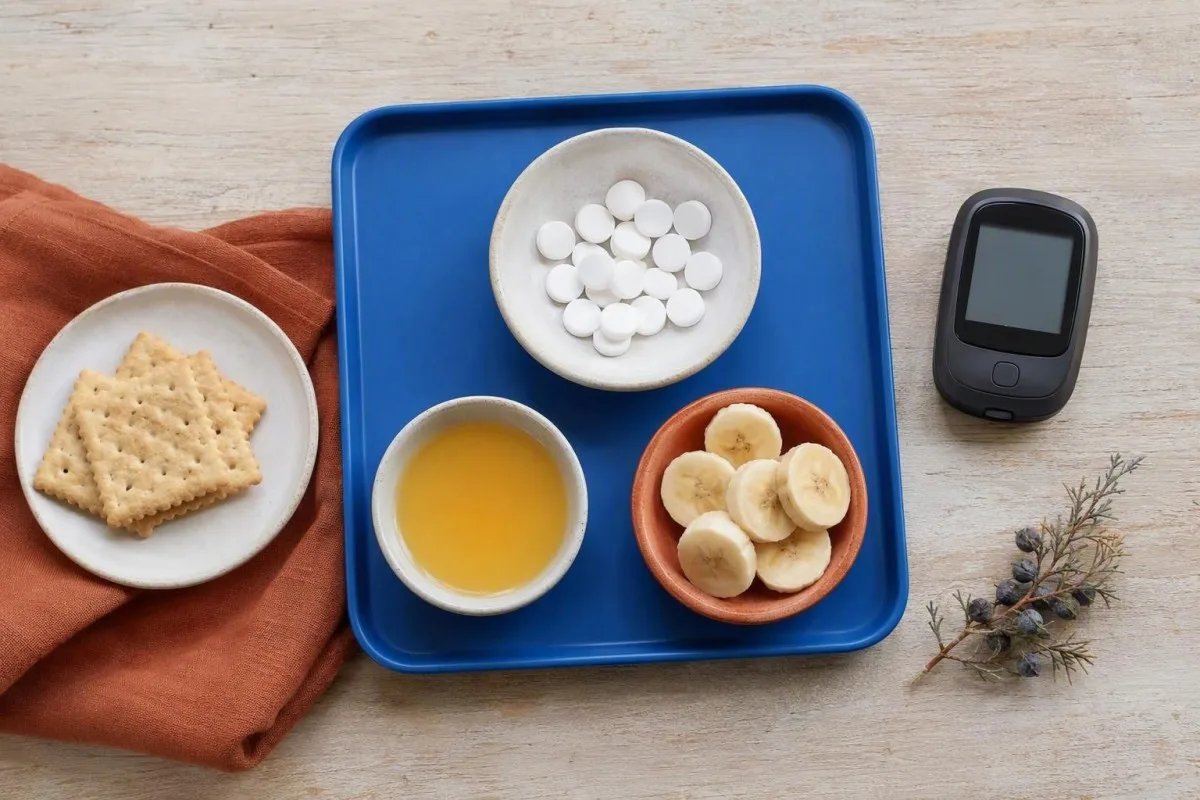
Для притомної дорослої людини, 15 до 20 г швидкодіючих вуглеводів, з подальшою повторною перевіркою рівня глюкози приблизно через 15 хвилин, є поширеним першим кроком у наданні першої допомоги при гіпоглікемії, пов'язаній з лікуванням. Приклади включають таблетки глюкози або гель глюкози; шоколад та жирна їжа діють занадто повільно при гострому епізоді.
Не давайте їжу чи напої сонливим, тим, хто має судоми або не може ковтати. Глюкагон може бути доцільним для навчених опікунів, коли він призначений, але екстрені служби все одно потрібні, оскільки дія сульфонілсечовини або інсуліну тривалої дії може тривати довше початкового відновлення.
Люди без діабету, які мають нейроглікопенічні симптоми, заслуговують на обстеження, навіть якщо вони одужують після їжі. Наш посібник щодо аналізу крові на запаморочення допомагає відрізнити глюкозу від анемії та електролітних імітаторів, але гостра безпека понад усе.
Як низький рівень глюкози має вплинути на ваш наступний крок?
Наступний крок залежить від того, чи був результат симптоматичним, повторним, пов'язаним з ліками, пов'язаним з хворобою або ймовірно преаналітичним. Стабільна людина з одним безсимптомним граничним результатом зазвичай потребує добре контрольованого повторного аналізу; людина з повторними значеннями нижче 54 мг/дл потребує оцінки лікарем.

Не намагайтеся отримати нормальний результат, вживаючи цукор перед запланованим повторним аналізом, якщо ви не перебуваєте в стані активної гіпоглікемії або якщо лікар не дав такої вказівки. Це може затьмарити механізм; так само, навмисне тривале голодування для провокування симптомів є небезпечним і ніколи не повинно проводитися поза наглядом діагностичного протоколу.
Найсильнішим сигналом є відтворюваний патерн: низький рівень глюкози в плазмі під час симптомів, відповідний профіль інсуліну або кетонів та пояснення, яке відповідає лікам або хворобі. Докази чесно змішані для багатьох невиразних постпрандіальних симптомів, тому я надаю перевагу виміряним даним над широкими твердженнями про реактивну гіпоглікемію.
Kantesti підтримує структурований перегляд тенденцій під наглядом лікаря, але аномально низькі результати глюкози залишаються предметом клінічної розмови, а не самодіагностики. Наші стандарти медичної валідації і Медична консультативна рада описують, як цей кордон підтримується; Томас Кляйн, MD, вважає екстрені симптоми та вплив ліків невід'ємними причинами для прямого догляду.
Часті запитання
Яка найчастіша причина низького рівня глюкози?
Найпоширенішими причинами низького рівня глюкози є інсулін або препарати, що стимулюють виділення інсуліну, у поєднанні з пропущеним прийомом їжі, додатковою фізичною активністю, вживанням алкоголю або зниженою функцією нирок. У людей без діабету поодиноке лабораторне значення 60-69 мг/дл часто зумовлене тривалим голодуванням або затримкою обробки зразка, а не стійким розладом. Рецидивуюча симптоматична гіпоглікемія нижче 54 мг/дл або 3,0 ммоль/л потребує клінічної оцінки. Причина стає набагато яснішою, коли рівень глюкози вимірюється під час симптомів разом з інсуліном, C-пептидом та кетонами.
Чи може бути низький рівень глюкози без діабету?
Так, низький рівень глюкози без діабету може виникнути після тривалого голодування, вживання алкоголю без їжі, важкої інфекції, порушення функції печінки або нирок, недостатності надниркових залоз, внаслідок прийому певних ліків та затримки в обробці зразка. Справжня гіпоглікемія у дорослих без діабету підтверджується тріадою Уіппла: симптоми, низький рівень глюкози в плазмі та полегшення після підвищення рівня глюкози. Одноразове безсимптомне значення вище 54 мг/дл часто вимагає контрольованого повторного вимірювання перед розширеним обстеженням. Значення нижче 54 мг/дл, особливо з сплутаністю свідомості або непритомністю, не слід ігнорувати.
Чи може алкоголь викликати низький рівень цукру в крові наступного ранку?
Алкоголь може викликати низький рівень цукру в крові наступного ранку, оскільки він пригнічує печінкову глюконеогенез після зниження запасів глікогену в печінці. Ризик найвищий, коли після вживання алкоголю мало їжі, блювота, тривалі фізичні навантаження, недоїдання або захворювання печінки, а епізоди можуть виникати через 6-24 години. Гіпоглікемія, пов'язана з алкоголем, може бути небезпечнішою для людей, які приймають інсулін або сульфонілсечовину. Симптоматичний епізод, рівень глюкози нижче 54 мг/дл, або неможливість утримувати рідину потребує термінової оцінки.
Чи може голодування знизити рівень глюкози занадто низько?
8- до 12-годинне голодування може призвести до незначно низького рівня глюкози у деяких здорових дорослих, особливо після зменшення споживання вуглеводів або незвичайних фізичних навантажень. Нормальна контррегуляція зазвичай запобігає клінічно значущій гіпоглікемії шляхом зниження інсуліну та збільшення кетонів, тому повторні симптоматичні показники нижче 54 мг/дл не вважаються нормальною реакцією на голодування. Контрольоване голодування є спеціалізованим діагностичним тестом і ніколи не повинно проводитися вдома. Запишіть точну тривалість голодування, оскільки 10 годин і 24 години фізіологічно означають дуже різні речі.
Які ліки, окрім інсуліну, можуть викликати низький рівень цукру в крові?
Сульфонілсечовини, такі як гліклазид, глімепірид і гліпізид, а також меглітиніди, такі як репаглінід, можуть спричинити низький рівень глюкози шляхом посилення вивільнення інсуліну. Хінін, пентамідін, трамадол та деякі антибіотики групи фторхінолонів також асоціювалися з гіпоглікемією, хоча вони є набагато рідкіснішими причинами. Бета-блокатори можуть маскувати попереджувальні симптоми, такі як тремор і пальпітації, не викликаючи безпосередньо більшості епізодів. Будь-який пов'язаний з медикаментами рівень глюкози нижче 54 мг/дл або рецидивуючі симптоми слід обговорити з лікарем перед наступною дозою, коли це можливо.
Чи може аналіз крові дати помилково низький результат рівня глюкози?
Так, затримка обробки може призвести до хибно низького рівня глюкози, оскільки клітинні елементи продовжують використовувати глюкозу після взяття зразка. У невідділеній цільній крові при кімнатній температурі глюкоза може знижуватися приблизно на 5% до 7% на годину, а зниження може бути швидшим при дуже високій кількості лейкоцитів або тромбоцитів. Безсимптомний низький результат, який нормалізується при швидкому обробленні повторного зразка, сильно вказує на псевдогіпоглікемію. Лабораторія часто може підтвердити деталі збору та обробки, якщо виникає така можливість.
Отримайте аналіз крові з підтримкою ШІ вже сьогодні
Приєднуйтесь до понад 2 мільйонів користувачів у всьому світі, які довіряють Kantesti для миттєвого та точного аналізу лабораторних тестів. Завантажте результати аналізу крові та отримайте комплексну інтерпретацію біомаркерів 15,000+ за секунди.
📚 Дослідження з посиланнями на публікації
Klein, T., Mitchell, S., & Weber, H. (2026). ШІ аналізатор аналізу крові: проаналізовано 2,5 млн тестів | Глобальний медичний звіт 2026. Медичні дослідження ШІ Kantesti.
Klein, T., Mitchell, S., & Weber, H. (2026). Аналіз крові на RDW: повний посібник з RDW-CV, MCV та MCHC. Медичні дослідження ШІ Kantesti.
📖 Зовнішні медичні посилання


⚕️ Медична відмова від відповідальності
Ця стаття призначена лише для освітніх цілей і не становить медичної поради. Завжди консультуйтеся з кваліфікованим медичним працівником щодо рішень про діагностику та лікування.
Сигнали довіри E-E-A-T
Досвід
Лікарський клінічний огляд робочих процесів інтерпретації лабораторних показників.
Експертиза
Лабораторна медицина з акцентом на те, як біомаркери поводяться в клінічному контексті.
Авторитетність
Написано доктором Томасом Кляйном за редакційного перегляду докторки Сари Мітчелл і професора доктора Ганса Вебера.
Довірливість
Інтерпретація на основі доказів із чіткими шляхами подальших дій, щоб зменшити тривогу.