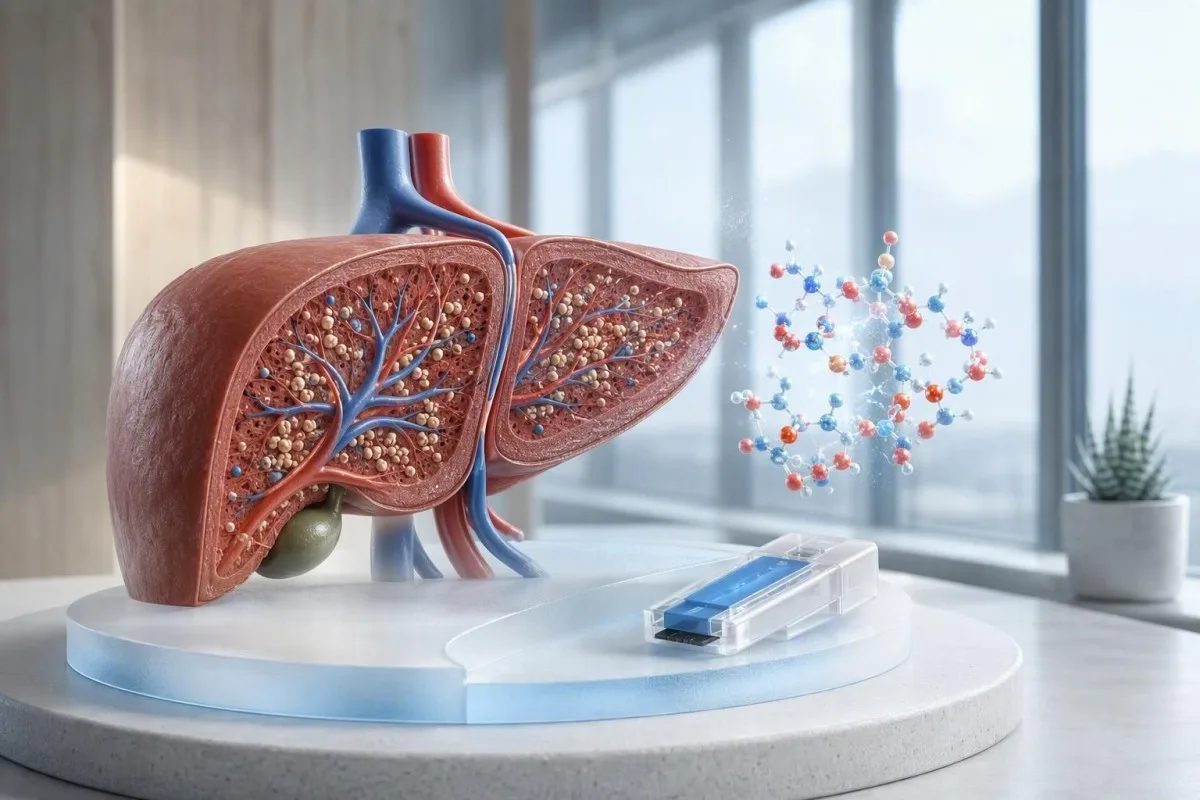
သကြားဓာတ်ပမာဏ နည်းပါးခြင်းသည် အလိုအလျောက် ပြန်ဖြစ်သည့် သွေးတွင်းသကြားဓာတ် နည်းပါးခြင်း မဟုတ်ပါ။ လက်တွေ့ကျသော မေးခွန်းမှာ လက္ခဏာများ၊ အချိန်၊ ဆေးဝါးများ၊ ကိုယ်ခန္ဓာဗေဒနှင့် နမူနာကိုင်တွယ်မှုတို့သည် တူညီသော ဦးတည်ရာသို့ ညွှန်ပြနေခြင်း ရှိ၊ မရှိ ဖြစ်သည်။.



- သွေးတွင်းသကြားဓာတ် နည်းပါးခြင်း အစစ်အမှန် ဆီးချိုမရှိသော အရွယ်ရောက်သူများတွင် Whipple triad လိုအပ်သည်- သင့်လျော်သော လက္ခဏာများ၊ တိုင်းတာထားသော ပလာစမာ သကြားဓာတ် နည်းပါးခြင်းနှင့် သကြားဓာတ် တက်လာပြီးနောက် လက္ခဏာများ သက်သာခြင်း။.
- 70 mg/dL သို့မဟုတ် 3.9 mmol/L သကြားဓာတ် လျှော့ချသည့် ကုသမှု ခံယူနေသူများအတွက် သတိပေး တန်ဖိုးဖြစ်သည်၊; 54 mg/dL သို့မဟုတ် 3.0 mmol/L အောက် သည် လက်တွေ့ အရေးကြီးသော သွေးတွင်းသကြားဓာတ် နည်းပါးခြင်း ဖြစ်သည်။.
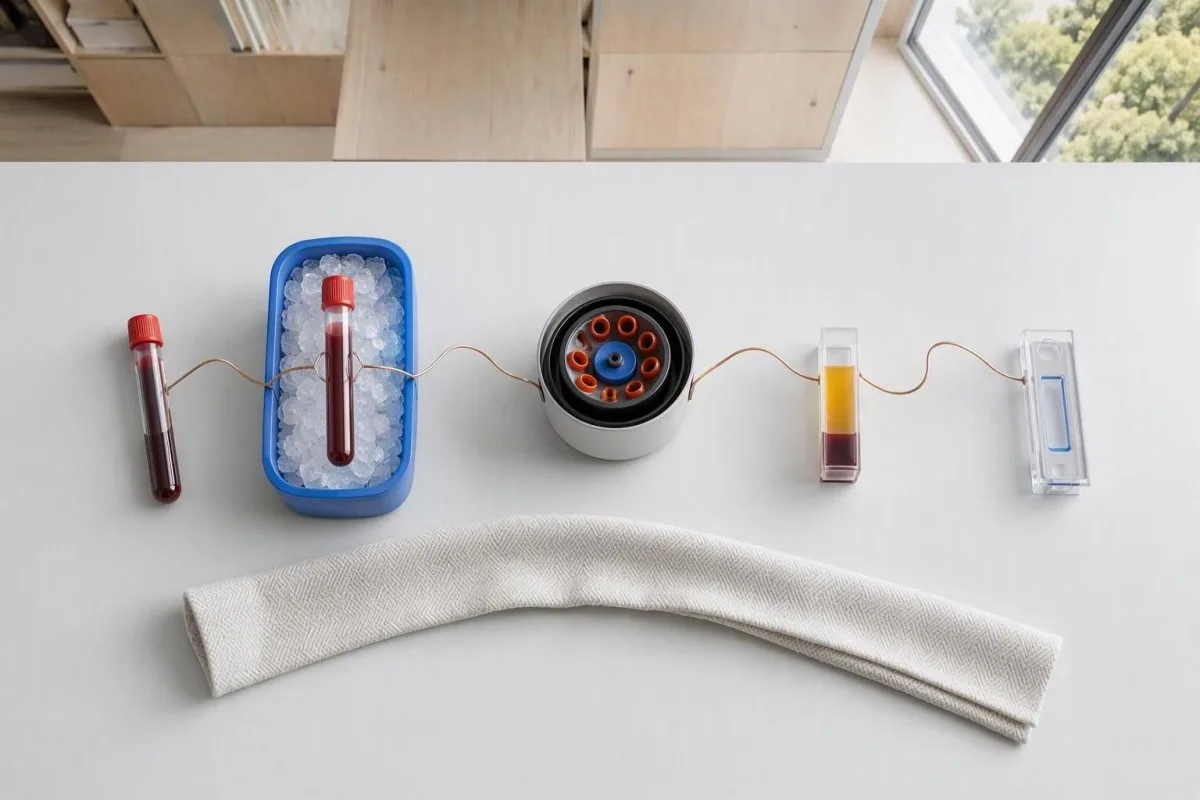
- နောက်ကျပြီး လုပ်ဆောင်ခြင်း (Delayed processing) အခန်းအပူချိန်တွင် ခွဲခြားမထားသော နမူနာတွင် တစ်နာရီလျှင် ခန့်မှန်းခြေ 5% မှ 7% အထိ သကြားဓာတ်ကို လျော့နည်းစေနိုင်သည်။.
- Insulin နှင့် sulfonylureas သည် အများဆုံး ဖြစ်ပေါ်နေသော ဆေးဝါးကြောင့် သွေးတွင်းသကြားဓာတ် ကျဆင်းရသည့် အကြောင်းရင်းများ ဖြစ်သည်၊ အထူးသဖြင့် အစာမစားမီ၊ ပုံမှန်မဟုတ်သော ကိုယ်လက်လေ့ကျင့်ခန်း သို့မဟုတ် ကျောက်ကပ် လုပ်ဆောင်မှု ကျဆင်းသွားသောအခါ။.
- အရက်နှင့် ဆက်စပ်သော သွေးတွင်းသကြားဓာတ် ကျဆင်းခြင်း သည် အရက် သောက်ပြီးနောက် ၆ မှ ၂၄ နာရီအတွင်း ဖြစ်ပေါ်လေ့ရှိသည်၊ အဘယ်ကြောင့်ဆိုသော် အစာစားသုံးမှု နည်းပါးခြင်းကြောင့် အရက်သည် အသည်း၏ ဂလူးကို့စ် ထုတ်လုပ်မှုကို ပိတ်ဆို့စေသည်။.
- အစာမစားမီ ဂလူးကို့စ် 60 မှ 69 mg/dL တစ်ကြိမ်တည်း လက္ခဏာများ မရှိပါက ကြီးမားသော ဟော်မုန်း စစ်ဆေးမှုမပြုမီ ပြန်လည်စစ်ဆေးလေ့ရှိသည်။.
- ပြင်းထန်သော ရောဂါ သည် သွေးဆိပ်ခြင်း၊ အသည်းပျက်ကွက်ခြင်း၊ ကျောက်ကပ် ပျက်ကွက်ခြင်း သို့မဟုတ် မလုံလောက်သော အာဟာရကြောင့် ဂလူးကို့စ် ကျဆင်းစေနိုင်သည်။ ၎င်းသည် အရေးပေါ် ဆေးဘက်ဆိုင်ရာ အခြေအနေကို လိုအပ်သည်။.
- Insulin, C-peptide, beta-hydroxybutyrate နှင့် sulfonylurea စစ်ဆေးမှု သည် ဖြစ်နိုင်ပါက မှတ်တမ်းတင်ထားသော သွေးတွင်းသကြားဓာတ် ကျဆင်းနေစဉ်တွင် ပြုလုပ်သင့်သည်။.
သကြားဓာတ် နည်းပါးခြင်းသည် တကယ့် သွေးတွင်းသကြားဓာတ် နည်းပါးခြင်း ဟုတ်ပါသလား။
အမှန်တကယ် သွေးတွင်းသကြားဓာတ် ကျဆင်းခြင်းသည် ဆေးခန်းဆိုင်ရာ ဖြစ်ရပ်တစ်ခုဖြစ်သည်၊ ရဓာတ်ခွဲခန်းမှ ပြသသော ဂဏန်းတစ်ခုတည်း မဟုတ်ပါ။. ဆီးချိုမရှိသော လူကြီးများတွင် ဆရာဝန်များသည် Whipple triad ကို ရှာဖွေသည်- သွေးတွင်းသကြားဓာတ် ကျဆင်းခြင်းနှင့် ကိုက်ညီသော လက္ခဏာများ၊ ထိုအချိန်တွင် မှတ်တမ်းတင်ထားသော ပလာစမာ ဂလူးကို့စ် ကျဆင်းခြင်း၊ နှင့် ကာဗိုဟိုက်ဒရိတ် တိုးလာပြီးနောက် သိသာသော တိုးတက်မှု။ စက်တင်ဘာလ ၁၀ ရက် ၂၀၂၆ ရက်နေ့အထိ၊ ၎င်းသည် သွေးတွင်းသကြားဓာတ် ကျဆင်းရသည့် အကြောင်းရင်းများအတွက် အသုံးဝင်ဆုံး ပထမဆုံး စစ်ထုတ်မှုအဖြစ် ကျန်ရှိနေပါသည်။.
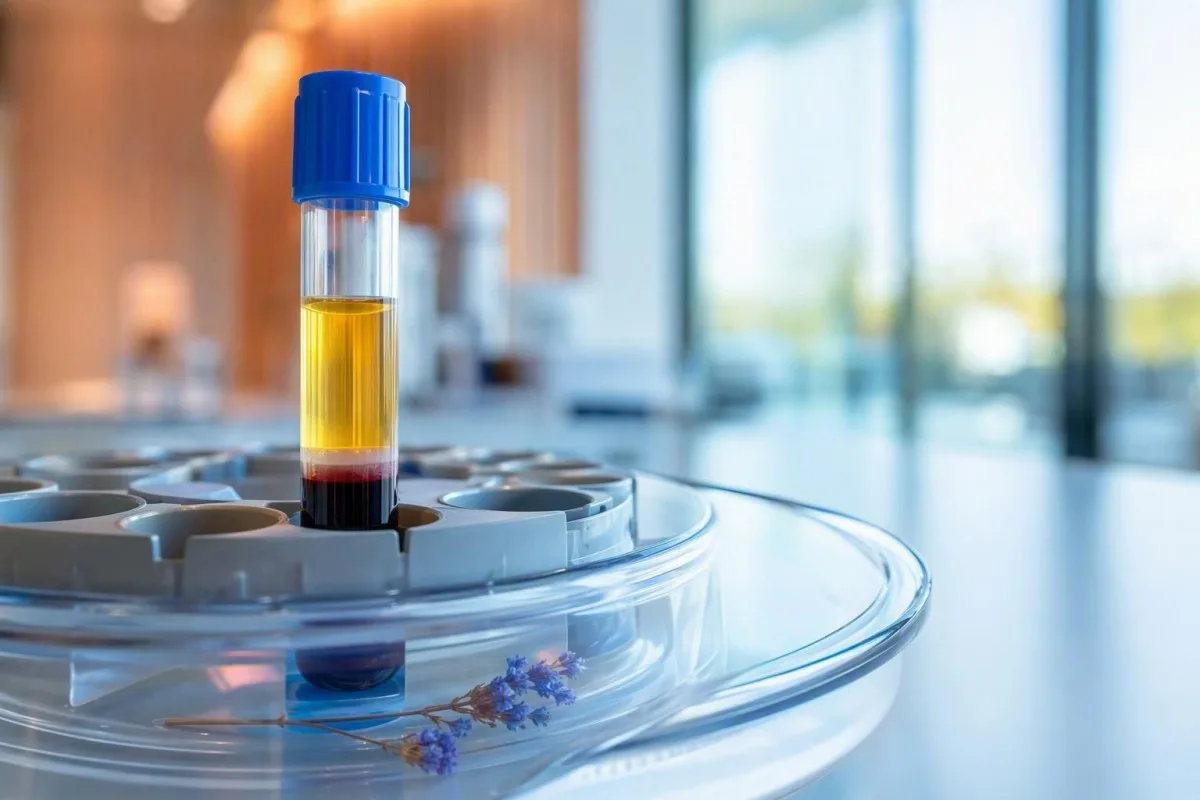
သွေးပြန်ကြောမှ အစာမစားမီ ဂလူးကို့စ် 62 mg/dL သို့မဟုတ် 3.4 mmol/L ကောင်းစွာ ခံစားရသူတစ်ဦးတွင် ရှုပ်ထွေးနေသော၊ ချွေးထွက်နေသောသူ၏ လက်ချောင်းဖျားမှ 42 mg/dL ရလဒ်နှင့် မတူပါ။ နောက်ပိုင်းသည် ချက်ချင်း ကုသမှု လိုအပ်သည်၊ ရှေ့ပိုင်းသည် အစာရှောင်သည့် အချိန်ကာလ၊ လုပ်ဆောင်မှုနှောင့်နှေးခြင်း၊ သို့မဟုတ် ပုံမှန်ထက် အနည်းငယ် နိမ့်သော ကိုယ်ပိုင် အမှတ်တစ်ခုရှိသူကို ထင်ဟပ်စေနိုင်သည်။.
ကျွန်ုပ်၏ ဆေးခန်းအလေ့အကျင့်တွင် အသုံးအများဆုံး အမှားမှာ ပင်ပန်းနွမ်းနယ်ခြင်း၊ တုန်လှုပ်ခြင်း သို့မဟုတ် အစာစားချင်စိတ်ကို သွေးတွင်းသကြားဓာတ် ကျဆင်းခြင်း၏ အထောက်အထားအဖြစ် သီးသန့် ကိုင်တွယ်ခြင်းဖြစ်သည်။ ထိုလက္ခဏာများသည် စိုးရိမ်ပူပန်ခြင်း၊ ရေဓာတ်ခန်းခြောက်ခြင်း၊ သွေးအားနည်းခြင်းနှင့် အိပ်ရေးပျက်ခြင်းများနှင့်အတူ ဖြစ်ပေါ်နေသောကြောင့် ဒေါက်တာ Thomas Klein က အစာမစားမီ အချိန်ထက် နာရီအကြာတွင် မဟုတ်ဘဲ လက္ခဏာများအတွင်း ဂလူးကို့စ်ကို တိုင်းတာခဲ့ဖူးသလားဟု ပထမဦးစွာ မေးမြန်းသည်။.
Kantesti AI သည် fasting အခြေအနေ၊ ရေဓာတ်ဆိုင်ရာ အရိပ်အမြွက်များ၊ ဆေးဝါးများ၊ ယခင်လမ်းကြောင်းများ၊ နှင့် တွဲဖက် marker များ၏ အခြေအနေတွင် renal panel ကို ဖတ်ရှုသည့် AI သွေးစစ်ဆေးမှု ရလဒ် ပလက်ဖောင်း ၎င်းသည် တ ဦးတည်းသော တန်ဖိုးကို ရောဂါခွဲအဖြစ် သတ်မှတ်ခြင်းထက် အစာရှောင်သည့် အခြေအနေ၊ HbA1c၊ ကျောက်ကပ်နှင့် အသည်း အမှတ်အသားများနှင့်အတူ သွေးတွင်းသကြားဓာတ် နည်းပါးသည့် ရလဒ်ကို ထားရှိသည်။ လိင်နှင့် အချိန်ကာလအလိုက် မျှော်လင့်ထားသော တန်ဖိုးများအတွက် အချက်အလက်များ၊ ကျွန်ုပ်တို့၏ ဂလ㈗ကို့စ် ပ㈗မာ㈗ ㈗㈗ ㈗㈗ ㈗.
Whipple triad က လူနာတွေကို အလွန်အကျွံ စမ်းသပ်ခြင်းကနေ ဘာကြောင့် ကာကွယ်ပေးသလဲ
Endocrine Society က hypoglycemia ရောဂါတွေကို Whipple triad ကို မှတ်တမ်းတင်ထားတဲ့အခါမှသာ စစ်ဆေးဖို့ အကြံပြုထားပါတယ်၊ ဘာလို့လဲဆိုတော့ မတော်တဆ နည်းလွန်းတဲ့ တန်ဖိုးတွေက အဖြစ်များပြီး endocrine စမ်းသပ်မှုတွေက မှားယွင်းတဲ့ တွေ့ရှိချက်တွေကို ဖန်တီးနိုင်လို့ပါ (Cryer et al., 2009)။ ဒီနည်းလမ်းက လက္ခဏာတွေကို မထီမဲ့မြင်ပြုတာ မဟုတ်ပါဘူး၊ ဒီဖြစ်စဉ်အတွင်း ယုံကြည်စိတ်ချရတဲ့ ဂလူးကို့စ်ကို ရရှိအောင် လုပ်ဆောင်တာပါ.
မည်သည့် သကြားဓာတ် အရေအတွက်သည် ပြန်စစ်ခြင်း သို့မဟုတ် အရေးပေါ် အရေးယူခြင်းကို ထိုက်တန်သနည်း။
ပလာစမာ ဂလူးကို့စ် 54 mg/dL သို့မဟုတ် 3.0 mmol/L အောက် နည်းတာက ဆေးဘက်ဆိုင်ရာ အာရုံစိုက်မှု ထိုက်တန်ပြီး၊ 54 မှ 69 mg/dL ဟာ အခြေအနေအရ အတည်ပြုဖို့ မကြာခဏ လိုအပ်ပါတယ်. လက်ချောင်းထိုးမီတာ၊ သွေးပြန်ကြော ပလာစမာ စစ်ဆေးမှုနဲ့ ဆက်တိုက် ဂလူးကို့စ် မီတာတို့ဟာ ကွဲပြားမှုတွေ ရှိနိုင်တာကြောင့် နမူနာ အမျိုးအစားက အရေးကြီးပါတယ်.
International Hypoglycaemia Study Group က ရွေးချယ်ထားတာက 54 mg/dL က cognitive impairment ဟာ ဒီအကန့်အသတ်အောက်မှာ ပိုဖြစ်နိုင်ပြီး ထပ်ခါထပ်ခါ ထိတွေ့မှုက သတိပေးလက္ခဏာတွေကို မှိန်စေနိုင်လို့ပါ အမေရိကန် ဆီးချိုရောဂါအသင်းက အသုံးပြုတာက 70 mg/dL သို့မဟုတ် 3.9 mmol/L insulins သို့မဟုတ် insulin secretagogues တွေနဲ့ ကုသနေသူတွေအတွက် အရေးယူဆောင်ရွက်မှု အကန့်အသတ်အဖြစ် (American Diabetes Association Professional Practice Committee, 2025).
Capillary meters တွေဟာ ချက်ချင်း လုံခြုံရေး ဆုံးဖြတ်ချက်အတွက် အသုံးဝင်ပါတယ်၊ ဒါပေမယ့် သူတို့ရဲ့ ခွင့်ပြုထားတဲ့ analytic variation က နည်းပါးတဲ့ အဆုံးမှာ သိသိသာသာပါ အိမ်သုံးမီတာက 58 mg/dL ပြနေပြီး သင် ပုံမှန် ခံစားနေရရင် လက်ကို ဆေးကြောပြီး ခြောက်အောင်လုပ်ပါ၊ ချက်ချင်း ပစ်စတစ်အသစ်နဲ့ ထပ်ခါတလဲလဲ လုပ်ပါ၊ ပြီးရင် ဒီတွေ့ရှိချက် ဆက်ရှိနေရင် ဓာတ်ခွဲခန်း ပလာစမာ တန်ဖိုးကို ရယူပါ.
Reference intervals တွေက ဓာတ်ခွဲခန်း အလိုက် သီးသန့် ဖြစ်တာကြောင့် အနီရောင် အလံက ရောဂါနဲ့ မတူပါဘူး ကျွန်တော်တို့ရဲ့ အကန့်အသတ်ပြင်ပ ရလဒ် ရှင်းလင်းချက် နှင့် biomarker guide ဓာတ်ခွဲခန်း နည်းလမ်းနဲ့ reference interval တို့ဟာ ဘာကြောင့် အားလုံးရဲ့ အနက်အဓိပ္ပါယ်ဖွင့်ဆိုချက်မှာ ပါသင့်တယ်ဆိုတာကို ပြသပေးပါတယ်.
မည်သည့် ဆေးဝါးများသည် သွေးတွင်းသကြားဓာတ် နည်းပါးစေနိုင်သနည်း။
Insulins, sulfonylureas နဲ့ meglitinides တွေက ဆေးဝါးကြောင့် ဖြစ်တဲ့ hypoglycemia အများစုကို ဖြစ်စေပါတယ်. ပုံမှန်ဆေးပမာဏက အစာနည်းတာ၊ အန်တာ၊ လှုပ်ရှားမှု ပိုများတာ၊ ကိုယ်အလေးချိန် ကျတာ၊ ကျောက်ကပ် လုပ်ဆောင်ချက် ကျဆင်းတာ ဒါမှမဟုတ် မတော်တဆ နှစ်ခါသောက်မိတာနဲ့ ကြုံတဲ့အခါ အန္တရာယ်က သိသိသာသာ တက်လာပါတယ်.
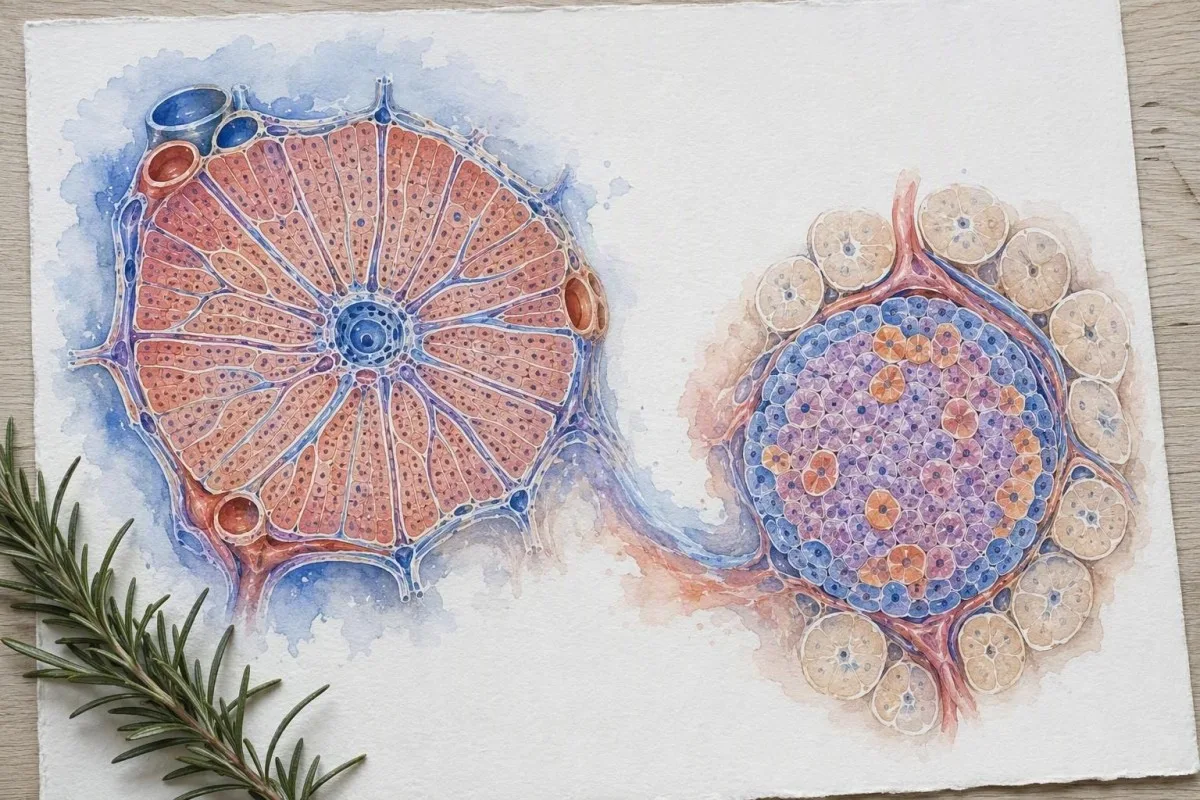
Long-acting insulin က ကြာရှည်စွာ နည်းပါးမှုကို ဖြစ်စေနိုင်ပြီး၊ rapid-acting insulin က တော့ ပုံမှန်အားဖြင့် နာရီအနည်းငယ်အတွင်းမှာ လွဲချော်တဲ့ ဒါမှမဟုတ် နောက်ကျတဲ့ အစာနဲ့ ကိုက်ညီပါတယ် Gliclazide, glimepiride နဲ့ glipizide တို့လို Sulfonylureas တွေက ကြာရှည်စွာ ပြန်ဖြစ်တဲ့ hypoglycemia ကို ဖြစ်စေနိုင်ပါတယ် 12 မှ 24 နာရီ ဒါမှမဟုတ် ကျောက်ကပ် ထိခိုက်မှုမှာ ပိုကြာရှည်နိုင်ပါတယ်၊ ဒါကြောင့် တစ်ကြိမ်တည်း ပျောက်ကင်းသလို ထင်ရတဲ့ ဖြစ်စဉ်က ပြန်ပေါ်လာနိုင်ပါတယ်.
သိပ်မရင်းနှီးတဲ့ ဆေးဝါး ဆက်စပ်မှုတွေထဲမှာ quinine, pentamidine, fluoroquinolone ပဋိဇီဝဆေးတချို့နဲ့ tramadol တို့ ပါဝင်ပါတယ်၊ အထောက်အထားက ဆေးနဲ့ လူနာအပေါ် မူတည်ပါတယ် Beta-blockers တွေက ပုံမှန်အားဖြင့် ကိုယ်တိုင် နည်းပါးမှုကို မဖြစ်စေပါဘူး၊ ဒါပေမယ့် သူတို့က ရင်တုန်တာနဲ့ တုန်ခါတာတွေကို မှိန်စေပြီး ချွေးထွက်တာ ဒါမှမဟုတ် ရုတ်တရက် ရှုပ်ထွေးတာကို ပထမ သတိပေးချက်အဖြစ် ချန်ထားခဲ့နိုင်ပါတယ်.
Kantesti က ဆေးဝါးခေတ် ကာလအတွင်း ဓာတ်ခွဲခန်း အပြောင်းအလဲတွေကို စီစဉ်ပေးနိုင်ပါတယ်၊ ဒါပေမယ့် ဆရာဝန် မပါဘဲ insulin, sulfonylurea ဒါမှမဟုတ် steroid ကိုအစားထိုးတာကို ရပ်တန့်ဖို့ လုံခြုံစွာ ပြောပြလို့ မရပါဘူး၊ ကျွန်တော်တို့ရဲ့ hypoglycemia ရောဂါလက္ခဏာ လမ်းညွှန်, မှာ သတိပေးလက္ခဏာတွေကို ပြန်လည်သုံးသပ်ပါ၊ အထူးသဖြင့် ညအချိန်မှာ ဖြစ်ပွားရင်ပေါ့.
လက်တွေ့ကျတဲ့ ဆေးဝါး ပြန်လည်စုစည်းမှု
တိကျတဲ့ ထုတ်ကုန်၊ ဆေးပမာဏ၊ အချိန်ဇယား၊ မကြာသေးမီက ဆေးပမာဏ အပြောင်းအလဲတွေနဲ့ ဆရာဝန်ညွှန်ကြားချက် မပါတဲ့ ဆေးဝါးတွေကို ပြန်လည်သုံးသပ်ဖို့ ယူလာပါ၊ ဆေးဘူးတွေရဲ့ တစ်ပုံချင်း ဓာတ်ပုံတစ်ပုံက မတော်တဆ ပါဝင်တဲ့ ပါဝင်ပစ္စည်းတွေကို ဒါမှမဟုတ် ညွှန်ကြားထားတဲ့ ဆေးပမာဏနဲ့ ကွဲပြားတဲ့ ဆေးလုံး ပမာဏကို ဖော်ပြပေးနိုင်ပါတယ်.
ဆေးဝါးများသည် အစာကို မစားဘဲ ကြာရှည်နေပြီးနောက် အဘယ်ကြောင့် အန္တရာယ်များသနည်း။
ဂလူးကို့စ်ကို လျှော့ချတဲ့ ဆေးဝါးတွေဟာ insulin အာနိသင်က ရရှိနိုင်တဲ့ အစာ ဂလူးကို့စ်ထက် ပိုကြာရှည်တဲ့အခါ အန္တရာယ်များပါတယ်. မနက်စာ လွဲချော်တာ၊ အစာအိမ်နဲ့ အူလမ်းကြောင်း ရောင်ရမ်းတာ၊ သွားကုသမှု ခံယူတာ၊ ဆာလောင်မှု လျော့နည်းတာ ဒါမှမဟုတ် မမျှော်လင့်တဲ့ လေ့ကျင့်ခန်း လုပ်တာတွေက မကြာသေးမီက တည်ငြိမ်တဲ့ ဆေးပမာဏကို ဂလူးကို့စ် နည်းပါးတဲ့ ဖြစ်စဉ်အဖြစ် ပြောင်းလဲနိုင်ပါတယ်.
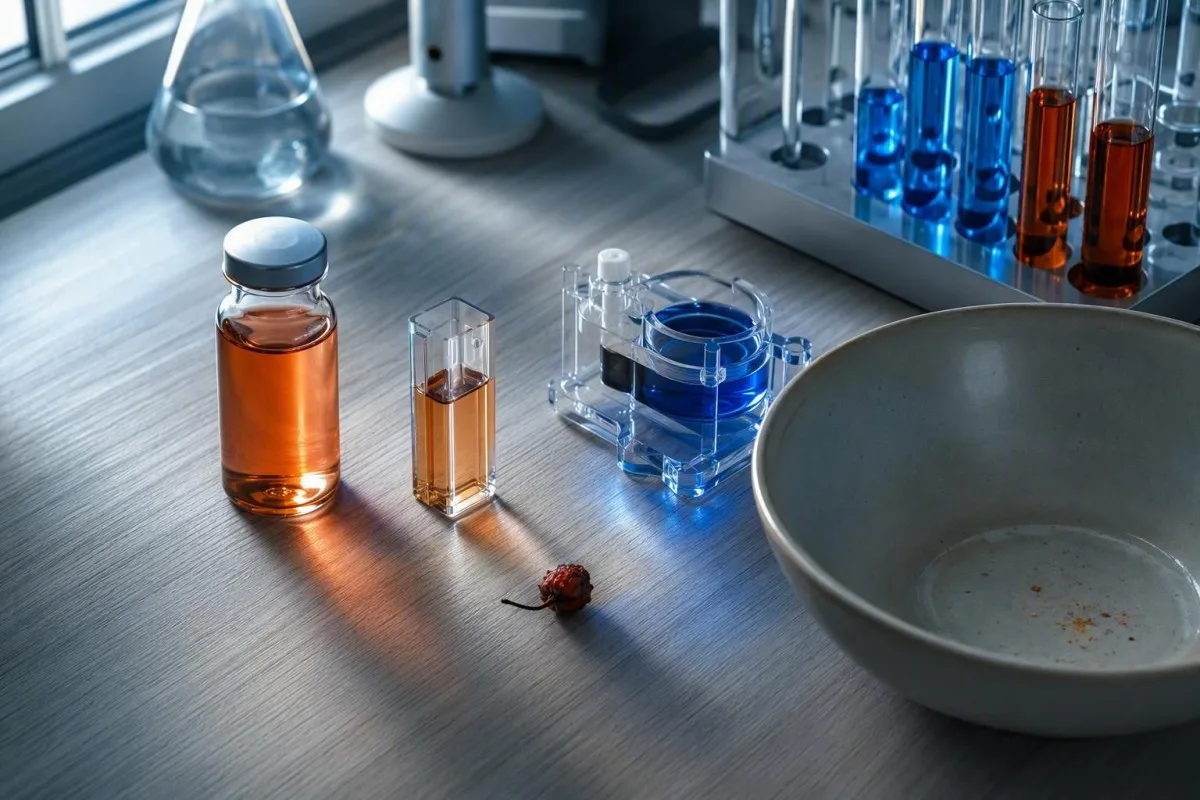
ကျောက်ကပ်များသည် အင်ဆူလင်ဆေးအချို့နှင့် ဆာလဖွန်နီယူရီးယား ဓာတ်ခွဲများစွာကို ဖယ်ရှားပေးသောကြောင့် eGFR ကျဆင်းခြင်းသည် ဆေးညွှန်း မပြောင်းလဲသော်လည်း ထိရောက်သော ထိတွေ့မှုကို တိုးမြှင့်နိုင်သည်။ ဖျားနာပြီးနောက် ပိန်ကျခြင်း၊ ပျို့အန်ခြင်း၊ ခရီးတက်ခြင်းနှင့် creatinine တက်ခြင်းတို့နှင့်အတူ နိမ့်ကျနေခြင်းသည် ကျန်းမာသောသူတွင် ညဘက်ကြာရှည်စွာ အစာမစားဘဲနေပြီးနောက် သကြားဓာတ်နှင့် ပို၍ စိုးရိမ်ဖွယ်ရာဖြစ်သည်။.
လူနာများသည် ဖျားနာပြီးနောက် ကိုယ်အလေးချိန် ၆ ကီလိုဂရမ် ကျဆင်းခြင်း သို့မဟုတ် ညနေခင်း လမ်းလျှောက်ခြင်းကို လျစ်လျူရှုပြီး ဆေးပမာဏကို အာရုံစိုက်နေသည်ကို ကျွန်တော် မြင်တွေ့ခဲ့ရသည်။ ထိုအသေးစိတ်အချက်အလက်များသည် အရေးကြီးသည်- လေ့ကျင့်ခန်းပြီးနောက် အရိုးကြွက်သားသည် အင်ဆူလင်ကို ပိုမိုထိခိုက်လွယ်စေပြီး နေ့ခင်းဘက် နောက်ပိုင်းတွင် လှုပ်ရှားမှုသည် ညဘက် သွေးတွင်းသကြားဓာတ် နိမ့်ကျနိုင်ခြေကို တိုးမြှင့်နိုင်သည်။.
ကန်တက်စတီသည် AI biomarker အဓိပ္ပာယ်ဖော်ခြင်း ပလက်ဖောင်း သွေးတွင်းသကြားဓာတ်၊ HbA1c၊ eGFR နှင့် ဆေးဝါးခေတ်ရေစီးကြောင်းများကို အစီရင်ခံစာများတစ်လျှောက်လုံး နှိုင်းယှဉ်နိုင်သည်။ ၎င်း၏ပုံစံစစ်ဆေးမှုများသည် ဆရာဝန်၏ဆေးဝါးဆုံးဖြတ်ချက်ကို အစားထိုးခြင်းထက် ပို၍ ထောက်ကူပေးသည်၊ ကျွန်ုပ်တို့၏ ဆေးဝါးလုံခြုံရေး အရှိန်အဟုန်လမ်းညွှန် အသုံးဝင်သော အကြောင်းအရာကို ရှင်းပြသည်၊ မော်ဒယ် reasoning လုပ်ဆောင်ပုံအတွက်တော့ ကျွန်ုပ်တို့၏ ဆေးဘက်ဆိုင်ရာ ပြန်လည်သုံးသပ်မှု လုပ်ငန်းစဉ်ကို ဖော်ပြသည်။.
အရက်သည် နာရီအကြာတွင် သကြားဓာတ်ကို မည်သို့ လျော့နည်းစေသနည်း။
အရက်သည် အထူးသဖြင့် အစာမစားဘဲ သောက်ပြီးနောက် အသည်း၏ သွေးတွင်းသကြားဓာတ် ထုတ်လုပ်မှုကို ဟန့်တားခြင်းဖြင့် သွေးတွင်းသကြားဓာတ် နည်းပါးစေနိုင်သည်။. အစာရှောင်ခြင်း၊ ပျို့အန်ခြင်း၊ စွမ်းရည်မြင့်မားသော လေ့ကျင့်ခန်း၊ အာဟာရချို့တဲ့ခြင်း သို့မဟုတ် အသည်းရောဂါတို့ကြောင့် အသည်း၏ glycogen ပြည့်လျှံနေပါက အန္တရာယ် အများဆုံးဖြစ်သည်။.
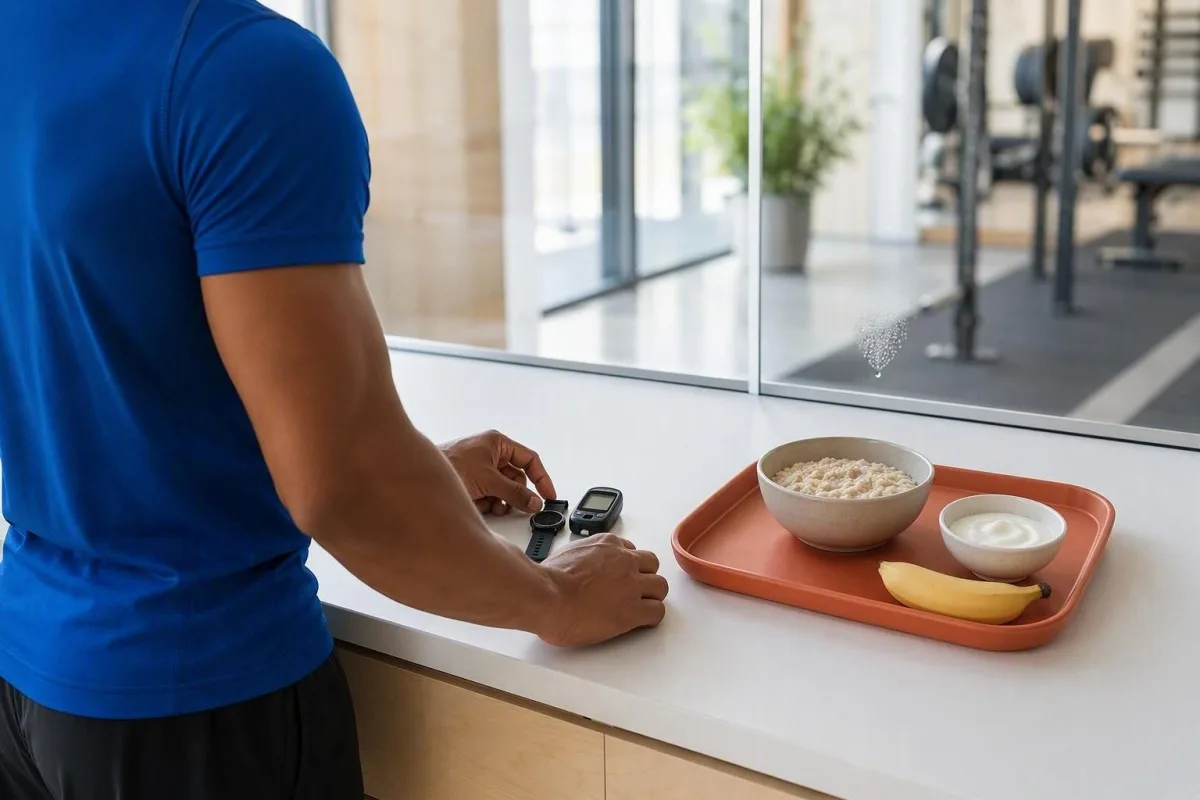
အီသနော ဓာတ်ကူပစ္စည်းများက အသည်း၏ NADH-to-NAD+ အချိုးကို မြင့်တက်စေပြီး pyruvate ကို lactate ဆီသို့ ပို့ဆောင်ပြီး gluconeogenesis ကို ကန့်သတ်ပေးသည်။ ရိုးရိုးရှင်းရှင်းပြောရရင်၊ အသည်းမှာ လောင်စာကို သိုလှောင်ထားနိုင်သော်လည်း အရက်နှင့် အစာရှောင်ခြင်း အတူတူ ကြုံတွေ့ရသောအခါတွင် လည်ပတ်နေသော သွေးတွင်းသကြားဓာတ် အသစ်ကို ထိရောက်စွာ မထုတ်လုပ်နိုင်ပါ။.
အရက်ကြောင့် သွေးတွင်းသကြားဓာတ် နည်းပါးခြင်းသည် အများအားဖြင့် ၆ မှ ၂၄ နာရီ အရက်သောက်ပြီးနောက်၊ မူးနေသည်ကို မြင်သာမြင်သာ မဟုတ်သော်လည်း ဖြစ်ပေါ်လာသည်။ ဤနောက်ကျသော အချိန်သည် ညနေခင်းတွင် အရက်သောက်ပြီးနောက် အစာနည်းနည်း သို့မဟုတ် အဆက်မပြတ် အန်ပြီးနောက် ချွေးစေး၊ တုန်တုန် သို့မဟုတ် ရှုပ်ထွေးနေခြင်းကို လူတစ်ဦးက နိုးထရခြင်း ဖြစ်သည်။.
AST မြင့်မားခြင်း၊ albumin နည်းခြင်း၊ INR မြင့်မားခြင်း သို့မဟုတ် ထပ်ခါထပ်ခါ အန်ခြင်းနှင့်အတူ သွေးတွင်းသကြားဓာတ် နည်းပါးခြင်းသည် သကြားစားသုံးမှု အကြံဉာဏ်ထက် ပိုမို ကျယ်ပြန့်သော အသည်းနှင့် အာဟာရ အကဲဖြတ်မှု လိုအပ်သည်။ ကျွန်ုပ်တို့၏ ပြန်လည်သုံးသပ်မှုကို ကြည့်ပါ အရက်ဖြတ်ပြီးနောက် ဓာတ်ကူပစ္စည်း ပြောင်းလဲမှုများ ဆက်စပ်ဓာတ်ခွဲ ပြောင်းလဲမှုများ၏ အချိန်ကာလအတွက်။.
ဆီးချိုမရှိဘဲ သကြားဓာတ် နည်းပါးခြင်းကို အစာရှောင်ခြင်း၊ အစားလျှော့စားခြင်း သို့မဟုတ် လေ့ကျင့်ခန်းတို့က ရှင်းပြနိုင်ပါသလား။
အစာတိုတို ရှောင်ခြင်းသည် ကျန်းမာသောသူတွင် အနည်းငယ် သွေးတွင်းသကြားဓာတ် နည်းပါးစေနိုင်သော်လည်း 54 mg/dL ထက် နည်းသော ရောဂါလက္ခဏာ ပြင်းထန်သော တန်ဖိုးများကို ပုံမှန် အစားရှောင်ခြင်းအဖြစ် မငြင်းပါ။. အစာရှောင်ခြင်းသည် အင်ဆူလင်ကို လျှော့ချပြီး glucagon၊ cortisol၊ growth hormone နှင့် ketones ကို တိုးမြှင့်ပေးကာ ဦးနှောက်လောင်စာထောက်ပံ့မှုကို ကာကွယ်ပေးသည်။.
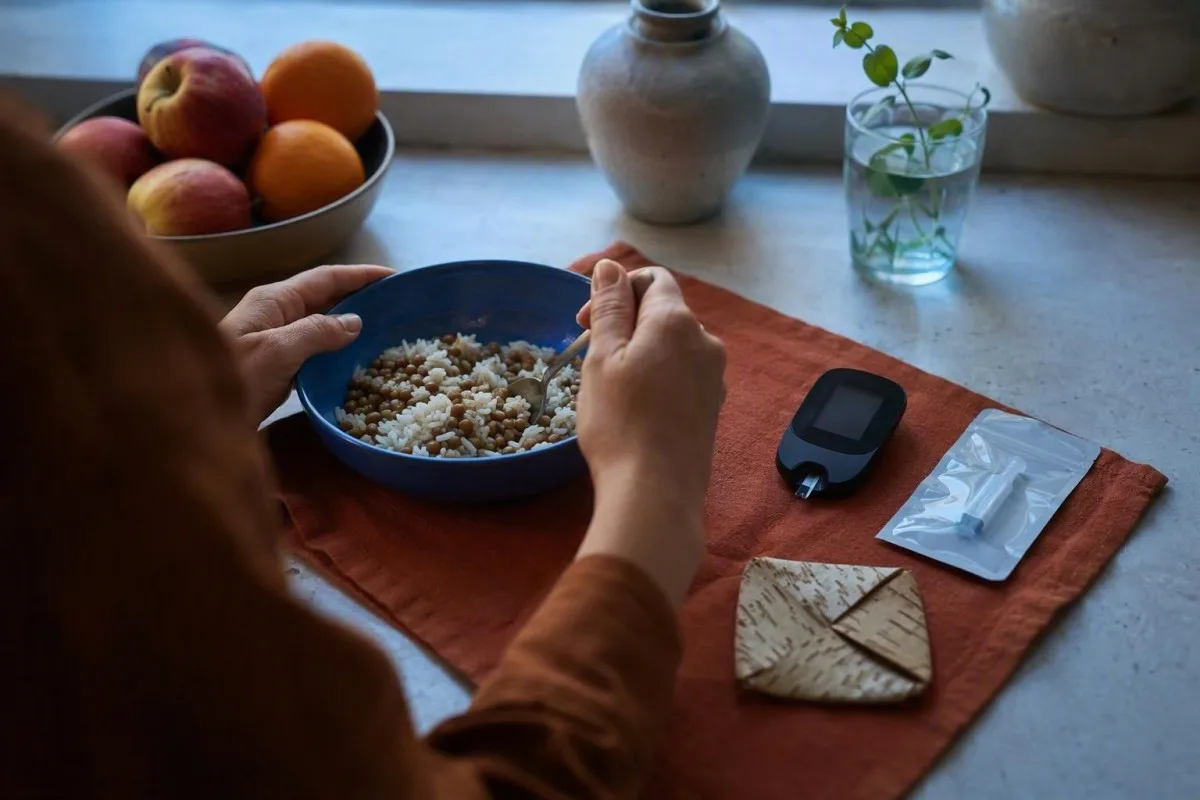
ခန့်မှန်းခြေအားဖြင့် 12 မှ 24 နာရီ အစာမရှိဘဲ၊ အသည်း၏ glycogen ရရှိနိုင်မှုသည် အလွန်ပြောင်းလဲနိုင်သည်၊ လေ့ကျင့်ရေးအခြေအနေ၊ ယခင် ကာဗိုဟိုက်ဒရိတ် စားသုံးမှုနှင့် ကိုယ်ခန္ဓာအရွယ်အစား အားလုံးသည် အရေးကြီးသည်။ ကျန်းမာသောလူကြီး အများစုသည် အဆီ oxidation နှင့် ketone ထုတ်လုပ်မှုကို တိုးမြှင့်ခြင်းဖြင့် လျော်ကြေးပေးသောကြောင့်၊ neuroglycopenic လက္ခဏာများ မရှိသော အလယ်အလတ် သွေးတွင်းသကြားဓာတ် နည်းပါးခြင်းသည် ရုပ်ပိုင်းဆိုင်ရာ ဖြစ်နိုင်သည်။.
အလွန်အမင်း လေ့ကျင့်ခန်းသည် ပျော့ပျောင်းသော လှုပ်ရှားမှုထက် ကွဲပြားသည်။ ကာဗိုဟိုက်ဒရိတ် ပြန်လည်ဖြည့်တင်းမှု မလုံလောက်သော အရှည်ဆုံး ပွဲကို ပြီးမြောက်စေသော ပြေးသမားသည် အထူးသဖြင့် အရက်၊ အပူကြောင့် ဖြစ်သော ရောဂါ သို့မဟုတ် စားသုံးမှု လျော့နည်းခြင်းတို့ကို ထည့်သွင်းပါက ပြန်လည်ကောင်းမွန်လာချိန်တွင် သွေးတွင်းသကြားဓာတ် နည်းပါးလာနိုင်သည်။ အားကစားသမားများသည်လည်း ထည့်သွင်းစဉ်းစားသင့်သည်။ စွမ်းရည်မြင့်မားသော လေ့ကျင့်ရေး ဓာတ်ခွဲပုံစံများ.
ကြားဖြတ် အစာရှောင်ခြင်းသည် မရှင်းလင်းသော သွေးတွင်းသကြားဓာတ် နည်းပါးခြင်းကို မပျောက်စေဘဲ ဆေးဝါးနှင့် ဆက်စပ်သော ပုံစံကို လွဲချော်ရန် ပိုမိုလွယ်ကူစေနိုင်သည်။ ကျွန်ုပ်တို့၏ အစာရှောင်ခြင်း ဓာတ်ခွဲလမ်းညွှန် စမ်းသပ်မှုသည် အစာရှောင်ခြင်းဟု ပြောရုံထက် အတိအကျ အစာရှောင်သည့် နာရီများကို မှတ်တမ်းတင်ခြင်းက ဘာကြောင့် ပိုအရေးကြီးကြောင်း ရှင်းပြသည်။.
မည်သည့် အချိန်တွင် ရောဂါသည် လက်တွေ့အရေးကြီးသော သကြားဓာတ် နည်းပါးခြင်းကို ဖြစ်စေသနည်း။
Sepsis, အသည်းအလွန်အမင်းပျက်စီးခြင်း၊ ကျောက်ကပ်ပျက်စီးခြင်း၊ နှလုံးပျက်စီးခြင်းနှင့် ပြင်းထန်သော အာဟာရချို့တဲ့ခြင်းများသည် အန္တရာယ်ရှိသော သွေးတွင်းသကြားဓာတ်နည်းခြင်းကို ဖြစ်စေနိုင်သည်။. ပြင်းထန်စွာ ဖျားနာနေသူတစ်ဦးတွင် သွေးတွင်းသကြားဓာတ်နည်းခြင်းသည် ပြင်းထန်မှု၏ အရိပ်အယောင်ဖြစ်ပြီး ထိုနေ့အတွင်း ဆေးဘက်ဆိုင်ရာ စစ်ဆေးမှု ပြုလုပ်ရန် အရေးကြီးသည်။.
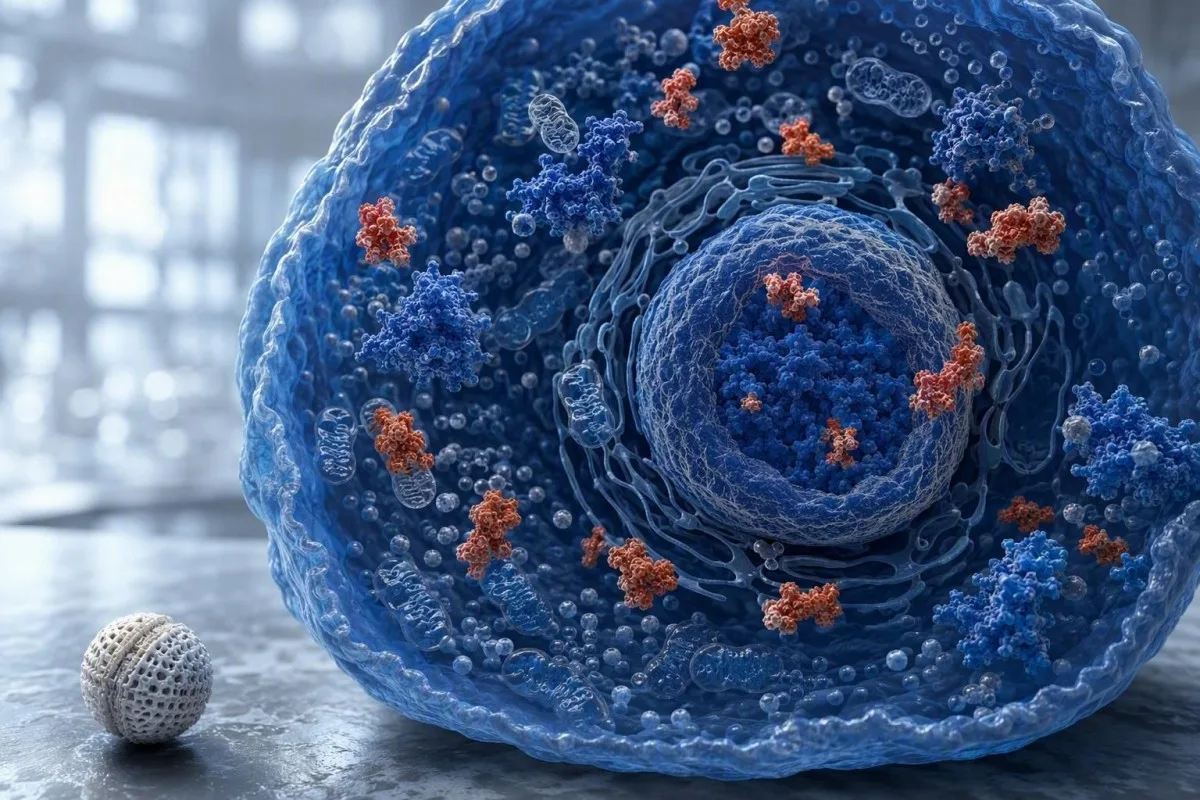
Sepsis သည် ကိုယ်ခံအားနှင့် အပြင်ပိုင်းတစ်ရှူးများမှ သကြားဓာတ်ကို ပိုမိုအသုံးပြုစေပြီး သွေးလည်ပတ်မှုနည်းခြင်းနှင့် အသည်းပျက်စီးခြင်းတို့သည် သကြားဓာတ်ထုတ်လုပ်မှုကို လျော့နည်းစေသည်။ သကြားဓာတ်သည် 70 mg/dL အောက် ကူးစက်မှု သံသယရှိနေစဉ်တွင် Lactate တက်လာခြင်း၊ သွေးပေါင်ကျဆင်းခြင်း၊ စိတ်ပိုင်းဆိုင်ရာ အခြေအနေ ပြောင်းလဲခြင်း သို့မဟုတ် ပါးစပ်မှ စားသုံးမှု ရပ်တန့်သွားပါက ပို၍ စိုးရိမ်ဖွယ်ရာ ဖြစ်သည်။.
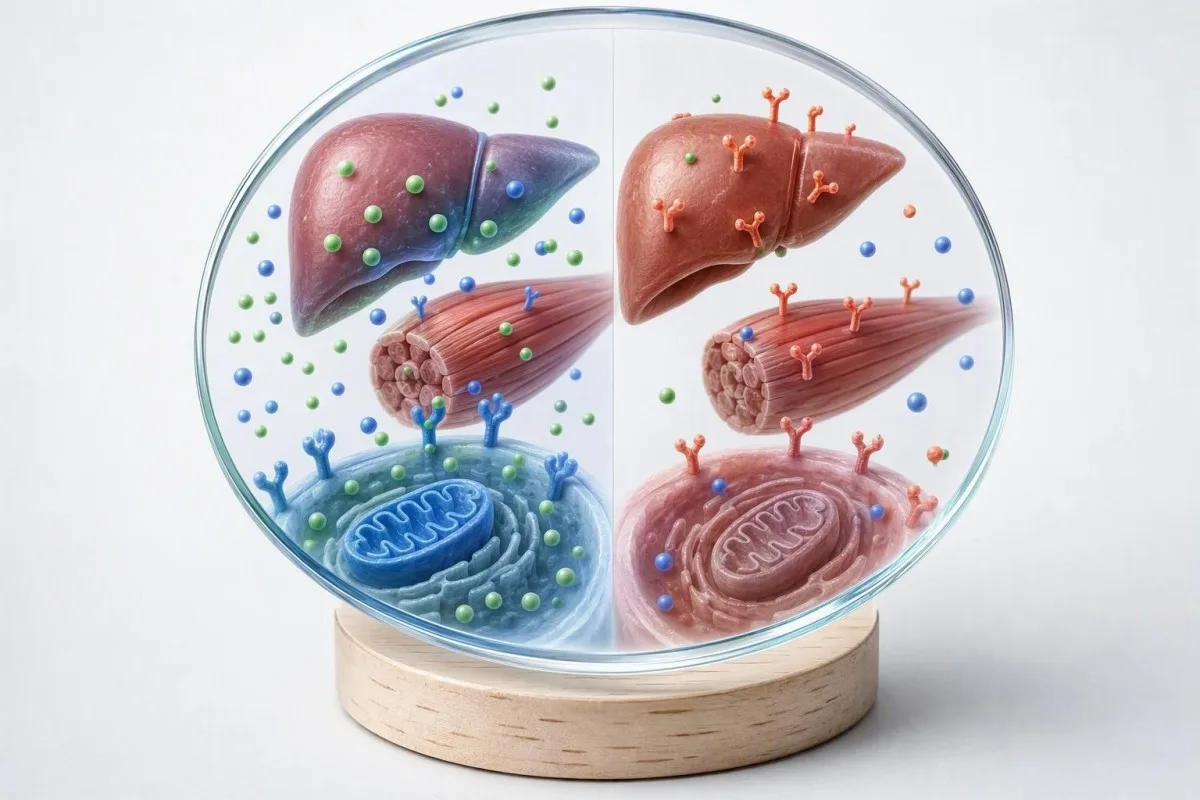
အသည်းသည် glycogen ကို သိုလှောင်ပြီး gluconeogenesis ကို ပြုလုပ်သည်၊ ထို့ကြောင့် အသည်းပြင်းထန်စွာ ပျက်စီးခြင်းသည် bilirubin မြင့်တက်ခြင်း၊ INR ကြာရှည်ခြင်းနှင့် albumin နည်းပါးခြင်းတို့နှင့်အတူ သွေးတွင်းသကြားဓာတ် နည်းပါးခြင်းကို ဖြစ်စေနိုင်သည်။ ကျောက်ကပ်ရောဂါသည် insulin clearance လျော့နည်းခြင်း၊ ကျောက်ကပ်မှ gluconeogenesis နည်းပါးခြင်းနှင့် ပျင်းရိခြင်းတို့မှ တဆင့် ပံ့ပိုးပေးသည်။ ဤပေါင်းစပ်မှုသည် ဆီးချိုရောဂါအတွက် ကုသနေသော လူနာများတွင် အထူးအရေးကြီးပါသည်။.
ပြင်းထန်သော ဖျားနာမှုသည် အစာရှောင်ခြင်း သို့မဟုတ် ဖြည့်စွက်စာများဖြင့် အိမ်တွင် စမ်းသပ်မှုများ ပြုလုပ်ရန် အချိန်မဟုတ်ပါ။ ကျွန်ုပ်တို့၏ sepsis marker overview သည် အရေးပေါ်ကုသမှု ခံယူရန် အရေးကြီးသော ဆက်စပ်ဓာတ်ခွဲခန်း အစီအစဉ်ကို ဖော်ပြသည်။.
မည်သည့် ဟော်မုန်း မူမမှန်မှုများနှင့် ရှားပါး အခြေအနေများသည် ပြန်ဖြစ်သော နည်းပါးခြင်းကို ဖြစ်စေသနည်း။
Adrenal insufficiency, hypopituitarism နှင့်၊ မကြာခဏ မဟုတ်သော်လည်း၊ insulin ထုတ်လုပ်သော သို့မဟုတ် IGF-II ထုတ်လွှတ်သော အကျိတ်များသည် ထပ်ခါထပ်ခါ အစာရှောင်နေစဉ် သွေးတွင်းသကြားဓာတ် နည်းပါးခြင်းကို ဖြစ်စေနိုင်သည်။. ဤရောဂါရှာဖွေမှုများသည် အဖြစ်နည်းသောကြောင့်၊ ဓာတ်ခွဲစစ်ဆေးမှုများသည် အမှန်တကယ် သွေးတွင်းသကြားဓာတ်နည်းနေစဉ်တွင် ဓာတုဗေဒဆိုင်ရာ အထောက်အထားများ စုဆောင်းရရှိမှသာ ယုံကြည်စိတ်ချရဆုံး ဖြစ်သည်။.
Cortisol သည် gluconeogenesis နှင့် သွေးကြောများ၏ တင်းမာမှုကို ထောက်ပံ့ပေးသည်၊ ထို့ကြောင့် adrenal insufficiency သည် သွေးတွင်းသကြားဓာတ် နည်းပါးခြင်းနှင့်အတူ ကိုယ်အလေးချိန် ကျဆင်းခြင်း၊ ပျို့အန်ခြင်း၊ သွေးပေါင်ကျဆင်းခြင်း၊ hyponatremia သို့မဟုတ် hyperpigmentation တို့ဖြင့် ပေါ်လာနိုင်သည်။ တစ်ကြိမ်တည်း random cortisol သည် adrenal failure ကို မရှာဖွေနိုင်ပါ။ နံနက်ပိုင်း အချိန်၊ ဖျားနာမှု ပြင်းထန်မှုနှင့် glucocorticoid ထိတွေ့မှု အားလုံးသည် ရလဒ်ကို သိသိသာသာ ပြောင်းလဲစေသည်။.
Growth hormone ချို့တဲ့ခြင်းသည် ကလေးများတွင် အစာရှောင်နေစဉ် သွေးတွင်းသကြားဓာတ် နည်းပါးခြင်းကို ပံ့ပိုးပေးနိုင်ပြီး လူကြီးများတွင်မူ အကြောင်းရင်းတစ်ခုတည်းအဖြစ် အလွန်နည်းပါးပါသည်။ Non-islet-cell hypoglycemia သည် excess IGF-II ကြောင့် ဖြစ်ရခြင်းသည် အလွန်ရှားပါးပြီး ပုံမှန်အားဖြင့် ကြီးမားပြီး သိသာသော သို့မဟုတ် လက်တွေ့ကျကျ မြင်သာသော ကြီးထွားမှု၊ ကိုယ်အလေးချိန် ကျဆင်းမှုနှင့် insulin အမှတ်အသားများ ကျဆင်းခြင်းနှင့်အတူ ဖြစ်ပွားသည်။.
ဒေါက်တာ Thomas Klein က သံသယရှိသော endocrine အကြောင်းရင်းများကို ဖြစ်စဉ်များကြားမှ random panel များဖြင့် စစ်ဆေးခြင်းထက် endocrinologist ဖြင့် စစ်ဆေးရန် အကြံပြုသည်။ ကျွန်ုပ်တို့၏ ACTH handling guide တွင် ဖော်ပြထားသည့်အတိုင်း မှန်ကန်သောနမူနာအချိန်သည် အလွန်အရေးကြီးပါသည်။.
နမူနာကိုင်တွယ်မှု ကြန့်ကြာခြင်းသည် မှားယွင်းစွာ နည်းပါးသော သကြားဓာတ်ကို ဖန်တီးနိုင်ပါသလား။
ဟုတ်ကဲ့။ မစစ်ဆေးရသေးသော နမူနာတွင်ရှိသော ဆဲလ်များသည် သကြားဓာတ်ကို ဆက်လက် အသုံးပြုနေသောကြောင့်၊ ခွဲထုတ်ရန် ကြန့်ကြာခြင်းသည် pseudohypoglycemia ကို ဖန်တီးနိုင်သည်။. အခန်းအပူချိန်တွင်၊ သွေးနမူနာအတွင်းရှိ သကြားဓာတ်သည် တစ်နာရီလျှင် 5% မှ 7% ခန့်အထိ ကျဆင်းနိုင်ပြီး၊ leukocytosis သို့မဟုတ် thrombocytosis ပြင်းထန်ပါက ပိုမိုမြန်ဆန်စွာ ကျဆင်းနိုင်သည်။.
ပြင်ပလူနာ စစ်ဆေးမှုတွင် သတိမမူမိသော သွေးတွင်းသကြားဓာတ် နည်းပါးခြင်း၏ အကြောင်းရင်းများထဲတွင် ဤအချက်သည် အရေးကြီးဆုံးတစ်ခုဖြစ်သည်။ လူစည်ကားသော ဆေးခန်းမှ စုဆောင်းထားသော နမူနာ၊ သယ်ယူပို့ဆောင်ရေးတွင် ကျန်ခဲ့သော နမူနာ သို့မဟုတ် နောက်ကျမှ ခွဲထုတ်ထားသော နမူနာများသည် လူနာ မည်သည့် လက္ခဏာမှ မပြဘဲ နှင့် အမြန် ပြန်စစ်ဆေးရာတွင် ပုံမှန် ဖြစ်သော်လည်း 55 mg/dL သာ ရှိသည်ဟု ပြသနိုင်သည်။.
Fluoride ပါသော ပြွန်များသည် glycolysis ကို နှေးကွေးစေသော်လည်း ချက်ချင်း မရပ်တန့်နိုင်ပါ။ ချက်ချင်း အအေးခံပြီး ပလာစမာကို အမြန်ခွဲထုတ်ခြင်းသည် ပိုကောင်းသော အာမခံချက်များ ဖြစ်သည်။ သွေးဖြူဥ သို့မဟုတ် ပန်းချီ သွေးဥ အရေအတွက် အလွန်များပါက သကြားဓာတ်ကို လျင်မြန်စွာ စားသုံးနိုင်ပြီး ပြင်းထန်သော pseudohypoglycemia ကို ဖြစ်စေနိုင်သည်၊ ဤပုံစံကို leukocyte larceny ဟုခေါ်သည်။.
Kantesti AI သည် အခြားအစီအစဉ်နှင့် မှတ်တမ်းတင်ထားသော လက္ခဏာများနှင့် မကိုက်ညီသော သွေးတွင်းသကြားဓာတ် နည်းပါးခြင်းကို ပြန်စစ်ဆေးရန် မေးခွန်းအဖြစ် ဖော်ပြသည်၊ အလိုအလျောက် ရောဂါအမည် မဟုတ်ပါ။ အလားတူ pre-analytic reasoning ကို သွေးနမူနာ စုဆောင်းရာတွင် မှားယွင်းမှုများ, တွင်လည်း အကျုံးဝင်သည်၊ ၎င်းတွင် အချိန်ကိုက်ခြင်းသည် ခွဲခြမ်းစိတ်ဖြာခြင်းမပြုမီ ရလဒ်ကို ပြောင်းလဲနိုင်သည်။.
မှတ်တမ်းတင်ထားသော နည်းပါးခြင်းအတွင်း မည်သည့် စစ်ဆေးမှုများ ပြုလုပ်သင့်သနည်း။
သို့သော် ပလာစမာ ဂလူးကို့စ် နည်းပါးနေချိန်တွင်၊ အကောင်းဆုံးမှာ နာမကျန်းဖြစ်မှုနှင့်အတူ 55 mg/dL သို့မဟုတ် 3.0 mmol/L အောက်တွင် ရှိနေချိန်တွင် စစ်ဆေးမှုများက အချက်အလက် အများဆုံး ပေးစွမ်းသည်။. Insulin, C-peptide, proinsulin, beta-hydroxybutyrate နှင့် sulfonylurea screen တို့သည် အဓိက ယန္တရားများစွာကို ခွဲခြားပေးနိုင်သည်။.
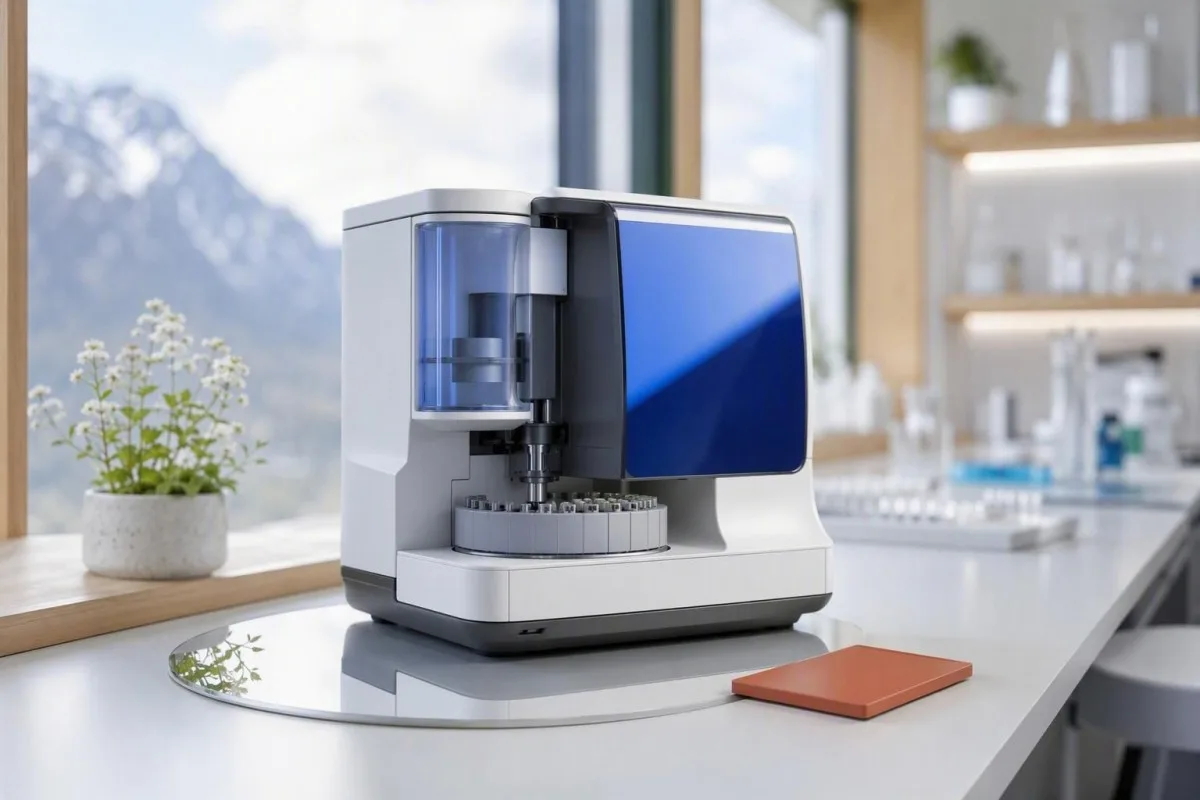
အစာရှောင်နေစဉ် hypoglycemia ဖြစ်ပေါ်နေချိန်တွင် Insulin ကို သင့်လျော်စွာ နှိမ်နင်းသင့်သည်။ နည်းပါးသော beta-hydroxybutyrate နှင့်အတူ တွေ့ရှိနိုင်သော သို့မဟုတ် မသင့်လျော်စွာ မြင့်မားသော insulin သည် insulin ၏ လုပ်ဆောင်ချက်သည် ပုံမှန် ketone ထုတ်လုပ်မှုကို တားဆီးနေကြောင်း ညွှန်ပြသည်၊ သို့သော် ketones မြင့်မားနေသော်လည်း insulin နည်းပါးနေခြင်းသည် အစာရှောင်ခြင်း၊ အရက်သောက်ခြင်း၊ ဟော်မုန်း ချို့တဲ့ခြင်း သို့မဟုတ် ခန္ဓာကိုယ်တစ်ခုလုံး၏ ရောဂါများဘက်သို့ ပိုမို ဦးတည်စေသည်။.
C-peptide သည် အတွင်းပိုင်း insulin နှင့်အတူ ထုတ်လွှတ်သော်လည်း ထိုးသွင်းထားသော insulin ဖော်မြူလာများတွင် မရှိပါ။ ထို့ကြောင့်၊ တိုင်းတာနိုင်သော insulin နှင့်အတူ နည်းပါးသော C-peptide သည် ပြင်ပ insulin ထိတွေ့မှုကို ညွှန်ပြသည်၊ သို့သော် မြင့်မားသော insulin နှင့် မြင့်မားသော C-peptide သည် အတွင်းပိုင်းလျှို့ဝှက်မှု သို့မဟုတ် sulfonylurea ထိတွေ့မှုကို တိုးပွားစေသည်၊ ကျောက်ကပ်ဆိုင်ရာ လုပ်ဆောင်ချက် ကောင်းမွန်မှုမရှိပါက အဓိပ္ပါယ်ဖွင့်ဆိုချက်သည် ပိုမိုနူးညံ့သိမ်မွေ့သည်။.
ကန်တက်စတီသည် AI-powered သွေးစစ်ဆေးမှု ခွဲခြမ်းစိတ်ဖြာ ကိရိယာ အစီရင်ခံစာတစ်ခုလုံးတွင် ဤတွဲဖက်အမှတ်အသားများကို မြေပုံဆွဲနိုင်သော်လည်း၊ ရောဂါရှာဖွေရန်အတွက်ဖြစ်စဉ်နမူနာနှင့် ဆေးစာရင်းကို သိသော ဆရာဝန်တစ်ဦး လိုအပ်ပါသည်။ ကျွန်ုပ်တို့၏ လမ်းညွှန်ကို ကြည့်ပါ အင်ဆူလင်သုံးနေစဉ် C-peptide နှင့် လက်တွေ့ ဆေးခန်းလုပ်ငန်းစဉ် (clinical workflow) ဥပမာများ တစ်ခုတည်းသော insulin တန်ဖိုးသည် ဘယ်တော့မှ မလုံလောက်ရသည့် အကြောင်းရင်း။.
သွေးတွင်းအင်ဆူလင်နှင့် C-peptide ပုံစံများသည် အကြောင်းရင်းကို မည်သို့ ကျဉ်းမြောင်းစေသနည်း။
နည်းပါးသော ဂလူးကို့စ် နှင့် နည်းပါးသော insulin နှင့် မြင့်မားသော ketones တို့သည် ပုံမှန် အစာရှောင်ခြင်း၏ ဇီဝကမ္မဗေဒ သို့မဟုတ် insulin မဟုတ်သော အကြောင်းရင်းများကို ထင်ဟပ်စေသည်၊ နည်းပါးသော ဂလူးကို့စ် နှင့် မနှိမ်နင်းသော insulin နှင့် နည်းပါးသော ketones တို့သည် အလွန်အကျွံ insulin အကျိုးသက်ရောက်မှုကို ညွှန်ပြသည်။. ဤပုံစံသည် သီးခြားကြည့်ရှုသော insulin ရလဒ်ထက် ပိုအသုံးဝင်သည်။.
စစ်မှန်သော အစာရှောင်ခြင်း နည်းပါးနေချိန်တွင်၊ insulin သည် ပုံမှန်အားဖြင့် မမြင်နိုင်လောက်အောင် နည်းပါးသွားပြီး အဆီမှ အခြားလောင်စာဆီကို ထောက်ပံ့ပေးသောကြောင့် beta-hydroxybutyrate တက်လာသည်။ ဂလူးကို့စ် နည်းပါးနေသော်လည်း ketone ရလဒ်ကို နှိမ်နင်းခြင်း 55 mg/dL သည် insulin ကြောင့် ဖြစ်ပေါ်သော hypoglycemia အတွက် အသုံးဝင်သော သတိပေးချက် ဖြစ်သော်လည်း၊ ဓာတ်ခွဲခန်း၏ စစ်ဆေးမှု ကန့်သတ်ချက်များ ကွဲပြားသည်။.
Sulfonylurea screen အပြုသဘောဆောင်သော ရလဒ်သည် insulin နှင့် C-peptide နှစ်ခုစလုံး မြင့်မားနေနိုင်သောကြောင့် insulin ထုတ်လုပ်သည့် အကျိတ်ကို အလွန်နီးပါး တုပနိုင်သည်။ ဤစစ်ဆေးမှုကို မကြာခဏ လွဲချော်လေ့ရှိသည်၊ ဆရာဝန်တစ်ဦးက သီးခြား တောင်းဆိုမှသာ၊ အထူးသဖြင့် ဆေးစာရင်းများ မပြည့်စုံသောအခါ သို့မဟုတ် အိမ်ထောင်စုအတွင်း ဆေးဝါးများကို မျှဝေသောအခါ။.
မြင့်မားသော C-peptide သည် အလိုအလျောက် အကျိတ်တစ်ခုကို ဆိုလိုသည် မဟုတ်ပါ၊ insulin resistance နှင့် ကျောက်ကပ် သန့်စင်မှု လျော့နည်းခြင်းတို့သည် ဂလူးကို့စ် ပုံမှန် သို့မဟုတ် မြင့်မားနေချိန်တွင် ၎င်းကို အများအားဖြင့် မြင့်တက်စေသည်။ ကျွန်ုပ်တို့၏ မြင့်မားသော C-peptide အဓိပ္ပါယ်ဖွင့်ဆိုချက် သည် ဆန့်ကျင်ဘက် မြင့်မားသော ဂလူးကို့စ် အခြေအနေကို ပေးသည်။.
မမျှော်လင့်ဘဲ နည်းပါးသော ရလဒ်တစ်ခုကို မည်သို့ ပြန်လည်စစ်ဆေးသင့်သနည်း။
လက္ခဏာမပြသော၊ မမျှော်လင့်သော နည်းပါးသော ဂလူးကို့စ် ကို အထူးကု စစ်ဆေးမှု မပြုလုပ်မီ ထိန်းချုပ်ထားသော အခြေအနေများအောက်တွင် အမြန်ဆုံး ပြန်လည်စစ်ဆေးလေ့ရှိသည်။. ပြန်လည်စစ်ဆေးမှုသည် အစာရှောင်သည့်ကာလ၊ လက္ခဏာများ၊ မတိုင်မီ ၂၄ နာရီအတွင်း အရက်သောက်ခြင်း၊ လေ့ကျင့်ခန်း၊ ဖျားနာခြင်း၊ ဆေးဝါးများ နှင့် ဓာတ်ခွဲခန်းမှ နမူနာကို အမြန်ဆုံး စီမံဆောင်ရွက်ခဲ့ခြင်း ရှိမရှိ မှတ်တမ်းတင်သင့်သည်။.
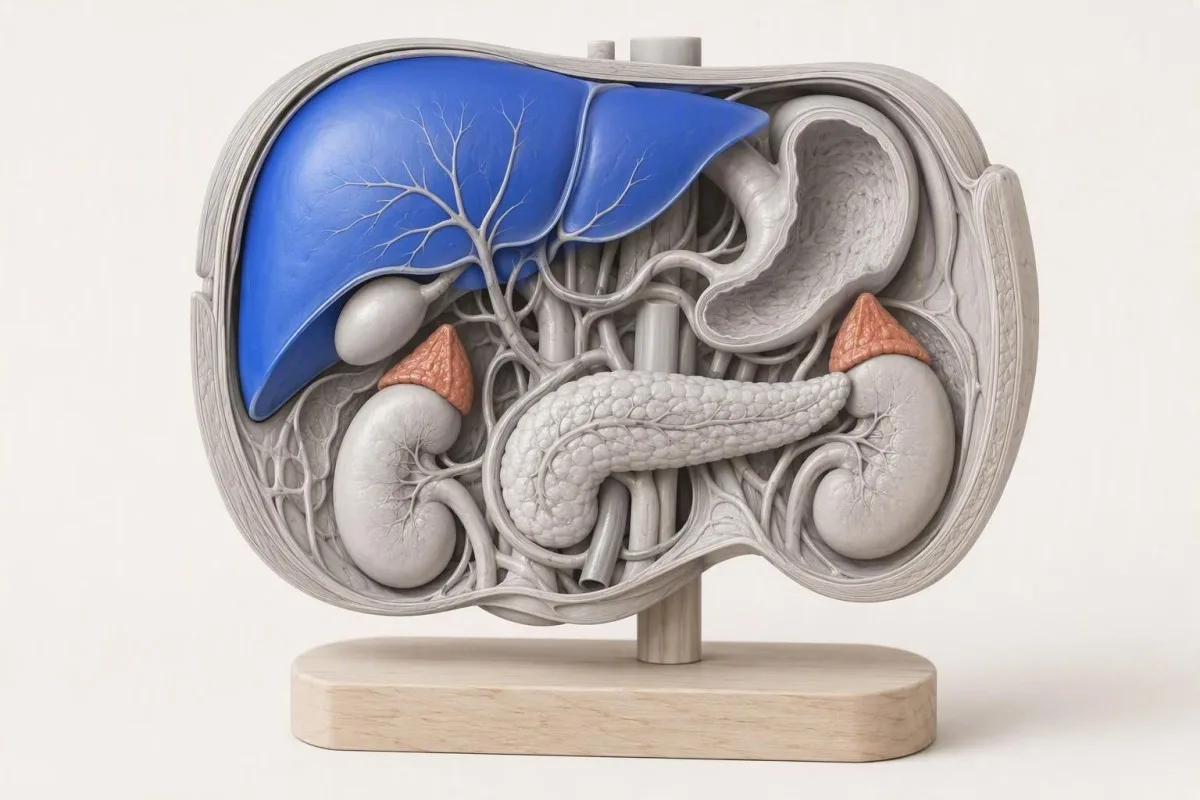
တည်ငြိမ်သော လူကြီးတစ်ဦးအတွက် တစ်ကြိမ်တည်းသော သွေးပြန်ကြောမှ ရရှိသော ရလဒ် 60 မှ 69 mg/dL, အတွက်၊ ကျွန်ုပ်သည် အလွန်အကျွံ အစာရှောင်သည့် 20 နာရီအစား ပုံမှန် နံနက်အစာရှောင်ခြင်း 8 မှ 12 နာရီပြီးနောက် အစောဆုံး နံနက်ပိုင်း ပလာစမာ ဂလူးကို့စ်ကို အားပေးသည်။ မတိုင်မီနေ့တွင် ပုံမှန်စားပါ၊ ပုံမှန်မဟုတ်သော ခံနိုင်ရည်လေ့ကျင့်ခန်းကို ရှောင်ပါ၊ နှင့် ဆရာဝန်တစ်ဦးမှ သင့်အား အခြားနည်းပြောပြခဲ့ခြင်းမှလွဲ၍ မနေ့ညက အရက်မသောက်ပါနှင့်။.
လက္ခဏာ မှတ်တမ်းတစ်ခု ယူလာပါ- အချိန်၊ အစားအစာ၊ လှုပ်ရှားမှု၊ ဆေးဝါးများ၊ ရရှိပါက မီတာ တန်ဖိုး၊ နှင့် လက္ခဏာများကို ဘာက သက်သာစေခဲ့သလဲ။ ဤမှတ်တမ်းသည် အထူးသဖြင့် ပုံစံသည် မနက်ခင်းအစား ညစာစားပြီးနောက် ဖြစ်သောအခါ ကျယ်ပြန့်သော ဟော်မုန်း အစုံအလင်ကို ပြန်လည်စစ်ဆေးခြင်းထက် ရောဂါရှာဖွေရန် ပို၍ တန်ဖိုးရှိသည်။.
Kantesti သည် ပြန်လည်စစ်ဆေးမှုကို ယခင် ရလဒ်များနှင့် နှိုင်းယှဉ်နိုင်ပြီး တိမ်းညွှတ်မှုကို အဓိပ္ပါယ်ဖွင့်ဆိုနိုင်စေသည့် အခြေအနေကို ထိန်းသိမ်းပေးသည်။ အသိဉာဏ်ရှိသောဖြင့် စတင်ပါ။ အခြေခံ စမ်းသပ်မှု အစီအစဉ် နှင့် အဘယ်ကြောင့် ဖြစ်သည်ကို သိရှိရန် လည်ပတ်မှုများအကြား ရလဒ်များ ပြောင်းလဲခြင်း.
သကြားဓာတ် နည်းပါးခြင်းသည် မည်သည့် အချိန်တွင် အရေးပေါ် အခြေအနေဖြစ်သနည်း။
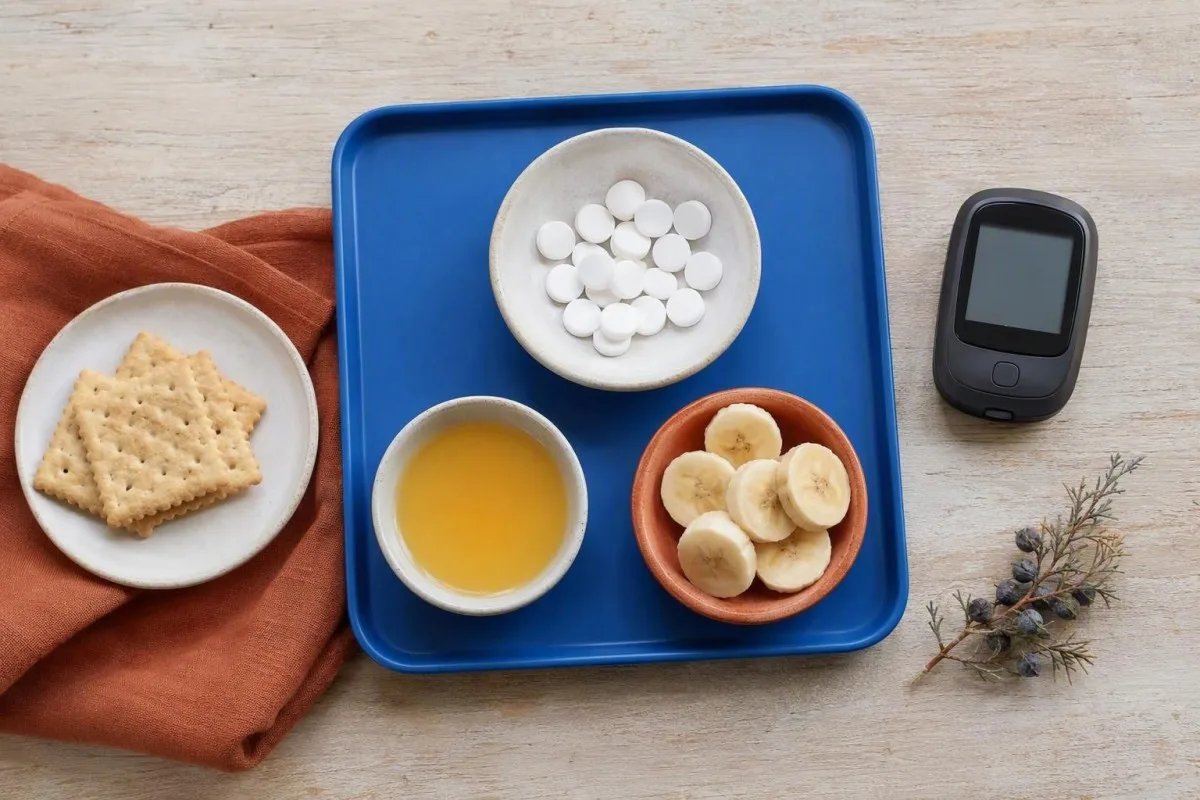
သွေးတွင်းသကြားဓာတ် နည်းပါးခြင်းသည် အရေးပေါ်အခြေအနေဖြစ်သည်၊ သို့သော် ၎င်းသည် ရှုပ်ထွေးခြင်း၊ တက်ခြင်း၊ သတိလစ်ခြင်း၊ လုံခြုံစွာ မျိုချနိုင်ခြင်း မရှိခြင်း၊ ပုံမှန်မဟုတ်သော အပြုအမူ သို့မဟုတ် အခြားသူတစ် ဦး၏ အကူအညီ လိုအပ်ခြင်း ဖြစ်ပေါ်စေသည်။. နိုးနေပြီး မျိုချနိုင်သူဖြစ်ပါက အမြန် ကာဗိုဟိုက်ဒရိတ်ဖြင့် ချက်ချင်း ကုသပါ၊ ထို့နောက် လက္ခဏာများ ပြင်းထန်ပါက၊ ထပ်ခါထပ်ခါ ဖြစ်ပေါ်ပါက သို့မဟုတ် အကြောင်းရင်း မရှင်းလင်းပါက အရေးပေါ် ဆေးကုသမှု ခံယူပါ။.
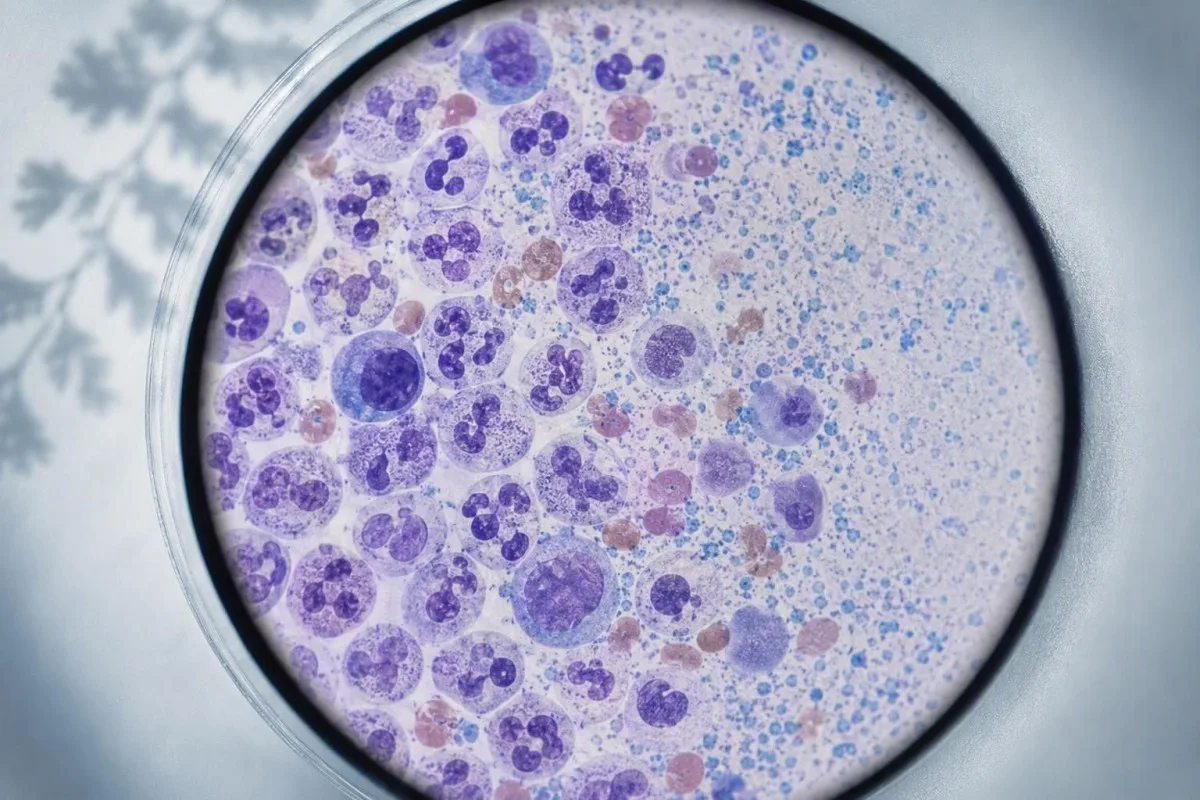
နိုးနေသော အရွယ်ရောက်ပြီးသူအတွက်၊, ၁၅ မှ ၂၀ ဂရမ် အမြန်ဓာတ်ပြုသော ကာဗိုဟိုက်ဒရိတ်ကို သောက်ပြီးနောက် ၁၅ မိနစ်ခန့် အကြာတွင် ဂလူးကို့စ်ကို ထပ်မံစစ်ဆေးခြင်းသည် ကုသမှုနှင့် ဆက်စပ်သော hypoglycemia ကို ကုသရန် ပထမအကူအညီ ပုံစံဖြစ်သည်။ ဥပမာများမှာ ဂလူးကို့စ် တက်ဘလက် သို့မဟုတ် ဂလူးကို့စ် ဂျယ်တို့ ပါဝင်သည်၊ ချောကလက်နှင့် အဆီများသော အစားအစာများသည် မတော်တဆ အဖြစ်အတွက် အလွန်နှေးကွေးသည်။.
မူးဝေနေသူ၊ တက်နေသူ သို့မဟုတ် မျိုချနိုင်သူ မဟုတ်သူများကို အစားအစာ သို့မဟုတ် အဖျော်ယမကာ မပေးပါနှင့်။ Glucagon ကို လေ့ကျင့်သင်ကြားထားသော အိမ်စောင့်သူများအတွက် သတ်မှတ်ထားပါက သင့်လျော်နိုင်သည်၊ သို့သော် ဆာလဖိုနီယူရီယာ သို့မဟုတ် တာရှည်ခံ အင်ဆူလင် အကျိုးသက်ရောက်မှုများသည် မူလ ပြန်လည်ကောင်းမွန်မှုကို ကျော်လွန်သွားနိုင်သောကြောင့် အရေးပေါ် ဝန်ဆောင်မှုများ လိုအပ်နေဆဲဖြစ်သည်။.
Neuroglycopenic လက္ခဏာများ ရှိသူများဖြစ်သည့် ဆီးချိုရောဂါ မရှိသူများသည် စားပြီးနောက် ပြန်လည်ကောင်းမွန်လာလျှင်ပင် အကဲဖြတ်မှု ခံယူထိုက်ပါသည်။ ကျွန်ုပ်တို့၏ မူးဝေခြင်း သွေးစစ်ဆေးမှု လမ်းညွှန် သည် ဂလူးကို့စ်ကို သွေးအားနည်းရောဂါနှင့် အီလက်ထရောနစ် အတုအယောင်များမှ ခွဲခြားပေးသည်၊ သို့သော် မတော်တဆ ဘေးကင်းရေးသည် ပထမနေရာတွင် ရှိသည်။.
သကြားဓာတ် နည်းပါးသော ရလဒ်သည် သင့်၏ နောက်အဆင့်ကို မည်သို့ ပြောင်းလဲသင့်သနည်း။
နောက်တစ်ဆင့်သည် ရလဒ်သည် လက္ခဏာပြသော၊ ထပ်ခါထပ်ခါ ဖြစ်ပေါ်သော၊ ဆေးဝါးနှင့် ဆက်စပ်သော၊ ရောဂါနှင့် ဆက်စပ်သော သို့မဟုတ် ဖြစ်နိုင်သော pre-analytic ဖြစ်သည် ရှိမရှိပေါ် မူတည်သည်။. မတော်တဆ မဖြစ်သော နယ်နမိတ်ချင်း နည်းပါးသော ရလဒ်တစ်ခု ရှိသူသည် ပုံမှန် ပြန်လည်စစ်ဆေးရန် လိုအပ်ပြီး၊ 54 mg/dL အောက် အကြိမ်ကြိမ် တန်ဖိုးများ ရှိသူသည် ဆရာဝန်မှ ဦးဆောင်သော အကဲဖြတ်မှု လိုအပ်သည်။.

သင်သည် အမှန်တကယ် နည်းပါးနေပါက သို့မဟုတ် ဆရာဝန်မှ ညွှန်ကြားပါကမှလွဲ၍ စီစဉ်ထားသော ပြန်လည်စစ်ဆေးမှု မပြုလုပ်မီ သကြားစားခြင်းဖြင့် ပုံမှန် ရလဒ်တစ်ခုကို ဖိအားပေးရန် မကြိုးစားပါနှင့်။ ၎င်းသည် ယန္တရားကို ဝှက်ထားနိုင်သည်။ အလားတူ၊ ရောဂါလက္ခဏာများကို ဖော်ထုတ်ရန် အစာရှောင်ခြင်းကို ပိုမိုကြာရှည်စွာ ပြုလုပ်ခြင်းသည် မလုံခြုံဘဲ စောင့်ကြည့်ထားသော ရောဂါရှာဖွေရေး protocol မှ လွဲ၍ ဘယ်တော့မှ မပြုလုပ်သင့်ပါ။.
အလွန်ခိုင်မာသော လက္ခဏာမှာ ပြန်လုပ်နိုင်သော ပုံစံဖြစ်သည်- လက္ခဏာများအတွင်း ပလာစမာ ဂလူးကို့စ် နည်းပါးခြင်း၊ လိုက်ဖက်သော အင်ဆူလင် သို့မဟုတ် ketone ပရိုဖိုင်၊ နှင့် ဆေးဝါးများ သို့မဟုတ် ရောဂါနှင့် ကိုက်ညီသော ရှင်းလင်းချက်တစ်ခု။ အထောက်အထားများသည် ဝေဝါးနေသော ခွဲတမ်းလွန်လက္ခဏာများအတွက် ရိုးသားစွာ ရောနှောနေသည်၊ ထို့ကြောင့် ကျွန်ုပ်သည် တက်ကြွသော hypoglycemia အကြောင်း ကျယ်ပြန့်သော တောင်းဆိုမှုများထက် တိုင်းတာသော အချက်အလက်များကို ဦးစားပေးပါသည်။.
Kantesti သည် ဆရာဝန်၏ ကြီးကြပ်မှုဖြင့် တည်ဆောက်ထားသော အနုပညာ ပြန်လည်သုံးသပ်မှုကို ပံ့ပိုးပေးသည်၊ သို့သော် မူမမှန်သော နည်းပါးသော ဂလူးကို့စ် ရလဒ်များသည် မိမိကိုယ်ကို ရောဂါရှာဖွေခြင်းထက် ဆေးဘက်ဆိုင်ရာ ဆွေးနွေးမှုတစ်ခုအဖြစ် ကျန်ရှိနေဆဲဖြစ်သည်။ ကျွန်ုပ်တို့၏ ဆေးဘက်ဆိုင်ရာ အတည်ပြု စံနှုန်းများ နှင့် ဆေးဘက်ဆိုင်ရာအကြံပေးဘုတ်အဖွဲ့ သည် ထိုနယ်နမိတ်ကို မည်သို့ ထိန်းသိမ်းထားသည်ကို ဖော်ပြသည်၊ Thomas Klein, MD သည် အရေးပေါ် လက္ခဏာများနှင့် ဆေးဝါး ထိတွေ့မှုကို တိုက်ရိုက် စောင့်ရှောက်မှုအတွက် မဆွေးနွေးနိုင်သော အကြောင်းရင်းများ အဖြစ် ထည့်သွင်းစဉ်းစားသည်။.
အမေးများသောမေးခွန်းများ
သွေးတွင်းသကြားဓာတ်နည်းရခြင်း၏ အဖြစ်များဆုံး အကြောင်းရင်းကား အဘယ်နည်း။
အောက်ဆီးခနောက်အများဆုံးဖြစ်ရခြင်းအကြောင်းရင်းများမှာ အစာမစားခြင်း၊ ပိုမိုလှုပ်ရှားခြင်း၊ အရက်သောက်သုံးခြင်း သို့မဟုတ် ကျောက်ကပ်လုပ်ဆောင်မှု လျော့နည်းခြင်းနှင့် ပေါင်းစပ်ထားသော အင်ဆူလင် သို့မဟုတ် အင်ဆူလင်ထုတ်လွှတ်သော ဆေးဝါးများ ဖြစ်သည်။ ဆီးချိုမရှိသူများတွင် 60 မှ 69 mg/dL ၏ တစ်ကြိမ်တည်းဓာတ်ခွဲခန်းတန်ဖိုးသည် အမြဲတမ်းဖြစ်နေသော ရောဂါထက် ကြာရှည်စွာ အစာရှောင်ခြင်း သို့မဟုတ် နမူနာစစ်ဆေးမှုကို နှောင့်နှေးခြင်းကြောင့် ဖြစ်တတ်သည်။ 54 mg/dL သို့မဟုတ် 3.0 mmol/L ထက် နည်းသော ရောဂါလက္ခဏာများနှင့်အတူ မကြာခဏဖြစ်ပေါ်သော ဂလူးကို့စ်အား ဆေးဘက်ဆိုင်ရာ အကဲဖြတ်မှု လိုအပ်သည်။ အင်ဆူလင်၊ C-peptide နှင့် ketone များနှင့်အတူ ရောဂါလက္ခဏာများကြားတွင် ဂလူးကို့စ်ကို တိုင်းတာသောအခါ အကြောင်းရင်း ပိုမိုထင်ရှားလာသည်။.
ဆီးချိုမရှိဘဲ သွေးတွင်းသကြားဓာတ် နည်းနိုင်သလား။
ဟုတ်ကဲ့၊ ဆီးချိုရောဂါမရှိဘဲ သွေးတွင်းသကြားဓာတ်နည်းခြင်းသည် ကြာရှည်စွာ အစာမစားခြင်း၊ အစာမစားဘဲ အရက်သောက်သုံးခြင်း၊ ပြင်းထန်သော ရောဂါပိုးဝင်ခြင်း၊ အသည်း သို့မဟုတ် ကျောက်ကပ်လုပ်ဆောင်ချက်မမှန်ခြင်း၊ အဒရီနယ်ဂလင်း ချို့ယွင်းခြင်း၊ ဆေးဝါးတချို့နှင့် နမူနာကိုင်တွယ်ရာတွင် အချိန်နှောင့်နှေးခြင်းတို့ကြောင့် ဖြစ်ပွားနိုင်ပါသည်။ ဆီးချိုမရှိသူ အရွယ်ရောက်သူများတွင် အမှန်တကယ် သွေးတွင်းသကြားဓာတ်နည်းခြင်းကို Whipple triad ဖြင့် အတည်ပြုသည်- လက္ခဏာများ၊ ပလာစမာ သကြားဓာတ်နည်းခြင်းနှင့် သကြားဓာတ်တက်လာပြီးနောက် သက်သာခြင်း။ ဆီးချိုမရှိဘဲ 54 mg/dL အထက်တွင် တစ်ကြိမ်တည်း လက္ခဏာမပြသည့်တန်ဖိုးသည် အသေးစိတ်စစ်ဆေးမှုမပြုမီ ထိန်းချုပ်ထားသော ထပ်ခါတလဲလဲစစ်ဆေးမှုကို မကြာခဏ အကြံပြုသည်။ 54 mg/dL အောက်တန်ဖိုးများသည်၊ အထူးသဖြင့် ပြင်းထန်သော သို့မဟုတ် သတိလစ်ခြင်းတို့နှင့်အတူ၊ လျစ်လျူမရှုသင့်ပါ။.
အရက်သောက်ပြီးနောက် မနက်ပိုင်းတွင် သွေးတွင်းသကြားဓာတ် ကျဆင်းနိုင်ပါသလား။
အရက်သောက်ပြီး နောက်တစ်နေ့ မနက်တွင် သွေးတွင်းသကြားဓာတ် ကျဆင်းနိုင်သည်၊ အဘယ်ကြောင့်ဆိုသော် အသည်းရှိ ဂလိုင်ကိုဂျင် ပမာဏ လျော့နည်းသွားပြီးနောက် အသည်းမှ ဂလူးကို့စ် ထုတ်လုပ်ခြင်းကို ဟန့်တားသောကြောင့် ဖြစ်သည်။ သောက်သုံးမှုသည် အစာနည်းပါးခြင်း၊ အန်ခြင်း၊ ကြာရှည်စွာ ကိုယ်လက်လှုပ်ရှားမှု၊ အာဟာရချို့တဲ့ခြင်း သို့မဟုတ် အသည်းရောဂါတို့နောက်မှ လိုက်လာပါက အန္တရာယ် အများဆုံးဖြစ်ပြီး ဖြစ်စဉ်များသည် ၆ မှ ၂၄ နာရီအကြာတွင် ဖြစ်ပွားနိုင်သည်။ အရက်နှင့် ဆက်စပ်သော သွေးတွင်းသကြားဓာတ် ကျဆင်းခြင်းသည် အင်ဆူလင် သို့မဟုတ် ဆာဖိုနီယူရီးယားကို အသုံးပြုနေသူများအတွက် ပိုမိုအန္တရာယ်များနိုင်သည်။ လက္ခဏာပြသော ဖြစ်စဉ်တစ်ခု၊ ဂလူးကို့စ် 54 mg/dL ထက် လျော့နည်းခြင်း၊ သို့မဟုတ် အရည်များကို ထိန်းသိမ်းထားနိုင်ခြင်း မရှိခြင်းတို့သည် အရေးပေါ် စစ်ဆေးမှု လိုအပ်သည်။.
အစာရှောင်ခြင်းက ဂလူးကို့စ်ကို နည်းလွန်းအောင် လုပ်နိုင်သလား
ကျန်းမာသော လူကြီးအချို့တွင်၊ အထူးသဖြင့် ကာဗိုဟိုက်ဒရိတ် စားသုံးမှု လျော့နည်းပြီးနောက် သို့မဟုတ် ပုံမှန်မဟုတ်သော လေ့ကျင့်ခန်းများ ပြုလုပ်ပြီးနောက်၊ ၈-၁၂ နာရီကြာ အစာရှောင်ခြင်းသည် သွေးတွင်းသကြားဓာတ်ကို အနည်းငယ် နိမ့်ကျစေနိုင်သည်။ ကျန်းမာသော ဆန့်ကျင်ထိန်းညှိမှုများသည် ပုံမှန်အားဖြင့် အင်ဆူလင်ကို လျှော့ချခြင်းနှင့် ကီတုန်းများကို တိုးမြှင့်ခြင်းဖြင့် ဆေးပညာအရ အရေးကြီးသော သွေးတွင်းသကြားဓာတ် နိမ့်ကျမှုကို ကာကွယ်ပေးသည်၊ ထို့ကြောင့် 54 mg/dL အောက်တွင် ထပ်ခါထပ်ခါ လက္ခဏာပြသော တန်ဖိုးများကို ပုံမှန် အစာရှောင်သည့် တုံ့ပြန်မှုအဖြစ် မသတ်မှတ်ပါ။ ကြီးကြပ်ကွပ်ကဲသော အစာရှောင်ခြင်းသည် အထူးပြု ရောဂါရှာဖွေရေး စစ်ဆေးမှုတစ်ခုဖြစ်ပြီး အိမ်တွင် မည်သည့်အခါမျှ မကြိုးစားသင့်ပါ။ အစာရှောင်သည့် အတိအကျကြာချိန်ကို မှတ်တမ်းတင်ပါ၊ အဘယ်ကြောင့်ဆိုသော် ၁၀ နာရီနှင့် ၂၄ နာရီသည် ဇီဝကမ္မဗေဒအရ ကွဲပြားသည့်အဓိပ္ပာယ်များ ရှိသောကြောင့်ဖြစ်သည်။.
အင်ဆူလင်အပြင် သွေးတွင်းသကြားဓာတ်နည်းစေနိုင်သော ဆေးဝါးများကား အဘယ်နည်း။
ဂလစ်ကလိပ်၊ ဂလစ်မီပီးရိုက်နှင့် ဂလစ်ပီးဇင့် စသည့် ဆာလ်ဖိုနီယူရီးယားနှင့် ရီပါဂလင်နိုက်ကဲ့သို့သော မက်ဂလစ်တီနိုက်များသည် အင်ဆူလင် ထုတ်လွှတ်မှုကို တိုးမြှင့်ခြင်းဖြင့် သွေးတွင်းသကြားဓာတ် နည်းပါးစေနိုင်သည်။ ကွီနင်း၊ ပင်တားမီဒီ၊ ထရမ်မဒေါလ်နှင့် ဖလူရိုကွီနိုလုန်းပဋိဇီဝဆေးအချို့သည်လည်း သွေးတွင်းသကြားဓာတ် နည်းပါးခြင်းနှင့် ဆက်စပ်နေသော်လည်း ၎င်းတို့မှာ ဖြစ်နှုန်းမှာ အလွန်နည်းပါးသည်။ ဘီတာ-ဘလော့ကာများသည် တုန်ခါခြင်းနှင့် ရင်တုန်ခြင်းကဲ့သို့သော သတိပေးလက္ခဏာများကို တိုက်ရိုက်ဖြစ်ပွားစေမှု အများစုကို မဖြစ်စေဘဲ ဖုံးကွယ်နိုင်သည်။ ဆေးဝါးနှင့် ဆက်စပ်နေသော သွေးတွင်းသကြားဓာတ် 54 mg/dL အောက် သို့မဟုတ် ထပ်ခါတလဲလဲဖြစ်သော လက္ခဏာများသည် တတ်နိုင်သမျှ နောက်ဆေးမသောက်မီ ဆရာဝန်နှင့် တိုင်ပင်သင့်သည်။.
သွေးနမူနာတစ်စုံတစ်ရာသည် ဂလူးကို့စ် ရလဒ်ကို မှားယွင်းစွာ နည်းပါးစေနိုင်သလား။
ဟုတ်သည်၊ ကြာမြင့်စွာ စီမံဆောင်ရွက်ခြင်းသည် ဆဲလ်အရာများက စုဆောင်းပြီးနောက် ဂလူးကို့စ်ကို ဆက်လက်အသုံးပြုနေသောကြောင့် မှားယွင်းစွာ နည်းပါးသော ဂလူးကို့စ်ကို ဖြစ်စေနိုင်သည်။ အခန်းအပူချိန်တွင် မခွဲထုတ်ရသေးသော သွေးအပြည့်အဝ၌၊ ဂလူးကို့စ်သည် တစ်နာရီလျှင် ခန့်မှန်းခြေ 5% မှ 7% အထိ ကျဆင်းနိုင်ပြီး၊ သွေးဖြူဥ သို့မဟုတ် သွေးမွှားပမာဏ အလွန်များပါက အကျဆင်းနှုန်း ပိုမြန်နိုင်သည်။ အမြန်စီမံဆောင်ရွက်ပြီး ပြန်လည်စစ်ဆေးမှုတွင် ပုံမှန်ဖြစ်လာသော လက္ခဏာမပြသော နည်းပါးသော ရလဒ်သည် ဆီးဒိုဟစ်ပိုဂလိုင်စီမီးယားကို ခိုင်မာစွာ အကြံပြုသည်။ ဤဖြစ်နိုင်ခြေကို တင်ပြပါက ဓာတ်ခွဲခန်းမှ စုဆောင်းခြင်းနှင့် စီမံဆောင်ရွက်ခြင်းဆိုင်ရာ အသေးစိတ်အချက်အလက်များကို မကြာခဏ အတည်ပြုနိုင်သည်။.
AI ပါဝါသုံး သွေးစစ်ဆေးမှု ရလဒ်ကို ယနေ့ စတင် ခွဲခြမ်းစိတ်ဖြာပါ
Kantesti ကို အချိန်မီ၊ တိကျသော ဓာတ်ခွဲခန်း စစ်ဆေးမှု ရလဒ်ခွဲခြမ်းစိတ်ဖြာမှုအတွက် ယုံကြည်သည့် ကမ္ဘာတစ်ဝန်း အသုံးပြုသူ 2 သန်းကျော်နှင့် ပူးပေါင်းပါ။ သင့် သွေးစစ်ဆေးမှု ရလဒ်များကို တင်ပြီး စက္ကန့်ပိုင်းအတွင်း 15,000+ biomarker များ၏ ပြည့်စုံသော အဓိပ္ပာယ်ဖတ်ချက်ကို ရယူပါ။.
📚 ကိုးကားထားသော သုတေသန ထုတ်ဝေမှုများ
Klein, T., Mitchell, S., & Weber, H. (2026). AI သွေးစစ်ဆေးခြင်း ခွဲခြမ်းစိတ်ဖြာသူ- စမ်းသပ်မှု 2.5M ခွဲခြမ်းစိတ်ဖြာပြီး | ကမ္ဘာလုံးဆိုင်ရာ ကျန်းမာရေး အစီရင်ခံစာ 2026. Kantesti AI Medical Research.
Klein, T., Mitchell, S., & Weber, H. (2026). Klein, T. (2025).. Kantesti AI Medical Research.
📖 ပြင်ပ ဆေးဘက်ဆိုင်ရာ ကိုးကားချက်များ

⚕️ ဆေးဘက်ဆိုင်ရာ ရှင်းလင်းချက်
ဤဆောင်းပါးသည် ပညာရေးဆိုင်ရာ ရည်ရွယ်ချက်အတွက်သာ ဖြစ်ပြီး ဆေးဘက်ဆိုင်ရာ အကြံဉာဏ် မဟုတ်ပါ။ ရောဂါရှာဖွေခြင်းနှင့် ကုသမှု ဆုံးဖြတ်ချက်များအတွက် အရည်အချင်းပြည့်မီသော ကျန်းမာရေးစောင့်ရှောက်မှုပေးသူနှင့် အမြဲတမ်း တိုင်ပင်ပါ။.
E-E-A-T ယုံကြည်မှု အချက်ပြများ
အတွေ့အကြုံ
ဆရာဝန်ဦးဆောင်သည့် ဓာတ်ခွဲခန်း အဓိပ္ပာယ်ဖတ်ခြင်း လုပ်ငန်းစဉ်များကို ပြန်လည်သုံးသပ်ခြင်း။.
ကျွမ်းကျင်မှု
biomarker များသည် ဆေးဘက်ဆိုင်ရာ အခြေအနေတွင် မည်သို့ ပြုမူနေသည်ကို အာရုံစိုက်သည့် ဓာတ်ခွဲခန်း ဆေးပညာ။.
အခွင့်အာဏာရှိခြင်း
ဒေါက်တာ Thomas Klein မှ ရေးသားပြီး ဒေါက်တာ Sarah Mitchell နှင့် ပါမောက္ခ ဒေါက်တာ Hans Weber တို့က ပြန်လည်သုံးသပ်ထားသည်။.
ယုံကြည်စိတ်ချရမှု
စိတ်ပူစရာများကို လျော့ချရန်အတွက် ရှင်းလင်းသော နောက်ဆက်တွဲ လမ်းကြောင်းများပါဝင်သည့် သက်သေအထောက်အထားအခြေပြု အဓိပ္ပာယ်ဖတ်ချက်။.