نتيجة انخفاض نسبة السكر في الدم لا تعني بالضرورة تكرار نقص السكر في الدم. السؤال العملي هو ما إذا كانت الأعراض، والتوقيت، والأدوية، وعلم وظائف الأعضاء، والتعامل مع العينة تشير جميعها في نفس الاتجاه.


- نقص السكر الحقيقي في الدم لدى البالغين غير المصابين بالسكري يتطلب ثُلاثِيَّة ويبل: أعراض متوافقة، وانخفاض مقاس في جلوكوز البلازما، وتحسن الأعراض بعد ارتفاع نسبة السكر.
- 70 ملغم/ديسيلتر أو 3.9 مليمول/لتر هي قيمة تنبيه للأشخاص الذين يستخدمون علاجًا لخفض الجلوكوز؛; أقل من 54 ملغم/ديسيلتر أو 3.0 مليمول/لتر هو نقص سكر سريري مهم في الدم.
- معالجة متأخرة يمكن أن يخفض الجلوكوز بحوالي 5% إلى 7% في الساعة في عينة غير منفصلة في درجة حرارة الغرفة.
- الأنسولين والسلفونيل يوريا هما الأسباب الأكثر شيوعاً لانخفاض سكر الدم المتعلق بالأدوية، خاصة بعد وجبة فائتة، أو تمرين غير عادي، أو انخفاض وظائف الكلى.
- انخفاضات مرتبطة بالكحول غالباً ما تحدث بعد 6 إلى 24 ساعة من الشرب عندما يكون تناول الطعام ضعيفاً لأن الكحول يمنع إنتاج الجلوكوز في الكبد.
- قراءة واحدة لسكر الدم الصائم من 60 إلى 69 ملغ/ديسيلتر بدون أعراض عادة ما يتم إعادة فحصها قبل إجراء فحوصات هرمونية شاملة.
- الأمراض الشديدة يمكن أن تسبب انخفاض الجلوكوز من خلال الإنتان، وفشل الكبد، وفشل الكلى، أو التغذية غير الكافية وتتطلب سياقاً سريرياً عاجلاً.
- الأنسولين، الببتيد C، بيتا هيدروكسي بيوتيرات، وفحص السلفونيل يوريا يجب سحبها أثناء انخفاض موثق كلما أمكن ذلك.
هل نتيجة انخفاض السكر هي نقص سكر حقيقي في الدم؟
انخفاض سكر الدم الحقيقي هو حدث سريري، وليس مجرد رقم مختبر محفز. لدى البالغين الذين لا يعانون من مرض السكري، يبحث الأطباء عن ثلاثية ويبل: أعراض متسقة مع انخفاض الجلوكوز، وانخفاض موثق في جلوكوز البلازما في ذلك الوقت، وتحسن واضح بعد أن ترفعه الكربوهيدرات. اعتبارًا من 10 سبتمبر 2026، يظل هذا هو المرشح الأول الأكثر فائدة لأسباب انخفاض الجلوكوز.
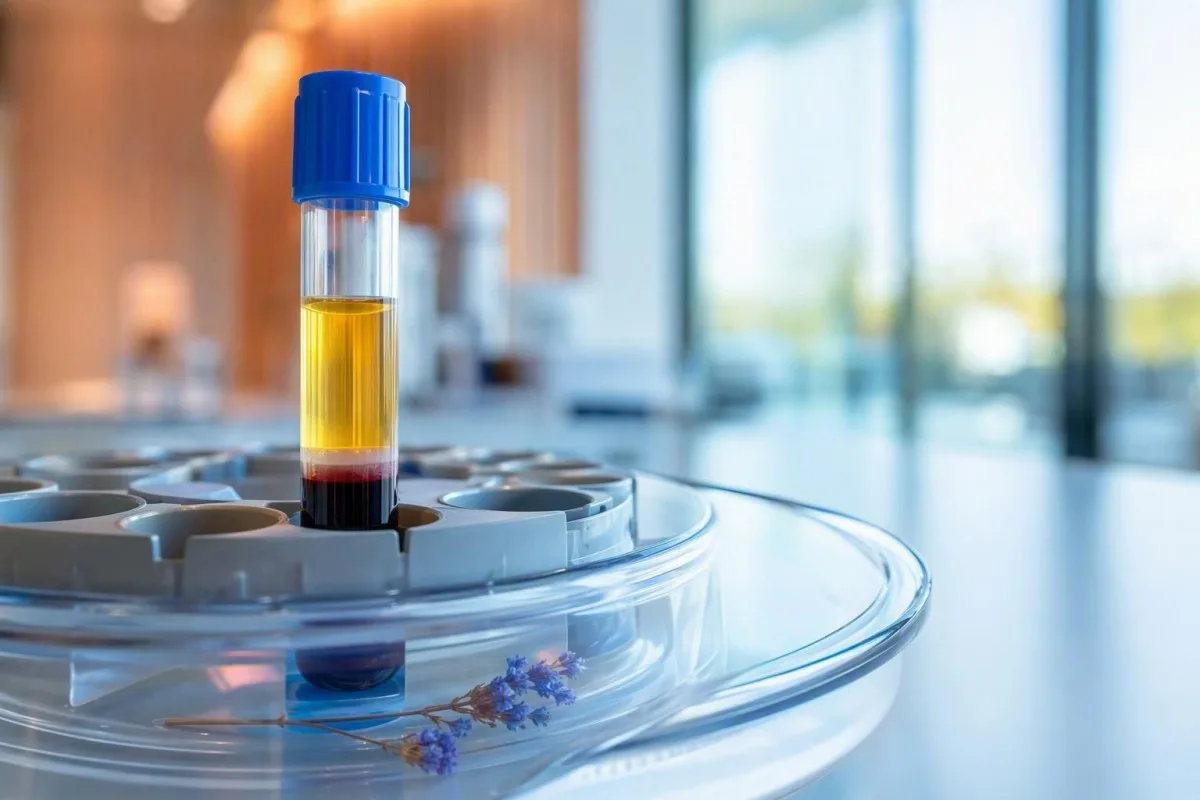
قراءة جلوكوز صائم في الوريد تبلغ 62 ملغ/ديسيلتر أو 3.4 ملمول/لتر لدى شخص يشعر بأنه بخير لا تعادل شخصاً مرتبكاً ومتعرقاً بقيمة من وخزة الإصبع تبلغ 42 ملغ/ديسيلتر. هذا الأخير يتطلب علاجاً فورياً؛ الأول قد يعكس مدة الصيام، أو تأخيراً في المعالجة، أو فرداً تكون نقطة ضبطه الطبيعية أقل قليلاً.
في ممارستي السريرية، الخطأ الأكثر شيوعاً هو معاملة التعب، والرعشة، أو الجوع بمفرده كدليل على انخفاض سكر الدم. تتداخل هذه الأعراض مع القلق، والجفاف، وفقر الدم، وفقدان النوم، لذلك يسأل الدكتور توماس كلاين أولاً ما إذا كان الجلوكوز قد تم قياسه أثناء العرض، وليس بعد ساعات.
Kantesti AI هو منصة تفسير تحليل الدم ديال AI الذي يضع نتيجة انخفاض الجلوكوز بجانب حالة الصيام، و HbA1c، وعلامات الكلى والكبد، بدلاً من تسمية قيمة معزولة واحدة كتشخيص. للحصول على سياق للقيم المتوقعة حسب الجنس والتوقيت، انظر لنطاق الغلوكوز.
علاش مثلث فيبل كي يحمي المرضى من التحاليل الزايدة
الجمعية الغدية توصي بتقييم اضطرابات نقص السكر في الدم فقط عندما يتم توثيق مثلث فيبل لأن القيم المنخفضة العرضية شائعة ويمكن أن تخلق الاختبارات الغدية نتائج مضللة (Cryer et al., 2009). هذه الطريقة لا تعني تجاهل الأعراض؛ بل تعني التقاط نسبة سكر موثوقة خلال النوبة.
ما هي أرقام الجلوكوز التي تستدعي التكرار أو اتخاذ إجراء عاجل؟
نسبة سكر في البلازما أقل من 54 ملغم/ديسيلتر أو 3.0 ملمول/لتر تستحق الاهتمام السريري، بينما 54 إلى 69 ملغم/ديسيلتر غالباً ما تستدعي التأكيد في السياق. جهاز قياس وخز الإصبع، واختبار البلازما الوريدية، وجهاز مراقبة الجلوكوز المستمر يمكن أن تختلف بما يكفي لدرجة أن نوع العينة مهم.
اختارت مجموعة دراسة نقص السكر الدولية 54 mg/dL لأن الضعف المعرفي يصبح أكثر احتمالاً تحت هذا الحد وقد يؤدي التعرض المتكرر إلى تخفيف أعراض التحذير. تستخدم جمعية السكري الأمريكية 70 ملغم/ديسيلتر أو 3.9 مليمول/لتر كحد فاصل لاتخاذ الإجراءات للأشخاص الذين يعالجون بالأنسولين أو محفزات الإنسولين (American Diabetes Association Professional Practice Committee, 2025).
أجهزة القياس بالوخز بالإصبع مفيدة لاتخاذ قرار سلامة فوري، ولكن تباينها التحليلي المسموح به كبير بالقرب من الطرف الأدنى. إذا أظهر جهاز قياس منزلي 58 ملغم/ديسيلتر بينما تشعر أنك طبيعي، اغسل وجفف يديك، كرر فوراً بشريط جديد، ثم احصل على قيمة بلازما مخبرية إذا استمرت النتيجة.
فترات المرجع خاصة بالمختبر، وهذا هو السبب في أن العلامة الحمراء ليست مرادفة للمرض. توضيح نتيجة خارج النطاق و ال الخاص بالواسمات الحيوية يوضح سبب كون طريقة المختبر وفترة المرجع جزءًا من كل تفسير.
ما هي الأدوية التي يمكن أن تسبب انخفاض نسبة السكر في الدم؟
الأنسولين والسلفونيل يوريا والميجليتينيدات تسبب معظم حالات نقص السكر في الدم المتعلقة بالأدوية. يزداد الخطر بشكل حاد عندما يتزامن جرعة معتادة مع وجبة أصغر، أو قيء، أو نشاط أكثر، أو فقدان الوزن، أو انخفاض وظائف الكلى، أو جرعة مزدوجة عرضية.
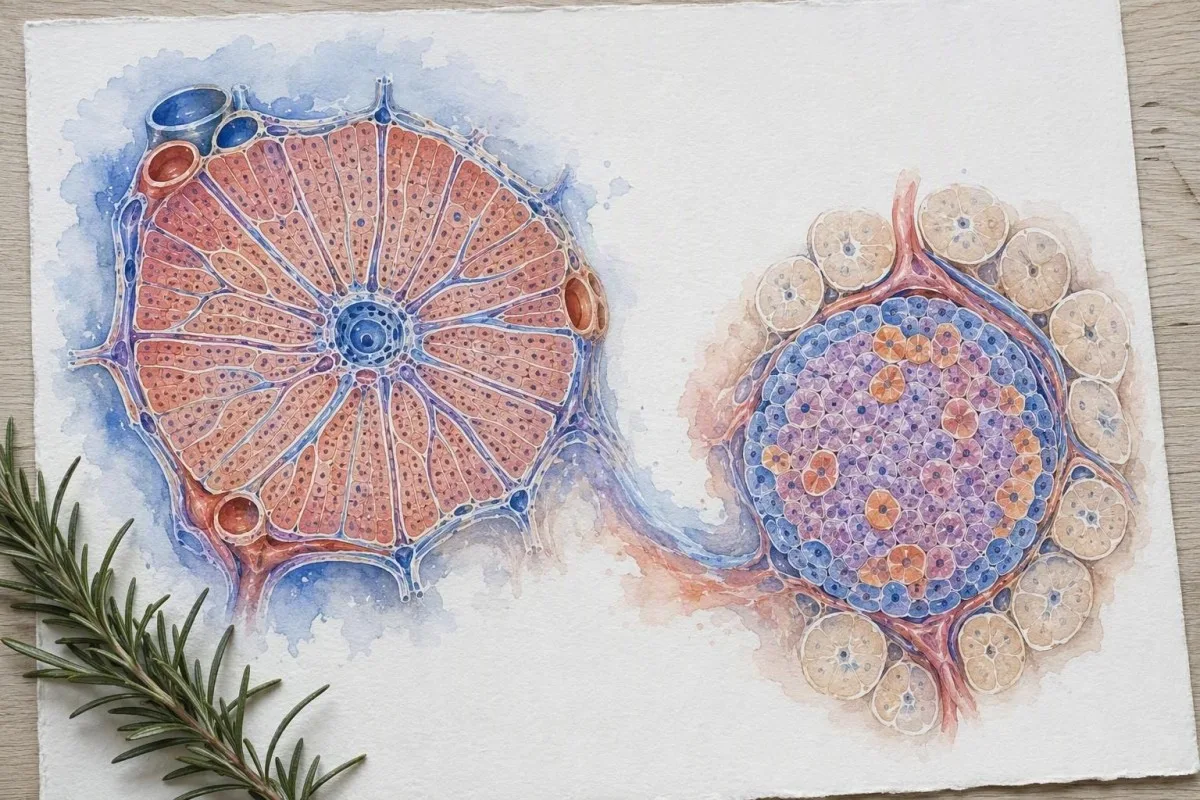
الأنسولين طويل المفعول يمكن أن ينتج انخفاضات طويلة الأمد، بينما عادةً ما يتتبع الأنسولين سريع المفعول وجبة فائتة أو متأخرة في غضون عدة ساعات. يمكن أن تسبب السلفونيل يوريا مثل جليكلازيد، جليميبيريد، وجليبزايد نقص سكر الدم المتكرر لمدة من 12 إلى 24 ساعة أو أطول في حالة القصور الكلوي، وهذا هو السبب في أن نوبة واحدة تم تصحيحها قد تتكرر.
تشمل الارتباطات الدوائية الأقل شيوعًا الكينين، والبنتاميدين، وبعض المضادات الحيوية الفلوروكينولون، والترامادول؛ تختلف الأدلة حسب الدواء والمريض. عادةً لا تسبب حاصرات بيتا انخفاضًا بمفردها، ولكنها يمكن أن تخفف من خفقان القلب والرعشة، تاركة العرق أو الارتباك المفاجئ كأول علامة تحذير.
Kantesti يمكن أن تنظم التغييرات المختبرية في عصر الأدوية، ولكن لا يمكنها بأمان أن تطلب من شخص ما التوقف عن الأنسولين أو السلفونيل يوريا أو استبدال الستيرويد دون تدخل الطبيب المعالج. استعرض علامات التحذير في دليل أعراض نقص السكر في الدم, ، خاصة إذا حدثت النوبات ليلاً.
مراجعة الأدوية العملية
أحضر المنتج الدقيق، والجرعة، والتوقيت، وتغييرات الجرعة الأخيرة، والأدوية غير الموصوفة للمراجعة. غالباً ما تكشف صورة واحدة لصناديق الأدوية عن مكونات مكررة أو قوة قرص تختلف عن الوصفة الطبية المقصودة.
لماذا تصبح الأدوية خطيرة بعد تخطي الوجبات؟
تصبح الأدوية الخافضة لسكر الدم خطيرة عندما يتجاوز تأثير الأنسولين نسبة الجلوكوز المتوفرة في الطعام. غداء فائت، التهاب المعدة والأمعاء، إجراء سني، قلة شهية، أو تمرين غير مخطط له يمكن أن يحول جرعة مستقرة سابقاً إلى حدث انخفاض سكر الدم.
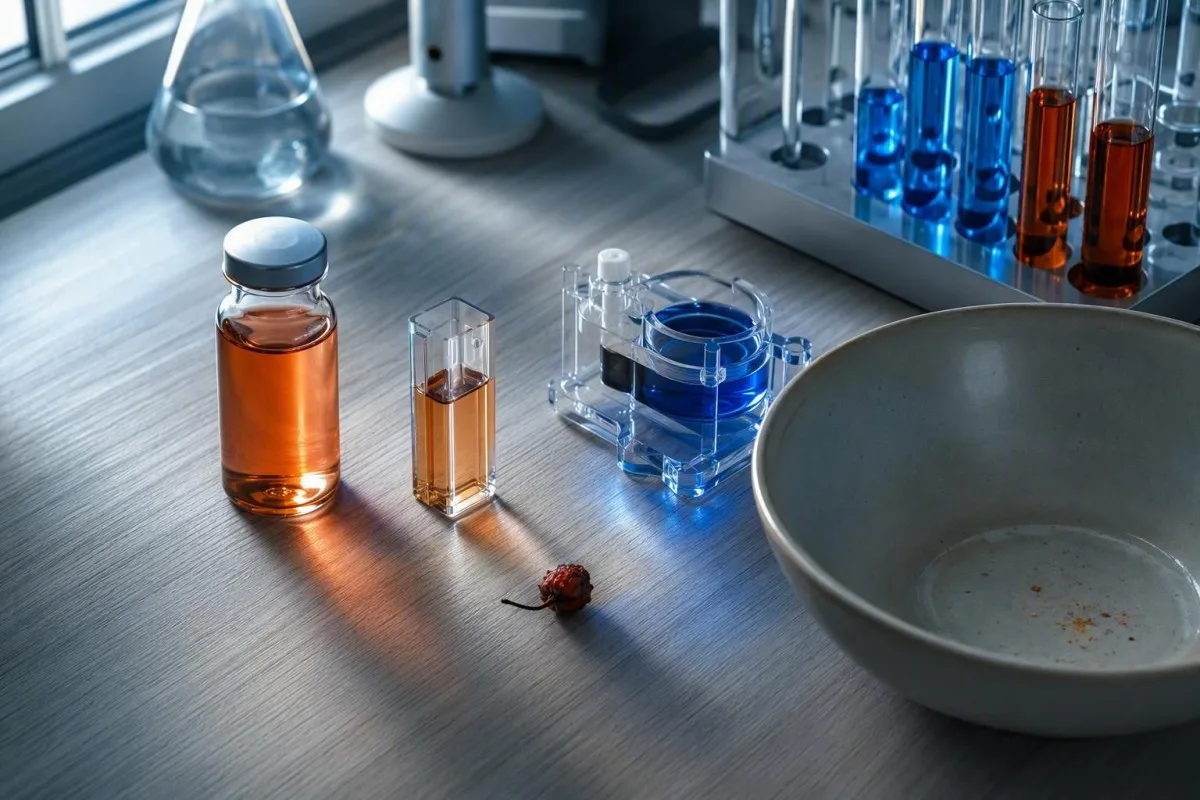
الكلى تطرح العديد من مستحضرات الأنسولين والعديد من نواتج أيض السلفونيل يوريا، لذا فإن انخفاض eGFR يمكن أن يزيد من التعرض الفعال حتى عندما لا يتغير الوصفة. انخفاض جديد مصحوب بغثيان، قلة تناول الطعام، وزيادة الكرياتينين هو أكثر إثارة للقلق من نفس مستوى الجلوكوز لدى شخص سليم بعد صيام طويل طوال الليل.
لقد رأيت المرضى يركزون على الجرعة بينما يتجاهلون فقدان الوزن بمقدار 6 كجم بعد المرض أو المشي المسائي الجديد. تلك التفاصيل مهمة: العضلات الهيكلية تظل أكثر حساسية للأنسولين بعد التمرين، والنشاط المتأخر من اليوم يمكن أن يزيد من خطر نقص السكر في الدم ليلاً.
كانتيستي هو منصة تفسير المؤشرات الحيوية بالذكاء الاصطناعي التي يمكن أن تقارن اتجاهات الجلوكوز، HbA1c، eGFR، والعلاج الدوائي عبر التقارير. فحوصات النمط الخاصة بها تدعم، بدلاً من أن تحل محل، قرار الطبيب بشأن الدواء؛ دليل اتجاهات سلامة الأدوية تشرح السياق المفيد، بينما دليل التكنولوجيا تصف سير عمل المراجعة السريرية لدينا.
كيف يخفض الكحول نسبة السكر في الدم بعد ساعات؟
الكحول يمكن أن يسبب نقص السكر في الدم عن طريق تثبيط إنتاج الجلوكوز في الكبد، خاصة بعد الشرب بدون طعام. الخطر يكون أعظم بمجرد استنفاد جليكوجين الكبد بسبب الصيام، أو القيء، أو تمارين التحمل، أو سوء التغذية، أو أمراض الكبد.
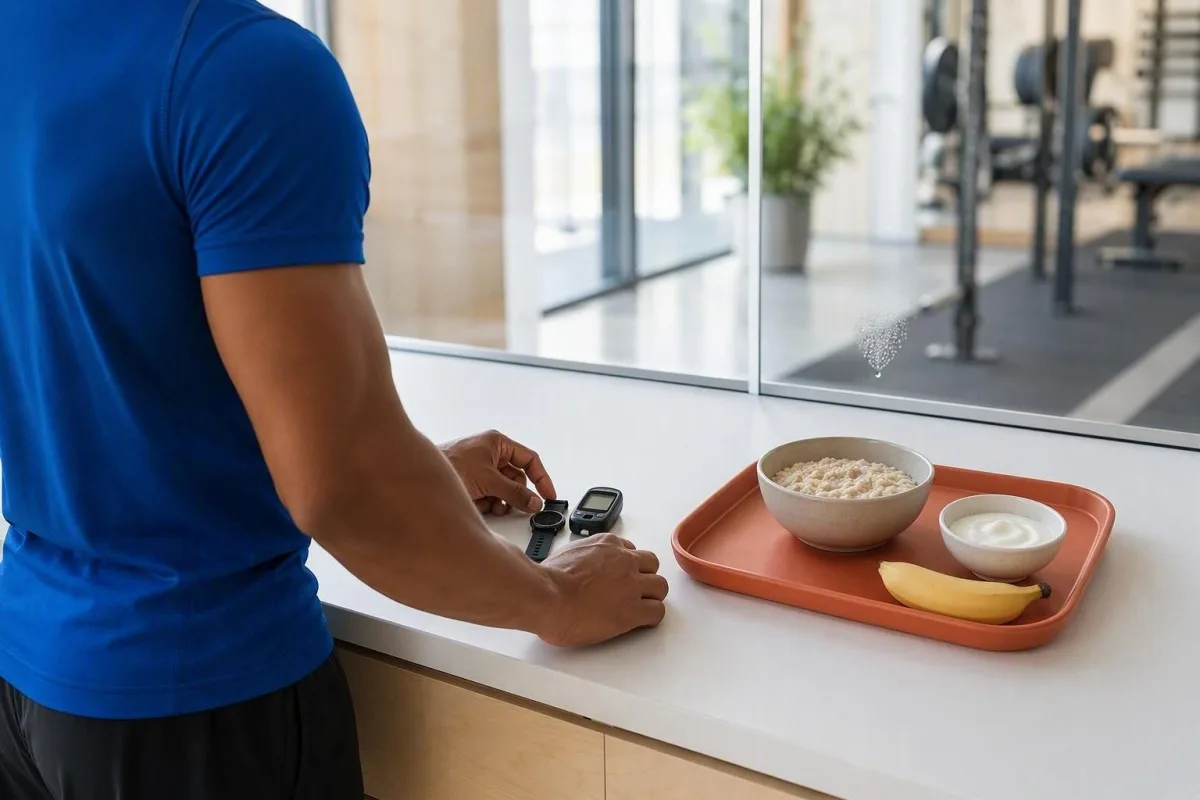
أيض الإيثانول يرفع نسبة NADH إلى NAD+ في الكبد، مما يوجه البيروفات نحو اللاكتات ويحد من تكوين الجلوكوز. ببساطة، قد يكون لدى الكبد مخزون من الوقود ولكنه لا يستطيع إنتاج جلوكوز جديد في الدورة الدموية بكفاءة عندما يتزامن الكحول مع الصيام.
نوبات انخفاض السكر المرتبطة بالكحول تحدث غالبًا من 6 إلى 24 ساعة بعد الشرب، وليس بالضرورة عندما يكون الشخص في حالة سكر واضحة. هذا التوقيت المتأخر هو سبب استيقاظ الشخص وهو متعرق، يرتجف، أو مشوش بعد أمسية من الشرب تتبعها وجبة عشاء قليلة أو قيء مستمر.
انخفاض الجلوكوز مع ارتفاع AST، انخفاض الألبومين، ارتفاع INR، أو القيء المتكرر يتطلب تقييمًا أوسع للكبد والتغذية، وليس مجرد نصيحة حول تناول السكر. انظر مراجعتنا لـ التغيرات في المؤشرات الحيوية بعد التوقف عن تناول الكحول لمعرفة الجدول الزمني للتغيرات المعملية ذات الصلة.
هل يمكن للصيام أو الحمية أو ممارسة الرياضة أن تفسر انخفاض السكر في الدم بدون داء السكري؟
الصيام القصير يمكن أن ينتج عنه انخفاض طفيف في مستوى الجلوكوز لدى شخص سليم، ولكن القيم المتكررة المصحوبة بأعراض تحت 54 ملغ/ديسيلتر لا يتم تجاهلها على أنها جزء من نظام غذائي طبيعي. الصيام يخفض الأنسولين ويرفع الجلوكاجون والكورتيزول وهرمون النمو والكيتونات لحماية إمداد الدماغ بالوقود.
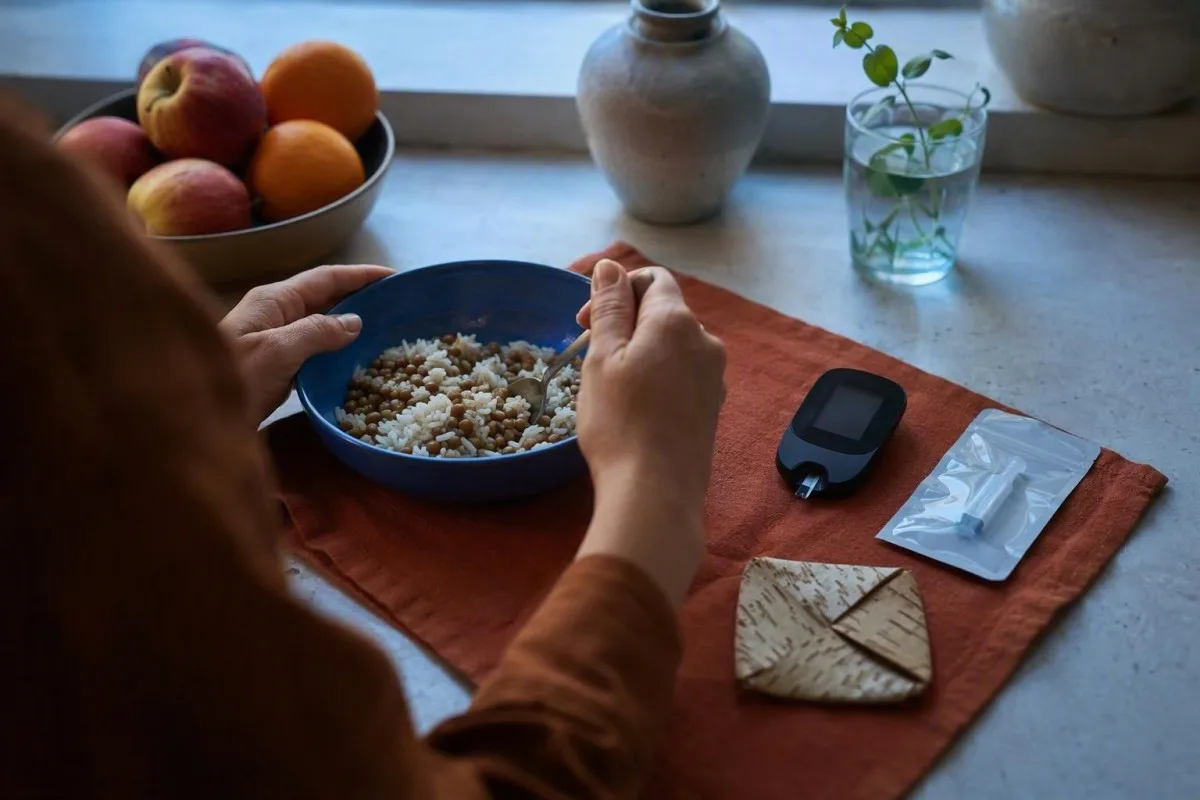
بعد حوالي من 12 إلى 24 ساعة بدون طعام، يصبح توافر الجليكوجين الكبدي متغيرًا للغاية؛ حالة التدريب، وتناول الكربوهيدرات السابق، وحجم الجسم كلها عوامل مهمة. معظم البالغين الأصحاء يعوضون عن طريق زيادة أكسدة الدهون وإنتاج الكيتونات، لذلك يمكن أن يكون انخفاض الجلوكوز المعتدل بدون أعراض نقص جلوكوز عصبي فسيولوجيًا.
التمرين المطول يختلف عن النشاط المعتدل. قد يصاب العدّاء الذي ينهي سباقًا طويلاً مع تعويض ضعيف للكربوهيدرات بانخفاض في مستوى الجلوكوز أثناء التعافي، خاصة إذا تمت إضافة الكحول، أو ضربة الشمس، أو قلة التناول؛ يجب على الرياضيين أيضًا مراعاة أنماط المختبر للتدريب على التحمل.
الصيام المتقطع لا يعالج نقص السكر في الدم غير المبرر وقد يسهل تفويت نمط مرتبط بالأدوية. دليل المختبر للصيام يشرح لماذا توثيق ساعات الصيام الدقيقة مهم أكثر من مجرد القول بأن الاختبار كان صيامًا.
متى يسبب المرض انخفاضًا مهمًا سريريًا في نسبة السكر في الدم؟
الإنتان، خلل الكبد المتقدم، الفشل الكلوي، فشل القلب، وسوء التغذية الحاد يمكن أن تسبب نقص سكر الدم الخطير. لدى الشخص المريض بشدة، يعتبر انخفاض مستوى السكر مؤشراً على الخطورة ويجب أن يثير تقييماً طبياً في نفس اليوم.
يزيد الإنتان من استخدام الجلوكوز من قبل الأنسجة المناعية والمحيطية بينما يقلل ضعف التروية وخلل الكبد من إنتاج الجلوكوز. انخفاض السكر في الدم أقل من 70 mg/dL خلال العدوى المشتبه بها يكون أكثر إثارة للقلق عندما ترتفع اللاكتات، وينخفض ضغط الدم، وتتغير الحالة الذهنية أو يتوقف تناول الطعام عن طريق الفم.
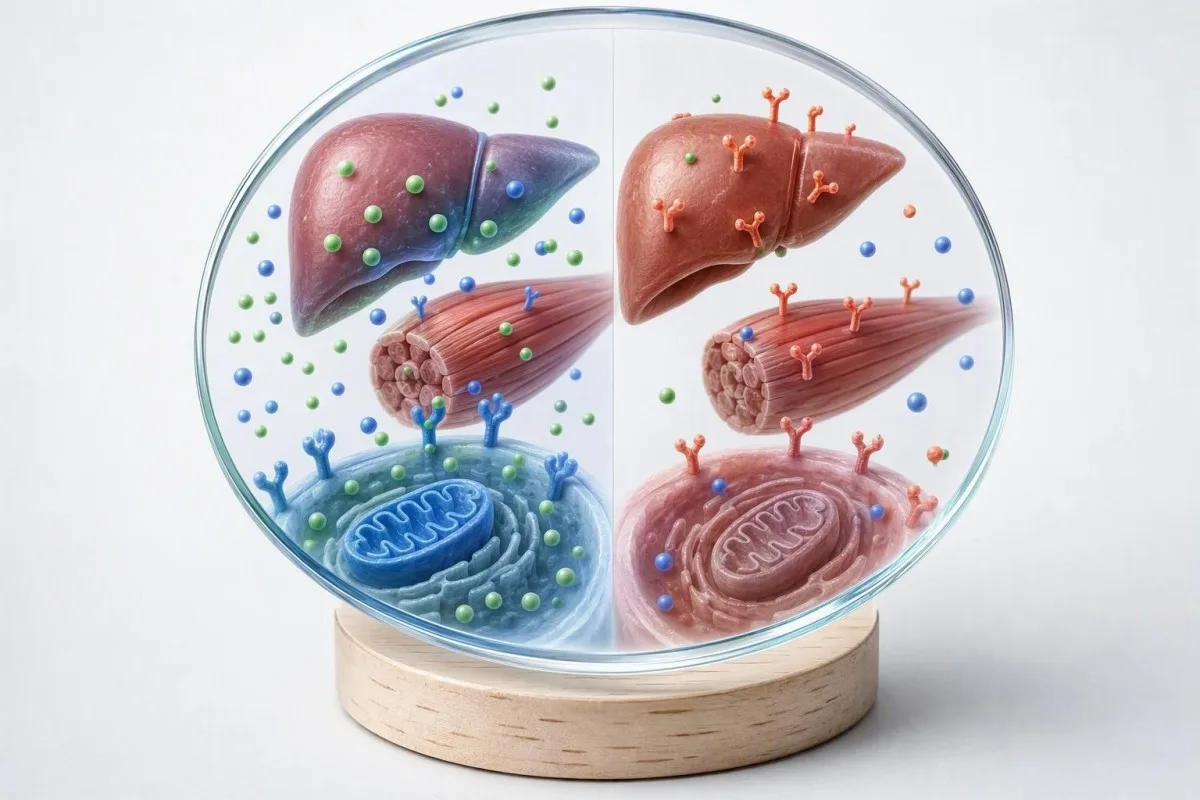
يخزن الكبد الجليكوجين ويقوم بتكوين سكر الدم، لذلك يمكن أن يؤدي خلل الكبد الواسع إلى انخفاض مستوى السكر مصحوباً بارتفاع البيليروبين، وطول فترة INR، وانخفاض الألبومين. يساهم مرض الكلى من خلال انخفاض تخليص الأنسولين، وانخفاض تكوين سكر الدم الكلوي، وضعف الشهية؛ هذا المزيج مهم بشكل خاص لدى الأشخاص الذين يتلقون علاجاً للسكري.
المرض الحرج ليس هو المكان المناسب للتجارب المنزلية مع الصيام أو المكملات الغذائية. نظرة عامة على علامات الإنتان تحدد نمط المختبر المصاحب الذي يجب أن يثير الرعاية العاجلة.
ما هي اضطرابات الهرمونات والحالات النادرة التي تسبب انخفاضًا متكررًا؟
قصور الغدة الكظرية، قصور الغدة النخامية، ونادراً، الأورام المنتجة للأنسولين أو المفرزة لعامل النمو الشبيه بالأنسولين II يمكن أن تسبب نقص سكر الدم الصومي المتكرر. هذه التشخيصات غير شائعة، لذا فإن الاختبار يكون أكثر موثوقية عند جمع الأدلة الكيميائية الحيوية أثناء حدث انخفاض فعلي.
يدعم الكورتيزول تكوين سكر الدم ونغمة الأوعية الدموية، لذلك قد يتجلى قصور الغدة الكظرية مع انخفاض مستوى السكر بالإضافة إلى فقدان الوزن، والغثيان، وانخفاض ضغط الدم، ونقص صوديوم الدم، أو فرط التصبغ. لا يقوم الكورتيزول العشوائي الواحد بتشخيص فشل الغدة الكظرية؛ التوقيت الصباحي، وشدة المرض، وأي تعرض للجلوكوكورتيكويدات يؤثر على النتيجة بشكل كبير.
يمكن أن يساهم نقص هرمون النمو في نقص سكر الدم الصومي لدى الأطفال وهو سبب أقل شيوعاً بكثير لدى البالغين. نقص سكر الدم غير المتعلق بخلايا الجزر من زيادة عامل النمو الشبيه بالأنسولين II نادر ويحدث عادة مع نمو كبير معروف أو واضح سريرياً، وفقدان الوزن، وعلامات الأنسولين المثبطة.
يوصي الدكتور توماس كلاين باختبار الأسباب الاندوكринية المشتبه بها مع طبيب الغدد الصماء بدلاً من اللوحات العشوائية بين النوبات. التوقيت السليم للعينة أمر أساسي، كما يوضح دليل التعامل مع ACTH .
هل يمكن أن يؤدي تأخير التعامل مع العينة إلى انخفاض كاذب في نسبة السكر في الدم؟
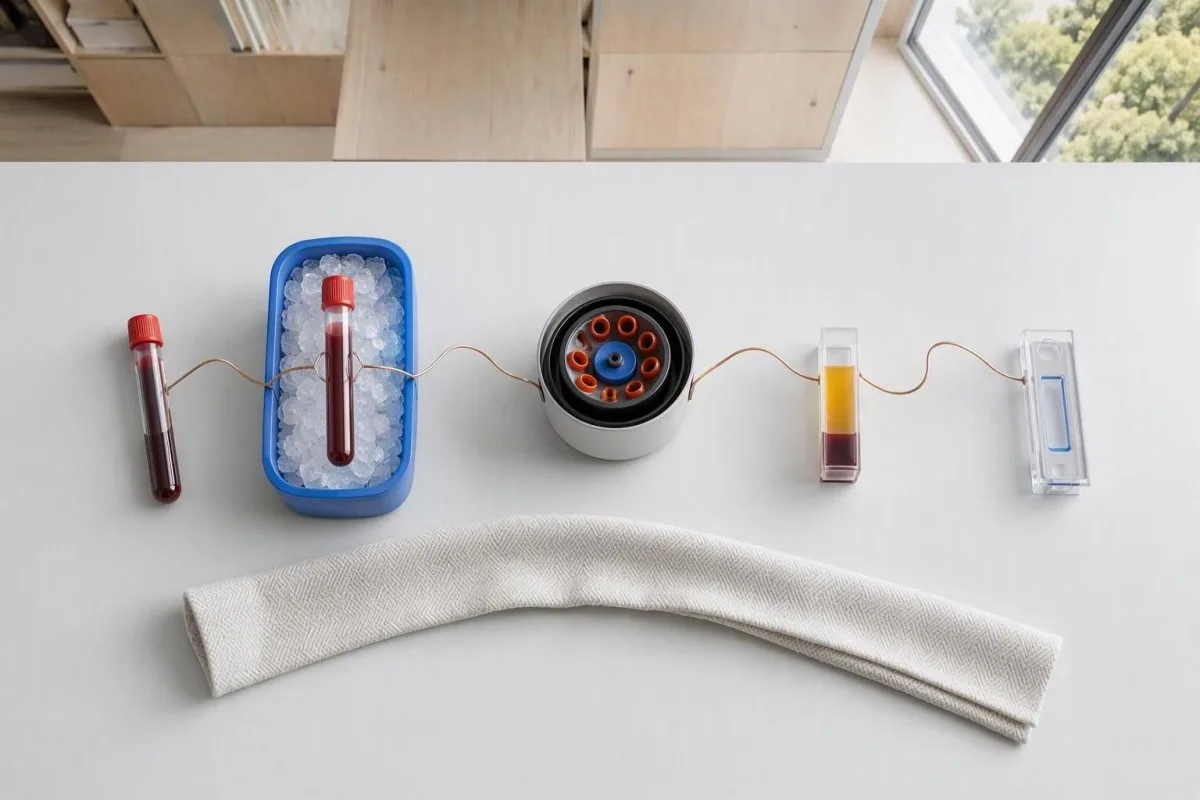
نعم. تستمر الخلايا في عينة غير معالجة في استهلاك الجلوكوز، لذلك يمكن أن يؤدي تأخير الفصل إلى نقص سكر الدم الزائف. في درجة حرارة الغرفة، يمكن أن ينخفض مستوى الجلوكوز في الدم الكامل بحوالي 5% إلى 7% في الساعة، مع انخفاض أسرع في كثرة الكريات البيضاء أو كثرة الصفائح الدموية.
هذا هو أحد أسباب انخفاض نسبة السكر في الدم التي يتم تجاهلها في كثير من الأحيان في الاختبارات الخارجية. عينة تم جمعها في عيادة مزدحمة، أو تركت في النقل، أو تم فصلها متأخراً يمكن أن تعود بنسبة 55 ملغ/ديسيلتر على الرغم من أن الشخص كان لا يعاني من أعراض وأن تكرار سريع طبيعي.
الأنابيب التي تحتوي على الفلورايد تبطئ تحلل الجلوكوز ولكنها لا توقفه فوراً؛ التبريد الفوري والفصل السريع للبلازما يظلان إجراءات وقائية أفضل. يمكن أن تستهلك أعداد خلايا الدم البيضاء أو الصفائح الدموية العالية جداً الجلوكوز بسرعة كافية لإحداث نقص سكر الدم الزائف الواضح، وهو نمط يسمى أحياناً سرقة الكريات البيضاء.
يشير Kantesti AI إلى انخفاض مستوى الجلوكوز الذي يتعارض مع بقية اللوحة والأعراض المسجلة كمسألة إعادة فحص، وليس تسمية مرض تلقائية. ينطبق التفكير التحليلي المسبق المماثل على أخطاء جمع اللاكتات, ، حيث يمكن أن يغير التوقيت النتيجة قبل التحليل.
ما هي الاختبارات التي يجب إجراؤها أثناء انخفاض موثق؟
أهم الاختبارات إفادةً تُسحب عندما تكون نسبة سكر الجلوكوز في البلازما منخفضة، ومن الناحية المثالية أقل من 55 ملغم/ديسيلتر أو 3.0 مليمول/لتر مع ظهور أعراض. الأنسولين، الببتيد C، البروإنسولين، بيتا-هيدروكسي بيوتيرات، واختبار الكشف عن السلفونيل يوريا يميز العديد من الآليات الرئيسية.
يجب تثبيط الأنسولين بشكل مناسب أثناء انخفاض سكر الدم الناتج عن الصيام. ارتفاع الأنسولين القابل للكشف أو المرتفع بشكل غير مناسب مع انخفاض بيتا-هيدروكسي بيوتيرات يشير إلى أن تأثير الأنسولين يمنع إنتاج الكيتون الطبيعي، بينما يشير انخفاض الأنسولين مع ارتفاع الكيتونات إلى الصيام، أو الكحول، أو نقص الهرمونات، أو مرض جهازي.
يتم إطلاق الببتيد C مع الأنسولين الداخلي ولكنه غائب في تركيبات الأنسولين المحقونة. لذلك، يشير انخفاض الببتيد C مع الأنسولين القابل للقياس إلى التعرض للأنسولين الخارجي، بينما يشير ارتفاع الأنسولين وارتفاع الببتيد C إلى إفراز داخلي مرتفع أو التعرض للسلفونيل يوريا؛ التفسير أكثر دقة في حالة ضعف الكلى.
كانتيستي هو أداة تحليل ديال تحاليل الدم مدعومة بالذكاء الاصطناعي التي يمكنها رسم هذه العلامات المزدوجة عبر التقرير، ولكن التشخيص يحتاج إلى عينة من النوبة وطبيب يعرف قائمة الأدوية. انظر دليلنا إلى C-peptide وقت استعمال الأنسولين وعملي أمثلة على سير العمل السريري لماذا لا يكفي قيمة أنسولين واحدة أبداً.
كيف تحدد أنماط الأنسولين و C-peptide سبب الانخفاض؟
انخفاض الجلوكوز مع انخفاض الأنسولين وارتفاع الكيتونات يعكس عادةً فيسيولوجيا صيام مناسبة أو أسباب غير متعلقة بالأنسولين؛ انخفاض الجلوكوز مع أنسولين غير مثبت وانخفاض الكيتونات يشير إلى تأثير أنسولين مفرط. هذا النمط أكثر فائدة من نتيجة الأنسولين التي تُرى بمعزل عن غيرها.
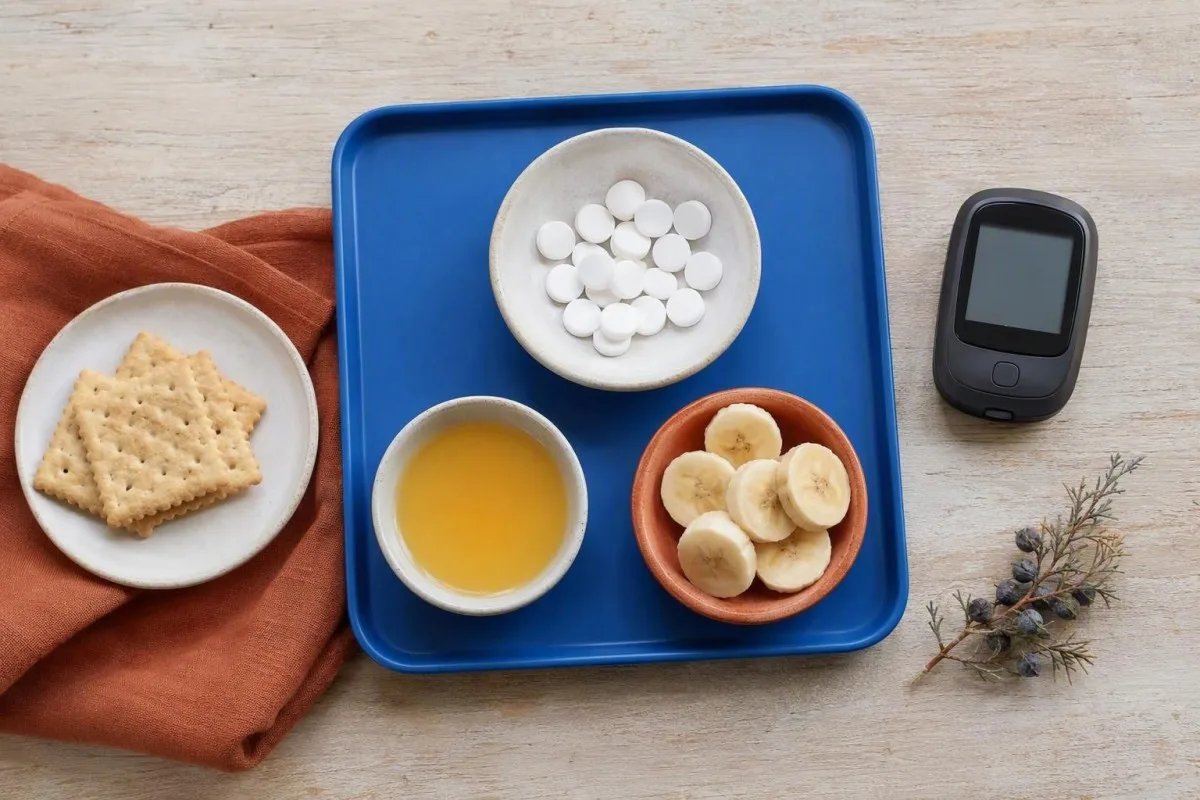
خلال انخفاض حقيقي في سكر الدم ناتج عن الصيام، ينخفض الأنسولين عادةً إلى مستويات شبه غير قابلة للكشف ويرتفع بيتا-هيدروكسي بيوتيرات مع توفير الدهون للوقود البديل. نتيجة كيتون مكبوتة على الرغم من انخفاض الجلوكوز دون 55 mg/dL هي علامة تحذير مفيدة لانخفاض سكر الدم بوساطة الأنسولين، لكن حدود فحص المختبر تختلف.
يمكن أن يحاكي اختبار السلفونيل يوريا الإيجابي ورمًا منتجًا للأنسولين بشكل شبه مثالي لأن كلًا من الأنسولين والببتيد C قد يكون مرتفعًا. غالبًا ما يتم تفويت هذا الاختبار إلا إذا طلبه الطبيب بشكل خاص، خاصةً عندما تكون قوائم الأدوية غير كاملة أو يتم مشاركة الأدوية داخل الأسرة.
ارتفاع الببتيد C لا يعني تلقائيًا ورمًا؛ مقاومة الأنسولين وانخفاض تخليص الكلى غالبًا ما ترفعها عندما يكون الجلوكوز طبيعيًا أو مرتفعًا. تفسير ارتفاع الببتيد C يوفر سيناريو الجلوكوز المرتفع المتناقض.
كيف يجب إعادة اختبار نتيجة انخفاض واحدة غير متوقعة؟
يتم عادةً تكرار انخفاض الجلوكوز المفاجئ غير المصحوب بأعراض على الفور في ظروف خاضعة للرقابة قبل إجراء الاختبارات المتخصصة. يجب أن يوثق إعادة الاختبار مدة الصيام، والأعراض، والكحول في الـ 24 ساعة السابقة، والتمارين الرياضية، والمرض، والأدوية، وما إذا كان المختبر قد عالج العينة بسرعة.
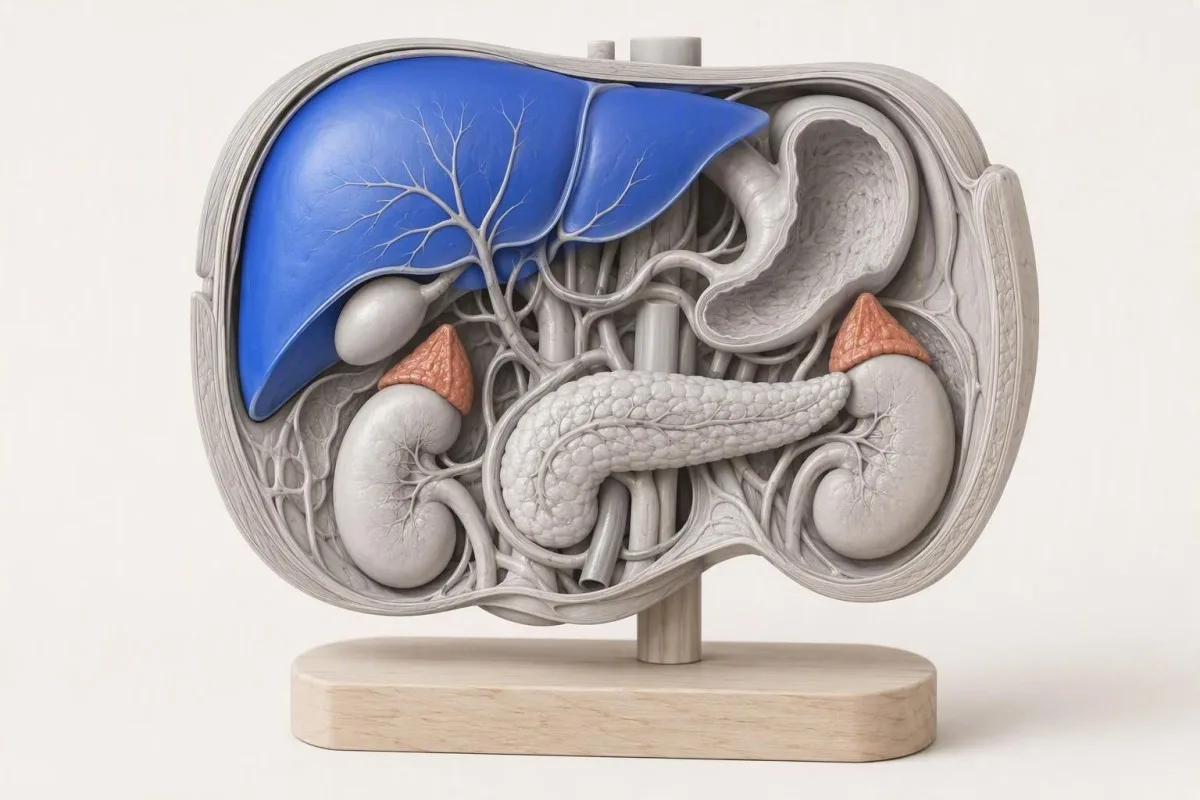
لشخص بالغ مستقر لديه نتيجة واحدة وريدية من 60 إلى 69 ملغم/ديسيلتر, ، أفضل عادةً اختبار جلوكوز بلازما في الصباح الباكر بعد صيام ليلي عادي لمدة 8 إلى 12 ساعة، وليس صيامًا تعويضيًا لمدة 20 ساعة. تناول الطعام بشكل طبيعي في اليوم السابق، وتجنب التمارين الرياضية الشاقة غير العادية، ولا تشرب الكحول في المساء السابق إلا إذا أخبرك الطبيب بخلاف ذلك.
أحضر سجل أعراض: الوقت، الطعام، النشاط، الأدوية، قيمة الجهاز إذا كانت متاحة، وما خفف الأعراض. غالبًا ما يكون هذا السجل ذا قيمة تشخيصية أكبر من تكرار لوحات هرمونية واسعة، خاصةً عندما يكون النمط بعد الوجبة وليس ليليًا.
Kantesti يمكنه مقارنة إعادة السحب بالنتائج السابقة والحفاظ على السياق الذي يجعل الاتجاه قابلاً للتفسير. ابدأ بنتيجة معقولة plan dialkhid terem le drouss w t3ellem 3lash les resultats kaytbdelu bin ziyarat.
متى يكون انخفاض نسبة السكر في الدم حالة طارئة؟
Nqos lhykoliya zwina w hada taman dyal khter ila kan ydir tcherod, tekhdir, igawme, inadja t3elem b aman, suluk gharib wla alhaja l chi wahd akhor bach y3awnekom. 3alaj b sor3a bl karbohidrate bach ykun tawla ila kan chakhs fayeq w y9dar y3ellem, mrara tleb mosahada ttbibiya b sor3a ila kanu l a3rad khayba, kat3awed, wla gharebya.
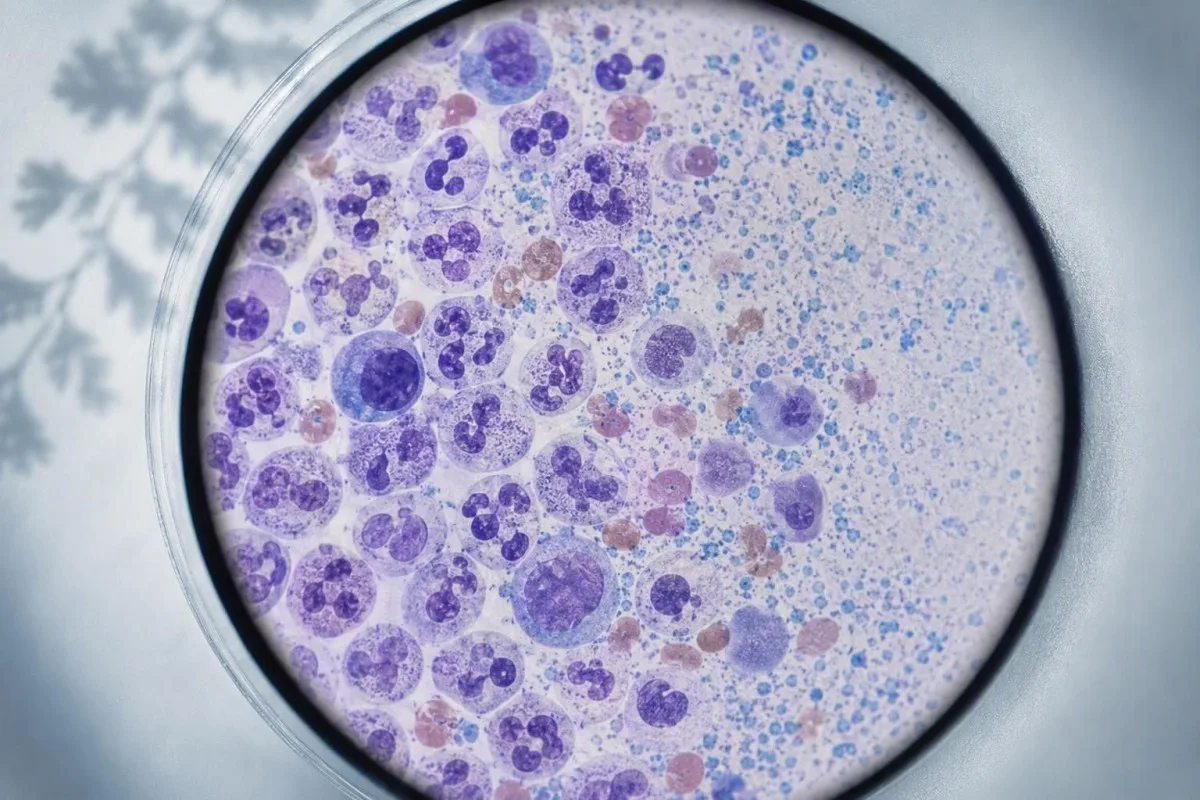
Li shakhs fayeq, 15 li 20 g dyal karbohidrate kayt3ellem b sor3a, mrara check glucose mrara mrra b3d 15 da9ay9, wlla tari9a machy m3roufa dyal mosahada l awal li a3rad dyal hypoglycemia. Amthila katshamel l7ebob dyal glucose wla gel dyal glucose; chocolat w l akla li fiha ldom wlla l fat kayt3ellem b sol3a dyal l a3rad.
Mat3tich l akla wla chrab li chakhs n3san, kayt3ered, wla ma9aderch y3ellem. Glucagon ymken ykun mofid li lmo3awinin lli t3ellem w ykun mktub lihom, walakin khdma dyal khter ma zadet ma zala tatlob bch tarikyat dyal sulfonylurea wlla insulin dyal l mudda tawila ymken tkhdem aktar mn l awel dyal l islah.
Nnas li m9edresh ykun fihom diabetes w katban lihom a3rad dyal neuroglycopenic ystahlu l taqyem hata ila islahu b3d ma yaklu. Dialna دليل اختبارات الدم للدوار kay3awen yfarre9 bin l glucose w anemia w l emulate electrolyte, walakin l aman dyal l a3rad huwa lawel.
كيف يجب أن تغير نتيجة انخفاض نسبة السكر في الدم خطوتك التالية؟
Al khotwa al jayya tatemmed 3la wach l natija kanet m3a a3rad, kat3awed, tatemmed 3la l dwa, tatemmed 3la l marad, wla ymken t3awed l qbel ma yatib. Shakhs li mosta9err w ma fihech a3rad l natija li fiha limiti tatlob taqyem marra okhra; shakhs lli m3a natija mra okhra ta7t 54 mg/dL tatlob mosahada dyal tbib.

Mat محاولش tdir natija normal bach tkl l seker 9bel ma tdir taqyem marra okhra ila kenti ta7t wlla tbib wllak. Hadik chey teb9i l asbab; bnafs tariqa, ssam l muddah tawila bach tdir a3rad huwa khatar w maydarach ila ila ila ila ila ila ila ila ila ila ila ila ila ila ila ila ila ila ila ila ila ila ila ila ila ila ila.
أقوى دليل هو نمط يمكن تكراره: انخفاض نسبة الجلوكوز في البلازما أثناء الأعراض، ملف انسولين أو كيتون متوافق، وتفسير يتناسب مع الأدوية أو المرض. الأدلة مختلطة بصراحة للعديد من أعراض ما بعد الوجبة الغامضة، لذلك أفضل البيانات المقاسة على الادعاءات الواسعة حول نقص السكر التفاعلي.
Kantesti يدعم مراجعة الاتجاهات المنظمة بإشراف طبي، ولكن نتائج الجلوكوز المنخفضة غير الطبيعية تظل محادثة سريرية وليست تشخيصًا ذاتيًا. معايير التحقق الطبي و المجلس الاستشاري الطبي تصف كيف يتم الحفاظ على هذا الحد؛ Thomas Klein, MD، يعتبر أعراض الطوارئ والتعرض للأدوية أسبابًا غير قابلة للتفاوض للرعاية المباشرة.
الأسئلة الشائعة
شنو هو السبب الأكثر شيوعا ديال هبوط السكر؟
الأسباب الشائعة لانخفاض الجلوكوز هي الأنسولين أو الأدوية المحفزة لإفراز الأنسولين مع وجبة فائتة، أو نشاط إضافي، أو استهلاك الكحول، أو انخفاض وظائف الكلى. لدى الأشخاص غير المصابين بالسكري، غالباً ما تكون قيمة مختبرية واحدة معزولة تتراوح بين 60 و 69 ملغ/ديسيلتر بسبب الصيام المطول أو تأخير معالجة العينة بدلاً من اضطراب مستمر. الجلوكوز المتكرر المصحوب بأعراض أقل من 54 ملغ/ديسيلتر أو 3.0 مليمول/لتر يتطلب تقييماً سريرياً. يصبح السبب أكثر وضوحاً عند قياس الجلوكوز أثناء الأعراض بالتزامن مع الأنسولين، و C-peptide، والكيتونات.
واش ممكن يكون عندك انخفاض ديال السكر بلا ما تكون عندك السكري؟
وي، نقص السكر في الدم بدون داء السكري يمكن أن يحدث بعد الصيام المطول، أو تناول الكحول بدون طعام، أو العدوى الشديدة، أو خلل في وظائف الكبد أو الكلى، أو قصور الغدة الكظرية، أو تناول بعض الأدوية، أو تأخير في التعامل مع العينة. يتم تأكيد نقص سكر الدم الحقيقي لدى البالغين بدون داء السكري بواسطة تثليث Whipple: أعراض، انخفاض مستوى الجلوكوز في البلازما، والتحسن بعد ارتفاع الجلوكوز. غالبًا ما تستدعي القيمة لمرة واحدة بدون أعراض فوق 54 ملغم/ديسيلتر تكرارًا مضبوطًا قبل إجراء فحوصات شاملة. يجب عدم تجاهل القيم الأقل من 54 ملغم/ديسيلتر، خاصة مع الارتباك أو الإغماء.
واش الكول كيسبب هبوط السكر فالصباح؟
1-2 2-5 5-9 9-20 20-24 24-30 30-36 36-40 40-43 43-48 48-54 54-60 60-63 63-66 66-71 71-76 76-79 79-84 84-89 89-93 93-97 97-99.
واش الصيام يمكن يهبط السكر بزاف؟
صيام لمدة 8 إلى 12 ساعة يمكن أن ينتج عنه انخفاض طفيف في مستوى الجلوكوز لدى بعض البالغين الأصحاء، خاصة بعد تقليل تناول الكربوهيدرات أو ممارسة تمارين غير عادية. التنظيم المضاد الصحي عادة ما يمنع نقص السكر في الدم المهم سريريًا عن طريق خفض الأنسولين وزيادة الكيتونات، لذلك لا تعتبر القيم المتكررة المصحوبة بأعراض أقل من 54 ملغ/ديسيلتر استجابة طبيعية للصيام. الصيام المراقب هو اختبار تشخيصي متخصص ويجب عدم تجربته أبدًا في المنزل. سجل مدة الصيام الدقيقة لأن 10 ساعات و 24 ساعة تعني أشياء مختلفة جدًا فسيولوجيًا.
آش دوا كيقدر يدير سكر طايح من غير لانسولين؟
لي سلفونيل يوريا بحال غليكلازيد، و غليميپيريد، و غليبيزيد، و لي مگليتينيدات بحال ريپاگلينيد، يمكن ليهم يديرو هبوط السكر بزيادة إفراز الأنسولين. الكينين، و البنتاميدين، و الترومادول، و بعض المضادات الحيوية من فصيلة الفلوروكينولون حتى هي تسببات في نقص السكر في الدم، رغم أنها أسباب أقل شيوعا بزايد. لي بيطا-بلوكرز يمكن ليهم يخفيو علامات التحذير بحال الرعشة و الخفقان بلا ما يسببو أغلب النوبات مباشرة. أي دواء يتسبب في سكر أقل من 54 ملغ/دل أو أعراض متكررة لازم يتراجع مع الطبيب قبل الجرعة الجاية كلما كان ممكن.
واش تحليلة الدم تقدر تعطي نتيجة ديال السكر ناقصة غالطة؟
اه، التأخير في المعالجة يمكن أن يتسبب في انخفاض غير صحيح في نسبة الجلوكوز لأن الخلايا تستمر في استهلاك الجلوكوز بعد الجمع. في الدم الكامل غير المفصول في درجة حرارة الغرفة، يمكن أن ينخفض الجلوكوز بحوالي 5% إلى 7% في الساعة، ويمكن أن يكون الانخفاض أسرع مع عدد خلايا الدم البيضاء أو الصفائح الدموية مرتفع جداً. نتيجة منخفضة لا تسبب أعراضًا وتعود إلى طبيعتها في عينة مكررة تمت معالجتها فورًا تشير بقوة إلى انخفاض كاذب في نسبة الجلوكوز. غالبًا ما يمكن للمختبر تأكيد تفاصيل الجمع والمعالجة إذا تم إثارة هذا الاحتمال.
احصل على تحليل الدم بالذكاء الاصطناعي اليوم
انضم إلى أكثر من 2 مليون مستخدم عالمي يثقون في Kantesti لتحليل فوري ودقيق لنتائج التحاليل المخبرية. ارفع نتائج تحليل الدم الخاصة بك واحصل على تفسير شامل لـ 15,000+ للـ biomarkers في ثوانٍ.
📚 أبحاث منشورة مُشار إليها
Klein, T., Mitchell, S., & Weber, H. (2026). محلل تحليل الدم بالذكاء الاصطناعي: تم تحليل 2.5M اختبار | تقرير الصحة العالمية 2026. Kantesti بحث طبي بالذكاء الاصطناعي.
Klein, T., Mitchell, S., & Weber, H. (2026). تحليل الدم لـ RDW: دليل كامل لـ RDW-CV وMCV وMCHC. Kantesti بحث طبي بالذكاء الاصطناعي.
📖 مراجع طبية خارجية


⚕️ إخلاء مسؤولية طبية
هذه المقالة لأغراض تعليمية فقط ولا تشكل نصيحة طبية. استشر دائمًا مقدم رعاية صحية مؤهلًا لاتخاذ قرارات التشخيص والعلاج.
إشارات الثقة E-E-A-T
خبرة
مراجعة سريرية يقودها الأطباء لسير عمل تفسير التحاليل.
خبرة
تركيز طب المختبر على كيفية سلوك الـ biomarkers في السياق السريري.
السلطة
مكتوب من طرف الدكتور Thomas Klein مع مراجعة من طرف الدكتورة Sarah Mitchell والأستاذ الدكتور Hans Weber.
الجدارة بالثقة
تفسير قائم على الأدلة مع مسارات متابعة واضحة لتقليل الإنذار.