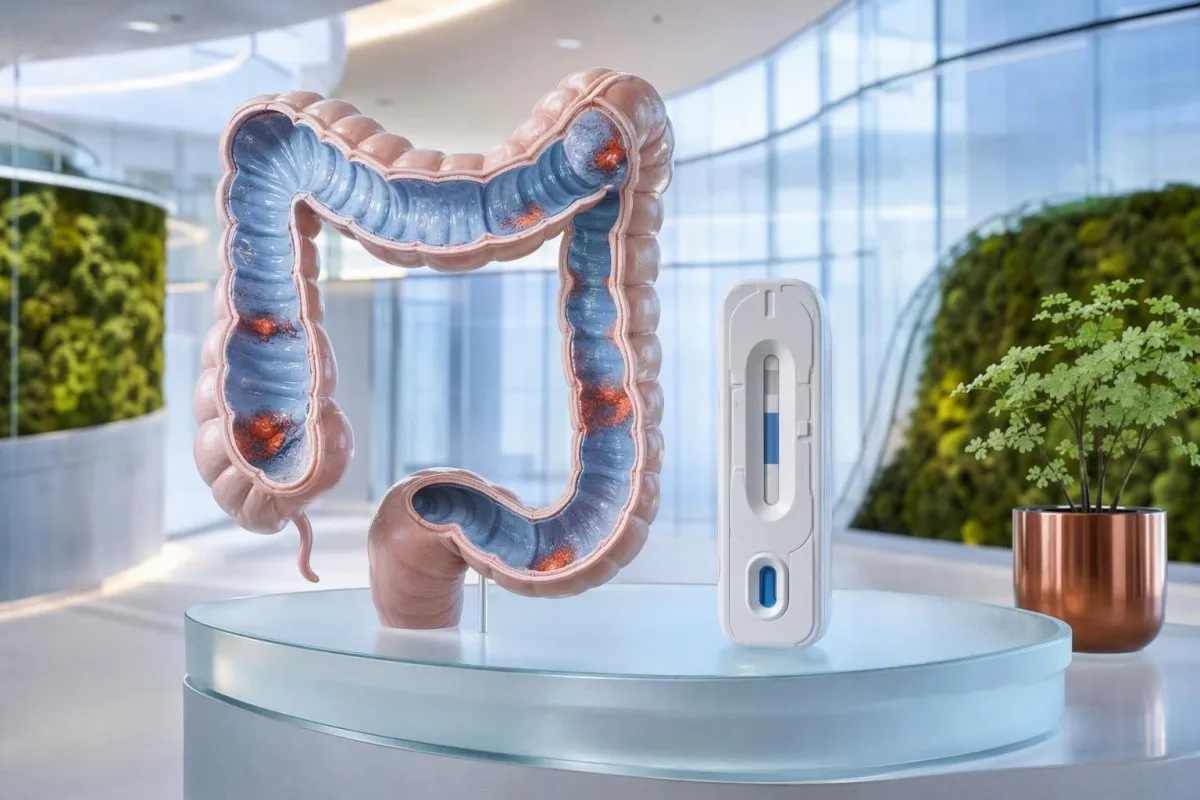
Инфекция, ялкынсыманга каршы дарулар яки вакыт узгач, уртача күтәрелгән тизәк кальпротектин нәтиҗәсе еш кына нормальләшә, ләкин сан, симптомнар һәм тенденция киләсе адымны билгели.


- Чик чикләре: Күп кенә олылар лабораторияләре 50–120 яки 50–150 µg/g дип чикләнгән дип атый, ә башкалары 100–250 µg/g дип аралык төркеме буларак куллана.
- Кабатлау вакыты: Кыска вакытлы эч китү авыруы беткәннән соң һәм NSAID куллану турында клиницист белән сөйләшкәннән соң, 2–6 атна эчендә фекаль кальпротектинны кабатлагыз.
- Даруларны ялгызын туктатмагыз: Ибупрофен, напроксен, аспирин һәм кайвакыт протон-помпа ингибиторлары кальпротектинны күтәрә ала; билгеләнгән дәвалау клиницист җитәкчелегендә тикшерүне таләп итә.
- Инфекция билгесе: ACUTE бактериаль гастроэнтерит 250 µg/g югарырак кыйммәтләр бирә ала, шуңа күрә эч китү вакытында бер югары нәтиҗә ялкынсынулы эчәк авыруын диагнозламый.
- Рефераль чик: 250 µg/g югарырак булган даими күтәрелгән нәтиҗә яки кызыл флаг симптомнары белән күтәрелгән нәтиҗә, гадәттә гастроэнтерология бәясен таләп итә.
- Ашыгыч симптомнар: Кара тизәк, зур күләмдәге арткы кан китү, авыру көчәю белән температура, дегидратация, ниятсез авырлык югалту яки анемия тиз медицина бәясен таләп итә.
- Контекст мөһим: Калпротектин эчәктәге нейтрофил активлыгын үлчи; ул үзе генә Крон авыруын, төзексез колитны, инфекцияне, дивертикулитны, яман шешне яки дарулар китереп чыгарган ярсынуны аера алмый.
- Практик язма: Кабатлап караганчы, төгәл анализ, берәмлек, эчәк симптомнары, дарулар, соңгы сәяхәт, антибиотиклар һәм тест датасын язып куегыз.
Чикләнгән нәтиҗәдән соң беренче нәрсә эшләргә?
Чик буендагы фекаль калпротектин, нишләргә: бер генә аз күтәрелгән нәтиҗәдән ялкынсынулы эчәк авыруын фаразламагыз. Лабораториянең чик мәсләхәтен тикшерегез, соңгы эч китү һәм даруларны языгыз, һәм үзегезнең клиник яктан яхшырак булуыгызны һәм куркыныч симптомнар булмаганда, якынча 2–6 атнадан соң кабатлау анализына язылыгыз.
2026 елның 28 августына, чиккә якын нәтиҗә иң яхшысы контекстны карау сигналы, диагноз түгел. Минем клиникамда, 48 сәгатьлек эч китүдән савыккан кешедә 82 мкг/г кыйммәте, алты атналык төнге эч китү һәм гемоглобин төшү белән 82 мкг/г кыйммәтеннән бик нык аерылып тора.
Фекаль калпротектин эчәк люменга керә торган нейтрофилларны чагылдыра, шуңа күрә ул эчәк ялкынсынуына сизгер, ләкин аның сәбәбенә специфика түгел. Kantesti AI кан анализы нәтиҗәләрен аңлату платформасы ярдәм итә, шулай итеп, CRP, кан тулы формуласы, ферритин һәм альбумин кебек бәйле нәтиҗәләрне канда ясау белән бергә урнаштыра, шул ук вакытта канда маркерның IBD диагнозын куя алмавын ачыклый.
Датаны, нәтиҗәне, берәмлекне, эчәк ешлыгын, Бристоль канының тибын, соңгы сәяхәтне, антибиотик тәэсирен һәм һәр регуляр яки вакытлыча даруны языгыз. Бристоль нәҗес схемасы бу җирдә гаҗәпләнерлек файдалы, чөнки сулы канда, ашыгычлык һәм төнлә уяну, чиккә якын 10 мкг/г аермасыннан күбрәк тест алдыннан мөмкинлекне үзгәртә.
Нинди фекаль кальпротектин кыйммәтләре чынлап та чикләнгән?
Олылар өчен фекаль калпротектин 50 мкг/г дан түбән гадәттә нормаль дип санала, ләкин чик буе һәм юллама чикләре анализ һәм җирле юл буенча үзгәрә. Бөекбританиянең берничә юлы 100–250 мкг/г ны арадаш төркем буларак куллана, һәм 250 мкг/г дан югары кыйммәтләрне актив эчәк ялкынсынуын күрсәтү өчен көчлерәк билге дип саный.
60 мкг/г нәтиҗәсе 50 мкг/г чикләвеннән аз гына югары; ул 220 мкг/г белән бертигез түгел. Британия Гастроэнтерология җәмгыяте искәртә, 250 мкг/г чикләве 250 мкг/г билгеле IBDда актив ялкынсынуны күрсәтү өчен еш кулланыла, ләкин дөрес чик диагноз, рецидив мониторинг яки юллама кую соравына бәйле (Ламб һәм башкалар, 2019).
Төрле тестлар төрле антителаларны, экстракция җайланмаларын һәм калибрлау методларын куллана, шуңа күрә чагыштыру өчен бер үк лабораторияне кулланырга кирәк. Kantesti AI басылган лаборатория диапазонын беренче укый һәм нәтиҗәне башка лаборатория аны төрлечә флаглый дип кенә, каты дип яңадан билгеләми; чиктән тыш флагны аңлау бик күп кирәксез паниканы булдырмый.
Олы кешедә 100 мкг/г дан түбән кыйммәт, кызыл флаглар булмаганда, актив IBDны аз мөмкинлекле итә, ләкин ул коеллия авыруын, өт чыгарулы диареяны, микроскопик колитны, инфекцияне яки колоректаль авыруны кире какмый. Киресенчә, 250 мкг/г дан югары кыйммәте клиник игътибарга лаек, ләкин автоматик Крон исеме урынына сәбәпне ачыклауны таләп итә.
Фекаль кальпротектинны кайчан кабаттан тапшырырга кирәк?
Фекаль кальпротектинның аз гына югары булган клиник яктан тотрыклы булган күпчелек олылар тестны 2–6 атнадан соң кабатлый ала, тиз эчәклек төзәлгәч һәм кире кайтарырга мөмкин булган бутаучы факторлар чишелгәч. Икенче көнне кабатлау гадәттә аңлаешлылыкка караганда күбрәк "шум" өсти.
50–100 мкг/г нәтиҗәсе өчен, симптомнар яхшырганда, мин еш кына кулланам 4-week repeat; 100–250 мкг/г өчен, 2–4 атна акылга сыя торган, симптомнар дәвам итсә, ләкин тиз үтәргә тиешле билгеләр булмаса. Кабатлау кан күренсә, авырлыкны югалту, тимер-дефицитлы анемия яки каты авырту булган кешене тикшерүне кичектерергә тиеш түгел.
Фаст, чикләүле диеталар яки слабительлар белән нәтиҗәсен үзгәртергә тырышмагыз. Гадәти диетагызны берничә көн дәвам иттерегез, унитаз суыннан яки сидекне җыюдан сакланыгыз, һәм комплектның саклау инструкцияләрен үтәгез; үрнәк эшкәртү һәм биологик үзгәрешләр алар булганнан зуррак күренгән үзгәрешләр тудыра ала. Безнең лабораториягә килүләр арасындагы чын үзгәрешләр буенча кулланма ни өчен трендларга клиник хронологик линия кирәклеген аңлата.
MD Томас Кляйн, пациентларның 72 сәгать эчендә тестны кабатлавын һәм 96 дан 118 мкг/г га кадәр булган туры килмәгән терәккә борчылуын күргән. Нәрсә үзгәртә идарәне, ул даими арту, аеруча 250 мкг/г га яки аннан да күбрәккә икеләтү, чикләү урынына вак хәрәкәт түгел.
Инфекция фекаль кальпротектинны ялган уңай йогынты ясый аламы?
Әйе, гастроинтестиналь инфекцияләр IBD өчен фекаль кальпротектинның ялган позитив булуының еш очрый торган сәбәбе. Campylobacter, Salmonella, Shigella, C. difficile һәм кайбер паразит инфекцияләре актив диарея вакытында кальпротектинны шактый күтәрә ала.
Кальпротектин инфекцион диарея вакытында ялган ялкынсынуны ачыкламый; ялкынсыну чын, ләкин аның сәбәбе хроник IBD караганда вакытлыча булырга мөмкин. Waugh һәм башкалар фекаль кальпротектинны ялкынсынулы һәм ялкынсынусыз эчәклек шартларын аеру өчен файдалы икәнен таптылар, ләкин ул билгеле бер ялкынсыну диагнозын ышанычлы ачыкламый (Waugh et al., 2013).
Соңгы 4 атна эчендәге симптомнарны сорагыз: температура, косу, авыру элемтәләре, сәяхәт, эшкәртелмәгән су, антибиотиклар, хастаханәгә керү һәм яңа ашау экспозицияләре. Каты ПЦР яки культурасы, аеруча диарея булганда файдалы, һәм безнең аңлату нәҗес культурасы нәтиҗәләре анда әйтелгән организмга клиник интерпретация кирәклеген аңлата.
Актив инфекцион диарея вакытында алынган кальпротектин тесты гадәттә IBD диагнозы кую өчен түгел, ә тернәкләнүдән соң кабатланырга тиеш. Диарея 7 көннән артык дәвам итсә, канлы булса, антибиотиклардан соң булса, яки 38.0 °C тан югары температура белән озатылса, гадәти кабатлау көтү урынына клиницистка мөрәҗәгать итегез.
Нинди дарулар IBD булмаганда кальпротектинны күтәрә ала?
NSAIDлар - фекаль кальпротектинның аз гына югары булуы өчен иң ачык медицина бутаучы факторы. Ибупрофен, напроксен, диклофенак һәм аспирин кечкенә эчәклекне ярсытырга һәм эчәк гранулоцит активлыгын арттырырга мөмкин, кайвакыт хәтта аз авырту булганда да.
Практик якын килү - рецепт язучыдан сорау, мөмкин булмаган NSAIDларны якынча озайтырга мөмкинме икәнлеген ачыклау. 2 атна кальпротектинны кабат кулланыр алдыннан; йөрәк һөҗүме, инсульт яки стенттан соң рецепт буенча язылган аспиринны табиб киңәшесез туктатмагыз. NSAID энтэропатиясен аңлавы җиңел, чөнки ул классик ашказаны авыртуы булмаганда яшерен ялкынлану тудыра ала.
Омепразол кебек протон насосы ингибиторлары кайбер күзәтү тикшеренүләрендә уртача күтәрелү белән бәйле, ләкин дәлилләр бик катнаш һәм аларны туктату, әчелек авырулары яки каты рефлюкс булган кешеләр өчен куркыныч булырга мөмкин. Шулай ук метформин, антибиотиклар, иммун терапияләр һәм слабительларны карап чыгыгыз; тулы дарулар исемлеге бер дарудан күбрәк әйберне белгәнче файдалырак.
Кантести - AI нигезендәге кан анализы тикшерү коралы бу дарулар белән бәйле лаборатория контекстын оештыра ала, шул исәптән түбән ферритин яки CRP күтәрелү, ләкин табиб даруны үзгәртү мөмкинме-юкмы икәнен хәл итәргә тиеш. Озак вакыт кислота ингибициясе хикәясенең бер өлеше булса, безнең мәкаләль PPI кулланганда күзәтү табиблар еш кына күзәтә торган кан маркерларын үз эченә ала.
Үрнәк җыю яки табигый үзгәрешләр уртача күтәрелүне аңлата аламы?
Коллекция хаталары сирәк кенә кальпротектинның зур нәтиҗәсен тудыра, ләкин тигез каты үрнәкләр, анализ аермалары һәм көннән-көнгә биология чикләнгән кыйммәтне кисемтә аша күчерә ала. Менә шуңа күрә бер үк комплект, лаборатория һәм җыю ысулы каты кальпротектинны кабат сынау өчен мөһим.
Чиста, коры савыттан, туалет суыннан туры җыймагыз, һәм үрнәкне сидек яки чистарткыч белән кушудан саклагыз. Комплект шулай эшләргә кушса, берничә урыннан кечкенә өлешләр алыгыз, чөнки лайла һәм йомшак урыннар ялкынсыну матдәсенең төрле концентрациясен үз эченә ала ала.
Колоноскопия әзерләү, клизма яки каты диареядан соң туры җыелган үрнәктән уртача нәтиҗәне тотрыклы база буларак интерпретацияләмәгез. Төрле эчәк хәлләре булган кешеләр өчен, мин каты форманы һәм җыю көнендә лайла яки күренә торган кан булдымы, дип язарга тәкъдим итәм; безнең җитәкчелек нәҗестәге былжыр бу күзәтү кайчан мөһим икәнен аңлата.
55-тән 72 мкг/г га кадәр үзгәреш аналитик яктан мөһим булмаска мөмкин, шул ук вакытта 75-тән 380 мкг/г га кадәр күтәрелүне кире кагу бик авыр. Портал флагына караганда, отчетны саклагыз - анализ исеме һәм лаборатория диапазоны клиник яктан мөһим детальләр.
Нинди симптомнар кабатлауны көтмичә, КЗС (Гастроэнтерология) тикшерүен таләп итә?
Анустан кан китү, ниятсез авырлыкны югалту, төнлә диарея, даими температура, тимер-дефицит анемия һәм корсак массасы, уртача кальпротектин кыйммәтенә карамастан, медицина тикшерүен таләп итә. Нәтиҗә, борчылу симптомнарын һәрвакыт өстен күрергә тиеш түгел.
Кара-тара кан китү, көчле анустан кан китү, хәлсезлек, көчле яки көчәюче корсак авыртуы, су эчә алмау, баш авыртуы яки көчле сусызлану билгеләре өчен ашыгыч шул ук көнне тикшерү таләп итегез. Бу траж симптомнары, кальпротектин чикләре түгел; түбән яки уртача сан аларны игътибарсыз калдыруны куркынычсыз итми.
6–12 ай эчендә авырлыкның 5% тан артык югалту, йокыдан уятучы диарея, температура, 50 яшьтән соң яңа эчәк үзгәреше яки колоректаль рак яки IBD гаилә тарихы булган очракта, берничә көн эчендә GP каравы акыллы. Позитив 5% тән авырлык, йокыдан уятучы диарея, температура, 50 яшьтән соң яңа эчәк үзгәреше яки колоректаль рак яки IBD гаилә тарихы булган очракта, берничә көн эчендә GP каравы акыллы. FIT яки FOBT нәтиҗәсе бүтән диагностика юлыннан бара һәм аны кальпротектин белән аңлатырга кирәкми.
Анемия картинасын үзгәртү сәбәбе - хроник эчәк ялкынлануы, микроскопик кан югалту һәм мальабсорбция бергә булырга мөмкин. Тулы кан анализы, ферритин һәм CRP, бер генә каты кыйммәттән күбрәк мәгълүматлы булырга мөмкин.
Уртача күтәрелүдән соң гадәттәге табиб нинди тикшерүләр үткәрәчәк?
GP еш кына уртача күтәрелгән каты кальпротектин нәтиҗәсен симптомнарны карау, корсакны тикшерү, тулы кан анализы, CRP яки ESR, ферритин, коeliac серологиясе һәм кирәкле булганда каты инфекция тесты белән берләштерә. Максат - кемгә тиз юллама кирәклеген һәм кем куркынычсыз кабат сынап булачагын ачыклау.
Тулы кан анализы анемияне, тромбоцитларның артуын яки ак кан күзәнәкләренең артуын ачыклый ала, шул ук вакытта CRP эчәккә генә түгел, ә системалы ялкынсынуны күрсәтә. Нормаль CRP Крон авыруын, аерым алганда, илеумның аерым авыруын инкарь итми, ләкин нормаль CRP, альбумин һәм гемоглобин системалы актив ялкынсынуны азрак мөмкин итә.
Целиакия скринингы т-трансглютаминаза IgA һәм тулы IgAны үз эченә алырга тиеш, шул ук вакытта кеше глютен ашый. Әгәр тулы IgA аз булса, стандарт IgA-га нигезләнгән целиакия тестлары ялган рәвештә ышандырырлык булырга мөмкин; гадәти киләсе адым өчен безнең практик кулланманы карагыз түбән IgA һәм целиакия «капканнары» өчен гадәти киләсе адым.
Thomas Klein, MD, консультациягә бер бит факт китерүне киңәш итә: симптомнарның башлануы, эчәк тиеп тору ешлыгы, дарулар, гаилә тарихы, алдагы колоноскопия, сәяхәт һәм чын нәтиҗә. Бу консультацияне яктырак итә, аеруча симптомнар берничә ай буена өзек-өзек булса.
Чикләнгән кальпротектин IBS яки ялкынсынулы эчәк авыруы дигәнне аңлатамы?
Границадагы фекаль калпротектин IBS яки IBDне диагнозлый алмый. IBS гадәттә нормаль нәтиҗә бирә, шул ук вакытта даими арту IBD шикләрен арттыра, ләкин инфекция, дивертикул авыруы, целиакия авыруы, колоректаль неоплазия һәм NSAID җәрәхәте мөмкин аңлатмалар булып кала.
IBS спазм, кабару һәм эчәкнең үзгәртелгән ешлыгын нейтрофил-ишемик эчәк ялкынсынуыннан башка китереп чыгара ала, шуңа күрә 50 мкг/г дан түбән калпротектин IBS-тибындагы аңлатманы яклавын раслый, ләкин исбатламый. Беренче чикле нәтиҗә алган олыларда клиник сорау еш кына симптомнар һәм тенденция колоноскопияне раслыймы, юкмы, пациент бүген IBS яки IBD этикеткасын сайларга тиешме, юкмы.
Крон авыруы вак эчәкне эченә ала ала, ә ултиролит колит гадәттә колонны зарарлый, шуңа да икесе дә югары калпротектин күрсәтә ала. Микроскопик колит кайвакыт нормаль яки аз гына арткан калпротектин булырга мөмкин, бу сулы диареяны 50 яшьтән узган олыларда, импрессив булмаган сан булуга карамастан, тикшерүне аклый торган сәбәпләрнең берсе.
Kantesti AI эчәк нәтиҗәсе белән беррәттән альбуминның аз булуы, тимер дефициты һәм ялкынсыну тромбоцитозы кебек үрнәкләрне тикшерү аша кан маркерларын интерпретацияли. Чагыштыру өчен, fecal lactoferrin бүтән нейтрофил-бәйле эчәк маркеры, ләкин ул бер үк спецификлык чикләренең күбесенә очрый.
Яшь, йөклелек һәм билгеле IBD юлны ничек үзгәртә?
Балалар, олы яшьтәгеләр, йөкле хатын-кызлар һәм билгеләнгән IBD белән авыручылар индивидуаль фекаль калпротектин интерпретацияне таләп итә. Яшь балаларның югары базаль кыйммәтләре булырга мөмкин, шул ук вакытта 50 яшьтән узгач эчәк симптомнарын кабатлап кына карап булмый.
Инфантлар һәм кечкенә балалар еш кына олыларның чикләреннән күпкә югарырак калпротектин кыйммәтләренә ия, шуңа күрә балалар өчен балалар күзәтүе булмаса, олыларның диапазоны кулланылмый. Кечкенә үсешле, эчәктә канлы, даими диарея яки шактый карын авыртулы бала балаларны тикшерүне таләп итә, кабатлап өйдә тест үткәрү урынына; балаларда эчәкнең түбән pH углеводларны ассимиляцияләү турында бүтән сорауга җавап бирә ала.
Йөклелек үзе яңа даими диареяны, эчәктә канны яки авырлыкны киметү өчен сәбәп түгел. Калпротектин бәяләүгә ярдәм итә ала, ләкин акушерлык, инфекцион һәм ГИ командалары аны тулы йөклелек тарихы һәм дарулар исемлеге белән интерпретацияләргә тиеш.
Билгеләнгән IBD өчен, 250 мкг/г дан югарырак нәтиҗә, симптомнар йомшак булганда да, лайлалы ялкынсынуны күрсәтергә мөмкин, ләкин дәвалауны бер генә өйдән алынган нәтиҗәгә карап үзгәртергә кирәкми. BSG җитәкчелеге калпротектинны яңаруны бәяләү компоненты буларак кулланырга яклавын раслый, симптомнар, кан маркерлары һәм кайвакыт эндоскопия (Lamb et al., 2019) белән беррәттән.
Кальпротектин тенденциясен ничек укырга?
Бер чикле кыйммәттән күбрәк эшчәнлеккә ия булган югары яки даими югары калпротектин тенденциясе. 4–8 атна эчендә 70тән 280 мкг/г га кадәр арту, аеруча диареяның начарлануы белән, 70 мкг/г тирәсендәге тотрыклы укулардан клиник яктан аерыла.
Мөмкин булганча бер үк лабораторияне кулланыгыз һәм клиник ситуациягә туры килгән интервалларны чагыштырыгыз. Тотрыклы симптомнарда, 4–8 атналык интервал еш кына атналык тестлаудан чиста сигнал бирә; ялкынсыну планы булган билгеле IBDда, дәвалаучы команда кыска интервалны киңәш итәргә мөмкин.
Кантести - AI биомаркерларны аңлату платформасы бу даталы лаборатория контекстын саклап кала ала һәм экспертиза өчен мөһим тенденцияне күрсәтә, һәрбер аз гына аномаль кыйммәтне яңа гадәттән тыш хәл итеп карау урынына. Бу ысул безнең озын вакытлы нәтиҗә өчен кулланмапринцибын кабатлый: юнәлеш, тизлек һәм бергә булган симптомнар мөһим.
Гастроэнтерит вакытында сыек эчәк эчтәлеген берничә айдан соң формалашкан эчәк үрнәге белән чагыштырмагыз, аларны бер үк шартлар дип санап. Вакытны NSAID куллану, антибиотиклар, инфекцияләр һәм менструаль кан китү белән билгеләү, ачык тенденцияне артык бәяләүдән саклый ала.
Уртача күтәрелүдән соң нәрсә эшләргә кирәкми?
Стероидларны үз белдегезне кулланып башламагыз, күп ризыкларны чыгармагыз, билгеләнгән даруларны туктатмагыз, яки азык-төлек калпротектин сынауларын берничә югары нәтиҗәдән соң көн саен кабатламагыз. Бу гамәлләр диагнозны ачыклауны катлауландыра ала һәм кайбер очракларда зыян китерә ала.
Стероидлар ялкынсыну маркерларын киметергә мөмкин, шул ук вакытта инфекцияне яшерә, һәм кирәкмәгән диета чикләүләре авырлыкны югалтуны яки тимер җитмәвен начарайтырга мөмкин. Симптомнар IBDны күрсәтә икән, диагноз, гадәттә, клиник бәяләүне һәм еш кына эндоскопик яки күрсәтмәле дәлилләрне таләп итә, озак вакытлы дәвалау башланганчы.
Калпротектинны эчәк яман шеш авыруларын ачыклау өчен кулланырга ярамый. FIT кеше гемоглобинын ачыклый һәм колоректаль яман шеш юлларында кулланыла; калпротектин ялкынсыну активлыгын үлчи, шуңа күрә тестлар төрле сорауларга җавап бирә. Безнең чагыштыру FIT һәм колоноскопия чагыштыруын карагыз ни өчен тискәре эчәк маркеры яшь һәм куркынычлыкка нигезләнгән тиешле скринингны беркайчан да алыштыра алмый икәнен аңлата.
Калпротектинны үз аллы куркынычсыз киметә торган ышанычлы өстәмә матдә юк. Санны түгел, ә сәбәпне дәвалау, янгын сигнализациясен яисә бүлмә тикшермичә сүндерүгә охшаш.
Гастроэнтерологиягә очрашуга ничек әзерләнергә?
Даталы симптом һәм дарулар хронологиясе, аның лаборатория диапазоны белән һәр эчәк нәтиҗәсе, гаилә тарихы, алдагы күрсәтмәләр яки эндоскопия отчетлары, һәм күптән түгел кан тестлары ГИ консультациясенә алып килегез. Бу кабатланган тестларны киметә һәм белгечкә срочностьны бәяләргә ярдәм итә.
Файдалы сораулар: бу инфекция яки NSAID җәрәхәте булырга мөмкинме? Миңа эчәк PCR, целиакия серологиясе, FIT, колоноскопия, нечкә эчәк күрсәтмәсе яки калпротектинны кабатлау кирәкме? Үз эшегездә нинди чик һәм вакыт интервалы кискенләшүне тудырачагын сорагыз, чөнки җирле юллар төрле.
Колоноскопия тәкъдим ителсә, ул, гадәттә, симптомнар, яшь, гаилә тарихы, анемия яки даими ялкынсыну эчәкне турыдан-туры бәяләүне гарантияләгәнгә – калпротектин нәтиҗәсе яман шеш авыруын ачыклаганга түгел. Авыр циклларсыз түбән ферритин тикшерүгә авырлык өстәргә мөмкин; безнең кулланма Түбән ферритинның ГИ күрсәткечләре ни өчен шулай икәнен аңлата.
Kantesti AI лаборатория хронологиясен кыскача әзерли ала, ләкин ул белгеч бәясен алыштырмый. Укучылар шулай ук безнең клиник стандартларны һәм күзәтүне алар аша карый алалар медицина тикшерүе алга таба электрон тәрҗемәне кулланыр алдыннан.
Уртача күтәрелгән кальпротектин өчен практик карар юлы
Бераз күтәрелгән фекаль калпротектин нәтиҗәсе өчен, кызыл флагларны беренче карагыз, актив инфекцияне һәм дару йогынтысын киметегез, аннары клиник яктан кирәк булса, 2–6 атнада кабатлагыз. Даими күтәрелгән кыйммәтләр, 250 µg/g дан югары кыйммәтләр, яки борчылучан симптомнар юлны ГП яки гастроэнтерология тикшерүенә күчерәргә тиеш.
Нәтиҗә булса 50–100 µg/g һәм сез үзегезне яхшы хис итәсез яки ачык кыска гомерле авырудан котыласыз, конфаундерларны языгыз һәм планлаштырылган кабатлауны оештырыгыз. Әгәр дә ул 100–250 µg/g, сезнең GP белән элемтәгә керегез, тиз кабатлау, кан һәм инфекция тестларын өстәү яки клиник картина буенча юнәлтеп карарга.
Кабатлау лаборатория чикләреннән түбәнрәк төшсә һәм симптомнар бетсә, бүтән калпротектин тесты кирәк булмаска мөмкин. Ул күтәрелсә, артса, яки авырлык югалту, төнге симптомнар, кан, температура, анемия яки күтәрелгән CRP белән бергә булса, тикшерү кабатланган өй комплектлары аша түгел, ә алга барырга тиеш.
Kantesti табиб-тикшергән ысулы лаборатория контекстын аңлату өчен эшләнгән, алгоритм корсакны тикшерә яки эндоскопик диагноз куя ала дип әйтмичә. Медицина консультатив советы безнең куркынычсызлык стандартларыбызны аңлата, һәм кан анализы биомарклар өчен кулланма клиник табиб сорарга мөмкин булган кан маркерларын аңларга ярдәм итә ала.
Еш бирелә торган сораулар
80 мкг/г фекаль калпротектины югарымы?
Лаборатория олылар өчен 50 мкг/г чикне кулланса, 80 мкг/г нәҗәстәге калпротектин нәтиҗәсе бераз күтәрелгән булыр, ләкин еш кына ялкынсынулы эчәк авыруын (IBD) ачыклау өчен түгел, ә чик буе дип санала. Соңгы эч китү, NSAID куллану һәм анализның вакыты бу диапазонны аңлата ала. Куркыныч билгеләре булмаган клиник яктан тотрыклы олы кешедә, табиблар гадәттә 2–6 атнадан соң тестны кабатлыйлар. Даими симптомнар яки күтәрелгән нәтиҗә табибны тизрәк карарга этәрергә тиеш.
Фәкаль кальпротектинны кабатлау өчен күпме көтәргә кирәк?
Күпчелек олы кешеләрдә фекаль кальпротектинның бераз күтәрелгән нәтиҗәсе 2–6 атнадан соң кабатлана, гастроинтестиналь авыруның үткен стадиясе беткәч. 4 атналык интервал, гадәттә, 50–100 мкг/г тирәсендәге кыйммәтләр өчен кулай, ә 100–250 мкг/г табиб белән элемтәне иртәрәк кирәк дип табарга мөмкин. Мөмкин булса, кабатлау шул ук лабораториядә үтәргә тиеш. Ректаль кан китү, авырлыкны югалту, анемия, кайнарсыну яки каты авырту булса, бәяләүне кичектермәгез.
Ибупрофен фекаль кальпротектинны күтәрә аламы?
Ибупрофен һәм башка НПВС, шул исәптән напроксен һәм диклофенак, эчәклекне ачуландырып, фекаль кальпротектинны күтәрергә мөмкин. Табиблар, кабат сынау алдыннан якынча 2 атна дәвамында кирәкмәгән НПВСны кулланудан баш тартырга киңәш итә алалар, ләкин табиб киңәше булмаганда, билгеләнгән аспиринны яки ялкынсынуга каршы даруларны беркайчан да туктатырга кирәкми. НПВС белән бәйле күтәрелешләр 50–250 мкг/г чик арасына туры килергә мөмкин. Шуңа күрә, дарулар хронологиясенең ышанычлы интерпретация өлеше булып тора.
Ашказанының инфекциясе югары фекаль калпротектинга сәбәп була аламы?
Бактериаль яки паразитлы эчәклек йогышы фекаль калпротектинны 250 мкг/г тан күпкә югары күтәрә ала, чөнки ул эчәклекнең чын нейтрофил активлыгына китерә. Бу кешенең Крон авыруы яки таркау колит булуын аңлатмый. Даими эч китү, температура, сәяхәт йогышы, антибиотик куллану яки авыру контактлар, бәяне ПЦР яки культура өчен нигез булырга мөмкин. Йогыш беткәч, калпротектинны кабатлау гадәттә күбрәк мәгълүмат бирә.
Колоноскопияне үткәрү өчен нинди калпротектин күрсәткече кирәк?
Бер генә фекаль кальпротектин кыйммәте дә автоматик рәвештә колоноскопияне таләп итми, чөнки симптомнар, яшь, анемия, гаилә тарихы һәм тест тенденцияләре карарны билгели. 250 мкг/г өстендә тотрыклы кыйммәтләр, бигрәк тә диарея яки югары CRP булганда, гастроэнтерологиягә юнәлтүне еш кына хуплый. Яңа эчәк хәле үзгәрүе яки тимер-дефицитлы анемия белән 50 яшьтән өлкән кешегә кальпротектин 100 мкг/г аста булса да тикшерү кирәк булырга мөмкин. Киресенчә, гастроэнтериттан соң 120 мкг/г вакытлыча нәтиҗә кабатлау белән төзәлергә мөмкин.
ТДГ чик буендагы фекаль кальпротектинны китереп чыгара аламы?
ИБС гадәттә 50 мкг/г аскы фекаль кальпротектин белән үзен күрсәтә, әмма ИБСны автоматик рәвештә инкарь итмәүче кечкенә чик буе күтәрелешләре булырга мөмкин. 100–150 мкг/г югарырак булган кыйммәтләр клиницистларны ИБСны караусыз билгеләү урынына ялкынсыну, инфекция, дарулар һәм альтернатив диагнозларны уйларга этәрергә тиеш. ИБС симптомнары ИБД белән бергә булырга мөмкин, шуңа күрә симптом үрнәге һәм тенденциясе икесе дә мөһим. Төнге диарея, кан китү, авырлыкны югалту һәм анемия гадәти булмаган ИБС үзенчәлекләре булып тора һәм бәяләүне таләп итә.
Бүген үк AI белән эшләнгән кан анализы тикшерүе
Дөнья буенча 2 миллионнан артык кулланучы кушылыгыз: алар Kantestiны тиз һәм төгәл лаборатория анализы өчен ышана. Кан анализы нәтиҗәләрегезне йөкләгез һәм 15,000+ биомаркерларын секундлар эчендә тулы аңлатма белән алыгыз.
📚 Сылтама бирелгән тикшеренү басмалары
Klein, T., Mitchell, S., & Weber, H. (2026). Klein, T. et al. (2026). Күптелле AI ярдәмендәге клиник карарлар кабул итү өчен ярдәм: Гантавирусны иртә ачыклау өчен дизайн, инженерлыкны тикшерү һәм 50 000 кан анализын аңлату буенча реаль кулланылыш. Figshare. https://doi.org/10.6084/m9.figshare.32230290. ResearchGate: https://www.researchgate.net. Academia.edu: https://www.academia.edu.. Kantesti AI медицина тикшеренүе.
Klein, T., Mitchell, S., & Weber, H. (2026). Klein, T. et al. (2026). 100 000 синтетик тест очрагында Kantesti кан анализын аңлату двигателенең алдан теркәлгән, төркемләнгән автоматик техник сынау. Figshare. https://doi.org/10.6084/m9.figshare.32095435. ResearchGate: https://www.researchgate.net. Academia.edu: https://www.academia.edu.. Kantesti AI медицина тикшеренүе.
📖 Тышкы медицина белешмәләре
⚕️ Медицина кисәтүе
Бу мәкалә бары тик белем бирү максатларында гына һәм медицина киңәше булып тормый. Диагноз һәм дәвалау карарлары өчен һәрвакыт квалификацияле сәламәтлек саклау белгеченә мөрәҗәгать итегез.
E-E-A-T ышаныч сигналлары
Тәҗрибә
Табиб җитәкчелегендә лаборатория нәтиҗәләрен аңлату эш процессларын клиник тикшерү.
Белгечлек
Лаборатория медицинасы: биомаркерларның клиник контекстта үз-үзләрен тотышын аңлау.
Авторититет
Доктор Томас Кляйн тарафыннан язылган, доктор Сара Митчелл һәм профессор доктор Ханс Вебер тарафыннан тикшерелгән.
Ышанычлылык
Ачык күзәтү юллары белән куркуны киметү өчен дәлилләргә нигезләнгән аңлату.