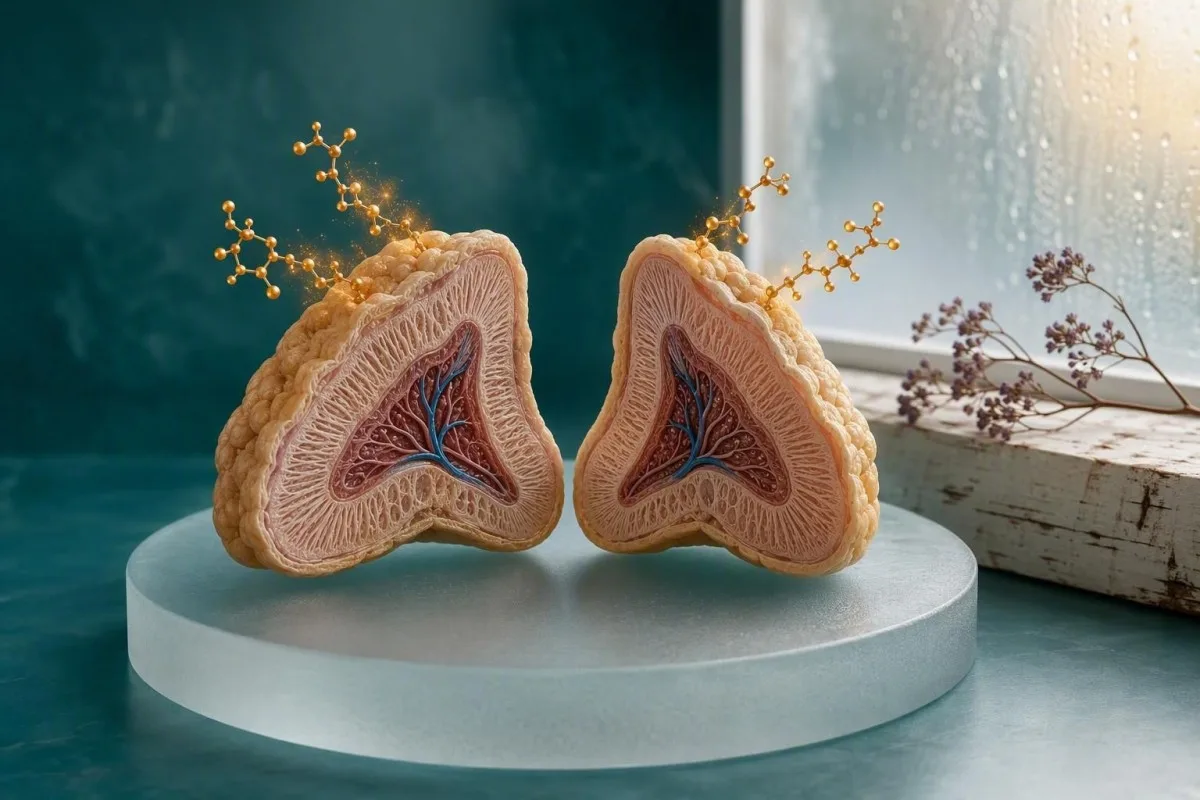
Yüksek bir DHEA sonucu genellikle bir adrenal hormon sinyalini, bir takviye etkisini veya daha az sıklıkla bir yumurtalık veya adrenal bozukluğu yansıtır. Kesin tetkik, birim, belirtiler, değişiklik hızı ve eşlik eden hormonlar rutin tekrar veya acil endokrin incelemesi gerekip gerekmediğini belirler.


- DHEA-S kaynağı: DHEA-S neredeyse tamamen adrenal bezler tarafından üretilirken, DHEA adrenal, yumurtalık ve periferik dokulardan gelebilir.
- Laboratuvar aralıkları değişir: Birçok laboratuvar, 18-29 yaş arası kadınlar için DHEA-S üst sınırını yaklaşık 320-430 µg/dL olarak listeler, 30 yaş sonrası üst sınırlar daha düşüktür.
- Tümör eşiği: 700 µg/dL üzerindeki DHEA-S, özellikle hızlı virilizasyon durumlarında adrenal bir kaynak için acil değerlendirme gerektirir.
- PCOS paterni: PCOS, hafif ila orta derecede androjen yüksekliğine neden olabilir, ancak çok yüksek bir DHEA-S sonucu tipik değildir ve otomatik olarak PCOS'a bağlanmamalıdır.
- Anahtar tarama testi: Sabah erken foliküler fazda 200 ng/dL üzerindeki 17-hidroksiprogesteron, klasik olmayan konjenital adrenal hiperplazi için sıklıkla ACTH stimülasyon testi yapılmasını gerektirir.
- İlaç kontrolü: DHEA takviyeleri, testosterona maruz kalma, danazol, bazı antiepileptik ilaçlar ve test değerlendirme girişimi androjen sonuçlarını etkileyebilir.
- Acil belirtiler: Sesin yeni derinleşmesi, hızla ilerleyen yüz tüylenmesi, saç dökülmesi, kas kütlesinde artış veya klitoris büyümesi zamanında tıbbi değerlendirme gerektirir.
- Yeniden test etme yöntemi: İmmünolojik test sonucu klinik tabloyla uyuşmadığında, düşük kadın androjen konsantrasyonları için genellikle LC-MS/MS tercih edilir.
Yüksek Bir DHEA Sonucu Kadınlarda Ne Anlama Gelir
Yüksek DHEA nedenleri kadınlarda en sık adrenal hormon üretimi, DHEA içeren bir takviye veya bir test ve zamanlama sorunuyla ilgilidir; sonuç tek başına PCOS veya tümörü teşhis etmez. 24 Ağustos 2026 itibarıyla pratik ilk adım, raporun DHEA veya DHEA-S, ölçtüğünü doğrulamak ve ardından sayıyı testosteron, adet öyküsü ve herhangi bir fiziksel değişiklik hızının yanına yerleştirmektir.
İşaretli bir sonuç endişe verici olabilir, ancak işaret sadece değerin laboratuvarın referans aralığının dışında olduğu anlamına gelir. DHEA-S 700 µg/dL’nin üzeri bir yetişkin kadında acil böbreküstü değerlendirmesi için faydalı bir uyarıcıdır, oysa laboratuvar üst sınırının biraz üzerinde küçük izole bir artışın genellikle çok daha az dramatik bir açıklaması vardır. Sonuçlara varmadan önce gerçek aralığı, test yöntemini ve birimi okuyun; aralık dışı laboratuvar işaretleri kılavuzumuz bunun neden önemli olduğunu açıklar.
DHEA zayıf bir androjen ve testosteron ve östrojenlerin öncüsüdür. Kısa dolaşım yarı ömrü, yaklaşık 15-30 dakika olduğundan, DHEA'nın konsantrasyonu gün içinde DHEA-S'den daha fazla değişir; DHEA-S yaklaşık 7-10 saat sürer ve bu nedenle daha kararlı bir adrenal belirteçtir. Kantesti rapor edilen analiti, birimi, yaşa özgü aralığı ve ilgili hormonları okuyan bir yapay zeka kan testi analizörüdür; her yüksek işareti eşdeğer olarak kabul etmez.
Klinik çalışmamda en faydalı soru "ne kadar yüksek?" değil, "hangi örüntüye göre yüksek?" sorusudur. Düzensiz adet gören, testosteronu orta derecede yüksek ve DHEA-S'si 410 µg/dL olan 24 yaşındaki bir kadın, DHEA-S'si yeni 920 µg/dL'ye ulaşmış ve ses değişikliği olan 48 yaşındaki bir kadından farklı bir görüşme gerektirir. Dr. Thomas Klein bunları farklı ölçek noktaları olarak değil, ayrı klinik sorunlar olarak değerlendirirdi.
Raporunuzdan kopyalanacak ilk ayrıntılar
Kesin test adı, sonuç, birim, laboratuvar aralığı, toplama saati, adet günü, gebelik durumu, ilaçlar ve takviyeler. Bu yedi ayrıntı gereksiz bir taramayı önleyebilir veya tam tersine ciddi bir androjen aşırı üretimi örüntüsünün göz ardı edilmesini engelleyebilir.
DHEA vs DHEA-S: Fark Neden Değerlendirmeyi Değiştirir
DHEA-S baskın olarak bir adrenal hormondur, oysa DHEA daha az kaynağa özgüdür ve daha fazla dalgalanır. Bu nedenle kadınlarda yüksek DHEA-S, izole yüksek DHEA sonucundan daha güçlü bir şekilde adrenal üretime işaret eder.
DHEA dehidroepiandrosterondur; DHEA-S onun sülfatlanmış depolama formudur. Eklenen sülfat grubu, DHEA-S'yi dolaşımda daha bol ve kararlı hale getirir, bu nedenle endokrinologlar androjen aşırı üretiminin adrenal bir katkısı olup olmadığını belirlemeye çalışırken genellikle onu seçerler. Kaynak ve zamanlama hakkında daha yakın bir açıklama için şunları karşılaştırın: DHEA-S ve DHEA.
Tek bir evrensel kadın DHEA-S aralığı yoktur. Tipik bir üst sınır olabilir: 18-29 yaş arası 430 µg/dL, 30-39 yaş arası 320 µg/dL, Ve 40-49 yaş arası 220 µg/dL, ancak yerel yöntemler önemli ölçüde farklılık göstermektedir; bazı Avrupa laboratuvarları µmol/L cinsinden raporlamaktadır, burada 1 µg/dL yaklaşık olarak 0.027 µmol/L'dir. Yaşa göre ayarlama önemlidir çünkü adrenal androjen çıktısı üçüncü on yıldan sonra istikrarlı bir şekilde düşer.
İsolé bir serum DHEA değeri, sabah erken alınması, akut hastalık, yoğun egzersiz veya yakın zamanda bir takviye alınması durumunda daha yüksek olabilir. DHEA-S de değişimden muaf değildir, ancak tekrarlanan bir sonuç genellikle yorumlaması daha kolaydır. Sadece "DHEA" olarak etiketlenmiş bir test, hekimin neyi cevaplamaya çalıştığını kontrol etmeden asla DHEA-S yerine kullanılmamalıdır.
Kadınlarda Yüksek DHEA-S'nin Adrenal Nedenleri
Yüksek DHEA-S'nin adrenal nedenleri arasında fizyolojik varyasyon, non-klasik konjenital adrenal hiperplazi, ACTH'ye bağlı adrenal stimülasyon ve nadiren androjen üreten adrenal büyüme yer alır. 700 µg/dL'nin üzerindeki bir DHEA-S sonucu veya hızla yükselen değerler acil hekim değerlendirmesini gerektirir, özellikle virilizasyon mevcut olduğunda.
Non-klasik 21-hidroksilaz eksikliği akne, hirsutizm, düzensiz adetler veya gebe kalma zorluğu ile ergenlikten sonra ortaya çıkabilir. Sabah 8 civarında alınan foliküler faz örneği 200 ng/dL'nin (yaklaşık 6 nmol/L) üzerinde 17-hidroksiprogesteron genellikle bir ACTH stimülasyon testine yol açar; yaklaşık 1.000 ng/dL'nin üzerindeki uyarılmış bir değer tanıyı güçlü bir şekilde destekler. Speiser ve ark. (2018) tarafından yönetilen Endokrin Derneği kılavuzu, bu durumu yalnızca DHEA-S'den teşhis etmek yerine sabah erken tarama ve doğrulayıcı testleri önermektedir.
ACTH, adrenal androjen çıktısını uyarabilen hipofiz sinyalidir. ACTH'ye bağlı kortizol fazlalığında DHEA-S normal veya yüksek olabilir; ACTH'yi baskılayan kortizol üreten adrenal hastalıkta DHEA-S bunun yerine düşük olabilir. Bu fark, neden güvenilir ACTH toplama ayrıntıları olmadan bir kortizol sonucunun deneyimli hekimleri bile yanıltabileceğini açıklamaktadır. güvenilir ACTH toplama ayrıntıları deneyimli hekimleri bile yanıltabilir.
Adrenal androjen üreten tümörler nadirdir, ancak örüntüleri belirgindir: DHEA-S genellikle belirgin şekilde yüksektir, semptomlar yıllar yerine aylar içinde ilerler ve testosteron da yüksek olabilir. Görüntüleme, sınırda bir sonuca ilk yanıt olarak değil, genellikle biyokimyasal doğrulama sonrasında düşünülür. DHEA takviyesinden sonra tek bir yüksek değer, bir adrenal kütle kanıtı değildir.
Neden kortizol aynı sohbetin içinde yer alır
Kortizol ve DHEA komşu adrenal yollardan kaynaklanır ancak güvenilir bir şekilde birlikte hareket etmezler. Doğru zamanda yapılan bir kortizol değerlendirmesi, ACTH stimülasyonunun, baskılanmasının veya ilgisiz bir takviye etkisinin daha olası bir açıklama olup olmadığını netleştirebilir; pratik kortizol ve DHEA örüntü kılavuzumuza bakın.
Yumurtalık Nedenleri, PCOS ve Tek Bir Hormon Testinin Sınırları
PCOS, üreme çağındaki kadınlarda sürekli androjen fazlalığı belirtilerinin en yaygın nedenidir, ancak testosteron veya androstenedionu, dikkat çekici bir DHEA-S yükselişine neden olmaktan daha sık yükseltir. PCOS'ta DHEA-S hafif yüksek olabilir, ancak 700 µg/dL'ye yakın veya üzerindeki bir sonuç PCOS ötesinde bir araştırma tetiklemelidir.
PCOS, diğer nedenler dışlandıktan sonra yumurtlama disfonksiyonu, klinik veya biyokimyasal hiperandrojenizm ve over morfolojisinin bir kombinasyonundan teşhis edilir. Azziz ve ark. (2009) tarafından yapılan Androjen Fazlalığı ve PCOS Derneği bildirisi, PCOS'u baskın olarak hiperandrojenik olarak tanımlar, ancak hiçbir DHEA-S sayısı bağımsız olarak bunu doğrulamak. Sivilce artı düzensiz periyotlar ve yüksek bir DHEA-S düşündürücüdür, teşhis edici değildir.
Over androjen üreten büyümeleri genellikle 150-200 ng/dL'nin üzerindeki testosteron konsantrasyonlarını üretir ve sıradan PCOS'tan daha hızlı virilizasyona neden olur. DHEA-S genellikle sadece over kaynaklı bir durumda normaldir, bu yararlı bir ipucudur ancak mükemmel bir kural değildir. Kontrasepsiyon sonrası döngüye duyarlı testler için, doğum kontrolü sonrası PCOS testleri hakkındaki makalemiz bekleme süresini ve sınırlarını kapsar.
Kantesti, bu değerler mevcut olduğunda DHEA-S'yi toplam testosteron, SHBG, LH, FSH, prolaktin, glukoz ve HbA1c ile birlikte yerleştiren bir AI kan tahlili yorumlama platformudur. Bu bağlam önemlidir çünkü insülin direnci over androjen üretimini artırabilir, ancak her adrenal düzey DHEA-S sonucunu açıklamaz. Daha geniş kadınların hormonal sağlık rehberimizde ele alıyoruz bir teşhise varmadan önce faydalıdır.
Over kistleri hakkında yaygın bir yanlış anlama
Ultrasonografide polikistik görünüm, tek tek kistlerin DHEA salgıladığı anlamına gelmez. PCOS metabolik-endokrin bir sendromdur ve çoğu kadında normal ultrason bulguları varken, polikistik morfolojisi olan diğerlerinde PCOS yoktur.
Yüksek DHEA'nın İlaç, Takviye ve Tetkik Nedenleri
DHEA kapsülleri, yüksek DHEA veya DHEA-S'nin en basit geri döndürülebilir nedenidir, ve günde 25-50 mg bile bir sonucu laboratuvar aralığının dışına itebilir. Endokrin görüntüleme öncesinde ilaç incelemesi yapılmalıdır, ancak reçeteli ilaçlar reçete edenin tavsiyesi olmadan durdurulmamalıdır.
DHEA bazı ülkelerde reçetesiz satılan bir takviye olarak satılmaktadır ve enerji, libido, menopoz veya "adrenal destek" için pazarlanan ürünlerde bulunabilir. Karışık hormonal ürünlerde kontaminasyon veya eksik etiketleme mümkündür. Partner tarafından kullanılan testosteron jelleri de yakın cilt teması yoluyla transfer olabilir ve kasıtlı bir reçete olmamasına rağmen kadınlarda androjen seviyelerini yükseltebilir.
Danazol, valproat, bazı progestinler ve glukokortikoid değişiklikleri, hepsi DHEA-S'yi doğrudan yükseltmese de daha geniş androjen resmini değiştirebilir. Kombine oral kontraseptifler yaygın olarak DHEA-S ve serbest testosteronu düşürür, bu nedenle birini alırken normal bir değer bazal androjen fazlalığını dışlamaz. Hakkında daha fazla bilgi doğum kontrolü sırasında DHEA-S.
İmmünolojik testler kadınlarda tipik olan düşük konsantrasyonlarda savunmasızdır ve biotin seçilmiş streptavidin-biyotin testlerini bozabilir. LC-MS/MS, toplam testosteron için daha iyi analitik özgüllük sağlar ve sonuç geçmişle çeliştiğinde kullanışlıdır; DHEA-S yöntemleri laboratuvarlar arasında da farklılık gösterir. Laboratuvarınız tavsiye ederse planlanan bir kan alımından en az 48 saat önce biyotini tutun ve bunu yine de bildirin.
Randevuya ne getirmeli
Tozlar, kremler, peletler ve bitkisel karışımlar dahil olmak üzere her takviye etiketinin fotoğraflarını, ayrıca dozu ve son kullanım tarihini getirin. Pratikte, bu beklenenden daha fazla kafa karıştırıcı paneli çözer.
Yüksek DHEA Belirtileri: Neler Fark Edilebilir ve Neler Fark Edilemeyebilir
Yüksek DHEA semptomları, androjen fazlalığı semptomlarıdır, sayının kendisinin güvenilir bir ölçüsü değildir. Sivilce, yüz veya vücutta artmış terminal tüy, saç derisinde incelme, düzensiz adet görme ve kısırlıkta azalma görülebilirken, hafif bir DHEA-S yükselişine sahip birçok kadın tamamen sağlıklı hisseder.
Hirsutizm, sıradan ince vücut kılları yerine, androjen duyarlı bölgelerde kaba terminal kılların varlığını ifade eder. Modifiye Ferriman-Gallwey puanı dokuz vücut bölgesini kullanır ve bir puan 8 veya daha fazla genellikle birçok popülasyonda anormal kabul edilir, ancak etnik köken ve bakım uygulamaları kullanışlılığını değiştirir. Martin ve ark. (2018) tarafından hazırlanan Endocrine Society hirsutizm kılavuzu, puan anormal olduğunda veya semptomlar ilerlediğinde hedeflenmiş androjen testini önerir.
Hızlı değişiklikler, tek başına şiddetten daha fazla ağırlık taşır. Günde iki kez yeni tıraş olmak, şakaklarda saç dökülmesi, sesin kalınlaşması, artan kaslılık veya klitoris büyümesi, ergenlikten beri uzun süredir devam eden hafif çene tüyünden 3-12 ayda bir önemli androjen fazlalığı için daha endişe vericidir. Kullanışlı, ilgili bir genel bakış, kılavuzumuzdur. kadınlarda testosteron aralıkları.
Akne, yorgunluk, anksiyete, düşük ruh hali ve uyku sorunları spesifik değildir. Bir DHEA sonucundan dolayı bunları "adrenal yorgunluk" olarak etiketlemem; bu ifadenin kabul edilmiş bir tanı testi yoktur. Dr. Thomas Klein, bu ayrım yapıldığında hastaların rahatladığını görüyor, çünkü dikkatleri PCOS, tiroid hastalığı, demir eksikliği, ilaç etkileri veya sıradan yaşam stresi gibi kanıta dayalı nedenlere yönlendiriyor.
Semptomların sayıyla uyuşmaması
Saç folikülleri, yerel enzim aktivitesi ve genetik hassasiyetin değişmesi nedeniyle aynı androjen konsantrasyonuna farklı tepki verir. Bir kadında normal serum androjenleri ile belirgin hirsutizm olabilirken, DHEA-S'si 500 µg/dL olan bir başkasında az görünür değişiklik olabilir.
Yüksek DHEA'nın Acil Klinik Değerlendirme Gerektirdiği Durumlar
Hızlı virilizasyon, 700 µg/dL üzerindeki DHEA-S, yaklaşık 150-200 ng/dL üzerindeki testosteron veya yeni şiddetli hipertansiyon ve kortizol ile ilgili semptomlarla birlikte yüksek DHEA veya DHEA-S için derhal tıbbi değerlendirme yapın. hızlı virilizasyon, 700 µg/dL üzerindeki DHEA-S, yaklaşık 150-200 ng/dL üzerindeki testosteron veya yeni şiddetli hipertansiyon ve kortizol ile ilgili semptomlar. Çoğu hafif yükselme acil durum değildir, ancak bu kombinasyonlar yıllık kontrol için beklememelidir.
Virilizasyon, özellikle sesin kalınlaşması, klitoris büyümesi, hızla ilerleyen erkek tipi saç dökülmesi veya önemli kas değişiklikleri gibi daha maskülen özelliklerin gelişmesidir. Bu belirtiler, olağan PCOS'ta görülen seviyenin üzerindeki androjen maruziyetini düşündürür ve acil bir birinci basamak, jinekoloji veya endokrinoloji yolunu haklı çıkarır. Birkaç ay içinde hızlı başlangıç, uzun süreli stabil saç büyümesi öyküsünden klinik olarak daha bilgilendiricidir.
Görsel bozuklukla birlikte şiddetli baş ağrısı, göğüs ağrısı, bayılma, kafa karışıklığı veya çok yüksek tansiyon için acil servisleri arayın; bu semptomlar yalnızca DHEA'dan kaynaklanmaz ancak ayrı bir endokrin veya kardiyovasküler soruna işaret edebilir. Gövde çevresinde kilo alımı, kolay morarma, proksimal kas zayıflığı ve yeni diyabet sonuçla birlikteyse, klinisyenler kortizol fazlalığını değerlendirebilir. Sayfamız yüksek kortizol nedenleri Cushing sendromunu tek bir kortizol çekiminin neden teşhis etmediğini açıklar.
Gebelik, temas eşiğini değiştirir. Gebelikte yeni androjenik semptomlar, özellikle hızla ilerleyenler, anne ve fetüs bağlamları farklı olduğu için doğum ekibiyle derhal görüşülmelidir. Kendi başınıza anti-androjen ilaçlara veya DHEA düşürücü takviyelere başlamayın; birçok seçenek gebelikte veya güvenilir kontrasepsiyon olmadan uygunsuzdur.
Bugün ne yapmak genellikle güvenlidir
Semptomların ne zaman başladığını yazın, laboratuvar raporunu saklayın ve bir klinisyenle konuştuktan sonra reçetesiz DHEA'yı durdurun. Takviyeyi bırakmak, ani olarak tehlikeli olabilen reçeteli steroid ilacını bırakmaktan farklıdır.
Daha Güvenilir Bir Cevap İçin DHEA Testi Tekrarı Nasıl Yapılır
Tekrarlanan bir DHEA-S testi, sabahları toplandığında, mümkünse aynı laboratuvarda, reçetesiz DHEA'yı kestikten ve döngü zamanlamasını belgeledikten sonra en faydalıdır. DHEA'nın kendisi DHEA-S'den daha fazla zaman duyarlıdır, bu nedenle izole edilmiş beklenmedik bir DHEA sonucu özel dikkat gerektirir.
Adet gören üreme çağındaki bir kadın için, klinisyenler genellikle androjen testlerini erken foliküler fazda, yaygın olarak günlerde, 3-5, pratik olduğunda çekerler. Bu DHEA-S için zorunlu değildir, ancak eşlik eden testosteron, 17-hidroksiprogesteron, LH, FSH ve estradiolun karşılaştırılmasını kolaylaştırır. Hafif açıklanamayan bir sapma sorusu olduğunda akut ateşli hastalık sırasında test yapmaktan kaçının.
Yakın zamanda yoğun egzersiz, yetersiz uyku, vardiyalı çalışma, alkol tüketimi ve takviyeleri kaydedin. Bu faktörler nadiren 900 µg/dL'lik bir DHEA-S'yi açıklar, ancak sınırdaki bir sonucu gürültüye dönüştürebilir. Sonuçlar ziyaretler arasında önemli ölçüde farklılık gösteriyorsa, gerçek tarihleri ve toplama koşullarını kullanın; bizim kan testi zaman çizelgesi rehberi görünen değişikliklerin bazen biyolojik olmaktan çok pre-analitik olduğunu göstermektedir.
Sadece DHEA-S için aç kalmayın, başka istenen testler gerektirmediği sürece. Açlık, bu adrenal androjen için glikoz, insülin ve lipidlere göre daha önemlidir. Test, kısırlık değerlendirmesinin bir parçasıysa, internet tavsiyelerinin ilaç planınıza uygulandığını varsaymak yerine laboratuvardan veya doğurganlık ekibinden protokollerini sorun.
Neden başka bir laboratuvarda tekrarlamak işleri karıştırabilir
Yeni bir laboratuvar farklı bir kalibrasyon ve referans aralığı kullanabilir, bu nedenle fizyoloji değişmemiş olsa bile bir sonuç değişmiş görünebilir. Hafif bir anormalliği doğrulamak için önce aynı yerde tekrarlayın, ardından klinik tablo tutarsız kalırsa özel bir tahlil kullanın.
Kadınlarda Yüksek DHEA Sonrası Doktorların Kullandığı Testler
Yükselmiş DHEA'dan sonraki testler, seviyeye ve semptomlara bağlıdır, ancak yaygın olarak şunları içerir: DHEA-S, LC-MS/MS ile toplam testosteron, SHBG, 17-hidroksiprogesteron, prolaktin, TSH ve ilgili olduğunda gebelik testi. Görüntüleme, rutin hafif yükselme için değil, doğrulanmış şiddetli biyokimyasal veya virilizasyon paterni için ayrılmıştır.
Toplam testosteron ve SHBG, serbest androjen maruziyetinin bir tahminine izin verirken, DHEA-S olası kaynağı lokalize etmeye yardımcı olur. Sabah erken 17-hidroksiprogesteron, klasik olmayan konjenital adrenal hiperplazi için tarama yapar; prolaktin ve TSH, düzensiz adet dönemlerinin yaygın nedenlerini araştırır ve bu nedenler yüksek bir DHEA-S'yi tek başına açıklamaz. Bizim hormon paneli yorumlama rehberimiz bu testleri cevapladıkları sorulara eşler.
Kortizol fazlalığı olasıysa, Endokrin Derneği yaklaşımı rastgele serum kortizol yerine geç yatan salya kortizolü, 24 saatlik idrar serbest kortizolü veya bir gecelik 1 mg deksametazon baskılama testi gibi doğrulanmış tarama kullanır. Rastgele bir sabah 9 kortizol, seçilmiş durumlarda faydalı olabilir ancak Cushing taraması değildir. Bunun nedeni biyolojik ritimdir, klinisyenin titizliği değil.
Pelvik ultrason, over morfolojisini değerlendirmeye yardımcı olabilir ancak her küçük androjen üreten over kaynağını dışlayamaz. DHEA-S belirgin şekilde yüksek olduğunda veya tekrarlanan testler endişe verici bir paterni doğruladığında adrenal BT veya MRG genellikle hedeflenir. Soru bir taramanın bir şey bulup bulamayacağı değil; sorulan, bulgunun anlamlı olması için test öncesi olasılığın yeterince yüksek olup olmadığıdır.
Aşırı test yapmadan insülin direncini test etmek
HbA1c, açlık glikozu, lipidler, kan basıncı ve bel ölçümleri, uzun vadeli PCOS riski için genellikle tek başına açlık insülin sonucundan daha önemlidir. Yüksek açlık insülini insülin direncini destekleyebilir, ancak her laboratuvar için uluslararası standartlaştırılmış bir tanısal kesme noktası yoktur.
Doktorlar DHEA, Testosteron, Kortizol ve ACTH'yi Birlikte Nasıl Okur
A Normal testosteron ile yüksek DHEA-S genellikle adrenal katkıyı desteklerken, normal DHEA-S ile belirgin şekilde yüksek testosteron over kaynağını destekleyebilir. Bunlar yönlendirici ipuçlarıdır, kesin tanı yasaları değildir, çünkü hormonlar örtüşür ve tahlillerin sınırlamaları vardır.
DHEA-S, testosteronun olduğundan daha doğrudan adrenal zona reticularis aktivitesini yansıtır. DHEA-S hafifçe yükseldiğinde testosteron normal olabilir, çünkü periferik dönüşüm bireyler arasında farklılık gösterir. Tersine, obezite, hipotiroidizm, insülin direnci veya androjen maruziyetinde SHBG düşük olduğunda, normal toplam testosteron ile yüksek serbest testosteron görülebilir.
Düşük ACTH artı yüksek kortizol ve düşük DHEA-S, ACTH baskılanmasını düşündürürken, yüksek ACTH bazı ACTH güdümlü durumlarda daha yüksek adrenal androjenlerle birlikte bulunabilir. Bu, bir ACTH örneğinin dikkatli bir şekilde işlenmesini ve yorumlanmasını gerektirmesinin nedenlerinden biridir. Kantesti'nin sinir ağı, bu çoklu analit modelini laboratuvarın belirttiği aralıklarla karşılaştıran bir yapay zeka destekli kan testi analiz aracıdır, ancak bir klinisyenin muayenesinin yerini tutamaz veya bir endokrin tanısını doğrulayamaz.
Hafif yüksek bir LH/FSH oranı PCOS için ne gerekli ne de yeterlidir. Oran döngü boyunca değişir, kontrasepsiyon ile değişir ve 35 yaşından sonra daha az kullanışlı hale gelir. Bir rapor bunu içeriyorsa, bir karar yerine destekleyici bir bağlam olarak ele alın; bizim kortizol - ACTH kılavuzu başka bir hormon ekseninde aynı prensibi gösterir.
Serbest testosteron hesaplamaları neden tutarsız olabilir
Serbest testosteron, toplam testosteron, SHBG ve albüminden doğrudan ölçülebilir veya tahmin edilebilir; yöntemler birbirinin yerine geçmez. Sonuç görüntülemeyi veya tedaviyi değiştirebiliyorsa, klinisyenler genellikle yalnız bir doğrudan serbest testosteron immünoassay yerine yüksek kaliteli bir toplam testosteron yöntemi artı SHBG'yi tercih ederler.
DHEA-S İçin Gebelik, Perimenopoz ve Yaşam Evresi Bağlamı
DHEA-S yaşla birlikte normal olarak azalır, bu nedenle aynı değer 25 ve 55 yaşlarında farklı anlamlar taşır. 300 µg/dL DHEA-S seviyesi yirmili yaşlarındaki bir kadın için normal olabilir ancak menopoz sonrası sınırın açıkça üzerinde yer alır, laboratuvar yöntemine bağlı olarak.
Adrenal androjen üretimi erken yetişkinlikte zirveye ulaşır ve sonrasında giderek düşer; bu sürece bazen adrenopoz denir. Laboratuvarların on yıllık döneme özel aralıklar yayınlamasının nedeni bu düşüştür, ancak kesin eğriler analize göre farklılık gösterir. Yeni hirsutizm, yüksek DHEA-S veya artan testosteronu olan menopoz sonrası bir kadın, yirmili yaşlarından beri belirtileri stabil olan birine göre daha dikkatli bir değerlendirmeye tabi tutulmalıdır.
Gebelik, maternal DHEA-S'nin plasenta tarafından metabolize edildiği özel bir endokrin ortam yaratır ve referans aralıkları gebe olmayan aralıklarla değiştirilemez. Doğum ve endokrin ekipleri, özellikle maternal virilizasyon varsa, beklenmeyen sonuçları birlikte yorumlamalıdır. Evdeki hormon panelleri gebeliğe özgü klinik değerlendirmenin güvenli bir ikamesi değildir.
Perimenopoz, PCOS'a benzeyen düzensiz döngülere neden olabilir, oysa azalan yumurtalık östrojenleri daha önce daha az görülen yüz tüylerini ortaya çıkarabilir. Menopoz hormon tedavisine başlamadan önce, klinik olarak endike olduğunda bir temel oluşturun; HRT öncesi kan testi kontrol listesi bir klinisyenle soruları çerçevelemeye yardımcı olabilir.
Menopoz sonrası kırmızı bayrak
Menopoz sonrası yeni virilizasyon, önemli bir androjen fazlalığı dışlanana kadar asla "normal yaşlanma" ile açıklanamaz. Aciliyet, değişikliğin yıllar içinde birkaç kaba tüyde yavaş, stabil bir artış yerine aylar içinde ölçülebilir olduğunda artar.
Yüksek DHEA-S Sonrası Pratik Bir Sonraki Adım Planı
Hızlı belirtiler olmadan hafif, beklenmedik yüksek DHEA-S için rutin bir randevu ayarlayın, takviyeleri gözden geçirin ve standartlaştırılmış bir paneli tekrarlayın. Belirgin yükselme veya virilizasyon için acil endokrin veya jinekoloji değerlendirmesi isteyin ve hafızaya güvenmek yerine orijinal raporu getirin.
Tek sayfalık bir zaman çizelgesiyle başlayın: ilk belirtiler, döngü tarihleri, gebelik olasılığı, vücut tüyü veya akne değişiklikleri, kilo değişikliği, ilaçlar, takviyeler ve önceki androjen sonuçları. Yakın bir temas kişisinin testosteron jeli kullanıp kullanmadığını ekleyin. Bir klinisyen, bu zaman çizelgesinden, geniş, zamansız bir laboratuvar panelinden daha hızlı bir şekilde en bilgilendirici sonraki testi genellikle belirleyebilir.
Üç odaklanmış soru sorun: Sonuç DHEA veya DHEA-S mi? Büyüklük yaşa özel aralığıma uyuyor mu? Hangi eşlik eden sonuç yönetimi değiştirecektir? Bu yaklaşım randevuları daha verimli hale getirir ve her hormonu tekrar tekrar sipariş etme yaygın tuzağından kaçınır. Konsültasyondan önce özlü bir doktor ziyareti laboratuvar özeti oluşturabilirsiniz.
Nedeni belirlemenin yerineSpearmint, inositol, adrenal ürünler veya anti-androjen takviyeleriyle kendi kendine tedavi yapmayın. Bazıları teşhis edilmiş bir bağlamda makul olabilir, ancak yorumlama ve gebelik planlamasını karmaşıklaştırabilirler. Tedavi teşhisi takip eder: DHEA maruziyetinin durdurulması, PCOS riskinin ele alınması, doğrulanmış klasik olmayan CAH için glukokortikoid yönetimi veya nadir kaynaklar için uzman bakımı.
Takip ne kadar hızlı olmalı
Belirtilerde ilerleme olmayan ve sınırın biraz üzerinde bir değer genellikle birkaç hafta içinde gözden geçirilebilir. 700 µg/dL'nin üzerindeki bir sonuç, 150-200 ng/dL'nin üzerindeki testosteron veya hızlı virilizasyon, aylar değil, günler içinde temas gerektirir.
DHEA Yüksekken Yapılmaması Gerekenler
Yüksek DHEA'nın kronik stresi, PCOS'u, kısırlığı veya bir adrenal tümörü kanıtladığını varsaymayın. En zararlı yanıt genellikle analiti, sonucu, maruziyet geçmişini ve klinik paterni doğrulamadan önce bir laboratuvar işaretini tedavi etmektir.
DHEA'yı düşürmek için "hormon dengeleyici" karışımlar satın almaktan kaçının. Meyan kökü, pregnenolon, DHEA, testosteron öncüleri veya açıklanmayan steroid benzeri bileşikler içeren ürünler kan basıncını, potasyumu, adet döngülerini ve laboratuvar yorumlarını değiştirebilir. Doğal etiket, doz doğruluğunu veya güvenliğini sağlamaz.
Normal kortizol, pelvik ultrason veya normal periyodun, yüksek DHEA-S'nin takip gerektirmediğine kanıt olduğunu düşünmeyin. Her testin dar bir amacı vardır. Daha iyi yaklaşım, zaman içindeki seri, karşılaştırılabilir sonuçlar ve semptomlardır; bizim uzunlamasına test analizi rehberimiz Anlamlı bir eğilimin nasıl belirleneceğini açıklar.
Eşit şekilde, tek bir küçük sapma nedeniyle paniğe kapılmayın. Laboratuvar referans aralıkları, bir referans popülasyonunun 'ini içerir, bu nedenle sağlıklı insanların yaklaşık 20'de 1'i tesadüfen sınırlardan biri dışına düşecektir. Birden fazla sonuç istendiğinde, tesadüfi uyarıların olasılığı artar, bu da neden deneyimli bir örüntü incelemesinin, her bir belirteci ayrı ayrı internette aramaktan daha faydalı olduğunu gösterir.
Kıl giderme değerlendirmeyi geçersiz kılmaz
Ağda, tıraş, lazer tedavisi ve kozmetik kamuflaj kişisel tercihlerdir ve bir klinisyenin androjen fazlalığını değerlendirmesini engellemez. Önemli olan değişim hızı, etkilenen bölgeler ve başka virilizasyon belirtilerinin ortaya çıkıp çıkmadığıdır.
Diyet veya Yaşam Tarzı Yüksek DHEA'yı Düşürebilir mi?
Diyet ve yaşam tarzı, belirgin bir DHEA-S yükselmesini doğrudan tedavi etmez veya adrenal hastalığı dışlamaz. Ancak PCOS veya insülin direnci olan kadınlarda, DHEA-S az değişse bile, kademeli kilo verme, uyku düzenliliği ve fiziksel aktivite yumurtlamayı ve serbest testosteron maruziyetini iyileştirebilir.
Gerçekçi bir hedef haftada 150 dakika Haftada 2 gün orta düzeyde aktivite artı direnç egzersizi, insülin duyarlılığını ve kardiyometabolik riski iyileştirebilir. Vücut ağırlığı kaybı uygunsa, bir %5-10 kilo kaybı PCOS'ta döngü düzenliliğini iyileştirebilir, ancak bakım için bir gereklilik değildir ve DHEA-S'nin yaşam tarzına bağlı olduğunu kanıtlamaz. Doğurganlık hedeflerine ve yeme bozukluğu geçmişine saygı duyan bir destek seçin.
DHEA'yı vücuttan güvenilir bir şekilde "temizleyen" kanıtlanmış bir yiyecek yoktur. Yeterli protein, lif açısından zengin bitkiler, doymamış yağlar ve düzenli öğünler metabolik sağlığı destekleyebilir, ancak kısıtlayıcı detoks diyetleri genellikle yorgunluğu kötüleştirir ve klinik tabloyu bulanıklaştırır. Eğitim veya menopoz için takviyeler kullanıyorsanız, tekrar test etmeden önce içeriklerini gözden geçirin; bizim adrenal takviye güvenlik rehberimiz yaygın endişeleri açıklar.
Uyku kaybı ve stres akne, iştah, glukoz regülasyonunu ve semptomların yaşanmasını kötüleştirebilir, ancak virilizasyonu veya 800 µg/dL'lik bir DHEA-S'yi açıklamak için kullanılmamalıdırlar. Hastalarıma, destekleyici alışkanlıkların, soruşturmaya paralel olarak faydalı olduğunu, ancak yerine geçmediğini söylüyorum. Bu ayrım, hem yanlış güvenceyi hem de gereksiz suçluluğu önler.
İnositol hakkında bir not
Myo-inositol, PCOS ile ilişkili yumurtlama disfonksiyonu olan bazı kişilere yardımcı olabilir, ancak kanıtlar bunu açıklanamayan yüksek DHEA-S tedavisi olarak belirlememektedir. Başlamadan önce dozu, doğurganlık planlarını ve glukoz düşürücü ilaçları bir klinikle görüşün.
Bir Yapay Zeka Sonuç Açıklamasını Klinik Bakım Yanında Güvenle Kullanmak
Yapay zeka, yüksek bir DHEA raporunu düzenleyebilir, birim eşleşmezliklerini belirleyebilir ve zamanında takip gerektiren kombinasyonları işaretleyebilir, ancak virilizasyon için inceleme yapamaz veya görüntülemenin uygun olup olmadığına karar veremez. Daha iyi sorular hazırlamak için yapay zeka yorumunu kullanın, ardından tam geçmişinize sahip yetkili bir klinisyenle kararları doğrulayın.
Kantesti Yapay zeka, yaşa özel referans aralıklarını, birimleri, eşlik eden hormon değerlerini ve önceki raporlardaki değişiklikleri kontrol ederek DHEA ve DHEA-S sonuçlarını yorumlar. Kantesti, bir laboratuvar PDF'ini veya fotoğrafını yaklaşık 60 saniyede yapılandırılmış bir açıklamaya dönüştürmek için tasarlanmış bir yapay zeka biyobelirteç yorumlama platformudur ve eğitim ile teşhis arasındaki ayrımı korur. Bir raporun µg/dL ve diğerinin µmol/L kullanması durumunda özellikle kullanışlıdır.
Klinik ekibimiz, tıbbi içeriği yerleşik laboratuvar ve endokrin standartlarına göre gözden geçirir ve tıbbi doğrulama genel bakışımızın merkezinde yer alır ve tek bir yorumlama kalitesi ve güvenlik sınırlarına nasıl yaklaşıldığını açıklar. Kantesti, tek bir hormon sonucundan PCOS, konjenital adrenal hiperplazi veya adrenal bir büyümeyi teşhis etmez; bu teşhisler klinik değerlendirme, hedefe yönelik testler ve bazen görüntüleme gerektirir.
Yorumunuz belirgin bir sonuç veya acil bir belirti kümesi tanımlarsa, orijinal raporu derhal klinisyeninizle paylaşın. Tıbbi Danışma Kurulu eğitim materyallerimizin arkasındaki klinik gözetimi destekler, ancak çevrimiçi bir açıklama asla acil değerlendirmeyi geciktirmemelidir. Sonuç: testi doğrulayın, kaçınılabilir maruziyetleri ortadan kaldırın, deseni değerlendirin ve değişiklikler hızlı veya belirgin olduğunda hızla yükseltin.
Sıkça Sorulan Sorular
Kadınlarda DHEA-S seviyesi ne kadar yüksek olursa tehlikeli kabul edilir?
Laboratuvarın yaşa özgü üst sınırının üzerindeki bir DHEA-S düzeyi yüksektir, ancak derecesi tek başına işaretten daha önemlidir. Birçok laboratuvar, 18-29 yaş arası kadınlarda yaklaşık 320-430 µg/dL'lik üst sınırlar kullanır ve yaşla birlikte daha düşük sınırlar belirler. Yaklaşık 700 µg/dL'nin üzerindeki bir DHEA-S konsantrasyonu, özellikle yüzdeki tüylenme, akne, ses değişikliği veya kafa derisindeki saç dökülmesinin hızla ilerlediği durumlarda, böbrek üstü bezi androjen üreten bir kaynak için acil değerlendirme gerektirir. Yöntemler farklı olduğundan, raporlayan laboratuvarın kendi aralığı ve birimleri başlangıç noktası olarak kalmalıdır.
PCOS yüksek DHEA-S’ye neden olabilir mi?
PKOS, DHEA-S seviyesinde hafif ila orta derecede yüksekliklere neden olabilir, ancak daha yaygın olarak testosteron, serbest testosteron veya androstenedionu yükseltir. 700 µg/dL'ye yakın veya üzerinde DHEA-S seviyeleri, rutin PKOS için tipik değildir ve klinisyenlerin adrenal nedenleri, ek maruziyeti ve klasik olmayan konjenital adrenal hiperplaziyi düşünmelerini teşvik etmelidir. PKOS tanısı, ilgili alternatifler dışlandıktan sonra yumurtlama disfonksiyonu ve hiperandrojenizm örüntüsü gerektirir. Tek bir DHEA-S sonucu PKOS'u teşhis edemez.
Stres kadınlarda yüksek DHEA'ya neden olabilir mi?
Akut stres, uyku bozukluğu, hastalık ve örnekleme zamanlaması, yaklaşık 15-30 dakikalık kısa yarı ömrü olan DHEA'daki değişkenliğe katkıda bulunabilir. Yaklaşık 7-10 saatlik yarı ömrü olan daha stabil bir adrenal belirteç olan DHEA-S için, kalıcı olarak belirgin bir DHEA-S yükselişini açıklamak için daha az ikna edici açıklamalardır. Stres, hızlı virilizasyonu veya 700 µg/dL üzerindeki DHEA-S'yi göz ardı etmek için kullanılmamalıdır. Standart koşullar altında tekrarlanan testler, biyolojik değişkenliği sürekli bir sonuçtan ayırmaya yardımcı olur.
Kan tahlilinden önce DHEA almayı bırakmalı mıyım?
Reçetesiz satılan DHEA, günlük 25-50 mg dozların DHEA ve DHEA-S'yi önemli ölçüde yükseltebileceği için, tekrarlayan testlerden önce, zamanlamayı isteyen hekimle görüştükten sonra genellikle durdurulmalıdır. Doz ve içerikler klinik olarak faydalı olacağı için takviye şişesini veya etiketin fotoğrafını saklayın. Tıbbi tavsiye almadan reçeteli kortikosteroidleri veya diğer reçeteli hormonları aniden kesmeyin. Son doz tarihini belgeleyin, böylece tekrarlayan sonuç doğru bir şekilde yorumlanabilir.
Yüksek DHEA-S seviyesinden sonra hangi testler yapılır?
Yaygın takip testleri arasında tekrarlanan DHEA-S, mümkün olduğunda LC-MS/MS ile ölçülen total testosteron, SHBG, sabah erken saat 17-hidroksiprogesteron, prolaktin, TSH ve ilgili durumlarda gebelik testi yer alır. 200 ng/dL üzerindeki sabah 8'deki foliküler faz 17-hidroksiprogesteron, sıklıkla non-klasik konjenital adrenal hiperplazi için ACTH stimülasyon testi yapılmasına yol açar. Kortizol fazlalığı semptomları olduğunda kortizol testi seçilir ve görüntüleme genellikle belirgin şekilde yüksek seviyeler veya hızlı virilizasyon durumlarında kullanılır. Kesin test paneli yaşa, semptomlara, ilaçlara ve DHEA veya DHEA-S'nin yüksek olup olmamasına bağlıdır.
Yüksek DHEA-S adrenal bir tümör mü anlamına gelir?
Yüksek DHEA-S seviyesi otomatik olarak bir adrenal tümör anlamına gelmez; takviyeler, klasik olmayan konjenital adrenal hiperplazi ve PKOS ile ilişkili adrenal androjen fazlalığı, daha küçük yükselmeler için daha sık görülen açıklamalardır. DHEA-S'nin yaklaşık 700 µg/dl'nin üzerinde olması, hızla artan bir sonuç veya 3-12 ay içinde görülen virilizasyon değişiklikleri durumunda endişe artar. Klinisyenler genellikle sonucu doğrular ve hedefe yönelik görüntüleme istemeden önce testosteron, 17-hidroksiprogesteron, kortizol ile ilgili özellikler ve ilaç maruziyetini değerlendirir. Hızlı bir değerlendirme mantıklıdır, ancak anormal sonuçların çoğu kanseri kanıtlamaz.
Bugün Yapay Zekâ Destekli Kan Tahlili Analizini Alın
Anlık ve doğru laboratuvar testi analizi için Kantesti’ye güvenen dünya genelindeki 2 milyondan fazla kullanıcıya katılın. Kan testi sonuçlarınızı yükleyin ve saniyeler içinde 15,000+ biyobelirteçlerinin kapsamlı yorumunu alın.
📚 Kaynak Gösterilen Araştırma Yayınları
Klein, T., Mitchell, S., & Weber, H. (2026). Demir Çalışmaları Kılavuzu: TIBC, Demir Doygunluğu ve Bağlanma Kapasitesi. Kantesti Yapay Zeka Tıbbi Araştırma.
Klein, T., Mitchell, S., & Weber, H. (2026). aPTT Normal Aralığı: D-Dimer, Protein C Kan Pıhtılaşma Kılavuzu. Kantesti Yapay Zeka Tıbbi Araştırma.
📖 Harici Tıbbi Kaynaklar
⚕️ Tıbbi Uyarı
Bu makale yalnızca eğitim amaçlıdır ve tıbbi tavsiye niteliği taşımaz. Tanı ve tedavi kararları için her zaman yetkin bir sağlık hizmeti sağlayıcısına danışın.
E-E-A-T Güven Sinyalleri
Deneyim
Hekim liderliğinde laboratuvar yorumlama iş akışlarının klinik incelemesi.
Uzmanlık
Klinik bağlamda biyobelirteçlerin nasıl davrandığına odaklanan laboratuvar tıbbı.
Otorite
Dr. Thomas Klein tarafından yazılmış; Dr. Sarah Mitchell ve Prof. Dr. Hans Weber tarafından gözden geçirilmiştir.
Güvenilirlik
Alarmı azaltmaya yönelik net takip yollarıyla kanıta dayalı yorumlama.