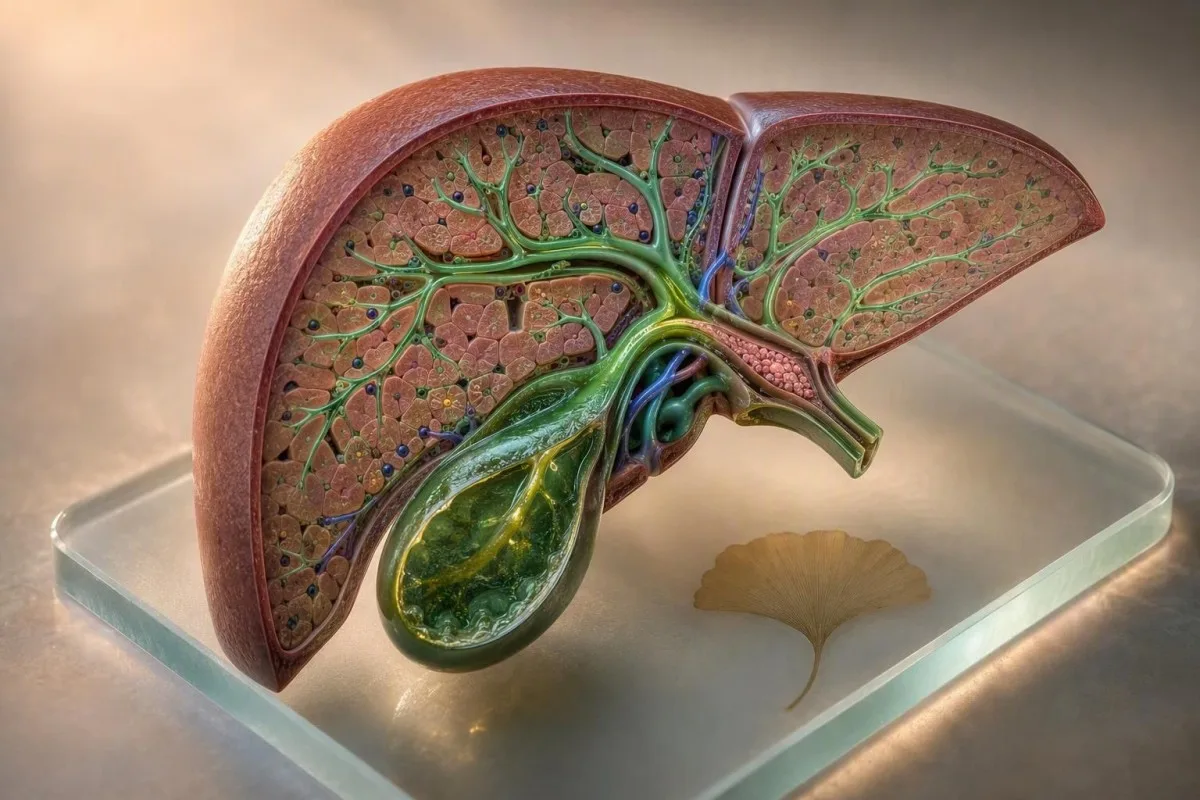
Yüksek bir direkt bilirubin sonucu, karaciğerin bilirubini konjuge ettiğini ancak normal şekilde ötebuyutmaya taşıyamadığını gösterir. Çevresindeki karaciğer paneli paterni, özellikle ALP, GGT, idrar rengi ve semptomlar, obstrüksiyonun veya karaciğer hücresi hasarının daha olası olup olmadığını bize söyler.


- Direkt bilirubin genellikle 0.3 mg/dL veya 5 µmol/L'nin altında; bir artış, konjuge bilirubinin kan dolaşımına ulaştığını gösterir.
- İdrardaki bilirubin su geçirmez olduğu için konjuge bilirubin ile oluşur; dolaylı bilirubin normalde idrarı koyulaştırmaz.
- Kolestatik patern alkalin fosfataz ve GGT'nin ALT ve AST'ye kıyasla orantısız bir şekilde yükseldiği, genellikle safra akışının bozulduğuna işaret ettiği anlamına gelir.
- R oranı 2 veya daha azı kolestatik bir paterni desteklerken, 5 veya daha fazlası hepatoselüler hasarı destekler.
- Acil birleşim Sarılık, ateş ve sağ üst karın ağrısı, olası safra kesesi enfeksiyonu için aynı gün değerlendirme gerektirir.
- Hepatit paterni genellikle ALT ve AST'yi ALP'den daha yüksek üretir, ancak şiddetli hepatit de direkt bilirubini yükseltebilir.
- Soluk dışkı ve koyu idrar artış, bağırsaklara giren safra miktarının azaldığını düşündürmektedir ve acil klinik değerlendirme gerektirir.
- Tek bir değer tanı değildir; önceki sonuçlar, ilaçlar, gebelik durumu, alkol maruziyeti ve görüntüleme sıklıkla sonraki adımı belirler.
Yüksek bir direkt bilirubin sonucunun gerçek anlamı
Yüksek direkt bilirubin, karaciğer tarafından işlendikten sonra konjuge bilirubinin kan dolaşımında biriktiği anlamına gelir. Olağan sorun, karaciğer hücrelerinden küçük safra kanallarına safra taşınmasının bozulması veya safra yollarında daha ileri bir tıkanıklıktır; bu, klasik oruçla ilgili Gilbert sendromu paterni değildir.
Çoğu yetişkin laboratuvarında, direkt bilirubin 0.3 mg/dL (5 µmol/L)'den azdır, ancak yerel referans aralığı her zaman geçerlidir. Yaklaşık 20%’sinden az olmalıdır üzerindeki bir direkt fraksiyon yaygın olarak konjuge hiperbilirubinemi olarak kabul edilir, ancak klinisyenler bu yüzdeden çok eşlik eden enzimlerle daha çok ilgilenir. Direkt ve indirekt bilirubin paternleri bir nedenle farklı yorumlanır.
İndirekt bilirubinin aksine, konjuge bilirubin suda çözünür ve idrara geçebilir. Bu nedenle, hasta sarılık gözleri görünmeden önce çay rengi idrar fark edebilir; idrar çubuğu, serum total bilirubin sadece orta derecede yüksek olduğunda bile bilirubini tespit edebilir.
24 Ağustos 2026 itibarıyla bu sonucu tanıdan ziyade bir yönlendirme sorunu olarak çerçeveleyecektim. Dr. Thomas Klein'ın pratik kuralı basittir: direkt bilirubin artı idrar bilirubini, öncelikle safra akışına, karaciğer hücresi hasarına, ilaç maruziyetine ve semptomların zaman çizelgesine baktığımız anlamına gelir.
Direkt ve indirekt arasında şiddet derecesi ölçeği yoktur
1.2 mg/dL'lik bir direkt bilirubin, 3.0 mg/dL'lik bir indirekt bilirubinden otomatik olarak daha tehlikeli değildir; her biri farklı bir mekanizmaya işaret eder. Direkt bilirubin, alkalin fosfataz, GGT, ALT, INR ve semptomların kombinasyonu aciliyeti belirler.
Bilirubin nasıl direkt bilirubine dönüşür
Karaciğer, indirekt bilirubini direkt bilirubine dönüştürmek için glukuronik asit ekler ve sonra onu ötreye salgılar. Bu nedenle yüksek bir direkt sonuç, konjugasyonun gerçekleştiğini ancak dışa doğru ihracatın, kanal drenajının veya her ikisinin de başarısız olabileceğini gösterir.
Eski kırmızı kan hücreleri, albümine bağlı olarak seyahat eden ve idrara geçemeyen indirekt bilirubine parçalanır. Hepatositler, UGT1A1 aracılığıyla onu glukuronik asitle konjuge eder ve suda çözünen ve safra ağacına kanaliküller yoluyla akması gereken bir bileşik oluşturur.
Bu ihracat yavaşladığında, konjuge bilirubin plazmaya geri yansıyabilir ve idrar analizinde görünebilir. Pozitif bir sonuçla birlikte okunmalıdır idrar bilirubin bulguları, çünkü C vitamini, bayat örnekler ve ışığa maruz kalma ara sıra yanıltıcı çubuk sonuçları üretebilir.
Kantesti bir AI kan testi analizörü direkt bilirubini total bilirubin, ALT, AST, ALP, GGT, albümin ve önceki sonuçlarla birlikte okuyan ve tek bir işaretlenmiş sayıya anlam yüklemeyen. Direkt bileşen sadece referans aralığının 0.4 ila 0.6 mg/dL üzerindeyken bu bağlam önemlidir.
Albümin bağlı bilirubin neden farklı davranır
Dolaylı bilirubin normal konsantrasyonlarda sıkıca albümine bağlı kalır, bu nedenle idrarda bulunmaz. Bu nedenle, kandan idrara geçen bilirubin koyu idrar, sadece dehidrasyon belirtisi değil, biyokimyasal bir ipucudur.
Doktorların kullandığı direkt bilirubin aralıkları ve fraksiyonları
Doğrudan bilirubin genellikle 0.3 mg/dL'nin altında normaldir, ancak laboratuvarlar farklı testler ve eşikler kullanır. Doğrudan bir değer, toplam bilirubin ve raporlayan laboratuvarın üst sınırı ile karşılaştırılmalıdır, genel bir internet aralığı ile değil.
Birleşik Krallık tarzı birimlerde, toplam bilirubin referans sınırı genellikle 20 ila 21 µmol/L'dir, doğrudan bilirubin ise genellikle 5 µmol/L'nin altındadır. Bazı Avrupa laboratuvarları hesaplanmış bir konjuge kesir bildirir ve eşiğe yakın küçük farklılıklar yeni bir hastalığı değil, yöntemi yansıtabilir.
Doğrudan bilirubin değeri 0,82 mmol/L toplam bilirubin değeri 2.4 mg/dL iken, doğrudan bilirubin değeri 0.2 mg/dL ve toplam bilirubin değeri 3.0 mg/dL olan bir durumdan çok farklıdır. Birincisi ağırlıklı olarak konjuge; ikincisi ağırlıklı olarak dolaylıdır ve hemoliz, Gilbert sendromu veya bozulmuş konjugasyon için farklı bir inceleme gerektirir.
Sonuçlar beklenmedikse, kişi iyi olduğunda tekrar test yapmak makuldür, ancak sarılık veya ağrı gelişirken değil. Ani değişiklikler, bizim anlamlı laboratuvar farkı.
Neden koyu idrar, konjuge bilirubin için faydalı bir ipucudur
Koyu kehribar veya çay rengi idrar, doğrudan bilirubin yükseldiğinde idrarda bilirubin olduğunu gösterebilir. Normal hidrasyona rağmen devam ettiğinde ve soluk dışkı, kaşıntı veya sarı gözlerle birlikte olduğunda daha da anlamlıdır.
Bilirubinüri, konjuge bilirubinin suda çözünür olması nedeniyle oluşur; dolaylı bilirubin aynı şekilde idrarla filtrelenmez. İdrar bilirubin sonucu, görülebilir sarılıktan önce pozitif çıkabilir, bu da küçük ama klinik olarak faydalı bir zamanlama ipucudur.
Dehidratasyon, bilirubin olmadan da idrarı koyulaştırabilir, bu nedenle renk tek başına kolestazı teşhis edemez. Pratikte, sıvılara rağmen koyu kalan ve bilirubin için pozitif test sonucu veren koyu idrar, tek bir sabah erken konsantre örneğinden daha anlamlıdır; bizim idrar renk rehberimiz diğer yaygın nedenleri açıklar.
Ürobilinojen nüans katar. Tam ekstrahepatik obstrüksiyon idrar ürobilinojenini azaltabilir, hepatit ise normal veya artmış ürobilinojen ile birlikte bilirubinüri gösterebilir, ancak dipstickler kusurludur ve bu ayrımı tek başına kullanmam.
İlaçlar ve yiyecekler koyu idrar taklit edebilir
Nitrofurantoin, metronidazol, levodopa, senna ve bazı takviyeler bilirubin olmadan idrar rengini değiştirebilir. Bir dipstick ve bir karaciğer paneli, banyo aydınlatması altında rengi yargılamaktan çok daha iyi bir şekilde sorunu çözer.
Kolestazı düşündüren ALP ve GGT paterni
ALP, ALT ve AST'den daha fazla yükseldiğinde ve özellikle GGT de yükseldiğinde kolestatik bir karaciğer paterni oluşur. Bu kombinasyon, ALP için bir hepatobiliyer kaynak desteği sağlar ve obstrüksiyon, ilaçla ilişkili kolestaz veya küçük kanal hastalığı endişesini artırır.
ALP genellikle laboratuvarın üst sınırını aştığında yükselmiş kabul edilir, yaygın olarak yaklaşık 120 ila 130 IU/L yetişkinlerde, ancak kemikten ve plasentadan da gelir. Genellikle üstünde yükselmiş bir GGT kadınlarda 35 ila 45 IU/L veya erkeklerde 55 ila 65 IU/L laboratuvara bağlı olarak, bir karaciğer veya safra kanalı kaynağını daha olası kılar.
R oranı paterni resmileştirmeye yardımcı olur: ALT'nin üst sınırına bölünmesi, ardından ALP'nin üst sınırına bölünmesi. Bir R oranı 2 veya altı kolestatiktir, 2 ila 5 karışıktır ve 5 veya üstü hepatoselülerdir; bu kural ilaçla indüklenen karaciğer hasarı değerlendirmesinde kullanılır ve özellikle her enzim anormal olduğunda kullanışlıdır.
EASL kolestatik karaciğer hastalığı kılavuzu, kolestaz şüphesi olduğunda ilk görüntüleme testi olarak ultrasonu önerir çünkü radyasyon olmadan kanal dilatasyonunu ve safra taşlarını tanımlayabilir (EASL, 2017). Daha derin bir biyokimyasal açıklama için, bizim kolestaz paterni rehberimiz.
Yüksek direkt bilirubin ne zaman obstrüksiyona işaret eder
Yüksek direkt bilirubin, yüksek ALP ve GGT ile birlikte sıklıkla bozulmuş safra drenajına işaret eder, ancak taş veya tıkanmış bir kanalı kanıtlamaz. Safra keseleri yaygınken, daralmalar, pankreas hastalığı, safra yolu iltihabı ve ilaç etkileri olası nedenler olarak kalır.
Ortak safra kanalındaki bir taş ani sağ üst karın ağrısı, mide bulantısı, koyu idrar ve birkaç saat ila birkaç gün içinde doğrudan bilirubin yükselmesine neden olabilir. Taş hareket ederse ağrı dinebilir, ancak karaciğer testleri birkaç gün boyunca anormal kalabilir; bu uyuşmazlık insanları hazırlıksız yakalar.
Bağırsaklara az miktarda safra pigmenti ulaştığında açık veya kireç rengi dışkı gelişir, ciltte safra bileşenleri biriktiğinde ise kaşıntı yoğunlaşabilir. Bu semptomlardan hiçbiri bir tıkanıklığın yerini doğrulamaz, ancak doğrudan hiperbilirubinemi ile birlikte acil değerlendirme ve genellikle ultrasonu gerektirir.
Safra yolu tıkanıklığı pankreas enzimlerini de etkileyebilir. Kusma ile birlikte yeni üst karın ağrısı ve yüksek lipaz, izole anormal bir karaciğer paneline göre daha acil bir değerlendirmeyi hak eder; pratik kılavuzumuza bakın tehlikeli lipaz desenleri.
Hepatit neden farklı bir bilirubin paterni üretir
Hepatit genellikle ALT ve AST'nin ALP'den daha belirgin şekilde yükselmesine neden olur, hepatosit taşıması bozulduğunda ise doğrudan bilirubin artar. Viral hepatit, alkole bağlı hasar, metabolik yağlı karaciğer hastalığı, otoimmün hepatit ve ilaç hasarı bu paterni oluşturabilir.
ALT değerleri 1.000 IU/L üzerindedir, basit ductus tıkanıklığı için tipik değildir ve akut viral hepatit, iskemik hasar, asetaminofen toksisitesi veya şiddetli ilaç hasarı olasılığını artırır, ancak örtüşme mevcuttur. Tersine, kronik karaciğer hastalığı, karaciğer rezervi azaldığında ALT 200 IU/L'nin altında belirgin bilirubin yükselmesine neden olabilir.
American College of Gastroenterology, geniş bir araştırmadan önce anormal karaciğer kimyasallarını doğrulamayı ve reçeteli ilaçları, reçetesiz ürünleri ve takviyeleri gözden geçirmeyi önermektedir (Kwo vd., 2017). Klinik uygulamada, zerdeçal karışımlarının, anabolik ürünlerin ve konsantre yeşil çay özlerinin hastaların başlangıçta beklediklerinden daha önemli olduğunu gördüm.
Yüksek AST otomatik olarak hepatit anlamına gelmez; şiddetli egzersiz, kas hasarı ve alkol AST'yi yükseltebilir. yüksek AST uyarı desenleri hakkında bilgi edinin, karaciğerin tek kaynak olduğunu varsaymadan önce.
Karışık karaciğer paternleri ve neden R oranı mükemmel değildir
Karışık bir pater, hem ALT veya AST'nin hem de ALP'nin anlamlı derecede yükseldiği anlamına gelir, genellikle 2 ila 5 arasında bir R oranı ile. Karışık sonuçlar, ilaç kaynaklı karaciğer hasarı, geçmiş safra taşları, viral hepatit, alkolle ilişkili karaciğer hasarı ve sepsis ilişkili kolestazda görülür.
R oranı bir anlıktır, kesin tanı değildir. Kanalı kısa süreliğine tıkanmış bir hasta başlangıçta ALT değeri 600 IU/L ve hafif yüksek sadece ALP gösterebilir, ardından 48 saat sonra bilirubin ve ALP yetişirken kolestatik bir profile geçebilir.
Gebelik, yaş, kemik döngüsü ve yakın zamanda geçirilen kırık, karaciğerden bağımsız olarak ALP'yi artırabilir. GGT normal olduğunda, klinisyenler kaynağın kemik olduğunu düşünmelidir; açıklamasında normal GGT ile ALP rehberimize bakın. bu olasılıkları ayırmaya yardımcı olur.
Kantesti bir AI kan tahlili yorumlama platformu aynı günkü belirteçleri ve uzunlamasına değişiklikleri karşılaştıran, bu özellikle daha önceki bir ALT pikini takiben artan bir doğrudan bilirubin olduğunda faydalıdır. Yine de bir algoritma, semptomlar endişe verici olduğunda muayene, ultrason veya acil değerlendirmenin yerini tutamaz.
Yüksek direkt bilirubini acil hale getiren semptomlar
Ateş, titreme ve sağ üst karın ağrısı ile sarılık, yükselen kolanjiti işaret edebileceği için acil bir durumdur. Konfüzyon, düşük tansiyon, sürekli kusma veya şiddetli halsizlik acil değerlendirme gerektirir, tekrar kan testi beklenmemelidir.
Klasik Charcot üçlüsü ateş, sarılık ve sağ üst karın ağrısıdır. Kolanjiti olan her hastada bu üç belirti de bulunmaz, özellikle yaşlı yetişkinlerde, bu nedenle sadece ateş ve sarılık aynı gün tıbbi tavsiye alınmasını gerektirir; bir tıkanıklığın arkasındaki enfeksiyon hızla kötüleşebilir.
Hamilelikte yeni sarılık, potansiyel olarak karaciğer toksik bir ilaç başlattıktan sonra bilirubin yüksekliği, siyah dışkı, konfüzyon veya sıvıları içeride tutamama durumunda acil bakım arayın. Bir INR'nin üzerinde 1.5 akut karaciğer hasarında özellikle endişe vericidir çünkü azalan karaciğer sentez fonksiyonunu gösterebilir.
Daha az dramatik bir sunum bile acil inceleme gerektirebilir: soluk dışkı ve koyu idrarla birlikte kaşıntı 24 ila 48 saat bir klinisyene başvurmak için yeterlidir. Hakkımızdaki kılavuzumuz bilirubinin ne zaman dikkat gerektirdiği kırmızı bayrakları açık bir dille listelemektedir.
Konjuge bilirubin yükseldikten sonra klinisyenlerin yaygın olarak istediği testler
İlk takip genellikle tekrarlanan karaciğer paneli, INR, albümin, tam kan sayımı ve abdominal ultrason içerir. Seçilen testler, profilin kolestatik, hepatoselüler veya karışık olmasına ve semptomların aniden başlamasına bağlıdır.
Ultrason, safra taşlarını, safra kesesi değişikliklerini ve büyük safra kanallarının genişlemesini değerlendirir; normal bir tarama küçük taşları veya intrahepatik kolestazı dışlamaz. Yüksek şüphe devam ettiğinde MRCP, endoskopik ultrason veya ERCP takip edilebilir, ERCP ise genellikle tedavi gerekebilecek durumlarda kullanılır.
Viral hepatit serolojisi, otoimmün belirteçler, ferritin, transferrin satürasyonu ve ilaç incelemesi, rastgele sipariş edilmek yerine bağlama göre seçilir. Tam bir karaciğer paneli genel bakışı hastaların neden sadece bilirubinin nedenini belirleyemediğini görmelerine yardımcı olur.
Dr. Thomas Klein, randevudan önce ilaç etiketlerinin ve takviyelerin fotoğraflanmasını önermektedir. Kesin dozlar, başlangıç tarihleri ve bitiş tarihleri, özellikle yeni bir ürünün önceki 5 ila 90 gün.
Direkt bilirubini yükseltebilen ilaçlar ve takviyeler
içinde başladıysa, hafızanın kaçırdığı bir deseni ortaya çıkarır. İlaçlar, kolestaz, hepatoselüler hasar veya her ikisi yoluyla konjuge bilirubin artışına neden olabilir. İlgili ipucu genellikle zamanlamadır: semptomlar veya anormal testler, bir ilaç başladıktan günler ila birkaç ay sonra ortaya çıkabilir.
Amoksisilin-klavulanat, bazen antibiyotik tedavisinin bitiminden sonra ortaya çıkan, gecikmiş kolestatik karaciğer hasarının iyi bilinen bir nedenidir. Anabolik-androjenik steroidler, klorpromazin, azatiyoprin, bazı antifungal ilaçlar ve belirli bitkisel ürünler de safra akışını bozabilir, ancak bireysel riskin tahmin edilmesi zordur.
Acil servis hekimleri aksini tavsiye etmedikçe, bir reçeteli ilacı bırakmadan önce reçeteyi yazan kişiyle konuşmadan durdurmayın. Asetaminofen aşırı dozu farklıdır: acil müdahale gerektirir ve bilirubin zirve yapmadan önce, genellikle 1.000 IU/L, 'nin üzerinde, çarpıcı aminotransferaz yükselmelerine neden olabilir.
Detoksifikasyon veya karaciğer desteği olarak satılan ürünler otomatik olarak zararsız değildir. Hakkımızdaki incelememiz karaciğeri etkileyen takviyeler dikkate alınması gereken yaygın ürün kategorilerini kapsamaktadır.
Alkol ve yağlı karaciğer: faydalı bağlam, otomatik yanıtlar değil
Alkol kullanımı ve metabolik yağlı karaciğer hastalığı GGT, ALT, AST ve bazen direkt bilirubini yükseltebilir, ancak sarılığı açıklamak için kullanılmamalıdır. Tıkanma, hepatit ve ilaç hasarı açısından yeni bir konjuge bilirübin artışının hala değerlendirilmesi gerekiyor.
Alkolle ilişkili hepatit genellikle AST'nin ALT'den yüksek olduğu, yaygın olarak AST:ALT oranının üzerinde olduğu durumlarda görülür 2, ancak bu oran tek başına teşhis koymak için yeterince hassas veya özgül değildir. Çok yüksek bilirubin, artan INR, karında şişlik veya kafa karışıklığı olası ciddi hastalığı işaret eder ve acilen değerlendirilmelidir.
Metabolik yağlı karaciğer hastalığı daha sıklıkla hafif ALT baskın yükselmelere neden olur ve ileri evre hastalık veya başka bir süreç gelişene kadar normal bilirubin gösterebilir. Kilo kaybı geçici olarak ALT'yi değiştirebilir, ancak kalıcı soluk dışkıya veya bilirubin pozitif idrarına neden olmamalıdır; kilo kaybından sonra karaciğer enzimlerine bakınız kilo kaybından sonra karaciğer enzimleri.
Deneyimlerime göre, azaltılmış alkol alımından sonra mütevazı bir GGT normale döndüğünde insanlar genellikle rahatlar, ancak bu, bilirubin seviyesinin evde izlenmesi için güvenli olduğu anlamına gelmez. Kalıplar bir arada bulunabilir, bu da öykü ve görüntülemenin tam olarak neden önemli olduğunu açıklar. 3 mg/dL evde izlemek güvenlidir. Örüntüler bir arada bulunabilir, bu da neden geçmiş öykünün ve görüntülemenin önemli olduğunu açıklar.
Gebelik, ileri yaş ve diğer özel durumlar
Gebelik, yaş ve altta yatan hastalık, yüksek direkt bilirubin aciliyetini ve ayırıcı tanısını değiştirir. Gebeliğin son döneminde döküntüsüz yeni kaşıntı, gebelikteki intrahepatik kolestazın bilirubin önemli ölçüde yükselmeden önce safra asitlerini yükseltebileceği için aynı gün doğum servisi danışmanlığı gerektirir.
Gebelikte, serum safra asitleri genellikle intrahepatik kolestaz için bilirubinden daha hassastır ve obstetrik ekipler değerler dalgalanabileceğinden tekrarlayan testler kullanır. Sarılık, karın ağrısı veya ateş gebelikle ilişkili kabul edilmez ve acil değerlendirme gerektirir.
Yaşlı yetişkinlerde tıkanmadan kaynaklanan klasik kolik ağrı yerine ağrısız sarılık, iştah kaybı veya kafa karışıklığı olabilir. Kilo kaybı, yeni diyabet veya ağrısız sarılık ile birlikte bilirubin artışı, acil klinisyen liderliğinde görüntüleme gerektirir; rutin kontrol için beklemek uygun değildir.
Çocuklar ve yenidoğanlar, özellikle yaşamın ilk haftalarında farklı bilirubin kurallarına uyarlar. Bebeklerde 1 mg/dL'nin üzerinde kalıcı konjuge bilirubin anormal kabul edilir ve yaygın yenidoğan sarılığı hakkında güvence yerine pediatrik değerlendirme gerektirir. 1 mg/dL bir bebekte anormal kabul edilir ve yaygın yenidoğan sarılığı hakkında güvence yerine çocuk doktoru değerlendirmesi gerektirir.
Direkt bilirubini zamanla güvenle nasıl takip edilir
Düşen direkt bilirubin genellikle iyileşmeyi destekler, ancak eğilim, ALP, ALT, INR ve semptomlarla birlikte yorumlanmalıdır. Bilirubin, geçici bir tıkanma veya hepatit epizodundan sonra klinik iyileşmenin günler veya haftalar gerisinde kalabilir.
Tarihi, açlık durumunu, alkol alımını, yeni ilaçları, hastalığı, karın semptomlarını ve idrar veya dışkı renginin değişip değişmediğini kaydedin. Referans limitinin yakınındaki bir fark analitik değişkenlik olabilirken, bir haftada 0.4'ten 2.1 mg/dL'ye tırmanış klinik olarak anlamlıdır. 0.1 mg/dL referans sınırına yakın olması analitik değişkenlik olabilirken, bir haftada 0,4'ten 2,1 mg/dL'ye yükselmesi klinik olarak anlamlıdır.
Kantesti bir Yapay zekâ destekli kan testi analiz aracı Yüklenen raporlardan bilirubin ve karaciğer enzimi eğilimlerini organize edebilen, kullanıcıların odaklanmış sorular hazırlamalarına yardımcı olan kan tahlili trend rehberi; potasyumsuz eğim ve zamanlamanın genellikle tek bir izole bayraktan daha önemli olduğunu açıklar.
Kantesti'nin tıbbi inceleme süreci, sunduğumuz klinisyenler tarafından bilgilendirilir, ancak acil semptomlar yerel acil servislere veya şahsen bir klinisyene gitmelidir. Hiçbir rapor yorumlama hizmeti, tıkanmış bir kanalın drenaj gerektirip gerektirmediğini belirleyemez. Tıbbi Danışma Kurulu, ancak acil belirtiler yerel acil servislere veya yüz yüze bir klinisyene gitmelidir. Hiçbir rapor yorumlama hizmeti, tıkanmış bir kanalın drenaj gerektirip gerektirmediğini belirleyemez.
Yüksek direkt bilirubin için pratik bir sonraki adım planı
Yüksek direkt bilirubin, aksi takdirde iyiyseniz aynı hafta içinde tıbbi değerlendirme, sarılık, ateş, ağrı, kusma veya kafa karışıklığı mevcutsa ise aynı gün değerlendirme gerektirir. Karaciğer temizliği yapmaya çalışmayın, agresif oruç tutmayın veya şüpheli tıkanıklığı kendi kendinize tedavi etmeye kalkışmayın.
Tam laboratuvar raporunu getirin, sadece bilirubini değil. Hekimin toplam ve direkt bilirubini, ALP, GGT, ALT, AST, albümin, mümkünse INR ve önceki sonuçlara ihtiyacı var; bunu bizimle karşılaştırın tam panel örüntü rehberi.
Neden netleşene kadar alkolden kaçının, normal hidrasyonu sürdürün ve asetaminofen içeren ürünlerin etiketli dozunu aşmayın. Suları safra kanallarını açtığına dair hiçbir kanıt yoktur ve oruç tutmak, ilişkisiz dolaylı bilirubin yükselmelerini kötüleştirebilir ve tabloyu okunması daha zor hale getirebilir.
Sonuç beklenmedik ise ve belirti yoksa, tekrarlayan karaciğer kimyasallarının ne zaman 48 ila 72 saat ve ultrasonun örüntünüze uygun olup olmadığını sorun. Kantesti’nin klinik doğrulama yaklaşımımız açıklaması, klinik bağlamın ve güvenlik triyajının, tek bir referans aralığı bayrağına dayanmak yerine yorumlamaya nasıl entegre edildiğini.
Sıkça Sorulan Sorular
Toplam bilirubinum normal ise yüksek direkt bilirubin ne anlama gelir?
Yüksek direkt bilirubin ve normal veya normale yakın total bilirubin, safra taşıma bozukluğunun, hafif kolestazın, ilaç etkisinin veya laboratuvar değişkenliğinin erken bir belirtisi olabilir. Birçok laboratuvar, direkt bilirubin üst sınırını 0,3 mg/dL veya 5 µmol/L olarak kullanır, bu nedenle 0,4 mg/dL'lik bir sonuç ALP, GGT, ALT ve önceki değerlerle birlikte yorumlanmalıdır. İdrarda bilirubin pozitifse, konjuge bilirubin gerçekten dolaşımdadır ve Gilbert sendromu varsaymaktan daha yararlı bir takip gerekir. Yeni sarılık, soluk dışkı, ateş veya karın ağrısı, bunu rutin takipten aynı gün değerlendirmeye dönüştürür.
Dehidrasyon yüksek direkt bilirubine neden olabilir mi?
Dehidrasyon total bilirubini hafifçe yoğunlaştırabilir, ancak doğrudan fraksiyondan çok dolaylı fraksiyonu yükseltme eğilimindedir. Dehidrasyon ayrıca bilirubin olmasa da idrarın koyu görünmesine neden olabilir, bu nedenle idrar çubuğu yardımcı olur. Karaciğer enzimleri ve semptomlar gözden geçirilmeden 1,0 mg/dL veya 17 µmol/L üzerindeki doğrudan bilirubin dehidrasyona bağlanmamalıdır. Normal hidrasyondan sonra sürekli koyu idrar, özellikle idrar testi bilirubin tespit ederse, tıbbi değerlendirmeyi gerektirir.
Yüksek direkt bilirubin her zaman safra kanalında tıkanıklık anlamına mı gelir?
Yüksek direkt bilirubin her zaman safra kanalında tıkanıklık anlamına gelmez. ALP ve GGT'nin yükselmesi, dışkının soluklaşması, idrarın koyulaşması veya ultrasonun kanal genişlemesini göstermesi durumunda tıkanıklık daha olasıdır; hepatit ve ilaçla ilişkili kolestaz, taş olmadan aynı bilirubin paternini üretebilir. 2 veya daha düşük R oranı kolestazı desteklerken, 5 veya daha yüksek R oranı hepatoselüler hasarı destekler. Bu nedenleri güvenilir bir şekilde ayırt etmek genellikle görüntüleme ve klinik öykü gerektirir.
Safra kesesi tıkanıklığında hangi karaciğer testleri yüksek çıkar?
Safra yolu tıkanıklığı tipik olarak safra alkalinen fosfataz ve GGT'yi ALT ve AST ile orantısız bir şekilde yükseltir ve drenaj kötüleştikçe doğrudan bilirubin artabilir. Yetişkin ALP üst sınırları yaygın olarak 120 ila 130 IU/L civarındayken, GGT üst sınırları cinsiyete ve laboratuvara göre değişir, sıklıkla 35 ila 65 IU/L civarındadır. ALT, geçen bir safra taşı sonrası kısa süreliğine yüzlerce seviyesine yükselebilir, bu nedenle erken bir örnek, kolestatik patern ortaya çıkmadan önce hepatoselüler görünebilir. Tıkanıklık şüphesi olduğunda genellikle ilk görüntüleme testi ultrasonografidir.
Yüksek direkt bilirubin için ne zaman acil servise gitmeliyim?
Ateş, titreme, sarılık, sağ üst karın ağrısı, kafa karışıklığı, baygınlık, sürekli kusma veya düşük tansiyon eşlik eden yüksek direkt bilirubin için acil servise gidin veya acil değerlendirme isteyin. Bu kombinasyon, tıkanmış bir safra kanalının üzerindeki potansiyel olarak ciddi bir enfeksiyon olan kolanjiti temsil edebilir. INR'si 1.5'in üzerinde olan akut karaciğer hasarı, yeni başlayan kafa karışıklığı veya hızla artan sarılık da acil değerlendirme gerektirir. Hafif izole bir yükselmesi olan sağlıklı bir kişi genellikle bir klinisyene hemen ulaşabilir, ancak belirtiler gelişirse beklememelidir.
Hepatit idrarınızda bilirubine neden olabilir mi?
Hepatit, hepatosit hasarının konjuge bilirubinin safra kesesine ihracat yeteneğini azaltmasıyla idrarda bilirubine neden olabilir. Bu durumda, ALT ve AST genellikle ALP'ye göre daha yüksektir ve 1.000 IU/L üzerindeki ALT değerleri viral, toksik veya iskemik hepatit gibi akut ciddi yaralanma endişesini artırır. İdrar bilirubini tek başına kesin nedeni belirlemez çünkü tıkanıklık aynı bulguyu üretebilir. İlaç zamanlaması, hepatit testleri, karaciğerin sentetik fonksiyonu ve görüntüleme bir sonraki adımı yönlendirir.
Bugün Yapay Zekâ Destekli Kan Tahlili Analizini Alın
Anlık ve doğru laboratuvar testi analizi için Kantesti’ye güvenen dünya genelindeki 2 milyondan fazla kullanıcıya katılın. Kan testi sonuçlarınızı yükleyin ve saniyeler içinde 15,000+ biyobelirteçlerinin kapsamlı yorumunu alın.
📚 Kaynak Gösterilen Araştırma Yayınları
Klein, T., Mitchell, S., & Weber, H. (2026). Kantesti LTD. (2026). AI Kan Testi Analizcisi: Analiz Edilen 2,5 Milyon Test | Küresel Sağlık Raporu 2026. Zenodo. https://doi.org/10.5281/zenodo.18175532. Kantesti Yapay Zeka Tıbbi Araştırma.
Klein, T., Mitchell, S., & Weber, H. (2026). Kantesti LTD. (2026). RDW Kan Testi: RDW-CV, MCV ve MCHC için Tam Rehber. Zenodo. https://doi.org/10.5281/zenodo.18202598. Kantesti Yapay Zeka Tıbbi Araştırma.
📖 Harici Tıbbi Kaynaklar
⚕️ Tıbbi Uyarı
Bu makale yalnızca eğitim amaçlıdır ve tıbbi tavsiye niteliği taşımaz. Tanı ve tedavi kararları için her zaman yetkin bir sağlık hizmeti sağlayıcısına danışın.
E-E-A-T Güven Sinyalleri
Deneyim
Hekim liderliğinde laboratuvar yorumlama iş akışlarının klinik incelemesi.
Uzmanlık
Klinik bağlamda biyobelirteçlerin nasıl davrandığına odaklanan laboratuvar tıbbı.
Otorite
Dr. Thomas Klein tarafından yazılmış; Dr. Sarah Mitchell ve Prof. Dr. Hans Weber tarafından gözden geçirilmiştir.
Güvenilirlik
Alarmı azaltmaya yönelik net takip yollarıyla kanıta dayalı yorumlama.