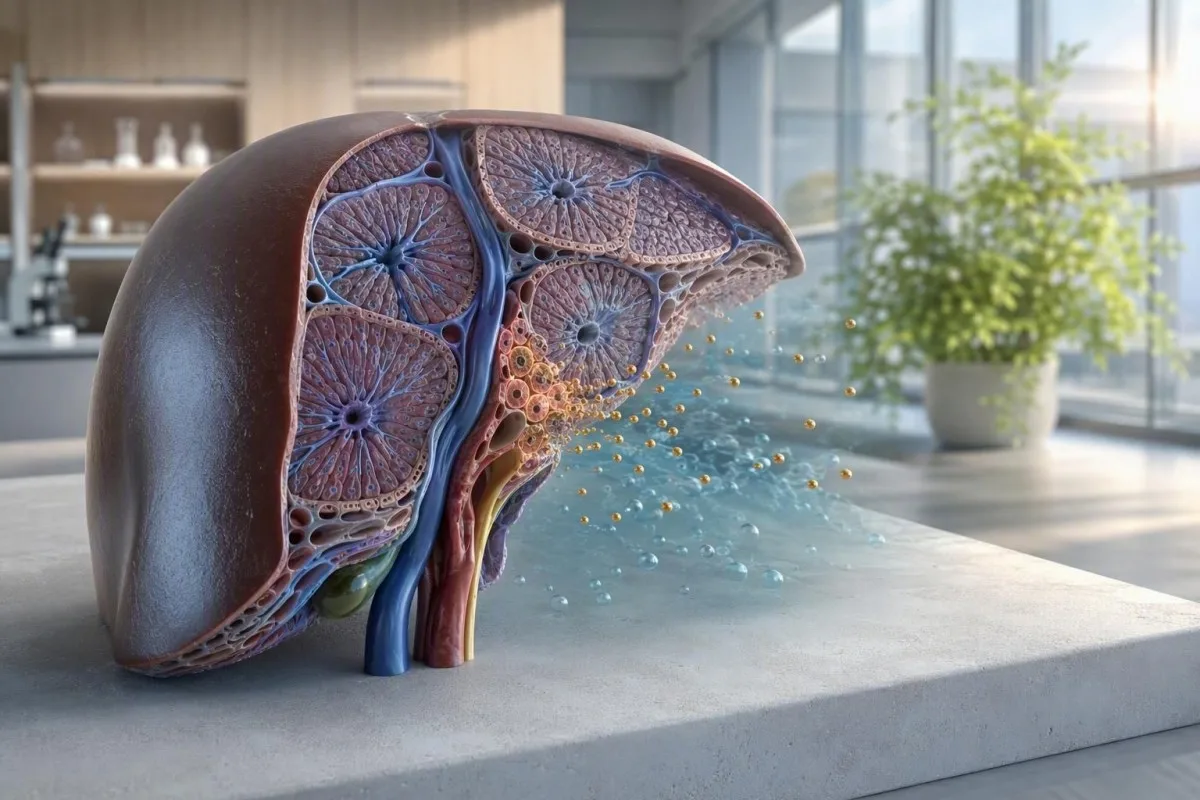
Yüksek bir AST sonucu nadiren tek başına semptoma neden olur; semptomlar karaciğer, kas, kalp veya arkasındaki sistemik durumdan kaynaklanır. Eşlik eden laboratuvar deseni, tek bir işaretlenmiş değerden çok daha önemlidir.


- Genellikle sessiz: 45-100 U/L AST sonucu genellikle doğrudan semptom üretmez ve panik yerine bağlama ihtiyaç duyar.
- Referans aralığı: Birçok yetişkin laboratuvarı, AST üst sınırını 35-40 U/L civarında kullanır, ancak cinsiyete özgü sınırlar analize göre değişir.
- Egzersiz ipucu: Ağır direnç egzersizi, AST ve CK'yı 7 gün veya daha uzun süre yükseltebilir, bazen AST, ALT'yi aşar.
- Acil işaretler: Gözlerde sararma, kafa karışıklığı, tekrarlayan kusma, şiddetli zayıflık, göğüs baskısı veya kola renginde idrar aynı gün değerlendirme gerektirir.
- Önemli olan örüntüdür: AST'nin yüksek CK ile birlikte olması kas yıkımını düşündürür; AST'nin bilirubin, INR veya alkalin fosfataz anormallikleri ile birlikte olması karaciğer veya safra yolu hastalığı endişesini artırır.
- Kendi kendine tedavi yapmayın: Reçeteli ilaçları aniden bırakmayın ve sadece bir klinisyenle görüştükten sonra gereksiz takviyeleri bırakın.
- Yararlı yeniden test: Hafif ve izole bir yükselme durumunda, klinisyenler genellikle birkaç gün boyunca yoğun egzersiz ve alkolden kaçındıktan sonra AST, ALT, ALP, bilirubin, CK ve GGT'yi tekrarlarlar.
Yüksek bir AST sonucu tek başına semptoma neden olur mu?
AST'nin yüksek belirtileri genellikle yoktur çünkü AST bir toksin değil, bir sızıntı enzimdir. Hafif AST yükselmesi olan çoğu insan kendini tamamen iyi hisseder; belirtiler olduğunda, AST sayısının kendisinden ziyade altta yatan karaciğer, kas, kalp veya sistemik sorunu yansıtır.
Aspartat aminotransferaz olan AST, karaciğer hücrelerinde bulunur ancak iskelet kası, kalp, kırmızı kan hücreleri açısından zengin örnekler, böbrekler ve beyin dokusunda da bulunur. 55 U/L'lik bir sonuç, bir laboratuvarın üst sınırının yalnızca 1,4 katı olabilirken, aynı sayı başka bir laboratuvarda üst sınırın 2 katına daha yakın olabilir; aralık dışı uyarı işaretleri başlangıç noktalarıdır, teşhisler değil.
Klinik çalışmamda, en endişeli hastalar genellikle rutin bir panelden sonra kendilerini tamamen normal hissedenlerdir. Bu beklenir: erken yağlı karaciğer hastalığı, ilaçla ilgili enzim salınımı ve egzersiz sonrası kas salınımı sessiz olabilir. Dr. Thomas Klein, anormal bir enzimin yorgunluğu açıklaması gerektiğini varsayarak pratik hatayı tekrar tekrar görürken, uyku eksikliği, anemi, tiroid hastalığı veya ruh hali belirtileri ayrı sorunlar olabilir.
Kantesti bir AI kan testi analizörü AST'yi ALT, bilirubin, alkalin fosfataz, GGT, CK, yaş, cinsiyet, ilaçlar ve önceki değerlerin yanında okur, tek bir izole işarete anlam atfetmek yerine. 21 Ağustos 2026 itibarıyla, en güvenli mesajımız basit kalır: iyi hissetmek güvence verir, ancak örüntü tabanlı takip yerine geçmez.
Normal bir hissin soruyu neden çözmediği
Hafif yükselmiş bir AST geçici olabilir, ancak sessiz karaciğer hastalığı yaygın olduğundan süreklilik önemlidir. Amerikan Gastroenteroloji Koleji, geniş bir araştırma başlatmadan önce anormal bir karaciğer kimyası sonucunu doğrulamayı ve ardından örüntüyü ve risk faktörlerini değerlendirmeyi önerir (Kwo ve diğerleri, 2017).
AST aralıkları: sonuç ne zaman hafif yüksek veya daha endişe verici olur?
Yetişkin AST referans limitleri genellikle yaklaşık 10-40 U/L'dir, ancak her laboratuvarın basılı aralığı doğru karşılaştırıcıdır. Üst sınırın 3 katını aşan bir AST, zamanında klinik değerlendirmeyi hak ederken, üst sınırın 10-15 katını aşan değerler, belirtiler sınırlı olsa bile acil değerlendirme gerektirir.
AST, karaciğerin işlerini ne kadar iyi yaptığını ölçmez. Bilirubin, INR veya protrombin zamanı, albümin, trombosit sayısı ve zihinsel durum safra taşıma, pıhtılaşma faktörü üretimi, kronik yara izi ipuçları ve akut karaciğer yetmezliği riskini daha iyi ele alır. Normal bir albümin, albümin yavaş değiştiği ve genellikle haftalar sürdüğü için yeni bir karaciğer hasarını dışlamaz.
AST 89 U/L, ALT 42 U/L ve CK 1.900 U/L olan 52 yaşında bir maraton koşucusunun, yokuş aşağı bir yarıştan sonra, AST 89 U/L, ALT 130 U/L, bilirubin 48 µmol/L ve koyu idrarı olan sedanter bir kişiden çok farklı bir risk profili vardır. İlk örüntü genellikle kas iyileşmesini yansıtır; ikincisi aynı gün karaciğer değerlendirmesi gerektirebilir. Bizim AST-ALT karşılaştırma kılavuzumuz çiftin neden birlikte okunması gerektiğini açıklar.
Kantesti AI, AI kan tahlili yorumlama platformu AST yükselmesinin derecesini kişinin kendi önceki sonuçlarıyla karşılaştırır, çünkü 18'den 78 U/L'ye bir yükselme, 45 U/L civarında sabit bir değere göre klinik olarak daha bilgilendirici olabilir. Ani bir değişiklik aynı zamanda numune kalitesini ve zamanlamasını kontrol etmeyi de gerektirir.
Karaciğerle ilgili AST yükselmeleri neden sessiz kalabilir?
Karaciğerin önemli fonksiyonel yedekleri olduğundan, erken karaciğer hasarı genellikle belirgin semptomlara neden olmaz. İnsanlar genellikle sadece inflamasyon, safra akışında bozulma, ileri fibrozis veya sistemik hastalık daha belirgin hale geldiğinde semptomları fark ederler.
Daha önce sıklıkla yağlı karaciğer hastalığı olarak adlandırılan metabolik disfonksiyonla ilişkili steatotik karaciğer hastalığı, hafif AST veya ALT yükselmelerinin yaygın sessiz nedenlerinden biridir. 2024 EASL-EASD-EASO kılavuzu, karaciğer enzimleri tek başına steatoz veya fibrozise rağmen normal olabileceğinden (EASL-EASD-EASO, 2024), tip 2 diyabet, obezite veya birden fazla metabolik risk faktörü olan kişilerde vaka tespiti yapılmasını önermektedir.
Rahatsız edici gerçek şudur ki, yorgunluk spesifik olmayan bir semptomdur. Klinik olarak, uyku apnesi, alkol alımı, viral hastalık, depresyon, demir durumu, tiroid sonuçları ve ilaç değişiklikleri hakkında sorgulamadan yorgunluğu AST 58 U/L'ye bağlamıyorum. Bulantı, sağ üst karın rahatsızlığı, kaşıntı, sarılık, soluk dışkı veya koyu idrar birlikte ortaya çıktığında karaciğerle ilgili bir neden daha olası hale gelir; kılavuzumuza bakın. bilirubin uyarı işaretleri.
AST baskınlığı bazen alkolle ilişkili karaciğer hasarı ile ilişkilidir, özellikle AST:ALT oranı 2'yi aştığında, ancak bu oran tek başına ne hassas ne de tanı koydurucudur. İleri fibrozis, siroz, B6 vitamini eksikliği ve kas hasarı da oranı değiştirebilir - bu, çevrimiçi kestirmelerde kaybolan klinik ayrıntılardan biridir.
Aciliyetini değiştiren semptom
Yeni kafa karışıklığı, olağandışı uyuklama, kolay morarma veya yükselmiş AST ile hızla artan sarılık rutin bir tekrarlayan test senaryosu değildir. Bu özellikler karaciğer fonksiyonunda bozulmayı işaret edebilir ve bilirubin, INR, glukoz, böbrek fonksiyonu ve ilaç incelemesini içeren acil yüz yüze değerlendirme gerektirir.
Kasla ilgili yüksek AST semptomları: ağrı, zayıflık ve CK
Kas hasarı AST'yi önemli ölçüde artırabilir, sıklıkla kas ağrısından önce veya onunla birlikte ve CK ayırt edici testtir. Yoğun egzersiz sonrası ALT'den daha yüksek AST yaygındır; yüksek CK, normal bilirubin ve normal GGT, kas kaynağını daha olası kılar.
İskelet kası bol miktarda AST içerir. Pettersson ve meslektaşları, sağlıklı erkeklerde yoğun ağırlık kaldırmanın bilirubin, GGT ve alkalin fosfataz normal kalırken en az 7 gün boyunca AST, ALT, CK, miyoglobin ve laktat dehidrogenazı yükselttiğini bulmuşlardır (Pettersson ve ark., 2008). Bu nedenle, bir “karaciğer paneli” öncesi 24-72 saatlik yoğun bir antrenman yanıltıcı bir öykü oluşturabilir.
Yeni bir CrossFit seansından sonra gecikmiş kas ağrısı yaşayan bir kişide karaciğer hastalığı olmadan AST 120 U/L ve ALT 55 U/L olabilir. Ciddi generalize zayıflık, şişmiş kaslar, azalmış idrar çıkışı, ateş veya çay renkli idrar farklıdır: önemli kas yıkımını gösterebilir ve acil CK, kreatinin, potasyum, fosfat, kalsiyum ve idrar testi gerektirir. Hakkında daha fazla bilgi edinin tehlikeli CK paternleri.
Toplama tüpündeki hemoliz de AST'yi hatalı bir şekilde yükseltebilir çünkü kırmızı kan hücreleri AST içerir. Laboratuvar hemoliz veya mantıksız tek seferlik bir AST sıçraması bildirirse, kapsamlı testlerden daha değerli bir yeniden çizim olabilir; bizim hemolize örnek yeniden çizim rehberi pratik detayları kapsar.
Doktorların öncelikle ayırdığı yüksek AST nedenleri
Yüksek AST'nin ana nedenleri karaciğer hücresi hasarı, iskelet kası salınımı, alkol maruziyeti, ilaçlar veya takviyeler, viral hastalık, azalan karaciğer kan akışı ve örnek hemolizidir. En güvenli sonraki adım, yalnızca AST'den tahmin etmek yerine karaciğer paternini kas paterninden ayırmaktır.
Karaciğer paterni ipuçları arasında ALT yükselmesi, bilirubin yükselmesi, yükselmiş GGT veya alkalin fosfataz, düşük trombositler ve anormal INR bulunur. Kas paterni ipuçları arasında yüksek CK, son alışılmadık egzersiz, travma, nöbetler, intramüsküler enjeksiyonlar, statinle ilişkili kas semptomları veya inflamatuar kas hastalığı bulunur. AST, ALT'den daha az karaciğere özgüdür, AST'nin izole olarak yükselmesi, “karaciğer hasarı” olarak etiketlenmeden önce ek dikkat gerektirir.”
İlaçların doğru bir öyküsü hak ettiğini unutmayın: reçeteli ilaçlar, reçetesiz satılan ağrı kesiciler, bitkisel karışımlar, vücut geliştirme ürünleri ve “detoks” karışımlarının hepsi önemlidir. Asetaminofen veya parasetamol zehirlenmesi binlerce U/L AST ve ALT değerlerine neden olabilirken, kronik düşük seviyeli ilaç etkileri mütevazı ve asemptomatik olabilir. Reçeteli bir statin, nöbet önleyici ilaç veya antidepresan tedavisini yalnızca bir uygulama sonucuna dayanarak asla kesmeyin; önce reçeteyi yazan doktora danışın.
Kantesti bir Yapay zekâ destekli kan testi analiz aracı AST artı CK veya AST artı bilirubin ve ALP gibi eşleşen sinyalleri tanımlar ve ardından uygun bir klinisyen tartışmasını tetikler. Takviyeleri düşünen okuyucularımızın kanıta dayalı listesini de gözden geçirmelidir. karaciğer ürünü riskleri.
Sadece tekrarlayan AST değil, acil bakım gerektiren uyarı işaretleri
Yüksek AST, sarılık, kafa karışıklığı, bayılma, şiddetli karın ağrısı, göğüs semptomları, tekrarlayan kusma, çok koyu idrar veya derin zayıflık eşlik ettiğinde aynı gün tıbbi değerlendirme gerektirir. Bu uyarı işaretleri, tek başına tehlikeli bir AST seviyesini değil, AST'nin arkasındaki durumu işaret eder.
Göğüs baskısı, nefes darlığı, terleme, çökme veya çene, kol veya sırta yayılan ağrı için şimdi acil servise gidin. AST kalp kası hasarıyla yükselebilir, ancak troponin ve EKG bulguları – AST değil – modern kalp krizi tanısına rehberlik eder; bizim troponin aciliyet rehberi ayrımın açıklamasını yapar.
Sarı gözler, kafa karışıklığı, sıvıları içeride tutamama, belirgin sağ üst karın ağrısı veya hızla kötüleşen hastalık için acil değerlendirme isteyin. Akut karaciğer yetmezliği, akut karaciğer hasarı ve koagülopati, tipik olarak INR'nin 1.5 veya daha yüksek olması ve bilinen sirozu olmayan bir kişide ensefalopati ile tanımlanır; bu, evde takip edilecek bir sorun değil, bir hastane acil durumudur.
Şiddetli efor, ısıya maruz kalma veya hareketsizlik sonrası koyu kahverengi idrar, ağrı olmasa bile böbrekleri yaralayabilecek miyoglobin nedeniyle acil değerlendirmeyi hak eder. İdrar sadece yetersiz sıvı alımından sonra konsantre olmuşsa, tablo daha belirsizdir; koyu idrar diferansiyeli bir klinisyenin soracağı soruları çerçevelemeye yardımcı olur.
AST, ALT, bilirubin, ALP, GGT ve CK nasıl birlikte çalışır?
AST, ALT, bilirubin, alkalin fosfataz, GGT, CK ve bazen INR ile bir örüntü olarak yorumlandığında klinik olarak faydalı hale gelir. Tek başına hiçbir eşlik eden test kaynağı kanıtlamaz, ancak kombinasyonlar karaciğer, safra yolu veya kas tutulumu olasılığını keskin bir şekilde değiştirir.
Hem AST hem de ALT'nin yükselmesi, özellikle ALT baskınlığı ile birlikte, sıklıkla hepatoselüler yaralanmayı düşündürür. Alkolik fosfataz ve GGT'nin doğrudan bilirubin ile yükselmesi, daha çok kolestaz veya safra akışının bozulmasına işaret eder; ayrıntılı bir kolestaz paterni rehberimiz okuyucuların bu konuşmaya hazırlanmalarına yardımcı olabilir.
AST'nin CK'nin üst sınırın 5 katı kadar yükselmesi, normal bilirubin ve normal GGT ile birlikte, karaciğerden çok kas tutulumu ile daha tutarlıdır. Tersine, 70 U/L AST, 70 µmol/L bilirubin ve 1.7 INR, mütevazı enzim sayısına rağmen endişe vericidir, çünkü enzim yüksekliği ve karaciğer fonksiyonu aynı ölçüm değildir.
Dr. Thomas Klein, hastaların yalnızca “AST'm yüksekti” demek yerine, referans aralıkları ve toplama zamanı dahil olmak üzere tam raporun fotoğrafını çekmelerini tavsiye ediyor. Kantesti AI, tam panelleri ve eğilimleri karşılaştırırken, bizim karaciğer paneli kontrol listemiz temel bir panelden hangi değerlerin sıklıkla eksik olduğunu gösterir.
AST:ALT oranı size ne söyleyebilir ve ne söyleyemez?
2'nin üzerindeki bir AST:ALT oranı, uygun klinik ortamda alkolle ilişkili karaciğer hasarını destekleyebilir, ancak alkol kullanımını veya sirozu teşhis edemez. Egzersiz, ileri fibrozis, kas hastalığı ve B6 vitamini durumu da AST baskınlığına neden olabilir.
Oran, aynı birimler kullanılarak AST'nin ALT'ye bölünmesiyle hesaplanır. AST 80 U/L ve ALT 40 U/L, 2.0 oran verir, ancak pratik yorum GGT, bilirubin, trombosit sayısı, alkol geçmişi, kas semptomları, CK ve önceki sonuçlara bağlıdır. Gerçek enzim değerleri olmayan bir oranın yorumlanması özellikle kolaydır.
1'in altındaki oranlar önemli karaciğer hastalığını dışlamaz. Metabolik karaciğer hastalığında, ALT başlangıçta AST'den daha yüksek olabilirken, ilerleyici fibrozis ile AST nispeten daha yüksek olabilir; klinisyenler yalnızca orana değil, invaziv olmayan skorlara ve görüntülemeye başvurur. Bizim Sınırda ALT takip rehberi her zamanki aşamalı yaklaşımı açıklar.
Alkolle ilgili sunumlar dışında kesin bir oran kesme noktası kullanma konusundaki kanıtlar dürüstçe karışıktır. Faydalı bir klinik ipucudur, bir karar değil - ve bu ayrım, insanları hem yanlış güvenceden hem de gereksiz utançtan alıkoyar.
Tekrarlayan AST testi öncesinde: egzersiz, alkol, oruç ve zamanlama
Hafif, açıklanamayan bir AST yükselmesi için, sonucu netleştirmek amacıyla tekrar test öncesinde zorlayıcı egzersiz ve alkolden kaçınılabilir. Birçok klinisyen, kas salınımının olası olduğu durumlarda 5-7 günlük bir egzersiz molası kullanır, ancak kesin aralık CK seviyesine, semptomlara ve antrenman yoğunluğuna bağlıdır.
Aşırı su, oruç veya bir detoks ürünü ile AST'yi “temizlemeye” çalışmayın. Normalde sıvı içebiliyorsanız hidrasyon mantıklıdır, ancak karaciğer hasarını onarmaz veya kas yıkımını önlemez. Doktorunuz oruç talimatı vermedikçe normal öğünlerinize devam edin ve her takviyeyi dozu ve başlama tarihi ile birlikte listeleyin.
Alkol doğrudan AST'yi yükseltebilir, steatozlu karaciğer hastalığını kötüleştirebilir ve belirli ilaç risklerini büyütebilir. Tekrar test öncesinde alkolsüz bir dönem yorumlamaya yardımcı olabilir, ancak bir iyileşme alkolün tek neden olduğunu kanıtlamaz; eğilimler tam klinik hikaye ile okunmalıdır. Gerçekçi beklentiler için bkz. alkolü bıraktıktan sonra kan belirteci değişiklikleri.
Kantesti AI, AST'nin bir egzersiz sonrası ara verilmesinden sonra normale dönüp dönmediğini veya buna rağmen yükselmeye devam edip etmediğini göstermek için tarih damgalı eğilim analizi kullanır. Bu ayrım, test öncesi koşulları değiştirmeden aynı testi tekrar tekrar istemenin yaygın ama yararsız tepkisini sıklıkla önler.
Persistan yüksek AST sonrası klinisyenlerin isteyebileceği testler
Kalıcı AST yükselmesi genellikle tekrar karaciğer kimyası ve kas için CK veya karaciğer hasarı için hepatit taraması gibi şüphelenilen kaynağa yönelik testlerle sonuçlanır. Geniş bir “her şey paneli” nadiren en iyi ilk adımdır; öykü ve ilk örüntü testlere rehberlik etmelidir.
Tipik bir doğrulanmış karaciğer örüntüsü çalışması ALT, ALP, GGT, toplam ve doğrudan bilirubin, albümin, INR, tam kan sayımı, hepatit B ve C testleri, demir çalışmaları, glukoz veya HbA1c, lipid profili ve endike olduğunda ultrason içerebilir. Kwo ve meslektaşlarının ACG kılavuzu, AST sayısını izole etmek yerine yaygın nedenleri sistematik olarak değerlendirmeyi önermektedir (Kwo et al., 2017).
Kas salınımı mümkünse, CK, kreatinin, elektrolitler, idrar testleri, tiroid belirteçleri, ilaç incelemesi ve bazen miyozit değerlendirmesi daha bilgilendirici olabilir. Yükselmiş CK ile kalıcı zayıflık basitçe “spor sonrası ağrı” değildir; bizim miyozit antikor genel bakışımız uzmanlık yolunu açıklar.
Kantesti'nin AI laboratuvar testi yorumlama hizmetinde yayımlanır. bu yardımcı değerleri klinisyen dostu bir rapora dönüştürür, ancak laboratuvar verilerinden tek başına hepatit, kas hastalığı veya ilaç hasarını teşhis edemez. Gerçek bir randevu için soruları desteklemek üzere tasarlanmıştır, muayeneyi veya görüntülemeyi yerine koymak için değil.
Sporcularda, hamilelikte ve yaşlı yetişkinlerde AST yorumu
AST yorumu yakın zamandaki antrenman, gebelik, zayıflık, ilaçlar ve kas kütlesi ile değişir. Rekabetçi bir sporcuda egzersizle ilişkili olma olasılığı yüksek olan bir sonuç, yeni zayıflığı olan yaşlı bir yetişkinde veya yüksek tansiyonu olan hamile bir hastada farklı bir değerlendirmeyi hak edebilir.
Sporcular genellikle daha yüksek bazal CK ve daha büyük egzersiz sonrası AST sapmalarına sahiptir, özellikle aşağı koşma veya ağır indirme aşamaları gibi eksantrik egzersizlerden sonra. Faydalı soru “AST yüksek mi?” değil, “önceki antrenmanla ilişkili sonuçlara, CK'ye, böbrek fonksiyonuna, semptomlara ve iyileşmeye göre ne kadar yüksek?” bizim dayanıklılık sporcusu test rehberimiz rutin bir panelin ötesinde bağlam ekler.
Gebelikte baş ağrısı, görme semptomları, üst karın ağrısı, yüksek tansiyon veya düşük trombositlerle birlikte AST veya ALT yükselmeleri, preeklampsi ve HELLP sendromu zamanla duyarlı olasılıklar olduğundan acil obstetrik değerlendirme gerektirir. Gebeliğe özgü referans aralıkları ve klinik ortam önemlidir; bkz. aynı gün gebelik laboratuvarı kırmızı bayraklarını inceleyin.
Yaşlı yetişkinlerde kas kütlesinin azalması, belirgin zayıflık olduğunda “normal” bir CK'yı daha az güvence verici hale getirebilirken, polifarmasi ilaç etkileşimlerinin olasılığını artırır. Bu, dikkatli bir muayeneyi emin bir uzaktan yorumlamaya tercih ettiğim alanlardan biridir.
Yüksek AST tehlikeli midir, yoksa nedeni mi tehlikelidir?
Yüksek AST, hücre stresten veya yaralanmadan kaynaklanan bir işarettir, tek başına vücuda zarar veren bir hastalık değildir. Tehlike, kaynağa, değişim hızına, yükselme derecesine, eşlik eden bilirubin veya INR anormalliklerine, semptomlara ve böbrek veya kalp tutulumunun var olup olmadığına bağlıdır.
Sağlıklı bir kişide bir kez tespit edilen 48 U/L AST değeri, özellikle egzersizden veya yakın zamanda geçirilen viral bir hastalıktan sonra genellikle acil durum değildir. Sarılık, karın ağrısı ve yükselen bilirubin ile birlikte 480 U/L AST, her iki sayının tek başına prognozu belirlememesine rağmen farklı bir klinik durumdur. Eğilim artı işlev kuraldır.
Ciddi karaciğer yaralanmaları, hastanın durumu kötüleşirken düşen AST ve ALT gösterebilir çünkü enzim salgılayabilecek daha az hücre kalmıştır; bu durumda yükselen INR, bilirubin, laktat veya kafa karışıklığı daha uğursuzdur. Bu mantığa aykırı görünen örüntü, hastanede geçirilen bir hastalıktan sonra “enzimlerim düştü” demenin her zaman güvenli bir sonuç olmadığını açıklar.
Kantesti AI, acil hekim incelemesi gerektiren kombinasyonları işaretler ve okuyucuları bu sayede insan denetimine yönlendirir. Tıbbi Danışma Kurulu. Kendinizi akut olarak hasta hissediyorsanız, dijital bir yorum için beklemeyin.
Yüksek AST semptomları hakkında yaygın yanlış anlaşılmalar
Hiçbir şey hissetmemek, yüksek AST'nin zararsız olduğunu kanıtlamaz ve yorgun hissetmek AST'nin yorgunluğa neden olduğunu kanıtlamaz. Her iki ifade de aynı anda doğru olabilir, bu nedenle semptomları tespit etmekten çok tam bir inceleme daha faydalıdır.
“AST karaciğer hasarı anlamına gelir” eksiktir. AST iskelet kasından gelebilir ve taşıma sırasında zarar görmüş bir laboratuvar örneği de bunu yükseltebilir. “ALT'im normal, bu yüzden iyiyim” de eksiktir çünkü kas hastalığı, alkolle ilişkili örüntüler ve bazı kronik karaciğer durumları AST baskınlığı gösterebilir.
“Karaciğer detoksları” anormal karaciğer enzimlerinin tedavisi değildir ve kendileri karaciğer hasarı potansiyeli olan konsantre bitkiler içerebilirler. Daha güvenli bir kanıta dayalı yaklaşım, kaynağı belirlemek, gereksiz alkol ve takviyelerden kaçınmak, ilgili durumlarda diyabet veya kiloyu yönetmek ve yeniden test planını takip etmektir; bizim gıda ve karaciğer destek incelememiz gerçekçi tavsiyeleri pazarlamadan ayırır.
Son olarak, deneyi ve referans aralığını not etmeden laboratuvarlar arasında sonuçları karşılaştırmayın. Bazı Avrupa laboratuvarları daha düşük cinsiyete özgü AST üst sınırları kullanır, bu nedenle aynı sonuç, gerçek biyolojik bir değişiklik olmamasına rağmen farklı bir işaret alabilir.
Yüksek AST hakkında randevuya giderken yanınızda ne getirmelisiniz?
En faydalı randevu hazırlığı, tarihli eksiksiz bir laboratuvar raporu ve egzersiz, alkol, hastalık, ilaçlar, takviyeler ve semptomların 7 günlük bir zaman çizelgesidir. Bu bilgiler genellikle AST'yi bağlam olmadan tekrarlamaktan daha hızlı bir şekilde geri döndürülebilir bir açıklama belirler.
Varsa önceki AST, ALT, bilirubin, ALP, GGT, CK, trombosit ve kreatinin sonuçlarını getirin. Ağır egzersiz, ateş, seyahat, yeni ilaçlar, doz değişiklikleri, enjekte edilebilir tedaviler ve takviyelerin zamanlamasını kaydedin. “Testten 36 saat önce yoğun bacak antrenmanı” gibi tek satırlık bir not, yorumu maddi olarak değiştirebilir.
Dört doğrudan soru sorun: Karaciğer mi yoksa kas mı daha olası? Bunu destekleyen hangi eşlik eden sonuçlar var? Testi tekrarlamalı mıyım ve hangi koşullar altında? Hangi semptomlar beni acil servise göndermeli? Bizim kan tahlili özet kontrol listemiz bu tartışmayı organize etmenize yardımcı olabilir ancak onun yerine geçmez.
Dr. Thomas Klein, birimlerin, laboratuvar yorumlarının ve gizli ilgili işaretleyicilerin sıklıkla atlandığı gerekçesiyle, manuel olarak kopyalanan değerler yerine orijinal PDF'yi getirmenizi önerir. Kantesti'nin eğilim araçları zaman çizelgesini sunmaya yardımcı olabilir ve biz klinik doğrulama yaklaşımımız sonuç yorumlamasının arkasındaki güvenlik önlemlerini açıklar.
Yüksek AST sonucu için pratik bir sonraki adım planı
Kırmızı bayrak belirtileri olmayan hafif izole AST yükselmesi genellikle planlı bir tekrar test ve bağlam incelemesi gerektirir; belirgin yükselme veya uyarı belirtileri acil yüz yüze bakım gerektirir. Sonucun önemli olup olmadığına karar vermek için yalnızca semptomlara dayanmayın.
AST, laboratuvar üst sınırının yaklaşık 2 katının altındaysa ve kendinizi iyi hissediyorsanız, testi isteyen klinikle iletişime geçin, egzersiz, alkol, ilaç ve takviyeleri gözden geçirin ve CK ile tekrar bir panelin uygun olup olmadığını sorun. Kas salınımı şüphesi varsa plan netleşene kadar yoğun antrenmandan kaçının. Belirtiler ortaya çıkarsa acil bakımı geciktirmeyin.
AST 3-6 aydan fazla sürerse, tekrar testte yükselirse veya ALT, bilirubin, ALP, GGT, trombosit veya INR anormallikleriyle birlikte seyrederse, neden daha dikkatli bir incelemeyi hak eder. Metabolik risk faktörleri, viral hepatit maruziyeti, ailede demir yüklenmesi öyküsü ve ilaç maruziyetleri test dizisini değiştirir.
Kantesti bir Yapay zekâ biyobelirteç yorumlama platformu bu örüntüleri ve eğilimleri tartışmayı kolaylaştırmak için oluşturuldu, tehlikeli bir kombinasyonu ortadan kaldırmak için değil. Hasta özelindeki doğruluk ve güvenlik ilkeleri için lütfen bizim Yapay zeka teknolojisi rehberi inceleyin ve herhangi bir kırmızı bayrak için doğrudan tıbbi yardım alın.
Sıkça Sorulan Sorular
Yüksek AST yorgun hissetmenize neden olabilir mi?
Yüksek AST genellikle doğrudan yorgunluğa neden olmaz; yorgunluk, viral hastalık, karaciğer iltihabı, uykusuzluk, anemi, tiroid hastalığı, depresyon veya ilaç etkileri gibi altta yatan durumdan kaynaklanır. 45-100 U/L'lik hafif bir AST yükselmesi, tamamen sağlıklı hisseden kişilerde görülebilir. Sarılık, koyu idrar, tekrarlayan kusma, kafa karışıklığı veya belirgin halsizlik ile birlikte yorgunluk, ciddi karaciğer veya kas hastalığını yansıtabileceği için acil tıbbi değerlendirme gerektirir. Tam panel, özellikle ALT, bilirubin, ALP, GGT, CK ve gerektiğinde INR, tek başına AST'den daha bilgilendiricidir.
AST düzeyi ne zaman tehlikeli sayılır?
Tek başına hiçbir AST değeri tehlikeli değildir, ancak aciliyet, artışın büyüklüğü, artış hızı, semptomlar ve eşlik eden testlerle birlikte artar. Laboratuvarın üst sınırının 10 katı ve genellikle yaklaşık 350-400 U/L üzerindeki AST değerleri (üst sınır 35-40 U/L ise) acil klinik değerlendirme gerektirir. Bilirubin yüksekliği, INR 1.5 veya daha yüksek olduğunda veya kafa karışıklığı ve sarılık mevcut olduğunda 100 U/L'nin altındaki AST değerleri bile endişe verici olabilir. Tersine, yüksek CK ve normal bilirubin ile birlikte zorlu egzersiz sonrası yaklaşık 80 U/L AST değerleri, karaciğer yetmezliğinden ziyade kasla ilgili olabilir.
Egzersiz yüksek AST'ye ve normal ALT'ye neden olabilir mi?
Evet, zorlayıcı veya alışılmadık egzersiz, alt seviyesi normal veya sadece hafif yüksek olan hastalarda AST'yi yükseltebilir çünkü iskelet kası AST içerir. Yoğun ağırlık antrenmanı, AST ve CK'yi en az 7 gün boyunca yüksek tutabilirken, bilirubin, GGT ve alkalin fosfataz normal kalabilir. Bir klinisyen, AST, ALT ve CK'nin tekrar test edilmesinden 5-7 gün önce ağır antrenmandan kaçınılmasını önerebilir. Egzersiz sonrası kola renginde idrar, şiddetli halsizlik, kas şişliği, idrar miktarında azalma veya ateş, rutin tekrar test yerine acil değerlendirme gerektirir.
AST testini tekrarlamadan önce alkolü bırakmalı mıyım?
Tekrarlanan AST testi öncesinde alkolden kaçınmak genellikle mantıklıdır çünkü alkol, AST yükselmesine katkıda bulunabilir ve yorumlamayı karmaşıklaştırabilir. İdeal aralık, alkol kullanımının miktarına ve biçimine, diğer karaciğer sonuçlarına, semptomlara ve ilaçlara göre değişir, bu nedenle spesifik tavsiye için isteyen klinisyene danışın. 2'nin üzerindeki bir AST:ALT oranı, doğru bağlamda alkolle ilişkili karaciğer hasarını destekleyebilir, ancak bu tanı koydurucu değildir ve kas hasarı veya ileri fibrozis durumlarında da görülebilir. Başka bir karaciğer rahatsızlığının mevcut olmadığının kanıtı olarak kısa bir alkolsüz dönem ve iyileşmiş bir sonucu kullanmayın.
Yüksek AST kalp krizini gösterebilir mi?
AST, kalp kası hasarından sonra yükselebilir, ancak spesifik olmadığı için kalp krizini teşhis etmek için kullanılmaz. Modern acil durum değerlendirmesi semptomlara, EKG bulgularına ve seri kardiyak troponin sonuçlarına dayanır. Göğüs baskısı, nefes darlığı, terleme, bayılma veya çene, kol, sırt veya omuza yayılan ağrı, AST değerinden bağımsız olarak acil bakım gerektirir. Kardiyak semptomları olmayan izole bir ayakta tedavi AST yükselmesi, karaciğer, kas, ilaç, alkol veya örnekle ilgili nedenler için çok daha sık değerlendirilir.
AST ile birlikte hangi testler tekrar edilmelidir?
Bir tekrar AST, olası bir karaciğer paternini değerlendirmek için genellikle ALT, alkalin fosfataz, GGT, total ve direkt bilirubin, albümin, tam kan sayımı ve bazen INR ile birlikte istenir. Son egzersiz, travma, nöbetler, kas ağrısı, güçsüzlük veya koyu renkte idrar kas kaynaklı bir durum düşündürüyorsa CK, kreatinin, elektrolitler ve idrar testleri faydalıdır. Yükselme devam ederse hepatit testleri, demir incelemeleri, metabolik tarama, ultrason ve ilaç gözden geçirilmesi gerekebilir. Doğru seçim, AST'nin hafif yükselmiş mi, yükseliyor mu yoksa semptomlar veya anormal karaciğer fonksiyon belirteçleriyle mi birlikte olduğuna bağlıdır.
Bugün Yapay Zekâ Destekli Kan Tahlili Analizini Alın
Anlık ve doğru laboratuvar testi analizi için Kantesti’ye güvenen dünya genelindeki 2 milyondan fazla kullanıcıya katılın. Kan testi sonuçlarınızı yükleyin ve saniyeler içinde 15,000+ biyobelirteçlerinin kapsamlı yorumunu alın.
📚 Kaynak Gösterilen Araştırma Yayınları
Klein, T., Mitchell, S., & Weber, H. (2026). Serum Proteinleri Rehberi: Globulinler, Albumin ve A/G Oranı Kan Testi. Kantesti Yapay Zeka Tıbbi Araştırma.
Klein, T., Mitchell, S., & Weber, H. (2026). C3 C4 Kompleman Kan Testi ve ANA Titrasyon Rehberi. Kantesti Yapay Zeka Tıbbi Araştırma.
📖 Harici Tıbbi Kaynaklar
Pettersson J ve ark. (2008). Kaslı egzersiz, sağlıklı erkeklerde çok yüksek derecede patolojik karaciğer fonksiyon testi sonuçlarına neden olabilir. British Journal of Clinical Pharmacology.
EASL-EASD-EASO (2024). Metabolik disfonksiyonla ilişkili steatotik karaciğer hastalığının (MASLD) yönetimine ilişkin EASL-EASD-EASO Klinik Uygulama Kılavuzları. Journal of Hepatology.
⚕️ Tıbbi Uyarı
Bu makale yalnızca eğitim amaçlıdır ve tıbbi tavsiye niteliği taşımaz. Tanı ve tedavi kararları için her zaman yetkin bir sağlık hizmeti sağlayıcısına danışın.
E-E-A-T Güven Sinyalleri
Deneyim
Hekim liderliğinde laboratuvar yorumlama iş akışlarının klinik incelemesi.
Uzmanlık
Klinik bağlamda biyobelirteçlerin nasıl davrandığına odaklanan laboratuvar tıbbı.
Otorite
Dr. Thomas Klein tarafından yazılmış; Dr. Sarah Mitchell ve Prof. Dr. Hans Weber tarafından gözden geçirilmiştir.
Güvenilirlik
Alarmı azaltmaya yönelik net takip yollarıyla kanıta dayalı yorumlama.