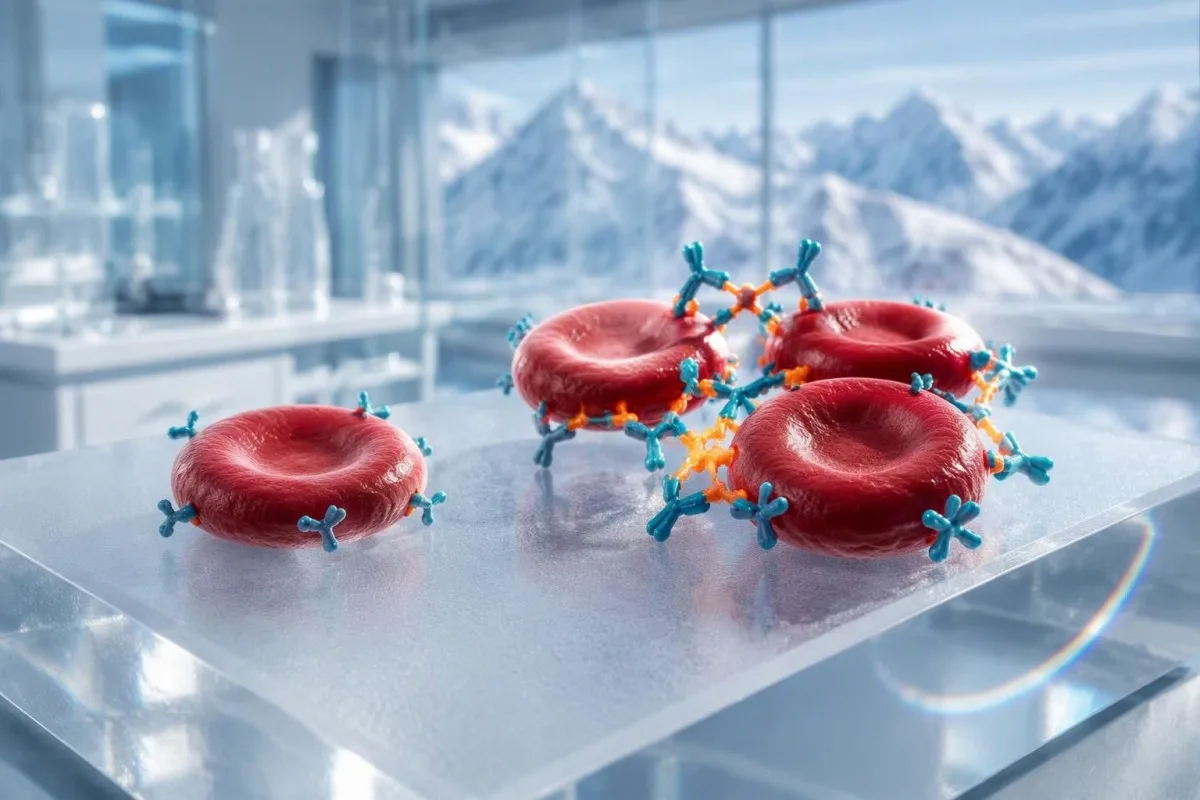
పాజిటివ్ ఫలితం రెడ్ సెల్స్కు అటాచ్ అయిన మెటీరియల్ను గుర్తిస్తుంది — రెడ్-సెల్ విధ్వంసం తప్పనిసరిగా కాదు. తదుపరి నిర్ణయం హిమోగ్లోబిన్ ట్రెండ్స్, హెమోలిసిస్ మార్కర్స్, మందులు మరియు ట్రాన్స్ఫ్యూషన్ చరిత్రపై ఆధారపడి ఉంటుంది.


- పాజిటివ్ డైరెక్ట్ కూమ్బ్స్ టెస్ట్ అంటే యాంటీబాడీలు, కాంప్లిమెంట్ లేదా రెండూ రెడ్ సెల్స్పై గుర్తించబడ్డాయి; ఇది స్వతంత్రంగా హిమోలిటిక్ అనీమియాను నిర్ధారించదు.
- డైరెక్ట్ వర్సెస్ ఇన్డైరెక్ట్ టెస్టింగ్ 2 విభిన్న ప్రశ్నలను వేరు చేస్తుంది: ఇప్పటికే రెడ్ సెల్స్కు అటాచ్ అయిన మెటీరియల్ వర్సెస్ సీరం లేదా ప్లాస్మాలో సర్క్యులేట్ అవుతున్న యాంటీబాడీలు.
- DAT స్ట్రెంత్ తరచుగా 1+ నుండి 4+ వరకు గ్రేడ్ చేయబడుతుంది, కానీ గ్రేడ్ అనీమియా తీవ్రతను విశ్వసనీయంగా కొలవదు లేదా చికిత్సను నిర్ణయించదు.
- హిమోగ్లోబిన్ ట్రెండ్ ఒకే ఫలితం కంటే ఎక్కువ ముఖ్యం: 12 నుండి 9 g/dL కి పడిపోవడం 120 నుండి 90 g/L కి పడిపోవడంతో సమానం మరియు వివరణ అవసరం.
- యాక్టివ్ హెమోలిసిస్ హిమోగ్లోబిన్, రెటిక్యులోసైట్లు, LDH, బిలిరుబిన్, హాప్టోగ్లోబిన్ మరియు పెరిఫెరల్ స్మియర్లను ఉపయోగించి అంచనా వేయబడుతుంది - కేవలం DATతో కాదు.
- ఇటీవల జరిగిన రక్త మార్పిడి ఖచ్చితమైన తేదీలతో, ముఖ్యంగా గత 3 నెలలలో, వెల్లడించాలి; ఆలస్యమైన ప్రతిచర్యలు తరచుగా కొన్ని రోజుల తర్వాత కనిపిస్తాయి.
- మందుల సమీక్ష యాంటీబయాటిక్స్, రోగనిరోధక చికిత్సలు, IVIG మరియు గత 2-4 వారాలలో ఆపివేయబడిన మందులను చేర్చాలి; వివిక్త DAT ఫలితం కారణంగా సూచించిన చికిత్సను ఆపవద్దు.
- అత్యవసర లక్షణాలు విశ్రాంతి సమయంలో శ్వాస ఆడకపోవడం, మూర్ఛపోవడం, ఛాతీ నొప్పి లేదా కామెర్లతో కూడిన కొత్త ముదురు మూత్రం చేర్చండి; షెడ్యూల్ చేయబడిన పునరావృత పరీక్ష కోసం వేచి ఉండకండి.
పాజిటివ్ డైరెక్ట్ కూమ్బ్స్ టెస్ట్ వాస్తవానికి ఏమి సూచిస్తుంది?
A పాజిటివ్ డైరెక్ట్ కూమ్బ్స్ టెస్ట్ మీ ఎర్ర రక్త కణాలకు యాంటీబాడీలు, కాంప్లిమెంట్ ప్రోటీన్లు లేదా రెండూ జతచేయబడి ఉన్నాయని అర్థం. ఇది కాదు స్వయంచాలకంగా హిమోలిటిక్ అనీమియాను సూచించదు: వైద్యులు హిమోగ్లోబిన్ పోకడలు, రెటిక్యులోసైట్లు, LDH, బిలిరుబిన్ మరియు హప్టోగ్లోబిన్ ఉపయోగించి ఎర్ర రక్త కణాల నాశనాన్ని చూస్తారు, మందులు మరియు ఇటీవలి రక్తమార్పిడులను తనిఖీ చేస్తారు. మొదటి అంచనా 2 వేర్వేరు ప్రశ్నలను అడుగుతుంది: ఏమి జతచేయబడింది మరియు అది హాని చేస్తుందా.
డైరెక్ట్ యాంటిగ్లోబులిన్ పరీక్ష, సాధారణంగా DAT గా సంక్షిప్తీకరించబడుతుంది, ఇది డైరెక్ట్ కూమ్బ్స్ పరీక్షకు ప్రయోగశాల పేరు. దీని 2 సాధారణంగా పరిశోధించబడిన లక్ష్యాలు ఇమ్యునోగ్లోబులిన్ G, లేదా IgG, మరియు C3d వంటి కాంప్లిమెంట్ భాగాలు; ఒక సానుకూల ఫలితం ఉపరితల పూతను గుర్తిస్తుంది, మీ శరీరం ఎన్ని కణాలను నాశనం చేస్తుందో లెక్కించదు.
హిమోలిసిస్ మరియు అనీమియా వేర్వేరు ఆవిష్కరణలు. ఎవరైనా సాధారణ హిమోగ్లోబిన్తో పరిహారం చేయబడిన హిమోలిసిస్ను కలిగి ఉండవచ్చు, ఎందుకంటే మజ్జ ఉత్పత్తి సరిపోతుంది, మరొక వ్యక్తి ఐరన్ లోపం మరియు సంబంధం లేని పాజిటివ్ DAT నుండి అనీమియాను కలిగి ఉండవచ్చు; 10 g/dL హిమోగ్లోబిన్ ఏ వివరణ వర్తిస్తుందో స్థాపించదు.
నేను DAT ని సమీక్షించినప్పుడు, నా మొదటి ప్రశ్న మిగిలిన ప్యానెల్ రోగనిరోధక కారణానికి మద్దతు ఇస్తుందా అనేది. థామస్ క్లైన్, MD, చీఫ్ మెడికల్ ఆఫీసర్గా, నేను ఆ రెండవ దశ లేకుండా 1+ ల్యాబొరేటరీ ఫ్లాగ్ను రోగనిర్ధారణగా మార్చను; ఈ వ్యత్యాసం అనవసరమైన చికిత్స మరియు తప్పిపోయిన క్షీణత రెండింటినీ నివారిస్తుంది.
Kantesti అనేది AI రక్త పరీక్ష విశ్లేషణకారి, ఇది పాజిటివ్ DAT ను అనుబంధ CBC మరియు హిమోలిసిస్ మార్కర్లతో పాటు నిర్వహించడానికి సహాయపడుతుంది. మా పాత్ర వివరణ, రక్త-బ్యాంక్ అనుకూలత పరీక్ష లేదా అత్యవసర త్రియాజ్ కాదు; మా సంస్థ మరియు క్లినికల్ ఉద్దేశ్యం ఆ వ్యత్యాసాన్ని వివరించండి, 1 అప్లోడ్ చేయబడిన నివేదికకు అదనపు క్లినికల్ చరిత్ర ఎందుకు అవసరమో సహా.
డైరెక్ట్ వర్సెస్ ఇన్డైరెక్ట్ కూమ్బ్స్ టెస్ట్: తేడా ఏమిటి?
ది డైరెక్ట్ కూమ్బ్స్ టెస్ట్ వ్యక్తి యొక్క ఎర్ర రక్త కణాలకు ఇప్పటికే జతచేయబడిన యాంటీబాడీలు లేదా కాంప్లిమెంట్ను పరిశీలిస్తుంది. పరోక్ష కూమ్స్ పరీక్ష, దీనిని ఇండైరెక్ట్ యాంటిగ్లోబులిన్ టెస్ట్ లేదా IAT అని కూడా పిలుస్తారు, ప్రయోగశాల పరీక్ష కణాలకు బంధించగల యాంటీబాడీల కోసం సీరం లేదా ప్లాస్మాను పరిశీలిస్తుంది; ఇవి విభిన్న క్లినికల్ ప్రయోజనాలతో 2 సంబంధిత పరీక్షలు.
రోగనిరోధక ఎర్ర రక్త కణాల నాశనం అనుమానించబడినప్పుడు DAT పరీక్ష ఉపయోగించబడుతుంది, ఆటో ఇమ్యూన్ హిమోలిసిస్, కొన్ని రక్తమార్పిడి ప్రతిచర్యలు మరియు నవజాత శిశువు మూల్యాంకనంతో సహా. DAT మీ ABO గ్రూప్ లేదా RhD రకాన్ని గుర్తించదు, మరియు దాని సాధారణ పాజిటివ్/నెగటివ్ ఫలితం IU/mL లో నివేదించబడిన యాంటీబాడీ గాఢతతో మార్పిడి చేయబడదు.
IAT పరీక్ష ప్రీట్రాన్స్ఫ్యూజన్ యాంటీబాడీ స్క్రీనింగ్ మరియు గర్భధారణ స్క్రీనింగ్కు మద్దతు ఇస్తుంది. ప్రయోగశాల సిబ్బంది పరీక్ష కణాలను రోగి యొక్క సీరం లేదా ప్లాస్మాకు బహిర్గతం చేస్తారు మరియు బంధాన్ని అంచనా వేస్తారు; తల్లి యొక్క స్క్రీనింగ్ ఫలితం అందువల్ల శిశువు యొక్క DAT కంటే భిన్నమైన ప్రశ్నకు సమాధానం ఇస్తుంది, ఇద్దరు నివేదికలు కూమ్బ్స్ అనే పదాన్ని ఉపయోగించినప్పటికీ.
2 పరీక్షలు ఏదీ తప్పు లేకుండా విభేదించవచ్చు. ఒక వ్యక్తికి ప్రసరించే యాంటీబాడీలు మరియు ప్రతికూల DAT ఉండవచ్చు, ఎందుకంటే ఆ యాంటీబాడీలు వారి స్వంత కణాలకు పూత వేయడం లేదు, లేదా ఒక సాధారణ స్క్రీన్ ద్వారా గుర్తించబడని యాంటీబాడీతో పాజిటివ్ DAT ఉండవచ్చు, ఎందుకంటే పద్ధతులు విభిన్న నమూనాలు మరియు ప్రతిచర్య పరిస్థితులను పరిశీలిస్తాయి.
గర్భధారణ నివేదిక కోసం, మొదట శీర్షికలో యాంటీబాడీ స్క్రీన్, IAT, లేదా DAT అని ఉందో లేదో చూసి, ఆపై ధనాత్మక ఫలితాన్ని అర్థం చేసుకోండి. యాంటీబాడీ గుర్తింపు మరియు మునుపటి యాంటీ-డి పరిపాలన ఎందుకు ముఖ్యమైనదో మా గర్భధారణ ప్రతిరోధక స్క్రీన్ వివరణ వివరిస్తుంది; ఈ 2 రకాల ఫలితాలను ఒక సాధారణ యాంటీబాడీ లేబుల్గా కలపడం వలన తదుపరి చర్య తప్పు దిశలో వెళ్ళవచ్చు.
రెడ్ సెల్స్పై IgG మరియు కాంప్లిమెంట్ను DAT ఎలా గుర్తిస్తుంది?
ది DAT ఎర్ర రక్త కణాల పూతను గుర్తిస్తుంది కణాలకు జోడించబడిన మానవ ఇమ్యునోగ్లోబులిన్ లేదా కాంప్లిమెంట్తో ప్రతిస్పందించే యాంటిగ్లోబులిన్ రీజెంట్లను జోడించడం ద్వారా. ప్రయోగశాలలు సాధారణంగా ప్రాథమిక పాలీస్పెసిఫిక్ రీజెంట్ను ఉపయోగిస్తాయి, ఆపై నమూనాను స్పష్టం చేయడానికి 2 మోనోస్పెసిఫిక్ పరీక్షలు—యాంటీ-IgG మరియు యాంటీ-C3d—చేస్తాయి.
ట్యూబ్, జెల్-కాలమ్ మరియు సాలిడ్-ఫేజ్ పద్ధతులకు ఒకే విధమైన సున్నితత్వం ఉండదు. ఒక పద్ధతి నుండి బలహీనమైన పాజిటివ్ మరొకదానితో పునరావృతం కాకపోవచ్చు, మరియు ఒక రెఫరెన్స్ ప్రయోగశాల వివరించలేని ఫలితాన్ని అసలు పరీక్షను మార్చకుండా పునరావృతం చేయడం కంటే అదనపు పద్ధతులను ఉపయోగించి పరిశోధించవచ్చు.
DAT ప్రతిచర్యలను బలహీన పాజిటివ్ లేదా 1+ నుండి 4+ వరకు గ్రేడ్ చేయవచ్చు. ఈ గ్రేడ్లు గమనించిన ప్రయోగశాల ప్రతిచర్యను వివరిస్తాయి, కాలిబ్రేటెడ్ యాంటీబాడీ గాఢతను కాదు; 3+ DAT నుండి g/dL లో ఊహించిన హిమోగ్లోబిన్ తగ్గుదలకు మార్పిడి లేదు.
EDTA నమూనా సేకరణ తర్వాత కాంప్లిమెంట్ అటాచ్మెంట్ను పరిమితం చేయడంలో సహాయపడుతుంది, తప్పుదారి పట్టించే వివరణకు ఒక సంభావ్య మూలాన్ని తగ్గిస్తుంది. నమూనా వయస్సు, రీజెంట్ నిర్దిష్టత మరియు పరీక్ష పద్ధతి కూడా ముఖ్యమైనవి; పార్కర్ మరియు టార్మీ యొక్క 2017 సమీక్ష, 1 పాజిటివ్ DAT ను ప్రయోగశాల వివరాలు మరియు క్లినికల్ అన్వేషణలతో అర్థం చేసుకోవాలి, కేవలం ఒక స్వతంత్ర రోగ నిర్ధారణగా పరిగణించకూడదని వివరిస్తుంది.
ఎర్ర రక్త కణాలపై C3d అనేది సీరం C3 గాఢత వలె ఒకే కొలత కాదు. ఒక వ్యక్తికి తక్కువగా ప్రసరించే C3 స్థాయి లేకుండా C3d-పాజిటివ్ DAT ఉండవచ్చు; మా కాంప్లిమెంట్ టెస్టింగ్ గైడ్ ఈ 2 ప్రశ్నలను వేరు చేస్తుంది, తద్వారా కాంప్లిమెంట్ లేబుల్ తప్పిపోయి దైహిక స్వయం ప్రతిరక్షక వ్యాధికి రుజువుగా చదవబడదు.
హిమోలిటిక్ అనీమియా లేకుండా DAT ఎందుకు పాజిటివ్గా ఉంటుంది?
A హిమోలైటిక్ రక్తహీనత లేకుండా పాజిటివ్ DAT ఎర్ర రక్త కణాల పూత క్లినికల్గా ముఖ్యమైన విధ్వంసాన్ని కలిగించనప్పుడు, లేదా మరొక అనారోగ్యం లేదా చికిత్సకు పూత యాదృచ్ఛికంగా ఉన్నప్పుడు సంభవించవచ్చు. వివరణకు 2 స్వతంత్ర అంచనాలు అవసరం: హిమోలిసిస్ యొక్క రుజువు మరియు రక్తహీనత యొక్క రుజువు.
యాంటీబాడీ మొత్తం మాత్రమే ఎర్ర రక్త కణాల మనుగడను నిర్ణయించదు. యాంటీబాడీ లక్షణాలు, కాంప్లిమెంట్ యాక్టివేషన్ మరియు శరీరం యొక్క క్లియరెన్స్ ప్రతిస్పందన విధ్వంసం సంభవిస్తుందా లేదా అనే దానిని ప్రభావితం చేస్తాయి; 1+ ఫలితం ఒక రోగిలో ముఖ్యమైనది కావచ్చు, అయితే మరొక రోగిలో స్థిరమైన హిమోగ్లోబిన్తో బలమైన ప్రతిచర్య ఉండవచ్చు.
పాసివ్ యాంటీబాడీ ఎక్స్పోజర్ తాత్కాలిక పాజిటివ్ DAT ను ఉత్పత్తి చేయగలదు, ముఖ్యంగా IVIG లేదా ఇతర యాంటీబాడీ-కలిగిన ఉత్పత్తుల తర్వాత. విస్తృతమైన స్వయం ప్రతిరక్షక ప్యానెల్ను వెంటనే ఆర్డర్ చేయడం కంటే గత 2-4 వారాలలో అందించిన చికిత్సలను సమీక్షించడం తరచుగా ఉపయోగకరంగా ఉంటుంది, అయితే సంబంధిత వ్యవధి ఉత్పత్తి మరియు క్లినికల్ పరిస్థితులపై ఆధారపడి ఉంటుంది.
రక్తహీనత యాదృచ్ఛిక DAT పాజిటివ్తో కలిసి ఉండవచ్చు. హిమోగ్లోబిన్ 10.5 g/dL, తక్కువ ఫెర్రిటిన్, స్థిరమైన బిలిరుబిన్ మరియు సంతృప్తికరమైన హిమోలిసిస్ నమూనా లేని ఒక ఇలస్ట్రేటివ్ రోగిని పరిగణించండి: DAT పాజిటివ్గా ఉన్నందున, అయిర్న్ లోపం ఇంకా స్వయం ప్రతిరక్షక లేబుల్ ద్వారా భర్తీ చేయబడకుండా అంచనాకు అర్హమైనది.
సాధారణ హిమోగ్లోబిన్ హిమోలిసిస్ను పూర్తిగా తోసిపుచ్చదు, ఎందుకంటే మజ్జ అదనపు కణాలను ఉత్పత్తి చేయడం ద్వారా భర్తీ చేయగలదు. మా సానుకూల యాంటీబాడీ ఫలిత మార్గదర్శి యాంటీబాడీ గుర్తింపు మరియు క్రియాశీల వ్యాధి మధ్య విస్తృత వ్యత్యాసాన్ని వివరిస్తుంది; ఇక్కడ, హామీ ఇవ్వడానికి కనీసం 1 ఎర్ర రక్త కణాల టర్నోవర్ అంచనా అవసరం.
యాక్టివ్ హెమోలిసిస్ జరుగుతుందో లేదో ఏ రక్త పరీక్షలు చూపుతాయి?
క్రియాశీల హిమోలిసిస్ నమూనాతో మద్దతు ఇస్తుంది, సాధారణంగా తగ్గుతున్న హిమోగ్లోబిన్, పెరిగిన LDH మరియు పరోక్ష బిలిరుబిన్, తగ్గిన హాప్టోగ్లోబిన్ మరియు తగిన రెటిక్యులోసైట్ ప్రతిస్పందన. ఏ ఒక్క మార్కర్ కూడా హిమోలిసిస్ను నిరూపించదు; వైద్యులు ఈ అన్వేషణలను లక్షణాలు, స్మెర్ మరియు అందుబాటులో ఉన్నప్పుడు కనీసం 2 సమయ బిందువులలో మార్పులతో మిళితం చేస్తారు.
LDH కణాల టర్నోవర్ను ప్రతిబింబిస్తుంది కానీ ఎర్ర రక్త కణాలకు నిర్దిష్టమైనది కాదు. ఉదాహరణకు, 500 U/L యొక్క LDH 250 U/L యొక్క ఎగువ పరిమితికి రెండు రెట్లు, కానీ కండరాల లేదా కాలేయ గాయం కూడా ఎత్తుకు కారణం కావచ్చు; మా LDH వివరణ వివరణ నిష్పత్తిని కారణం నుండి వేరు చేయడానికి సహాయపడుతుంది.
తక్కువ హాప్టోగ్లోబిన్ హిమోలిసిస్కు మద్దతు ఇస్తుంది కానీ తగ్గిన కాలేయ ఉత్పత్తిని కూడా ప్రతిబింబిస్తుంది. సుమారు 25 mg/dL కంటే తక్కువ ఫలితం, 0.25 g/L కి సమానం, సరైన నేపధ్యంలో సహాయకరంగా ఉంటుంది, అయినప్పటికీ వాపు హాప్టోగ్లోబిన్ను పెంచుతుంది మరియు క్షీణతను మభ్యపెట్టవచ్చు; మా నాన్-హిమోలిటిక్ హాప్టోగ్లోబిన్ కారణాలు తక్కువ లేదా సాధారణ ఫలితం రోగనిర్ధారణను స్థిరపరచదు ఎందుకో వివరిస్తాయి.
డైరెక్ట్ బిలిరుబిన్ కంటే ఎర్ర రక్త కణాల విచ్ఛిన్నానికి పరోక్ష బిలిరుబిన్ మరింత సంబంధితంగా ఉంటుంది. 2 mg/dL యొక్క మొత్తం బిలిరుబిన్ సుమారు 34 µmol/L, కానీ నమూనాను అర్థం చేసుకోవడానికి బిలిరుబిన్ భిన్నత్వం అవసరం; గిల్బర్ట్ సిండ్రోమ్, కాలేయ వ్యాధి మరియు హిమోలిసిస్ చక్కగా వేరు వేరు వర్గాలుగా కనిపించడానికి బదులుగా అతివ్యాప్తి చెందుతాయి.
Kantesti అనేది ఒక AI రక్త పరీక్ష వివరణ వేదిక, ఇది DAT అన్వేషణలను హిమోగ్లోబిన్ మరియు టర్నోవర్-మార్కర్ పోకడల పక్కన ఉంచుతుంది. హిల్ మరియు ఇతరుల 2017 బ్రిటిష్ సొసైటీ ఫర్ హెమటాలజీ మార్గదర్శకం హిమోలిసిస్ను స్థాపించడంతో ప్రారంభమవుతుంది, ఆపై దాని రోగనిరోధక కారణాన్ని అంచనా వేస్తుంది; 2 నివేదికలను పోల్చడం దిశను స్పష్టం చేయగలదు, కానీ మా AI పరీక్ష లేదా నిపుణుల వివరణను భర్తీ చేయదు.
CBC, రెటిక్యులోసైట్ కౌంట్ మరియు స్మియర్ ఏమి జోడిస్తాయి?
CBC రక్తహీనతను కొలుస్తుంది, రెటిక్యులోసైట్లు మజ్జ పరిహారాన్ని అంచనా వేస్తాయి మరియు స్మెర్ యంత్రాంగం గురించి క్లూలను జోడిస్తుంది. ఈ 3 అంచనాలు రోగనిరోధక విధ్వంసాన్ని రక్తస్రావం, తగ్గిన ఉత్పత్తి, వారసత్వ ఎర్ర రక్త కణాల రుగ్మతలు మరియు DATకి సానుకూలమైన డేట్ ARTIFACTS నుండి వేరు చేయడానికి సహాయపడతాయి.
హిమోగ్లోబిన్ మార్పు స్థిరమైన యూనిట్లు మరియు సందర్భంలో చదవాలి. 12 నుండి 9 g/dL వరకు తగ్గుదల 120 నుండి 90 g/L కి సమానం; నిర్జలీకరణం, ఇంట్రావీనస్ ద్రవాలు మరియు ఇటీవలి transfusions గాఢతలను మార్చగలవు, కాబట్టి రెండు కొలతల తేదీలు మరియు పరిస్థితులు సంఖ్యల పక్కన ఉంటాయి.
రెటిక్యులోసైట్ శాతం రక్తహీనతలో మజ్జ ప్రతిస్పందనను అతిశయోక్తి చేయగలదు. హీమోటోక్రిట్ 24% తో 6% యొక్క ఒక దృష్టాంత రెటిక్యులోసైట్ గణన, 45% కు సరిదిద్దబడింది, సుమారు 3.2% అవుతుంది; రెటిక్యులోసైట్ ఉత్పత్తి సూచికకు అదనపు పరిపక్వత సర్దుబాటు అవసరం, మరియు సంపూర్ణ గణన తరచుగా స్పష్టమైన ప్రారంభ స్థానాన్ని అందిస్తుంది.
Spherocytes and polychromasia support particular mechanisms but are not diagnostic alone. Spherocytes can occur in immune hemolysis or hereditary spherocytosis, whereas polychromasia reflects younger cells entering circulation; our polychromasia interpretation guide explains why 1 smear feature cannot establish an autoimmune cause.
An inadequate reticulocyte response does not rule out severe hemolysis. Marrow suppression, nutrient deficiency, or delayed compensation can blunt the expected increase; our రెటిక్యులోసైట్ మరియు హీమటాలజీ గైడ్ also distinguishes reticulocyte count from other red-cell measurements, which becomes especially useful when 2 abnormalities point in different directions.
ఏ మందులు పాజిటివ్ DATకి కారణమవుతాయి లేదా దానిని సంక్లిష్టం చేస్తాయి?
Medicines can cause immune hemolysis, produce red-cell coating without hemolysis, or interfere with antibody testing. Clinicians review current drugs and exposures from the preceding 2–4 weeks, sometimes longer, including antibiotics, IVIG, immune therapies, and medicines discontinued during a hospital stay.
Ceftriaxone and piperacillin are recognized causes of drug-induced immune hemolytic anemia. A sudden hemoglobin decline soon after an implicated medicine is more concerning than an isolated positive DAT; recording the exact administration date and whether symptoms began within hours or days is more useful than listing only the drug class.
Methyldopa can produce red-cell autoantibodies and DAT positivity without hemolysis. A positive result alone does not prove the drug is harming red cells, but an accompanying hemolysis pattern changes the assessment; a hemoglobin of 9 g/dL needs comparison with the pretreatment baseline and an evaluation for other causes.
Anti-CD38 therapies such as daratumumab particularly complicate indirect antiglobulin testing and compatibility work. They should not be casually equated with drug-induced hemolysis or a reliably positive DAT; telling the blood bank about 1 such treatment can prevent avoidable confusion when arranging a transfusion.
As Thomas Klein, MD, I would ask for the discharge medication list as well as the current list, because a medicine stopped 7 days ago may still explain today's result. Kantesti can help organize that timeline, while our medication effects checklist supports preparation; suspected acute drug-related hemolysis requires urgent clinical assessment, not self-directed stopping and restarting.
ఇటీవలి ట్రాన్స్ఫ్యూషన్ DAT ఇంటర్ప్రెటేషన్ను ఎలా మారుస్తుంది?
A positive DAT after transfusion can reflect antibodies coating donor red cells, with or without clinically significant hemolysis. Give the clinician and blood bank the exact transfusion dates, particularly for transfusions within the previous 3 months, and describe any new jaundice, dark urine, or unexpected hemoglobin decline.
Delayed hemolytic transfusion reactions often appear several days after transfusion, commonly around 5–14 days, although timing varies and later presentations occur. A previously formed antibody may have fallen below detection before transfusion and then reappear after exposure to the relevant donor-cell antigen.
A new positive DAT is not automatically a hemolytic transfusion reaction. A delayed serologic reaction can occur without demonstrable hemolysis; clinicians compare posttransfusion hemoglobin, bilirubin, LDH, and haptoglobin with earlier values, rather than interpreting 1 positive compatibility-related result as proof of injury.
The blood bank may repeat the antibody screen and identify antibodies eluted from the cells. This helps distinguish an alloantibody against donor cells from an autoantibody, and a mixed-field pattern may reflect coated donor cells alongside uncoated recipient cells; requesting at least 1 pretransfusion result can materially improve interpretation.
Transfusion also changes the interpretation of other tests. HbA1c reflects a mixture of donor and recipient red-cell histories rather than only your own glucose exposure; our A1c after transfusion guide explains why a reassuring percentage obtained shortly after transfusion may be misleading, particularly when red-cell survival is also shortened.
IgG-పాజిటివ్ లేదా C3-పాజిటివ్ DAT కారణాన్ని గుర్తిస్తుందా?
An IgG-positive DAT often supports warm-antibody hemolysis, while a C3d-positive pattern raises consideration of cold-antibody processes. Neither pattern establishes the diagnosis by itself: clinicians interpret the 2 reagent results alongside hemolysis, antibody studies, treatment exposure, and transfusion history.
Warm autoimmune hemolytic anemia commonly has an IgG-positive DAT, with or without C3d. The name warm refers to antibody activity near 37°C, not whether a patient feels hot; drug-related and transfusion-related causes still need exclusion before this pattern is labeled primary autoimmune disease.
Cold agglutinin disease typically has a strongly C3d-positive DAT, because the antibody may detach while complement remains on the red cell. A cold agglutinin titer of at least 1:64 at 4°C is commonly part of diagnostic criteria, but titer alone does not establish clinically significant disease.
Thermal amplitude can matter more than a cold antibody's titer. An antibody reacting near or above 30°C may be more clinically relevant than one reacting only at very low temperatures; Jäger et al.'s 2020 international consensus recommendations emphasize classifying the antibody process because treatment decisions differ between warm and cold disease.
Confirmed cold-antibody hemolysis may prompt investigation for an underlying clonal disorder, rather than assuming every case is a transient response to illness. Our immunofixation result explanation explains one possible component of that work-up; detecting 1 small monoclonal band is not, by itself, a diagnosis of lymphoma.
ఆటోఇమ్యూన్ వ్యాధి లేదా ఇన్ఫెక్షన్లు DAT పాజిటివిటీని ఎప్పుడు వివరిస్తాయి?
Autoimmune conditions, some infections, and lymphoproliferative disorders can accompany DAT positivity or immune hemolysis. Investigation should follow the clinical pattern rather than trigger an indiscriminate panel: 1 positive DAT without hemolysis provides much less justification for extensive testing than anemia with convincing immune destruction.
Lupus can be associated with DAT positivity, with or without autoimmune hemolytic anemia. A DAT does not diagnose lupus, and testing should be guided by findings such as inflammatory joint symptoms, rashes, kidney abnormalities, or multiple cytopenias; the presence of 2 immune-related test flags still does not replace a clinical assessment.
Anti-dsDNA testing answers a different question from the DAT. మా anti-dsDNA interpretation guide explains its relevance to lupus assessment; clinicians also consider complement concentrations and urinalysis when appropriate, rather than assuming that 1 red-cell coating result predicts autoimmune activity throughout the body.
Some infections can trigger cold-antibody hemolysis or transient immune red-cell findings. Recent respiratory illness or mononucleosis-like symptoms may guide testing, but an EBV IgG-positive result alone commonly reflects previous exposure; our EBV యాంటీబాడీ ప్యాటర్న్ గైడ్ distinguishes that from evidence of a recent episode.
Primary autoimmune hemolytic anemia is considered only after relevant secondary explanations are assessed. Persistent lymph-node enlargement, unexplained weight loss, or abnormalities in more than 1 blood-cell lineage can change the work-up; no universal number of scans or antibody tests suits every patient, and specialists often stage the investigation to avoid misleading incidental findings.
గర్భధారణలో లేదా నవజాత శిశువులో పాజిటివ్ DAT అంటే ఏమిటి?
In pregnancy, the maternal antibody screen is usually an indirect test; in a newborn, the DAT detects coating of the baby's red cells. A DAT-positive newborn needs assessment for jaundice and anemia, but the result alone does not determine treatment: bilirubin interpretation changes with age measured in hours, not simply 1 adult reference range.
Maternal antibodies can cross the placenta and attach to fetal or newborn red cells. ABO or other red-cell antigen incompatibility may contribute, but the antibody involved and the baby's laboratory course matter more than a DAT grade of 1+ or 2+ considered in isolation.
Preventive maternal anti-D immunoglobulin can sometimes explain newborn DAT positivity without significant hemolysis. The maternity and pediatric teams interpret this against the mother's antibody history and the infant's bilirubin and hemoglobin; 1 positive DAT is not a reason to assume preventive treatment has caused clinically important harm.
Newborn bilirubin treatment decisions depend on gestational age, age in hours, and relevant risk factors. Jaundice appearing during the first 24 hours warrants prompt assessment; an adult bilirubin threshold in mg/dL should never be copied into a newborn's treatment plan or used to delay pediatric advice.
Children need age-specific interpretation and a pediatric safety pathway. మా పిల్లల AI వివరణ పరిమితులు explain why pediatric and newborn results require additional context; arrange the recommended bilirubin check before leaving care, because a follow-up scheduled 24 hours later may address a different risk window than a routine adult repeat test.
ఏ లక్షణాలు లేదా ల్యాబొరేటరీ మార్పులకు తక్షణ సంరక్షణ అవసరం?
A positive DAT becomes urgent when it accompanies symptoms of severe anemia or rapidly developing hemolysis. Seek immediate care for breathlessness at rest, chest pain, fainting, confusion, or new dark urine with jaundice; do not wait 24–48 hours for a routine repeat if symptoms are progressing.
The speed of hemoglobin decline matters as much as the final value. A fall from 12 to 8 g/dL over 2 days deserves urgent assessment even if the person initially appears comfortable; bleeding, dilution, sampling error, and hemolysis all remain possible until evaluated.
Hemoglobin near or below 7 g/dL, equivalent to 70 g/L, requires prompt clinical assessment, but transfusion decisions are individualized. Symptoms, cardiovascular disease, rate of decline, and instability can make a higher concentration dangerous; conversely, a stable chronic value is not interpreted the same way as an abrupt new fall.
Schistocytes with anemia and a low platelet count raise concern for a different urgent mechanism, such as thrombotic microangiopathy. Our urgent schistocyte findings guide explains why an incidental positive DAT must not distract from this pattern; a platelet count of 40 × 10^9/L adds a separate warning signal.
Dark urine has several possible causes, including hemoglobin, bilirubin, medicines, and urinary red cells. Our ముదురు మూత్రం హెచ్చరిక సంకేతాలు explain that distinction; when dark urine starts within days of a transfusion or alongside jaundice and weakness, the transfusion service and treating team need the information immediately rather than at the next routine visit.
పాజిటివ్ డైరెక్ట్ కూమ్బ్స్ టెస్ట్ తర్వాత మీరు తదుపరి ఏమి చేయాలి?
The next step is to establish whether hemolysis is active, review the DAT pattern, and identify relevant exposures. Bring at least 2 dated CBC results if available, the medication list, transfusion dates, and any IgG/C3d breakdown; treatment is directed at the cause and clinical severity, not at making the DAT negative.
Ask whether the clinician needs a repeat CBC, reticulocytes, LDH, bilirubin fractions, haptoglobin, and smear. If results are unexpected, the laboratory may repeat the DAT or use another method; a damaged sample can distort some chemistry results, but an elevated hemolysis index is not itself proof of immune destruction inside your body.
Repeat-testing intervals depend on risk rather than one fixed calendar rule. An evolving hemoglobin decline may require reassessment within 24 hours or sooner, while an asymptomatic person with stable markers may have a planned outpatient review; Thomas Klein, MD's practical starting point is to arrange the follow-up before debating whether the DAT should be repeated.
Kantesti is an AI-powered blood test analysis tool that helps compare dated laboratory findings while keeping clinical interpretation separate from compatibility testing. మా AI టెక్నాలజీ వివరణ describes the interpretation workflow; verify that a 1+ result, units, and the collection date were read correctly before discussing the generated explanation with your clinician.
Blood-bank expertise remains necessary when transfusion is needed, particularly if autoantibodies complicate identification of clinically significant alloantibodies. Our క్లినికల్ వాలిడేషన్ విధానం describes the standards behind our explanatory service, not a guarantee for every case; neither a 4+ DAT nor a difficult crossmatch should automatically delay a medically necessary emergency transfusion under specialist supervision.
వైద్య ఆధారాలు, ప్రచురణ లింకులు మరియు వివరణ పరిమితులు
DAT interpretation rests on hematology and transfusion evidence, not on general wellness publications. As of October 5, 2026, the 2017 British Society for Haematology guideline, the 2020 international consensus recommendations, and Parker and Tormey's laboratory review support the central approach: establish hemolysis, characterize the immune finding, and investigate its context.
The 3 external medical references below directly concern DAT interpretation or autoimmune hemolytic anemia. Their publication years are stated so readers can distinguish an article update from a newly issued guideline; this October 5, 2026 update does not imply that a new 2026 DAT grading threshold or universal retesting schedule exists.
The 2 Figshare items below were supplied as related organizational publications, not evidence for DAT diagnosis or treatment. With verified author and publication-date metadata unavailable here, the APA-style entries begin with their titles and use n.d.; a DOI identifies an archived item but does not, by itself, establish peer review or clinical validation.
Diarrhea after fasting, black specks in stool & GI guide 2026. (n.d.). Figshare. DOI: 10.6084/m9.figshare.31438111. Discovery links are available through ResearchGate ప్రచురణ శోధన మరియు Academia ప్రచురణ శోధన; these search destinations are not verified copies of the publication.
Women's health guide: Ovulation, menopause & hormonal symptoms. (n.d.). Figshare. DOI: 10.6084/m9.figshare.31830721. Discovery links include ResearchGate title search మరియు Academia title search; neither item replaces the 3 DAT-specific references, and Kantesti's medical advisory board directory identifies our clinical contributors without implying an independent review of every individual result.
తరచుగా అడుగు ప్రశ్నలు
పాజిటివ్ డైరెక్ట్ కూమ్స్ పరీక్ష అంటే నాకు హిమోలిటిక్ అనీమియా ఉన్నట్లుగానా?
పాజిటివ్ డైరెక్ట్ కూంబ్స్ పరీక్ష స్వయంచాలకంగా హీమోలిటిక్ అనీమియాను సూచించదు; ఇది ఎర్ర రక్త కణాలకు అంటుకున్న యాంటీబాడీలను లేదా కాంప్లిమెంట్ను గుర్తిస్తుంది. ఎర్ర రక్త కణాల విధ్వంసం జరుగుతుందో లేదో తెలుసుకోవడానికి వైద్యులు హిమోగ్లోబిన్, రెటిక్యులోసైట్లు, LDH, బిలిరుబిన్, హాప్టోగ్లోబిన్ మరియు స్మియర్ను అంచనా వేస్తారు. 1+ నుండి 4+ వరకు రేట్ చేయబడిన DAT అనీమియా తీవ్రతను వివరించదు, ప్రయోగశాల ప్రతిచర్యను వివరిస్తుంది. సాధారణ హిమోగ్లోబిన్ పరిహారంతో కూడిన హీమోలైసిస్తో కలిసి ఉండవచ్చు, కాబట్టి అనుబంధ టర్నోవర్ మార్కర్లు ఇప్పటికీ ముఖ్యమైనవి.
ప్రత్యక్ష మరియు పరోక్ష కూంబ్స్ పరీక్షల మధ్య తేడా ఏమిటి?
ప్రత్యక్ష కూమ్బ్స్ పరీక్ష ఒక వ్యక్తి ఎర్ర రక్త కణాలకు అంటుకున్న యాంటీబాడీలు లేదా కాంప్లిమెంట్ను గుర్తిస్తుంది, అయితే పరోక్ష కూమ్బ్స్ పరీక్ష ప్రయోగశాల పరీక్ష కణాలకు బంధించగల ప్రసరణ యాంటీబాడీలను గుర్తిస్తుంది. ఈ 2 పరీక్షలు వేర్వేరు ప్రశ్నలకు సమాధానమిస్తాయి మరియు ఒకే వ్యక్తిలో వేర్వేరు ఫలితాలను కలిగి ఉంటాయి. గర్భధారణ యాంటీబాడీ స్క్రీనింగ్ మరియు ప్రీట్రాన్స్ఫ్యూషన్ స్క్రీనింగ్ కోసం పరోక్ష పరీక్ష సాధారణంగా ఉపయోగించబడుతుంది. రోగనిరోధక ఎర్ర రక్త కణాల నాశనం, కొన్ని ట్రాన్స్ఫ్యూషన్ ప్రతిచర్యలు లేదా నవజాత శిశువు ఎర్ర రక్త కణాల పూత అంచనా వేయబడినప్పుడు ప్రత్యక్ష పరీక్ష ఉపయోగించబడుతుంది.
మందులు డైరెక్ట్ కూంబ్స్ టెస్ట్ను పాజిటివ్గా చేయగలవా?
మందులు రోగనిరోధక ఎర్ర రక్త కణాల పూత, వైద్యపరంగా ముఖ్యమైన రోగనిరోధక హిమోలిసిస్, లేదా పరీక్ష సమస్యల ద్వారా పాజిటివ్ డైరెక్ట్ కూంబ్స్ పరీక్షను కలిగించవచ్చు. సెఫ్ట్రియాక్సోన్ మరియు పైపెరాసిలిన్ ఔషధ-ప్రేరిత రోగనిరోధక హిమోలిటిక్ రక్తహీనతకు కారణాలుగా గుర్తించబడ్డాయి, అయితే మెథైల్డోపా హిమోలిసిస్ లేకుండా DAT పాజిటివిటీని ఉత్పత్తి చేయగలదు. వైద్యులు ప్రస్తుత చికిత్స మరియు గత 2–4 వారాలు, కొన్నిసార్లు అంతకంటే ఎక్కువ కాలం ఉపయోగించిన మందులను సమీక్షిస్తారు. ఒంటరి DAT ఫలితం కారణంగా సూచించిన చికిత్సను ఆపవద్దు, కానీ ఆకస్మిక బలహీనత, కామెర్లు లేదా ముదురు మూత్రం కోసం తక్షణ అంచనాను కోరండి.
రక్తమార్పిడి తర్వాత పాజిటివ్ కూమ్స్ పరీక్ష ప్రమాదకరమా?
transfusions తర్వాత పాజిటివ్ డైరెక్ట్ కూంబ్స్ టెస్ట్ దాత ఎర్ర రక్త కణాలను యాంటీబాడీలతో పూత పూయవచ్చు, కానీ అది ప్రమాదకరమైన ప్రతిచర్యను నిరూపించదు. ఆలస్యమైన హిమోలిటిక్ ట్రాన్స్ఫ్యూజన్ ప్రతిచర్యలు తరచుగా ట్రాన్స్ఫ్యూజన్ తర్వాత 5-14 రోజులలో కనిపిస్తాయి, అయితే సమయం మారవచ్చు. తగ్గుతున్న హిమోగ్లోబిన్, కామెర్లు, పెరిగిన LDH, మరియు తగ్గిన హప్టోగ్లోబిన్ చురుకైన హిమోలిసిస్కు ఆందోళన కలిగిస్తాయి. కొత్త లక్షణాలు కనిపిస్తే చికిత్స బృందం లేదా ట్రాన్స్ఫ్యూజన్ సేవను వెంటనే సంప్రదించండి, మరియు ఖచ్చితమైన ట్రాన్స్ఫ్యూజన్ తేదీలను అందించండి.
C3-పాజిటివ్ డైరెక్ట్ యాంటిగ్లోబులిన్ పరీక్ష అంటే ఏమిటి?
C3d-పాజిటివ్ డైరెక్ట్ యాంటిగ్లోబులిన్ టెస్ట్ అంటే ఎర్ర రక్త కణాలపై కాంప్లిమెంట్ భాగాలు కనుగొనబడ్డాయని అర్థం, మరియు చల్లని-యాంటీబాడీ ప్రక్రియ పరిశోధనకు మద్దతు ఇస్తుంది. వార్మ్-యాంటీబాడీ వ్యాధి, మందుల ప్రభావాలు, మరియు ట్రాన్స్ఫ్యూజన్-సంబంధిత పరిశోధనలు కూడా కాంప్లిమెంట్ను కలిగి ఉంటాయి, కాబట్టి C3d పాజిటివిటీ మాత్రమే కారణాన్ని గుర్తించదు. 4°C వద్ద కనీసం 1:64 చల్లని అగ్లూటినిన్ టైటర్ సాధారణంగా చల్లని అగ్లూటినిన్ వ్యాధి ప్రమాణాలలో భాగంగా ఉంటుంది, కానీ హీమోలిసిస్ మరియు విస్తృత క్లినికల్ చిత్రం కూడా అవసరం. C3d-పాజిటివ్ DAT అనేది తక్కువ సీరం C3 గాఢతతో సమానం కాదు.
నా DAT పాజిటివ్ అయినప్పటికీ, నా హిమోగ్లోబిన్ సాధారణంగా ఉంటే నాకు చికిత్స అవసరమా?
సాధారణ హిమోగ్లోబిన్తో పాటు విడిగా ఉన్న పాజిటివ్ DATకి ఆటోమేటిక్గా స్టెరాయిడ్స్ లేదా ఇతర ఇమ్యూన్ చికిత్స అవసరం లేదు. మానిటరింగ్ లేదా తదుపరి పరిశోధన సరైనదేనా అని నిర్ణయించే ముందు వైద్యులు కాంపెన్సేటెడ్ హిమోలైసిస్, మందుల ప్రభావాలు మరియు ట్రాన్స్ఫ్యూషన్ చరిత్ర కోసం తనిఖీ చేస్తారు. స్థిరత్వాన్ని స్థాపించడానికి కనీసం 2 తేదీతో కూడిన హిమోగ్లోబిన్ ఫలితాల పోలిక సహాయపడుతుంది, అయితే ప్రతి రోగికి ఒకే పునరావృత విరామం సరిపోదు. విశ్రాంతి సమయంలో ఆయాసం, మూర్ఛ, ఛాతీ నొప్పి లేదా కామెర్లతో కూడిన కొత్త ముదురు మూత్రం అభివృద్ధి చెందితే తక్షణ సంరక్షణను పొందండి.
ఈరోజే AI-శక్తితో రక్త పరీక్ష విశ్లేషణ పొందండి
తక్షణ, ఖచ్చితమైన ల్యాబ్ పరీక్ష విశ్లేషణ కోసం Kantestiని నమ్మే ప్రపంచవ్యాప్తంగా 2 మిలియన్లకు పైగా వినియోగదారులతో చేరండి. మీ రక్త పరీక్ష ఫలితాలను అప్లోడ్ చేసి, కొన్ని సెకన్లలో 15,000+ బయోమార్కర్ల సమగ్ర అర్థాన్ని పొందండి.
📚 సూచించిన పరిశోధనా ప్రచురణలు
Klein, T., Mitchell, S., & Weber, H. (2026). ఉపవాసం తర్వాత విరేచనాలు, మలంలో నల్లటి మచ్చలు & జీర్ణశయాంతర ప్రేగు వ్యాధి గైడ్ 2026. Kantesti AI వైద్య పరిశోధన.
Klein, T., Mitchell, S., & Weber, H. (2026). మహిళల ఆరోగ్య మార్గదర్శి: అండోత్పత్తి, రుతువిరతి మరియు హార్మోన్ల లక్షణాలు. Kantesti AI వైద్య పరిశోధన.
📖 బాహ్య వైద్య సూచనలు
హిల్ క్యూఏ తదితరులు (2017). ప్రాథమిక ఆటోఇమ్యూన్ హీమోలిటిక్ అనీమియా నిర్ధారణ మరియు నిర్వహణ. బ్రిటిష్ జర్నల్ ఆఫ్ హీమటాలజీ.
Jäger U et al. (2020). పెద్దలలో ఆటోఇమ్యూన్ హిమోలిటిక్ అనీమియా రోగనిర్ధారణ మరియు చికిత్స: మొదటి అంతర్జాతీయ ఏకాభిప్రాయ సమావేశం నుండి సిఫార్సులు.. బ్లడ్ రివ్యూస్.
Parker V, Tormey CA. (2017). The Direct Antiglobulin Test: Indications, Interpretation, and Pitfalls. Archives of Pathology & Laboratory Medicine.
⚕️ వైద్య నిరాకరణ
ఈ వ్యాసం కేవలం విద్యా ప్రయోజనాల కోసం మాత్రమే; ఇది వైద్య సలహాగా పరిగణించబడదు. నిర్ధారణ మరియు చికిత్స నిర్ణయాల కోసం ఎల్లప్పుడూ అర్హత కలిగిన ఆరోగ్య సంరక్షణ నిపుణుడిని సంప్రదించండి.
E-E-A-T విశ్వాస సంకేతాలు
అనుభవం
వైద్యుడి నేతృత్వంలో ల్యాబ్ ఫలితాల అర్థం చేసుకునే వర్క్ఫ్లోలపై క్లినికల్ సమీక్ష.
నైపుణ్యం
క్లినికల్ సందర్భంలో బయోమార్కర్లు ఎలా ప్రవర్తిస్తాయో అనే దానిపై ల్యాబొరేటరీ మెడిసిన్ దృష్టి.
అధికారవాదం
డాక్టర్ థామస్ క్లైన్ రాసినది; డాక్టర్ సారా మిచెల్ మరియు ప్రొఫెసర్ డాక్టర్ హాన్స్ వెబర్ సమీక్షించారు.
విశ్వసనీయత
ఆందోళనను తగ్గించేందుకు స్పష్టమైన తదుపరి చర్యల మార్గాలతో ఆధారిత (ఎవిడెన్స్-బేస్డ్) అర్థం చేసుకోవడం.