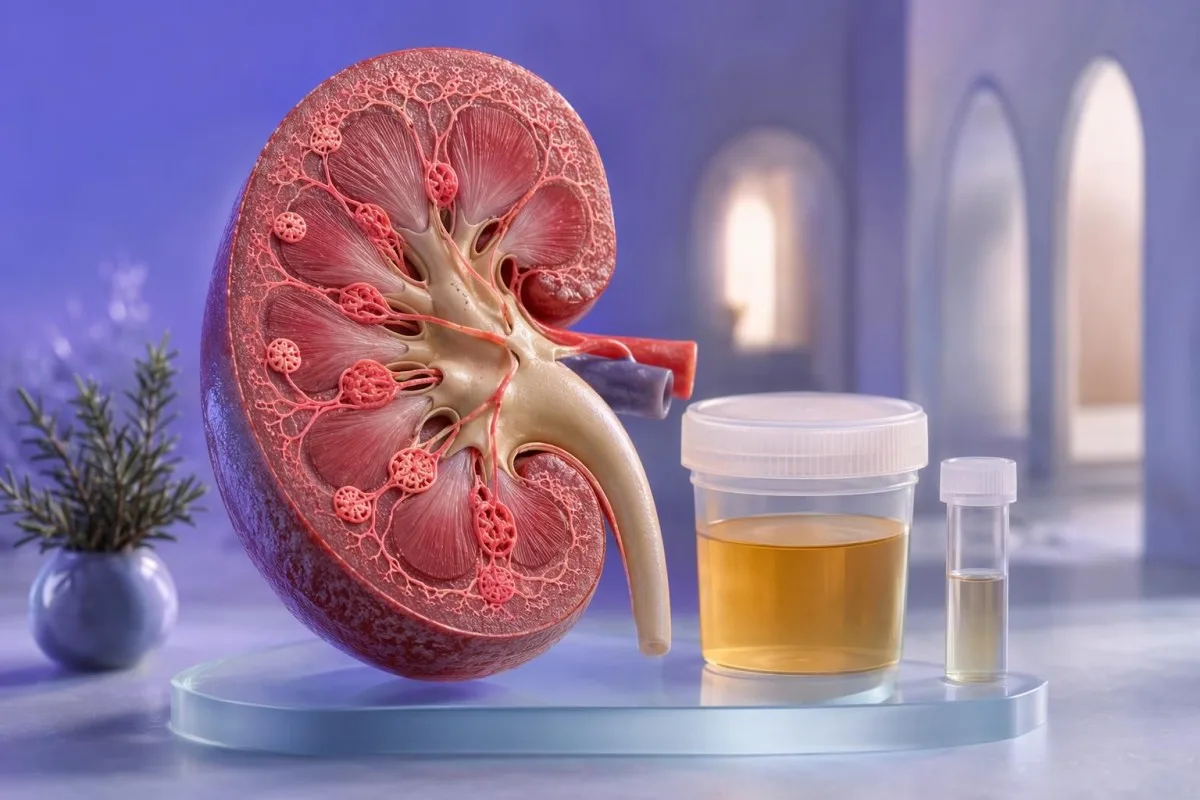
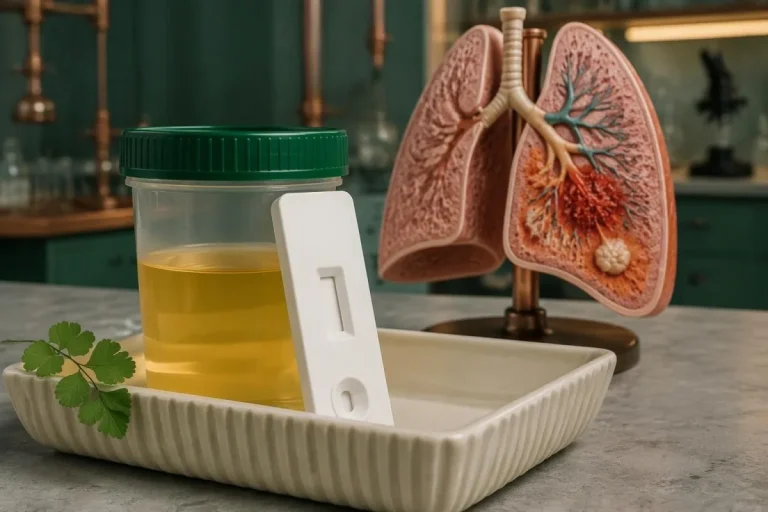
Kwa ACR ya mkojo iliyo ya kuwakilisha zaidi, tumia sampuli safi ya kwanza asubuhi ya katikati ya mkojo, epuka mazoezi yenye nguvu kwa saa 24, kunywa kawaida, na heri kufanya kipimo wakati wa maambukizi ya mkojo, homa, au hedhi. Usisimamishe dawa za shinikizo la damu au za kisukari ulizoandikiwa isipokuwa mtoa huduma aliyekuagiza kipimo akuambie ufanye hivyo.



- Sampuli bora ni sampuli ya kwanza asubuhi, ya kukamata kwa usafi (clean-catch) ya mkojo wa katikati, kwa sababu mkao wa usiku na uingizaji maji huwa na uthabiti zaidi.
- ACR ya kawaida ni chini ya 3 mg/mmol kwa vitengo vya Uingereza, sawa na chini ya 30 mg/g kwa vitengo vya Marekani.
- Athari ya mazoezi inaweza kuongeza kwa muda albumin kwenye mkojo; epuka kukimbia kwa nguvu, kuinua vitu vizito, au vipindi vikali kwa saa 24 kabla ya kipimo.
- Uingizaji maji inapaswa kuwa ya kawaida: uwiano hurekebisha kwa kupungua kwa mkusanyiko, lakini ulaji wa maji kupita kiasi bado unaweza kufanya kreatinini ya mkojo kuwa chini isivyo kawaida.
- Maambukizi na homa inaweza kusababisha albuminuria ya muda, hivyo maambukizi ya dalili ya mkojo kwa kawaida huhitaji kuahirisha uchunguzi wa ACR.
- Kutokwa na damu wakati wa hedhi kunaweza kuchafua sampuli kwa albumin na seli nyekundu; pima baada ya damu kuisha kikamilifu inapowezekana.
- Shinikizo la damu lililoongezeka inaweza kuongeza albumin kwenye mkojo, lakini dawa za ACE inhibitors, ARBs, SGLT2 inhibitors, na diuretiki zilizoagizwa hazipaswi kusimamishwa kwa ajili ya kipimo.
- Uthibitisho ni muhimu: albuminuria inayoendelea kwa ujumla huhitaji angalau sampuli 2 zilizo juu kati ya 3 zilizokusanywa ndani ya miezi 3 hadi 6.
ACR ya mkojo hupima nini na kwa nini maandalizi ni muhimu
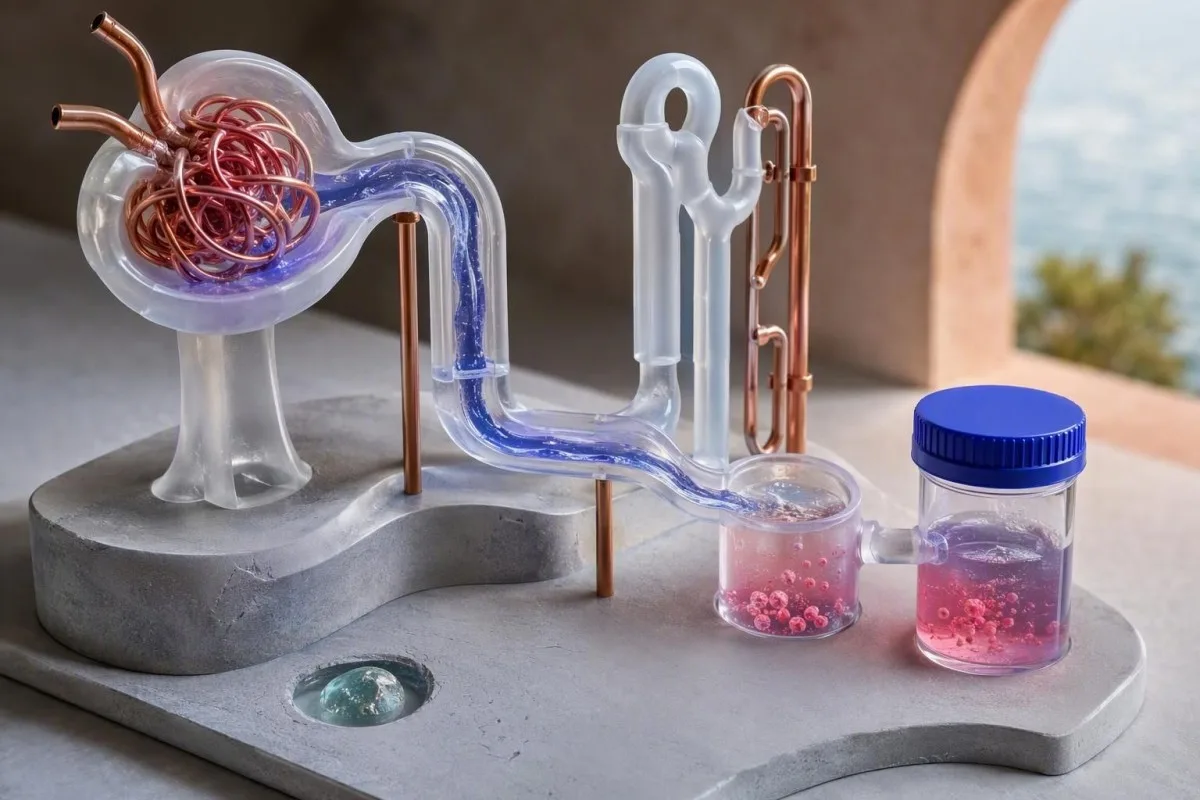
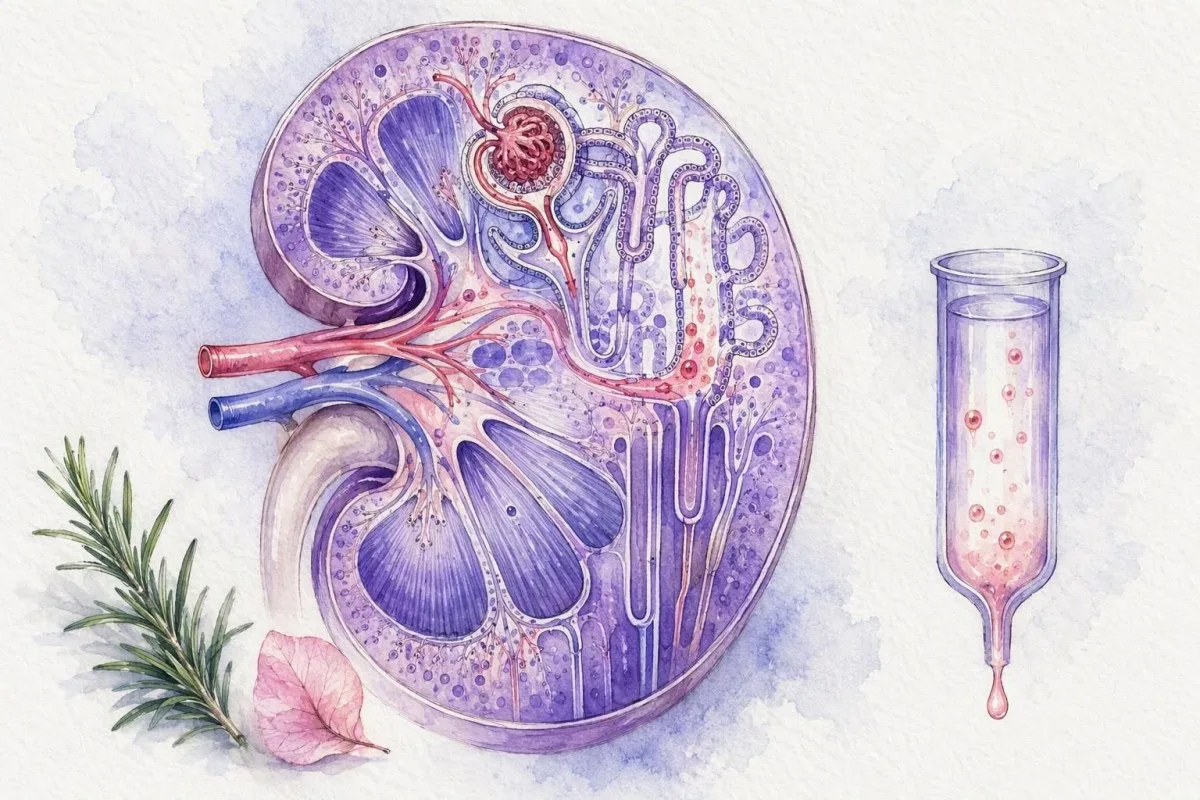
A uwiano wa microalbumin na creatinine hulinganisha albumin ya mkojo na creatinine ya mkojo kwenye sampuli moja, kusaidia watoa huduma za afya kugundua mkazo wa figo kabla ya eGFR kushuka. Matokeo yaliyo chini ya 3 mg/mmol au 30 mg/g kwa kawaida ni ya kawaida, ilhali thamani ya juu ya mara moja mara nyingi huhitaji uthibitisho badala ya tahadhari.
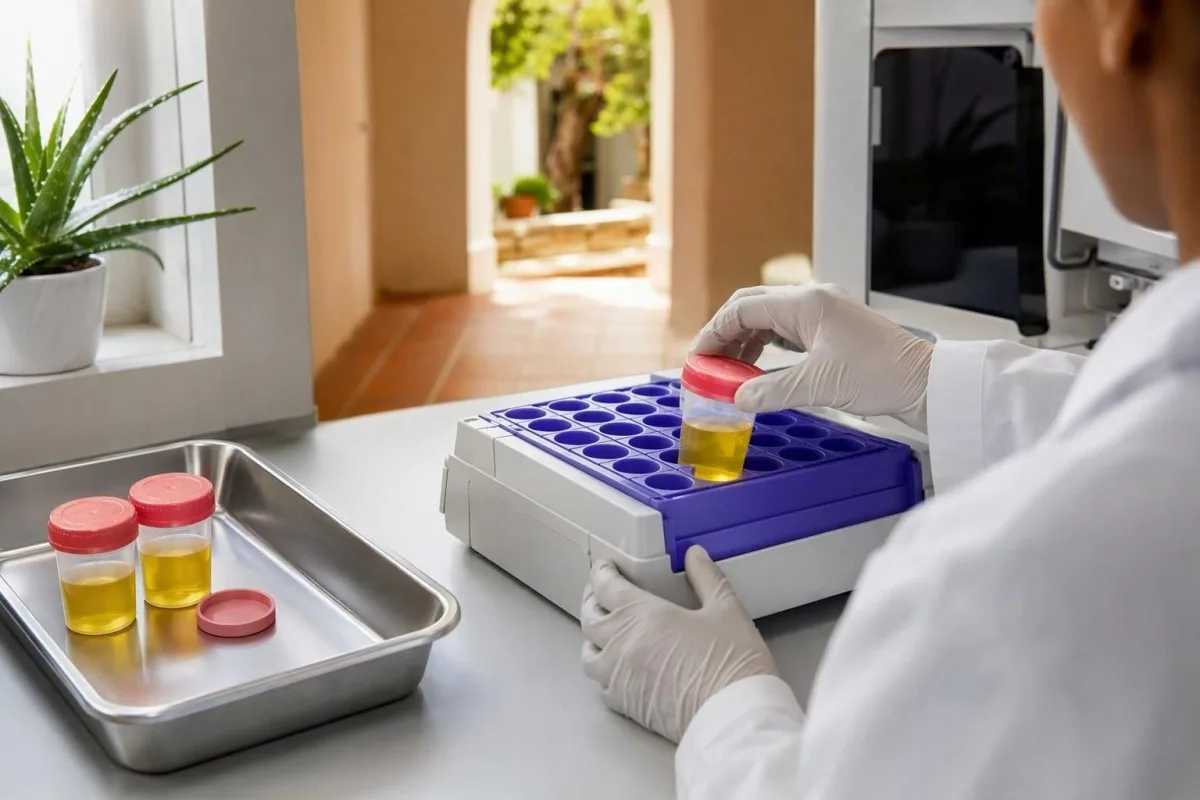
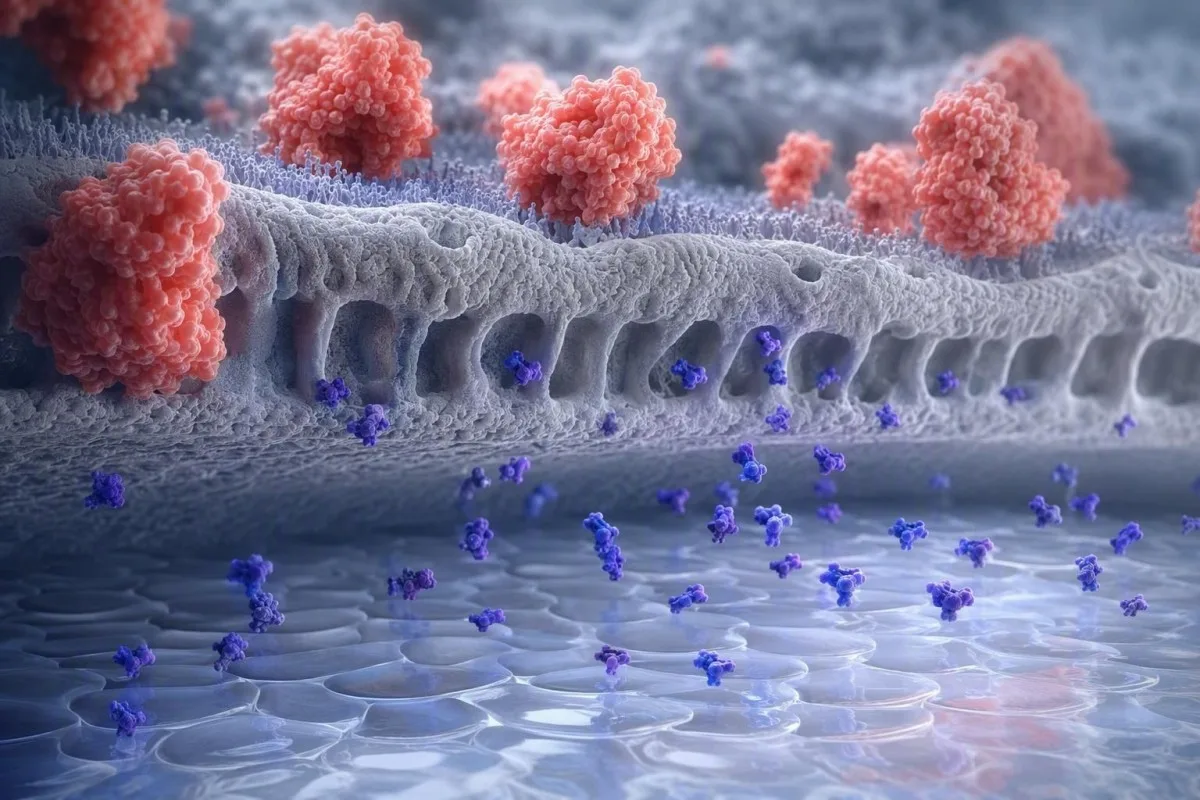
Albumin ni protini inayozunguka ambayo kichujio cha glomeruli kinachofanya kazi vizuri huikamata kwa kiasi kikubwa; creatinine ni bidhaa ya taka inayotokana na misuli inayotolewa kwenye mkojo kwa kiwango kinachotabirika zaidi. Kugawanya moja kwa nyingine hupunguza athari ya kupotosha ya sampuli ya mkojo iliyo na mkusanyiko mkubwa sana au mdogo sana, ndiyo maana ACR ni muhimu zaidi kuliko albumin ya mkojo peke yake. Mwongozo wa biomarker wa Kantesti huweka uwiano kando ya viashiria vya figo na kimetaboliki.
neno “microalbumin” ni lugha ya maabara ya zamani, si ugunduzi wa molekuli ndogo ndogo za albumin. Mwongozo wa kisasa wa figo unaita 30 hadi 300 mg/g “albuminuria iliyoongezeka kwa kiasi,” na thamani zilizo juu ya 300 mg/g “albuminuria iliyoongezeka sana”; makundi haya hutabiri hatari ya figo na moyo na mishipa iwapo yataendelea. KDIGO inapendekeza kuthibitisha ACR ya nasibu iliyo juu kwa sampuli ya kwanza ya asubuhi (KDIGO, 2024).
Kantesti ni Mchambuzi wa mtihani wa damu wa AI ambayo huweka ACR ya mkojo pamoja na muktadha wa eGFR, glukosi, na shinikizo la damu badala ya kutibu uwiano mmoja kama utambuzi. Kwenye kliniki yangu, mtu mwenye umri wa miaka 41 aliyekimbia km 10 kabla ya uchunguzi wa mahali pa kazi alikuwa na ACR ya 48 mg/g; kurudia kwa sampuli ya kwanza ya asubuhi akiwa amepumzika kulikuwa 9 mg/g. Maandalizi hubadilisha swali ambalo kipimo kinaweza kujibu kwa uaminifu.
Kwa nini sehemu ya chini inaweza kupotosha
Kreatinini ya chini ya mkojo kutokana na ulaji wa maji kupita kiasi au wingi mdogo wa misuli inaweza kufanya uwiano uonekane kuwa juu, ilhali sampuli iliyojilimbikizia sana inaweza kuleta matatizo mengine ya uchambuzi. Hii ni moja ya sababu madaktari hulinganisha sampuli za kurudiwa, GFR, matokeo ya dipstick ya mkojo, na fiziolojia ya kawaida ya mgonjwa badala ya kujibu namba moja iliyo karibu na mpaka.
Jinsi ya kusoma vitengo vya ACR kabla ya kujiandaa
ACR huripotiwa ama mg/mmol au mg/g, na thamani za namba si sawa kwa kubadilishana. ACR ya 3 mg/mmol ni takriban 30 mg/g, ilhali 30 mg/mmol ni takriban 300 mg/g.
Uingereza, Ulaya, Australia, na maabara nyingi za kimataifa kwa kawaida hutumia mg/mmol, ilhali Marekani ripoti zake kwa kawaida hutumia mg/g. Ubadilishaji wa vitendo ni mg/mmol × 8.84 ≈ mg/g, hivyo ACR ya 5 mg/mmol ni takriban 44 mg/g. Kuchanganya kitengo ni jambo la kawaida kushangaza wakati wagonjwa wanapolinganish a matokeo kati ya nchi.
Mkusanyiko wa albumin kwa wenyewe, kama vile 25 mg/L, hauwezi kuanzisha kategoria ile ile ya hatari kwa sababu huathiriwa sana na kiasi cha maji kilichotumiwa. Kreatinini ya mkojo si kipimo cha kuchuja kwa figo katika hali hii; ni sehemu ya chini inayotumika kusawazisha sampuli ya “spot”. Kwa tofauti kati ya vipimo vya kreatinini ya damu na vipimo vya mkojo, tazama mwongozo wetu wa vipimo vya figo na ACR ya mkojo.
Matokeo ya mpaka ya A2 yanastahili mazingira tulivu yanayoweza kurudiwa, hasa wakati eGFR iko juu 60 mL/min/1.73 m² na hakuna damu kwenye mkojo. Kanuni ya kidole cha Dk. Thomas Klein ni rahisi: andika muda wa kukusanya, mazoezi ya hivi karibuni magumu, ugonjwa wa ghafla, hali ya kipindi, na mabadiliko ya dawa kabla ya kuamua kama matokeo yanaonyesha biolojia au hali.
ACR si sawa na mkusanyiko wa protini wa saa 24
ACR ya “spot” ya kwanza asubuhi kwa kawaida hupendekezwa kwa uchunguzi kwa sababu ni rahisi kurudia na haina uwezekano mdogo wa kukosa kukusanya. Mkusanyiko wa saa 24 bado unaweza kuombwa kwa mifumo isiyo ya kawaida ya protini, tathmini ya ujauzito, au wakati matokeo na hali ya kliniki vinapingana; makosa ya kukusanya ni ya kawaida vya kutosha kuleta umuhimu. Mapitio yetu ya makosa ya ukusanyaji wa mkojo wa saa 24 yanaeleza zinapotokea tofauti hizo.
Jinsi ya kukusanya sampuli ya kuaminika zaidi ya ACR ya kwanza asubuhi
A sampuli ya mkojo ya kwanza asubuhi, ya kati (midstream), iliyokusanywa kwa njia safi (clean-catch) ndiyo maandalizi yanayopendekezwa kwa ACR kwa sababu hupunguza tofauti za mkao, shughuli, na unywaji maji. Ikusanye kabla ya kifungua kinywa inapowezekana, lakini kufunga hakuhitajiki kwa kipimo cha mkojo yenyewe.
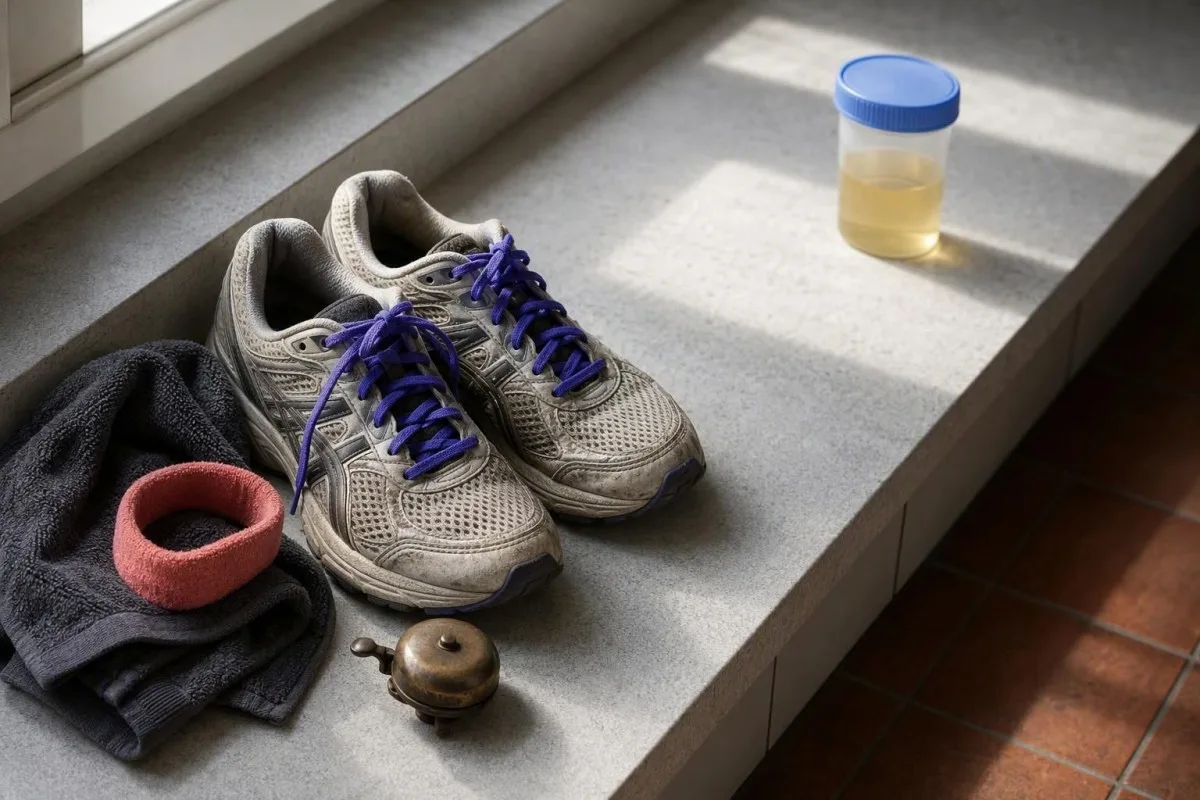
Tumia chombo cha kuzaa (sterile) kilichotolewa na maabara, anza kukojoa kwenye choo, kisha ukusanye sehemu ya kati ya mkondo bila chombo kugusa ngozi. Sampuli ya kati hupunguza uchafuzi kutoka kwa seli za ngozi, ute wa uke, au bakteria; jambo hili ni muhimu zaidi wakati albumin iko karibu na 3 mg/mmol mpaka. Funika haraka na ufuate maelekezo ya uwasilishaji ya maabara.
Kama unafanya kazi za usiku, “asubuhi ya kwanza” inamaanisha mkojo wa kwanza baada ya kipindi chako kirefu zaidi cha kawaida cha kulala, si lazima 7 a.m. Lengo ni kupata sampuli baada ya saa kadhaa za kupumzika kwa kiasi na bila shughuli yoyote ya hivi karibuni ya kusimama wima, badala ya kulazimisha ratiba ya saa ambayo haifai maisha yako. Kukosa sampuli moja ya kwanza asubuhi si janga—mwambie mtaalamu wa afya jinsi na lini ilivyokusanywa.
Epuka kukusanya mara tu baada ya safari ndefu ya kuendesha gari, kipindi cha mazoezi ya gym, au kusimama kwa saa kadhaa mahali pa kazi pa joto. Orthostatic proteinuria, ambapo albumin huongezeka baada ya kukaa wima kwa muda mrefu lakini ni ya kawaida baada ya kupumzika usiku kucha, ni ya kawaida zaidi kwa vijana na watu wazima wadogo. Kupanga hatua za ugonjwa sugu wa figo (chronic kidney disease staging) hutumia kategoria zote za ACR na kategoria ya eGFR, si alama yoyote peke yake.
Jinsi mazoezi yanavyoweza kuongeza kwa muda albumin kwenye mkojo
Mazoezi makali yanaweza kuongeza kwa muda albumin kwenye mkojo na yanapaswa kuepukwa kwa saa 24 kabla ya uchunguzi wa ACR. Kukimbia marathon, mazoezi mazito ya upinzani, vipindi vya kupanda kilima, na michezo ya ushindani vinaweza kutoa athari kubwa ya muda mfupi kuliko kutembea kwa mwendo wa taratibu.

Mazoezi hubadilisha mtiririko wa damu kwenye glomeruli, halijoto ya mwili, na jinsi mirija hushughulikia protini; upungufu wa maji mwilini na kuvunjika kwa misuli vinaweza kuongeza kelele. Kwa vitendo, “makali” humaanisha shughuli inayokufanya upumue kwa shida, uwe na maumivu, au uwe umechoka isivyo kawaida siku inayofuata, si mwendo wa kawaida wa nyumbani. Kutembea kwa dakika 20 kwa utulivu kuna uwezekano mdogo kubatilisha kipimo.
Ninaona hili mara nyingi kwa wagonjwa wanaojali sana ambao hufanya mazoezi kwa bidii zaidi kwa sababu wanataka matokeo yao yaonekane mazuri. Mtu mmoja mwenye umri wa miaka 52, aliyekuwa akifanya baiskeli ya burudani, alitoa ACR ya 6.8 mg/mmol baada ya safari ya km 90, kisha 1.1 mg/mmol siku 8 baadaye baada ya kupumzika; kreatinini ya damu iliyokuwa sambamba pia ilitulika. Mwongozo wetu wa kreatinini baada ya mazoezi unaeleza kwa nini matokeo ya damu na mkojo yanaweza kusogea pamoja.
Usikatishe shughuli za kawaida za kimwili kwa wiki moja wala usijaribu “kupumzika” ili kupata matokeo bora. Ulinganisho unaofaa ni msingi wako wa kila siku chini ya hali za kawaida, kwa ubaguzi maalum wa kuepuka kazi yenye mkazo siku iliyotangulia. Wanariadha wa uvumilivu pia wanaweza kukagua mabadiliko ya maabara yanayohusiana na mafunzo kabla ya kuchanganya ACR na paneli kubwa ya maabara.
Uingizaji maji: kunywa kawaida badala ya kujaribu kupunguza matokeo
Uingizaji maji wa kawaida ndio bora kabla ya ACR: kunywa kwa kiu na kuepuka upakiaji wa maji kwa makusudi na pia upungufu wa maji usio wa kawaida. Uwiano wa albumin hadi kreatinini hurekebisha mkusanyiko wa mkojo, lakini hauondoi kabisa athari za sampuli iliyo na mkojo uliopunguzwa sana.
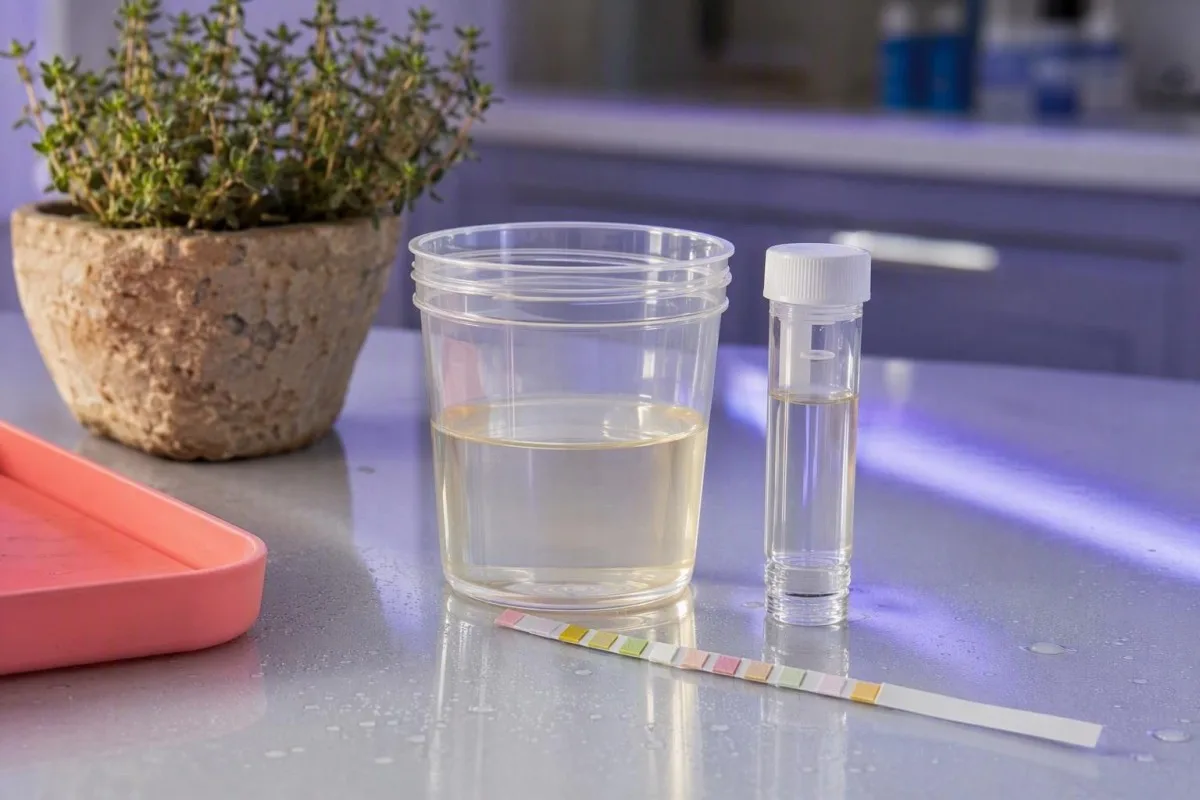
Usilazimishe lita za maji muda mfupi kabla ya kukusanya sampuli kwa lengo la kuboresha kipimo cha mkojo cha microalbumin. Kreatinini ya mkojo iliyo chini sana inaweza kufanya denominator isiwe thabiti, na sampuli iliyo karibu na rangi isiyoonekana inaweza kumfanya maabara au mtaalamu wa afya kuomba kurudia. Kinyume chake, uzito maalum wa mkojo (urine specific gravity) ulio juu ya 1.030 unaonyesha mkusanyiko mkubwa na unapaswa kufanya matokeo ya mpaka (borderline) yaliyotengwa yawe na mashiko kidogo.
Mabadiliko ya uingizaji maji ni muhimu hasa baada ya kutapika, kuhara, sauna, kuathiriwa kwa muda mrefu na joto, au safari ndefu ya ndege. Hali hizi pia zinaweza kuongeza kreatinini ya damu, na kufanya picha ya figo ionekane ya kutisha zaidi kuliko hali ya kawaida ya mtu. Mifumo ya osmolality ya mkojo inaweza kusaidia kueleza kama sampuli ilikuwa na mkusanyiko usio wa kawaida au ilikuwa imepunguzwa.
Hakuna hitaji linalothibitishwa kwa ushahidi la kunywa kiasi sahihi kama 500 mL au 2 L kabla ya kipimo hiki. Wagonjwa wengi huona kwamba ulaji wao wa kawaida wa jioni, kisha kutokunywa kwa makusudi usiku kucha, huzalisha sampuli ya kwanza yenye utofauti mdogo. Mkojo wa njano hafifu badala ya usio na rangi kabisa au wa amber iliyokolea ni ukaguzi wa kuona unaokubalika, si lengo la uchunguzi.
Kwa nini uwiano huo ni muhimu lakini si wa kichawi
ACR hurekebisha kwa ufanisi zaidi mabadiliko ya kawaida ya mkusanyiko wa mkojo kuliko mkusanyiko wa albumin pekee, ndiyo maana ndiyo kipimo cha kupima uchunguzi kinachopendekezwa. Ni chini ya kuaminika kwenye mipaka ya juu au chini ya kreatinini ya mkojo, ikiwemo mkojo uliopunguzwa sana, watu wenye misuli mingi sana, udhaifu (frailty), na wingi wa misuli uliokuwa chini sana; mara nyingine watoa huduma za afya hurudia au kutumia ukusanyaji wa muda (timed collection) wakati matokeo yanapingana.
Ni lini maambukizi, homa, au dalili za mkojo zinapaswa kuchelewesha ACR
Maambukizi ya njia ya mkojo yenye dalili, homa, au ugonjwa wa papo hapo wa kimfumo unaweza kuongeza kwa muda albumin ya mkojo, hivyo uchunguzi wa kawaida wa ACR mara nyingi ni bora kuahirishwa hadi mtu apone. Kuungua wakati wa kukojoa, kuharakisha kukojoa (urgency), damu inayoonekana, maumivu ya upande (flank pain), au homa vinapaswa kutathminiwa kimatibabu badala ya kuelezwa kama tatizo la maandalizi ya kipimo.

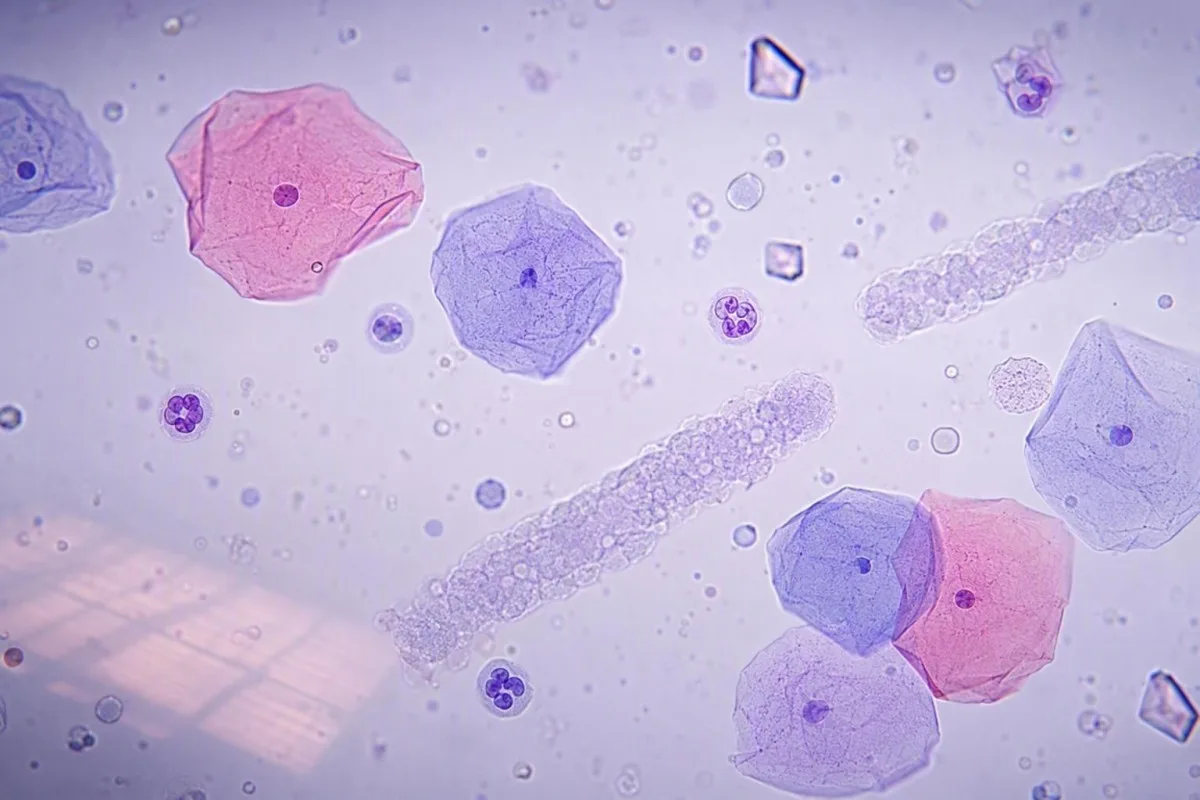
Uvimbe kwenye njia ya mkojo unaweza kuongeza albumin, seli nyeupe, na wakati mwingine damu kwenye sampuli bila kuashiria jeraha la muda mrefu la glomeruli. Ikiwa dalili zipo, uliza kama urinalysis na utamaduni (culture) vinahitajika; ACR iliyokusanywa wakati wa dalili hai bado inaweza kuandikwa, lakini mara chache inapaswa kutumiwa peke yake kuweka lebo ya ugonjwa sugu wa figo. Urinalysis dhidi ya culture inaeleza kila kipimo kinajibu nini.
Homa ya 38.0°C au zaidi, ugonjwa wa mafua unaofanana na mafua, gastroenteritis, na COVID-19 ya papo hapo vinaweza kubadilisha hemodinamiki za figo na hali ya unywaji maji. Subiri hadi uwe unakula, kunywa, na kujisikia tena katika hali yako ya kawaida—mara nyingi wiki 1 hadi 2 baada ya tukio la papo hapo—isipokuwa mtoa huduma wako anahitaji matokeo haraka kwa tatizo lililopo la figo. Ushauri huu ni kuhusu uwezekano wa kutafsiri, si sababu ya kuchelewesha huduma.
Leukocyte esterase au nitriti kwenye dipstick huunga mkono uwezekano wa maambukizi ya njia ya mkojo lakini peke yake haviwezi kubainisha chanzo cha ACR iliyoongezeka. Matokeo ya leukocyte esterase huathirika zaidi na uchafuzi wa sampuli, ndiyo maana dalili na sampuli iliyokusanywa kwa usahihi ni muhimu kama vile matokeo ya kipande.
Hedhi, kuona damu kidogo, na uchafuzi wa uke kabla ya ACR
Kutokwa na damu ya hedhi kunaweza kuchafua sampuli ya ACR ya mkojo kwa albumin na seli nyekundu, hivyo ukusanye baada ya damu kuisha pale inapowezekana kwa ratiba. Kutokwa kidogo kwa damu (spotting), lochia baada ya kujifungua, na uchafu ukeni vinapaswa kuripotiwa kwa maabara au mtoa huduma kwa sababu vinaweza kuathiri tafsiri.
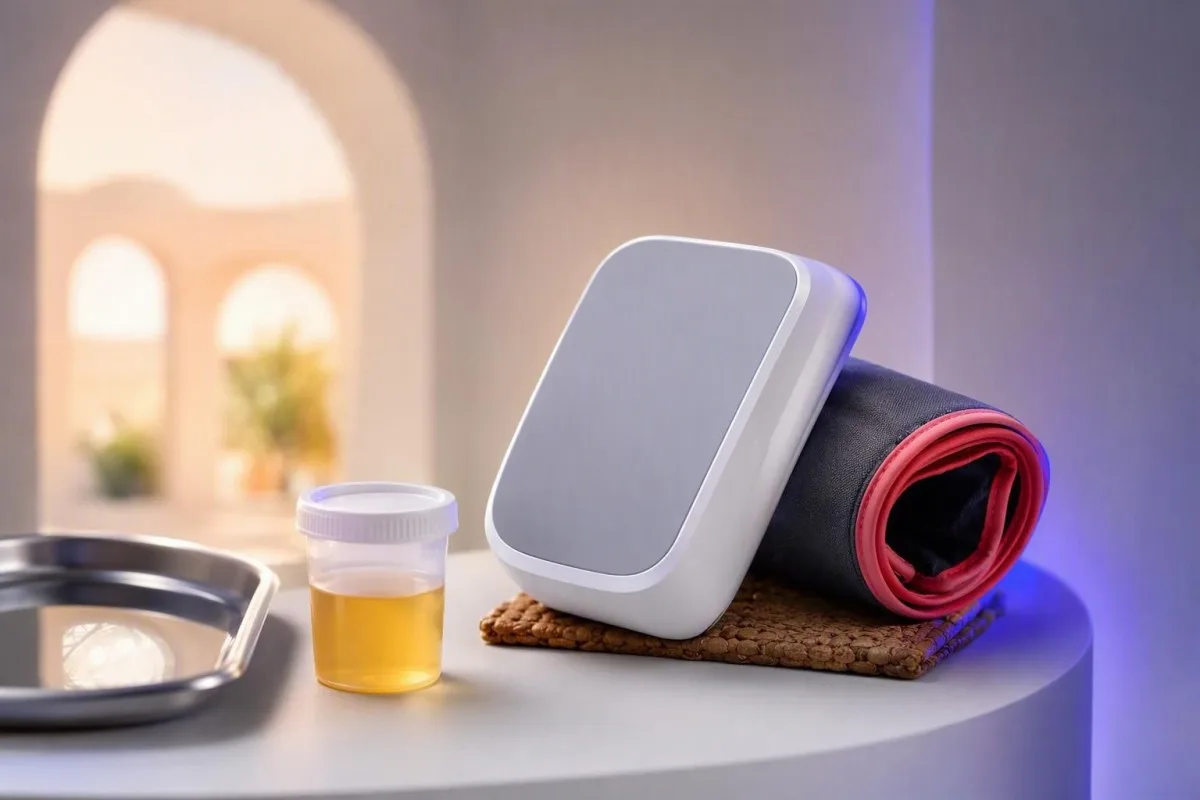
Wasiwasi si kwamba hedhi huharibu figo; ni kwamba protini na seli za damu huingia kwenye kikombe cha kukusanyia kutoka nje ya njia ya mkojo. Sampuli ya mtiririko mkubwa inaweza kutoa dipstick chanya kwa protini au damu na ACR iliyoongezeka ambayo haina thamani ndogo kwa uchunguzi wa figo. Ikiwa kipimo ni cha kawaida, kusubiri takriban siku 3 baada ya damu kuisha ni utaratibu wa busara wa eneo husika, ingawa ushahidi haufafanui muda mmoja wa ulimwengu wote.
Tamponi au kikombe cha hedhi kinaweza kupunguza uchafu unaoonekana kwa baadhi ya watu, lakini hakihakikishi sampuli safi na hakipaswi kutumiwa kulazimisha uchunguzi wa haraka wa kawaida. Ikiwa ujauzito, pre-eclampsia, ugonjwa wa figo unaojulikana, au uvimbe mpya unaifanya tathmini kuwa ya wakati muhimu, toa sampuli na ueleze wazi kuwa kuna damu badala ya kuchelewesha bila ushauri. Damu kwenye mkojo bendera nyekundu kamwe isitafsiriwe moja kwa moja kuwa ni ya kipindi.
Kantesti AI ni huduma ya kutafsiri vipimo vya maabara ya AI inayobainisha matokeo ya ACR wakati albumin ya mkojo inaonekana pamoja na damu, leukocytes, mabadiliko ya eGFR, au tatizo la kuripotiwa la kukusanya. Muktadha huo husaidia kutofautisha ishara ya figo inayoweza kurudiwa kutoka kwa sampuli inayohitaji tu kukusanywa tena; haiwezi kuchukua nafasi ya microscopy, culture, au mapitio ya mtoa huduma wakati dalili zipo.
Shinikizo la damu, dawa, na ACR siku ya kipimo
Shinikizo la juu la damu linaweza kuongeza albumin kwenye mkojo, lakini unapaswa kuchukua dawa za shinikizo la damu ulizoandikiwa kama kawaida kabla ya ACR isipokuwa mtoa huduma wako atakupa maelekezo tofauti. Kusitisha ACE inhibitor, ARB, diuretic, au SGLT2 inhibitor ili kubadilisha matokeo kunaweza kuleta kipimo kisicho salama na kisichofaa kiafya kwa matumizi ya kliniki.
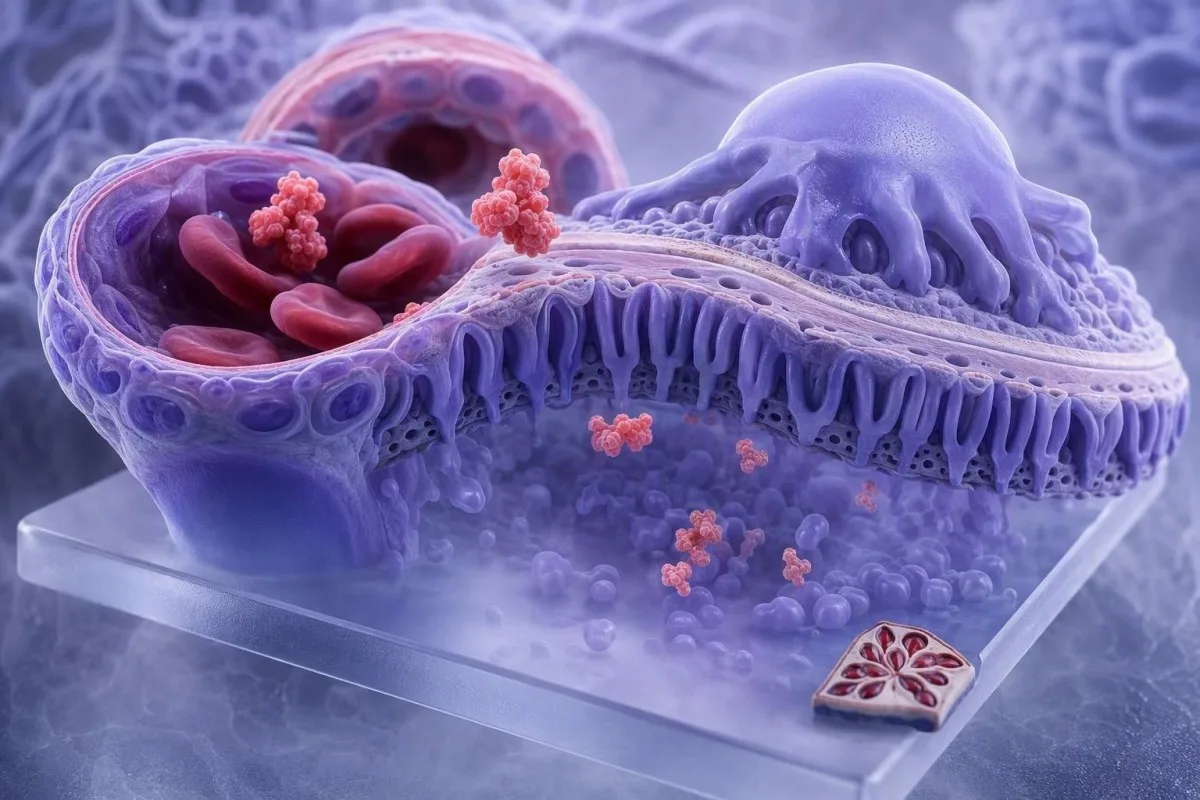
Usomaji wa 180/120 mmHg au zaidi pamoja na maumivu ya kifua, kukosa pumzi, dalili za mfumo wa fahamu, maumivu makali ya kichwa, au mabadiliko ya kuona ni hali ya dharura ya kiafya, si tatizo la maandalizi ya ACR. Hata shinikizo la damu lisilodhibitiwa lisilo la kushangaza sana linaweza kuongeza shinikizo kwenye glomerulus na kuvuja kwa albumin, hasa wakati vipimo vinaendelea kuwa juu ya 140/90 mmHg nje ya kliniki. Rekodi vipimo vya hivi karibuni vya nyumbani badala ya kujaribu kuvifanya vionekane vizuri siku hiyo.
ACE inhibitors na ARBs kwa kawaida hupunguza albuminuria kwa kupunguza shinikizo ndani ya glomerulus, jambo ambalo ni athari ya matibabu watoa huduma wanataka kuona kwa muda. Diuretics zinaweza kubadilisha unywaji maji, na NSAIDs zinaweza kuathiri mtiririko wa damu kwenye figo, lakini vyote havipaswi kurekebishwa kwa kujitibu kabla ya uchunguzi. Ukaguzi wa potasiamu baada ya mabadiliko ya dawa ya shinikizo la damu unaeleza sababu moja kwa nini paneli za ufuatiliaji mara nyingi hujumuisha zaidi ya mkojo.
Kwa kipimo sahihi cha nyumbani, kaa kimya kwa Dakika 5, weka miguu sakafuni, na tumia kifaa cha kubana shinikizo cha mkono wa juu chenye ukubwa unaofaa kabla ya kurekodi vipimo viwili vilivyotenganishwa kwa dakika moja. ACR haihitaji kipimo cha shinikizo la damu kwa dakika hiyo hiyo, hata hivyo wiki ya data ya nyumbani inaweza kuwa na taarifa zaidi kuliko thamani moja ya kliniki iliyojaa wasiwasi.
Kisukari, glukosi ya juu, na kupanga muda wa ACR ya mkojo
Glucose ya kudumu kuwa juu inaweza kuongeza albumin kwenye mkojo, lakini siku moja ya sukari kuwa juu haiathibitishi ugonjwa wa figo wa kisukari. Watu wenye kisukari kwa kawaida huhitaji tathmini ya kila mwaka ya ACR na eGFR, na ufuatiliaji wa mara kwa mara zaidi wakati albuminuria tayari ipo.
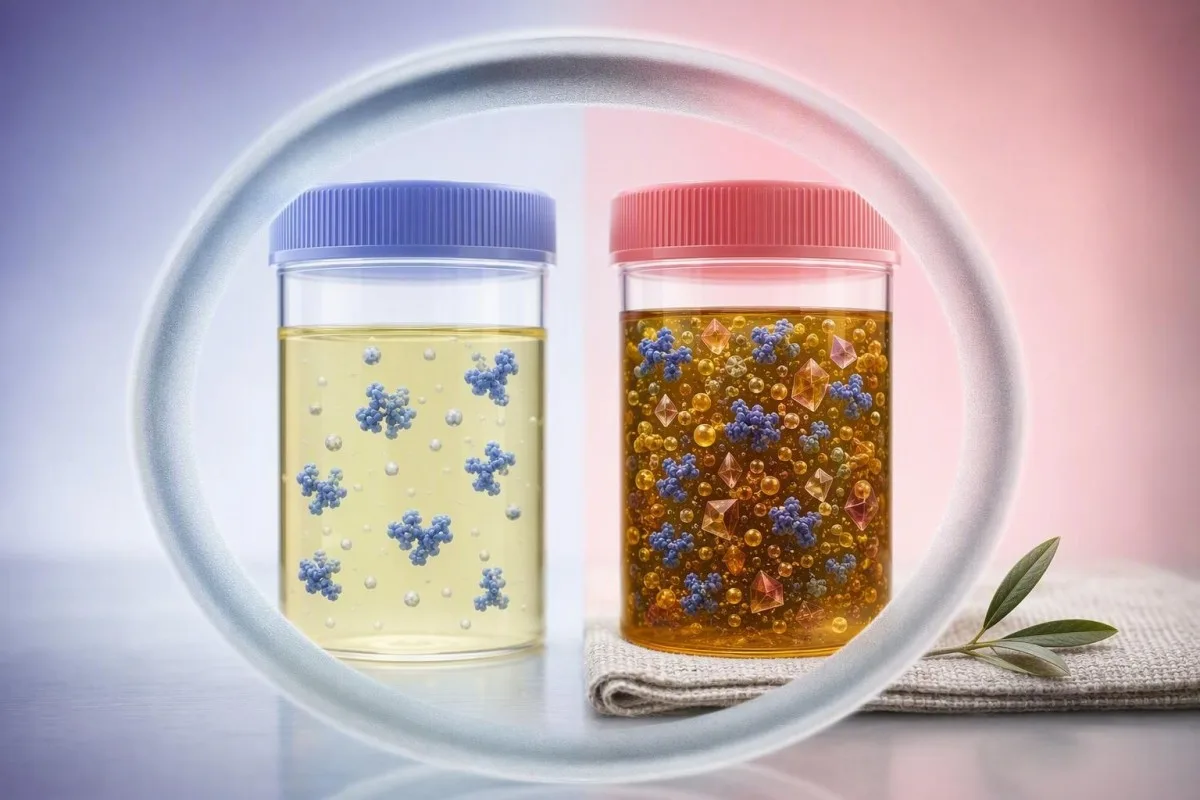
Chama cha Kisukari cha Marekani kinapendekeza tathmini ya kila mwaka ya albumin ya mkojo na eGFR kwa kisukari aina ya 1 baada ya angalau 5 ya muda na kwa watu wote wenye kisukari cha aina ya 2 tangu utambuzi (American Diabetes Association Professional Practice Committee, 2024). ACR ya 30 mg/g au zaidi inapaswa kuthibitishwa kwa sababu mazoezi, maambukizi, na hyperglycaemia vinaweza kuiongeza kwa muda. Huu ni mfuatano wa uchunguzi, si uthibitisho wa ugonjwa wa figo wa kisukari kutoka sampuli moja.
Usifunge, ruka insulini, au ubadilishe vidonge vya kisukari ili “kujiandaa” kwa kipimo cha albumin kwenye mkojo. Hyperglycaemia kali, ketoni, upungufu wa maji mwilini, na ugonjwa wa papo hapo vinahitaji usimamizi wake; kubadilisha matibabu kwa matokeo ya maabara yanayovutia zaidi kunaweza kudhuru. mipango ya kuboresha HbA1c ni muhimu zaidi kwa muktadha wa muda mrefu wa glukosi.
Sababu inayowafanya wahudumu wa afya wawe na wasiwasi zaidi kuhusu ACR ya juu pamoja na eGFR inayoshuka ni kwamba vipimo hivyo viwili vinaelezea vipengele tofauti vya afya ya figo: kuvuja kupitia kichujio na uwezo wa kuchuja. ACR ya 70 mg/g yenye eGFR 95 inaweza kuhitaji kasi tofauti ya ufuatiliaji kutoka ACR ile ile yenye eGFR 42. Muundo hushinda bendera za pekee.
Chakula, kufunga, virutubisho vya protini, na pombe kabla ya ACR
Huhitaji kufunga kwa ACR ya pekee, na mlo wa kawaida kwa kawaida hauharibu uwiano. Epuka kufunga kwa njia isiyo ya kawaida, kunywa pombe kupita kiasi, au ulaji wa protini nyingi sana siku iliyotangulia ikiwa lengo ni kupima msingi wako wa kawaida wa figo.
Kifungua kinywa cha kawaida au kahawa baada ya kukusanya ni sawa, na chakula kabla ya sampuli ya baadaye ya mchana kwa kawaida si muhimu kuliko shughuli, mkao, na unywaji wa maji. Hata hivyo, kufunga kwa muda mrefu kunaweza kubadilisha unywaji wa maji na uzalishaji wa ketoni, ilhali siku ya mazoezi ya kujenga misuli yenye protini nyingi mara nyingi huambatana na mazoezi magumu—kwa pamoja vinaweza kufanya creatinine ya mkojo na albumin kuwa vigumu zaidi kutafsiri. Kufunga kwa vipindi na mabadiliko ya maabara hufunika mabadiliko haya mapana.
Virutubisho vya creatine vinaweza kuongeza creatinine ya damu bila kupunguza GFR halisi, lakini athari yake ya moja kwa moja kwenye ACR ya mkojo haitabiriki. Usikatishe kirutubisho kilichoagizwa au kinachotumiwa mara kwa mara kwa ajili ya kipimo hiki pekee; badala yake, orodhesha bidhaa, dozi, na matumizi ya mwisho. Shake ya whey inayotoa gramu 20 hadi 40 za protini si yenyewe sababu ya kughairi ACR.
Ulaji mzito wa pombe unaweza kuzidisha upungufu wa maji mwilini, kuongeza shinikizo la damu, na kuvuruga udhibiti wa glukosi siku inayofuata. Ninashauri wagonjwa kuepuka kunywa kupita kiasi kwa saa 24 hadi 48 kabla ya uchunguzi wa kawaida wa figo, si kwa sababu kunywa mara moja kunabatilisha kipimo, bali kwa sababu kipimo kinapaswa kuwakilisha fiziolojia ya kawaida.
Makosa ya kushika na kuendesha sampuli yanayoweza kubadilisha matokeo ya ACR
Sampuli safi ya katikati ya mkondo inayowasilishwa mapema ndiyo njia rahisi zaidi kupunguza makosa ya ACR ya kabla ya uchambuzi. Uchafuzi, kuhifadhi kwa joto kwa muda mrefu, na kukusanya kutoka kwenye choo-hat au chombo kisicho na usafi vinaweza kufanya sampuli ya kurudia iwe muhimu.
Tumia chombo cha maabara tu na epuka kumwaga mkojo kutoka chombo kingine. Ikiwa ukusanyaji unafanyika nyumbani, fuata maelekezo ya eneo kuhusu muda na kuweka kwenye jokofu; maabara nyingi hupendelea kuwasili ndani ya saa 2 halijoto ya kawaida ya chumba, ilhali kuweka kwenye jokofu kunaweza kukubalika kwa muda mrefu zaidi. Maelekezo yaliyoandikwa ya maabara huchukua kipaumbele kwa sababu utunzaji wa kipimo hutofautiana.
Viosafishaji vya ngozi, krimu za uke, shahawa, na ute mwingi vinaweza kubadilisha matokeo ya dipstick na microscopy, hata wakati athari yake kwenye albumin ya kiasi huwa tofauti. Mwambie mtoa huduma ya afya ikiwa umefanya ngono muda mfupi kabla ya kukusanya au unatumia bidhaa za kupaka; kwa kawaida hii husababisha muktadha au kurudia, si hofu. Tafsiri ya pH ya mkojo inatoa mfano mwingine wa kwa nini hali za ukusanyaji ni muhimu.
Kantesti ni Zana ya uchambuzi wa vipimo vya damu inayotumia AI inayoweza kupanga ripoti ya maabara iliyopigwa picha, lakini mbinu ya awali ya maabara na maelezo ya ukusanyaji hubaki kuwa chanzo cha ukweli. Ikiwa ripoti iliyopakiwa ina ACR isiyotarajiwa, yetu mwongozo wa teknolojia inaeleza kwa nini mapitio ya muktadha yanapaswa kusababisha hatua inayothibitishwa na mtoa huduma ya afya badala ya utambuzi wa kiotomatiki.
Nini cha kufanya ikiwa kipimo chako cha microalbumin kwenye mkojo ni cha juu
ACR iliyoinuliwa inapaswa kurudiwa mara nyingi chini ya hali thabiti kabla ya kuitwa albuminuria ya kudumu. Matokeo ya juu yanayoambatana na uvimbe, damu inayoonekana, shinikizo la damu sana, kupungua kwa pato la mkojo, au kushuka kwa haraka kwa eGFR yanahitaji tathmini ya haraka ya mtaalamu wa afya.
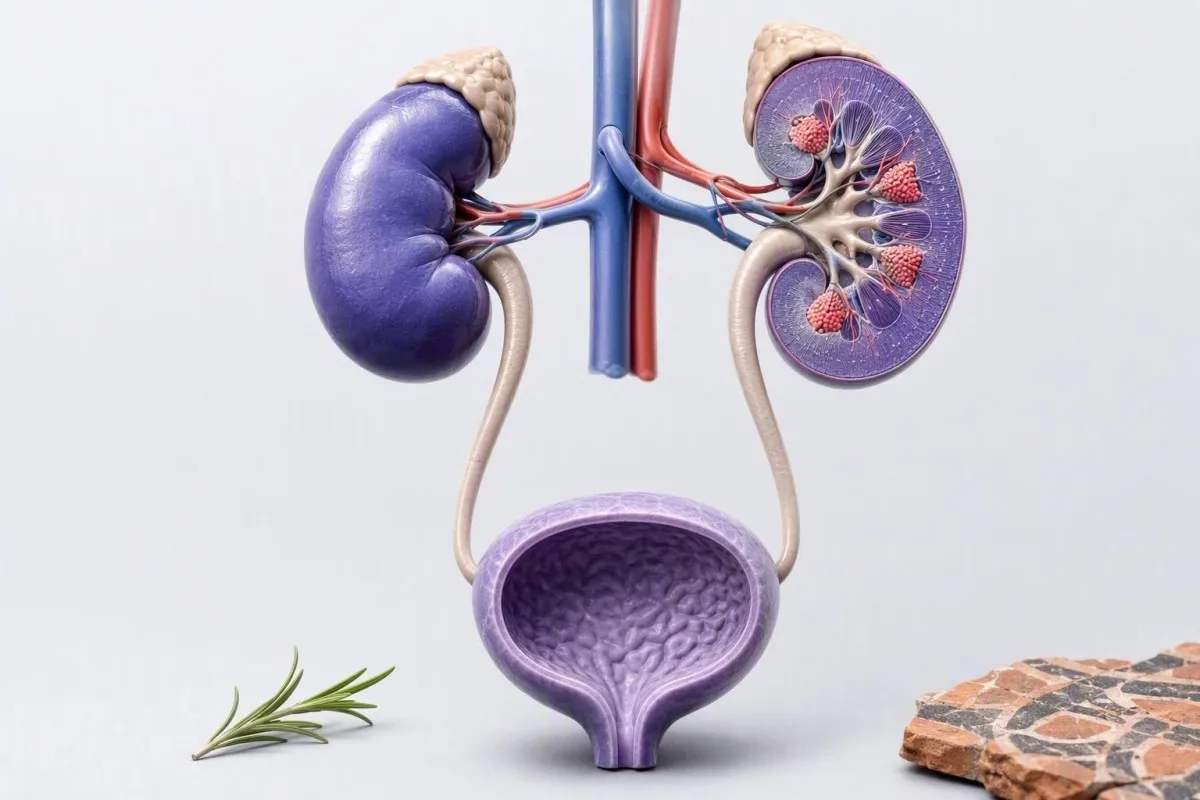
Kwa ACR kati ya 3 na 30 mg/mmol (30 hadi 300 mg/g), watoa huduma za afya kwa kawaida hurudia sampuli ya kwanza ya asubuhi na kukagua shinikizo la damu, HbA1c au glukosi, eGFR, uchafu wa mkojo (urine sediment), na matumizi ya dawa. KDIGO hufafanua ugonjwa sugu wa figo kwa kuwepo kwa kasoro kwa angalau miezi, si kwa kipimo kimoja baada ya wiki ngumu (KDIGO, 2024). Sharti hilo la muda hulinda wagonjwa dhidi ya kuwekwa lebo zisizo za lazima.
ACR iliyo juu ya 30 mg/mmol (300 mg/g), hasa ikiwa ni mpya, inastahili mapitio ya haraka hata kama unajisikia vizuri. Kipimo cha dipstick cha mkojo kinachoonyesha damu, red-cell casts kwenye microscopy, komplementi ya chini, au ongezeko la ghafla la kreatinini huashiria njia tofauti na albuminuria ya kimetaboliki isiyo ngumu. Protini kwenye mkojo husababisha huainisha ishara za hatari za vitendo.
Singemfariji mtu tu kwa sababu uwiano ulioinuliwa ulifuatiwa na mazoezi, ikiwa pia ana uvimbe wa kifundo cha mguu au eGFR chini ya 60 mL/min/1.73 m². Muktadha unaweza kueleza namba, lakini kamwe isiwe kisingizio cha kukosa ugonjwa halisi wa figo.
Kwa nini kurudia kipimo cha ACR ni muhimu zaidi kuliko kufuatilia namba moja
Albuminuria ya kudumu kwa ujumla kuthibitishwa wakati angalau 2 kati ya 3 sampuli za ACR za mkojo zimeinuliwa kwa zaidi ya miezi 3 hadi 6. Kurudia chini ya hali zinazofanana husaidia kutenganisha mabadiliko ya kibiolojia na mazoezi, ugonjwa, sampuli, na mabadiliko ya kawaida ya siku hadi siku.
Tumia maabara ile ile inapowezekana, ukusanye kwa wakati kama huo wa siku, na andika kama ulikuwa mgonjwa, unatapika hedhi, ulikuwa na upungufu wa maji mwilini, au ulikuwa na shughuli nyingi isiyo ya kawaida. Kushuka kutoka 4.2 hadi 1.8 mg/mmol kunaweza kutuliza, lakini si muhimu ikiwa sampuli ya kwanza ilichukuliwa baada ya mbio na ya pili baada ya wikendi ya kukaa tu. Kwa nini thamani za maabara hutofautiana kati ya ziara inaeleza tatizo hili pana.
Kwa ugonjwa sugu wa figo uliothibitishwa, marudio ya kurudia hutegemea zote mbili eGFR na kategoria ya ACR. Mtu mwenye eGFR 85 na ACR 4 mg/mmol anaweza kufuatiliwa kila mwaka au mara nyingi zaidi kulingana na kisukari na shinikizo la damu, ilhali eGFR 38 pamoja na ACR 40 mg/mmol kwa kawaida huhitaji ufuatiliaji wa karibu zaidi unaoongozwa na mtaalamu wa afya. Namba halisi ni muhimu, lakini mchanganyiko wake una umuhimu zaidi.
Kantesti AI ni jukwaa la tafsiri ya viashiria vya AI inayolinganishwa matokeo ya mfululizo yanayohusiana na figo huku ikihifadhi tarehe za awali na vitengo vya maabara. Yetu mbinu ya uthibitisho wa kimatibabu imeundwa ili kuashiria muktadha wenye maana kwa ajili ya mapitio, si kutangaza kwamba mabadiliko madogo ya namba ni maendeleo ya ugonjwa.
Orodha ya ukaguzi ya maandalizi ya ACR ya saa 24
Siku moja kabla ya ACR, epuka mazoezi makali, kula na kunywa kawaida, chukua dawa ulizoandikiwa, na heri sampuli ya kawaida ikiwa una homa, dalili za mkojo, au damu ya hedhi. Siku ya kukusanya, tumia mkojo wa kwanza baada ya usingizi wako mkuu na utoe sampuli safi ya katikati (clean midstream).
Usiku kabla: usifanye mazoezi kwa nguvu, usinywe pombe kupita kiasi, na usinywe maji kwa makusudi kupita kiasi. Asubuhi ya: ukusanye kabla ya kutembea kwa muda mrefu, safari ya kwenda kazini/shuleni, kahawa, au kifungua kinywa ikiwa hilo linaendana na mpango wa maabara, ingawa kufunga si lazima kiafya kwa ACR. Andika usomaji wa shinikizo la damu nyumbani ikiwa unao.
Leta orodha ya dawa iliyo na ACE inhibitors, ARBs, diuretics, SGLT2 inhibitors, NSAIDs, dawa za kisukari, na virutubisho visivyo na dawa. Mabadiliko ya dawa ndani ya kipindi cha wiki 2 hadi 4 yanaweza kusaidia kueleza mwelekeo halisi, hasa ikiwa potasiamu ya seramu, kreatinini, au shinikizo la damu vilibadilika wakati huo huo. Kamwe usifanye mabadiliko ya dawa ili tu kujiandaa kwa uchunguzi.
Tangu tarehe 29 Julai 2026, ujumbe salama zaidi unaowezekana unabaki: lenga sampuli inayowakilisha, si ile iliyo kamili. Ikiwa matokeo hayatarajiwi, yarudia kwa usahihi badala ya kujaribu kuishinda maabara. Dk. Thomas Klein na sisi Bodi ya Ushauri wa Matibabu tunapendekeza mapitio ya mtaalamu wa afya kwa kuendelea kwa ongezeko, wasiwasi unaohusiana na ujauzito, au dalili zozote zinazohusiana na figo.
Maswali Yanayoulizwa Mara Kwa Mara
Je, ninapaswa kufunga kabla ya kipimo cha uwiano wa microalbumin na creatinine?
Hapana, kufunga hakuhitajiki kwa kipimo cha pekee cha uwiano wa microalbumin na creatinine. Sampuli ya asubuhi mapema kabla ya kifungua kinywa mara nyingi hupendekezwa kwa sababu huathiriwa kidogo na shughuli za mchana na ulaji wa maji, si kwa sababu chakula hubadilisha albumin moja kwa moja. Epuka kufunga kwa njia isiyo ya kawaida, ulaji wa pombe kupita kiasi, na mazoezi ya nguvu kwa saa 24, kwani haya yanaweza kufanya albumin ya mkojo au creatinine ya mkojo isiwe mwakilishi. Ikiwa ACR yako inakusanywa pamoja na vipimo vya damu vya kufunga, fuata maelekezo ya vipimo vya damu yaliyotolewa na maabara yako.
Ni kiasi gani cha maji ninapaswa kunywa kabla ya kipimo cha ACR ya mkojo?
Kunywa kawaida na kulingana na kiu kabla ya kipimo cha ACR cha mkojo; usinywe kwa makusudi kiasi kikubwa cha maji ili kupunguza sampuli. Uwiano wa albin-to-kreatini hurekebisha tofauti za kawaida za mkusanyiko wa mkojo, lakini ulaji wa maji kupita kiasi unaweza kutoa kreatini ya mkojo yenye kiwango cha chini sana na unaweza kusababisha kurudia kipimo kisichosaidia. Mkojo wenye rangi nyeusi na wenye mkusanyiko baada ya kutapika, kuathiriwa na joto, au mazoezi makali pia unaweza kufanya tafsiri kuwa ngumu. Ulaji wa kawaida wa maji jioni na mkojo wa kwanza baada ya kulala ni mbinu ya vitendo.
Je, mazoezi yanaweza kusababisha kipimo cha mkojo cha microalbumin kuwa juu?
Ndiyo, mazoezi makali yanaweza kusababisha kuongezeka kwa muda kwa albin kwenye mkojo na hivyo kipimo cha juu cha microalbumin kwenye mkojo. Epuka kukimbia mbio za marathon, kuinua vitu vizito, vipindi vikali, au michezo ya ushindani kwa angalau saa 24 kabla ya uchunguzi wa ACR; kutembea kwa upole kwa kawaida ni sawa. ACR ya 30 mg/g au zaidi baada ya mafunzo magumu kwa ujumla inapaswa kurudiwa kwa sampuli ya kwanza ya asubuhi iliyopumzika kabla ya kuzingatiwa kuwa ni albuminuria ya kudumu. Dalili, GFR, shinikizo la damu, na matokeo ya kurudia huamua kama tathmini zaidi inahitajika.
Je, naweza kufanya kipimo cha ACR nikiwa kwenye hedhi?
Damu ya hedhi inaweza kuchafua sampuli ya ACR ya mkojo kwa protini na seli nyekundu, hivyo upimaji wa kawaida ni bora kufanywa baada ya damu kuisha kabisa. Wataalamu wengi wa kliniki hupendekeza kusubiri takriban siku 3 baada ya mwisho wa kipindi iwapo muda unaruhusu, ingawa hakuna muda mmoja unaohitajika na kila maabara. Ikiwa kipimo ni cha haraka kwa sababu ya ujauzito, ugonjwa wa figo unaojulikana, uvimbe, au shinikizo la juu la damu, toa sampuli na umwambie mtaalamu wa kliniki kwamba kuna damu ya hedhi au kutokwa kwa uchafu. Matokeo chanya yaliyokusanywa wakati wa hedhi mara nyingi huhitaji kurudiwa kwa kipimo.
Je, ninapaswa kuchukua dawa ya shinikizo la damu kabla ya kipimo cha mkojo cha ACR?
Ndiyo, chukua dawa ya shinikizo la damu uliyopangiwa kabla ya kipimo cha ACR ya mkojo isipokuwa mtoa huduma aliyekuagiza ameagiza vinginevyo. Vizuizi vya ACE na ARB vinaweza kupunguza albuminuria, lakini athari hiyo ni ya maana kiafya na inapaswa kupimwa badala ya kufichwa kwa kusitisha matibabu. Usisitishe diuretiki, vizuizi vya SGLT2, au dawa nyingine ili kuathiri matokeo ya kipimo kimoja cha mkojo, kwa sababu mabadiliko ya ghafla yanaweza kuathiri shinikizo la damu, unyevunyevu, glukosi, na utendaji wa figo. Rekodi mabadiliko ya hivi karibuni ya dawa, hasa ndani ya wiki 2 hadi 4 zilizopita.
Kiwango cha ACR gani kinachukuliwa kuwa cha juu?
ACR chini ya 3 mg/mmol, sawa na chini ya 30 mg/g, kwa ujumla huchukuliwa kuwa ya kawaida hadi kuongezeka kidogo. ACR ya 3 hadi 30 mg/mmol (30 hadi 300 mg/g) ni albuminuria iliyoongezeka kwa kiasi cha wastani, na ACR zaidi ya 30 mg/mmol (300 mg/g) ni albuminuria iliyoongezeka sana. Matokeo moja yaliyoongezeka hayathibitishi ugonjwa sugu wa figo kwa sababu mazoezi, maambukizi, homa, hedhi, na unywaji wa maji vinaweza kuyainua kwa muda. Kuendelea kuongezeka kwa angalau sampuli 2 kati ya 3 kwa muda wa miezi 3 hadi 6 kuna umuhimu mkubwa zaidi kiafya.
Pata Uchambuzi wa Vipimo vya Damu kwa AI Leo
Jiunge na zaidi ya watumiaji 2 milioni duniani kote wanaoamini Kantesti kwa uchambuzi wa papo hapo na sahihi wa vipimo vya maabara. Pakia matokeo yako ya vipimo vya damu na upate tafsiri ya kina ya viashiria vya 15,000+ ndani ya sekunde.
📚 Machapisho ya Utafiti Yanayorejelewa
Klein, T., Mitchell, S., & Weber, H. (2026). Kuhara Baada ya Kufunga, Madoa Meusi kwenye Kinyesi na Mwongozo wa GI 2026. Kantesti uchambuzi wa damu kwa AI ya utafiti wa matibabu.
Klein, T., Mitchell, S., & Weber, H. (2026). Mwongozo wa Afya wa Wanawake: Ovulation, Kukoma Hedhi na Dalili za Homoni. Kantesti uchambuzi wa damu kwa AI ya utafiti wa matibabu.
📖 Marejeo ya Nje ya Tiba

⚕️ Kanusho la Kimatibabu
Makala haya ni kwa madhumuni ya elimu tu na si ushauri wa kimatibabu. Wasiliana na mtoa huduma aliyehitimu kila wakati kwa maamuzi ya utambuzi na matibabu.
E-E-A-T Trust Signals
Uzoefu
Mapitio ya kimatibabu inayoongozwa na daktari ya mifumo ya tafsiri ya maabara.
Utaalamu
Kuzingatia dawa za maabara kuhusu jinsi viashiria (biomarkers) vinavyobadilika katika muktadha wa kliniki.
Mamlaka
Imeandikwa na Dk. Thomas Klein kwa mapitio ya Dk. Sarah Mitchell na Prof. Dk. Hans Weber.
Uaminifu
Tafsiri inayotegemea ushahidi yenye njia zilizo wazi za ufuatiliaji ili kupunguza tahadhari za hofu.