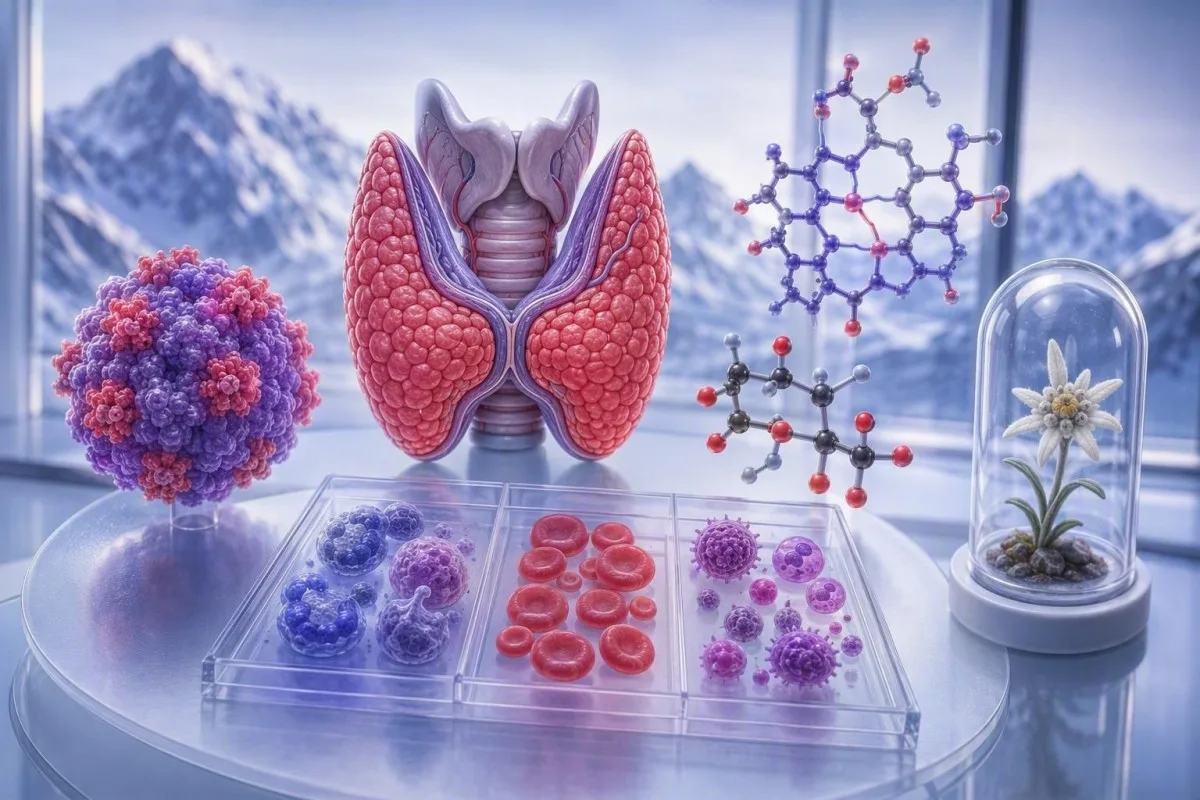
Lav motivasjon kan være et symptom på psykisk helse, et tegn på forstyrret søvn eller stress, eller et spor til et reversibelt medisinsk problem. En fokusert gjennomgang av symptomer, medisiner og utvalgte laboratorieresultater hjelper med å skille disse mulighetene fra hverandre.


- Paneli ya kwanza inkluderer ofte en CBC, ferritin, TSH, fri T4, vitamin B12, HbA1c, nyrefunksjon og leverenzymer når lav motivasjon vedvarer i 2-4 uker.
- Ferritin chini ya 30 ng/mL indikerer vanligvis uttømt jernlager hos ellers friske voksne, selv når hemoglobinet forblir normalt.
- TSH iko juu ya 10 mIU/L med lav fri T4 støtter sterkt uttalt hypotyreose og krever klinikerledet behandling.
- Vitamini B12 chini ya 200 pg/mL blir ofte behandlet som mangelfull; 200-350 pg/mL er en gråsone der metylmalonsyre kan avklare vevsmangel.
- HbA1c ya 5.7-6.4% indikerer prediabetes, mens 6,5 % eller høyere ved bekreftende testing støtter diabetes hos de fleste ikke-gravide voksne.
- Søvnmangel endrer laboratorietester: én dårlig natt kan øke fastende glukose, kortisol og inflammatoriske markører uten å forklare alle symptomer.
- Medisin-gjennomgang er viktig fordi sedativerende antihistaminer, opioider, benzodiazepiner, noen antiepileptika og betablokkere kan redusere drivkraften uten å gi et unormalt rutinemessig blodresultat.
- Usaidizi wa haraka unahitajika kwa mawazo ya kujiua, kutoweza kula au kunywa, kuchanganyikiwa, udhaifu mkubwa, maumivu ya kifua, au dalili zinazozidi kuwa mbaya.
Hva en blodprøve for lav motivasjon faktisk kan vise
A kipimo cha damu kwa msukumo mdogo inaweza kutambua visababishi vinavyoweza kutibiwa kama vile upungufu wa chuma, ugonjwa wa tezi, upungufu wa B12, kisukari, utendakazi mbaya wa figo au ini, lakini haiwezi kugundua msongo wa mawazo, ADHD, uchovu au huzuni peke yake. Njia inayofaa ni upimaji uliolengwa pamoja na tathmini ya afya ya akili na dawa, hasa wakati dalili hudumu kwa zaidi ya wiki 2-4.
Katika kazi yangu ya kliniki, tofauti ninayofanya kwanza ni kati ya kupungua kwa nishati, kupungua kwa raha na kupungua kwa kuanzisha. Mtu ambaye anataka kufanya mambo lakini hawezi kuanza anaweza kuwa na deni la usingizi, msongo wa mawazo, shida ya utendaji mkuu, sedatives za dawa au upungufu wa chuma; matokeo ya maabara pekee mara chache hayatoshi. Dkt. Thomas Klein anapendekeza kurekodi tarehe ya kuanza, muda wa usingizi na kila dawa, nyongeza na dutu ya burudani kabla ya kupima.
Kantesti ni kichanganuzi cha vipimo vya damu vya AI ambayo hufafanua mifumo ya ferritin, tezi, B12, sukari na hesabu ya damu pamoja badala ya kutibu thamani moja iliyoainishwa kama utambuzi. biomarker guide ni muhimu wakati ripoti yako inatumia vitengo visivyojulikana au safu maalum ya maabara.
Uchunguzi wa kawaida unapaswa kuwa sawia na hadithi. Mtu wa miaka 26 mwenye vipindi vizito vya hedhi, miguu inayokosa raha na kushuka kwa utendaji wa mazoezi anahitaji uchunguzi tofauti na mtu wa miaka 58 ambaye mtindo wake wa motisha ulibadilika baada ya kuanza beta-blocker. Matokeo ni dalili za kuthibitisha na daktari, si ushahidi kwamba kila dalili ya kihisia ina sababu ya kibayolojia.
Start med symptomene og tidslinjen
Wakati wa msukumo mdogo mara nyingi hutabiri ni vipimo vipi vinastahili: dalili za ghafla kwa siku huibua maswali kuhusu ugonjwa, usingizi, madawa na mabadiliko ya dawa, wakati kushuka kwa kasi kwa miezi mingi zaidi kunahalalisha upimaji wa virutubisho, tezi na kimetaboliki. Mpangilio wazi wa muda huzuia upimaji mpana usio na thamani.
Msukumo mdogo unaoanza baada ya ugonjwa wa virusi, upasuaji, lishe mpya au tukio kubwa la maisha unastahili mpangilio wa muda kabla ya orodha ndefu ya vipimo. A CBC, ferritin, TSH, creatinine, electrolytes, ALT na HbA1c hufunika vichocheo kadhaa vya kawaida vya kimwili katika kipimo kimoja cha kwanza kinachofaa. mwongozo wa hesabu kamili ya damu inaeleza kwa nini mifumo ya hemoglobin, MCV na seli nyeupe za damu huhesabiwa pamoja.
Ninaona mtego unaojirudia kwa watu ambao walipimwa baada ya usiku tatu wa saa 4-5 za kulala: wanadhani sukari iliyo juu kidogo au T3 ya kawaida ya chini inaelezea kila kitu. Inaweza kuonyesha fizikia ya muda, hasa ikiwa uchunguzi ulifuatia mazoezi makali, kufunga au ugonjwa mbaya. Kurudia chini ya hali za kawaida mara nyingi hutoa taarifa zaidi kuliko kutafuta nambari ya mpaka.
Kuanzia Agosti 25, 2026, hakuna mwongozo mkuu unaopendekeza jopo pana la homoni au kipimo cha cortisol kama uchunguzi wa kawaida wa msukumo mdogo pekee. Upimaji unakuwa maalum zaidi wakati kuna dalili za kimwili: mabadiliko ya uzito, kuvimbiwa, kutovumilia baridi, kukosa hisia, kupoteza damu nyingi kwa hedhi, kiu, kulala kwa nguvu au kuathiriwa na dawa.
Jernmangel kan redusere utholdenhet før anemi oppstår
Ferritin chini ya 30 ng/mL kwa kawaida huonyesha upungufu wa chuma kwa watu wazima bila uvimbe unaofanya kazi, na upungufu wa chuma unaweza kuwepo na hemoglobin ya kawaida. Hifadhi ya chini ya chuma inawezekana zaidi wakati msukumo mdogo unaambatana na uchovu wa kutokana na mazoezi, kukata nywele, miguu isiyo tulivu, kukosa pumzi au vipindi vizito vya hedhi.
Ferritin ni protini ya kuhifadhi chuma, wakati uhamisho wa uhamisho unakadiri chuma kinachozunguka kinachopatikana kwa tishu. Uhifadhi wa uhamisho chini ya 20% huunga mkono upatikanaji wa chuma uliopunguzwa; ferritin inaweza kuonekana kuwa ya kuhakikishia kwa uwongo wakati wa maambukizi au ugonjwa sugu wa uchochezi kwa sababu huongezeka kama kiungo cha hatua ya papo hapo. marejeo ya vipimo vya chuma inaeleza mchanganyiko muhimu wa ferritin, chuma, TIBC na uhamisho.
Ninapokagua jopo lenye ferritin 14 ng/mL, hemoglobin 13.1 g/dL na MCV 86 fL, siita CBC kuwa ya kawaida na kuendelea. Mgonjwa anaweza kuwa bado hajapungukiwa na damu, lakini ruwaza bado inaweza kuonyesha akiba iliyochoka, hasa baada ya kuchangia damu mara kwa mara au vipindi vizito vya muda mrefu. Sababu zinahitaji uchunguzi; vidonge vya chuma haipaswi kutumiwa kufunika upotevu wa utumbo usioelezeka.
Kantesti ni jukwaa la tafsiri ya vipimo vya damu la AI ambayo husoma ferritin pamoja na CRP, hemoglobin, MCV na uhamisho wa uhamisho, ambayo husaidia kuashiria wakati uvimbe unaweza kupotosha ferritin. Watu wenye ferritin ya chini inayoendelea na hakuna maelezo dhahiri ya hedhi, lishe au mchango wanapaswa kuuliza kuhusu uchunguzi wa celiac na tathmini ya utumbo inayofaa kwa umri.
Thyreoidearesultater som kan etterligne lav drivkraft
TSH ya juu yenye free T4 ya chini huunga mkono hypothyroidism dhahiri na inaweza kuchangia kufikiria polepole, hali mbaya ya akili, uchovu na kupungua kwa kuanzisha. Katika maabara nyingi, TSH ni takriban 0.4-4.0 mIU/L, lakini safu ya kila ripoti na matokeo ya free T4 huhesabiwa zaidi kuliko kikomo kimoja cha kimataifa.
TSH zaidi ya 10 mIU/L inatia wasiwasi zaidi kuliko ongezeko dogo la pekee, hasa wakati free T4 iko chini ya kiwango. Mwongozo wa tezi wa NICE unashauri kuthibitisha upungufu wa subclinical unaoendelea na kuzingatia dalili, antibodies, umri na hatari ya moyo na mishipa badala ya kutibu moja ya matokeo ya TSH ya mpaka moja kwa moja (NICE, 2019, ilisasishwa 2023). Nyongeza za Biotin zinaweza kuingilia vipimo vingine vya kinga, kwa hivyo ripoti matumizi ya bidhaa za nywele na kucha za kipimo cha juu.
TSH ya kawaida haihalalishi kupima reverse T3 kwa msukumo wa kawaida wa chini; kipimo hicho mara chache hubadilisha usimamizi nje ya mazingira ya wataalamu. Free T4 ya chini yenye TSH isiyo juu ni nadra lakini inastahili uhakiki wa kliniki kwa sababu masuala ya kipimo, ugonjwa mbaya na magonjwa ya tezi ya pituitari ni uwezekano tofauti. Tazama maelezo yetu ya ruw patterns ya T4 ya bure kabla ya kutoa hitimisho.
Kinga za tezi hujibu swali tofauti: hutathmini hatari ya tezi autoimmune, sio kama uchovu wa leo unasababishwa na upungufu wa homoni ya tezi. Kinga chanya ya TPO yenye TSH na T4 ya bure kawaida mara nyingi huashiria ufuatiliaji wa mara kwa mara, sio matibabu. Hii ni moja ya maeneo hayo ambapo muktadha ni muhimu zaidi kuliko asterisk kando ya thamani ya maabara.
B12, folat og ledetrådene utover en normal CBC
Vitamin B12 chini ya 200 pg/mL (148 pmol/L) kwa ujumla huchukuliwa kuwa na upungufu, wakati 200-350 pg/mL ni aina isiyo wazi ambapo methylmalonic acid au homocysteine inaweza kusaidia. Motisha ya chini inayohusiana na B12 mara nyingi huambatana na ubongo ukungu, ulimi uchungu, kuuma, mabadiliko ya usawa au ugumu wa kumbukumbu, lakini sio kila wakati upungufu wa damu.
MCV ya juu inaweza kuonyesha upungufu wa B12 au folate, athari za pombe, ugonjwa wa ini, hypothyroidism au athari za dawa, lakini MCV ya kawaida haiwazi upungufu wa B12 mapema. Mwongozo wa Uingereza wa Devalia na wenzake unapendekeza uhusiano wa kliniki na alama za pili za kimetaboliki wakati B12 ya serum hailingani na maonyesho (Devalia et al., 2014). mwongozo wa B12 dhidi ya folate inashughulikia mwingiliano huu kwa undani zaidi.
Folate inaweza kurekebisha upungufu wa damu wakati uharibifu wa neva unaohusiana na B12 unaendelea, ndio maana kujitibu na kipimo kikubwa cha asidi ya folic kabla ya kuangalia B12 ni ujinga. Folate ya serum chini ya 3 ng/mL kawaida huashiria upungufu, ingawa njia za maabara hutofautiana. Metformin, vizuizi vya protoni, lishe ya vegan, upasuaji wa matumbo na upungufu mbaya ni sababu za kawaida za kupima kwa uangalifu zaidi.
Kantesti AI huangazia mchanganyiko wa historia ya B12, folate, MCV, hemoglobin na dawa kwa sababu matokeo ya B12 ya pekee yanaweza kudanganya. Numbness mpya, usawa wa gait, mabadiliko makubwa ya kumbukumbu au udhaifu huhitaji uhakiki wa daktari haraka badala ya jaribio la nyongeza tu.
Glukoseendringer kan påvirke energi og gjennomføringsevne
Glukosi ya kufunga ya 100-125 mg/dL (5.6-6.9 mmol/L) au HbA1c ya 5.7-6.4% huashiria ugonjwa wa kisukari kabla ya ugonjwa, wakati ugonjwa wa kisukari kawaida huhitaji HbA1c ya 6.5% au zaidi kwenye uthibitisho wa kurudia wakati dalili hazipo. Udhibiti duni wa sukari unaweza kusababisha kushuka kwa nishati na umakini duni, lakini sio maelezo ya pekee yaliyothibitishwa kwa motisha ya chini.
HbA1c huakisi takriban wiki 8-12 za wastani wa mfiduo wa glukosi, wakati glukosi ya kufunga ni picha moja ya asubuhi. Chama cha Kisukari cha Amerika kinaorodhesha glukosi ya plasma ya kufunga ya 126 mg/dL au zaidi na HbA1c ya 6.5% au zaidi kama mipaka ya utambuzi wakati inathibitishwa katika mazingira yanayofaa ya kliniki (American Diabetes Association, 2025). Yetu kiwango cha glukosi inajumuisha muktadha wa kufunga na baada ya chakula.
Dalili tendaji baada ya milo zinastahili rekodi ya chakula na dalili, sio dhana kwamba insulini ndio chanzo. Utambuzi halisi wa hypoglisemia unahitaji dalili, glukosi ya chini ya plasma iliyorekodiwa—kwa kawaida chini ya 55 mg/dL—na nafuu ya dalili glukosi inapokwenda kawaida. Vipimo vya kidole na sensorer zinazoendelea zinaweza kuwa na manufaa, lakini kengele za uwongo ni za kawaida karibu na milo na mazoezi.
Kiwango cha insulini cha kufunga sio kipimo cha kawaida cha utambuzi wa gari la chini. Inaweza kutoa muktadha wa kimetaboliki katika kesi maalum, hata hivyo kukosa usingizi, mazoezi ya hivi karibuni na ugonjwa wa papo hapo huibadilisha sana. Daktari pia anapaswa kuzingatia apnea ya usingizi, unyogovu na athari za dawa wakati HbA1c ni ya kawaida.
Søvnforstyrrelser kan endre både motivasjon og laboratorieresultater
Usingizi mbaya ni moja ya sababu za kawaida za kupungua kwa motisha, na inaweza kuongeza kwa muda mfupi glukosi ya kufunga, cortisol na alama za kuvimba. Paneli ya damu haiwezi kugundua kukosa usingizi, usumbufu wa circadian au apnea ya usingizi inayozuia, historia ya usingizi na, ikiwa inahitajika, tathmini rasmi ni muhimu.
Watu wazima wanaolala chini ya masaa 6 usiku mwingi mara nyingi huelezea hisia sawa ya “Siwezi kujilazimisha kuanza” inayohusishwa na upungufu wa vitamini. Kuota, kusimama kwa kupumua kuonekana, maumivu ya kichwa asubuhi na kulala mchana huongeza uwezekano wa apnea ya usingizi kuliko CBC ya kawaida inapunguza. Uhakiki wetu wa usingizi mbaya na vipimo vya maabara unaelezea nini kinaweza kubadilika baada ya usiku mfupi.
Cortisol ya asubuhi sio “kipimo cha dhiki” cha jumla. Ni bora kutumika wakati muundo wa dalili unadokeza ugonjwa wa adrenal—kwa mfano, kupoteza uzito bila kuelezeka, shinikizo la chini la damu, hyperpigmentation, kutapika kwa kudumu au sodiamu ya chini—au wakati daktari wa homoni anaelekeza. Matokeo moja ya juu baada ya asubuhi yenye wasiwasi na bila usingizi mara chache huweka msingi wa shida ya cortisol.
Kantesti ni zana ya uchambuzi wa kipimo cha damu chenye nguvu ya AI ambayo inawahimiza watumiaji kurekodi hali ya kufunga, mazoezi, ulaji wa pombe, ugonjwa na usingizi kabla ya kulinganisha matokeo kati ya tarehe. Muktadha huo wa kawaida mara nyingi huzuia onyo la mwelekeo linalodanganya.
Medisineffekter vises ofte ikke på rutinemessige laboratorietester
Apathy au kukosa usingizi unaohusiana na dawa unaweza kutokea na matokeo ya kawaida ya damu, kwa hivyo uhakiki wa kimfumo wa dawa ni muhimu kama uchunguzi wa damu wa motisha ya chini. Vitu vinavyochangia vya kawaida ni pamoja na antihistamines za kutuliza, benzodiazepines, opioids, baadhi ya dawa za kuzuia mshtuko, antipsychotics, beta-blockers na pombe.
Usisimamishe dawa iliyoagizwa ghafla kwa sababu unajisikia vibaya. Benzodiazepines, antidepressants, antipsychotics, beta-blockers na corticosteroids zote zinaweza kusababisha athari za kujiondoa au kurejesha nyuma ikiwa zitakomeshwa ghafla. Daktari wa dawa au mtoa huduma anaweza kutathmini muda wa kipimo, mwingiliano na ikiwa dalili ilianza ndani ya wiki 2-8 za mabadiliko.
Metformin inaweza kupunguza hatua kwa hatua uchukuaji wa B12, na matumizi ya muda mrefu ya vizuizi vya pampu ya protoni pia yanaweza kuongeza uwezekano wa B12 ya chini kwa watu wanaoweza kuathirika. Ndio maana orodha ya dawa hubadilisha maana ya matokeo ya mpaka ya B12. Mwongozo wetu wa ufuatiliaji wa maabara baada ya metformin unatoa mfumo wa vitendo wa ufuatiliaji.
Virutubisho pia si vya upande wowote: biotin ya kiwango cha juu inaweza kuharibu vipimo vya tezi, zinki nyingi inaweza kuchangia upungufu wa shaba, na bidhaa zenye vichocheo zinaweza kudhoofisha usingizi. Leta vyombo au picha kwenye miadi; “multivitamin” haitoshi kwa tafsiri salama.
Nyre-, lever- og elektrolyttmønstre verdt å sjekke
Utendaji mbaya wa figo, ugonjwa wa ini na usumbufu mkubwa wa elektroliti unaweza kupunguza nishati, umakini na motisha, lakini usumbufu mdogo wa pekee mara nyingi huwa hauna uhakika. Jopo la msingi la kimetaboliki pamoja na vimeng'enya vya ini ni vya busara wakati dalili zinapoendelea, dawa huunda hatari, au kuna dalili za kimwili kama uvimbe, kichefuchefu, kuwashwa au mkojo uliobadilika.
Sodiamu chini ya 135 mmol/L ni hyponatremia, na maadili chini ya 125 mmol/L yanaweza kusababisha kichefuchefu, maumivu ya kichwa, kuchanganyikiwa au kifafa kulingana na kasi ya kutokea. Potasiamu chini ya 3.0 mmol/L au juu ya 6.0 mmol/L kwa ujumla inastahili umakini wa haraka wa kimatibabu, hasa ikiwa kuna udhaifu au palpitations. Soma yetu mwongozo wa tahadhari za elektroliti kwa ajili ya utoaji huduma kulingana na dalili.
eGFR chini ya 60 mL/min/1.73 m² kwa miezi 3 au zaidi inapendekeza ugonjwa sugu wa figo, ingawa eGFR moja ya chini wakati wa upungufu wa maji mwilini haiuithibitishi. ALT na AST si “viashiria vya motisha”; maadili yasiyo ya kawaida yanaweza kuashiria masuala ya ini, misuli, pombe au dawa ambayo yanastahili tathmini tofauti. Uchovu wenye manjano, mkojo mweusi au kinyesi cha rangi ya rangi ya rangi ya hudhurungi unahitaji ukaguzi wa wakati unaofaa.
Albumin ya chini inaweza kuonyesha kuvimba, upotezaji wa figo, uharibifu wa ini au ulaji usiofaa, lakini albumin pekee si alama ya lishe. Ninapata muundo—albumin, creatinine, protini ya mkojo, vimeng'enya vya ini na dalili—muhimu zaidi kuliko matokeo yoyote ya pekee.
Betennelse, infeksjon og andre mindre vanlige laboratorieledetråder
CRP, ESR na hesabu za chembe nyeupe za damu zinaweza kusaidia katika kutafuta ugonjwa wa kuvimba au wa kuambukiza wakati motisha ya chini inaambatana na homa, jasho la usiku, uvimbe wa viungo, kupoteza uzito au maumivu yanayoendelea. Vipimo hivi havina uhakika na havipaswi kuamriwa kama uchunguzi wa kimfumo kwa mafadhaiko ya kawaida.
CRP zaidi ya 10 mg/L inaweza kuonyesha maambukizi, ugonjwa wa kuvimba, unene kupita kiasi, kuvuta sigara au mazoezi makali ya hivi karibuni; haitaji sababu. ESR huongezeka polepole na inaweza kubaki juu kwa wiki, hasa ikiwa kuna upungufu wa damu, ujauzito au kuongezeka kwa umri. Mwongozo wa tafsiri ya ESR unaeleza kwa nini CRP na ESR wakati mwingine hutofautiana.
Upungufu wa damu wa kuvimba unaweza kuzalisha chuma cha chini cha seramu na ferritin ya kawaida au ya juu, ambayo ndiyo hasa mahali ambapo uhamishaji wa protini na CRP husaidia. Homa zinazojirudia, jasho la kutisha, nodi zinazokua au upotezaji usio wa hiari wa zaidi ya 5% uzito wa mwili zaidi ya miezi 6-12 unapaswa kusababisha tathmini ya daktari badala ya paneli za nyumbani zinazojirudia.
Kupima pia kunaweza kusababisha madhara kupitia matokeo chanya ya uongo. Paneli pana za autoimmune huathirika sana wakati uwezekano wa awali ni mdogo, na kingamwili chanya kwa udhaifu kinaweza kusababisha wasiwasi bila kueleza motisha. Anza kwa dalili na matokeo ya uchunguzi, kisha upime kwa makusudi.
Når en vurdering av psykisk helse er neste essensielle test
Maabara ya kawaida haifanyi motisha ya chini kuwa ya kubuni; hufanya tathmini ya msingi ya afya ya akili, usingizi au muktadha wa maisha kuwa muhimu zaidi. Unyogovu kwa kawaida hujumuisha kupungua kwa riba au furaha kwa angalau wiki 2, lakini wasiwasi, kiwewe, ADHD, ugonjwa wa wigo wa bipolati, maombolezo na matumizi ya dawa za kulevya yanaweza kuonekana tofauti.
Daktari anapaswa kuuliza moja kwa moja kuhusu furaha, hatia, kukata tamaa, umakini, tabia ya haraka, vipindi vya nishati ya juu sana na mawazo ya kujiua. Kipimo cha damu hakiwezi kutofautisha unyogovu na uchovu, na kiwango cha chini cha vitamini hakiondoi unyogovu. Yetu mwongozo wa maabara ya mabadiliko ya mhemko unaeleza mahali ambapo vipimo vinasaidia na vinapoishia.
Nimeona watu wakichelewesha tiba yenye ufanisi kwa miezi wakati wakitafuta kielelezo cha kibaolojia ambacho kinazidi kuwa cha ajabu. Ikiwa matokeo yanathibitisha na dalili zinadhoofisha kazi, mahusiano, kujitunza au uzazi, tiba ya kisaikolojia, ukaguzi wa GP au tathmini ya magonjwa ya akili ni huduma sahihi ya kimatibabu—si suluhisho la mwisho. Zana za uchunguzi zinaweza kufungua mazungumzo lakini hazichukui nafasi ya tathmini kamili.
Usaidizi wa haraka siku hiyo hiyo unahitajika kwa mawazo ya kujiua, mpango wa kujidhuru, psychosis, uchokozi mkali, kutoweza kula au kunywa, au kuchanganyikiwa kwa ghafla. Nchini Uingereza na katika maeneo mengine mengi, huduma za dharura, mistari ya mgogoro na timu za afya ya akili za haraka zinafaa; usisubiri matokeo ya maabara.
Tester som ofte villeder når motivasjonen er lav
Vipimo vya kina vya homoni za ngono, T3 inayobadilishwa, cortisol ya nasibu, vipimo vya usikivu wa chakula na vipimo moja vya “uchovu wa adrenal” mara chache huelezea motisha ya chini kwa watu wasio na matatizo mengine. Vinaweza kutoa matokeo ya mpakani yanayosababisha uchunguzi wa gharama kubwa bila kuboresha utunzaji.
Cortisol hufuata mzunguko wenye nguvu wa kila siku, kwa hivyo kipimo cha alasiri nasibu kina thamani kidogo isipokuwa daktari bingwa anajibu swali maalum. Vifaa vya cortisol vya mate vilivyouzwa kwa ajili ya “uchovu wa adrenal” havitoi utambuzi wa ugonjwa wowote unaotambulika wa homoni. mwongozo wa maabara wa uchovu wa kazi kupita kiasi hutenganisha vipimo muhimu vya kutenga na vipimo vinavyoendeshwa na masoko.
Testosterone inaweza kuwa muhimu ikiwa na kupungua kwa hamu ya ngono, kukosa kusimama asubuhi, utasa, unene wa mfupa mdogo au dalili dhahiri za hypogonadism, lakini kipimo kimoja cha alasiri si cha kuaminika. Kwa wanaume, kurudia upimaji wa mapema asubuhi kwa ujumla huhitajika kabla ya utambuzi; kwa wanawake, mpangilio wa mzunguko na uzazi wa mpango wa homoni hubadilisha tafsiri kwa kiasi kikubwa.
Matokeo yaliyo nje ya kiwango cha marejeleo hutokea kwa takriban 5% ya watu wenye afya kwa bahati. Swali muhimu zaidi si “je, limeainishwa?” bali “je, matokeo haya yanaendana na dalili zangu, dawa, uchunguzi na vipimo vya awali?”
Hvordan gjenta tester uten å jage normal variasjon
Kurudia kipimo ni muhimu zaidi wakati matokeo ya kwanza yalikuwa ya mpakani, yalipokusanywa wakati wa ugonjwa, yaliathiriwa na sababu inayojulikana kabla ya uchambuzi, au kuna uwezekano wa kubadilika baada ya matibabu. Kulinganisha sawa na sawa—maabara sawa, wakati wa siku, hali ya kufunga na utaratibu wa mazoezi—hupunguza kengele za uwongo.
Ferritin kwa kawaida hubadilika baada ya wiki hadi miezi, HbA1c baada ya kama siku 90, na TSH mara nyingi huhitaji wiki 6-8 kukaa baada ya marekebisho ya dozi ya levothyroxine. Kurejea kila siku au kila wiki mara nyingi hupata kelele badala ya ugonjwa. Yetu mwongozo wa mwelekeo wa vipimo vya damu inaeleza wakati mabadiliko yanaweza kuwa na maana.
Kantesti AI inaweza kulinganisha ripoti za awali na kuonyesha mwelekeo wa mabadiliko, lakini swali la kimatibabu bado linatangulia: je, chuma kilirekebishwa, je, usingizi uliboreka, je, dawa ilibadilishwa, au je, mtu alikuwa mgonjwa sana wakati wa kuchukua kwanza? Nambari bila historia hiyo ni rahisi kusomwa kupita kiasi.
Kwa miadi, leta tarehe, ripoti kamili, mwanzo wa dalili, mabadiliko ya hedhi au lishe ambapo yanahusika, maelezo ya usingizi na orodha ya dawa. Maandalizi hayo yanaweza kubadilisha ukaguzi wa dakika 10 kuwa mazungumzo ya utambuzi yenye maana.
En praktisk neste-stegs plan for vedvarende lav motivasjon
Kwa motisha ya chini inayodumu zaidi ya wiki 2-4, weka miadi ya daktari, leta kalenda ya dalili na dawa, na jadili kipimo kinacholenga badala ya kuagiza kila kipimo kinachopatikana. Seti nzuri ya kuanzia ni CBC, ferritin, TSH ikiwa na T4 huru inapohitajika, B12, HbA1c au glukosi, utendaji wa figo, elektroliti na Enzymes za ini.
Tengeneza kipaumbele kwa usingizi, milo ya kawaida, mwanga wa mchana, shughuli za upole na mawasiliano ya kijamii wakati tathmini ikiendelea; hatua hizi husaidia katika sababu nyingi na hazivunji dalili. Epuka kuanza virutubisho kadhaa mara moja, kwa sababu vinaweza kubadilisha matokeo na kufanya iwe vigumu kujua nini kilisaidia. Kanuni ya vitendo ya Dk Thomas Klein ni mabadiliko moja, sababu moja, tarehe moja iliyopangwa ya tathmini tena.
Kantesti AI inasaidia shirika la ripoti na utambuzi wa ruwaza, wakati wataalamu wa matibabu hufanya utambuzi na maamuzi ya matibabu kutoka picha kamili. Mbinu yetu ya kimatibabu na usimamizi yanaelezewa katika rekodi ya uthibitisho wa kimatibabu, ikijumuisha kwa nini tafsiri ya AI haipaswi kamwe kuchukua nafasi ya tathmini ya dharura au uhusiano wa matibabu.
Ikiwa vipimo vya kwanza ni vya kawaida lakini utendaji bado ni duni, hiyo ni sababu ya kupanua mazungumzo ya kimatibabu—sio ya kupuuza dalili. Yetu bodi ya ushauri wa matibabu inasaidia viwango vya ukaguzi vinavyoongozwa na daktari, na GP, mtaalamu wa afya ya akili au mtaalamu wa usingizi anaweza kuelekeza hatua inayofuata kwa usalama.
Maswali Yanayoulizwa Mara Kwa Mara
Ni vipimo gani vya damu ninavyopaswa kuomba ikiwa sina motisha?
Kipimo cha damu kinacholenga kuchunguza motisha ndogo kwa kawaida hujumuisha CBC, ferritin, TSH, T4 huru inaposhukiwa ugonjwa wa tezi, vitamini B12, glukosi ya kufunga au HbA1c, kreatinini, elektrolaiti na vimeng’enya vya ini. Ferritin iliyo chini ya 30 ng/mL inaweza kuashiria akiba ya chuma iliyopungua hata kama hemoglobini ni ya kawaida, huku HbA1c ya 5.7-6.4% ikionyesha prediabetes. Seti kamili ya vipimo inapaswa kuzingatia dalili, lishe, upotevu wa damu wakati wa hedhi, usingizi, dawa na uchunguzi wa mwili. Vipimo vya damu haviwezi kutambua unyogovu au uchovu wa kupita kiasi kazini, hivyo tathmini ya afya ya akili bado ni muhimu dalili zinapoendelea.
Je, upungufu wa chuma unaweza kusababisha kukosa motisha hata kama hemoglobin yangu ni kawaida?
Ndiyo, akiba iliyopungua ya chuma inaweza kuambatana na hemoglobin ya kawaida na inaweza kuchangia uchovu, uvumilivu duni wa mazoezi, miguu isiyotulia na kupungua kwa msukumo. Ferritin chini ya 30 ng/mL kwa ujumla huunga mkono upungufu wa chuma kwa watu wazima bila kuvimba kwa sasa, na uhuishaji wa uhamishaji chini ya 20% huongeza ushahidi wa kuunga mkono. Ferritin inaweza kuwa ya kawaida au ya juu wakati wa kuvimba, kwa hivyo CRP na jopo kamili la chuma vinaweza kuwa muhimu. Daktari anapaswa kutambua sababu ya upungufu wa chuma kabla ya kupendekeza matibabu ya chuma yanayoendelea.
Je, matatizo ya tezi yanaweza kusababisha uchovu wa chini?
Hypothyroidism inaweza kuchangia uhamasishaji mdogo, fikra polepole, uchovu, kuvimbiwa, kutovumilia baridi na hisia za chini. TSH zaidi ya 10 mIU/L pamoja na free T4 ya chini ni hali inayopendekeza sana hypothyroidism, ingawa vipimo vya kumbukumbu hutofautiana kulingana na maabara. TSH ya juu kidogo na free T4 ya kawaida mara nyingi huhitaji kupimwa tena na muktadha wa kimatibabu badala ya hitimisho la haraka. Uchunguzi wa tezi hauwezi kuondoa unyogovu unaotokea pamoja, usumbufu wa kulala au athari za dawa.
Kiwango gani cha B12 ni cha chini sana kwa ajili ya nishati na motisha?
Vitamin B12 under 200 pg/mL, corresponding to approximately 148 pmol/L, is generally considered deficient, while 200-350 pg/mL represents a borderline range. Symptoms may encompass fatigue, reduced motivation, cognitive impairment, tingling sensations, mouth soreness, and balance issues; however, some individuals may not exhibit anemia. Methylmalonic acid can aid in confirming tissue-level deficiency when serum B12 levels are borderline and symptoms are consistent. New onset numbness, weakness, or difficulty walking warrants prompt evaluation by a clinician.
Je li bih trebao provjeriti razinu kortizola zbog niske motivacije?
Kipimo cha cortisol cha nasibu kwa kawaida hakina manufaa kwa motisha ya chini pekee kwa sababu cortisol hubadilika kwa kiasi kikubwa kulingana na muda wa siku, usingizi, ugonjwa na mafadhaiko makali. Cortisol ya asubuhi hutumiwa hasa wakati dalili zinapendekeza ugonjwa wa tezi ya adrenal, kama vile kutapika kwa kudumu, shinikizo la damu la chini, kupoteza uzito bila kueleweka, hyperpigmentation au sodiamu ya chini. Thamani moja ya juu ya cortisol haitoi utambuzi wa mafadhaiko sugu au ugonjwa wa Cushing. Upimaji unaoongozwa na daktari ni sahihi zaidi kuliko vipimo vya kibiashara vya “uchovu wa adrenal”.
Je! Vipimo vya kawaida vya damu vinaweza kumaanisha bado nina huzuni?
Ndiyo, matokeo ya kawaida ya maabara hayazuilii mfadhaiko, wasiwasi, ADHD, dalili zinazohusiana na kiwewe, huzuni, shida za kulala au sababu zinazohusiana na matumizi ya dawa za kulevya za motisha ya chini. Mfadhaiko hutathminiwa kliniki na dalili kama vile hali ya chini ya moyo au kupoteza hamu kwa angalau wiki 2, athari kwa utendaji wa kila siku na maswali ya usalama. Vipimo vinaweza kutambua hali za kimatibabu zinazoiga au kuzidisha mfadhaiko, lakini haziwezi kuthibitisha kuwa dalili ni za kisaikolojia. Mawazo ya kujiua, psychosis au kutokuwa na uwezo wa kujitunza kunahitaji msaada wa haraka bila kujali matokeo ya vipimo vya damu.
Pata Uchambuzi wa Vipimo vya Damu kwa AI Leo
Jiunge na zaidi ya watumiaji 2 milioni duniani kote wanaoamini Kantesti kwa uchambuzi wa papo hapo na sahihi wa vipimo vya maabara. Pakia matokeo yako ya vipimo vya damu na upate tafsiri ya kina ya viashiria vya 15,000+ ndani ya sekunde.
📚 Machapisho ya Utafiti Yanayorejelewa
Klein, T., Mitchell, S., & Weber, H. (2026). Kantesti LTD. (2026). Mfumo wa Uhakiki wa Kliniki v2.0 (Ukurasa wa Uhakiki wa Matibabu). Zenodo. DOI: 10.5281/zenodo.17993721. ResearchGate: https://www.researchgate.net/ Academia.edu: https://www.academia.edu/. Kantesti uchambuzi wa damu kwa AI ya utafiti wa matibabu.
Klein, T., Mitchell, S., & Weber, H. (2026). Kantesti LTD. (2026). Kipima cha Uchambuzi wa Damu cha AI: Vipimo 2.5M Vilivyochambuliwa | Ripoti ya Afya Duniani 2026. Zenodo. DOI: 10.5281/zenodo.18175532. ResearchGate: https://www.researchgate.net/ Academia.edu: https://www.academia.edu/. Kantesti uchambuzi wa damu kwa AI ya utafiti wa matibabu.
📖 Marejeo ya Nje ya Tiba
NICE (2023). Ugonjwa wa tezi: tathmini na usimamizi. Mwongozo wa NICE NG145.
Kamati ya Mazoezi ya Kitaalamu ya American Diabetes Association (2025). 2. Utambuzi na Uainishaji wa Kisukari: Viwango vya Huduma katika Kisukari—2025. Diabetes Care.
⚕️ Kanusho la Kimatibabu
Makala haya ni kwa madhumuni ya elimu tu na si ushauri wa kimatibabu. Wasiliana na mtoa huduma aliyehitimu kila wakati kwa maamuzi ya utambuzi na matibabu.
E-E-A-T Trust Signals
Uzoefu
Mapitio ya kimatibabu inayoongozwa na daktari ya mifumo ya tafsiri ya maabara.
Utaalamu
Kuzingatia dawa za maabara kuhusu jinsi viashiria (biomarkers) vinavyobadilika katika muktadha wa kliniki.
Mamlaka
Imeandikwa na Dk. Thomas Klein kwa mapitio ya Dk. Sarah Mitchell na Prof. Dk. Hans Weber.
Uaminifu
Tafsiri inayotegemea ushahidi yenye njia zilizo wazi za ufuatiliaji ili kupunguza tahadhari za hofu.