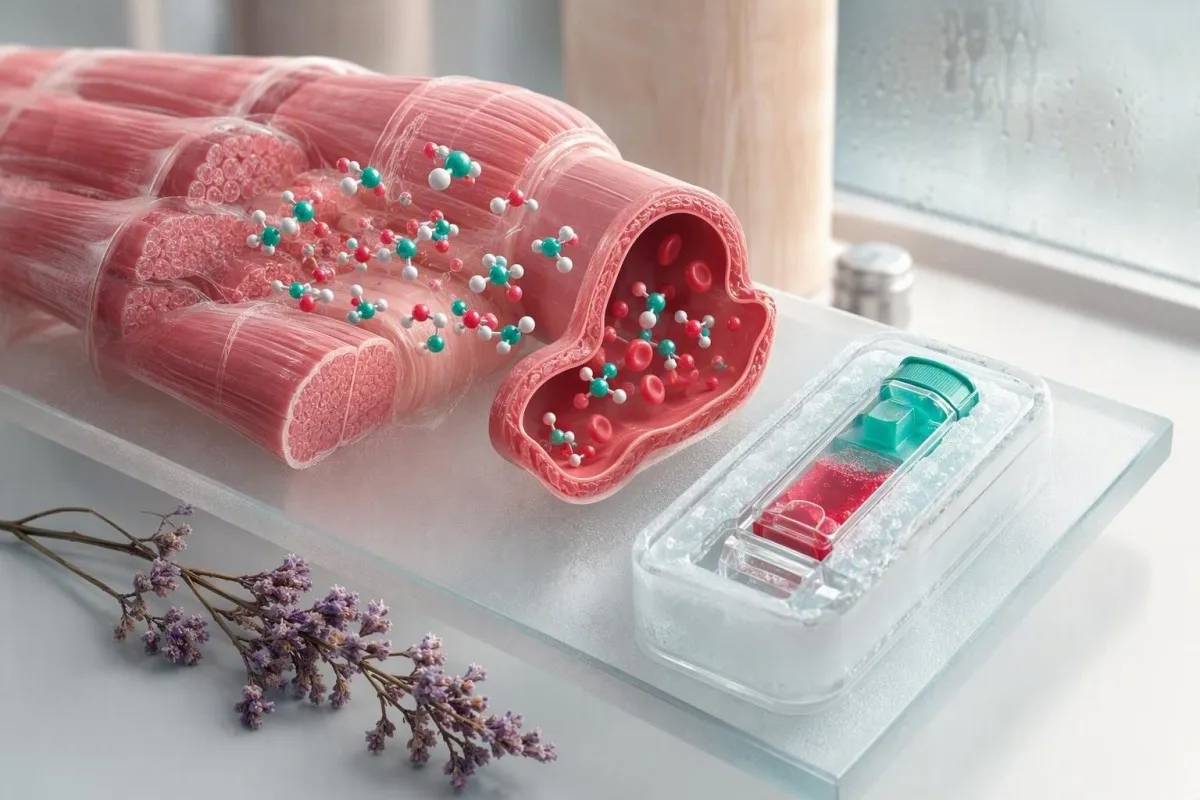
Nečakaný výsledok laktátu môže odrážať skutočný problém s cirkuláciou alebo metabolizmom, ale podmienky odberu môžu mať veľký vplyv. Tu je návod, ako lekári oddeľujú časovo citlivú urgentnú situáciu od vzorky, ktorá si zaslúži starostlivé opakovanie.


- Typický venózny laktát je približne 0,5-2,2 mmol/l, hoci každé laboratórium musí používať svoj vlastný validovaný rozsah.
- Laktát nad 2,0 mmol/l je hyperlaktatémia; klinické prostredie, krvný tlak a príznaky určujú jeho urgentnosť.
- Laktát na úrovni 4,0 mmol/l alebo vyšší počas akútneho ochorenia si vyžaduje promptné posúdenie lekárom, aj keď je možný problém s odberom.
- Čas turniketu by mal byť čo najkratší; pretrvávajúci venózny stáz a zovretie päste môžu spôsobiť, že hraničný výsledok bude menej dôveryhodný.
- Vplyv cvičenia je reálny: náročné intervaly alebo šprintový finiš môžu dočasne u inak zdravých ľudí produkovať laktát nad 10 mmol/l.
- Manipulácia so vzorkou je dôležité, pretože bunky pokračujú v glykolýze aj po odbere; chladené, promptne spracované vzorky sú spoľahlivejšie.
- Náročný odber s dlhodobým snažením, opakovaným stláčaním päste alebo oneskoreným transportom môže podporiť opakované mierne neočakávané zvýšenie.
- Pokyny pre sepsu odporúčajú opakované meranie laktátu, ak je počiatočný výsledok pri podozrení na sepsu vyšší ako 2 mmol/L, pričom sa má liečiť pacient, nie číslo.
Čo znamená neočakávaný výsledok laktátu práve teraz
Laktátový výsledok vyšší ako 2,0 mmol/L môže odrážať zníženú perfúziu tkanív, závažnú infekciu, záchvaty, účinky liekov, dysfunkciu pečene alebo nedávnu námahu; môže byť tiež skreslený odberom a manipuláciou. Výsledok 4,0 mmol/L alebo viac s dýchavičnosťou, zmätenosťou, mdlobou, silnou bolesťou, horúčkou, nízkym krvným tlakom alebo rýchlo sa zhoršujúcim ochorením si vyžaduje urgentné vyhodnotenie, nie bežné opakované odber. V mojej klinickej praxi mierne zvýšený výsledok u pohodového, stabilného človeka po náročnom odbere často si zaslúži opakovať za kontrolovaných podmienok – ale symptómy vždy prevažujú nad podozrením na laboratórnu chybu.
Venózny laktát je u dospelých zvyčajne približne 0,5 – 2,2 mmol/L, zatiaľ čo arteriálne referenčné intervaly sú často o niečo nižšie, okolo 0,5 – 1,6 mmol/L. Číslo nie je zameniteľné medzi typmi vzoriek, analyzátormi alebo nemocnicami. Venózna hodnota 2,4 mmol/L po stresujúcom odbere znamená niečo úplne iné ako arteriálna hodnota 2,4 mmol/L u osoby v šoku. Pre kontext núdzových vzorcov si prečítajte náš príručku k markerom sepsy.
Laktát na úrovni 4,0 mmol/L alebo vyššie je signálom vysokého rizika počas akútneho ochorenia, najmä pri hypotenzii, zmenenom duševnom stave alebo chladnej, škvrnitej koži. Sam o sebe nediagnostikuje sepsu. Súčasné pokyny Surviving Sepsis Campaign z roku 2021 odporúčajú merať laktát pri podozrení na sepsu a používať opakované merania na usmernenie prehodnotenia, keď je zvýšený (Evans et al., 2021).
Od 23. augusta 2026 radím pacientom, aby neočakávanú vysokú hodnotu neodmietali len preto, že bol použitý turniket. Thomas Klein, MD, videl skutočné núdzové situácie, ktoré boli pôvodne pripísané “zlej vzorke”; obava z odberu je dôvodom na rýchle overenie výsledku, nie dôvodom na čakanie doma, keď je osoba chorá.
Číslo je metabolický kľúč, nie diagnóza
Laktát stúpa, keď produkcia prevyšuje klírensk, a klírensk závisí podstatne od metabolizmu pečene, pričom aj obličky k nemu prispievajú. Vysoký výsledok sa teda môže vyskytnúť pri normálnych hladinách kyslíka, najmä po liečbe beta-agonistami, záchvate alebo intenzívnom cvičení. význam vysokého laktátu je širší ako “nedostatok kyslíka”.”
Môže turniket spôsobiť falošne vysoký laktát?
Krátke použitie škrtiacej pásky len na nájdenie žily pravdepodobne nevysvetlí výrazne zvýšenú hladinu laktátu, ale dlhodobá venózna stáza, mávanie rukou a lokálne svalové kontrakcie môžu urobiť hraničnú hodnotu menej spoľahlivou. Najbezpečnejšou metódou odberu je minimálny čas použitia škrtiacej pásky, uvoľnená ruka a uvoľnenie pásky po začatí odberu.
Škrtiaca páska by mala byť pri bežnom odberu žilovej krvi ideálne uvoľnená do 1 minúty od aplikácie, a nemala by zostať napnutá, zatiaľ čo pacient opakovane stíska päsť. Lokálna venózna stáza koncentruje niektoré analytické látky, zatiaľ čo aktívny sval predlaktia produkuje laktát. Praktickým problémom nie je zriedka jednorazová 30-sekundová aplikácia pásky; je to kombinácia napnutej pásky, ťažko nájditeľnej žily a opakovaného stláčania.
Tento vzor vidím u úzkostných pacientov, ktorých paža je pevne držaná 2-4 minúty, zatiaľ čo mávajú päsťou. Laktát 2,6 mmol/l v tomto kontexte si zaslúži diskusiu s laboratóriom a často aj čisté opakovanie, najmä ak sú vitálne funkcie normálne. Hodnota 6,2 mmol/l by však mala spustiť klinické hodnotenie skôr, ako ju niekto označí za preanalytickú.
Kantesti je AI analyzátor krvných testov, ktorý číta laktát spolu s bikarbónátom, aniónovou medzerou, glukózou, funkciou obličiek a uvedeným kontextom odberu. Tento vzor je dôležitý: izolovaných 2,5 mmol/l s normálnym bikarbónátom nie je rovnaký klinický obraz ako 2,5 mmol/l s bikarbónátom 15 mmol/l a rastúcou aniónovou medzerou. Pozrite si, ako fungujú vlajky mimo rozsahu.
Nemýľte si artefakt škrtiacej pásky s hemolyzovaným vzorkom
Hemolýza spoľahlivo nevysvetľuje vysoký výsledok laktátu, ale môže signalizovať traumatický alebo oneskorený odber a môže zneplatniť iné testy, najmä draslík. Ak správa tiež označuje hemolýzu, použite náš sprievodca opakovaným odberom po hemolýze na prípravu na spoľahlivejšie opakovanie.
Cvičenie pred testom laktátu v krvi: ako dlho to je dôležité
Tvrdé cvičenie môže u zdravých ľudí krátkodobo zvýšiť laktát na 8-15 mmol/l alebo viac, zatiaľ čo ľahká chôdza má zvyčajne malý trvalý účinok. Pre diagnostický laktát v pokoji sa pred ním vyhnite namáhavému cvičeniu, pokiaľ lekár výslovne nepredpísal protokol cvičenia na laktát.
Laktát v pokoji sa po intenzívnom cvičení zvyčajne výrazne zníži do 30-60 minút, ale presná krivka závisí od pracovnej záťaže, kondície, aktívneho zotavenia a toho, či osoba náhle prestala. Špičkoví atléti môžu laktát efektívne odstraňovať, napriek tomu môže intenzívny veslársky interval, šprint do kopca alebo CrossFitová jednotka bezprostredne pred odberom stále priniesť prekvapivý výsledok. Náš Sprievodca krvnými testami CrossFit pokrýva súvisiace varovné signály poranenia svalov.
Pre opakovaný odber ambulantného pacienta zvyčajne odporúčam žiadny intenzívny tréning po dobu 24 hodín, odpočinok v sede najmenej 15 minút pred odberom, normálnu hydratáciu a uvoľnenú ruku. Nie je to preto, že by každé laboratórium vyžadovalo 24 hodín; je to preto, že štandardizácia dňa odstraňuje nejednoznačnosť. Ak bol test objednaný na vyšetrenie intolerancie cvičenia, riaďte sa namiesto toho pokynmi objednávajúceho lekára.
29-ročný cyklista, ktorého som vyšetroval, mal venózny laktát 5,8 mmol/l po jazde do kopca do centra odberu krvi. Cítil sa dobre, mal normálny bikarbónát a opakované meranie po odpočinku v sede bolo 1,3 mmol/l. Toto je užitočný príklad, nie povolenie na samodiagnostiku: príznaky ako bolesť na hrudníku, kolaps alebo pretrvávajúce zvracanie menia situáciu.
Aktívny odpočinok mení výsledok
Jemná chôdza po maximálnom cvičení môže znížiť laktát rýchlejšie ako úplný odpočinok pretože pracujúce svaly môžu laktát oxidovať ako palivo. Vzorka odobratá po pokojnom sedení a vzorka odobratá po prechádzke veľkou nemocnicou preto nie sú striktne porovnateľné. Sledujte kontext cvičenia v časovej osi výsledkov laboratórnych testov.
Prečo môže nepokoj, panika alebo zovretie päste ovplyvniť laktát
Fyzické namáhanie počas odberu vzoriek môže zvýšiť laktát prostredníctvom krátkej svalovej aktivity a adrenergného stresu, zatiaľ čo samotná panika zvyčajne spôsobuje menšiu a menej predvídateľnú zmenu. Užitočná otázka je, či výsledok zodpovedá klinickému stavu pacienta po odobratí vzorky, nie či sa cítil nervózny.
Opakované pumpovanie päsťou môže zvýšiť lokálnu metabolickú aktivitu pred venóznym odberom, najmä v kombinácii s predĺženým turniketom. Požiadať osobu, aby jemne zovrela jednu päsť na identifikáciu žily, je iné ako nepretržité zvieranie po dobu niekoľkých minút. Pokojné sedenie a otvorená, podopretá ruka sú jednoduché ochranné opatrenia.
Hyperventilácia môže skomplikovať interpretáciu iným spôsobom. Akútna respiračná alkalóza stimuluje glykolýzu a môže byť spojená s miernym zvýšením laktátu, aj keď je saturácia kyslíkom normálna. Videla som úzkostných pacientov na pohotovosti s laktátom okolo 2,5-3,5 mmol/l, brnením prstov a nízkou hladinou oxidu uhličitého; vzor krvných plynov objasnil oveľa viac ako samotný laktát.
Kantesti je platforma pre výklad výsledkov krvných testov s umelou inteligenciou, ktorá dokáže identifikovať nesúlad medzi laktátom a bikarbontátom, ale nedokáže posúdiť teplotu pokožky, dychové úsilie ani krvný tlak. Tieto pozorovania pri lôžku určujú, či je opakovanie primerané alebo či je bezpečnejšia neodkladná starostlivosť. Ak príznaky sprevádza závrat, skontrolujte výsledky krvných testov pri závrate.
Deti a dospelí s fóbiou z ihiel potrebujú iný plán
Obťažný odber by sa mal zdokumentovať, nie skryť, najmä u dieťaťa alebo osoby so silnou úzkosťou z ihiel. Špecializovaný odberateľ krvi, vopred použitý lokálny anestetikum, zahrievanie ruky a jeden dobre naplánovaný pokus môžu znížiť ako nepohodlie, tak aj zbytočné opakované testovanie.
Oneskorené spracovanie môže zvýšiť laktát po odbere
Laktát sa môže po odobratí zvýšiť, pretože bunkové elementy pokračujú v glykolýze v skúmavke, najmä ak celá krv zostáva pred analýzou alebo separáciou plazmy teplá. Okamžité testovanie, vhodná skúmavka s antikoagulantom, chladenie podľa potreby miestnej metódy a rýchly transport sú kľúčové pre presné spracovanie vzoriek laktátu.
Nezseparovaná celá krv pri izbovej teplote môže vykazovať progresívne zvýšenie laktátu, a rýchlosť sa líši v závislosti od teploty, počtu bielych krviniek, objemu červených krviniek a chémie skúmavky. Preto laboratórium môže odmietnuť alebo kvalifikovať oneskorenú vzorku laktátu, aj keď vyzerá fyzicky normálne. Normálne vyzerajúca skúmavka nie je dôkazom, že metabolizmus prestal.
Skúmavky s fluoridom inhibujú glykolýzu, ale nemusia ju okamžite zastaviť a nie každá metóda na stanovenie laktátu používa rovnaký typ vzorky. Analyzátory krvných plynov bežne merajú heparinizovanú celú krv rýchlo v mieste starostlivosti; centrálne laboratóriá môžu používať plazmu s vlastnými limitmi transportu. Opýtajte sa, ktorá metóda bola použitá, predtým ako budete porovnávať výsledky z dvoch miest.
Fráza falošne vysoký laktát by sa mal vyhradiť pre hodnotu zvýšenú predanalytickým procesom, nie fyziológiou pacienta. V praxi klinici často nemôžu preukázať toto rozlíšenie z jednej vzorky. Správne odobratá a spracovaná opakovaná vzorka je silnejším dôkazom ako diskusia o čase odberu. Naša sprievodca farbami odberových skúmaviek vysvetľuje, prečo na aditívach záleží.
Veľmi vysoké počty bielych krviniek vytvárajú osobitný problém
Výrazná leukocytóza môže urýchliť in vitro spotrebu glukózy a generovanie laktátu, preto oneskorenia pri transporte znamenajú ešte viac v prípade leukémie alebo závažných zápalových stavov. Ak sa laktát, glukóza a draslík javia ako fyziologicky nekonzistentné, liečebný tím by mal kontaktovať laboratórium priamo namiesto predpokladu metabolickej krízy.
Arteriálny, venózny a kapilárny laktát nie sú totožné
Arteriálny a periférny venózny laktát sa často navzájom zhodujú pri nižších hodnotách, ale ich zhoda sa zhoršuje so zvyšovaním laktátu; kapilárne výsledky vyžadujú ešte väčšiu metódovo špecifickú opatrnosť. Vždy porovnajte výsledok s typom vzorky uvedeným v správe.
Periférny venózny laktát je vo všeobecnosti vhodný na skríning a sériové hodnotenie v mnohých akútnych starostlivostiach, ale neočakávane vysoká venózna hodnota môže byť potvrdená arteriálnou alebo opakovanou venóznou vzorkou v závislosti od klinickej otázky. Tesná turniketová manžeta ovplyvňuje periférnu venóznu vzorku priamočiarejšie ako arteriálna vzorka.
Kapilárny laktát je užitočný vo vybraných situáciách, vrátane športovej fyziológie a niektorých pediatrických postupov, ale môže ho ovplyvniť ohrievanie prsta, tlak ruky a kontaminácia vzorky. Kapilárne meranie 3,0 mmol/l by sa nemalo automaticky považovať za ekvivalent starostlivo spracovaného arteriálneho krvného plynu s hodnotou 3,0 mmol/l.
Keď si prezerám správy, hľadám aj pH, parciálny tlak oxidu uhličitého, bikarbonát a bazický prebytok. Laktát nad 2,0 mmol/l s acidémiou je znepokojujúcejší ako rovnaký laktát s alkalémiou, hoci ani jeden vzor nemožno interpretovať bez pacienta. Prečítajte si náš usmernenie pre elektrolyty pre kontext bikarbonátu a aniónovej medzery.
Netrendujte neporovnateľné vzorky
Trend laktátu je najužitočnejší, keď sú typ vzorky, spôsob spracovania a analyzátor konzistentné. Prechod z oneskorenej centrálnej venóznej vzorky na okamžité arteriálne testovanie v mieste starostlivosti môže vytvoriť zdanlivé zlepšenie alebo zhoršenie nesúvisiace s liečbou.
Kedy je opakovaný test laktátu opodstatnený
Opakovanie laktátového testu je opodstatnené, keď stabilná osoba má mierne izolované zvýšenie, zjavný problém so zberom alebo transportom a žiadne symptómy naznačujúce šok, sepsu, otravu alebo závažné metabolické ochorenie. Opakované vyšetrenie by sa malo vykonať promptne za lepších podmienok, nie odložiť o týždne.
Opakovanie do 15-60 minút je často informatívnejšie ako test na druhý deň, keď je hodnota v akútnej starostlivosti neočakávaná. V prípade podozrenia na sepsu odporúča kampaň Surviving Sepsis Campaign premeranie laktátu, ak počiatočná hodnota presiahne 2 mmol/l (Evans et al., 2021). Dôvodom je klinická trajektória: klesajúci výsledok môže podporiť zlepšenie, zatiaľ čo nárast si vyžaduje vysvetlenie.
Pri neurgentnom opakovanom odberu ambulantného pacienta štandardizujte podmienky: žiadna intenzívna fyzická aktivita 24 hodín, bežné jedlá, pokiaľ nebolo nariadené pôst, 15 minút sedenia v pokoji, žiadne pumpovanie päsťou, krátkodobá turniketová manžeta a potvrdené rýchle spracovanie. Zaznamenajte inhalačné lieky na astmu, metformín, expozíciu alkoholu, záchvaty a nedávnu infekciu. Tieto podrobnosti môžu byť cennejšie ako ďalší izolovaný desatinný bod.
Kantesti je nástroj na analýzu krvných testov poháňaný umelou inteligenciou, ktorý porovnáva opakovaný laktát s bikarbonátom, glukózou, kreatinínom a predchádzajúcimi výsledkami namiesto toho, aby každému malému pohybu označoval ako krízu. Zmysluplné trendy závisia aj od normálnej biologickej variability a variability metódy, ako je vysvetlené v našom sprievodcu zmenou krvného testu.
Čo sa spýtať laboratória
Spýtajte sa, či bol vzorka žilová alebo arteriálna, aká skúmavka bola použitá, kedy bola odobratá, kedy sa dostala k analyzátoru, či bola chladená a či laboratórium nahlásilo nejakú výnimku pri manipulácii. Dokumentované oneskorenie spracovania posilňuje argument pre zopakovanie mierneho neočakávaného výsledku, ale bezpečne nevylučuje chorobu.
Kedy by ste nemali čakať na opakovaný test
Nečakajte na opakované stanovenie laktátu, ak sa vyskytne zvýšený výsledok so zmätenosťou, mdlobami, ťažkou dýchavičnosťou, pretrvávajúcim vracaním, silnou bolesťou brucha, horúčkou s deterioráciou, modrými alebo sivými perami alebo známkami slabej cirkulácie. Tieto príznaky si vyžadujú urgentné lekárske vyšetrenie bez ohľadu na možnú chybu škrtiaceho obväzu alebo manipulácie.
Laktát 4,0 mmol/l alebo viac plus akútne ochorenie je spúšťačom urgentného posúdenia, nie výsledkom domáceho monitorovania. Človek môže mať normálny krvný tlak skoro pri sepse alebo vnútornom krvácaní, takže “necítim sa tak zle” nie je vždy upokojujúce. Ak sú prítomné núdzové príznaky, vyhľadajte miestne pohotovostné služby alebo starostlivosť na pohotovosti.
Dôvod, prečo sa lekári obávajú laktátu v kombinácii s nízkym bikarbonátom, stúpajúcim kreatinínom alebo vysokou aniónovou medzerou, je ten, že táto skupina môže naznačovať narušenú perfúziu alebo významný metabolický proces. Samotný laktát môže súvisieť s cvičením; laktát plus orgánová dysfunkcia je iná riziková kategória. Naša príručka k laboratórnym vyšetreniam pri dýchavičnosti vysvetľuje, prečo je posúdenie vedené príznakmi dôležité.
Andersen a kolegovia opísali zvýšený laktát ako širokú diferenciálnu diagnózu, ktorá zahŕňa šok, regionálnu ischémiu, záchvaty, lieky, toxíny a narušené vylučovanie – nielen sepsu (Andersen et al., 2013). Práve táto šírka je dôvodom, prečo lekári rýchlo posudzujú celého človeka namiesto toho, aby sa snažili inferovať príčinu z ťažkého odberu.
Tehotenstvo, diabetes a ochorenie pečene znižujú prah pre radu
Tehotné osoby s vracaním, osoby s diabetom a ketónmi a osoby s pokročilým ochorením pečene by mali urýchlene kontaktovať lekára pri vysokom výsledku laktátu, dokonca aj vtedy, keď existuje pochybnosť o vzorke. Tieto skupiny sa môžu rýchlo zhoršovať alebo vylučovať laktát menej predvídateľne.
Nešokové príčiny, ktoré môžu udržať laktát zvýšený
Pretrvávajúce zvýšenie laktátu sa môže vyskytnúť bez nízkej dodávky kyslíka, najmä pri záchvatoch, liekoch beta-agonistov, akumulácii metformínu pri závažnom poškodení obličiek, dysfunkcii pečene, nedostatku tiamínu, malígnych nádoroch a určitých toxínoch. Chyba pred odberom by lekárom nemala brániť v zvažovaní týchto príčin, keď opakovaný odber zostáva vysoký.
Inhalované alebo nebulizované beta-2 agonisty môžu zvýšiť laktát prostredníctvom adrenergné stimulácie glykolýzy, najmä po opakovanom vysoko dávkovanom liečení astmy. Pacient môže dýchať rýchlejšie, keď sa laktát zvyšuje, čo sa dá zameniť s horšou bronchospazmom. Toto vyžaduje interpretáciu lekárom; nikto by nemal znižovať predpísanú záchrannú liečbu len kvôli online výsledku.
Laktátová acidóza asociovaná s metformínom je zriedkavá, ale vážna, a riziko stúpa najmä pri závažnom poškodení obličiek, ťažkej dehydratácii, hypoxii, sepse alebo predávkovaní, skôr než pri bežnom užívaní metformínu samotného. Výsledok laktátu by sa mal interpretovať spolu s eGFR, bikarbonátom, pH a klinickým stavom. Naša príručka k zmenám eGFR po liekoch SGLT2 ilustruje, prečo kontext liekov a obličkové hodnoty cestujú spoločne.
Nedostatok tiamínu je nedoceneným prispievateľom, pretože metabolizmus pyruvátu závisí od tiamínu. Myslím na to pri dlhodobom zlom príjme potravy, bariatrickej operácii, silnej expozícii alkoholu alebo pretrvávajúcom vracaní – najmä ak laktát zostáva zvýšený napriek tekutinám a zlepšenej cirkulácii. sprievodca výsledkami laktátu vysvetľuje obmedzenia testovania.
Zmeny funkcie pečene ovplyvňujú klírens, nielen enzýmy
Pečeň je hlavným miestom klírensu laktátu, takže významná hepatálna dysfunkcia môže predĺžiť jeho zvýšenie po cvičení, infekcii alebo záchvate. Normálne ALT a AST nezaručujú normálny metabolický klírens; bilirubín, INR, albumín a celkový klinický kontext môžu byť informatívnejšie.
Prečítajte si laktát s pH, bikarbonátom a aniónovou medzerou
Laktát sa stáva klinicky významnejším, keď sa číta spolu s pH, bikarbonátom, aniónovou medzerou, glukózou a funkciou obličiek. Vysoký laktát s nízkym bikarbonátom a acidémiou naznačuje laktátovú acidózu, zatiaľ čo podobný laktát s normálnym bikarbonátom môže odrážať skoré ochorenie, námahu, účinok liekov alebo problém so zberom.
Aniónová medzera sa zvyčajne počíta ako sodík mínus chlór mínus bikarbonát, hoci miestne postupy hlásenia sa líšia. Zvýšená medzera s bikarbonátom pod približne 22 mmol/L môže podporiť prítomnosť nemeraných kyselín, vrátane laktátu. Albumín ovplyvňuje medzeru, čo je jeden z dôvodov, prečo “normálna” vypočítaná medzera nie vždy zodpovie otázku.
Vzorka laktátu 3,1 mmol/L s pH 7,47, bikarbonátom 25 mmol/L a anamnézou paniky spôsobenej hyperventiláciou sa nespravuje rovnako ako 3,1 mmol/L s pH 7,18 a bikarbonátom 12 mmol/L. Druhá možnosť vyžaduje urgentné vyhodnotenie metabolickej acidózy. Pre praktický kontext acidobázickej rovnováhy si pozrite naše vysvetlenie základného metabolického panelu.
Thomas Klein, MD, učí stážistov klásť jednu nepríjemnú, ale produktívnu otázku: “Patrí každé číslo do tej istej fyziologickej histórie?” Ak je laktát vysoký, ale glukóza, bikarbonát, životné funkcie a vzhľad pacienta sú úplne upokojujúce, overte preanalytickú reťaz. Ak niekoľko meraní ukazuje rovnakým smerom, konajte najprv a až potom riešte kvalitu vzorky.
Normálna saturácia kyslíkom nevylučuje zvýšenie laktátu
Pulzná oxymetria meria nasýtenie hemoglobínu kyslíkom, nie perfúziu tkaniva alebo mitochondriálne metabolizmus. Osoba môže mať saturáciu 98% a klinicky významné zvýšenie laktátu zo sepsy, záchvatov, toxínov alebo narušeného klírensu.
Ako sa pripraviť na najspoľahlivejšiu vzorku laktátu
Pre odpočinkový test laktátu v krvi sa dostavte hydratovaný, vyhýbajte sa namáhavému cvičeniu 24 hodín, pokiaľ nie je nariadené inak, pokojne seďte 15 minút, držte ruku uvoľnenú a informujte personál o nedávnych symptómoch a liekoch. Odborník by mal minimalizovať čas použitia turniketu a zabezpečiť, aby vzorka sledovala rýchlu cestu spracovania laboratória.
Nedodržiavajte úmyselný pôst na test laktátu, pokiaľ vám to nenariadi lekár, pretože pôst nie je bežne vyžadovaný pre laktát a môže byť nevhodný pre niekoho, kto je chorý alebo diabetik. Vyhnite sa alkoholu najmenej 24 hodín, kedykoľvek je to možné, najmä ak test nasleduje po nevoľnosti, zvracaní alebo zlom príjme potravy. Prineste zoznam liekov namiesto toho, aby ste si sami zastavili liečbu.
Povedzte zberateľovi, ak ste bežali, liezli po schodoch, mali záchvat, použili nebulizér, zvracali, zažili silnú bolesť alebo sa namáhali pri predchádzajúcom odberu. Tieto fakty by mali byť v klinickom zázname. Nie sú to výhovorky; sú to interpretovateľné údaje. Naše príručka načasovania krvných testov vám pomôžu presne ich zaznamenať.
Kantesti AI interpretuje výsledky laktátu tým, že sa pýta, či správa obsahuje typ vzorky, referenčný rozsah, čas odberu a súvisiace chemické hodnoty. Kantesti je služba AI na interpretáciu laboratórnych testov, ktorá zdôrazňuje chýbajúci kontext pre následnú starostlivosť lekára namiesto toho, aby sa na vlajku laboratória pozerala ako na diagnózu.
Jednoduchá fráza na odberovom mieste
Môžete povedať: “Toto je test na laktát – mohli by sme použiť turniket krátko a vyhnúť sa pumpovaniu päsťou?” Je to rozumná požiadavka. Správna prax odberu chráni výsledok bez zdržania urgentnej liečby keď sa test vykonáva pri akútnej chorobe.
Prečo rovnaká hodnota laktátu znamená v nemocnici niečo iné
Laktát 3,0 mmol/l u pacienta na pohotovosti s horúčkou a rýchlym dýchaním je znepokojujúcejší ako 3,0 mmol/l po tréningu ambulantného pacienta, pretože predtestová pravdepodobnosť a sprievodná fyziológia sa líšia. Laboratórne hodnoty nenesú vlastnú naliehavosť; klinické prostredie ju dodáva.
Pri podozrení na infekciu môže laktát nad 2,0 mmol/l identifikovať pacienta, ktorý potrebuje bližšie prehodnotenie aj bez nízkeho krvného tlaku. Je to rizikový marker, nie samostatná diagnóza septického šoku. Záchranné tímy ho kombinujú s pozorovaniami, kultiváciami, ak je to vhodné, zobrazovacími metódami, výstupom moču a reakciou na liečbu.
Ambulantné laboratóriá vás po výsledku menej pozorujú. Ak portál zobrazí laktát 4,5 mmol/l a vy ste akútne chorí, nečakajte na bežnú správu. Ak sa cítite úplne dobre, ale viete, že odber bol oneskorený po intenzívnom cvičení, kontaktujte v ten deň lekára, ktorý vyšetrenie nariadil, alebo laboratórium, aby ste sa dohodli na opakovaní.
Nástroj AI dokáže usporiadať PDF súbory laboratórnych výsledkov a zobraziť trendy približne za 60 sekúnd, ale diaľková interpretácia nemôže nahradiť vyšetrenie potenciálne nestabilného pacienta. Pre štandardy kvality a klinický dohľad, naše stránka s lekárskym overením vysvetľuje, ako rámujeme vysokorizikové výsledky pre primerané sledovanie.
Sérová zmena je užitočná iba s klinickým prehodnotením
Klesajúci laktát je vo všeobecnosti upokojujúci, keď sa pacient zlepšuje, ale nedokazuje, že základná príčina bola odstránená. Naopak, malý nárast môže odrážať načasovanie alebo metódu namiesto zhoršenia; lekári interpretujú trend s výstupom moču, mentáciou, obehom a reakciou na liečbu.
Štyri bežné omyly o výsledkoch laktátu
Vysoký laktát automaticky neznamená “nedostatok kyslíka” a normálny laktát nevylučuje každé vážne ochorenie. Test meria meniacu sa metabolickú rovnováhu, preto sú dôležité podmienky odberu vzoriek aj klinický kontext.
Nesprávna predstava jedna: laktát je rovnaký ako kyselina mliečna. Pri pH tela je laktát prevládajúcou merateľnou formou; lekári často používajú tieto termíny voľne, ale laboratórny laktát a acidobázický stav nie sú totožné. Zvýšený laktát bez acidózy je hyperlaktatémia, zatiaľ čo laktátová acidóza znamená zvýšenie aj poruchu acidobázického stavu.
Nesprávna predstava dva: turniket spôsobuje, že každý vysoký výsledok je falošný. Krátke použitie zvyčajne nevysvetľuje nebezpečnú hodnotu, najmä u chorého človeka. Lepšie tvrdenie je, že dlhodobý, komplikovaný odber môže znížiť dôveru v mierne izolované zvýšenie a odôvodniť jeho promptné potvrdenie.
Nesprávna predstava tri: laboratórny flag udáva závažnosť. Referenčné intervaly identifikujú štatistickú nezvyčajnosť, nie naliehavosť. Hodnota tesne nad hornou hranicou laboratória môže byť menej naliehavá ako “normálna” hodnota u osoby, ktorá je zmätená, hypotenzívna alebo sa zhoršuje. Prečítajte si naše kontrolný zoznam presnosti AI reportu pred tým, ako sa budete spoliehať na akýkoľvek automatizovaný súhrn.
Štvrtý omyl: laktát je iba test pre jednotku intenzívnej starostlivosti
Laktát sa používa aj vo fyziológii cvičenia, pri posudzovaní záchvatov, v toxikológii, pri núdzových stavoch spôsobených cukrovkou a pri hodnotení nevysvetliteľnej acidózy. Jeho význam sa mení v závislosti od kontextu, preto je univerzálna interpretácia “dobrý” alebo “zlý” zavádzajúca.
Otázky, ktoré treba položiť po zvýšenom výsledku laktátu
Najužitočnejšie otázky po zvýšenom laktáte sú: aký typ vzorky bol použitý, ako rýchlo bola spracovaná, mám acidózu alebo zmeny funkcie orgánov a mal by sa tento test teraz zopakovať? Kladenie týchto otázok premení znepokojujúci izolovaný výsledok na klinicky využiteľnú diskusiu.
Opýtajte sa, či bola správa venózna, arteriálna alebo kapilárna, a či laboratórium zaznamenalo oneskorenie, hemolýzu alebo problém pri odbere. Vyžiadajte si presnú koncentráciu laktátu v mmol/l namiesto iba “vysoká”. Referenčná hodnota 2,0 mmol/l a výsledok 2,1 mmol/l vytvárajú iný rozhovor ako 2,0 a 7,1 mmol/l.
Opýtajte sa, či bikarbonát, pH, aniónová medzera, kreatinín, glukóza a pečeňové markery podporujú metabolický problém. Ak užívate metformín, lieky na astmu, antiretrovírusové lieky alebo doplnky stravy, prineste názvy a dávkovanie. Nevynechávajte voľnopredajné produkty; niektoré môžu prispievať k dehydratácii, zlému príjmu potravy alebo metabolickým poruchám.
Nakoniec sa opýtajte, ktoré symptómy by mali dnes zmeniť váš plán. Kantesti’s AI platforma na interpretáciu biomarkerov pomáha používateľom pripraviť si tieto následné otázky z kompletného panelu, ale rozhodnutia o naliehavom vyšetrení patria licencovanému lekárovi, ktorý vás môže vyšetriť. O zapojených lekároch sa môžete dozvedieť prostredníctvom našej Lekárska poradná rada.
Uchovávajte faktický záznam pre opakovaný odber
Zapíšte si čas odberu, nedávne cvičenie, dĺžku odpočinku v sede, detaily obtiažneho odberu, lieky, príjem potravy a symptómy. Tento záznam môže urobiť opakovaný odber laktátu klinicky interpretovateľným, zatiaľ čo rozdiel 0,5 – 1,0 mmol/l by inak mohol byť nadhodnotený.
Bezpečné základné pravidlo pre manipuláciu so vzorkami laktátu
Mierne vysoký laktát po cvičení, dlhodobom použití turniketu, pumpovaní päsťou, namáhaní alebo oneskorenom spracovaní môže vyžadovať starostlivo kontrolovaný opakovaný odber; vysoký laktát u chorého človeka si vyžaduje najprv naliehavé klinické vyšetrenie. Najbezpečnejším prístupom je súčasne zlepšiť odber vzorky a posúdiť pacienta.
Praktický hraničný bod pre opatrnosť je 2,0 mmol/l, zatiaľ čo 4,0 mmol/l alebo viac počas akútneho ochorenia by sa malo považovať za signál pre urýchlené posúdenie. Ani jeden z hraničných bodov nenahrádza klinický úsudok. Referenčné intervaly sa líšia a pacient s nižšou hodnotou môže byť stále vážne chorý, ak sú symptómy alebo iné výsledky znepokojujúce.
Podľa mojej skúsenosti najlepší opakovaný odber nie je len “ďalšia skúmavka”. Je to štandardizovaná udalosť: oddýchnutý pacient, uvoľnená ruka, krátky turniket, zdokumentovaný čas odberu, rýchle laboratórne spracovanie a lekár pripravený interpretovať obraz acidobázy a symptómov. Tento prístup zabraňuje falošnému upokojeniu aj zbytočnej panike.
Kantesti podporuje pacientov v krajinách 127+ tým, že prekladá laboratórne správy do štruktúrovaných otázok a kontextu trendov, pričom zachováva hranicu medzi interpretáciou a diagnózou. Pre jasnejší pohľad na to, ako naša technológia klinického uvažovania spracováva laboratórny kontext, si pozrite Sprievodca AI technológiou.
V prípade pochybností zvoľte bezpečnejšiu cestu
Nové zmätenosť, kolaps, vážne dýchavičnosť, silná bolesť, pretrvávajúce vracanie, horúčka s zhoršením stavu alebo laktát na úrovni 4,0 mmol/l alebo vyššej vyžadujú naliehavé posúdenie skôr ako online upokojenie. Možná chyba pri odbere môže byť rýchlo napravená v klinickom prostredí; oneskorené liečenie nie.
Často kladené otázky
Môže turniket spôsobiť vysokú hladinu laktátu?
Krátke použitie turniketu kratšie ako približne 1 minúta samo o sebe pravdepodobne nespôsobí výrazné zvýšenie laktátu, ale predĺžený venózny stáz v kombinácii s pumpovaním päsťou alebo náročným odberom môže spôsobiť, že mierne zvýšený výsledok bude menej spoľahlivý. Venózny laktát 2,3 – 3,0 mmol/l u stabilného pacienta môže byť za kontrolovaných podmienok primerane zopakovaný. Výsledok 4,0 mmol/l alebo viac, alebo akékoľvek zvýšenie so závažnými príznakmi, si vyžaduje klinické posúdenie, aj keď turniket zostal nasadený príliš dlho. Výsledok by sa mal interpretovať s ohľadom na typ vzorky, bikarbónaty, pH a stav pacienta.
Ako dlho by som mal/a odpočívať pred odberom krvi na laktát?
Pre test na laktát v pokoji je rozumným minimom sedieť v pokoji aspoň 15 minút a vyhýbať sa namáhavému cvičeniu asi 24 hodín, aby sa znížila nejednoznačnosť. Tvrdé cvičenie môže dočasne zvýšiť laktát nad 10 mmol/L u zdravých ľudí, zatiaľ čo bežná chôdza má zvyčajne oveľa menší účinok. Ak bola skúška objednaná na testovanie cvičenia, dodržujte špecifický protokol namiesto dlhšieho odpočinku. Povedzte odberateľovi, ak ste sa krátko pred odberom bežali, šliapali po schodoch, intenzívne trénovali alebo ste mali záchvat.
Môže oneskorené spracovanie spôsobiť falošne vysoký laktát?
Áno. Opojené spracovanie môže spôsobiť falošne vysoký laktát, pretože bunkové prvky pokračujú v glykolýze po odbere, najmä ak celá krv zostane pred analýzou alebo separáciou plazmy teplá. Laboratóriá používajú obmedzenia špecifické pre metódu, ktoré zahŕňajú typ skúmavky, chladenie a čas prepravy, aby sa tento účinok minimalizoval. Opojený vzorka môže odôvodňovať urýchlené opätovné odobratie, keď je laktát mierne zvýšený a pacient je stabilný. Bezpečne nevysvetľuje vysoký laktát u niekoho so šokom, horúčkou, zmätenosťou alebo závažným ochorením.
Je hladina laktátu 2,5 mmol/l nebezpečná?
Laktát 2,5 mmol/L je v mnohých laboratóriách mierne zvýšený a nie je automaticky nebezpečný, ale jeho význam závisí od dôvodu, prečo bol meraný. U zdravého človeka po intenzívnom cvičení alebo obtiažnom odberu si lekári môžu nechať výsledok zopakovať po odpočinku a správnom zaobchádzaní so vzorkou. U osoby s podozrením na infekciu, nízkym krvným tlakom, zhoršujúcim sa dýchavičnosťou, poškodením obličiek alebo metabolickou acidózou, môže byť 2,5 mmol/L včasným varovným signálom, ktorý si vyžaduje včasné posúdenie. Porovnajte ho s referenčnými laboratórnymi hodnotami a pridruženými výsledkami bikarbontov a pH.
Mám si pri odberoch krvi na laktát pumpovať päsťou?
Nie. Opakované zatínanie päste by sa malo pri odbere laktátu vyhnúť, pretože lokálna svalová aktivita môže zvýšiť hladinu laktátu vo vzorkovanej končatine, najmä pri použití škrtiaceho obväzu. Udržiavanie ruky uvoľnenej a podopretej poskytuje reprezentatívnejšiu vzorku v pokoji. Odberateľ krvi vás môže požiadať o jemné krátke zatnutie päste na identifikáciu žily, ale nepretržité stláčanie po dobu niekoľkých minút nie je potrebné. Ak je odber obtiažny, opýtajte sa, či by sa vzorka mala zopakovať pri novom, pokojnejšom odbere.
Kedy vysoká hladina laktátu potrebuje urgentnú starostlivosť?
Laktát 4,0 mmol/L alebo vyšší pri akútnom ochorení si vyžaduje urgentné lekárske vyšetrenie a pohotovostná starostlivosť je vhodná skôr, ak sa vyskytne zmätenosť, mdloby, ťažká dýchavičnosť, bolesť na hrudníku, silná bolesť brucha, pretrvávajúce vracanie, horúčka s deterioráciou alebo príznaky slabej cirkulácie. Nižší laktát môže byť tiež vážny, ak sprevádza acidémiu, nízky bikarbonát, nízky krvný tlak alebo zhoršujúce sa príznaky. Pri týchto príznakoch nečakajte na ambulantné opakované odber. Pohotovostní lekári môžu správne zopakovať odber a zároveň skontrolovať cirkuláciu, oxygenáciu, glykémiu a acidobázický stav.
Získajte analýzu krvných testov s podporou AI už dnes
Pridajte sa k viac než 2 miliónom používateľov na celom svete, ktorí dôverujú Kantesti pri okamžitej a presnej analýze laboratórnych testov. Nahrajte svoje výsledky krvných testov a získajte komplexnú interpretáciu biomarkerov 15,000+ v priebehu sekúnd.
📚 Citované publikácie výskumu
Klein, T., Mitchell, S., & Weber, H. (2026). Sprievodca krvným testom C3 C4 komplementu a titrom ANA. Kantesti AI Medical Research.
Klein, T., Mitchell, S., & Weber, H. (2026). Krvný test na vírus Nipah: Sprievodca včasnou detekciou a diagnostikou 2026. Kantesti AI Medical Research.
📖 Externé lekárske referencie
⚕️ Vyhlásenie o lekárskej starostlivosti
Tento článok je určený len na vzdelávacie účely a nepredstavuje lekárske poradenstvo. Pri rozhodnutiach o diagnostike a liečbe sa vždy poraďte s kvalifikovaným poskytovateľom zdravotnej starostlivosti.
Signály dôvery E-E-A-T Trust Signals
Skúsenosti
Klinické hodnotenie vedené lekárom pracovných postupov interpretácie laboratórnych výsledkov.
Odbornosť
Laboratórna medicína so zameraním na to, ako sa biomarkery správajú v klinickom kontexte.
Autoritatívnosť
Napísané Dr. Thomasom Kleinom, recenzia Dr. Sarah Mitchell a prof. Dr. Hans Weber.
Dôveryhodnosť
Interpretácia založená na dôkazoch s jasnými následnými krokmi na zníženie poplachu.