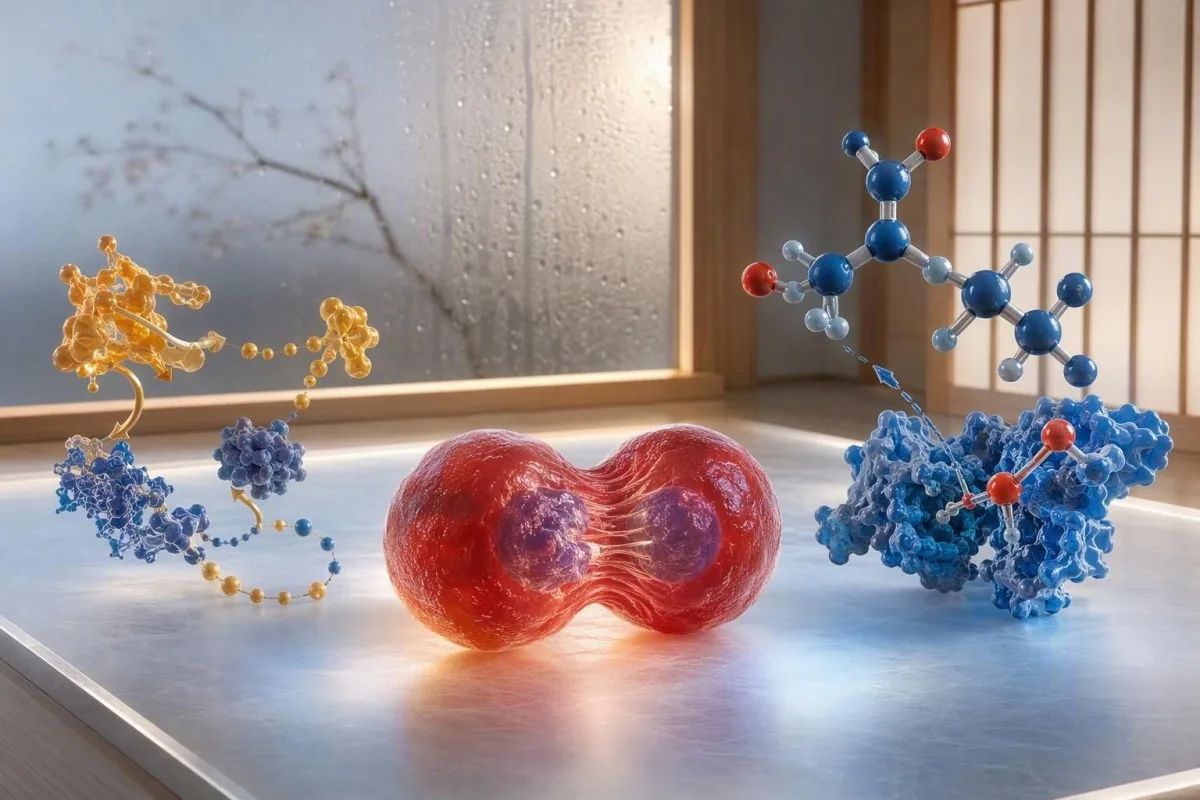
Vysoká hladina folátu je zvyčajne záznamom nedávnej stravy alebo doplnkov, nie toxického stavu. Klinickým záujmom je, či folát napravil náznaky krvného obrazu, zatiaľ čo poškodenie nervov súvisiace s vitamínom B12 pokračuje.


- Vysoký sérový folát nemá univerzálnu hornú hranicu toxicity; mnohé laboratóriá označujú hodnoty nad 20 ng/mL (45,3 nmol/L), často po doplnkoch alebo obohatených potravinách.
- Príznaky vysokého folátu sú zriedkavé, pretože prírodný folát v potrave nie je známy tým, že by spôsoboval toxicitu u zdravých dospelých.
- Horná hranica kyseliny listovej je 1 000 mcg/deň pre dospelých z doplnkov a obohatených potravín, nie z prirodzene sa vyskytujúceho folátu v potrave.
- Vitamín B12 pod 200 pg/ml (148 pmol/L) zvyčajne naznačuje nedostatok, zatiaľ čo 200-300 pg/mL je nejednoznačný rozsah, ktorý často vyžaduje funkčné testovanie.
- Metylmalónovú kyselinu nad približne 0,40 mikromol/L naznačuje bunkový nedostatok B12, ale znížená funkcia obličiek ho môže zvýšiť nezávisle.
- Makrocytóza môže zmiznúť po liečbe folátom, aj keď nedostatok B12 pretrváva, takže normálne MCV nevylučuje riziko poškodenia nervov.
- Mravence, zhoršená rovnováha, změna paměti alebo boľavý jazyk si vyžadujú včasné posúdenie B12 aj pri normálnom hemoglobíne.
- Maskovanie B12 deficitu folátom opisuje korekciu megaloblastickej anémie, zatiaľ čo neurologické poškodenie z nedostatku kobalamínu môže progredovať.
- Nezastavujte predpísanú prenatálnu kyselinu listovú kvôli jednému zvýšenému výsledku sérového folátu; požiadajte predpisujúceho lekára, aby paralelne posúdil aj B12.
Čo zvyčajne znamenajú vysoké hladiny folátu
Príznaky nadbytku folátu sú zriedkavé. Zvýšený výsledok sérového folátu zvyčajne odráža nedávne užívanie multivitamínov, obohatených obilnín alebo predpis kyseliny listovej, skôr ako nadbytok folátu poškodzujúci telo; obavou je skrytý nedostatok vitamínu B12, ak sú prítomné neurologické príznaky alebo rizikové faktory.
Sérový folát sa bežne zvýši po doplnku užitom toho rána a niektoré laboratóriá vykazujú hodnoty nad 20 ng/ml alebo 45,3 nmol/l ako vysoké. Táto značka nediagnostikuje otravu. V mojej klinickej praxi je pacient s folátom 32 ng/ml oveľa pravdepodobnejšie užívajúcim 400-800 mcg denne, než že by mal chorobu spôsobenú samotným folátom.
Fráza príznaky zvýšeného folátu často posielajú ľudí hľadať príčinu únavy, bolestí hlavy, nevoľnosti alebo zlej spánku. Tieto príznaky sú nešpecifické a vysoký folát nebol preukázaný ako spoľahlivá príčina pri bežnom diétnom príjme. Užitočnejšia otázka je, či necitlivosť, zmena chôdze, kognitívne spomalenie, glositída alebo nevysvetliteľná anémia môžu predstavovať nedostatok B12; naša príručke B12 vs folát vysvetľuje tento rozdiel.
K 21. augustu 2026 klinici stále nepoužívajú jedno číslo sérového folátu ako diagnózu nadbytku. Kantesti je analyzátor AI na vyšetrenie krvi ktorý kladie folát vedľa B12, MCV, hemoglobínu, kreatinínu, liekov a predchádzajúcich hodnôt, namiesto toho, aby jednu vysokú značku považoval za diagnózu choroby.
Ako môže folát maskovať nedostatok vitamínu B12
Folát môže zlepšiť anémiu z nedostatku B12 bez toho, aby opravil nervový metabolizmus závislý od B12. Preto je dôležité maskovanie B12 deficitu folátom: krvný obraz môže vyzerať lepšie, zatiaľ čo príznaky tŕpnutia alebo rovnováhy zostávajú neliečené.
Folát aj B12 sú potrebné na regeneráciu tetrahydrofolátu pre syntézu DNA v rýchlo sa deliacich bunkách kostnej drene. Extra folát môže čiastočne obísť úzke hrdlo kostnej drene, čo umožňuje normalizáciu produkcie červených krviniek. Neopravuje však dráhu metylmalonyl-CoA, kde je B12 potrebný na obmedzenie akumulácie kyseliny metylmalónovej.
A normal stredný objem červených krviniek (MCV) 80-100 fL nemôže vylúčiť nedostatok B12 po expozícii folátom. Koexistujúca anémia z nedostatku železa môže tiež znížiť MCV, čím sa vytvorí klamlivo normálny priemer zo zmiešaných malých a veľkých bunkových prvkov; pozrite si naše vysvetlenie sledovanie vysokého MCV.
Devalia et al. (2014) v článku o smerniciach British Committee for Standards in Haematology uviedli, že odporúčajú testovať B12 pri podozrení na megaloblastickú anémiu alebo neuropsychiatrické príznaky a bezodkladne liečiť pravdepodobný nedostatok B12. Dr. Thomas Klein to najčastejšie videl u ľudí, ktorí začali užívať voľne predajný multivitamín “na energiu” po únave, a potom predpokladali, že normálny CBC ukončil prípad.
Význam vysokej hladiny folátu v sére: Strava, doplnky alebo načasovanie
Vysoký sérový folát zvyčajne znamená nedávny príjem, nie nadmerné zásoby v tkanivách. Sérový folát sa mení počas hodín až dní, zatiaľ čo folát v červených krvinkách odráža dlhodobú dostupnosť folátu počas tvorby červených krviniek.
Koncentrácia folátu v sére nad referenčným laboratórnym intervalom môže nasledovať po obohatených obilninách, listovej zelenine, prenatálnom vitamíne alebo 5 mg liekovom tablete. Hodnoty sa uvádzajú v ng/mL alebo nmol/L; 1 ng/mL sa rovná približne 2,266 nmol/L. Pôst sa zvyčajne nevyžaduje, ale zaznamenanie poslednej dávky doplnku stravy uľahčuje interpretáciu izolovaného vysokého výsledku.
Testovanie folátu v červených krvinkách sa v mnohých systémoch používa menej často, pretože folát v sére zvyčajne primerane identifikuje nedostatok, keď je klinický kontext jasný. Stále sa môže zvážiť, keď krátkodobý príjem pravdepodobne skresľuje sérové výsledky, hoci štandardizácia testov sa líši. Naša príručka k testu folátu v červených krvinkách pokrýva praktické kompromisy.
Kantesti je platforma na interpretáciu výsledkov krvného testu AI ktoré dokážu porovnať predchádzajúce hodnoty folátu s načasovaním doplnkov a zmenami stravovania. Jednorazové zvýšenie z 7 ng/mL na 24 ng/mL po užívaní prenatálneho vitamínu je iným klinickým príbehom ako pretrvávajúce nevysvetlené zvýšenie počas niekoľkých odberov.
Limity dávkovania kyseliny listovej a rozdiel oproti folátu v potrave
Tolerovateľný horný limit príjmu syntetickej kyseliny listovej pre dospelých je 1 000 mcg denne. Tento limit sa vzťahuje na doplnky stravy a obohatené potraviny z dôvodu obáv z maskovania, nie na folát prirodzene sa vyskytujúci v zelenine, fazuli, citrusoch a šošovici.
Dospelí zvyčajne potrebujú 400 mcg ekvivalentov folátu v potrave denne, zatiaľ čo tehotenstvo vyžaduje 600 mcg DFE a dojčenie 500 mcg DFE. Štandardný prenatálny produkt bežne dodáva 400-800 mcg kyseliny listovej. Pri tehotenstvách s vyšším rizikom môžu lekári predpísať 5 mg denne pred počatím počas prvého trimestra; toto rozhodnutie by sa nemalo nikdy zvrátiť len preto, že je folát v sére vysoký.
Limit 1 000 mcg nie je prahom, pri ktorom sa náhle objavia príznaky. Je to celopopulačná záchranná sieť určená na zníženie pravdepodobnosti, že kyselina listová napraví anémiu pred zistením nerozpoznanej nedostatku vitamínu B12. Ľudia s malabsorpciou, užívaním antiepileptík alebo predchádzajúcim tehotenstvom s defektom neurálnej trubice ho môžu po porade s odborníkom primerane prekročiť.
Zmeny založené na strave sú pre väčšinu ľudí rozumné, ale nenahrádzajú vyšetrenie neurologických príznakov. Pre vyvážený kontext o kombinovaní doplnkov stravy vrátane nápojov a obohatených potravín si pozrite bezpečnosť vo vode rozpustných vitamínov.
Symptómy, ktoré by mali spustiť kontrolu B12
Brnenie v oboch nohách, znížená citlivosť na vibrácie, neistá chôdza, bolestivý hladký jazyk a zmena kognitívnych funkcií by mali viesť k posúdeniu hladiny vitamínu B12, aj keď sú folát a hemoglobín normálne. Neurologický nedostatok vitamínu B12 sa môže vyskytnúť bez makrocytózy alebo anémie.
Neuropatia súvisiaca s vitamínom B12 sa často začína symetricky v prstoch na nohách alebo rukách a môže byť opísaná ako bzučanie, brnenie, zmenená citlivosť na teplotu alebo chôdza “po vate”. Tieto opisy sa prekrývajú s cukrovkou, ochorením štítnej žľazy, neuropatiou spôsobenou alkoholom, nadbytkom vitamínu B6 a ochorením chrbtice, takže žiadny príznak nedokazuje príčinu. Progresia počas týždňov až mesiacov si vyžaduje riadne neurologické vyšetrenie.
Samotná únava je menej špecifická, najmä ak je hemoglobín normálny. Hemoglobín pod 120 g/L u neprevádzkových dospelých žien alebo 130 g/L u dospelých mužov zvyčajne vyžaduje vyhodnotenie anémie, ale dysfunkcia nervov súvisiaca s vitamínom B12 môže predchádzať ktorýkoľvek z týchto prahov. Naša príručka k príznakom nízkeho počtu červených krviniek pomáha oddeliť abnormality počtu od príznakov.
Som opatrný voči populárnej myšlienke, že každá zabudnutá epizóda je nedostatkom vitamínu B12. Avšak Dr. Thomas Klein odporúča neodmietať nové kognitívne zmeny, pády alebo zmyslové príznaky u osoby užívajúcej vysoké dávky kyseliny listovej, metformín alebo dlhodobú potlačenie kyseliny – práve v týchto prípadoch potvrdenie stavu vitamínu B12 mení liečbu.
Kto má najväčšiu pravdepodobnosť skrytého nedostatku B12
Ľudia s narušenou absorpciou vitamínu B12 sú vystavení vyššiemu riziku ako ľudia, ktorí jednoducho konzumujú menej živočíšnych potravín. Autoimunitná gastritída, žalúdočná operácia, ileálne ochorenie, metformín, inhibítory protónovej pumpy, expozícia oxidu dusnému a prísna neobohatená vegánska strava sú bežné klinické stopy.
Zhubná anémia je autoimunitná príčina malabsorpcie vitamínu B12, pri ktorej protilátky proti vnútornému faktoru môžu podporiť diagnózu, hoci negatívny test nevylučuje autoimunitnú gastritídu. Zásoby vitamínu B12 môžu oddialiť príznaky o 2-5 rokov po poklese absorpcie. Tento dlhý interval vysvetľuje, prečo anamnéza stravovania z minulého mesiaca môže byť zavádzajúca.
Užívanie metformínu má súvislosť s nižšími koncentráciami vitamínu B12 v závislosti od dávky a dĺžky trvania, najmä pri dávkach nad 1 500 mg denne a niekoľkých rokoch liečby. Dlhodobé užívanie inhibítorov protónovej pumpy môže ďalším tlakom na absorpciu spôsobiť znížením žalúdočnej kyseliny. Usmernenie NICE NG239 (2024) uvádza obe lieky medzi rizikové faktory, ktoré by mali ovplyvniť rozhodnutie o testovaní.
Ľudia na rastlinnej strave môžu zostať úplne zdraví, ak používajú spoľahlivý zdroj B12, ale príjem folátu je často vysoký, pretože strukoviny a zelenina sú základnými potravinami. Táto kombinácia robí rekontroly rastlinných živín informatívnejšie ako posudzovanie kvality stravy iba na základe folátu.
Hranice B12 v sére: užitočné, ale nie definitívne
Celková hladina B12 pod 200 pg/ml alebo 148 pmol/l bežne zodpovedá nedostatku. Výsledky okolo 200 – 300 pg/ml (148 – 221 pmol/l) sú v mnohých laboratóriách hraničné a mali by sa interpretovať spolu so symptómami, indexmi CBC a funkčnými markermi.
Neexistuje úplne univerzálny hraničný bod, pretože stanovenia B12 merajú celkový cirkulujúci kobalamín, z ktorého veľká časť nie je dostupná bunkám. Niektoré európske laboratóriá označujú hodnoty pod 150 pmol/l ako nízke a 150 – 250 pmol/l ako nejednoznačné. Výsledky by sa mali vždy čítať v porovnaní s vlastným intervalom laboratória a predtestovou pravdepodobnosťou pacienta.
Normálna celková hladina B12 absolútne nevylučuje nedostatok. Ochorenie pečene, obličiek, myeloproliferatívne poruchy a nedávne injekcie môžu zvýšiť cirkulujúcu hladinu B12 alebo zmeniť väzbové proteíny. Naopak, tehotenstvo môže znížiť celkovú hladinu B12 v dôsledku zriedenia a zmien väzbových proteínov bez toho, aby nevyhnutne signalizovalo bunkový nedostatok.
AI programu Kantesti označí hraničný výsledok B12 inak, keď sa objaví s vysokým obsahom folátu, MCV 98 fL, rastúcim RDW a znecitlivenými prstami na nohách, ako keď sa objaví u asymptomatickej osoby so stabilnými výsledkami. Pre prevod jednotiek a nuance stanovenia použite náš sprievodca referenčným rozsahom B12.
tabuľka
podkapitolách
table_data_note
poznámka_podsekcia
Prečo číslo môže klamať
Výsledok B12 v sére je skríningový marker, nie priame meranie nervového tkaniva. Nedávne tabletky alebo injekcie B12 môžu normalizovať cirkulujúcu hodnotu predtým, ako sa vyjasnia základné problémy s absorpciou, takže lekári často zaznamenávajú časovanie liečby pred rozhodnutím, či bude testovanie MMA stále interpretovateľné.
Kyselina metylmalónová: najužitočnejší potvrdzujúci test
Kyselina metylmalónová alebo MMA sa zvyšuje, keď bunky nemajú dostatok využiteľnej B12. MMA v plazme nad približne 0,40 mikromol/l podporuje nedostatok B12, hoci každý laboratórny ústav si stanovuje vlastný rozsah a poškodenie obličiek je významným zavádzajúcim faktorom.
B12 je kofaktor pre metylmalonyl-CoA mutázu, takže nedostatočná bunková B12 zanecháva v obehu viac kyseliny metylmalónovej. MMA je vo všeobecnosti špecifickejšie pre nedostatok B12 ako homocysteín, pretože nedostatok folátu ho zvyčajne nezvyšuje. Je obzvlášť cenné, keď sa B12 nachádza v sivej zóne 200 – 300 pg/ml.
Znížená eGFR môže zvýšiť MMA aj pri adekvátnej hladine B12, pretože renálny klírens klesá. MMA 0,55 mikromol/l u niekoho s eGFR 32 ml/min/1,73 m² si vyžaduje väčšiu opatrnosť ako rovnaký výsledok u niekoho s eGFR 95. Interpretujte obličkové markery paralelne; náš usmernenie pre obličkový panel vysvetľuje prečo.
Kantesti je nástroj na analýzu krvných testov s podporou AI ktorý číta MMA spolu s kreatinínom, eGFR, B12 a folátom, aby sa znížený klírens automaticky nezamieňal za nutričný nedostatok. V praxi môžu lekári liečiť najprv, keď sú neurologické príznaky presvedčivé, namiesto čakania na každý potvrdzujúci výsledok.
Homocysteín a aktívny B12: kedy pridávajú na objasnení
Homocysteín nad 15 mikromólov/l môže podporovať deficit folátu alebo B12, ale nie je špecifický. Aktívna B12, nazývaná aj holotranskobalamín, odhaduje zlomok B12 dostupný pre bunkové vychytávanie a môže pomôcť vyriešiť nejednoznačné výsledky.
Homocysteín stúpa, keď je B12 alebo folát nedostatočný, pretože obidva sa podieľajú na remetylácii na metionín. Môže ho tiež zvýšiť deficit B6, chronické ochorenie obličiek, hypotyreóza, fajčenie, genetika a niektoré lieky. Zvýšený homocysteín s normálnym MMA naznačuje skôr deficit folátu alebo ne-B12 príčinu, ale nie je to definitívne.
Holotranskobalamín pod približne 35 pmol/l sa často považuje za nízky, zatiaľ čo hodnoty medzi 35 a 50 pmol/l môžu byť nejednoznačné v závislosti od testu. Môže klesnúť skôr ako celkový B12, hoci je menej rozšírený a nie je imúnny voči variáciám testu. prehľad testu aktívnej B12 vysvetľuje, čo môžu lekári rozumne vyvodiť.
Praktické postupy sa všade nelíšia. Niektoré služby najprv používajú celkový B12 a reflexívne MMA; iné používajú najprv aktívny B12, pretože môže znížiť nejednoznačné výsledky. Dôkazy o jednom najlepšom algoritme sú úprimne zmiešané, preto symptómy, lieky, funkcia obličiek a CBC stále majú váhu.
Náznaky CBC, ktoré môže folát skryť
CBC môže naznačovať deficit B12 prostredníctvom vysokého MCV, vysokého RDW, nízkych bielych krviniek, nízkych krvných doštičiek alebo hypersegmentovaných neutrofilov, ale žiadne z nich nie je potrebné. Doplnenie folátu môže zlepšiť niektoré z týchto znakov kostnej drene pred riešením príčiny deficitu B12.
Makrocytóza zvyčajne znamená MCV nad 100 fL, ale deficit B12 sa môže prejavovať MCV v deväťdesiatkach alebo dokonca v referenčnom intervale. RDW nad približne 14,5 % môže byť skorým signálom, pretože novo produkované bunky sa zväčšujú skôr, ako sa posunie priemerné MCV. Alkohol, ochorenie pečene, hypotyreóza a retikulocytóza sú alternatívne príčiny.
Rozter bielych krviniek môže v megaloblastických stavoch ukázať makro-ovalocyty a hypersegmentované neutrofily, hoci automatizované počty tieto znaky nehlásia. Zmiešaný deficit železa môže skryť makrocytózu a zároveň zvýšiť RDW. Z tohto dôvodu sú feritín a saturácia transferínu niekedy vhodné v rovnakom vyšetrení; pozrite si interpretáciu štúdie železa.
AI porovnáva CBC longitudinálne, čo je dôležité, pretože MCV stúpajúce z 84 na 96 fL počas 18 mesiacov môže byť klinicky významné, napriek tomu, že je stále “normálne”. Jednorazové normálne CBC je upokojujúce iba vtedy, ak zodpovedá celkovému obrazu.
Lieky, ktoré menia interpretáciu folátu alebo B12
Metotrexát, trimetoprim, niektoré antikonvulzíva, metformín a lieky potláčajúce kyslosť môžu ovplyvniť stav folátu alebo B12. História liekov je často diagnostickejšia ako samotný výsledok folátu.
Metotrexát inhibuje metabolizmus folátu, takže kyselina listová alebo folínová sa často cielene predpisuje na zníženie nežiaducich účinkov pod dohľadom špecialistu. Toto nie je dôkazom, že vysoký výsledok folátu v sére je nebezpečný. Nemodifikujte doplnky súvisiace s metotrexátom bez rozhovoru s lekárom, ktorý liečbu spravuje.
Metformín môže znížiť absorpciu B12, zatiaľ čo inhibítory protónovej pumpy a H2 blokátory môžu znížiť kyselinou dependentné uvoľňovanie B12 viazaného na potravu. Oxid dusný deaktivuje B12 a môže spôsobiť neurologické príznaky u niekoho s hraničnými zásobami, niekedy po relatívne krátkej expozícii. Tieto riziká sú aditívne, nie all-or-nothing.
Prineste na stretnutie každý produkt: multivitamíny, obohatené nápoje, doplnky na vlasy, gumové cukríky a predpísané tablety. Náš sprievodca prípravou na odber krvi vysvetľuje, ktoré doplnky môžu zmeniť interpretáciu laboratórnych výsledkov, aj keď sa nevyžaduje pôst.
Prečo sa zvyčajne rieši B12 pred samotným folátom
Keď je možný deficit B12, lekári zvyčajne nahrádzajú B12 pred alebo spolu s folátom, namiesto podávania samotného folátu. Tým sa zabráni zlepšeniu anémie, ktoré by maskovalo pokračujúce neurologické poškodenie.
Liečba závisí od závažnosti, príčiny, miestnych pokynov a prítomnosti neurologických príznakov. V praxi Spojeného kráľovstva sa pri potvrdenom deficite spôsobenom malabsorpciou často používa intramuskulárny hydroxokobalamín, zatiaľ čo vysoké dávky perorálneho cyanokobalamínu môžu byť účinné pri vybraných diétnych príčinách. Správny režim neurčuje samotná koncentrácia folátu.
Retikulocyty sa často zvyšujú asi do 3-5 dní po účinnej substitúcii B12 a hemoglobín sa zvyčajne začne zlepšovať do 1-2 týždňov, ak nedostatok spôsoboval anémiu. Neurologické zotavenie je pomalšie a môže byť neúplné, ak príznaky trvajú mesiace. Preto je oneskorené rozpoznanie skutočným rizikom.
NICE NG239 (2024) zdôrazňuje, aby sa neoddialila substitúcia B12 u osôb s podozrením na megaloblastovú anémiu a neurologické príznaky. Čitatelia, ktorí zvažujú formulácie, si môžu porovnať metylované B12 a kyanokobalamín, ale príčina nedostatku je dôležitejšia ako marketingové tvrdenia.
Kedy vysoká hladina folátu so symptómami vyžaduje rýchlu starostlivosť
Vysoký obsah folátu sám osebe zvyčajne nie je núdzový stav, ale nová ťažkosť s chôdzou, rýchlo sa zhoršujúce znecitlivenie, zmätenosť, mdloby, bolesť na hrudníku alebo silná dýchavičnosť si vyžadujú urgentné vyšetrenie. Tieto príznaky môžu mať príčiny okrem nedostatku B12 a nemali by sa liečiť samotnými doplnkami.
Lekárska rada v ten istý deň je rozumná pri rýchlo progresívnej slabosti, opakovaných pádoch, novej dysfunkcii močového mechúra, silnej zmätenosti alebo výraznej zmene rovnováhy. Toto nie sú typické “príznaky vysokého folátu”; vyžadujú si posúdenie neurologických, metabolických, vaskulárnych a liekovo-súvisiacich príčin. Ak sú príznaky náhle alebo jednostranné, sú vhodné pohotovostné služby.
Dýchavičnosť, palpitácie a bledosť môžu naznačovať významnú anémiu, ale normálny obsah folátu nevysvetľuje, prečo sa anémia vyvinula. Hemoglobín pod 80 g/L je u dospelých zvyčajne závažný a vyžaduje si včasné klinické vyšetrenie, najmä pri príznakoch alebo obavách z aktívneho krvácania. Prečítajte si náš sprievodca krvnými testami pri dýchavičnosti pre širší rámec bezpečnosti.
Pre neurgentné príznaky požiadajte o zameraný plán: CBC s indexmi, B12, folát, kreatinín/eGFR a MMA alebo aktívny B12, ak je B12 na hraničných hodnotách. Špecialista môže pridať protilátky proti vnútornému faktoru, testy na celiakiu, štúdie štítnej žľazy alebo testy na železo na základe anamnézy.
Čítanie hladín folátu a B12 ako vzor, nie izolované príznaky
Najinformatívnejší vzor je vysoký folát plus nízky alebo hraničný B12, neurologické príznaky alebo menia sa hodnoty CBC. Vysoký obsah folátu s normálnym B12, normálnym MMA, stabilným CBC a bez rizikových faktorov je zvyčajne nález súvisiaci s načasovaním doplnkov, skôr než signál choroby.
Lekár by mal porovnať dátumy, jednotky, referenčné intervaly, stav nalačno a užívanie doplnkov pred tým, ako označí výsledok za zmysluplne abnormálny. Folát v sére sa môže po príjme značne líšiť, zatiaľ čo klesajúci trend B12 alebo rastúce MCV pri viacerých testoch si zaslúži väčšiu pozornosť. časovou osou krvných testov ukazuje, prečo načasovanie mení interpretáciu.
Kantesti AI interpretuje výsledky folátu a B12 analýzou súvisiacich biomarkerov, hlásených príznakov, liekov a predchádzajúcich laboratórnych trendov. Kantesti je služba interpretácie AI laboratórnych testov používané vo viac ako 127+ krajinách, ale nediagnostikuje pernicióznu anémiu ani nenahrádza lekára, ktorý vyšetrí osobu s neurologickými príznakmi.
Náš proces lekárskej revízie je postavený na klinickom kontexte, nie na samotnej farebne odlíšenej vlajke. Čitatelia, ktorí chcú pochopiť, ako sa spracováva metodika a lekársky dohľad, si môžu pozrieť naše štandardy lekárskej validácie.
Otázky pre vášho lekára po vysokej hladine folátu
Najužitočnejšia otázka nie je “Ako znížiť folát?”, ale “Mohol by tento výsledok zakryť problém s B12 v mojej situácii?” Opýtajte sa na príznaky, dávkovanie doplnkov, stav B12, funkčné testovanie a prečo je opakovaný test potrebný alebo nie je potrebný.
Opýtajte sa, akú metódu a jednotky vaše laboratórium použilo, či výsledok nasledoval po dávke doplnku a či je váš B12 jednoznačne dostatočný alebo neistý. Ak je B12 200-300 pg/mL, opýtajte sa, či je MMA, holotranskobalamín alebo opakované testovanie vhodné vzhľadom na funkciu obličiek a príznaky. Tým sa predíde liečbe laboratórnej vlajky bez pochopenia jej obmedzení.
Uveďte rastlinnú alebo vegetariánsku stravu, gastrointestinálnu chirurgiu, celiakiu, chronický hnačku, metformín, potlačenie kyseliny, expozíciu oxidu dusnému a akúkoľvek rodinnú anamnézu autoimunitných ochorení. Tieto údaje menia predtestovú pravdepodobnosť viac ako malé zvýšenie folátu. Ak sa výsledky ťažko diskutujú počas krátkej prehliadky, naše kontrolný zoznam pre laboratórne vyšetrenia pri návšteve lekára vám pomôže zorganizovať otázky.
Kantesti pracuje pod lekárskym dohľadom prostredníctvom svojho Lekárska poradná rada, a napriek tomu by som odporučil priamy lekársky prehľad pri neurologických príznakoch alebo nízkej hladine B12. Utešujúcou správou je, že včasné odhalenie nedostatku B12 zvyčajne umožňuje priamu liečbu; kľúčom je nenechať sa vysokým výsledkom folátu rozptyľovať od širšieho klinického obrazu.
Často kladené otázky
Môže vysoký folát spôsobiť príznaky?
Vysoká hladina folátu zriedka spôsobuje priame príznaky u dospelých. Hodnota folátu v sére nad 20 ng/mL (45,3 nmol/L) bežne odráža nedávny príjem doplnkov alebo obohatených potravín a neexistuje všeobecne uznávaná toxická koncentrácia v sére. Klinické obavy spočívajú v tom, že kyselina listová môže zlepšiť anémiu spôsobenú nedostatkom vitamínu B12, zatiaľ čo neurologické príznaky pretrvávajú. Nové tŕpnutie, problémy s rovnováhou, kognitívne zmeny alebo boľavý jazyk si vyžadujú posúdenie zamerané na B12.
Čo znamená vysoká hladina folátu v sére?
Vysoký výsledok folátu v sére zvyčajne znamená, že príjem folátu bol nedávno vysoký, najmä z multivitamínu, prenatálneho doplnku, obohateného jedla alebo 5 mg predpísanej tabletky kyseliny listovej. Hladina folátu v sére sa mení v priebehu hodín až dní, takže nespoľahlivo meria dlhodobé zásoby v tele. Mnohé laboratóriá označujú koncentrácie nad približne 20 ng/mL alebo 45,3 nmol/L, ale referenčný interval je špecifický pre danú metódu. Výsledok sa stáva klinicky relevantnejším, keď je B12 nízka alebo hraničná, MCV stúpa alebo sú prítomné neurologické príznaky.
Môže folát maskovať nedostatok vitamínu B12, ak je môj krvný obraz v norme?
Áno, folát môže maskovať krvné prejavy nedostatku B12, pretože oba vitamíny podporujú syntézu DNA v kostnej dreni. Nadbytok folátu môže zlepšiť makrocytózu a anémiu, zatiaľ čo nervové dráhy závislé od B12 zostávajú poškodené. Normálne MCV 80-100 fL a normálny hemoglobín preto nevylučujú nedostatok B12 u niekoho, kto užíva kyselinu listovú. Lekári často objednávajú celkový B12 a, keď sú výsledky hraničné na 200-300 pg/mL, testovanie MMA alebo aktívneho B12.
Ktorý test najlepšie potvrdzuje nedostatok vitamínu B12?
Kyselina metylmalónová je často najužitočnejším funkčným potvrdzujúcim testom, keď je celkový B12 hraničný. MMA v plazme nad približne 0,40 mikromolu/L podporuje bunkový nedostatok B12, hoci znížená funkcia obličiek môže MMA zvýšiť nezávisle. Holotranskobalamín, nazývaný aj aktívny B12, je ďalším užitočným testom; hodnoty pod približne 35 pmol/L sú často nízke v závislosti od metódy. Žiadny test nie je dokonalý, takže príznaky, nálezy CBC, eGFR a anamnéza liekov zostávajú súčasťou diagnostiky.
Mám prestať užívať kyselinu listovú, ak mám vysoký obsah folátu?
Neprerušujte predpísanú kyselinu listovú bez konzultácie s lekárom, ktorý ju odporučil, najmä počas tehotenstva alebo pri užívaní metotrexátu. Horná denná hranica príjmu pre dospelých vo výške 1 000 mcg sa vzťahuje na syntetickú kyselinu listovú z doplnkov a obohatených potravín, ale predpísané dávky ju môžu vhodne prekročiť pri špecifických stavoch. Samotný vysoký výsledok folátu v sére nie je dôkazom toxicity. Bezpečnejším ďalším krokom je skontrolovať celkovú dennú dávku a potvrdiť, že nie je prítomný nedostatok B12.
Môže nedostatok vitamínu B12 spôsobiť poškodenie nervov bez anémie?
Nedostatok vitamínu B12 môže spôsobiť neuropatiu, poruchy rovnováhy, znížené vnímanie vibrácií a kognitívne príznaky bez anémie alebo makrocytózy. K tomu dochádza preto, že B12 je potrebný pre neurologický metabolizmus, ako aj pre tvorbu červených krviniek. Hodnota B12 pod 200 pg/mL alebo 148 pmol/L sa bežne považuje za nedostatok, ale príznaky môžu odôvodniť liečbu alebo funkčné testovanie, aj keď je celková hodnota B12 hraničná. Včasné posúdenie je dôležité, pretože neurologické zotavenie môže byť pomalšie a menej úplné po dlhodobom nedostatku.
Získajte analýzu krvných testov s podporou AI už dnes
Pridajte sa k viac než 2 miliónom používateľov na celom svete, ktorí dôverujú Kantesti pri okamžitej a presnej analýze laboratórnych testov. Nahrajte svoje výsledky krvných testov a získajte komplexnú interpretáciu biomarkerov 15,000+ v priebehu sekúnd.
📚 Citované publikácie výskumu
Klein, T., Mitchell, S., & Weber, H. (2026). Vysvetlenie pomeru BUN/kreatinínu: Sprievodca testom funkcie obličiek. Kantesti AI Medical Research.
Klein, T., Mitchell, S., & Weber, H. (2026). Urobilinogén v moči: Sprievodca kompletnou analýzou moču 2026. Kantesti AI Medical Research.
📖 Externé lekárske referencie
Národný inštitút pre zdravie a starostlivosť (NICE) (2024). Nedostatok vitamínu B12 u osôb nad 16 rokov: diagnostika a manažment. NICE Guideline NG239.
⚕️ Vyhlásenie o lekárskej starostlivosti
Tento článok je určený len na vzdelávacie účely a nepredstavuje lekárske poradenstvo. Pri rozhodnutiach o diagnostike a liečbe sa vždy poraďte s kvalifikovaným poskytovateľom zdravotnej starostlivosti.
Signály dôvery E-E-A-T Trust Signals
Skúsenosti
Klinické hodnotenie vedené lekárom pracovných postupov interpretácie laboratórnych výsledkov.
Odbornosť
Laboratórna medicína so zameraním na to, ako sa biomarkery správajú v klinickom kontexte.
Autoritatívnosť
Napísané Dr. Thomasom Kleinom, recenzia Dr. Sarah Mitchell a prof. Dr. Hans Weber.
Dôveryhodnosť
Interpretácia založená na dôkazoch s jasnými následnými krokmi na zníženie poplachu.