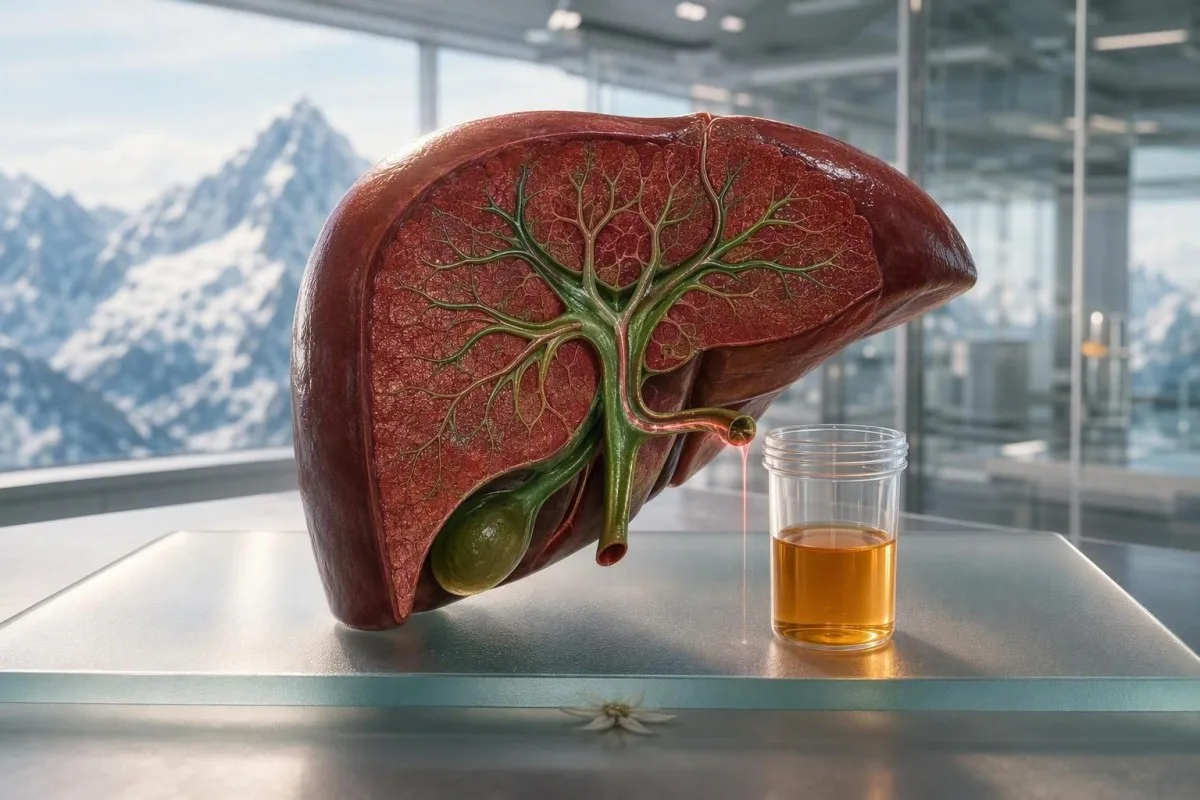
د ډیپ سټک په ازموینه کې مثبت د بلیروبین پایله عموماً هغه تړل شوی (conjugated) بلیروبین ښيي چې ادرار ته رسېدلی وي. شاوخوا نښې، د ادرار موندنې، او د ځیګر پینل دا ټاکي چې ایا تکراري ازموینه معقوله ده که ژر ارزونه خوندي ده.



- د ادرار بلیروبین باید عموماً منفي وي، ځکه یوازې د اوبو-محلول تړل شوی (conjugated) بلیروبین کولی شي ادرار ته داخل شي.
- په ادرار کې مثبت بلیروبین عموماً د ځیګر-حجروي زیان یا د صفرا د جریان خرابوالی په ګوته کوي، نه د بېستونزې Gilbert syndrome یا یوازې د haemolysis جلا کېدل.
- کولیسټاتیک (Cholestatic) بڼه مانا دا ده چې alkaline phosphatase او GGT د ALT په پرتله ډېر لوړېږي؛ د R نسبت 2 یا ټیټ د دې بڼې ملاتړ کوي.
- د هیپاټو سیلولر بڼه مانا دا ده چې ALT په نامتناسب ډول لوړېږي؛ د R نسبت 5 یا لوړ د ځیګر-حجروي زیان ملاتړ کوي.
- بیړنۍ نښې پکې تبه، د ښي پورتنۍ ګېډې درد، ژېړې سترګې، سپکې/رنګ-نه لرونکې غایطه، ګډوډي، یا په چټکۍ سره تیاره کېدونکی ادرار شامل دي.
- ډېری وخت وروسته له دې چې انزال، بایسکل چلول، او د ادراري کړنلارو څخه ډډه وشي، معقول وي یوازې هغه وخت معقوله ده چې د نمونې له سمبالولو او د درملو له کتنې وروسته، بې له نښو یو ناڅاپي جلا ډیپ سټک موندنه وي.
- د وینې معاینات عموماً پکې ټول او مستقیم بلیروبین، ALT، AST، ALP، GGT، البومین، INR، او بشپړ وینې شمیرنه شامل وي.
- غلطې پایلې کېدای شي هغه وخت رامنځته شي چې ادرار زوړ وي یا د رڼا سره مخ شوی وي، او phenazopyridine کولی شي د رنګ غلط-مثبت (false-positive) لاسوهنه تولید کړي.
دا چې مثبت ډیپ سټک پایله په حقیقت کې څه کشف کوي
A مثبت د ادرار بیلیروبین پایله معنا لري چې ډیپسټیک په ادرار کې کنجوګېټډ، په اوبو کې حل کېدونکی بیلیروبین کشف کړی. دا د کوم ځانګړي ناروغۍ تشخیص نه کوي، خو په بالغ کې باید تعقیب وشي، ځکه کنجوګېټډ بیلیروبین عموماً ادرار ته هغه وخت رسېږي چې د ځیګر پروسس یا د صفرا جریان ګډوډ شي؛ تبه، یرقان، د پورتنۍ ګېډې درد، سپین/رنګ کم غایطه (پیل سټوولز)، یا کانګې باید دا تعقیب هماغه ورځ بیړنی کړي.
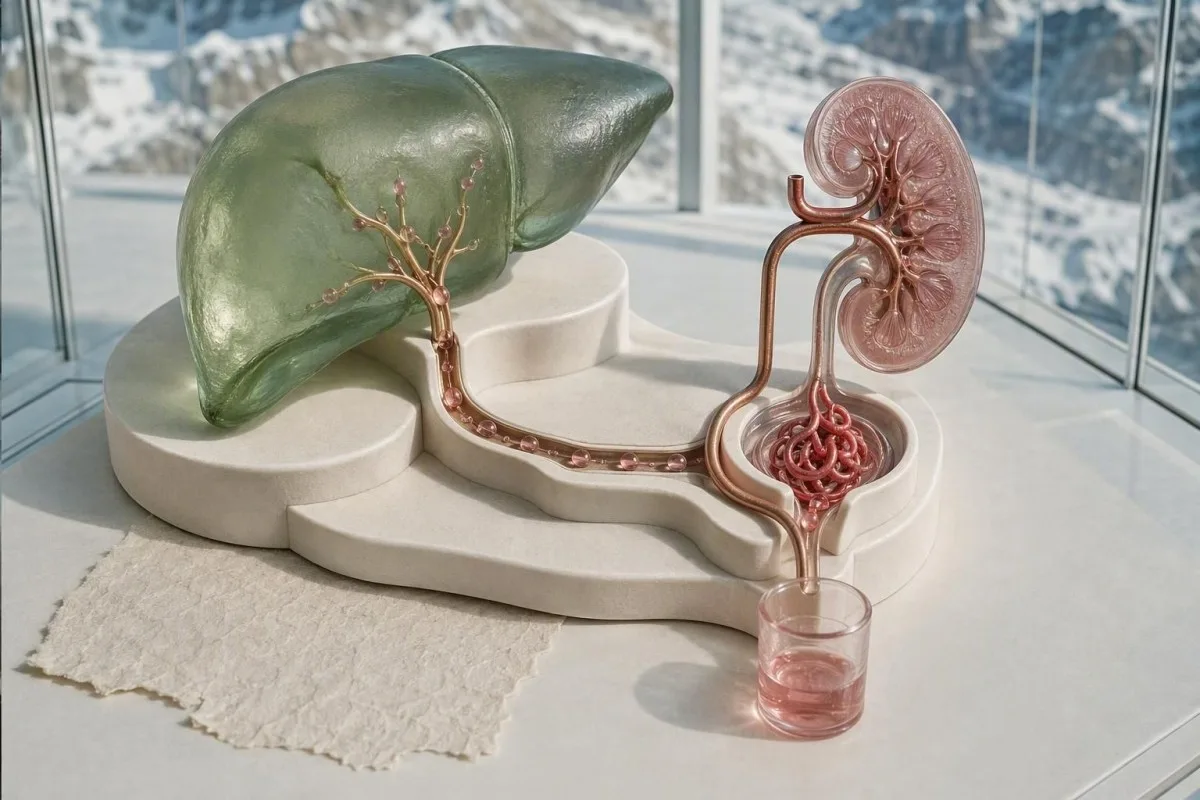
د ادرار معاینې عادي پایله د بیلیروبین لپاره دا ده منفي. بیلیروبین د هیموګلوبین د ماتېدو له محصول په توګه پیل کېږي، په غیرکنجوګېټډ بڼه ځیګر ته ځي، بیا د صفرا له لارې داخلېدو مخکې کنجوګېټ کېږي؛ کنجوګېټډ بڼه دومره په اوبو کې حل کېدونکې ده چې د دوران په غلظت کې د زیاتېدو پر مهال د پښتورګو له خوا فلټر کېدای شي.
یوازې یو مثبت پټه اکثراً د شدت نمره نه، بلکې یو لومړنی نښه وي. ما لیدلي چې خلک د سترګو د ښکاره ژېړ کېدو ۲۴ تر ۴۸ ساعتونو مخکې د چای رنګ لرونکی ادرار یادوي، په ځانګړي ډول د لومړني خنډ (obstruction) یا د درملو له امله د ځیګر د زیان په حالت کې؛ خو د ادرار رنګ یوازې د بیلیروبین لپاره د باور وړ اندازه نه ده.
د ډاکټر توماس کلاین عملي قاعده دا ده چې دا پایله د ادرار د معاینې د نورو برخو تر څنګ ولولئ، نه د یوې جلا بېړنۍ نښې په توګه. د راپور په لنډیزونو (abbreviations) کې د اسانه لارښوونې لپاره، زموږ لارښود وګورئ تر څو د ادرار معاینې اصطلاحات. Kantesti یو د AI د وینې معاینې شنونکی اړوند د ځیګر پینل په شرایطو کې ځای پر ځای کړي، خو بیا هم کلینیسین باید مثبت د ادرار ازموینه او نښې وارزوي.
ولې بلیروبین ادرار ته ننوځي، خو غیرمستقیم بلیروبین عموماً نه ننوځي
کنجوګېټډ بیلیروبین په ادرار کې ښکاري ځکه په اوبو کې حل کېږي؛ غیرکنجوګېټډ بیلیروبین په کلکه د البومین سره تړلی وي او عموماً نشي کولی د پښتورګو فلټر ته تېر شي. همدا توپیر دی چې بیلیروبینوریا کولی شي د صفرا-جریان یا د ځیګر-حجرو د نمونې (pattern) ترمنځ توپیر کې مرسته وکړي، د یوازې د سره حجرو د ماتېدو له حالت څخه.
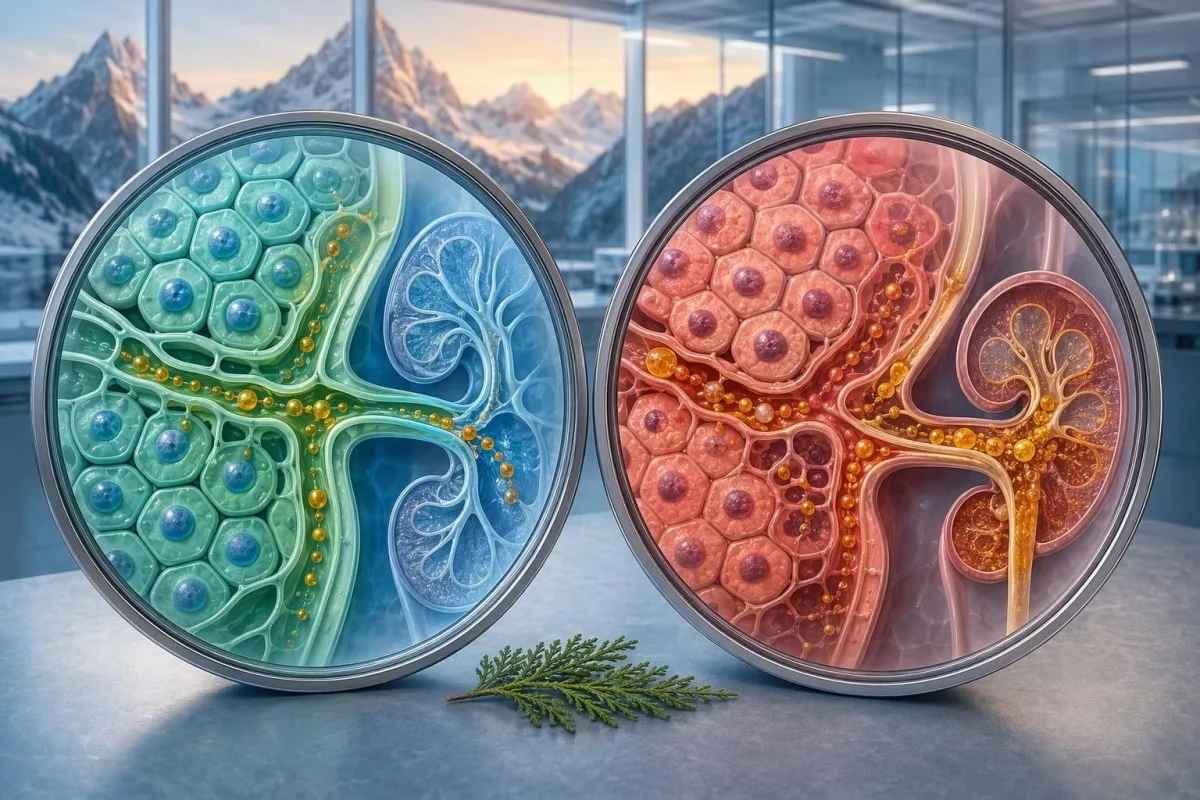
په ډېرو بالغ لابراتوارونو کې ټول بیلیروبین نږدې 0.2 تر 1.2 mg/dL (3 تر 20 micromol/L) دی، او مستقیم بیلیروبین ډېری وخت له 0.3 mg/dL (5 micromol/L) څخه ټیټ وي. د حوالې وقفه د میتود له مخې بدلېږي، خو مثبت د ادرار پټه په کیفی ډول غیرعادي ده، حتی که د سیرم بیلیروبین ارزښت یوازې همدا اوس د لوړېدو پیل کړی وي.
په جلا هیمولایزس (isolated haemolysis) کې ډېر غیرکنجوګېټډ بیلیروبین تولیدېږي، خو د ادرار بیلیروبین پډ عموماً منفي پاتې کېږي. یوروبیلینوګین ممکن په دې حالت کې لوړ شي، خو په رڼا او هوا کې ناپایدار دی، نو باید یوازې د هیمولایزس د تایید یا رد لپاره ونه کارول شي.
همدا دلیل دی چې د روژې/ناروژۍ (fasting) له امله لوړوالی، چې ډېری وخت په ګیلبرټ سنډروم (Gilbert syndrome) کې لیدل کېږي، عموماً بیلیروبینوریا نه جوړوي. یو ګټور ملګری توضیح زموږ لارښود دی تر مستقیم او غیرمستقیم بیلیروبین, ، چې ښيي ولې د برخې (fraction) ارزښت د ټول په اندازه هم مهم دی.
د ځیګر-حجروي بڼه: کله چې ALT او AST کیسه رهبري کوي
A hepatocellular بڼې (pattern) معنا لري هغه وخت رامنځته کېږي چې ALT او AST ډېر زیات د الکالین فاسفېټاز (alkaline phosphatase) په پرتله لوړېږي، چې د صفرا د جریان د عمده ګډوډۍ پر ځای د ځیګر حجرو ته زیان ښيي. د R نسبت د 5 یا له دې څخه لوړ—ALT د خپل د نورمال لوړ حد (upper limit of normal) په نسبت، بیا د ALP د خپل د نورمال لوړ حد په نسبت—دا نمونه ملاتړ کوي.
ALT عموماً شاوخوا 7 تر 56 U/L او AST په اړه 10 تر 40 U/L په لویانو کې، که څه هم هر لابراتوار خپل وقفه ټاکي. ویروسي هیپاتیت، د میتابولیک اختلال-سره تړلې سټیټوتیک جګر ناروغي، د الکول له امله زیان، د جګر د وینې جریان کمېدل، او د درملو له امله جګر ته زیان ټول کولی شي دا بڼه د مثبت ادراري بیلیروبین سره رامنځته کړي.
د انزایم مطلق شمېر په باوري ډول نه شي وړاندوینه کولی چې څوک څومره ناروغ دی. یو کس چې ALT یې 450 U/L وي ممکن په بشپړ ډول روغ شي وروسته له دې چې د لنډمهاله درملو غبرګون وي، خو ټیټ ALT د بیلیروبین په لوړیدو، د INR په اوږدېدو، ګډوډۍ، یا د البومین په ټیټېدو سره کولی شي د جګر د لا زیات زیانمن فعالیت نښه وي.
کله چې زه دا کلاستر بیاکتنه کوم، لومړی د وخت لړۍ ګورم: نوې نسخې، د نسخې پرته محصولات، د استامینوفین اندازه، وروستۍ ناروغي، د وزن بدلون، او د الکول تماس. زموږ عمومي کتنه له د ځیګر پینل څه شی پکې شامل وي سره مرسته کولی شي چې وپېژنې کومې پایلې د هماغه خبرو اترو برخه دي.
د صفرا-نل بڼه: کله چې د اوبو ایستلو (drainage) خرابوالی ډېر احتمال ولري
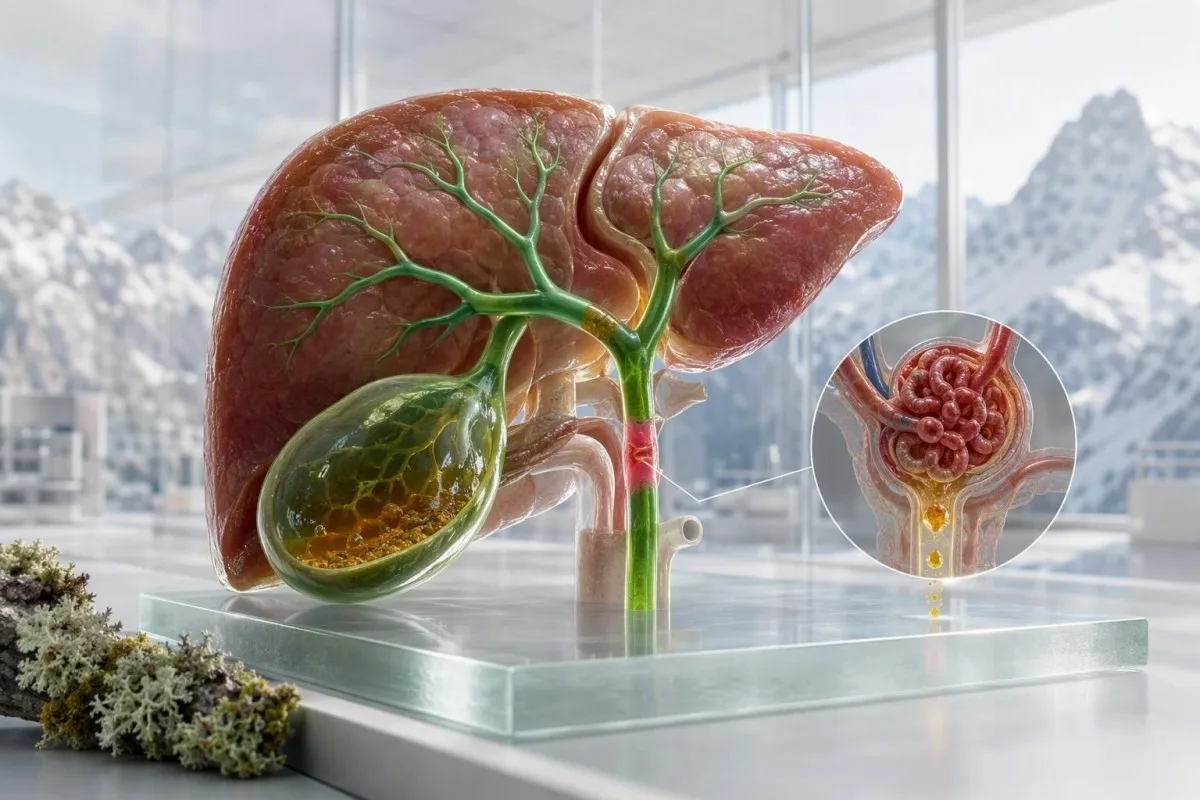
A کولیسټاتیک بڼې هغه وخت رامنځته کېږي چې الکالین فاسفېټاز او GGT د ALT په پرتله زیات لوړ شي، ډیری وخت د مستقیم بیلیروبین لوړوالی او بیلیروبینوریا سره. د R نسبت 2 یا تر دې ټیټ د کولستاسیس ملاتړ کوي، په داسې حال کې چې د نسبت له له 2 تر 5 څخه پورته مخلوط ګڼل کېږي.
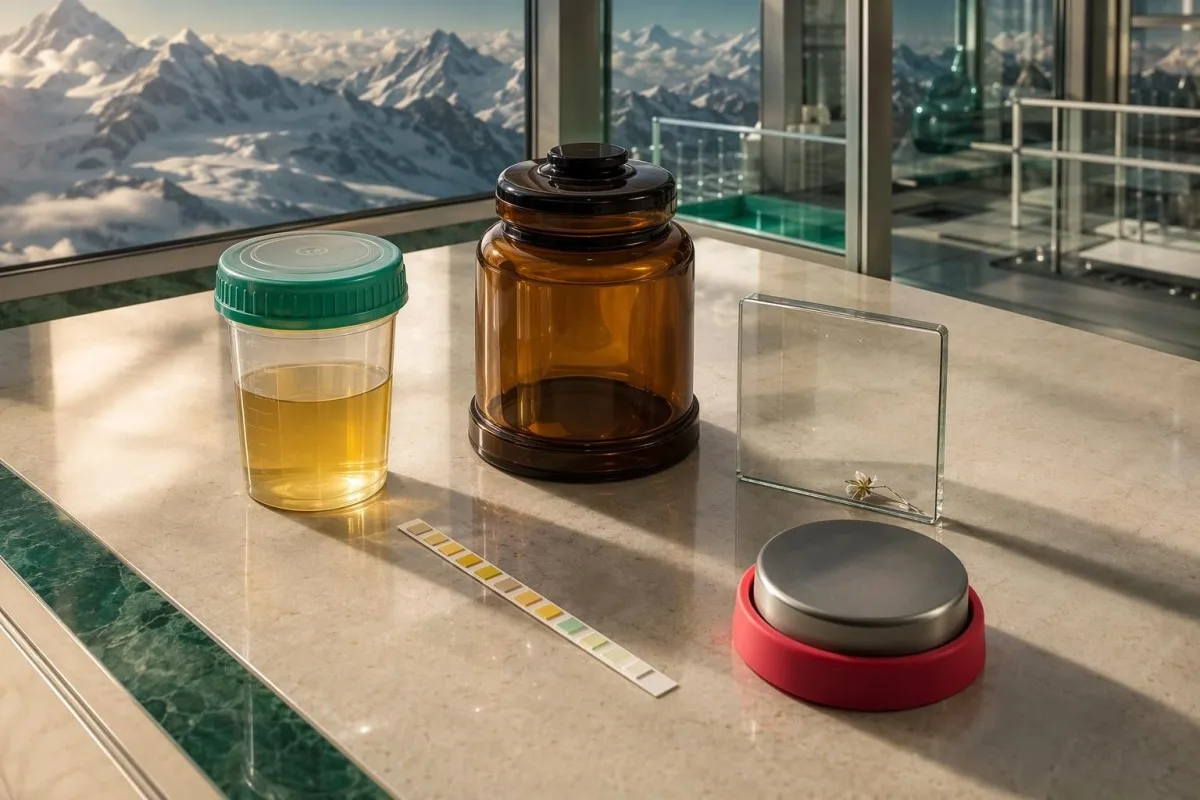
الکالین فاسفېټاز اکثره نږدې 44 تر 147 U/L په لویانو کې وي، خو عمر، امیندوارۍ، او د هډوکو بدلون کولی شي دا د غیر صفرايي لاملونو له امله لوړ کړي. GGT مرسته کوي چې د ALP په لوړیدو سره د هیپاتوبیلیري سرچینه تایید کړي، که څه هم یوازې GGT هم د الکول تماس، میتابولیک جګر ناروغۍ، او څو درملو سره لوړ کېدای شي.
د صفرا ډبرې، د صفرا-نل تنګېدل، د پانقراس-سیمې ناروغي، لومړنی صفرايي کولانجیت (primary biliary cholangitis)، او د درملو اغېزې کولی شي د صفرا جریان بند یا ورو کړي. د EASL د کولستاتیک جګر ناروغۍ لارښود سپارښتنه کوي چې کله کولستاسیس شکمن وي، د لومړي انځوریز ازموینې په توګه د معدې الټراساؤنډ وکارول شي، ځکه چې کولی شي د نلونو پراخوالی یا د صفرا ډبرې له وړانګو پرته وپېژني (EASL, 2009).
هغه ترکیب چې بیړنیوالی بدلوي هغه دی ژېړوالی + تبه + د ښي-پورته بطن درد; دا کولی شي د پورته ختلونکي کولانجیت (ascending cholangitis) نښه وي او عاجله حضوري ارزونه ته اړتیا لري. د انزایم بڼې لپاره ژوره لوستل وګورئ په د کولستاسیس د وینې ازموینې نښو.
د ادرار-معاینې بلیروبین پیډ څومره دقیق دی؟
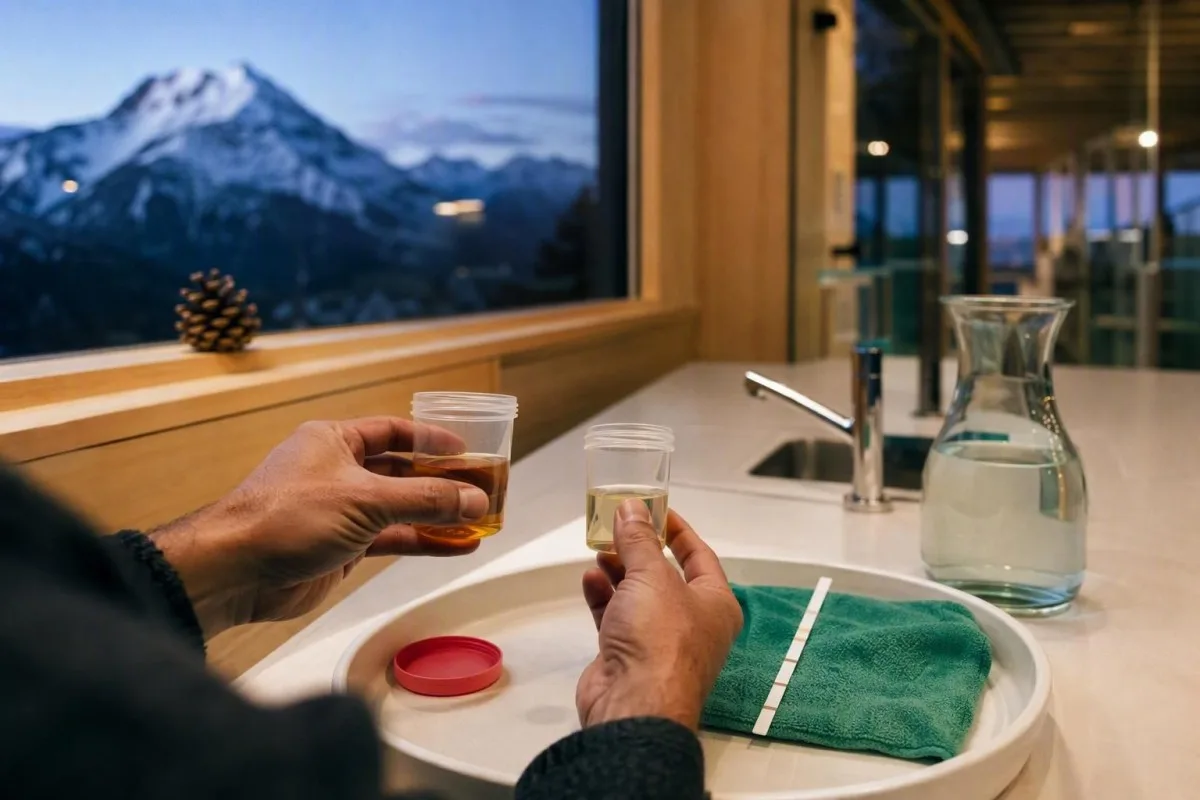
د بیلیروبین ډیپسټیک د سکرینینګ لپاره ګټور دی، خو د نمونې د عمر، د رڼا تماس، د رنګ لاسوهنې، او د تخنیک له امله زیانمن کېدای شي. تازه، خوندي (محافظت شوې) د ادرار نمونه د هغه پټې لوستلو په پرتله چې څو ساعته یې په تیزه رڼا کې پاتې وي، ډېر باوري ده.
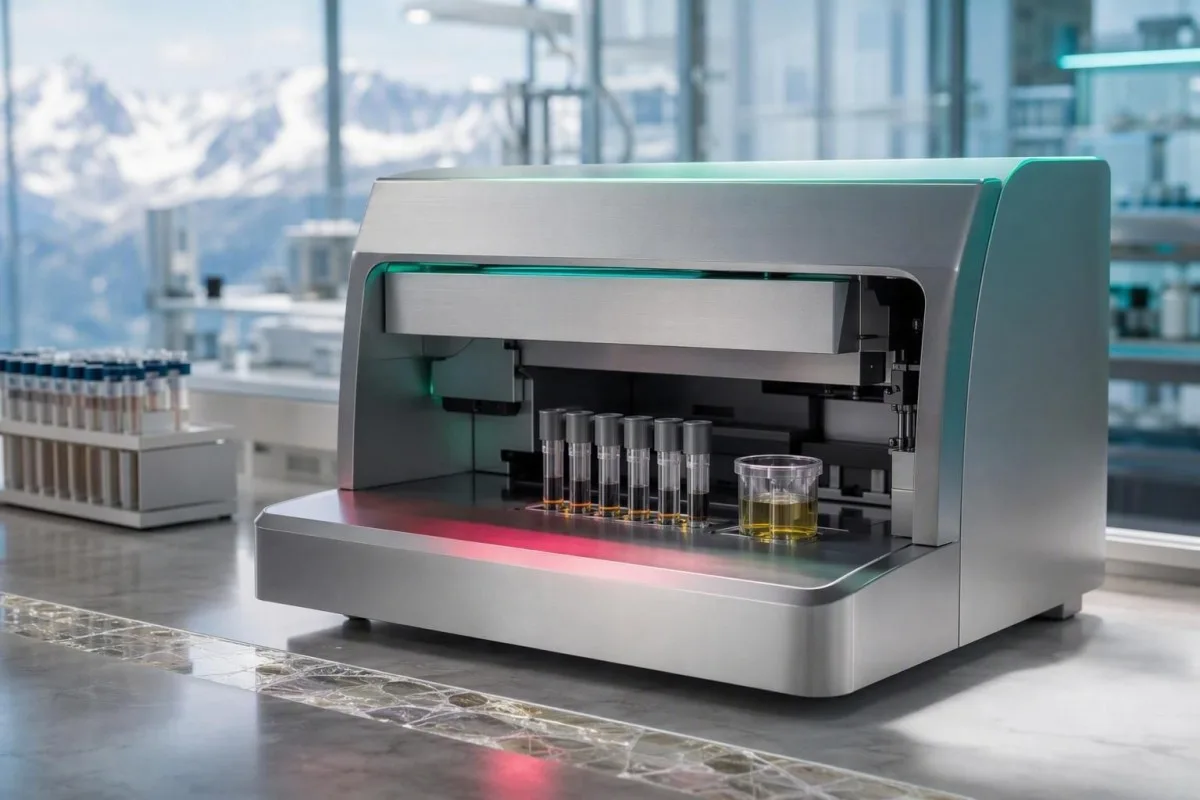
د ری ایجنټ پډ (reagent pad) د ډایازو (diazo) غبرګون کاروي چې د بیلیروبین په شتون کې رنګ بدلوي. مستقیم لمر کولی شي بیلیروبین تجزیه کړي او د غلط-منفي پایلې سبب شي، په داسې حال کې چې د ډېر لوړ ویټامین C مصرف، نایټریټ (nitrite)، او ډېره اسیدي د ادرار نمونه هم کولی شي د ډیپسټیک حساسیت کم کړي.
فینازوپیریډین (Phenazopyridine)، چې د ادراري ناراحتۍ لپاره کارول کېږي، عموماً ادرار نارنجي رنګوي او ممکن د رنګ تفسیر کې لاسوهنه وکړي. د کلورپرومازین میتابولایټونه او د اېتودولاک میتابولایټونه هم راپور شوي چې د بیلیروبین پډ غبرګون کې غلط-مثبت پایلې تولیدوي؛ هره نسخه، مکمل، او د نسخې پرته محصول د بیاکتنې لپاره راوړئ.
د ادرار-تحلیل (urinalysis) بیلیروبین مثبتې پایلې باید د سیرم ازموینې له لارې تایید شي، نه دا چې پټې بیا بیا وکارول شي، که نښې یا غیرعادي جګر پایلې یو ځای موجودې وي. زموږ تفصیلي urobilinogen او د ادرار معاینه (urinalysis) لارښود تشریح کوي چې ولې د یوروبیلینوژن ټیټه یا نه موجوده پایله کولی شي بشپړ بندښت ملاتړ کړي، خو یوازې په خپله یې نه شي تاییدولای.
کومې ازموینې د ادرار په مثبت بلیروبین پایله روښانه کوي
د تایید شوې بیلیروبینوریا وروسته معمول بل ګام یو دی د بلیروبین د برخو سره د ځیګر کیمیاوي پینل, ، یوازې د پښتورګو د ارزونې لپاره نه. ټول بلیروبین، مستقیم بلیروبین، ALT، AST، ALP، GGT، البومین، INR، بشپړ وینې شمیرنه، او کله ناکله د هیپاتیت ازموینې د نمونې او د هغې د بیړنتیا بڼه ټاکي.
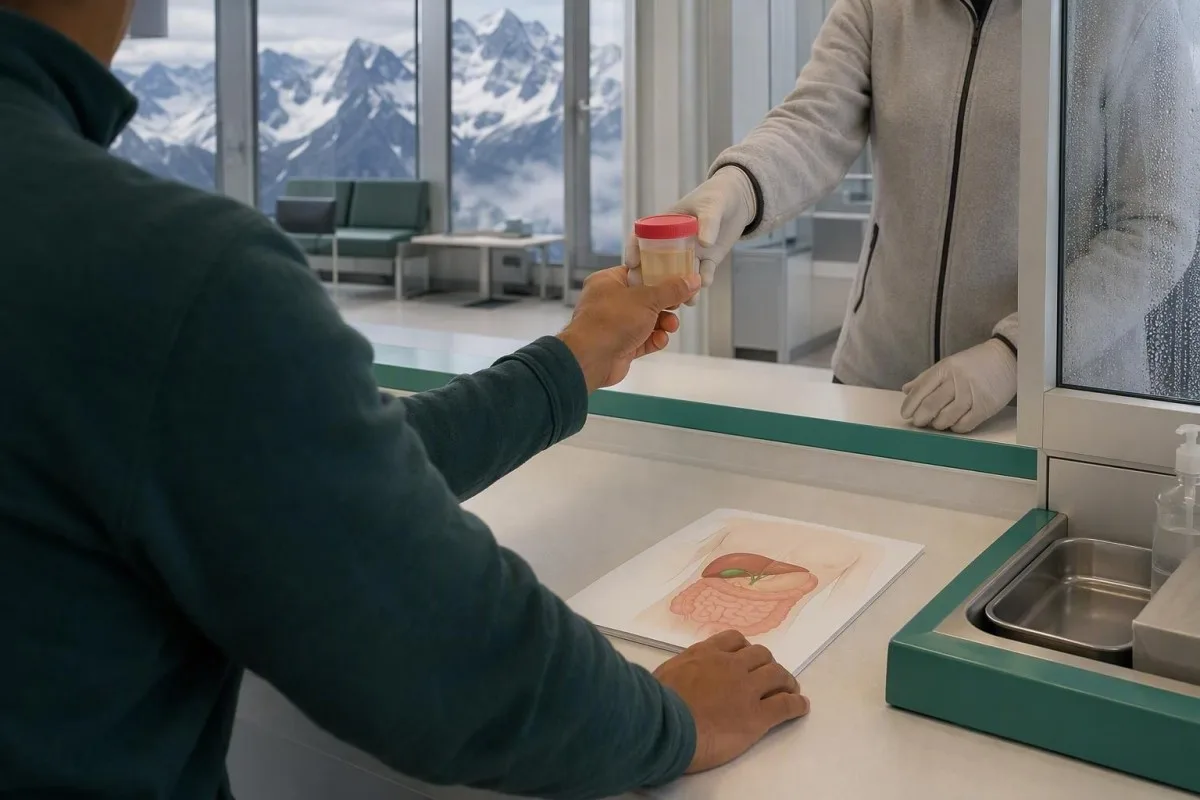
د مستقیم بلیروبین له 0.3 mg/dL په ډېرو لابراتوارونو کې د حوالې له حد څخه پورته وي، خو کلینیسینان د یوې واحدې کټ-آف پر ځای د بشپړې نمونې پر لور تمرکز کوي. البومین له 3.5 g/dL څخه ټیټ یا د INR کچه د ځايي حوالوي حد څخه لوړه ښايي د ځیګر د جوړوونکي (synthetic) فعالیت کمښت په ګوته کړي، که څه هم تغذیه، التهاب، او انټيکوګولانټونه کولی شي دا ازموینې ګډوډې کړي.
که ALP او GGT لوړ وي، الټراساؤنډ عموماً لومړنۍ انځوریزه (imaging) مطالعه وي؛ که ALT غالب وي، تاریخچه، ویروسي ازموینې، د درملو بیاکتنه، او د میتابولیک خطر ارزونه ښايي لومړی راشي. Kantesti هغه AI د وینې ازموینې تشریح پلیټفارم دی چې کولی شي دا د وینې پایلې د هیپاټو سیلولر، کولیسټاتیک، یا ګډې نمونې له مخې تنظیم کړي، خو دا د معاینې، انځوریزې مطالعې، یا د کلینیسین د تشخیص ځای نه نیسي.
د ځیګر په ازموینو کې د راڅرګندېدونکو مارکرونو د حد لپاره ګټور شرایطو ته زموږ د وینې معاینې بایومارکر لارښود. ته مراجعه وکړئ. GGT د لابراتوار د لوړ حد څخه پورته—اکثر شاوخوا 60 U/L په بالغ نارینهوو کې او 40 U/L په بالغ ښځو کې—هغه وخت ډېر معلوماتي وي چې ALP هم لوړ وي؛ زموږ د GGT د کچې لارښود د احتیاطونو (caveats) تشریح کوي.
کله په ادرار کې مثبت بلیروبین عاجله (هماغه ورځ) پاملرنې ته اړتیا لري
د ادرار مثبت بلیروبین اړتیا لري د هماغه ورځې طبي ارزونه کله چې دا د تبه، پرلهپسې کانګې، شدیدې پورتنۍ بطني درد، ژېړو سترګو یا پوستکي، ګډوډۍ، نوي داغ/وینېتېکې (bruising)، یا سپینو (پېلو) غایطه موادو سره رامنځته شي. دا نښې ښايي د بند شوي صفرايي جریان (bile flow)، د پام وړ هیپاتیت، یا د ځیګر د حادې خرابۍ (acute liver dysfunction) سره مل وي.
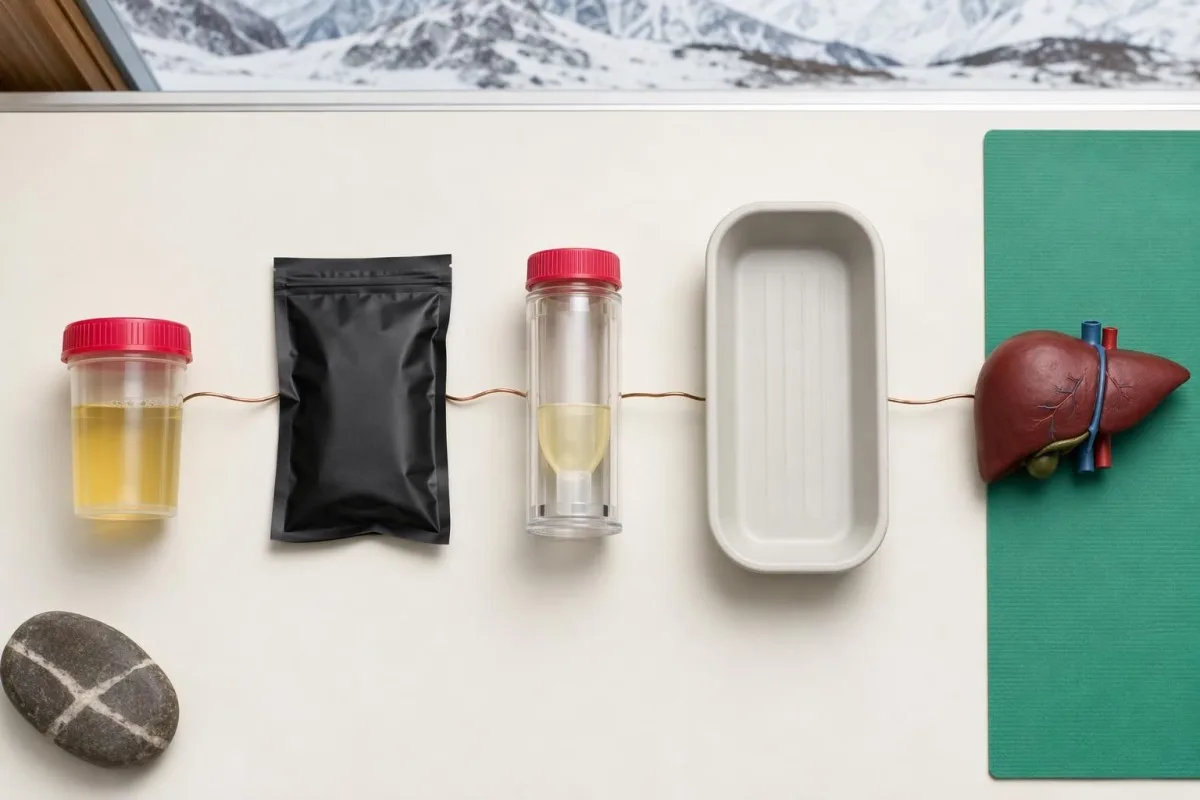
نوی ژېړوالی (jaundice) هغه وخت ښکاره کېږي چې ټول سیرم بلیروبین عموماً شاوخوا 2 تر 3 mg/dL (34 تر 51 micromol/L) ته نږدې وي، که څه هم د پوستکي رنګ او د خونې رڼا د پېژندنې پر څرنګوالي اغېز کوي. تیاره ادرار مخکې هم رامنځته کېدای شي ځکه تړل شوی (conjugated) بلیروبین په اوبو کې حل کېدونکی دی؛ نو که نورې د خبرداري نښې موجودې وي، د ښکاره ژېړ پوستکي تر انتظار مه کېږئ.
د ګډوډۍ، څرګندې خوبالودګۍ، بېهوښۍ، تور غایطه موادو، داسې کانګې چې مایعات نه پرېږدي، یا د تبه سره شدید درد لپاره سمدستي بیړنۍ پاملرنه وغواړئ. دا نښې پخپله د بلیروبین له امله نه وي؛ مهمې دي ځکه کېدای شي د انتان، وینې بهېدنې، ډیهایډریشن، د ځیګر ناکامي، یا بل وختحساس (time-sensitive) اختلاط نښه کړي.
زما په کلینیکي تجربه کې، خلک کله ناکله پېل/سپین یا د خټې رنګ لرونکي غایطه مواد د غذایي بدلون په توګه ردوي. په تیاره ادرار سره پرلهپسې پېل غایطه مواد د دواړو نښو څخه د یوې په پرتله ډېر ځانګړی د صفرايي جریان (bile-flow) خبرداری نښه ده؛ وګورئ کله چې د بلیروبین خبرداري نښې مهمې شي د عملي نښو د چک لېست لپاره.
کله تکراري د ادرار ازموینه بس ده—او کله نه
په 24 تر 72 ساعتونو کې د ادرار ازموینه تکرارول ښايي معقول وي که چیرې په یو ښه کس کې د ناڅاپي جلا مثبتې پایلې په اړه شک وي، نمونه مشکوکه وي، او ژېړوالی، درد، تبه، یا د ځیګر غیرعادي تاریخ نه وي. ژر د وینې ازموینه خوندي ده که پایله دوام وکړي، نښې موجودې وي، یا نمونه په ښکاره ډول تازه او په سمه توګه اداره شوې وي.
ازموینه بیا د تازه منځني جریان نمونې سره تکرار کړئ چې له لمر څخه خوندي وي، په ځانګړي ډول وروسته له دې چې غیر ضروري رنګ بدلونکي ادراري درمل یوازې هغه وخت پرېږدئ چې کلینیسین یا درمل جوړوونکی وايي خوندي دي. د پایلې د ښه کولو لپاره تجویز شوې درملنه مه بندوئ؛ شکمن د درملو اړوند د ځیګر زیان طبي مشوره غواړي، نه د کور تجربه.
د امریکایي کالج د ګیسټرواینټرولوجي سپارښتنه کوي چې غیرعادي د ځیګر کیمیاوي ازموینې بیا تکرار شي تر څو د ثابته نه شوې موندنې تصدیق وشي، مخکې له دې چې پراخ ارزونه وشي، کله چې کلینیکي حالت باثباته وي (Kwo et al., 2017). دا سپارښتنه د هغه کس لپاره نه پلي کېږي چې ژیړوالی (jaundice) لري، سیستمیک ناروغي لري، څرګند درد لري، د امیندوارۍ اړوند خارښت لري، یا پایله په چټکۍ سره بدلېږي.
ډاکټر توماس کلاین یو ساده توپیر کاروي: ازموینه بیا تکرار کړئ کله چې د پری-تحلیلي تېروتنې امکان وي؛ شخص ژر ارزونه وکړئ کله چې نښې موجودې وي یا د ځیګر-پینل سره سمون لرونکی بڼه وي. که مخکې پایلې لرئ، د لیدنې ترمنځ پرتله کولی شي وښيي چې بیلیروبین یا انزایمونه مخکې له مخکې پورته روان وو که نه. تجویز شوې درمل، بوټي/هر بال محصولات، د لوړ دوز مکملونه، او الکول کولی شي د ادرار بیلیروبین مثبتې پایلې لامل شي، یا د ځیګر حجرو په زیان رسولو سره یا د صفرا د انتقال په خرابولو سره. اړوند تماس/استعمال اکثراً هغه وي چې د.
هغه درمل، مکملونه، او تماسونه چې کولی شي بڼه بدله کړي
5 تر 90 ورځو دننه پیل شوی وي، که څه هم د وخت ټاکنه د درمل له مخې ډېر توپیر لري., د درملو او مکملونو تماس باید د بیلیروبین او انزایمونو د بدلونونو تر څنګ وکتل شي.
اسیتامینوفین (Acetaminophen) ځانګړې پاملرنې ته اړتیا لري، ځکه چې زیات خوراک کولی شي سخت هیپاټو سیلولر زیان رامنځته کړي؛ لویان عموماً باید له.
نه زیات نه شي، او د ځیګر ناروغي، دروند الکولي استعمال، زړې عمر، یا بې وزنه تغذیه کې د کلینیسین له لوري ټیټې ټاکل شوې محدودې منطقي دي. د سړې-ناروغۍ او درد دواګانو ګډې بستې (Combination) د ناڅاپي دوه ځله خوراک یو پرله پسې سرچینه ده. ۴،۰۰۰ mg په ۲۴ ساعتونو کې, د لیبلونو عکسونه راوړئ، په شمول د چایانو او پوډرونو، پر دې تکیه مه کوئ چې په یاد مو وي. زموږ د.
د ځیګر روغتیا مکملونه تشریح کوي چې ولې “طبیعي” د خوندیتوب کټګوري نه ده او ولې د شکمن محصول بندول باید د کلینیسین سره تر بحث لاندې راشي. د امیندوارۍ پر مهال، په ماشوم کې، یا په کمزوري/ناتوانه زړې عمر لرونکي کس کې بیلیروبینوریا د کلینیسین سره د تماس لپاره ټیټې کچې ته اړتیا لري، ځکه لاملونه او پایلې توپیر لري. په امیندوارۍ کې د لاسونو یا پښو د تلو/تلونو خارښت د غیرعادي صفرايي نښو سره یو ځای کېدای شي د امیندوارۍ د داخل-ځیګر کولیسټاسس (intrahepatic cholestasis of pregnancy) نښه وي او د نسایي-ولادي ارزونې مستحقه ده.
ځانګړي حالتونه: امیندوارۍ، ماشومان، او وروسته ژوند
د امیندوارۍ او عمر-ځانګړي شرایط بیلیروبین موندنو ته بیړنیوالی او تفسیر بدلوي.
په یوه ماشوم کې چې ژیړوالی لري، د مستقیم بیلیروبین تایید شوې کچه.
1.0 mg/dL یا لوړه ۱.۰ ملي ګرامه/ديسيلتر یا لوړ د کنجوګېټډ هایپربیلیروبینیمیا له امله باید ژر د متخصص ارزونه وشي، ځکه کنجوګېټډ هایپربیلیروبینیمیا هېڅکله فیزیولوژیک نه ګڼل کېږي. د نوي زیږېدلي ماشومانو لپاره د ادرار ډیپسټیک د معیاري تشخیص لاره نه ده، او د ماشومانو د حوالوي رینجونه له بالغ راپورونو څخه نشي اخیستل کېدای.
زړو کسانو کې کېدای شي د ګال سټون د بندښت یا د درملو د زیان له امله لږې نښې ښکاره شي، په ځانګړي ډول که شکر (ډایبېټس) یا ادراکي نیمګړتیا ولري. زموږ لارښود د هماغه ورځ د امیندوارۍ د وینې ازموینې سرې بیرغونه هغه نښې په ګوته کوي چې باید د قابلهګۍ/مېټېرنیټي پاملرنې سره سمدستي اړیکه ونیسي.
تیاره ادرار تل بلیروبین نه وي—او بلیروبین تل نه ښکاري
تیاره ادرار د ډیهایډریشن، خوراکي توکو، درملو، مایوګلوبین، هیموګلوبین، یا بیلیروبین له امله رامنځته کېدای شي؛ یوازې رنګ نشي کولی علت معلوم کړي. بیلیروبینوریا عموماً ادرار د چای یا کولـا په رنګ کوي او کله چې وښورول شي ښايي دوامدار ژېړ فوم پرېږدي، خو د لابراتوار تایید لا هم اړین دی.
ډیهایډرېټ شوی ادرار غلیظ وي او معمولاً د مایعاتو سره روښانه کېږي، خو د بیلیروبین اړوند تیاره کېدل ممکن د نورمال هایډریشن سره هم دوام وکړي. چوغندر (beets)، توربېرۍ (blackberries)، د B-کمپلکس ویټامینونه، ریفامپیسین (rifampicin)، او فینازوپیریډین (phenazopyridine) ټول کولی شي د ادرار رنګ بدل کړي پرته له دې چې په ادرار کې بیلیروبین منعکس کړي.
د “وینې” مثبت ډیپسټیک چې په مایکروسکوپي کې لږ یا هېڅ سره حجرې نه وي، کولی شي هیموګلوبین یا مایوګلوبین په ګوته کړي، نه بیلیروبین. د ډېرې سختې هڅې وروسته د عضلاتو درد، کمزوري، یا د ادرار کم تولید عاجله ارزونه غواړي، ځکه رېبډومایولوسیس کولی شي کریټین کینیز (creatine kinase) ډېر لوړ کړي تر 5 ځله د پورته حوالوي حد پورې.
عملي پوښتنه دا نه ده چې ادرار تیاره ښکاري که نه، بلکې دا ده چې ایا بیلیروبین، وینه، پروټین، ګلوکوز، نایټریټ، لیوکوسایټ ایسټریېز (leukocyte esterase)، او مایکروسکوپي د کیسې سره سمون لري که نه. زموږ د ادرار د رنګ چارټ مرسته کوي چې عام بېضرره د رنګ بدلونونه له هغو نمونو څخه جلا کړو چې ازموینې ته اړتیا لري.
څنګه له پخوانیو پایلو څخه ګټه واخلئ پرته له دې چې ځان په غلط ډول ډاډه کړئ
د مستقیم بیلیروبین، ALP، GGT، ALT، او INR رجحانات (trends) د یو واحد شمېر په پرتله ډېر کلینیکي ګټور دي، تر هغه چې هماغه لابراتواري طریقه او کلینیکي زمینه په پام کې ونیول شي. د بیلیروبین لوړوالی له 0.4 څخه تر 1.1 mg/dL پورې ښايي لا هم د رینج دننه یا نږدې پاتې شي، خو بیا هم معنا لرلی شي که ALP او GGT هم پورته روان وي.
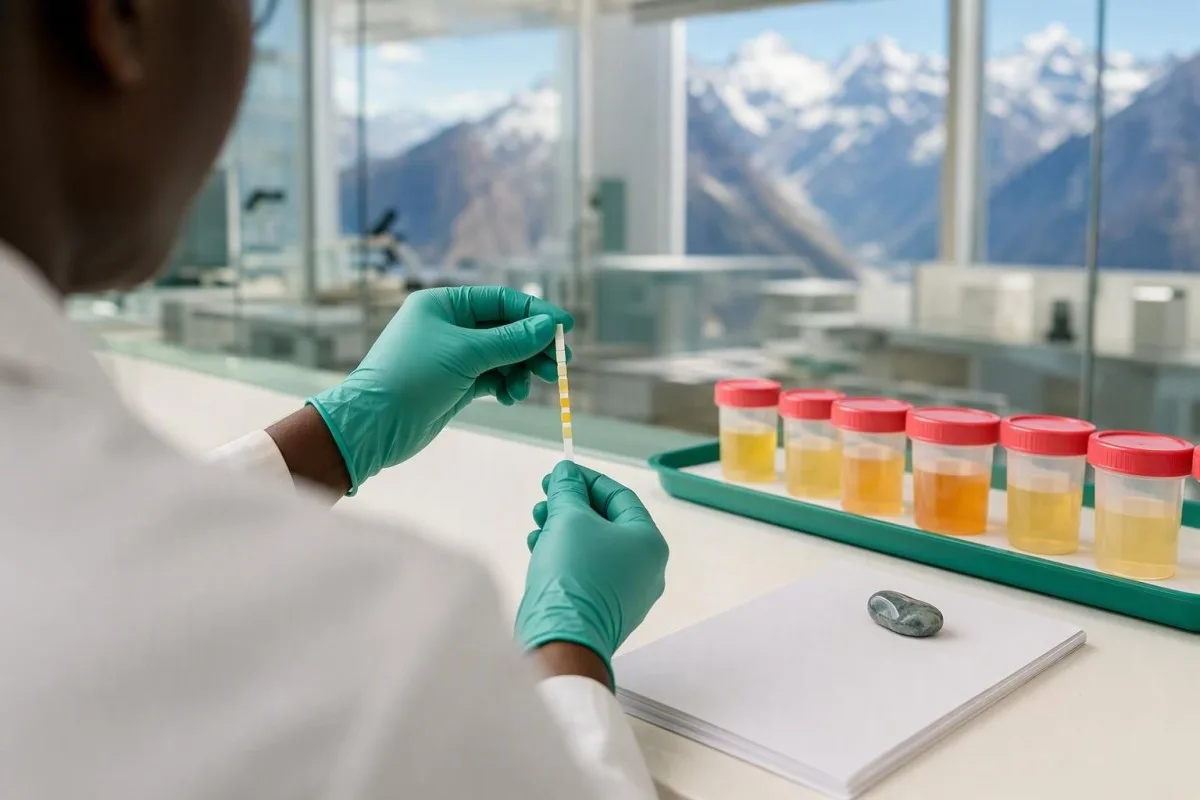
راکښته کېدونکی ALT تل د رغېدو معنا نه لري. په نادره، سختو د ځیګر ټپونو کې ALT کېدای شي راکم شي ځکه لږ فعال د ځیګر حجرې انزایم خوشې کوي؛ همدا وجه ده چې بیلیروبین، INR، ذهني حالت (mental status)، ګلوکوز، او کلینیکي معاینه د انزایم د رجحان تر څنګ مهم دي.
د پایلو له پرتله کولو مخکې د نښو د پیل نېټه، د الکولو اندازه، نوې درمل، وروستي انتانات، سفر، روژه (fasting)، او هر ډول د معدې درد ثبت کړئ. دا لږه زمینه ډېری وخت د شمېرې یوازې د ګراف په پرتله ښه تشریح کوي، په ځانګړي ډول که یوه نمونه د حادې ناروغۍ پر مهال اخیستل شوې وي.
کانټیسټي یو دی د AI بایومارکر تفسیر پلیټفارم هغه چې د اوږدمهاله وینې پینلونه پرتله کوي او کولی شي د کلینیکي ارزونې لپاره د پورته کېدونکي کولیسټاتیک (cholestatic) کلاستر خبرداری ورکړي. یو اوږدمهاله لابراتواري لارښود تشریح کوي چې څنګه هغه زمینه وساتل شي چې رجحان طبي لحاظه د تفسیر وړ کوي.
چیرې د AI تفسیر مرسته کوي—او چیرې باید ودرېږي
AI کولی شي د ځیګر اړوند د وینې پایلې تنظیم کړي او هغه ترکیبونه وپېژني چې تعقیب ته اړتیا لري، خو نشي کولی د بند شوي نل (duct) تشخیص وکړي، د معدې نرموالی (abdominal tenderness) ارزونه وکړي، یا قضاوت وکړي چې څوک داسې ښکاري چې سپتیک (septic) دی که نه. د ادرار مثبت بیلیروبین پایله لا هم یو کلینیکي موندنه ده چې کېدای شي معاینه، د لابراتوار بیا کار، او امیجینګ ته اړتیا ولري.
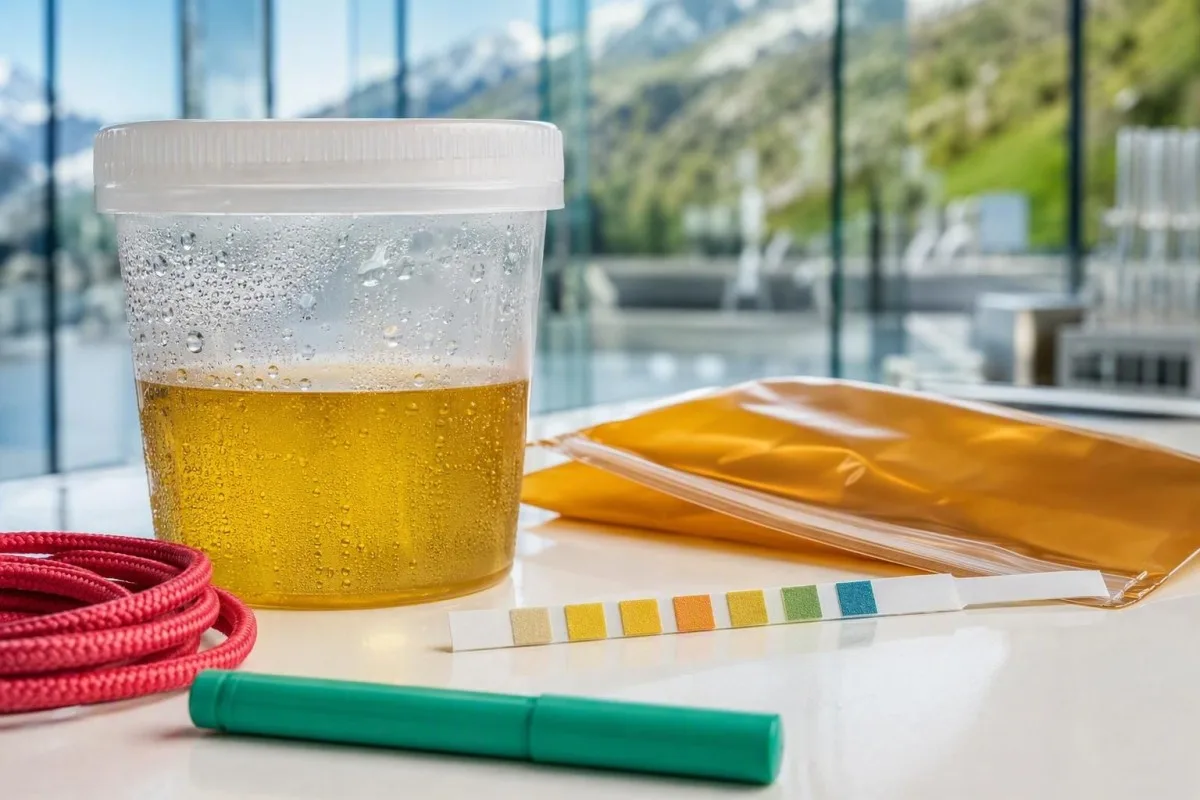
Kantesti AI د بیلیروبین پایلې د مستقیم او ټول بیلیروبین په تړاو د ALT، AST، ALP، GGT، البومین (albumin)، او پخوانیو ارزښتونو سره تفسیر کوي، نه دا چې هره یوه پایله د وروستۍ پرېکړې په توګه ونیسي. د “پېټرن” بیرغ په قصدي ډول د تعقیب لپاره بلنه/مخکښۍ ده، نه د هپاتایټس، ګال سټون، سرطان، یا د کوم ځانګړي درمل غبرګون ثابت ثبوت.
کیفیت د دقیق استخراج او د مناسب لابراتواري وقفو (intervals) پورې اړه لري. له عکس څخه کاپي شوې پایلې کولی شي د واحد، اعشاریې، او د حوالوي رینج تېروتنې ولري، له همدې امله د د کلینیکي تایید (validation) تګلاره پدې کې د بایومارکرونو د اړیکو د ناسمون لپاره چکونه شامل دي او دا چې ولې کاروونکي باید تشریح شوي ارزښتونه د اصلي راپور سره پرتله کړي.
زموږ ډاکټرانو او انجینرانو Kantesti AI ډیزاین کړی ترڅو د طبي ملاقات لپاره پوښتنې روښانه کړي، نه دا چې بیړنۍ پاملرنه وځنډوي. لوستونکي چې غواړي د استدلال د محدودیتونو پوهه ترلاسه کړي کولی شي زموږ د AI ټکنالوژۍ لارښود, ، په ځانګړي ډول د دې د شرایطو د الګو (contextual pattern) تحلیل تشریح.
د مثبتې پایلې وروسته له ډاکټر/کلینیسین سره څه راوړئ
بشپړ یورینالیزس، مخکیني د ځیګر ازموینې، د نیټې لرونکی د درملو او مکملونو لېست، او د نښو لنډ مهالوخت (timeline) د بیلیروبین له مثبتې پایلې وروسته راوړئ. دا څلور توکي اکثره وخت یو ډاکټر ته اجازه ورکوي چې ژر پرېکړه وکړي چې ایا تکراري ازموینې، د هیپاتیت ازموینې، الټراساؤنډ، که بیړنۍ راجع کول مناسب دي.
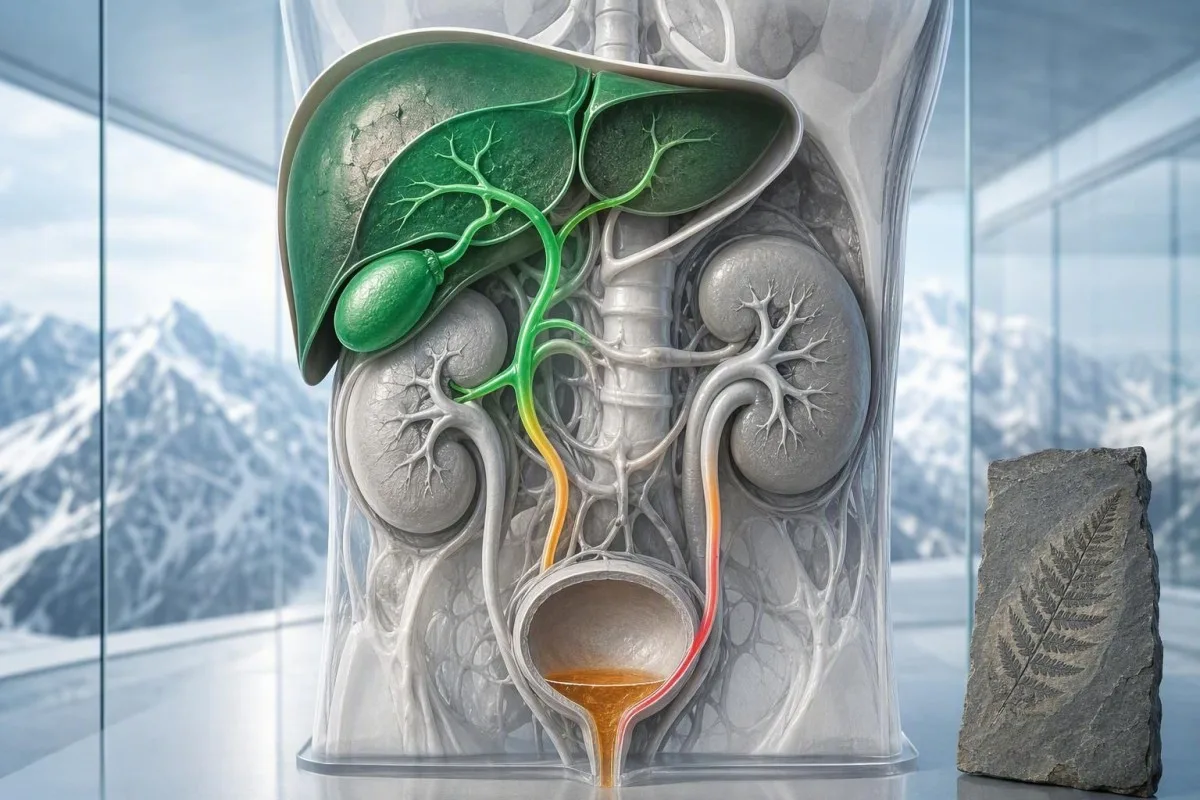
درې تمرکز شوې پوښتنې وکړئ: بیلیروبین مستقیم دی که غیرمستقیم؟ زما د ځیګر پینل hepatocellular ښکاري، cholestatic، که ګډ (mixed)؟ ایا همدا اوس امیجینګ ته اړتیا لرم؟ دا د دې پوښتنې په پرتله ډېر ګټور دی چې ایا یو واحد عدد “خراب” دی که نه، ځکه ځواب د ورسره مل د الګو (pattern) او ستاسو د احساس پر اساس وي.
هڅه مه کوئ چې بیلیروبین د ډېرې اوبو، detox څښاکونو، یا روژې (fasting) په وسیله وباسئ. مایعات معقول دي که تاسو لږ ډیهایډرېټ یاست او وکولای شئ وڅښئ، خو دا د بایل-ډکټ خنډ نه پاکوي او نه د ځیګر التهاب درملنه کوي؛ روژه حتی کولی شي په هغو کسانو کې چې حساسیت لري غیرمستقیم (unconjugated) بیلیروبین لوړ کړي.
د ۲۰۲۶ کال د جولای تر ۲۹ پورې، معقول پای ټکی یو مستند پلان دی: کله ازموینې تکرار شي، کومې نښې د پلان پر ځای لومړیتوب لري، او څوک به پایلې بیاکتنه کوي. د Kantesti’s د طبي مشورتي بورډ زموږ د ډاکټر لخوا بیاکتل شوي د خوندیتوب معیارونه پیاوړي کوي، او زموږ د ډاکټر-ملاقات د لنډیز چک لېسټ کولی شي تاسو سره مرسته وکړي چې لنډې پوښتنې چمتو کړئ.
پوښتل شوې پوښتنې
په ادرار کې د مثبت بلیروبین معنا څه ده؟
په ادرار کې د بیلیروبین مثبتوالی عموماً دا معنا لري چې تړل شوی (conjugated) بیلیروبین په وینه کې په داسې کچه موجود وي چې د پښتورګو له لارې فلټر شي. دا ډول بڼه د ځیګر-حجروي (liver-cell) زیان، د درملو له امله د ځیګر زیان، یا د صفرا د جریان کمزوري کېدو (د صفرا د ډبرې یا د صفرا-ناوې د تنګېدو له امله) سره رامنځته کېدای شي. د ادرار عادي بیلیروبین نتیجه منفي وي، خو ډېری لابراتوارونه د سیرم ټول بیلیروبین شاوخوا 0.2 تر 1.2 mg/dL پورې ښيي. مثبت ډیپسټیک باید د مستقیم بیلیروبین، ALT، AST، ALP، GGT، نښو (symptoms)، او د نمونې د کیفیت (sample quality) په نظر کې نیولو سره تفسیر شي.
ایا ډیهایډریشن په ادرار کې بلیروبین رامنځته کولی شي؟
ډیهایډریشن کولی شي ادرار تیاره کړي، خو عموماً د بیلیروبین پډ (pad) د ریښتیني مثبتې پایلې لامل نه کېږي. غلیظ ادرار ممکن د رنګ تفسیر سخت کړي، چې یو له هغو دلیلونو څخه دی چې تازه، په کافي اندازه راټول شوی نمونه غوره ګڼل کېږي. که یوازینی موندنه د ضعیف مثبتې پایلې وي او هېڅ نښې نښانې نه وي، نو د ۲۴ تر ۷۲ ساعتونو پورې د محافظت شوې ادراري نمونې تکرارول معقول کیدای شي. دوامداره مثبتوالی بیا هم د سیرم جګر ازموینې ته اړتیا لري، حتی که هایډریشن ښه شي.
ایا په ادرار کې بلیروبین یو بیړنی حالت دی؟
په ادرار کې بلیروبین په خپله اتوماتيک ډول بیړنی حالت نه دی، خو که دا د تبه، د پورتنۍ برخې سختې معدې درد، کانګې، ژېړ سترګو، سپینو/رنګ کمو پاخانو، ګډوډۍ، یا په چټکۍ سره د تیاره ادرار زیاتېدو سره رامنځته شي، نو د هماغه ورځې ارزونه اړینه ده. ژېړوالی اکثره وخت د ټول بلیروبین په غلظتونو کې شاوخوا ۲ تر ۳ mg/dL پورې څرګندېږي، خو بلیروبینوریا مخکې له دې چې ژېړوالی ښکاره شي هم رامنځته کېدای شي. تبه + ژېړوالی + د ښي پورتنۍ معدې درد کولی شي د اخته صفرايي بندښت (infected bile obstruction) نښه وي او عاجله ارزونه غواړي. یو ښه کس چې یوازې د CE غیر متوقع پټې (strip) پایله ولري، ښايي د کلینیسین له مشورې وروسته نمونه بیا تکرار کړي.
ایا د ادرار انتان (UTI) کولی شي د ادرار بیلیروبین مثبت نتیجه ورکړي؟
یو معمولی ادراري لارې انتان (UTI) مثبت ادراري بیلیروبین نه رامنځته کوي. د UTI نښې د لیوکوسایټ اسټریس، نایټریټ، سپینې حجرې، د ادرار نښې، او کله ناکله مثبت کلتور دي؛ بیلیروبین پر ځای د ځیګر یا صفراوي ستونزې لور ته اشاره کوي، یا د ازموینې لاسوهنه وي. فینازوپیریډین، چې ډېری وخت د ادراري سوځښت لپاره کارول کېږي، کولی شي ادرار نارنجي رنګ کړي او د بیلیروبین پډ سره لاسوهنه وکړي. که د ادراري نښې او بیلیروبینوریا یوځای رامنځته شي، نو کېدای شي دواړه ادراري او هیپاتوبیلیري (ځیګر-صفراوي) لاملونه په پام کې ونیول شي.
د بلیروبینوریا وروسته کوم د وینې معاینات اړین دي؟
د بیلیروبینوریا وروسته معمول د وینې ازموینې عبارت دي له: ټول بیلیروبین، مستقیم بیلیروبین، ALT، AST، الکالین فاسفېټاز، GGT، البومین، INR، او بشپړ وینې شمیرنه. د ALT کچه چې د خپل لابراتوار له لوړ حد څخه لوړه وي او د R نسبت یې له ۵ یا زیات وي د هیپاټو سیلولر بڼې نښه کوي، په داسې حال کې چې د R نسبت له ۲ یا ټیټ څخه د کولیسټاسس ملاتړ کوي. مستقیم بیلیروبین ډېری وخت په لویانو کې له 0.3 mg/dL څخه ټیټ وي، که څه هم حدود د لابراتوار له مخې توپیر لري. الټراساؤنډ عموماً هغه وخت ورزیاتېږي کله چې ALP او GGT د صفرايي اوبو ایستلو (bile drainage) خرابوالی وړاندیز کړي.
ایا د ګیلبرټ سنډروم کولی شي په ادرار کې بیلیروبین رامنځته کړي؟
د ګیلبرټ سنډروم عموماً غیرمقترن (unconjugated) بلیروبین لوړوي او له همدې امله معمولاً په ادرار کې بلیروبین نه تولیدوي. د روژې نیولو (fasting)، ناروغۍ، حیض (menstruation)، یا ډیهایډریشن پر مهال، ټول بلیروبین لږ څه لوړ کېدای شي—اکثر په عادي مواردو کې له ۳ mg/dL څخه کم—خو ALT، AST، ALP، او مستقیم بلیروبین (direct bilirubin) نورمال پاتې کېږي. د ادرار بلیروبین مثبتې پایلې د مقترن بلیروبین (conjugated bilirubin) لپاره دلیل ورکوي او باید په بېاحتیاطه ډول د ګیلبرټ سنډروم ته منسوب نه شي. یو ډاکټر کولی شي د وینې په ازموینې سره د بلیروبین د برخو (fractionated) بڼه تایید کړي.
همدا نن د AI په مرسته د وینې ازموینې تحلیل ترلاسه کړئ
له 2M+ څخه زیات کاروونکي په ټوله نړۍ کې زموږ په Kantesti باور لري چې د لابراتوار ازموینو تحلیل په فوري او دقیق ډول کوي. خپل د وینې ازموینې پایلې اپلوډ کړئ او په ثانیو کې د 15,000+ بایومارکرونو بشپړه تشریح ترلاسه کړئ.
📚 د څېړنې خپرونې چې حواله شوې دي
کلین، ټي، مېچېل، ایس، او وېبر، ایچ. (2026). د نیپا ویروس د وینې معاینه: د ۲۰۲۶ کال د لومړني کشف او تشخیص لارښود. Kantesti د AI طبي څېړنه.
کلین، ټي، مېچېل، ایس، او وېبر، ایچ. (2026). د وینې ډول B منفي، د LDH د وینې ازموینې او د Reticulocyte شمېرنې لارښود. Kantesti د AI طبي څېړنه.
📖 بهرني طبي مراجع
Kwo PY et al. (2017). ACG کلینیکي لارښود: د غیرنورمال جګر کیمیاوي ازموینو ارزونه. د امریکایي ګیسټروانټرولوژي ژورنال.
د اروپا د ځیګر د مطالعې ټولنه (2009). EASL کلینیکي عملي لارښوونې: د کولیسټاتیکو ځیګر ناروغیو مدیریت. د هیپاتولوژي ژورنال.

⚕️ طبي ردونه
دا مقاله یوازې د زده کړې لپاره ده او طبي مشوره نه جوړوي. د تشخیص او درملنې د پرېکړو لپاره تل د وړ روغتیايي خدمت وړاندې کوونکي سره سلا وکړئ.
د E-E-A-T باور نښې
تجربه
د ډاکټر تر مشرۍ لاندې کلینیکي بیاکتنه د لابراتواري تفسیر د کاري بهیرونو لپاره.
تخصص
د لابراتواري طب تمرکز پر دې چې بایومارکرونه په کلینیکي شرایطو کې څنګه چلند کوي.
واک ورکول
د ډاکټر توماس کلاین له خوا لیکل شوی، د ډاکټر سارا میچل او پروف. ډاکټر هانس ویبر له خوا بیاکتنه.
اعتبار
د شواهدو پر بنسټ تفسیر د روښانه تعقیبي لارو چارو سره، تر څو اندیښنه کمه شي.