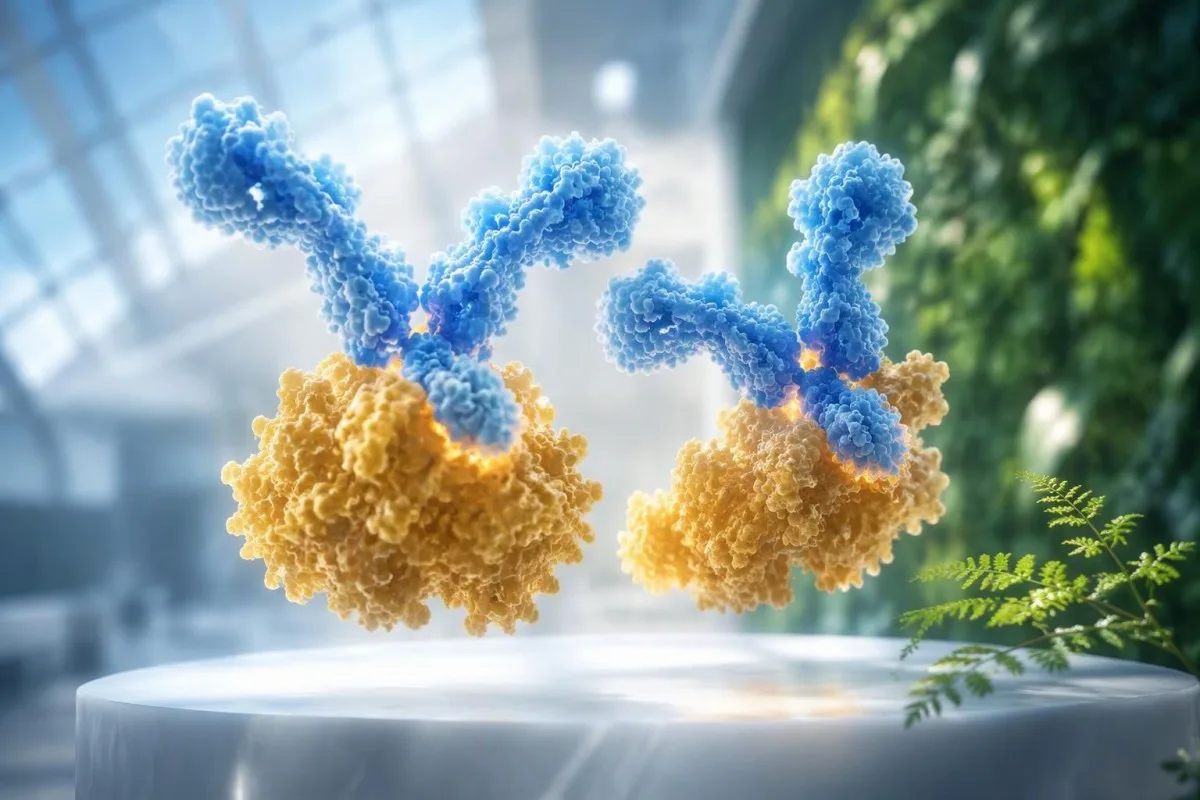
An SSA antibody positive result means your immune system has made antibodies to Ro proteins, but it does not diagnose Sjögren’s syndrome, lupus, or any illness by itself. The result matters most when matched with symptoms, the Ro52/Ro60 pattern, ANA, complements, blood counts, urine testing, and—during pregnancy—specialist fetal monitoring.


- SSA antibody positive means anti-Ro antibodies were detected; it is a risk marker, not a diagnosis on its own.
- Ro60 and Ro52 are different antibody targets, and a laboratory report should ideally state which one was detected.
- Sjögren’s classification gives anti-SSA/Ro antibodies 3 points, but 4 points plus relevant symptoms or objective findings are needed.
- Lupus assessment commonly adds ANA, anti-dsDNA, C3, C4, CBC, creatinine, and urine protein testing.
- No universal numeric cutoff exists because ELISA, multiplex bead assays, and immunoblot methods use different units and thresholds.
- Pregnancy risk of complete congenital heart block is about 1–2% in an anti-Ro-positive pregnancy without a previously affected child.
- Recurrence risk after a prior affected pregnancy is roughly 13–18%, which is why specialist planning before 10 weeks is sensible.
- بیړني نښې such as chest pain, breathlessness, new confusion, rapidly worsening weakness, or reduced fetal movement need prompt medical care.
What an SSA antibody positive result actually means
یو SSA antibody positive result means anti-Ro autoantibodies were found in your sample; it does not, by itself, prove that you have Sjögren’s syndrome or lupus. In my clinic, the most useful first question is not “How high is it?” but “Why was this test ordered, and what symptoms or organ findings travel with it?”
SSA stands for Sjögren’s-syndrome-related antigen A, while Ro refers to intracellular ribonucleoprotein targets, chiefly Ro60 and Ro52/TRIM21. A positive Ro antibody test result can occur years before clear autoimmune symptoms, remain clinically quiet, or accompany a systemic autoimmune condition. That range is why a single flagged line should not be treated as a verdict.
About 60–70% of people with primary Sjögren’s syndrome have anti-SSA/Ro antibodies, while anti-SSA appears in roughly 30–50% of people with systemic lupus erythematosus. Those figures describe established disease cohorts, not the chance that any individual with a positive result has disease. Pre-test probability changes everything.
کانټیسټي یو دی د AI د وینې معاینې شنونکی that reads an SSA result alongside ANA, cell counts, kidney markers, liver tests, complements, and the original laboratory method rather than calling one antibody diagnostic. For a broader explanation of why any positive antibody needs context, read our guide to مثبت انټي باډي پایلې.
Ro52 versus Ro60: why the antibody target matters
Ro60 and Ro52 are biologically distinct targets, so a report that simply says “SSA positive” can leave out clinically useful detail. Ro60 is more tightly associated with classic Sjögren’s and lupus serology, whereas isolated Ro52 has a wider and less specific clinical distribution.
Ro60 is an RNA-binding protein, while Ro52—also called TRIM21—is involved in immune signalling and protein regulation. Isolated Ro52 positivity may occur with inflammatory muscle disease, systemic sclerosis-spectrum illness, autoimmune liver disease, infections, or no defined rheumatic diagnosis. It is a clue, not a shortcut to Sjögren’s.
When I review an anti-SSA antibody positive report, I ask the laboratory whether it used a combined extractable nuclear antigen screen, separate Ro52/Ro60 assays, or an immunoblot. A combined screen can be positive when only one target is present. That distinction can change which symptoms a rheumatologist asks about next.
A positive anti-Ro result paired with anti-Smith antibodies, low C3/C4, protein in urine, and inflammatory symptoms raises a different concern from isolated low-level Ro52 in someone who feels well. Our explanation of anti-Smith antibody results covers that more lupus-specific pattern.
Why SSA Ro antibody numbers are not interchangeable
There is no universal normal range for SSA Ro antibodies because laboratory platforms measure them differently. One lab may report an index value, another U/mL, and another only negative, borderline, or positive; comparing raw numbers across laboratories can be misleading.
Common methods include ELISA, chemiluminescent immunoassay, multiplex bead testing, line immunoblot, and indirect immunofluorescence as part of the ANA work-up. On some ELISA systems, values below 20 U/mL are negative and 20–39 U/mL are borderline, but those thresholds are manufacturer-specific—not a medical standard.
Low-positive results deserve particular care. Analytical variation, different antigen preparations, and a weak cross-reactive signal can move a result around the cutoff on repeat testing. A strong positive often deserves attention too, but antibody magnitude does not reliably measure fatigue, dryness, kidney involvement, or future disease severity.
Kantesti AI flags method changes and missing companion tests when interpreting uploaded laboratory reports. Our د وینې معاینې بایومارکر لارښود explains why the reference interval printed by the reporting laboratory takes priority over generic online ranges.
How SSA antibodies fit into Sjögren’s syndrome testing
Anti-SSA/Ro antibodies support Sjögren’s syndrome when dry-eye or dry-mouth symptoms and objective gland tests point in the same direction. They are not enough alone, because dryness is common and can be caused by medicines, menopause, thyroid disease, diabetes, sleep habits, and contact lenses.
The 2016 ACR/EULAR classification criteria assign 3 نمرا for anti-SSA/Ro positivity; a total score of at least 4 is required in an appropriate clinical setting. A labial salivary-gland focus score of at least 1 focus per 4 mm² also gives 3 points, while abnormal ocular staining, Schirmer testing, or saliva flow each gives 1 point (Shiboski et al., 2017).
A practical detail many people miss: medication-related dryness can mimic Sjögren’s surprisingly well. Antihistamines, tricyclic antidepressants, bladder anticholinergics, some decongestants, and cannabis can reduce tear or saliva output. A medication timeline is often more revealing than another broad antibody panel.
Dryness plus recurrent dental decay, gritty eyes, parotid enlargement, neuropathy, or unexplained fatigue should prompt a clinician-led review. Our detailed article on Sjögren’s symptoms and tests helps distinguish common dryness from the patterns that merit rheumatology assessment.
When an SSA positive result suggests lupus evaluation
SSA antibodies can occur in lupus, especially in people with photosensitive rashes, subacute cutaneous lupus, low blood counts, joint swelling, or pregnancy complications. SSA alone does not establish lupus because lupus diagnosis depends on a weighted pattern of clinical and laboratory findings.
For suspected systemic lupus erythematosus, clinicians usually review ANA by immunofluorescence, anti-dsDNA, anti-Sm, C3, C4, CBC, creatinine, urinalysis, and urine protein-to-creatinine ratio. Proteinuria of 500 mg per day or more, active urine sediment, falling complements, or rising anti-dsDNA need timely medical review because they may signal kidney involvement.
A negative anti-dsDNA does not rule out lupus, and a positive SSA result does not prove it. Dr. Thomas Klein’s approach is to look for a coherent story across skin, joints, kidneys, lungs, nerves, and blood counts rather than repeatedly ordering antibodies until one looks dramatic.
The 2019 EULAR lupus recommendations support hydroxychloroquine for most people with confirmed SLE unless contraindicated, with dose and eye monitoring individualised (Fanouriakis et al., 2019). For result patterns, see our د انټي dsDNA ازموینې لارښود او complement test overview.
Can SSA antibodies be positive without autoimmune disease?
Yes—an anti-SSA antibody positive result can occur without diagnosable autoimmune disease, particularly when the result is low-level, isolated, or found through broad screening. This is often called a false positive, although “clinically unconfirmed positive” is sometimes more accurate than assuming the laboratory was wrong.
Transient immune activation after viral illness, variation between assay platforms, other autoimmune conditions, and non-specific antibody binding can all contribute. A result obtained during an acute febrile illness should rarely be used alone to label a lifelong condition. Repeating the identical assay after recovery is more informative than changing laboratories immediately.
Population studies find anti-SSA in a small minority of otherwise healthy people, with prevalence varying by age, sex, and assay design. The number is not fixed enough to use as personal risk prediction. In my experience, an isolated result in an asymptomatic person more often leads to watchful follow-up than to treatment.
کانټیسټي یو دی د AI لاب ټېسټ د تفسیر خدمت designed to identify discordant patterns—for example, an isolated SSA signal with normal CBC, urine, C3, C4, and inflammatory markers—while making clear that AI interpretation cannot replace an examination. Our piece on ANA result meaning explains another frequently over-read autoimmune test.
Confirmatory tests after a positive Ro antibody test result
Confirmatory testing should verify the method and investigate organ involvement, not simply repeat a large autoantibody panel. The best next test depends on whether the concern is Sjögren’s, lupus, muscle disease, pregnancy, or an incidental laboratory finding.
A sensible first set often includes ANA by HEp-2 immunofluorescence with titre and pattern, separate Ro52/Ro60 testing if available, CBC with differential, creatinine/eGFR, liver enzymes, urinalysis, urine protein-to-creatinine ratio, C3, and C4. A urine protein-to-creatinine ratio below 0.2 g/g is generally reassuring in a non-pregnant adult, though interpretation changes with pregnancy and kidney history.
Symptoms determine the second layer: Schirmer and ocular surface testing for eye dryness; unstimulated saliva flow or gland ultrasound for mouth dryness; creatine kinase and a myositis panel for objective muscle weakness; chest imaging or pulmonary function tests for unexplained breathlessness. Antibody tests should follow the clinical question, not replace it.
If total protein is high, albumin is low, or the globulin gap is widened, immune activation may be contributing but is not specific for SSA-associated disease. Use our ته اشاره وکړي، لوستونکي اکثره زموږ د او immunoglobulin testing guide to prepare useful questions for your appointment.
Symptoms that make an SSA positive result more urgent
An SSA antibody result needs faster review when it accompanies kidney symptoms, chest pain, shortness of breath, new neurologic symptoms, severe weakness, or pregnancy. The antibody itself is not an emergency; possible organ involvement can be.
Same-day assessment is reasonable for chest pain, oxygen saturation below 94% at rest, coughing blood, one-sided weakness, new confusion, or markedly reduced urine output. These symptoms have many causes, and most are not caused by SSA antibodies, but they should not wait for a routine rheumatology appointment.
Contact a clinician within days for new leg swelling, foamy urine, visible blood in urine, rapidly spreading rash, persistent fever above 38.0°C, or substantial muscle weakness such as difficulty rising from a chair. The concern rises when symptoms appear with low C3/C4, anemia, low platelets, or abnormal urine findings.
Dry eyes and dry mouth without red flags usually allow a planned evaluation, but untreated dry mouth can affect teeth long before systemic disease is established. A persistent bubble pattern in urine is covered in our article on foamy urine and protein testing.
SSA Ro antibodies in pregnancy: fetal risks and monitoring
Anti-SSA/Ro antibodies can cross the placenta and rarely affect the fetal cardiac conduction system, even when the pregnant person has no autoimmune symptoms. In a first anti-Ro-positive pregnancy without a previously affected child, complete congenital heart block occurs in about 1–2% of pregnancies.
The vulnerable period for immune-mediated conduction changes is usually 16 to 26 weeks’ gestation. Many maternal-fetal medicine teams offer serial fetal echocardiography during this window; schedules vary because the evidence for the best interval remains incomplete. The 2020 ACR reproductive guideline conditionally supports more frequent surveillance after a previously affected child.
The risk of recurrent complete heart block after one affected pregnancy is approximately 13–18%, substantially higher than the first-pregnancy risk. Neonatal lupus can also cause a temporary rash, liver enzyme elevation, or low cell counts in an infant; most non-cardiac manifestations resolve as maternal antibodies clear over about 6–8 months.
Pre-pregnancy counselling is useful even if your SSA result was found incidentally 10 years ago. Our pregnancy antibody screen guide explains why anti-Ro is different from the routine red-cell antibody screen.
Hydroxychloroquine and anti-SSA pregnancy planning
Hydroxychloroquine may reduce recurrence of anti-Ro-associated congenital heart block in women with a previously affected pregnancy, but it should be prescribed and monitored by the pregnancy and rheumatology team. It is not a medication to start, stop, or dose-adjust from a laboratory result alone.
In the PATCH study, hydroxychloroquine 400 mg ورځنی started by 10 weeks’ gestation was associated with a recurrence rate of 7.4%, lower than the historical recurrence estimate near 18% (Izmirly et al., 2020). It was a small single-arm trial, so the result is encouraging rather than absolute proof for every clinical situation.
Hydroxychloroquine is also commonly continued in established lupus pregnancies because controlling maternal disease matters for both parent and fetus. Baseline eye screening and weight-based dosing remain relevant outside pregnancy; many long-term regimens aim to stay at or below 5 mg/kg/day of actual body weight to reduce retinal toxicity risk.
A 6-week pregnancy test is too early to reassure anyone about anti-Ro-related cardiac risk because the key monitoring window begins later. If you are trying to conceive, see our د امیندوارۍ څخه مخکې د وینې معاینې لارښود and arrange specialist review early.
SSA positivity in men, children and people without dryness
SSA antibodies are relevant in men and children too, although Sjögren’s is less common in these groups and symptoms may look different. A positive result in a child or man deserves the same methodical confirmation, not dismissal because the stereotype does not fit.
Children with SSA-associated autoimmune disease may present with recurrent salivary-gland swelling, rash, fatigue, arthralgia, low blood counts, or kidney findings rather than verbalised “dryness.” In adults assigned male at birth, dry eyes and mouth can still occur, but lung, nerve, or systemic features sometimes prompt the initial work-up.
A child with fever, rash, swollen joints, weight loss, unexplained cytopenias, or urine abnormalities should be evaluated by a paediatric clinician rather than interpreted through an adult internet checklist. Paediatric reference ranges matter: an absolute neutrophil count of 1.2 × 10⁹/L has different implications at different ages and ethnic backgrounds.
Kantesti د AI پر بنسټ د وینې ازموینې تحلیل وسیله supports multilingual report review across age groups but cannot diagnose childhood autoimmune disease without a qualified clinician. Our guide to juvenile arthritis blood tests outlines why symptoms and examination remain central.
Should SSA antibodies be repeated over time?
Repeating SSA antibodies routinely is usually less useful than tracking symptoms and organ-specific tests. Anti-Ro antibodies often remain positive for years, and a lower or higher value rarely provides a reliable measure of disease activity.
For established lupus, clinicians often follow CBC, creatinine, urinalysis, urine protein, C3, C4, and sometimes anti-dsDNA at intervals tailored to activity—often every ۳–۶ میاشتې when stable and more frequently when disease is active. SSA titre is not a standard flare marker.
For an asymptomatic person with confirmed anti-SSA, the follow-up schedule is individual. Annual symptom review and basic tests may be reasonable when there is family history or evolving symptoms, but testing every few weeks tends to create noise. New dryness, rash, joint swelling, neuropathy, or pregnancy plans are better reasons to re-engage.
Kantesti AI can organise serial CBC, kidney, complement, and urine results so genuine direction of travel is easier to see. The د وینې ازموینې د توپیر لارښود explains biological variation and why one small change may not be a real clinical change.
What you can do while waiting for specialist assessment
You can protect eyes, mouth, skin, and general health while an SSA result is being clarified, but no diet or supplement has been shown to erase anti-Ro antibodies. Avoiding unproven “immune reset” products is usually safer and less expensive than chasing the result.
For dry eyes, preservative-free lubricating drops and regular screen breaks are often a reasonable start; eye pain, light sensitivity, or visual change warrants eye-care review. For dry mouth, frequent water sips, sugar-free xylitol gum if safe for you, fluoride toothpaste, and dental follow-up can lower cavity risk.
Stop smoking if you can, review medicines that worsen dryness, and avoid starting high-dose supplements without a stated deficiency. Some “immune support” blends contain echinacea, high-dose iodine, or multiple herbs with unpredictable effects in autoimmune conditions. The evidence here is honestly mixed, so I favour simple measures with low downside.
Persistent fatigue deserves a broad medical look at sleep, iron status, thyroid function, B12, mood, medicines, infection risk, and inflammation—not automatic attribution to antibodies. Our article on د مزاج کمښت لپاره د وینې ازموینې is a useful reminder of common reversible contributors.
Questions to take to a rheumatology appointment
The best rheumatology visit begins with the exact report, a symptom timeline, medication list, pregnancy plans, and prior urine or blood-count results. Asking whether your test detected Ro52, Ro60, or both can immediately make the conversation more precise.
Useful questions include: Was my ANA done by HEp-2 immunofluorescence? Is the SSA finding isolated? Do my symptoms meet a reason for Schirmer testing, salivary imaging, or urine protein testing? Should my C3 and C4 be checked? These are more productive than asking whether a number means “mild lupus.”
Bring photographs of intermittent rashes, a list of eye drops and dental issues, and records of miscarriages or prior newborn complications. Mention breathlessness, numbness, recurrent gland swelling, Raynaud-like colour changes, and true joint swelling. A photo taken during a flare can sometimes convey more than a normal examination weeks later.
Dr. Thomas Klein recommends using an organised report summary rather than relying on memory in a 20-minute appointment. Kantesti’s clinical outputs are reviewed against our د طبي تایید معیارونه and are designed to support—not replace—the physician’s final diagnosis.
The practical next step after an SSA positive result
The practical next step after an SSA positive result is to confirm the assay context, assess symptoms and organ screening tests, and arrange prompt pregnancy-specific care if relevant. Most people do not need emergency treatment solely because anti-Ro was detected.
If you feel well and are not pregnant, obtain the full laboratory report and book a non-urgent primary-care or rheumatology discussion. If symptoms suggest Sjögren’s or lupus, targeted testing should include CBC, creatinine, urinalysis, protein quantification, ANA details, and C3/C4 rather than repeated SSA titres alone.
If you are pregnant, planning pregnancy, or have had a child with neonatal lupus or congenital heart block, contact obstetric and rheumatology care early—ideally before 10 weeks’ gestation. The timing matters because fetal monitoring and medication discussions are most useful before the 16–26 week surveillance window.
کانټیسټي یو دی د AI بایومارکر تفسیر پلیټفارم that can help you identify missing context in an uploaded autoimmune panel, while our medical team’s standards are publicly described through the د طبي مشورتي بورډ. A thoughtful plan beats a panicked reaction to one antibody.
پوښتل شوې پوښتنې
ایا د SSA اینټي باډي مثبت د SJÖGREN syndrome معنی لري؟
No. An SSA antibody positive result supports Sjögren’s syndrome only when it fits symptoms and objective findings such as reduced tear production, abnormal ocular staining, low saliva flow, or salivary-gland findings. The 2016 ACR/EULAR classification system gives anti-SSA/Ro 3 points, but at least 4 points are needed in an appropriate clinical setting. Some people with anti-SSA antibodies never develop Sjögren’s syndrome.
ایا تاسو کولی شئ د لوپس پرته مثبت SSA انټي باډیز ولرئ؟
Yes. Anti-SSA/Ro antibodies occur in Sjögren’s syndrome, lupus, some other autoimmune conditions, and occasionally in people without a defined autoimmune disease. Lupus evaluation usually considers ANA, anti-dsDNA, anti-Sm, C3, C4, blood counts, kidney function, urine protein, symptoms, and examination findings. A positive SSA result alone cannot diagnose lupus at any numeric level.
د SSA اجسامو سره د مادرزادي زړه د بلاک خطر څه شی دی؟
In an anti-SSA/Ro-positive pregnancy with no previously affected child, the risk of complete congenital heart block is about 1–2%. After a previous pregnancy affected by anti-Ro-associated heart block, recurrence risk rises to approximately 13–18%. The main surveillance period is generally 16 to 26 weeks of gestation, although the precise fetal echocardiography schedule should be individualised by maternal-fetal medicine.
Should I repeat my SSA Ro antibody test?
Repeat SSA testing can be useful when a low-positive result needs confirmation or when a different assay method may clarify Ro52 versus Ro60 reactivity. Routine repeated SSA titres are usually not useful for monitoring Sjögren’s or lupus activity because the antibodies often remain detectable for years. CBC, creatinine, urinalysis, urine protein, C3, C4, symptoms, and examination findings are generally more actionable follow-up measures.
What tests should be checked with a positive SSA antibody?
A common follow-up set includes ANA by HEp-2 immunofluorescence, separate Ro52/Ro60 testing when available, CBC with differential, creatinine or eGFR, urinalysis, urine protein-to-creatinine ratio, C3, and C4. Anti-dsDNA, anti-Sm, creatine kinase, immunoglobulins, eye testing, or salivary assessment may be added based on symptoms. A urine protein-to-creatinine ratio of 0.2 g/g or higher in a non-pregnant adult generally merits clinical interpretation rather than being ignored.
Can an SSA antibody result be falsely positive?
Yes. Low-level anti-SSA results can reflect assay variation, non-specific binding, transient immune activation, or a signal that does not correspond to a diagnosable autoimmune disease. Laboratories use different methods and thresholds, so a value from one laboratory should not be numerically compared with a different platform. Confirming a borderline result with the same method or a targeted alternative assay is often more useful than repeating broad screening panels.
همدا نن د AI په مرسته د وینې ازموینې تحلیل ترلاسه کړئ
له 2M+ څخه زیات کاروونکي په ټوله نړۍ کې زموږ په Kantesti باور لري چې د لابراتوار ازموینو تحلیل په فوري او دقیق ډول کوي. خپل د وینې ازموینې پایلې اپلوډ کړئ او په ثانیو کې د 15,000+ بایومارکرونو بشپړه تشریح ترلاسه کړئ.
📚 د څېړنې خپرونې چې حواله شوې دي
کلین، ټي، مېچېل، ایس، او وېبر، ایچ. (2026). د سیرم پروټین لارښود: ګلوبولین، البومین او د A/G تناسب د وینې معاینه. Kantesti د AI طبي څېړنه.
کلین، ټي، مېچېل، ایس، او وېبر، ایچ. (2026). د C3 C4 تکمیلي وینې ازموینه او د ANA ټایټر لارښود. Kantesti د AI طبي څېړنه.
📖 بهرني طبي مراجع
شِبوسکي CH او نور. (2017). 2016 د امریکایی کالج د رومیتولوژي/اروپایی لیګ د اتوماتیک ناروغیو د مخنیوي لپاره د طبقې بندیزونه د لومړني سیوګرین سنډروم لپاره. د روماتیکو ناروغیو کلنۍ راپورونه (Annals of the Rheumatic Diseases).
Fanouriakis A et al. (2019). 2019 update of the EULAR recommendations for the management of systemic lupus erythematosus. د روماتیکو ناروغیو کلنۍ راپورونه (Annals of the Rheumatic Diseases).
Izmirly PM et al. (2020). Hydroxychloroquine to Prevent Recurrent Congenital Heart Block in Fetuses of Anti-SSA/Ro-Positive Mothers. د American College of Cardiology ژورنال.
⚕️ طبي ردونه
دا مقاله یوازې د زده کړې لپاره ده او طبي مشوره نه جوړوي. د تشخیص او درملنې د پرېکړو لپاره تل د وړ روغتیايي خدمت وړاندې کوونکي سره سلا وکړئ.
د E-E-A-T باور نښې
تجربه
د ډاکټر تر مشرۍ لاندې کلینیکي بیاکتنه د لابراتواري تفسیر د کاري بهیرونو لپاره.
تخصص
د لابراتواري طب تمرکز پر دې چې بایومارکرونه په کلینیکي شرایطو کې څنګه چلند کوي.
واک ورکول
د ډاکټر توماس کلاین له خوا لیکل شوی، د ډاکټر سارا میچل او پروف. ډاکټر هانس ویبر له خوا بیاکتنه.
اعتبار
د شواهدو پر بنسټ تفسیر د روښانه تعقیبي لارو چارو سره، تر څو اندیښنه کمه شي.