
د ګلوبولین لوړه پایله اکثره یوازې د یوې پایلې په توګه نه تشریح کېږي. ډاکټران یې د البومین، ټول پروټین، د ځیګر انزایمونو، د پښتورګو نښو، د التهاب ازموینو او ځینې وخت د امیونوګلوبولین د نمونو سره پرتله کوي.



- ګلوبولین معمولا د ټول پروټین منهای البومین حسابېږي؛ ډېر بالغ لابراتوارونه شاوخوا 2.0-3.5 g/dL عادي ګڼي.
- د A/G نسبت عموما شاوخوا 1.1-2.2 وي؛ نسبت له 1.0 څخه ټیټ اکثراً مانا لري چې ګلوبولین لوړ دی، البومین ټیټ دی، یا دواړه.
- د بېاوبهتوب بڼه معمولا البومین او ګلوبولین دواړه یوځای لوړوي، خو ریښتینی د معافیت (immune) ګلوبولین زیاتوالی اکثره ګلوبولین تر البومین ډېر لوړوي.
- د لوړ ټول پروټین لاملونه پکې ډیهایډریشن، مزمن التهاب، د ځیګر ناروغي، اتوایمیون ناروغي او مونوکلونال پروټینونه شامل دي.
- د پولی کلونال ګلوبولین لوړوالی معمولا دا معنا لري چې ډېر د معافیت پروټینونه یوځای لوړېږي، ډیری وخت د انتان، التهاب، اتوایمیون ناروغۍ یا مزمنې ځیګر ناروغۍ له امله.
- د مونوکلونال پروټین تعقیب معمولا مانا لري د سیرم پروټین الیکټروفوریسیس، امیون فکسیشن او د سیرم وړیا لایټ چینز (serum free light chains)، نه دا چې د یو CMP پایلې له امله ویره وشي.
- د لوړ ګلوبولین نښې معمولاً د بنسټیزې ناروغۍ له امله راځي، لکه ستړیا، تبه، د بندونو درد، د شپې خولې، پړسېدلي غدې، خارش، پړسوب یا د وزن کموالی.
- د خطر کچه د نمونې (pattern) پر بنسټ؛ د 4.5 g/dL شاوخوا څخه پورته ګلوبولین یا د 9.0 g/dL څخه پورته ټول پروټین د کلینیسین تعقیب ته اړتیا لري، په ځانګړي ډول که انیمیا، د پښتورګو بدلونونه، لوړ کلسیم یا د هډوکو درد موجود وي.
کله چې د A/G نسبت بدلېږي، لوړ ګلوبولین څه معنا لري
د لوړ ګلوبولین لاملونه د نمونې له مخې ترتیب شوي دي: لوړ البومین او لوړ ګلوبولین اکثراً د ډیهایډریشن (dehydration) نښه وي، د نورمال یا ټیټ البومین سره لوړ ګلوبولین د التهاب (inflammation)، د ځیګر ناروغي یا د معافیت فعال کېدل (immune activation) ښيي، او د A/G نسبت ډېر ټیټوالی کولی شي د مونوکلونل پروټین (monoclonal protein) د تعقیب لامل شي. زه توماس کلاین، MD، یم، او زه دا نتیجه د اړیکې (relationship) په توګه لولم، نه د یوې شمېرې په توګه.
ګلوبولین معمولاً د دې له مخې محاسبه کېږي: ټول پروټین منهای البومین په یوه جامع میتابولیک پینل (comprehensive metabolic panel) کې. د لویانو عام حوالوي حد دا دی: ټول پروټین 6.0-8.3 g/dL، البومین 3.5-5.0 g/dL او ګلوبولین شاوخوا 2.0-3.5 g/dL، خو ځینې اروپایي لابراتوارونه لږ توپیر لرونکي وقفه (intervals) راپوروي.
د د A/G نسبت البومین د ګلوبولین سره پرتله کوي، او ډېر لابراتوارونه ارزښتونه د 1.0 څخه ښکته یا د 2.2 څخه پورته نښه کوي. Kantesti یو د AI وینې ازموینې شنونکی (analyzer) دی چې لوړ ګلوبولین د نمونې ستونزه ګڼي او البومین، ټول پروټین، د ځیګر مارکرونه، د پښتورګو مارکرونه او د التهاب نښې یوځای ارزوي.
د 3.8 g/dL یو ځل ګلوبولین د اوږده الوتنې وروسته د البومین 4.8 g/dL سره له دې سره توپیر لري چې ګلوبولین 5.2 g/dL او البومین 3.1 g/dL وي، انیمیا هم وي او د ESR کچه 82 mm/hr وي. د پروټین فرکشنونو (protein fractions) په اړه د لا ژورې شالید لپاره، زموږ ته اشاره وکړي، لوستونکي اکثره زموږ د د لابراتوار اصطلاحات تشریح کوي، پرته له دې چې کلینیکي ظرافت (clinical nuance) له منځه یوسي.
د ناروغۍ نومولو مخکې د ګلوبولین شمېر تایید کړئ
د لوړ ګلوبولین پایله باید لومړی په ریاضي او بیولوژیکي ډول تایید شي. ډاکټران ګوري چې ګلوبولین مستقیم اندازه شوی که محاسبه شوی، ایا البومین دقیق و، او ایا د نمونې (sample) د اخیستلو وخت کولی شي د 0.2-0.5 g/dL بدلون (shift) تشریح کړي.
ډېری عادي پینلونه په مستقیم ډول هر ګلوبولین فرکشن نه اندازه کوي. دوی ټول پروټین او البومین, ، بیا ګلوبولین د تفریق له لارې حسابوي؛ که البومین 0.3 g/dL بدل شي، نو د ګلوبولین اټکل هم بدلېږي.
ما لیدلي چې روغ رمټ د استقامت ورزشکاران د تودو هوا له روزنې وروسته بیرته راځي چې ټول پروټین 8.6 g/dL، البومین 5.1 g/dL او حسابي ګلوبولین 3.5 g/dL وي. دا د کلینیکي کیسې له نظره د البومین 3.0 g/dL او ګلوبولین 5.6 g/dL له کیسې سره یو شان نه دی، په داسې کس کې چې ستړیا او د وزن کموالی لري.
یو عملي لومړنی ګام دا دی چې پایله د هایډریشن د نښو سره پرتله کړو، په ځانګړي ډول BUN، کریټینین، سوډیم او د ادرار غلظت که موجود وي. که البومین هم لوړ وي، زموږ مقاله په د لوړ البومین نمونې یو ګټور ملګری ده، ځکه ښيي چې د غلظت اغېزې څنګه کولی شي د پروټین د زیاتوالي په څېر ښکاره شي.
ډیهایډریشن څنګه ټول پروټین او ګلوبولین بدلوي
ډیهایډریشن عموماً ټول پروټین لوړوي ځکه وینه غلیظوي، نو البومین او ګلوبولین ډېر وخت یو ځای لوړېږي. رښتینی د معافیت ګلوبولین زیاتوالی ډېر وخت ګلوبولین په نابرابر ډول زیاتوي، او د A/G نسبت تر شاوخوا 1.0 لاندې راولي.
کله چې د پلازما اوبه کمې شي، البومین، ګلوبولین، کلسیم او هیماتوکریټ ممکن ټول لږ لوړ ښکاره شي. د البومین 5.2 g/dL، ګلوبولین 3.8 g/dL او هیماتوکریټ 52% وروسته له کانګې یا درنې ورزش څخه وروسته داسې نمونه اکثراً د بیا هایډریشن او له پراخې ارزونې مخکې د تکراري ازموینې مستحقه وي.
خبره دا ده چې ډیهایډریشن عموماً پخپله ډېر ټیټ A/G نسبت نه جوړوي. که البومین 4.4 g/dL او ګلوبولین 5.1 g/dL وي، نو A/G نسبت 0.86 دی؛ دا نمونه یوازې د مایعاتو د کمښت له امله تشریح کول سخت دي.
د هغو ناروغانو لپاره چې د پورټل په یوه پینل کې د څو سرخ بیرغونو له لیدو وروسته اندېښمن کېږي، زه وړاندیز کوم چې که ډاکټر موافق وي، پینل د 24-48 ساعتونو لپاره د عادي مایعاتو او له درنې ورزش پرته تکرار کړي. زموږ لارښود په د ډیهایډریشن له امله غلط لوړوالی تشریح کوي چې ولې څو بېلابېلو ښکاري نښې هغه وخت یو ځای لوړېدای شي کله چې نمونه غلیظه شي.
د التهاب د نښو سره لوړ ګلوبولین
لوړ ګلوبولین د لوړ CRP، ESR، پلیټلیټونو یا د سپینو حجرو بدلونونو سره ډېر وخت د اوږدمهاله التهاب یا عفونت لور ته اشاره کوي. د ګلوبولین لوړوالی عموماً پولیکلونل وي، یعنې ډېر معافیتي پروټینونه یو ځای زیاتېږي، نه دا چې یوازې یو غیرعادي پروټین غالب شي.
CRP چې له 10 mg/L پورته وي عموماً فعال التهاب ښيي، که څه هم ډېر لابراتوارونه هر څه چې له 3-5 mg/L پورته وي غیرعادي بولي، د ازموینې (assay) له مخې. ESR ورو او لږ ځانګړی دی؛ د ESR 60 mm/hr ممکن د عفونت، اتوایمیون فلېر یا ځینو سرطانونو وروسته هم لوړ پاتې شي.
زموږ د 2M+ د وینې ازموینو په تحلیل کې، هغه نمونه چې زه ډېر وخت وینم دا ده: د ګلوبولین لږ لوړوالی شاوخوا 3.7-4.2 g/dL د ستړیا، وروستي تنفسي ناروغۍ او داسې CRP سره چې لا بشپړ نورمال شوی نه وي. دا د ګلوبولین 5.8 g/dL له نمونې سره چې بېتشریحه انیمیا لري، ډېر توپیر لري.
ډاکټران همدارنګه د 450 x 10^9/L څخه پورته پلیټلیټونو، د لیمفوسایټ بدلونونو یا د هیموګلوبین ټیټې کچې لټه کوي، ځکه التهاب اکثراً په CBC کې نښې پرېږدي. د CRP، ESR او CBC د لا پراخې پرتله لپاره، زموږ لارښود وګورئ په د التهاب د وینې ازموینې.
د ځیګر د ناروغۍ نښې کله چې البومین راټیټېږي او ګلوبولین لوړېږي
د لوړ ګلوبولین سره ټیټ البومین کولی شي اوږدمهاله د ځیګر ناروغي وړاندیز کړي، په ځانګړي ډول کله چې AST، ALT، bilirubin، ALP، GGT، INR یا پلیټلیټونه هم غیرعادي وي. ځیګر البومین جوړوي، په داسې حال کې چې د معافیت ګلوبولینونه ممکن د اوږدمهاله ځیګري معافیتي تحریک پر مهال لوړ شي.
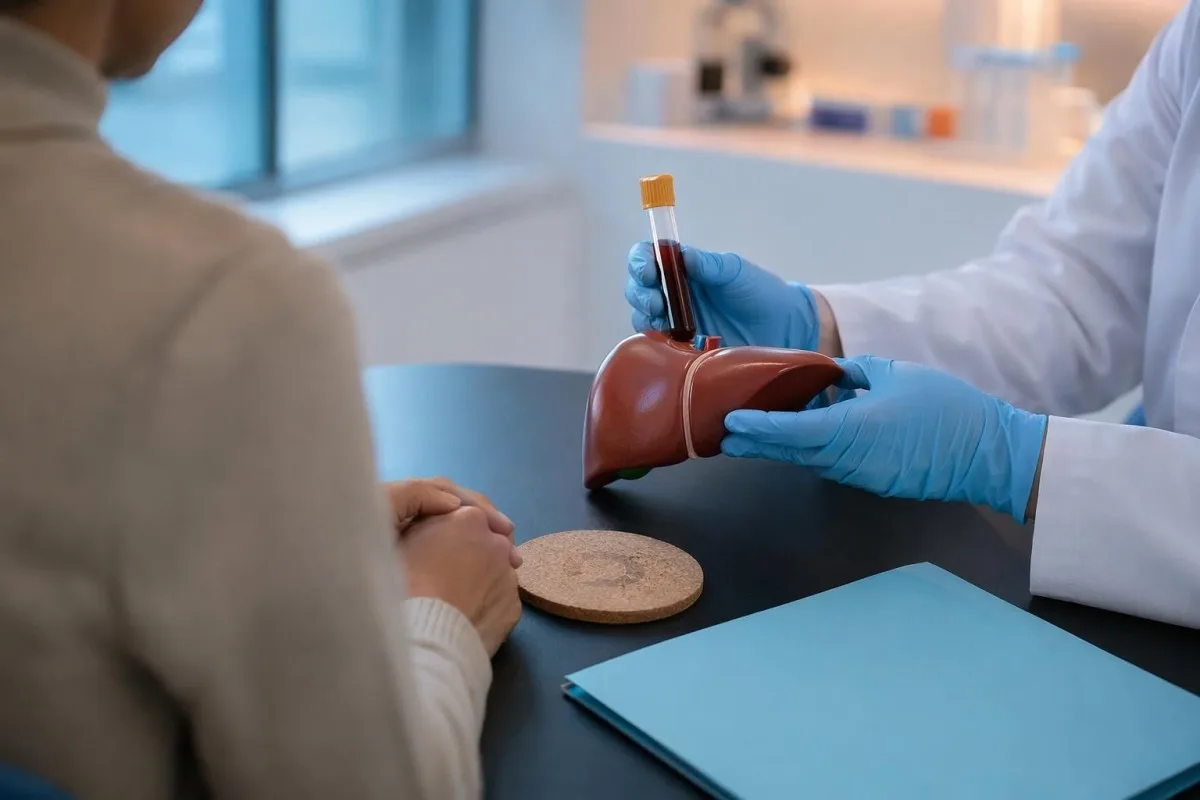
البومین چې له 3.5 g/dL څخه ټیټ وي، په اتومات ډول د ځیګر ناکامي نه ده؛ د پښتورګو له لاسه ورکول، د کولمو له لاسه ورکول، التهاب او کم خوراک هم یې ټیټولی شي. بیا هم، البومین 2.9 g/dL د ګلوبولین 4.8 g/dL او د پلیټلیټونو 95 x 10^9/L سره ما اړ باسي چې د اوږدمهاله ځیګر نمونو ته په دقت وګورم.
اتوایمیون هیپاتایتس د ځیګر یوه داسې ناروغي ده چې په کې IgG په څرګند ډول لوړ کېدای شي. د EASL 2015 اتوایمیون هیپاتایتس لارښود د IgG او اتوانټي باډيانو لوړوالی د بنسټیزو تشخیصي نښو په منځ کې شاملوي، خو تشخیص بیا هم د ټولې کیسې پر بنسټ او ډېری وخت د متخصص ارزونې پورې تړلی وي (EASL, 2015).
د AST/ALT نسبت چې له 1 څخه پورته وي په پرمختللي فایبروزس، د الکول اړوند ځیګري زیان او ځینو عضلاتي نمونو کې ښکاره کېدای شي، نو زه یې هېڅکله یوازې نه لولم. زموږ AST ALT نسبت لارښود تشریح کوي چې ولې د پروټین یوه نمونه ډېر با معنا کېږي کله چې د انزایمونو، bilirubin او د پلیټلیټ شمېرې سره یو ځای شي.
د اتوایمیون نښې چې د ګلوبولین په برخه کې پټې وي
اتوایمیون نمونې ډېر وخت لوړ ګلوبولین ښيي، ځکه امیونوګلوبولینونه لوړېږي، په ځانګړي ډول IgG په څو سیستمیکو او د ځیګر اړوند اتوایمیون ناروغیو کې. ډاکټران دا له هغو د الرجۍ له امله رامنځته کېدونکو IgE نمونو او له مونوکلونل پروټین نمونو څخه بېلوي.

د عادي بالغ امیونوګلوبولین کچې په عمومي ډول شاوخوا IgG 700-1600 mg/dL، IgA 70-400 mg/dL او IgM 40-230 mg/dL دي، خو د حوالې حدود د میتود او عمر له مخې توپیر لري. IgG چې د لابراتوار له پورتني حد څخه پورته وي، په ځانګړي ډول که له 1.1 ځله پورتني حد څخه هم پورته وي، هغه وخت ډېر قانع کوونکی کېږي چې ANA، ENA، RF، anti-CCP یا د ځیګر اتوایمیون انټي باډي د نښو سره سمون ولري.
Kantesti د AI بایومارکر تفسیر پلیټفارم دی چې ګلوبولین د ANA حالت، مکمل C3/C4، ESR، CRP، CBC کې بدلونونه او د ادرار موندنې سره پرتله کوي، کله چې دا پایلې په ګډه اپلوډ شي. د C3 یا C4 ټیټه کچه د لوړ ګلوبولین سره د عادي مکملونو او عادي ادرار سره د لوړ ګلوبولین په پرتله بېل کلینیکي نښه ده.
وچې سترګې، د خولې وچوالی، د بندونو پړسوب، داغونه/راشونه، بېعلته تبهګانې او د Raynaud-ډول رنګ بدلونونه هغه جزئیات دي چې زه یې پوښتنه کوم کله چې د A/G نسبت ټیټ وي. د مکمل مارکرونو او د ANA نمونو ځانګړي رول لپاره، زموږ C3 C4 لارښود ډېر تفصیلي اتوایمیون چوکاټ وړاندې کوي.
کله چې ډاکټران د مونوکلونال پروټینونو لپاره ګوري
ډاکټران د مونوکلونل پروټین تعقیب په پام کې نیسي کله چې ګلوبولین په دوامداره توګه لوړ وي، د A/G نسبت ټیټ وي، ټول پروټین لوړ وي، یا نښې د پلازما حجرې یا لیمفایډ ناروغۍ ښکارندویي وکړي. معمول راتلونکې ازموینې SPEP، امیونوفکسیشن او د سیرم وړیا لایټ چینز (serum free light chains) دي.
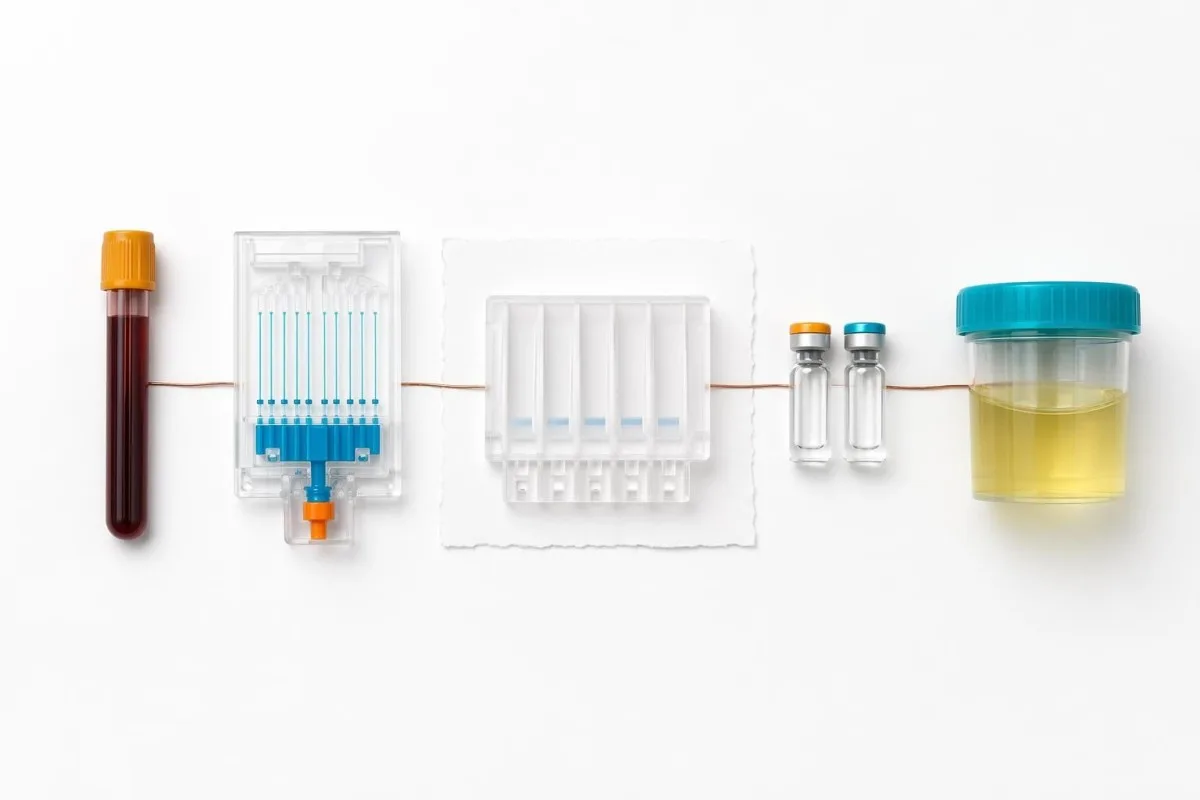
A پولیکلونال نمونه مانا دا ده چې د انټي باډیو ډېرې کورنۍ زیاتې شوې دي؛ مزمنه عفونت، اتوایمیون ناروغي او د ځیګر ناروغي عامې احتمالي تشریحات دي. A مونوکلونال نمونه مانا دا ده چې یو کلون یو غالب پروټین جوړوي، او دا کېدای شي بېخطر، مخکېبدخیم (premalignant) یا بدخیم (malignant) وي—د مقدار او د غړو اغېزو پورې اړه لري.
د سیرم وړیا لایټ چینز معیاري نسبت اکثره په لویانو کې شاوخوا 0.26-1.65 راپور کېږي، او د تفسیر پر مهال د پښتورګو فعالیت اغېز لري. د Rajkumar د 2022 کال د American Journal of Hematology بیاکتنه ټینګار کوي چې د مایلوما تشخیص یوازې د ګلوبولین شمېرې پر بنسټ نه کېږي؛ بلکې د کلونل پروټین تر څنګ د هډوکي مغز یا د غړي-تعریف معیارونه اړین دي (Rajkumar, 2022).
MGUS د عمر له زیاتېدو سره نادر نه دی: Kyle او همکارانو په یوه لویه نفوسې څېړنه کې وموندله چې د 50 کلونو یا تر هغه پورته عمر لرونکو کسانو کې شاوخوا 3.2% خپرېدنه (prevalence) لري (Kyle et al., 2006). که ستاسو راپور په ځانګړي ډول لوړ IgG ښيي، زموږ مقاله په لوړ IgG معنا مرسته کوي چې د معافیتي، د ځیګر او د مونوکلونل تعقیب لارې جلا شي.
د لوړ ګلوبولین نښې چې د خطر کچه بدلوي
د لوړ ګلوبولین نښې معمولا د بنسټیزې ناروغۍ له امله وي، نه پخپله د ګلوبولین له مالیکول څخه. ستړیا، تبه، د شپې خولې، پړسیدلي غدې، د هډوکو درد، د بندونو درد، پرلهپسې انتانات، خارش یا د وزن کمېدل د هماغه لابراتواري شمېرې په اړه ورته اندېښنه زیاتوي.

یو کس چې ګلوبولین 4.1 g/dL ولري، CBC یې نورمال وي او هېڅ نښې نښانې نه وي، ښايي یوازې په 2-8 اونیو کې بیا پینل ته اړتیا ولري. هماغه ګلوبولین کچه که د 6 کیلو غیرارادي وزن کمېدل، د شپې خولې چې لوندوي (drenching night sweats) یا د لیمف نوډونه له 2 سانتي مترو لوی وي، ډېر چټک کلینیکي بیاکتنې ته اړتیا لري.
د هډوکو درد مهم دی ځکه د مونوکلو نل پلازما حجرې ناروغۍ کولی شي هډوکي، کلسیم او د پښتورګو فعالیت اغېزمن کړي. د کلسیم لوړوالی له شاوخوا 10.5 mg/dL څخه پورته، د کریټینین له بنسټیزې کچې څخه لوړوالی، یا د هیموګلوبین له 10 g/dL څخه ښکته کېدل د خطر محاسبه سمدستي بدلوي.
د ویروسي ناروغۍ وروسته پړسیدلي لیمف نوډونه عام دي، خو که له 3-4 اونیو څخه زیات دوام وکړي، سخته جوړښت ولري، ژر وده وکړي یا ورسره تبه وي، خبرې اترې بدلېږي. زموږ لارښود د پړسیدلي لیمف نوډ لابونه تشریح کوي چې څنګه CBC، LDH او التهابي مارکرونه مرسته کوي چې بېخطرې بڼې له اندېښمنو بڼو څخه جلا شي.
د پښتورګو او ادرار نښې چې ډاکټران یې د لوړ ګلوبولین سره یوځای ارزوي
د پښتورګو مارکرونه مهم دي ځکه لوړ ګلوبولین کله ناکله د ډیهایډریشن، د پښتورګو التهابو، د پروټین له لاسه ورکولو یا د مونوکلو نل لایټ چین اغېزو سره یوځای کېدای شي. ډاکټران کریټینین، eGFR، BUN، کلسیم، د ادرار البومین-کریټینین نسبت او کله ناکله د ادرار پروټین الکتروفورېسیس پرتله کوي.
د ادرار البومین-کریټینین نسبت له 30 mg/g څخه ښکته معمولا نورمال ګڼل کېږي، له 30-300 mg/g څخه منځنۍ زیاتوالی ښيي، او له 300 mg/g څخه پورته لوړ دی. البومینوریا ټول لایټ چینونه نه اندازه کوي، نو نورمال ACR تل نه شي کولی چې د مونوکلو نل لایټ چین ستونزې رد کړي که د پاتې بڼې نښې اندېښمنې وي.
BUN د ډیهایډریشن، د لوړ پروټین خوړو، د معدې-کولمو وینې بهېدنې او د پښتورګو د زیان له امله لوړېدای شي. د BUN/کریټینین نسبت له شاوخوا 20:1 څخه پورته اکثره کلینیسینان د ډیهایډریشن یا د prerenal فیزیولوژۍ لوري ته بیایي، خو دا پخپله تشخیص نه دی.
کله چې ګلوبولین لوړ وي او eGFR له 60 mL/min/1.73 m² څخه د 3 میاشتو څخه زیات راښکته شوی وي، د تعقیبي (follow-up) حد ټیټېږي. زموږ د BUN کریټینین لارښود وګورئ د دې بڼې د پښتورګو اړخ په لا ډېر تفصیل پوښي.
د لابراتوار اثار او د تکرار وخت چې ډاکټران یې په پام کې نیسي
لږ لوړ ګلوبولین باید اکثره مخکې له دې چې د عمر-لپاره لیبل ورپورې وتړل شي، بیا تکرار شي. د لابراتوار میتود، هایډریشن، د تورنیکېټ وخت، وروستۍ ناروغي، واکسین، تمرین او حتی د رېفرنس وقفه (reference interval) کولی شي ټول پروټین یا البومین دومره بدل کړي چې محاسبه شوی ګلوبولین هم بدلون ومومي.

د 2-8 اونیو بیا تکرار موده د لږې جلا شوې ګلوبولین لوړوالي لپاره عامه ده، په دې شرط چې د خطر نښې (red flags) نه وي. که ټول پروټین له 9.0 g/dL څخه پورته وي یا ګلوبولین له 4.5 g/dL څخه پورته وي، کلینیسینان اکثره ژر تکرار کوي او د هدف لرونکو ازموینو (targeted tests) اضافه کوي، د دې پر ځای چې میاشتې انتظار وکړي.
وروستۍ واکسینیشن یا انتان کولی شي د څو اونیو لپاره د معافیت پروټینونه لوړ کړي، او CRP ممکن د ESR په پرتله ژر نورمال شي. زه دا تاریخ نه ردوم، خو همدارنګه یې نه کاروم چې د ګلوبولین 5.5 g/dL تشریح کړم پرته له دې چې وګورو پایله دوام کوي که نه.
بېلابېل لابونه د البومین لپاره bromocresol green یا bromocresol purple میتودونه کاروي، او د میتود کوچني توپیرونه کولی شي البومین شاوخوا 0.2-0.4 g/dL ته واړوي. زموږ مقاله په د وینې ازموینې بېثباتۍ (variability) تشریح کوي چې ولې د بدلون لوري (trend direction) اکثره د یوې نښه شوې شمېرې په پرتله ډېر ګټور وي.
ډاکټران عموماً د لوړ ګلوبولین وروسته څه امر کوي
د دوامدار لوړ ګلوبولین وروسته معمول راتلونکې ازموینې دا دي: د CMP بیا تکرار، CBC د differential سره، ESR، CRP، کمیتي immunoglobulins او د ځیګر او پښتورګو بیاکتنه. که د A/G نسبت ټیټ پاتې شي یا ټول پروټین لوړ پاتې وي، SPEP، immunofixation او د سیرم free light chains عام تعقیبي ازموینې دي.
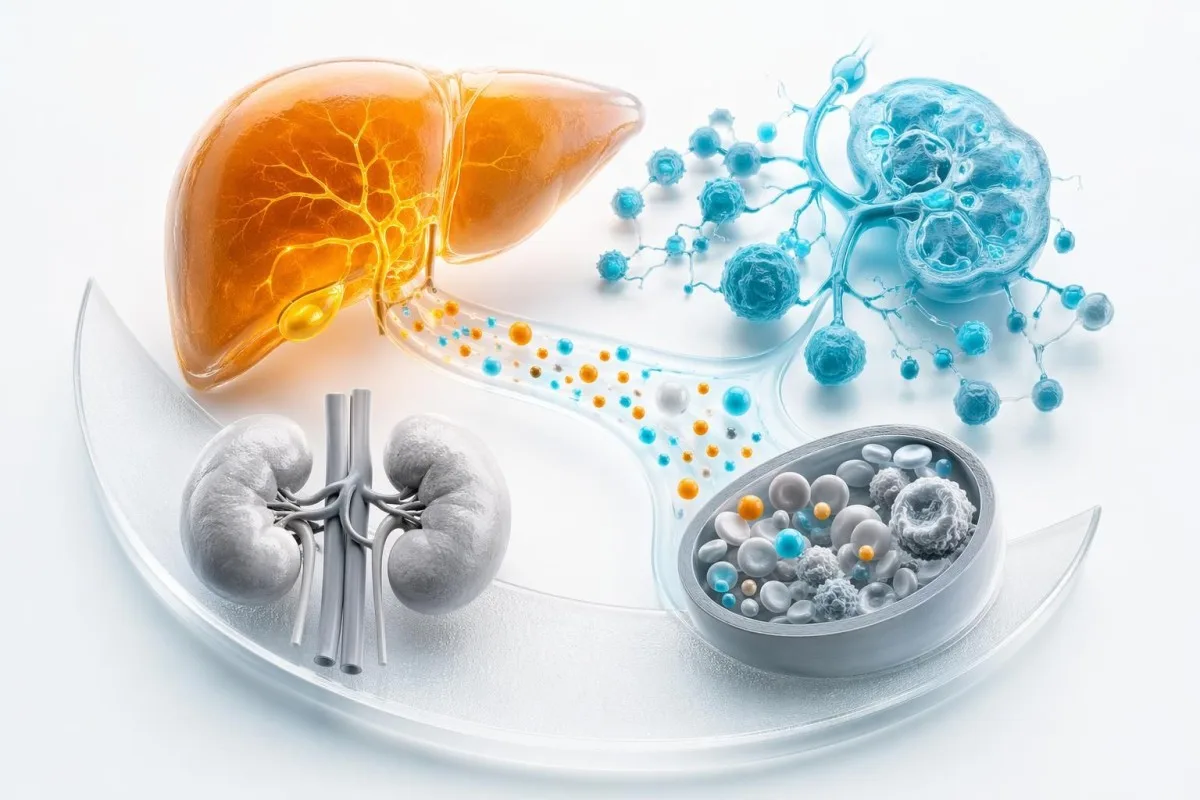
یو بنسټیز تعقیبي کڅوړه (bundle) اکثره البومین، ټول پروټین، AST، ALT، ALP، bilirubin، کریټینین، کلسیم او CBC شاملوي. که هیموګلوبین د لاب رینج څخه ښکته وي، پلیټلیټونه غیرعادي وي یا کلسیم له 10.5 mg/dL څخه پورته وي، تعقیب ډېر عاجل کېږي.
کمیتي immunoglobulins مرسته کوي چې د IgG، IgA او IgM بڼې جلا شي. د IgA-غالب لوړوالی ښايي کلینیسین د مخاطي التهابو (mucosal inflammation)، د ځیګر ناروغۍ یا د یوې ځانګړې مونوکلو نل بڼې لوري ته بوځي، په داسې حال کې چې د IgM-غالب بڼې د پوښتنو بل ډول سیټ راپورته کوي.
Kantesti AI د ګلوبولین پایلې د CMP له یوې نه زیاتې برخې (line item) سره په نقشه کولو سره تفسیر کوي، په کې trendونه او اړوند بایومارکرونه هم شامل دي کله چې موجود وي. زموږ د بایومارکرونو لارښود هغه پراخ مارکر کورنۍ لېست کوي چې زموږ سیستم کولی شي د عامو لاب پینلونو په اوږدو کې وپېژني.
د AI د نمونې بیاکتنه څنګه مرسته کوي پرته له دې چې پاملرنه بدله کړي
د AI د نمونې بیاکتنه ګټوره ده کله چې وښيي ولې د ګلوبولین پایله نښه شوې او راتلونکې اړوندې پایلې باید وکتل شي. دا باید د یوې محاسبې شمېرې پر بنسټ مایلومه، اتوامیون هیپاتایټس یا مزمنه انتان تشخیص نه کړي.
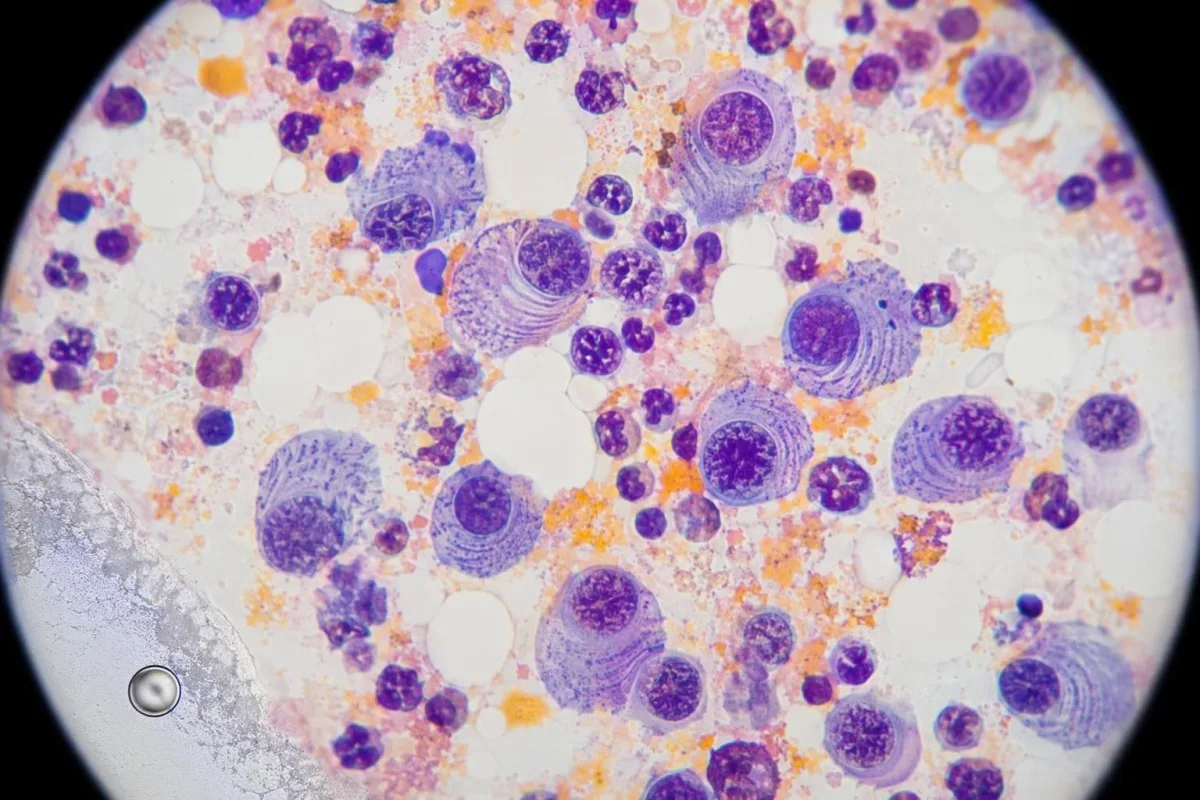
Kantesti د AI لابراتوار د ازموینې تشریح خدمت دی چې د البومین ترڅنګ لوړ ګلوبولین، د A/G نسبت، د ځیګر انزایمونه، د پښتورګو فعالیت، CBC او د التهاب نښې لوستل کوي. په عمل کې، دا مانا لري چې د 4.2 g/dL ګلوبولین په یو وچکالۍ لرونکي منډهوهونکي کې په هماغه ډول نه درملنه کېږي لکه په داسې ناروغ کې چې انیمیا او لوړ کلسیم ولري.
زموږ پلیټفارم همدارنګه د اوسنیو او پخوانیو راپورونو ترمنځ پرتله کوي کله چې ناروغان له یو څخه زیات فایل اپلوډ کړي. د ۱۸ میاشتو په اوږدو کې له 3.2 څخه تر 4.4 g/dL پورې ورو بدلون د یوې داسې واحدې پایلې په پرتله ډېر معنا لري چې په تکراري ازموینه کې بېرته 3.4 g/dL ته راځي.
تخنیکي اړخ مهم دی ځکه د لابراتوار واحدونه، د حوالې وقفو (reference intervals) او د PDF بڼې د هېوادونو ترمنځ توپیر لري. موږ په خپل د ټکنالوژۍ لارښود.
لوړ ګلوبولین خطرناک دی که یوازې یو خبرداری؟
ایا لوړ ګلوبولین خطرناک دی؟ ځینې وختونه، خو خطر د علت او شاوخوا لابراتواري نمونې څخه راځي. لوړ ګلوبولین د نورمال البومین، نورمال CBC، نورمال د پښتورګو فعالیت او له نښو پرته عموماً د لوړ ګلوبولین په پرتله لږ بیړنی وي چې انیمیا، لوړ کلسیم، د پښتورګو کمزوري یا عمومي (سیسټمیک) نښې ورسره وي.

د هماغه ورځې یا بیړنۍ پاملرنه معقوله ده که لوړ ګلوبولین د ګډوډۍ (confusion)، سختې کمزورۍ، داسې وچکالۍ (dehydration) سره ښکاره شي چې سمېدای نه شي، نوې د پښتورګو ټپ (injury) یا کلسیم په ښکاره ډول له حد (range) پورته وي. ډېر لوړ مونوکلونل پروټینونه په ندرت سره کولی شي د هایپرویسسکوسټي (hyperviscosity) نښې لکه سر درد، د لید بدلونونه یا د پزې وینې بهېدنه رامنځته کړي، په ځانګړي ډول د IgM اړوند اختلالاتو کې.
یو ډاکټر باید دوامدار لوړ ګلوبولین (شاوخوا له 4.5 g/dL څخه پورته) بیاکتنه وکړي، حتی که تاسو ښه احساس کوئ. دلیل یې ساده دی: مزمن التهاب، اتوامیون د ځیګر ناروغي او مونوکلونل ګیموپیتي په لومړي سر کې کلینیکي خاموشه (quiet) کېدای شي.
که ستاسو راپور همدارنګه د پوتاشیم، کریټینین، کلسیم، هیموګلوبین یا سپینو حجرو (white cell) یوه «بحراني» پایله وښيي، د عادي هوساینې تعقیب ته انتظار مه کوئ. زموږ لارښود د مهمو د وینې ارزښتونو لپاره تشریح کوي چې کوم لابراتواري ترکیبونه عموماً ګړندي اقدام ته اړتیا لري.
څېړنه، طبي بیاکتنه او د تشریح محدودیتونه
د لوړ ګلوبولین تشریح تر ټولو خوندي هغه وخت ده چې طبي استدلال، خپاره شوې شواهد او روڼ (transparent) حدود ټول ښکاره وي. د ۲۰۲۶ کال د جون تر ۱۲ پورې، زما تګلاره په Kantesti کې دا ده چې داسې نمونې نښه کړم چې تعقیب ته اړتیا لري، خو د ناروغۍ داسې نومونه/لیبلونه مخنیوی وکړم چې معاینه، تاریخچه او کله ناکله د متخصص ازموینې ته اړتیا لري.
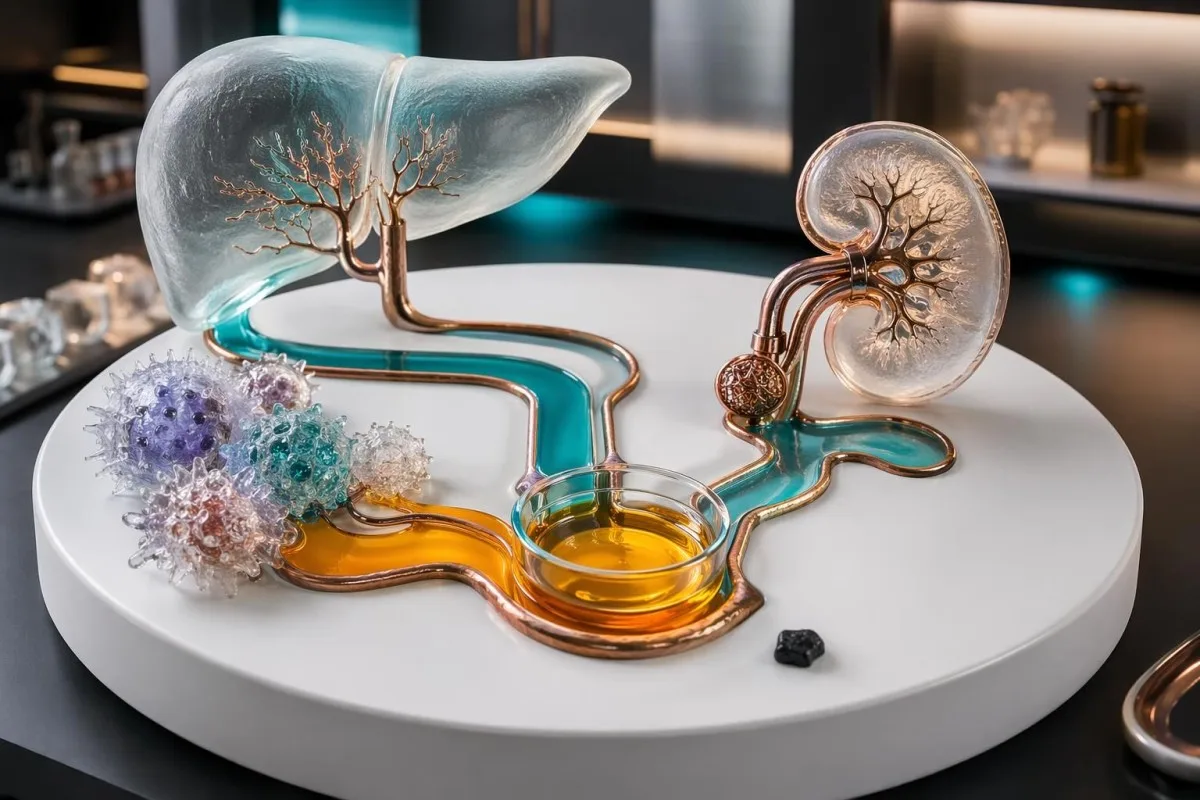
د Kantesti د طبي بیاکتنې پروسه د ډاکټرانو له خوا رهبري کېږي چې پوهېږي محاسبه شوی ګلوبولین تشخیص نه دی. د A/G نسبت تشریح دقیقاً هماغه ډول ساحه ده چې بېځایه ډاډ (overconfidence) ناروغانو ته زیان رسولای شي، ځکه وچکالۍ، مزمن انتان، اتوامیون ناروغي، د ځیګر ناروغي او مونوکلونل پروټینونه عددي لحاظه سره یو ځای کېدای شي.
زموږ د څېړنیزې خپرونې برخه کې د وینې د ازموینې د تشریح میتودونو په اړه د DOI-ارشیف شوې (archived) کارونه شامل دي، په ګډون د RDW او د BUN/creatinine نسبت لارښودونه چې ښيي څنګه د نمونې پر بنسټ استدلال د بایومارکرونو ترمنځ انتقالېږي. Thomas Klein, MD دا چوکاټونه د هماغه احتیاط سره بیاکتنه کوي چې زه یې په کلینیک کې کاروم: حدونه پوښتنې لارښوونه کوي، نه وروستۍ ځوابونه.
د حاکمیت لپاره، زموږ ډاکټران او سلاکاران په د طبي مشورتي بورډ. همدارنګه موږ خپلې کلینیکي معیارونه او د بنچمارک (benchmark) تګلاره له لارې خپروو طبي تایید, ، ځکه ناروغان حق لري پوه شي چې د AI تشریح تر کومه ځایه ختمېږي او د ډاکټر پاملرنه له کومه ځایه پیل کېږي.
پوښتل شوې پوښتنې
د لوړ ګلوبولین تر ټولو عام لاملونه کوم دي؟
د لوړ ګلوبولین تر ټولو عام لاملونه عبارت دي له: ډیهایډریشن، اوږدمهاله التهاب، اوږدمهاله انتان، د ځیګر ناروغي، د اتوایمیون ناروغي او د مونوکلونل پروټین اختلالات. ډاکټران دا د البومین، ټول پروټین، A/G نسبت، CBC، CRP، ESR، د ځیګر انزایمونو، د پښتورګو نښو او کله ناکله د امیونوګلوبولینونو په کتلو سره جلا کوي. د ګلوبولین پایله شاوخوا 3.6-4.0 g/dL اکثراً لږه وي، خو دوامدار ارزښتونه چې له شاوخوا 4.5 g/dL څخه پورته وي، د لا منظم تعقیب مستحق دي.
د A/G نسبت کوم څه اندېښمنوونکی دی؟
ډیری بالغ لابراتوارونه د A/G نسبت شاوخوا ۱.۱–۲.۲ عادي ګڼي، که څه هم حدونه توپیر لري. د A/G نسبت له ۱.۰ څخه ښکته کېدل ډېر اندېښمن وي کله چې دا د لوړ ګلوبولین، ټیټ البومین یا دواړو له امله وي، په ځانګړي ډول د انیمیا، د پښتورګو بدلونونو، د کلسیم لوړې کچې، د ځیګر غیرعادي ازموینو یا نښو سره. یوازې د ټیټ نسبت شتون پخپله سرطان یا اتوایمیون ناروغي نه تشخیصوي، خو دا د دې دلیل دی چې د بشپړ نمونې (پېټرن) بیاکتنه وشي.
ایا ډیهایډریشن کولی شي لوړ ګلوبولین لامل شي؟
هو، ډیهایډریشن کولی شي د وینې په داخل کې د پروټینونو په غلظت سره لوړ ګلوبولین رامنځته کړي، او البومین ډېری وخت په هماغه وخت کې لوړېږي. د ډیهایډریشن په څېر بڼه ښايي البومین له شاوخوا 5.0 g/dL څخه پورته، لږ لوړ ټول پروټین او نور د غلظت نښې لکه لوړ BUN یا لوړ هیماتوکریټ وښيي. که ګلوبولین لوړ وي خو البومین نورمال یا ټیټ وي، نو یوازې ډیهایډریشن د قانع کوونکې توضیح په توګه لږ باور وړ کېږي.
د لوړ ګلوبولین نښې کومې دي؟
د لوړ ګلوبولین نښې اکثره د اصلي لامل له امله وي، نه پخپله د ګلوبولین له امله. هغه نښې چې د خطر کچه بدلوي عبارت دي له: بې له توضیحه ستړیا، تبه، د شپې خولې، د وزن کموالی، د هډوکو درد، د بندونو پړسوب، پرلهپسې انتانات، خارښت، پړسوب یا د لمف نوډونه چې تر شاوخوا ۲ سانتي مترو زیات وي. هغه کس چې هېڅ نښه نه لري او یوازې یو ځل لږ د ګلوبولین لوړوالی ولري ښايي یوازې تکراري معاینې ته اړتیا ولري، خو نښې د تعقیب اړتیا لا بیړنۍ کوي.
ایا لوړ ګلوبولین خطرناک دی؟
لوړ ګلوبولین کېدای شي بېضرره، لنډمهاله یا کلینیکي لحاظه مهم وي، د نمونې (pattern) له مخې. دا ډېر اندېښمنونکی وي کله چې ګلوبولین په دوامداره توګه له شاوخوا ۴.۵ g/dL څخه لوړ وي، ټول پروټین له ۹.۰ g/dL څخه لوړ وي، د A/G نسبت له ۱.۰ څخه ټیټ وي، یا د خطر نښې (red flags) لکه انیمیا، لوړ کلسیم، د پښتورګو کمزوري کېدل (kidney decline) یا د هډوکو درد موجود وي. تر ټولو خوندي راتلونکی ګام دا نه دی چې تشخیص اټکل شي، بلکې د اړوندو لابراتواري ازموینو تکرار او پراخول دي، د ډاکټر/کلینیشن په همکارۍ.
ایا د ټول پروټین لوړه کچه د سرطان معنا لري؟
لوړ ټول پروټین په اتومات ډول د سرطان معنا نه لري. د لوړ ټول پروټین لاملونه کېدای شي ډیهایډریشن، التهاب، عفونت، د ځیګر ناروغي، خودایمني ناروغي او مونوکلونل پروټینونه وي، او ډېرې پېښې یې بدخیم نه وي. ډاکټران د سیرم پروټین الکتروفورېسیس، امیونوفکسیشن او د سیرم وړیا لایټ چینز په پام کې نیسي کله چې لوړ ټول پروټین دوام وکړي یا د ټیټ A/G نسبت، انیمیا، د پښتورګو بدلونونه یا لوړ کلسیم سره څرګند شي.
د لوړ ګلوبولین وروسته کومې ازموینې امر کېږي؟
د لوړ ګلوبولین وروسته عام تعقیبي ازموینې کېدای شي د تکراري جامع میتابولیک پینل، د توپیر سره CBC، ESR، CRP، د IgG، IgA او IgM کمّی اندازه، د ځیګر انزایمونه، د پښتورګو فعالیت او کلسیم شامل وي. که د A/G نسبت لا هم ټیټ پاتې شي یا ټول پروټین لوړ وي، ډاکټران اکثراً د سیرم پروټین الکتروفورېسیس، امیونوفکسیشن او د سیرم وړیا لایټ چینز زیاتوي. د ادرار ازموینه کېدای شي هغه وخت اضافه شي کله چې د پښتورګو نښې، پروټینوریا یا د لایټ چین اندېښنې موجودې وي.
ایا د پروټین شیک یا لوړ پروټین رژیم زما ګلوبولین کچه لوړولی شي؟
معمولا نه. د پروټین بډایه خواړو خوړل یا د پروټین شیک کارول د ګلوبولین برخه په معنی توګه لوړوي ، مګر وچتوب کولی شي د وینې پروټینونه خورا متمرکز کړي ، نو له خپل ډاکټر سره دوامداره غیر معمولي پایلې بحث کړئ.
ایا د IVIG انفیوژن زما د ګلوبولین پایله اغېزمنولی شي؟
هو. د رګ له لارې امیونګلوبولین (IVIG) کولی شي په لنډمهالې توګه اندازه شوی ګلوبولین او ټول پروټین زیات کړي، ځکه چې دا انټي باډي وینې ته زیاتوي؛ د ازموینې د وخت او مناسبې تفسیر لپاره د انفیوژن نېټه د امر کوونکي ډاکټر ته ووایاست.
همدا نن د AI په مرسته د وینې ازموینې تحلیل ترلاسه کړئ
له 2M+ څخه زیات کاروونکي په ټوله نړۍ کې زموږ په Kantesti باور لري چې د لابراتوار ازموینو تحلیل په فوري او دقیق ډول کوي. خپل د وینې ازموینې پایلې اپلوډ کړئ او په ثانیو کې د 15,000+ بایومارکرونو بشپړه تشریح ترلاسه کړئ.
📚 د څېړنې خپرونې چې حواله شوې دي
کلین، ټي، مېچېل، ایس، او وېبر، ایچ. (2026). د RDW د وینې ازموینه: بشپړ لارښود د RDW-CV، MCV او MCHC لپاره. Kantesti د AI طبي څېړنه.
کلین، ټي، مېچېل، ایس، او وېبر، ایچ. (2026). د BUN/کریټینین تناسب تشریح شوی: د پښتورګو د فعالیت ازموینې لارښود. Kantesti د AI طبي څېړنه.
📖 بهرني طبي مراجع
Kyle RA et al. (2006). د نامعلوم اهمیت لرونکي مونوکلونل ګیموپیتي (monoclonal gammopathy) خپرېدنه (Prevalence). د نیو انګلنډ د طب ژورنال.
د ځیګر د مطالعې لپاره اروپایي ټولنه (2015). EASL کلینیکي عملي لارښوونې: Autoimmune hepatitis. د هیپاتولوژي ژورنال.
راجکومار SV (2022). Multiple myeloma: د تشخیص، د خطر-طبقه بندۍ (risk-stratification)، او د مدیریت په اړه ۲۰۲۲ تازه معلومات. د American Journal of Hematology.



⚕️ طبي ردونه
دا مقاله یوازې د زده کړې لپاره ده او طبي مشوره نه جوړوي. د تشخیص او درملنې د پرېکړو لپاره تل د وړ روغتیايي خدمت وړاندې کوونکي سره سلا وکړئ.
د E-E-A-T باور نښې
تجربه
د ډاکټر تر مشرۍ لاندې کلینیکي بیاکتنه د لابراتواري تفسیر د کاري بهیرونو لپاره.
تخصص
د لابراتواري طب تمرکز پر دې چې بایومارکرونه په کلینیکي شرایطو کې څنګه چلند کوي.
واک ورکول
د ډاکټر توماس کلاین له خوا لیکل شوی، د ډاکټر سارا میچل او پروف. ډاکټر هانس ویبر له خوا بیاکتنه.
اعتبار
د شواهدو پر بنسټ تفسیر د روښانه تعقیبي لارو چارو سره، تر څو اندیښنه کمه شي.