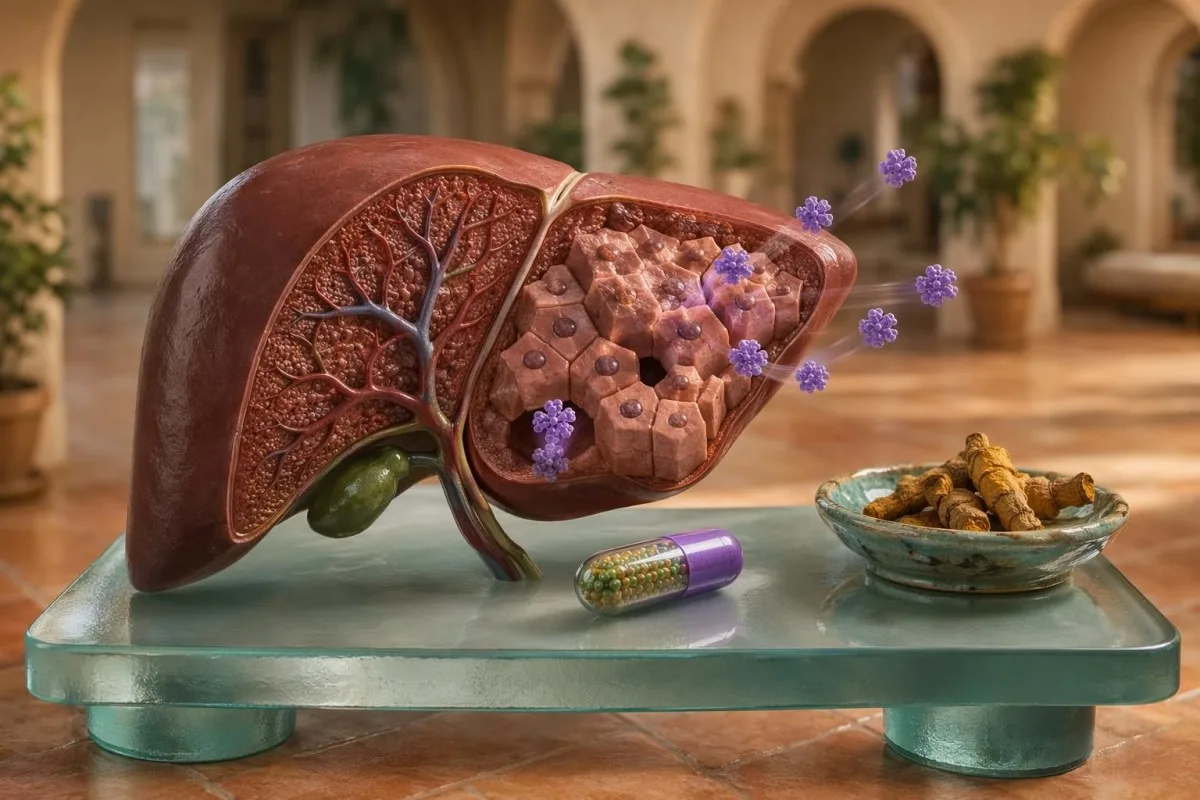
Curcumin kan være nyttig for noen milde inflammatoriske mønstre, men laboratoriekonteksten betyr mer enn kapsel-etiketten. Slik tolker jeg CRP, ESR, lever-, nyre- og koagulasjonsindikatorer før en pasient blander det med medisiner eller kirurgi.


- Curcumin ved inflammasjon er mest sannsynlig når hs-CRP vedvarer på 2–10 mg/L, og når det ikke er tegn på infeksjon, skade, autoimmun forverring eller kreft som driver resultatet.
- blodprøven for CRP verdier under 5 mg/L rapporteres ofte som normale på standardanalyser, mens hs-CRP bruker risikobånd for hjerte- og karsykdommer på <1, 1–3 and >3 mg/L.
- Tidspunkt for ny testing er vanligvis 4–8 uker etter en stabil curcumin-dose; testing 2 dager etter trening, infeksjon eller tannbehandling kan feilaktig tyde på at det ikke virker.
- Leddinflammasjon krever kontekst: leddsmerter ved artrose kan bli bedre uten at CRP endrer seg, mens revmatoid artritt bør følges med CRP, ESR, anti-CCP, RF og klinisk undersøkelse.
- Safety labs før kombinasjon av curcumin med medisiner inkluderer ALT, AST, ALP, bilirubin, kreatinin/eGFR, CBC med blodplater og noen ganger PT/INR eller aPTT.
- Medication caution er sterkest med warfarin, DOAC-er, klopidogrel, aspirin, NSAIDs, diabetesmedisiner, kjemoterapi og immunsuppressiva.
- Surgery planning betyr vanligvis å pause konsentrert curcumin 1–2 uker før planlagte prosedyrer med mindre kirurgiteamet gir andre instruksjoner.
- Røde flagg include CRP >50 mg/L, fever, night sweats, jaundice, black stools, severe swelling, new anemia or unexplained weight loss; do not self-treat these with supplements.
Når curcumin kan hjelpe mot inflammasjon — og når det ikke bør brukes
Curcumin ved inflammasjon may help when inflammation is low-grade and persistent — for example, hs-CRP 2–10 mg/L after infection, injury and autoimmune flare have been ruled out. It is not an emergency treatment, and I would not use it to mask CRP >50 mg/L, fever, severe joint swelling or unexplained weight loss.
Spor respons med CRP eller hs-CRP, ESR, CBC og symptomscore; sjekk ALT, AST, bilirubin, eGFR, blodplateantall og PT/INR før kombinasjon av curcumin med antikoagulantia, NSAIDs eller planlagt kirurgi. Vår Kantesti AI-blodprøveanalysator leser disse mønstrene samlet i stedet for å behandle én markør som hele historien.
Jeg er Thomas Klein, MD, Chief Medical Officer ved Kantesti, og mønsteret jeg ser oftest er ikke dramatisk sykdom — det er en mildt forhøyet hs-CRP rundt 3,8 mg/L hos en sliten 48-åring med abdominal vektøkning, vonde knær og normale hvite blodceller. I den settingen kan curcumin være et lite verktøy, men søvn, periodental helse, midjemål og kosthold flytter vanligvis CRP mer pålitelig enn noen enkelt kapsel.
Et standard blodprøven for CRP er nyttig når betennelse er åpenbar; hs-CRP er bedre når spørsmålet er lavgradig kardiovaskulær eller metabolsk risiko. Hvis du trenger lab-grunnlaget først, vår guide til blodprøver for inflammasjon forklarer hvorfor CRP, ESR, ferritin og CBC ofte er uenige.
Hva CRP-blodprøven kan og ikke kan bevise
Det blodprøven for CRP måler C-reaktivt protein, et leverprodusert betennelsesprotein som stiger innen ca. 6–8 timer etter en sterk inflammatorisk trigger. Standard CRP rapporteres vanligvis som normalt under 5 mg/L, mens hs-CRP er designet for å skille lavere verdier som 0,6, 1,9 og 4,2 mg/L.
Et CRP-resultat under 5 mg/L anses vanligvis som normalt for screening av akutt betennelse, men noen europeiske laboratorier bruker <3 mgl as a tighter reference interval. the ahacdc hs-crp categories are still widely used clinically: <1 suggestslower cardiovascular inflammatory risk, 1–3 average risk and>3 mg/L høyere risiko når pasienten ellers er frisk.
Her er fellen: hs-CRP over 10 mg/L bør vanligvis gjentas når du er frisk, fordi en forkjølelse, hard treningsøkt, tanninfeksjon eller vaksine reaksjon kan oversvømme lavgradssignalet. Jeg har sett maratonløpere teste på 18 mg/L to dager etter et løp og returnere til 1,4 mg/L ti dager senere.
Sahebkar’s metaanalyse i Phytotherapy Research rapporterte at curcuminoidene kan senke CRP i noen studier, men effekten var ikke ensartet på tvers av sykdommer, doser og formuleringer (Sahebkar, 2014). For en dypere titt på analyseforskjeller, se vår CRP versus hs-CRP guide.
Slik følger du med på om curcumin faktisk virker
Kurkuminsvar bør bedømmes ut fra en utviklingen, ikke en enkelt CRP-verdi. En rimelig prøveperiode innebærer vanligvis en baseline hs-CRP eller CRP, stabil dose i 4–8 uker, ingen ny infeksjon eller skade, og en ny test under lignende forhold.
Ved lavgradig betennelse ønsker jeg vanligvis minst to verdier før behandling hvis den første hs-CRP er mellom 3 og 10 mg/L. CRP har nok biologisk variasjon til at et fall fra 4,2 til 3,7 mg/L kan være støy, mens et fall fra 6,8 til 2,1 mg/L under lignende forhold er mer overbevisende.
Bruk en symptomscore ved siden av laboratorietesten. En knesmerte-score som faller fra 7/10 til 4/10 mens CRP holder seg på 2,5 mg/L kan fortsatt være klinisk meningsfull, spesielt ved artrose der smerter ofte er lokale og CRP kan være normal.
Kantesti’s trendanalyse sammenligner datoer, enheter, referanseområder og relaterte markører slik at en endret laboratorieenhet ikke maskeres som forbedring. Hvis du lager en før-og-etter-plan, gir vår guide til sporing av blodprøveprogresjon et praktisk rammeverk for ny testing.
Curcumin ved leddinflammasjon: artrose er ikke revmatoid artritt
Kosttilskudd for leddbetennelse kan være mer rimelige for artrosevondter enn for ukontrollert autoimmun artritt. Revmatoid artritt krever beslutninger om sykdomsmodifiserende behandling basert på undersøkelse, CRP, ESR, anti-CCP, revματοїд faktor og bildediagnostikk — ikke kun respons på kosttilskudd.
Daily, Yang og Park gjennomgikk randomiserte studier av gurkemeieekstrakter og kurkumin for leddgiktssymptomer og fant tegn til smertelindring, spesielt ved artrose, men studiene var små og varierende i ekstrakvalitet (Daily et al., 2016). I klinisk praksis anser jeg disse funnene som “mulig nytte”, ikke som bevis for at leddbetennelse er under kontroll.
CRP kan være helt normal ved artrose i hendene, seneskader eller mekaniske knesmerter. En hoven, varm håndledd med morgenstivhet over 60 minutter er noe annet; jeg ville se etter anti-CCP, RF, ESR, CRP og noen ganger urinsyre eller ANA avhengig av historien.
En nyttig regel: smertelindring uten CRP-forbedring kan fortsatt ha betydning ved artrose, men CRP-forbedring uten bedre hevelse ved revmatoid artritt er ikke nok. Pasienter med vedvarende leddhevelse bør lese vår leddsmerte laboratorieguide før de antar at kurkumin er den manglende brikken.
Hvorfor “immunsstøtte” kan være feil mål
Kosttilskudd for støtte av immunsystemet markedsføres ofte som om mer immunaktivitet alltid er bedre, men betennelse er vanligvis et reguleringsproblem, ikke et svakhetsproblem. Kurkumin bør best betraktes som en potensiell immunmodulerende forbindelse, ikke en immunbooster.
Når en pasient har CRP 22 mg/L, nøytrofiler 13,0 x10^9/L og feber, ønsker jeg ikke gjetninger om immundemping; jeg vil vite hvorfor det medfødte immunsystemet er aktivert. Kurkumin bør ikke forsinke akutt vurdering for lungebetennelse, nyreinfeksjon, blindtarmbetennelse eller septisk artritt.
På den annen side kan en person med Hashimotos sykdom, psoriasis eller inflammatorisk tarmsykdom ha overaktivitet i immunsystemet i én vei og normalt forsvar mot infeksjon i en annen. Dette er grunnen til at CBC differensialtelling, ESR, CRP, ferritin, albumin og sykdomsspesifikke antistoffer ofte betyr mer enn et kosttilskuddmerke.
Kantesti AI tolker immunologiske ledetråder ved å lese WBC-telling, nøytrofiler, lymfocytter, eosinofiler, blodplater og inflammatoriske proteiner som et mønster. Vår artikkel om blodprøver for immunsystemet forklarer hvorfor en normal WBC på 6,2 x10^9/L ikke utelukker kronisk betennelse.
Dose, formulering og problemet med svart pepper
De fleste kurkuminstudier bruker omtrent 500–1,500 mg/day med kurkuminoider eller ekstrakter med forbedret biotilgjengelighet, vanligvis i 4–12 uker. Kjøkken-gurkemeie har ikke samme dose: en teskje gurkemeiepulver kan inneholde bare omtrent 100–200 mg kurkuminoider, avhengig av produktet.
Biotilgjengelighet er den vanskelige delen. Kurkumin absorberes dårlig, så produsenter tilsetter piperin, fosfolipider, miceller eller nanopartikler; disse kan øke absorpsjonen, men de kan også endre medikamenteksponeringen på måter som er vanskelige å forutsi ut fra produktetiketten.
Piperin er den jeg spør nøye om fordi den kan påvirke medikamenttransport og metabolisme. Hvis en pasient bruker warfarin, takrolimus, antiepileptika eller et medikament med smalt terapeutisk vindu, slutter “bare et krydder-ekstrakt” å være en tilfeldig beslutning.
Ta kurkumin sammen med et måltid som inneholder fett hvis legen din mener det er hensiktsmessig, og unngå å stable fem betennelsesdempende kosttilskudd samtidig. Vår AI laboratorieanalyseverktøy kan hjelpe med å organisere laboratorieendringer relatert til kosttilskudd, og vår guide til konflikter i tidspunkt for tilskudd dekker kombinasjoner jeg rutinemessig ser går galt.
Sikkerhetsprøver du bør sjekke før du kombinerer curcumin med medisiner
Før kurkumin kombineres med reseptbelagte legemidler, er standard sikkerhetspanel vanligvis CBC med blodplater, ALT, AST, ALP, bilirubin, kreatinin/eGFR og glukose eller HbA1c hvis diabetesmedisiner er involvert. Disse laboratorietestene gjør ikke kurkumin risikofritt, men de avslører problemer som endrer risikoberegningen.
Et blodplatetall på 150–450 x10^9/L anses generelt som normalt hos voksne; et tall under 100 x10^9/L krever forsiktighet før man legger til noe med mulige blødningseffekter. Jeg følger også med på hemoglobin fordi okkult blødning kan vises som fallende Hb før en pasient merker svart avføring.
ALT og AST rapporteres ofte med øvre grenser rundt 35–45 IU/L, selv om laboratorier varierer etter kjønn, kroppsstørrelse og metode. Hvis ALT allerede er 96 IU/L, vil jeg ha leverhistorien klarlagt før jeg legger til et konsentrert botanisk ekstrakt.
Kreatinin og eGFR er viktig fordi dehydrering, nyresykdom og interagerende legemidler kan forsterke bivirkninger. Vår guide til leverlaboratorietester før nye medisiner er en nyttig sjekkliste for alle som tar statiner, metotreksat, soppmidler, epilepsimedisiner eller langtidsbrukere av NSAIDs.
Blodfortynnende midler, NSAIDs og koagulasjonsprøver
Gurkemeie fortjener ekstra forsiktighet med warfarin, apixaban, rivaroxaban, dabigatran, clopidogrel, aspirin og regelmessig NSAID-bruk. Bekymringen er ikke at gurkemeie pålitelig “tytter blodet” som et medikament; bekymringen er additiv usikkerhet når blodplatefunksjon, koagulasjonsproteiner og prosedyrer allerede er involvert.
En normal PT/INR hos noen som ikke tar warfarin er ofte rundt 0,8–1,2, mens aPTT vanligvis er rundt 25–35 sekunder. Disse tallene måler ikke blodplatefunksjon fullt ut, så en normal INR beviser ikke at aspirin pluss gurkemeie er ufarlig.
En 72-åring på apixaban for atrieflimmer spurte meg om gurkemeie etter at knesmertene forbedret seg hos en venn. Blodplatene hans var 118 x10^9/L og eGFR 42 mL/min/1.73 m²; den kombinasjonen gjorde meg langt mer forsiktig enn jeg ville vært hos en frisk 35-åring med normal nyrefunksjon.
Douketis og kollegers CHEST-retningslinje fra 2022 fokuserer på perioperativ antikoagulerende medikamenthåndtering, og det er en god påminnelse om at prosedyreblødningsrisiko er svært spesifikk for medikamentet, nyrefunksjon og operasjonstype (Douketis et al., 2022). Hvis du tar antikoagulantia, start med vår veiledning for blodfortynnende laboratorieprøver før du legger til konsentrert gurkemeie.
Lever- og galleblæreindikatorer som endrer avgjørelsen om curcumin
Gurkemeie bør pauses og vurderes hvis lever- eller galleflyt-laboratorieprøver er unormale, spesielt ALT, AST, ALP, GGT eller bilirubin. Sjeldne leverskader er rapportert med gurkemeie- eller gurkemeieprodukter, og gallesymptomer kan bli mer merkbare hos mottakelige personer.
Mønsteret betyr mer enn ett enzym. ALT 84 IE/L med AST 51 IE/L antyder et hepatocellulært mønster, mens ALP 210 IE/L pluss GGT 180 IE/L og bilirubin 2,1 mg/dL peker mer mot galleveis- eller kolestatisk problematikk.
Jeg blir spesielt forsiktig når symptomer stemmer overens med laboratorieprøver: kløe, mørk urin, lys avføring, smerter øverst til høyre i magen eller gule øyne. Dette er ikke “avgiftnings”-tegn; de er grunner til å stoppe ikke-essensielle kosttilskudd og søke klinisk vurdering.
Gurkemeie kan stimulere gallestrømmen i noen sammenhenger, noe som kan være ubehagelig eller risikabelt hos personer med gallestein eller galleveisobstruksjon. For mønsterlesing, vår guide til leverfunksjonstester forklarer hvorfor GGT ofte klargjør om ALP er leverrelatert.
Nyre-, glukose- og jernprøver pasienter ofte glemmer
Nyrefunksjon, glukosekontroll og jernstatus kan alle endre hvor trygg eller nyttig gurkemeie virker. Jeg sjekker vanligvis eGFR, kreatinin, urin ACR, fastende glukose eller HbA1c, ferritin og transferrinmetning når pasienten har diabetes, nyresykdom, anemi eller flere medisiner.
En eGFR over 60 mL/min/1.73 m² er generelt betryggende, men det utelukker ikke tidlig nyreskade; urin albumin-kreatinin-ratio kan øke år før kreatinin ser unormal ut. En urin ACR under 30 mg/g anses vanligvis som normal, mens 30–300 mg/g antyder moderat økt albuminuri.
Gurkemeie kan påvirke glukosehåndtering moderat hos noen pasienter, så jeg ser etter lav glukose hvis noen også bruker insulin, sulfonylureaer eller GLP-1-behandling med redusert matinntak. HbA1c på 6,5 % eller høyere oppfyller den vanlige diabetesgrensen, men daglig hypoglykemirisiko fanges ikke opp av A1c alene.
Jern er det stille problemet. Curcumin kan binde jern i laboratorie- og dyremodeller, så en pasient med ferritin 9 ng/mL og rastløse ben bør ikke starte med høydose curcumin uten videre; vår veiledning for nyre ACR bidrar til å forklare den renale siden av denne sikkerhetssjekken.
Før kirurgi eller tannbehandling: den praktiske stoppregelen
Ved elektiv kirurgi spør mange klinikere pasienter om å stoppe konsentrert curcumin 1–2 uker før prosedyren, spesielt når antikoagulantia, antiplatelet-legemidler, NSAIDs eller operasjoner med høy blødningsrisiko er involvert. Matnivå-kurkumin i matlaging er en annen eksponering enn 1 000 mg/dag med forsterket curcumin-ekstrakt.
Den eksakte stopp-intervallet er ikke universell. En mindre tannrens er ikke det samme som spinalkirurgi, fjerning av polypper i tykktarmen eller leddproteser, så kirurgteamets protokoll bør overstyre internettregler.
Pre-op laboratorieprøver inkluderer ofte CBC, elektrolytter, kreatinin/eGFR og noen ganger PT/INR, aPTT eller leverprøver avhengig av alder, medisiner og prosedyretype. Et hemoglobin på 10,2 g/dL eller trombocyttall på 92 x10^9/L endrer samtalen selv om operasjonen er merket som rutine.
Ta med flasken, ikke bare ordet “gurkemeie”. Formulering, piperininnhold og dose er klinisk relevante, og vår blodprøve før operasjon sjekkliste viser hvilke unormale resultater som bør avklares før dagen for anestesi.
Hvem bør unngå curcumin eller få avklaring fra behandler først
Curcumin er ikke et godt selvstart-tilskudd for alle. Personer som er gravide, prøver å bli gravide med fertilitetsbehandling, får cellegift, bruker immundempende midler, tar blodfortynnende, lever med aktiv leversykdom, eller venter på kirurgi bør få klarering fra lege først.
Jeg er også ekstra forsiktig hos pasienter med gallestein, sykdom i gallegangene, tilbakevendende nyrestein, alvorlig refluks, jernmangel eller uforklart anemi. Disse gruppene kan utelates fra markedsføring av tilskudd, men det er nettopp der bivirkninger blir mindre teoretiske.
Barn trenger en egen samtale. Pediatriske referanseområder for leverenzymer, kreatinin, CRP og blodtellinger er aldersspesifikke, så antakelser om tilskudd for voksne kan raskt villede i en 9-åring.
Kreftbehandling er et annet område der man ikke bør gjette, fordi curcumin kan samhandle med legemiddeltransport, oksidative baner og studiedesign/protokoller. Hvis et legemiddel overvåkes med nivåer eller stramme laboratoriemål, er vår veiledning for medikamentovervåking et tryggere startpunkt enn en generell tilskuddskombinasjon.
Hvordan Kantesti AI leser laboratoriemønstre knyttet til curcumin
Kantesti AI tolker curcumin-relaterte inflammasjonsspørsmål ved å sammenligne CRP, hs-CRP, ESR, CBC, trombocytter, leverenzymer, nyremarkører, glukosemarkører og medikamentkontekst i én strukturert oversikt. Et enkelt CRP-resultat behandles aldri som en diagnose.
Vårt nevrale nettverk sjekker enheter, alder, kjønn, referanseintervaller og umulige kombinasjoner, og flagger deretter mønstre som trenger medisinsk vurdering. Grunnen til at dette betyr noe er enkel: CRP 7 mg/L med nøytrofiler 15 x10^9/L er ikke det samme kliniske problemet som CRP 7 mg/L med HbA1c 6,1%, økning i midjemål og normal CBC.
Kantesti sine kliniske standarder gjennomgås via vår medisinsk validering prosess og medisinsk tilsyn fra Medisinsk rådgivende styre. Jeg, Dr. Thomas Klein, vil fortsatt at pasienter skal bruke vårt resultat som tolkningsstøtte — ikke som tillatelse til å ignorere feber, blødning eller sterk smerte.
Plattformen kartlegger mer enn 15 000 biomarkører, noe som hjelper når et tilskuddsspørsmål samtidig berører lever-, nyre-, immun- og koagulasjonsmarkører. Du kan lese mer om vårt biomarkør-rammeverk i blodprøvebiomarkører veileder.
En seksukers, laboratoriebasert curcumin-plan jeg ville anse som rimelig
Et rimelig curcumin-forsøk er spesifikt, tidsavgrenset og målbar: basissymptomer og laboratorietester, ett produkt, én dose, 4–8 ukers konsekvent bruk, deretter en ny CRP eller hs-CRP pluss sikkerhetslaboratorietester hvis risikofaktorer foreligger. Hvis ingenting målbart forbedres, stopp og revurder.
For en voksen med lav risiko, kan en typisk prøveperiode være 500 mg/dag av et anerkjent gurkemeieekstrakt sammen med mat, og økes til 1000 mg/dag bare hvis det tolereres og medisininteraksjoner ikke er et problem. Jeg unngår å endre diett, trening, søvntilskudd og gurkemeie alt i samme uke, fordi da vet ingen hva som forårsaket laboratorieendringen.
Test på nytt under like forhold: ingen akutt sykdom, ingen uvanlig hard trening på 48–72 timer, og ingen tanninfeksjon som brygger. Hvis hs-CRP faller fra 5,6 til 2,4 mg/L og knæsmerter forbedres med 30%, er det et klarere signal enn en vag “Jeg føler meg mindre betent.”
Bruk stoppregler. Gulsott, mørk urin, nye blåmerker, svart avføring, alvorlige magesmerter, utslett, pipende pust eller ALT som stiger over 2–3 ganger laboratoriets øvre grense bør utløse seponering og medisinsk gjennomgang; du kan prøv gratis analyse av blodprøver med AI hvis du ønsker hjelp til å organisere før-og-etter-rapporter.
Konklusjon: tilpass tillegget til laboratoriemønsteret
Gurkemeie kan være verdt å diskutere når laboratoriemønsteret antyder stabil, lavgradig betennelse snarere enn akutt sykdom. Fra og med 16. mai 2026 vil jeg følge CRP eller hs-CRP sammen med ESR, CBC, leverenzymer, nyrefunksjon og medisinrisiko før jeg kaller noe kosttilskudd “betennelsesdempende”.”
De tryggeste pasientene er vanligvis de med mildt forhøyet hs-CRP, normal CBC, normale lever- og nyrelaboratorietester, ingen blødningshistorikk og ingen interagerende medisiner. De mest risikable pasientene er ofte de som tror kosttilskudd er atskilt fra medisin – antikoagulantia, kommende prosedyrer, unormale leverprøver og anemi gjør den antakelsen utrygg.
Kantesti er bygget for denne typen mønsterarbeid: last opp en PDF eller et bilde, og vår KI returnerer en strukturert tolkning på omtrent 60 sekunder på tvers av språk, enheter og referanseområder. Vår About Us side forklarer hvordan Kantesti LTD, et britisk medisinsk KI-selskap, organiserer legeledet tolkning av blodprøver for pasienter og kliniske team.
Hvis du husker én ting, la det være dette: CRP forteller deg at en brannalarm ringte, ikke hva som startet brannen. Gurkemeie kan være et rimelig brannslukningsapparat for noen små, ulmende branner, men det er feil verktøy for en fem-alarm brann.
Ofte stilte spørsmål
Senker gurkemeie CRP?
Curcumin kan senke CRP hos noen personer med lavgradig inflammasjon, men effekten er ikke konsistent på tvers av studier, doser og sykdommer. En rettferdig test krever vanligvis en baseline-CRP eller hs-CRP, 4–8 uker med konsekvent dosering, og ny testing når du er fri for infeksjon eller skade. Et fall fra 6,0 til 2,5 mg/L er mer meningsfullt enn en liten endring fra 3,2 til 2,9 mg/L.
Hvilket CRP-nivå er for høyt til å behandle med kun gurkemeie?
CRP over 10 mg/L bør vanligvis gjentas eller forklares før man antar at det er kronisk lavgradig inflammasjon, og CRP over 50 mg/L krever ofte rask medisinsk vurdering. Feber, sterke smerter, hovne ledd, kortpustethet, gulsott, nattesvette eller uforklarlig vekttap skal ikke behandles selv med gurkemeie. Gurkemeie er ikke en erstatning for å diagnostisere infeksjon, autoimmun forverring, vevsskade eller kreftvarselsymptomer.
Hvilke blodprøver bør jeg sjekke før jeg tar gurkemeie (curcumin) sammen med medisiner?
Før man kombinerer curcumin med medisiner, gjennomgår mange klinikere CBC med trombocytter, ALT, AST, ALP, bilirubin, kreatinin/eGFR og glukose eller HbA1c når diabetesmedisiner brukes. PT/INR eller aPTT kan være nødvendig hvis du bruker warfarin, har leversykdom, får lett blåmerker eller forbereder deg til kirurgi. Et trombocyttall under 100 x10^9/L eller en unormal INR bør føre til at klinikeren vurderer dette før konsentrert curcumin tilsettes.
Bør jeg slutte med gurkemeie før operasjon?
Mange kirurgiske team anbefaler å stoppe konsentrert gurkemeie (curcumin) 1–2 uker før planlagt kirurgi, spesielt hvis du bruker antikoagulantia, antiplatelet-legemidler, aspirin eller NSAIDs. Matmengde gurkemeie i måltider er vanligvis en mye lavere eksponering enn 500–1 500 mg/dag med curcumin-ekstrakt. Følg alltid protokollen til kirurgen eller anestesilegen, fordi blødningsrisikoen avhenger av den nøyaktige prosedyren, nyrefunksjonen og medisinlisten.
Er gurkemeie trygt for leddbetennelse?
Curcumin kan bidra til å lindre symptomer hos noen personer med artrose, men det bør ikke erstatte en riktig vurdering for revmatoid artritt, urinsyregikt, infeksjon eller alvorlig inflammatorisk leddsykdom. Leddhevelse med morgenstivhet over 60 minutter, høyt CRP eller ESR, positiv anti-CCP, feber eller et varmt enkeltledd krever medisinsk vurdering. Ved artrose kan symptomforbedring forekomme selv når CRP forblir normalt.
Kan gurkumin påvirke leverprøver?
Curcumin tolereres vanligvis, men sjeldne tilfeller av leverskade er rapportert ved bruk av gurkemeie- eller curcuminprodukter, særlig konsentrerte ekstrakter. ALT, AST, ALP, GGT og bilirubin er de viktigste prøvene å vurdere hvis symptomer som mørk urin, kløe, bleke avføringsfarger, smerter i øvre høyre del av magen eller gule øyne oppstår. Hvis ALT stiger over 2–3 ganger øvre normalgrense etter oppstart med curcumin, stopp tilskuddet og oppsøk klinisk vurdering.
Er curcumin et kosttilskudd for immunsystemet?
Curcumin beskrives bedre som et mulig immunmodulerende stoff enn som en immunstimulerende booster. Å øke immunaktiviteten er ikke alltid ønskelig, spesielt ved autoimmune sykdommer, allergi, transplantasjonsmedisin eller aktiv infeksjon. Hvis CRP er forhøyet sammen med unormale hvite blodceller, feber eller forverrede symptomer, er prioriteten diagnostikk fremfor å legge til kosttilskudd for støtte til immunsystemet.
Kan jeg ta gurkemeietilskudd under graviditet eller amming?
Gurkemeie brukt i normale matlagingsmengder er forskjellig fra konsentrerte gurkemeietilskudd. Unngå å starte høydose eller forbedret absorpsjon av gurkemeie under graviditet eller amming med mindre din obstetriske kliniker anbefaler det, fordi sikkerhets- og medisininteraksjonsinformasjonen er begrenset.
Kan jeg ta curcumin samme dag som jerntilskuddet mitt?
Hvis du tar jern ved mangel, skille det fra curcumin med minst 2–4 timer og følg behandlers plan for ny kontroll av ferritin eller CBC. Ikke bruk curcumin som en erstatning for å finne årsaken til lavt jern.
Få AI-drevet analyse av blodprøver i dag
Bli med over 2 millioner brukere over hele verden som stoler på Kantesti for øyeblikkelig, nøyaktig analyse av laboratorietester. Last opp blodprøveresultatene dine og få omfattende tolkning av 15,000+-biomarkører på sekunder.
📚 Refererte forskningspublikasjoner
Klein, T., Mitchell, S., & Weber, H. (2026). Flerspråklig AI-assistert klinisk beslutningsstøtte for tidlig triage ved hantavirus: design, ingeniørmessig verifisering og utrulling i den virkelige verden på tvers av 50 000 tolket blodprøverapporter. Kantesti KI medisinsk forskning.
Klein, T., Mitchell, S., & Weber, H. (2026). Veiledning for jernstudier: TIBC, jernmetning og bindingskapasitet. Kantesti KI medisinsk forskning.
📖 Eksterne medisinske referanser
Sahebkar A (2014). Er kurkuminoider effektive midler for å senke C-reaktivt protein i klinisk praksis? Evidens fra en metaanalyse.
⚕️ Medisinsk ansvarsfraskrivelse
Denne artikkelen er kun for informasjonsformål og utgjør ikke medisinsk rådgivning. Rådfør deg alltid med en kvalifisert helsepersonell for beslutninger om diagnose og behandling.
E-E-A-T tillitssignaler
Experience
Klinisk gjennomgang ledet av lege av arbeidsflyter for laboratorietolkning.
Expertise
Fagområde laboratoriemedisin med fokus på hvordan biomarkører oppfører seg i klinisk kontekst.
Authoritativeness
Skrevet av Dr. Thomas Klein med gjennomgang av Dr. Sarah Mitchell og Prof. Dr. Hans Weber.
Trustworthiness
Evidensbasert tolkning med tydelige oppfølgingsveier for å redusere uro.