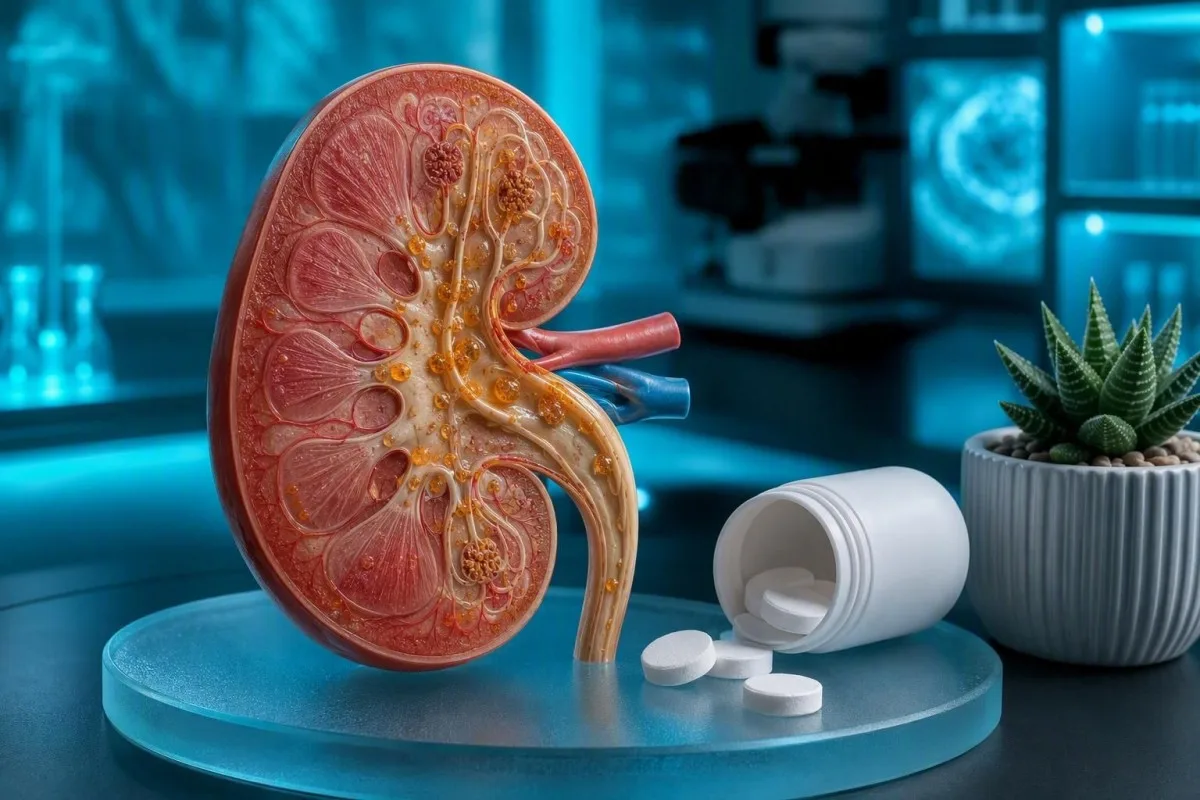
ကယ်လ်စီယမ် ကာဗွန်နိတ် သည် ရင်ပူခြင်းကို သက်သာစေနိုင်သည်။ သို့သော် ထပ်ခါထပ်ခါ သောက်သုံးခြင်းသည် ကယ်လ်စီယမ်ကို မြင့်တက်စေပြီး သွေးကို အယ်လ်ကာလီဖြစ်စေကာ ကျောက်ကပ်ကို ရုတ်တရက် ထိခိုက်စေနိုင်သည်။ အော့အန်ခြင်း၊ ရေဓာတ်ခမ်းခြောက်ခြင်း၊ ဗီတာမင် D ပါဝင်ခြင်း သို့မဟုတ် ကျောက်ကပ် လုပ်ဆောင်ချက် လျော့နည်းခြင်းတို့ ဖြစ်ပေါ်လာသောအခါ ဤအန္တရာယ်သည် အလွန်မြင့်မားသည်။.


- ကယ်လ်စီယမ် မြင့်မားခြင်း ဆိုလိုသည်မှာ ပုံမှန်အားဖြင့် ကယ်လ်စီယမ် စုစုပေါင်းသည် 2.60 mmol/L (10.4 mg/dL) ထက် ပိုများခြင်းဖြစ်သည်၊ သို့သော် အယ်လ်ဘူမင်နှင့် အိုင်းယမ် ကယ်လ်စီယမ်သည် အကျိုးရလဒ် အစစ်အမှန် ဟုတ်၊ မဟုတ်ကို ဆုံးဖြတ်ပေးသည်။.
- ကယ်လ်စီယမ် ကာဗွန်နိတ် သည် 40% အစစ်အမှန် ကယ်လ်စီယမ် ဖြစ်သည်- 1,000 mg ဆေးပြားတွင် အစစ်အမှန် ကယ်လ်စီယမ် 400 mg ခန့် ပါဝင်သည်။.
- နို့-အယ်လ်ကာလီရောဂါ သည် အယ်လ်ကာလီနှင့် ကယ်လ်စီယမ်ကို စုပ်ယူပြီးနောက် ဖြစ်ပေါ်သော Hypercalcaemia၊ metabolic alkalosis နှင့် အစာnR".
- အရေးပေါ် သတ်မှတ်ချက်သည် 3.0 mmol/L (12 mg/dL) သို့မဟုတ် ထို့ထက်ပိုသော ကယ်လ်စီယမ်သည် ယနေ့တွင် ဆရာဝန်မှ စစ်ဆေးရန် လိုအပ်သည်၊ အထူးသဖြင့် လက္ခဏာများ သို့မဟုတ် creatinine ပိုဆိုးလာခြင်းနှင့်အတူ။.
- အရေးပေါ် လက္ခဏာများ သည် စိတ်ရှုပ်ထွေးခြင်း၊ သတိလစ်ခြင်း၊ ပြင်းထန်သော အားနည်းခြင်း၊ ရင်တုန်ခြင်း၊ ထပ်ခါတလဲလဲ အော့အန်ခြင်း၊ ဆီးအလွန်နည်းခြင်း သို့မဟုတ် အရည်များကို မထိန်းထားနိုင်ခြင်းတို့ ပါဝင်သည်။.
- ရေဓာတ်ခမ်းခြောက်ခြင်း loop ပြဿနာများ- ကယ်လ်စီယမ်များခြင်းကြောင့် သရေလamazing နှင့် ဆီးများခြင်းဖြစ်ပြီး၊ ထို့နောက် ပမာဏဆုံးရှုံးမှုကြောင့် ကျောက်ကပ်၏ ကယ်လ်စီယမ်ဖယ်ရှားနိုင်မှု ကျဆင်းပြီး ကယ်လ်စီယမ်ကို ပိုမိုမြင့်တက်စေသည်။.
- ကိုယ်တိုင်မကုသပါနှင့် ရေအလွန်အကျွံသောက်ခြင်း သို့မဟုတ် ဖြည့်စွက်စာများ ပိုမိုသောက်သုံးခြင်းဖြင့် ကယ်လ်စီယမ် အလွန်များသော ရလဒ်ကို ရရှိစေနိုင်သည်၊ သတ်မှတ်မထားသော ကယ်လ်စီယမ် ကာဗွန်နိတ်ကို ရပ်ပြီး တစ်ဦးချင်း အကြံဉာဏ်ကို ရယူပါ။.
- အသုံးဝင်သောဓာတ်ခွဲခန်း အစုအဝေး ချိန်ညှိထားသော သို့မဟုတ် အိုင်းယွန်း ကယ်လ်စီယမ်၊ ခရီယာတင်နင်း/eGFR၊ ဘိုင်ကာဗွန်နိတ် သို့မဟုတ် စုစုပေါင်း CO2၊ ဖော့စဖိတ်၊ မဂ္ဂနီစီယမ်၊ ပိုတက်စီယမ်၊ နှင့် ပါရာသိုင်းရွိုက် ဟော်မုန်းတို့ ပါဝင်သည်။.
ဆေးသောက်ပြီးနောက် ကယ်လ်စီယမ် မြင့်မားနေခြင်းဆိုတာ ဘာကို ဆိုလိုတာလဲ။
အက်တမ်ဆေးများ သောက်ပြီးနောက် ကယ်လ်စီယမ်များခြင်း၏ အဓိပ္ပာယ်ကား အဘယ်နည်း။ ၎င်းသည် ကယ်လ်စီယမ် ကာဗွန်နိတ် သောက်သုံးခြင်းသည် ဟައިပါးကလဲမီးယားကို ပံ့ပိုးပေးနေကြောင်း ဆိုလိုနိုင်ပြီး၊ အထူးသဖြင့် ရလဒ်သည် မြင့်မားသော ဘိုင်ကာဗွန်နိတ် ပမာဏနှင့် တက်နေသော ခရီယာတင်နင်းနှင့် အတူ ပေါ်လာသောအခါ။ တစ်ကြိမ်တည်း အလယ်အလတ် ရလဒ်သည် ရောဂါရှာဖွေရေး မဟုတ်ပါ၊ သို့သော် ကယ်လ်စီယမ် ၏ 3.0 mmol/L (12 mg/dL) သို့မဟုတ် အထက် သည် တစ်ရက်တည်း စစ်ဆေးရန် အရေးကြီးသည်။.
အက်တမ်ဆေးများမှ ကယ်လ်စီယမ်များခြင်းကို မကြာခဏ ခေါ်ဆိုကြသည် ကယ်လ်စီယမ်-အယ်လ်ကာလီ ရောဂါ, ယခင်က နို့-အယ်လ်ကာလီ ရောဂါ။ ခေတ်သစ်ပုံစံသည် နို့နှင့် ပတ်သက်၍ နည်းပါးပြီး ကယ်လ်စီယမ် ကာဗွန်နိတ် ဝါးစားဆေးများ၊ အရိုးပွရောဂါ ဖြည့်စွက်စာများ၊ အားဖြည့်ထားသော ထုတ်ကုန်များ၊ သို့မဟုတ် ဤအရာများထဲမှ အများအပြားကို ပေါင်းစပ်၍ သောက်သုံးခြင်းနှင့် ပိုမိုသက်ဆိုင်ပါသည်။ ကျွန်ုပ်၏ဆေးဘက်ဆိုင်ရာ အလုပ်တွင်၊ မေ့လျော့နေသော အရိပ်အမြွက်မှာ လူနာက “၎င်းတို့သည် ဆေးများသာဖြစ်သည်” ဟု ပြောဆိုနေခြင်းဖြစ်ပြီး၊ အစာအိမ်နာရောင် အလွန်ဆိုးရွားသည့်နေ့များတွင် တစ်နေ့လျှင် ၈ မှ ၁၂ လုံးအထိ သောက်သုံးနေခြင်းဖြစ်သည်။.
စုစုပေါင်း ကယ်လ်စီယမ် ပုံမှန်အားဖြင့် ခန့်မှန်းခြေ 2.15 မှ 2.55 mmol/L (8.6 မှ 10.2 mg/dL) သည် လူကြီးဓာတ်ခွဲခန်းများစွာတွင် ရှိသော်လည်း၊ အကွာအဝေးနှင့် ချိန်ညှိသည့်နည်းလမ်း ကွဲပြားသည်။ အယ်လ်ဘူမင်နှင့် တွဲနေသော ကယ်လ်စီယမ်သည် ရေခန်းခြောက်နေစဉ်တွင် စုစုပေါင်း ကယ်လ်စီယမ်ကို မြင့်မားနေပုံပေါ်စေနိုင်သည်။; အိုင်းယွန်း ကယ်လ်စီယမ်, ပုံမှန်အားဖြင့် ခန့်မှန်းခြေ 1.15 မှ 1.30 mmol/L သည် ဇီဝကမ္မဗေဒအရ တက်ကြွသော အစိတ်အပိုင်းဖြစ်သည်။ ကျွန်ုပ်တို့၏ ကလေးများအတွက် ကယ်လ်စီယမ် လမ်းညွှန် သည် အသက်အရွယ်အလိုက် အကွာအဝေးကို လူကြီးများအတွက် အဘယ်ကြောင့် ချေးယူ၍ မရနိုင်ကြောင်း ရှင်းပြသည်။.
ဩဂုတ်လ 30, 2026 မှစ၍ ကယ်လ်စီယမ် ရလဒ်ကို အကောင်းဆုံးဖြစ်အောင်လုပ်ရန် အမှတ်တစ်ခုအဖြစ် မဟုတ်ဘဲ ဆေးဘက်ဆိုင်ရာ ပုံစံတစ်ခုအဖြစ် သဘောထားပါမည်။ Kantesti သည် AI သွေးစမ်းသပ်မှုခွဲခြမ်းစိတ်ဖြာ ဖြစ်ပြီး၊ ကျောက်ကပ် လုပ်ဆောင်ချက်၊ အယ်လ်ဘူမင်၊ CO2၊ နှင့် ယခင် ရလဒ်များနှင့် ကယ်လ်စီယမ်ကို ဘေးချင်းယှဉ်ထားသည်၊ အဘယ်ကြောင့်ဆိုသော် ထိုပေါင်းစပ်မှုသည် အထီးကျန် H အလံထက် ပိုမိုအချက်အလက်များ ပေးစွမ်းနိုင်သောကြောင့် ဖြစ်သည်။ ဒေါက်တာ Thomas Klein ၏ လက်တွေ့ကျသော နည်းဥပဒေ- ဆေးများ၊ ဖြည့်စွက်စာများနှင့် ဗီတာမင် အမျိုးမျိုးပါသော အထုပ်များကို စစ်ဆေးမှုသို့ ယူလာပါ။.
လူနာများ မကြာခဏ လျစ်လျူရှုမိသော ကယ်လ်စီယမ် ကာဗွန်နိတ် ပမာဏ တွက်ချက်မှု
ကယ်လ်စီယမ် ကာဗွန်နိတ်သည် ကယ်လ်စီယမ် စစ်စစ်ပါဝင်ပြီး စုပ်ယူနိုင်သော အယ်ကာလီကိုလည်း ပေးသောကြောင့် ကယ်လ်စီယမ်များပြားမှုကို ဖြစ်စေနိုင်သည်။. ကယ်လ်စီယမ် ကာဗွန်နိတ် 1,000 mg ပြထားသော တံဆိပ်တစ်ခုသည် ကယ်လ်စီယမ် 1,000 mg ကို ဆိုလိုခြင်းမဟုတ်ပါ၊ ၎င်းသည် ခန့်မှန်းခြေအားဖြင့် ပေးပါသည်။ ကယ်လ်စီယမ် စစ်စစ် 400 mg.
ဤခြားနားချက်သည် ဂဏန်းသင်္ချာကို ပြောင်းလဲစေသည်။ ကယ်လ်စီယမ် ကာဗွန်နိတ် တက်ဘလက် 1,000 mg ငါးပြားသည် ခန့်မှန်းခြေအားဖြင့် ပေးပါသည်။ ကယ်လ်စီယမ် စစ်စစ် 2,000 mg, အစားအသောက် ကယ်လ်စီယမ်၊ ဗီတာမင် အများအပြား၊ သို့မဟုတ် အရိုးကျန်းမာရေး ထုတ်ကုန်များကို ထည့်သွင်းရေတွက်ခြင်းမပြုမီ။ အချို့သော အစာအိမ်ဆေးတိုက် ပစ္စည်းများ၏ တံဆိပ်များသည် ၂၄ နာရီတွင် ကယ်လ်စီယမ် ကာဗွန်နိတ် 7,500 mg ထက် မပိုရန် ညွှန်ကြားထားသော်လည်း ထိုတံဆိပ်၏ အများဆုံးပမာဏသည် နာတာရှည် ကျောက်ကပ်ရောဂါ၊ ရေဓာတ်ခန်းခြောက်ခြင်း သို့မဟုတ် ဗီတာမင် D ကုသမှုခံယူနေသူများအတွက် ကိုယ်ရေးကိုယ်တာ လုံခြုံရေး အာမခံချက် မဟုတ်ပါ။.
နို့-အယ်ကာလီ ရောဂါလက္ခဏာစုသည် ယခင် ကျောင်းသင်ခန်းစာများတွင် နေ့စဉ် ကယ်လ်စီယမ် စစ်စစ် 4 g ထက် ပိုမိုစားသုံးမှုထက် နည်းပါးသော ပမာဏများတွင် ဖြစ်ပွားခဲ့သည်။ Felsenfeld နှင့် Levine တို့သည် ဤရောဂါလက္ခဏာစုကို ရိုးရိုးဆေးပမာဏ ကန့်သတ်ချက်တစ်ခုထက် ကယ်လ်စီယမ် ဟုမီးယိုစတေးစစ် ၏ ကိုယ်တိုင်ပြန်လည်အားဖြည့်သော ပြဿနာအဖြစ် ဖော်ပြခဲ့ကြသည် (Felsenfeld နှင့် Levine, 2006)။ အသက်ကြီးခြင်း၊ thiazide ဆီးသွားစေသောဆေးများ၊ eGFR လျော့နည်းခြင်းနှင့် ရေကို လျော့နည်းစွာ သောက်သုံးခြင်းတို့သည် အမှားပြင်ဆင်ရန် အကန့်အသတ်ကို ကျဉ်းမြောင်းစေပါသည်။.
မှ ကယ်လ်စီယမ်ကို ရေတွက်ပါ။ အားလုံး ပုံမှန်တစ်ပတ်စာအတွက်၊ အဆိုးဆုံးနေ့ကိုသာ မဟုတ်ပါ။ ၎င်းတွင် စားသုံးနိုင်သော တက်ဘလက်များ၊ အရည် အစာအိမ်ဆေးတိုက်များ၊ ကိုယ်ဝန်ဆောင်မိခင်များအတွက် ထုတ်ကုန်များ၊ ကယ်လ်စီယမ်/ဗီတာမင် D ပေါင်းစပ်မှုများနှင့် အားဖြည့်ထားသော ရှမ်းခွက်များ ပါဝင်သည်။ တံဆိပ်ပါ စကားလုံးများသည် ရှုပ်ထွေးနေပါက ကျွန်ုပ်တို့၏ သွေးစစ်ဆေးမှု biomarker လမ်းညွှန် သက်ဆိုင်ရာဓာတ်ခွဲခန်းအမည်များကို ပြင်ဆင်ရာတွင် ကူညီပေးနိုင်သော်လည်း၊ ဆေးဝါးကျွမ်းကျင်သူသည် အမှန်တကယ်ထုတ်ကုန်၏ ဖော်မြူလာကို စစ်ဆေးရန် အမြန်ဆုံးလူဖြစ်သည်။.
စားသုံးနိုင်သော တက်ဘလက်များသည် အဘယ့်ကြောင့် လုံခြုံရေးကို လိမ်လည်ဖန်တီးသနည်း
စားသုံးနိုင်သော တက်ဘလက်များသည် သက်သာရာရမှု ချက်ချင်းရရှိပြီး ကယ်လ်စီယမ် စုဆောင်းမှုသည် တိတ်ဆိတ်နေသောကြောင့် ထပ်ခါတလဲလဲ သောက်သုံးရန် လွယ်ကူသည်။ လူနာတစ်ဦးသည် နေ့လည်စာစားပြီးနောက် နှစ်လုံး၊ အိပ်ရာမဝင်မီ နှစ်လုံးနှင့် ညဘက်တွင် အနည်းငယ် သောက်သုံးနိုင်သည်။ ၎င်းကို “ဆေးသောက်ခြင်း” အဖြစ် မမြင်နိုင်ပါ။ တက်ဘလက်၏ ခွန်အား၊ သောက်သုံးသည့် အရေအတွက်နှင့် အချိန်ကို မှတ်တမ်းတင်ပါ။ ထိုမှတ်တမ်းသည် မှတ်ဉာဏ်မှ ခန့်မှန်းခြင်းထက် ဆေးပညာအရ ပိုအသုံးဝင်သည်။.
နို့-အယ်လ်ကာလီရောဂါလက္ခဏာများနှင့် သုံး-ဓာတ်ခွဲခန်း ပုံစံ
နို့-အယ်ကာလီ ရောဂါလက္ခဏာစု၏ လက္ခဏာများသည် ကယ်လ်စီယမ်များပြားမှု၊ ဇयापचयဆိုင်ရာ အယ်ကာလီအေဆစ်နှင့် ကျောက်ကပ်ထိခိုက်မှုတို့၏ တြိဂံမှ ဖြစ်ပေါ်လာသည်။. ရိုးရာဓာတ်ခွဲခန်းပုံစံသည် ကယ်လ်စီယမ်များပြားခြင်း၊ ဘိုင်ကာဗွန်နိတ် သို့မဟုတ် စုစုပေါင်း CO2 များပြားခြင်း၊ နှင့် ကယ်လ်စီယမ်နှင့် အယ်ကာလီကို အလွန်အကျွံ စားသုံးပြီးနောက် ထိုသူ၏ အခြေခံ အဆင့်ထက် ခရီးတင်နine များပြားခြင်းတို့ ဖြစ်သည်။.
ဝမ်းချုပ်ခြင်း၊ ပျို့အန်ခြင်း၊ အစာစားချင်စိတ်နည်းခြင်း၊ မောပန်းခြင်း၊ ရေငတ်ခြင်း၊ မကြာခဏ ဆီးသွားခြင်း၊ အတွေးများ မှောင်မိုက်ခြင်း သို့မဟုတ် ကြွက်သားအားနည်းခြင်း စသည့် အနှောင့်အယှက်ဖြစ်စေသော လက္ခဏာများ ရှိနိုင်သည်။ ထို့ကြောင့် ဘိုင်ကာဗွန်နိတ် 30 mmol/L သို့မဟုတ် ထိုထက်ပိုများသော လူနာတွင် “အစာအိမ်-အူလမ်းကြောင်း” လက္ခဏာများ ရှိနေပါက အစာအိမ်ဆေးတိုက်များအကြောင်းကို ကျွန်ုပ် အထူးမေးမြန်းပါသည်။ 30 mmol/L သို့မဟုတ် ထိုထက်ပိုမို. အော့အန်ခြင်းသည် ဘိုင်ကာဗွန်နိတ်ကိုလည်း မြင့်တက်စေနိုင်သည်၊ ထို့ကြောင့် ဆေးသမိုင်းကြောင်းသည် အရေးကြီးပါသည်။.
သ physiology သည် စက်ဝန်းဖြစ်သည်။ ကယ်လ်ဆီယမ်သည် ကျောက်ကပ်သွေးကြောများကို ကျဉ်းစေပြီး ဆိုဒီယမ် ပြန်လည်စုပ်ယူမှုကို လျှော့ချကာ ဆားနှင့် ရေဆုံးရှုံးစေနိုင်သည်။ ထို့နောက် ပမာဏကျုံ့သွားခြင်းသည် ဘိုင်ကာဗွန်နိတ်ကို ထိန်းသိမ်းမှု တိုးလာစေပြီး ကယ်လ်ဆီယမ် စွန့်ထုတ်မှုကို လျှော့ချစေသည်။ Medarov ၏ Mayo Clinic ပြန်လည်သုံးသပ်ချက်သည် ဤနေရာတွင် အသုံးဝင်ဆဲဖြစ်သည်။ ကယ်လ်ဆီယမ်-အယ်ကာလီရောဂါလက္ခဏာသည် ပျို့အန်ခြင်းနှင့် အရည်များ နည်းပါးနေသော်လည်း ဆက်လက်စားသုံးမိပါက (Medarov, 2009) အမြန်တိုးတက်နိုင်သည်။.
ကန်တက်စတီသည် AI သွေးစစ်ဆေးမှု ရလဒ် ပလက်ဖောင်း ကယ်လ်စီယမ်၊ CO2၊ ခရီယာတီနင်းနှင့် eGFR တို့သည် အစုအဝေးတစ်ခုလုံးတွင် အတူတကွ ရွေ့လျားနေသည့်အခါ ဤအစုအဝေးကို ပေါ်လွင်စေသည်။ ၎င်းသည် နို့-အယ်ကာလီရောဂါလက္ခဏာကို မခွဲခြားနိုင်ပါ၊ အကြောင်းမှာ မူလတန်း hyperparathyroidism နှင့် ကင်ဆာရောဂါတို့သည် hypercalcaemia ကိုလည်း ဖြစ်စေနိုင်သောကြောင့်ဖြစ်သည်။ သို့သော် ၎င်းသည် ဆေးဝါးဆိုင်ရာ မေးခွန်းကို လွဲချော်ရန် ခက်ခဲစေသည်။ ကျောက်ကပ်ဆိုင်ရာ အပြောင်းအလဲကို ကျွန်ုပ်တို့၏ လမ်းညွှန်နှင့် နှိုင်းယှဉ်ပါ။ ရေဓာတ်ခန်းခြောက်ခြင်းအပြီး ယာယီ eGFR ကျဆင်းခြင်း.
ရေဓာတ်ခမ်းခြောက်ခြင်းက ကယ်လ်စီယမ် ကာဗွန်နိတ် အဆိပ်အတောက်ကို ဘာကြောင့် ပိုဆိုးစေသလဲ
ရေဓာတ်ခန်းခြောက်ခြင်းသည် သာမန်ပမာဏထက် သာလွန်သော အက်စစ်ကျဆေး အလွန်အကျွံသုံးစွဲမှုကို ဆေးပညာအရ သိသာသော hypercalcaemia အဖြစ်သို့ ပြောင်းလဲစေနိုင်သည်၊ အကြောင်းမှာ ကျောက်ကပ်သည် ကယ်လ်စီယမ်ကို စွန့်ထုတ်ရန်အတွက် သွေးလည်ပတ်မှု ပမာဏ လိုအပ်သောကြောင့်ဖြစ်သည်။. ဆီးရောင်မှောင်ခြင်း၊ မတ်တပ်ရပ်သောအခါ ခေါင်းမူးခြင်း၊ ပါးစပ်ခြောက်ခြင်းနှင့် ဆီးပမာဏ ကျဆင်းခြင်းတို့သည် မသက်သာရုံသာမက သတိပေးသည့် လက္ခဏာများ ဖြစ်သည်။.
ကယ်လ်စီယမ်များခြင်းသည် ဆီးကို စုစည်းနိုင်စွမ်းကို လျှော့ချပေးသည်၊ ထို့ကြောင့် လူတစ်ဦးသည် ပထမတွင် ပုံမှန်ထက် များပြားသော ဆီးကို စွန့်ထုတ်ပြီး ရေငတ်လာနိုင်သည်။ နောက်ပိုင်းတွင် အော့အန်ခြင်း၊ စားသုံးမှု နည်းပါးခြင်း၊ သို့မဟုတ် အသက်ကြီးသူတစ်ဦးသည် ညဘက် ဆီးအိမ် သွားခြင်းကို ရှောင်ရှားခြင်းကြောင့် ထင်ရှားစွာ ကွဲပြားသော ပုံရိပ်ကို ဖြစ်ပေါ်စေနိုင်သည်- ဆီးအလွန်နည်းပါးပြီး ခရီယာတီနင်း မြင့်တက်လာသည်။ polyuria မှ oliguria သို့ ပြောင်းလဲခြင်းသည် အထူးသဖြင့် စိုးရိမ်ဖွယ်ဖြစ်သည်။.
ယူရီးယား-ခရီယာတီနင်း အချိုးမြင့်တက်ခြင်းသည် ပမာဏ လျော့နည်းခြင်းကို ပံ့ပိုးပေးနိုင်သည်၊ သို့သော် ၎င်းသည် သီးခြားရောဂါခွဲခြားခြင်းအတွက် ယုံကြည်စိတ်ချရသော နည်းလမ်းမဟုတ်ပါ။ ခရီယာတီနင်းသည် မြင့်တက်လာနိုင်သည်။ ၂၄ မှ ၄၈ နာရီအထိ မြှင့်တင်နိုင်ပါတယ်။ သိသာသော အရည် ထိခိုက်မှုနှင့်အတူ၊ eGFR သည် အမြန်ပြောင်းလဲနေသော ပြင်းထန်သော ရောဂါကာလအတွင်း ယုံကြည်စိတ်ချရမှု နည်းပါးသည်။ ကျွန်ုပ်တို့၏ BUN နှင့် creatinine အချိုး တန်ဖိုးနှစ်ခုစလုံးအတွက် အကြောင်းအရာ လိုအပ်ပုံကို ဖော်ပြသည်။.
နှလုံးရောဂါ၊ ကျောက်ကပ်ရောဂါ အဆင့်မြင့်သူများ သို့မဟုတ် အော့အန်နေပါက ပြင်းထန်သော ရေပမာဏဖြင့် “ကယ်လ်စီယမ်ကို ဆေးကြော”ရန် မကြိုးစားပါနှင့်။ အကယ်၍ သင်သည် မျိုနိုင်ပြီး အရည် ကန့်သတ်ချက် မရှိပါက၊ ပြုစုစောင့်ရှောက်မှုကို စီစဉ်နေစဉ်တွင် မကြာခဏ သေးငယ်သော အမှုန်များသည် သင့်လျော်ကောင်းဖြစ်နိုင်သော်လည်း၊ သွေးကြောတွင်း အရည် ဆုံးဖြတ်ချက်များသည် ဆရာဝန်နှင့် သက်ဆိုင်ပါသည်။ ဆီးမည်းခြင်းဆိုင်ရာ သတိပေးလမ်းညွှန် ဆီးအရောင်သည် သင်သတိပြုမိသော ပထမဆုံး အပြောင်းအလဲများထဲမှ တစ်ခုဖြစ်သောအခါ အသုံးဝင်သည်။.
ဆေးသောက်ပြီးနောက် ကယ်လ်စီယမ် မြင့်မားခြင်း၏ ကျောက်ကပ်အပေါ် သက်ရောက်မှုများ
ကယ်လ်စီယမ်များခြင်းသည် ကျောက်ကပ် သွေးစီးဆင်းမှုကို လျှော့ချခြင်း၊ ရေဆုံးရှုံးမှုကို မြှင့်တင်ပေးခြင်း၊ နှင့် ထိတွေ့မှု ဆက်လက်တည်ရှိနေပါက ကျောက်ကပ် တစ်ရှူးများတွင် ကယ်လ်စီယမ် အနည်ထိုင်ခြင်းတို့ကြောင့် ပြင်းထန်သော ကျောက်ကပ် ဒဏ်ရာကို ဖြစ်စေနိုင်သည်။. အခြေခံအဆင့်မှ ခရီယာတီနင်း မြင့်တက်လာခြင်းနှင့် ကယ်လ်စီယမ် 2.60 mmol/L ထက် ပိုများခြင်းသည် တစ်ခုတည်းသော ပုံမှန်မဟုတ်သော အခြေအနေထက် ပိုမိုစိုးရိမ်ဖွယ်ဖြစ်သည်။.
ကျောက်ကပ် အစုအဝေးတွင် ခရီယာတီနင်း၊ eGFR၊ ယူရီးယား သို့မဟုတ် BUN၊ ဆိုဒီယမ်၊ ပိုတက်စီယမ်၊ ကလိုရိုက်၊ ဘိုင်ကာဗွန်နိတ်/CO2၊ မဂ္ဂနီစီယမ်၊ ဖော့စဖိတ်နှင့် လိုအပ်ပါက ဆီးခွဲခြမ်းစိတ်များ ပါဝင်သင့်သည်။. ဖော့စဖိတ်နည်းပါးခြင်း ကယ်လ်စီယမ်-အယ်ကာလီရောဂါလက္ခဏာနှင့်အတူ ဖြစ်ပွားနိုင်သည်၊ အကြောင်းမှာ ကယ်လ်စီယမ်သည် အူအတွင်းရှိ ဖော့စဖိတ်နှင့် ပေါင်းစပ်နေသောကြောင့် ဖြစ်သည်။ ပုံမှန် ပိုတက်စီယမ်သည် ပြင်းထန်သော ကျောက်ကပ် ဖိစီးမှုကို မပယ်ဖျက်နိုင်ပါ။.
KDIGO သည် ပြင်းထန်သော ကျောက်ကပ် ဒဏ်ရာကို အနည်းဆုံး ခရီယာတီနင်း တိုးလာခြင်းအဖြစ် အဓိပ္ပာယ်ဖွင့်ဆိုသည်။ 0.3 mg/dL (26.5 µmol/L) 48 နာရီအတွင်း သို့မဟုတ် 7 ရက်အတွင်း အခြေခံအဆင့်၏ 1.5 ဆ (KDIGO, 2012)။ ထိုအဆင့်သည် အစောပိုင်း ထောက်လှမ်းရေးအတွက် ဒီဇိုင်းထုတ်ထားခြင်းဖြစ်ပြီး အာမခံချက်အတွက် မဟုတ်ပါ။ ကြွက်သားထုထည် နည်းပါးသူတစ်ဦးသည် ခရီယာတီနင်းသည် “ပုံမှန်” ဟုထင်ရသော်လည်း ဆေးပညာအရ အရေးကြီးသော ဒဏ်ရာကို ရရှိနိုင်သည်။”
အနည်းငယ်မြင့်သော ကယ်လ်စီယမ်ကို အာရုံစိုက်နေချိန်တွင် ခရီယာတီနင်းသည် 55 မှ 110 µmol/L သို့ နှစ်ဆတိုးလာခြင်းကို လျစ်လျူရှုနေသော လူနာများကို ကျွန်ုပ်တွေ့မြင်ခဲ့ရပါသည်။ ဓာတ်ခွဲခန်း အကိုးအကား အကွာအဝေး ကျယ်ပြန့်သော်လည်း ထိုအပြောင်းအလဲသည် အရေးယူဆောင်ရွက်မှုကို အားပေးသင့်သည်။ ပြန်လည်ကောင်းမွန်လာပြီးနောက် ကျောက်ကပ်ကို ကာကွယ်ပေးသည့် ဖြည့်စွက်စာ ရွေးချယ်မှုများအတွက် ကြည့်ရှုပါ။ ဖြည့်စွက်စာများနှင့် နာတာရှည် ကျောက်ကပ် ရောဂါ.
ကယ်လ်စီယမ် အကျိုးရလဒ်ကို ယနေ့ အရေးပေါ်ကုသမှု လိုအပ်သည့် အချိန်
ကယ်လ်စီယမ် 3.0 mmol/L (12 mg/dL) သို့မဟုတ် ထို့ထက်ပိုမိုမြင့်မားပါက၊ မည်သည့် ကယ်လ်စီယမ်ကိုမဆို အမြန်တိုးတက်လာပါက၊ သို့မဟုတ် အော့အန်ခြင်း၊ စိတ်ရှုပ်ထွေးခြင်း၊ အားနည်းခြင်း၊ ရင်တုန်ခြင်း သို့မဟုတ် ဆီးနည်းပါးခြင်းနှင့်အတူ မြင့်မားသော ရလဒ်များ ရရှိပါက အရေးပေါ် တစ်ရက်တည်း အကဲဖြတ်ရန် တောင်းဆိုပါ။. ပြိုလဲခြင်း၊ ပြင်းထန်စွာ အိပ်ငိုက်ခြင်း၊ ရင်ဘတ်အောင့်ခြင်း သို့မဟုတ် အသစ်တည်းသော အရှုပ်အထွေးများ ရှိပါက ကိုယ်တိုင်မောင်းနှင်မည့်အစား အရေးပေါ်ဝန်ဆောင်မှုများကို ခေါ်ဆိုပါ။.
ကယ်လ်စီယမ်တစ်ခုတည်းဖြင့် ပြင်းထန်မှုကို မဆုံးဖြတ်ပါ။ 2.75 mmol/L ကျန်းမာသောကျောက်ကပ်လုပ်ဆောင်မှုရှိသူတစ်ဦးအား ပြင်ပလူနာအဖြစ် အမြန်ဆုံးကုသပေးခြင်းဖြင့် စီမံခန့်ခွဲနိုင်သည်။ 2.65 mmol/L နှင့် ထပ်ခါထပ်ခါအော့အန်ခြင်း၊ eGFR 25 mL/min/1.73 m² သို့မဟုတ် ပုံမှန်မဟုတ်သော ရစ်သမ်လက္ခဏာတစ်ခုသည် ဆေးရုံကုသမှု လိုအပ်နိုင်သည်။ လက္ခဏာများနှင့် တိုးတက်မှုက အရေးပေါ်အခြေအနေကို ဆုံးဖြတ်သည်။.
အရေးပေါ်ကုဆရာဝန်များသည် ကယ်လ်စီယမ်ကို ထပ်ခါတလဲလဲစစ်ဆေးခြင်း၊ ionised calcium ကိုစစ်ဆေးခြင်း၊ electrolytes နှင့် creatinine ကိုရယူခြင်း၊ ECG ကိုပြန်လည်သုံးသပ်ခြင်းနှင့် သင့်လျော်ပါက IV isotonic fluid ကိုပေးခြင်းတို့ပြုလုပ်လေ့ရှိသည်။ Hypercalcaemia သည် QT ကြားကာလကို တိုစေပြီး ရစ်သမ်မမှန်မှုများကို ဖြစ်ပေါ်စေနိုင်သည်။ သို့သော် ကယ်လ်စီယမ်ပြဿနာသည် အစစ်အမှန်ဖြစ်နေသည့်တိုင် ECG သည် ပုံမှန်ဖြစ်နေနိုင်ပါသည်။ စောင့်ဆိုင်းနေစဉ် နာကျင်ကိုက်ခဲခြင်း သို့မဟုတ် အစာမကြေခြင်းကို သက်သာစေရန် ကယ်လ်စီယမ် ကာဗွန်နိတ်ကို ပိုမိုမသောက်သုံးပါနှင့်။.
Kantesti AI သည် ကယ်လ်စီယမ်နှင့် ကျောက်ကပ်နှင့် electrolyte ပုံမှန်မဟုတ်မှုများကို နောက်ဆက်တွဲ အချက်ပြမှုအဖြစ် မှတ်သားထားပြီး၊ တန်ဖိုးတစ်ခုတည်းက အကြောင်းရင်းကို ဖော်ပြသည်ဟု အသုံးပြုသူများကို မပြောပါ။ ပိုမိုကျယ်ပြန့်သော triage အစီအစဉ်အတွက် ကျွန်ုပ်တို့၏ အရေးပေါ် electrolyte ပုံစံများ လမ်းညွှန်.
ကယ်လ်စီယမ် အရေအတွက်ထက် ကျော်လွန်သည့် သတိပေး နိမိတ်များ
ကိုဖတ်ရှုပါ။ စိတ်ရှုပ်ထွေးခြင်း၊ ပြင်းထန်စွာ အားနည်းခြင်း၊ အရည်များကို မထိန်းသိမ်းနိုင်ခြင်း၊ သတိလစ်ခြင်း၊ ရင်တုန်ခြင်းနှင့် ဆီးထွက်နှုန်း သိသာစွာကျဆင်းခြင်းတို့သည် ကယ်လ်စီယမ်ရလဒ် မရရှိမီတွင်ပင် သတိပေးလက္ခဏာများဖြစ်သည်။. သက်ကြီးရွယ်အိုများတွင်၊ အသစ်ဖြစ်သော ဝမ်းချုပ်ခြင်းနှင့် တွေးခေါ်မှုနှေးကွေးခြင်းသည် ထိတ်လန့်ဖွယ် မ thirst ်းမ pâk pâk pâk pâk pâk pâk pâk pâk pâk pâk pâk pâk pâk pâk pâk pâk pâk pâk pâk pâk pâk pâk pâk pâk pâk pâk pâk pâk pâk pâk pâk pâk pâk pâk pâk pâk pâk pâk pâk pâk pâk pâk pâk pâk pâk pâk pâk pâk pâk pâk pâk pâk pâk pâk pâk pâk pâk pâk pâk pâk pâk pâk pâk pâk pâk pâk pâk pâk pâk pâk pâk pâk pâk pâk pâk pâk pâk pâk pâk pâk pâk pâk pâk pâk pâk pâk pâk pâk pâk pâk pâk pâk pâk pâk pâk pâk pâk pâk pâk pâk pâk pâk pâk pâk pâk pâk pâk pâk pâk pâk pâk pâk pâk pâk pâk pâk pâk pâk pâk pâk pâk pâk pâk pâk pâk pâk pâk pâk pâk pâk pâk pâk pâk pâk pâk pâk pâk pâk pâk pâk pâk pâk pâk pâk pâk pâk pâk pâk pâk pâk pâk pâk pâk pâk pâk pâk pâk pâk pâk pâk pâk pâk pâk pâk pâk pâk pâk pâk pâk pâk pâk pâk pâk pâk pâk pâk pâk pâk pâk pâk pâk pâk pâk pâk pâk pâk pâk pâk pâk pâk pâk pâk pâk pâk pâk pâk pâk pâk pâk pâk pâk pâk pâk pâk pâk pâk pâk pâk pâk pâk pâk pâk pâk pâk pâk pâk pâk pâk pâk pâk pâk pâk pâk pâk pâk pâk pâk pâk pâk pâk pâk pâk pâk pâk pâk pâk pâk pâk pâk pâk pâk pâk pâk pâk pâk pâk pâk pâk pâk pâk pâk pâk pâk pâk pâk pâk pâk pâk pâk pâk pâk pâk pâk pâk pâk pâk pâk pâk pâk pâk pâk pâk pâk pâk pâk pâk pâk pâk pâk pâk pâk pâk pâk pâk pâk pâk pâk pâk pâk pâk pâk pâk pâk pâk pâk pâk pâk pâk pâk pâk pâk pâk pâk pâk pâk pâk pâk pâk pâk pâk pâk pâk pâk pâk pâk pâk pâk pâk pâk pâk pâk pâk pâk pâk pâk pâk pâk pâk pâk pâk pâk pâk pâk pâk pâk pâk pâk pâk pâk pâk pâk pâk pâk pâk pâk pâk pâk pâk pâk pâk pâk pâk pâk pâk pâk pâk pâk pâk pâk pâk pâk pâk pâk pâk pâk pâk pâk pâk pâk pâk pâk pâk pâk pâk pâk pâk pâk pâk pâk pâk pâk pâk pâk pâk pâk pâk pâk pâk pâk pâk pâk pâk pâk pâk pâk pâk pâk pâk pâk pâk pâk pâk pâk pâk pâk pâk pâk pâk pâk pâk pâk pâk pâk pâk pâk pâk pâk pâk pâk pâk pâk pâk pâk pâk pâk pâk pâk pâk pâk pâk pâk pâk pâk pâk pâk pâk pâk pâk pâk pâk pâk pâk pâk pâk pâk pâk pâk pâk pâk pâk pâk pâk pâk pâk pâk pâk pâk pâk pâk pâk pâk pâk pâk pâk pâk pâk pâk pâk pâk pâk pâk pâk pâk pâk pâk pâk pâk pâk pâk pâk pâk pâk pâk pâk pâk pâk pâk pâk pâk pâk pâk pâk pâk pâk pâk pâk pâk pâk pâk pâk pâk pâk pâk pâk pâk pâk pâk pâk pâk pâk pâk pâk pâk pâk pâk pâk pâk pâk pâk pâk pâk pâk pâk pâk pâk pâk pâk pâk pâk pâk pâk pâk pâk pâk pâk pâk pâk pâk pâk pâk pâk pâk pâk pâk pâk pâk pâk pâk pâk pâk pâk pâk pâk pâk pâk pâk pâk pâk pâk pâk pâk pâk pâk pâk pâk pâk pâk pâk pâk pâk pâk pâk pâk pâk pâk pâk pâk pâk pâk pâk pâk pâk pâk pâk pâk pâk pâk pâk pâk pâk pâk pâk pâk pâk pâk pâk pâk pâk pâk pâk pâk pâk pâk pâk pâk pâk pâk pâk pâk pâk pâk pâk pâk pâk pâk pâk pâk pâk pâk pâk pâk pâk pâk pâk pâk pâk pâk pâk pâk pâk pâk pâk pâk pâk pâk pâk pâk pâk pâk pâk pâk pâk pâk pâk pâk pâk pâk pâk pâk pâk pâk pâk pâk pâk pâk pâk pâk pâk pâk pâk pâk pâk pâk pâk pâk pâk pâk pâk pâk pâk pâk pâk pâk pâk pâk pâk pâk pâk pâk pâk pâk pâk pâk pâk pâk pâk pâk pâk pâk pâk pâk pâk pâk pâk pâk pâk pâk pâk pâk pâk pâk pâk pâk pâk pâk pâk pâk pâk pâk pâk pâk pâk pâk pâk pâk pâk pâk pâk pâk pâk pâk pâk pâk pâk pâk pâk pâk pâk pâk pâk pâk pâk pâk pâk pâk pâk pâk pâk pâk pâk pâk pâk pâk pâk pâk pâk pâk pâk pâk pâk pâk pâk pâk pâk pâk pâk pâk pâk pâk pâk pâk pâk pâk pâk pâk pâk pâk pâk pâk pâk pâk pâk pâk pâk pâk pâk pâk pâk pâk pâk pâk pâk pâk pâk pâk pâk pâk pâk pâk pâk pâk pâk pâk pâk pâk pâk pâk pâk pâk pâk pâk pâk pâk pâk pâk pâk pâk pâk pâk pâk pâk pâk pâk pâk pâk pâk pâk pâk pâk pâk pâk pâk pâk pâk pâk pâk pâk pâk pâk pâk pâk pâk pâk pâk pâk pâk pâk pâk pâk pâk pâk pâk pâk pâk pâk pâk pâk pâk pâk pâk pâk pâk pâk pâk pâk pâk pâk pâk pâk pâk pâk pâk pâk pâk pâk pâk pâk pâk pâk pâk pâk pâk pâk pâk pâk pâk pâk pâk pâk pâk pâk pâk pâk pâk pâk pâk pâk pâk pâk pâk pâk pâk pâk pâk pâk pâk pâk pâk pâk pâk pâk pâk pâk pâk pâk pâk pâk pâk pâk pâk pâk pâk pâk pâk pâk pâk pâk pâk pâk pâk pâk pâk pâk pâk pâk pâk pâk pâk pâk pâk pâk pâk pâk pâk pâk pâk pâk pâk pâk pâk pâk pâk pâk pâk pâk pâk pâk pâk pâk pâk pâk pâk pâk pâk pâk pâk pâk pâk pâk pâk pâk pâk pâk pâk pâk pâk pâk pâk pâk pâk pâk pâk pâk pâk pâk pâk pâk pâk pâk pâk pâk pâk pâk pâk pâk pâk pâk pâk pâk pâk pâk pâk pâk pâk pâk pâk pâk pâk pâk pâk pâk pâk pâk pâk pâk pâk pâk pâk pâk pâk pâk pâk pâk pâk pâk pâk pâk pâk pâk pâk pâk pâk pâk pâk pâk pâk pâk pâk pâk pâk pâk pâk pâk pâk pâk pâk pâk pâk pâk pâk pâk pâk pâk pâk pâk pâk pâk pâk pâk pâk pâk pâk pâk pâk pâk pâk pâk pâk pâk pâk pâk pâk pâk pâk pâk pâk pâk pâk pâk pâk pâk pâk pâk pâk pâk pâk pâk pâk pâk pâk pâk pâk pâk pâk pâk pâk pâk pâk pâk pâk pâk pâk pâk pâk pâk pâk pâk pâk pâk pâk pâk pâk pâk pâk pâk pâk pâk pâk pâk pâk pâk pâk pâk pâk pâk pâk pâk pâk pâk pâk pâk pâk pâk pâk pâk pâk pâk pâk pâk pâk pâk pâk pâk pâk pâk pâk pâk pâk pâk pâk pâk pâk pâk pâk pâk pâk pâk pâk pâk pâk pâk pâk pâk pâk pâk pâk pâk pâk pâk pâk pâk pâk pâk pâk pâk pâk pâk pâk pâk pâk pâk pâk pâk pâk pâk pâk pâk pâk pâk pâk pâk pâk pâk pâk pâk pâk pâk pâk pâk pâk pâk pâk pâk pâk pâk pâk pâk pâk pâk pâk pâk pâk pâk pâk pâk pâk pâk pâk pâk pâk pâk pâk pâk pâk pâk pâk pâk pâk pâk pâk pâk pâk pâk pâk pâk pâk pâk pâk pâk pâk pâk pâk pâk pâk pâk pâk pâk pâk pâk pâk pâk pâk pâk pâk pâk pâk pâk pâk pâk pâk pâk pâk pâk pâk pâk pâk pâk pâk pâk pâk pâk pâk pâk pâk pâk pâk pâk pâk pâk pâk pâk pâk pâk pâk pâk pâk pâk pâk pâk pâk pâk pâk pâk pâk pâk pâk pâk pâk pâk pâk pâk pâk pâk pâk pâk pâk pâk pâk pâk pâk pâk pâk pâk pâk pâk pâk pâk pâk pâk pâk pâk pâk pâk pâk pâk pâk pâk pâk pâk pâk pâk pâk pâk pâk pâk pâk pâk pâk pâk pâk pâk pâk pâk pâk pâk pâk pâk pâk pâk pâk pâk pâk pâk pâk pâk pâk pâk pâk pâk pâk pâk pâk pâk pâk pâk pâk pâk pâk pâk pâk pâk pâk pâk pâk pâk pâk pâk pâk pâk pâk pâk pâk pâk pâk pâk pâk pâk pâk pâk pâk pâk pâk pâk pâk pâk pâk pâk pâk pâk pâk pâk pâk pâk pâk pâk pâk pâk pâk pâk pâk pâk pâk pâk pâk pâk pâk pâk pâk pâk pâk pâk pâk pâk pâk pâk pâk pâk pâk pâk pâk pâk pâk pâk pâk pâk pâk pâk pâk pâk pâk pâk pâk pâk pâk pâk pâk pâk pâk pâk pâk pâk pâk pâk pâk pâk pâk pâk pâk pâk pâk pâk pâk pâk pâk pâk pâk pâk pâk pâk pâk pâk pâk pâk pâk pâk pâk pâk pâk pâk pâk pâk pâk pâk pâk pâk pâk pâk pâk pâk pâk pâk pâk pâk pâk pâk pâk pâk pâk pâk pâk pâk pâk pâk pâk pâk pâk pâk pâk pâk pâk pâk pâk pâk pâk pâk pâk pâk pâk pâk pâk pâk pâk pâk pâk pâk pâk pâk pâk pâk pâk pâk pâk pâk pâk pâk pâk pâk pâk pâk pâk pâk pâk pâk pâk pâk pâk pâk pâk pâk pâk pâk pâk pâk pâk pâk pâk pâk pâk pâk pâk pâk pâk pâk pâk pâk pâk pâk pâk pâk pâk pâk pâk pâk pâk pâk pâk pâk pâk pâk pâk pâk pâk pâk pâk pâk pâk pâk pâk pâk pâk pâk pâk pâk pâk pâk pâk pâk pâk pâk pâk pâk pâk pâk pâk pâk pâk pâk pâk pâk pâk pâk pâk pâk pâk pâk pâk pâk pâk pâk pâk pâk pâk pâk pâk pâk pâk pâk pâk pâk pâk pâk pâk pâk pâk pâk pâk pâk pâk pâk pâk pâk pâk pâk pâk pâk pâk pâk pâk pâk pâk pâk pâk pâk pâk pâk pâk pâk pâk pâk pâk pâk pâk pâk pâk pâk pâk pâk pâk pâk pâk pâk pâk pâk pâk pâk pâk pâk pâk pâk pâk pâk pâk pâk pâk pâk pâk pâk pâk pâk pâk pâk pâk pâk pâk pâk pâk pâk pâk pâk pâk pâk pâk pâk pâk pâk pâk pâk pâk pâk pâk pâk pâk pâk pâk pâk pâk pâk pâk pâk pâk pâk pâk pâk pâk pâk pâk pâk pâk pâk pâk pâk pâk pâk pâk pâk pâk pâk pâk pâk pâk pâk pâk pâk pâk pâk pâk pâk pâk pâk pâk pâk pâk pâk pâk pâk pâk pâk pâk pâk pâk pâk pâk pâk pâk pâk pâk pâk pâk pâk pâk pâk pâk pâk pâk pâk pâk pâk pâk pâk pâk pâk pâk pâk pâk pâk pâk pâk pâk pâk pâk pâk pâk pâk pâk pâk pâk pâk pâk pâk pâk pâk pâk pâk pâk pâk pâk pâk pâk pâk pâk pâk pâk pâk pâk pâk pâk pâk pâk pâk pâk pâk pâk pâk pâk pâk pâk pâk pâk pâk pâk pâk pâk pâk pâk pâk pâk pâk pâk pâk pâk pâk pâk pâk pâk pâk pâk pâk pâk pâk pâk pâk pâk pâk pâk pâk pâk pâk pâk pâk pâk pâk pâk pâk pâk pâk pâk pâk pâk pâk pâk pâk pâk pâk pâk pâk pâk pâk pâk pâk pâk pâk pâk pâk pâk pâk pâk pâk pâk pâk pâk pâk pâk pâk pâk pâk pâk pâk pâk pâk pâk pâk pâk pâk pâk pâk pâk pâk pâk pâk pâk pâk pâk pâk pâk pâk pâk pâk pâk pâk pâk pâk pâk pâk pâk pâk pâk pâk pâk pâk pâk pâk pâk pâk pâk pâk pâk pâk pâk pâk pâk pâk pâk pâk pâk pâk pâk pâk pâk pâk pâk pâk pâk pâk pâk pâk pâk pâk pâk pâk pâk pâk pâk pâk pâk pâk pâk pâk pâk pâk pâk pâk pâk pâk pâk pâk pâk pâk pâk pâk pâk pâk pâk pâk pâk pâk pâk pâk pâk pâk pâk pâk pâk pâk pâk pâk pâk pâk pâk pâk pâk pâk pâk pâk pâk pâk pâk pâk pâk pâk pâk pâk pâk pâk pâk pâk pâk pâk pâk pâk pâk pâk pâk pâk pâk pâk pâk pâk pâk pâk pâk pâk pâk pâk pâk pâk pâk pâk pâk pâk pâk pâk pâk pâk pâk pâk pâk pâk pâk pâk pâk pâk pâk pâk pâk pâk pâk pâk pâk pâk pâk pâk pâk pâk pâk pâk pâk pâk pâk pâk pâk pâk pâk pâk pâk pâk pâk pâk pâk pâk pâk pâk pâk pâk pâk pâk pâk pâk pâk pâk pâk pâk pâk pâk pâk pâk pâk pâk pâk pâk pâk pâk pâk pâk pâk pâk pâk pâk pâk pâk pâk pâk pâk pâk pâk pâk pâk pâk pâk pâk pâk pâk pâk pâk pâk pâk pâk pâk pâk pâk pâk pâk pâk pâk pâk pâk pâk pâk pâk pâk pâk pâk pâk pâk pâk pâk pâk pâk pâk pâk pâk pâk pâk pâk pâk pâk pâk pâk pâk pâk pâk pâk pâk pâk pâk pâk pâk pâk pâk pâk pâk pâk pâk pâk pâk pâk pâk pâk pâk pâk pâk pâk pâk pâk pâk pâk pâk pâk pâk pâk pâk pâk pâk pâk pâk pâk pâk pâk pâk pâk pâk pâk pâk pâk pâk pâk pâk pâk pâk pâk pâk pâk pâk pâk pâk pâk pâk pâk pâk pâk pâk pâk pâk pâk pâk pâk pâk pâk pâk pâk pâk pâk pâk pâk pâk pâk pâk pâk pâk pâk pâk pâk pâk pâk pâk pâk pâk pâk pâk pâk pâk pâk pâk pâk pâk pâk pâk pâk pâk pâk pâk pâk pâk pâk pâk pâk pâk pâk pâk pâk pâk pâk pâk pâk pâk pâk pâk pâk pâk pâk pâk pâk pâk pâk pâk pâk pâk pâk pâk pâk pâk pâk pâk pâk pâk pâk pâk pâk pâk pâk pâk pâk pâk pâk pâk pâk pâk pâk pâk pâk pâk pâk pâk pâk pâk pâk pâk pâk pâk pâk pâk pâk pâk pâk pâk pâk pâk pâk pâk pâk pâk pâk pâk pâk pâk pâk pâk pâk pâk pâk pâk pâk pâk pâk pâk pâk pâk pâk pâk pâk pâk pâk pâk pâk pâk pâk pâk pâk pâk pâk pâk pâk pâk pâk pâk pâk pâk pâk pâk pâk pâk pâk pâk pâk pâk pâk pâk pâk pâk pâk pâk pâk pâk pâk pâk pâk pâk pâk pâk pâk pâk pâk pâk pâk pâk pâk pâk pâk pâk pâk pâk pâk pâk pâk pâk pâk pâk pâk pâk pâk pâk pâk pâk pâk pâk pâk pâk pâk pâk pâk pâk pâk pâk pâk pâk pâk pâk pâk pâk pâk pâk pâk pâk pâk pâk pâk pâk pâk pâk pâk pâk pâk pâk pâk pâk pâk pâk pâk pâk pâk pâk pâk pâk pâk pâk pâk pâk pâk pâk pâk pâk pâk pâk pâk pâk pâk pâk pâk pâk pâk pâk pâk pâk pâk pâk pâk pâk pâk pâk pâk pâk pâk pâk pâk pâk pâk pâk pâk pâk pâk pâk pâk pâk pâk pâk pâk pâk pâk pâk pâk pâk pâk pâk pâk pâk pâk pâk pâk pâk pâk pâk pâk pâk pâk pâk pâk pâk pâk pâk pâk pâk pâk pâk pâk pâk pâk pâk pâk pâk pâk pâk pâk pâk pâk pâk pâk pâk pâk pâk pâk pâk pâk pâk pâk pâk pâk pâk pâk pâk pâk pâk pâk pâk pâk pâk pâk pâk pâk pâk pâk pâk pâk pâk pâk pâk pâk pâk pâk pâk pâk pâk pâk pâk pâk pâk pâk pâk pâk pâk pâk pâk pâk pâk pâk pâk pâk pâk pâk pâk pâk pâk pâk pâk pâk pâk pâk pâk pâk pâk pâk pâk pâk pâk pâk pâk pâk pâk pâk pâk pâk pâk pâk pâk pâk pâk pâk pâk pâk pâk pâk pâk pâk pâk pâk pâk pâk pâk pâk pâk pâk pâk pâk pâk pâk pâk pâk pâk pâk pâk pâk pâk pâk pâk pâk pâk pâk pâk pâk pâk pâk pâk pâk pâk pâk pâk pâk pâk pâk pâk pâk pâk pâk pâk pâk pâk pâk pâk pâk pâk pâk pâk pâk pâk pâk pâk pâk pâk pâk pâk pâk pâk pâk pâk pâk pâk pâk pâk pâk pâk pâk pâk pâk pâk pâk pâk pâk pâk pâk pâk pâk pâk pâk pâk pâk pâk pâk pâk pâk pâk pâk pâk pâk pâk pâk pâk pâk pâk pâk pâk pâk pâk pâk pâk pâk pâk pâk pâk pâk pâk pâk pâk pâk pâk pâk pâk pâk pâk pâk pâk pâk pâk pâk pâk pâk pâk pâk pâk pâk pâk pâk pâk pâk pâk pâk pâk pâk pâk pâk pâk pâk pâk pâk pâk pâk pâk pâk pâk pâk pâk pâk pâk pâk pâk pâk pâk pâk pâk pâk pâk pâk pâk pâk pâk pâk pâk pâk pâk pâk pâk pâk pâk pâk pâk pâk pâk pâk pâk pâk pâk pâk pâk pâk pâk pâk pâk pâk pâk pâk pâk pâk pâk pâk pâk pâk pâk pâk pâk pâk pâk pâk pâk pâk pâk pâk pâk pâk pâk pâk pâk pâk pâk pâk pâk pâk pâk pâk pâk pâk pâk pâk pâk pâk pâk pâk pâk pâk pâk pâk pâk pâk pâk pâk pâk pâk pâk pâk pâk pâk pâk pâk pâk pâk pâk pâk pâk pâk pâk pâk pâk pâk pâk pâk pâk pâk pâk pâk pâk pâk pâk pâk pâk pâk pâk pâk pâk pâk pâk pâk pâk pâk pâk pâk pâk pâk pâk pâk pâk pâk pâk pâk pâk pâk pâk pâk pâk pâk pâk pâk pâk pâk pâk pâk pâk pâk pâk pâk pâk pâk pâk pâk pâk pâk pâk pâk pâk pâk pâk pâk pâk pâk pâk pâk pâk pâk pâk pâk pâk pâk pâk pâk pâk pâk pâk pâk pâk pâk pâk pâk pâk pâk pâk pâk pâk pâk pâk pâk pâk pâk pâk pâk pâk pâk pâk pâk pâk pâk pâk pâk pâk pâk pâk pâk pâk pâk pâk pâk pâk pâk pâk pâk pâk pâk pâk pâk pâk pâk pâk pâk pâk pâk pâk pâk pâk pâk pâk pâk pâk pâk pâk pâk pâk pâk pâk pâk pâk pâk pâk pâk pâk pâk pâk pâk pâk pâk pâk pâk pâk pâk pâk pâk pâk pâk pâk pâk pâk pâk pâk pâk pâk pâk pâk pâk pâk pâk pâk pâk pâk pâk pâk pâk pâk pâk pâk pâk pâk pâk pâk pâk pâk pâk pâk pâk pâk pâk pâk pâk pâk pâk pâk pâk pâk pâk pâk pâk pâk pâk pâk pâk pâk pâk pâk pâk pâk pâk pâk pâk pâk pâk pâk pâk pâk pâk pâk pâk pâk pâk pâk pâk pâk pâk pâk pâk pâk pâk pâk pâk pâk pâk pâk pâk pâk pâk pâk pâk pâk pâk pâk pâk pâk pâk pâk pâk pâk pâk pâk pâk pâk pâk pâk pâk pâk pâk pâk pâk pâk pâk pâk pâk pâk pâk pâk pâk pâk pâk pâk pâk pâk pâk pâk pâk pâk pâk pâk pâk pâk pâk pâk pâk pâk pâk pâk pâk pâk pâk pâk pâk pâk pâk pâk pâk pâk pâk pâk pâk pâk pâk pâk pâk pâk pâk pâk pâk pâk pâk pâk pâk pâk pâk pâk pâk pâk pâk pâk pâk pâk pâk pâk pâk pâk pâk pâk pâk pâk pâk pâk pâk pâk pâk pâk pâk pâk pâk pâk pâk pâk pâk pâk pâk pâk pâk pâk pâk pâk pâk pâk pâk pâk pâk pâk pâk pâk pâk pâk pâk pâk pâk pâk pâk pâk pâk pâk pâk pâk pâk pâk pâk pâk pâk pâk pâk pâk pâk pâk pâk pâk pâk pâk pâk pâk pâk pâk pâk pâk pâk pâk pâk pâk pâk pâk pâk pâk pâk pâk pâk pâk pâk pâk pâk pâk pâk pâk pâk pâk pâk pâk pâk pâk pâk pâk pâk pâk pâk pâk pâk pâk pâk pâk pâk pâk pâk pâk pâk pâk pâk pâk pâk pâk pâk pâk pâk pâk pâk pâk pâk pâk pâk pâk pâk pâk pâk pâk pâk pâk pâk pâk pâk pâk pâk pâk pâk pâk pâk pâk pâk pâk pâk pâk pâk pâk pâk pâk pâk pâk pâk pâk pâk pâk pâk pâk pâk pâk pâk pâk pâk pâk pâk pâk pâk pâk pâk pâk pâk pâk pâk pâk pâk pâk pâk pâk pâk pâk pâk pâk pâk pâk pâk pâk pâk pâk pâk pâk pâk pâk pâk pâk pâk pâk pâk pâk pâk pâk pâk pâk pâk pâk pâk pâk pâk pâk pâk pâk pâk pâk pâk pâk pâk pâk pâk pâk pâk pâk pâk pâk pâk pâk pâk pâk pâk pâk pâk pâk pâk pâk pâk pâk pâk pâk pâk pâk pâk pâk pâk pâk pâk pâk pâk pâk pâk pâk pâk pâk pâk pâk pâk pâk pâk pâk pâk pâk pâk pâk pâk pâk pâk pâk pâk pâk pâk pâk pâk pâk pâk pâk pâk pâk pâk pâk pâk pâk pâk pâk pâk pâk pâk pâk pâk pâk pâk pâk pâk pâk pâk pâk pâk pâk pâk pâk pâk pâk pâk pâk pâk pâk pâk pâk pâk pâk pâk pâk pâk pâk pâk pâk pâk pâk pâk pâk pâk pâk pâk pâk pâk pâk pâk pâk pâk pâk pâk pâk pâk pâk pâk pâk pâk pâk pâk pâk pâk pâk pâk pâk pâk pâk pâk pâk pâk pâk pâk pâk pâk pâk pâk pâk pâk pâk pâk pâk pâk pâk pâk pâk pâk pâk pâk pâk pâk pâk pâk pâk pâk pâk pâk pâk pâk pâk pâk pâk pâk pâk pâk pâk pâk pâk pâk pâk pâk pâk pâk pâk pâk pâk pâk pâk pâk pâk pâk pâk pâk pâk pâk pâk pâk pâk pâk pâk pâk pâk pâk pâk pâk pâk pâk pâk pâk pâk pâk pâk pâk pâk pâk pâk pâk pâk pâk pâk pâk pâk pâk pâk pâk pâk pâk pâk pâk pâk pâk pâk pâk pâk pâk pâk pâk pâk pâk pâk pâk pâk pâk pâk pâk pâk pâk pâk pâk pâk pâk pâk pâk pâk pâk pâk pâk pâk pâk pâk pâk pâk pâk pâk pâk pâk pâk pâk pâk pâk pâk pâk pâk pâk pâk pâk pâk pâk pâk pâk pâk pâk pâk pâk pâk pâk pâk pâk pâk pâk pâk pâk pâk pâk pâk pâk pâk pâk pâk pâk pâk pâk pâk pâk pâk pâk pâk pâk pâk pâk pâk pâk pâk pâk pâk pâk pâk pâk pâk pâk pâk pâk pâk pâk pâk pâk pâk pâk pâk pâk pâk pâk pâk pâk pâk pâk pâk pâk pâk pâk pâk pâk pâk pâk pâk pâk pâk pâk pâk pâk pâk pâk pâk pâk pâk pâk pâk pâk pâk pâk pâk pâk pâk pâk pâk pâk pâk pâk pâk pâk pâk pâk pâk pâk pâk pâk pâk pâk pâk pâk pâk pâk pâk pâk pâk pâk pâk pâk pâk pâk pâk pâk pâk pâk pâk pâk pâk pâk pâk pâk pâk pâk pâk pâk pâk pâk pâk pâk pâk pâk pâk pâk pâk pâk pâk pâk pâk pâk pâk pâk pâk pâk pâk pâk pâk pâk pâk pâk pâk pâk pâk pâk pâk pâk pâk pâk pâk pâk pâk pâk pâk pâk pâk pâk pâk pâk pâk pâk pâk pâk pâk pâk pâk pâk pâk pâk pâk pâk pâk pâk pâk pâk pâk pâk pâk pâk pâk pâk pâk pâk pâk pâk pâk pâk pâk pâk pâk pâk pâk pâk pâk pâk pâk pâk pâk pâk pâk pâk pâk pâk pâk pâk pâk pâk pâk pâk pâk pâk pâk pâk pâk pâk pâk pâk pâk pâk pâk pâk pâk pâk pâk pâk pâk pâk pâk pâk pâk pâk pâk pâk pâk pâk pâk pâk pâk pâk pâk pâk pâk pâk pâk pâk pâk pâk pâk pâk pâk pâk pâk pâk pâk pâk pâk pâk pâk pâk pâk pâk pâk pâk pâk pâk pâk pâk pâk pâk pâk pâk pâk pâk pâk pâk pâk pâk pâk pâk pâk pâk pâk pâk pâk pâk pâk pâk pâk pâk pâk pâk pâk pâk pâk pâk pâk pâk pâk pâk pâk pâk pâk pâk pâk pâk pâk pâk pâk pâk pâk pâk pâk pâk pâk pâk pâk pâk pâk pâk pâk pâk pâk pâk pâk pâk pâk pâk pâk pâk pâk pâk pâk pâk pâk pâk pâk pâk pâk pâk pâk pâk pâk pâk pâk pâk pâk pâk pâk pâk pâk pâk pâk pâk pâk pâk pâk pâk pâk pâk pâk pâk pâk pâk pâk pâk pâk pâk pâk pâk pâk pâk pâk pâk pâk pâk pâk pâk pâk pâk pâk pâk pâk pâk pâk pâk pâk pâk pâk pâk pâk pâk pâk pâk pâk pâk pâk pâk pâk pâk pâk pâk pâk pâk pâk pâk pâk pâk pâk pâk pâk pâk pâk pâk pâk pâk pâk pâk pâk pâk pâk pâk pâk pâk pâk pâk pâk pâk pâk pâk pâk pâk pâk pâk pâk pâk pâk pâk pâk pâk pâk pâk pâk pâk pâk pâk pâk pâk pâk pâk pâk pâk pâk pâk pâk pâk pâk pâk pâk pâk pâk pâk pâk pâk pâk pâk pâk pâk pâk pâk pâk pâk pâk pâk pâk pâk pâk pâk pâk pâk pâk pâk pâk pâk pâk pâk pâk pâk pâk pâk pâk pâk pâk pâk pâk pâk pâk pâk pâk pâk pâk pâk pâk pâk pâk pâk pâk pâk pâk pâk pâk pâk pâk pâk pâk pâk pâk pâk pâk pâk pâk pâk pâk pâk pâk pâk pâk pâk pâk pâk pâk pâk pâk pâk pâk pâk pâk pâk pâk pâk pâk pâk pâk pâk pâk pâk pâk pâk pâk pâk pâk pâk pâk pâk pâk pâk pâk pâk pâk pâk pâk pâk pâk pâk pâk pâk pâk pâk pâk pâk pâk pâk pâk pâk pâk pâk pâk pâk pâk pâk pâk pâk pâk pâk pâk pâk pâk pâk pâk pâk pâk pâk pâk pâk pâk pâk pâk pâk pâk pâk pâk pâk pâk pâk pâk pâk pâk pâk pâk pâk pâk pâk pâk pâk pâk pâk pâk pâk pâk pâk pâk pâk pâk pâk pâk pâk pâk pâk pâk pâk pâk pâk pâk pâk pâk pâk pâk pâk pâk pâk pâk pâk pâk pâk pâk pâk pâk pâk pâk pâk pâk pâk pâk pâk pâk pâk pâk pâk pâk pâk pâk pâk pâk pâk pâk pâk pâk pâk pâk pâk pâk pâk pâk pâk pâk pâk pâk pâk pâk pâk pâk pâk pâk pâk pâk pâk pâk pâk pâk pâk pâk pâk pâk pâk pâk pâk pâk pâk pâk pâk pâk pâk pâk pâk pâk pâk pâk pâk pâk pâk pâk pâk pâk pâk pâk pâk pâk pâk pâk pâk pâk pâk pâk pâk pâk pâk pâk pâk pâk pâk pâk pâk pâk pâk pâk pâk pâk pâk pâk pâk pâk pâk pâk pâk pâk pâk pâk pâk pâk pâk pâk pâk pâk pâk pâk pâk pâk pâk pâk pâk pâk pâk pâk pâk pâk pâk pâk pâk pâk pâk pâk pâk pâk pâk pâk pâk pâk pâk pâk pâk pâk pâk pâk pâk pâk pâk pâk pâk pâk pâk pâk pâk pâk pâk pâk pâk pâk pâk pâk pâk pâk pâk pâk pâk pâk pâk pâk pâk pâk pâk pâk pâk pâk pâk pâk pâk pâk pâk pâk pâk pâk pâk pâk pâk pâk pâk pâk pâk pâk pâk pâk pâk pâk pâk pâk pâk pâk pâk pâk pâk pâk pâk pâk pâk pâk pâk pâk pâk pâk pâk pâk pâk pâk pâk pâk pâk pâk pâk pâk pâk pâk pâk pâk pâk pâk pâk pâk pâk pâk pâk pâk pâk pâk pâk pâk pâk pâk pâk pâk pâk pâk pâk pâk pâk pâk pâk pâk pâk pâk pâk pâk pâk pâk pâk pâk pâk pâk pâk pâk pâk pâk pâk pâk pâk pâk pâk pâk pâk pâk pâk pâk pâk pâk pâk pâk pâk pâk pâk pâk pâk pâk pâk pâk pâk pâk pâk pâk pâk pâk pâk pâk pâk pâk pâk pâk pâk pâk pâk pâk pâk pâk pâk pâk pâk pâk pâk pâk pâk pâk pâk pâk pâk pâk pâk pâk pâk pâk pâk pâk pâk pâk pâk pâk pâk pâk pâk pâk pâk pâk pâk pâk pâk pâk pâk pâk pâk pâk pâk pâk pâk pâk pâk pâk pâk pâk pâk pâk pâk pâk pâk pâk pâk pâk pâk pâk pâk pâk pâk pâk pâk pâk pâk pâk pâk pâk pâk pâk pâk pâk pâk pâk pâk pâk pâk pâk pâk pâk pâk pâk pâk pâk pâk pâk pâk pâk pâk pâk pâk pâk pâk pâk pâk pâk pâk pâk pâk pâk pâk pâk pâk pâk pâk pâk pâk pâk pâk pâk pâk pâk pâk pâk pâk pâk pâk pâk pâk pâk pâk pâk pâk pâk pâk pâk pâk pâk pâk pâk pâk pâk pâk pâk pâk pâk pâk pâk pâk pâk pâk pâk pâk pâk pâk pâk pâk pâk pâk pâk pâk pâk pâk pâk pâk pâk pâk pâk pâk pâk pâk pâk pâk pâk pâk pâk pâk pâk pâk pâk pâk pâk pâk pâk pâk pâk pâk pâk pâk pâk pâk pâk pâk pâk pâk pâk pâk pâk pâk pâk pâk pâk pâk pâk pâk pâk pâk pâk pâk pâk pâk pâk pâk pâk pâk pâk pâk pâk pâk pâk pâk pâk pâk pâk pâk pâk pâk pâk pâk pâk pâk pâk pâk pâk pâk pâk pâk pâk pâk pâk pâk pâk pâk pâk pâk pâk pâk pâk pâk pâk pâk pâk pâk pâk pâk pâk pâk pâk pâk pâk pâk pâk pâk pâk pâk pâk pâk pâk pâk pâk pâk pâk pâk pâk pâk pâk pâk pâk pâk pâk pâk pâk pâk pâk pâk pâk pâk pâk pâk pâk pâk pâk pâk pâk pâk pâk pâk pâk pâk pâk pâk pâk pâk pâk pâk pâk pâk pâk pâk pâk pâk pâk pâk pâk pâk pâk pâk pâk pâk pâk pâk pâk pâk pâk pâk pâk pâk pâk pâk pâk pâk pâk pâk pâk pâk pâk pâk pâk pâk pâk pâk pâk pâk pâk pâk pâk pâk pâk pâk pâk pâk pâk pâk pâk pâk pâk pâk pâk pâk pâk pâk pâk pâk pâk pâk pâk pâk pâk pâk pâk pâk pâk pâk pâk pâk pâk pâk pâk pâk pâk pâk pâk pâk pâk pâk pâk pâk pâk pâk pâk pâk pâk pâk pâk pâk pâk pâk pâk pâk pâk pâk pâk pâk pâk pâk pâk pâk pâk pâk pâk pâk pâk pâk pâk pâk pâk pâk pâk pâk pâk pâk pâk pâk pâk pâk pâk pâk pâk pâk pâk pâk pâk pâk pâk pâk pâk pâk pâk pâk pâk pâk pâk pâk pâk pâk pâk pâk pâk pâk pâk pâk pâk pâk pâk pâk pâk pâk pâk pâk pâk pâk pâk pâk pâk pâk pâk pâk pâk pâk pâk pâk pâk pâk pâk pâk pâk pâk pâk pâk pâk pâk pâk pâk pâk pâk pâk pâk pâk pâk pâk pâk pâk pâk pâk pâk pâk pâk pâk pâk pâk pâk pâk pâk pâk pâk pâk pâk pâk pâk pâk pâk pâk pâk pâk pâk pâk pâk pâk pâk pâk pâk pâk pâk pâk pâk pâk pâk pâk pâk pâk pâk pâk pâk pâk pâk pâk pâk pâk pâk pâk pâk pâk pâk pâk pâk pâk pâk pâk pâk pâk pâk pâk pâk pâk pâk pâk pâk pâk pâk pâk pâk pâk pâk pâk pâk pâk pâk pâk pâk pâk pâk pâk pâk pâk pâk pâk pâk pâk pâk pâk pâk pâk pâk pâk pâk pâk pâk pâk pâk pâk pâk pâk pâk pâk pâk pâk pâk pâk pâk pâk pâk pâk pâk pâk pâk pâk pâk pâk pâk pâk pâk pâk pâk pâk pâk pâk pâk pâk pâk pâk pâk pâk pâk pâk pâk pâk pâk pâk pâk pâk pâk pâk pâk pâk pâk pâk pâk pâk pâk pâk pâk pâk pâk pâk pâk pâk pâk pâk pâk pâk pâk pâk pâk pâk pâk pâk pâk pâk pâk pâk pâk pâk pâk pâk pâk pâk pâk pâk pâk pâk pâk pâk pâk pâk pâk pâk pâk pâk pâk pâk pâk pâk pâk pâk pâk pâk pâk pâk pâk pâk pâk pâk pâk pâk pâk pâk pâk pâk pâk pâk pâk pâk pâk pâk pâk pâk pâk pâk pâk pâk pâk pâk pâk pâk pâk pâk pâk pâk pâk pâk pâk pâk pâk pâk pâk pâk pâk pâk pâk pâk pâk pâk pâk pâk pâk pâk pâk pâk pâk pâk pâk pâk pâk pâk pâk pâk pâk pâk pâk pâk pâk pâk pâk pâk pâk pâk pâk pâk pâk pâk pâk pâk pâk pâk pâk pâk pâk pâk pâk pâk pâk pâk pâk pâk pâk pâk pâk pâk pâk pâk pâk pâk pâk pâk pâk pâk pâk pâk pâk pâk pâk pâk pâk pâk pâk pâk pâk pâk pâk pâk pâk pâk pâk pâk pâk pâk pâk pâk pâk pâk pâk pâk pâk pâk pâk pâk pâk pâk pâk pâk pâk pâk pâk pâk pâk pâk pâk pâk pâk pâk pâk pâk pâk pâk pâk pâk pâk pâk pâk pâk pâk pâk pâk pâk pâk pâk pâk pâk pâk pâk pâk pâk pâk pâk pâk pâk pâk pâk pâk pâk pâk pâk pâk pâk pâk pâk pâk pâk pâk pâk pâk pâk pâk pâk pâk pâk pâk pâk pâk pâk pâk pâk pâk pâk pâk pâk pâk pâk pâk pâk pâk pâk pâk pâk pâk pâk pâk pâk pâk pâk pâk pâk pâk pâk pâk pâk pâk pâk pâk pâk pâk pâk pâk pâk pâk pâk pâk pâk pâk pâk pâk pâk pâk pâk pâk pâk pâk pâk pâk pâk pâk pâk pâk pâk pâk pâk pâk pâk pâk pâk pâk pâk pâk pâk pâk pâk pâk pâk pâk pâk pâk pâk pâk pâk pâk pâk pâk pâk pâk pâk pâk pâk pâk pâk pâk pâk pâk pâk pâk pâk pâk pâk pâk pâk pâk pâk pâk pâk pâk pâk pâk pâk pâk pâk pâk pâk pâk pâk pâk pâk pâk pâk pâk pâk pâk pâk pâk pâk pâk pâk pâk pâk pâk pâk pâk pâk pâk pâk pâk pâk pâk pâk pâk pâk pâk pâk pâk pâk pâk pâk pâk pâk pâk pâk pâk pâk pâk pâk pâk pâk pâk pâk pâk pâk pâk pâk pâk pâk pâk pâk pâk pâk pâk pâk pâk pâk pâk pâk pâk pâk pâk pâk pâk pâk pâk pâk pâk pâk pâk pâk pâk pâk pâk pâk pâk pâk pâk pâk pâk pâk pâk pâk pâk pâk pâk pâk pâk pâk pâk pâk pâk pâk pâk pâk pâk pâk pâk pâk pâk pâk pâk pâk pâk pâk pâk pâk pâk pâk pâk pâk pâk pâk pâk pâk pâk pâk pâk pâk pâk pâk pâk pâk pâk pâk pâk pâk pâk pâk pâk pâk pâk pâk pâk pâk pâk pâk pâk pâk pâk pâk pâk pâk pâk pâk pâk pâk pâk pâk pâk pâk pâk pâk pâk pâk pâk pâk pâk pâk pâk pâk pâk pâk pâk pâk pâk pâk pâk pâk pâk pâk pâk pâk pâk pâk pâk pâk pâk pâk pâk pâk pâk pâk pâk pâk pâk pâk pâk pâk pâk pâk pâk pâk pâk pâk pâk pâk pâk pâk pâk pâk pâk pâk pâk pâk pâk pâk pâk pâk pâk pâk pâk pâk pâk pâk pâk pâk pâk pâk pâk pâk pâk pâk pâk pâk pâk pâk pâk pâk pâk pâk pâk pâk pâk pâk pâk pâk pâk pâk pâk pâk pâk pâk pâk pâk pâk pâk pâk pâk pâk pâk pâk pâk pâk pâk pâk pâk pâk pâk pâk pâk pâk pâk pâk pâk pâk pâk pâk pâk pâk pâk pâk pâk pâk pâk pâk pâk pâk pâk pâk pâk pâk pâk pâk pâk pâk pâk pâk pâk pâk pâk pâk pâk pâk pâk pâk pâk pâk pâk pâk pâk pâk pâk pâk pâk pâk pâk pâk pâk pâk pâk pâk pâk pâk pâk pâk pâk pâk pâk pâk pâk pâk pâk pâk pâk pâk pâk pâk pâk pâk pâk pâk pâk pâk pâk pâk pâk pâk pâk pâk pâk pâk pâk pâk pâk pâk pâk pâk pâk pâk pâk pâk pâk pâk pâk pâk pâk pâk pâk pâk pâk pâk pâk pâk pâk pâk pâk pâk pâk pâk pâk pâk pâk pâk pâk pâk pâk pâk pâk pâk pâk pâk pâk pâk pâk pâk pâk pâk pâk pâk pâk pâk pâk pâk pâk pâk pâk pâk pâk pâk pâk pâk pâk pâk pâk pâk pâk pâk pâk pâk pâk pâk pâk pâk pâk pâk pâk pâk pâk pâk pâk pâk pâk pâk pâk pâk pâk pâk pâk pâk pâk pâk pâk pâk pâk pâk pâk pâk pâk pâk pâk pâk pâk pâk pâk pâk pâk pâk pâk pâk pâk pâk pâk pâk pâk pâk pâk pâk pâk pâk pâk pâk pâk pâk pâk pâk pâk pâk pâk pâk pâk pâk pâk pâk pâk pâk pâk pâk pâk pâk pâk pâk pâk pâk pâk pâk pâk pâk pâk pâk pâk pâk pâk pâk pâk pâk pâk pâk pâk pâk pâk pâk pâk pâk pâk pâk pâk pâk pâk pâk pâk pâk pâk pâk pâk pâk pâk pâk pâk pâk pâk pâk pâk pâk pâk pâk pâk pâk pâk pâk pâk pâk pâk pâk pâk pâk pâk pâk pâk pâk pâk pâk pâk pâk pâk pâk pâk pâk pâk pâk pâk pâk pâk pâk pâk pâk pâk pâk pâk pâk pâk pâk pâk pâk pâk pâk pâk pâk pâk pâk pâk pâk pâk pâk pâk pâk pâk pâk pâk pâk pâk pâk pâk pâk pâk pâk pâk pâk pâk pâk pâk pâk pâk pâk pâk pâk pâk pâk pâk pâk pâk pâk pâk pâk pâk pâk pâk pâk pâk pâk pâk pâk pâk pâk pâk pâk pâk pâk pâk pâk pâk pâk pâk pâk pâk pâk pâk pâk pâk pâk pâk pâk pâk pâk pâk pâk pâk pâk pâk pâk pâk pâk pâk pâk pâk pâk pâk pâk pâk pâk pâk pâk pâk pâk pâk pâk pâk pâk pâk pâk pâk pâk pâk pâk pâk pâk pâk pâk pâk pâk pâk pâk pâk pâk pâk pâk pâk pâk pâk pâk pâk pâk pâk pâk pâk pâk pâk pâk pâk pâk pâk pâk pâk pâk pâk pâk pâk pâk pâk pâk pâk pâk pâk pâk pâk pâk pâk pâk pâk pâk pâk pâk pâk pâk pâk pâk pâk pâk pâk pâk pâk pâk pâk pâk pâk pâk pâk pâk pâk pâk pâk pâk pâk pâk pâk pâk pâk pâk pâk pâk pâk pâk pâk pâk pâk pâk pâk pâk pâk pâk pâk pâk pâk pâk pâk pâk pâk pâk pâk pâk pâk pâk pâk pâk pâk pâk pâk pâk pâk pâk pâk pâk pâk pâk pâk pâk pâk pâk pâk pâk pâk pâk pâk pâk pâk pâk pâk pâk pâk pâk pâk pâk pâk pâk pâk pâk pâk pâk pâk pâk pâk pâk pâk pâk pâk pâk pâk pâk pâk pâk pâk pâk pâk pâk pâk pâk pâk pâk pâk pâk pâk pâk pâk pâk pâk pâk pâk pâk pâk pâk pâk pâk pâk pâk pâk pâk pâk pâk pâk pâk pâk pâk pâk pâk pâk pâk pâk pâk pâk pâk pâk pâk pâk pâk pâk pâk pâk pâk pâk pâk pâk pâk pâk pâk pâk pâk pâk pâk pâk pâk pâk pâk pâk pâk pâk pâk pâk pâk pâk pâk pâk pâk pâk pâk pâk pâk pâk pâk pâk pâk pâk pâk pâk pâk pâk pâk pâk pâk pâk pâk pâk pâk pâk pâk pâk pâk pâk pâk pâk pâk pâk pâk pâk pâk pâk pâk pâk pâk pâk pâk pâk pâk pâk pâk pâk pâk pâk pâk pâk pâk pâk pâk pâk pâk pâk pâk pâk pâk pâk pâk pâk pâk pâk pâk pâk pâk pâk pâk pâk pâk pâk pâk pâk pâk pâk pâk pâk pâk pâk pâk pâk pâk pâk pâk pâk pâk pâk pâk pâk pâk pâk pâk pâk pâk pâk pâk pâk pâk pâk pâk pâk pâk pâk pâk pâk pâk pâk pâk pâk pâk pâk pâk pâk pâk pâk pâk pâk pâk pâk pâk pâk pâk pâk pâk pâk pâk pâk pâk pâk pâk pâk pâk pâk pâk pâk pâk pâk pâk pâk pâk pâk pâk pâk pâk pâk pâk pâk pâk pâk pâk pâk pâk pâk pâk pâk pâk pâk pâk pâk pâk pâk pâk pâk pâk pâk pâk pâk pâk pâk pâk pâk pâk pâk pâk pâk pâk pâk pâk pâk pâk pâk pâk pâk pâk pâk pâk pâk pâk pâk pâk pâk pâk pâk pâk pâk pâk pâk pâk pâk pâk pâk pâk pâk pâk pâk pâk pâk pâk pâk pâk pâk pâk pâk pâk pâk pâk pâk pâk pâk pâk pâk pâk pâk pâk pâk pâk pâk pâk pâk pâk pâk pâk pâk pâk pâk pâk pâk pâk pâk pâk pâk pâk pâk pâk pâk pâk pâk pâk pâk pâk pâk pâk pâk pâk pâk pâk pâk pâk pâk pâk pâk pâk pâk pâk pâk pâk pâk pâk pâk pâk pâk pâk pâk pâk pâk pâk pâk pâk pâk pâk pâk pâk pâk pâk pâk pâk pâk pâk pâk pâk pâk pâk pâk pâk pâk pâk pâk pâk pâk pâk pâk pâk pâk pâk pâk pâk pâk pâk pâk pâk pâk pâk pâk pâk pâk pâk pâk pâk pâk pâk pâk pâk pâk pâk pâk pâk pâk pâk pâk pâk pâk pâk pâk pâk pâk pâk pâk pâk pâk pâk pâk pâk pâk pâk pâk pâk pâk pâk pâk pâk pâk pâk pâk pâk pâk pâk pâk pâk pâk pâk pâk pâk pâk pâk pâk pâk pâk pâk pâk pâk pâk pâk pâk pâk pâk pâk pâk pâk pâk pâk pâk pâk pâk pâk pâk pâk pâk pâk pâk pâk pâk pâk pâk pâk pâk pâk pâk pâk pâk pâk pâk pâk pâk pâk pâk pâk pâk pâk pâk pâk pâk pâk pâk pâk pâk pâk pâk pâk pâk pâk pâk pâk pâk pâk pâk pâk pâk pâk pâk pâk pâk pâk pâk pâk pâk pâk pâk pâk pâk pâk pâk pâk pâk pâk pâk pâk pâk pâk pâk pâk pâk pâk pâk pâk pâk pâk pâk pâk pâk pâk pâk pâk pâk pâk pâk pâk pâk pâk pâk pâk pâk pâk pâk pâk pâk pâk pâk pâk pâk pâk pâk pâk pâk pâk pâk pâk pâk pâk pâk pâk pâk pâk pâk pâk pâk pâk pâk pâk pâk pâk pâk pâk pâk pâk pâk pâk pâk pâk pâk pâk pâk pâk pâk pâk pâk pâk pâk pâk pâk pâk pâk pâk pâk pâk pâk pâk pâk pâk pâk pâk pâk pâk pâk pâk pâk pâk pâk pâk pâk pâk pâk pâk pâk pâk pâk pâk pâk pâk pâk pâk pâk pâk pâk pâk pâk pâk pâk pâk pâk pâk pâk pâk pâk pâk pâk pâk pâk pâk pâk pâk pâk pâk pâk pâk pâk pâk pâk pâk pâk pâk pâk pâk pâk pâk pâk pâk pâk pâk pâk pâk pâk pâk pâk pâk pâk pâk pâk pâk pâk pâk pâk pâk pâk pâk pâk pâk pâk pâk pâk pâk pâk pâk pâk pâk pâk pâk pâk pâk pâk pâk pâk pâk pâk pâk pâk pâk pâk pâk pâk pâk pâk pâk pâk pâk pâk pâk pâk pâk pâk pâk pâk pâk pâk pâk pâk pâk pâk pâk pâk pâk pâk pâk pâk pâk pâk pâk pâk pâk pâk pâk pâk pâk pâk pâk pâk pâk pâk pâk pâk pâk pâk pâk pâk pâk pâk pâk pâk pâk pâk pâk pâk pâk pâk pâk pâk pâk pâk pâk pâk pâk pâk pâk pâk pâk pâk pâk pâk pâk pâk pâk pâk pâk pâk pâk pâk pâk pâk pâk pâk pâk pâk pâk pâk pâk pâk pâk pâk pâk pâk pâk pâk pâk pâk pâk pâk pâk pâk pâk pâk pâk pâk pâk pâk pâk pâk pâk pâk pâk pâk pâk pâk pâk pâk pâk pâk pâk pâk pâk pâk pâk pâk pâk pâk pâk pâk pâk pâk pâk pâk pâk pâk pâk pâk pâk pâk pâk pâk pâk pâk pâk pâk pâk pâk pâk pâk pâk pâk pâk pâk pâk pâk pâk pâk pâk pâk pâk pâk pâk pâk pâk pâk pâk pâk pâk pâk pâk pâk pâk pâk pâk pâk pâk pâk pâk pâk pâk pâk pâk pâk pâk pâk pâk pâk pâk pâk pâk pâk pâk pâk pâk pâk pâk pâk pâk pâk pâk pâk pâk pâk pâk pâk pâk pâk pâk pâk pâk pâk pâk pâk pâk pâk pâk pâk pâk pâk pâk pâk pâk pâk pâk pâk pâk pâk pâk pâk pâk pâk pâk pâk pâk pâk pâk pâk pâk pâk pâk pâk pâk pâk pâk pâk pâk pâk pâk pâk pâk pâk pâk pâk pâk pâk pâk pâk pâk pâk pâk pâk pâk pâk pâk pâk pâk pâk pâk pâk pâk pâk pâk pâk pâk pâk pâk pâk pâk pâk pâk pâk pâk pâk pâk pâk pâk pâk pâk pâk pâk pâk pâk pâk pâk pâk pâk pâk pâk pâk pâk pâk pâk pâk pâk pâk pâk pâk pâk pâk pâk pâk pâk pâk pâk pâk pâk pâk pâk pâk pâk pâk pâk pâk pâk pâk pâk pâk pâk pâk pâk pâk pâk pâk pâk pâk pâk pâk pâk pâk pâk pâk pâk pâk pâk pâk pâk pâk pâk pâk pâk pâk pâk pâk pâk pâk pâk pâk pâk pâk pâk pâk pâk pâk pâk pâk pâk pâk pâk pâk pâk pâk pâk pâk pâk pâk pâk pâk pâk pâk pâk pâk pâk pâk pâk pâk pâk pâk pâk pâk pâk pâk pâk pâk pâk pâk pâk pâk pâk pâk pâk pâk pâk pâk pâk pâk pâk pâk pâk pâk pâk pâk pâk pâk pâk pâk pâk pâk pâk pâk pâk pâk pâk pâk pâk pâk pâk pâk pâk pâk pâk pâk pâk pâk pâk pâk pâk pâk pâk pâk pâk pâk pâk pâk pâk pâk pâk pâk pâk pâk pâk pâk pâk pâk pâk pâk pâk pâk pâk pâk pâk pâk pâk pâk pâk pâk pâk pâk pâk pâk pâk pâk pâk pâk pâk pâk pâk pâk pâk pâk pâk pâk pâk pâk pâk pâk pâk pâk pâk pâk pâk pâk pâk pâk pâk pâk pâk pâk pâk pâk pâk pâk pâk pâk pâk pâk pâk pâk pâk pâk pâk pâk pâk pâk pâk pâk pâk pâk pâk pâk pâk pâk pâk pâk pâk pâk pâk pâk pâk pâk pâk pâk pâk pâk pâk pâk pâk pâk pâk pâk pâk pâk pâk pâk pâk pâk pâk pâk pâk pâk pâk pâk pâk pâk pâk pâk pâk pâk pâk pâk pâk pâk pâk pâk pâk pâk pâk pâk pâk pâk pâk pâk pâk pâk pâk pâk pâk pâk pâk pâk pâk pâk pâk pâk pâk pâk pâk pâk pâk pâk pâk pâk pâk pâk pâk pâk pâk pâk pâk pâk pâk pâk pâk pâk pâk pâk pâk pâk pâk pâk pâk pâk pâk pâk pâk pâk pâk pâk pâk pâk pâk pâk pâk pâk pâk pâk pâk pâk pâk pâk pâk pâk pâk pâk pâk pâk pâk pâk pâk pâk pâk pâk pâk pâk pâk pâk pâk pâk pâk pâk pâk pâk pâk pâk pâk pâk pâk pâk pâk pâk pâk pâk pâk pâk pâk pâk pâk pâk pâk pâk pâk pâk pâk pâk pâk pâk pâk pâk pâk pâk pâk pâk pâk pâk pâk pâk pâk pâk pâk pâk pâk pâk pâk pâk pâk pâk pâk pâk pâk pâk pâk pâk pâk pâk pâk pâk pâk pâk pâk pâk pâk pâk pâk pâk pâk pâk pâk pâk pâk pâk pâk pâk pâk pâk pâk pâk pâk pâk pâk pâk pâk pâk pâk pâk pâk pâk pâk pâk pâk pâk pâk pâk pâk pâk pâk pâk pâk pâk pâk pâk pâk pâk pâk pâk pâk pâk pâk pâk pâk pâk pâk pâk pâk pâk pâk pâk pâk pâk pâk pâk pâk pâk pâk pâk pâk pâk pâ.
အာရုံကြောဆိုင်ရာ လက္ခဏာများမှာ စိတ်တိုလွယ်ခြင်းနှင့် အာရုံစူးစိုက်မှု လျော့နည်းခြင်းမှ ပျော့ခွေခြင်းနှင့် မေ့မြောခြင်းအထိ ဖြစ်နိုင်သည်။ တိုးလာသည့်နှုန်းသည် တစ်ခုတည်းသော အမြင့်ဆုံးထက် ပိုအရေးကြီးသည် - ကယ်လ်စီယမ် ၂.၄၀ မှ ၃.၀၅ mmol/L သို့ နှစ်ရက်အတွင်း တိုးလာခြင်းသည် နှစ်များအတွင်း ၂.၇၀ တည်ငြိမ်နေခြင်းနှင့် ကွဲပြားခြားနားသော ဆေးဘက်ဆိုင်ရာ ဖြစ်ရပ်တစ်ခုဖြစ်သည်။ မိသားစုဝင်များသည် ထိခိုက်နေသူထက် အတွေးအမြင် ပြောင်းလဲမှုကို သတိထားမိရန် အခွင့်သာသည်။.
ဝမ်းချုပ်ခြင်းသည် အဖြစ်များသော်လည်း ပယ်ချရန်လွယ်ကူသည်၊ အထူးသဖြင့် အစာမကြေရောဂါအတွက် အက်တပ်ဆေးများ သောက်သုံးနေသူများတွင်ဖြစ်သည်။ ရေငတ်ခြင်း၊ ပျို့အန်ခြင်း၊ အားနည်းခြင်းနှင့် ကယ်လ်စီယမ် ကာဗွန်နိတ် အလွန်အကျွံ သုံးစွဲခြင်းတို့နှင့်အတူ ဝမ်းချုပ်ခြင်း ဖြစ်ပေါ်လာသောအခါ၊ မဂ္ဂနီဆီယမ် သို့မဟုတ် ကယ်လ်စီယမ် ပါဝင်သော အခြားဆေးဝါးကို အကြံပြုခြင်းမပြုမီတွင် ဟိုက်ပါကဲလ်စီမီးယားကို ထည့်သွင်းစဉ်းစားသည်။ ဆက်စပ်သော ဝမ်းချုပ်ခြင်းဓာတ်ခွဲခန်း အချက်အလက်များ ဆရာဝန်နှင့်တွေ့ဆုံရန် ပြင်ဆင်ရာတွင် အထောက်အကူဖြစ်နိုင်သည်။.
အသစ်ပေါ်လာသော နံရိုးနာကျင်ခြင်း၊ ကိုယ်ပူခြင်း သို့မဟုတ် ဆီးထဲတွင် သွေးပါခြင်းတို့သည် သီးခြားခွဲခြား စစ်ဆေးရန် လိုအပ်ပါသည်။ ကျောက်တည်ခြင်းနှင့် ဆီးလမ်းပိတ်ခြင်းတို့သည် ကယ်လ်စီယမ်များနေခြင်းနှင့်အတူ ပူးတွဲဖြစ်ပွားနိုင်သော်လည်း ထပ်တူပြဿနာဟု မယူဆသင့်ပါ။ အရေးပေါ်ကုသရေးဌာနသို့ မထွက်ခွာမီ ဆေးဝါးထုပ်ပိုးမှုများကို သိမ်းဆည်းပြီး အညွှန်း၏ ဓာတ်ပုံကို ရိုက်ယူထားပါ။ ၎င်းသည် အရေးပေါ်ကုသရေးတွင် အချိန်ကုန်သက်သာစေသည်။.
ပြင်ဆင်ထားသော ကယ်လ်စီယမ် နှင့် အိုင်းယမ် ကယ်လ်စီယမ်- မည်သည့် အကျိုးရလဒ်သည် အရေးကြီးသနည်း။
Ionised calcium သည် ဇီဝကမ္မဗေဒအရ အတိုက်အခံဆုံး တိုင်းတာမှုဖြစ်ပြီး၊ albumin-adjusted calcium သည် အရေးပေါ်ရောဂါကာလတွင် လမ်းလွဲစေနိုင်သော ခန့်မှန်းချက်တစ်ခုဖြစ်သည်။. Total calcium ရလဒ်ကို ၎င်း၏ albumin၊ နမူနာယူသည့် အခြေအနေနှင့် ဓာတ်ခွဲခန်း၏ ကိုးကားချက် အကွာအဝေးမပါဘဲ မည်သည့်အခါမှ အနက်မပေးသင့်ပါ။.
UK ဓာတ်ခွဲခန်းများစွာသည် ဤသို့ အ adjustment ကို အသုံးပြုသည်- adjusted calcium = measured calcium + 0.02 × (40 − albumin in g/L). ဤညီမျှခြင်းသည် assay နှင့် ဓာတ်ခွဲခန်း အ specific ဖြစ်ပြီး၊ ပြင်းထန်သောရောဂါ၊ ပြင်းထန်သော acid-base ပုံမှန်မဟုတ်ခြင်း၊ paraproteinaemia သို့မဟုတ် အရည်များ အဓိက ပြောင်းလဲပြီးနောက်တွင် မှီခိုအားထားနိုင်မှု လျော့နည်းလာသည်။ သင်၏ ဓာတ်ခွဲခန်းမှ ပေးထားသော adjustment ကို အသုံးပြုပါ။.
Alkalosis သည် albumin နှင့် calcium ပိုမိုတွဲစပ်စေပြီး၊ ionised total calcium မြင့်နေသော်လည်း calcium ကို လျော့နည်းစေနိုင်သည်။ ၎င်းသည် ဆန့်ကျင်ဘက်ဟု ထင်ရသော်လည်း၊ ထုံကျင်ခြင်း သို့မဟုတ် ကြွက်တက်ခြင်းတို့သည် မမှန်ကန်သော total calcium ပုံစံနှင့် အခါအားလျော်စွာ ပူးတွဲဖြစ်ပွားနိုင်ပုံကို ရှင်းပြသည်၊ ၎င်းသည် ကွန်ပျူတာမှ တွက်ချက်မှုအပေါ် မူတည်မည့်အစား ionised calcium ကို ပြန်လည်စစ်ဆေးရန် ဆရာဝန်များ ရွေးချယ်ရသည့် အကြောင်းရင်းတစ်ခုဖြစ်သည်။ Acid-base အခြေအနေသည် အစီရင်ခံစာကို သာမက ဇီဝကမ္မကိုပါ ပြောင်းလဲစေသည်။.
ခက်ခဲသော နမူနာသည်လည်း ရလဒ်များကို ပုံပျက်စေနိုင်သည်။ လေအိပ် သွေးကြောပိတ်ကိရိယာကို ကြာရှည်စွာ အသုံးပြုခြင်းနှင့် ပြင်းထန်သော ရေဓာတ်ခန်းခြောက်ခြင်းတို့သည် ပရိုတင်းများကို စုစည်းစေနိုင်ပြီး၊ ဓာတ်ခွဲခန်း နည်းလမ်းများ ကွဲပြားနိုင်သည်။ အန္တရာယ်ရှိသော လမ်းကြောင်းကို မယူဆမီ၊ အချိန်ကို ကျွန်ုပ်တို့နှင့် နှိုင်းယှဉ်ပါ။ သွေးစစ်ဆေးမှု ကွာခြားချက် လမ်းညွှန်ချက် နှင့် ဆေးဘက်ဆိုင်ရာကြီးကြပ်မှုအောက်တွင် နမူနာကို အရေးပေါ် ထပ်ခါတလဲလဲ လုပ်သင့် မလုပ်သင့် ကို မေးမြန်းပါ။.
ဆရာဝန်များသည် အခြားအကြောင်းရင်းများမှ ကယ်လ်စီယမ်နှင့် ဆေးသောက်ခြင်းကြောင့် ဖြစ်သော ကယ်လ်စီယမ်ကို မည်သို့ခွဲခြားသနည်း
ကယ်လ်စီယမ် မြင့်တက်လာမှုသည် မြင့်မားသော ဘိုင်ကာဘွန်နိတ်နှင့် သိုင်းရွိုက်ဟော်မုန်း ကျဆင်းနေချိန်တွင် ကယ်လ်စီယမ် ကာဗွန်နိတ် ထိတွေ့ပြီးနောက် ဖြစ်ပေါ်လာသောအခါ၌ အက်စစ်ပ ြ န ် း ေ ဆး ေ ကြာ င့် အ ေ ြ က ာ င် း ေ သ ာ ် း ေ သ ာ ် း ေ ြ က ာ ် း ေ ြ က ာ ် း ေ ြ က ာ ် း ေ ြ က ာ ် း ေ ြ က ာ ် း ေ ြ က ာ ် း ေ ြ က ာ ် း ေ ြ က ာ ် း ေ ြ က ာ ် း ေ ြ က ာ ် း ေ ြ က ာ ် း ေ ြ က ာ ် း ေ ြ က ာ ် း ေ ြ က ာ ် း ေ ြ က ာ ် း ေ ြ က ာ ် း ေ ြ က ာ ် း ေ ြ က ာ ် း ေ ြ က ာ ် း ေ ြ က ာ ် း ေ ြ က ာ ် း ေ ြ က ာ ် း ေ ြ က ာ ် း ေ ြ က ာ ် း ေ ြ က ာ ် း ေ ြ က ာ ် း ေ ြ က ာ ် း ေ ြ က ာ ် း ေ ြ က ာ ် း ေ ြ က ာ ် း ေ ြ က ာ ် း ေ ြ က ာ ် း ေ ြ က ာ ် း ေ ြ က ာ ် း ေ ြ က ာ ် း ေ ြ က ာ ် း ေ ြ က ာ ် း ေ ြ က ာ ် း ေ ြ က ာ ် း ေ ြ က ာ ် း ေ ြ က ာ ် း ေ ြ က ာ ် း ေ ြ က ာ ် း ေ ြ က ာ ် း ေ ြ က ာ ် း ေ ြ က ာ ် း ေ ြ က ာ ် း ေ ြ က ာ ် း ေ ြ က ာ ် း ေ ြ က ာ ် း ေ ြ က ာ ် း ေ ြ က ာ ် း ေ ြ က ာ ် း ေ ြ က ာ ် း ေ ြ က ာ ် း ေ ြ က ာ ် း ေ ြ က ာ ် း ေ ြ က ာ ် း ေ ြ က ာ ် း ေ ြ က ာ ် း ေ ြ က ာ ် း ေ ြ က ာ ် း ေ ြ က ာ ် ် း ေ ြ က ာ ် း ေ ြ က ာ ် း ေ ြ က ာ ် း ေ ြ က ာ ် း ေ ြ က ာ ် း ေ ြ က ာ ် း ေ ြ က ာ ် း ေ ြ က ာ ် း ေ ြ က ာ ် း ေ ြ က ာ ် း ေ ြ က ာ ် း ေ ြ က ာ ် း ေ ြ က ာ ် း ေ ြ က ာ ် း ေ ြ က ာ ် း ေ ြ က ာ ် း ေ ြ က ာ ် း ေ ြ က ာ ် း ေ ြ က ာ ် း ေ ြ က ာ ် း ေ ြ က ာ ် း ေ ြ က ာ ် း ေ ြ က ာ ် း ေ ြ က ာ ် း ေ ြ က ာ ် း ေ ြ က ာ ် း ေ ြ က ာ ် း ေ ြ က ာ ် း ေ ြ က ာ ် း ေ ြ က ာ ် း ေ ြ က ာ ် း ေ ြ က ာ ် း ေ ြ က ာ ် း ေ ြ က ာ ် း ေ ြ က ာ ် း ေ ြ က ာ ် း ေ ြ က ာ ် း ေ ြ က ာ ် း ေ ြ က ာ ် း ေ ြ က ာ ် း ေ ြ က ာ ် း ေ ြ က ာ ် း ေ ြ က ာ ် း ေ ြ က ာ ် း ေ ြ က ာ ် း ေ ြ က ာ ် း ေ ြ က ာ ် း ေ ြ က ာ ် း ေ ြ က ာ ် း ေ ြ က ာ ် း ေ ြ က ာ ် း ေ ြ က ာ ် း ေ ြ က ာ ် း ေ ြ က ာ ် း ေ ြ က ာ ် း ေ ြ က ာ ် း ေ ြ က ာ ် း ေ ြ က ာ ် း ေ ြ က ာ ် း ေ ြ က ာ ် း ေ ြ က ာ ် း ေ ြ က ာ ် း ေ ြ က ာ ် း ေ ြ က ာ ် း ေ ြ က ာ ် း ေ ြ က ာ ် း ေ ြ က ာ ် း ေ ြ က ာ ် း ေ ြ က ာ ် း ေ ြ က ာ ် း ေ ြ က ာ ် း ေ ြ က ာ ် း ေ ြ က ာ ် း ေ ြ က ာ ် း ေ ြ က ာ ် း ေ ြ က ာ ် း ေ ြ က ာ ် း ေ ြ က ာ ် း ေ ြ က ာ ် း ေ ြ က ာ ် း ေ ြ က ာ ် း ေ ြ က ာ ် း ေ ြ က ာ ် း ေ ြ က ာ ် း ေ ြ က ာ ် း ေ ြ က ာ ် း ေ ြ က ာ ် း ေ ြ က ာ ် း ေ ြ က ာ ် း ေ ြ က ာ ် း ေ ြ က ာ ် း ေ ြ က ာ ် း ေ ြ က ာ ် း ေ ြ က ာ ် း ေ ြ က ာ ် း ေ ြ က ာ ် း ေ ြ က ာ ် း ေ ြ က ာ ် း ေ ြ က ာ ် း ေ ြ က ာ ် း ေ ြ က ာ ် း ေ ြ က ာ ် း ေ ြ က ာ ် း ေ ြ က ာ ် း ေ ြ က ာ ် း ေ ြ က ာ ် း ေ ြ က ာ ် း ေ ြ က ာ ် း ေ ြ က ာ ် း ေ ြ က ာ ် း ေ ြ က ာ ် း ေ ြ က ာ ် း ေ ြ က ာ ် း ေ ြ က ာ ် း ေ ြ က ာ ် း ေ ြ က ာ ် း ေ ြ က ာ ် း ေ ြ က ာ ် း ေ ြ က ာ ် း ေ ြ က ာ ် း ေ ြ က ာ ် း ေ ြ က ာ ် း ေ ြ က ာ ် း ေ ြ က ာ ် း ေ ြ က ာ ် း ေ ြ က ာ ် း ေ ြ က ာ ် း ေ ြ က ာ ် း ေ ြ က ာ ် း ေ ြ က ာ ် း ေ ြ က ာ ် း ေ ြ က ာ ် း ေ ြ က ာ ် း ေ ြ က ာ ် း ေ ြ က ာ ် း ေ ြ က ာ ် း ေ ြ က ာ ် း ေ ြ က ာ ် း ေ ြ က ာ ် း ေ ြ က ာ ် း ေ ြ က ာ ် း ေ ြ က ာ ် း ေ ြ က ာ ် း ေ ြ က ာ ် း ေ ြ က ာ ် း ေ ြ က ာ ် း ေ ြ က ာ ် း ေ ြ က ာ ် း ေ ြ က ာ ် း ေ ြ က ာ ် း ေ ြ က ာ ် း ေ ြ က ာ ် း ေ ြ က ာ ် း ေ ြ က ာ ် း ေ ြ က ာ ် း ေ ြ က ာ ် း ေ ြ က ာ ် း ေ ြ က ာ ် း ေ ြ က ာ ် း ေ ြ က ာ ် ် း ေ ြ က ာ ် း ေ ြ က ာ ် း ေ ြ က ာ ် း ေ ြ က ာ ် း ေ ြ က ာ ် း ေ ြ က ာ ် း ေ ြ က ာ ် း ေ ြ က ာ ် း ေ ြ က ာ ် း ေ ြ က ာ ် း ေ ြ က ာ ် း ေ ြ က ာ ် း ေ ြ က ာ ် း ေ ြ က ာ ် း ေ ြ က ာ ် း ေ ြ က ာ ် း ေ ြ က ာ ် ် း ေ ြ က ာ ် း ေ ြ က ာ ် း ေ ြ က ာ ် း ေ ြ က ာ ် း ေ ြ က ာ ် း ေ ြ က ာ ် း ေ ြ က ာ ် း ေ ြ က ာ ် း ေ ြ က ာ ် း ေ ြ က ာ ် း ေ ြ က ာ ် း ေ ြ က ာ ် း ေ ြ က ာ ် ် း ေ ြ က ာ ် း ေ ြ က ာ ် း ေ ြ က ာ ် း ေ ြ က ာ ် း ေ ြ က ာ ် း ေ ြ က ာ ် း ေ ြ က ာ ် း ေ ြ က ာ ် း ေ ြ က ာ ် း ေ ြ က ာ ် း ေ ြ က ာ ် း ေ ြ က ာ ် း ေ ြ က ာ ် း ေ ြ က ာ ် း ေ ြ က ာ ် း ေ ြ က ာ ် း ေ ြ က ာ ် း ေ ြ က ာ ် း ေ ြ က ာ ် း ေ ြ က ာ ် း ေ ြ က ာ ် း ေ ြ က ာ ် း ေ ြ က ာ ် း ေ ြ က ာ ် း ေ ြ က ာ ် း ေ ြ က ာ ် း ေ ြ က ာ ် း ေ ြ က ာ ် း ေ ြ က ာ ် း ေ ြ က ာ ် း ေ ြ က ာ ် း ေ ြ က ာ ် း ေ ြ က ာ ် း ေ ြ က ာ ် ် း ေ ြ က ာ ် း ေ ြ က ာ ် း ေ ြ က ာ ် း ေ ြ က ာ ် း ေ ြ က ာ ် း ေ ြ က ာ ် း ေ ြ က ာ ် း ေ ြ က ာ ် း ေ ြ က ာ ် း ေ ြ က ာ ် း ေ ြ က ာ ် း ေ ြ က ာ ် ် း ေ ြ က ာ ် း ေ ြ က ာ ် း ေ ြ က ာ ် း ေ ြ က ာ ် း ေ ြ က ာ ် း ေ ြ က ာ ် း ေ ြ က ာ ် း ေ ြ က ာ ် း ေ ြ က ာ ် း ေ ြ က ာ ် း ေ ြ က ာ ် း ေ ြ က ာ ် ် း ေ ြ က ာ ် း ေ ြ က ာ ် း ေ ြ က ာ ် း ေ ြ က ာ ် း ေ ြ က ာ ် း ေ ြ က ာ ် း ေ ြ က ာ ် း ေ ြ က ာ ် း ေ ြ က ာ ် း ေ ြ က ာ ် း ေ ြ က ာ ် း ေ ြ က ာ ် ် း ေ ြ က ာ ် း ေ ြ က ာ ် း ေ ြ က ာ ် း ေ ြ က ာ ် း ေ ြ က ာ ် း ေ ြ က ာ ် း ေ ြ က ာ ် း ေ ြ က ာ ် း ေ ြ က ာ ် း ေ ြ က ာ ် ် း ေ ြ က ာ ် း ေ ြ က ာ ် း ေ ြ က ာ ် း ေ ြ က ာ ် း ေ ြ က ာ ် ် း ေ ြ က ာ ် း ေ ြ က ာ ် း ေ ြ က ာ ် း ေ ြ က ာ ် း ေ ြ က ာ ် ် း ေ ြ က ာ ် း ေ ြ က ာ ် း ေ ြ က ာ ် ် း ေ ြ က ာ ် ် း ေ ြ က ာ ် း ေ ြ က ာ ် ် း ေ ြ က ာ ် ် း ေ ြ က ာ ် ် း ေ ြ က ာ ် ် း ေ ြ က ာ ် ် း ေ ြ က ာ ် ် း ေ ြ က ာ ် ် း ေ ြ က ာ ် ် း ေ ြ က ာ ် ် း ေ ြ က ာ ် ် း ေ ြ က ာ ် ် း ေ ြ က ာ ် ် း ေ ြ က ာ ် ် း ေ ြ က ာ ် ် း ေ ြ က ာ ် ် း ေ ြ က ာ ် ် း ေ ြ က ာ ် ် း ေ ြ က ာ ် ် း ေ ြ က ာ ် ် း ေ ြ က ာ ် ် း ေ ြ က ာ ် ် း ေ ြ က ာ ် ် း ေ ြ က ာ ် ် း ေ ြ က ာ ် ် း ေ ြ က ာ ် ် း ေ ြ က ာ ် ် း ေ ြ က ာ ် ် း ေ ြ က ာ ် ် း ေ ြ က ာ ် ် း ေ ြ က ာ ် ် း ေ ြ က ာ ် ် း ေ ြ က ာ ် ် း ေ ြ က ာ ် ် း ေ ြ က ာ ် ် း ေ ြ က ာ ် ် း ေ ြ က ာ ် ် း ေ ြ က ာ ် ် း ေ ြ က ာ ် ် း ေ ြ က ာ ် ် း ေ ြ က ာ ် ် း ေ ြ က ာ ် ် း ေ ြ က ာ ် ် း ေ ြ က ာ ် ် း ေ ြ က ာ ် ် း ေ ြ က ာ ် ် း ေ ြ က ာ ် ် း ေ ြ က ာ ် ် း ေ ြ က ာ ် ် း ေ ြ က ာ ် ် း ေ ြ က ာ ် ် း ေ ြ က ာ ် ် း ေ ြ က ာ ် ် း ေ ြ က ာ ် ် း ေ ြ က ာ ် ် း ေ ြ က ာ ် ် း ေ ြ က ာ ် ် း ေ ြ က ာ ် ် း ေ ြ က ာ ် ် း ေ ြ က ာ ် ် း ေ ြ က ာ ် ် း ေ ြ က ာ ် ် း ေ ြ က ာ ် ် း ေ ြ က ာ ် ် း ေ ြ က ာ ် ် း ေ ြ က ာ ် ် း ေ ြ က ာ ် ် း ေ ြ က ာ ် ် း ေ ြ က ာ ် ် း ေ ြ က ာ ် ် း ေ ြ က ာ ် ် း ေ ြ က ာ ် ် း ေ ြ က ာ ် ် း ေ ြ က ာ ် ် း ေ ြ က ာ ် ် း ေ ြ က ာ ် ် း ေ ြ က ာ ် ် း ေ ြ က ာ ် ် း ေ ြ က ာ ် ် း ေ ြ က ာ ် ် း ေ ြ က ာ ် ် း ေ ြ က ာ ် ် း ေ ြ က ာ ် ် း ေ ြ က ာ ် ် း ေ ြ က ာ ် ် း ေ ြ က ာ ် ် း ေ ြ က ာ ် ် း ေ ြ က ာ ် ် း ေ ြ က ာ ် ် း ေ ြ က ာ ် ် း ေ ြ က ာ ် ် း ေ ြ က ာ ် ် း ေ ြ က ာ ် ် း ေ ြ က ာ ် ် း ေ ြ က ာ ် ် း ေ ြ က ာ ် ် း ေ ြ က ာ ် ် း ေ ြ က ာ ် ် း ေ ြ က ာ ် ် း ေ ြ က ာ ် ် း ေ ြ က ာ ် ် း ေ ြ က ာ ် ် း ေ ြ က ာ ် ် း ေ ြ က ာ ် ် း ေ ြ က ာ ် ် း ေ ြ က ာ ် ် း ေ ြ က ာ ် ် း ေ ြ က ာ ် ် း ေ ြ က ာ ် ် း ေ ြ က ာ ် ် း ေ ြ က ာ ် ် း ေ ြ က ာ ် ် း ေ ြ က ာ ် ် း ေ ြ က ာ ် ် း ေ ြ က ာ ် ် း ေ ြ က ာ ် ် း ေ ြ က ာ ် ် း ေ ြ က ာ ် ် း ေ ြ က ာ ် ် း ေ ြ က ာ ် ် း ေ ြ က ာ ် ် း ေ ြ က ာ ် ် း ေ ြ က ာ ် ် း ေ ြ က ာ ် ် း ေ ြ က ာ ် ် း ေ ြ က ာ ် ် း ေ ြ က ာ ် ် း ေ ြ က ာ ် ် း ေ ြ က ာ ် ် း ေ ြ က ာ ် ် း ေ ြ က ာ ် ် း ေ ြ က ာ ် ် း ေ ြ က ာ ် ် း ေ ြ က ာ ် ် း ေ ြ က ာ ် ် း ေ ြ က ာ ် ် း ေ ြ က ာ ် ် း ေ ြ က ာ ် ် း ေ ြ က ာ ် ် း ေ ြ က ာ ် ် း ေ ြ က ာ ် ် း ေ ြ က ာ ် ် း ေ ြ က ာ ် ် း ေ ြ က ာ ် ် း ေ ြ က ာ ် ် း ေ ြ က ာ ် ် း ေ ြ က ာ ် ် း ေ ြ က ာ ် ် း ေ ြ က ာ ် ် း ေ ြ က ာ ် ် း ေ ြ က ာ ် ် း ေ ြ က ာ ် ် း ေ ြ က ာ ် ် း ေ ြ က ာ ် ် း ေ ြ က ာ ် ် း ေ ြ က ာ ် ် း ေ ြ က ာ ် ် း ေ ြ က ာ ် ် း ေ ြ က ာ ် ် း ေ ြ က ာ ် ် း ေ ြ က ာ ် ် း ေ ြ က ာ ် ် း ေ ြ က ာ ် ် း ေ ြ က ာ ် ် း ေ ြ က ာ ် ် း ေ ြ က ာ ် ် း ေ ြ က ာ ် ် း ေ ြ က ာ ် ် း ေ ြ က ာ ် ် း ေ ြ က ာ ် ် း ေ ြ က ာ ် ် း ေ ြ က ာ ် ် း ေ ြ က ာ ် ် း ေ ြ က ာ ် ် း ေ ြ က ာ ် ် း ေ ြ က ာ ် ် း ေ ြ က ာ ် ် း ေ ြ က ာ ် ် း ေ ြ က ာ ် ် း ေ ြ က ာ ် ် း ေ ြ က ာ ် ် း ေ ြ က ာ ် ် း ေ ြ က ာ ် ် း ေ ြ က ာ ် ် း ေ ြ က ာ ် ် း ေ ြ က ာ ် ် း ေ ြ က ာ ် ် း ေ ြ က ာ ် ် း ေ ြ က ာ ် ် း ေ ြ က ာ ် ် း ေ ြ က ာ ် ် း ေ ြ က ာ ် ် း ေ ြ က ာ ် ် း ေ ြ က ာ ် ် း ေ ြ က ာ ် ် း ေ ြ က ာ ် ် း ေ ြ က ာ ် ် း ေ ြ က ာ ် ် း ေ ြ က ာ ် ် း ေ ြ က ာ ် ် း ေ ြ က ာ ် ် း ေ ြ က ာ ် ် း ေ ြ က ာ ် ် း ေ ြ က ာ ် ် း ေ ြ က ာ ် ် း ေ ြ က ာ ် ် း ေ ြ က ာ ် ် း ေ ြ က ာ ် ် း ေ ြ က ာ ် ် း ေ ြ က ာ ် ် း ေ ြ က ာ ် ် း ေ ြ က ာ ် ် း ေ ြ က ာ ် ် း ေ ြ က ာ ် ် း ေ ြ က ာ ် ် း ေ ြ က ာ ် ် း ေ ြ က ာ ် ် း ေ ြ က ာ ် ် း ေ ြ က ာ ် ် း ေ ြ က ာ ် ် း ေ ြ က ာ ် ် း ေ ြ က ာ ် ် း ေ ြ က ာ ် ် း ေ ြ က ာ ် ် း ေ ြ က ာ ် ် း ေ ြ က ာ ် ် း ေ ြ က ာ ် ် း ေ ြ က ာ ် ် း ေ ြ က ာ ် ် း ေ ြ က ာ ် ် း ေ ြ က ာ ် ် း ေ ြ က ာ ် ် း ေ ြ က ာ ် ် း ေ ြ က ာ ် ် း ေ ြ က ာ ် ် း ေ ြ က ာ ် ် း ေ ြ က ာ ် ် း ေ ြ က ာ ် ် း ေ ြ က ာ ် ် း ေ ြ က ာ ် ် း ေ ြ က ာ ် ် း ေ ြ က ာ ် ် း ေ ြ က ာ ် ် း ေ ြ က ာ ် ် း ေ ြ က ာ ် ် း ေ ြ က ာ ် ် း ေ ြ က ာ ် ် း ေ ြ က ာ ် ် း ေ ြ က ာ ် ် း ေ ြ က ာ ် ် း ေ ြ က ာ ် ် း ေ ြ က ာ ် ် း ေ ြ က ာ ် ် း ေ ြ က ာ ် ် း ေ ြ က ာ ် ် း ေ ြ က ာ ် ် း ေ ြ က ာ ် ် း ေ ြ က ာ ် ် း ေ ြ က ာ ် ် း ေ ြ က ာ ် ် း ေ ြ က ာ ် ် း ေ ြ က ာ ် ် း ေ ြ က ာ ် ် း ေ ြ က ာ ် ် း ေ ြ က ာ ် ် း ေ ြ က ာ ် ် း ေ ြ က ာ ် ် း ေ ြ က ာ ် ် း ေ ြ က ာ ် ် း ေ ြ က ာ ် ် း ေ ြ က ာ ် ် း ေ ြ က ာ ် ် း ေ ြ က ာ ် ် း ေ ြ က ာ ် ် း ေ ြ က ာ ် ် း ေ ြ က ာ ် ် း ေ ြ က ာ ် ် း ေ ြ က ာ ် ် း ေ ြ က ာ ် ် း ေ ြ က ာ ် ် း ေ ြ က ာ ် ် း ေ ြ က ာ ် ် း ေ ြ က ာ ် ် း ေ ြ က ာ ် ် း ေ ြ က ာ ် ် း ေ ြ က ာ ် ် း ေ ြ က ာ ် ် း ေ ြ က ာ ် ် း ေ ြ က ာ ် ် း ေ ြ က ာ ် ် း ေ ြ က ာ ် ် း ေ ြ က ာ ် ် း ေ ြ က ာ ် ် း ေ ြ က ာ ် ် း ေ ြ က ာ ် ် း ေ ြ က ာ ် ် း ေ ြ က ာ ် ် း ေ ြ က ာ ် ် း ေ ြ က ာ ် ် း ေ ြ က ာ ် ် း ေ ြ က ာ ် ် း ေ ြ က ာ ် ် း ေ ြ က ာ ် ် း ေ ြ က ာ ် ် း ေ ြ က ာ ် ် း ေ ြ က ာ ် ် း ေ ြ က ာ ် ် း ေ ြ က ာ ် ် း ေ ြ က ာ ် ် း ေ ြ က ာ ် ် း ေ ြ က ာ ် ် း ေ ြ က ာ ် ် း ေ ြ က ာ ် ် း ေ ြ က ာ ် ် း ေ ြ က ာ ် ် း ေ ြ က ာ ် ် း ေ ြ က ာ ် ် း ေ ြ က ာ ် ် း ေ ြ က ာ ် ် း ေ ြ က ာ ် ် း ေ ြ က ာ ် ် း ေ ြ က ာ ် ် း ေ ြ က ာ ် ် း ေ ြ က ာ ် ် း ေ ြ က ာ ် ် း ေ ြ က ာ ် ် း ေ ြ က ာ ် ် း ေ ြ က ာ ် ် း ေ ြ က ာ ် ် း ေ ြ က ာ ် ် း ေ ြ က ာ ် ် း ေ ြ က ာ ် ် း ေ ြ က ာ ် ် း ေ ြ က ာ ် ် း ေ ြ က ာ ် ် း ေ ြ က ာ ် ် း ေ ြ က ာ ် ် း ေ ြ က ာ ် ် း ေ ြ က ာ ် ် း ေ ြ က ာ ် ် း ေ ြ က ာ ် ် း ေ ြ က ာ ် ် း ေ ြ က ာ ် ် း ေ ြ က ာ ် ် း ေ ြ က ာ ် ် း ေ ြ က ာ ် ် း ေ ြ က ာ ် ် း ေ ြ က ာ ် ် း ေ ြ က ာ ် ် း ေ ြ က ာ ် ် း ေ ြ က ာ ် ် း ေ ြ က ာ ် ် း ေ ြ က ာ ် ် း ေ ြ က ာ ် ် း ေ ြ က ာ ် ် း ေ ြ က ာ ် ် း ေ ြ က ာ ် ် း ေ ြ က ာ ် ် း ေ ြ က ာ ် ် း ေ ြ က ာ ် ် း ေ ြ က ာ ် ် း ေ ြ က ာ ် ် း ေ ြ က ာ ် ် း ေ ြ က ာ ် ် း ေ ြ က ာ ် ် း ေ ြ က ာ ် ် း ေ ြ က ာ ် ် း ေ ြ က ာ ် ် း ေ ြ က ာ ် ် း ေ ြ က ာ ် ် း ေ ြ က ာ ် ် း ေ ြ က ာ ် ် း ေ ြ က ာ ် ် း ေ ြ က ာ ် ် း ေ ြ က ာ ် ် း ေ ြ က ာ ် ် း ေ ြ က ာ ် ် း ေ ြ က ာ ် ် း ေ ြ က ာ ် ် း ေ ြ က ာ ် ် း ေ ြ က ာ ် ် း ေ ြ က ာ ် ် း ေ ြ က ာ ် ် း ေ ြ က ာ ် ် း ေ ြ က ာ ် ် း ေ ြ က ာ ် ် း ေ ြ က ာ ် ် း ေ ြ က ာ ် ် း ေ ြ က ာ ် ် း ေ ြ က ာ ် ် း ေ ြ က ာ ် ် း ေ ြ က ာ ် ် း ေ ြ က ာ ် ် း ေ ြ က ာ ် ် း ေ ြ က ာ ် ် း ေ ြ က ာ ် ် း ေ ြ က ာ ် ် း ေ ြ က ာ ် ် း ေ ြ က ာ ် ် း ေ ြ က ာ ် ် း ေ ြ က ာ ် ် း ေ ြ က ာ ် ် း ေ ြ က ာ ် ် း ေ ြ က ာ ် ် း ေ ြ က ာ ် ် း ေ ြ က ာ ် ် း ေ ြ က ာ ် ် း ေ ြ က ာ ် ် း ေ ြ က ာ ် ် း ေ ြ က ာ ် ် း ေ ြ က ာ ် ် း ေ ြ က ာ ် ် း ေ ြ က ာ ် ် း ေ ြ က ာ ် ် း ေ ြ က ာ ် ် း ေ ြ က ာ ် ် း ေ ြ က ာ ် ် း ေ ြ က ာ ် ် း ေ ြ က ာ ် ် း ေ ြ က ာ ် ် း ေ ြ က ာ ် ် း ေ ြ က ာ ် ် း ေ ြ က ာ ် ် း ေ ြ က ာ ် ် း ေ ြ က ာ ် ် း ေ ြ က ာ ် ် း ေ ြ က ာ ် ် း ေ ြ က ာ ် ် း ေ ြ က ာ ် ် း ေ ြ က ာ ် ် း ေ ြ က ာ ် ် း ေ ြ က ာ ် ် း ေ ြ က ာ ် ် း ေ ြ က ာ ် ် း ေ ြ က ာ ် ် း ေ ြ က ာ ် ် း ေ ြ က ာ ် ် း ေ ြ က ာ ် ် း ေ ြ က ာ ် ် း ေ ြ က ာ ် ် း ေ ြ က ာ ် ် း ေ ြ က ာ ် ် း ေ ြ က ာ ် ် း ေ ြ က ာ ် ် း ေ ြ က ာ ် ် း ေ ြ က ာ ် ် း ေ ြ က ာ ် ် း ေ ြ က ာ ် ် း ေ ြ က ာ ် ် း ေ ြ က ာ ် ် း ေ ြ က ာ ် ် း ေ ြ က ာ ် ် း ေ ြ က ာ ် ် း ေ ြ က ာ ် ် း ေ ြ က ာ ် ် း ေ ြ က ာ ် ် း ေ ြ က ာ ် ် း ေ ြ က ာ ် ် း ေ ြ က ာ ် ် း ေ ြ က ာ ် ် း ေ ြ က ာ ် ် း ေ ြ က ာ ် ် း ေ ြ က ာ ် ် း ေ ြ က ာ ် ် း ေ ြ က ာ ် ် း ေ ြ က ာ ် ် း ေ ြ က ာ ် ် း ေ ြ က ာ ် ် း ေ ြ က ာ ် ် း ေ ြ က ာ ် ် း ေ ြ က ာ ် ် း ေ ြ က ာ ် ် း ေ ြ က ာ ် ် း ေ ြ က ာ ် ် း ေ ြ က ာ ် ် း ေ ြ က ာ ် ် း ေ ြ က ာ ် ် း ေ ြ က ာ ် ် း ေ ြ က ာ ် ် း ေ ြ က ာ ် ် း ေ ြ က ာ ် ် း ေ ြ က ာ ် ် း ေ ြ က ာ ် ် း ေ ြ က ာ ် ် း ေ ြ က ာ ် ် း ေ ြ က ာ ် ် း ေ ြ က ာ ် ် း ေ ြ က ာ ် ် း ေ ြ က ာ ် ် း ေ ြ က ာ ် ် း ေ ြ က ာ ် ် း ေ ြ က ာ ် ် း ေ ြ က ာ ် ် း ေ ြ က ာ ် ် း ေ ြ က ာ ် ် း ေ ြ က ာ ် ် း ေ ြ က ာ ် ် း ေ ြ က ာ ် ် း ေ ြ က ာ ် ် း ေ ြ က ာ ် ် း ေ ြ က ာ ် ် း ေ ြ က ာ ် ် း ေ ြ က ာ ် ် း ေ ြ က ာ ် ် း ေ ြ က ာ ် ် း ေ ြ က ာ ် ် း ေ ြ က ာ ် ် း ေ ြ က ာ ် ် း ေ ြ က ာ ် ် း ေ ြ က ာ ် ် း ေ ြ က ာ ် ် း ေ ြ က ာ ် ် း ေ ြ က ာ ် ် း ေ ြ က ာ ် ် း ေ ြ က ာ ် ် း ေ ြ က ာ ် ် း ေ ြ က ာ ် ် း ေ ြ က ာ ် ် း ေ ြ က ာ ် ် း ေ ြ က ာ ် ် း ေ ြ က ာ ် ် း ေ ြ က ာ ် ် း ေ ြ က ာ ် ် း ေ ြ က ာ ် ် း ေ ြ က ာ ် ် း ေ ြ က ာ ် ် း ေ ြ က ာ ် ် း ေ ြ က ာ ် ် း ေ ြ က ာ ် ် း ေ ြ က ာ ် ် း ေ ြ က ာ ် ် း ေ ြ က ာ ် ် း ေ ြ က ာ ် ် း ေ ြ က ာ ် ် း ေ ြ က ာ ် ် း ေ ြ က ာ ် ် း ေ ြ က ာ ် ် း ေ ြ က ာ ် ် း ေ ြ က ာ ် ် း ေ ြ က ာ ် ် း ေ ြ က ာ ် ် း ေ ြ က ာ ် ် း ေ ြ က ာ ် ် း ေ ြ က ာ ် ် း ေ ြ က ာ ် ် း ေ ြ က ာ ် ် း ေ ြ က ာ ် ် း ေ ြ က ာ ် ် း ေ ြ က ာ ် ် း ေ ြ က ာ ် ် း ေ ြ က ာ ် ် း ေ ြ က ာ ် ် း ေ ြ က ာ ် ် း ေ ြ က ာ ် ် း ေ ြ က ာ ် ် း ေ ြ က ာ ် ် း ေ ြ က ာ ် ် း ေ ြ က ာ ် ် း ေ ြ က ာ ် ် း ေ ြ က ာ ် ် း ေ ြ က ာ ် ် း ေ ြ က ာ ် ် း ေ ြ က ာ ် ် း ေ ြ က ာ ် ် း ေ ြ က ာ ် ် း ေ ြ က ာ ် ် း ေ ြ က ာ ် ် း ေ ြ က ာ ် ် း ေ ြ က ာ ် ် း ေ ြ က ာ ် ် း ေ ြ က ာ ် ် း ေ ြ က ာ ် ် း ေ ြ က ာ ် ် း ေ ြ က ာ ် ် း ေ ြ က ာ ် ် း ေ ြ က ာ ် ် း ေ ြ က ာ ် ် း ေ ြ က ာ ် ် း ေ ြ က ာ ် ် း ေ ြ က ာ ် ် း ေ ြ က ာ ် ် း ေ ြ က ာ ် ် း ေ ြ က ာ ် ် း ေ ြ က ာ ် ် း ေ ြ က ာ ် ် း ေ ြ က ာ ် ် း ေ ြ က ာ ် ် း ေ ြ က ာ ် ် း ေ ြ က ာ ် ် း ေ ြ က ာ ် ် း ေ ြ က ာ ် ် း ေ ြ က ာ ် ် း ေ ြ က ာ ် ် း ေ ြ က ာ ် ် း ေ ြ က ာ ် ် း ေ ြ က ာ ် ် း ေ ြ က ာ ် ် း ေ ြ က ာ ် ် း ေ ြ က ာ ် ် း ေ ြ က ာ ် ် း ေ ြ က ာ ် ် း ေ ြ က ာ ် ် း ေ ြ က ာ ် ် း ေ ြ က ာ ် ် း ေ ြ က ာ ် ် း ေ ြ က ာ ် ် း ေ ြ က ာ ် ် း ေ ြ က ာ ် ် း ေ ြ က ာ ် ် း ေ ြ က ာ ် ် း ေ ြ က ာ ် ် း ေ ြ က ာ ် ် း ေ ြ က ာ ် ် း ေ ြ က ာ ် ် း ေ ြ က ာ ် ် း ေ ြ က ာ ် ် း ေ ြ က ာ ် ် း ေ ြ က ာ ် ် း ေ ြ က ာ ် ် း ေ ြ က ာ ် ် း ေ ြ က ာ ် ် း ေ ြ က ာ ် ် း ေ ြ က ာ ် ် း ေ ြ က ာ ် ် း ေ ြ က ာ ် ် း ေ ြ က ာ ် ် း ေ ြ က ာ ် ် း ေ ြ က ာ ် ် း ေ ြ က ာ ် ် း ေ ြ က ာ ် ် း ေ ြ က ာ ် ် း ေ ြ က ာ ် ် း ေ ြ က ာ ် ် း ေ ြ က ာ ် ် း ေ ြ က ာ ် ် း ေ ြ က ာ ် ် း ေ ြ က ာ ် ် း ေ ြ က ာ ် ် း ေ ြ က ာ ် ် း ေ ြ က ာ ် ် း ေ ြ က ာ ် ် း ေ ြ က ာ ် ် း ေ ြ က ာ ် ် း ေ ြ က ာ ် ် း ေ ြ က ာ ် ် း ေ ြ က ာ ် ် း ေ ြ က ာ ် ် း ေ ြ က ာ ် ် း ေ ြ က ာ ် ် း ေ ြ က ာ ် ် း ေ ြ က ာ ် ် း ေ ြ က ာ ် ် း ေ ြ က ာ ် ် း ေ ြ က ာ ် ် း ေ ြ က ာ ် ် း ေ ြ က ာ ် ် း ေ ြ က ာ ် ် း ေ ြ က ာ ် ် း ေ ြ က ာ ် ် း ေ ြ က ာ ် ် း ေ ြ က ာ ် ် း ေ ြ က ာ ် ် း ေ ြ က ာ ် ် း ေ ြ က ာ ် ် း ေ ြ က ာ ် ် း ေ ြ က ာ ် ် း ေ ြ က ာ ် ် း ေ ြ က ာ ် ် း ေ ြ က ာ ် ် း ေ ြ က ာ ် ် း ေ ြ က ာ ် ် း ေ ြ က ာ ် ် း ေ ြ က ာ ် ် း ေ ြ က ာ ် ် း ေ ြ က ာ ် ် း ေ ြ က ာ ် ် း ေ ြ က ာ ် ် း ေ ြ က ာ ် ် း ေ ြ က ာ ် ် း ေ ြ က ာ ် ် း ေ ြ က ာ ် ် း ေ ြ က ာ ် ် း ေ ြ က ာ ် ် း ေ ြ က ာ ် ် း ေ ြ က ာ ် ် း ေ ြ က ာ ် ် း ေ ြ က ာ ် ် း ေ ြ က ာ ် ် း ေ ြ က ာ ် ် း ေ ြ က ာ ် ် း ေ ြ က ာ ် ် း ေ ြ က ာ ် ် း ေ ြ က ာ ် ် း ေ ြ က ာ ် ် း ေ ြ က ာ ် ် း ေ ြ က ာ ် ် း ေ ြ က ာ ် ် း ေ ြ က ာ ် ် း ေ ြ က ာ ် ် း ေ ြ က ာ ် ် း ေ ြ က ာ ် ် း ေ ြ က ာ ် ် း ေ ြ က ာ ် ် း ေ ြ က ာ ် ် း ေ ြ က ာ ် ် း ေ ြ က ာ ် ် း ေ ြ က ာ ် ် း ေ ြ က ာ ် ် း ေ ြ က ာ ် ် း ေ ြ က ာ ် ် း ေ ြ က ာ ် ် း ေ ြ က ာ ် ် း ေ ြ က ာ ် ် း ေ ြ က ာ ် ် း ေ ြ က ာ ် ် း ေ ြ က ာ ် ် း ေ ြ က ာ ် ် း ေ ြ က ာ ် ် း ေ ြ က ာ ် ် း ေ ြ က ာ ် ် း ေ ြ က ာ ် ် း ေ ြ က ာ ် ် း ေ ြ က ာ ် ် း ေ ြ က ာ ် ် း ေ ြ က ာ ် ် း ေ ြ က ာ ် ် း ေ ြ က ာ ် ် း ေ ြ က ာ ် ် း ေ ြ က ာ ် ် း ေ ြ က ာ ် ် း ေ ြ က ာ ် ် း ေ ြ က ာ ် ် း ေ ြ က ာ ် ် း ေ ြ က ာ ် ် း ေ ြ က ာ ် ် း ေ ြ က ာ ် ် း ေ ြ က ာ ် ် း ေ ြ က ာ ် ် း ေ ြ က ာ ် ် း ေ ြ က ာ ် ် း ေ ြ က ာ ် ် း ေ ြ က ာ ် ် း ေ ြ က ာ ် ် း ေ ြ က ာ ် ် း ေ ြ က ာ ် ် း ေ ြ က ာ ် ် း ေ ြ က ာ ် ် း ေ ြ က ာ ် ် း ေ ြ က ာ ် ် း ေ ြ က ာ ် ် း ေ ြ က ာ ် ် း ေ ြ က ာ ် ် း ေ ြ က ာ ် ် း ေ ြ က ာ ် ် း ေ ြ က ာ ် ် း ေ ြ က ာ ် ် း ေ ြ က ာ ် ် း ေ ြ က ာ ် ် း ေ ြ က ာ ် ် း ေ ြ က ာ ် ် း ေ ြ က ာ ် ် း ေ ြ က ာ ် ် း ေ ြ က ာ ် ် း ေ ြ က ာ ် ် း ေ ြ က ာ ် ် း ေ ြ က ာ ် ် း ေ ြ က ာ ် ် း ေ ြ က ာ ် ် း ေ ြ က ာ ် ် း ေ ြ က ာ ် ် း ေ ြ က ာ ် ် း ေ ြ က ာ ် ် း ေ ြ က ာ ် ် း ေ ြ က ာ ် ် း ေ ြ က ာ ် ် း ေ ြ က ာ ် ် း ေ ြ က ာ ် ် း ေ ြ က ာ ် ် း ေ ြ က ာ ် ် း ေ ြ က ာ ် ် း ေ ြ က ာ ် ် း ေ ြ က ာ ် ် း ေ ြ က ာ ် ် း ေ ြ က ာ ် ် း ေ ြ က ာ ် ် း ေ ြ က ာ ် ် း ေ ြ က ာ ် ် း ေ ြ က ာ ် ် း ေ ြ က ာ ် ် း ေ ြ က ာ ် ် း ေ ြ က ာ ် ် း ေ ြ က ာ ် ် း ေ ြ က ာ ် ် း ေ ြ က ာ ် ် း ေ ြ က ာ ် ် း ေ ြ က ာ ် ် း ေ ြ က ာ ် ် း ေ ြ က ာ ် ် း ေ ြ က ာ ် ် း ေ ြ က ာ ် ် း ေ ြ က ာ ် ် း ေ ြ က ာ ် ် း ေ ြ က ာ ် ် း ေ ြ က ာ ် ် း ေ ြ က ာ ် ် း ေ ြ က ာ ် ် း ေ ြ က ာ ် ် း ေ ြ က ာ ် ် း ေ ြ က ာ ် ် း ေ ြ က ာ ် ် း ေ ြ က ာ ် ် း ေ ြ က ာ ် ် း ေ ြ က ာ ် ် း ေ ြ က ာ ် ် း ေ ြ က ာ ် ် း ေ ြ က ာ ် ် း ေ ြ က ာ ် ် း ေ ြ က ာ ် ် း ေ ြ က ာ ် ် း ေ ြ က ာ ် ် း ေ ြ က ာ ် ် း ေ ြ က ာ ် ် း ေ ြ က ာ ် ် း ေ ြ က ာ ် ် း ေ ြ က ာ ် ် း ေ ြ က ာ ် ် း ေ ြ က ာ ် ် း ေ ြ က ာ ် ် း ေ ြ က ာ ် ် း ေ ြ က ာ ် ် း ေ ြ က ာ ် ် း ေ ြ က ာ ် ် း ေ ြ က ာ ် ် း ေ ြ က ာ ် ် း ေ ြ က ာ ် ် း ေ ြ က ာ ် ် း ေ ြ က ာ ် ် း ေ ြ က ာ ် ် း ေ ြ က ာ ် ် း ေ ြ က ာ ် ် း ေ ြ က ာ ် ် း ေ ြ က ာ ် ် း ေ ြ က ာ ် ် း ေ ြ က ာ ် ် း ေ ြ က ာ ် ် း ေ ြ က ာ ် ် း ေ ြ က ာ ် ် း ေ ြ က ာ ် ် း ေ ြ က ာ ် ် း ေ ြ က ာ ် ် း ေ ြ က ာ ် ် း ေ ြ က ာ ် ် း ေ ြ က ာ ် ် း ေ ြ က ာ ် ် း ေ ြ က ာ ် ် း ေ ြ က ာ ် ် း ေ ြ က ာ ် ် း ေ ြ က ာ ် ် း ေ ြ က ာ ် ် း ေ ြ က ာ ် ် း ေ ြ က ာ ် ် း ေ ြ က ာ ် ် း ေ ြ က ာ ် ် း ေ ြ က ာ ် ် း ေ ြ က ာ ် ် း ေ ြ က ာ ် ် း ေ ြ က ာ ် ် း ေ ြ က ာ ် ် း ေ ြ က ာ ် ် း ေ ြ က ာ ် ် း ေ ြ က ာ ် ် း ေ ြ က ာ ် ် း ေ ြ က ာ ် ် း ေ ြ က ာ ် ် း ေ ြ က ာ ် ် း ေ ြ က ာ ် ် း ေ ြ က ာ ် ် း ေ ြ က ာ ် ် း ေ ြ က ာ ် ် း ေ ြ က ာ ် ် း ေ ြ က ာ ် ် း ေ ြ က ာ ် ် း ေ ြ က ာ ် ် း ေ ြ က ာ ် ် း ေ ြ က ာ ် ် း ေ ြ က ာ ် ် း ေ ြ က ာ ် ် း ေ ြ က ာ ် ် း ေ ြ က ာ ် ် း ေ ြ က ာ ် ် း ေ ြ က ာ ် ် း ေ ြ က ာ ် ် း ေ ြ က ာ ် ် း ေ ြ က ာ ် ် း ေ ြ က ာ ် ် း ေ ြ က ာ ် ် း ေ ြ က ာ ် ် း ေ ြ က ာ ် ် း ေ ြ က ာ ် ် း ေ ြ က ာ ် ် း ေ ြ က ာ ် ် း ေ ြ က ာ ် ် း ေ ြ က ာ ် ် း ေ ြ က ာ ် ် း ေ ြ က ာ ် ် း ေ ြ က ာ ် ် း ေ ြ က ာ ် ် း ေ ြ က ာ ် ် း ေ ြ က ာ ် ် း ေ ြ က ာ ် ် း ေ ြ က ာ ် ် း ေ ြ က ာ ် ် း ေ ြ က ာ ် ် း ေ ြ က ာ ် ် း ေ ြ က ာ ် ် း ေ ြ က ာ ် ် း ေ ြ က ာ ် ် း ေ ြ က ာ ် ် း ေ ြ က ာ ် ် း ေ ြ က ာ ် ် း ေ ြ က ာ ် ် း ေ ြ က ာ ် ် း ေ ြ က ာ ် ် း ေ ြ က ာ ် ် း ေ ြ က ာ ် ် း ေ ြ က ာ ် ် း ေ ြ က ာ ် ် း ေ ြ က ာ ် ် း ေ ြ က ာ ် ် း ေ ြ က ာ ် ် း ေ ြ က ာ ် ် း ေ ြ က ာ ် ် း ေ ြ က ာ ် ် း ေ ြ က ာ ် ် း ေ ြ က ာ ် ် း ေ ြ က ာ ် ် း ေ ြ က ာ ် ် း ေ ြ က ာ ် ် း ေ ြ က ာ ် ် း ေ ြ က ာ ် ် း ေ ြ က ာ ် ် း ေ ြ က ာ ် ် း ေ ြ က ာ ် ် း ေ ြ က ာ ် ် း ေ ြ က ာ ် ် း ေ ြ က ာ ် ် း ေ ြ က ာ ် ် း ေ ြ က ာ ် ် း ေ ြ က ာ ် ် း ေ ြ က ာ ် ် း ေ ြ က ာ ် ် း ေ ြ က ာ ် ် း ေ ြ. Primary hyperparathyroidism နှင့် ကင်ဆာရောဂါတို့သည် အရွယ်ရောက်သူများတွင် ကယ်လ်စီယမ် မြင့်မားနေခြင်းအတွက် ပုံမှန်ဖြစ်သော အကြောင်းရင်းများ ဖြစ်သည်။.
ပါရာသိုင်းရွိုက် ဟော်မုန်း (PTH) ကယ်လ်စီယမ် မြင့်မားနေချိန်တွင် ပုံမှန်အတိုင်း ကျသင့်သည်။ ကယ်လ်စီယမ် မြင့်မားနေခြင်းနှင့်အတူ PTH မြင့်မားနေခြင်း သို့မဟုတ် မသင့်လျော်စွာ ပုံမှန်ဖြစ်နေခြင်းသည် PTH-dependent အကြောင်းရင်းများ၊ အထူးသဖြင့် primary hyperparathyroidism ကို ညွှန်ပြသည်။ နိမ့်သော PTH သည် ကယ်လ်စီယမ် စားသုံးမှု၊ ဗီတာမင် D ဆိုင်ရာ အကြောင်းရင်းများ၊ ကင်ဆာရောဂါ၊ granulomatous ရောဂါ၊ သိုင်းရွိုက်ရောဂါ နှင့် ဆေးဝါးအချို့ကို စစ်ဆေးရန် လမ်းညွှန်ပေးသည်။.
ကယ်လ်စီယမ် ကာဗွန်နိတ်သည် အကြောင်းရင်းအပြည့်အစုံထက် ပံ့ပိုးပေးသူဖြစ်နိုင်သည်။ အက်တပ်ဆေး သုံးစွဲမှုသည် အရင်းခံဖြစ်သော အပျော့စား hyperparathyroidism ကို အဆိုးရွားဆုံးဖြစ်စေပြီး၊ အော့အန်ရောဂါအတွင်း ပြင်းထန်သော လက္ခဏာများကို ဖြစ်စေသည့် လူနာများကို ကျွန်တော် ကုသဖူးသည်။ တက်ဘလက်များကို ရပ်တန့်ခြင်းသည် နံပါတ်ကို တိုးတက်စေနိုင်သော်လည်း၊ ပြန်လည်ကောင်းမွန်လာပြီးနောက် ကယ်လ်စီယမ် မြင့်မားနေသေးပါက ရောဂါရှာဖွေမှုကို ဆက်လက်လုပ်ဆောင်ရန် လိုအပ်သည်။.
Thiazide ဆီးကျဆေးများ၊ lithium၊ ဗီတာမင် A ဆင်းသက်လာသော ပစ္စည်းများ၊ ဗီတာမင် D ပမာဏများနှင့် မလှုပ်ရှားနိုင်ခြင်းတို့အကြောင်း မေးမြန်းပါ။ Thiazides သည် ဆီးမှ ကယ်လ်စီယမ် စွန့်ထုတ်မှုကို လျော့နည်းစေသည်၊ lithium သည် PTH ထိန်းချုပ်မှုကို ပြောင်းလဲနိုင်သည်။ ကျွန်ုပ်တို့၏ ဆောင်းပါးတွင် ဗီတာမင် D မြင့်မားနေခြင်း၏ သတိပေးလက္ခဏာများ 25-hydroxyvitamin D ကို စစ်ဆေးခြင်းသည် မကြာခဏ အကျိုးရှိသော်လည်း၊ မြင့်မားသော ကယ်လ်စီယမ် ရလဒ်အားလုံးသည် ဗီတာမင် D အဆိပ်သင့်ခြင်း မဟုတ်ပါ။.
အန္တရာယ်ကို မြင့်တက်စေသော ဆေးဝါးများနှင့် ကျန်းမာရေး အခြေအနေများ
ကျောက်ကပ်လုပ်ဆောင်ချက် လျော့နည်းခြင်း၊ thiazide ဆီးကျဆေးများ၊ ဗီတာမင် D ကုသမှု၊ ကိုယ်ဝန်ဆောင်ခြင်း၊ အသက်ကြီးခြင်း နှင့် အရည်ဓာတ်နည်းပါးခြင်းတို့သည် အက်တပ်ဆေးများမှ ကယ်လ်စီယမ် မြင့်မားလာနိုင်သည့် အန္တရာယ်ကို တိုးပွားစေသည်။. eGFR သည် အောက်တွင်ရှိသူများ 60 mL/min/1.73 m² ကယ်လ်စီယမ်နှင့် အယ်လ်ကာလီ ပမာဏအတွက် တတ်နိုင်စွမ်း နည်းပါးသည်။.
Thiazides ကို သွေးတိုးအတွက် သောက်သုံးနေကျဖြစ်ပြီး ဆီးထဲက ကယ်လ်စီယမ် စွန့်ထုတ်မှုကို လျော့နည်းစေပါတယ်။ Angiotensin-converting enzyme inhibitors, ARBs, and NSAIDs တို့ဟာ ကယ်လ်စီယမ်ကို တိုက်ရိုက် မတိုးစေပါဘူး။ ဒါပေမဲ့ ကိုယ်ထဲရေဓါတ်ခမ်းခြောက်ရင် ကျောက်ကပ်ဆီကို သွေးစီးဆင်းမှုကို ပိုဆိုးစေနိုင်ပါတယ်။ ဆရာဝန်ညွှန်ကြားထားတဲ့ ဆေးကို ရုတ်တရက် မရပ်ပါနဲ့။ သင့်အတွက် လိုအပ်တဲ့ အကြံဉာဏ်ရဖို့ ဆရာဝန် ဒါမှမဟုတ် အရေးပေါ်ဝန်ဆောင်မှုကို ဆက်သွယ်ပါ။.
ကိုယ်ဝန်ဆောင်ချိန်မှာ အထူးဂရုစိုက်ဖို့ လိုပါတယ်။ အော့အန်ခြင်းကြောင့် အစာကြေဆေးသောက်သုံးမှုများပြီး ကိုယ်ထဲရေဓါတ်ခမ်းခြောက်မှုကို လျင်မြန်စွာ ဖြစ်ပေါ်စေနိုင်ပါတယ်။ ကိုယ်ဝန်ဆောင်ချိန်မှာ ကယ်လ်စီယမ်လိုအပ်ချက်က တကယ်ရှိသော်လည်း ကိုယ်ဝန်ဆောင်ကာလအတွက် သီးသန့် ကယ်လ်စီယမ်ဆေး၊ အစာကြေဆေးများနှင့် ကယ်လ်စီယမ်ဓာတ်ပါဝင်သော အဖျော်ယမကာများက တစ်ခုနှင့်တစ်ခု ပိုနေနိုင်ပါတယ်။ တစ်နေ့တည်း ကိုယ်ဝန်ဆိုင်ရာ ဓာတ်ခွဲစမ်းသပ်မှု red flags များကို ပြန်လည်ကြည့်ပါ အားလုံးကိုမှန်းဆတာထက် စိတ်ချရသော လမ်းညွှန်ချက် ဖြစ်ပါတယ်။.
ကျောက်ကပ် ကျောက်တည်ဖူးသူများ၊ sarcoidosis ဖြစ်ဖူးသူများ၊ ယခင်က သွေးတွင်း ကယ်လ်စီယမ်များနေသူများ သို့မဟုတ် အဝလွန်ခွဲစိတ်မှု ခံယူဖူးသူများသည် ဆရာဝန်နှင့် မပြသဘဲ ကယ်လ်စီယမ် ကာဗွန်နိတ် ကို ကြာရှည်စွာ သောက်သုံးသင့်သည် မဟုတ်ပါ။ သတ်မှတ်ထားသော ပမာဏတွင် မည်သူက ကယ်လ်စီယမ်-အယ်လ်ကာလီ ရောဂါရရှိမည်ကို အတိအကျ သိနိုင်ရန် အထောက်အထားများက ရောထွေးနေပါသည်။ ခံနိုင်ရည်ရှိမှုသည် ဆေးပြားအရေအတွက်ကဲ့သို့ပင် အရေးကြီးပါသည်။.
ဆေးသောက်ခြင်းကြောင့် ကယ်လ်စီယမ် မြင့်မားနေသည်ဟု သံသယရှိပါက ယခု ဘာလုပ်သင့်သနည်း
ဆရာဝန်မညွှန်ဘဲ သောက်သုံးနေသော ကယ်လ်စီယမ် ကာဗွန်နိတ်နှင့် ကယ်လ်စီယမ်ပါဝင်သော ဖြည့်စွက်ဆေးများကို ရပ်တန့်ပါ။ သင်သောက်သုံးခဲ့သည့် ပမာဏကို မှတ်တမ်းတင်ပြီး သွေးတွင်း ကယ်လ်စီယမ်များနေပါက သို့မဟုတ် လက္ခဏာများ ရှိနေပါက အမြန်ဆုံး ဆရာဝန်နှင့် တိုင်ပင်ပါ။. ရင်ပူသက်သာလို့ ဆေးကို ပြန်မသောက်ပါနဲ့။ ပြန်လည်ဆန်းစစ်ပြီးနောက် အစာအိမ်အတွင်း အက်စစ်ပြန်တက်ခြင်းကို ဘေးကင်းစွာ ကုသနိုင်ပါသည်။.
အမှတ်တံဆိပ်၊ ခွန်အား၊ ဆေးပြားအရေအတွက် သို့မဟုတ် ဇွန်းအရေအတွက်၊ အချိန်၊ ဗီတာမင် D ပမာဏနှင့် မေလ ၇ ရက်အတွင်း သောက်သုံးခဲ့သော ကယ်လ်စီယမ်ဓာတ်ပါဝင်သည့် အဖျော်ယမကာများအားလုံးကို ရေးမှတ်ပါ။ ဆက်စပ်မှုမရှိဟုထင်ရသော အရောင်းဆိုင်မှ ဝယ်ယူနိုင်သော ဆေးဝါးများဖြစ်သည့် ဝမ်းနုတ်ဆေး သို့မဟုတ် အစာမကြေပျောက်ဆေးများကိုလည်း ထည့်သွင်းပါ။ ဤရိုးရှင်းသော ထိတွေ့မှု မှတ်တမ်းသည် “အ occasional အသုံးပြုခြင်း” ဟူသော မရေမရာ ပြောဆိုချက်ထက် ပိုမိုရောဂါရှာဖွေနိုင်ပါသည်။”
သင့်တွင် လက္ခဏာများမရှိဘဲ ကယ်လ်စီယမ် အနည်းငယ်မြင့်နေပါက၊ ဆရာဝန်သည် ဆေးဝါး ပြန်လည်စစ်ဆေးပြီးနောက်နှင့် ပုံမှန် ရေဓါတ်ပြည့်ဝနေချိန်တွင် ကယ်လ်စီယမ်၊ အယ်လ်ဘူမင်၊ ခရီယာတင်နင်း၊ CO2 နှင့် PTH ကို ထပ်မံစစ်ဆေးနိုင်ပါသည်။ သင်တွင် လက္ခဏာများရှိပါက သို့မဟုတ် ကယ်လ်စီယမ် 3.0 mmol/L သို့မဟုတ် ထို့ထက်ပိုမိုမြင့်မားပါက, ၊ ပုံမှန် ပြန်လည်ချိန်းဆိုရန် မစောင့်ပါနှင့်။ အခြေခံ ဇီဝဖြစ်စဉ် panel လမ်းညွှန် သည် ဆရာဝန်အတွက် အချိန်ဇယားအတိုင်း စစ်ဆေးမှုရလဒ်များကို စီစဉ်ပေးသည်။.
ကန်တက်စတီသည် AI-powered သွေးစစ်ဆေးမှု ခွဲခြမ်းစိတ်ဖြာ ကိရိယာ ဓာတ်ခွဲခန်းရလဒ်များကို ကယ်လ်စီယမ်နှင့် ခရီယာတင်နင်း အတူတကွ ပြောင်းလဲခြင်း ရှိမရှိ အပါအဝင် ဆရာဝန်အတွက် ပြင်ဆင်ထားသော အချိန်ဇယားတွင် စီစဉ်ရန် အသုံးပြုခဲ့သည်။ ၎င်းသည် စစ်ဆေးမှု၊ ECG ပြန်လည်စစ်ဆေးမှု သို့မဟုတ် အရေးပေါ်ကုသမှုကို အစားထိုး၍ မရပါ။ တိုင်ပင်ဆွေးနွေးမှုကို ပိုမိုထိရောက်စေသည့် ရက်စွဲများ၊ တန်ဖိုးများ နှင့် ထုတ်ကုန် မှတ်တမ်းများကို ထိန်းသိမ်းရန် ၎င်းကို အသုံးပြုပါ။.
အခြားဖြည့်စွက်စာဖြင့် မအစားထိုးပါနှင့်။
ကျောက်ကပ်ထိခိုက်မှုကြောင့် ခန္ဓာကိုယ်အတွင်းရှိ ဓာတ်ပစ္စည်းများ၏ စီမံခန့်ခွဲမှုမှာ မတူညီနိုင်ပါ။ ထို့ကြောင့် အင်တာနက်မှရရှိသော အကြံပြုချက်များပေါ်တွင် မူတည်၍ ကယ်လ်စီယမ်ဓာတ်များနေချိန်တွင် မဂ္ဂနီဆီယမ်၊ ဖော့စဖိတ်၊ ပိုတက်စီယမ် သို့မဟုတ် ဗီတာမင် D ဓာတ်များသည့်ဆေးများကို စတင်သုံးစွဲခြင်းကို ရှောင်ကြဉ်ပါ။ ဤဆေးဝါးများသည် သီးခြားချို့တဲ့မှုများအတွက် အသုံးဝင်သော်လည်း ကျောက်ကပ်ထိခိုက်မှုကြောင့် ၎င်းတို့ကို ဘေးကင်းစွာ စီမံခန့်ခွဲနိုင်ပုံကို ပြောင်းလဲစေပါသည်။ ဆရာဝန်တစ်ဦးသည် ထပ်မံစစ်ဆေးပြီးနောက် ကုသမှုကို ပစ်မှတ်ထားနိုင်ပါသည်။.
အရေးပေါ်ကုသမှုနှင့် ဆေးရုံကုသမှုတွင် မည်သည့်အရာများ ပါဝင်နိုင်သနည်း
လက္ခဏာပြနေသော သို့မဟုတ် ပြင်းထန်သော antacid-related hypercalcaemia အတွက် ဆေးရုံတက်ကုသမှုသည် ပုံမှန်အားဖြင့် ကယ်လ်စီယမ်ဓာတ်ကို ရပ်တန့်စေခြင်း၊ ဂရုတစိုက် IV isotonic fluid ကို ပြန်လည်ဖြည့်တင်းပေးခြင်းနှင့် မကြာခဏ လျှပ်စစ်ဓာတ်နှင့် ကျောက်ကပ်ကို စောင့်ကြည့်ခြင်းတို့ဖြင့် စတင်သည်။. ရေဓာတ်ကို အလွန်အကျွံမပေးဘဲ ကျောက်ကပ်မှ ကယ်လ်စီယမ်ဓာတ်ကို စွန့်ထုတ်မှုကို ပြန်လည်ရရှိစေရန် ကုသမှုသည် ရည်ရွယ်သည်။.
ပထမအနည်းငယ်နာရီများသည် အရေးကြီးပါသည်၊ အဘယ်ကြောင့်ဆိုသော် သွေးလည်ပတ်မှု ကောင်းမွန်လာပြီး ကျောက်ကပ်သည် ကယ်လ်စီယမ်ကို ပြန်လည်စွန့်ထုတ်လာသောအခါ ကယ်လ်စီယမ်ဓာတ် ကျဆင်းသွားနိုင်သည်။ ဆရာဝန်များသည် ဆီးပမာဏ၊ creatinine၊ ဆိုဒီယမ်၊ ပိုတက်စီယမ်၊ မဂ္ဂနီဆီယမ်၊ ဖော့စဖိတ်၊ ဘိုင်ကာဗွန်နိတ်တို့ကို စောင့်ကြည့်ပြီး ကယ်လ်စီယမ်ကို ထပ်မံစစ်ဆေးသည်။ Loop diuretic သည် ပုံမှန် “ကယ်လ်စီယမ်ကုသမှု” မဟုတ်ပါ။ ၎င်းကို ရေဓာတ်အလွန်အကျွံတက်နိုင်သည့် အန္တရာယ်ရှိသော လူနာအချို့တွင် အရည်ဓာတ်ကို လုံလောက်စွာ ပြန်လည်ဖြည့်တင်းပေးပြီးနောက်မှသာ အသုံးပြုနိုင်ပါသည်။.
Bisphosphonates, calcitonin, glucocorticoids, သို့မဟုတ် dialysis တို့သည် သီးခြားအကြောင်းရင်းများ သို့မဟုတ် ပြင်းထန်သော hypercalcaemia ကို မထိန်းချုပ်နိုင်သောအခါတွင်သာ အသုံးပြုပါသည်။ ကယ်လ်စီယမ်-အယ်လ်ကာလီရောဂါတွင်၊ antiresorptive ဆေးများသည် မကြာခဏ မလိုအပ်ဘဲ ကယ်လ်စီယမ်ဓာတ်ကို ရပ်တန့်စေပြီးနောက် hypocalcaemia သို့ အလွန်အကျွံကျဆင်းသွားစေနိုင်သည်။ ဤသည်မှာ ကုသမှုကို အလျင်အမြန်မပြုမီ အကြောင်းရင်းကို သိရှိရန်မှာ ဆေးပညာအရ အလွန်အရေးကြီးသော အကြောင်းရင်းများထဲမှ တစ်ခုဖြစ်သည်။.
လူနာအများစုသည် ထိတွေ့မှုနှင့် ရေဓာတ်ခန်းခြောက်မှုကို ပြုပြင်ပေးသောအခါတွင် ကောင်းမွန်လာသော်လည်း ပြန်လည်ကောင်းမွန်လာခြင်းသည် နောက်ဆက်တွဲကုသမှုကို လျစ်လျူရှုရန် အကြောင်းရင်းမဟုတ်ပါ။ ကယ်လ်စီယမ်၊ creatinine နှင့် ဘိုင်ကာဗွန်နိတ်တို့သည် ပုံမှန်အတိုင်း ပြန်လည်ရောက်ရှိသင့်ပါသည်။ ပုံမှန်မဟုတ်သော အခြေအနေများ ဆက်လက်ရှိနေပါက ဟော်မုန်း သို့မဟုတ် ကျောက်ကပ်ဆိုင်ရာ စစ်ဆေးမှု ပိုမိုကျယ်ကျယ်ပြန့်ပြန့် ပြုလုပ်ရန် လိုအပ်သည်။ အကြောင်းကို ဖတ်ရှုပါ ဆေးရုံမှ ဆင်းပြီးနောက် labs ပြောင်းလဲမှုများ ဆေးရုံဆင်းပြီးစပိုင်း အစီရင်ခံစာများကို မနှိုင်းယှဉ်မီ။.
ဆေးသောက်ခြင်းကြောင့် ကယ်လ်စီယမ် ထပ်မံ မြင့်မားခြင်းကို ကာကွယ်ခြင်း
အလုံခြုံဆုံး ကာကွယ်ရေးနည်းလမ်းမှာ မကြာခဏ ပူလောင်ခြင်းကို ကျောက်ကပ်ဆိုင်ရာ စစ်ဆေးမှုအတွက် အကြောင်းရင်းအဖြစ် ဆက်ဆံရန်ဖြစ်သည်၊ ကယ်လ်စီယမ် ကာဗွန်နိတ် ဆေးတောင့်များကို မတိုးမြှင့်ဘဲ။. အများဆုံးရက်များတွင် အစာမကြေဆေးများကို လိုအပ်ခြင်းသည် ၂ ပတ် အကြောင်းရင်းကို ဆရာဝန် သို့မဟုတ် ဆေးဝါးကျွမ်းကျင်သူနှင့် ဆွေးနွေးရန်နှင့် အခြားကုသနည်းများအကြောင်း အသိပေးရန် ဖြစ်သင့်သည်။.
ပုံစံဖြင့် စတင်ပါ။ ညစာနောက်ကျခြင်း၊ အဆီများသော အစာများ၊ ကဖိန်းဓာတ်၊ ဆေးလိပ်သောက်ခြင်း၊ အရက်၊ NSAID အသုံးပြုခြင်း၊ ကိုယ်အလေးချိန် ပြောင်းလဲခြင်း၊ ကိုယ်ဝန်ဆောင်ခြင်းနှင့် သတိပေးလက္ခဏာများ အားလုံး အရေးကြီးပါသည်။ မကြာခဏ အစာမကြေခြင်းသည် အစာအိမ်ရောင်ခြင်း၊ အစာအိမ်နာခြင်း၊ H. pylori၊ ဆေးဝါး ယားယံခြင်း၊ အစာအိမ်နာ ရောဂါ သို့မဟုတ် တစ်ခါတစ်ရံ ပိုမိုဆိုးရွားသည့် အရာတစ်ခု ဖြစ်နိုင်သည်။ အစာမကြေဆေးများသည် အက်ဆစ်ဓာတ်ကို ဖုံးကွယ်ပေးသည်၊ သူတို့သည် လက္ခဏာများ ဆက်လက်ဖြစ်ပွားရသည့် အကြောင်းရင်းကို မရှင်းပြကြပါ။.
ဆရာဝန်တစ်ဦးမှ အရိုးကျန်းမာရေးအတွက် ကယ်လ်စီယမ်ကို အကြံပြုပါက၊ သတ်မှတ်ထားသော အ elemental dose ကို အသုံးပြုပြီး အစာမကြေဆေးများမှတစ်ဆင့် နှစ်ဆမဖြစ်စေရန် ရှောင်ကြဉ်ပါ။ ကယ်လ်စီယမ်သည် ပုံမှန်အားဖြင့် ခွဲထားသော ပမာဏဖြင့် အကောင်းဆုံး စုပ်ယူသည်။ တစ်ကြိမ်လျှင် 500 မှ 600 mg elemental calcium သို့မဟုတ် ထိုထက်နည်းသော ပမာဏ ဖြင့် စုပ်ယူသည်။ သို့သော် တိကျသော အစီအစဉ်သည် အစားအသောက်၊ အရိုးကျိုးနိုင်သည့် အန္တရာယ်၊ ကျောက်ကပ်လုပ်ဆောင်မှုနှင့် ကယ်လ်စီယမ် citrate ကို ပိုမိုနှစ်သက်ပါက အပေါ်မူတည်ပါသည်။ ရည်ရွယ်ချက်ကို စစ်ဆေးခြင်းမပြုဘဲ ဖော်မြူလာများကို မလဲလှယ်ပါနှင့်။.
ကျွန်ုပ်အတွေ့အကြုံအရ၊ ဆေးစာရင်းကို အကြိမ်တိုင်း ပုံနှိပ်ထုတ်ယူသည့်အခါ အပ်ဒိတ်လုပ်ခြင်းသည် ပုံမှန်သတိပေးချက်များထက် အကြိမ်များစွာ ထပ်ခါထပ်ခါ ဖြစ်ပွားခြင်းကို ကာကွယ်ပေးသည်။ ကျွန်ုပ်တို့၏ ရေရှည် PPI စောင့်ကြည့်ရေးလမ်းညွှန် သည် မတူညီသော အက်စစ်-နှိပ်ကွပ်ရေးလမ်းကြောင်းနှင့် ၎င်း၏ စောင့်ကြည့်ရေး လျှော့ပေါ့မှုများကို ဆွေးနွေးသည်။ ၎င်းသည် PPI ကို ကိုယ်တိုင်စတင်ရန် သို့မဟုတ် ရပ်တန့်ရန် အကြံပြုချက် မဟုတ်ပါ။.
ကာလအတောအတွင်း ကယ်လ်စီယမ်နှင့် ကျောက်ကပ် အကျိုးရလဒ်များကို မည်သို့ ပြန်လည် စစ်ဆေးမည်နည်း
အရေးပါသော ကယ်လ်စီယမ် ပြန်လည်သုံးသပ်မှုသည် လက်ရှိရလဒ်ကို ယခင် ကယ်လ်စီယမ်၊ အယ်လ်ဘူမင်၊ creatinine၊ eGFR၊ CO2၊ နှင့် တူညီသော အချိန်ဇယားပေါ်ရှိ ဆေးဝါး ထိတွေ့မှုနှင့် နှိုင်းယှဉ်သည်။. ရလဒ်တစ်ခုသည် ရေဓာတ်ခန်းခြောက်မှုကြောင့် ပုံပျက်နိုင်သော်လည်း၊ ထပ်ခါထပ်ခါ တက်လာသော အရှိန်သည် တန်ဖိုးတစ်ခုစီသည် အနည်းငယ်သာ မြင့်တက်နေသော်လည်း ဆေးပညာဆိုင်ရာ အချက်ပြမှုတစ်ခုဖြစ်သည်။.
ဦးတည်ချက်နှင့် အရှိန်ကို ရှာဖွေပါ။ လအနည်းငယ်အတွင်း 2.58, 2.62, နှင့် 2.77 mmol/L ရှိ ကယ်လ်စီယမ်သည် ဝမ်းပျက်ဝမ်းလျှောနေစဉ်တွင် တစ်ကြိမ်တည်း 2.77 ထက် ကွဲပြားသော ပြဿနာကို ညွှန်ပြသည်။ နှစ်ခုစလုံးကို ပြန်လည်သုံးသပ်ရန် လိုအပ်သော်လည်း မေးခွန်းက ပြောင်းလဲသွားသည်။ ပြန်လည်စစ်ဆေးခြင်းသည် တူညီသောဓာတ်ခွဲခန်းနည်းလမ်းကို အသုံးပြုသင့်သည်၊ အဘယ်ကြောင့်ဆိုသော် ကိုးကားချက် အကွာအဝေးနှင့် အယ်လ်ဘူမင် ချိန်ညှိမှုများသည် ကွဲပြားသောကြောင့်ဖြစ်သည်။.
Kantesti AI သည် ယခင်အစီရင်ခံစာများကို နှိုင်းယှဉ်ပြီး သင့်ဆရာဝန်နှင့် ဆွေးနွေးရန်အတွက် ကယ်လ်စီယမ်၊ အယ်လ်ဘူမင်နှင့် ကျောက်ကပ် အမှတ်အသားများတွင် ပြောင်းလဲမှုများကို ထုတ်ဖော်ပြသနိုင်သည်။ ကျွန်ုပ်တို့၏ သွေးစစ်တမ်း ခွဲခြမ်းစိတ်ဖြာမှု လမ်းညွှန် သင့်ကိုယ်ပိုင် အခြေခံအဆင့်သည် လူ popolazione အတိုင်းအတာထက် ဘာကြောင့် ပိုအဓိပ္ပါယ်ရှိနိုင်ကြောင်း ရှင်းပြသည်။ ကျွန်ုပ်တို့သည် ရလဒ်များကို ကိုယ်ရေးကိုယ်တာ ကျန်းမာရေးဒေတာ အဖြစ် ကိုင်တွယ်သော်လည်း နောက်ဆုံး အနက်အဓိပ္ပာယ်သည် ဆေးဘက်ဆိုင်ရာ ဖြစ်သည်။.
ဒေါက်တာ Thomas Klein သည် အလံပြထားသောတန်ဖိုးများ၏ ရုပ်ပုံကိုသာမက မူရင်း PDF ကို သိမ်းဆည်းရန် အကြံပြုသည်။ ဆွဲသည့်ရက်၊ ယူနစ်များ၊ ကိုးကားချက်များ၊ အစာရှောင်ခြင်းအခြေအနေ၊ မကြာသေးမီက ဖျားနာခြင်းနှင့် ဖြည့်စွက်ဆေးများ ထိတွေ့မှုတို့သည် မည်သည့်လမ်းကြောင်းက အမှန်တကယ် အဓိပ္ပါယ်ရှိသည်ကို ထိခိုက်စေသည်။ ဂရပ်ဖစ်တွင် ကြောက်စရာကောင်းပုံပေါ်သည့် ပြောင်းလဲမှုတစ်ခုသည် ဖျားနာပြီးနောက် သိပြီးသား ပြောင်းလဲမှုတစ်ခု ဖြစ်နိုင်သည်—သို့မဟုတ် အမှန်တကယ်ရောဂါ၏ ပထမဆုံး အရိပ်အမြွက် ဖြစ်နိုင်သည်။.
ကယ်လ်စီယမ် မြင့်မားနေကြောင်း အကျိုးရလဒ်ရရှိပြီးနောက် သင့်ဆရာဝန်ကို မေးမြန်းရမည့် မေးခွန်းများ
သင့်ကယ်လ်စီယမ်ကို အယ်လ်ဘူမင်-ချိန်ညှိထားသည် သို့မဟုတ် အိုင်ယွန်ပြုထားသည်ဟုတ်မဟုတ်၊ ကျောက်ကပ်လုပ်ဆောင်ချက်သည် အခြေခံမှ ပြောင်းလဲသွားသည်ဟုတ်မဟုတ်၊ နှင့် PTH ကို လုံလောက်စွာ နှိမ်နင်းထားသည်ဟုတ်မဟုတ် မေးမြန်းပါ။. ဤသုံးမျိုးသည် ယာယီ ဆေးသောက်သုံးခြင်းကြောင့် ဖြစ်နိုင်သော ပုံစံကို ပိုမို ကျယ်ပြန့်သော hypercalcaemia စစ်ဆေးမှု၏ လိုအပ်ချက်မှ ခွဲခြားပေးသည်။.
အသုံးဝင်သော မေးခွန်းများတွင် “ကျွန်ုပ်၏ ဆေးသောက်သုံးမှုသည် ဤလောက် elemental calcium ပမာဏကို ပေးနိုင်ပါသလား?” “ကျွန်ုပ်၏ CO2 သို့မဟုတ် bicarbonate မြင့်နေပါသလား?” “ကျွန်ုပ်သည် ယနေ့တွင် ကယ်လ်စီယမ်နှင့် creatinine ကို ပြန်လည်စစ်ဆေးရန် လိုအပ်ပါသလား?” နှင့် “ကျွန်ုပ် မကျန်းမာနေစဉ် မည်သည့် ဆေးဝါးများကို ဆက်လက် သောက်သုံးသင့်သနည်း?” ဟု မေးပါ။ ယူနစ်များကို တောင်းပါ။; mg/dL နှင့် mmol/L တို့သည် ပြောင်းလဲခြင်းမရှိဘဲ အပြန်အလှန် မလဲလှယ်နိုင်ပါ။. ကယ်လ်စီယမ်အတွက်၊ 1 mmol/L သည် ခန့်မှန်းခြေအားဖြင့် 4 mg/dL ဖြစ်သည်။.
သ suspicious ဖြစ်သော အရင်းအမြစ်ကို ရပ်တန့်ပြီးနောက် မည်မျှ မကြာမီ ပြန်လည်စစ်ဆေးရမည်ကိုလည်း မေးမြန်းပါ၊ နှင့် စွဲမြဲစွာ မြင့်မားနေပါက PTH၊ 25-hydroxyvitamin D၊ phosphate၊ magnesium၊ urinary calcium သို့မဟုတ် imaging လိုအပ်ပါသလား။ အဖြေသည် ပြင်းထန်မှုနှင့် လက္ခဏာများနှင့် ကွဲပြားသည်။ ကျောက်ကပ်လုပ်ဆောင်ချက် ပြောင်းလဲနေသည့်အခါ “တစ်လအတွင်း ပြန်လည်စစ်ဆေးပါ” ဟူသော ယုတ္တိမကျသည့် "တစ်ဦးတည်းအတွက် အားလုံးနှင့်ကိုက်ညီသည်" ဆိုသော နည်းလမ်းမရှိပါ။.
Kantesti ၏ ဆေးဘက်ဆိုင်ရာ အကြောင်းအရာများကို ဆေးဘက်ဆိုင်ရာ အုပ်ချုပ်မှုဖြင့် ပြန်လည်စစ်ဆေးပါသည်။ ကျွန်ုပ်တို့၏ ဆေးဘက်ဆိုင်ရာအကြံပေးဘုတ်အဖွဲ့ သည် ဆရာဝန်မှ စစ်ဆေးရန် လိုအပ်သော ရလဒ်များအတွက် လုံခြုံရေး ကန့်သတ်ချက်များကို သတ်မှတ်ရန် ကူညီပေးပါသည်။ အလိုအလျောက် အနက်အဓိပ္ပါယ်၏ နည်းလမ်းနှင့် ကန့်သတ်ချက်များအတွက်၊ ကျွန်ုပ်တို့၏ clinical validation အချက်အလက်များ.
သုတေသနမှတ်စုများနှင့် ကိုယ်တိုင် အနက်ဖွင့်ဆိုမှု၏ ကန့်သတ်ချက်များ
ကို ကြည့်ပါ။ ထုတ်ဝေထားသော အထောက်အထားများသည် ကယ်လ်စီယမ် ကာဗွန်နိတ် ထိတွေ့မှုကို hypercalcaemia၊ alkalosis နှင့် ကျောက်ကပ် ထိခိုက်မှု၏ ပြန်လည်ပြုပြင်နိုင်သော အကြောင်းရင်းအဖြစ် ထောက်ခံသော်လည်း မည်သည့် app သို့မဟုတ် ဆောင်းပါးသည် တစ်ဦးချင်းစီတွင် အကြောင်းရင်းကို တည်ထောင်နိုင်မည်မဟုတ်ပါ။. စွဲမြဲစွာ မြင့်မားနေသော ကယ်လ်စီယမ်သည် သ suspicious ဖြစ်သော ဆေးဝါးကို ရပ်တန့်ပြီးနောက် ဆေးဘက်ဆိုင်ရာ အကဲဖြတ်မှု အမြဲတမ်း လိုအပ်ပါသည်။.
Felsenfeld နှင့် Levine (2006) သည် ကယ်လ်စီယမ်-အယ်ကာလီ ရောဂါ၏ feedback loop ကို အသေးစိတ် ဖော်ပြခဲ့ပြီး Medarov (2009) က ခေတ်သစ် over-the-counter ကယ်လ်စီယမ် ထုတ်ကုန်များသည် ရောဂါ၏ epidemiology ကို မည်သို့ ပြောင်းလဲစေခဲ့သည်ကို ပြသခဲ့သည်။ ဤစာတမ်းများသည် အလုပ်များသော အချက်တစ်ခုကို ထောက်ခံသည်- မြင့်မားသော ကယ်လ်စီယမ်၊ alkalosis နှင့် ကျောက်ကပ် ချို့ယွင်းမှုတို့ ပေါင်းစပ်မှုသည် မည်သည့် လက္ခဏာထက်မဆို ပိုမို တိကျသည်။ ၎င်းတို့သည် ကိုယ်တိုင်ရောဂါရှာဖွေမှုကို မ justification ပေးပါ။.
Kantesti သည် နိုင်ငံပေါင်း 127 နိုင်ငံမှ သန်း 2 ကျော်သော အစီရင်ခံစာများကို ခွဲခြမ်းစိတ်ဖြာခဲ့သော်လည်း ကျွန်ုပ်တို့၏ အသုံးပြုသူ လူ populations တွင် ပျံ့နှံ့မှုသည် ဆေးဘက်ဆိုင်ရာ အန္တရာယ် ခန့်မှန်းချက်အဖြစ် အသုံးမပြုနိုင်ပါ၊ အဘယ်ကြောင့်ဆိုသော် တင်သွင်းထားသော စစ်ဆေးမှုများသည် ကိုယ်တိုင်ရွေးချယ်ထားသောကြောင့် ဖြစ်သည်။ Kantesti သည် AI ဓာတ်ခွဲခန်း စစ်ဆေးမှု အနက်ဖွင့် ဝန်ဆောင်မှု ဖြစ်ပြီး ဓာတ်ခွဲခန်း ဘာသာစကားကို ပိုမိုရှင်းလင်းစေရန် ရည်ရွယ်ထားသည်၊ အရေးပေါ် အကဲဖြတ်မှုကို အစားထိုးရန် မဟုတ်ပါ။ ကျွန်ုပ်တို့၏ AI ဆေးဘက်ဆိုင်ရာ အစီရင်ခံစာ ဘေးကင်းရေး လမ်းညွှန် သည် လူနာများသည် အရေးယူဆောင်ရွက်ခြင်းမပြုမီ ပြုလုပ်သင့်သော အရင်းအမြစ် စစ်ဆေးမှုများကို ရှင်းပြသည်။.
နည်းပညာပိုင်းဆိုင်ရာ အကြောင်းအရာအတွက်၊ Kantesti AI နည်းပညာ လမ်းညွှန်. ကို ပြန်လည်စစ်ဆေးပါ။ အောက်ဖော်ပြပါ သုတေသန ကိုးကားချက်များသည် ကျွန်ုပ်တို့၏ အစီရင်ခံမှု လုပ်ငန်းကို ဖော်ပြပြီး ဤဆောင်းပါးတွင် အသုံးပြုသော ပြင်ပ ဆေးဘက်ဆိုင်ရာ အထောက်အထားများနှင့် သီးခြားဖြစ်သည်။.
Kantesti သုတေသန စာတမ်းများ
Klein T. (2026) တွင် ရရှိနိုင်ပါသည်။. AI သွေးစစ်ဆေးခြင်း ခွဲခြမ်းစိတ်ဖြာသူ- စမ်းသပ်မှု 2.5M ခွဲခြမ်းစိတ်ဖြာပြီး | ကမ္ဘာလုံးဆိုင်ရာ ကျန်းမာရေး အစီရင်ခံစာ 2026. Zenodo. https://doi.org/10.5281/zenodo.18175532. ResearchGate မှတ်တမ်း: https://www.researchgate.net/search.Search.html?query=AIBloodTestAnalyzer2.5MTestsAnalyzed. Academia.edu မှတ်တမ်း: https://www.academia.edu/search?q=AIBloodTestAnalyzer2.5MTestsAnalyzed
Klein T. (2026) တွင် ရရှိနိုင်ပါသည်။. RDW သွေးစစ်ဆေးမှု- RDW-CV၊ MCV နှင့် MCHC အတွက် ပြီးပြည့်စုံသောလမ်းညွှန်. Zenodo. https://doi.org/10.5281/zenodo.18202598. ResearchGate မှတ်တမ်း: https://www.researchgate.net/search.Search.html?query=RDWBloodTestCompleteGuide. Academia.edu မှတ်တမ်း: https://www.academia.edu/search?q=RDWBloodTestCompleteGuide
အမေးများသောမေးခွန်းများ
ကယ်လ်စီယမ် ကာဗွန်နိတ် အက်စစ် ဓါတ်ဆေးများက ကယ်လ်စီယမ် ဓာတ်များစေနိုင်သလား။
ဟုတ်ပါသည်။ ကယ်လ်စီယမ် ကာဗွန်နိတ် (Calcium carbonate) အက်ဆစ် ဓာတ်က ကယ်လ်စီယမ် အလွန်အကျွံတက်ခြင်း (hypercalcaemia) ကို ဖြစ်စေနိုင်သည်၊ အဘယ်ကြောင့်ဆိုသော် ကယ်လ်စီယမ် ကာဗွန်နိတ်သည် ဒြပ်စင် ကယ်လ်စီယမ် (elemental calcium) ၏ ၄၀% ခန့်ပါဝင်ပြီး စုပ်ယူနိုင်သော အယ်လ်ကာလီ (alkali) ကိုလည်း ပေးစွမ်းသည်။ အစာ သို့မဟုတ် ဖြည့်စွက်စာမှ ကယ်လ်စီယမ် မထည့်မီ၊ 1,000 mg တက်ဘလက် ငါးလုံးသည် ဒြပ်စင် ကယ်လ်စီယမ် (elemental calcium) ခန့် 2,000 mg ကို ပေးစွမ်းသည်။ ရေဓာတ်ခမ်းခြောက်ခြင်း (dehydration)၊ ကျောက်ကပ်လုပ်ဆောင်ချက် ကျဆင်းခြင်း (reduced kidney function)၊ သိုင်ယာဇိုက် (thiazide) ဆီးသွားစေသောဆေးများ (diuretics) နှင့် ဗီတာမင် D (vitamin D) ကုသမှုတို့ဖြင့် အန္တရာယ်သည် ပြင်းထန်စွာ တိုးလာသည်။ 2.60 mmol/L (10.4 mg/dL) ထက်ပိုသော ကယ်လ်စီယမ် ပမာဏသည် ဆေးဝါး ပြန်လည်သုံးသပ်ရန် အချက်ပြသင့်ပြီး၊ 3.0 mmol/L (12 mg/dL) သို့မဟုတ် ထိုထက်ပိုပါက ယေဘုယျအားဖြင့် တစ်ရက်တည်း အကဲခတ်ရန် လိုအပ်သည်။.
နို့-အယ်လ်ကာလီရောဂါလက္ခဏာများကားအဘယ်နည်း။
နို့-အယ်ကာလီရောဂါလက္ခဏာများတွင် ပုံမှန်အားဖြင့် ပျို့အန်ခြင်း၊ ဝမ်းချုပ်ခြင်း၊ ရေငတ်ခြင်း၊ မကြာခဏ ဆီးသွားခြင်း၊ မောပန်းခြင်း၊ အားနည်းခြင်းနှင့် အာရုံစူးစိုက်မှု ခက်ခဲခြင်းတို့ ပါဝင်သည်။ ပို၍ ပြင်းထန်သော အခြေအနေများတွင် အဆက်မပြတ် အန်ခြင်း၊ စိတ်ရှုပ်ထွေးခြင်း၊ နှလုံးခုန်မြန်ခြင်း၊ သတိလစ်ခြင်း၊ ဆီးအလွန်နည်းခြင်းနှင့် ကျောက်ကပ်ထိခိုက်မှု ပြင်းထန်ခြင်းတို့ကို ဖြစ်စေနိုင်သည်။ ဓာတ်ခွဲခန်းသုံးပါးသည် မြင့်မားသော ကယ်လ်စီယမ်၊ မြင့်မားသော ဘိုင်ကာဘွန်နိတ် သို့မဟုတ် စုစုပေါင်း CO2 နှင့် ကယ်လ်စီယမ်နှင့် အယ်ကာလီတို့ ထိတွေ့ပြီးနောက် ကျောက်ကပ် လုပ်ဆောင်မှု ပျက်စီးခြင်းတို့ ဖြစ်သည်။ ကယ်လ်စီယမ် 3.0 mmol/L (12 mg/dL) သို့မဟုတ် ထို့ထက် ပိုများသော လက္ခဏာများနှင့်အတူ အရေးပေါ် ကုသမှု ခံယူသင့်သည်။.
ကယ်လ်စီယမ် ကာဗွန်နိတ် ဘယ်လောက်များရင် များလွန်းသလဲ။
လူတိုင်းအတွက် ကျန်းမာရေးနှင့် ညီညွတ်သော ကယ်လ်စီယမ် ကာဗွန်နိတ် (calcium carbonate) ပမာဏတစ်ခုတည်း မရှိပါ။ အဘယ့်ကြောင့်ဆိုသော် အန္တရာယ်သည် ကျောက်ကပ်၏ လုပ်ဆောင်ချက်၊ ရေဓာတ်၊ ဗီတာမင် D ထိတွေ့မှုနှင့် အခြားဆေးဝါးများပေါ် မူတည်နေသောကြောင့်ဖြစ်သည်။ ကယ်လ်စီယမ် ကာဗွန်နိတ် (calcium carbonate) ၁ ဂရမ်တွင် မူလတန်း ကယ်လ်စီယမ် (elemental calcium) ခန့်မှန်းခြေ ၄၀၀ mg ပါဝင်သောကြောင့် အကြိမ်များစွာ ဝါးစားခြင်းသည် လျင်မြန်စွာ တိုးလာနိုင်သည်။ ကယ်လ်စီယမ်-အယ်ကာလီ ရောဂါ (calcium-alkali syndrome) ဖြစ်ပွားမှုများသည် အသက်အရွယ်ကြီးသူများ၏ နေ့စဉ် ကယ်လ်စီယမ် (elemental calcium) ၄ ဂရမ်ထက် နည်းသော ကန့်သတ်ချက်တွင်ပင် အာရုံခံနိုင်သူများထံတွင် ဖြစ်ပွားခဲ့သည်။ ထုတ်ကုန်တံဆိပ်ကို လိုက်နာပါ၊ သို့သော် သင်သည် နေ့စဉ်နီးပါး ကယ်လ်စီယမ် ကာဗွန်နိတ် (calcium carbonate) လိုအပ်နေလျှင် သို့မဟုတ် အခြား ကယ်လ်စီယမ် (calcium) ထုတ်ကုန်ကို သောက်သုံးနေလျှင် ဆရာဝန်နှင့် တိုင်ပင်ပါ။.
သွေးထဲတွင် ကယ်လ်စီယမ်ပမာဏ များနေပါက ကယ်လ်စီယမ် ဖြည့်စွက်ဆေးများကို ရပ်သင့်သလား။
မြင့်မားသော ကယ်လ်စီယမ် ရလဒ်အတွက် ဆေးဘက်ဆိုင်ရာ အကြံဉာဏ်များ စီစဉ်နေစဉ်အတွင်း ဆရာဝန်၏ ညွှန်ကြားချက်မရှိဘဲ သောက်သုံးနေသော ကယ်လ်စီယမ် ဖြည့်စွက်စာများနှင့် ကယ်လ်စီယမ် ကာဗွန်နိတ် အစာကြေဆေးများကို ရပ်တန့်ပါ။ ဆရာဝန်၏ ညွှန်ကြားချက်မရဘဲ ရှုပ်ထွေးသော ရောဂါအတွက် ညွှန်ကြားထားသော ကုသမှုကို ရုတ်တရက် မရပ်တန့်ပါနှင့်၊ အထူးသဖြင့် ကိုယ်ဝန်ဆောင်ခြင်း၊ အရိုးပွရောဂါ ကုသမှု သို့မဟုတ် ကျောက်ကပ်ရောဂါ အဆင့်မြင့်နေခြင်းများတွင် ဖြစ်သည်။ ဖြည့်စွက်ဆေးဘူးပေါ်ရှိ အညွှန်းကို ယူလာပြီး ကယ်လ်စီယမ်၏ သတ္တုဓာတ်ပမာဏကို mg ဖြင့် မှတ်တမ်းတင်ပါ။ ကယ်လ်စီယမ်ကို ပြန်လည် စတင်နိုင်မလား ဆုံးဖြတ်ရန်အတွက် ဆရာဝန်မှ ကယ်လ်စီယမ်၊ အယ်လ်ဘူမင်၊ ခရီယက်တီနင်၊ ဘိုင်ကာဗွန်နိတ် နှင့် PTH တို့ကို ထပ်မံ စစ်ဆေးနိုင်ပါသည်။.
ရေဓာတ်ခမ်းခြောက်ခြင်းက ကယ်လ်စီယမ် ပမာဏကို မှားယွင်းစွာ မြင့်မားနေစေနိုင်သလား။
ခန္ဓာကိုယ်တွင်းရေဓာတ်ခမ်းခြောက်ခြင်းသည် အယ်လ်ဘူမင်နှင့် အခြားပရိုတင်းဓာတ်များကို စုစည်းစေခြင်းဖြင့် ကယ်လ်စီယမ် စုစုပေါင်းကို မြင့်တက်စေနိုင်ပြီး ကျောက်ကပ်မှ ကယ်လ်စီယမ် စွန့်ထုတ်မှုကို လျှော့ချခြင်းဖြင့်လည်း အမှန်တကယ် ကယ်လ်စီယမ်များပြားခြင်းကို ဖြစ်စေနိုင်သည်။ အယ်လ်ဘူမင်-ချိန်ညှိ ကယ်လ်စီယမ် သို့မဟုတ် အိုင်ယွန်နိုက်စ် ကယ်လ်စီယမ် စစ်ဆေးမှုသည် ဤဖြစ်နိုင်ခြေများကို ခွဲခြားသိရှိရန် ကူညီပေးသည်၊ သို့သော် အပြင်းထန်ဆုံးရောဂါများတွင် ချိန်ညှိနည်းလမ်းများသည် မစုံလင်ပေ။ ၄၈ နာရီအတွင်း ခရီးယာတြိနင် 26.5 µmol/L (0.3 mg/dL) မြင့်တက်လာခြင်းသည် ပြင်းထန်သော ကျောက်ကပ်ဒဏ်ရာအတွက် KDIGO စံနှုန်းတစ်ခုနှင့် ကိုက်ညီပါသည်။ ထို့ကြောင့် ရေဓာတ်ခမ်းခြောက်ခြင်းနှင့်အတူ ကယ်လ်စီယမ်များပြားခြင်းကို ဓာတ်ခွဲခန်း အမှားအယွင်းအဖြစ် ပယ်ချခြင်းထက် ဖြစ်နိုင်သော ဆေးဘက်ဆိုင်ရာ ပြဿနာအဖြစ် သဘောထားသင့်ပါသည်။.
သွေးထဲတွင် ကယ်လ်စီယမ်ဓာတ်များနေခြင်းကို ဘယ်အချိန်မှာ ဆေးရုံ အရေးပေါ်ဌာနသို့ သွားသင့်သလဲ
[အရေးပေါ်ကုသမှုခံယူပါ] အလွန်အမင်းမြင့်မားသော ကယ်လ်စီယမ် (calcium) နှင့်အတူ စိတ်ရှုပ်ထွေးခြင်း (confusion)၊ မူးလဲခြင်း (fainting)၊ ပြင်းထန်သော အားနည်းခြင်း (severe weakness)၊ ရင်တုန်ခြင်း (palpitations)၊ ရင်ဘတ်အောင့်ခြင်း (chest pain)၊ အဆက်မပြတ်အန်ခြင်း (repeated vomiting)၊ သောက်သုံးရန်ခက်ခဲခြင်း (inability to drink) တို့ဖြစ်ပေါ်ပါက သို့မဟုတ် ဆီးအလွန်နည်းပါက (markedly reduced urine output) [/b] ကယ်လ်စီယမ် (calcium) ပမာဏ 3.5 mmol/L (14 mg/dL) သို့မဟုတ် ထိုထက်ပိုပါက အလွန်ပြင်းထန်သည်ဟု သတ်မှတ်ပြီး အများအားဖြင့် ဆေးရုံတက်ကုသရန်လိုအပ်ပါသည်။ အလားတူပင် 3.0 mmol/L (12 mg/dL) သို့မဟုတ် ထိုထက်ပိုပါက ထင်ရှားသော လက္ခဏာများမရှိသော်လည်း တစ်ရက်တည်းအတွင်း ဆေးစစ်ရန်လိုပါသည်။ ကျောက်ကပ်ရောဂါ (kidney disease)၊ နှလုံးအားနည်းခြင်း (heart failure)၊ ကိုယ်ဝန်ဆောင် (pregnancy) ရှိသူများ သို့မဟုတ် ပုံမှန်ထက် သိသိသာသာပြောင်းလဲမှုရှိသူများ (rapid changes from their baseline) အနေဖြင့် အရေးပေါ်အကြံဉာဏ်ရယူရန် အောက်ပါ ကယ်လ်စီယမ်ပမာဏ (calcium threshold) ကို သုံးသင့်ပါသည်။ မူးဝေနေ (drowsy)၊ စိတ်ရှုပ်ထွေးနေ (confused) သို့မဟုတ် မူးလဲမည့်အခြေအနေ (faint) ဖြစ်နေပါက ကိုယ်တိုင်ကားမောင်းနှင်ခြင်းမပြုပါနှင့်။.
AI ပါဝါသုံး သွေးစစ်ဆေးမှု ရလဒ်ကို ယနေ့ စတင် ခွဲခြမ်းစိတ်ဖြာပါ
Kantesti ကို အချိန်မီ၊ တိကျသော ဓာတ်ခွဲခန်း စစ်ဆေးမှု ရလဒ်ခွဲခြမ်းစိတ်ဖြာမှုအတွက် ယုံကြည်သည့် ကမ္ဘာတစ်ဝန်း အသုံးပြုသူ 2 သန်းကျော်နှင့် ပူးပေါင်းပါ။ သင့် သွေးစစ်ဆေးမှု ရလဒ်များကို တင်ပြီး စက္ကန့်ပိုင်းအတွင်း 15,000+ biomarker များ၏ ပြည့်စုံသော အဓိပ္ပာယ်ဖတ်ချက်ကို ရယူပါ။.
📚 ကိုးကားထားသော သုတေသန ထုတ်ဝေမှုများ
Klein, T., Mitchell, S., & Weber, H. (2026). AI သွေးစစ်ဆေးခြင်း ခွဲခြမ်းစိတ်ဖြာသူ- စမ်းသပ်မှု 2.5M ခွဲခြမ်းစိတ်ဖြာပြီး | ကမ္ဘာလုံးဆိုင်ရာ ကျန်းမာရေး အစီရင်ခံစာ 2026. Kantesti AI Medical Research.
Klein, T., Mitchell, S., & Weber, H. (2026). Klein, T. (2025).. Kantesti AI Medical Research.
📖 ပြင်ပ ဆေးဘက်ဆိုင်ရာ ကိုးကားချက်များ
⚕️ ဆေးဘက်ဆိုင်ရာ ရှင်းလင်းချက်
ဤဆောင်းပါးသည် ပညာရေးဆိုင်ရာ ရည်ရွယ်ချက်အတွက်သာ ဖြစ်ပြီး ဆေးဘက်ဆိုင်ရာ အကြံဉာဏ် မဟုတ်ပါ။ ရောဂါရှာဖွေခြင်းနှင့် ကုသမှု ဆုံးဖြတ်ချက်များအတွက် အရည်အချင်းပြည့်မီသော ကျန်းမာရေးစောင့်ရှောက်မှုပေးသူနှင့် အမြဲတမ်း တိုင်ပင်ပါ။.
E-E-A-T ယုံကြည်မှု အချက်ပြများ
အတွေ့အကြုံ
ဆရာဝန်ဦးဆောင်သည့် ဓာတ်ခွဲခန်း အဓိပ္ပာယ်ဖတ်ခြင်း လုပ်ငန်းစဉ်များကို ပြန်လည်သုံးသပ်ခြင်း။.
ကျွမ်းကျင်မှု
biomarker များသည် ဆေးဘက်ဆိုင်ရာ အခြေအနေတွင် မည်သို့ ပြုမူနေသည်ကို အာရုံစိုက်သည့် ဓာတ်ခွဲခန်း ဆေးပညာ။.
အခွင့်အာဏာရှိခြင်း
ဒေါက်တာ Thomas Klein မှ ရေးသားပြီး ဒေါက်တာ Sarah Mitchell နှင့် ပါမောက္ခ ဒေါက်တာ Hans Weber တို့က ပြန်လည်သုံးသပ်ထားသည်။.
ယုံကြည်စိတ်ချရမှု
စိတ်ပူစရာများကို လျော့ချရန်အတွက် ရှင်းလင်းသော နောက်ဆက်တွဲ လမ်းကြောင်းများပါဝင်သည့် သက်သေအထောက်အထားအခြေပြု အဓိပ္ပာယ်ဖတ်ချက်။.