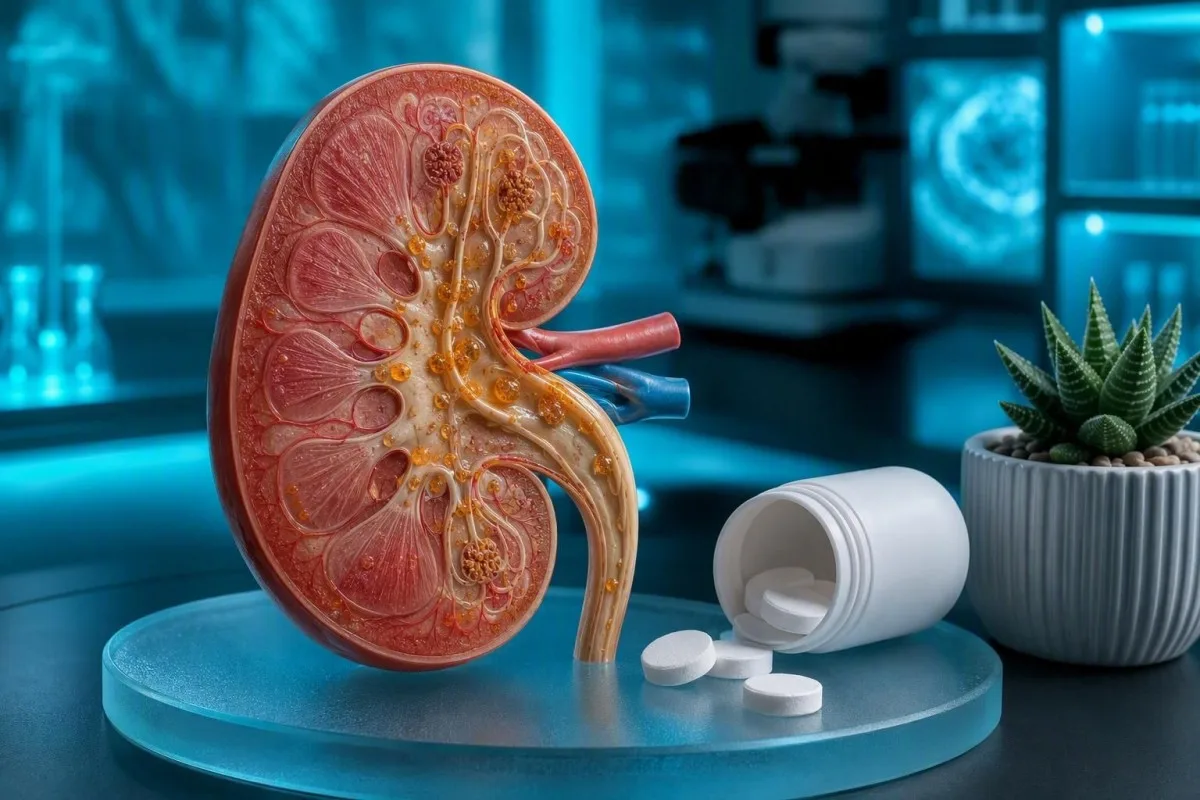
סידן קרבונט יכול להקל על צרבת, אך מינונים חוזרים ונשנים עלולים להעלות את רמת הסידן, לחייב את הדם, ולהפעיל עומס פתאומי על הכליות. הסיכון הגבוה ביותר קיים כאשר ישנה הקאות, התייבשות, ויטמין D, או ירידה בתפקוד הכליות.


- סידן גבוה בדרך כלל מתייחס לסידן כולל מעל כ-2.60 מילימול/ליטר (10.4 מ"ג/ד"ל), אך אלבומין וסידן מיונן קובעים אם התוצאה אמיתית.
- סידן פחמתי הוא סידן אלמנטרי: טבליה של 1,000 מ"ג מכילה כ-400 מ"ג סידן בפועל.
- תסמונת חלב-אלקלי היא השילוב של היפרקלצמיה, אלקלוזיס מטבולית ופגיעה כלייתית חריפה לאחר צריכת אלקלי וסידן הנספגים.
- סף דחוף: סידן ברמה של 3.0 מילימול/ליטר (12 מ"ג/ד"ל) או מעליה דורש הערכה קלינית באותו היום, במיוחד עם תסמינים או החמרה בקריאטינין.
- תסמיני חירום כוללים בלבול, עילפון, חולשה קשה, דפיקות לב, הקאות חוזרות, מעט מאוד שתן, או חוסר יכולת לשתות נוזלים.
- לולאת התייבשות עניינים: סידן גבוה גורם לצמא והשתנה, ואז איבוד נפח מפחית את פינוי הסידן בכליות ודוחף את הסידן למעלה.
- אל תטפלו בעצמכם תוצאת סידן גבוהה עקב שתיית כמויות קיצוניות של מים או נטילת תוספים נוספים; הפסק נטילת סידן קרבונט ללא מרשם ובקש ייעוץ אישי.
- אשכול בדיקות שימושי כולל סידן מותאם או מיונן, קריאטינין/eGFR, ביקרבונט או CO2 כולל, פוספט, מגנזיום, אשלגן, והורמון פראתירואיד.
מהי רמת סידן גבוהה לאחר נטילת נוגדי חומצה?
מה משמעות סידן גבוה לאחר שימוש בנוגדי חומצה? זה יכול להעיד על כך שצריכת סידן קרבונט תורמת להיפרקלצמיה, במיוחד כאשר התוצאה מופיעה לצד רמת ביקרבונט גבוהה וקריאטינין עולה. תוצאה גבולית בודדת אינה אבחנה, אך סידן של 3.0 mmol/L (12 mg/dL) או יותר מצדיקה הערכה באותו יום.
סידן גבוה מנוגדי חומצה מכונה לעיתים קרובות תסמונת סידן-אלקלי, לשעבר תסמונת חלב-אלקלי. הדפוס המודרני עוסק פחות בחלב ויותר בכדורים לעיסים של סידן קרבונט, תוספי אוסטאופורוזיס, מוצרים מועשרים, או שילוב של כמה מאלה. בעבודתי הקלינית, הרמז שמתעלמים ממנו לעיתים קרובות הוא כאשר מטופל אומר, “אלו רק נוגדי חומצה”, תוך נטילת 8 עד 12 טבליות בימי צרבת קשים.
סידן כולל הוא בדרך כלל כ 2.15 עד 2.55 mmol/L (8.6 עד 10.2 mg/dL) במעבדות מבוגרים רבות, למרות שהטווח ושיטת ההתאמה שונים. סידן הקשור לאלבומין יכול לגרום לסידן כולל להיראות גבוה במהלך התייבשות; סידן מיונן, שבדרך כלל נע בין 1.15 ל-1.30 mmol/L, הוא החלק הפעיל ביולוגית. ה מדריך הסידן לילדים שלנו מסביר מדוע לא ניתן להשתמש בטווחים ספציפיים לגיל עבור מבוגרים.
נכון ל-30 באוגוסט 2026, הייתי מתייחס לתוצאת סידן כדפוס קליני, לא כציון לשיפור. Kantesti הוא מנתח בדיקות דם בינה מלאכותית המציב את הסידן לצד תפקוד כליות, אלבומין, CO2 ותוצאות קודמות, מכיוון ששילוב זה אינפורמטיבי יותר מדגל H מבודד. כלל האצבע של ד"ר תומאס קליין: הביאו את כל נוגדי החומצה, התוספים וחבילות המולטי-ויטמינים להערכה.
חישובי מינון סידן קרבונט שמטופלים מפספסים לעתים קרובות
סידן פחמתי יכול לגרום לרמות סידן גבוהות מכיוון שהוא מכיל 40% סידן אלמנטלי וגם מספק אלקלי נספג. תווית המציינת 1,000 מ"ג סידן פחמתי אינה אומרת 1,000 מ"ג סידן; היא מספקת כ- 400 מ"ג סידן אלמנטלי.
הבדל זה משנה את החישוב. חמש טבליות סידן פחמתי של 1,000 מ"ג מספקות כ- 2,000 מ"ג סידן אלמנטלי, לפני שמונים סידן תזונתי, מולטי-ויטמין, או מוצר לבריאות העצם. חלק מתוויות נוגדי חומצה ממליצות לא יותר מ-7,500 מ"ג סידן פחמתי ב-24 שעות, אך מגבלה זו אינה ערובה אישית לבטיחות עבור מישהו עם מחלת כליות כרונית, התייבשות, או טיפול בוויטמין D.
תסמונת חלב-אלקלי התרחשה במינונים נמוכים יותר מאשר התיאורים הוותיקים בספרי הלימוד של יותר מ-4 גרם סידן אלמנטלי ביום. פלדנפלד ולוין תיארו את התסמונת כהפרעה מחזקת-עצמית של הומיאוסטזיס הסידן ולא כסף סף מינון פשוט (Felsenfeld and Levine, 2006). גיל מבוגר, תרופות משתנות מסוג תיאזיד, ירידה ב-eGFR, וצריכת נוזלים ירודה מצמצמים את מרווח הטעות.
ספור סידן מ- כל המקורות למשך שבוע רגיל אחד, לא רק ביום הגרוע ביותר. זה כולל לעיסות, נוגדי חומצה נוזליים, מוצרים טרום-לידתיים, שילובי סידן/ויטמין D, ושייקים מועשרים. אם ניסוח התווית מבלבל, ה- מדריך ביומרקר של בדיקות דם שלנו יכולים לעזור למסגר את שמות המעבדה הרלוונטיים, אך רוקח הוא האדם המהיר ביותר לבדוק את הרכב המוצר בפועל.
מדוע טבליות לעיסה יוצרות תחושת בטיחות כוזבת
לעיסות קלות לחזרה מכיוון שההקלה מיידית בעוד שהצטברות הסידן שקטה. מטופל עשוי לקחת שתיים אחרי ארוחת הצהריים, שתיים לפני השינה, וכמה במהלך הלילה מבלי לתפוס זאת כ“שימוש בתרופה”. רשמו את עוצמת הטבלייה, הכמות שנלקחה, והתזמון; רישום זה שימושי יותר מבחינה קלינית מאשר הערכה מהזיכרון.
תסמיני תסמונת חלב-אלקלי והדפוס של שלושה בדיקות מעבדה
תסמיני תסמונת חלב-אלקלי נובעים משילוש של רמות סידן גבוהות, אלקלוזיס מטבולית, ופגיעה בכליות. הדפוס המעבדתי הקלאסי הוא רמות סידן מוגברות, ביקרבונט או CO2 כולל מוגבר, וקריאטינין מעל הרמה הבסיסית של האדם לאחר חשיפה משמעותית לסידן ואלקלי.
תסמינים יכולים להיות לא ספציפיים ומעצבנים: עצירות, בחילות, ירידה בתיאבון, עייפות, צמא, השתנה תכופה, חשיבה מטושטשת, או חולשת שרירים. זו הסיבה שאני שואל ספציפית לגבי נוגדי חומצה כאשר למטופל יש תסמיני “גסטרואנטריטיס” בתוספת ביקרבונט של 30 מילימול/ליטר או יותר. הקאות יכולות גם להעלות ביקרבונט, כך שהיסטוריית התרופות חשובה.
הפיזיולוגיה היא מעגלית. סידן יכול לצמצם את כלי הדם בכליות ולהפחית את ספיגת הנתרן מחדש, מה שגורם לאיבוד מלח ומים; התכווצות נפח מגבירה לאחר מכן את שימור הביקרבונט ומפחיתה את הפרשת הסידן. סקירתה של מדרוב ממאי קליני עדיין שימושית כאן: תסמונת סידן-בסיס יכולה להתקדם במהירות כאשר הצריכה נמשכת למרות בחילות והפחתת נוזלים (Medarov, 2009).
קנטסטי הוא פלטפורמת פענוח בדיקות דם של AI שמדגיש את האשכול הזה כאשר סידן, CO2, קריאטינין ו-eGFR נעים יחד על פני פאנל. הוא אינו מאבחן תסמונת חלב-בסיס, מכיוון שיתר פעילות של בלוטת יותרת התריס ראשונית וממאירות יכולים גם הם לגרום להיפרקלצמיה, אך הוא יכול להפוך את שאלת התרופות לקשה יותר לפספוס. השוו את השינוי הכלייתי עם המדריך שלנו ל ירידה זמנית ב-eGFR לאחר התייבשות.
מדוע התייבשות מחריפה רעילות מסידן קרבונט
התייבשות יכולה להפוך שימוש יתר מתון בנוגדי חומצה להיפרקלצמיה משמעותית קלינית מכיוון שהכליות זקוקות לנפח זורם כדי להפריש סידן. שתן כהה, סחרחורת בעמידה, יובש בפה וירידה בנפח השתן הם דפוסי אזהרה, לא רק אי-נוחות.
סידן גבוה מפחית את יכולת הכליה לרכז שתן, ולכן אדם עשוי בתחילה להפריש כמויות יוצאות דופן של שתן ולהיות צמא. מאוחר יותר, הקאות, צריכה ירודה, או אדם מבוגר הנמנע מנוזלים בגלל צורך להשתין בלילה יכולים לייצר תמונה שונה באופן בולט: מעט מאוד שתן וקריאטינין עולה. המעבר מפוליאוריה לאוליגוריה מדאיג במיוחד.
יחס שתנן-קריאטינין מוגבר עשוי לתמוך בירידה בנפח, אך אין זו אבחנה אמינה בפני עצמה. קריאטינין יכול לעלות בתוך 24 עד 48 שעות של פגיעה נוזלית משמעותית, בעוד ש-eGFR פחות אמין במהלך מחלה חריפה המשתנה במהירות. ה יחס BUN וקריאטינין guide שלנו מכסה מדוע שני הערכים דורשים הקשר.
אל תנסו “לשטוף את הסידן” בצריכת מים קיצונית אם יש לכם אי ספיקת לב, מחלת כליות מתקדמת, או אם אתם מקיאים. לגימות קטנות ותכופות עשויות להיות סבירות בזמן סידור הטיפול אם אתם יכולים לבלוע ואין לכם הגבלת נוזלים, אך החלטות לגבי נוזלים תוך-ורידיים שייכות לרופא. ה מדריך התראה לצואה כהה שימושי כאשר צבע השתן הוא אחד השינויים הראשונים שאתם מבחינים בהם.
השפעות כלייתיות של רמת סידן גבוהה מנוגדי חומצה
סידן גבוה יכול לגרום לנזק כלייתי חריף על ידי הפחתת זרימת הדם הכלייתית, קידום איבוד מים, והשקעת סידן ברקמת הכליה כאשר החשיפה נמשכת. עלייה בקריאטינין מבסיס יחד עם סידן מעל 2.60 mmol/L מדאיגה יותר מכל חריגה בנפרד.
פאנל הכליה צריך לכלול קריאטינין, eGFR, שתנן או BUN, נתרן, אשלגן, כלוריד, ביקרבונט/CO2, מגנזיום, פוספט, ובדיקת שתן בעת הצורך. פוספט נמוך יכול ללוות תסמונת סידן-בסיס מכיוון שסידן נקשר לפוספט במעי, אם כי הדפוס אינו אוניברסלי. אשלגן תקין אינו שולל עקה כלייתית חמורה.
KDIGO מגדיר פגיעה כלייתית חריפה חלקית כעלייה בקריאטינין של 0.3 מ״ג/ד״ל (26.5 מיקרומול/ל׳) בתוך 48 שעות או פי 1.5 מהבסיס תוך 7 ימים (KDIGO, 2012). סף זה נועד לגילוי מוקדם, לא להרגעה; אדם עם מסת שריר נמוכה עשוי לסבול מפגיעה משמעותית מבחינה קלינית למרות קריאטינין שעדיין נראה “תקין”.”
ראיתי מטופלים המתמקדים בסידן מעט גבוה תוך התעלמות מקריאטינין שהוכפל מ-55 ל-110 µmol/L. שינוי זה אמור להניע פעולה גם אם טווח ההתייחסות של המעבדה רחב. לבחירת תוספי תזונה מגינים על הכליות לאחר ההתאוששות, ראה תוספים ומחלת כליות כרונית.
מתי תוצאת סידן דורשת טיפול דחוף היום
פנו להערכה דחופה באותו יום עבור סידן של 3.0 mmol/L (12 mg/dL) ומעלה, כל סידן שעולה במהירות, או תוצאה גבוהה עם הקאות, בלבול, חולשה, דפיקות לב, או ירידה בשתן. הזמינו שירותי חירום במקום לנהוג בעצמכם אם יש קריסה, ישנוניות קשה, כאבים בחזה, או בלבול חדש.
החומרה אינה נקבעת על ידי סידן בלבד. רמה של 2.75 mmol/L יכולה להיות ניתנת לניהול עם בחינה דחופה במסגרת מרפאה למטופל בריא עם תפקוד כליות יציב, בעוד 2.65 mmol/L עם הקאות חוזרות, eGFR 25 mL/min/1.73 m², או תסמין קצב חדש יכולים לדרוש טיפול בבית חולים. תסמינים ומסלול קובעים את הדחיפות.
רופאי חדר מיון בדרך כלל חוזרים על בדיקת סידן, בודקים סידן מיונן, משיגים אלקטרוליטים וקריאטינין, סוקרים אק"ג, ונותנים נוזל איזוטוני תוך-ורידי במידת הצורך. היפרקלצמיה יכולה לקצר את מרווח QT ולעורר הפרעות קצב, למרות שאק"ג יכול להיות תקין גם כאשר בעיית הסידן אמיתית. אל תיקח יותר סידן קרבונט כדי להקל על בחילה או קשיי עיכול בזמן ההמתנה.
Kantesti AI מסמנת סידן יחד עם חריגות בכליות ואלקטרוליטים כטריגר למעקב ולא קובעת למשתמשים שערך אחד קובע סיבה. למסגרת מיון רחבה יותר, קרא את מדריך דפוסי אלקטרוליטים דחופים.
דגלים אדומים מעבר למספר הסידן
בלבול, חולשה ניכרת, חוסר יכולת לשמור נוזלים, עילפון, פלפיטציות, וירידה ברורה בתפוקת השתן הם דגלים אדומים עוד לפני שתוצאת הסידן זמינה. אצל קשישים, עצירות חדשה יחד עם חשיבה איטית עשויים להיות ההצגה הנראית הראשונה במקום צמא דרמטי.
תסמינים נוירולוגיים יכולים לנוע בין גירוי וחוסר ריכוז לקשיי ריכוז, לאפתיה וקומה ברמות גבוהות יותר. קצב העלייה לרוב חשוב יותר מסף בודד: עלייה של סידן מ-2.40 ל-3.05 mmol/L תוך יומיים היא אירוע קליני שונה מערך יציב של 2.70 לאורך שנים. בני משפחה לרוב טובים יותר בזיהוי שינוי בחשיבה מאשר האדם המושפע.
עצירות נפוצה אך קלה להתעלמות, במיוחד אצל אנשים המשתמשים כבר באנטאצידים לצרבת. כאשר עצירות מתרחשת יחד עם צמא, בחילה, חולשה, ושימוש מופרז בסידן קרבונט, אני שוקל היפרקלצמיה לפני שאני ממליץ על תרופה נוספת המכילה מגנזיום או סידן. רמזי מעבדה הקשורים לעצירות יכולים לעזור בהכנה לביקור אצל רופא.
כאב חדש באגן, חום, או דם נראה בשתן דורשים הערכה נפרדת; אבנים וחסימה בשתן יכולים להתקיים במקביל לרמות סידן גבוהות אך אין להניח שהן אותה בעיה. שמור את חבילות התרופות וצלם את התוויות לפני עזיבת הבית. זה חוסך זמן בטיפול דחוף.
סידן מתוקן לעומת סידן מיונן: איזו תוצאה חשובה?
סידן מיונן הוא המדידה הישירה הפיזיולוגית ביותר, בעוד סידן מותאם לאלבומין הוא הערכה שיכולה להטעות במהלך מחלה חריפה. תוצאת סידן כולל לעולם אין לפרש ללא האלבומין, הקשר הדגימה, וטווח הייחוס של המעבדה.
מעבדות רבות בבריטניה משתמשות בהתאמה דומה ל: סידן מותאם = סידן נמדד + 0.02 × (40 − אלבומין ב-g/L). משוואה זו היא ספציפית לבדיקה ולמעבדה, והיא פחות מהימנה במחלה קריטית, הפרעת חומצה-בסיס חמורה, פרפרוטאינמיה, או לאחר שינויים גדולים בנוזלים. השתמש בהתאמה המודפסת על ידי המעבדה שלך כאשר היא מסופקת.
אלקלוזיס מגביר את הקישור של סידן לאלבומין ויכול להוריד את ה סידן מיונן גם אם הסידן הכולל גבוה. זה נשמע סותר, אך זה מסביר מדוע עקצוץ או התכווצויות יכולים לעיתים להתקיים במקביל לדפוס סידן כולל חריג; זו סיבה אחת לכך שרופאים עשויים לבדוק מחדש סידן מיונן במקום להסתמך על חישוב. סטטוס חומצה-בסיס משנה את הביולוגיה, לא רק את הדו"ח.
דגימה קשה יכולה גם היא לעוות תוצאות. שימוש ממושך בחוסם ורידים והתייבשות ניכרת יכולים לרכז חלבונים, בעוד שיטות מעבדה משתנות. לפני הנחה על מגמה מסוכנת, השווה את התזמון עם ה מדריך הפרש בדיקות דם שלנו ושאל אם יש לחזור על הדגימה בדחיפות תחת פיקוח קליני.
כיצד קלינאים מבדילים בין סידן הקשור לנוגדי חומצה לבין סיבות אחרות
היפרקלצמיה הקשורה לנוגדי חומצה הופכת סבירה יותר כאשר עלייה בסידן עוקבת אחר חשיפה לסידן פחמתי עם ביקרבונט גבוה והורמון פאראתירואיד מדוכא, אך לעולם אינה הסיבה היחידה האפשרית. היפרפאראתירואידיזם ראשוני וממאירות נותרים הסברים נפוצים למבוגרים לרמות סידן גבוהות מתמשכות.
הורמון יותרת התריס (PTH) אמור לרדת בדרך כלל כאשר הסידן גבוה. PTH גבוה או תקין באופן לא הולם לצד היפרקלצמיה מאומתת מצביע על סיבות תלויות PTH, במיוחד היפרפאראתירואידיזם ראשוני. PTH נמוך מסיט את הבדיקה לכיוון צריכת סידן, סיבות הקשורות לוויטמין D, ממאירות, מחלות גרנולומטיות, מחלות בלוטת התריס ותרופות מסוימות.
סידן פחמתי עשוי להיות גורם תורם ולא ההסבר המלא. טיפלתי בחולים שבהם השימוש בנוגדי חומצה הגביר היפרפאראתירואידיזם קל מתחת לפני השטח, מה שהוביל להצגה חדה יותר במהלך מחלת הקאות. הפסקת הטבליות יכולה לשפר את הנתון, אך עדיין יש להשלים את האבחנה אם הסידן נותר מוגבר לאחר ההתאוששות.
שאל לגבי משתני תיאזיד, ליתיום, נגזרות ויטמין A, מינוני ויטמין D וחוסר תנועה. תיאזידים מפחיתים את הפרשת הסידן בשתן; ליתיום יכול לשנות את ויסות ה-PTH. המאמר שלנו בנושא סימני אזהרה של ויטמין D גבוה מסביר מדוע בדיקת 25-הידרוקסי ויטמין D היא לעיתים קרובות הגיונית, אך לא כל תוצאה של סידן גבוה היא רעילות ויטמין D.
תרופות ומצבים בריאותיים המעלים את הסיכון
ירידה בתפקוד הכליות, משתני תיאזיד, טיפול בוויטמין D, הריון, גיל מבוגר וירידה בנפח מגבירים את הסיכון לסידן גבוה מנוגדי חומצה. אנשים עם eGFR מתחת 60 מ״ל/דקה/1.73 מ״ר יש להם פחות עתודה לעומסי סידן ומתכת.
תיאזידים, הנרשמים בדרך כלל ללחץ דם, מפחיתים את הפרשת הסידן בשתן. מעכבי ACE, ARBs ו-NSAIDs אינם מעלים סידן באופן ישיר באותה צורה, אך במהלך התייבשות הם עלולים להחמיר את בעיית זילוח הכליות. אין להפסיק תרופה במרשם בפתאומיות; פנה למרשם או לשירות דחוף לקבלת ייעוץ מותאם אישית.
הריון דורש טיפול נוסף מכיוון שבחילות יכולות להניע שימוש בנוגדי חומצה, בעוד שהתייבשות עלולה להתפתח במהירות. צרכי הסידן בהריון אמיתיים, אך מוצרי סידן פרנטליים נפרדים, נוגדי חומצה ומשקאות מועשרים יכולים לחפוף. ה דגלים אדומים של מעבדות הריון באותו יום מהווים מדריך בטוח יותר מאשר ניחוש מסף כללי למבוגרים.
אנשים עם היסטוריה של אבני כליות, סרקואידוזיס, היפרקלצמיה קודמת או ניתוח בריאטרי אסור להשתמש בקורסים ממושכים של סידן פחמתי ללא הערכה רפואית. הראיות מעורבות בכנות לגבי מי בדיוק יפתח תסמונת סידן-אלקלי במינון נתון; רגישות חשובה לפחות כמו ספירת החבילה.
מה לעשות כעת אם אתם חושדים ברמת סידן גבוהה מנוגדי חומצה
הפסק סידן פחמתי ותוספי סידן שאינם במרשם, רשום מה לקחת, וקבע ייעוץ קליני מיידי אם הסידן שלך גבוה או אם יש לך תסמינים. אל תתחיל מחדש מוצר רק בגלל שהצרבת חוזרת; ניתן לשנות טיפול בצרבת בבטחה לאחר הערכה.
רשום את המותג, החוזק, מספר הטבליות או הכפיות, התזמון, מינון ויטמין D, וכל משקאות מועשרים בסידן שנצרכו במהלך 7 הימים הקודמים. כלול מוצרים ללא מרשם שנראים לא קשורים, כגון משלשלים או תרופות להפרעות עיכול. היסטוריית חשיפה פשוטה זו היא לעיתים קרובות אבחנתית יותר מאשר הצהרה מעורפלת של “שימוש מדי פעם”.”
אם אתה מרגיש טוב ויש לך רק עלייה קלה, רופא עשוי לחזור על בדיקות סידן, אלבומין, קריאטינין, CO2 ו-PTH לאחר סקירת תרופות והידרציה תקינה. אם יש לך תסמינים או רמת סידן של 3.0 מילימול/ליטר או יותר, אל תחכה לפגישת מעקב שגרתית. ה מדריך לפאנל מטבולי בסיסי מסביר את הבדיקות הסביר לחזור עליהן.
קנטסטי הוא כלי לניתוח בדיקות דם מבוסס AI שימש לארגון תוצאות מעבדה בלוח זמנים מוכן לרופא, כולל האם סידן וקריאטינין השתנו יחד. זה אינו יכול להחליף בדיקה, סקירת אק"ג או טיפול דחוף; השתמש בו כדי לשמור על תאריכים, ערכים והיסטוריית מוצר שהופכים את הייעוץ ליעיל יותר.
אל תפצה עם תוסף אחר
הימנעו מהתחלת מגנזיום, פוספט, אשלגן או מינון גבוה של ויטמין D על סמך עצות אינטרנט בזמן שרמת הסידן בדם גבוהה (hypercalcaemia) אינה מטופלת. מוצרים אלו יכולים להיות שימושיים בחסרים ספציפיים, אך פגיעה בכליות משנה כיצד ניתן לטפל בהם בבטחה. רופא יכול למקד את הטיפול לאחר בדיקות חוזרות.
מה טיפול דחוף וטיפול בבית חולים עשויים לכלול
הטיפול בבית החולים עבור רמת סידן גבוהה בדם (hypercalcaemia) סימפטומטית או חמורה הקשורה לנוגדי חומצה מתחיל בדרך כלל בהפסקת מקור הסידן, החזרת נוזלים איזוטוניים תוך-ורידיים בזהירות, וניטור תכוף של אלקטרוליטים וכליות. הטיפול מכוון להשבת הפרשת סידן כלייתית תוך הימנעות מעומס נוזלים.
השעות הראשונות חשובות מכיוון שרמת הסידן יכולה לרדת ככל שהמחזור הדם משתפר והכליה מתחילה להפריש סידן שוב. רופאים מנטרים את תפוקת השתן, קריאטינין, נתרן, אשלגן, מגנזיום, פוספט, ביקרבונט, וחוזרים על בדיקת סידן. משתן לולאה אינו “טיפול סידן” שגרתי; הוא עשוי להיות בשימוש רק לאחר החזרת נפח מספקת בחולים נבחרים עם סיכון לעומס נוזלים.
ביספוספונטים, קלציטונין, גלוקוקורטיקואידים או דיאליזה שמורים לגורמים מסוימים או לרמת סידן גבוהה בדם (hypercalcaemia) חמורה ועמידה. בתסמונת סידן-אלקלי, תרופות נוגדות ספיגה הן לעתים קרובות מיותרות ויכולות לגרום לירידה חדה ברמת הסידן (hypocalcaemia) ברגע שמפסיקים את מקור הסידן. זוהי סיבה אחת לכך שזיהוי הגורם לפני טיפול רפלקסיבי הוא בעל ערך קליני.
רוב המטופלים משתפרים כאשר החשיפה וההתייבשות מתוקנות, אך ההתאוששות אינה סיבה לדלג על מעקב. רמות הסידן, הקריאטינין והביקרבונט אמורות לחזור לקו הבסיס; חריגות מתמשכות דורשות בירור אנדוקריני או כלייתי רחב יותר. קראו אודות בדיקות מעבדה משתנות לאחר שחרור מבית החולים לפני השוואת פנלים מיידיים לאחר השחרור.
מניעת רמת סידן גבוהה חוזרת משימוש בנוגדי חומצה
אסטרטגיית המניעה הבטוחה ביותר היא לטפל בצרבת תכופה כסיבה לבדיקה חוזרת ולא להגביר מינונים של טבליות סידן פחמתי. הצורך בנוגדי חומצה ברוב הימים למשך יותר מ- שבועיים אמור לעורר שיחה עם רוקח או רופא לגבי הסיבה לריפלוקס וטיפול חלופי.
התחילו עם הדפוס: ארוחות מאוחרות, ארוחות שומניות גדולות, קפאין, עישון, אלכוהול, שימוש ב-NSAIDs, שינוי משקל, הריון ותסמיני אזעקה - כולם חשובים. קשיי עיכול תכופים יכולים להיות ריפלוקס, דלקת קיבה, זיהום ב-H. pylori, גירוי תרופתי, כיב פפטי, או מדי פעם משהו חמור יותר. נוגדי חומצה ממסכים חומציות; הם אינם מסבירים מדוע התסמינים ממשיכים לחזור.
אם רופא ממליץ על סידן לבריאות העצם, השתמשו במינון היסודי המרשם והימנעו מהכפלתו באמצעות נוגדי חומצה. סידן נספג בדרך כלל בצורה הטובה ביותר במנות מחולקות של 500 עד 600 מ"ג סידן יסודי או פחות בכל פעם, אך התוכנית המדויקת תלויה בתזונה, בסיכון לשבר, בתפקוד הכליות, ובשאלה אם סידן ציטראט יהיה עדיף. אל תחליפו ניסוחים מבלי לבדוק את האינדיקציה.
מניסיוני, רשימת תרופות מעודכנת בכל לקיחת בדיקת דם מונעת אפיזודות חוזרות טוב יותר מאזהרות כלליות. שלנו מדריך ניטור PPI לטווח ארוך דן במסלול שונה של דיכוי חומצה ופשרות הניטור שלו; זו אינה המלצה להתחיל או להפסיק PPI באופן עצמאי.
כיצד לסקור תוצאות סידן וכליות לאורך זמן
בדיקת סידן משמעותית משווה את התוצאה הנוכחית עם סידן קודם, אלבומין, קריאטינין, eGFR, CO2 וחשיפה לתרופות באותה ציר זמן. תוצאה אחת יכולה להיות מעוותת על ידי התייבשות, אך עלייה הדרגתית ניתנת לשחזור היא אות קליני גם אם כל ערך מוגבר רק במקצת.
חפשו כיוון וקצב. סידן של 2.58, 2.62, ו-2.77 mmol/L על פני מספר חודשים מצביע על בעיה שונה מאשר 2.77 בודד במהלך מחלה שלשולית; שתיהן עדיין דורשות בדיקה, אך השאלה משתנה. בדיקה חוזרת צריכה בדרך כלל להשתמש באותה שיטת מעבדה היכן שניתן, מכיוון שטווחים נורמליים והתאמת אלבומין שונים.
Kantesti AI יכול להשוות דוחות קודמים ולהציף שינויים בסידן, אלבומין וסמני כליות לדיון עם הרופא שלך. שלנו מדריך ניתוח בדיקות דם אורכי מסביר מדוע הטווח הבסיסי האישי שלך עשוי להיות בעל משמעות רבה יותר מטווח אוכלוסייה. אנו מתייחסים לתוצאות כאל נתונים רפואיים פרטיים, אך הפרשנות הסופית נשארת קלינית.
ד"ר תומאס קליין ממליץ לשמור את קובץ ה-PDF המקורי, ולא רק צילום מסך של ערכים מסומנים. תאריך הדגימה, יחידות המידה, טווח ההתייחסות, סטטוס צום, מחלה אחרונה וחשיפה לתוספי תזונה - כולם משפיעים על המשמעות האמיתית של מגמה. שינוי שנראה מדאיג בגרף עשוי להיות שינוי ידוע לאחר מחלה - או הרמז הראשון להפרעה אמיתית.
שאלות לשאול את הקלינאי שלך לאחר תוצאת סידן גבוהה
שאל אם הסידן שלך הותאם לאלבומין או היה יוני, אם תפקוד הכליות השתנה מהקו הבסיסי, ואם ה-PTH מדוכא כראוי. שלוש שאלות אלו מבחינות בין דפוס פוטנציאלי זמני הקשור לנוגדי חומצה לבין הצורך בבדיקה מקיפה יותר להיפרקלצמיה.
שאלות שימושיות כוללות: “האם מינון נוגד החומצה שלי יכול לספק כמות כזו של סידן אלמנטרי?”, “האם ה-CO2 או הביקרבונט שלי גבוהים?”, “האם אני צריך בדיקת סידן וקריאטינין חוזרת היום?”, ו“אילו תרופות מרשם עלי להמשיך ליטול בזמן שאני חולה?” בקש יחידות; mg/dL ו-mmol/L אינם ניתנים להחלפה ללא המרה. עבור סידן, 1 mmol/L שווה בערך ל-4 mg/dL.
שאל גם תוך כמה זמן יש לבצע בדיקה חוזרת לאחר הפסקת המקור החשוד והאם רמת עלייה מתמשכת דורשת בדיקת PTH, 25-hydroxyvitamin D, זרחן, מגנזיום, סידן בשתן, או הדמיה. התשובה משתנה בהתאם לחומרה ותסמינים. אין כלל הגיוני של “בדיקה חוזרת בעוד חודש” שמתאים לכולם כאשר תפקוד הכליות משתנה.
התוכן הרפואי של Kantesti נבדק בפיקוח קליני; שלנו המועצה המייעצת הרפואית עוזר להגדיר את גבולות הבטיחות לתוצאות הדורשות הערכה קלינית. למתודולוגיה ומגבלות של פרשנות אוטומטית, ראה שלנו מידע על אימות קליני.
הערות מחקר ומגבלות של פרשנות עצמית
ראיות שפורסמו תומכות בחשיפה לסידן קרבונט כגורם הפיך להיפרקלצמיה, אלקלוזיס ופגיעה כלייתית, אך אף אפליקציה או מאמר אינם יכולים לקבוע את הגורם באדם ספציפי. רמת סידן גבוהה מתמשכת תמיד דורשת הערכה קלינית לאחר הפסקת התרופה החשודה.
פלזנפלד ולוין (2006) פירטו את לולאת המשוב של תסמונת סידן-אלקלי, בעוד שמדרוב (2009) הראה כיצד מוצרי סידן מודרניים ללא מרשם שינו את האפידמיולוגיה של התסמונת. מאמרים אלו תומכים בנקודה מעשית: השילוב של סידן גבוה, אלקלוזיס ופגיעה כלייתית ספציפי יותר מכל תסמין בפני עצמו. הם אינם מצדיקים אבחון עצמי.
Kantesti ניתחה למעלה מ-2 מיליון דוחות ב-127 מדינות, אך השכיחות באוכלוסיית המשתמשים שלנו אינה יכולה לשמש כאומדן סיכון קליני מכיוון שהבדיקות שהועלו נבחרות באופן עצמאי. Kantesti הוא שירות פרשנות בדיקות מעבדת ה-AI שנועד להבהיר את השפה המעבדתית, לא להחליף הערכה דחופה. שלנו מדריך בטיחות לדוח רפואי של AI מסביר את בדיקות המקור שעל המטופלים לבצע לפני פעולה.
להקשר טכני, עיין ב- מדריך טכנולוגיית Kantesti AI. הפניות מחקר למטה מתארות את עבודת הדיווח שלנו ונפרדות מהראיות הקליניות החיצוניות המשמשות במאמר זה.
פרסומי מחקר Kantesti
קליין ט. (2026). מנתח בדיקות דם בינה מלאכותית: 2.5M בדיקות נותחו | דוח בריאות עולמי 2026. Zenodo. https://doi.org/10.5281/zenodo.18175532. רשומה ב-ResearchGate: https://www.researchgate.net/search.Search.html?query=AIBloodTestAnalyzer2.5MTestsAnalyzed. רשומה ב-Academia.edu: https://www.academia.edu/search?q=AIBloodTestAnalyzer2.5MTestsAnalyzed
קליין ט. (2026). בדיקת דם RDW: מדריך מלא ל-RDW-CV, MCV ו-MCHC. Zenodo. https://doi.org/10.5281/zenodo.18202598. רשומה ב-ResearchGate: https://www.researchgate.net/search.Search.html?query=RDWBloodTestCompleteGuide. רשומה ב-Academia.edu: https://www.academia.edu/search?q=RDWBloodTestCompleteGuide
שאלות נפוצות
האם תרופות נוגדות חומצה המכילות סידן פחמתי עלולות לגרום לרמות סידן גבוהות?
כן. נוגדי חומצה מבוססי סידן קרבונט עלולים לגרום להיפרקלצמיה מכיוון שסידן קרבונט הוא בערך 40% סידן יסודי וגם מספק אלקלי הנספג. חמש טבליות של 1,000 מ"ג מספקות כ-2,000 מ"ג סידן יסודי, לפני הוספת סידן ממזון או תוספים. הסיכון עולה בחדות עם התייבשות, ירידה בתפקוד הכליות, משתני תיאזיד וטיפול בוויטמין D. תוצאת סידן מעל 2.60 mmol/L (10.4 mg/dL) צריכה לעורר בדיקה תרופתית, ותוצאה של 3.0 mmol/L (12 mg/dL) או יותר בדרך כלל דורשת הערכה באותו יום.
מהם התסמינים של תסמונת החלב-בסיס?
תסמיני תסמונת החלב-אלקלי כוללים בדרך כלל בחילות, עצירות, צמא, השתנה תכופה, עייפות, חולשה וקשיי ריכוז. מקרים חמורים יותר עלולים לגרום להקאות חוזרות, בלבול, פלפיטציות, עילפון, ייצור שתן נמוך מאוד ופגיעה חריפה בכליות. השילוש המעבדתי הוא רמות סידן גבוהות, רמות ביקרבונט או CO2 כולל גבוהות, ותפקוד כליות לקוי לאחר חשיפה לסידן ולאלקלי. יש להעריך בדחיפות תסמינים יחד עם רמות סידן של 3.0 מילימול/ליטר (12 מ"ג/ד"ל) ומעלה.
כמה סידן פחמתי זה יותר מדי?
אין מינון יחיד של סידן קרבונט בטוח לכל אדם, שכן הסיכון תלוי בתפקוד הכליות, ברמת הלחות, בחשיפה לוויטמין D ובתרופות אחרות. גרם אחד של סידן קרבונט מכיל כ-400 מ"ג סידן אלמנטלי, כך ששימוש חוזר בטבליות לעיסה יכול להצטבר במהירות. מקרים של תסמונת סידן-בסיס התרחשו מתחת לסף הקודם של 4 גרם סידן אלמנטלי ביום אצל אנשים רגישים. יש לעקוב אחר תווית המוצר, אך יש לפנות לייעוץ רפואי אם אתם זקוקים לסידן קרבונט ברוב הימים או נוטלים מוצר סידן אחר.
האם עלי להפסיק ליטול תוספי סידן אם רמת הסידן בדם שלי גבוהה?
הפסק תוספי סידן שאינם במרשם ותרופות נוגדות חומצה המכילות סידן פחמתי, תוך כדי קבלת ייעוץ רפואי לתוצאת סידן גבוהה, אלא אם כן רופא הורה לך אחרת במפורש. אל תפסיק בפתאומיות טיפול במרשם למצב מורכב ללא יצירת קשר עם הרופא המטפל, במיוחד בהריון, בטיפול באוסטיאופורוזיס, או במחלת כליות מתקדמת. הבא את תווית התוסף ורשום את מינון הסידן האלמנטרי ב-mg. רופא עשוי לחזור על בדיקות סידן, אלבומין, קריאטינין, ביקרבונט ו-PTH לפני שיחליט אם ניתן לחדש את מתן הסידן.
האם התייבשות עלולה לגרום לתוצאת סידן גבוהה באופן כוזב?
התייבשות עלולה להעלות את רמת הסידן הכולל על ידי ריכוז אלבומין וחלבונים אחרים, אך היא גם עלולה לגרום להיפרקלצמיה אמיתית על ידי הפחתת הפרשת סידן בכליות. בדיקת סידן מותאם לאלבומין או סידן מיונן עוזרת להבחין בין אפשרויות אלו, אם כי נוסחאות התאמה אינן מושלמות במהלך מחלה חריפה. עלייה של קריאטינין ב-26.5 µmol/L (0.3 mg/dL) תוך 48 שעות עונה על קריטריון אחד של KDIGO לפגיעה חריפה בכליות. לכן, יש לטפל בהתייבשות בשילוב עם רמת סידן גבוהה כבעיה קלינית אפשרית, ולא להתעלם מכך כממצא מעבדתי שגוי.
מתי רמות סידן גבוהות צריכות להפנות אותי לחדר מיון?
פנה לטיפול חירום במקרה של רמת סידן גבוהה עם בלבול, עילפון, חולשה קשה, דפיקות לב, כאבים בחזה, הקאות חוזרות, אי-יכולת לשתות, או ירידה משמעותית בתפוקת השתן. רמות סידן של 3.5 מילימול/ליטר (14 מ"ג/ד"ל) ומעלה הן בדרך כלל חמורות ודורשות בדרך כלל אשפוז, בעוד שרמות של 3.0 מילימול/ליטר (12 מ"ג/ד"ל) ומעלה מצדיקות הערכה באותו היום, גם ללא תסמינים ברורים. אנשים עם מחלות כליה, אי-ספיקת לב, הריון, או שינויים מהירים מהקו הבסיסי שלהם, צריכים להשתמש בסף נמוך יותר לקבלת ייעוץ דחוף. אל תיסע בעצמך אם אתה מרגיש מנומנם, מבולבל, או עומד להתעלף.
קבל ניתוח בדיקות דם מבוסס בינה מלאכותית כבר היום
הצטרף ליותר מ-2 מיליון משתמשים ברחבי העולם שסומכים על Kantesti לצורך ניתוח מיידי ומדויק של בדיקות מעבדה. העלה את תוצאות בדיקות הדם שלך וקבל פרשנות מקיפה של ביומרקרים של 15,000+ בתוך שניות.
📚 פרסומי מחקר עם הפניות
Klein, T., Mitchell, S., & Weber, H. (2026). מנתח בדיקות דם בינה מלאכותית: 2.5M בדיקות נותחו | דוח בריאות עולמי 2026. מחקר רפואי של Kantesti בינה מלאכותית.
Klein, T., Mitchell, S., & Weber, H. (2026). בדיקת דם RDW: מדריך מלא ל-RDW-CV, MCV ו-MCHC. מחקר רפואי של Kantesti בינה מלאכותית.
📖 הפניות רפואיות חיצוניות
⚕️ הצהרת אחריות רפואית
מאמר זה מיועד למטרות חינוכיות בלבד ואינו מהווה ייעוץ רפואי. תמיד יש להתייעץ עם גורם מוסמך בתחום הבריאות לצורך החלטות אבחון וטיפול.
אותות אמון E-E-A-T
הִתנַסוּת
סקירה קלינית בהובלת רופא של תהליכי עבודה לפענוח בדיקות מעבדה.
מוּמחִיוּת
רפואה מעבדתית מתמקדת באופן שבו סמנים ביולוגיים מתנהגים בהקשר קליני.
סמכותיות
נכתב על ידי ד״ר תומאס קליין, עם סקירה על ידי ד״ר שרה מיטשל ופרופ׳ ד״ר האנס וובר.
אֲמִינוּת
פרשנות מבוססת-ראיות עם מסלולי המשך ברורים כדי להפחית בהלה.