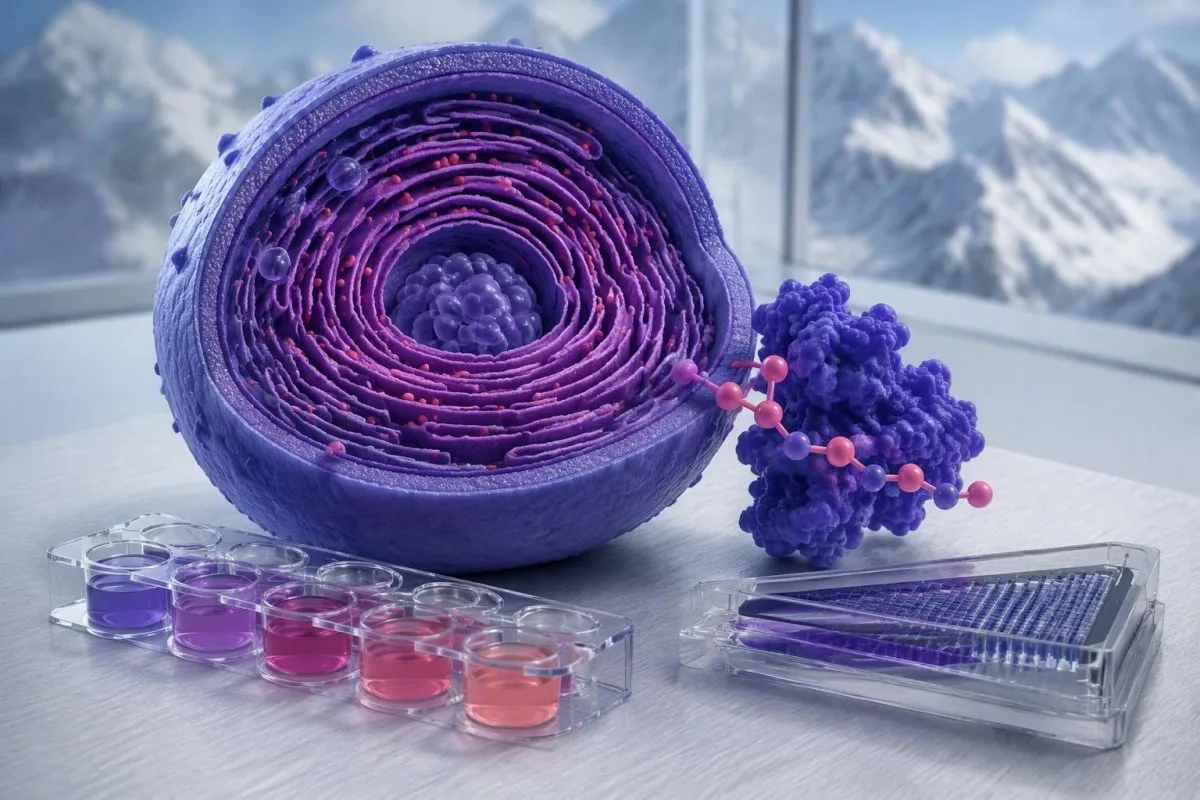
စမ်းသပ်မှု သုံးမျိုးသည် မတူညီသော မေးခွန်းများကို ဖြေကြားပေးသည်- အင်ဇိုင်းလုပ်ဆောင်ချက်၊ ဆပ်စထရိတ် စုပုံမှုနှင့် မျိုးရိုးလိုက်အကြောင်းရင်းတို့ဖြစ်သည်။ စိတ်ချရသော အင်ဇိုင်းရလဒ်တစ်ခုရှိသော်လည်း အမျိုးသမီးများတွင် Fabry ရောဂါကို မတွေ့မိနိုင်သေးပါ။.

အဓိက မှတ်သားစရာများ
- Fabry ရောဂါ စမ်းသပ်မှု အဓိပ္ပာယ်ဖော်ရာတွင် alpha-galactosidase A လုပ်ဆောင်ချက်၊ lyso-Gb3 နှင့် GLA မျိုးဗီဇဆိုင်ရာ တွေ့ရှိချက်များကို ပေါင်းစပ်စဉ်းစားရသည်။ စစ်ဆေးမှုတစ်ခုတည်း၏ ကိန်းဂဏန်းဖြင့် ရောဂါရှာဖွေရေးမေးခွန်းအားလုံးကို ဖြေဆိုနိုင်မည်မဟုတ်ပါ။.
- Alpha-galactosidase A လုပ်ဆောင်ချက် ပုံမှန်အားဖြင့် classic Fabry ရောဂါရှိ အမျိုးသားများတွင် ပျမ်းမျှပုံမှန်လုပ်ဆောင်ချက်၏ 1% အောက်တွင်ရှိတတ်သော်လည်း နောက်ပိုင်းအသက်အရွယ်တွင် စတင်ဖြစ်ပွားသည့်ပုံစံများ၌ လုပ်ဆောင်ချက်အချို့ ကျန်ရှိနေနိုင်သည်။.
- Fabry ရောဂါရှိသော အမျိုးသမီးများ တွင် ဆဲလ်အမျိုးမျိုးက X ခရိုမိုဆုန်း မတူညီသည်ကို ဖော်ပြသောကြောင့် အင်ဇိုင်းလုပ်ဆောင်ချက် ပုံမှန်ဖြစ်နေနိုင်သည်။ အင်ဇိုင်းလုပ်ဆောင်ချက် ပုံမှန်ဖြစ်ခြင်းက ရောဂါရှိကြောင်းကို ပယ်ချမပေးနိုင်ပါ။.
- Lyso-Gb3 သည် အလွှာပစ္စည်း စုဝေးမှုရှိကြောင်း အထောက်အထားပေးသော်လည်း အထူးသဖြင့် အမျိုးသမီးများနှင့် နောက်ပိုင်းအသက်အရွယ်တွင် စတင်ဖြစ်ပွားသည့် အချို့ပုံစံများ၌ ပမာဏပုံမှန်ဖြစ်ခြင်းက Fabry ရောဂါကို ပယ်ချမပေးနိုင်ပါ။.
- GLA မျိုးဗီဇစစ်ဆေးမှု သည် စံသတ်မှတ်ထားသော မျိုးကွဲအမျိုးအစား ၅ မျိုးထဲမှ တစ်မျိုးကို ဖော်ပြသည်။ ရောဂါဖြစ်စေသောနှင့် ရောဂါဖြစ်စေနိုင်ခြေများသော တွေ့ရှိချက်များ၏ အဓိပ္ပာယ်သည် အရေးပါမှုမသေချာသော မျိုးကွဲတစ်ခုနှင့် မတူညီပါ။.
- GLA VUS သည် Fabry ရောဂါရှိကြောင်း အတည်မပြုနိုင်သကဲ့သို့ ၎င်းတစ်ခုတည်းအပေါ် မူတည်၍ ရောဂါသီးသန့်ကုသမှုကို ဆုံးဖြတ်ခြင်း သို့မဟုတ် ဆွေမျိုးများကို ရောဂါရှိသူများဟု သတ်မှတ်ခြင်း မပြုသင့်ပါ။.
- မိသားစုအတွင်း အမွေဆက်ခံမှုပုံစံ သည် X-နှင့်ဆက်စပ်သော အမွေဆက်ခံမှုပုံစံဖြစ်သည်။ မျိုးဗီဇတစ်မျိုးတည်းကွဲပြားမှုရှိသော မိခင်တစ်ဦးသည် ကိုယ်ဝန်တစ်ကြိမ်စီတွင် သူမ၏ GLA မျိုးကွဲကို လက်ဆင့်ကမ်းနိုင်ခြေ 50% ရှိသည်။.
- ကျောက်ကပ်စောင့်ကြည့်ခြင်း တွင် eGFR အပြင် ဆီး albumin-to-creatinine အချိုးကိုလည်း ထည့်သွင်းစစ်ဆေးသင့်သည်။ eGFR သည် 90 mL/min/1.73 m² အထက်တွင်ရှိနေစဉ် albuminuria ပေါ်လာနိုင်သည်။.
Fabry ရောဂါစစ်ဆေးမှုက ရောဂါအတည်ပြုချက်ကို မည်သို့ ဖော်ထုတ်ပေးသနည်း။
A Fabry ရောဂါ စမ်းသပ်မှု အင်ဇိုင်းလုပ်ဆောင်ချက်၊ အလွှာပစ္စည်း စုဝေးမှုနှင့် မျိုးရိုးလိုက်ရသည့်အကြောင်းရင်းတို့ကို အကဲဖြတ်ရန် alpha-galactosidase A လုပ်ဆောင်ချက်၊ lyso-Gb3 နှင့် GLA မျိုးဗီဇစစ်ဆေးမှုတို့ကို ပေါင်းစပ်စဉ်းစားသည်။ အင်ဇိုင်းလုပ်ဆောင်ချက် ပုံမှန်ဖြစ်ခြင်းက အမျိုးသမီးများတွင် Fabry ရောဂါကို မတွေ့ရှိဘဲ လွတ်သွားစေနိုင်ပြီး၊ အရေးပါမှုမသေချာသော GLA မျိုးကွဲတစ်ခုသည် ရောဂါရှာဖွေတွေ့ရှိမှုကို အတည်မပြုနိုင်ပါ.
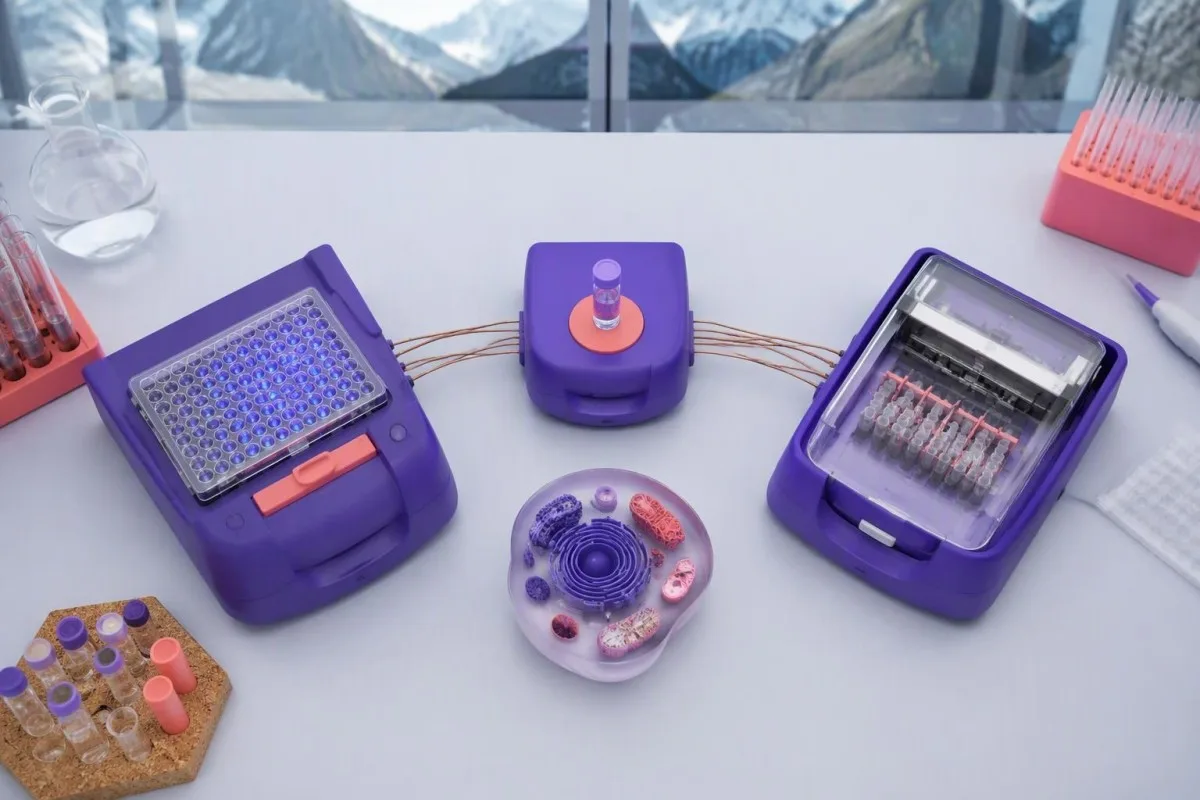
Fabry ရောဂါသည် GLA မျိုးဗီဇအတွင်း ရောဂါဖြစ်စေသော ပြောင်းလဲမှုများကြောင့် ဖြစ်ပွားသည်, ၊ ၎င်းတို့က lysosome အင်ဇိုင်းဖြစ်သော alpha-galactosidase A ၏ လုပ်ဆောင်ချက်ကို လျော့ကျစေပြီး globotriaosylceramide ဟုလည်းခေါ်သော Gb3 ကို စုဝေးစေသည်။ ဤရောဂါရှာဖွေရေးအလွှာ ၃ ခုသည် ဆက်စပ်နေသော်လည်း အစားထိုးအသုံးပြု၍မရပါ။ မျိုးဗီဇဆိုင်ရာတွေ့ရှိချက်သည် ဖြစ်နိုင်ခြေရှိသောအကြောင်းရင်းကို ဖော်ထုတ်ပေးပြီး အင်ဇိုင်းစစ်ဆေးမှုက စမ်းသပ်ထားသော နမူနာရှိ လုပ်ဆောင်ချက်ကို တိုင်းတာသည်။.
စတင်စစ်ဆေးမည့် စမ်းသပ်မှုသည် လက္ခဏာများတစ်ခုတည်းထက် လိင်ခရိုမိုဆုန်းဇီဝဗေဒနှင့် မိသားစုရာဇဝင်အပေါ်လည်း တစ်စိတ်တစ်ပိုင်း မူတည်သည်။ Fabry ရောဂါရှိနိုင်သည်ဟု သံသယရှိသော အမျိုးသားတစ်ဦးတွင် ဆရာဝန်များသည် အင်ဇိုင်းလုပ်ဆောင်ချက်ကို အကဲဖြတ်ပြီး မော်လီကျူးအဆင့်အကြောင်းရင်းကို အတည်ပြုလေ့ရှိသည်။ အမျိုးသမီးတစ်ဦး သို့မဟုတ် မိသားစုတွင် မျိုးကွဲရှိကြောင်း သိထားသူတစ်ဦးအတွက်၊, အင်ဇိုင်းရလဒ်တစ်ခု ပုံမှန်ဖြစ်နေသောကြောင့် GLA စစ်ဆေးမှုကို မဆိုင်းငံ့သင့်ပါ.
Kantesti သည် ဤစမ်းသပ်မှုအမျိုးအစား ၃ မျိုး၏ ဖော်ပြထားသော တန်ဖိုးများနှင့် ယူနစ်များကို ရှင်းပြရာတွင် ကူညီနိုင်သည့် AI သွေးစစ်ဆေးမှု ခွဲခြမ်းစိတ်ဖြာကိရိယာဖြစ်ပြီး အထူးကု၏ ရောဂါရှာဖွေမှု သို့မဟုတ် မျိုးဗီဇမျိုးကွဲ အမျိုးအစားသတ်မှတ်မှုကို အစားထိုးခြင်းမပြုပါ။ ကျွန်ုပ်တို့၏ ကုမ္ပဏီအကြောင်းအရာ သည် ဝန်ဆောင်မှုနောက်ကွယ်ရှိ အဖွဲ့အစည်းကို ရှင်းပြထားသည်။ ကုသမှုတစ်သက်တာလုံး သက်ရောက်မည့် ရောဂါသတ်မှတ်ချက်တစ်ခုအဖြစ် မသတ်မှတ်မီ ကွဲလွဲနေသော တွေ့ရှိချက်များကို ဆေးဘက်ဆိုင်ရာ မျိုးရိုးဗီဇပညာရှင်များ သို့မဟုတ် ဇီဝဖြစ်စဉ်ရောဂါအဖွဲ့က ဖြေရှင်းသင့်သည်။.
အယ်လ်ဖာ-ဂယ်လက်တိုစီဒေ့စ် A လုပ်ဆောင်ချက် နည်းပါးခြင်းက ဘာကိုဆိုလိုသနည်း။
နိမ့်သည်။ alpha-galactosidase A လုပ်ဆောင်ချက် စစ်ဆေးထားသော နမူနာတွင် အင်ဇိုင်းလုပ်ဆောင်မှု လျော့နည်းနေကြောင်း ညွှန်ပြသော်လည်း၊ အဓိပ္ပာယ်ဖော်ရန် နမူနာအမျိုးအစားနှင့် ဓာတ်ခွဲခန်းနည်းလမ်းကို သိရှိရန် လိုအပ်သည်။ ဂန္ထဝင် Fabry ရောဂါရှိ အမျိုးသားများတွင် ပုံမှန်အားဖြင့် ပျမ်းမျှပုံမှန်လုပ်ဆောင်မှု၏ 1% အောက်; ဖြစ်ပြီး၊ နောက်ပိုင်းမှစတင်ဖြစ်ပွားသော ရောဂါတွင် တိုင်းတာနိုင်သော လုပ်ဆောင်မှု ကျန်ရှိနိုင်သည်။.
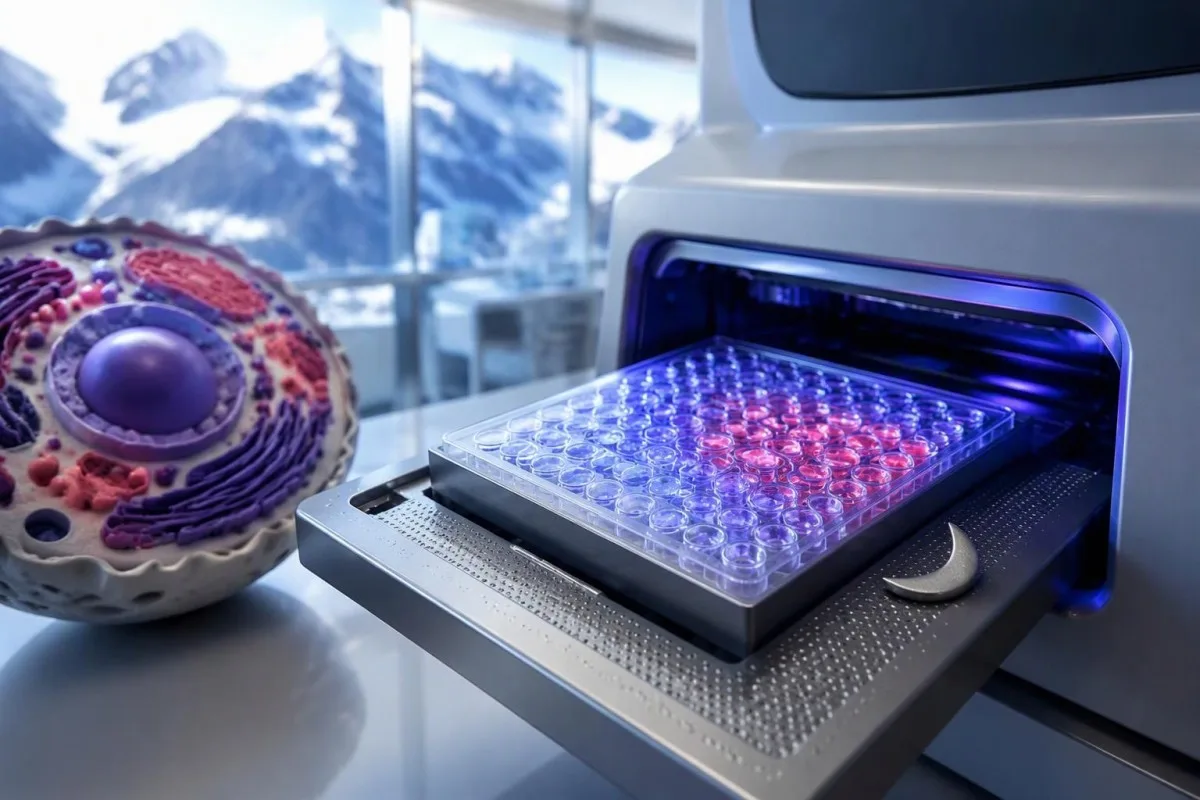
အယ်လ်ဖာ-ဂါလက်တိုစီဒေ့စ် A စမ်းသပ်မှုသည် အင်ဇိုင်းပရိုတင်း ပမာဏကိုသာ တိုင်းတာခြင်းမဟုတ်ဘဲ ဓာတ်ကူလုပ်ဆောင်မှုကို တိုင်းတာသည်။. သွေးဖြူဥဆဲလ်လုပ်ဆောင်မှုကို nmol/h/mg protein၊ ပလာစမာလုပ်ဆောင်မှုကို nmol/h/mL၊ ခြောက်သွေ့သွေးစက်နမူနာလုပ်ဆောင်မှုကို µmol/L/h ဖြင့် ဖော်ပြနိုင်သည်။ အစီရင်ခံစာတိုင်းတွင် အင်ဇိုင်းအမည်တူသုံးထားသော်လည်း နည်းလမ်းတစ်ခုချင်းဆိုင်ရာ အချက်အလက်မရှိဘဲ ဤပုံစံ ၃ မျိုးကို ကိန်းဂဏန်းအရ နှိုင်းယှဉ်၍မရပါ။.
ရှင်းလင်းစေရန် လုံးဝဥပမာသက်သက်အဖြစ်၊ ဓာတ်ခွဲခန်းတစ်ခု၏ သွေးဖြူဥဆဲလ် ပျမ်းမျှပုံမှန်လုပ်ဆောင်မှုမှာ 50 nmol/h/mg protein ဖြစ်ပြီး အမျိုးသားတစ်ဦး၏ ရလဒ်မှာ 0.25 nmol/h/mg protein. ဖြစ်သည်ဟု ယူဆကြည့်ပါ။ သူ၏လုပ်ဆောင်မှုသည် ထိုဓာတ်ခွဲခန်း၏ ပျမ်းမျှပုံမှန်တန်ဖိုး၏ 0.5% ဖြစ်သည်။ ယင်းသည် သိသိသာသာ ချို့တဲ့နေသောရလဒ်ဖြစ်၍ အတည်ပြုစစ်ဆေးမှုများ လုပ်ဆောင်သင့်သည်—စာဖတ်သူများ မိမိတို့၏အစီရင်ခံစာများတွင် တိုက်ရိုက်အသုံးချရမည့် ရည်ညွှန်းကာလတစ်ခု မဟုတ်ပါ။.
အနည်းငယ်လျော့နည်းသော ရလဒ်ကို လုပ်ဆောင်မှု လုံးဝနီးပါးမရှိသည့်ရလဒ်နှင့် မတူညီစွာ ကိုင်တွယ်သင့်သည်—နမူနာ၏ အရည်အသွေးကို ပြန်လည်သုံးသပ်ပါ၊ သင့်လျော်သော အတည်ပြုနမူနာဖြင့် ထပ်မံစစ်ဆေးပါ၊ GLA တွေ့ရှိချက်များကို စစ်ဆေးပါ။ ကျွန်ုပ်တို့၏ အင်ဇိုင်းလုပ်ဆောင်မှုနှင့် ပမာဏ ဆိုင်ရာ ရှင်းလင်းချက်တွင် အခြားရောဂါတစ်မျိုး၌ ဤကွာခြားချက်ကို ဖော်ပြထားသော်လည်း၊ ထိုရောဂါအတွက် ကိန်းဂဏန်းသတ်မှတ်ချက်များသည် Fabry စမ်းသပ်မှုနှင့် မသက်ဆိုင်ပါ။; 1 စစ်ဆေးမှုတွင် ရလဒ်နိမ့်ခြင်းတစ်ခုတည်းဖြင့် ကုသမှုဆုံးဖြတ်ချက် မချပါ.
အင်ဇိုင်းလုပ်ဆောင်ချက် ပုံမှန်ဖြစ်နေသော်လည်း အမျိုးသမီးများတွင် Fabry ရောဂါ ဘာကြောင့်ရှိနိုင်သနည်း။
ရောဂါဖြစ်စေသော GLA မျိုးကွဲ ရှိသည့် အမျိုးသမီးများတွင် X ခရိုမိုဆုန်း မလှုပ်ရှားခြင်းကြောင့် အင်ဇိုင်းထုတ်လုပ်မှု မတူညီသော ဆဲလ်များ ရောနှောနေသဖြင့် အယ်လ်ဖာ-ဂါလက်တိုစီဒေ့စ် A လုပ်ဆောင်မှု ပုံမှန်ဖြစ်နိုင်သည်။ အမျိုးသမီးတစ်ဦးတွင် ပုံမှန်အားဖြင့် X ခရိုမိုဆုန်း ၂ ခု, ရှိပြီး၊ သွေးစစ်ဆေးမှု၏ ပျမ်းမျှရလဒ်က ထိခိုက်နေသော တစ်ရှူးတိုင်းတွင် မည်သည့်ခရိုမိုဆုန်း လှုပ်ရှားနေသည်ကို ဖော်ပြမပေးနိုင်ပါ။.
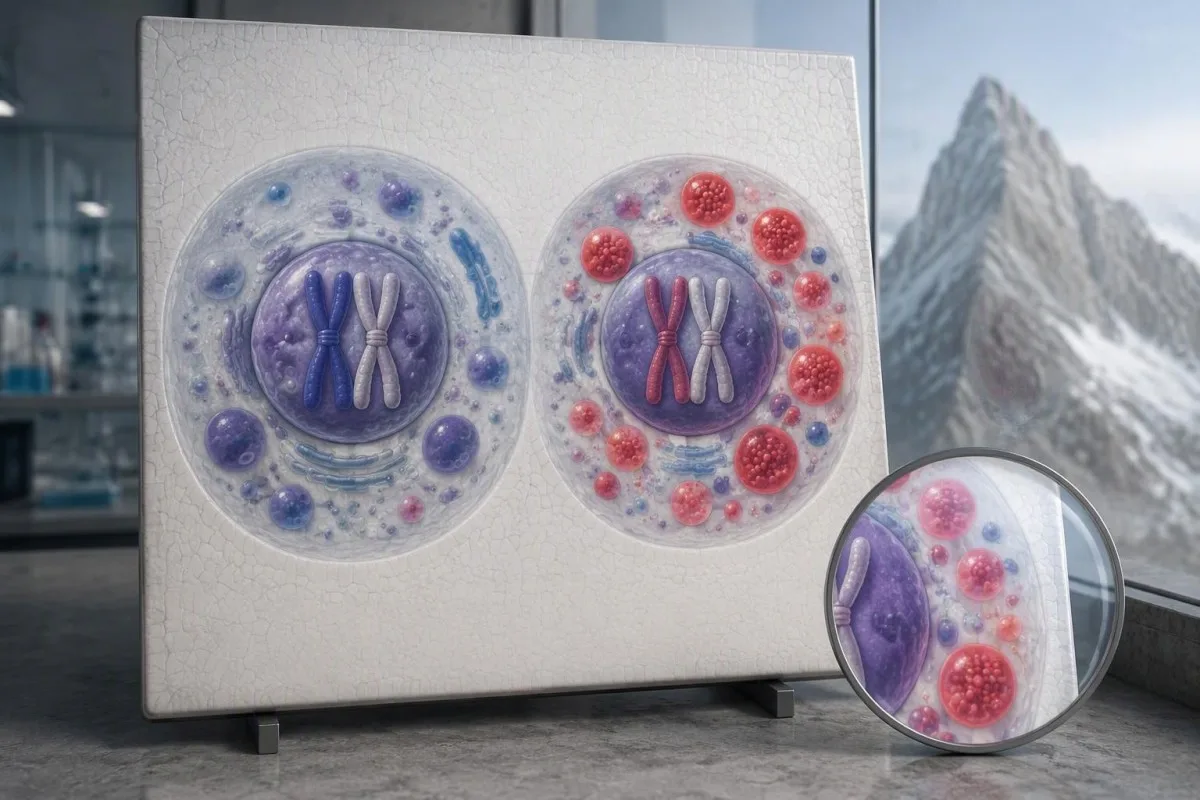
X ခရိုမိုဆုန်း မလှုပ်ရှားခြင်းသည် ဆဲလ်တစ်ခုနှင့်တစ်ခုကြား မတူညီသကဲ့သို့ တစ်ရှူးတစ်ခုနှင့်တစ်ခုကြားလည်း မတူညီနိုင်သည်။. သွေးနမူနာတွင် လုပ်ဆောင်နိုင်သော အင်ဇိုင်းထုတ်လုပ်သည့် ဆဲလ်များ လုံလောက်စွာပါဝင်၍ ဓာတ်ခွဲခန်းရလဒ် ပုံမှန်ဖြစ်နိုင်သော်လည်း၊ ကျောက်ကပ် သို့မဟုတ် နှလုံးဆဲလ်များတွင် မသင့်လျော်သော ဗီဇဖော်ပြမှုပုံစံရှိနိုင်သည်။ ထို့ကြောင့် ပုံမှန်အင်ဇိုင်းတိုင်းတာချက် 1 ခုတည်းဖြင့် မျိုးကွဲဗီဇတစ်စုံတစ်ခုရှိသည့် အမျိုးသမီး၌ Fabry ရောဂါမရှိကြောင်း ယုံကြည်စိတ်ချစွာ ပယ်ချ၍မရပါ။.
ထိခိုက်မှုမရှိဟု ထင်ရသော အမျိုးသမီးတစ်ဦးသည် အလိုအလျောက် ရောဂါမဖြစ်စေသော သယ်ဆောင်သူဟု မဆိုနိုင်ပါ။ အချို့အမျိုးသမီးများတွင် နှလုံး၊ ကျောက်ကပ် သို့မဟုတ် အာရုံကြောဆိုင်ရာ ရောဂါများ သိသာစွာ ဖြစ်ပေါ်တတ်ပြီး အချို့မှာမူ ရောဂါလက္ခဏာ အနည်းငယ်သာရှိတတ်သည်။ အဆိုပါ X-linked အင်ဇိုင်းစစ်ဆေးမှု၏ ကန့်သတ်ချက်များ G6PD ချို့တဲ့မှုတွင်လည်း ဖြစ်ပေါ်နိုင်သော်လည်း G6PD အတွက် သီးသန့် ပြန်လည်စစ်ဆေးခြင်းဆိုင်ရာ စည်းမျဉ်းများနှင့် သွေးနီဥဆိုင်ရာ သက်ရောက်မှုများကို GLA စစ်ဆေးမှုတွင် မသုံးစွဲရပါ။.
ဟန်ဆောင်ကိန်း အသက် ၃၈ နှစ်အရွယ် အမျိုးသမီး ဖခင်တွင် ရောဂါဖြစ်စေကြောင်း အတည်ပြုထားသော GLA မျိုးဗီဇမျိုးကွဲ ရှိသည်။ သူမ၏ အင်ဇိုင်းလုပ်ဆောင်မှုနှင့် lyso-Gb3 နှစ်မျိုးစလုံးသည် ဓာတ်ခွဲခန်း၏ ရည်ညွှန်းအတိုင်းအတာအတွင်း ရှိသည်။ သို့သော် ထိုမိသားစုဝင်ထံမှ တွေ့ရှိထားသော မျိုးဗီဇမျိုးကွဲကို အတိအကျ စစ်ဆေးရန် လိုအပ်နေဆဲဖြစ်သည်၊ အကြောင်းမှာ ရောဂါရှိသော ဖခင်သည် ၎င်း၏ X ခရိုမိုဆုန်းကို ဇီဝဗေဒအရ သမီးဖြစ်သူအားလုံးထံ လက်ဆင့်ကမ်းသောကြောင့် ဖြစ်သည်။ ဇီဝဓာတုစစ်ဆေးမှု အဖြေမတွေ့ခြင်းက ထိုမျိုးရိုးလိုက်ပုံစံကို ပယ်ဖျက်မပေးပါ။.
lyso-Gb3 စမ်းသပ်မှုက အင်ဇိုင်းစမ်းသပ်မှုတွင် ဘာကို ထပ်မံဖြည့်စွက်ပေးသနည်း။
ဟိ lyso-Gb3 စစ်ဆေးမှု Fabry ရောဂါတွင် မကြာခဏ မြင့်တက်လာတတ်သော Gb3 ၏ deacylated ဆင်းသက်ပစ္စည်းတစ်မျိုးကို တိုင်းတာပြီး၊ အလွှာပစ္စည်း စုပုံနေကြောင်း ဇီဝဓာတု အထောက်အထားကို ပေးသည်။ ဓာတ်ခွဲခန်းများသည် အဖြေကို ng/mL သို့မဟုတ် nmol/L; ဖြင့် ဖော်ပြနိုင်သည်။ အဖြေမြင့်တက်နေပါက ထပ်မံစစ်ဆေးရန် အထောက်အကူဖြစ်သော်လည်း ပုံမှန်အဖြေဖြင့် Fabry ရောဂါကို ပယ်ချ၍မရပါ။.
ကုသမှုမခံယူရသေးသော ဂန္ထဝင် Fabry ရောဂါရှိ အမျိုးသားများတွင် Lyso-Gb3 ပမာဏသည် အမျိုးသမီးများစွာ သို့မဟုတ် နောက်ပိုင်းစတင်ဖြစ်ပွားသည့် လူနာများထက် ပိုမိုမြင့်တတ်သည်။. Aerts နှင့် အဖွဲ့သည် ၎င်းတို့၏ ၂၀၀၈ ခုနှစ် PNAS စာတမ်းတွင် globotriaosylsphingosine မြင့်တက်နေခြင်းကို Fabry ရောဂါ၏ ထူးခြားသောတွေ့ရှိချက်အဖြစ် သတ်မှတ်ခဲ့သည်။ သို့သော် ထိုလေ့လာမှုကို အခြေခံ၍ လူနာ၊ စစ်ဆေးနည်း သို့မဟုတ် ရောဂါပုံစံအားလုံးအတွက် 1 ကို တစ်ကမ္ဘာလုံးသုံး ရောဂါသတ်မှတ်ချက်အဖြစ် သတ်မှတ်ခြင်းမှာ မမျှတပါ။.
စိတ်ကူးဖြင့် သတ်မှတ်ထားသော ဓာတ်ခွဲခန်းတစ်ခုသည် 1.8 ng/mL ကို ၎င်း၏ အထက်ရည်ညွှန်းကန့်သတ်ချက်အဖြစ် သုံးနိုင်ပြီး၊ ထိုအခါ 9.0 ng/mL သည် ထိုကန့်သတ်ချက်ထက် ငါးဆ ဖြစ်သည်။ Kantesti AI သည် ထိုဆက်နွယ်မှုကို ရှင်းပြရာတွင် ကူညီနိုင်သော်လည်း၊ တိုင်းတာသည့်ဓာတ်ပစ္စည်းနှင့် နည်းလမ်းကို မစစ်ဆေးဘဲ ၎င်းကို အခြားဓာတ်ခွဲခန်း၏ nmol/L အဖြေနှင့် တိုက်ရိုက်နှိုင်းယှဉ်မည်မဟုတ်ပါ။ အမှတ်အသားတစ်ခုရှိခြင်းသည် ရောဂါသတ်မှတ်ချက် မဟုတ်ကြောင်း ကျွန်ုပ်တို့၏ လမ်းညွှန်ချက် ပုံမှန်မဟုတ်သော ဓာတ်ခွဲခန်းအမှတ်အသားများ တွင် ရှင်းပြထားသည်။.
မျိုးဗီဇစစ်ဆေးမှုဖြင့် Fabry ရောဂါရှိကြောင်း အတည်ပြုထားသူများတွင် ပုံမှန် lyso-Gb3 အဖြေ ရရှိနိုင်သည်, ၊ အထူးသဖြင့် အမျိုးသမီးများနှင့် နောက်ပိုင်းမှ စတင်ဖြစ်ပွားသည့် အခြေအနေအချို့တွင် ဖြစ်သည်။ အကြိမ်ကြိမ်စစ်ဆေးမှုရလဒ်များကို အဓိပ္ပာယ်ဖွင့်ရာတွင် တူညီသောစစ်ဆေးနည်းဖြင့် တူညီသောဓာတ်ပစ္စည်းကို တိုင်းတာသည့်အခါ အယုံကြည်ရဆုံးဖြစ်သည်။ 2.0 မှ 1.6 ng/mL သို့ ပြောင်းလဲခြင်းသည် ဇီဝဗေဒဆိုင်ရာ သို့မဟုတ် ခွဲခြမ်းစိတ်ဖြာမှုဆိုင်ရာ ကွဲပြားမှု၊ ကုသမှု သို့မဟုတ် နှစ်မျိုးစလုံးကြောင့် ဖြစ်နိုင်ပြီး ကိုယ်တွင်းအင်္ဂါကျန်းမာရေးတွင် အဓိပ္ပာယ်ရှိသော ပြောင်းလဲမှုဖြစ်သည်ဟု မဆိုလိုပါ။.
| အဆင့် | အပိုင်းအခြား | အဓိပ္ပာယ် |
|---|---|---|
| စိတ်ကူးဖြင့် သတ်မှတ်ထားသော ဓာတ်ခွဲခန်းကန့်သတ်ချက်အတွင်း | ≤1.8 ng/mL | ဥပမာအတွက်သာ ဖြစ်သည်။ ဤစိတ်ကူးဖြင့် သတ်မှတ်ထားသော ဓာတ်ခွဲခန်း၏ စည်းမျဉ်းအရ ဇီဝဓာတုအဆင့် မြင့်တက်မှုမရှိသော်လည်း Fabry ရောဂါကို ပယ်ချ၍မရပါ။. |
| စိတ်ကူးဖြင့် သတ်မှတ်ထားသော ဓာတ်ခွဲခန်းကန့်သတ်ချက်ထက် မြင့် | >1.8 ng/mL | ဥပမာအတွက်သာ ဖြစ်သည်။ GLA မျိုးကွဲအမျိုးအစားခွဲခြားမှု၊ အင်ဇိုင်းလုပ်ဆောင်မှု၊ ရောဂါပုံစံနှင့် နမူနာအချက်အလက်များကို ပြန်လည်သုံးသပ်ပါ။. |
| လုပ်ဆောင်ပြထားတဲ့ ဥပမာ | 9.0 ng/mL | အမြင့်ဆုံးသတ်မှတ်ထားသော အတိုင်းအတာ၏ ငါးဆ၊ ဤသည်မှာ အတည်ပြုထားသော ပြင်းထန်မှုအမျိုးအစား သို့မဟုတ် ကုသမှုစတင်ရန် သတ်မှတ်ချက် မဟုတ်ပါ။. |
GLA ဗီဇစမ်းသပ်မှုရလဒ်များကို မည်သို့ ဖတ်ရှုသင့်သနည်း။
GLA မျိုးဗီဇစစ်ဆေးမှု သည် alpha-galactosidase A ၏ လုပ်ဆောင်မှုကို ပြောင်းလဲစေနိုင်သော မျိုးဗီဇမျိုးကွဲများကို ရှာဖွေပြီး ၎င်းတို့၏ ဆေးဘက်ဆိုင်ရာ အမျိုးအစားသတ်မှတ်ချက်ကို ဖော်ပြသည်။ GLA ဗီဇတွင် exon ၇ ခု, ရှိသော်လည်း တွေ့ရှိသော ပြောင်းလဲမှု၏ အဓိပ္ပာယ်မှာ ဗီဇစစ်ဆေးမှုတွင် ကွဲပြားမှုတစ်ခု တွေ့ရှိခြင်း ရှိ၊ မရှိပေါ်တွင်သာ မမူတည်ဘဲ ရောဂါဖြစ်စေနိုင်မှုဆိုင်ရာ အထောက်အထားပေါ်တွင် မူတည်သည်။.
မျိုးဗီဇစစ်ဆေးရေးဓာတ်ခွဲခန်းများသည် ပုံမှန်အားဖြင့် အမျိုးအစား ၅ မျိုးကို အသုံးပြုသည်- ရောဂါဖြစ်စေသော၊ ရောဂါဖြစ်စေနိုင်ခြေများသော၊ အရေးပါမှု မသေချာသော၊ ရောဂါဖြစ်စေနိုင်ခြေ နည်းသော၊ နှင့် ရောဂါမဖြစ်စေသော။. သင့်လျော်သော ဆေးဘက်ဆိုင်ရာနှင့် မျိုးဗီဇဆိုင်ရာ အခြေအနေတွင် ရောဂါဖြစ်စေသော သို့မဟုတ် ရောဂါဖြစ်စေနိုင်ခြေများသော GLA တွေ့ရှိချက်သည် အမျိုးသမီးတစ်ဦး၌ အင်ဇိုင်းလုပ်ဆောင်မှု ပုံမှန်ဖြစ်နေလျှင်ပင် မော်လီကျူးအဆင့် ရောဂါရှာဖွေချက်ကို အတည်ပြုနိုင်သည်။ သို့သော် လက္ခဏာတိုင်း သို့မဟုတ် ကိုယ်တွင်းအင်္ဂါ မူမမှန်မှုတိုင်းသည် Fabry ရောဂါကြောင့်ဖြစ်ကြောင်း အလိုအလျောက် သက်သေမပြပါ။.
အစီရင်ခံစာတွင် မျိုးဗီဇမျိုးကွဲအတိအကျ၊ transcript၊ အမျိုးအစားသတ်မှတ်ချက်နှင့် စစ်ဆေးမှုလွှမ်းခြုံမှုတို့ကို ဖော်ပြသင့်သည်၊ အကြောင်းမှာ 'GLA positive' ဟုဆိုထားသော အစီရင်ခံစာ ၂ ခုသည် အဓိပ္ပာယ် အလွန်ကွာခြားနိုင်သောကြောင့်ဖြစ်သည်။ မျိုးဗီဇတွေ့ရှိချက်နှင့် ရောဂါရှာဖွေချက်တို့၏ ကွာခြားချက်ကို ကျွန်ုပ်တို့၏ မျိုးရိုးလိုက်ရောဂါ မျိုးကွဲများကို အဓိပ္ပာယ်ဖော်ထုတ်ခြင်း, လမ်းညွှန်တွင်လည်း ဖော်ပြထားသော်လည်း MEFV မျိုးရိုးလိုက်ပုံနှင့် ရောဂါရှာဖွေစံနှုန်းများသည် Fabry ရောဂါနှင့် ကွဲပြားသည်။.
အဖြေမတွေ့ခြင်း၏ အကျယ်အဝန်းသည် အသုံးပြုသော စစ်ဆေးမှုနည်းလမ်း၏ အကျယ်အဝန်းအတိုင်းသာ ဖြစ်သည်- ပုံမှန် ဗီဇအစီအစဉ်စစ်ဆေးခြင်း၊ deletion/duplication analysis နှင့် သီးခြားပစ်မှတ်ထား စစ်ဆေးခြင်းတို့သည် မေးခွန်းမတူညီသည်များကို ဖြေကြားပေးသည်။ ဆွေမျိုးတစ်ဦး၏ တိကျသော GLA မျိုးဗီဇမျိုးကွဲကို သိထားပါက မိသားစုအတွင်း ပစ်မှတ်ထားစစ်ဆေးခြင်းဖြင့် ပုံမှန်အားဖြင့် တိုက်ရိုက်အဖြေရနိုင်သည်။ အဖြေမတွေ့သော ဗီဇအစီအစဉ်စစ်ဆေးမှု အစီရင်ခံစာ ၁ ခုရှိသော်လည်း ဇီဝဓာတုဆိုင်ရာ အထောက်အထား ခိုင်မာနေဆဲဖြစ်ပါက အထူးကုဆရာဝန်သည် စစ်ဆေးမှုလွှမ်းခြုံမှု၊ ဖွဲ့စည်းပုံဆိုင်ရာ ပြောင်းလဲမှုများ သို့မဟုတ် ပုံမှန်စစ်ဆေးမှုတွင် ဖမ်းယူနိုင်ခြေနည်းသော မျိုးဗီဇမျိုးကွဲများကို ပြန်လည်သုံးသပ်နိုင်သည်။.
GLA VUS သည် Fabry ရောဂါကို ဘာကြောင့် အတည်မပြုနိုင်သနည်း။
A မသေချာသော အရေးပါမှုရှိသည့် GLA မျိုးဗီဇမျိုးကွဲ, သို့မဟုတ် VUS ဆိုသည်မှာ ရရှိနိုင်သော အထောက်အထားများဖြင့် မျိုးဗီဇမျိုးကွဲသည် ရောဂါဖြစ်စေ၊ မဖြစ်စေ ဆုံးဖြတ်၍မရကြောင်း ဆိုလိုသည်။ VUS သည် စံသတ်မှတ်ထားသော အမျိုးအစား ၅ မျိုးထဲမှ ၁ မျိုးဖြစ်ပြီး, ၎င်းကို Fabry ရောဂါရှိကြောင်း အဖြေအဖြစ် သို့မဟုတ် ရောဂါအလိုက် ကုထုံးပေးရန် အလိုအလျောက် ညွှန်ပြချက်အဖြစ် သတ်မှတ်ခြင်း မပြုရပါ။.
ACMG/AMP မျိုးဗီဇအစီအစဉ် မျိုးကွဲသတ်မှတ်ရေး မူဘောင်အရ VUS ကို ဆေးဘက်ဆိုင်ရာ ဆုံးဖြတ်ချက်ချရာတွင် အသုံးမပြုသင့်ပါ (Richards et al., 2015)။ Fabry ရောဂါအတွက် အသုံးဝင်သော အထောက်အထား အမျိုးအစား ၃ မျိုးမှာ ဇီဝဓာတုဆိုင်ရာ တွေ့ရှိချက်များ၊ ရောဂါလက္ခဏာနှင့် ကိုက်ညီသော ဆေးဘက်ဆိုင်ရာ လက္ခဏာစုနှင့် မျိုးဗီဇဆိုင်ရာ အထောက်အထားများဖြစ်ပြီး ဥပမာ မိသားစုဝင်များတွင် အတူတကွတွေ့ရှိမှု သို့မဟုတ် အတည်ပြုထားသော လုပ်ဆောင်ချက်ဆိုင်ရာ လေ့လာမှုများ ပါဝင်သည်။ ရောဂါနှင့်ဆက်စပ်သော ဗီဇတစ်ခုတွင် မျိုးကွဲပေါ်လာသည်ဆိုသည့်အကြောင်းတစ်ခုတည်းဖြင့် မည်သည့်အထောက်အထားကိုမျှ စိတ်ကြိုက်ရွေးချယ် အသုံးမပြုသင့်ပါ။.
မိသားစုဝင်များကို စစ်ဆေးခြင်းသည် တစ်ခါတစ်ရံ VUS ကို ပြန်လည်အမျိုးအစားသတ်မှတ်ရာတွင် အကူအညီဖြစ်နိုင်သော်လည်း မသေချာသော မျိုးဗီဇမျိုးကွဲတူညီမှုကို ဆွေမျိုး ၂ ဦးတွင် တွေ့ရခြင်းသည် အကြောင်းရင်းဖြစ်ကြောင်း အလိုအလျောက် သက်သေပြခြင်း မဟုတ်ပါ။ အသက်အရွယ်အလိုက် ဖြစ်ပေါ်လာသော ရောဂါ၊ အမျိုးသမီးများတွင် ရောဂါဖော်ပြပုံ ကွဲပြားခြင်းနှင့် ကျောက်ကပ် သို့မဟုတ် နှလုံးဆိုင်ရာ တွေ့ရှိချက်များအတွက် အခြားအကြောင်းရင်းများ မကြာခဏရှိခြင်းတို့ကြောင့် မျိုးရိုးလိုက်မှုဆိုင်ရာ ခွဲခြမ်းစိတ်ဖြာမှုမှာ ရှုပ်ထွေးလာသည်။ ကျွန်ုပ်တို့၏ ရောဂါကို အလွန်အကျွံ မသတ်မှတ်ဘဲ မျိုးဗီဇဆိုင်ရာ တွေ့ရှိချက်များကို သုံးသပ်ခြင်း ဆွေးနွေးချက်တွင် DNA ကွဲပြားမှုတစ်ခုကို ရောဂါနှင့် တန်းတူသတ်မှတ်ခြင်းဟူသော ပိုမိုကျယ်ပြန့်သည့် အမှားကို ဖော်ပြထားသည်။.
ဥပမာအားဖြင့်၊ စိတ်ကူးယဉ် အသက် ၅၅ နှစ်အရွယ် အမျိုးသားတစ်ဦး သွေးတိုးရောဂါရှိပြီး နှလုံးအခန်းနံရံများ အနည်းငယ်ထူနေခြင်း၊ သွေးဖြူဥအင်ဇိုင်းလုပ်ဆောင်မှု ပုံမှန်ဖြစ်ခြင်း၊ lyso-Gb3 ပုံမှန်ဖြစ်ခြင်းနှင့် GLA VUS ရှိခြင်းတို့ကို တွဲကြည့်လျှင် မဖြေရှင်းရသေးသော မျိုးရိုးဗီဇဆိုင်ရာတွေ့ရှိချက်ဖြစ်ပြီး Fabry cardiomyopathy ဟု အတည်ပြုထားခြင်း မဟုတ်ပါ။ သူ၏နှလုံးဆိုင်ရာတွေ့ရှိချက်များကို ဆက်လက်စစ်ဆေးသင့်ပြီး မျိုးရိုးဗီဇပညာရှင်များက မျိုးကွဲဆိုင်ရာအထောက်အထားများနှင့် အမျိုးအစားပြန်လည်သတ်မှတ်နိုင်ခြေကို သုံးသပ်သင့်သည်။ မသေချာမှုရှိခြင်းကြောင့် စွန့်ပစ်ထားခြင်း သို့မဟုတ် အချိန်မတိုင်မီ ကုသမှုစတင်ခြင်း မဟုတ်ဘဲ အစီအစဉ်တစ်ခုချမှတ်သင့်သည်။.
အင်ဇိုင်း၊ lyso-Gb3 နှင့် GLA ရလဒ်များ မကိုက်ညီပါက မည်သို့လုပ်ဆောင်ရမည်နည်း။
မကိုက်ညီသော Fabry စစ်ဆေးမှုရလဒ်များ သည် စစ်ဆေးမှုများအကြား မဲအများစုဖြင့် ဆုံးဖြတ်ခြင်းမဟုတ်ဘဲ အထူးကုဆရာဝန်က ပြန်လည်ညှိနှိုင်းသုံးသပ်ရန် လိုအပ်သည်။ အဆိုပါ စစ်ဆေးမှု ၃ ခုသည် မတူညီသော ဇီဝဗေဒဆိုင်ရာအလွှာများကို တိုင်းတာသည်, ၊ ထို့ကြောင့် ရောဂါအမှတ်အသားများ ပုံမှန်ဖြစ်နေသော်လည်း GLA မျိုးကွဲသည် ရောဂါဖြစ်စေနိုင်သော မျိုးကွဲဖြစ်ခြင်း၊ သို့မဟုတ် အင်ဇိုင်းလုပ်ဆောင်မှု နည်းနေသော်လည်း မျိုးရိုးဗီဇဆိုင်ရာအထောက်အထား မသေချာခြင်းတို့သည် ကွဲပြားသော ရောဂါရှာဖွေမှုလမ်းကြောင်းများဆီသို့ ဦးတည်စေသည်။.
စိတ်ကူးဖြင့် ဥပမာပေးရလျှင် အသက် ၂၉ နှစ်အရွယ် အမျိုးသားတစ်ဦး တွင် သွေးဖြူဥအင်ဇိုင်းလုပ်ဆောင်မှု အလွန်အမင်းချို့တဲ့ခြင်း၊ lyso-Gb3 သိသိသာသာမြင့်တက်ခြင်းနှင့် ရောဂါဖြစ်စေနိုင်သော GLA မျိုးကွဲရှိခြင်းတို့ တွေ့ရသည်။ ဤတွေ့ရှိချက်များသည် Fabry ရောဂါနှင့် အလွန်ကိုက်ညီသည်။ နောက်တစ်ဆင့်တွင် ကိုယ်တွင်းအင်္ဂါများ ထိခိုက်မှုရှိမရှိနှင့် စောင့်ရှောက်မှုအစီအစဉ်ကို ဆွေးနွေးရန်ဖြစ်ပြီး၊ ပုံမှန် creatinine ရှိခြင်း သို့မဟုတ် ကလေးဘဝက နာကျင်မှုမရှိခြင်းကြောင့် ရောဂါနှင့်သက်ဆိုင်သော ကိုက်ညီသည့်တွေ့ရှိချက် ၃ ခုကို ပယ်ချနိုင်မနိုင် ဆွေးနွေးရန် မဟုတ်ပါ။.
အခြားစိတ်ကူးဖြင့်ဖော်ပြထားသော ဖြစ်ရပ်တစ်ခုတွင် အသက် ၄၆ နှစ်အရွယ် အမျိုးသမီးတစ်ဦး တွင် ရောဂါဖြစ်စေနိုင်သော GLA မျိုးကွဲရှိပြီး အင်ဇိုင်းလုပ်ဆောင်မှုနှင့် lyso-Gb3 ပုံမှန်ဖြစ်သည်။ ထိုပုံစံသည် သူမ၏ မော်လီကျူးအဆင့်ရောဂါရှာဖွေချက်ကို ပယ်ဖျက်ခြင်းမဟုတ်ပါ။ ရောဂါဝန်ထုပ်ဝန်ပိုးကို သီးခြားအကဲဖြတ်ရန် လိုအပ်သည်။ ပရိုတင်းပမာဏတိုင်းတာမှုနှင့် မျိုးရိုးဗီဇပုံစံတို့ကို ပေါင်းစပ်ကြည့်ခြင်းက alpha-1 antitrypsin စမ်းသပ်ခြင်း, တွင် အသုံးဝင်သော အချက်အလက်ပေးနိုင်သကဲ့သို့ဖြစ်သော်လည်း၊ ထိုရောဂါတွင် ဇီဝဗေဒနှင့် သတ်မှတ်ချက်များမှာ ကွဲပြားသည်။.
Kantesti သည် GLA မျိုးကွဲကို သီးခြားအနေဖြင့် အမျိုးအစားပြန်လည်သတ်မှတ်ခြင်းမပြုဘဲ တင်ပြထားသော အထောက်အထားအမျိုးအစား ၃ မျိုးကို စနစ်တကျစုစည်းရာတွင် ကူညီနိုင်သည့် AI ဓာတ်ခွဲခန်းစစ်ဆေးမှုအဓိပ္ပာယ်ဖော်ပြရေး ဝန်ဆောင်မှုဖြစ်သည်။ ကျွန်ုပ်တို့၏ ဆေးဘက်ဆိုင်ရာ အဓိပ္ပာယ်ဖွင့်ဆိုမှု စံနှုန်းများ သည် ထိုကန့်သတ်ချက်နှင့်ပတ်သက်သော နောက်ခံအကြောင်းအရာများကို ပေးသည်။ pseudodeficiency ဟု သံသယရှိခြင်း၊ စစ်ဆေးမှုကို အနှောင့်အယှက်ဖြစ်စေသောအရာများရှိခြင်း သို့မဟုတ် ဓာတ်ခွဲခန်း၏ အမျိုးအစားသတ်မှတ်ချက်နှင့် ကွဲလွဲခြင်းတို့ရှိပါက စစ်ဆေးမှုပြုလုပ်ခဲ့သည့် ဓာတ်ခွဲခန်းနှင့် Fabry ရောဂါအတွေ့အကြုံရှိသော အထူးကုဆရာဝန်ထံ ပြန်လည်သုံးသပ်ခိုင်းရန် လိုအပ်သည်။.
နမူနာကို ကိုင်တွယ်ပုံကြောင့် ပုံမှန်မဟုတ်သော Fabry စစ်ဆေးမှုရလဒ် ဖြစ်နိုင်သလား။
နမူနာကို ကိုင်တွယ်ပုံသည် alpha-galactosidase A လုပ်ဆောင်မှုအပေါ် သက်ရောက်နိုင်သည်, ၊ အထူးသဖြင့် အခြောက်ခံအစက်နမူနာဖြင့် စစ်ဆေးရာတွင်ဖြစ်သဖြင့် မမျှော်လင့်ဘဲ ရလဒ်နိမ့်နေပါက နမူနာအသစ်ဖြင့် အတည်ပြုစစ်ဆေးရန် လိုအပ်နိုင်သည်။ အနည်းဆုံး မေးခွန်း ၂ ခု ကို အဓိပ္ပာယ်မဖော်မီ စစ်ဆေးသင့်သည်။ နမူနာသည် လက်ခံနိုင်ဖွယ်ရှိသလား၊ နှင့် အသုံးပြုသည့်နည်းလမ်းသည် စိစစ်ရန်အတွက် ရည်ရွယ်ထားခြင်းလား သို့မဟုတ် ရောဂါရှာဖွေရန်အတွက် ရည်ရွယ်ထားခြင်းလား။
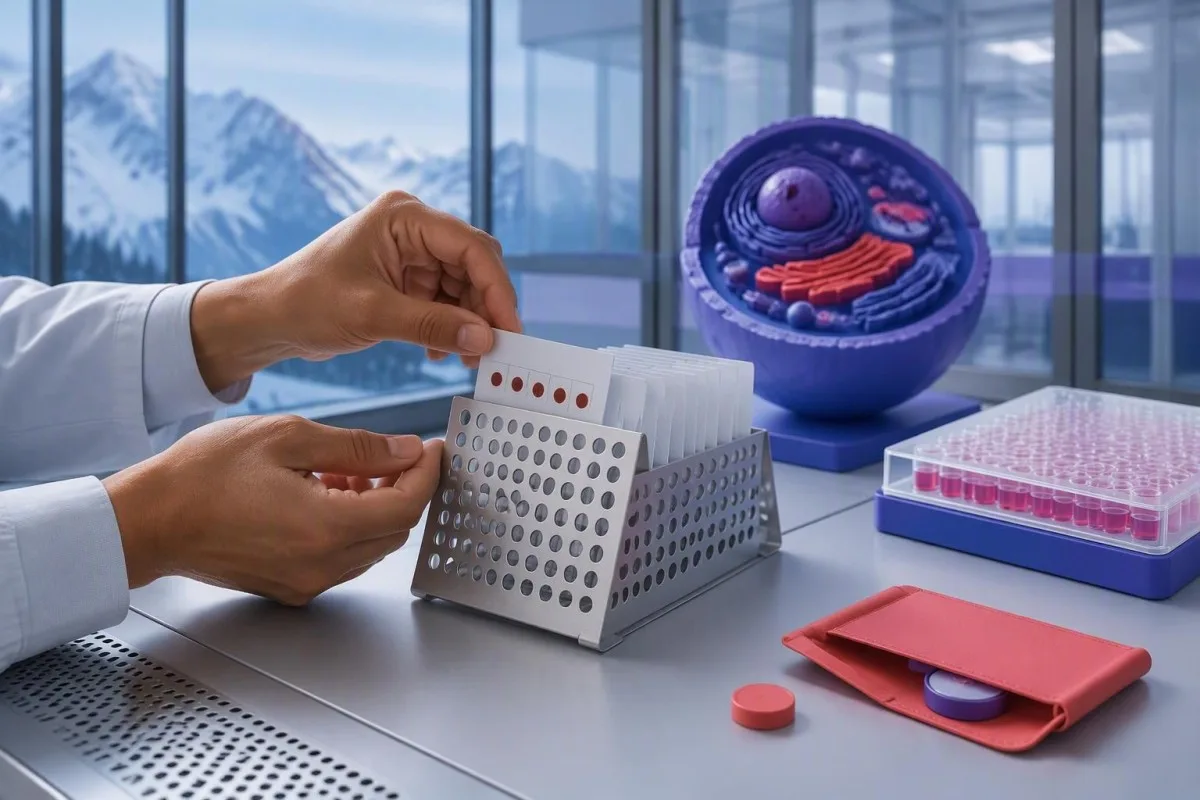
အခြောက်ခံအစက်နမူနာဖြင့်ရသော အင်ဇိုင်းရလဒ်များသည် နမူနာမလုံလောက်စွာတင်ခြင်း၊ အခြောက်ခံခြင်း၊ အပူ၊ စိုထိုင်းဆနှင့် နမူနာဖွဲ့စည်းမှုတို့ကြောင့် ပြောင်းလဲနိုင်သည်။. အထူးသဖြင့် lysosomal အင်ဇိုင်း ၁ မျိုးထက်ပို၍ မမျှော်လင့်ဘဲ နည်းနေသည့်အခါ၊ အလျှော့အတင်းဖြစ်သွားသော ကတ်ပြားတစ်ခုတည်းဖြင့် ထပ်စစ်ခြင်းထက် သွေးဖြူဥနမူနာအသစ်ဖြင့် ပြန်စစ်ခြင်းက ပိုမိုအသုံးဝင်နိုင်သည်။ ယေဘုယျနမူနာပြဿနာရှိကြောင်း အတွင်းပိုင်းအရည်အသွေးစစ်ဆေးမှုများက ညွှန်ပြခြင်းရှိမရှိကို ဓာတ်ခွဲခန်းက ရှင်းပြပေးနိုင်သည်။.
Fabry ရောဂါအတွက် သီးသန့်ပြုလုပ်သော အင်ဇိုင်းနှင့် မျိုးရိုးဗီဇစစ်ဆေးမှုအများစုတွင် ပုံမှန်အားဖြင့် ၈–၁၂ နာရီ အစာရှောင်ခြင်း, မလိုအပ်သော်လည်း ၎င်းတို့နှင့်အတူ အခြားစစ်ဆေးမှုများ မှာယူထားပါက နမူနာကောက်ယူမည့် ဓာတ်ခွဲခန်း၏ ညွှန်ကြားချက်များကို လိုက်နာပါ။ ကျွန်ုပ်တို့၏ ပထမဆုံး ဓာတ်ခွဲခန်းသွားရောက်မှုအတွက် ပြင်ဆင်ရေး လမ်းညွှန်သည် ယေဘုယျပြင်ဆင်မှုနှင့် စစ်ဆေးမှုတစ်ခုချင်းစီအတွက် သီးသန့်လိုအပ်ချက်များကို ခွဲခြားသိရှိနိုင်ရန် ကူညီပေးသည်။ ပိုမိုသန့်ရှင်းသော အခြေခံရလဒ်ရရှိမည်ဟု ယူဆကာ ညွှန်ကြားထားသော ကုသမှုကို ရပ်တန့်ခြင်း မပြုပါနှင့်။.
Tell the laboratory about Fabry-specific treatment, recent transfusion, or hematopoietic transplantation because these circumstances can complicate enzyme or DNA interpretation. A hypothetical result that changes from 0.4 to 6.0 activity units after recollection needs method and specimen review before being called biological recovery; our guide to sample-quality interference explains why laboratories sometimes recommend a redraw.
မည်သည့်လက္ခဏာများနှင့် မိသားစုဆိုင်ရာ အချက်အလက်များက Fabry စစ်ဆေးမှုခံယူရန် လိုအပ်ကြောင်း ညွှန်ပြသနည်း။
Fabry testing is most useful when characteristic symptoms, unexplained organ findings, or a confirmed family diagnosis raise suspicion. Childhood heat-triggered burning extremity pain, reduced sweating, corneal changes, or otherwise unexplained kidney or cardiac disease can justify evaluation; 1 nonspecific symptom alone rarely identifies the cause.
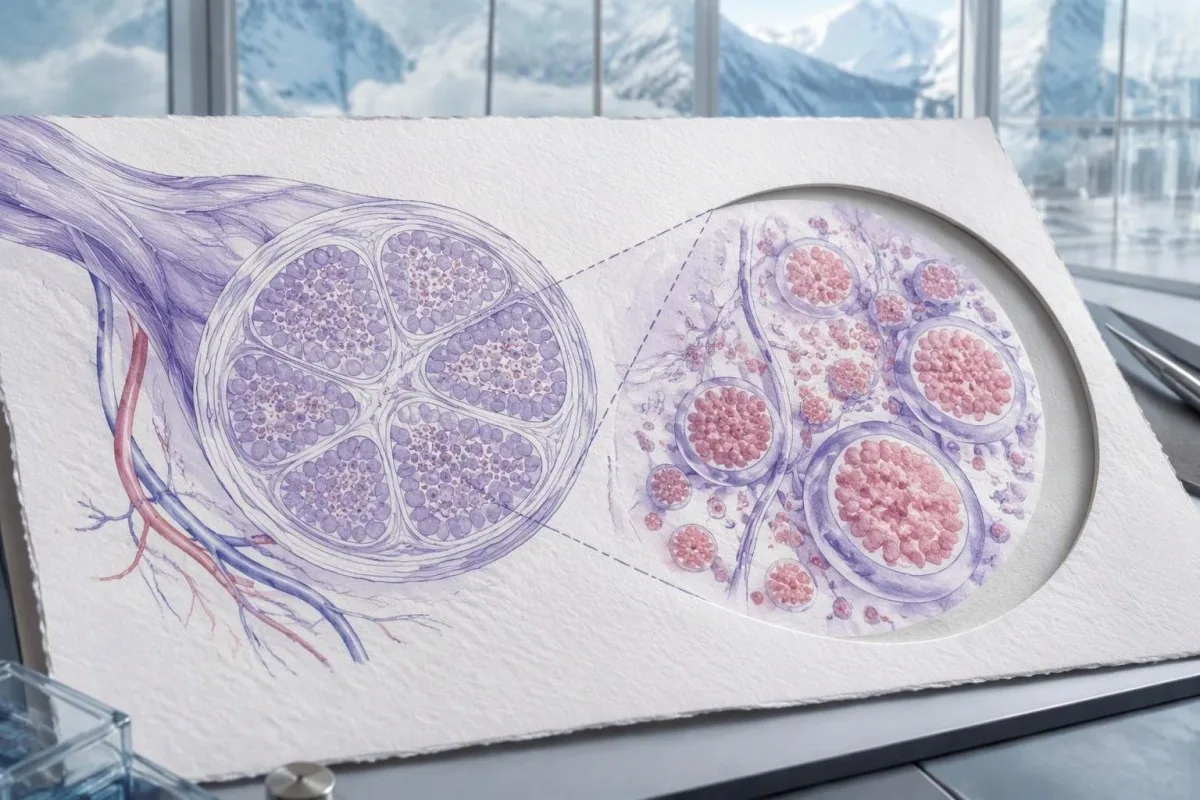
Fabry-related pain often reflects small-fiber involvement, so routine nerve-conduction studies can be normal despite genuine symptoms. In a hypothetical အသက် ၂၄ နှစ် with recurrent heat-triggered burning feet and reduced sweating, the pattern merits targeted history and examination; our guide to laboratory clues for unexplained pain also describes alternatives that should not be overlooked.
Cornea verticillata and clusters of angiokeratomas can increase suspicion, but neither should be interpreted outside its clinical context. For example, 2 medications—amiodarone and hydroxychloroquine—can produce corneal changes resembling a Fabry clue, while many skin marks are unrelated; an ophthalmologist or dermatologist can characterize the finding before it becomes genetic evidence.
Later-onset Fabry disease can present without the classic childhood symptom cluster, making unexplained ventricular thickening, proteinuria, or a suggestive pedigree more useful than a childhood checklist. A hypothetical 61 နှစ်အရွယ် with isolated cardiac disease needs consideration of common causes and other infiltrative or inherited conditions; blanket Fabry screening for every episode of fatigue or tingling creates more uncertainty than clarity.
Fabry ရလဒ်များနှင့်အတူ မည်သည့်ကျောက်ကပ်စစ်ဆေးမှုများက အရေးကြီးသနည်း။
Kidney assessment in Fabry disease should include urine albumin-to-creatinine ratio, creatinine-based eGFR, and clinical context. albumin-to-creatinine ratio သည် 30–300 mg/g, ၊ ခန့်မှန်းခြေ 3–30 mg/mmol, indicates moderately increased albuminuria; a normal eGFR does not exclude early kidney involvement.
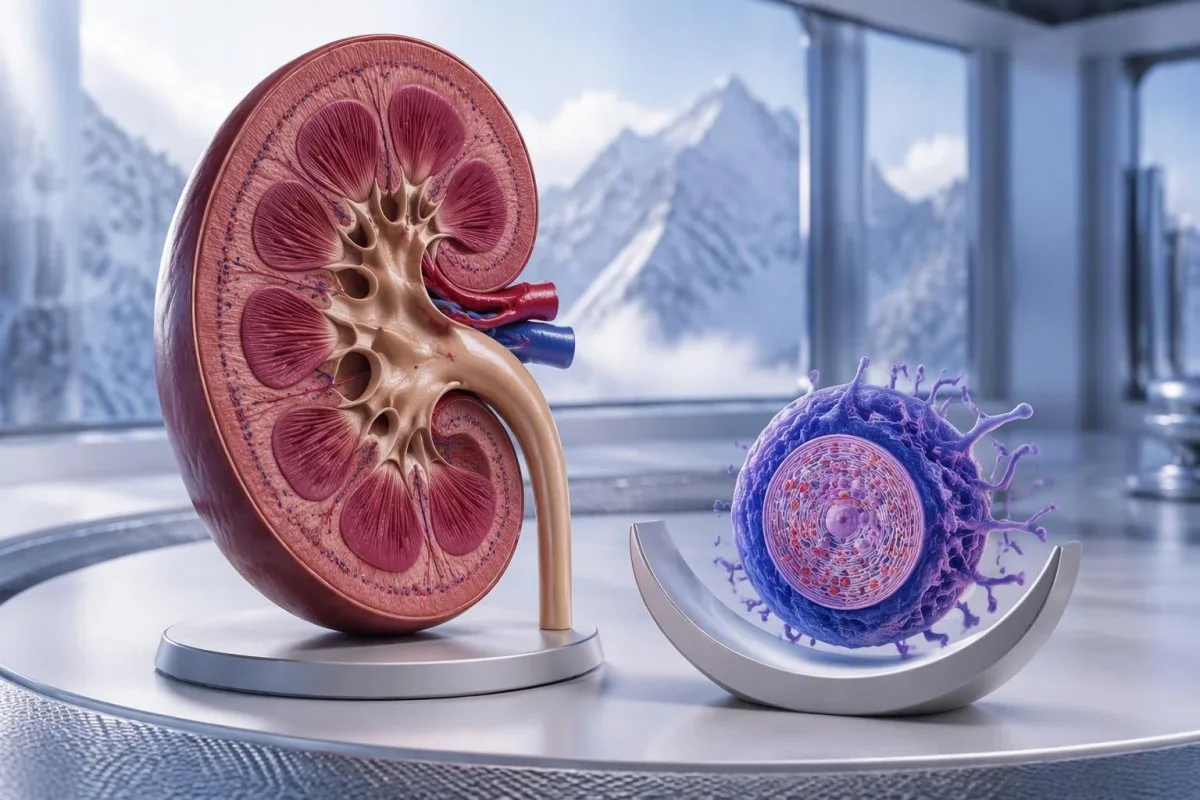
A hypothetical person with confirmed Fabry disease has an eGFR of 98 mL/min/1.73 m² but repeated urine ACR values of 75 mg/g. Filtration is preserved, yet albumin leakage warrants assessment; our urine ACR preparation guide explains how exercise, urinary illness, and collection timing can distort a single measurement.
Creatinine can underestimate kidney impairment in someone with low muscle mass, and cystatin C may improve assessment when creatinine-based estimates appear implausible. At Kantesti, we encourage reading eGFR together with urine findings rather than reassuring someone from 1 creatinine result; our guide to creatinine ထက် ကျော်လွန်သော cystatin C explains the benefits and non-kidney influences of that additional marker.
Kidney impairment must not automatically be attributed to a GLA VUS, even when the patient has proteinuria. If a specialist recommends tissue examination to clarify unexplained kidney disease, lamellated inclusions require expert interpretation because some medications can cause similar phospholipidosis; our BUN နှင့် creatinine လမ်းညွှန် explains why a ratio alone cannot identify the cause of 1 abnormal kidney profile.
နှလုံးနှင့် အာရုံကြောဆိုင်ရာ တွေ့ရှိချက်များက ရလဒ်အဓိပ္ပာယ်ဖွင့်ဆိုမှုကို မည်သို့ သက်ရောက်စေသနည်း။
Cardiac and neurologic findings help assess Fabry disease involvement, but they do not independently prove a GLA variant is pathogenic. Unexplained ventricular thickening, rhythm abnormalities, or stroke can support investigation; 1 elevated cardiac biomarker is neither specific to Fabry disease nor sufficient for genetic diagnosis.
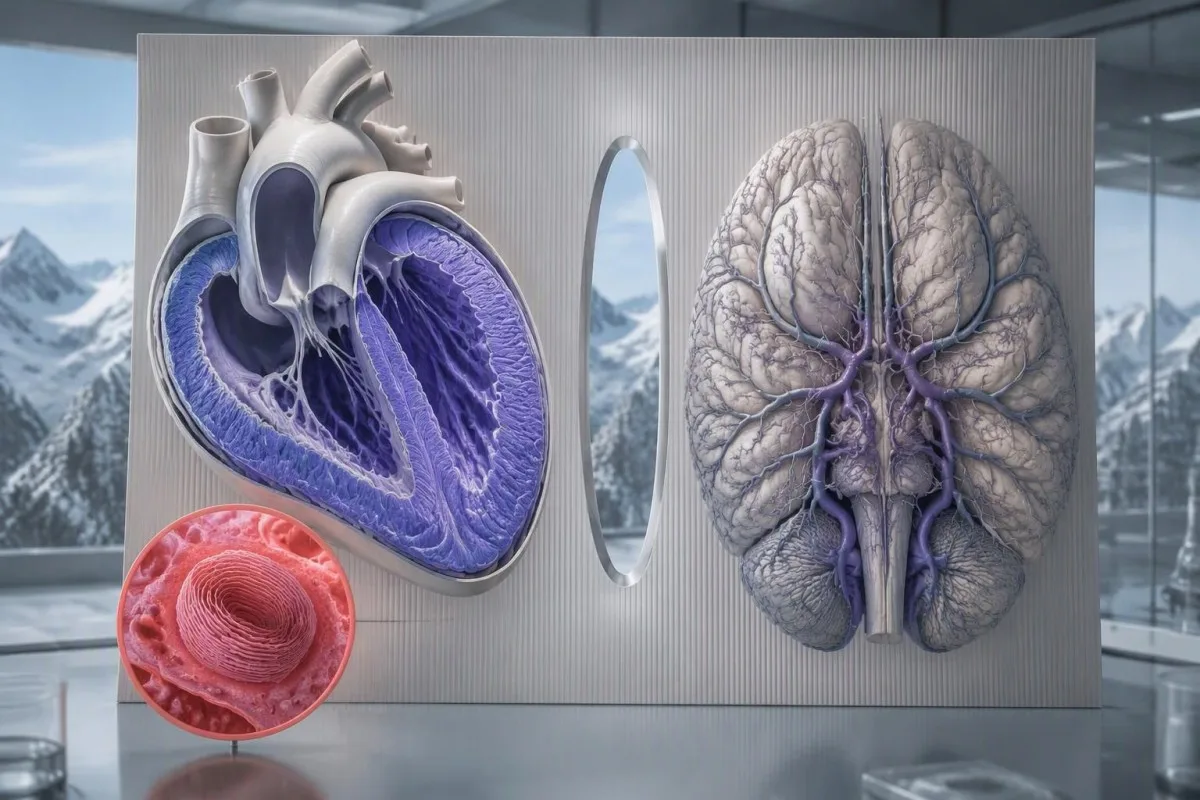
Fabry cardiac evaluation commonly combines electrocardiography, echocardiography, rhythm assessment, and cardiac MRI when appropriate, rather than relying on a single laboratory panel. The 2020 expert consensus on cardiovascular Fabry manifestations describes this multimodal approach (Linhart et al., 2020); 2 useful MRI clues—altered native T1 and characteristic fibrosis distribution—still require interpretation alongside other cardiac diagnoses.
NT-proBNP can rise with cardiac wall stress, but age, atrial fibrillation, and kidney function also influence its concentration. A hypothetical patient with NT-proBNP of 600 pg/mL needs clinical assessment, not a Fabry-specific label; our guide to NT-proBNP causes and cutoffs explains why symptom context and renal function change the meaning of the same number.
Sudden facial weakness, speech difficulty, or new one-sided weakness requires emergency assessment, regardless of pending GLA results or a previous reassuring enzyme test. Family history may shape longer-term prevention, as discussed in family stroke risk assessment, but waiting 1 နာရီ for a genetic explanation is the wrong response to new stroke symptoms; chest pain, collapse, or severe breathlessness also needs urgent care.
မိသားစုဝင်များထဲမှ မည်သူများသည် GLA စစ်ဆေးမှုခံယူရန် လိုအပ်သနည်း။
Cascade testing should focus on the exact familial pathogenic or likely pathogenic GLA variant, supported by genetic counseling. A heterozygous mother has a 50% transmission chance in each pregnancy; an affected father transmits his variant to all biological daughters and none of his biological sons.
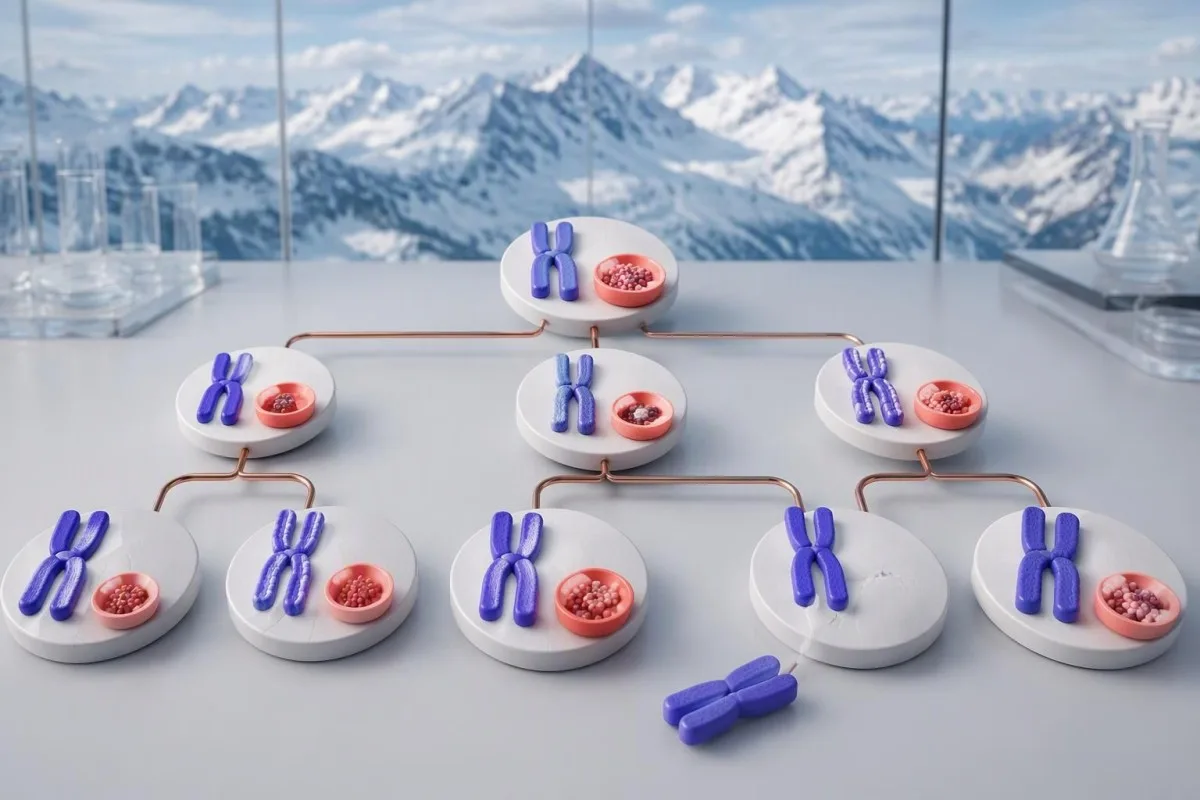
The 50% transmission probability applies independently to each pregnancy, not as a guarantee that half of the children in a particular family will inherit the variant. A daughter who inherits a pathogenic GLA variant may have normal enzyme activity and still need disease-specific assessment; a son's degree of enzyme deficiency and phenotype can differ from a female relative's presentation.
Family testing must distinguish a confirmed disease-causing variant from a VUS found in 1 relative. Testing selected relatives for a VUS may support laboratory reclassification, but it should not be presented as predictive testing for confirmed Fabry disease; our guide to X-linked genetic counseling questions illustrates why the exact condition and assay matter, since FMR1 repeat testing is not a substitute for GLA analysis.
Testing children requires discussion of potential childhood manifestations, benefits of surveillance, consent, and local genetics practice—not an automatic rule to defer until 18 years of age. Reproductive options may include targeted prenatal testing or preimplantation testing when a familial disease-causing variant is established; a genetics team should explain limitations and avoid turning uncertain variant evidence into a reproductive diagnosis.
Fabry စစ်ဆေးမှုရလဒ်များက ကုသမှု သို့မဟုတ် ကုသမှုတုံ့ပြန်မှုကို ဆုံးဖြတ်ပေးသလား။
Fabry treatment decisions depend on a confirmed diagnosis, organ involvement, clinical trajectory, and treatment eligibility—not a lyso-Gb3 cutoff alone. Many enzyme replacement regimens are administered every ၂ ပတ်; oral chaperone eligibility requires a disease-causing GLA variant with demonstrated amenability and other appropriate clinical criteria.
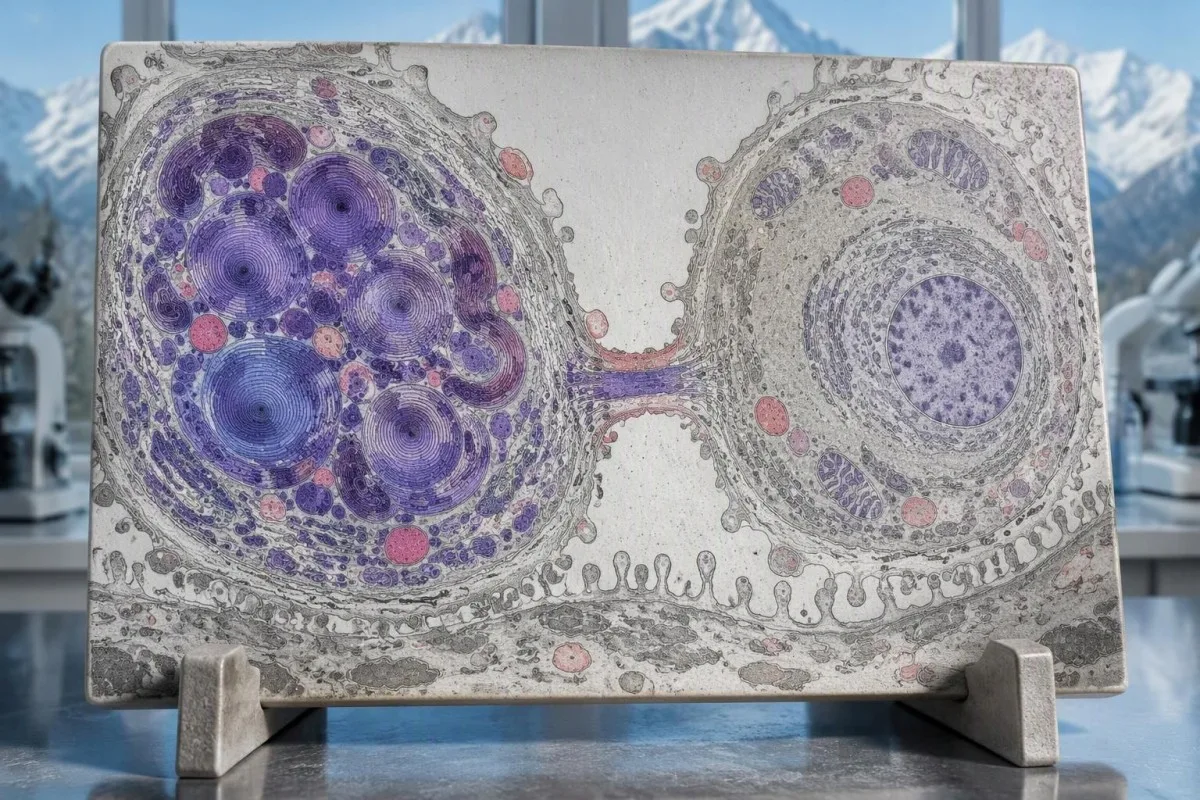
Migalastat amenability and GLA pathogenicity are different questions. A variant can respond in an in-vitro amenability assay without sufficient evidence that it causes Fabry disease, so neither an 'amenable' label nor 1 uncertain genetic result should bypass diagnostic review; specialist prescribing also considers renal function, age eligibility, and the applicable product information.
Lyso-Gb3 often falls with effective Fabry-specific therapy, but biomarker improvement does not prove that established kidney scarring or cardiac fibrosis has reversed. If a hypothetical concentration falls from 40 to 10 ng/mL, that is a 75% reduction; Kantesti AI can help explain the arithmetic while keeping symptoms, eGFR, urine ACR, rhythm findings, and imaging separate from the biomarker trend.
Serial results should be compared using consistent assay methods and documented treatment timing. အပြောင်းအလဲတစ်ခုက 2.1 to 1.9 ng/mL may be much less informative than a sustained multi-visit pattern, and persistent symptoms deserve evaluation even when lyso-Gb3 improves; our guide to စမ်းသပ်မှုများအကြား အဓိပ္ပါယ်ရှိသော အပြောင်းအလဲများ explains why small numerical shifts should not trigger unsupervised treatment changes.
AI အဓိပ္ပာယ်ဖွင့်ဆိုမှု၏ ကန့်သတ်ချက်များနှင့် ဆက်စပ်သုတေသနစာတမ်းများ
AI can explain a Fabry laboratory report, but it cannot independently confirm Fabry disease, reclassify a GLA VUS, or prescribe disease-specific therapy. Keep the original reports for all 3 diagnostic layers, including specimen details, units, genetic classification, and the laboratory's interpretive comments.
Kantesti is an AI-powered blood test analysis tool that can help organize reported results and questions for a specialist appointment, while a genetic laboratory remains responsible for its variant classification. Before sharing 1 identifiable genetic report, အောက် ကိုယ်ရေးလုံခြုံမှုနှင့် ဒေတာဆိုင်ရာ အချက်အလက်များ; genetic results can reveal information about relatives as well as the person whose sample was tested.
ဟိ 2 DOI-linked publications below concern RDW interpretation and the BUN/creatinine ratio, not clinical validation of a Fabry diagnostic algorithm. Our RDW အနက်အဓိပ္ပယ်ဖွင့်ဆိုမှု ထုတ်ဝေမှု may help explain accompanying hematology results, but RDW cannot confirm or exclude Fabry disease; a DOI identifies a deposited publication and does not, by itself, establish peer review or diagnostic accuracy.
ကျွန်တော်တို့ရဲ့ 0 ဆေးဘက်ဆိုင်ရာ အကြောင်းအရာစံနှုန်းများ describe how educational content should separate established facts from uncertainty. When using Kantesti to prepare for care, ask မထွက်ခွာမီ လက်တွေ့ကျသော မေးခွန်း ၃ ခု: does the GLA classification establish a molecular diagnosis, do the biochemical results support it, and what organ monitoring is needed; these answers are more useful than asking whether an AI has declared the report simply positive or negative.
ተደጋግሞ የሚጠየቁ ጥያቄዎች
Fabry ရောဂါအတွက် အတိကျဆုံး စစ်ဆေးမှုက ဘာလဲ။
0 Fabry ရောဂါကို ရောဂါရှာဖွေရာတွင် လူတိုင်းအတွက် တစ်ခုတည်းနှင့် လုံလောက်သော စစ်ဆေးမှုကို အသုံးပြုခြင်းထက် alpha-galactosidase A လုပ်ဆောင်မှု၊ lyso-Gb3 နှင့် GLA မျိုးဗီဇစစ်ဆေးမှုတို့မှ ရရှိသော အထောက်အထားများကို ဖြည့်စွက်ပေါင်းစပ် အသုံးပြုသည်။ ရောဂါလက္ခဏာပြင်းထန်သည့် အမျိုးသားများတွင် အင်ဇိုင်းလုပ်ဆောင်မှုသည် ပုံမှန်ပျမ်းမျှလုပ်ဆောင်မှု၏ 1% အောက်တွင် ရှိလေ့ရှိပြီး၊ မျိုးဗီဇစစ်ဆေးမှုဖြင့် မော်လီကျူးဆိုင်ရာ အကြောင်းရင်းကို ဖော်ထုတ်နိုင်သည်။ အမျိုးသမီးများတွင် အင်ဇိုင်းလုပ်ဆောင်မှု ပုံမှန်ဖြစ်နိုင်သောကြောင့် GLA စစ်ဆေးမှုသည် အထူးအရေးကြီးသည်။ ရောဂါဖြစ်စေနိုင်သော သို့မဟုတ် ရောဂါဖြစ်စေနိုင်ခြေရှိသော တွေ့ရှိချက်၏ ရောဂါရှာဖွေရေးဆိုင်ရာ အဓိပ္ပာယ်မှာ အရေးပါမှု မသေချာသေးသော မျိုးကွဲတစ်ခုနှင့် ကွဲပြားသည်။.
အင်ဇိုင်းစစ်ဆေးမှု ပုံမှန်ဖြစ်နေသော်လည်း အမျိုးသမီးတစ်ဦးတွင် ဖာဘရီရောဂါ ရှိနိုင်ပါသလား။
အယ်လ်ဖာ-ဂယ်လက်တိုစီဒေ့စ် A အင်ဇိုင်းလုပ်ဆောင်မှု ပုံမှန်ရှိနေသော်လည်း အမျိုးသမီးတစ်ဦးတွင် ဖာဘရီရောဂါ ရှိနိုင်သည်။ အမျိုးသမီးများတွင် ပုံမှန်အားဖြင့် X ခရိုမိုဆုမ်း ၂ ခုရှိပြီး၊ X ခရိုမိုဆုမ်းတစ်ခု အလုပ်မလုပ်တော့ခြင်းကြောင့် လုပ်ဆောင်နိုင်သော အင်ဇိုင်းပမာဏ မတူညီသည့် ဆဲလ်များ ရောနှောဖြစ်ပေါ်လာသည်။ သွေးထဲရှိ အင်ဇိုင်းလုပ်ဆောင်မှုသည် ကျောက်ကပ် သို့မဟုတ် နှလုံးဆဲလ်တစ်ခုချင်းစီရှိ အင်ဇိုင်းလုပ်ဆောင်ချက်ကို ယုံကြည်စိတ်ချရစွာ ကိုယ်စားမပြုနိုင်ပါ။ မိသားစုရာဇဝင် သို့မဟုတ် လက်တွေ့လက္ခဏာပုံစံက သံသယဖြစ်ဖွယ်ရှိပါက အင်ဇိုင်းရလဒ်သည် ပုံမှန်အတိုင်းအတာအတွင်းရှိနေသော်လည်း GLA မျိုးဗီဇဆိုင်ရာ စစ်ဆေးအကဲဖြတ်မှု ပြုလုပ်သင့်သည်။.
ပုံမှန် lyso-Gb3 ပမာဏသည် မည်မျှရှိသနည်း။
A normal lyso-Gb3 result is defined by the testing laboratory's assay-specific reference interval, not a universal Fabry cutoff. For illustration only, a hypothetical laboratory using an upper limit of 1.8 ng/mL would classify 9.0 ng/mL as five times that limit. Those figures must not be substituted for your laboratory's range or compared directly with a different-unit result. Normal lyso-Gb3 does not exclude Fabry disease, particularly in women and some later-onset cases.
GLA မသေချာသေးသော အရေးပါမှုရှိသည့် မျိုးကွဲတစ်ခု တွေ့ရှိခြင်းက ကျွန်ုပ်တွင် Fabry ရောဂါရှိသည်ဟု ဆိုလိုပါသလား?
အဓိပ္ပာယ်မသေချာသော GLA မျိုးကွဲတစ်ခုရှိခြင်းက Fabry ရောဂါကို အတည်မပြုပါ။ VUS သည် စံသတ်မှတ်ထားသော မျိုးဗီဇမျိုးကွဲ အမျိုးအစားခွဲခြားမှု ၅ မျိုးအနက် ၁ မျိုးဖြစ်ပြီး၊ ရရှိနိုင်သော အထောက်အထားများဖြင့် ထိုမျိုးကွဲက ရောဂါဖြစ်စေခြင်း ရှိမရှိကို မဆုံးဖြတ်နိုင်ကြောင်း ဆိုလိုသည်။ အထူးကုများသည် အင်ဇိုင်းလုပ်ဆောင်မှု၊ lyso-Gb3၊ ဆေးခန်းဆိုင်ရာ တွေ့ရှိချက်များ၊ မိသားစုအတွင်း မျိုးကွဲဆက်ခံမှုနှင့် အတည်ပြုထားသော လုပ်ဆောင်မှုဆိုင်ရာ အထောက်အထားများကို ပြန်လည်သုံးသပ်နိုင်သည်။ VUS တစ်ခုတည်းကို အခြေခံ၍ ရောဂါအလိုက် ကုသမှုနှင့် ဆွေမျိုးများတွင် ရောဂါရှိကြောင်း ကြိုတင်သတ်မှတ်ခြင်းတို့ကို မပြုလုပ်သင့်ပါ။.
0 ပုံမှန်ခရိယာတီနင်းအဆင့်ရှိခြင်းက Fabry ကျောက်ကပ်ရောဂါကို ပယ်ချနိုင်ပါသလား?
Creatinine ပုံမှန်ဖြစ်နေခြင်းသည် Fabry ရောဂါတွင် ကျောက်ကပ်စတင်ထိခိုက်မှုကို မပယ်ချနိုင်ပါ။ eGFR 90 mL/min/1.73 m² အထက်တွင် ရှိနေစဉ် ဆီးအယ်လ်ဘျူမင်နှင့် ခရစ်အတီနင်း အချိုးသည် မူမမှန်ဖြစ်လာနိုင်သည်။ ACR 30–300 mg/g၊ ခန့်မှန်းခြေအားဖြင့် 3–30 mg/mmol ဖြစ်ပါက အယ်လ်ဘျူမင်ဆီးထဲပါဝင်မှု အလယ်အလတ်အဆင့် တိုးလာကြောင်း ညွှန်ပြပြီး ထပ်မံစစ်ဆေးမှုနှင့် ဆေးဘက်ဆိုင်ရာအခြေအနေတို့နှင့် တွဲဖက်အဓိပ္ပာယ်ဖော်ရန် လိုအပ်သည်။ GLA VUS ရှိသူတွင် ပရိုတင်းဆီးပါခြင်းအတွက် အခြားကျောက်ကပ်ဆိုင်ရာအကြောင်းရင်းများကိုလည်း စုံစမ်းစစ်ဆေးရန် လိုအပ်နေဆဲဖြစ်သည်။.
0 Fabry ရောဂါရှာဖွေတွေ့ရှိပြီးနောက် ဆွေမျိုးများကို စစ်ဆေးသင့်ပါသလား။
မိသားစုအတွင်း ရောဂါဖြစ်စေနိုင်သော သို့မဟုတ် ရောဂါဖြစ်စေနိုင်ခြေရှိသော GLA မျိုးကွဲကို အတည်ပြုပြီးပါက ဆွေမျိုးများအား မျိုးရိုးဗီဇဆိုင်ရာ အကြံပေးခြင်းနှင့် ပစ်မှတ်ထားစစ်ဆေးခြင်းတို့ကို ကမ်းလှမ်းသင့်သည်။ မျိုးရိုးဗီဇကွဲပြားမှုတစ်မျိုးကို သယ်ဆောင်ထားသော heterozygous မိခင်တစ်ဦးတွင် ကိုယ်ဝန်တစ်ကြိမ်စီ၌ ထိုမျိုးကွဲကို လက်ဆင့်ကမ်းပေးနိုင်ခြေမှာ 50% ဖြစ်သည်။ ရောဂါခံစားနေရသော ဖခင်တစ်ဦးသည် ၎င်း၏ မျိုးကွဲကို ဇီဝဗေဒအရ မွေးဖွားလာသော သမီးအားလုံးထံ လက်ဆင့်ကမ်းပေးပြီး ဇီဝဗေဒအရ မွေးဖွားလာသော သားတစ်ဦးတစ်ယောက်မျှထံ လက်ဆင့်ကမ်းမပေးပါ။ VUS အတွက် ဆွေမျိုးများကို စစ်ဆေးခြင်းသည် မသေချာမှုကို ဖြေရှင်းရာတွင် အထောက်အကူပြုနိုင်သော်လည်း အတည်ပြုထားသော Fabry ရောဂါအတွက် ကြိုတင်ခန့်မှန်းစစ်ဆေးခြင်းနှင့် တူညီခြင်းမရှိပါ။.
Fabry ရောဂါစစ်ဆေးမှုမပြုလုပ်မီ အစာရှောင်ရန် လိုအပ်ပါသလား။
Fabry-specific enzyme and GLA genetic tests generally do not inherently require an 8–12-hour fast. Follow the collecting laboratory's instructions because lyso-Gb3 protocols or other tests ordered at the same visit may have additional requirements. Tell the laboratory about Fabry treatment, recent transfusion, or hematopoietic transplantation when relevant. Do not stop prescribed medication or disease-specific treatment solely to prepare for testing without clinical advice.
Get your blood test results explained
Upload your lab report and Kantesti's AI explains each biomarker in plain language within seconds. Used by more than 2 million people worldwide.
ကိုးကားချက်များ
- Klein, T., Mitchell, S., & Weber, H. (2026)။. RDW Blood Test: Complete Guide to RDW-CV, MCV & MCHC. Kantesti AI Medical Research. DOI
- Klein, T., Mitchell, S., & Weber, H. (2026)။. BUN/Creatinine အချိုးအစား ရှင်းလင်းချက်: ကျောက်ကပ်အလုပ်လုပ်ငန်း စမ်းသပ်မှု လမ်းညွှန်။. Kantesti AI Medical Research. DOI
- Aerts JM et al. (2008). Elevated globotriaosylsphingosine is a hallmark of Fabry disease. Proceedings of the National Academy of Sciences of the United States of America. DOI PubMed
- Richards S et al. (2015). Standards and guidelines for the interpretation of sequence variants: a joint consensus recommendation of the American College of Medical Genetics and Genomics and the Association for Molecular Pathology. Genetics in Medicine. DOI PubMed
- Linhart A et al. (2020). An expert consensus document on the management of cardiovascular manifestations of Fabry disease. European Journal of Heart Failure.
- 2M+Tests analysed
- 127+နိုင်ငံတွေ
- 100+ဘာသာစကားများ
About the medical team


E-E-A-T ယုံကြည်မှု အချက်ပြများ
အတွေ့အကြုံ
ဆရာဝန်ဦးဆောင်သည့် ဓာတ်ခွဲခန်း အဓိပ္ပာယ်ဖတ်ခြင်း လုပ်ငန်းစဉ်များကို ပြန်လည်သုံးသပ်ခြင်း။.
ကျွမ်းကျင်မှု
biomarker များသည် ဆေးဘက်ဆိုင်ရာ အခြေအနေတွင် မည်သို့ ပြုမူနေသည်ကို အာရုံစိုက်သည့် ဓာတ်ခွဲခန်း ဆေးပညာ။.
အခွင့်အာဏာရှိခြင်း
Medically reviewed by Dr. Thomas Klein, with contributions from Dr. Sarah Mitchell and Prof. Dr. Hans Weber.
ယုံကြည်စိတ်ချရမှု
စိတ်ပူစရာများကို လျော့ချရန်အတွက် ရှင်းလင်းသော နောက်ဆက်တွဲ လမ်းကြောင်းများပါဝင်သည့် သက်သေအထောက်အထားအခြေပြု အဓိပ္ပာယ်ဖတ်ချက်။.
Medical disclaimer
ဤဆောင်းပါးသည် ပညာရေးဆိုင်ရာ ရည်ရွယ်ချက်အတွက်သာ ဖြစ်ပြီး ဆေးဘက်ဆိုင်ရာ အကြံဉာဏ် မဟုတ်ပါ။ ရောဂါရှာဖွေခြင်းနှင့် ကုသမှု ဆုံးဖြတ်ချက်များအတွက် အရည်အချင်းပြည့်မီသော ကျန်းမာရေးစောင့်ရှောက်မှုပေးသူနှင့် အမြဲတမ်း တိုင်ပင်ပါ။.
ထုတ်ဝေသည်။ · Contact the editorial team
Published by Kantesti Ltd, registered in England & Wales, company no. 17090423, London, United Kingdom.
