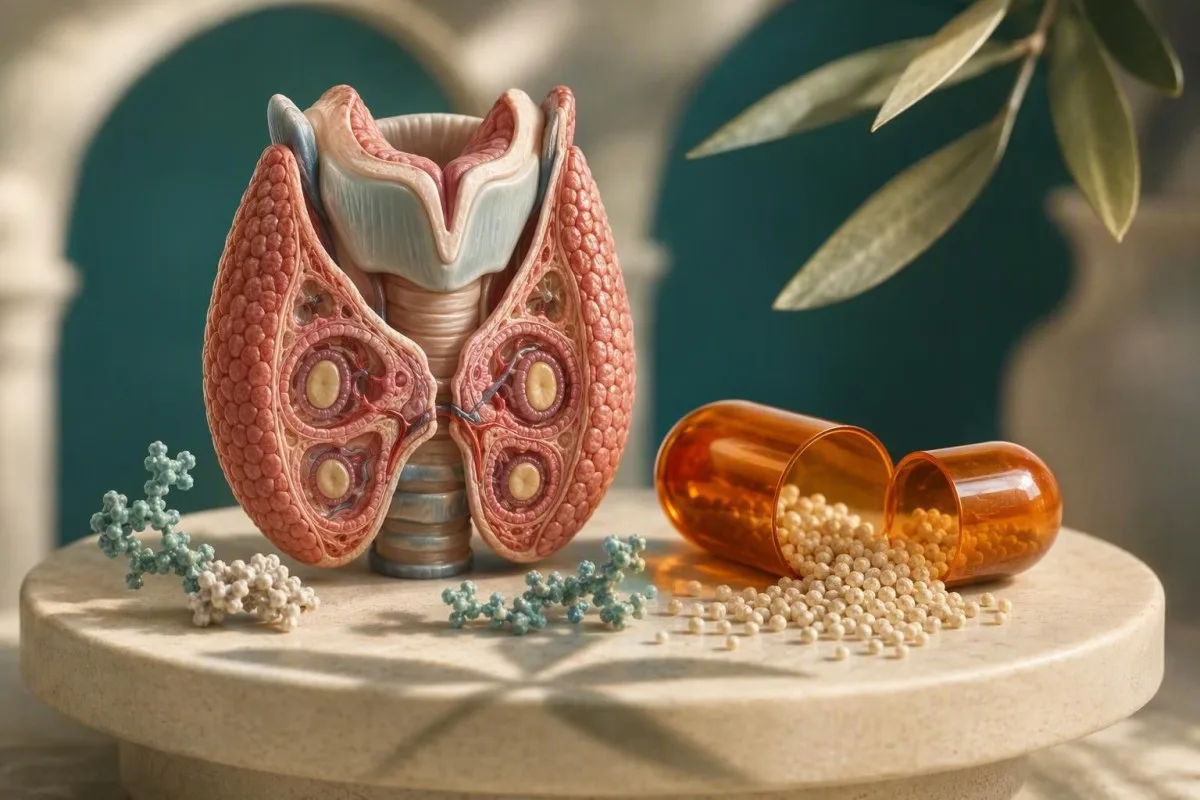
လူကြီးအများစုသည် အမြင့်မား ဆယ်လီနီယမ် ဖြည့်စွက်စာထက် အာဟာရလုံလောက်မှု လိုအပ်သည်။ သင်၏အစားအသောက်၊ ကျန်းမာရေးအကြောင်းအရာနှင့် ဓာတ်ခွဲခန်းအခြေအနေတို့သည် မည်သည့်အရာကိုမျှ ထည့်ရန် ကျိုးကြောင်းသင့်သနည်း။.


- အရွယ်ရောက်သူ လိုအပ်ချက် အမေရိကန်နိုင်ငံတွင် တစ်နေ့လျှင် 55 မိုက်ခရိုဂရမ်ဖြစ်သည်၊ ကိုယ်ဝန်ဆောင်ရန် 60 မိုက်ခရိုဂရမ်နှင့် နို့တိုက်ကျွေးရန် တစ်နေ့လျှင် 70 မိုက်ခရိုဂရမ် လိုအပ်သည်။.
- ဖြည့်စွက်ဆေး အထက်ကန့်သတ်ချက် တံဆိပ်များက အကြံပြုထားသည်ထက် နိမ့်သည်- EFSA ၏ 2023 လူကြီးများအတွက် လုံးဝ စားသုံးနိုင်သော အမြင့်ဆုံး ပမာဏသည် တစ်နေ့လျှင် 255 မိုက်ခရိုဂရမ်ဖြစ်သည်။.
- ပုံမှန် ပမာဏ တစ်နေ့လျှင် 50 မှ 100 မိုက်ခရိုဂရမ်သည် ဆရာဝန်တစ်ဦးက ဖြစ်နိုင်သော လိုငွေကို ခွဲခြားသိမြင်သောအခါတွင် အများအားဖြင့် လုံလောက်သည်၊ 200 မိုက်ခရိုဂရမ်သည် ပုံမှန် ကျန်းမာရေး ပမာဏ မဟုတ်ပါ။.
- စောစီးသော အလွန်အကျွံ လက္ခဏာများ ကြက်သွန်ဖြူနံ့၊ သတ္တုအရသာ၊ ပျို့အန်ခြင်း၊ လက်သည်း ကျိုးလွယ်ခြင်း၊ ဆံပင် ပုံမှန်မဟုတ်ဘဲ ကျွတ်ခြင်းနှင့် ပင်ပန်းနွမ်းနယ်ခြင်းတို့ ပါဝင်သည်။.
- ဘရာဇီးလ် အခွံမာသီးများသည် ဆယ်လီနီယမ် ပါဝင်မှုတွင် ကျယ်ပြန့်စွာ ကွဲပြားသည်။ ထို့ကြောင့် အခွံမာသီးတစ်လုံးသည် တစ်နေ့တာ လိုအပ်ချက်ကို ဖြည့်ဆည်းပေးနိုင်သော်လည်း တစ်နေ့လျှင် အခွံမာသီး အများအပြားသည် စုစုပေါင်း စားသုံးမှုကို အလွန်အကျွံ မြင့်တက်စေနိုင်သည်။.
- အရင်စစ်ဆေးပါ သည် စုပ်ယူမှု လျော့နည်းခြင်း၊ သွေးဆေးကြောခြင်း၊ အစားအသောက် ကန့်သတ်ခြင်း၊ သိုင်းရွိုက်ရောဂါ၊ အကြောင်းရင်းမသိသော ဆံပင် သို့မဟုတ် လက်/ခြေသည်း ပြောင်းလဲမှုများ၊ သို့မဟုတ် ဖြည့်စွက်စာများ အများအပြား အသုံးပြုခြင်းတို့နှင့် ဆက်စပ်နေပါသည်။.
- သိုင်းရွိုက် အကျိုးကျေးဇူးသည် ကန့်သတ်ချက်ရှိသည်။: ဆီလီနီယမ်သည် သိုင်းရွိုက် ဟော်မုန်း၊ ယိုဒင်း စီမံခန့်ခွဲမှု၊ သို့မဟုတ် ပုံမှန် အင်ဒိုခရင်း စောင့်ကြည့်ခြင်းအတွက် အစားထိုးမဟုတ်ပါ။.
- ရပ်တန့်ပြီး အကြံဉာဏ်တောင်းခံပါ ဆီလီနီယမ်ပါဝင်သော ထုတ်ကုန်ကို စတင်ပြီးနောက် အာရုံကြောဆိုင်ရာ လက္ခဏာများ၊ မကြာခဏအန်ခြင်း၊ ဆံပင်အလွန်အကျွံကျွတ်ခြင်း သို့မဟုတ် လက်/ခြေသည်း ပြောင်းလဲမှုများ ဖြစ်ပေါ်လာပါက။.
လူကြီးအများစုအတွက် ဆယ်လီနီယမ် ပမာဏမည်မျှ လုံလောက်သနည်း။
အများစု လူကြီးများသည် ကွဲပြားသောအစားအစာကို စားသုံးပါက ဆီလီနီယမ် ဖြည့်စွက်စာ မလိုအပ်ပါ။. US ၏ နေ့စဉ် ၅၅ မိုက်ခရိုဂရမ်ကို လူကြီးများအတွက် အကြံပြုထားပြီး ဥရောပအစားအစာလုံခြုံရေးအာဏာပိုင်အဖွဲ့မှ ၂၀၂၃ ခုနှစ်တွင် အားလုံးရင်းမြစ်မှ နေ့စဉ် ၂၅၅ မိုက်ခရိုဂရမ် အထက်ကန့်သတ်ချက်ကို သတ်မှတ်ခဲ့သည်။ စက်တင်ဘာ ၁၊ ၂၀၂၆ တွင်၊ ကျွန်ုပ်သည် မှတ်တမ်းတင်ထားသော အန္တရာယ်အချက်၊ ဂရုတစိုက် အနက်ဖွင့်ထားသော နိမ့်ကျသောရလဒ်၊ သို့မဟုတ် ဆရာဝန်ညွှန်ကြားသော စမ်းသပ်မှုအတွက် ဖြည့်စွက်စာများကို အမြဲတမ်းသီးသန့်ထားလေ့ရှိသည်။.
အစားအစာ၊ ဗီတာမင်အများအပြား၊ သိုင်းရွိုက်ထုတ်ကုန်များနှင့် တစ်ဦးတည်းသော ကပ်စေးများအားလုံးကို မည်သည့်အရာကိုမဆို အသစ်မယူမီ ပေါင်းထည့်ခြင်းသည် လက်တွေ့ကျသော အစမှတ်တစ်ခုဖြစ်သည်။. ၅၀ မိုက်ခရိုဂရမ် ဖြည့်စွက်စာသည် လူကြီးလိုအပ်ချက်၏ အပြည့်အဝနှင့် နီးစပ်သည်။, ; 200 မိုက်ခရိုဂရမ် ကပ်စေးသည် မနက်စာ မစားမီ RDA ၏ လေးဆနီးပါး ပေးသည်။. Kantesti ၏ biomarker လမ်းညွှန် တစ်ခုတည်းသော ရလဒ်ကို ရောဂါရှာဖွေမှုအဖြစ် သတ်မှတ်မည့်အစား အခြားသော အကြောင်းရင်းများနှင့်အတူ ထုတ်ကုန်-ဒြပ်စင် ရလဒ်များကို နေရာချထားရန် ကူညီပေးသည်။.
ဆေးခန်းတွင်၊ ကျွန်ုပ်သည် 200 မိုက်ခရိုဂရမ် တက်ဘလက်၊ 55 မိုက်ခရိုဂရမ်ပါသော ဗီတာမင်အများအပြားနှင့် ဘရာဇီးလ်အခွံမာသီးနှစ်လုံးကို နေ့စဉ်စားသုံးနေသော လူတစ်ဦးကို တွေ့မြင်ခဲ့ရသည်၊ အကြောင်းမှာ ထုတ်ကုန်တစ်ခုစီသည် အတော်အသင့် ကောင်းသည်ဟု ထင်ရသောကြောင့်ဖြစ်သည်။ တစ်ဘူးမျှသည် အန္တရာယ်ရှိသည်ဟု မထင်ရသော်လည်း ၎င်းတို့၏ စားသုံးမှုသည် EFSA ကန့်သတ်ချက်ထက် ပိုနေဖွယ်ရှိသည်။. Kantesti သည် ဆီလီနီယမ်နှင့် ဆက်စပ်သော ရလဒ်များကို သိုင်းရွိုက်၊ ကျောက်ကပ်၊ အသည်းနှင့် အာဟာရဆိုင်ရာ အမှတ်အသားများနှင့်အတူ ထားရှိသည့် AI သွေးစစ်အနက်ဖွင့်စက်ဖြစ်သည်။.
ဒေါက်တာ သောမတ်စ် ကလိုင်း ၏ လက်မ regola သည် စေတနာ့ဝန်ထမ်း မဟုတ်ပါ- လိုအပ်ချက်ကို ဖြည့်ဆည်းပါ၊ အလွန်မြင့်မားသော သွေးတန်ဖိုးကို မလိုက်ရှာပါ။ ဆီလီနီယမ်သည် glutathione peroxidases နှင့် iodothyronine deiodinases ကဲ့သို့သော selenoproteins တွင် ပါဝင်သော်လည်း ပိုမိုသော substrate က ထိုအင်ဇိုင်းများကို ပိုမိုကောင်းမွန်စွာ အလုပ်လုပ်စေမည်မဟုတ်ပါ။ A ဆီလီနီယမ် ရလဒ် လမ်းညွှန် မည်သည့်အရာကိုမဆို အရေးယူဆောင်ရွက်မည့် အရင် စစ်ဆေးမှုယူနစ်များကို နားလည်ရန် ကူညီပေးနိုင်သည်။.
பிராந்தியத்திற்கு ஏற்ப வரம்பு ஏன் வேறுபடுகிறது
அமெரிக்க தேசிய கல்விக்கழகங்களின் பழைய வயது வந்தோருக்கான மேல் வரம்பு ஒரு நாளைக்கு 400 மைக்ரோகிராம் ஆகும், ஆனால் EFSA இன் 2023 மறுமதிப்பீடு தேர்ந்தெடுத்தது ஒரு நாளைக்கு 255 மைக்ரோகிராம் நீண்டகால அதிகப்படியான அறிகுறிகளாகக் கருதப்படும் முடி மற்றும் நகங்களின் விளைவுகளை எடைபோட்ட பிறகு. வேறுபட்ட வரம்புகள் ஒரு நாடு வேறுபட்ட கனிமத்தைக் கண்டுபிடித்ததாக அர்த்தமல்ல; அவை வேறுபட்ட இடர் மதிப்பீட்டு முறைகள் மற்றும் பாதுகாப்பு விளிம்புகளைப் பிரதிபலிக்கின்றன.
ဖြည့်စွက်စာမပါဘဲ အစားအသောက်ဖြင့် ဆယ်လီနီယမ် လုံလောက်နိုင်သလား။
உணவு பலருக்கு செலினியம் தேவைகளை ஈடுகட்ட முடியும், ஆனால் அதன் உள்ளடக்கம் மண், கால்நடை தீவனம் மற்றும் பிராந்தியம் ஆகியவற்றைப் பெரிதும் சார்ந்துள்ளது. மீன், முட்டை, கோழி, இறைச்சி, பால் பொருட்கள், தானியங்கள் மற்றும் பிரேசில் கொட்டைகள் பயனுள்ள ஆதாரங்களாகும், ஆனால் ஒரே உணவு வெவ்வேறு நாடுகளில் மிக வேறுபட்ட அளவைக் கொண்டிருக்கலாம்.
இரண்டு முட்டைகள் பொதுவாக சுமார் 30 மைக்ரோகிராம், 85 கிராம் சமைத்த டூனா சுமார் 90 மைக்ரோகிராம் வழங்கக்கூடும், மேலும் ஒரு பிரேசில் கொட்டை சுமார் 20 முதல் 100 மைக்ரோகிராம் வரை இருக்கலாம். அந்த மாறுபாடு தான் நான் பிரேசில் கொட்டைகளின் நிலையான எண்ணிக்கையை பரிந்துரைக்காததற்கான காரணம். ஒரு தாவர அடிப்படையிலான உணவு பரிசோதனை திட்டம் வழக்கமான உணவுகள் பல விலங்கு சார்ந்த ஆதாரங்களை விலக்கும் நபர்களுக்கு மிகவும் பயனுள்ளதாக இருக்கும்.
ஐரோப்பா, சீனா மற்றும் நியூசிலாந்து போன்ற பகுதிகளில் மண் செலினியம் குறிப்பாக முக்கியமானது, அங்கு விவசாய நடைமுறைகள் மற்றும் வலுவூட்டல் கொள்கைகள் காலப்போக்கில் மக்கள் உட்கொள்ளலை மாற்றியுள்ளன. உணவுக் செலினியம் திறம்பட உறிஞ்சப்படுகிறது, பெரும்பாலும் 70% க்கும் அதிகமாக, ஆனால் உறிஞ்சுதல் மட்டுமே நீண்டகால குறைந்த உணவு-செலினியம் சூழலை சமாளிக்க முடியாது. 7 நாட்களுக்கான உணவு பதிவுகள், பிரச்சினை உண்மையான உட்கொள்ளலா அல்லது குறைந்த ஆற்றல் பற்றிய தெளிவற்ற உணர்வா என்பதை வெளிப்படுத்த முடியும்.
பிரேசில் கொட்டைகள் ஒரு உணவு, ஒரு அளவீடு செய்யப்பட்ட மருந்து அல்ல. என் அனுபவத்தில், மக்கள் அவற்றை குறைவாக மதிப்பிடுகிறார்கள், ஏனெனில் அவை சிறியவை; ஒரு கைப்பிடி ஒரு பாதுகாப்பான தினசரி மொத்தத்தை பல மடங்கு அதிகமாக இருக்கலாம். நீங்கள் அவற்றை பயன்படுத்தினால், கட்டாய தினசரி டோஸ் என்பதற்கு பதிலாக அவ்வப்போது மாறுபாடாக சிந்தியுங்கள், மற்றும் எங்கள் துணைப் பாதுகாப்பு கண்ணோட்டம் தயாரிப்புகளை அடுக்கும் முன் படிக்கவும்.
မည်သူများသည် ဆယ်လီနီယမ် ဖြည့်စွက်စာမှ အမှန်တကယ် အကျိုးခံစားရနိုင်သနည်း။
உறிஞ்சுதல் குறைக்கப்பட்டால், உணவுக் வெளிப்பாடு நம்பகத்தன்மையற்றதாகக் குறைந்தால், அல்லது ஒரு மருத்துவர் குறைபாட்டை சூழலில் கண்டறிந்தால் செலினியம் துணைப் பயன்பாடு மிகவும் சாத்தியமானது. இது சோர்வு, முடி உதிர்தல், குறைந்த மனநிலை அல்லது “நோய் எதிர்ப்பு சக்தியை அதிகரித்தல்” ஆகியவற்றிற்கு வழக்கமாக பரிந்துரைக்கப்படுவதில்லை, விரிவான மதிப்பீடு இல்லாமல்.
சிறுகுடலை பாதிக்கும் கிரோன் நோய், சிகிச்சையளிக்கப்படாத அல்லது மோசமாக கட்டுப்படுத்தப்பட்ட செலியாக் நோய், குறுகிய-குடல் நோய்க்குறி, நாள்பட்ட கணைய அழற்சி, அல்லது நீண்டகால பெற்றோர் ஊட்டச்சத்து உள்ளவர்கள் தனிப்பட்ட மதிப்பீட்டிற்கு தகுதியானவர்கள். நாள்பட்ட வயிற்றுப்போக்கு மற்றும் ஸ்டீட்டோரியா கொழுப்பு-தொடர்புடைய ஊட்டச்சத்துக்கள் மற்றும் சுவடு கூறுகள் இரண்டையும் உறிஞ்சுவதைக் குறைக்கலாம். A ဝမ်းအဆီအကျဲ ညွှန်ပြချက် ဆီများသောဝမ်းသွားခြင်းနှင့် ကိုယ်အလေးချိန်ကျခြင်းတို့သည် အာဟာရစောင့်ရှောက်မှုဆိုင်ရာ စိုးရိမ်မှုများနှင့်အတူ ဖြစ်ပေါ်လာသောအခါ အရေးပါနိုင်သည်။.
အစားအသောက် ကန့်သတ်မှု ပြင်းထန်ခြင်းသည် အထူးသဖြင့် ပင်လယ်စာ၊ ကြက်ဥ၊ နို့ထွက်ပစ္စည်းများ၊ အသားနှင့် ဆယ်လီနီယမ် ကြွယ်ဝသော ကောက်နှံများကို မစားသုံးပါက အရေးပါနိုင်သည်။ ကျောက်ကပ်အစားထိုးကုသမှု ခံယူနေသူများသည် အထူးကျွမ်းကျင်သူ၏ အာဟာရဆိုင်ရာ ပြန်လည်သုံးသပ်မှု လိုအပ်နိုင်သည်၊ သို့သော် ကျောက်ကပ်ရောဂါသည် မိမိကိုယ်တိုင် ဆေးပမာဏကို စိတ်ချရသောနည်းဖြင့် သောက်သုံးနိုင်ကြောင်း မဆိုလိုပါ။ ကျောက်ကပ်အတွက် ဘေးကင်းသော ဖြည့်စွက်ဆေးများ လမ်းညွှန် eGFR နှင့် ဆေးဝါးများဖြင့် ထုတ်ကုန်ရွေးချယ်မှု ပြောင်းလဲရခြင်းကို ရှင်းပြသည်။.
ချို့တဲ့မှု အခြေအနေများထက် ကျော်လွန်၍ အထောက်အထားများသည် ရောထွေးနေသည်။ Rayman က The Lancet တွင် ဆယ်လီနီယမ် ဇီဝကမ္မဗေဒကို ပြန်လည်သုံးသပ်ခဲ့ပြီး အခြေခံအခြေအနေသည် ဖြည့်စွက်စာသည် ကူညီနိုင်မည်လား သို့မဟုတ် ထိခိုက်နစ်နာစေမည်လားကို ပြင်းပြင်းထန်ထန် အဆုံးအဖြတ်ပေးကြောင်း ကောက်ချက်ချခဲ့သည် (Rayman, 2012)။ ယခင်က ပြည့်စုံနေသူသည် မြင့်မားသောဆေးပမာဏရှိသော ထုတ်ကုန်မှ အန္တရာယ်ကို စုဆောင်းနေစဉ်တွင် တိုင်းတာနိုင်သော အကျိုးကျေးဇူးကို မရရှိနိုင်ပါ။.
ဆယ်လီနီယမ်သည် သိုင်းရွိုက်ရောဂါကို ကူညီနိုင်သလား။
ဆယ်လီနီယမ်သည် ရွေးချယ်ထားသူများတွင် သိုင်းရွိုက်အင်တီဘော်ဒီ ပုံစံများကို အနည်းငယ် အကျိုးသက်ရောက်စေနိုင်သည်၊ သို့သော် ၎င်းသည် ဟော်မုန်းနည်းခြင်းကို မကုသနိုင်ဘဲ levothyroxine ကို အစားထိုးရန် မသင့်ပါ။. ကိုယ်ခံအားဆိုင်ရာ သိုင်းရွိုက်ရောဂါအတွက်၊ အဆုံးအဖြတ်သည် အခြေခံဆယ်လီနီယမ် ထိတွေ့မှု၊ ကိုယ်ဝန်ဆောင်အခြေအနေ၊ အင်တီဘော်ဒီ ပရိုဖိုင်၊ လက္ခဏာများနှင့် သိုင်းရွိုက်အခြေအနေကို စီမံခန့်ခွဲနေသည့် ဆရာဝန်အပေါ် မူတည်သည်။.
သိုင်းရွိုက်သည် ဆယ်လီနီယမ် အလွန်များပြားစွာ ပါဝင်သည်၊ အဘယ်ကြောင့်ဆိုသော် ဆယ်လီနိုပရိုတင်း အနည်းငယ်သည် ဟော်မုန်းပေါင်းစပ်မှုအတွင်း peroxide ကို စီမံခန့်ခွဲရန်နှင့် ပြင်ပတစ်ရှူးများတွင် T4 ကို T3 သို့ ပြောင်းလဲပေးရန် ကူညီပေးသောကြောင့်ဖြစ်သည်။. လက္ခဏာများဖြင့် ပုံမှန် TSH သည် ဆယ်လီနီယမ် ချို့တဲ့မှုကို မပြ, ၎င်းကို မပြတ်မလပ် အပြည့်အဝ မစုပ်ယူနိုင်ခြင်း သို့မဟုတ် levothyroxine ၏ အချိန်မှန်မဟုတ်သော သောက်သုံးမှုကြောင့် ဖြစ်ပေါ်လာသော အနိမ့်ဆေးပမာဏကို ဆယ်လီနီယမ် သောက်သုံးခြင်းက မပြင်ဆည်းနိုင်ပါ။ ကျွန်ုပ်တို့၏ လမ်းညွှန်ကို ကြည့်ရှုပါ။ သိုင်းရွိုက် ဖြည့်စွက်ဆေး ဘေးကင်းရေး ပုံမှန် အိုင်အိုဒင်း-ဆယ်လီနီယမ် မှားယွင်းမှုအတွက်။.
2016 ခုနှစ်တွင် ပုံမှန်စမ်းသပ်မှုတစ်ခုတွင်၊ Negro နှင့် အပေါင်းအပါများသည် သိုင်းရွိုက် peroxidase antibody ရှိသူများတွင် ဆယ်လီနီယမ်သည် ကလေးမွေးဖွားပြီးနောက် သိုင်းရွိုက်လုပ်ဆောင်ချက်ကို ထင်ရှားစွာ မကာကွယ်နိုင်ကြောင်း တွေ့ရှိခဲ့ရသည်၊ ယခင်က ဤချဉ်းကပ်မှုအပေါ် စိတ်ဝင်စားမှုရှိခဲ့သော်လည်း။ စမ်းသပ်မှုများသည် နိုင်ငံ၊ အခြေခံဆယ်လီနီယမ် အခြေအနေ၊ ဖော်မြူလာနှင့် ရလဒ်များဖြင့် ကွဲပြားကြသည်။ အင်တီဘော်ဒီ လျော့နည်းမှုများသည် အလိုအလျောက် ကောင်းမွန်သော ကျန်းမာရေး သို့မဟုတ် နာတာရှည် နောက်ဆက်တွဲ ပြဿနာများ နည်းပါးခြင်းနှင့် မတူပါ။.
“သိုင်းရွိုက် ပြုပြင်ခြင်း” အတွက် အိုင်အိုဒင်း အစက်များနှင့် ဆယ်လီနီယမ်ကို အတူတကွ သောက်သုံးနေသူများအား ကျွန်ုပ် အထူး ဂရုပြုပါသည်။ အိုင်အိုဒင်း အလွန်နည်းခြင်းနှင့် အလွန်များခြင်း နှစ်မျိုးလုံးသည် သိုင်းရွိုက် ဇီဝကမ္မဗေဒကို ပျက်စီးစေနိုင်ပြီး ဆယ်လီနီယမ်သည် မည်သည့် အစွန်းကိုမဆို ရိုးရိုးရှင်းရှင်း ထိန်းညှိပေးနိုင်မည် မဟုတ်ပါ။. TSH ပြောင်းလဲမှုသည် free T4၊ ဆေးသောက်ချိန်နှင့် ဆေးဘက်ဆိုင်ရာ လက္ခဏာများနှင့် အတူ ထည့်သွင်းစဉ်းစားသင့်သည်, ကျွန်ုပ်တို့၏ သိုင်းရွိုက် ပြန်လည်စစ်ဆေးမှု အချိန်ဇယား.
မည်သည့် ဆယ်လီနီယမ် ဖြည့်စွက်စာပုံစံနှင့် တံဆိပ်ပါ ပမာဏက အရေးကြီးသနည်း။
Selenomethionine နှင့် ဆယ်လီနီယမ် ကြွယ်ဝသော တဆေးတို့သည် ဆိုဒီယမ် ဆယ်လ နိုက်ထရိတ်ထက် ဆယ်လီနီယမ် အခြေအနေကို ပိုမိုထိရောက်စွာ မြှင့်တင်ပေးလေ့ရှိသော်လည်း ပုံစံသည် အလွန်အကျွံ ပမာဏကို ဘေးကင်းစေမည်မဟုတ်ပါ။. ရှေ့စာမျက်နှာရှိ နံပါတ်ကို မီလီဂရမ်အစား မိုက်ခရိုဂရမ်ဖြင့် ဖတ်သင့်သည်- ၁ မီလီဂရမ်သည် ၁,၀၀၀ မိုက်ခရိုဂရမ်နှင့် ညီသည်။.
Selenomethionine သည် methionine ကို အစားထိုး၍ ခန္ဓာကိုယ် ပရိုတင်းများတွင် မ specific ဖြစ်သော ပုံစံဖြင့် ပေါင်းစပ်ထည့်သွင်းနိုင်ပြီး ၎င်းသည် inorganic ပုံစံများထက် သွေးတွင်း ပမာဏကို ပိုမိုကြာရှည်စွာ ထိန်းသိမ်းထားနိုင်သည်။ ၎င်းသည် မြင့်မားသော ပမာဏကို ဦးစားပေးရန် အကြောင်းရင်း မဟုတ်ပါ။. Selenomethionine 200 မိုက်ခရိုဂရမ် ပေးသော ထုတ်ကုန်တစ်ခုသည် ဆေးပြားကို ရပ်ဆိုင်းပြီးနောက် ဇီဝကမ္မနည်းအရ ဆက်လက် အကျိုးသက်ရောက်မှု ရှိနေနိုင်သည်, အထူးသဖြင့် အစားအသောက်တွင် ဆယ်လီနီယမ် ကြွယ်ဝနေပါက။.
စားသုံးမှုနှုန်းတစ်ခုအတွက် ဆယ်လီနီယမ် ပမာဏကို သိရှိရန် ဖြည့်စွက်စာ အချက်အလက် ကန့်ကွက်စာကို စစ်ဆေးပြီးနောက် တစ်ခါတစ်ရံတွင် စားသုံးမှုနှုန်းသည် ကပ်ပယ်အသီးနှစ်လုံးဟု ဆိုလိုသည်ကို စစ်ဆေးပါ။ ကျွန်ုပ်သည် လူနာများအား အမှုန့်၊ ပေါင်မုန့်၊ အားဆေးနှင့် ဆံပင်အတွက် ထုတ်ကုန်များအားလုံးကို ချိန်းချက်တစ်ခုအတွက် ဓာတ်ပုံရိုက်ရန် မကြာခဏ တောင်းဆိုလေ့ရှိသည်၊ ၎င်းသည် မှတ်ဉာဏ်ထက် ပိုမိုမြန်ဆန်စွာ အတူတူပါဝင်သော ပါဝင်ပစ္စည်းများကို ဖော်ထုတ်ပေးသည်။ အလားတူ အညွှန်းဖတ်နည်းပညာသည် B-complex ထုတ်ကုန်များ, တွင် ဗီတာမင်အချို့ကို မတော်တဆ စုပုံနေနိုင်သည်။.
“ကိုယ်ပိုင် သေးငယ်သော ကုန်ပစ္စည်း” အတွင်းတွင် ဆေးပမာဏကို ဖုံးကွယ်ထားသော ဖော်မြူလာများကို ရှောင်ပါ။” ဆီလီနီယမ် တံဆိပ်များသည် မိုက်ခရိုဂရမ်ဖြင့် သတ္တုဓာတ် ပမာဏကို ဖော်ပြသင့်သည်။, ထိုရင်းမြစ်သည် L-selenomethionine, selenized yeast, selenite, သို့မဟုတ် selenate ဖြစ်စေ။ သတ္တုဓာတ် ပမာဏကို မပြောနိုင်သော ဖြည့်စွက်စာသည် ဆေးကုသမှုအတွက် သင့်လျော်သည်မဟုတ်။.
ဆယ်လီနီယမ် အဆိပ်သင့်ခြင်း၏ စောစီးသော လက္ခဏာများကား အဘယ်နည်း။
ဆီလီနီယမ် အဆိပ်သင့်မှု၏ စောစီးသော လက္ခဏာများမှာ ပါးစပ်အနံ့၊ သတ္တုအရသာ၊ ပျို့အန်ခြင်း၊ ဝမ်းပျက်ခြင်း၊ မောပန်းခြင်း၊ လက်သည်းများ ကြွပ်ဆတ်ခြင်းနှင့် ဆံပင်ကျွတ်ခြင်းတို့ ဖြစ်သည်။. ဤလက္ခဏာများသည် မကြာခဏ အလွန်အကျွံ စားသုံးခြင်းကြောင့် တဖြည်းဖြည်း ပေါ်လာတတ်သည်၊ ထို့ကြောင့် လူများသည် ဖြည့်စွက်စာအစား စိတ်ဖိစီးမှု သို့မဟုတ် အသစ်ဝယ်သော ခေါင်းလျှော်ရည်ကို အပြစ်တင်မိနိုင်သည်။.
နာတာရှည် အလွန်အကျွံ စားသုံးခြင်းကို ဆီလီနိုဆစ်. ဟုခေါ်သည်။ ပိုမိုများပြားစွာ ထိတွေ့မိပါက လက်သည်းအရောင်ပြောင်းခြင်း သို့မဟုတ် ကွဲထွက်ခြင်း၊ အကွက်လိုက် ဆံပင်ကျွတ်ခြင်း၊ အရေပြား ပြောင်းလဲခြင်း၊ စိတ်တိုခြင်း၊ ထုံကျင်ခြင်းနှင့် အ peripheral neuropathy တို့ ဖြစ်စေနိုင်သည်။ ပြင်းထန်စွာ အဆိပ်သင့်မှုအတွက် အရေးပေါ် အဆိပ်ထိန်းချုပ်ရေးဌာန သို့မဟုတ် အရေးပေါ် အကူအညီ လိုအပ်သည်။ ကြက်သွန်ဖြူနံ့သည် ပျံလွင့်နိုင်သော ဆီလီနီယမ် ဓာတ်ခွဲနမူနာများကြောင့်ဖြစ်ပြီး အလွန်အကျွံ စားသုံးခဲ့ဖူးသည့် သမိုင်းကြောင်းနှင့် တွဲဖက်လိုက်သောအခါ အံ့သြဖွယ်ကောင်းလောက်အောင် အသုံးဝင်သော အရိပ်အယောင် ဖြစ်သည်။.
ဓာတ်ခွဲခန်းများသည် မတူညီသော ပစ္စည်းများနှင့် ကိုးကားချက် ကန့်သတ်ချက်များကို အသုံးပြုသောကြောင့် အဆိပ်သင့်မှုကို တစ်ခုတည်းနှင့် စစ်ဆေးနိုင်သော စကြဝဠာအဆင့် ဆီလီနီယမ် ပမာဏ မရှိပါ။. ဓာတ်ခွဲခန်း အတော်များများတွင် မိုက်ခရိုဂရမ်/L ၁၅၀ ခန့် အထက်ရှိသော သွေးရည်ကြည် သို့မဟုတ် ပလာစမာ ပမာဏသည် ထိတွေ့မှု အကဲဖြတ်ရန် အရေးကြီးသည်၊ သို့သော် လက္ခဏာပြသော ဆီလီနိုဆစ်သည် များသောအားဖြင့် ပိုမိုမြင့်မားသော သို့မဟုတ် ဆက်တိုက် ထိတွေ့မှုမှ ဖြစ်ပေါ်သည်။. ဆံပင်နှင့် လက်သည်း စစ်ဆေးမှုများသည် ရှည်လျားစွာ ထိတွေ့မှုကို မှတ်တမ်းတင်ရန် ကူညီပေးနိုင်သော်လည်း ပြင်ပ ညစ်ညမ်းမှုကြောင့် ထိခိုက်လွယ်သည်။.
၂၀၀၈ ခုနှစ်က အမေရိကန်တွင် အရည်ဖြည့်စွက်စာ ပမာဏကို မှားယွင်းစွာ ပြင်ဆင်မိရာ တံဆိပ်တပ်ထားသော ပမာဏထက် ခန့်မှန်းခြေ ၂၀၀ ဆခန့် ပိုမိုများပြားခဲ့ရာ လူရာပေါင်းများစွာတွင် ဆံပင်ကျွတ်ခြင်း၊ လက်သည်း ပြောင်းလဲခြင်း၊ အစာအိမ်နှင့် အူလမ်းကြောင်း လက္ခဏာများ၊ မောပန်းခြင်းနှင့် အဆစ်နာကျင်ခြင်းတို့ကို ဖြစ်စေခဲ့သည်။ MacFarquhar နှင့် အပေါင်းအပါးတို့က Archives of Internal Medicine တွင် ဖော်ပြခဲ့သော ဤဖြစ်ရပ်သည် ကုန်ပစ္စည်း ပြန်သိမ်းခြင်း သို့မဟုတ် မမျှော်လင့်ဘဲ ပြင်းထန်သော အရည်ကို မည်သည့်အခါမှ လျစ်လျူမရှုသင့်သည့် အကြောင်းရင်း ဖြစ်သည်။ ပြန်လည်သုံးသပ်ပါ။ အလွန်အကျွံ သွပ်ဖြည့်စွက်စာများ၏ အရိပ်အယောင်များ ၊ အဘယ်ကြောင့်ဆိုသော် ဆံပင်နှင့် အစာအိမ်နှင့် အူလမ်းကြောင်း လက္ခဏာများသည် တူညီနိုင်သောကြောင့် ဖြစ်သည်။.
ဆယ်လီနီယမ် ချို့တဲ့ခြင်း၏ မည်သည့် လက္ခဏာများက ဆေးဘက်ဆိုင်ရာ အကဲဖြတ်ရန် ထိုက်တန်သနည်း။
ဆီလီနီယမ် ချို့တဲ့မှု လက္ခဏာများသည် များသောအားဖြင့် အထူးမဟုတ်ဘဲ မောပန်းခြင်း၊ ကြွက်သား အားနည်းခြင်း၊ ထပ်တလဲလဲ ဖျားနာခြင်း၊ ဆံပင်ပြောင်းလဲခြင်း၊ ဒဏ်ရာ မကျက်ခြင်း သို့မဟုတ် သိုင်းရွိုက်ပုံမမှန်ခြင်းတို့ ပါဝင်နိုင်သည်။. ဤလက္ခဏာများသည် သံဓာတ် ချို့တဲ့ခြင်း၊ သွပ်ဓာတ် ချို့တဲ့ခြင်း၊ ဟိုက်ပိုသိုင်းရွိုက်ဒီဇင်၊ ပရိုတင်းဓာတ် လုံလောက်စွာ မရရှိခြင်း၊ ဆေးဝါးများ၏ အကျိုးသက်ရောက်မှုများနှင့် နာတာရှည် ရောဂါများနှင့် တူညီနေသောကြောင့် ဆီလီနီယမ် ဆေးတောင့်သည် ရောဂါရှာဖွေရန်အတွက် မှန်ကန်သော ပထမဆုံး အဆင့်မဟုတ်ပါ။.
ပြင်းထန်သော ချို့တဲ့မှုသည် Keshan ရောဂါနှင့် ဆက်စပ်နေသည်၊ ယင်းသည် တရုတ်နိုင်ငံ၏ ဆီလီနီယမ် နည်းပါးသော ဒေသများတွင် သမိုင်းကြောင်းအရ ဖော်ပြခဲ့သော နှလုံးကြွက်သားရောဂါ ဖြစ်ပြီး Kashin-Beck အရိုးအဆစ်ရောဂါနှင့်လည်း ရှုပ်ထွေးသော အာဟာရ အခြေအနေများတွင် ဆက်စပ်နေသည်။. ဤရွေ့ကား လူဦးရေအဆင့် ချို့တဲ့ရောဂါများ ဖြစ်ပြီး၊ အာဟာရပြည့်ဝသော လူကြီးများတွင် အလယ်အလတ်စား မောပန်းမှုအတွက် ပုံမှန် ရှင်းလင်းချက် မဟုတ်ပါ။. A ပင်ပန်းနွမ်းနယ်မှုဓာတ်ခွဲခန်းလမ်းညွှန် တစ်ကိုယ်ရေ သတ္တုဓာတ်ဝယ်ယူခြင်းထက် ပိုမိုလုံခြုံသော အစပျိုးရာနေရာ ဖြစ်သည်။.
ချို့တဲ့မှုပုံစံတစ်ခုကို ကျွန်ုပ် ပြန်လည်သုံးသပ်သောအခါ၊ ကျွန်ုပ်သည် ပထမဦးစွာ အစားအသောက်၊ ကိုယ်အလေးချိန် ပြောင်းလဲမှု၊ အူသိမ်၏ လက္ခဏာများ၊ albumin၊ သွေးအပြည့်အစုံ စစ်ဆေးမှု၊ ferritin၊ B12၊ folate၊ သွပ်၊ ကြေးနီ၊ သိုင်းရွိုက် လုပ်ဆောင်ချက်နှင့် ကျောက်ကပ် လုပ်ဆောင်ချက်တို့ကို ကြည့်ရှုသည်။ အကြောင်းရင်းမှာ ဆေးဘက်ဆိုင်ရာ ပုံစံကို အသိအမှတ်ပြုရန် ဖြစ်သည်- ဆီလီနီယမ် နည်းပါးခြင်းနှင့်အတူ albumin နည်းပါးခြင်းနှင့် နာတာရှည် ဝမ်းပျက်ခြင်းသည် စုပ်ယူမှုအားနည်းခြင်းကို ညွှန်ပြနေပြီး၊ ကျန်းမာသောသူတွင် အကန့်အသတ်ရှိသော နယ်နိမိတ်တန်ဖိုးသည် မကြာသေးမီက စားသုံးမှု သို့မဟုတ် စစ်ဆေးမှု၏ ကွဲပြားမှုကို ထင်ဟပ်စေနိုင်သည်။.
ဓာတ်ခွဲခန်း-သတ်မှတ်ထားသော အနိမ့်ဆုံး ကန့်သတ်ချက်ထက် နည်းသော သွေးရည်ကြည် ဆီလီနီယမ် ပမာဏ၊ မကြာခဏ မိုက်ခရိုဂရမ်/L ၇၀ ခန့်သည် ထိတွေ့မှု နည်းပါးခြင်းကို ထောက်ကူပေးနိုင်သော်လည်း အကြောင်းရင်းကို မဖော်ထုတ်နိုင်ပါ။. အရင်းခံ ပြဿနာကို ဖြေရှင်းပြီးနောက်၊ အများအားဖြင့် ရက်အနည်းငယ်အကြာတွင် မဟုတ်ဘဲ ၈ မှ ၁၂ ပတ်အတွင်း အာဟာရဆိုင်ရာ အမှတ်အသားများကို ပြန်လည်ပြုလုပ်သင့်သည်။ ကျွန်ုပ်တို့ သတ္တုဓာတ်ချို့တဲ့ခြင်း စစ်ဆေးခြင်း ဆောင်းပါး ပုံမှန်တစ်ကြိမ်ရလဒ်က အာဟာရပြဿနာအားလုံးကို ဖယ်ထုတ်နိုင်မည်မဟုတ်ကြောင်း ရှင်းပြသည်။.
ဆယ်လီနီယမ် မသောက်သုံးမီ မည်သည့်အချိန်တွင် စစ်ဆေးသင့်သနည်း။
ဆယ်လီနီယမ် ဖြည့်စွက်စာမသောက်မီ စစ်ဆေးခြင်းသည် ရောဂါလက္ခဏာများ၊ ကန့်သတ်ထားသော အစားအစာ၊ အစာအိမ်-အူလမ်းကြောင်းရောဂါ၊ ဒဏ်ခံနေရခြင်း၊ ကိုယ်ဝန်ဆောင်ခြင်း သို့မဟုတ် ဖြည့်စွက်စာများစွာ သောက်သုံးခြင်းတို့ကြောင့် အကျိုး-အန္တရာယ် တွက်ချက်မှု မရှင်းလင်းသည့်အခါ အလွန်အသုံးဝင်ပါသည်။. ဆယ်လီနီယမ်ရလဒ်သည် ပုံမှန်စစ်ဆေးမှုအများစုတွင် မပါဝင်ပါ၊ ထို့ကြောင့် တောင်းဆိုမှုသည် လက်တွေ့အသုံးဝင်သော မေးခွန်းကို ဖြေကြားသင့်ပါသည်။.
သွေးရည် သို့မဟုတ် ပလာစမာ ဆယ်လီနီယမ်သည် မကြာသေးမီက ထိတွေ့မှုကို ထင်ဟပ်စေပြီး အများအားဖြင့် inductive coupled plasma mass spectrometry သို့မဟုတ် atomic absorption နည်းလမ်းများဖြင့် တိုင်းတာပါသည်။. သင့်ဓာတ်ခွဲခန်းမှ မတောင်းဆိုပါက ဆယ်လီနီယမ်အတွက် အထူး အစာရှောင်ခြင်း မပြုလုပ်ပါနှင့်, သို့သော် ဖြည့်စွက်စာအမည်၊ ပမာဏ၊ နောက်ဆုံးသောက်သုံးချိန်နှင့် မကြာသေးမီက ဘရာဇီးလ်သစ်အစေ့ စားသုံးမှုတို့ကို မှတ်တမ်းတင်ပါ၊ အဘယ်ကြောင့်ဆိုသော် ထိုအသေးစိတ်အချက်များသည် အဓိပ္ပါယ်ဖွင့်ဆိုမှုကို သိသာစွာ ပြောင်းလဲစေပါသည်။.
ဆံပင်နှင့် လက်သည်းများသည် ကြာရှည်စွာ ထိတွေ့မှုကို ထင်ဟပ်စေသည်၊ သို့သော် ၎င်းတို့၏ ঘনਢ်ကို ခေါင်းလျှော်ရည်များ၊ အလုပ်ခွင် ဖုန်မှုန့်များ၊ ဖြူစင်စေခြင်းနှင့် စုဆောင်းသည့် နည်းလမ်းတို့က လွှမ်းမိုးပါသည်။ ကျွန်ုပ်အတွေ့အကြုံအရ ၎င်းတို့သည် အထူးကုဆရာဝန်မှ အဓိပ္ပါယ်ဖွင့်ဆိုသောအခါ ပတ်ဝန်းကျင် သို့မဟုတ် လုပ်ငန်းခွင် ထိတွေ့မှု သံသယရှိမှုအတွက် အလွန်အထောက်အကူဖြစ်သည်၊ ကျန်းမာရေးအဆင့်သတ်မှတ်ချက်အဖြစ် မဟုတ်ပါ။ သွေးစစ်မှုပြင်ဆင်ရေးလမ်းညွှန် ဆေးတောင့်-ဆေးဆိုင်-အကြံပေး-ဆေးဘက်ဆိုင်ရာ-အကြံပေး-ဆေးဝါး-အကြံပေး-ဆေးဆိုင်-အကြံပေး-ဆေးဝါး-အကြံပေး-ဆေးဝါး-အကြံပေး-ဆေးဆိုင်-အကြံပေး-ဆေးဝါး-အကြံပေး-ဆေးဝါး-အကြံပေး-ဆေးဝါး-အကြံပေး-ဆေးဝါး-အကြံပေး-ဆေးဝါး-အကြံပေး-ဆေးဝါး-အကြံပေး-ဆေးဝါး-အကြံပေး-ဆေးဝါး-အကြံပေး-ဆေးဝါး-အကြံပေး-ဆေးဝါး-အကြံပေး-ဆေးဝါး-အကြံပေး-ဆေးဝါး-အကြံပေး-ဆေးဝါး-အကြံပေး-ဆေးဝါး-အကြံပေး-ဆေးဝါး-အကြံပေး-ဆေးဝါး-အကြံပေး-ဆေးဝါး-အကြံပေး-ဆေးဝါး-အကြံပေး-ဆေးဝါး-အကြံပေး-ဆေးဝါး-အကြံပေး-ဆေးဝါး-အကြံပေး-ဆေးဝါး-အကြံပေး-ဆေးဝါး-အကြံပေး-ဆေးဝါး-အကြံပေး-ဆေးဝါး-အကြံပေး-ဆေးဝါး-အကြံပေး-ဆေးဝါး-အကြံပေး-ဆေးဝါး-အကြံပေး-ဆေးဝါး-အကြံပေး-ဆေးဝါး-အကြံပေး-ဆေးဝါး-အကြံပေး-ဆေးဝါး-အကြံပေး-ဆေးဝါး-အကြံပေး-ဆေးဝါး-အကြံပေး-ဆေးဝါး-အကြံပေး-ဆေးဝါး-အကြံပေး-ဆေးဝါး-အကြံပေး-ဆေးဝါး-အကြံပေး-ဆေးဝါး-အကြံပေး-ဆေးဝါး-အကြံပေး-ဆေးဝါး-အကြံပေး-ဆေးဝါး-အကြံပေး-ဆေးဝါး-အကြံပေး-ဆေးဝါး-အကြံပေး-ဆေးဝါး-အကြံပေး-ဆေးဝါး-အကြံပေး-ဆေးဝါး-အကြံပေး-ဆေးဝါး-အကြံပေး-ဆေးဝါး-အကြံပေး-ဆေးဝါး-အကြံပေး-ဆေးဝါး-အကြံပေး-ဆေးဝါး-အကြံပေး-ဆေးဝါး-အကြံပေး-ဆေးဝါး-အကြံပေး-ဆေးဝါး-အကြံပေး-ဆေးဝါး-အကြံပေး-ဆေးဝါး-အကြံပေး-ဆေးဝါး-အကြံပေး-ဆေးဝါး-အကြံပေး-ဆေးဝါး-အကြံပေး-ဆေးဝါး-အကြံပေး-ဆေးဝါး-အကြံပေး-ဆေးဝါး-အကြံပေး-ဆေးဝါး-အကြံပေး-ဆေးဝါး-အကြံပေး-ဆေးဝါး-အကြံပေး-ဆေးဝါး-အကြံပေး-ဆေးဝါး-အကြံပေး-ဆေးဝါး-အကြံပေး-ဆေးဝါး-အကြံပေး-ဆေးဝါး-အကြံပေး-ဆေးဝါး-အကြံပေး-ဆေးဝါး-အကြံပေး-ဆေးဝါး-အကြံပေး-ဆေးဝါး-အကြံပေး-ဆေးဝါး-အကြံပေး-ဆေးဝါး-အကြံပေး-ဆေးဝါး-အကြံပေး-ဆေးဝါး-အကြံပေး-ဆေးဝါး-အကြံပေး-ဆေးဝါး-အကြံပေး-ဆေးဝါး-အကြံပေး-ဆေးဝါး-အကြံပေး-ဆေးဝါး-အကြံပေး-ဆေးဝါး-အကြံပေး-ဆေးဝါး-အကြံပေး-ဆေးဝါး-အကြံပေး-ဆေးဝါး-အကြံပေး-ဆေးဝါး-အကြံပေး-ဆေးဝါး-အကြံပေး-ဆေးဝါး-အကြံပေး-ဆေးဝါး-အကြံပေး-ဆေးဝါး-အကြံပေး-ဆေးဝါး-အကြံပေး-ဆေးဝါး-အကြံပေး-ဆေးဝါး-အကြံပေး-ဆေးဝါး-အကြံပေး-ဆေးဝါး-အကြံပေး-ဆေးဝါး-အကြံပေး-ဆေးဝါး-အကြံပေး-ဆေးဝါး-အကြံပေး-ဆေးဝါး-အကြံပေး-ဆေးဝါး-အကြံပေး-ဆေးဝါး-အကြံပေး-ဆေးဝါး-အကြံပေး-ဆေးဝါး-အကြံပေး-ဆေးဝါး-အကြံပေး-ဆေးဝါး-အကြံပေး-ဆေးဝါး-အကြံပေး-ဆေးဝါး-အကြံပေး-ဆေးဝါး-အကြံပေး-ဆေးဝါး-အကြံပေး-ဆေးဝါး-အကြံပေး-ဆေးဝါး-အကြံပေး-ဆေးဝါး-အကြံပေး-ဆေးဝါး-အကြံပေး-ဆေးဝါး-အကြံပေး-ဆေးဝါး-အကြံပေး-ဆေးဝါး-အကြံပေး-ဆေးဝါး-အကြံပေး-ဆေးဝါး-အကြံပေး-ဆေးဝါး-အကြံပေး-ဆေးဝါး-အကြံပေး-ဆေးဝါး-အကြံပေး-ဆေးဝါး-အကြံပေး-ဆေးဝါး-အကြံပေး-ဆေးဝါး-အကြံပေး-ဆေးဝါး-အကြံပေး-ဆေးဝါး-အကြံပေး-ဆေးဝါး-အကြံပေး-ဆေးဝါး-အကြံပေး-ဆေးဝါး-အကြံပေး-ဆေးဝါး-အကြံပေး-ဆေးဝါး-အကြံပေး-ဆေးဝါး-အကြံပေး-ဆေးဝါး-အကြံပေး-ဆေးဝါး-အကြံပေး-ဆေးဝါး-အကြံပေး-ဆေးဝါး-အကြံပေး-ဆေးဝါး-အကြံပေး-ဆေးဝါး-အကြံပေး-ဆေးဝါး-အကြံပေး-ဆေးဝါး-အကြံပေး-ဆေးဝါး-အကြံပေး-ဆေးဝါး-အကြံပေး-ဆေးဝါး-အကြံပေး-ဆေးဝါး-အကြံပေး-ဆေးဝါး-အကြံပေး-ဆေးဝါး-အကြံပေး-ဆေးဝါး-အကြံပေး-ဆေးဝါး-အကြံပေး-ဆေးဝါး-အကြံပေး-ဆေးဝါး-အကြံပေး-ဆေးဝါး-အကြံပေး-ဆေးဝါး-အကြံပေး-ဆေးဝါး-အကြံပေး-ဆေးဝါး-အကြံပေး-ဆေးဝါး-အကြံပေး-ဆေးဝါး-အကြံပေး-ဆေးဝါး-အကြံပေး-ဆေးဝါး-အကြံပေး-ဆေးဝါး-အကြံပေး-ဆေးဝါး-အကြံပေး-ဆေးဝါး-အကြံပေး-ဆေးဝါး-အကြံပေး-ဆေးဝါး-အကြံပေး-ဆေးဝါး-အကြံပေး-ဆေးဝါး-အကြံပေး-ဆေးဝါး-အကြံပေး-ဆေးဝါး-အကြံပေး-ဆေးဝါး-အကြံပေး-ဆေးဝါး-အကြံပေး-ဆေးဝါး-အကြံပေး-ဆေးဝါး-အကြံပေး-ဆေးဝါး-အကြံပေး-ဆေးဝါး-အကြံပေး-ဆေးဝါး-အကြံပေး-ဆေးဝါး-အကြံပေး-ဆေးဝါး-အကြံပေး-ဆေးဝါး-အကြံပေး-ဆေးဝါး-အကြံပေး-ဆေးဝါး-အကြံပေး-ဆေးဝါး-အကြံပေး-ဆေးဝါး-အကြံပေး-ဆေးဝါး-အကြံပေး-ဆေးဝါး-အကြံပေး-ဆေးဝါး-အကြံပေး-ဆေးဝါး-အကြံပေး-ဆေးဝါး-အကြံပေး-ဆေးဝါး-အကြံပေး-ဆေးဝါး-အကြံပေး-ဆေးဝါး-အကြံပေး-ဆေးဝါး-အကြံပေး-ဆေးဝါး-အကြံပေး-ဆေးဝါး-အကြံပေး-ဆေးဝါး-အကြံပေး-ဆေးဝါး-အကြံပေး-ဆေးဝါး-အကြံပေး-ဆေးဝါး-အကြံပေး-ဆေးဝါး-အကြံပေး-ဆေးဝါး-အကြံပေး-ဆေးဝါး-အကြံပေး-ဆေးဝါး-အကြံပေး-ဆေးဝါး-အကြံပေး-ဆေးဝါး-အကြံပေး-ဆေးဝါး-အကြံပေး-ဆေးဝါး-အကြံပေး-ဆေးဝါး-အကြံပေး-ဆေးဝါး-အကြံပေး-ဆေးဝါး-အကြံပေး-ဆေးဝါး-အကြံပေး-ဆေးဝါး-အကြံပေး-ဆေးဝါး-အကြံပေး-ဆေးဝါး-အကြံပေး-ဆေးဝါး-အကြံပေး-ဆေးဝါး-အကြံပေး-ဆေးဝါး-အကြံပေး-ဆေးဝါး-အကြံပေး-ဆေးဝါး-အကြံပေး-ဆေးဝါး-အကြံပေး-ဆေးဝါး-အကြံပေး-ဆေးဝါး-အကြံပေး-ဆေးဝါး-အကြံပေး-ဆေးဝါး-အကြံပေး-ဆေးဝါး-အကြံပေး-ဆေးဝါး-အကြံပေး-ဆေးဝါး-အကြံပေး-ဆေးဝါး-အကြံပေး-ဆေးဝါး-အကြံပေး-ဆေးဝါး-အကြံပေး-ဆေးဝါး-အကြံပေး-ဆေးဝါး-အကြံပေး-ဆေးဝါး-အကြံပေး-ဆေးဝါး-အကြံပေး-ဆေးဝါး-အကြံပေး-ဆေးဝါး-အကြံပေး-ဆေးဝါး-အကြံပေး-ဆေးဝါး-အကြံပေး-ဆေးဝါး-အကြံပေး-ဆေးဝါး-အကြံပေး-ဆေးဝါး-အကြံပေး-ဆေးဝါး-အကြံပေး-ဆေးဝါး-အကြံပေး-ဆေးဝါး-အကြံပေး-ဆေးဝါး-အကြံပေး-ဆေးဝါး-အကြံပေး-ဆေးဝါး-အကြံပေး-ဆေးဝါး-အကြံပေး-ဆေးဝါး-အကြံပေး-ဆေးဝါး-အကြံပေး-ဆေးဝါး-အကြံပေး-ဆေးဝါး-အကြံပေး-ဆေးဝါး-အကြံပေး-ဆေးဝါး-အကြံပေး-ဆေးဝါး-အကြံပေး-ဆေးဝါး-အကြံပေး-ဆေးဝါး-အကြံပေး-ဆေးဝါး-အကြံပေး-ဆေးဝါး-အကြံပေး-ဆေးဝါး-အကြံပေး-ဆေးဝါး-အကြံပေး-ဆေးဝါး-အကြံပေး-ဆေးဝါး-အကြံပေး-ဆေးဝါး-အကြံပေး-ဆေးဝါး-အကြံပေး-ဆေးဝါး-အကြံပေး-ဆေးဝါး-အကြံပေး-ဆေးဝါး-အကြံပေး-ဆေးဝါး-အကြံပေး-ဆေးဝါး-အကြံပေး-ဆေးဝါး-အကြံပေး-ဆေးဝါး-အကြံပေး-ဆေးဝါး-အကြံပေး-ဆေးဝါး-အကြံပေး-ဆေးဝါး-အကြံပေး-ဆေးဝါး-အကြံပေး-ဆေးဝါး-အကြံပေး-ဆေးဝါး-အကြံပေး-ဆေးဝါး-အကြံပေး-ဆေးဝါး-အကြံပေး-ဆေးဝါး-အကြံပေး-ဆေးဝါး-အကြံပေး-ဆေးဝါး-အကြံပေး-ဆေးဝါး-အကြံပေး-ဆေးဝါး-အကြံပေး-ဆေးဝါး-အကြံပေး-ဆေးဝါး-အကြံပေး-ဆေးဝါး-အကြံပေး-ဆေးဝါး-အကြံပေး-ဆေးဝါး-အကြံပေး-ဆေးဝါး-အကြံပေး-ဆေးဝါး-အကြံပေး-ဆေးဝါး-အကြံပေး-ဆေးဝါး-အကြံပေး-ဆေးဝါး-အကြံပေး-ဆေးဝါး-အကြံပေး-ဆေးဝါး-အကြံပေး-ဆေးဝါး-အကြံပေး-ဆေးဝါး-အကြံပေး-ဆေးဝါး-အကြံပေး-ဆေးဝါး-အကြံပေး-ဆေးဝါး-အကြံပေး-ဆေးဝါး-အကြံပေး-ဆေးဝါး-အကြံပေး-ဆေးဝါး-အကြံပေး-ဆေးဝါး-အကြံပေး-ဆေးဝါး-အကြံပေး-ဆေးဝါး-အကြံပေး-ဆေးဝါး-အကြံပေး-ဆေးဝါး-အကြံပေး-ဆေးဝါး-အကြံပေး-ဆေးဝါး-အကြံပေး-ဆေးဝါး-အကြံပေး-ဆေးဝါး-အကြံပေး-ဆေးဝါး-အကြံပေး-ဆေးဝါး-အကြံပေး-ဆေးဝါး-အကြံပေး-ဆေးဝါး-အကြံပေး-ဆေးဝါး-အကြံပေး-ဆေးဝါး-အကြံပေး-ဆေးဝါး-အကြံပေး-ဆေးဝါး-အကြံပေး-ဆေးဝါး-အကြံပေး-ဆေးဝါး-အကြံပေး-ဆေးဝါး-အကြံပေး-ဆေးဝါး-အကြံပေး-ဆေးဝါး-အကြံပေး-ဆေးဝါး-အကြံပေး-ဆေးဝါး-အကြံပေး-ဆေးဝါး-အကြံပေး-ဆေးဝါး-အကြံပေး-ဆေးဝါး-အကြံပေး-ဆေးဝါး-အကြံပေး-ဆေးဝါး-အကြံပေး-ဆေးဝါး-အကြံပေး-ဆေးဝါး-အကြံပေး-ဆေးဝါး-အကြံပေး-ဆေးဝါး-အကြံပေး-ဆေးဝါး-အကြံပေး-ဆေးဝါး-အကြံပေး-ဆေးဝါး-အကြံပေး-ဆေးဝါး-အကြံပေး-ဆေးဝါး-အကြံပေး-ဆေးဝါး-အကြံပေး-ဆေးဝါး-အကြံပေး-ဆေးဝါး-အကြံပေး-ဆေးဝါး-အကြံပေး-ဆေးဝါး-အကြံပေး-ဆေးဝါး-အကြံပေး-ဆေးဝါး-အကြံပေး-ဆေးဝါး-အကြံပေး-ဆေးဝါး-အကြံပေး-ဆေးဝါး-အကြံပေး-ဆေးဝါး-အကြံပေး-ဆေးဝါး-အကြံပေး-ဆေးဝါး-အကြံပေး-ဆေးဝါး-အကြံပေး-ဆေးဝါး-အကြံပေး-ဆေးဝါး-အကြံပေး-ဆေးဝါး-အကြံပေး-ဆေးဝါး-အကြံပေး-ဆေးဝါး-အကြံပေး-ဆေးဝါး-အကြံပေး-ဆေးဝါး-အကြံပေး-ဆေးဝါး-အကြံပေး-ဆေးဝါး-အကြံပေး-ဆေးဝါး-အကြံပေး-ဆေးဝါး-အကြံပေး-ဆေးဝါး-အကြံပေး-ဆေးဝါး-အကြံပေး-ဆေးဝါး-အကြံပေး-ဆေးဝါး-အကြံပေး-ဆေးဝါး-အကြံပေး-ဆေးဝါး-အကြံပေး-ဆေးဝါး-အကြံပေး-ဆေးဝါး-အကြံပေး-ဆေးဝါး-အကြံပေး-ဆေးဝါး-အကြံပေး-ဆေးဝါး-အကြံပေး-ဆေးဝါး-အကြံပေး-ဆေးဝါး-အကြံပေး-ဆေးဝါး-အကြံပေး-ဆေးဝါး-အကြံပေး-ဆေးဝါး-အကြံပေး-ဆေးဝါး-အကြံပေး-ဆေးဝါး-အကြံပေး-ဆေးဝါး-အကြံပေး-ဆေးဝါး-အကြံပေး-ဆေးဝါး-အကြံပေး-ဆေးဝါး-အကြံပေး-ဆေးဝါး-အကြံပေး-ဆေးဝါး-အကြံပေး-ဆေးဝါး-အကြံပေး-ဆေးဝါး-အကြံပေး-ဆေးဝါး-အကြံပေး-ဆေးဝါး-အကြံပေး-ဆေးဝါး-အကြံပေး-ဆေးဝါး-အကြံပေး-ဆေးဝါး-အကြံပေး-ဆေးဝါး-အကြံပေး-ဆေးဝါး-အကြံပေး-ဆေးဝါး-အကြံပေး-ဆေးဝါး-အကြံပေး-ဆေးဝါး-အကြံပေး-ဆေးဝါး-အကြံပေး-ဆေးဝါး-အကြံပေး-ဆေးဝါး-အကြံပေး-ဆေးဝါး-အကြံပေး-ဆေးဝါး-အကြံပေး-ဆေးဝါး-အကြံပေး-ဆေးဝါး-အကြံပေး-ဆေးဝါး-အကြံပေး-ဆေးဝါး-အကြံပေး-ဆေးဝါး-အကြံပေး-ဆေးဝါး-အကြံပေး-ဆေးဝါး-အကြံပေး-ဆေးဝါး-အကြံပေး-ဆေးဝါး-အကြံပေး-ဆေးဝါး-အကြံပေး-ဆေးဝါး-အကြံပေး-ဆေးဝါး-အကြံပေး-ဆေးဝါး-အကြံပေး-ဆေးဝါး-အကြံပေး-ဆေးဝါး-အကြံပေး-ဆေးဝါး-အကြံပေး-ဆေးဝါး-အကြံပေး-ဆေးဝါး-အကြံပေး-ဆေးဝါး-အကြံပေး-ဆေးဝါး-အကြံပေး-ဆေးဝါး-အကြံပေး-ဆေးဝါး-အကြံပေး-ဆေးဝါး-အကြံပေး-ဆေးဝါး-အကြံပေး-ဆေးဝါး-အကြံပေး-ဆေးဝါး-အကြံပေး-ဆေးဝါး-အကြံပေး-ဆေးဝါး-အကြံပေး-ဆေးဝါး-အကြံပေး-ဆေးဝါး-အကြံပေး-ဆေးဝါး-အကြံပေး-ဆေးဝါး-အကြံပေး-ဆေးဝါး-အကြံပေး-ဆေးဝါး-အကြံပေး-ဆေးဝါး-အကြံပေး-ဆေးဝါး-အကြံပေး-ဆေးဝါး-အကြံပေး-ဆေးဝါး-အကြံပေး-ဆေးဝါး-အကြံပေး-ဆေးဝါး-အကြံပေး-ဆေးဝါး-အကြံပေး-ဆေးဝါး-အကြံပေး-ဆေးဝါး-အကြံပေး-ဆေးဝါး-အကြံပေး-ဆေးဝါး-အကြံပေး-ဆေးဝါး-အကြံပေး-ဆေးဝါး-အကြံပေး-ဆေးဝါး-အကြံပေး-ဆေးဝါး-အကြံပေး-ဆေးဝါး-အကြံပေး-ဆေးဝါး-အကြံပေး-ဆေးဝါး-အကြံပေး-ဆေးဝါး-အကြံပေး-ဆေးဝါး-အကြံပေး-ဆေးဝါး-အကြံပေး-ဆေးဝါး-အကြံပေး-ဆေးဝါး-အကြံပေး-ဆေးဝါး-အကြံပေး-ဆေးဝါး-အကြံပေး-ဆေးဝါး-အကြံပေး-ဆေးဝါး-အကြံပေး-ဆေးဝါး-အကြံပေး-ဆေးဝါး-အကြံပေး-ဆေးဝါး-အကြံပေး-ဆေးဝါး-အကြံပေး-ဆေးဝါး-အကြံပေး-ဆေးဝါး-အကြံပေး-ဆေးဝါး-အကြံပေး-ဆေးဝါး-အကြံပေး-ဆေးဝါး-အကြံပေး-ဆေးဝါး-အကြံပေး-ဆေးဝါး-အကြံပေး-ဆေးဝါး-အကြံပေး-ဆေးဝါး-အကြံပေး-ဆေးဝါး-အကြံပေး-ဆေးဝါး-အကြံပေး-ဆေးဝါး-အကြံပေး-ဆေးဝါး-အကြံပေး-ဆေးဝါး-အကြံပေး-ဆေးဝါး-အကြံပေး-ဆေးဝါး-အကြံပေး-ဆေးဝါး-အကြံပေး-ဆေးဝါး-အကြံပေး-ဆေးဝါး-အကြံပေး-ဆေးဝါး-အကြံပေး-ဆေးဝါး-အကြံပေး-ဆေးဝါး-အကြံပေး-ဆေးဝါး-အကြံပေး-ဆေးဝါး-အကြံပေး-ဆေးဝါး-အကြံပေး-ဆေးဝါး-အကြံပေး-ဆေးဝါး-အကြံပေး-ဆေးဝါး-အကြံပေး-ဆေးဝါး-အကြံပေး-ဆေးဝါး-အကြံပေး-ဆေးဝါး-အကြံပေး-ဆေးဝါး-အကြံပေး-ဆေးဝါး-အကြံပေး-ဆေးဝါး-အကြံပေး-ဆေးဝါး-အကြံပေး-ဆေးဝါး-အကြံပေး-ဆေးဝါး-အကြံပေး-ဆေးဝါး-အကြံပေး-ဆေးဝါး-အကြံပေး-ဆေးဝါး-အကြံပေး-ဆေးဝါး-အကြံပေး-ဆေးဝါး-အကြံပေး-ဆေးဝါး-အကြံပေး-ဆေးဝါး-အကြံပေး-ဆေးဝါး-အကြံပေး-ဆေးဝါး-အကြံပေး-ဆေးဝါး-အကြံပေး-ဆေးဝါး-အကြံပေး-ဆေးဝါး-အကြံပေး-ဆေးဝါး-အကြံပေး-ဆေးဝါး-အကြံပေး-ဆေးဝါး-အကြံပေး-ဆေးဝါး-အကြံပေး-ဆေးဝါး-အကြံပေး-ဆေးဝါး-အကြံပေး-ဆေးဝါး-အကြံပေး-ဆေးဝါး-အကြံပေး-ဆေးဝါး-အကြံပေး-ဆေးဝါး-အကြံပေး-ဆေးဝါး-အကြံပေး-ဆေးဝါး-အကြံပေး-ဆေးဝါး-အကြံပေး-ဆေးဝါး-အကြံပေး-ဆေးဝါး-အကြံပေး-ဆေးဝါး-အကြံပေး-ဆေးဝါး-အကြံပေး-ဆေးဝါး-အကြံပေး-ဆေးဝါး-အကြံပေး-ဆေးဝါး-အကြံပေး-ဆေးဝါး-အကြံပေး-ဆေးဝါး-အကြံပေး-ဆေးဝါး-အကြံပေး-ဆေးဝါး-အကြံပေး-ဆေးဝါး-အကြံပေး-ဆေးဝါး-အကြံပေး-ဆေးဝါး-အကြံပေး-ဆေးဝါး-အကြံပေး-ဆေးဝါး-အကြံပေး-ဆေးဝါး-အကြံပေး-ဆေးဝါး-အကြံပေး-ဆေးဝါး-အကြံပေး-ဆေးဝါး-အကြံပေး-ဆေးဝါး-အကြံပေး-ဆေးဝါး-အကြံပေး-ဆေးဝါး-အကြံပေး-ဆေးဝါး-အကြံပေး-ဆေးဝါး-အကြံပေး-ဆေးဝါး-အကြံပေး-ဆေးဝါး-အကြံပေး-ဆေးဝါး-အကြံပေး-ဆေးဝါး-အကြံပေး-ဆေးဝါး-အကြံပေး-ဆေးဝါး-အကြံပေး-ဆေးဝါး-အကြံပေး-ဆေးဝါး-အကြံပေး-ဆေးဝါး-အကြံပေး-ဆေးဝါး-အကြံပေး-ဆေးဝါး-အကြံပေး-ဆေးဝါး-အကြံပေး-ဆေးဝါး-အကြံပေး-ဆေးဝါး-အကြံပေး-ဆေးဝါး-အကြံပေး-ဆေးဝါး-အကြံပေး-ဆေးဝါး-အကြံပေး-ဆေးဝါး-အကြံပေး-ဆေးဝါး-အကြံပေး-ဆေးဝါး-အကြံပေး-ဆေးဝါး-အကြံပေး-ဆေးဝါး-အကြံပေး-ဆေးဝါး-အကြံပေး-ဆေးဝါး-အကြံပေး-ဆေးဝါး-အကြံပေး-ဆေးဝါး-အကြံပေး-ဆေးဝါး-အကြံပေး-ဆေးဝါး-အကြံပေး-ဆေးဝါး-အကြံပေး-ဆေးဝါး-အကြံပေး-ဆေးဝါး-အကြံပေး-ဆေးဝါး-အကြံပေး-ဆေးဝါး-အကြံပေး-ဆေးဝါး-အကြံပေး-ဆေးဝါး-အကြံပေး-ဆေးဝါး-အကြံပေး-ဆေးဝါး-အကြံပေး-ဆေးဝါး-အကြံပေး-ဆေးဝါး-အကြံပေး-ဆေးဝါး-အကြံပေး-ဆေးဝါး-အကြံပေး-ဆေးဝါး-အကြံပေး-ဆေးဝါး-အကြံပေး-ဆေးဝါး-အကြံပေး-ဆေးဝါး-အကြံပေး-ဆေးဝါး-အကြံပေး-ဆေးဝါး-အကြံပေး-ဆေးဝါး-အကြံပေး-ဆေးဝါး-အကြံပေး-ဆေးဝါး-အကြံပေး-ဆေးဝါး-အကြံပေး-ဆေးဝါး-အကြံပေး-ဆေးဝါး-အကြံပေး-ဆေးဝါး-အကြံပေး-ဆေးဝါး-အကြံပေး-ဆေးဝါး-အကြံပေး-ဆေးဝါး-အကြံပေး-ဆေးဝါး-အကြံပေး-ဆေးဝါး-အကြံပေး-ဆေးဝါး-အကြံပေး-ဆေးဝါး-အကြံပေး-ဆေးဝါး-အကြံပေး-ဆေးဝါး-အကြံပေး-ဆေးဝါး-အကြံပေး-ဆေးဝါး-အကြံပေး-ဆေးဝါး-အကြံပေး-ဆေးဝါး-အကြံပေး-ဆေးဝါး-အကြံပေး-ဆေးဝါး-အကြံပေး-ဆေးဝါး-အကြံပေး-ဆေးဝါး-အကြံပေး-ဆေးဝါး-အကြံပေး-ဆေးဝါး-အကြံပေး-ဆေးဝါး-အကြံပေး-ဆေးဝါး-အကြံပေး-ဆေးဝါး-အကြံပေး-ဆေးဝါး-အကြံပေး-ဆေးဝါး-အကြံပေး-ဆေးဝါး-အကြံပေး-ဆေးဝါး-အကြံပေး-ဆေးဝါး-အကြံပေး-ဆေးဝါး-အကြံပေး-ဆေးဝါး-အကြံပေး-ဆေးဝါး-အကြံပေး-ဆေးဝါး-အကြံပေး-ဆေးဝါး-အကြံပေး-ဆေးဝါး-အကြံပေး-ဆေးဝါး-အကြံပေး-ဆေးဝါး-အကြံပေး-ဆေးဝါး-အကြံပေး-ဆေးဝါး-အကြံပေး-ဆေးဝါး-အကြံပေး-ဆေးဝါး-အကြံပေး-ဆေးဝါး-အကြံပေး-ဆေးဝါး-အကြံပေး-ဆေးဝါး-အကြံပေး-ဆေးဝါး-အကြံပေး-ဆေးဝါး-အကြံပေး-ဆေးဝါး-အကြံပေး-ဆေးဝါး-အကြံပေး-ဆေးဝါး-အကြံပေး-ဆေးဝါး-အကြံပေး-ဆေးဝါး-အကြံပေး-ဆေးဝါး-အကြံပေး-ဆေးဝါး-အကြံပေး-ဆေးဝါး-အကြံပေး-ဆေးဝါး-အကြံပေး-ဆေးဝါး-အကြံပေး-ဆေးဝါး-အကြံပေး-ဆေးဝါး-အကြံပေး-ဆေးဝါး-အကြံပေး-ဆေးဝါး-အကြံပေး-ဆေးဝါး-အကြံပေး-ဆေးဝါး-အကြံပေး-ဆေးဝါး-အကြံပေး-ဆေးဝါး-အကြံပေး-ဆေးဝါး-အကြံပေး-ဆေးဝါး-အကြံပေး-ဆေးဝါး-အကြံပေး-ဆေးဝါး-အကြံပေး-ဆေးဝါး-အကြံပေး-ဆေးဝါး-အကြံပေး-ဆေးဝါး-အကြံပေး-ဆေးဝါး-အကြံပေး-ဆေးဝါး-အကြံပေး-ဆေးဝါး-အကြံပေး-ဆေးဝါး-အကြံပေး-ဆေးဝါး-အကြံပေး-ဆေးဝါး-အကြံပေး-ဆေးဝါး-အကြံပေး-ဆေးဝါး-အကြံပေး-ဆေးဝါး-အကြံပေး-ဆေးဝါး-အကြံပေး-ဆေးဝါး-အကြံပေး-ဆေးဝါး-အကြံပေး-ဆေးဝါး-အကြံပေး-ဆေးဝါး-အကြံပေး-ဆေးဝါး-အကြံပေး-ဆေးဝါး-အကြံပေး-ဆေးဝါး-အကြံပေး-ဆေးဝါး-အကြံပေး-ဆေးဝါး-အကြံပေး-ဆေးဝါး-အကြံပေး-ဆေးဝါး-အကြံပေး-ဆေးဝါး-အကြံပေး-ဆေးဝါး-အကြံပေး-ဆေးဝါး-အကြံပေး-ဆေးဝါး-အကြံပေး-ဆေးဝါး-အကြံပေး-ဆေးဝါး-အကြံပေး-ဆေးဝါး-အကြံပေး-ဆေးဝါး-အကြံပေး-ဆေးဝါး-အကြံပေး-ဆေးဝါး-အကြံပေး-ဆေးဝါး-အကြံပေး-ဆေးဝါး-အကြံပေး-ဆေးဝါး-အကြံပေး-ဆေးဝါး-အကြံပေး-ဆေးဝါး-အကြံပေး-ဆေးဝါး-အကြံပေး-ဆေးဝါး-အကြံပေး-ဆေးဝါး-အကြံပေး-ဆေးဝါး-အကြံပေး-ဆေးဝါး-အကြံပေး-ဆေးဝါး-အကြံပေး-ဆေးဝါး-အကြံပေး-ဆေးဝါး-အကြံပေး-ဆေးဝါး-အကြံပေး-ဆေးဝါး-အကြံပေး-ဆေးဝါး-အကြံပေး-ဆေးဝါး-အကြံပေး-ဆေးဝါး-အကြံပေး-ဆေးဝါး-အကြံပေး-ဆေးဝါး-အကြံပေး-ဆေးဝါး-အကြံပေး-ဆေးဝါး-အကြံပေး-ဆေးဝါး-အကြံပေး-ဆေးဝါး-အကြံပေး-ဆေးဝါး-အကြံပေး-ဆေးဝါး-အကြံပေး-ဆေးဝါး-အကြံပေး-ဆေးဝါး-အကြံပေး-ဆေးဝါး-အကြံပေး-ဆေးဝါး-အကြံပေး-ဆေးဝါး-အကြံပေး-ဆေးဝါး-အကြံပေး-ဆေးဝါး-အကြံပေး-ဆေးဝါး-အကြံပေး-ဆေးဝါး-အကြံပေး-ဆေးဝါး-အကြံပေး-ဆေးဝါး-အကြံပေး-ဆေးဝါး-အကြံပေး-ဆေးဝါး-အကြံပေး-ဆေးဝါး-အကြံပေး-ဆေးဝါး-အကြံပေး-ဆေးဝါး-အကြံပေး-ဆေးဝါး-အကြံပေး-ဆေးဝါး-အကြံပေး-ဆေးဝါး-အကြံပေး-ဆေးဝါး-အကြံပေး-ဆေးဝါး-အကြံပေး-ဆေးဝါး-အကြံပေး-ဆေးဝါး-အကြံပေး-ဆေးဝါး-အကြံပေး-ဆေးဝါး-အကြံပေး-ဆေးဝါး-အကြံပေး-ဆေးဝါး-အကြံပေး-ဆေးဝါး-အကြံပေး-ဆေးဝါး-အကြံပေး-ဆေးဝါး-အကြံပေး-ဆေးဝါး-အကြံပေး-ဆေးဝါး-အကြံပေး-ဆေးဝါး-အကြံပေး-ဆေးဝါး-အကြံပေး-ဆေးဝါး-အကြံပေး-ဆေးဝါး-အကြံပေး-ဆေးဝါး-အကြံပေး-ဆေးဝါး-အကြံပေး-ဆေးဝါး-အကြံပေး-ဆေးဝါး-အကြံပေး-ဆေးဝါး-အကြံပေး-ဆေးဝါး-အကြံပေး-ဆေးဝါး-အကြံပေး-ဆေးဝါး-အကြံပေး-ဆေးဝါး-အကြံပေး-ဆေးဝါး-အကြံပေး-ဆေးဝါး-အကြံပေး-ဆေးဝါး-အကြံပေး-ဆေးဝါး-အကြံပေး-ဆေးဝါး-အကြံပေး-ဆေးဝါး-အကြံပေး-ဆေးဝါး-အကြံပေး-ဆေးဝါး-အကြံပေး-ဆေးဝါး-အကြံပေး-ဆေးဝါး-အကြံပေး-ဆေးဝါး-အကြံပေး-ဆေးဝါး-အကြံပေး-ဆေးဝါး-အကြံပေး-ဆေးဝါး-အကြံပေး-ဆေးဝါး-အကြံပေး-ဆေးဝါး-အကြံပေး-ဆေးဝါး-အကြံပေး-ဆေးဝါး-အကြံပေး-ဆေးဝါး-အကြံပေး-ဆေးဝါး-အကြံပေး-ဆေးဝါး-အကြံပေး-ဆေးဝါး-အကြံပေး-ဆေးဝါး-အကြံပေး-ဆေးဝါး-အကြံပေး-ဆေးဝါး-အကြံပေး-ဆေးဝါး-အကြံပေး-ဆေးဝါး-အကြံပေး-ဆေးဝါး-အကြံပေး-ဆေးဝါး-အကြံပေး-ဆေးဝါး-အကြံပေး-ဆေးဝါး-အကြံပေး-ဆေးဝါး-အကြံပေး-ဆေးဝါး-အကြံပေး-ဆေးဝါး-အကြံပေး-ဆေးဝါး-အကြံပေး-ဆေးဝါး-အကြံပေး-ဆေးဝါး-အကြံပေး-ဆေးဝါး-အကြံပေး-ဆေးဝါး-အကြံပေး-ဆေးဝါး-အကြံပေး-ဆေးဝါး-အကြံပေး-ဆေးဝါး-အကြံပေး-ဆေးဝါး-အကြံပေး-ဆေးဝါး-အကြံပေး-ဆေးဝါး-အကြံပေး-ဆေးဝါး-အကြံပေး-ဆေးဝါး-အကြံပေး-ဆေးဝါး-အကြံပေး-ဆေးဝါး-အကြံပေး-ဆေးဝါး-အကြံပေး-ဆေးဝါး-အကြံပေး-ဆေးဝါး-အကြံပေး-ဆေးဝါး-အကြံပေး-ဆေးဝါး-အကြံပေး-ဆေးဝါး-အကြံပေး-ဆေးဝါး-အကြံပေး-ဆေးဝါး-အကြံပေး-ဆေးဝါး-အကြံပေး-ဆေးဝါး-အကြံပေး-ဆေးဝါး-အကြံပေး-ဆေးဝါး-အကြံပေး-ဆေးဝါး-အကြံပေး-ဆေးဝါး-အကြံပေး-ဆေးဝါး-အကြံပေး-ဆေးဝါး-အကြံပေး-ဆေးဝါး-အကြံပေး-ဆေးဝါး-အကြံပေး-ဆေးဝါး-အကြံပေး-ဆေးဝါး-အကြံပေး-ဆေးဝါး-အကြံပေး-ဆေးဝါး-အကြံပေး-ဆေးဝါး-အကြံပေး-ဆေးဝါး-အကြံပေး-ဆေးဝါး-အကြံပေး-ဆေးဝါး-အကြံပေး-ဆေးဝါး-အကြံပေး-ဆေးဝါး-အကြံပေး-ဆေးဝါး-အကြံပေး-ဆေးဝါး-အကြံပေး-ဆေးဝါး-အကြံပေး-ဆေးဝါး-အကြံပေး-ဆေးဝါး-အကြံပေး-ဆေးဝါး-အကြံပေး-ဆေးဝါး-အကြံပေး-ဆေးဝါး-အကြံပေး-ဆေးဝါး-အကြံပေး-ဆေးဝါး-အကြံပေး-ဆေးဝါး-အကြံပေး-ဆေးဝါး-အကြံပေး-ဆေးဝါး-အကြံပေး-ဆေးဝါး-အကြံပေး-ဆေးဝါး-အကြံပေး-ဆေးဝါး-အကြံပေး-ဆေးဝါး-အကြံပေး-ဆေးဝါး-အကြံပေး-ဆေးဝါး-အကြံပေး-ဆေးဝါး-အကြံပေး-ဆေးဝါး-အကြံပေး-ဆေးဝါး-အကြံပေး-ဆေးဝါး-အကြံပေး-ဆေးဝါး-အကြံပေး-ဆေးဝါး-အကြံပေး-ဆေးဝါး-အကြံပေး-ဆေးဝါး-အကြံပေး-ဆေးဝါး-အကြံပေး-ဆေးဝါး-အကြံပေး-ဆေးဝါး-အကြံပေး-ဆေးဝါး-အကြံပေး-ဆေးဝါး-အကြံပေး-ဆေးဝါး-အကြံပေး-ဆေးဝါး-အကြံပေး-ဆေးဝါး-အကြံပေး-ဆေးဝါး-အကြံပေး-ဆေးဝါး-အကြံပေး-ဆေးဝါး-အကြံပေး-ဆေးဝါး-အကြံပေး-ဆေးဝါး-အကြံပေး-ဆေးဝါး-အကြံပေး-ဆေးဝါး-အကြံပေး-ဆေးဝါး-အကြံပေး-ဆေးဝါး-အကြံပေး-ဆေးဝါး-အကြံပေး-ဆေးဝါး-အကြံပေး-ဆေးဝါး-အကြံပေး-ဆေးဝါး-အကြံပေး-ဆေးဝါး-အကြံပေး-ဆေးဝါး-အကြံပေး-ဆေးဝါး-အကြံပေး-ဆေးဝါး-အကြံပေး-ဆေးဝါး-အကြံပေး-ဆေးဝါး-အကြံပေး-ဆေးဝါး-အကြံပေး-ဆေးဝါး-အကြံပေး-ဆေးဝါး-အကြံပေး-ဆေးဝါး-အကြံပေး-ဆေးဝါး-အကြံပေး-ဆေးဝါး-အကြံပေး-ဆေးဝါး-အကြံပေး-ဆေးဝါး-အကြံပေး-ဆေးဝါး-အကြံပေး-ဆေးဝါး-အကြံပေး-ဆေးဝါး-အကြံပေး-ဆေးဝါး-အကြံပေး-ဆေးဝါး-အကြံပေး-ဆေးဝါး-အကြံပေး-ဆေးဝါး-အကြံပေး-ဆေးဝါး-အကြံပေး-ဆေးဝါး-အကြံပေး-ဆေးဝါး-အကြံပေး-ဆေးဝါး-အကြံပေး-ဆေးဝါး-အကြံပေး-ဆေးဝါး-အကြံပေး-ဆေးဝါး-အကြံပေး-ဆေးဝါး-အကြံပေး-ဆေးဝါး-အကြံပေး-ဆေးဝါး-အကြံပေး-ဆေးဝါး-အကြံပေး-ဆေးဝါး-အကြံပေး-ဆေးဝါး-အကြံပေး-ဆေးဝါး-အကြံပေး-ဆေးဝါး-အကြံပေး-ဆေးဝါး-အကြံပေး-ဆေးဝါး-အကြံပေး-ဆေးဝါး-အကြံပေး-ဆေးဝါး-အကြံပေး-ဆေးဝါး-အကြံပေး-ဆေးဝါး-အကြံပေး-ဆေးဝါး-အကြံပေး-ဆေးဝါး-အကြံပေး-ဆေးဝါး-အကြံပေး-ဆေးဝါး-အကြံပေး-ဆေးဝါး-အကြံပေး-ဆေးဝါး-အကြံပေး-ဆေးဝါး-အကြံပေး-ဆေးဝါး-အကြံပေး-ဆေးဝါး-အကြံပေး-ဆေးဝါး-အကြံပေး-ဆေးဝါး-အကြံပေး-ဆေးဝါး-အကြံပေး-ဆေးဝါး-အကြံပေး-ဆေးဝါး-အကြံပေး-ဆေးဝါး-အကြံပေး-ဆေးဝါး-အကြံပေး-ဆေးဝါး-အကြံပေး-ဆေးဝါး-အကြံပေး-ဆေးဝါး-အကြံပေး-ဆေးဝါး-အကြံပေး-ဆေးဝါး-အကြံပေး-ဆေးဝါး-အကြံပေး-ဆေးဝါး-အကြံပေး-ဆေးဝါး-အကြံပေး-ဆေးဝါး-အကြံပေး-ဆေးဝါး-အကြံပေး-ဆေးဝါး-အကြံပေး-ဆေးဝါး-အကြံပေး-ဆေးဝါး-အကြံပေး-ဆေးဝါး-အကြံပေး-ဆေးဝါး-အကြံပေး-ဆေးဝါး-အကြံပေး-ဆေးဝါး-အကြံပေး-ဆေးဝါး-အကြံပေး-ဆေးဝါး-အကြံပေး-ဆေးဝါး-အကြံပေး-ဆေးဝါး-အကြံပေး-ဆေးဝါး-အကြံပေး-ဆေးဝါး-အကြံပေး-ဆေးဝါး-အကြံပေး-ဆေးဝါး-အကြံပေး-ဆေးဝါး-အကြံပေး-ဆေးဝါး-အကြံပေး-ဆေးဝါး-အကြံပေး-ဆေးဝါး-အကြံပေး-ဆေးဝါး-အကြံပေး-ဆေးဝါး-အကြံပေး-ဆေးဝါး-အကြံပေး-ဆေးဝါး-အကြံပေး-ဆေးဝါး-အကြံပေး-ဆေးဝါး-အကြံပေး-ဆေးဝါး-အကြံပေး-ဆေးဝါး-အကြံပေး-ဆေးဝါး-အကြံပေး-ဆေးဝါး-အကြံပေး-ဆေးဝါး-အကြံပေး-ဆေးဝါး-အကြံပေး-ဆေးဝါး-အကြံပေး-ဆေးဝါး-အကြံပေး-ဆေးဝါး-အကြံပေး-ဆေးဝါး-အကြံပေး-ဆေးဝါး-အကြံပေး-ဆေးဝါး-အကြံပေး-ဆေးဝါး-အကြံပေး-ဆေးဝါး-အကြံပေး-ဆေးဝါး-အကြံပေး-ဆေးဝါး-အကြံပေး-ဆေးဝါး-အကြံပေး-ဆေးဝါး-အကြံပေး-ဆေးဝါး-အကြံပေး-ဆေးဝါး-အကြံပေး-ဆေးဝါး-အကြံပေး-ဆေးဝါး-အကြံပေး-ဆေးဝါး-အကြံပေး-ဆေးဝါး-အကြံပေး-ဆေးဝါး-အကြံပေး-ဆေးဝါး-အကြံပေး-ဆေးဝါး-အကြံပေး-ဆေးဝါး-အကြံပေး-ဆေးဝါး-အကြံပေး-ဆေးဝါး-အကြံပေး-ဆေးဝါး-အကြံပေး-ဆေးဝါး-အကြံပေး-ဆေးဝါး-အကြံပေး-ဆေးဝါး-အကြံပေး-ဆေးဝါး-အကြံပေး-ဆေးဝါး-အကြံပေး-ဆေးဝါး-အကြံပေး-ဆေးဝါး-အကြံပေး-ဆေးဝါး-အကြံပေး-ဆေးဝါး-အကြံပေး-ဆေးဝါး-အကြံပေး-ဆေးဝါး-အကြံပေး-ဆေးဝါး-အကြံပေး-ဆေးဝါး-အကြံပေး-ဆေးဝါး-အကြံပေး-ဆေးဝါး-အကြံပေး-ဆေးဝါး-အကြံပေး-ဆေးဝါး-အကြံပေး-ဆေးဝါး-အကြံပေး-ဆေးဝါး-အကြံပေး-ဆေးဝါး-အကြံပေး-ဆေးဝါး-အကြံပေး-ဆေးဝါး-အကြံပေး-ဆေးဝါး-အကြံပေး-ဆေးဝါး-အကြံပေး-ဆေးဝါး-အကြံပေး-ဆေးဝါး-အကြံပေး-ဆေးဝါး-အကြံပေး-ဆေးဝါး-အကြံပေး-ဆေးဝါး-အကြံပေး-ဆေးဝါး-အကြံပေး-ဆေးဝါး-အကြံပေး-ဆေးဝါး-အကြံပေး-ဆေးဝါး-အကြံပေး-ဆေးဝါး-အကြံပေး-ဆေးဝါး-အကြံပေး-ဆေးဝါး-အကြံပေး-ဆေးဝါး-အကြံပေး-ဆေးဝါး-အကြံပေး-ဆေးဝါး-အကြံပေး-ဆေးဝါး-အကြံပေး-ဆေးဝါး-အကြံပေး-ဆေးဝါး-အကြံပေး-ဆေးဝါး-အကြံပေး-ဆေးဝါး-အကြံပေး-ဆေးဝါး-အကြံပေး-ဆေးဝါး-အကြံပေး-ဆေးဝါး-အကြံပေး-ဆေးဝါး-အကြံပေး-ဆေးဝါး-အကြံပေး-ဆေးဝါး-အကြံပေး-ဆေးဝါး-အကြံပေး-ဆေးဝါး-အကြံပေး-ဆေးဝါး-အကြံပေး-ဆေးဝါး-အကြံပေး-ဆေးဝါး-အကြံပေး-ဆေးဝါး-အကြံပေး-ဆေးဝါး-အကြံပေး-ဆေးဝါး-အကြံပေး-ဆေးဝါး-အကြံပေး-ဆေးဝါး-အကြံပေး-ဆေးဝါး-အကြံပေး-ဆေးဝါး-အကြံပေး-ဆေးဝါး-အကြံပေး-ဆေးဝါး-အကြံပေး-ဆေးဝါး-အကြံပေး-ဆေးဝါး-အကြံပေး-ဆေးဝါး-အကြံပေး-ဆေးဝါး-အကြံပေး-ဆေးဝါး-အကြံပေး-ဆေးဝါး-အကြံပေး-ဆေးဝါး-အကြံပေး-ဆေးဝါး-အကြံပေး-ဆေးဝါး-အကြံပေး-ဆေးဝါး-အကြံပေး-ဆေးဝါး-အကြံပေး-ဆေးဝါး-အကြံပေး-ဆေးဝါး-အကြံပေး-ဆေးဝါး-အကြံပေး-ဆေးဝါး-အကြံပေး-ဆေးဝါး-အကြံပေး-ဆေးဝါး-အကြံပေး-ဆေးဝါး-အကြံပေး-ဆေးဝါး-အကြံပေး-ဆေးဝါး-အကြံပေး-ဆေးဝါး-အကြံပေး-ဆေးဝါး-အကြံပေး-ဆေးဝါး-အကြံပေး-ဆေးဝါး-အကြံပေး-ဆေးဝါး-အကြံပေး-ဆေးဝါး-အကြံပေး-ဆေးဝါး-အကြံပေး-ဆေးဝါး-အကြံပေး-ဆေးဝါး-အကြံပေး-ဆေးဝါး-အကြံပေး-ဆေးဝါး-အကြံပေး-ဆေးဝါး-အကြံပေး-ဆေးဝါး-အကြံပေး-ဆေးဝါး-အကြံပေး-ဆေးဝါး-အကြံပေး-ဆေးဝါး-အကြံပေး-ဆေးဝါး-အကြံပေး-ဆေးဝါး-အကြံပေး-ဆေးဝါး-အကြံပေး-ဆေးဝါး-အကြံပေး-ဆေးဝါး-အကြံပေး-ဆေးဝါး-အကြံပေး-ဆေးဝါး-အကြံပေး-ဆေးဝါး-အကြံပေး-ဆေးဝါး-အကြံပေး-ဆေးဝါး-အကြံပေး-ဆေးဝါး-အကြံပေး-ဆေးဝါး-အကြံပေး-ဆေးဝါး-အကြံပေး-ဆေးဝါး-အကြံပေး-ဆေးဝါး-အကြံပေး-ဆေးဝါး-အကြံပေး-ဆေးဝါး-အကြံပေး-ဆေးဝါး-အကြံပေး-ဆေးဝါး-အကြံပေး-ဆေးဝါး-အကြံပေး-ဆေးဝါး-အကြံပေး-ဆေးဝါး-အကြံပေး-ဆေးဝါး-အကြံပေး-ဆေးဝါး-အကြံပေး-ဆေးဝါး-အကြံပေး-ဆေးဝါး-အကြံပေး-ဆေးဝါး-အကြံပေး-ဆေးဝါး-အကြံပေး-ဆေးဝါး-အကြံပေး-ဆေးဝါး-အကြံပေး-ဆေးဝါး-အကြံပေး-ဆေးဝါး-အကြံပေး-ဆေးဝါး-အကြံပေး-ဆေးဝါး-အကြံပေး-ဆေးဝါး-အကြံပေး-ဆေးဝါး-အကြံပေး-ဆေးဝါး-အကြံပေး-ဆေးဝါး-အကြံပေး-ဆေးဝါး-အကြံပေး-ဆေးဝါး-အကြံပေး-ဆေးဝါး-အကြံပေး-ဆေးဝါး-အကြံပေး-ဆေးဝါး-အကြံပေး-ဆေးဝါး-အကြံပေး-ဆေးဝါး-အကြံပေး-ဆေးဝါး-အကြံပေး-ဆေးဝါး-အကြံပေး-ဆေးဝါး-အကြံပေး-ဆေးဝါး-အကြံပေး-ဆေးဝါး-အကြံပေး-ဆေးဝါး-အကြံပေး-ဆေးဝါး-အကြံပေး-ဆေးဝါး-အကြံပေး-ဆေးဝါး-အကြံပေး-ဆေးဝါး-အကြံပေး-ဆေးဝါး-အကြံပေး-ဆေးဝါး-အကြံပေး-ဆေးဝါး-အကြံပေး-ဆေးဝါး-အကြံပေး-ဆေးဝါး-အကြံပေး-ဆေးဝါး-အကြံပေး-ဆေးဝါး-အကြံပေး-ဆေးဝါး-အကြံပေး-ဆေးဝါး-အကြံပေး-ဆေးဝါး-အကြံပေး-ဆေးဝါး-အကြံပေး-ဆေးဝါး-အကြံပေး-ဆေးဝါး-အကြံပေး-ဆေးဝါး-အကြံပေး-ဆေးဝါး-အကြံပေး-ဆေးဝါး-အကြံပေး-ဆေးဝါး-အကြံပေး-ဆေးဝါး-အကြံပေး-ဆေးဝါး-အကြံပေး-ဆေးဝါး-အကြံပေး-ဆေးဝါး-အကြံပေး-ဆေးဝါး-အကြံပေး-ဆေးဝါး-အကြံပေး-ဆေးဝါး-အကြံပေး-ဆေးဝါး-အကြံပေး-ဆေးဝါး-အကြံပေး-ဆေးဝါး-အကြံပေး-ဆေးဝါး-အကြံပေး-ဆေးဝါး-အကြံပေး-ဆေးဝါး-အကြံပေး-ဆေးဝါး-အကြံပေး-ဆေးဝါး-အကြံပေး-ဆေးဝါး-အကြံပေး-ဆေးဝါး-အကြံပေး-ဆေးဝါး-အကြံပေး-ဆေးဝါး-အကြံပေး-ဆေးဝါး-အကြံပေး-ဆေးဝါး-အကြံပေး-ဆေးဝါး-အကြံပေး-ဆေးဝါး-အကြံပေး-ဆေးဝါး-အကြံပေး-ဆေးဝါး-အကြံပေး-ဆေးဝါး-အကြံပေး-ဆေးဝါး-အကြံပေး-ဆေးဝါး-အကြံပေး-ဆေးဝါး-အကြံပေး-ဆေးဝါး-အကြံပေး-ဆေးဝါး-အကြံပေး-ဆေးဝါး-အကြံပေး-ဆေးဝါး-အကြံပေး-ဆေးဝါး-အကြံပေး-ဆေးဝါး-အကြံပေး-ဆေးဝါး-အကြံပေး-ဆေးဝါး-အကြံပေး-ဆေးဝါး-အကြံပေး-ဆေးဝါး-အကြံပေး-ဆေးဝါး-အကြံပေး-ဆေးဝါး-အကြံပေး-ဆေးဝါး-အကြံပေး-ဆေးဝါး-အကြံပေး-ဆေးဝါး-အကြံပေး-ဆေးဝါး-အကြံပေး-ဆေးဝါး-အကြံပေး-ဆေးဝါး-အကြံပေး-ဆေးဝါး-အကြံပေး-ဆေးဝါး-အကြံပေး-ဆေးဝါး-အကြံပေး-ဆေးဝါး-အကြံပေး-ဆေးဝါး-အကြံပေး-ဆေးဝါး-အကြံပေး-ဆေးဝါး-အကြံပေး-ဆေးဝါး-အကြံပေး-ဆေးဝါး-အကြံပေး-ဆေးဝါး-အကြံပေး-ဆေးဝါး-အကြံပေး-ဆေးဝါး-အကြံပေး-ဆေးဝါး-အကြံပေး-ဆေးဝါး-အကြံပေး-ဆေးဝါး-အကြံပေး-ဆေးဝါး-အကြံပေး-ဆေးဝါး-အကြံပေး-ဆေးဝါး-အကြံပေး-ဆေးဝါး-အကြံပေး-ဆေးဝါး-အကြံပေး-ဆေးဝါး-အကြံပေး-ဆေးဝါး-အကြံပေး-ဆေးဝါး-အကြံပေး-ဆေးဝါး-အကြံပေး-ဆေးဝါး-အကြံပေး-ဆေးဝါး-အကြံပေး-ဆေးဝါး-အကြံပေး-ဆေးဝါး-အကြံပေး-ဆေးဝါး-အကြံပေး-ဆေးဝါး-အကြံပေး-ဆေးဝါး-အကြံပေး-ဆေးဝါး-အကြံပေး-ဆေးဝါး-အကြံပေး-ဆေးဝါး-အကြံပေး-ဆေးဝါး-အကြံပေး-ဆေးဝါး-အကြံပေး-ဆေးဝါး-အကြံပေး-ဆေးဝါး-အကြံပေး-ဆေးဝါး-အကြံပေး-ဆေးဝါး-အကြံပေး-ဆေးဝါး-အကြံပေး-ဆေးဝါး-အကြံပေး-ဆေးဝါး-အကြံပေး-ဆေးဝါး-အကြံပေး-ဆေးဝါး-အကြံပေး-ဆေးဝါး-အကြံပေး-ဆေးဝါး-အကြံပေး-ဆေးဝါး-အကြံပေး-ဆေးဝါး-အကြံပေး-ဆေးဝါး-အကြံပေး-ဆေးဝါး-အကြံပေး-ဆေးဝါး-အကြံပေး-ဆေးဝါး-အကြံပေး-ဆေးဝါး-အကြံပေး-ဆေးဝါး-အကြံပေး-ဆေးဝါး-အကြံပေး-ဆေးဝါး-အကြံပေး-ဆေးဝါး-အကြံပေး-ဆေးဝါး-အကြံပေး-ဆေးဝါး-အကြံပေး-ဆေးဝါး-အကြံပေး-ဆေးဝါး-အကြံပေး-ဆေးဝါး-အကြံပေး-ဆေးဝါး-အကြံပေး-ဆေးဝါး-အကြံပေး-ဆေးဝါး-အကြံပေး-ဆေးဝါး-အကြံပေး-ဆေးဝါး-အကြံပေး-ဆေးဝါး-အကြံပေး-ဆေးဝါး-အကြံပေး-ဆေးဝါး-အကြံပေး-ဆေးဝါး-အကြံပေး-ဆေးဝါး-အကြံပေး-ဆေးဝါး-အကြံပေး-ဆေးဝါး-အကြံပေး-ဆေးဝါး-အကြံပေး-ဆေးဝါး-အကြံပေး-ဆေးဝါး-အကြံပေး-ဆေးဝါး-အကြံပေး-ဆေးဝါး-အကြံပေး-ဆေးဝါး-အကြံပေး-ဆေးဝါး-အကြံပေး-ဆေးဝါး-အကြံပေး-ဆေးဝါး-အကြံပေး-ဆေးဝါး-အကြံပေး-ဆေးဝါး-အကြံပေး-ဆေးဝါး-အကြံပေး-ဆေးဝါး-အကြံပေး-ဆေးဝါး-အကြံပေး-ဆေးဝါး-အကြံပေး-ဆေးဝါး-အကြံပေး-ဆေးဝါး-အကြံပေး-ဆေးဝါး-အကြံပေး-ဆေးဝါး-အကြံပေး-ဆေးဝါး-အကြံပေး-ဆေးဝါး-အကြံပေး-ဆေးဝါး-အကြံပေး-ဆေးဝါး-အကြံပေး-ဆေးဝါး-အကြံပေး-ဆေးဝါး-အကြံပေး-ဆေးဝါး-အကြံပေး-ဆေးဝါး-အကြံပေး-ဆေးဝါး-အကြံပေး-ဆေးဝါး-အကြံပေး-ဆေးဝါး-အကြံပေး-ဆေးဝါး-အကြံပေး-ဆေးဝါး-အကြံပေး-ဆေးဝါး-အကြံပေး-ဆေးဝါး-အကြံပေး-ဆေးဝါး-အကြံပေး-ဆေးဝါး-အကြံပေး-ဆေးဝါး-အကြံပေး-ဆေးဝါး-အကြံပေး-ဆေးဝါး-အကြံပေး-ဆေးဝါး-အကြံပေး-ဆေးဝါး-အကြံပေး-ဆေးဝါး-အကြံပေး-ဆေးဝါး-အကြံပေး-ဆေးဝါး-အကြံပေး-ဆေးဝါး-အကြံပေး-ဆေးဝါး-အကြံပေး-ဆေးဝါး-အကြံပေး-ဆေးဝါး-အကြံပေး-ဆေးဝါး-အကြံပေး-ဆေးဝါး-အကြံပေး-ဆေးဝါး-အကြံပေး-ဆေးဝါး-အကြံပေး-ဆေးဝါး-အကြံပေး-ဆေးဝါး-အကြံပေး-ဆေးဝါး-အကြံပေး-ဆေးဝါး-အကြံပေး-ဆေးဝါး-အကြံပေး-ဆေးဝါး-အကြံပေး-ဆေးဝါး-အကြံပေး-ဆေးဝါး-အကြံပေး-ဆေးဝါး-အကြံပေး-ဆေးဝါး-အကြံပေး-ဆေးဝါး-အကြံပေး-ဆေးဝါး-အကြံပေး-ဆေးဝါး-အကြံပေး-ဆေးဝါး-အကြံပေး-ဆေးဝါး-အကြံပေး-ဆေးဝါး-အကြံပေး-ဆေးဝါး-အကြံပေး-ဆေးဝါး-အကြံပေး-ဆေးဝါး-အကြံပေး-ဆေးဝါး-အကြံပေး-ဆေးဝါး-အကြံပေး-ဆေးဝါး-အကြံပေး-ဆေးဝါး-အကြံပေး-ဆေးဝါး-အကြံပေး-ဆေးဝါး-အကြံပေး-ဆေးဝါး-အကြံပေး-ဆေးဝါး-အကြံပေး-ဆေးဝါး-အကြံပေး-ဆေးဝါး-အကြံပေး-ဆေးဝါး-အကြံပေး-ဆေးဝါး-အကြံပေး-ဆေးဝါး-အကြံပေး-ဆေးဝါး-အကြံပေး-ဆေးဝါး-အကြံပေး-ဆေးဝါး-အကြံပေး-ဆေးဝါး-အကြံပေး-ဆေးဝါး-အကြံပေး-ဆေးဝါး-အကြံပေး-ဆေးဝါး-အကြံပေး-ဆေးဝါး-အကြံပေး-ဆေးဝါး-အကြံပေး-ဆေးဝါး-အကြံပေး-ဆေးဝါး-အကြံပေး-ဆေးဝါး-အကြံပေး-ဆေးဝါး-အကြံပေး-ဆေးဝါး-အကြံပေး-ဆေးဝါး-အကြံပေး-ဆေးဝါး-အကြံပေး-ဆေးဝါး-အကြံပေး-ဆေးဝါး-အကြံပေး-ဆေးဝါး-အကြံပေး-ဆေးဝါး-အကြံပေး-ဆေးဝါး-အကြံပေး-ဆေးဝါး-အကြံပေး-ဆေးဝါး-အကြံပေး-ဆေးဝါး-အကြံပေး-ဆေးဝါး-အကြံပေး-ဆေးဝါး-အကြံပေး-ဆေးဝါး-အကြံပေး-ဆေးဝါး-အကြံပေး-ဆေးဝါး-အကြံပေး-ဆေးဝါး-အကြံပေး-ဆေးဝါး-အကြံပေး-ဆေးဝါး-အကြံပေး-ဆေးဝါး-အကြံပေး-ဆေးဝါး-အကြံပေး-ဆေးဝါး-အကြံပေး-ဆေးဝါး-အကြံပေး-ဆေးဝါး-အကြံပေး-ဆေးဝါး-အကြံပေး-ဆေးဝါး-အကြံပေး-ဆေးဝါး-အကြံပေး-ဆေးဝါး-အကြံပေး-ဆေးဝါး-အကြံပေး-ဆေးဝါး-အကြံပေး-ဆေးဝါး-အကြံပေး-ဆေးဝါး-အကြံပေး-ဆေးဝါး-အကြံပေး-ဆေးဝါး-အကြံပေး-ဆေးဝါး-အကြံပေး-ဆေးဝါး-အကြံပေး-ဆေးဝါး-အကြံပေး-ဆေးဝါး-အကြံပေး-ဆေးဝါး-အကြံပေး-ဆေးဝါး-အကြံပေး-ဆေးဝါး-အကြံပေး-ဆေးဝါး-အကြံပေး-ဆေးဝါး-အကြံပေး-ဆေးဝါး-အကြံပေး-ဆေးဝါး-အကြံပေး-ဆေးဝါး-အကြံပေး-ဆေးဝါး-အကြံပေး-ဆေးဝါး-အကြံပေး-ဆေးဝါး-အကြံပေး-ဆေးဝါး-အကြံပေး-ဆေးဝါး-အကြံပေး-ဆေးဝါး-အကြံပေး-ဆေးဝါး-အကြံပေး-ဆေးဝါး-အကြံပေး-ဆေးဝါး-အကြံပေး-ဆေးဝါး-အကြံပေး-ဆေးဝါး-အကြံပေး-ဆေးဝါး-အကြံပေး-ဆေးဝါး-အကြံပေး-ဆေးဝါး-အကြံပေး-ဆေးဝါး-အကြံပေး-ဆေးဝါး-အကြံပေး-ဆေးဝါး-အကြံပေး-ဆေးဝါး-အကြံပေး-ဆေးဝါး-အကြံပေး-ဆေးဝါး-အကြံပေး-ဆေးဝါး-အကြံပေး-ဆေးဝါး-အကြံပေး-ဆေးဝါး-အကြံပေး-ဆေးဝါး-အကြံပေး-ဆေးဝါး-အကြံပေး-ဆေးဝါး-အကြံပေး-ဆေးဝါး-အကြံပေး-ဆေးဝါး-အကြံပေး-ဆေးဝါး-အကြံပေး-ဆေးဝါး-အကြံပေး-ဆေးဝါး-အကြံပေး-ဆေးဝါး-အကြံပေး-ဆေးဝါး-အကြံပေး-ဆေးဝါး-အကြံပေး-ဆေးဝါး-အကြံပေး-ဆေးဝါး-အကြံပေး-ဆေးဝါး-အကြံပေး-ဆေးဝါး-အကြံပေး-ဆေးဝါး-အကြံပေး-ဆေးဝါး-အကြံပေး-ဆေးဝါး-အကြံပေး-ဆေးဝါး-အကြံပေး-ဆေးဝါး-အကြံပေး-ဆေးဝါး-အကြံပေး-ဆေးဝါး-အကြံပေး-ဆေးဝါး-အကြံပေး-ဆေးဝါး-အကြံပေး-ဆေးဝါး-အကြံပေး-ဆေးဝါး-အကြံပေး-ဆေးဝါး-အကြံပေး-ဆေးဝါး-အကြံပေး-ဆေးဝါး-အကြံပေး-ဆေးဝါး-အကြံပေး-ဆေးဝါး-အကြံပေး-ဆေးဝါး-အကြံပေး-ဆေးဝါး-အကြံပေး-ဆေးဝါး-အကြံပေး-ဆေးဝါး-အကြံပေး-ဆေးဝါး-အကြံပေး-ဆေးဝါး-အကြံပေး-ဆေးဝါး-အကြံပေး-ဆေးဝါး-အကြံပေး-ဆေးဝါး-အကြံပေး-ဆေးဝါး-အကြံပေး-ဆေးဝါး-အကြံပေး-ဆေးဝါး-အကြံပေး-ဆေးဝါး-အကြံပေး-ဆေးဝါး-အကြံပေး-ဆေးဝါး-အကြံပေး-ဆေးဝါး-အကြံပေး-ဆေးဝါး-အကြံပေး-ဆေးဝါး-အကြံပေး-ဆေးဝါး-အကြံပေး-ဆေးဝါး-အကြံပေး-ဆေးဝါး-အကြံပေး-ဆေးဝါး-အကြံပေး-ဆေးဝါး-အကြံပေး-ဆေးဝါး-အကြံပေး-ဆေးဝါး-အကြံပေး-ဆေးဝါး-အကြံပေး-ဆေးဝါး-အကြံပေး-ဆေးဝါး-အကြံပေး-ဆေးဝါး-အကြံပေး-ဆေးဝါး-အကြံပေး-ဆေးဝါး-အကြံပေး-ဆေးဝါး-အကြံပေး-ဆေးဝါး-အကြံပေး-ဆေးဝါး-အကြံပေး-ဆေးဝါး-အကြံပေး-ဆေးဝါး-အကြံပေး-ဆေးဝါး-အကြံပေး-ဆေးဝါး-အကြံပေး-ဆေးဝါး-အကြံပေး-ဆေးဝါး-အကြံပေး-ဆေးဝါး-အ.
Kantesti သည် သွေးစစ်ဆေးမှု ရလဒ် အကဲခတ်သည့် AI ပလက်ဖောင်းတစ်ခုဖြစ်ပြီး ခြေရာခံဒြပ်စင်တန်ဖိုးတစ်ခုသည် သွေးအားနည်းခြင်း၊ ပရိုတင်းနည်းခြင်း၊ ကျောက်ကပ်ထိခိုက်ခြင်း သို့မဟုတ် သိုင်းရွိုက်အမှတ်အသားများနှင့် ဘေးချင်းကပ်လျက်ရှိနေပါက ၎င်း၏အဓိပ္ပာယ်ကို ပြောင်းလဲစေသည်။ ၎င်းသည် မှာကြားသည့်ဆရာဝန် သို့မဟုတ် အတည်ပြုထားသောဓာတ်ခွဲခန်းနည်းလမ်းကို အစားထိုးမည်မဟုတ်ပါ။ စဉ်ဆက်မပြတ်ရလဒ်များကို အစီအစဉ်တကျပြန်လည်သုံးသပ်ရန်အတွက် ကျွန်ုပ်တို့၏ ဓာတ်ခွဲစမ်းသပ်မှုခေတ်ရေစီးခွဲခြမ်းစိတ်ဖြာလမ်းညွှန် ပြောင်းလဲမှုများသည် အဓိပ္ပာယ်ရှိနိုင်ကြောင်း ရှင်းပြသည်။.
ကိုယ်ဝန်ဆောင်၊ နို့တိုက်ကျွေးနေသောနှင့် ကလေးများသည် ပမာဏကို မည်သို့ ပြောင်းလဲသင့်သနည်း။
ကိုယ်ဝန်ဆောင်ရန်အတွက် နေ့စဉ် ဆယ်လီနီယမ် ၆၀ မိုက်ခရိုဂရမ်နှင့် နို့တိုက်ရန်အတွက် နေ့စဉ် ၇၀ မိုက်ခရိုဂရမ် လိုအပ်ပြီး အမေရိကန် အစားအသောက်လမ်းညွှန်ချက်များအရ ဖြစ်သော်လည်း မြင့်မားသောဆေးများဖြင့် ကိုယ်တိုင်ကုသမှုကို ပုံမှန်အကြံပြုခြင်းမရှိပါ။. ကိုယ်ဝန်ဆောင်မိခင်များအတွက် ဗီတာမင်များတွင် မကြာခဏ ဆယ်လီနီယမ် ပါဝင်ပြီးဖြစ်သောကြောင့် အညွှန်းကို စစ်ဆေးခြင်းမရှိဘဲ ဒုတိယထုတ်ကုန်တစ်ခုထည့်ခြင်းသည် ရှောင်လွှဲ၍ရသော အမှားတစ်ခုဖြစ်သည်။.
အမေရိကန်၏ အမြင့်ဆုံးကန့်သတ်ချက်မှာ ကိုယ်ဝန်ဆောင်ခြင်းအပါအဝင် အရွယ်ရောက်သူများအတွက် နေ့စဉ် ၄၀၀ မိုက်ခရိုဂရမ်ဖြစ်ပြီး EFSA ၏ ၂၀၂၃ ခုနှစ် အရွယ်ရောက်သူများအတွက် ကန့်သတ်ချက်မှာ နေ့စဉ် ၂၅၅ မိုက်ခရိုဂရမ်ဖြစ်သည်၊ ကန့်သတ်ချက်နှစ်ခုလုံးသည် ပစ်မှတ်မဟုတ်ပါ။. ကလေးငယ်များတွင် အသက်အရွယ်အလိုက် သတ်မှတ်ထားသော အမြင့်ဆုံးကန့်သတ်ချက်များ နည်းပါးသည်။, EFSA လမ်းညွှန်ချက်များအရ အသက် ၁ မှ ၃ နှစ် ကလေးငယ်များအတွက် နေ့စဉ် ၆၀ မိုက်ခရိုဂရမ် မှ အသက် ၁၄ မှ ၁၇ နှစ် ကလေးငယ်များအတွက် နေ့စဉ် ၂၈၀ မိုက်ခရိုဂရမ်အထိ ရှိပါသည်။ အရွယ်ရောက်သူများအတွက် Gummy များနှင့် Brazil nuts များကို ကလေးငယ်များမှ ဝေးဝေးထားပါ။.
နေ့စဉ် ၅၀ မှ ၇၀ မိုက်ခရိုဂရမ် ပါဝင်သော ကိုယ်ဝန်ဆောင်မိခင်များအတွက် ဖြည့်စွက်စာသည် အစားအစာစားသုံးမှုသည် ကျိုးကြောင်းဆီလျော်ပါက မျှော်လင့်ထားသော လိုအပ်ချက်ကို ဖုံးလွှမ်းပေးပါသည်။ ပြင်းထန်သော hyperemesis၊ bariatric ခွဲစိတ်မှု၊ ရောင်ရမ်းသည့်အူရောဂါ၊ ရေရှည် parenteral nutrition သို့မဟုတ် ပုံမှန်မဟုတ်သော ကန့်သတ်အစားအစာစားသုံးမှုများတွင် ဆရာဝန်မှ စစ်ဆေးရန် တောင်းဆိုနိုင်သည်။ အဓိက ပြဿနာမှာ ဆယ်လီနီယမ် တစ်မျိုးတည်းထက် အာဟာရ ချို့တဲ့မှုများစွာ ဖြစ်တတ်ပါသည်။ ကျွန်ုပ်တို့၏ ကိုယ်ဝန်ဆောင်မိခင်များအတွက် ဖြည့်စွက်စာ ပေးသော ပမာဏ လမ်းညွှန် ကို ပိုမိုလုံခြုံစွာ စီစဉ်ရန် ဖတ်ရှုပါ။.
ကလေးငယ်များသည် မကြာခဏ ချောင်းဆိုးခြင်း၊ ဆံပင်ကြီးထွားခြင်း သို့မဟုတ် မရေရာသော အပြုအမူဆိုင်ရာ စိုးရိမ်မှုများအတွက် အရွယ်ရောက်သူ ဆယ်လီနီယမ် ထုတ်ကုန်များကို မရသင့်ပါ။. ကြီးထွားမှု ညံ့ဖျင်းခြင်း၊ နာတာရှည် ဝမ်းပျက်ခြင်း၊ ဖွံ့ဖြိုးတိုးတက်မှု လျော့နည်းခြင်း သို့မဟုတ် နာတာရှည် အားနည်းခြင်း ရှိသော ကလေးငယ်တစ်ဦးသည် ကလေးအထူးကု ဆရာဝန်၏ အကဲခတ်မှု လိုအပ်သည်။, အဘယ်ကြောင့်ဆိုသော် ခွဲခြားနိုင်သော ရောဂါရှာဖွေမှုသည် ကျယ်ပြန့်ပြီး အရေးပေါ်အခြေအနေလည်း ဖြစ်နိုင်သောကြောင့်ဖြစ်သည်။ စားသုံးမှုသည် စိုးရိမ်စရာဖြစ်ပါက အစားအစာ-ဦးစားပေး ပြင်ဆင်မှုသည် ယေဘုယျအားဖြင့် အမှားနည်းသည်။.
ဆယ်လီနီယမ်သည် ကင်ဆာ သို့မဟုတ် ဆီးချိုရောဂါကို ကာကွယ်နိုင်သလား။
ဆယ်လီနီယမ် ဖြည့်စွက်စာများသည် ဆယ်လီနီယမ် ပြည့်ဝနေသော လူဦးရေတွင် ကင်ဆာကို ကာကွယ်နိုင်ကြောင်း မပြသထားဘဲ ပုံမှန်မြင့်မားသော ပမာဏကို အသုံးပြုခြင်းသည် အချို့လူများအတွက် အန္တရာယ်ရှိနိုင်သည်။. SELECT စမ်းသပ်မှုသည် L-selenomethionine ၏ တစ်နေ့လျှင် ၂၀၀ မိုက်ခရိုဂရမ်ကို စမ်းသပ်ခဲ့ပြီး ဆီးကျိတ်ကင်ဆာ ဖြစ်ပွားမှုကို မလျှော့ချနိုင်ခဲ့ပါ။.
SELECT သည် အမျိုးသား ၃၅,၀၀၀ ကျော်ကို စာရင်းသွင်းခဲ့ပြီး ဆယ်လီနီယမ်မှ ဆီးကျိတ်ကင်ဆာ ကာကွယ်ရေး အကျိုးကျေးဇူး မရှိကြောင်း တွေ့ရှိခဲ့ရသည်၊ နောက်ပိုင်း ဆက်လက် လေ့လာမှုသည် တောင်းဆိုချက်ကို မကယ်တင်နိုင်ခဲ့ပါ။. အဆိုပါ စမ်းသပ်မှုသည် တစ်နေ့လျှင် ၂၀၀ မိုက်ခရိုဂရမ်ကို အသုံးပြုခဲ့သည်၊ ယင်းသည် ယခုတိုင် ကျန်းမာရေးအတွက် အထွေထွေ ထုတ်ကုန်အဖြစ် ကျယ်ကျယ်ပြန့်ပြန့် ရောင်းချနေဆဲဖြစ်သည်။. ကင်ဆာ ကာကွယ်ရေးသည် ဆေးလိပ် ရှောင်ရှားခြင်း၊ သတ်မှတ်ထားသည့်နေရာများတွင် ကာကွယ်ဆေးထိုးခြင်း၊ စစ်ဆေးခြင်း၊ ကိုယ်အလေးချိန်၊ အရက် အလယ်အလတ်သောက်သုံးခြင်းနှင့် အစားအသောက်ပုံစံတို့ပေါ်တွင် များစွာမူတည်နေပြီး တစ်ခုတည်းသော သတ္တုဓာတ်ထက် ပို၍အရေးကြီးပါသည်။.
Vinceti နှင့် လုပ်ဖော်ကိုင်ဖက်များ၏ Cochrane သုံးသပ်ချက်အရ အခြေခံ အခြေအနေ ကောင်းမွန်သူများတွင် ဆယ်လီနီယမ် ဖြည့်စွက်စာများက ကင်ဆာကို မကာကွယ်နိုင်ကြောင်း အထောက်အထား မရှိကြောင်း တွေ့ရှိခဲ့ရပြီး အန္တရာယ်များဆိုင်ရာ မရေရာမှုကို မီးမောင်းထိုးပြခဲ့သည် (Vinceti et al., 2018)။ antioxidant တံဆိပ်များသည် အမြဲတမ်း တိုးတက်ကောင်းမွန်သော ရလဒ်များကို ကြိုတင်ခန့်မှန်းနိုင်သည်ဟူသော အယူအဆအတွက် ၎င်းသည် အသုံးဝင်သော ပယ်ဖျက်ချက်တစ်ခုဖြစ်သည်။ redox ဇီဝဗေဒသည် “ပိုမို antioxidant သည် ပိုမိုကောင်းမွန်သည်” ထက် ပိုမိုရှုပ်ထွေးသည်။”
လေ့လာမှုများက ဆယ်လီနီယမ်ကို အလွန်အကျွံ စားသုံးမှုနှင့် ဒုတိယအမျိုးအစား ဆီးချိုရောဂါ ဖြစ်နိုင်ခြေကြား ဆက်စပ်မှုများကိုလည်း ဖော်ပြခဲ့ကြသည်၊ သို့သော် ဆက်စပ်မှုသည် ဆယ်လီနီယမ်က ဆီးချိုကို ဖြစ်စေသည်ဟု မတည်ထောင်နိုင်ပါ။. သင့်တွင် ဆီးချို သို့မဟုတ် ကြိုတင် ဆီးချို ရှိပါက၊ သွေးတွင်းသကြားဓာတ်ကို ထိန်းချုပ်ရန် တစ်နေ့လျှင် ၂၀၀ မိုက်ခရိုဂရမ်ကို မစတင်ပါနှင့်။. ယင်းအစား ကျွန်ုပ်တို့၏ သွေးတွင်းသကြားဓာတ်ကို တိုင်းတာခြင်းနှင့် အထောက်အထားအခြေပြု ရွေးချယ်မှုများတွင် အာရုံစိုက်ပါ။ ဖြည့်စွက်စာများနှင့် ဆီးချိုရောဂါ သုံးသပ်ချက်.
ကျောက်ကပ်၊ အသည်းရောဂါ သို့မဟုတ် ဆေးဝါးများသည် ဆယ်လီနီယမ် ဘေးကင်းမှုကို ပြောင်းလဲနိုင်သလား။
ကျောက်ကပ်ရောဂါ၊ ဒိုင်ယာလစ်ဆစ်၊ နာတာရှည် အသည်းရောဂါနှင့် ရှုပ်ထွေးသော ဆေးဝါးများ ညွှန်ကြားချက်များသည် ဆယ်လီနီယမ် ဆုံးဖြတ်ချက်များကို ပို၍ တစ်ဦးချင်းအလိုက် ပြုလုပ်စေသည်၊ အလိုအလျောက် ပို၍ ပြင်းထန်သည်မဟုတ်ပါ။. ဆေးသောက်သုံးမှု လျော့နည်းလာခြင်း၊ ပရိုတင်း အခြေအနေ ပြောင်းလဲလာခြင်း၊ ကုသစဉ် အဆုံးရှုံးခံရခြင်းနှင့် ဖြည့်စွက်စာများ စုပုံလာခြင်းတို့သည် အတူတကွ ဖြစ်ပွားနိုင်သည်၊ ထို့ကြောင့် တစ်ခုတည်းသော ပုံမှန်ပမာဏသည် ယုံကြည်စိတ်မချရပါ။.
နာတာရှည် ကျောက်ကပ်ရောဂါတွင်၊ အစားအသောက် ကန့်သတ်ချက်များ၊ oxidative stress၊ အယ်လ်ဘူမင် နည်းပါးခြင်းနှင့် ဒိုင်ယာလစ်ဆစ်-ဆက်စပ် အကြောင်းရင်းများဖြင့် ပလာစမာ ဆယ်လီနီယမ် နည်းပါးခြင်း ဖြစ်ပွားနိုင်သည်။. CKD တွင် နည်းပါးသော အာရုံစူးစိုက်မှုသည် မြင့်မားသော ဆယ်လီနီယမ် ပမာဏသည် ရလဒ်များကို တိုးတက်စေမည်ဟု မသက်သေပြနိုင်ပါ။, နှင့် လူနာများစွာသည် ပုံရိပ်ကို ရှုပ်ထွေးစေသည့် ခွဲစိတ်ကုသမှုများ၊ ဗီတာမင် D ထုတ်ကုန်များ၊ သံဓာတ် သို့မဟုတ် ဆေးဖက်ဝင် အပင်များ ရောနှောထားသည်များကိုလည်း အသုံးပြုကြသည်။ ကျွန်ုပ်တို့၏ chronic kidney disease stages လမ်းညွှန် ဖြည့်စွက်စာများ မထည့်မီ စစ်ဆေးပါ။.
အသည်းရောဂါသည် သွေးရည်ကြည် ပရိုတင်း ထုတ်လုပ်မှုနှင့် အာဟာရဆိုင်ရာ အမှတ်အသားများကို ပြောင်းလဲစေနိုင်သည်၊ ဆယ်လီနီယမ် အလွန်အကျွံ စားသုံးခြင်းသည် ဆေးဝါး ဘေးထွက် ဆိုးကျိုးများနှင့် ဆင်တူသည့် အစာအိမ်နှင့် အာရုံကြောဆိုင်ရာ လက္ခဏာများကို ဖြစ်စေနိုင်သည်။ ပျို့အန်ခြင်း၊ ဆီးမှောင်ခြင်း၊ အသားဝါခြင်း၊ စိတ်ရှုပ်ထွေးခြင်း သို့မဟုတ် ပြင်းထန်သော အားနည်းခြင်းများ အသစ်ဖြစ်ပေါ်ပါက၊ ၎င်းသည် “အဆိပ်ဖြေ” ဟု မယူဆပါနှင့်။ ဆေးဘက်ဆိုင်ရာ စစ်ဆေးမှုကို ခံယူပါ။ ကျွန်ုပ်တို့၏ အသည်း ဖြည့်စွက်စာ အန္တရာယ် လမ်းညွှန် သည် ရောနှောထားသော ထုတ်ကုန်များသည် အဘယ်ကြောင့် ပိုမို ဂရုပြုသင့်သည်ကို ဖော်ပြသည်။.
warfarin နှင့် vitamin K ကဲ့သို့ ဆယ်လီနီယမ် ဆေးဝါး အပြန်အလှန် အကျိုးသက်ရောက်မှု ထင်ရှားသော တစ်ခုနှင့် တစ်ခု တိုက်ရိုက် မရှိပါ၊ သို့သော် ၎င်းသည် မမှန်ကန်သော အာမခံချက်ကို ဖန်တီးနိုင်သည်။. လက်တွေ့ ဆေးဝါး အန္တရာယ်သည် ပုံတူကူးခြင်းဖြစ်သည်။: ဗီတာမင်မျိုးစုံ၊ ကိုယ်ခံအားကို မြှင့်တင်ပေးသည့် အစုအဝေးများ၊ သိုင်းရွိုက် အစုအဝေးများ၊ အစားထိုး အစားအစာများ၊ နှင့် အားဖြည့်ထားသော ရှေ့ခေါက်များအားလုံးသည် ဆယ်လီနီယမ်ကို ပံ့ပိုးပေးနိုင်သည်။ လက်ရေးဖြင့် မှတ်သားထားသော အမှတ်တရကို မဟုတ်ဘဲ အိုးများကို ချိန်းဆိုမှုသို့ ယူဆောင်လာပါ။.
ဆယ်လီနီယမ်ကို စတင်သောက်သုံးပြီးနောက် သို့မဟုတ် ရပ်တန့်ပြီးနောက် မည်သို့ ဆောင်ရွက်သင့်သနည်း။
ဆရာဝန်မှ ညွှန်ကြားသော ဆယ်လီနီယမ် ဖြည့်စွက်စာကို စတင်ပြီးနောက်၊ အထူးသဖြင့် ဆက်လက်မသုံးစွဲဘဲ ၈ မှ ၁၂ ပတ်အတွင်း ၎င်းကို သောက်သုံးရသည့် အကြောင်းရင်းနှင့် စုစုပေါင်း ပမာဏကို ပြန်လည် အကဲဖြတ်ပါ။. သတ္တုအရသာ၊ ကြက်သွန်ဖြူ အနံ့၊ ဆံပင် အလွန်အကျွံ ကြွေကျခြင်း၊ လက်သည်းများ ပျက်စီးလွယ်ခြင်း၊ ထုံကျင်ခြင်း သို့မဟုတ် အစာအိမ်နှင့် အူလမ်းကြောင်းဆိုင်ရာ လက္ခဏာများ ဆက်တိုက် ဖြစ်ပေါ်ပါက ထုတ်ကုန်ကို ရပ်ဆိုင်းပြီး ဆရာဝန်၏ အကြံဉာဏ်ကို ပို၍ လျင်မြန်စွာ ရှာဖွေပါ။.
ေဆ႐ုံးေရးေကာက္လ႐ွားျခင္းက ေျမေန႐ႈံ၊ အစားအေသာက္လက္မႈ၊ အတိအတၱ မိုက႐ိုဂရမ္ ေဆးျပား၊ ေဖာ္မျြဴလာ၊ စတင္ခဲ့သည္႐က္ႏွင့္ အသံုးျပဳေသာ ျပ႐္အျခား ေဆး၀ါးမ်ားကုိ ေရးေန႐ႈံသည္။. ေျမွာေခါင္းႏွင့္ ေခါင္းေခါက္ေျပာင္းလဲမႈမ်ားက ထိေတြ႐ႈံမႈကုိ ေႏွးေႏႊးေစသည္။, ဎ ႐ႈံ႐ႈံ ေပၚလာရန္ ေန႐ႊ႐ႊ ႏွင့္ ျပန္လည္႐ႈံ႐ႈံ ျဖစ္လာရန္ လက္မ႐ႈံ႐ႊ႐ႊ ေန႐ႊ႐ႊ ႐ႊ ႐ႊ ႐ႊ ႐ႊ ႐ႊ ႐ႊ ႐ႊ ႐ႊ ႐ႊ ႐ႊ ႐ႊ ႐ႊ ႐ႊ ႐ႊ ႐ႊ ႐ႊ ႐ႊ ႐ႊ ႐ႊ ႐ႊ ႐ႊ ႐ႊ ႐ႊ ႐ႊ ႐ႊ ႐ႊ ႐ႊ ႐ႊ ႐ႊ ႐ႊ ႐ႊ ႐ႊ ႐ႊ ႐ႊ ႐ႊ ႐ႊ ႐ႊ ႐ႊ ႐ႊ ႐ႊ ႐ႊ ႐ႊ ႐ႊ ႐ႊ ႐ႊ ႐ႊ ႐ႊ ႐ႊ ႐ႊ ႐ႊ ႐ႊ ႐ႊ ႐ႊ ႐ႊ ႐ႊ ႐ႊ ႐ႊ ႐ႊ ႐ႊ ႐ႊ ႐ႊ ႐ႊ ႐ႊ ႐ႊ ႐ႊ ႐ႊ ႐ႊ ႐ႊ ႐ႊ ႐ႊ ႐ႊ ႐ႊ ႐ႊ ႐ႊ ႐ႊ ႐ႊ ႐ႊ ႐ႊ ႐ႊ ႐ႊ ႐ႊ ႐ႊ ႐ႊ ႐ႊ ႐ႊ ႐ႊ ႐ႊ ႐ႊ ႐ႊ ႐ႊ ႐ႊ ႐ႊ ႐ႊ ႐ႊ ႐ႊ ႐ႊ ႐ႊ ႐ႊ ႐ႊ ႐ႊ ႐ႊ ႐ႊ ႐ႊ ႐ႊ ႐ႊ ႐ႊ ႐ႊ ႐ႊ ႐ႊ ႐ႊ ႐ႊ ႐ႊ ႐ႊ ႐ႊ ႐ႊ ႐ႊ ႐ႊ ႐ႊ ႐ႊ ႐ႊ ႐ႊ ႐ႊ ႐ႊ ႐ႊ ႐ႊ ႐ႊ ႐ႊ ႐ႊ ႐ႊ ႐ႊ ႐ႊ ႐ႊ ႐ႊ ႐ႊ ႐ႊ ႐ႊ ႐ႊ ႐ႊ ႐ႊ ႐ႊ ႐ႊ ႐ႊ ႐ႊ ႐ႊ ႐ႊ ႐ႊ ႐ႊ ႐ႊ ႐ႊ ႐ႊ ႐ႊ ႐ႊ ႐ႊ ႐ႊ ႐ႊ ႐ႊ ႐ႊ ႐ႊ ႐ႊ ႐ႊ ႐ႊ ႐ႊ ႐ႊ ႐ႊ ႐ႊ ႐ႊ ႐ႊ ႐ႊ ႐ႊ ႐ႊ ႐ႊ ႐ႊ ႐ႊ ႐ႊ ႐ႊ ႐ႊ ႐ႊ ႐ႊ ႐ႊ ႐ႊ ႐ႊ ႐ႊ ႐ႊ ႐ႊ ႐ႊ ႐ႊ ႐ႊ ႐ႊ ႐ႊ ႐ႊ ႐ႊ ႐ႊ ႐ႊ ႐ႊ ႐ႊ ႐ႊ ႐ႊ ႐ႊ ႐ႊ ႐ႊ ႐ႊ ႐ႊ ႐ႊ ႐ႊ ႐ႊ ႐ႊ ႐ႊ ႐ႊ ႐ႊ ႐ႊ ႐ႊ ႐ႊ ႐ႊ ႐ႊ ႐ႊ ႐ႊ ႐ႊ ႐ႊ ႐ႊ ႐ႊ ႐ႊ ႐ႊ ႐ႊ ႐ႊ ႐ႊ ႐ႊ ႐ႊ ႐ႊ ႐ႊ ႐ႊ ႐ႊ ႐ႊ ႐ႊ ႐ႊ ႐ႊ ႐ႊ ႐ႊ ႐ႊ ႐ႊ ႐ႊ ႐ႊ ႐ႊ ႐ႊ ႐ႊ ႐ႊ ႐ႊ ႐ႊ ႐ႊ ႐ႊ ႐ႊ ႐ႊ ႐ႊ ႐ႊ ႐ႊ ႐ႊ ႐ႊ ႐ႊ ႐ႊ ႐ႊ ႐ႊ ႐ႊ ႐ႊ ႐ႊ ႐ႊ ႐ႊ ႐ႊ ႐ႊ ႐ႊ ႐ႊ ႐ႊ ႐ႊ ႐ႊ ႐ႊ ႐ႊ ႐ႊ ႐ႊ ႐ႊ ႐ႊ ႐ႊ ႐ႊ ႐ႊ ႐ႊ ႐ႊ ႐ႊ ႐ႊ ႐ႊ ႐ႊ ႐ႊ ႐ႊ ႐ႊ ႐ႊ ႐ႊ ႐ႊ ႐ႊ ႐ႊ ႐ႊ ႐ႊ ႐ႊ ႐ႊ ႐ႊ ႐ႊ ႐ႊ ႐ႊ ႐ႊ ႐ႊ ႐ႊ ႐ႊ ႐ႊ ႐ႊ ႐ႊ ႐ႊ ႐ႊ ႐ႊ ႐ႊ ႐ႊ ႐ႊ ႐ႊ ႐ႊ ႐ႊ ႐ႊ ႐ႊ ႐ႊ ႐ႊ ႐ႊ ႐ႊ ႐ႊ ႐ႊ ႐ႊ ႐ႊ ႐ႊ ႐ႊ ႐ႊ ႐ႊ ႐ႊ ႐ႊ ႐ႊ ႐ႊ ႐ႊ ႐ႊ ႐ႊ ႐ႊ ႐ႊ ႐ႊ ႐ႊ ႐ႊ ႐ႊ ႐ႊ ႐ႊ ႐ႊ ႐ႊ ႐ႊ ႐ႊ ႐ႊ ႐ႊ ႐ႊ ႐ႊ ႐ႊ ႐ႊ ႐ႊ ႐ႊ ႐ႊ ႐ႊ ႐ႊ ႐ႊ ႐ႊ ႐ႊ ႐ႊ ႐ႊ ႐ႊ ႐ႊ ႐ႊ ႐ႊ ႐ႊ ႐ႊ ႐ႊ ႐ႊ ႐ႊ ႐ႊ ႐ႊ ႐ႊ ႐ႊ ႐ႊ ႐ႊ ႐ႊ ႐ႊ ႐ႊ ႐ႊ ႐ႊ ႐ႊ ႐ႊ ႐ႊ ႐ႊ ႐ႊ ႐ႊ ႐ႊ ႐ႊ ႐ႊ ႐ႊ ႐ႊ ႐ႊ ႐ႊ ႐ႊ ႐ႊ ႐ႊ ႐ႊ ႐ႊ ႐ႊ ႐ႊ ႐ႊ ႐ႊ ႐ႊ ႐ႊ ႐ႊ ႐ႊ ႐ႊ ႐ႊ ႐ႊ ႐ႊ ႐ႊ ႐ႊ ႐ႊ ႐ႊ ႐ႊ ႐ႊ ႐ႊ ႐ႊ ႐ႊ ႐ႊ ႐ႊ ႐ႊ ႐ႊ ႐ႊ ႐ႊ ႐ႊ ႐ႊ ႐ႊ ႐ႊ ႐ႊ ႐ႊ ႐ႊ ႐ႊ ႐ႊ ႐ႊ ႐ႊ ႐ႊ ႐ႊ ႐ႊ ႐ႊ ႐ႊ ႐ႊ ႐ႊ ႐ႊ ႐ႊ ႐ႊ ႐ႊ ႐ႊ ႐ႊ ႐ႊ ႐ႊ ႐ႊ ႐ႊ ႐ႊ ႐ႊ ႐ႊ ႐ႊ ႐ႊ ႐ႊ ႐ႊ ႐ႊ ႐ႊ ႐ႊ ႐ႊ ႐ႊ ႐ႊ ႐ႊ ႐ႊ ႐ႊ ႐ႊ ႐ႊ ႐ႊ ႐ႊ ႐ႊ ႐ႊ ႐ႊ ႐ႊ ႐ႊ ႐ႊ ႐ႊ ႐ႊ ႐ႊ ႐ႊ ႐ႊ ႐ႊ ႐ႊ ႐ႊ ႐ႊ ႐ႊ ႐ႊ ႐ႊ ႐ႊ ႐ႊ ႐ႊ ႐ႊ ႐ႊ ႐ႊ ႐ႊ ႐ႊ ႐ႊ ႐ႊ ႐ႊ ႐ႊ ႐ႊ ႐ႊ ႐ႊ ႐ႊ ႐ႊ ႐ႊ ႐ႊ ႐ႊ ႐ႊ ႐ႊ ႐ႊ ႐ႊ ႐ႊ ႐ႊ ႐ႊ ႐ႊ ႐ႊ ႐ႊ ႐ႊ ႐ႊ ႐ႊ ႐ႊ ႐ႊ ႐ႊ ႐ႊ ႐ႊ ႐ႊ ႐ႊ ႐ႊ ႐ႊ ႐ႊ ႐ႊ ႐ႊ ႐ႊ ႐ႊ ႐ႊ ႐ႊ ႐ႊ ႐ႊ ႐ႊ ႐ႊ ႐ႊ ႐ႊ ႐ႊ ႐ႊ ႐ႊ ႐ႊ ႐ႊ ႐ႊ ႐ႊ ႐ႊ ႐ႊ ႐ႊ ႐ႊ ႐ႊ ႐ႊ ႐ႊ ႐ႊ ႐ႊ ႐ႊ ႐ႊ ႐ႊ ႐ႊ ႐ႊ ႐ႊ ႐ႊ ႐ႊ ႐ႊ ႐ႊ ႐ႊ ႐ႊ ႐ႊ ႐ႊ ႐ႊ ႐ႊ ႐ႊ ႐ႊ ႐ႊ ႐ႊ ႐ႊ ႐ႊ ႐ႊ ႐ႊ ႐ႊ ႐ႊ ႐ႊ ႐ႊ ႐ႊ ႐ႊ ႐ႊ ႐ႊ ႐ႊ ႐ႊ ႐ႊ ႐ႊ ႐ႊ ႐ႊ ႐ႊ ႐ႊ ႐ႊ ႐ႊ ႐ႊ ႐ႊ ႐ႊ ႐ႊ ႐ႊ ႐ႊ ႐ႊ ႐ႊ ႐ႊ ႐ႊ ႐ႊ ႐ႊ ႐ႊ ႐ႊ ႐ႊ ႐ႊ ႐ႊ ႐ႊ ႐ႊ ႐ႊ ႐ႊ ႐ႊ ႐ႊ ႐ႊ ႐ႊ ႐ႊ ႐ႊ ႐ႊ ႐ႊ ႐ႊ ႐ႊ ႐ႊ ႐ႊ ႐ႊ ႐ႊ ႐ႊ ႐ႊ ႐ႊ ႐ႊ ႐ႊ ႐ႊ ႐ႊ ႐ႊ ႐ႊ ႐ႊ ႐ႊ ႐ႊ ႐ႊ ႐ႊ ႐ႊ ႐ႊ ႐ႊ ႐ႊ ႐ႊ ႐ႊ ႐ႊ ႐ႊ ႐ႊ ႐ႊ ႐ႊ ႐ႊ ႐ႊ ႐ႊ ႐ႊ ႐ႊ ႐ႊ ႐ႊ ႐ႊ ႐ႊ ႐ႊ ႐ႊ ႐ႊ ႐ႊ ႐ႊ ႐ႊ ႐ႊ ႐ႊ ႐ႊ ႐ႊ ႐ႊ ႐ႊ ႐ႊ ႐ႊ ႐ႊ ႐ႊ ႐ႊ ႐ႊ ႐ႊ ႐ႊ ႐ႊ ႐ႊ ႐ႊ ႐ႊ ႐ႊ ႐ႊ ႐ႊ ႐ႊ ႐ႊ ႐ႊ ႐ႊ ႐ႊ ႐ႊ ႐ႊ ႐ႊ ႐ႊ ႐ႊ ႐ႊ ႐ႊ ႐ႊ ႐ႊ ႐ႊ ႐ႊ ႐ႊ ႐ႊ ႐ႊ ႐ႊ ႐ႊ ႐ႊ ႐ႊ ႐ႊ ႐ႊ ႐ႊ ႐ႊ ႐ႊ ႐ႊ ႐ႊ ႐ႊ ႐ႊ ႐ႊ ႐ႊ ႐ႊ ႐ႊ ႐ႊ ႐ႊ ႐ႊ ႐ႊ ႐ႊ ႐ႊ ႐ႊ ႐ႊ ႐ႊ ႐ႊ ႐ႊ ႐ႊ ႐ႊ ႐ႊ ႐ႊ ႐ႊ ႐ႊ ႐ႊ ႐ႊ ႐ႊ ႐ႊ ႐ႊ ႐ႊ ႐ႊ ႐ႊ ႐ႊ ႐ႊ ႐ႊ ႐ႊ ႐ႊ ႐ႊ ႐ႊ ႐ႊ ႐ႊ ႐ႊ ႐ႊ ႐ႊ ႐ႊ ႐ႊ ႐ႊ ႐ႊ ႐ႊ ႐ႊ ႐ႊ ႐ႊ ႐ႊ ႐ႊ ႐ႊ ႐ႊ ႐ႊ ႐ႊ ႐ႊ ႐ႊ ႐ႊ ႐ႊ ႐ႊ ႐ႊ ႐ႊ ႐ႊ ႐ႊ ႐ႊ ႐ႊ ႐ႊ ႐ႊ ႐ႊ ႐ႊ ႐ႊ ႐ႊ ႐ႊ ႐ႊ ႐ႊ ႐ႊ ႐ႊ ႐ႊ ႐ႊ ႐ႊ ႐ႊ ႐ႊ ႐ႊ ႐ႊ ႐ႊ ႐ႊ ႐ႊ ႐ႊ ႐ႊ ႐ႊ ႐ႊ ႐ႊ ႐ႊ ႐ႊ ႐ႊ ႐ႊ ႐ႊ ႐ႊ ႐ႊ ႐ႊ ႐ႊ ႐ႊ ႐ႊ ႐ႊ ႐ႊ ႐ႊ ႐ႊ ႐ႊ ႐ႊ ႐ႊ ႐ႊ ႐ႊ ႐ႊ ႐ႊ ႐ႊ ႐ႊ ႐ႊ ႐ႊ ႐ႊ ႐ႊ ႐ႊ ႐ႊ ႐ႊ ႐ႊ ႐ႊ ႐ႊ ႐ႊ ႐ႊ ႐ႊ ႐ႊ ႐ႊ ႐ႊ ႐ႊ ႐ႊ ႐ႊ ႐ႊ ႐ႊ ႐ႊ ႐ႊ ႐ႊ ႐ႊ ႐ႊ ႐ႊ ႐ႊ ႐ႊ ႐ႊ ႐ႊ ႐ႊ ႐ႊ ႐ႊ ႐ႊ ႐ႊ ႐ႊ ႐ႊ ႐ႊ ႐ႊ ႐ႊ ႐ႊ ႐ႊ ႐ႊ ႐ႊ ႐ႊ ႐ႊ ႐ႊ ႐ႊ ႐ႊ ႐ႊ ႐ႊ ႐ႊ ႐ႊ ႐ႊ ႐ႊ ႐ႊ ႐ႊ ႐ႊ ႐ႊ ႐ႊ ႐ႊ ႐ႊ ႐ႊ ႐ႊ ႐ႊ ႐ႊ ႐ႊ ႐ႊ ႐ႊ ႐ႊ ႐ႊ ႐ႊ ႐ႊ ႐ႊ ႐ႊ ႐ႊ ႐ႊ ႐ႊ ႐ႊ ႐ႊ ႐ႊ ႐ႊ ႐ႊ ႐ႊ ႐ႊ ႐ႊ ႐ႊ ႐ႊ ႐ႊ ႐ႊ ႐ႊ ႐ႊ ႐ႊ ႐ႊ ႐ႊ ႐ႊ ႐ႊ ႐ႊ ႐ႊ ႐ႊ ႐ႊ ႐ႊ ႐ႊ ႐ႊ ႐ႊ ႐ႊ ႐ႊ ႐ႊ ႐ႊ ႐ႊ ႐ႊ ႐ႊ ႐ႊ ႐ႊ ႐ႊ ႐ႊ ႐ႊ ႐ႊ ႐ႊ ႐ႊ ႐ႊ ႐ႊ ႐ႊ ႐ႊ ႐ႊ ႐ႊ ႐ႊ ႐ႊ ႐ႊ ႐ႊ ႐ႊ ႐ႊ ႐ႊ ႐ႊ ႐ႊ ႐ႊ ႐ႊ ႐ႊ ႐ႊ ႐ႊ ႐ႊ ႐ႊ ႐ႊ ႐ႊ ႐ႊ ႐ႊ ႐ႊ ႐ႊ ႐ႊ ႐ႊ ႐ႊ ႐ႊ ႐ႊ ႐ႊ ႐ႊ ႐ႊ ႐ႊ ႐ႊ ႐ႊ ႐ႊ ႐ႊ ႐ႊ ႐ႊ ႐ႊ ႐ႊ ႐ႊ ႐ႊ ႐ႊ ႐ႊ ႐ႊ ႐ႊ ႐ႊ ႐ႊ ႐ႊ ႐ႊ ႐ႊ ႐ႊ ႐ႊ ႐ႊ ႐ႊ ႐ႊ ႐ႊ ႐ႊ ႐ႊ ႐ႊ ႐ႊ ႐ႊ ႐ႊ ႐ႊ ႐ႊ ႐ႊ ႐ႊ ႐ႊ ႐ႊ ႐ႊ ႐ႊ ႐ႊ ႐ႊ ႐ႊ ႐ႊ ႐ႊ ႐ႊ ႐ႊ ႐ႊ ႐ႊ ႐ႊ ႐ႊ ႐ႊ ႐ႊ ႐ႊ ႐ႊ ႐ႊ ႐ႊ ႐ႊ ႐ႊ ႐ႊ ႐ႊ ႐ႊ ႐ႊ ႐ႊ ႐ႊ ႐ႊ ႐ႊ ႐ႊ ႐ႊ ႐ႊ ႐ႊ ႐ႊ ႐ႊ ႐ႊ ႐ႊ ႐ႊ ႐ႊ ႐ႊ ႐ႊ ႐ႊ ႐ႊ ႐ႊ ႐ႊ ႐ႊ ႐ႊ ႐ႊ ႐ႊ ႐ႊ ႐ႊ ႐ႊ ႐ႊ ႐ႊ ႐ႊ ႐ႊ ႐ႊ ႐ႊ ႐ႊ ႐ႊ ႐ႊ ႐ႊ ႐ႊ ႐ႊ ႐ႊ ႐ႊ ႐ႊ ႐ႊ ႐ႊ ႐ႊ ႐ႊ ႐ႊ ႐ႊ ႐ႊ ႐ႊ ႐ႊ ႐ႊ ႐ႊ ႐ႊ ႐ႊ ႐ႊ ႐ႊ ႐ႊ ႐ႊ ႐ႊ ႐ႊ ႐ႊ ႐ႊ ႐ႊ ႐ႊ ႐ႊ ႐ႊ ႐ႊ ႐ႊ ႐ႊ ႐ႊ ႐ႊ ႐ႊ ႐ႊ ႐ႊ ႐ႊ ႐ႊ ႐ႊ ႐ႊ ႐ႊ ႐ႊ ႐ႊ ႐ႊ ႐ႊ ႐ႊ ႐ႊ ႐ႊ ႐ႊ ႐ႊ ႐ႊ ႐ႊ ႐ႊ ႐ႊ ႐ႊ ႐ႊ ႐ႊ ႐ႊ ႐ႊ ႐ႊ ႐ႊ ႐ႊ ႐ႊ ႐ႊ ႐ႊ ႐ႊ ႐ႊ ႐ႊ ႐ႊ ႐ႊ ႐ႊ ႐ႊ ႐ႊ ႐ႊ ႐ႊ ႐ႊ ႐ႊ ႐ႊ ႐ႊ ႐ႊ ႐ႊ ႐ႊ ႐ႊ ႐ႊ ႐ႊ ႐ႊ ႐ႊ ႐ႊ ႐ႊ ႐ႊ ႐ႊ ႐ႊ ႐ႊ ႐ႊ ႐ႊ ႐ႊ ႐ႊ ႐ႊ ႐ႊ ႐ႊ ႐ႊ ႐ႊ ႐ႊ ႐ႊ ႐ႊ ႐ႊ ႐ႊ ႐ႊ ႐ႊ ႐ႊ ႐ႊ ႐ႊ ႐ႊ ႐ႊ ႐ႊ ႐ႊ ႐ႊ ႐ႊ ႐ႊ ႐ႊ ႐ႊ ႐ႊ ႐ႊ ႐ႊ ႐ႊ ႐ႊ ႐ႊ ႐ႊ ႐ႊ ႐ႊ ႐ႊ ႐ႊ ႐ႊ ႐ႊ ႐ႊ ႐ႊ ႐ႊ ႐ႊ ႐ႊ ႐ႊ ႐ႊ ႐ႊ ႐ႊ ႐ႊ ႐ႊ ႐ႊ ႐ႊ ႐ႊ ႐ႊ ႐ႊ ႐ႊ ႐ႊ ႐ႊ ႐ႊ ႐ႊ ႐ႊ ႐ႊ ႐ႊ ႐ႊ ႐ႊ ႐ႊ ႐ႊ ႐ႊ ႐ႊ ႐ႊ ႐ႊ ႐ႊ ႐ႊ ႐ႊ ႐ႊ ႐ႊ ႐ႊ ႐ႊ ႐ႊ ႐ႊ ႐ႊ ႐ႊ ႐ႊ ႐ႊ ႐ႊ ႐ႊ ႐ႊ ႐ႊ ႐ႊ ႐ႊ ႐ႊ ႐ႊ ႐ႊ ႐ႊ ႐ႊ ႐ႊ ႐ႊ ႐ႊ ႐ႊ ႐ႊ ႐ႊ ႐ႊ ႐ႊ ႐ႊ ႐ႊ ႐ႊ ႐ႊ ႐ႊ ႐ႊ ႐ႊ ႐ႊ ႐ႊ ႐ႊ ႐ႊ ႐ႊ ႐ႊ ႐ႊ ႐ႊ ႐ႊ ႐ႊ ႐ႊ ႐ႊ ႐ႊ ႐ႊ ႐ႊ ႐ႊ ႐ႊ ႐ႊ ႐ႊ ႐ႊ ႐ႊ ႐ႊ ႐ႊ ႐ႊ ႐ႊ ႐ႊ ႐ႊ ႐ႊ ႐ႊ ႐ႊ ႐ႊ ႐ႊ ႐ႊ ႐ႊ ႐ႊ ႐ႊ ႐ႊ ႐ႊ ႐ႊ ႐ႊ ႐ႊ ႐ႊ ႐ႊ ႐ႊ ႐ႊ ႐ႊ ႐ႊ ႐ႊ ႐ႊ ႐ႊ ႐ႊ ႐ႊ ႐ႊ ႐ႊ ႐ႊ ႐ႊ ႐ႊ ႐ႊ ႐ႊ ႐ႊ ႐ႊ ႐ႊ ႐ႊ ႐ႊ ႐ႊ ႐ႊ ႐ႊ ႐ႊ ႐ႊ ႐ႊ ႐ႊ ႐ႊ ႐ႊ ႐ႊ ႐ႊ ႐ႊ ႐ႊ ႐ႊ ႐ႊ ႐ႊ ႐ႊ ႐ႊ ႐ႊ ႐ႊ ႐ႊ ႐ႊ ႐ႊ ႐ႊ ႐ႊ ႐ႊ ႐ႊ ႐ႊ ႐ႊ ႐ႊ ႐ႊ ႐ႊ ႐ႊ ႐ႊ ႐ႊ ႐ႊ ႐ႊ ႐ႊ ႐ႊ ႐ႊ ႐ႊ ႐ႊ ႐ႊ ႐ႊ ႐ႊ ႐ႊ ႐ႊ ႐ႊ ႐ႊ ႐ႊ ႐ႊ ႐ႊ ႐ႊ ႐ႊ ႐ႊ ႐ႊ ႐ႊ ႐ႊ ႐ႊ ႐ႊ ႐ႊ ႐ႊ ႐ႊ ႐ႊ ႐ႊ ႐ႊ ႐ႊ ႐ႊ ႐ႊ ႐ႊ ႐ႊ ႐ႊ ႐ႊ ႐ႊ ႐ႊ ႐ႊ ႐ႊ ႐ႊ ႐ႊ ႐ႊ ႐ႊ ႐ႊ ႐ႊ ႐ႊ ႐ႊ ႐ႊ ႐ႊ ႐ႊ ႐ႊ ႐ႊ ႐ႊ ႐ႊ ႐ႊ ႐ႊ ႐ႊ ႐ႊ ႐ႊ ႐ႊ ႐ႊ ႐ႊ ႐ႊ ႐ႊ ႐ႊ ႐ႊ ႐ႊ ႐ႊ ႐ႊ ႐ႊ ႐ႊ ႐ႊ ႐ႊ ႐ႊ ႐ႊ ႐ႊ ႐ႊ ႐ႊ ႐ႊ ႐ႊ ႐ႊ ႐ႊ ႐ႊ ႐ႊ ႐ႊ ႐ႊ ႐ႊ ႐ႊ ႐ႊ ႐ႊ ႐ႊ ႐ႊ ႐ႊ ႐ႊ ႐ႊ ႐ႊ ႐ႊ ႐ႊ ႐ႊ ႐ႊ ႐ႊ ႐ႊ ႐ႊ ႐ႊ ႐ႊ ႐ႊ ႐ႊ ႐ႊ ႐ႊ ႐ႊ ႐ႊ ႐ႊ ႐ႊ ႐ႊ ႐ႊ ႐ႊ ႐ႊ ႐ႊ ႐ႊ ႐ႊ ႐ႊ ႐ႊ ႐ႊ ႐ႊ ႐ႊ ႐ႊ ႐ႊ ႐ႊ ႐ႊ ႐ႊ ႐ႊ ႐ႊ ႐ႊ ႐ႊ ႐ႊ ႐ႊ ႐ႊ ႐ႊ ႐ႊ ႐ႊ ႐ႊ ႐ႊ ႐ႊ ႐ႊ ႐ႊ ႐ႊ ႐ႊ ႐ႊ ႐ႊ ႐ႊ ႐ႊ ႐ႊ ႐ႊ ႐ႊ ႐ႊ ႐ႊ ႐ႊ ႐ႊ ႐ႊ ႐ႊ ႐ႊ ႐ႊ ႐ႊ ႐ႊ ႐ႊ ႐ႊ ႐ႊ ႐ႊ ႐ႊ ႐ႊ ႐ႊ ႐ႊ ႐ႊ ႐ႊ ႐ႊ ႐ႊ ႐ႊ ႐ႊ ႐ႊ ႐ႊ ႐ႊ ႐ႊ ႐ႊ ႐ႊ ႐ႊ ႐ႊ ႐ႊ ႐ႊ ႐ႊ ႐ႊ ႐ႊ ႐ႊ ႐ႊ ႐ႊ ႐ႊ ႐ႊ ႐ႊ ႐ႊ ႐ႊ ႐ႊ ႐ႊ ႐ႊ ႐ႊ ႐ႊ ႐ႊ ႐ႊ ႐ႊ ႐ႊ ႐ႊ ႐ႊ ႐ႊ ႐ႊ ႐ႊ ႐ႊ ႐ႊ ႐ႊ ႐ႊ ႐ႊ ႐ႊ ႐ႊ ႐ႊ ႐ႊ ႐ႊ ႐ႊ ႐ႊ ႐ႊ ႐ႊ ႐ႊ ႐ႊ ႐ႊ ႐ႊ ႐ႊ ႐ႊ ႐ႊ ႐ႊ ႐ႊ ႐ႊ ႐ႊ ႐ႊ ႐ႊ ႐ႊ ႐ႊ ႐ႊ ႐ႊ ႐ႊ ႐ႊ ႐ႊ ႐ႊ ႐ႊ ႐ႊ ႐ႊ ႐ႊ ႐ႊ ႐ႊ ႐ႊ ႐ႊ ႐ႊ ႐ႊ ႐ႊ ႐ႊ ႐ႊ ႐ႊ ႐ႊ ႐ႊ ႐ႊ ႐ႊ ႐ႊ ႐ႊ ႐ႊ ႐ႊ ႐ႊ ႐ႊ ႐ႊ ႐ႊ ႐ႊ ႐ႊ ႐ႊ ႐ႊ ႐ႊ ႐ႊ ႐ႊ ႐ႊ ႐ႊ ႐ႊ ႐ႊ ႐ႊ ႐ႊ ႐ႊ ႐ႊ ႐ႊ ႐ႊ ႐ႊ ႐ႊ ႐ႊ ႐ႊ ႐ႊ ႐ႊ ႐ႊ ႐ႊ ႐ႊ ႐ႊ ႐ႊ ႐ႊ ႐ႊ ႐ႊ ႐ႊ ႐ႊ ႐ႊ ႐ႊ ႐ႊ ႐ႊ ႐ႊ ႐ႊ ႐ႊ ႐ႊ ႐ႊ ႐ႊ ႐ႊ ႐ႊ ႐ႊ ႐ႊ ႐ႊ ႐ႊ ႐ႊ ႐ႊ ႐ႊ ႐ႊ ႐ႊ ႐ႊ ႐ႊ ႐ႊ ႐ႊ ႐ႊ ႐ႊ ႐ႊ ႐ႊ ႐ႊ ႐ႊ ႐ႊ ႐ႊ ႐ႊ ႐ႊ ႐ႊ ႐ႊ ႐ႊ ႐ႊ ႐ႊ ႐ႊ ႐ႊ ႐ႊ ႐ႊ ႐ႊ ႐ႊ ႐ႊ ႐ႊ ႐ႊ ႐ႊ ႐ႊ ႐ႊ ႐ႊ ႐ႊ ႐ႊ ႐ႊ ႐ႊ ႐ႊ ႐ႊ ႐ႊ ႐ႊ ႐ႊ ႐ႊ ႐ႊ ႐ႊ ႐ႊ ႐ႊ ႐ႊ ႐ႊ ႐ႊ ႐ႊ ႐ႊ ႐ႊ ႐ႊ ႐ႊ ႐ႊ ႐ႊ ႐ႊ ႐ႊ ႐ႊ ႐ႊ ႐ႊ ႐ႊ ႐ႊ ႐ႊ ႐ႊ ႐ႊ ႐ႊ ႐ႊ ႐ႊ ႐ႊ ႐ႊ ႐ႊ ႐ႊ ႐ႊ ႐ႊ ႐ႊ ႐ႊ ႐ႊ ႐ႊ ႐ႊ ႐ႊ ႐ႊ ႐ႊ ႐ႊ ႐ႊ ႐ႊ ႐ႊ ႐ႊ ႐ႊ ႐ႊ ႐ႊ ႐ႊ ႐ႊ ႐ႊ ႐ႊ ႐ႊ ႐ႊ ႐ႊ ႐ႊ ႐ႊ ႐ႊ ႐ႊ ႐ႊ ႐ႊ ႐ႊ ႐ႊ ႐ႊ ႐ႊ ႐ႊ ႐ႊ ႐ႊ ႐ႊ ႐ႊ ႐ႊ ႐ႊ ႐ႊ ႐ႊ ႐ႊ ႐ႊ ႐ႊ ႐ႊ ႐ႊ ႐ႊ ႐ႊ ႐ႊ ႐ႊ ႐ႊ ႐ႊ ႐ႊ ႐ႊ ႐ႊ ႐ႊ ႐ႊ ႐ႊ ႐ႊ ႐ႊ ႐ႊ ႐ႊ ႐ႊ ႐ႊ ႐ႊ ႐ႊ ႐ႊ ႐ႊ ႐ႊ ႐ႊ ႐ႊ ႐ႊ ႐ႊ ႐ႊ ႐ႊ ႐ႊ ႐ႊ ႐ႊ ႐ႊ ႐ႊ ႐ႊ ႐ႊ ႐ႊ ႐ႊ ႐ႊ ႐ႊ ႐ႊ ႐ႊ ႐ႊ ႐ႊ ႐ႊ ႐ႊ ႐ႊ ႐ႊ ႐ႊ ႐ႊ ႐ႊ ႐ႊ ႐ႊ ႐ႊ ႐ႊ ႐ႊ ႐ႊ ႐ႊ ႐ႊ ႐ႊ ႐ႊ ႐ႊ ႐ႊ ႐ႊ ႐ႊ ႐ႊ ႐ႊ ႐ႊ ႐ႊ ႐ႊ ႐ႊ ႐ႊ ႐ႊ ႐ႊ ႐ႊ ႐ႊ ႐ႊ ႐ႊ ႐ႊ ႐ႊ ႐ႊ ႐ႊ ႐ႊ ႐ႊ ႐ႊ ႐ႊ ႐ႊ ႐ႊ ႐ႊ ႐ႊ ႐ႊ ႐ႊ ႐ႊ ႐ႊ ႐ႊ ႐ႊ ႐ႊ ႐ႊ ႐ႊ ႐ႊ ႐ႊ ႐ႊ ႐ႊ ႐ႊ ႐ႊ ႐ႊ ႐ႊ ႐ႊ ႐ႊ ႐ႊ ႐ႊ ႐ႊ ႐ႊ ႐ႊ ႐ႊ ႐ႊ ႐ႊ ႐ႊ ႐ႊ ႐ႊ ႐ႊ ႐ႊ ႐ႊ ႐ႊ ႐ႊ ႐ႊ ႐ႊ ႐ႊ ႐ႊ ႐ႊ ႐ႊ ႐ႊ ႐ႊ ႐ႊ ႐ႊ ႐ႊ ႐ႊ ႐ႊ ႐ႊ ႐ႊ ႐ႊ ႐ႊ ႐ႊ ႐ႊ ႐ႊ ႐ႊ ႐ႊ ႐ႊ ႐ႊ ႐ႊ ႐ႊ ႐ႊ ႐ႊ ႐ႊ ႐ႊ ႐ႊ ႐ႊ ႐ႊ ႐ႊ ႐ႊ ႐ႊ ႐ႊ ႐ႊ ႐ႊ ႐ႊ ႐ႊ ႐ႊ ႐ႊ ႐ႊ ႐ႊ ႐ႊ ႐ႊ ႐ႊ ႐ႊ ႐ႊ ႐ႊ ႐ႊ ႐ႊ ႐ႊ ႐ႊ ႐ႊ ႐ႊ ႐ႊ ႐ႊ ႐ႊ ႐ႊ ႐ႊ ႐ႊ ႐ႊ ႐ႊ ႐ႊ ႐ႊ ႐ႊ ႐ႊ ႐ႊ ႐ႊ ႐ႊ ႐ႊ ႐ႊ ႐ႊ ႐ႊ ႐ႊ ႐ႊ ႐ႊ ႐ႊ ႐ႊ ႐ႊ ႐ႊ ႐ႊ ႐ႊ ႐ႊ ႐ႊ ႐ႊ ႐ႊ ႐ႊ ႐ႊ ႐ႊ ႐ႊ ႐ႊ ႐ႊ ႐ႊ ႐ႊ ႐ႊ ႐ႊ ႐ႊ ႐ႊ ႐ႊ ႐ႊ ႐ႊ ႐ႊ ႐ႊ ႐ႊ ႐ႊ ႐ႊ ႐ႊ ႐ႊ ႐ႊ ႐ႊ ႐ႊ ႐ႊ ႐ႊ ႐ႊ ႐ႊ ႐ႊ ႐ႊ ႐ႊ ႐ႊ ႐ႊ ႐ႊ ႐ႊ ႐ႊ ႐ႊ ႐ႊ ႐ႊ ႐ႊ ႐ႊ ႐ႊ ႐ႊ ႐ႊ ႐ႊ ႐ႊ ႐ႊ ႐ႊ ႐ႊ ႐ႊ ႐ႊ ႐ႊ ႐ႊ ႐ႊ ႐ႊ ႐ႊ ႐ႊ ႐ႊ ႐ႊ ႐ႊ ႐ႊ ႐ႊ ႐ႊ ႐ႊ ႐ႊ ႐ႊ ႐ႊ ႐ႊ ႐ႊ ႐ႊ ႐ႊ ႐ႊ ႐ႊ ႐ႊ ႐ႊ ႐ႊ ႐ႊ ႐ႊ ႐ႊ ႐ႊ ႐ႊ ႐ႊ ႐ႊ ႐ႊ ႐ႊ ႐ႊ ႐ႊ ႐ႊ ႐ႊ ႐ႊ ႐ႊ ႐ႊ ႐ႊ ႐ႊ ႐ႊ ႐ႊ ႐ႊ ႐ႊ ႐ႊ ႐ႊ ႐ႊ ႐ႊ ႐ႊ ႐ႊ ႐ႊ ႐ႊ ႐ႊ ႐ႊ ႐ႊ ႐ႊ ႐ႊ ႐ႊ ႐ႊ ႐ႊ ႐ႊ ႐ႊ ႐ႊ ႐ႊ ႐ႊ ႐ႊ ႐ႊ ႐ႊ ႐ႊ ႐ႊ ႐ႊ ႐ႊ ႐ႊ ႐ႊ ႐ႊ ႐ႊ ႐ႊ ႐ႊ ႐ႊ ႐ႊ ႐ႊ ႐ႊ ႐ႊ ႐ႊ ႐ႊ ႐ႊ ႐ႊ ႐ႊ ႐ႊ ႐ႊ ႐ႊ ႐ႊ ႐ႊ ႐ႊ ႐ႊ ႐ႊ ႐ႊ ႐ႊ ႐ႊ ႐ႊ ႐ႊ ႐ႊ ႐ႊ ႐ႊ ႐ႊ ႐ႊ ႐ႊ ႐ႊ ႐ႊ ႐ႊ ႐ႊ ႐ႊ ႐ႊ ႐ႊ ႐ႊ ႐ႊ ႐ႊ ႐ႊ ႐ႊ ႐ႊ ႐ႊ ႐ႊ ႐ႊ ႐ႊ ႐ႊ ႐ႊ ႐ႊ ႐ႊ ႐ႊ ႐ႊ ႐ႊ ႐ႊ ႐ႊ ႐ႊ ႐ႊ ႐ႊ ႐ႊ ႐ႊ.
ဖြည့်စွက်ဆေး အတိုအရှည် အတူတူ ပေးသော အချိန်နှင့် အလားတူ ဓာတ်ခွဲခန်းကို အသုံးပြုသောအခါ serum selenium ကို ထပ်ခါတလဲလဲ စစ်ဆေးခြင်းသည် အလွန်အချက်အလက်ပေးသည်။ ရလဒ်သည် မမျှော်လင့်ဘဲ မြင့်မားပါက၊ မရှိမဖြစ်မဟုတ်သော ဆယ်လီနီယမ် အရင်းအမြစ်များကို ဦးစွာ ရပ်တန့်ပါ၊ အညွှန်းကို စစ်ဆေးပါ၊ နှင့် ကျောက်ကပ်နှင့် အသည်း အခြေအနေကို အကဲခတ်ပါ၊ နည်းပါက၊ ပမာဏကို တိုးမြှင့်ရန် မကြံမီ စုပ်ယူမှုနည်းခြင်း သို့မဟုတ် စားသုံးမှုနည်းခြင်းကို ရှာဖွေပါ။ တစ်ခု ဖြည့်စွက်ဆေး မတိုင်မီနှင့် နောက်ပိုင်း ဓာတ်ခွဲခန်း အစီအစဉ် ကို ပြန်လည်စစ်ဆေးခြင်းကို ရည်ရွယ်ချက်ရှိရှိ ထားရှိနိုင်သည်။.
ဒေါက်တာ Thomas Klein သည် အ arbitrary “အကောင်းဆုံး” တန်ဖိုးကို လိုက်လံရှာဖွေခြင်းကို ဆန့်ကျင်သည်။ တည်ငြိမ်သော လက္ခဏာများ၊ ကျိုးကြောင်းဆီလျော်သော အကြောင်းရင်းကို ပြင်ဆင်ပြီး လိုအပ်ချက်နှင့် နီးသော စားသုံးမှုသည် အမြင့်ဆုံးဖြစ်သော micronutrient ရလဒ်ထက် ပိုမိုကောင်းမွန်သော အဆုံးမှတ်များဖြစ်သည်။ နာတာရှည် ဆံပင်ကျွတ်ခြင်းသည် ferritin၊ သိုင်းရွိုက်ရောဂါ၊ androgen အကျိုးသက်ရောက်မှုများ၊ ဦးရေပြား အခြေအနေများ နှင့် ဆေးဝါး အကြောင်းရင်းများအတွက် အကဲခတ်ရန် ထိုက်တန်ပါသည်။.
ဆယ်လီနီယမ် သွေး စစ်တမ်းကို မည်သို့ အနက်ပြန်သင့်သနည်း။
ဆယ်လီနီယမ် ရလဒ်ကို နမူနာအမျိုးအစား၊ ဓာတ်ခွဲခန်း အကွာအဝေး၊ မကြာသေးမီက စားသုံးမှု၊ နှင့် အာဟာရ ဓာတ်ခွဲခန်း၏ ကျန်သော အစိတ်အပိုင်းများဖြင့် အကဲခတ်ရမည်။. ဓာတ်ခွဲခန်း အများအပြားသည် အရွယ်ရောက်သူ serum သို့မဟုတ် plasma ကို အသုံးပြုကြပြီး အကွာအဝေးမှာ ခန့်မှန်းခြေ ၇၀ မှ 150 micrograms/L ဝန်းကျင် ဖြစ်သော်လည်း အစီရင်ခံစာ၏ ကိုယ်ပိုင် အကွာအဝေးသည် ဦးစားပေးဖြစ်သည်။.
ပြင်းထန်သော ဖျားနာမှုအတွင်း ရက်သစ်ကစား သီတင်းပတ်များအတွင်း စားသုံးမှုနည်းပါးပြီးနောက် အကွာအဝေးအောက် အနည်းငယ် နည်းပါးသော တန်ဖိုးသည် နည်းပါးသော albumin နှင့် malabsorption လက္ခဏာများဖြင့် အမြဲတမ်း နည်းပါးသော တန်ဖိုးနှင့် အဓိပ္ပာယ်တူမည်မဟုတ်ပါ။. ရောင်ရမ်းခြင်းနှင့် ပရိုတင်း အခြေအနေတို့သည် သွေးလည်ပတ်နေသော ခြေရာခံဒြပ်စင် အကဲခတ်ခြင်းကို လွှမ်းမိုးနိုင်သည်, သောကြောင့် ဆရာဝန်များသည် မကြာခဏ CRP, albumin, CBC, ferritin, နှင့် ကျောက်ကပ် လုပ်ဆောင်ချက်တို့ကို အတူတကွ ပြန်လည်သုံးသပ်ကြသည်။ မည်သို့ Albumin နှင့် CRP တို့သည် အပြန်အလှန် သက်ရောက်ကြသည် အာဟာရတန်ဖိုးများက ဆန့်ကျင်ဘက်ဖြစ်နေပုံရသောအခါ။.
Kantesti သည် AI အားဖြင့် သွေးစစ်ဆေးမှုများကို ခွဲခြမ်းစိတ်ဖြာသည့် ကိရိယာတစ်ခုဖြစ်ပြီး၊ ဓာတ်ခွဲခန်း PDF များတစ်လျှောက်ရှိ ပုံစံများကို ရှာဖွေဖော်ထုတ်ပေးသည်၊ ဆယ်လီနီယမ်သည် သီးခြားခွဲနေသလား သို့မဟုတ် သွေးအားနည်းရောဂါ၊ သိုင်းရွိုက်ပုံမမှန်မှုများ သို့မဟုတ် ပရိုတင်းစုစုပေါင်း နည်းပါးနေခြင်းနှင့်အတူ တွဲလျက်ရှိနေသလားကို အပါအဝင်ဖြစ်သည်။ AI မှ အနက်ဖွင့်ဆိုချက်သည် ဆေးကုသရန် အကြောင်းရင်းမဟုတ်ဘဲ ဆေးဘက်ဆိုင်ရာ ဆွေးနွေးမှုအတွက် ပြင်ဆင်သည့် ကိရိယာတစ်ခုဖြစ်သင့်သည်။.
ဥရောပရှိ ဓာတ်ခွဲခန်းအချို့သည် ဆယ်လီနီယမ်ကို micromoles per litre ဖြင့် ဖော်ပြကြသည်။. ဆယ်လီနီယမ်၏ တစ် microgram per litre သည် ခန့်မှန်းခြေအားဖြင့် 0.0127 micromoles per litre နှင့် ညီမျှသည်။, ထို့ကြောင့် 70 micrograms/L သည် ခန့်မှန်းခြေအားဖြင့် 0.89 micromoles/L ဖြစ်သည်။ Unit conversion အမှားများသည် ပုံမှန်ဖြစ်သော်လည်း တကယ်ဖြစ်နိုင်သည်၊ ကျွန်ုပ်တို့၏ အရည်အချင်းနှင့် အရေအတွက်ဆိုင်ရာ ရလဒ်လမ်းညွှန် သည် flag ကဲ့သို့ပင် specimen နှင့် method သည် အရေးကြီးရခြင်းအကြောင်းကို ရှင်းပြသည်။.
ဆယ်လီနီယမ် လက္ခဏာများ မည်သည့်အခါတွင် အရေးပေါ် ဆေးဘက်ဆိုင်ရာ ဂရုစိုက်မှု လိုအပ်သနည်း။
ဆယ်လီနီယမ်ကို အလွန်အကျွံ မတော်တဆ စားသုံးမိလျှင်၊ မှားယွင်းစွာ တံဆိပ်ကပ်ထားသော အရည်ဖြည့်စွက်စာကို သံသယရှိလျှင်၊ သို့မဟုတ် ပြင်းထန်စွာ အန်ခြင်း၊ စိတ်ရှုပ်ထွေးခြင်း၊ အားနည်းခြင်း၊ သတိလစ်ခြင်း၊ အသက်ရှူခက်ခဲခြင်း၊ သို့မဟုတ် အသစ်ပေါ်လာသော အာရုံကြောဆိုင်ရာ လက္ခဏာများ ခံစားရပြီးနောက် ဆယ်လီနီယမ်နှင့် ထိတွေ့မိလျှင် အရေးပေါ် ဆေးဘက်ဆိုင်ရာ အကြံဉာဏ်ကို ချက်ချင်းတောင်းပါ။. တက်ဘလက်များ အများအပြားကို မျိုချမိနိုင်သော ကလေးငယ်တစ်ဦးအတွက်၊ လက္ခဏာများ ပေါ်လာရန် မစောင့်ဘဲ ပြည်တွင်း အဆိပ်ထိန်းချုပ်ရေးဌာနသို့ ချက်ချင်း ဆက်သွယ်ပါ။.
ပုလင်း၊ batch number၊ တစ်ကြိမ်သောက်နှုန်း၊ စားသုံးမိသည့် ပမာဏ နှင့် ထိတွေ့မိသည့် အချိန်တို့ကို ယူဆောင်လာပါ။. အလွန်အကျွံ ဆယ်လီနီယမ် အဆိပ်သင့်ခြင်းသည် ပျို့အန်ခြင်း၊ ဝမ်းလျှောခြင်း၊ ဝမ်းဗိုက်နာကျင်ခြင်း၊ နှလုံးခုန်မြန်ခြင်း၊ တုန်ခါခြင်းနှင့် အာရုံကြောဆိုင်ရာ ထိခိုက်မှုများကို ဖြစ်စေနိုင်သည်။, သို့သော် ပြင်းထန်မှုသည် ဓာတုပုံစံနှင့် စုပ်ယူသောပမာဏပေါ် မူတည်သည်။ အဆိပ်အတောက်ဆိုင်ရာ ကျွမ်းကျင်သူများက တိတိကျကျ ညွှန်ကြားမှသာ အန်စေသင့်သည်။.
အရေးမကြီးသော စိုးရိမ်မှုများအတွက်၊ ဆံပင်ကျွတ်ခြင်း၊ လက်သည်းကြွပ်ဆတ်ခြင်း၊ အရသာပြောင်းလဲခြင်း သို့မဟုတ် ပင်ပန်းနွမ်းနယ်ခြင်းတို့သည် ဖြည့်စွက်စာ ထည့်ပြီးနောက် စတင်ခဲ့ပါက ရက်အနည်းငယ်အတွင်း ရက်ချိန်းယူပါ။ ဆရာဝန်များသည် ဆယ်လီနီယမ် ထိတွေ့မှု၊ CBC၊ ကျောက်ကပ်နှင့် အသည်း ဓာတုဗေဒ၊ သိုင်းရွိုက်အမှတ်အသားများ နှင့် ယှဉ်ပြိုင်နေသော အကြောင်းရင်းများကို ပြန်လည်သုံးသပ်နိုင်သည်။ ကျွန်ုပ်တို့၏ AST အလွန်အကျွံလက္ခဏာ လမ်းညွှန် သည် အသည်းအင်ဇိုင်းများကို အကြောက်တရားအစား အကြောင်းအရာ လိုအပ်ရသည့် အကြောင်းရင်းကို ရှင်းပြသည်။.
ကျွန်ုပ်တို့၏ ဆေးဘက်ဆိုင်ရာ အကြောင်းအရာများကို Kantesti ဆေးဘက်ဆိုင်ရာအကြံပေးဘုတ်အဖွဲ့. မှ ဆေးဘက်ဆိုင်ရာ လုံခြုံရေး စံနှုန်းများနှင့်အညီ ပြန်လည်သုံးသပ်ပါသည်။ Kantesti သည် ရလဒ်သမိုင်းကြောင်းကို စီစဉ်ပေးနိုင်ပြီး နောက်ဆက်တွဲမေးခွန်းများကို အလံပြနိုင်သော်လည်း အရေးပေါ်လက္ခဏာများသည် ဒေသတွင်း အရေးပေါ်စောင့်ရှောက်မှု၊ အဆိပ်ထိန်းချုပ်ရေး လမ်းညွှန်ချက် သို့မဟုတ် အရေးပေါ်ဝန်ဆောင်မှုများ—အွန်လိုင်း အနက်ပြန်ဆိုမှုမဟုတ်ပါ။.
အမေးများသောမေးခွန်းများ
နေ့စဉ် ဆီလီနီယမ် ဖြည့်စွက်စာ ဘယ်လောက်သောက်သင့်သလဲ။
လူကြီးအများစုသည် အစားအသောက်နှင့် ဖြည့်စွက်စာများ ပေါင်းစပ်၍ နေ့စဉ် ဆယ်လီနီယမ် ၅၅ မိုက်ခရိုဂရမ်ကို ရည်မှန်းသင့်ပြီး သီးခြားထုတ်ကုန်ကို အလိုအလျောက် မသောက်သင့်ပါ။ ဆရာဝန်က ဖြည့်စွက်စာအကြံပြုပါက၊ သတ်မှတ်ထားသော လိုငွေနည်းပါးခြင်း သို့မဟုတ် အန္တရာယ် ကారကအတွက် နေ့စဉ် ၅၀ မှ ၁၀၀ မိုက်ခရိုဂရမ်သည် မကြာခဏ လုံလောက်ပါသည်။ EFSA ၏ ၂၀၂၃ ခုနှစ် လူကြီးများအတွက် သည်းခံနိုင်သော အမြင့်ဆုံး စားသုံးမှု ပမာဏမှာ အရင်းအမြစ်အားလုံးမှ နေ့စဉ် ၂၅၅ မိုက်ခရိုဂရမ်ဖြစ်ပြီး အမေရိကန်၏ အဟောင်း အမြင့်ဆုံး ကန့်သတ်ချက်မှာ နေ့စဉ် ၄၀၀ မိုက်ခရိုဂရမ်ဖြစ်သည်။ ဗီတာမင်ပေါင်းစုံနှင့် ဆယ်လီနီယမ် ကြွယ်ဝသော အစားအစာများမှာ ရိုးရိုးတန်းတန်း အစိတ်အပိုင်းများ ဖြစ်နေသောအခါ ၂၀၀ မိုက်ခရိုဂရမ် ကပ်ဆေးတောင့်သည် မလိုအပ်ပေ။.
ဆီလီနီယမ် ၂၀၀ မိုက်ခရိုဂရမ် များလွန်းသလား။
[200-microgram] ဆယ်လီနီယမ် ဖြည့်စွက်စာသည် အမေရိကန်နိုင်ငံရှိ အရွယ်ရောက်ပြီးသူများအတွက် ၄၀၀-micrograms ထက် နိမ့်သော်လည်း၊ အစားအစာနှင့် အခြားထုတ်ကုန်များအားလုံးကို ထည့်သွင်းတွက်ချက်ပါက EFSA ၏ 255-microgram ထက်ကျော်လွန်သည့် အကန့်အသတ်နှင့် နီးကပ်နေပါသည်။ ၎င်းသည် အမေရိကန် အရွယ်ရောက်ပြီးသူများ၏ နေ့စဉ်လိုအပ်ချက်ဖြစ်သော 55 micrograms ထက် သုံးဆနီးပါးရှိပါသည်။ ဆရာဝန်တစ်ဦးသည် အချို့အခြေအနေများတွင် 200 micrograms ကို အသုံးပြုနိုင်သော်လည်း၊ ၎င်းသည် ပုံမှန် ကျန်းမာရေးအတွက် သောက်သုံးရမည့် ပမာဏမဟုတ်သည့်အပြင် ဘရာဇီးလ်စေ့ သို့မဟုတ် ဆယ်လီနီယမ်ပါဝင်သော ဗီတာမင်ပေါင်းစုံများနှင့် တွဲ၍မသောက်သင့်ပါ။ ဆယ်လီနီယမ် ပြည့်စုံနေသော အရွယ်ရောက်ပြီးသူ အများစုအတွက် ထိုပမာဏ၏ အကျိုးကျေးဇူးမှာ မခိုင်လုံပါ။.
ဆယ်လီနီယမ် အဆိပ်သင့်ခြင်း၏ ပထမဆုံးလက္ခဏာများကား အဘယ်နည်း။
အစောပိုင်းတွင် ဆယ်လီနီယမ် အဆိပ်အတောက်လက္ခဏာများတွင် ကြက်သွန်ဖြူနံ့ကဲ့သို့ အသက်ရှူနံ့၊ သတ္တုအရသာ၊ ပျို့အန်ခြင်း၊ ဝမ်းပျက်ခြင်း၊ ပင်ပန်းနွမ်းနယ်ခြင်း၊ ကျိုးလွယ်သော သို့မဟုတ် ခြစ်ရာများပါသော လက်သည်းများ၊ နှင့် ဆံပင်ကျွတ်ခြင်း တိုးလာခြင်းတို့ ပါဝင်သည်။ ဆက်လက်၍ ပိုလျှံနေပါက လက်သည်းခွာခြင်း၊ ဆံပင်ကွက်ကျွတ်ခြင်း၊ ထုံကျင်ခြင်း၊ စိတ်တိုလွယ်ခြင်း၊ သို့မဟုတ် ခန္ဓာကိုယ်အစွန်အဖျားရှိ အာရုံကြောရောဂါတို့ ဖြစ်စေနိုင်သည်။ ဖြည့်စွက်စာ စတင်ပြီးနောက် ဤလက္ခဏာများ စတင်ပါက မလိုအပ်သော ဆယ်လီနီယမ် ထုတ်ကုန်များကို ရပ်ဆိုင်းပြီး ဆေးဘက်ဆိုင်ရာ အကြံဉာဏ်ကို စီစဉ်ပါ။ ပြင်းထန်စွာ အန်ခြင်း၊ စိတ်ရှုပ်ထွေးခြင်း၊ သတိလစ်ခြင်း၊ အားနည်းခြင်း၊ သို့မဟုတ် မတော်တဆ အလွန်အကျွံ စားသုံးမိခြင်းတို့အတွက် အရေးပေါ် အဆိပ်ထိန်းချုပ်ရေးဝန်ဆောင်မှု သို့မဟုတ် အရေးပေါ်အကဲဖြတ်မှု လိုအပ်ပါသည်။.
ဆယ်လီနီယမ် ဖြည့်စွက်စာများအစား ဘရာဇီးလ်စေ့များကို စားသုံးနိုင်ပါသလား။
ဘရာဇီးလ်ပင် အခွံမာသီးများ က ဆယ်လီနီယမ် ကို ပေးစွမ်းနိုင်ပါတယ်၊ သို့သော် ၎င်းတို့၏ ပမာဏသည် ကြီးထွားလာသော အခြေအနေများ နှင့် အလွန် ကွဲပြား သောကြောင့်၊ ၎င်းတို့သည် ဖြည့်စွက် ဆေး တစ်ခု အတွက် တိကျ စွာ သတ်မှတ်ထားသော အစားထိုး တစ်ခု မဟုတ်ပါ။ အခွံမာ တစ်ခု သည် ခန့်မှန်းခြေ ၂၀ မှ ၁၀၀ မိုက်ကရိုဂရမ် ထက် ပိုမို ပေးစွမ်းနိုင်ပြီး၊ ၎င်းသည် လူကြီး လိုအပ်ချက် ဖြစ်သော ၅၅ မိုက်ကရိုဂရမ် ကို Pusat,.
ဖြည့်စွက်ဆေးမသောက်မီ ဆယ်လီနီယမ်အဆင့်ကို စစ်ဆေးသင့်သလား။
အာဟာရဖြည့်စွက်စာမသောက်မီ အူစုပ်ယူမှုအားနည်းခြင်း၊ နာတာရှည်ဝမ်းပျက်ခြင်း၊ ဝမ်းအ .
ဆယ်လီနီယမ်သည် Hashimoto's thyroiditis ကို ကူညီပေးပါသလား။
ဆယ်လီနီယမ်သည် ကိုယ်ခံအားစနစ်ဆိုင်ရာ သိုင်းရွိုက်ရောဂါရှိသူအချို့တွင် သိုင်းရွိုက်သို့မဟုတ် အခြားရောဂါခုခံအား တ္zieht များကို လျှော့ချနိုင်သည်၊ အထူးသဖြင့် ဆယ်လီနီယမ်ကို အခြေခံအဖြစ် နည်းပါးစွာ စားသုံးသူများတွင် ဖြစ်သော်လည်း၊ ၎င်းသည် levothyroxine သို့မဟုတ် ပုံမှန် endocrine ကုသမှုကိုအစားထိုးမည်မဟုတ်ပါ။ စမ်းသပ်မှုများတွင် နေ့စဉ် မိုက်ခရိုဂရမ် ၂၀၀ ခန့် ပမာဏကို အသုံးပြုခဲ့ကြသော်လည်း၊ ပမာဏများတွင် တိုးတက်မှုများသည် ရောဂါလက္ခဏာများ သို့မဟုတ် ရေရှည်အကျိုးသက်ရောက်မှုများကို ယုံကြည်စိတ်ချစွာ မပြောင်းလဲစေပါ။ ဆယ်လီနီယမ်သည် အလွန်အကျွံစားသုံးပါက အထူးသဖြင့် အိုင်အိုဒင်း ထုတ်ကုန်များနှင့် ဗီတာမင်မျိုးစုံတို့နှင့် တွဲဖက်စားသုံးပါက အန္တရာယ်ဖြစ်စေနိုင်သည်။ သင့်သိုင်းရွိုက်အခြေအနေကို စီမံခန့်ခွဲနေသော ဆရာဝန်နှင့် စစ်ဆေးခြင်းနှင့် မည်သည့်စမ်းသပ်ဆေးပမာဏကိုမဆို ဆွေးနွေးပါ။.
AI ပါဝါသုံး သွေးစစ်ဆေးမှု ရလဒ်ကို ယနေ့ စတင် ခွဲခြမ်းစိတ်ဖြာပါ
Kantesti ကို အချိန်မီ၊ တိကျသော ဓာတ်ခွဲခန်း စစ်ဆေးမှု ရလဒ်ခွဲခြမ်းစိတ်ဖြာမှုအတွက် ယုံကြည်သည့် ကမ္ဘာတစ်ဝန်း အသုံးပြုသူ 2 သန်းကျော်နှင့် ပူးပေါင်းပါ။ သင့် သွေးစစ်ဆေးမှု ရလဒ်များကို တင်ပြီး စက္ကန့်ပိုင်းအတွင်း 15,000+ biomarker များ၏ ပြည့်စုံသော အဓိပ္ပာယ်ဖတ်ချက်ကို ရယူပါ။.
📚 ကိုးကားထားသော သုတေသန ထုတ်ဝေမှုများ
Klein, T., Mitchell, S., & Weber, H. (2026). Kantesti LTD. (2026). RDW သွေးစစ်ဆေးခြင်း- RDW-CV၊ MCV & MCHC အတွက် အလုံးစုံ လမ်းညွှန်။ Zenodo။ ResearchGate နှင့် Academia.edu မှတ်တမ်းလင့်ခ်များကို ထုတ်ဝေမှု ပရိုဖိုင်မှ ရယူနိုင်သည်။.. Kantesti AI Medical Research.
Klein, T., Mitchell, S., & Weber, H. (2026). Kantesti LTD. (2026). BUN/Creatinine အချိုးကို ရှင်းပြသည်- ကျောက်ကပ်လုပ်ဆောင်မှု စစ်ဆေးခြင်း လမ်းညွှန်။ Zenodo။ ResearchGate နှင့် Academia.edu မှတ်တမ်းလင့်ခ်များကို ထုတ်ဝေမှု ပရိုဖိုင်မှ ရယူနိုင်သည်။.. Kantesti AI Medical Research.
📖 ပြင်ပ ဆေးဘက်ဆိုင်ရာ ကိုးကားချက်များ
EFSA အာဟာရ၊ ဝတ္ထုအစားအစာနှင့် အစားအစာဓာတ်မတည့်မှုဆိုင်ရာ အဖွဲ့ (2023)။. အစားအသောက် ဆယ်လီနီယမ်အတွက် လက်ခံနိုင်သော အမြင့်ဆုံး စားသုံးမှု အဆင့်.။ EFSA Journal။.
⚕️ ဆေးဘက်ဆိုင်ရာ ရှင်းလင်းချက်
ဤဆောင်းပါးသည် ပညာရေးဆိုင်ရာ ရည်ရွယ်ချက်အတွက်သာ ဖြစ်ပြီး ဆေးဘက်ဆိုင်ရာ အကြံဉာဏ် မဟုတ်ပါ။ ရောဂါရှာဖွေခြင်းနှင့် ကုသမှု ဆုံးဖြတ်ချက်များအတွက် အရည်အချင်းပြည့်မီသော ကျန်းမာရေးစောင့်ရှောက်မှုပေးသူနှင့် အမြဲတမ်း တိုင်ပင်ပါ။.
E-E-A-T ယုံကြည်မှု အချက်ပြများ
အတွေ့အကြုံ
ဆရာဝန်ဦးဆောင်သည့် ဓာတ်ခွဲခန်း အဓိပ္ပာယ်ဖတ်ခြင်း လုပ်ငန်းစဉ်များကို ပြန်လည်သုံးသပ်ခြင်း။.
ကျွမ်းကျင်မှု
biomarker များသည် ဆေးဘက်ဆိုင်ရာ အခြေအနေတွင် မည်သို့ ပြုမူနေသည်ကို အာရုံစိုက်သည့် ဓာတ်ခွဲခန်း ဆေးပညာ။.
အခွင့်အာဏာရှိခြင်း
ဒေါက်တာ Thomas Klein မှ ရေးသားပြီး ဒေါက်တာ Sarah Mitchell နှင့် ပါမောက္ခ ဒေါက်တာ Hans Weber တို့က ပြန်လည်သုံးသပ်ထားသည်။.
ယုံကြည်စိတ်ချရမှု
စိတ်ပူစရာများကို လျော့ချရန်အတွက် ရှင်းလင်းသော နောက်ဆက်တွဲ လမ်းကြောင်းများပါဝင်သည့် သက်သေအထောက်အထားအခြေပြု အဓိပ္ပာယ်ဖတ်ချက်။.