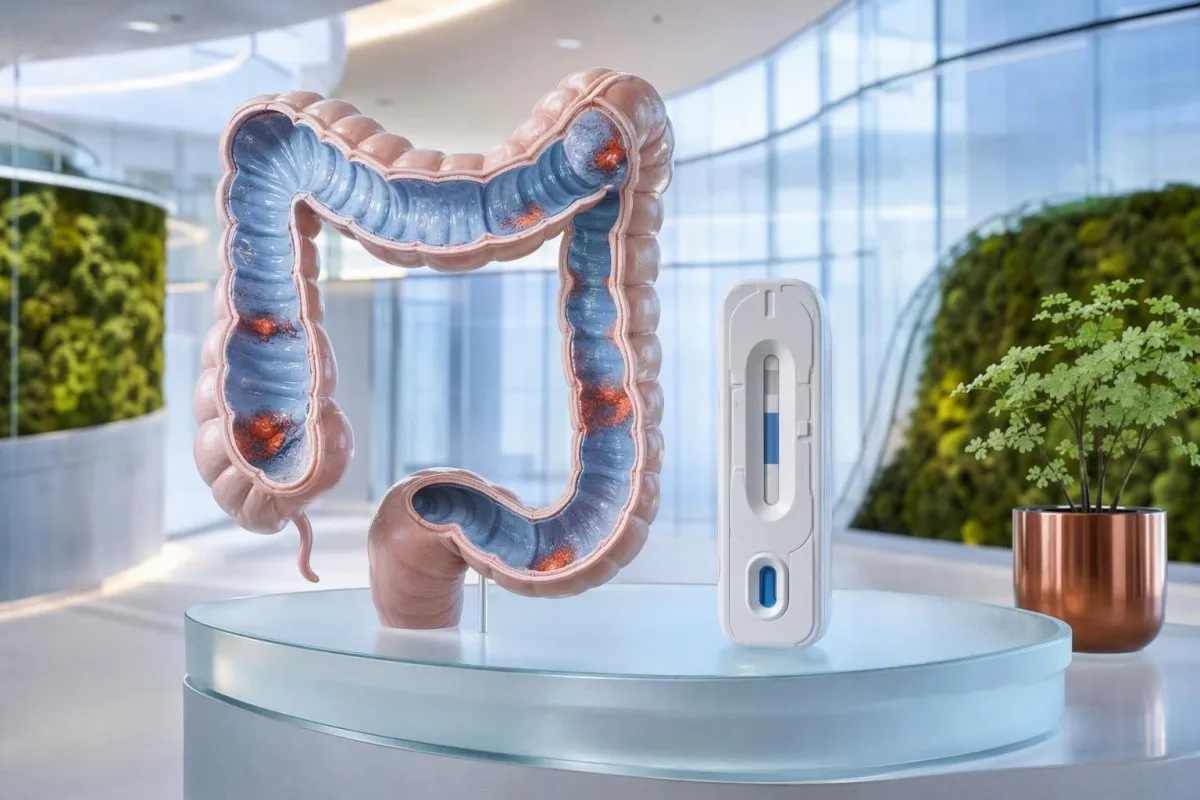
അണുബാധ, വീക്കം കുറയ്ക്കുന്ന മരുന്നുകൾ, അല്ലെങ്കിൽ സമയം എന്നിവയ്ക്ക് ശേഷം മിതമായ അളവിൽ ഉയർന്ന മലത്തിലെ കാൽപ്രോട്ടെക്റ്റിൻ ഫലം സാധാരണയായി ശരിയാകും - എന്നാൽ എണ്ണം, ലക്ഷണങ്ങൾ, പ്രവണത എന്നിവ അടുത്ത ഘട്ടം നിർണ്ണയിക്കുന്നു.


- ബോർഡർലൈൻ പരിധി: പല മുതിർന്നവരുടെ ലബോറട്ടറികളും 50–120 അല്ലെങ്കിൽ 50–150 µg/g നെ ബോർഡർലൈൻ എന്ന് വിളിക്കുന്നു, മറ്റുള്ളവർ 100–250 µg/g ഒരു ഇടത്തരം ബാൻഡ് ആയി ഉപയോഗിക്കുന്നു.
- ആവർത്തന സമയം: స్వల్పകാല വയറിളക്ക രോഗം ഭേദമായതിന് ശേഷം ഏകദേശം 2–6 ആഴ്ച കഴിഞ്ഞ്, NSAID ഉപയോഗത്തെക്കുറിച്ച് ഒരു ഡോക്ടറുമായി സംസാരിച്ചതിന് ശേഷം മലത്തിലെ കാൽപ്രോട്ടെക്റ്റിൻ വീണ്ടും പരിശോധിക്കുക.
- മരുന്നുകൾ തനിയെ നിർത്തരുത്: ഇബുപ്രോഫെൻ, നാപ്രോക്സെൻ, ആസ്പിരിൻ, ചിലപ്പോൾ പ്രോട്ടോൺ-പമ്പ് ഇൻഹിബിറ്ററുകൾ എന്നിവ കാൽപ്രോട്ടെക്റ്റിൻ വർദ്ധിപ്പിക്കാൻ കഴിയും; നിർദ്ദേശിച്ച ചികിത്സയ്ക്ക് ഡോക്ടറുടെ നേതൃത്വത്തിലുള്ള അവലോകനം ആവശ്യമാണ്.
- അണുബാധ സൂചന: അക്യൂട്ട് ബാക്ടീരിയൽ ഗ്യാസ്ട്രോഎൻ്റെറിറ്റിസ് 250 µg/g ന് മുകളിൽ മൂല്യങ്ങൾ ഉണ്ടാക്കാൻ കഴിയും, അതിനാൽ വയറിളക്ക സമയത്ത് ഒരു ഉയർന്ന ഫലം വീക്കം നിറഞ്ഞ കുടൽ രോഗം നിർണ്ണയിക്കില്ല.
- റഫറൽ പരിധി: 250 µg/g ന് മുകളിൽ സ്ഥിരമായി ഉയർന്ന ഫലം, അല്ലെങ്കിൽ റെഡ്-ഫ്ലാഗ് ലക്ഷണങ്ങളോടുകൂടിയ വർദ്ധിച്ചുവരുന്ന ഫലം, സാധാരണയായി ഗ്യാസ്ട്രോഎൻട്രോളജി വിലയിരുത്തലിന് അർഹതയുള്ളതാണ്.
- അടിയന്തര ലക്ഷണങ്ങൾ: കറുത്ത മലം, അമിതമായ മലദ്വാരത്തിലെ രക്തസ്രാവം, വർദ്ധിച്ചുവരുന്ന വേദനയോടുകൂടിയ പനി, നിർജ്ജലീകരണം, അവിചാരിതമായ ഭാരം കുറയൽ, അല്ലെങ്കിൽ വിളർച്ച എന്നിവയ്ക്ക് അടിയന്തര വൈദ്യസഹായം ആവശ്യമാണ്.
- സന്ദർഭം പ്രധാനം: Calprotectin കുടലിലെ ന്യൂട്രോഫിൽ പ്രവർത്തനത്തെ അളക്കുന്നു; ഇത് ക്രോൺസ് രോഗം, അൾസറേറ്റീവ് കൊളിറ്റിസ്, അണുബാധ, ഡൈവർട്ടിക്യൂലൈറ്റിസ്, കാൻസർ, അല്ലെങ്കിൽ മരുന്ന് മൂലമുള്ള അസ്വസ്ഥത എന്നിവയെ ഒറ്റയ്ക്ക് വേർതിരിച്ചറിയാൻ കഴിയില്ല.
- പ്രായോഗിക രേഖ: കൃത്യമായ പരിശോധന, യൂണിറ്റ്, കുടലിലെ ലക്ഷണങ്ങൾ, മരുന്നുകൾ, സമീപകാല യാത്ര, ആൻറിബയോട്ടിക്കുകൾ, പരിശോധന തീയതി എന്നിവ ആവർത്തിക്കുന്നതിന് മുമ്പ് രേഖപ്പെടുത്തുക.
ഒരു ബോർഡർലൈൻ ഫലം ലഭിച്ചതിന് ശേഷം ആദ്യം എന്തുചെയ്യണം?
നാമമാത്രമായ മലത്തിലെ കാൽപ്രൊട്ടെക്റ്റിൻ എന്തുചെയ്യണം: ഒന്നോ രണ്ടോ അയഞ്ഞ മലത്തിന്റെ ഫലം കൊണ്ട് വീക്കം ഉള്ള കുടൽ രോഗമാണെന്ന് കരുതരുത്. ലാബോറട്ടറിയുടെ റഫറൻസ് ഇടവേള പരിശോധിക്കുക, സമീപകാല വയറിളക്കവും മരുന്നുകളും രേഖപ്പെടുത്തുക, നിങ്ങൾക്ക് ആരോഗ്യനില തൃപ്തികരമാണെങ്കിൽ, അപകട സൂചനകളൊന്നും ഇല്ലെങ്കിൽ ഏകദേശം 2-6 ആഴ്ചകൾക്കുള്ളിൽ വീണ്ടും പരിശോധന ക്രമീകരിക്കുക.
ഓഗസ്റ്റ് 28, 2026 മുതൽ, ഒരു കട്ട്-ഓഫിനടുത്തുള്ള ഫലം മികച്ചതായി കണക്കാക്കുന്നത് സന്ദർഭം അവലോകനം ചെയ്യാനുള്ള സൂചനയായിട്ടാണ്, അല്ലാതെ രോഗനിർണയമായിട്ടല്ല. എൻ്റെ ക്ലിനിക്കിൽ, 48 മണിക്കൂർ വയറ്റിലെ അസുഖത്തിൽ നിന്ന് കരകയറുന്ന ഒരാൾക്ക് 82 µg/g ലഭിക്കുന്നത്, ആറ് ആഴ്ചത്തെ രാത്രിയിലെ വയറിളക്കവും കുറയുന്ന ഹീമോഗ്ലോബിനും ഉള്ള 82 µg/g ൽ നിന്ന് വളരെ വ്യത്യസ്തമായ ഒരു പദ്ധതിയിലേക്ക് നയിക്കും.
മലത്തിലെ കാൽപ്രൊട്ടെക്റ്റിൻ കുടലിലെ ലൂമെനിലേക്ക് പ്രവേശിക്കുന്ന ന്യൂട്രോഫില്ലുകളെ പ്രതിഫലിപ്പിക്കുന്നു, അതിനാൽ ഇത് കുടലിലെ വീക്കത്തിന് സെൻസിറ്റീവ് ആണ്, പക്ഷേ അതിൻ്റെ കാരണത്തിന് നിർദ്ദിഷ്ടമല്ല. CRP, പൂർണ്ണ രക്ത എണ്ണം, ഫെറിറ്റിൻ, അൽബുമിൻ എന്നിവ പോലുള്ള ബന്ധപ്പെട്ട ഫലങ്ങളെ മലത്തിലെ ഫലത്തോടൊപ്പം സ്ഥാപിക്കാൻ സഹായിക്കുന്ന ഒരു AI രക്ത പരിശോധന ഫലം മനസ്സിലാക്കൽ പ്ലാറ്റ്ഫോം ആണ്, മലത്തിലെ ഒരു മാർക്കറിന് IBD ഒറ്റയ്ക്ക് നിർണ്ണയിക്കാൻ കഴിയില്ലെന്ന് വ്യക്തമാക്കുന്നു.
തീയതി, ഫലം, യൂണിറ്റ്, കുടൽ ചലനത്തിൻ്റെ ആവൃത്തി, ബ്രിസ്റ്റോൾ മലത്തിൻ്റെ തരം, സമീപകാല യാത്ര, ആൻറിബയോട്ടിക് എക്സ്പോഷർ, എല്ലാ സാധാരണ അല്ലെങ്കിൽ ഇടയ്ക്കിടെയുള്ള മരുന്നുകളും എഴുതുക. ബ്രിസ്റ്റൾ സ്റ്റൂൾ ചാർട്ട് ഇവിടെ ആശ്ചര്യകരമാം വിധം ഉപയോഗപ്രദമാണ്, കാരണം കട്ടയായ മലം, അടിയന്തിരത, രാത്രിയിലെ ഉണർവ് എന്നിവ 10 µg/g വ്യത്യാസത്തേക്കാൾ വളരെ കൂടുതലായി പ്രീ-ടെസ്റ്റ് സാധ്യതയെ മാറ്റുന്നു.
ഏത് മലത്തിലെ കാൽപ്രോട്ടെക്റ്റിൻ മൂല്യങ്ങളാണ് യഥാർത്ഥത്തിൽ ബോർഡർലൈൻ?
മുതിർന്നവരിൽ 50 µg/g ൽ താഴെയുള്ള മലത്തിലെ കാൽപ്രൊട്ടെക്റ്റിൻ സാധാരണയായി കണക്കാക്കപ്പെടുന്നു, എന്നാൽ നാമമാത്രവും റഫറൽ പരിധികളും ഓരോ പരിശോധനയ്ക്കും പ്രാദേശിക പാതയ്ക്കും വ്യത്യാസപ്പെട്ടിരിക്കുന്നു. യുകെയിലെ പല പാതകളും 100–250 µg/g ഒരു ഇടത്തരം ബാൻഡായും 250 µg/g ന് മുകളിലുള്ള മൂല്യങ്ങളെ സജീവമായ കുടൽ വീക്കത്തിൻ്റെ ശക്തമായ സൂചനയായും ഉപയോഗിക്കുന്നു.
60 µg/g ഫലം 50 µg/g കട്ട്-ഓഫിനേക്കാൾ ചെറുതായി കൂടുതലാണ്; ഇത് 220 µg/g ന് തുല്യമല്ല. ബ്രിട്ടീഷ് സൊസൈറ്റി ഓഫ് ഗ്യാസ്ട്രോഎൻ്ററോളജി പറയുന്നതനുസരിച്ച്, അറിയപ്പെടുന്ന IBD-യിൽ സജീവമായ വീക്കം സൂചിപ്പിക്കാൻ 250 µg/g ഒരു പരിധി പലപ്പോഴും ഉപയോഗിക്കുന്നു, എന്നിരുന്നാലും ശരിയായ കട്ട്-ഓഫ് രോഗനിർണയം, റിലാപ്സ് നിരീക്ഷണം അല്ലെങ്കിൽ റഫറൽ എന്നിവയുടെ ചോദ്യത്തെ ആശ്രയിച്ചിരിക്കുന്നു (Lamb et al., 2019).
വ്യത്യസ്ത പരിശോധനകൾ വ്യത്യസ്ത ആൻ്റിബോഡികൾ, എക്സ്ട്രാക്ഷൻ ഉപകരണങ്ങൾ, കാലിബ്രേഷൻ രീതികൾ എന്നിവ ഉപയോഗിക്കുന്നതിനാൽ, താരതമ്യം ആദർശപരമായി ഒരേ ലാബ് ഉപയോഗിക്കണം. അച്ചടിച്ച ലാബ് റേഞ്ച് ആദ്യം വായിക്കുകയും മറ്റൊരു ലാബ് വ്യത്യസ്തമായി ഫ്ലാഗ് ചെയ്യുന്നതിനാൽ ഫലത്തെ ഗുരുതരമായി പുനർനാമകരണം ചെയ്യാതിരിക്കുകയും ചെയ്യുന്ന AI; ഔട്ട്-ഓഫ്-റേഞ്ച് ഫ്ലാഗ് മനസ്സിലാക്കുന്നത് ഒരുപാട് അനാവശ്യമായ പരിഭ്രാന്തി ഒഴിവാക്കുന്നു.
അപകട സൂചനകളില്ലാത്ത മുതിർന്നവരിൽ 100 µg/g ൽ താഴെയുള്ള ഒരു മൂല്യം സജീവമായ IBD സാധ്യത കുറയ്ക്കുന്നു, പക്ഷേ ഇത് സഹജരോഗം, പിത്തസഞ്ചി വയറിളക്കം, മൈക്രോസ്കോപ്പിക് കൊളിറ്റിസ്, അണുബാധ അല്ലെങ്കിൽ കൊളോറെക്റ്റൽ രോഗം എന്നിവയെ തള്ളിക്കളയുന്നില്ല. തിരിച്ചും, 250 µg/g ന് മുകളിലുള്ള ഒരു മൂല്യം ക്ലിനിക്കൽ ശ്രദ്ധ അർഹിക്കുന്നു, പക്ഷേ ഇപ്പോഴും ക്രോൺസ് രോഗം എന്ന ഓട്ടോമാറ്റിക് ലേബലിനേക്കാൾ കാരണം കണ്ടെത്തേണ്ടതുണ്ട്.
മലത്തിലെ കാൽപ്രോട്ടെക്റ്റിൻ വീണ്ടും എപ്പോഴാണ് പരിശോധിക്കേണ്ടത്?
അല്പം ഉയർന്ന മലം കാൽപ്രോട്ടെക്റ്റിൻ ഉള്ള മിക്കവാറും സ്ഥിരതയുള്ള മുതിർന്നവർക്ക് 2-6 ആഴ്ചകൾക്ക് ശേഷം വീണ്ടും പരിശോധിക്കാം, അക്യൂട്ട് വയറിളക്കം മാറിയതിന് ശേഷം, പ്രതിലോമപരമായ തെറ്റായ ഫലങ്ങൾ പരിഹരിക്കപ്പെട്ടു. അടുത്ത ദിവസം തന്നെ ആവർത്തിക്കുന്നത് വ്യക്തതയേക്കാൾ കൂടുതൽ ശബ്ദം കൂട്ടുന്നു.
50-100 µg/g ഫലത്തിന്, രോഗലക്ഷണങ്ങൾ മെച്ചപ്പെടുകയാണെങ്കിൽ 4-week repeat; 100-250 µg/g ന്, രോഗലക്ഷണങ്ങൾ തുടരുകയാണെങ്കിൽ 2-4 ആഴ്ചകൾ ന്യായമാണ്, പക്ഷേ അടിയന്തിര ലക്ഷണങ്ങളൊന്നും ഇല്ലെങ്കിൽ. രക്തം കാണുന്ന, ശരീരഭാരം കുറയുന്ന, ഇരുമ്പ് കുറവുള്ള വിളർച്ചയുള്ള അല്ലെങ്കിൽ കഠിനമായ വേദനയുള്ള വ്യക്തിയിൽ ആവർത്തിക്കുന്നത് അവലോകനം വൈകിപ്പിക്കരുത്.
ഉപവാസം, കർശനമായ ഭക്ഷണക്രമം അല്ലെങ്കിൽ വയറിളക്ക മരുന്നുകൾ ഉപയോഗിച്ച് ഫലം കൈകാര്യം ചെയ്യാൻ ശ്രമിക്കരുത്. ഏതാനും ദിവസത്തേക്ക് നിങ്ങളുടെ സാധാരണ ഭക്ഷണം കഴിക്കുക, ടോയ്ലറ്റ് വെള്ളത്തിൽ നിന്നോ മൂത്രത്തിൽ നിന്നോ ശേഖരിക്കുന്നത് ഒഴിവാക്കുക, കിറ്റിന്റെ സംഭരണ നിർദ്ദേശങ്ങൾ പാലിക്കുക; സാമ്പിൾ കൈകാര്യം ചെയ്യലും ജൈവ വ്യതിയാനവും യഥാർത്ഥത്തേക്കാൾ വലുതായി തോന്നുന്ന മാറ്റങ്ങൾ സൃഷ്ടിക്കും. ഞങ്ങളുടെ ലബോറട്ടറി സന്ദർശനങ്ങൾക്കിടയിലുള്ള യഥാർത്ഥ മാറ്റങ്ങൾക്കുള്ള ഗൈഡ് ട്രെൻഡുകൾക്ക് എന്തു് ക്ലിനിക്കൽ ടൈംലൈൻ ആവശ്യമാണെന്ന് വിശദീകരിക്കുന്നു.
Thomas Klein, MD, 96 മുതൽ 118 µg/g വരെയുള്ള ഫലങ്ങളിൽ 72 മണിക്കൂറിനുള്ളിൽ വീണ്ടും പരിശോധിച്ച രോഗികൾ പരിഭ്രാന്തരാകുന്നത് കണ്ടിട്ടുണ്ട്. മാനേജ്മെൻ്റിനെ മാറ്റുന്നത് തുടർച്ചയായ വർദ്ധനയാണ്, പ്രത്യേകിച്ച് 250 µg/g ലേക്കോ അതിനു മുകളിലേക്കോ ഇരട്ടിയാകുന്നത്, ഒരു കട്ട്ഓഫിന് ചുറ്റുമുള്ള ചെറിയ ചലനങ്ങളല്ല.
അണുബാധയ്ക്ക് മലത്തിലെ കാൽപ്രോട്ടെക്റ്റിൻ തെറ്റായ പോസിറ്റീവ് ഫലം ഉണ്ടാക്കാൻ കഴിയുമോ?
അതെ—കുടൽ സംബന്ധമായ അണുബാധകൾ IBD ക്ക് ഒരു മലം കാൽപ്രോട്ടെക്റ്റിൻ തെറ്റായ പോസിറ്റീവ് ഫലത്തിന് സാധാരണ കാരണമാണ്. Campylobacter, Salmonella, Shigella, C. difficile, ചില പരാന്നഭക്ഷണ അണുബാധകൾ എന്നിവ അക്യൂട്ട് വയറിളക്ക സമയത്ത് കാൽപ്രോട്ടെക്റ്റിൻ ഗണ്യമായി വർദ്ധിപ്പിക്കാം.
അണുബാധയുള്ള വയറിളക്ക സമയത്ത് വീക്കം കണ്ടെത്തുന്നത് കാൽപ്രോട്ടെക്റ്റിൻ തെറ്റല്ല; വീക്കം യഥാർത്ഥമാണ്, പക്ഷേ അതിന്റെ കാരണം IBD യേക്കാൾ താത്കാലികമായിരിക്കാം. Waugh et al. കണ്ടെത്തിയത് വീക്കം ഉള്ളതും ഇല്ലാത്തതുമായ കുടൽ രോഗങ്ങളെ വേർതിരിച്ചറിയാൻ മലം കാൽപ്രോട്ടെക്റ്റിൻ ഉപയോഗപ്രദമാണെങ്കിലും, രോഗനിർണയം വിശ്വസനീയമായി തിരിച്ചറിയാൻ കഴിയില്ല (Waugh et al., 2013).
മുൻ 4 ആഴ്ചകളിലെ ലക്ഷണങ്ങളെക്കുറിച്ച് ചോദിക്കുക: പനി, ഛർദ്ദി, അസുഖമുള്ള സമ്പർക്കങ്ങൾ, യാത്ര, ശുദ്ധീകരിക്കാത്ത വെള്ളം, ആൻറിബയോട്ടിക്കുകൾ, ആശുപത്രി പ്രവേശനം, പുതിയ ഭക്ഷണ പദാർത്ഥങ്ങൾ. വയറിളക്കം തുടരുകയാണെങ്കിൽ സ്റ്റൂൾ PCR അല്ലെങ്കിൽ കൾച്ചർ വളരെ ഉപയോഗപ്രദമാണ്, കൂടാതെ ഞങ്ങളുടെ വിശദീകരണം മലം കൾച്ചർ ഫലങ്ങൾ കണ്ടെത്തിയ ഒരു ജീവിക്ക് ഇപ്പോഴും ക്ലിനിക്കൽ വ്യാഖ്യാനം ആവശ്യമാണെന്ന് വിശദീകരിക്കുന്നു.
അക്യൂട്ട് അണുബാധയുള്ള വയറിളക്ക സമയത്ത് എടുക്കുന്ന കാൽപ്രോട്ടെക്റ്റിൻ പരിശോധന സാധാരണയായി IBD നിർണ്ണയിക്കുന്നതിനായി ഉപയോഗിക്കുന്നതിനു പകരം രോഗശാന്തിക്ക് ശേഷം ആവർത്തിക്കണം. വയറിളക്കം 7 ദിവസത്തിൽ കൂടുതൽ നീണ്ടുനിൽക്കുകയാണെങ്കിൽ, രക്തം കാണുകയാണെങ്കിൽ, ആൻറിബയോട്ടിക്കുകൾക്ക് ശേഷം വരികയാണെങ്കിൽ, അല്ലെങ്കിൽ 38.0°C ക്ക് മുകളിലുള്ള പനിയോടൊപ്പം ആണെങ്കിൽ, സാധാരണ ആവർത്തനത്തിനായി കാത്തിരിക്കുന്നതിനു പകരം ഒരു ഡോക്ടറെ ബന്ധപ്പെടുക.
IBD ഇല്ലാതെ കാൽപ്രോട്ടെക്റ്റിൻ വർദ്ധിപ്പിക്കുന്ന മരുന്നുകൾ ഏവ?
NSAID കൾ അല്പം ഉയർന്ന മലം കാൽപ്രോട്ടെക്റ്റിൻ ഫലത്തിന് ഏറ്റവും വ്യക്തമായ മരുന്നിൻ്റെ തെറ്റായ ഫലമാണ്. Ibuprofen, naproxen, diclofenac, aspirin എന്നിവ ചെറുകുടലിൽ അസ്വസ്ഥത ഉണ്ടാക്കുകയും കുടലിലെ ന്യൂട്രോഫിൽ പ്രവർത്തനം വർദ്ധിപ്പിക്കുകയും ചെയ്യാം, ചിലപ്പോൾ വേദന കുറവാണെങ്കിൽ പോലും.
ഒരു പ്രായോഗിക സമീപനം ആവശ്യമായതല്ലാത്ത NSAID കൾ ഏകദേശം ഒഴിവാക്കാമോ എന്ന് നിർദ്ദേശിക്കുന്നയാളോട് ചോദിക്കുക എന്നതാണ് 2 ആഴ്ച ഹൃദയാഘാതം, പക്ഷാഘാതം അല്ലെങ്കിൽ സ്റ്റെന്റ് എന്നിവയ്ക്ക് ശേഷം ഡോക്ടറുടെ നിർദ്ദേശമില്ലാതെ ആസ്പിരിൻ കഴിക്കുന്നത് നിർത്തരുത്. NSAID എന്ററോപ്പതിക്ക് ലക്ഷണങ്ങളില്ലാതെ അത്രയേറെ പ്രശ്നങ്ങളുണ്ടാക്കാൻ കഴിയും, അതിനാൽ കണ്ടെത്താൻ പ്രയാസമാണ്.
ഒമികളോപ്രാസോൾ പോലുള്ള പ്രോട്ടോൺ പമ്പ് ഇൻഹിബിറ്ററുകൾ ചില നിരീക്ഷണ പഠനങ്ങളിൽ ചെറിയ വർദ്ധനവിന് കാരണമാകാം, എന്നാൽ ഈ തെളിവുകൾ അവ്യക്തമാണ്. അൾസർ രോഗമോ അല്ലെങ്കിൽ ഗുരുതരമായ റിഫ്ലക്സോ ഉള്ള ആളുകളിൽ ഇത് സുരക്ഷിതമല്ലാത്തതാകാം. മെറ്റ്ഫോർമിൻ, ആൻ്റിബയോട്ടിക്കുകൾ, ഇമ്മ്യൂൺ തെറാപ്പികൾ, ലാക്സേറ്റീവുകൾ എന്നിവയും പരിശോധിക്കുക; ഒരു മരുന്നിൻ്റെ ഫലത്തെക്കുറിച്ച് ഊഹിക്കുന്നതിനേക്കാൾ പൂർണ്ണമായ മരുന്നുകളുടെ പട്ടിക ഉപയോഗപ്രദമാണ്.
കാന്റേസ്റ്റി ഒരു AI-ശക്തിയുള്ള രക്തപരിശോധന വിശകലന ഉപകരണം താഴ്ന്ന ഫെറിറ്റിൻ അല്ലെങ്കിൽ CRP വർദ്ധനവ് ഉൾപ്പെടെയുള്ള മരുന്ന് സംബന്ധമായ ലബോറട്ടറി ഫലങ്ങൾ കണ്ടെത്താൻ ഇത് സഹായിക്കും, എന്നാൽ മരുന്ന് മാറ്റുന്നത് ഉചിതമാണോ എന്ന് ഒരു ഡോക്ടർ തീരുമാനിക്കണം. ദീർഘകാലാടിസ്ഥാനത്തിലുള്ള അസിഡ് സപ്രഷൻ ഇതിൻ്റെ ഭാഗമാണെങ്കിൽ, ഞങ്ങളുടെ ലേഖനം PPI ഉപയോഗ സമയത്ത് നിരീക്ഷണം ഡോക്ടർമാർ സാധാരണയായി പിന്തുടരുന്ന രക്തപരിശോധനകളെക്കുറിച്ച് വിശദീകരിക്കുന്നു.
സാമ്പിൾ ശേഖരണത്തിനോ സ്വാഭാവിക വ്യതിയാനത്തിനോ ഒരു നേരിയ വർദ്ധനവ് വിശദീകരിക്കാൻ കഴിയുമോ?
ശേഖരണത്തിലെ പിശകുകൾ വിരളമായി മാത്രമേ വലിയ അളവിൽ കാൽപ്രോടെക്ടിൻ ഫലം ഉണ്ടാക്കുകയുള്ളൂ, എന്നാൽ സ്റ്റൂൾ സാമ്പിളിംഗിലെ വ്യത്യാസങ്ങൾ, അസ്സേയിലെ വ്യത്യാസങ്ങൾ, ദിവസത്തിലെ ജൈവപരമായ മാറ്റങ്ങൾ എന്നിവ ഒരു ബോർഡർലൈൻ മൂല്യം കട്ട്-ഓഫിന് മുകളിലേക്ക് മാറ്റാൻ സാധ്യതയുണ്ട്. അതുകൊണ്ടാണ് ഒരു ഫിക്കൽ കാൽപ്രോടെക്ടിൻ ടെസ്റ്റ് വീണ്ടും ചെയ്യുമ്പോൾ അതേ കിറ്റ്, ലബോറട്ടറി, ശേഖരണ രീതി എന്നിവ പ്രധാനം.
ടോയ്ലറ്റ് വെള്ളത്തിൽ നിന്ന് നേരിട്ട് എടുക്കുന്നതിന് പകരം വൃത്തിയുള്ള, ഉണങ്ങിയ പാത്രത്തിൽ നിന്ന് ശേഖരിക്കുക, മൂത്രമോ വൃത്തിയാക്കുന്ന ഉൽപ്പന്നങ്ങളോ സാമ്പിളുമായി കലരുന്നത് ഒഴിവാക്കുക. കിറ്റ് നിർദ്ദേശിക്കുന്നുണ്ടെങ്കിൽ, ഒന്നിലധികം ഭാഗങ്ങളിൽ നിന്ന് ചെറിയ അളവെടുക്കുക, കാരണം കഫം, മൃദുവായ ഭാഗങ്ങൾ എന്നിവയിൽ വ്യത്യസ്ത അളവിലുള്ള വീക്കം സംബന്ധമായ വസ്തുക്കൾ അടങ്ങിയിരിക്കാം.
കൊളോണോസ്കോപ്പി തയ്യാറെടുപ്പ്, എനിമ, അല്ലെങ്കിൽ ഗുരുതരമായ അതിസാരത്തിനു ശേഷം ഉടനടി ശേഖരിച്ച സാമ്പിളിൻ്റെ ബോർഡർലൈൻ ഫലം സ്ഥിരമായ ഒരു അടിസ്ഥാനമായി കണക്കാക്കരുത്. മലവിസർജ്ജനത്തിൽ വ്യത്യാസങ്ങളുള്ള ആളുകൾക്ക്, ശേഖരിക്കുന്ന ദിവസത്തിലെ സ്റ്റൂൾ രൂപം, കഫം അല്ലെങ്കിൽ രക്തം ഉണ്ടായിരുന്നോ എന്നിവ ശ്രദ്ധിക്കാൻ ഞാൻ നിർദ്ദേശിക്കുന്നു; ഞങ്ങളുടെ ഗൈഡ് മലത്തിൽ മ്യൂക്കസ് ആ നിരീക്ഷണം എപ്പോഴാണ് പ്രധാനം എന്ന് വിശദീകരിക്കുന്നു.
55 ൽ നിന്ന് 72 µg/g ലേക്കുള്ള മാറ്റം വിശകലനപരമായി ശ്രദ്ധേയമല്ലാത്തതാകാം, എന്നാൽ 75 ൽ നിന്ന് 380 µg/g ലേക്കുള്ള വർദ്ധനവ് തള്ളിക്കളയാൻ പ്രയാസമാണ്. പോർട്ടൽ ഫ്ലാഗിനെ ആശ്രയിക്കുന്നതിന് പകരം റിപ്പോർട്ട് സൂക്ഷിക്കുക—അസ്സേയുടെ പേരും ലബോറട്ടറി റേഞ്ചും ക്ലിനിക്കലി പ്രധാനപ്പെട്ട വിവരങ്ങളാണ്.
കാത്തിരിക്കുന്നതിന് പകരം GI പരിശോധന ആവശ്യമുള്ള ലക്ഷണങ്ങൾ ഏവ?
മലദ്വാരത്തിലെ രക്തസ്രാവം, അവിചാരിതമായ ഭാരം കുറയൽ, രാത്രിയിലെ അതിസാരം, വിട്ടുമാറാത്ത പനി, ഇരുമ്പിൻ്റെ കുറവ് മൂലമുള്ള വിളർച്ച, വയറ്റിൽ മുഴ എന്നിവ ബോർഡർലൈൻ കാൽപ്രോടെക്ടിൻ മൂല്യത്തെ പരിഗണിക്കാതെ തന്നെ വൈദ്യസഹായം ആവശ്യപ്പെടുന്നു. ഫലം ഒരുபோதும் ആശങ്കയുളവാക്കുന്ന ലക്ഷണങ്ങളെ മറികടക്കരുത്.
കറുത്ത കഭം, അമിതമായ മലദ്വാരത്തിലെ രക്തസ്രാവം, ബോധക്ഷയം, കഠിനമായ അല്ലെങ്കിൽ വർദ്ധിച്ചുവരുന്ന വയറുവേദന, ദ്രാവകങ്ങൾ കഴിക്കാൻ കഴിയാത്ത അവസ്ഥ, ആശയക്കുഴപ്പം, അല്ലെങ്കിൽ ഗുരുതരമായ നിർജ്ജലീകരണത്തിൻ്റെ ലക്ഷണങ്ങൾ എന്നിവയ്ക്ക് അടിയന്തരമായ അതേ ദിവസത്തെ വിലയിരുത്തൽ തേടുക. ഇവ ട്രയേജ് ലക്ഷണങ്ങളാണ്, കാൽപ്രോടെക്ടിൻ പരിധികളല്ല; കുറഞ്ഞതോ ബോർഡർലൈനോ ആയ സംഖ്യ അവയെ അവഗണിക്കാതെ സുരക്ഷിതമാക്കുന്നില്ല.
ഭാരം കുറയുന്നതിന് ഡോക്ടറുടെ പരിശോധന ആവശ്യമാണ്, അത് 6–12 മാസത്തിനുള്ളിൽ ശരീരഭാരത്തിൻ്റെ 5%, അല്ലെങ്കിൽ ഉറക്കത്തിൽ നിന്ന് ഉണർത്തുന്ന അതിസാരം, പനി, 50 വയസ്സിന് ശേഷം പുതിയ മലവിസർജ്ജന മാറ്റം, അല്ലെങ്കിൽ കൊളോറെക്റ്റൽ കാൻസർ അല്ലെങ്കിൽ IBD യുടെ അടുത്ത കുടുംബ ചരിത്രം എന്നിവ ഉണ്ടായാൽ ദിവസങ്ങൾക്കുള്ളിൽ ഡോക്ടറെ കാണുന്നത് നല്ലതാണ്. പോസിറ്റീവ് FIT അല്ലെങ്കിൽ FOBT ഫലം ഒരു വ്യത്യസ്ത രോഗനിർണയ പാത പിന്തുടരുന്നു, കാൽപ്രോടെക്ടിൻ കാരണം അവയെ തള്ളിക്കളയരുത്.
വിളർച്ച ചിത്രത്തെ മാറ്റാനുള്ള കാരണം, വിട്ടുമാറാത്ത കുടലിലെ വീക്കം, സൂക്ഷ്മമായ രക്തസ്രാവം, ഭക്ഷണപദാർത്ഥങ്ങൾ വലിച്ചെടുക്കുന്നതിലെ പ്രശ്നങ്ങൾ എന്നിവ ഒരുമിച്ച് സംഭവിക്കാം എന്നതാണ്. ഫുൾ ബ്ലഡ് കൗണ്ട്, ഫെറിറ്റിൻ, CRP എന്നിവ ഏതെങ്കിലും ഒറ്റപ്പെട്ട സ്റ്റൂൾ മൂല്യത്തേക്കാൾ ഒരുമിച്ച് കൂടുതൽ വിവരങ്ങൾ നൽകിയേക്കാം.
നേരിയ വർദ്ധനവിന് ശേഷം ഒരു GP സാധാരണയായി എന്താണ് പരിശോധിക്കുന്നത്?
ഒരു ജിപി സാധാരണയായി ഇടത്തരം വർദ്ധിച്ച ഫിക്കൽ കാൽപ്രോടെക്ടിൻ ഫലം, ലക്ഷണം പരിശോധന, വയറുവേദന പരിശോധന, ഫുൾ ബ്ലഡ് കൗണ്ട്, CRP അല്ലെങ്കിൽ ESR, ഫെറിറ്റിൻ, സിലിയാക് സെറോളജി, ആവശ്യാനുസരണം സ്റ്റൂൾ അണുബാധ പരിശോധന എന്നിവയുമായി ചേർക്കുന്നു. വേഗത്തിലുള്ള റഫറൽ ആവശ്യമുള്ളവരെയും സുരക്ഷിതമായി വീണ്ടും പരിശോധിക്കാവുന്നവരെയും കണ്ടെത്തുക എന്നതാണ് ലക്ഷ്യം.
ഒരു പൂർണ്ണ രക്തപരിശോധന വിളർച്ച, ഉയർന്ന പ്ലേറ്റ്ലെറ്റുകൾ അല്ലെങ്കിൽ വർദ്ധിച്ച വെളുത്ത കോശങ്ങളുടെ എണ്ണം എന്നിവ തിരിച്ചറിയാൻ കഴിയും, അതേസമയം CRP കുടൽ-നിർദ്ദിഷ്ട വീക്കത്തേക്കാൾ സിസ്റ്റമിക് വീക്കം പ്രതിഫലിപ്പിക്കുന്നു. സാധാരണ CRP, ക്രോൺസ് രോഗത്തെ ഒഴിവാക്കുന്നില്ല, പ്രത്യേകിച്ച് ഒറ്റപ്പെട്ട ileal രോഗം, എന്നാൽ സാധാരണ CRP, അൽബുമിൻ, ഹീമോഗ്ലോബിൻ എന്നിവ കഠിനമായ സജീവമായ വീക്കം കുറവായിരിക്കാൻ സാധ്യതയുണ്ട്.
ഗ്ലൂട്ടൻ കഴിക്കുമ്പോൾ കോലിയാക് സ്ക്രീനിംഗിൽ ടിഷ്യൂ ട്രാൻസ്ഗ്ലൂട്ടാമിനേസ് IgA, ടോട്ടൽ IgA എന്നിവ ഉൾപ്പെടുത്തണം. ടോട്ടൽ IgA കുറവാണെങ്കിൽ, സാധാരണ IgA അടിസ്ഥാനമാക്കിയുള്ള കോലിയാക് പരിശോധനകൾ തെറ്റായി ആശ്വാസകരമായേക്കാം; പ്രായോഗിക ഗൈഡിന് കാണുക കുറഞ്ഞ IgAയും സീലിയാക് പിഴവുകളും for the usual next step.
തോമസ് ക്ലെയിൻ, MD, അപ്പോയിന്റ്മെന്റിലേക്ക് ഒരു പേജ് വിവരങ്ങൾ കൊണ്ടുവരാൻ ഉപദേശിക്കുന്നു: രോഗലക്ഷണങ്ങളുടെ തുടക്കം, മലവിസർജ്ജനത്തിന്റെ ആവൃത്തി, മരുന്നുകൾ, കുടുംബ ചരിത്രം, മുൻകാല കൊളോണോസ്കോപ്പി, യാത്ര, യഥാർത്ഥ ഫലം. ഇത് കൺസൾട്ടേഷൻ മെച്ചപ്പെടുത്തുന്നു, പ്രത്യേകിച്ചും ലക്ഷണങ്ങൾ മാസങ്ങളോളം ഇടവിട്ട് പ്രത്യക്ഷപ്പെടുകയാണെങ്കിൽ.
ബോർഡർലൈൻ കാൽപ്രോട്ടെക്റ്റിൻ എന്നാൽ IBS അല്ലെങ്കിൽ വീക്കം നിറഞ്ഞ കുടൽ രോഗമാണോ?
Borderline fecal calprotectin does not diagnose either IBS or IBD. IBS-ന് സാധാരണയായി സാധാരണ ഫലമാണ് ലഭിക്കുന്നത്, അതേസമയം സ്ഥിരമായ വർദ്ധനവ് IBD-യോടുള്ള സംശയം വർദ്ധിപ്പിക്കുന്നു, എന്നാൽ അണുബാധ, ഡൈവേർട്ടിക്കുലർ രോഗം, കോലിയാക് രോഗം, വൻകുടൽ കാൻസർ, NSAID പരിക്ക് എന്നിവ സാധ്യമായ വിശദീകരണങ്ങളായി തുടരുന്നു.
IBS-ന് വൻകുടലിലെ വീക്കമില്ലാതെ വേദന, വീക്കം, മലവിസർജ്ജനത്തിലെ മാറ്റം എന്നിവ ഉണ്ടാക്കാൻ കഴിയും, അതിനാൽ 50 µg/g-ൽ താഴെയുള്ള കാൽപ്രോട്ടെക്റ്റിൻ IBS-തരം വിശദീകരണത്തെ പിന്തുണയ്ക്കുന്നു—എന്നാൽ അത് തെളിയിക്കുന്നില്ല. ആദ്യത്തെ ബോർഡർലൈൻ ഫലം ലഭിച്ച മുതിർന്നവരിൽ, ലക്ഷണങ്ങളും പ്രവണതയും കൊളോണോസ്കോപ്പിക്ക് എത്രത്തോളം യോഗ്യമാണെന്നതാണ് പലപ്പോഴും ക്ലിനിക്കൽ ചോദ്യം, അല്ലാതെ രോഗി ഇന്ന് IBS അല്ലെങ്കിൽ IBD ലേബൽ തിരഞ്ഞെടുക്കണമോ എന്നതല്ല.
ക്രോൺസ് രോഗത്തിൽ ചെറുകുടലിനെ ബാധിക്കാം, വൻകുടൽ പുണ്ണിൽ സാധാരണയായി വൻകുടലിനെയാണ് ബാധിക്കുന്നത്, എന്നിരുന്നാലും രണ്ടിനും ഉയർന്ന കാൽപ്രോട്ടെക്റ്റിൻ കാണിക്കാം. മൈക്രോസ്കോപ്പിക് കൊളൈറ്റിസിന് ഇടയ്ക്കിടെ സാധാരണയോ മിതമായി ഉയർന്നതോ ആയ കാൽപ്രോട്ടെക്റ്റിൻ ഉണ്ടാകാം, ഇത് 50 വയസ്സിന് മുകളിലുള്ള മുതിർന്നവരിൽ ഉണ്ടാകുന്ന കടുത്ത വയറിളക്കത്തിന് വിചിത്രമായ സംഖ്യ ഉണ്ടായിരുന്നിട്ടും അന്വേഷണം അർഹിക്കുന്നതിനുള്ള ഒരു കാരണമാണ്.
Kantesti AI മലത്തിലെ ഫലത്തിനൊപ്പം അൽബുമിൻ കുറയുന്നത്, ഇരുമ്പിന്റെ കുറവ്, വീക്കം എന്നിവയുടെ പാറ്റേണുകൾ പരിശോധിച്ചുകൊണ്ട് ബന്ധപ്പെട്ട രക്തത്തിലെ മാർക്കറുകൾ വ്യാഖ്യാനിക്കുന്നു. താരതമ്യത്തിന്, fecal lactoferrin മറ്റൊരു ന്യൂട്രോഫിൽ-ബന്ധിത സ്റ്റൂൾ മാർക്കർ ആണ്, എന്നിരുന്നാലും ഇതിന് സമാനമായ പല പ്രത്യേകതകളും പരിമിതമാണ്.
പ്രായം, ഗർഭധാരണം, അറിയാവുന്ന IBD എന്നിവ പാതയെ എങ്ങനെ മാറ്റുന്നു?
കുട്ടികൾ, പ്രായമായവർ, ഗർഭിണികൾ, സ്ഥിരീകരിച്ച IBD ഉള്ള രോഗികൾ എന്നിവർക്ക് വ്യക്തിഗത ഫെക്കൽ കാൽപ്രോട്ടെക്റ്റിൻ വ്യാഖ്യാനം ആവശ്യമാണ്. ചെറിയ കുട്ടികൾക്ക് ഉയർന്ന ബേസ്ലൈൻ മൂല്യങ്ങൾ ഉണ്ടാകാം, അതേസമയം 50 വയസ്സിന് ശേഷം ഉണ്ടാകുന്ന പുതിയ കുടൽ ലക്ഷണങ്ങളെ ആവർത്തിച്ചുള്ള പരിശോധനയിലൂടെ മാത്രം കൈകാര്യം ചെയ്യാൻ പാടില്ല.
ശിശുക്കൾക്കും കുട്ടികൾക്കും പലപ്പോഴും മുതിർന്നവരുടെ കട്ട്ഓഫിനേക്കാൾ ഉയർന്ന കാൽപ്രോട്ടെക്റ്റിൻ മൂല്യങ്ങളുണ്ടാകാം, അതിനാൽ ശിശു സംരക്ഷണ മാർഗ്ഗനിർദ്ദേശമില്ലാതെ മുതിർന്നവരുടെ ശ്രേണി കുട്ടികൾക്ക് പ്രയോഗിക്കരുത്. വളർച്ചക്കുറവ്, മലത്തിലെ രക്തം, സ്ഥിരമായ വയറിളക്കം അല്ലെങ്കിൽ കാര്യമായ വയറുവേദന എന്നിവയുള്ള ഒരു കുട്ടിക്ക് ആവർത്തിച്ചുള്ള വീട്ടിലെ പരിശോധനയേക്കാൾ ശിശു സംരക്ഷണ വിലയിരുത്തൽ ആവശ്യമാണ്; low stool pH in children കാർബോഹൈഡ്രേറ്റ് മാൽഅബ്സോർപ്ഷനെക്കുറിച്ചുള്ള മറ്റൊരു ചോദ്യത്തിന് ഉത്തരം നൽകിയേക്കാം.
ഗർഭധാരണം സ്വയം സ്ഥിരമായ വയറിളക്കം, മലത്തിലെ രക്തം അല്ലെങ്കിൽ ശരീരഭാരം കുറയുന്നത് എന്നിവയെ അവഗണിക്കാനുള്ള കാരണമല്ല. കാൽപ്രോട്ടെക്റ്റിന് വിലയിരുത്തൽ സഹായിക്കാനാകും, എന്നാൽ പ്രസവ, അണുബാധ, ജിഐ ടീമുകൾ പൂർണ്ണ ഗർഭകാല ചരിത്രവും മരുന്നുകളുടെ ലിസ്റ്റും ഉപയോഗിച്ച് ഇത് വ്യാഖ്യാനിക്കണം.
സ്ഥിരീകരിച്ച IBD-ക്ക്, 250 µg/g-ൽ കൂടുതലുള്ള ഫലം ലക്ഷണങ്ങൾ നേരിയതാണെങ്കിൽ പോലും വൻകുടലിലെ വീക്കം സൂചിപ്പിക്കാം, എന്നാൽ ഒരു വീട്ടിലെ ഫലത്തിൽ നിന്ന് മാത്രം ചികിത്സ മാറ്റരുത്. BSG മാർഗ്ഗനിർദ്ദേശം, ലക്ഷണങ്ങൾ, രക്തത്തിലെ മാർക്കറുകൾ, ചിലപ്പോൾ എൻഡോസ്കോപ്പി എന്നിവയ്ക്കൊപ്പം റിലാപ്സ് വിലയിരുത്തലിന്റെ ഒരു ഘടകമായി കാൽപ്രോട്ടെക്റ്റിൻ ഉപയോഗിക്കാൻ പിന്തുണയ്ക്കുന്നു (Lamb et al., 2019).
കാൽപ്രോട്ടെക്റ്റിൻ പ്രവണത എങ്ങനെ വായിക്കണം?
സ്ഥിരമായ വർദ്ധനവ് അല്ലെങ്കിൽ സ്ഥിരമായി ഉയർന്ന കാൽപ്രോട്ടെക്റ്റിൻ ട്രെൻഡ് ഒരു ബോർഡർലൈൻ മൂല്യത്തേക്കാൾ കൂടുതൽ പ്രവർത്തനക്ഷമമാണ്. 70 µg/g-ന് ചുറ്റുമുള്ള സ്ഥിരമായ വായനകളുമായി താരതമ്യപ്പെടുത്തുമ്പോൾ, 4–8 ആഴ്ചകൾക്കുള്ളിൽ 70-ൽ നിന്ന് 280 µg/g-ലേക്ക് ഒരു വർദ്ധനവ്, പ്രത്യേകിച്ചും മോശമായ വയറിളക്കത്തോടൊപ്പം, ക്ലിനിക്കലി വ്യത്യസ്തമാണ്.
സാധ്യമാകുമ്പോഴെല്ലാം ഒരേ ലബോറട്ടറി ഉപയോഗിക്കുക, ക്ലിനിക്കൽ സാഹചര്യത്തിന് അനുയോജ്യമായ ഇടവേളകൾ താരതമ്യം ചെയ്യുക. സ്ഥിരമായ ലക്ഷണങ്ങളിൽ, 4–8 ആഴ്ചത്തെ ഇടവേള ആഴ്ചതോറുമുള്ള പരിശോധനയേക്കാൾ വ്യക്തമായ സിഗ്നൽ നൽകുന്നു; ഒരു ഫ്ലെയർ പ്ലാനോടെ അറിയപ്പെടുന്ന IBD-യിൽ, ചികിത്സാ ടീം ഒരു ചെറിയ ഇടവേള നിർദ്ദേശിച്ചേക്കാം.
കാന്റേസ്റ്റി ഒരു AI ബയോമാർക്കർ വ്യാഖ്യാന പ്ലാറ്റ്ഫോം അത് പഴയ ലാബ് സന്ദർഭം സംരക്ഷിക്കാനും അർത്ഥവത്തായ പ്രവണത അവതരിപ്പിക്കാനും സഹായിക്കും, അല്ലാതെ ഓരോ ചെറിയ അസാധാരണമായ മൂല്യത്തെയും പുതിയ അടിയന്തര സാഹചര്യമായി കണക്കാക്കില്ല. ആ സമീപനം ഞങ്ങളുടെ തത്വത്തെ പ്രതിഫലിപ്പിക്കുന്നു ലോംഗിറ്റ്യൂഡിനൽ ഫലം ഗൈഡ്: the direction, rate and accompanying symptoms matter.
ഗാസ്ട്രോഎൻ്റെറിറ്റിസ് സമയത്തെ ദ്രാവക മലം പരിശോധനാ ഫലവും മാസങ്ങൾക്കു ശേഷമുള്ള ദൃഢമായ മലം പരിശോധനാ ഫലവും ഒരേ അവസ്ഥകളായി താരതമ്യം ചെയ്യരുത്. NSAID ഉപയോഗം, ആൻറിബയോട്ടിക്കുകൾ, അണുബാധകൾ, ആർത്തവ രക്തസ്രാവം എന്നിവ കാലഗണനയിൽ രേഖപ്പെടുത്തുന്നത് ഒരു വ്യക്തമായ പ്രവണത അമിതമായി വ്യാഖ്യാനിക്കുന്നതിനെ തടയാൻ കഴിയും.
നേരിയ വർദ്ധനവിന് ശേഷം എന്തുചെയ്യുന്നത് ഒഴിവാക്കണം?
സ്റ്റെറോയിഡുകൾ സ്വയം ആരംഭിക്കുകയോ, ഒന്നിലധികം ഭക്ഷണങ്ങൾ ഒഴിവാക്കുകയോ, ഡോക്ടർ നിർദ്ദേശിച്ച മരുന്നുകൾ നിർത്തുകയോ, അല്ലെങ്കിൽ നേരിയ തോതിൽ ഉയർന്ന ഫലത്തിന് ശേഷം ദിവസേനയുള്ള കാൽപ്രൊട്ടക്ടിൻ പരിശോധനകൾ ആവർത്തിക്കുകയോ ചെയ്യരുത്. ഈ പ്രവർത്തനങ്ങൾ രോഗനിർണയത്തെ അവ്യക്തമാക്കുകയും, ചില സന്ദർഭങ്ങളിൽ യഥാർത്ഥ ദോഷം സൃഷ്ടിക്കുകയും ചെയ്യാം.
സ്റ്റെറോയിഡുകൾ അണുബാധയെ മറച്ചുവെച്ചുകൊണ്ട് വീക്കം സൂചിപ്പിക്കുന്ന മാർക്കറുകളെ താഴ്ത്താം, കൂടാതെ അനാവശ്യമായ ഭക്ഷണ നിയന്ത്രണം ശരീരഭാരം കുറയുന്നതിനോ ഇരുമ്പിൻ്റെ കുറവിനോ കാരണമാകാം. രോഗലക്ഷണങ്ങൾ IBDയെ സൂചിപ്പിക്കുന്നുണ്ടെങ്കിൽ, രോഗനിർണയത്തിന് സാധാരണയായി ക്ലിനിക്കൽ വിലയിരുത്തലും ദീർഘകാല ചികിത്സ ആരംഭിക്കുന്നതിന് മുമ്പ് എൻഡോസ്കോപ്പിക് അല്ലെങ്കിൽ ഇമേജിംഗ് തെളിവുകളും ആവശ്യമാണ്.
കാൽപ്രൊട്ടക്ടിൻ കുടൽ കാൻസർ സ്ക്രീനിംഗ് ടെസ്റ്റ് ആയി ഉപയോഗിക്കരുത്. FIT മനുഷ്യ ഹീമോഗ്ലോബിൻ കണ്ടെത്തുകയും കൊളോറെക്റ്റൽ കാൻസർ പാതകളിൽ ഉപയോഗിക്കുകയും ചെയ്യുന്നു; കാൽപ്രൊട്ടക്ടിൻ വീക്കത്തിൻ്റെ പ്രവർത്തനം അളക്കുന്നു, അതിനാൽ ടെസ്റ്റുകൾ വ്യത്യസ്ത ചോദ്യങ്ങൾക്ക് ഉത്തരം നൽകുന്നു. ഞങ്ങളുടെ താരതമ്യം FITയും കോളോനോസ്കോപ്പിയും ഒരു നെഗറ്റീവ് സ്റ്റൂൾ മാർക്കർ പ്രായത്തിനും അപകടസാധ്യതയ്ക്കും അനുസരിച്ചുള്ള സ്ക്രീനിംഗ് ഒരിക്കലും മാറ്റിസ്ഥാപിക്കില്ല എന്ന് വിശദീകരിക്കുന്നു.
കാൽപ്രൊട്ടക്ടിൻ സ്വയമായി കുറയ്ക്കാൻ സുരക്ഷിതമായ ഒരു വിശ്വസനീയമായ സപ്ലിമെൻ്റ് ഇല്ല. കാരണം പരിഹരിക്കുന്നതിനു പകരം സംഖ്യയെ ചികിത്സിക്കുന്നത് മുറി പരിശോധിക്കാതെ പുക അലാറം നിശ്ശബ്ദമാക്കുന്നത് പോലെയാണ്.
ഗ്യാസ്ട്രോഎൻട്രോളജി അപ്പോയിന്റ്മെന്റിനായി എങ്ങനെ തയ്യാറെടുക്കാം?
തീയതിയോടുകൂടിയ രോഗലക്ഷണങ്ങളുടെയും മരുന്നുകളുടെയും ടൈംലൈൻ, അതിൻ്റെ ലബോറട്ടറി റേഞ്ചോടുകൂടിയ ഓരോ മല പരിശോധനാ ഫലവും, കുടുംബ ചരിത്രം, മുൻ ഇമേജിംഗ് അല്ലെങ്കിൽ എൻഡോസ്കോപ്പി റിപ്പോർട്ടുകൾ, സമീപകാല രക്ത പരിശോധനകൾ എന്നിവ GI അപ്പോയിൻ്റ്മെൻ്റിന് കൊണ്ടുപോകുക. ഇത് ആവർത്തന പരിശോധനകൾ കുറയ്ക്കാനും ഡോക്ടർക്ക് അടിയന്തര സാഹചര്യം വിലയിരുത്താനും സഹായിക്കും.
ഉപയോഗപ്രദമായ ചോദ്യങ്ങളിൽ ഇവ ഉൾപ്പെടുന്നു: ഇത് അണുബാധയോ NSAID മൂലമുള്ള മുറിവോ ആകുമോ? എനിക്ക് സ്റ്റൂൾ PCR, സീലിയാക് സീറോളജി, FIT, കോളനോസ്കോപ്പി, ചെറിയ കുടലിൻ്റെ ഇമേജിംഗ് അല്ലെങ്കിൽ കാൽപ്രൊട്ടക്ടിൻ പുനഃപരിശോധന ആവശ്യമുണ്ടോ? നിങ്ങളുടെ സ്വന്തം കേസിൽ വർദ്ധനവിന് ഏത് പരിധിയും സമയപരിധിയും ഉണ്ടാക്കുമെന്ന് ചോദിക്കുക, കാരണം പ്രാദേശിക പാതകൾ വ്യത്യാസപ്പെട്ടിരിക്കുന്നു.
കോളനോസ്കോപ്പി ശുപാർശ ചെയ്താൽ, അത് സാധാരണയായി രോഗലക്ഷണങ്ങൾ, പ്രായം, കുടുംബ ചരിത്രം, വിളർച്ച അല്ലെങ്കിൽ നിലനിൽക്കുന്ന വീക്കം എന്നിവ കാരണം വൻകുടലിൻ്റെ നേരിട്ടുള്ള വിലയിരുത്തലിന് കാരണമാകുന്നു - കാൽപ്രൊട്ടക്ടിൻ ഫലം കാൻസർ നിർണ്ണയിച്ചതുകൊണ്ടല്ല. ആർത്തവമില്ലാത്ത കുറഞ്ഞ ഫെറിറ്റിൻ അന്വേഷണത്തിന് കൂടുതൽ ഊന്നൽ നൽകാം; ഇതിനായുള്ള ഞങ്ങളുടെ ഗൈഡ് കുറഞ്ഞ ഫെറിറ്റിനിലെ GI സൂചനകൾ എന്തുകൊണ്ടാണ് അങ്ങനെ എന്ന് വിശദീകരിക്കുന്നു.
Kantesti AI-ക്ക് ചർച്ചയ്ക്കായി ഒരു ലളിതമായ ലബോറട്ടറി കാലഗണന തയ്യാറാക്കാൻ കഴിയും, പക്ഷേ അത് സ്പെഷ്യലിസ്റ്റ് വിലയിരുത്തലിന് പകരമാവില്ല. വായനക്കാർക്ക് ഞങ്ങളുടെ ക്ലിനിക്കൽ മാനദണ്ഡങ്ങളും മേൽനോട്ടവും ഇതിലൂടെ അവലോകനം ചെയ്യാം മെഡിക്കൽ വാലിഡേഷൻ ഏതെങ്കിലും ഓട്ടോമേറ്റഡ് വ്യാഖ്യാനം അപ്പോയിൻ്റ്മെൻ്റ് തയ്യാറെടുപ്പിൻ്റെ ഭാഗമായി ഉപയോഗിക്കുന്നതിന് മുമ്പ്.
നേരിയ അളവിൽ ഉയർന്ന കാൽപ്രോട്ടെക്റ്റിനുള്ള ഒരു പ്രായോഗിക തീരുമാന പാത
നേരിയ തോതിൽ ഉയർന്ന മല കാൽപ്രൊട്ടക്ടിൻ ഫലത്തിനായി, ആദ്യം റെഡ് ഫ്ലാഗുകൾ അവലോകനം ചെയ്യുക, സജീവമായ അണുബാധകളും മരുന്നുകളുടെ ഫലങ്ങളും ഒഴിവാക്കുക, തുടർന്ന് ക്ലിനിക്കലി ഉചിതമാണെങ്കിൽ 2-6 ആഴ്ചകൾക്കുള്ളിൽ ആവർത്തിക്കുക. തുടർച്ചയായി ഉയർന്ന മൂല്യങ്ങൾ, 250 µg/g ന് മുകളിലുള്ള മൂല്യങ്ങൾ, അല്ലെങ്കിൽ ആശങ്കാജനകമായ രോഗലക്ഷണങ്ങൾ എന്നിവ GP അല്ലെങ്കിൽ ഗ്യാസ്ട്രോഎൻ്റോളജി അവലോകനത്തിലേക്ക് പാതയെ മാറ്റണം.
ഫലം ആണെങ്കിൽ 50–100 µg/g നിങ്ങൾ സുഖമായിരിക്കുന്നു അല്ലെങ്കിൽ വ്യക്തമായ ഹ്രസ്വകാല രോഗത്തിൽ നിന്ന് സുഖം പ്രാപിക്കുകയാണെങ്കിൽ, കൺഫൗണ്ടറുകൾ രേഖപ്പെടുത്തുകയും ആസൂത്രിതമായ ആവർത്തനം ക്രമീകരിക്കുകയും ചെയ്യുക. അത് ആണെങ്കിൽ 100–250 µg/g, വീണ്ടും ഉടൻ ആവർത്തിക്കണോ, രക്തവും അണുബാധ പരിശോധനകളും ചേർക്കണോ, അല്ലെങ്കിൽ ക്ലിനിക്കൽ ചിത്രത്തെ അടിസ്ഥാനമാക്കി റഫർ ചെയ്യണോ എന്ന് തീരുമാനിക്കാൻ നിങ്ങളുടെ GPയെ ബന്ധപ്പെടുക.
ആവർത്തനം ലബോറട്ടറി കട്ട്ഓഫിന് താഴെയായി കുറയുകയും രോഗലക്ഷണങ്ങൾ പരിഹരിക്കപ്പെടുകയും ചെയ്താൽ, കൂടുതൽ കാൽപ്രൊട്ടക്ടിൻ പരിശോധന ആവശ്യമില്ലായിരിക്കാം. അത് ഉയർന്ന നിലയിലാണെങ്കിലോ, വർദ്ധിക്കുകയോ, അല്ലെങ്കിൽ ശരീരഭാരം കുറയുകയോ, രാത്രിയിലെ രോഗലക്ഷണങ്ങൾ, രക്തം, പനി, വിളർച്ച അല്ലെങ്കിൽ ഉയർന്ന CRP എന്നിവയോടുകൂടിയാണെങ്കിൽ, ആവർത്തിച്ചുള്ള ഹോം കിറ്റുകളിലൂടെ വീണ്ടും ലൂപ്പ് ചെയ്യുന്നതിനു പകരം അന്വേഷണം പുരോഗമിക്കണം.
Kantesti യുടെ ഫിസിഷ്യൻ-പരിശോധിച്ച സമീപനം ലബോറട്ടറി സന്ദർഭം വിശദീകരിക്കുന്നതിനാണ് രൂപകൽപ്പന ചെയ്തിരിക്കുന്നത്, അല്ലാതെ ഒരു അൽഗോരിതത്തിന് വയറു പരിശോധിക്കാനോ എൻഡോസ്കോപ്പിക് രോഗനിർണയം നടത്താനോ കഴിയുമെന്ന് അവകാശപ്പെടുന്നില്ല. മെഡിക്കൽ അഡ്വൈസറി ബോർഡ് ഞങ്ങളുടെ സുരക്ഷാ മാനദണ്ഡങ്ങളെ അറിയിക്കുന്നു, കൂടാതെ രക്തപരിശോധന ബയോമാർക്കറുകൾക്കുള്ള ഗൈഡ് ഒരു ഡോക്ടർ അഭ്യർത്ഥിച്ചേക്കാവുന്ന അനുബന്ധ രക്ത പരിശോധനകളെക്കുറിച്ച് നിങ്ങൾക്ക് മനസ്സിലാക്കാൻ സഹായിച്ചേക്കാം.
പതിവ് ചോദ്യങ്ങൾ
80 µg/g മലത്തിലെ കാൽപ്രോടെക്റ്റിൻ കൂടുതലാണോ?
ഒരു ലാബോറട്ടറി 50 µg/g എന്ന മുതിർന്നവരുടെ ഉയർന്ന പരിധി ഉപയോഗിക്കുകയാണെങ്കിൽ 80 µg/g എന്ന മലത്തിലെ കാൽപ്രോടെക്റ്റിൻ ഫലം മിതമായ അളവിൽ ഉയർന്നതായി കണക്കാക്കാം, എന്നാൽ ഇത് സാധാരണയായി IBD നിർണ്ണയത്തേക്കാൾ ബോർഡർലൈനായി കണക്കാക്കപ്പെടുന്നു. സമീപകാല വയറിളക്കം, NSAID ഉപയോഗം, സാമ്പിളിന്റെ സമയം എന്നിവ ഈ ശ്രേണിയെ വിശദീകരിക്കാം. അപകട സൂചനകളില്ലാത്ത, ക്ലിനിക്കൽപരമായി സ്ഥിരതയുള്ള മുതിർന്നവരിൽ, ഡോക്ടർമാർ സാധാരണയായി 2-6 ആഴ്ചകൾക്ക് ശേഷം വീണ്ടും പരിശോധന നടത്താറുണ്ട്. തുടർച്ചയായ ലക്ഷണങ്ങൾ അല്ലെങ്കിൽ വർദ്ധിച്ചുവരുന്ന ഫലം എന്നിവ കാരണം ജിപി (GP) ഡോക്ടറെ ഉടൻ തന്നെ സമീപിക്കേണ്ടതാണ്.
എത്ര നാൾ കഴിഞ്ഞ് വീണ്ടും മലത്തിൽ കാൽപ്രോക്ടക്ടിൻ പരിശോധിക്കണം?
ലഘുവായി ഉയർന്ന ഫിക്കൽ കാൽപ്രൊട്ടെക്ടിൻ ഫലം ഉള്ള മിക്ക മുതിർന്നവരും, അക്യൂട്ട് ഗ്യാസ്ട്രോഇന്റസ്റ്റൈനൽ രോഗം മാറിയ ശേഷം 2–6 ആഴ്ചകൾക്കുള്ളിൽ ഇത് വീണ്ടും പരിശോധിക്കുന്നു. 4 ആഴ്ചത്തെ ഇടവേള 50–100 µg/g ന് ചുറ്റുമുള്ള മൂല്യങ്ങൾക്ക് സാധാരണയായി പ്രായോഗികമാണ്, അതേസമയം 100–250 µg/g ഡോക്ടറുമായി നേരത്തെയുള്ള ബന്ധത്തിന് കാരണമായേക്കാം. സാധിക്കുമെങ്കിൽ, വീണ്ടും പരിശോധിക്കുന്നത് ആദ്യ പരിശോധന നടത്തിയ അതേ ലാബിൽ തന്നെയാകണം. മലദ്വാരത്തിൽ രക്തസ്രാവം, ശരീരഭാരം കുറയൽ, വിളർച്ച, പനി അല്ലെങ്കിൽ കഠിനമായ വേദന എന്നിവയുണ്ടെങ്കിൽ പരിശോധന വൈകരുത്.
ഇബുപ്രോഫെൻ ടോയ്ലെറ്റിൽ കാൽപ്രോട്ടെക്റ്റിൻ വർദ്ധിപ്പിക്കുമോ?
ഇബുപ്രോഫെൻ, നാപ്രോക്സെൻ, ഡൈക്ലോഫെനാക് എന്നിവയുൾപ്പെടെയുള്ള മറ്റ് എൻഎസ്എഐഡി (NSAID) കൾക്ക് കുടലിൽ അസ്വസ്ഥത ഉണ്ടാക്കുന്നതിലൂടെ മലത്തിലെ കാൽപ്രോടെക്റ്റിന്റെ അളവ് വർദ്ധിപ്പിക്കാൻ കഴിയും. വീണ്ടും പരിശോധന നടത്തുന്നതിന് ഏകദേശം 2 ആഴ്ച മുമ്പ് അത്യാവശ്യമല്ലാത്ത എൻഎസ്എഐഡി (NSAID) കൾ ഒഴിവാക്കാൻ ഡോക്ടർമാർ ഉപദേശിച്ചേക്കാം, എന്നാൽ ഡോക്ടറുടെ ഉപദേശമില്ലാതെ നിർദ്ദേശിച്ച ആസ്പിരിനോ വീക്കം കുറയ്ക്കുന്ന മരുന്നുകളോ നിർത്തരുത്. എൻഎസ്എഐഡി (NSAID) യുമായി ബന്ധപ്പെട്ട ഉയർന്ന അളവുകൾ 50–250 µg/g എന്ന ബോർഡർലൈൻ പരിധിയുമായി ചേർന്നുവരാം. അതിനാൽ, മരുന്നുകളുടെ സമയക്രമം വിശ്വസനീയമായ വ്യാഖ്യാനത്തിന്റെ ഭാഗമാണ്.
വയറുവേദന അണുബാധ ഉയർന്ന മലത്തിലെ കാൽപ്രോടെക്റ്റിൻ ഉണ്ടാക്കാൻ കഴിയുമോ?
ബാക്ടീരിയൽ അല്ലെങ്കിൽ പരാന്നസഞ്ചി trastornos gastrointestinales അണുബാധ, കുടലിലെ യഥാർത്ഥ ന്യൂട്രോഫിൽ പ്രവർത്തനം കാരണം, 250 µg/g-ന് മുകളിൽ മലത്തിലെ calprotectin വർദ്ധിപ്പിക്കാൻ സാധ്യതയുണ്ട്. ഇതിനർത്ഥം വ്യക്തിക്ക് Crohn's disease അല്ലെങ്കിൽ ulcerative colitis ഉണ്ടെന്നല്ല. തുടർച്ചയായ അതിസാരം, പനി, യാത്രയിലുണ്ടായ സമ്പർക്കം, ആൻ്റിബയോട്ടിക് ഉപയോഗം അല്ലെങ്കിൽ രോഗികളുമായി സമ്പർക്കം എന്നിവ stool PCR അല്ലെങ്കിൽ culture ന് കാരണമായേക്കാം. അണുബാധ മാറിയതിന് ശേഷം വീണ്ടും calprotectin പരിശോധിക്കുന്നത് സാധാരണയായി കൂടുതൽ വിവരങ്ങൾ നൽകും.
കൊളോനോസ്കോപ്പിക്ക് എത്ര അളവിൽ കാൽപ്രൊട്ടെക്ടിൻ ആവശ്യമുണ്ട്?
ലക്ഷണങ്ങൾ, പ്രായം, വിളർച്ച, കുടുംബ ചരിത്രം, പരിശോധനയുടെ പ്രവണതകൾ എന്നിവയെല്ലാം കുടൽ സ്കോപ്പ് (colonoscopy) ചെയ്യണമോ എന്ന് തീരുമാനിക്കുന്നതിൽ പങ്കുവഹിക്കുന്നു. അതിനാൽ, ഒരു പ്രത്യേക ഫെക്കൽ കാൽപ്രോട്ടെക്റ്റിൻ (fecal calprotectin) അളവ് മാത്രം ഇതിനായി നിർബന്ധമാക്കേണ്ടതില്ല. 250 µg/g ന് മുകളിലുള്ള തുടർച്ചയായ മൂല്യങ്ങൾ സാധാരണയായി ഗ്യാസ്ട്രോഎന്ററോളജി (gastroenterology) വിഭാഗത്തിലേക്ക് റഫർ ചെയ്യാൻ കാരണമാകുന്നു, പ്രത്യേകിച്ചും വയറിളക്കം അല്ലെങ്കിൽ CRP ഉയർന്നിട്ടുണ്ടെങ്കിൽ. 50 വയസ്സിന് മുകളിലുള്ള ഒരാൾക്ക് മലവിസർജ്ജനത്തിൽ പുതിയ മാറ്റങ്ങളോ അല്ലെങ്കിൽ ഇരുമ്പിൻ്റെ കുറവ് മൂലമുള്ള വിളർച്ചയോ ഉണ്ടെങ്കിൽ, കാൽപ്രോട്ടെക്റ്റിൻ 100 µg/g ൽ താഴെയാണെങ്കിൽ പോലും പരിശോധന ആവശ്യമായി വന്നേക്കാം. തിരിച്ച känt, ഗ്യാസ്ട്രോഎൻ്റൈറ്റിസിന് (gastroenteritis) ശേഷം ലഭിക്കുന്ന 120 µg/g എന്ന താൽക്കാലിക ഫലം ആവർത്തിച്ചുള്ള പരിശോധനയിൽ സാധാരണ നിലയിലേക്ക് വന്നേക്കാം.
IBS കാരണം border line fecal calprotectin ഉണ്ടാകുമോ?
സാധാരണയായി IBS-ൽ മലത്തിലെ കാൽപ്രോട്ടെക്ടിൻ 50 µg/g-ൽ താഴെയായിരിക്കും, ചെറിയ നേരിയ വർദ്ധനവ് സംഭവിക്കാമെങ്കിലും അത് IBS-നെ പൂർണ്ണമായും തള്ളിക്കളയുന്നില്ല. 100–150 µg/g-ന് മുകളിലുള്ള സ്ഥിരമായ ഒരു മൂല്യം, IBS എന്ന് സ്ഥിരീകരിക്കുന്നതിന് മുമ്പ് ചികിത്സകർക്ക് വീക്കം, അണുബാധ, മരുന്നുകൾ, മറ്റ് രോഗനിർണയങ്ങൾ എന്നിവ പരിഗണിക്കാൻ പ്രേരിപ്പിക്കണം. IBS ലക്ഷണങ്ങൾ IBD-യോടൊപ്പം സഹകരിക്കാം, അതിനാൽ രോഗലക്ഷണങ്ങളുടെ രീതിയും ട്രെൻഡും പ്രസക്തമാണ്. രാത്രിയിലെ അതിസാരം, രക്തസ്രാവം, ശരീരഭാരം കുറയൽ, വിളർച്ച എന്നിവ സാധാരണ IBS ലക്ഷണങ്ങളല്ല, അവ വിലയിരുത്തേണ്ടതുണ്ട്.
ഇന്ന് തന്നെ AI-ശക്തിയുള്ള രക്ത പരിശോധന വിശകലനം നേടൂ
തൽക്ഷണവും കൃത്യവുമായ ലാബ് പരിശോധന വിശകലനത്തിനായി Kantesti-നെ വിശ്വസിക്കുന്ന ലോകമെമ്പാടുമുള്ള 2 മില്യണിലധികം ഉപയോക്താക്കളിൽ ചേരൂ. നിങ്ങളുടെ രക്ത പരിശോധന ഫലങ്ങൾ അപ്ലോഡ് ചെയ്ത് സെക്കൻഡുകൾക്കുള്ളിൽ 15,000+ ബയോമാർക്കറുകളുടെ സമഗ്രമായ വ്യാഖ്യാനം നേടൂ.
📚 റഫറൻസ് ചെയ്ത ഗവേഷണ പ്രസിദ്ധീകരണങ്ങൾ
Klein, T., Mitchell, S., & Weber, H. (2026). Klein, T. et al. (2026). ഹാന്റാവൈറസ് പ്രാരംഭ ട്രയാജിനുള്ള ബഹുഭാഷാ AI സഹായത്തോടെയുള്ള ക്ലിനിക്കൽ തീരുമാനപിന്തുണ: 50,000 വ്യാഖ്യാനിച്ച രക്തപരിശോധനാ റിപ്പോർട്ടുകളിലുടനീളമുള്ള രൂപകൽപ്പന, എഞ്ചിനീയറിങ് സാധൂകരണം, യഥാർഥലോക വിന്യാസം. Figshare. https://doi.org/10.6084/m9.figshare.32230290. ResearchGate: https://www.researchgate.net. Academia.edu: https://www.academia.edu.. Kantesti AI മെഡിക്കൽ റിസർച്ച്.
Klein, T., Mitchell, S., & Weber, H. (2026). Klein, T. et al. (2026). 100,000 സിന്തറ്റിക് ടെസ്റ്റ് കേസുകളിൽ Kantesti രക്തപരിശോധനാ വ്യാഖ്യാന എഞ്ചിന്റെ മുൻകൂട്ടി രജിസ്റ്റർ ചെയ്ത, റൂബ്രിക് അടിസ്ഥാനമാക്കിയുള്ള സ്വയമേവയുള്ള സാങ്കേതിക ബെഞ്ച്മാർക്ക്. Figshare. https://doi.org/10.6084/m9.figshare.32095435. ResearchGate: https://www.researchgate.net. Academia.edu: https://www.academia.edu.. Kantesti AI മെഡിക്കൽ റിസർച്ച്.
📖 ബാഹ്യ മെഡിക്കൽ റഫറൻസുകൾ
⚕️ മെഡിക്കൽ നിരാകരണം
ഈ ലേഖനം വിദ്യാഭ്യാസ ആവശ്യങ്ങൾക്കായി മാത്രമാണ്; ഇത് മെഡിക്കൽ ഉപദേശം എന്ന നിലയിൽ കണക്കാക്കരുത്. രോഗനിർണയത്തിനും ചികിത്സാ തീരുമാനങ്ങൾക്കും വേണ്ടി എപ്പോഴും യോഗ്യതയുള്ള ആരോഗ്യപരിചരണ വിദഗ്ധനെ സമീപിക്കുക.
E-E-A-T വിശ്വാസ സൂചനകൾ
അനുഭവം
ലാബ് ഫലം വ്യാഖ്യാനിക്കുന്ന പ്രവാഹങ്ങളുടെ വൈദ്യനേതൃത്വത്തിലുള്ള ക്ലിനിക്കൽ അവലോകനം.
വൈദഗ്ദ്ധ്യം
ക്ലിനിക്കൽ സാഹചര്യത്തിൽ ബയോമാർക്കറുകൾ എങ്ങനെ പെരുമാറുന്നു എന്നതിൽ ലബോറട്ടറി മെഡിസിൻ കേന്ദ്രീകരിക്കുന്നു.
ആധികാരികത
ഡോ. തോമസ് ക്ലൈൻ എഴുതിയത്; ഡോ. സാറ മിച്ചൽയും പ്രൊഫ്. ഡോ. ഹാൻസ് വെബറും.
വിശ്വാസ്യത
അലാറം കുറയ്ക്കാൻ വ്യക്തമായ തുടർനടപടി മാർഗങ്ങളോടെയുള്ള തെളിവാധിഷ്ഠിത വ്യാഖ്യാനം.