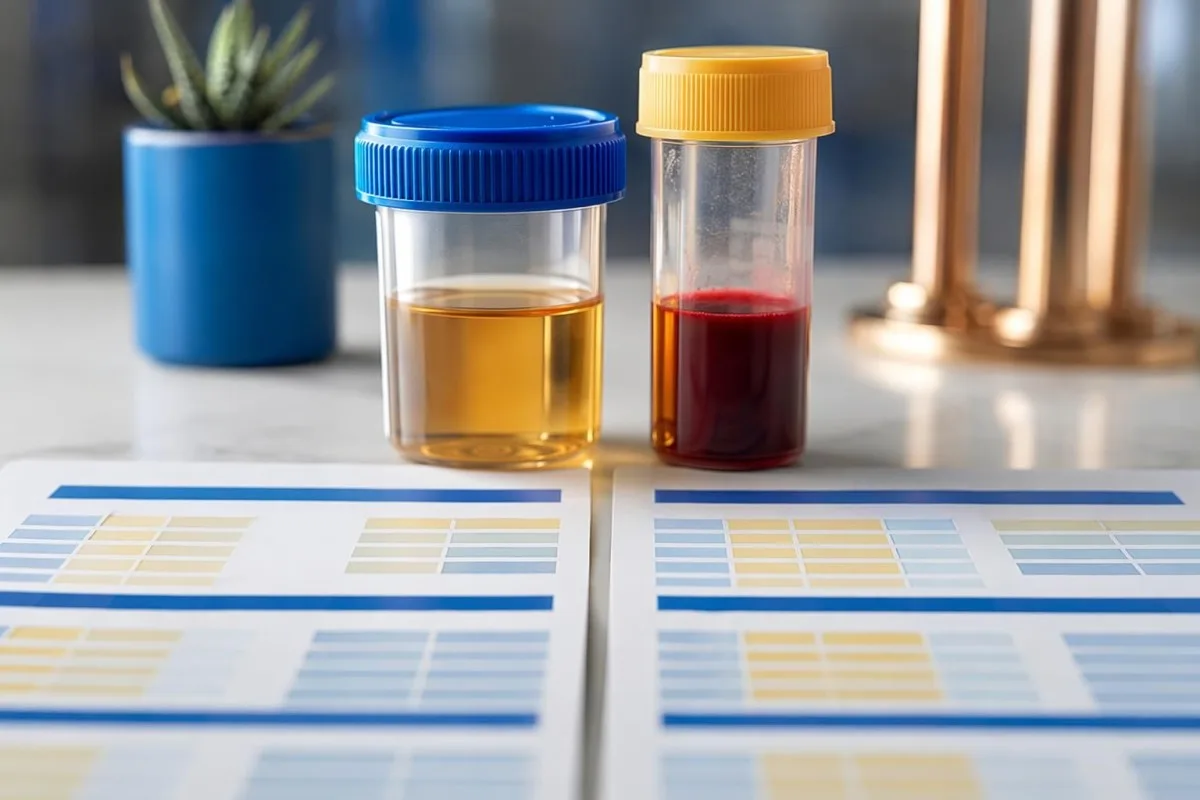
การเปรียบเทียบผลตรวจเลือดแบบเคียงข้างกันปลอดภัยที่สุดเมื่อคุณจับคู่หน่วย สถานะการงดอาหาร วิธีการตรวจ เวลาการรับประทานยา และค่าพื้นฐานของคุณเองก่อนจะตัดสินว่ามีการเพิ่มขึ้นหรือลดลง ในวันที่ 1 มิถุนายน 2026 ฉันยังเห็นอันตรายจากการตื่นตระหนกกับการเปลี่ยนแปลงเล็กน้อยในผลแล็บมากกว่าการทำซ้ำการตรวจที่ถูกต้องอย่างใจเย็น.


- การตรวจเลือดแบบเคียงข้างกัน การเปรียบเทียบควรเริ่มจากหน่วย วันที่ สถานะการงดอาหาร ชื่อแล็บ และเวลาการรับประทานยา ก่อนจะตีความการเปลี่ยนแปลงใด ๆ.
- ความแปรปรวนทางชีวภาพปกติ หมายความว่าการเปลี่ยนแปลงของโซเดียม 5% อาจมีความสำคัญ ในขณะที่การเปลี่ยนแปลงของ ALT 25% อาจยังเป็นชั่วคราวหลังการออกกำลังกายหรือความเจ็บป่วย.
- Triglycerides โดยทั่วไปจะเพิ่มขึ้นประมาณ 20-30 mg/dL หลังมื้ออาหารทั่วไป ดังนั้นรายงานไขมันที่งดอาหารและไม่งดอาหารจึงไม่ควรเปรียบเทียบกันเหมือนเป็นเงื่อนไขเดียวกัน.
- Creatinine การเปลี่ยนแปลงที่สูงกว่าประมาณ 15-20% ควรได้รับความสนใจ โดยเฉพาะเมื่อ eGFR ลดลงด้วยหรืออัตราส่วนอัลบูมิน-ครีเอตินินในปัสสาวะเพิ่มขึ้น.
- HbA1c การเปลี่ยนแปลง 0.3 จุดเปอร์เซ็นต์อาจมีความหมาย แต่ภาวะโลหิตจาง การให้เลือด โรคไต และความแปรผันของฮีโมโกลบินอาจทำให้ผลคลาดเคลื่อนได้.
- TSH สามารถเปลี่ยนได้ 20-50% ตามเวลาของวัน การพลาดการรับประทานเลโวไทร็อกซีน ไบโอติน ความเจ็บป่วยเฉียบพลัน และไตรมาสของการตั้งครรภ์.
- ເວລາກິນຢາ สิ่งที่สำคัญคือ: การตรวจซ้ำเลโวไทร็อกซีนมักต้องใช้เวลา 6-8 สัปดาห์ การตรวจไขมันของกลุ่มสแตตินมักต้องใช้เวลา 4-12 สัปดาห์ และการตรวจธาตุเหล็กอาจถูกบิดเบือนได้เป็นเวลาหลายวันหลังการเสริมอาหาร.
- ការផ្លាស់ប្តូរបន្ទាន់ រួមមាន ប៉ូតាស្យូមលើស 6.0 mmol/L, សូដ្យូមក្រោម 125 mmol/L, អេម៉ូក្លូប៊ីនជិត 7 g/dL, ឬ creatinine កើនឡើងយ៉ាងលឿនជាមួយនឹងរោគសញ្ញា។.
- ការវិភាគលទ្ធផលពិនិត្យឈាមជាបន្តបន្ទាប់ ដំណើរការល្អបំផុត នៅពេលដែលការធ្វើតេស្តបន្ទាប់ធ្វើឡើងវិញនូវមន្ទីរពិសោធន៍ដូចគ្នា លើកពេលប្រមូលដូចគ្នា និងទម្លាប់មុនធ្វើតេស្តដូចគ្នា។.
วิธีเปรียบเทียบการมาตรวจแล็บโดยไม่ตื่นตระหนก
A ការធ្វើតេស្តឈាមនៅជាប់គ្នា មានប្រយោជន៍ខាងវេជ្ជសាស្ត្រតែបន្ទាប់ពីអ្នកបញ្ជាក់ថា របាយការណ៍ទាំងពីរអាចប្រៀបធៀបគ្នាបាន។ ប្រៀបធៀបសារធាតុជីវសញ្ញាដូចគ្នា ឯកតាដូចគ្នា ស្ថានភាពមុនអាហារដូចគ្នា ប្រសិនបើអាច វិធីសាស្ត្រមន្ទីរពិសោធន៍ដូចគ្នា និងកាលវិភាគថ្នាំដូចគ្នា; បន្ទាប់មកសួរថា ការផ្លាស់ប្តូរនោះធំជាងជីវវិទ្យាប្រចាំថ្ងៃដែលរំពឹងទុកដែរឬទេ។.
ແຄນເທສຕີ ເປັນ ແພລດຟອມການອ່ານຜົນກວດເລືອດຂອງ AI ដែលដាក់របាយការណ៍ធ្វើឡើងវិញក្នុងខ្សែពេលវេលាតែមួយ ជាជាងព្យាបាល “សញ្ញាព្រមាន” មួយជាធ្វើរោគវិនិច្ឆ័យ។ នៅក្នុងដំណើរការពិនិត្យព្យាបាលរបស់យើង ការឆ្លងកាត់ជាលើកដំបូងគឺចេតនាឲ្យធុញ៖ កាលបរិច្ឆេទរបាយការណ៍ ពេលវេលាប្រមូល ឯកតា ស្ថានភាពមុនអាហារ ឈ្មោះមន្ទីរពិសោធន៍ និងថាតើអ្នកជំងឺឈឺក្នុងរយៈពេល 14 ថ្ងៃមុនដែរឬទេ។ សម្រាប់ទស្សនៈអ្នកជំងឺកាន់តែស៊ីជម្រៅអំពីនិន្នាការពិត សូមមើលមគ្គុទេសក៍របស់យើងទៅកាន់ ແນວໂນ້ມຜົນກວດແທ້ໃນຫ້ອງທົດລອງ.
ក្នុងនាមជា Thomas Klein, MD ខ្ញុំប្រាប់អ្នកជំងឺថា លទ្ធផលដែលផ្លាស់ពី 4.2 ទៅ 4.5 mmol/L ប៉ូតាស្យូម ជាធម្មតាមិនមែនជារឿងដោយខ្លួនឯងទេ។ លទ្ធផលដែលផ្លាស់ពី 4.2 ទៅ 6.2 mmol/L ជាពិសេសជាមួយជំងឺតម្រងនោម ការប្រើ ACE inhibitor ឬការញ័រទ្រូង គឺជាការពិភាក្សាខុសគ្នាខ្លាំងណាស់។.
ຄໍາວ່າ ຄວາມແຕກຕ່າງຂອງການກວດເລືອດລະຫວ່າງຄັ້ງກວດ អាចស្តាប់ទៅគួរឲ្យរំភើប ប៉ុន្តែភាពខុសគ្នាច្រើនគឺជាគណិតវិទ្យា មិនមែនជាវេជ្ជសាស្ត្រ។ creatinine 1.0 mg/dL និង 88 µmol/L គឺស្ទើរតែតម្លៃដូចគ្នា ព្រោះ creatinine 1.0 mg/dL ស្មើប្រហែល 88.4 µmol/L។.
ល្បិចជាក់ស្តែង គឺបំបែកសំណួរចំនួនបី៖ តើលេខពិតជាផ្លាស់ប្តូរឬទេ តើរាងកាយពិតជាផ្លាស់ប្តូរឬទេ និងតើការផ្លាស់ប្តូរនោះសមនឹងរោគសញ្ញាដែរឬទេ។ កំហុសភាគច្រើនកើតឡើងពេលមនុស្សឆ្លើយសំណួរទីបី ដោយផ្អែកលើលេខតែមួយដែលបានឃើញ។.
ตรวจสอบหน่วย วันที่ และวิธีการทดสอบ (assay) ก่อนจะตีความ
ការផ្លាស់ប្តូរឯកតា អាចធ្វើឲ្យលទ្ធផលដែលស្ថិរភាពមើលទៅមិនប្រក្រតី ទោះបីគ្មានការផ្លាស់ប្តូរខាងជីវវិទ្យាក៏ដោយ។ មុននឹងបកស្រាយ a ការប្រៀបធៀបតេស្តឈាមច្រើនលើក, សូមបម្លែងឯកតា និងបញ្ជាក់ថា មន្ទីរពិសោធន៍ទាំងពីរវាស់សារធាតុវិភាគដូចគ្នា ដោយប្រើប្រភេទវិធីសាស្ត្រដូចគ្នា។.
កូឡេស្តេរ៉ុល, LDL-C, និង HDL-C បម្លែងពី mg/dL ទៅ mmol/L ដោយគុណនឹង 0.02586; triglycerides បម្លែងដោយគុណនឹង 0.01129។ អេម៉ូក្លូប៊ីនក្នុង g/dL ក្លាយជា g/L ដោយគុណនឹង 10 ដូច្នេះ 13.5 g/dL ស្មើ 135 g/L។ Our ຄູ່ມືການແປງ unit ឆ្លងកាត់អន្ទាក់ធម្មតាដែលអ្នកជំងឺផ្ញើមកឲ្យយើង។.
វិធីសាស្ត្រវាស់ (assay method) មានសារៈសំខាន់បំផុតសម្រាប់ hormones, វីតាមីន D, troponin, D-dimer និងអង្គបដិប្រាណអូតូអ៊ុយមីនមួយចំនួន។ ខ្ញុំធ្លាប់ឃើញអ្នកជំងឺភ័យខ្លាច ព្រោះ 25-OH vitamin D ធ្លាក់ពី 34 ng/mL ទៅ 78 nmol/L ខណៈដែល 78 nmol/L ប្រហែល 31 ng/mL; ក្នុងផ្នែកព្យាបាល ភាពខុសគ្នាតូចនេះ មិនមែនជាការដួលរលំទេ។.
ចន្លោះយោង (reference ranges) មិនអាចផ្លាស់ប្តូរបានរវាងមន្ទីរពិសោធន៍ទេ។ កម្រិតកំណត់ខាងលើនៃ TSH អាចជា 4.0 mIU/L នៅមន្ទីរពិសោធន៍មួយ និង 4.5 mIU/L នៅមួយទៀត; ចន្លោះ free testosterone អាចខុសគ្នាថែមទៀត ព្រោះវិធី immunoassay និង mass spectrometry មិនដំណើរការដូចគ្នា។.
សូមមើលកំណត់ត្រាគំរូផងដែរ។ Hemolysis, lipemia, ការដំណើរការយឺតយ៉ាវ, ឬគំរូដែលយកមកក្នុងបំពង់ខុស អាចធ្វើឲ្យប៉ូតាស្យូម AST LDH គ្លុយកូស និងតេស្ត coagulation ផ្លាស់ប្តូរគ្រប់គ្រាន់ ដើម្បីបង្កើតលំនាំខុស (false pattern)។.
ใช้ความแปรปรวนทางชีวภาพเพื่อพิจารณาว่าอะไรเปลี่ยนไป
ភាពប្រែប្រួលខាងជីវសាស្ត្រ (biological variation) គឺការប្រែប្រួលធម្មតាខាងក្នុងខ្លួន ដែលកើតឡើងទោះបីសុខភាពនៅស្ថិរភាពក៏ដោយ។ ការផ្លាស់ប្តូរមួយនឹងគួរឲ្យជឿជាក់ជាង នៅពេលដែលវាលើសពីភាពប្រែប្រួលរួមដែលរំពឹងទុក ពីរាងកាយរបស់អ្នក និងឧបករណ៍មន្ទីរពិសោធន៍។.
គំរូ Fraser និង Harris បែបបុរាណ ពិពណ៌នាអំពី ຄ່າການປ່ຽນແປງທີ່ອ້າງອີງ, ដែលជាញឹកញាប់ប៉ាន់ប្រមាណជា 2.77 × √(analytical variation² + biological variation²) ដើម្បីសម្រេចថា លទ្ធផលពីរនោះពិតជាខុសគ្នាឬទេ (Fraser and Harris, 1989)។ និយាយឲ្យងាយយល់៖ សញ្ញាសម្គាល់ខ្លះមានស្ថិរភាពដោយធម្មជាតិ ហើយខ្លះទៀតលោតប្រែជុំវិញ។.
សូដ្យូមត្រូវបានគ្រប់គ្រងយ៉ាងតឹង ដូច្នេះ ការផ្លាស់ពី 140 ទៅ 132 mmol/L មានន័យខ្លាំងជាង ការផ្លាស់ triglyceride ពី 145 ទៅ 175 mg/dL បន្ទាប់ពីអាហារថ្ងៃត្រង់។ សម្រាប់បរិបទកាន់តែស៊ីជម្រៅអំពីការប្រែប្រួលដែលរំពឹងទុក សូមមើល មគ្គុទេសក៍អំពី variation ອະທິບາຍວ່າເປັນຊຸດອ້າງອີງຂະໜາດດຽວ (one-size) ເຮັດໃຫ້ພາດພື້ນຖານຂອງແຕ່ລະຄົນໄດ້ແນວໃດ.
ຂອບເຂດການປ່ຽນແປງທີ່ໃກ້ຄຽງກັບຄວາມເປັນຈິງທີ່ຂ້ອຍໃຊ້ໃນທາງຄລີນິກແມ່ນ 4-5% ສຳລັບ sodium, 10-15% ສຳລັບ creatinine, 20-30% ສຳລັບ ALT, 30-50% ສຳລັບ ferritin, ແລະ 40-60% ສຳລັບ triglycerides ຫຼື TSH. ນີ້ບໍ່ແມ່ນຂອບຕັດສຳລັບການວິນິດໄຊ; ມັນແມ່ນຂອບສັນຍານທຽບກັບສຽງ (signal-versus-noise cutoffs).
ຫຼັກຖານທີ່ນີ້ແມ່ນປະສົມປະສານຢ່າງຊື່ກົງສຳລັບຕົວຊີ້ວັດຄວາມສຸຂະພາບໃໝ່ໆ ເຊັ່ນ omega-3 index, IGF-1, ແລະ advanced lipid particles. ມັນອາດຈະເປັນປະໂຫຍດ, ແຕ່ການກວດຊ້ຳຄວນຖືກມາດຕະຖານໃຫ້ແໜ້ນເພາະການປ່ຽນແປງນ້ອຍໆ ອາດສະທ້ອນການຈັດການກ່ອນການກວດ (pre-analytical handling) ຫຼາຍກວ່າສະພາບທາງສະລະວິທະຍາ (physiology).
สถานะการงดอาหารเปลี่ยนมากกว่าน้ำตาล
ລາຍງານທີ່ອົດອາຫານ (fasting) ແລະບໍ່ອົດອາຫານ (non-fasting) ບໍ່ຄວນຖືກປະຕິບັດເໝືອນກັນກັບການມາກວດໃນຄັ້ງດຽວກັນ. ມື້ອາຫານ (meals) ສາມາດປ່ຽນ triglycerides, glucose, insulin, bilirubin, phosphate, ແລະບາງຄັ້ງຕົວຊີ້ວັດຂອງໄຕ (kidney markers) ພໍທີ່ຈະເຮັດໃຫ້ການທຽບກັນຂ້າງຄຽງ (side-by-side review) ສັບສົນ.
Nordestgaard et al. ລາຍງານວ່າ ການກວດລາຍການໄຂມັນ (routine lipid profiles) ສາມາດວັດໄດ້ເລື້ອຍໆໂດຍບໍ່ຈຳເປັນອົດອາຫານ, ແຕ່ triglycerides ທີ່ບໍ່ອົດອາຫານຍັງຄົງເພີ່ມຂຶ້ນປະມານ 0.3 mmol/L, ຫຼືປະມານ 26 mg/dL, ຫຼັງຈາກການກິນອາຫານທົ່ວໄປ (Nordestgaard et al., 2016). ນີ້ດີສຳລັບການຄັດກອງດ້ານ cardiovascular; ແຕ່ບໍ່ດີຖ້າທ່ານກຳລັງຕັດສິນວ່າອາຫານຫຼຸດ triglycerides ໄດ້ 20 mg/dL.
ນ້ຳຕານໃນເລືອດຂະນະອົດອາຫານ (fasting glucose) 100-125 mg/dL ຊີ້ວ່າມີ impaired fasting glucose, ໃນຂະນະທີ່ 126 mg/dL ຫຼືສູງກວ່າໃນການກວດຊ້ຳ ຊະໜັບສະໜູນການວິນິດໄຊໂລກເບົາຫວານ. ນ້ຳຕານແບບສຸ່ມ (random glucose) ສູງກວ່າ 200 mg/dL ພ້ອມອາການຄລາສສິກ ແມ່ນສະພາບການວິນິດໄຊທີ່ຕ່າງກັນ, ບໍ່ແມ່ນສິ່ງທີ່ຄວນນຳມາສະເລ່ຍຢ່າງສະບາຍໆກັບຄ່າ fasting ຂອງປີກ່ອນ.
Bilirubin ອາດເພີ່ມຂຶ້ນໃນຊ່ວງອົດອາຫານ, ໂດຍສະເພາະໃນຄົນທີ່ມີ Gilbert syndrome; ຂ້ອຍມັກເຫັນ total bilirubin ຈາກ 1.1 ໄປເປັນ 1.8 mg/dL ໃນຂະນະທີ່ ALT ແລະ AST ຍັງຢູ່ໃນລະດັບປົກກະຕິ. ຄູ່ມືຂອງພວກເຮົາກ່ຽວກັບ ສະຖານະການອົດອາຫານປ່ຽນແປງ ອະທິບາຍວ່າແບບຮູບແບບນັ້ນ ໂດຍທົ່ວໄປມັກຈະໜ້າກັງວົນໜ້ອຍກວ່າ bilirubin ພ້ອມກັບ ALP ຫຼື GGT ສູງ.
ກຸ່ມການກວດໄຕ (Renal panels) ກໍປ່ຽນແປງຕາມການກິນໂປຣຕີນຫຼ້າສຸດ ແລະການດື່ມນ້ຳ. BUN ສາມາດເພີ່ມຂຶ້ນຫຼັງຈາກອາຫານມີໂປຣຕີນສູງ ຫຼືຂາດນ້ຳ (dehydration) ດັ່ງນັ້ນອັດຕາສ່ວນ BUN/creatinine ຄວນຖືກປຽບທຽບກັບການຮັບນ້ຳ (fluid intake) ບໍ່ແມ່ນພຽງແຕ່ຄວາມກັງວົນເລື່ອງໄຕ.
ความแตกต่างระหว่างแล็บอาจเลียนแบบโรค
មន្ទីរពិសោធន៍ផ្សេងគ្នាអាចរាយការណ៍តម្លៃខុសគ្នាពីមនុស្សដដែលក្នុងសប្តាហ៍ដូចគ្នា។ បញ្ហាជាទូទៅគឺការក្រិតតាមខ្នាត (calibration) ការរចនាវិធីសាស្ត្រ (assay design) ប្រជាជនយោងក្នុងតំបន់ ឬទម្លាប់នៃការរាយការណ៍ ជាជាងដំណើរការជំងឺភ្លាមៗ។.
ແຄນເທສຕີ ເປັນ ឧបករណ៍វិភាគតេស្តឈាមដែលដំណើរការដោយ AI ដែលពិនិត្យថាតើលទ្ធផលបានផ្លាស់ប្តូរដោយសារតែឯកតា (unit) ចន្លោះយោង (reference interval) ឬប្រភពមន្ទីរពិសោធន៍បានផ្លាស់ប្តូរ។ វាមានប្រយោជន៍ជាពិសេសសម្រាប់ការវិភាគលើការធ្វើតេស្តឈាមជាបន្តបន្ទាប់នៅទូទាំងប្រទេស ដែល ferritin វីតាមីន D TSH និងការរាយការណ៍អំពីតម្រងនោមមានទម្រង់ខុសគ្នាយ៉ាងទូលំទូលាយ។.
មន្ទីរពិសោធន៍នៅអឺរ៉ុបខ្លះប្រើកម្រិតកំណត់ខាងលើ ALT (upper reference limit) ទាបជាងរបាយការណ៍រចនាបែបសហរដ្ឋអាមេរិកចាស់ៗ ជាញឹកញាប់ប្រហែល 35 IU/L សម្រាប់បុរស និង 25 IU/L សម្រាប់ស្ត្រី។ តម្លៃ 42 IU/L អាចត្រូវបានសម្គាល់នៅកន្លែងមួយ ហើយត្រូវបានមិនអើពើនៅកន្លែងមួយទៀត ទោះបីជាថ្លើមមិនបានផ្លាស់ប្តូររវាងព្រលានយន្តហោះក៏ដោយ។.
បញ្ហាដូចគ្នានេះប៉ះពាល់ដល់ eGFR ផងដែរ។ eGFR ដែលគណនាដោយ creatinine 58 mL/min/1.73 m² ក្នុងអ្នកអាយុ 72 ឆ្នាំ មិនត្រូវបានបកស្រាយដូចគ្នានឹង eGFR ដូចគ្នានៅក្នុងអត្តពលិករត់ endurance អាយុ 28 ឆ្នាំទេ; អាយុ បរិមាណសាច់ដុំ cystatin C និងអាល់ប៊ុមីនក្នុងទឹកនោម ជាអ្នកកំណត់ហានិភ័យ។.
ចន្លោះយោង (reference ranges) ពិពណ៌នាអំពីប្រជាជន មិនមែនជាចំណុចកំណត់ផ្ទាល់ខ្លួនរបស់អ្នកទេ។ អត្ថបទរបស់យើងអំពីមូលហេតុដែល ចន្លោះធម្មតា (normal ranges) បំភាន់ មានតម្លៃក្នុងការអាន មុនពេលអ្នកដេញតាមតម្លៃគ្រប់តម្លៃដែលនៅក្រៅចន្លោះដែលបានបោះពុម្ពមួយពិន្ទុ។.
เวลาการรับประทานยาคือส่วนหนึ่งของผลลัพธ์
ពេលវេលានៃថ្នាំ និងអាហារបំប៉នអាចប្តូរលទ្ធផលមន្ទីរពិសោធន៍បានច្រើនដូចជាជំងឺដែលកំពុងតាមដាន។ ការប្រៀបប្រដូចដែលត្រឹមត្រូវត្រូវកត់ត្រា កម្រិតដូស (dose) ដូសដែលខកខាន (missed doses) ថ្ងៃចាប់ផ្តើម (start date) ពេលវេលាដូសចុងក្រោយ (last dose time) និងថាតើឈាមត្រូវបានយកមុន ឬក្រោយពេលកំពូលនៃថ្នាំ (medication peak)។.
ការផ្លាស់ប្តូរដូស Levothyroxine ជាទូទៅត្រូវការពេល 6-8 សប្តាហ៍ មុនពេល TSH ឈានដល់ស្ថានភាពថេរថ្មី។ ការធ្វើតេស្តនៅ 2 សប្តាហ៍អាចបង្ហាញលទ្ធផលមធ្យមដែលបំភាន់ ខណៈដែល free T4 អាចផ្លាស់ប្តូរឆាប់ជាង TSH។.
Biotin ចំនួន 5-10 mg/ថ្ងៃ អាចរំខានដល់ការធ្វើតេស្ត immunoassays មួយចំនួនសម្រាប់ក្រពេញទីរ៉ូអ៊ីត troponin និងអរម៉ូន; គ្រូពេទ្យជាច្រើនស្នើឲ្យអ្នកជំងឺឈប់វា 48-72 ម៉ោងមុនពេលធ្វើតេស្ត ដោយអាស្រ័យលើដូស និងប្រភេទ assay។ ខ្ញុំធ្លាប់ឃើញ TSH ទាប និង free T4 ខ្ពស់ បាត់ទៅវិញ បន្ទាប់ពីអ្នកជំងឺឈប់ប្រើអាហារបំប៉នសក់រយៈពេលបីថ្ងៃ។.
អាហារបំប៉នជាតិដែកអាចបង្កើន serum iron និង transferrin saturation ជាបណ្តោះអាសន្ន ខណៈដែល ferritin ផ្លាស់ប្តូរយឺតជាងក្នុងរយៈពេលសប្តាហ៍។ សម្រាប់ព័ត៌មានលម្អិតអំពីពេលវេលាតាមថ្នាំមួយៗ our ຄູ່ມືເສັ້ນທາງຢາ មានប្រយោជន៍ជាងការព្យាយាមចាំគ្រប់ពាក់កណ្តាលជីវិត (half-life)។.
ការឆ្លើយតបចំពោះ statin ជាទូទៅត្រូវវាយតម្លៃបន្ទាប់ពី 4-12 សប្តាហ៍ ហើយ LDL-C ជាញឹកញាប់ធ្លាក់ 30-50% អាស្រ័យលើកម្រិតខ្លាំង និងការធ្វើតាម។ ប្រសិនបើបន្ទះខ្លាញ់ (lipid panel) ទីពីរត្រូវបានយកបន្ទាប់ពីខកខានដូស ការឈប់សម្រាក (holiday) ឬស្ថានភាពតមអាហារខុសគ្នា ការប្រៀបប្រដូចនឹងបាត់បង់អំណាច។.
การออกกำลังกาย ความเจ็บป่วย และภาวะขาด/คงความชุ่มชื้นทิ้งร่องรอยไว้
ការធ្វើលំហាត់ប្រាណថ្មីៗ ជំងឺវីរុស ការចាក់វ៉ាក់សាំង ការប៉ះពាល់កំដៅ និងការខ្វះជាតិទឹកអាចបង្កើតលំនាំលទ្ធផលមន្ទីរពិសោធន៍បណ្តោះអាសន្ន ដែលមើលទៅគួរឲ្យព្រួយបារម្ភនៅពេលពិនិត្យតែម្នាក់ឯង។ លំនាំទាំងនេះជាទូទៅអាចស្គាល់បាន នៅពេលដែលសូចនាករច្រើនផ្លាស់ប្តូរជាមួយគ្នា។.
អ្នករត់ម៉ារ៉ាតុនអាយុ 52 ឆ្នាំដែលមាន AST 89 IU/L និង ALT 42 IU/L អាចមិនមានការខូចខាតថ្លើមទាល់តែសោះ ប្រសិនបើ CK 2,800 IU/L និងមានរោគសញ្ញាឈឺសាច់ដុំ។ AST មាននៅក្នុងសាច់ដុំផងដែរ និងនៅក្នុងថ្លើមផងដែរ ដូចนั้น AST ខ្ពស់ជាមួយ bilirubin ធម្មតា និង CK ខ្ពស់ បង្ហាញថាមិនសូវទៅរកបញ្ហាបំពង់ទឹកប្រមាត់។.
ការខ្វះទឹកធ្វើឲ្យអាល់ប៊ុមីន កោសិកាឈាមក្រហម (hematocrit) ប្រូតេអ៊ីនសរុប កាល់ស្យូម និងពេលខ្លះ BUN មានការប្រមូលផ្តុំ។ ការកើនឡើងអេម៉ូក្លូប៊ីនពី 14.2 ទៅ 15.7 g/dL បន្ទាប់ពីថ្ងៃក្តៅ អាចឆ្លុះបញ្ចាំងពីការបាត់បង់បរិមាណប្លាស្មា ជាជាងការផលិតកោសិកាឈាមក្រហមថ្មី។.
សញ្ញាសម្គាល់ការរលាកតែងតែយឺតជាងរោគសញ្ញា។ CRP អាចឡើងដល់កំពូល 24-72 ម៉ោងបន្ទាប់ពីការឆ្លងចាប់ផ្តើម ហើយការកើនឡើងស្រាលក្រោម 10 mg/L ជារឿងធម្មតាបន្ទាប់ពីជំងឺវីរុស ឬការហ្វឹកហាត់ខ្លាំង។ មគ្គុទេសក៍របស់យើងទៅ การเปลี่ยนแปลงของผลตรวจหลังออกกำลังกาย ពន្យល់អំពីលំនាំ CK, AST, WBC និង ferritin។.
ពេលវេលាក៏សំខាន់បន្ទាប់ពីការចាក់វ៉ាក់សាំងដែរ។ ការផ្លាស់ប្តូរតិចតួចក្នុង WBC, CRP ឬ platelet ក្នុងរយៈ 1-7 ថ្ងៃ ជាទូទៅមិនសូវគួរព្រួយបារម្ភជាងភាពមិនប្រក្រតីដែលនៅបន្តនៅ 3-4 សប្តាហ៍ ជាពិសេសបើគ្មានគ្រុនក្តៅ ស្នាមជាំ ឈឺទ្រូង ឬដង្ហើមខ្លី។.
แนวโน้มที่ค่อยเป็นค่อยไปมักสำคัญกว่าสัญญาณเตือน
ការផ្លាស់ប្តូរយឺតៗឆ្លងកាត់ការត្រួតពិនិត្យមន្ទីរពិសោធន៍ចំនួនបីដង ឬច្រើនជាងនេះ ជាញឹកញាប់មានអត្ថន័យខាងព្យាបាលច្រើនជាងការសញ្ញាខ្សោយមួយដង។ ការវិភាគលើការធ្វើតេស្តឈាមឡើងវិញដំណើរការល្អបំផុត នៅពេលដែលវាទទួលស្គាល់ទំនោរ ភាពបន្ត និងក្រុមសញ្ញាសម្គាល់ ជាជាងតម្លៃមិនប្រក្រតីតែមួយ។.
ក្នុងការវិភាគរបស់យើងលើរបាយការណ៍ដែលអ្នកប្រើប្រាស់ 2M+ ផ្ទុកឡើង យើងឃើញជាញឹកញាប់ថាហានិភ័យលាក់នៅក្នុងតម្លៃដែលនៅតែបច្ចេកទេសធម្មតា។ កម្រិតជាតិស្ករនៅពេលអត់អាហារ (fasting glucose) កើនពី 86 ទៅ 94 ទៅ 101 mg/dL ក្នុងរយៈពេលបីឆ្នាំ សមនឹងការពិភាក្សាផ្សេងពីការកើនតែមួយទៅ 101 mg/dL បន្ទាប់ពីគេងមិនល្អ។.
ហានិភ័យតម្រងនោមក៏ស្រដៀងគ្នា។ KDIGO 2024 ចង្អុលបង្ហាញថា ការផ្លាស់ប្តូរ eGFR លើសពី 20% ក្នុងការធ្វើតេស្តបន្ទាប់ លើសពីភាពប្រែប្រួលដែលរំពឹងទុក ហើយត្រូវការការវាយតម្លៃ ជាពិសេសនៅពេលដែលសមាមាត្រ urine albumin-creatinine ក៏កាន់តែអាក្រក់ផងដែរ (KDIGO, 2024)។.
Ferritin ក៏ជាសញ្ញាសម្គាល់និន្នាការយឺតមួយទៀត។ ការធ្លាក់ពី 78 ទៅ 42 ទៅ 18 ng/mL ក្នុងរយៈ 18 ខែ អាចពន្យល់អំពីជើងមិនស្ងប់ ការជ្រុះសក់ ឬអស់កម្លាំង មុនពេល hemoglobin ធ្លាក់ក្រោម 12 g/dL ក្នុងស្ត្រី ឬ 13 g/dL ក្នុងបុរស។.
សម្រាប់ក្របខណ្ឌកាន់តែស៊ីជម្រៅ មគ្គុទេសក៍របស់យើងទៅ និន្នាការមន្ទីរពិសោធន៍យឺតៗ ពន្យល់ថាហេតុអ្វីបានជាចំណុចបីធ្វើឲ្យក្លាយជានិន្នាការ និងពីរចំណុចធ្វើឲ្យក្លាយជាសំណួរ។ ការបែងចែកនេះការពារទាំងភាពធ្វេសប្រហែស និងការព្រួយបារម្ភមិនចាំបាច់។.
การเปลี่ยนแปลงแบบใดที่ต้องได้รับการดูแลทางการแพทย์อย่างเร่งด่วน
ការផ្លាស់ប្តូរមន្ទីរពិសោធន៍ខ្លះមិនគួរត្រូវបានដោះស្រាយជាការពិនិត្យនិន្នាការធម្មតាទេ។ ភាពមិនប្រក្រតីអេឡិចត្រូលីតធ្ងន់ធ្ងរ hemoglobin ធ្លាក់ creatinine កើនឡើងជាមួយរោគសញ្ញា ជាតិស្ករខ្ពស់ខ្លាំង troponin វិជ្ជមាន ឬការផ្លាស់ប្តូរតេស្តការកកឈាមលើ anticoagulants ត្រូវការការវាយតម្លៃខាងព្យាបាលឲ្យទាន់ពេល។.
ប៉ូតាស្យូមខ្ពស់ជាង 6.0 mmol/L ឬទាបជាង 2.8 mmol/L អាចមានគ្រោះថ្នាក់ ជាពិសេសជាមួយនឹងភាពទន់ខ្សោយ ការញ័រទ្រូង ជំងឺតម្រងនោម ឬថ្នាំសម្រាប់បេះដូង។ អាចត្រូវការធ្វើតេស្តឡើងវិញ ដើម្បីបដិសេធ hemolysis ប៉ុន្តែរោគសញ្ញាមិនគួររង់ចាំ spreadsheet ទេ។.
សូដ្យូមទាបជាង 125 mmol/L ឬខ្ពស់ជាង 155 mmol/L អាចបណ្តាលឲ្យមានការភ័ន្តច្រឡំ ប្រកាច់ ដួល ឬស្រេកទឹកខ្លាំង អាស្រ័យលើល្បឿននៃការផ្លាស់ប្តូរ។ លេខដូចគ្នាអាចអត់ឱ្យបានពេលរ៉ាំរ៉ៃ ប៉ុន្តែមានគ្រោះថ្នាក់ពេលកើតភ្លាម ដូច្នេះពេលវេលា និងរោគសញ្ញាសំខាន់។.
Hemoglobin ជិត 7 g/dL, platelets ទាបជាង 20 × 10⁹/L, neutrophils ទាបជាង 0.5 × 10⁹/L ឬ WBC ខ្ពស់ជាង 50 × 10⁹/L ជាទូទៅត្រូវការការពិនិត្យដោយអ្នកព្យាបាលដោយផ្ទាល់។ មគ្គុទេសក៍របស់យើង ຄ່າວິກິດຊ່ວຍຊີ້ນຳ រាយបញ្ជីស្ថានភាពដែលការហៅបន្ទាន់លឿនជាងការបកស្រាយនៅផ្ទះ។.
Creatinine កើនឡើង 30% បន្ទាប់ពីចាប់ផ្តើម ACE inhibitor អាចត្រូវបានតាមដានក្នុងករណីខ្លះ ប៉ុន្តែការកើនឡើង creatinine ទ្វេដងពីមូលដ្ឋាន (baseline) មិនមែនជានិន្នាការតិចតួចទេ។ ប្រសិនបើមានការថយចុះទឹកនោម ហើម ដង្ហើមខ្លី ឈឺទ្រូង លាមកខ្មៅ ឬដួលសន្លប់ បង្ហាញជាមួយនឹងតម្លៃមិនប្រក្រតី សូមព្យាបាលមនុស្សជាមុន ហើយប្រៀបធៀបជាលើកក្រោយ។.
วิธีเปรียบเทียบ CBC, CMP, ไขมัน (lipids) และไทรอยด์
ກຸ່ມກວດທົ່ວໄປຄວນຖືກປຽບທຽບດ້ວຍແບບຮູບແບບ, ບໍ່ແມ່ນການສະແກນຫາຕົວອັກສອນສີແດງ. CBC, CMP, lipid panel, thyroid tests, iron studies, ແລະ inflammatory markers ແຕ່ລະຢ່າງມີກົດລະບຽບຂອງຕົນເອງສຳລັບການປ່ຽນແປທີ່ມີຄວາມໝາຍ.
ສຳລັບ CBC, ຈຳນວນທີ່ເປັນຄ່າສົມບູນ (absolute counts) ມັກຈະສຳຄັນກວ່າເປີເຊັນ. Neutrophils ທີ່ 75% ອາດຈະເບິ່ງສູງ, ແຕ່ absolute neutrophil count ຂອງ 4.8 × 10⁹/L ມັກຈະເປັນປົກກະຕິ ຖ້າ total WBC ເປັນປົກກະຕິ.
ສຳລັບ CMP, ກຸ່ມຄວາມສຳພັນມີຄວາມສຳຄັນ: ALT ບວກ AST ຊີ້ວ່າເກີດຄວາມກົດດັນຕໍ່ຕັບແບບ hepatocellular, ALP ບວກ GGT ຊີ້ວ່າເປັນແບບ cholestatic ຫຼື biliary, ແລະ ຄ່າ calcium ສູງພ້ອມ albumin ຕ່ຳ ອາດຈະຕ້ອງໃຊ້ calcium ທີ່ປັບແກ້ (corrected calcium) ຫຼື ionized calcium. ຄູ່ມືຂອງພວກເຮົາກ່ຽວກັບ ກຸ່ມຄ່າຜິດປົກກະຕິ ສະແດງວ່າ ຜົນທີ່ຖືກຈັດເປັນກຸ່ມຈະປອດໄພກວ່າການຕີຄ່າດ້ວຍຄ່າດຽວ.
ສຳລັບ lipid, LDL-C, non-HDL-C, ApoB, triglycerides, ແລະສະພາບການບໍ່ກິນ (fasting state) ບອກເລື່ອງທີ່ຕ່າງກັນເລັກນ້ອຍ. ອີງຕາມຄູ່ມື cholesterol ຂອງ 2018 AHA/ACC, ApoB ອາດຈະເປັນປະໂຫຍດເມື່ອ triglycerides ເທົ່າກັບ 200 mg/dL ຫຼືສູງກວ່າ ເພາະ LDL-C ອາດຈະປະເມີນຕ່ຳເກີນຄວາມສ່ຽງທີ່ກ່ຽວກັບອະນຸພາກ (Grundy et al., 2019).
ສຳລັບ thyroid, ປຽບທຽບ TSH ກັບ free T4 ແລະເວລາ. TSH ສາມາດເພີ່ມຂຶ້ນໃນຕອນກາງຄືນ ແລະຫຼຸດລົງພາຍຫຼັງໃນມື້; ການປ່ຽນແປ 2.8 ຫາ 4.1 mIU/L ອາດເປັນເລື່ອງເວລາ, ແຕ່ TSH 12 mIU/L ພ້ອມ free T4 ຕ່ຳ ເປັນແບບ hypothyroid ທີ່ຊັດເຈນກວ່າ.
ค่าพื้นฐานของคุณเปลี่ยนตามอายุ การตั้งครรภ์ และการฝึกซ้อม
ການປຽບທຽບທີ່ດີໃຊ້ຄ່າພື້ນຖານ (baseline) ທີ່ເໝາະສົມສຳລັບຄົນນັ້ນ, ບໍ່ແມ່ນພຽງແຕ່ຊ່ວງອ້າງອີງທີ່ພິມອອກ. ອາຍຸ, ການຖືພາ, ໄວເດັກ (puberty), ການໝົດປະຈຳເດືອນ (menopause), ການຝຶກຄວາມທົນ (endurance training), ມວນກ້າມ, ແລະການໃຊ້ຢາຕໍ່ເນື່ອງ ສາມາດປ່ຽນຊ່ວງທີ່ຄາດຫວັງໄດ້ທັງໝົດ.
ເດັກບໍ່ແມ່ນຜູ້ໃຫຍ່ຂະໜາດນ້ອຍໃນການຕີຄ່າການກວດ. Alkaline phosphatase ສາມາດສູງຫຼາຍໃນໄລະການເຕີບໂຕ, ຈຳນວນ lymphocyte ສູງກວ່າໃນເດັກນ້ອຍ, ແລະການຕີຄ່າ ferritin ຂຶ້ນກັບອາຍຸ, ການອັກເສບ, ແລະອາຫານ.
ການຖືພາຫຼຸດ creatinine ເພາະການກັ່ນຂອງໄຕເພີ່ມຂຶ້ນ, ດັ່ງນັ້ນ creatinine 0.9 mg/dL ໃນຊ່ວງທ້າຍຂອງການຖືພາອາດບໍ່ໜ້າເຊື່ອໃຈຫຼາຍກວ່າໃນຜູ້ໃຫຍ່ທີ່ບໍ່ຖືພາ. ເປົ້າໝາຍ TSH ຕາມໄຕມາດ (trimester) ກໍຕ່ຳລົງໃນໄລຍະຕົ້ນຂອງການຖືພາ, ນັ້ນແມ່ນເຫດທີ່ລາຍງານທີ່ຖືກລະບຸວ່າປົກກະຕິ ອາດຍັງຕ້ອງການບໍລິບົດດ້ານການອອກລູກ.
ນັກກິລາມັກມີ CK ສູງກວ່າ, creatinine ຕ່ຳກວ່າຕາມຂະໜາດຮ່າງກາຍຖ້າຝຶກ endurance, ແລະ AST ສູງຊົ່ວຄາວຫຼັງຈາກການຝຶກຫນັກ. ຜູ້ສູງອາຍຸອາດມີ creatinine ທີ່ເບິ່ງປົກກະຕິແບບຫຼອກຕາ ເຖິງແມ່ນມີມວນກ້າມຕ່ຳ; cystatin C ສາມາດຊ່ວຍໄດ້ເມື່ອ eGFR ເບິ່ງປອດໄພເກີນໄປ.
ຖ້າທ່ານກຳລັງປຽບທຽບພໍ່ແມ່, ລູກ, ຫຼືນັກກິລາ, ໃຊ້ການຕີຄ່າຕາມອາຍຸ ບໍ່ແມ່ນຕັດຕາມຂອບເກນທົ່ວໄປ. ຂອງພວກເຮົາ ຊ່ວງຕາມອາຍຸ ແມ່ນຈຸດເລີ່ມທີ່ດີສຳລັບຄອບຄົວທີ່ຕິດຕາມຫຼາຍລາຍງານພ້ອມກັນ.
วิธีที่ AI Kantesti จัดการรายงานที่เกิดซ้ำ
Kantesti AI ປຽບທຽບລາຍງານຊ້ຳໂດຍການມາດຕະຖານຫົວໜ່ວຍ, ກວດຊ່ວງອ້າງອີງ, ກວດພົບສິ່ງທີ່ເປັນໄປໄດ້ວ່າເປັນຂໍ້ຜິດພາດຈາກການກວດ, ແລະຈັດລຳດັບການປ່ຽນແປຕາມບໍລິບົດທາງຄລີນິກ. ມັນບໍ່ໄດ້ປ່ຽນຄ່າຜິດປົກກະຕິໃຫ້ເປັນການວິນິດໄສ; ມັນຊອກຫາແບບຮູບແບບທີ່ຄວນຕິດຕາມ.
ແຄນເທສຕີ ເປັນ ແພລດຟອມການຕີຄວາມໝາຍ biomarker ຂອງ AI ໃຊ້ໂດຍ 2M+ ຄົນໃນ 127+ ປະເທດ, ດັ່ງນັ້ນເຄື່ອງຈະເຫັນລາຍງານໃນຫົວໜ່ວຍຫຼາຍຢ່າງ, ພາສາ, ແລະຮູບແບບຫ້ອງທົດລອງ. ລະບົບຂອງພວກເຮົາສາມາດອ່ານ PDF ຫຼືຮູບຖ່າຍໄດ້ໃນປະມານ 60 ວິນາທີ, ແຕ່ຄວາມໄວບໍ່ແມ່ນເປົ້າໝາຍທາງຄລີນິກ; ບໍລິບົດແມ່ນສຳຄັນ.
វេទិកាពិនិត្យថាតើការផ្លាស់ប្តូរ creatinine ជាការបម្លែងឯកតា ការខះជាតិទឹក ការកំណត់ពេលថ្នាំ ឬការធ្លាក់ចុះសក្តានុពលនៃតម្រងនោម មុននឹងផ្តល់ការពន្យល់ជាភាសាសាមញ្ញ។ អ្នកអានដែលចង់បានព័ត៌មានលម្អិតផ្នែកវិស្វកម្មអាចពិនិត្យមើល ຄູ່ມືເທັກໂນໂລຍີ AI.
ដំណើរការផ្ទៀងផ្ទាត់ផ្នែកវេជ្ជសាស្ត្ររបស់យើងក៏សាកល្បងសម្រាប់អន្ទាក់នៃ hyperdiagnosis ផងដែរ ដែលចម្លើយមើលទៅជឿជាក់ ប៉ុន្តែហួសហៅលើវ៉ារ្យង់ធម្មតា។ ការរចនាមូលដ្ឋាននៃ benchmark ត្រូវបានពិពណ៌នានៅក្នុង ການຢືນຢັນທາງຄລີນິກ.
ខ្ញុំនៅតែចង់ឲ្យអ្នកជំងឺប្រើប្រាស់គ្រូពេទ្យ។ AI អាចរៀបចំ សម្គាល់ និងពន្យល់; វាមិនអាចពិនិត្យពោះរបស់អ្នក ស្តាប់សំឡេង murmur ថ្មី វាយតម្លៃការខះជាតិទឹកនៅគ្រែ ឬសម្រេចថាតើការឈឺទ្រូងរបស់អ្នកមានសុវត្ថិភាពឬទេ។.
เปลี่ยนการเปรียบเทียบให้เป็นข้อความถึงแพทย์ที่มีประโยชน์
សាររបស់វេជ្ជបណ្ឌិតដែលមានប្រយោជន៍គឺខ្លី មានកាលបរិច្ឆេទ និងជាក់លាក់។ ផ្ញើ biomarkers ដែលបានផ្លាស់ប្តូរ ទំហំការផ្លាស់ប្តូរ រោគសញ្ញា ការផ្លាស់ប្តូរថ្នាំ ស្ថានភាពការតមអាហារ និងសំណួរដែលអ្នកត្រូវការឲ្យឆ្លើយ។.
សារល្អមើលទៅដូចនេះ៖ Creatinine របស់ខ្ញុំបានកើនពី 0.92 ទៅ 1.18 mg/dL ក្នុងរយៈពេល 4 ខែ eGFR បានធ្លាក់ពី 82 ទៅ 63 ខ្ញុំបានចាប់ផ្តើម lisinopril 10 mg កាលពី 6 សប្តាហ៍មុន ហើយខ្ញុំមិនមានហើម ឬបរិមាណទឹកនោមថយចុះទេ។ នោះផ្តល់សញ្ញាគ្រប់គ្រាន់ឲ្យគ្រូពេទ្យ ដើម្បីសម្រេចថាតើត្រូវធ្វើឡើងវិញ ពិនិត្យ urine ACR ឬកែសម្រួលថ្នាំ។.
សារដែលខ្សោយជាងនេះគឺ៖ ការធ្វើតេស្តតម្រងនោមរបស់ខ្ញុំអាក្រក់ តើវាមានន័យអ្វី? ខ្ញុំសូមនិយាយដោយសុភាព; ការថប់បារម្ភធ្វើឲ្យយើងទាំងអស់គ្នាមានភាពមិនច្បាស់។ លេខ កាលបរិច្ឆេទ និងរោគសញ្ញា បន្ថយឱកាសនៃការពន្យារពេលដោយការទៅមក។.
Thomas Klein, MD និងអ្នកពិនិត្យផ្នែកព្យាបាលរបស់យើងប្រើរចនាសម្ព័ន្ធដូចគ្នានេះ នៅពេលយើងធ្វើសវនកម្មលើការបកស្រាយដែលពិបាក៖ តើអ្វីបានផ្លាស់ប្តូរ ប៉ុន្មាន តើនៅក្រោមលក្ខខណ្ឌអ្វី និងតើមានអ្វីផ្សេងទៀតបានផ្លាស់ប្តូរជាមួយវាដែរ។ Our ຄະນະທີ່ປຶກສາດ້ານການແພດ ការពិនិត្យឡើងវិញពិពណ៌នាស្តង់ដារដែលនៅពីក្រោយរបៀបដែលយើងរៀបចំការវាយតម្លៃហានិភ័យ ដោយមិនធ្វើឲ្យមនុស្សភ័យខ្លាចដោយមិនចាំបាច់។.
ភ្ជាប់របាយការណ៍ទាំងពីរ ប្រសិនបើអាច។ រូបថតអេក្រង់ដែលកាត់ឲ្យនៅតម្លៃក្រហមតែមួយ ជាញឹកញាប់លាក់តម្រុយ ដូចជា albumin ខ្ពស់ដែលបង្ហាញការខះជាតិទឹក ឬ CK ខ្ពស់ដែលពន្យល់ AST។.
ทำให้การตรวจซ้ำครั้งถัดไปเป็นมาตรฐานก่อนตัดสินความก้าวหน้า
ការធ្វើតេស្តឡើងវិញលើកក្រោយគួរតែធ្វើឡើងវិញនូវលក្ខខណ្ឌដែលសំខាន់សម្រាប់ biomarkers ដែលអ្នកកំពុងតាមដាន។ មន្ទីរពិសោធន៍ដដែល ម៉ោងដដែល បង្អួចការតមអាហារដដែល កម្រិតការហាត់ប្រាណស្រដៀងគ្នា និងការកត់ត្រាពេលវេលានៃការប្រើថ្នាំ ធ្វើឲ្យការប្រៀបធៀបលើកក្រោយមានភាពជឿជាក់ខ្ពស់ជាងមុន។.
សម្រាប់ lipids ប្រើការសម្រេចចិត្តអំពីការតមអាហារដូចគ្នារាល់ពេល ប្រសិនបើអ្នកកំពុងវាយតម្លៃការឆ្លើយតបចំពោះរបៀបរស់នៅ។ សម្រាប់ thyroid សូមធ្វើតេស្តនៅពេលព្រឹកស្រដៀងគ្នា ហើយជៀសវាង biotin រយៈពេល 48-72 ម៉ោង ប្រសិនបើគ្រូពេទ្យរបស់អ្នកយល់ព្រម។ សម្រាប់ testosterone សូមយកឈាមមុនម៉ោង 10 a.m. ប្រសិនបើអាច ព្រោះកម្រិតពេលព្រឹកជាញឹកញាប់ខ្ពស់ជាងយ៉ាងច្រើន។.
សម្រាប់សញ្ញាសម្គាល់តម្រងនោម សូមទៅដោយមានជាតិទឹកគ្រប់គ្រាន់ធម្មតា ហើយជៀសវាងការទទួលប្រូតេអ៊ីនច្រើនខុសធម្មតា ឬការហាត់ប្រាណខ្លាំងក្នុង 24-48 ម៉ោងមុន។ សម្រាប់ ferritin និង CRP ជៀសវាងការធ្វើតេស្តក្នុងអំឡុងពេលមានជំងឺស្រួចស្រាវ លុះត្រាតែជំងឺនោះជាហេតុដែលត្រូវធ្វើតេស្ត។.
សម្រាប់ HbA1c កុំធ្វើតេស្តឡើងវិញឆាប់ពេក។ ដោយសារអាយុកាលកោសិកាឈាមក្រហមជាមធ្យមប្រហែល 120 ថ្ងៃ ការធ្វើឡើងវិញនៅ 8-12 សប្តាហ៍ មានព័ត៌មានច្រើនជាងការធ្វើនៅ 10 ថ្ងៃ លុះត្រាតែមានសំណួរអំពីភាពត្រឹមត្រូវ ឬការផ្លាស់ប្តូរព្យាបាលដ៏សំខាន់។.
Kantesti តាមដាន ມາດຕະຖານທາງຄລີນິກ សម្រាប់ការពន្យល់អំពីភាពមិនប្រាកដ ការធ្វើតេស្តឡើងវិញ និងការពង្រីកការព្យាបាល។ ចំណុចសំខាន់៖ ការប្រៀបធៀបជាប់គ្នា មិនមែនជារឿងឈ្នះលើលេខខែចុងក្រោយទេ; វាជាការស្វែងរកការផ្លាស់ប្តូរដែលធំគ្រប់គ្រាន់ មានភាពបន្តគ្រប់គ្រាន់ និងសមហេតុផលគ្រប់គ្រាន់ ដើម្បីសមនឹងការចាត់វិធានការ។.
ຄໍາຖາມທີ່ຖາມເລື້ອຍໆ
ວິທີທີ່ດີທີ່ສຸດໃນການປຽບທຽບລາຍງານກວດເລືອດສອງສະບັບແມ່ນຫຍັງ?
ວິທີທີ່ດີທີ່ສຸດໃນການປຽບທຽບລາຍງານການກວດເລືອດສອງສະບັບ ແມ່ນໃຫ້ຈັບຄູ່ຊື່ຕົວຊີ້ວັດ (biomarker), ໜ່ວຍ, ວິທີການກວດຂອງຫ້ອງທົດລອງ, ສະຖານະການງົດອາຫານ, ເວລາເກັບຕົວ, ແລະເວລາກິນຢາກ່ອນ. ຈາກນັ້ນຄຳນວນການປ່ຽນແປງເປັນເປີເຊັນ (percent change) ແທນທີ່ຈະຕອບສະໜອງພຽງແຕ່ວ່າຄ່ານັ້ນເປັນສີແດງຫຼືສີດຳ. ການເພີ່ມຂຶ້ນຂອງ creatinine ຈາກ 0.9 ເປັນ 1.1 mg/dL ແມ່ນປະມານ 22%, ເຊິ່ງອາດຈະຄວນໃຫ້ຄວາມໃສ່ໃຈຫຼາຍກວ່າການປ່ຽນແປງຂອງ ALT ທີ່ອອກນອກຊ່ວງແບບນ້ອຍໆຫຼັງອອກກຳລັງກາຍ. ຖ້າການປ່ຽນແປງໃຫຍ່, ຍັງຄົງຢູ່, ຫຼືມີອາການຮ່ວມ, ໃຫ້ສົ່ງທັງສອງລາຍງານໃຫ້ແພດຜູ້ດູແລຂອງທ່ານ.
ការប្រែប្រួលលទ្ធផលតេស្តឈាមធម្មតា មានកម្រិតប៉ុន្មានរវាងការទៅពិនិត្យ?
ຄວາມແປຜັນຂອງການກວດເລືອດປົກກະຕິຂຶ້ນກັບຕົວຊີ້ວັດ: ສະໂດມອາດແປຜັນໄດ້ພຽງປະມານ 4-5%, ໃນຂະນະທີ່ triglycerides, TSH, ferritin, ແລະ ເອນໄຊຕັບສາມາດແປຜັນໄດ້ 25-60% ຂຶ້ນກັບການງົດອາຫານ, ພະຍາດ, ການອອກກໍາລັງກາຍ, ແລະ ວິທີການກວດວິເຄາະ. ການເລື່ອນເພີ່ມໜ້ອຍໃນຂອບເຂດອ້າງອີງ ມັກເປັນສຽງຊີວະພາບ. ການປ່ຽນແປງທີ່ເກີນຄ່າການປ່ຽນແປງທີ່ຄາດໄວ້ຂອງຂອບເຂດອ້າງອີງ, ທີ່ຊ້ຳໃນການກວດຄັ້ງທີສອງ, ຫຼື ປາກົດພ້ອມກັບການປ່ຽນແປງຂອງຕົວຊີ້ວັດທີ່ກ່ຽວຂ້ອງ ມີໂອກາດຫຼາຍວ່າເປັນຄວາມຈິງ. ຄວນທົບທວນອາການ ແລະ ເວລາການໃຊ້ຢາສະເໝີ ກ່ອນຈະຕັດສິນວ່າການປ່ຽນແປງນັ້ນໝາຍເຖິງຫຍັງ.
ហេតុអ្វីបានជាការធ្វើតេស្តឈាមរបស់ខ្ញុំមើលទៅអាក្រក់ជាងនៅមន្ទីរពិសោធន៍ផ្សេង?
ການກວດເລືອດອາດຈະເບິ່ງວ່າບໍ່ດີກວ່າເກົ່າໃນຫ້ອງທົດລອງອື່ນ ເນື່ອງຈາກຫົວໜ່ວຍ, ຊ່ວງອ້າງອີງ, ເຄື່ອງມື, ການທົດສອບພູມຕ້ານທານ (antibody assays), ແລະ ມາດຕະຖານການປັບเทียบ (calibration standards) ຕ່າງກັນ. ຕົວຢ່າງ, creatinine ທີ່ລາຍງານເປັນ mg/dL ແລະ µmol/L ສາມາດເບິ່ງຕ່າງກັນຢ່າງສິ້ນເຊີງ ຖ້າບໍ່ຮູ້ວ່າ 1.0 mg/dL ເທົ່າກັບປະມານ 88.4 µmol/L. ຮໍໂມນໄທຣອຍດ໌ (thyroid hormones), ວິຕາມິນ D, ferritin, ແລະ testosterone ແມ່ນສ່ຽງຕໍ່ຄວາມແຕກຕ່າງຂອງວິທີການທົດສອບໂດຍສະເພາະ. ຖ້າເປັນໄປໄດ້, ໃຫ້ທົດສອບຊ້ຳການກວດທີ່ອ່ອນໄຫວຕໍ່ແນວໂນ້ມ (trend-sensitive tests) ໃນຫ້ອງທົດລອງດຽວກັນ.
ການກວດທີ່ບໍ່ໄດ້ງົດອາຫານ ສາມາດປຽບທຽບກັບການກວດທີ່ງົດອາຫານໄດ້ບໍ?
ການກວດຄ່າເລືອດທີ່ບໍ່ໄດ້ງົດອາຫານ ສາມາດນໍາໄປປຽບທຽບກັບການກວດທີ່ງົດອາຫານໄດ້ພຽງແຕ່ບາງຕົວຊີ້ວັດ ແລະຕ້ອງຂຽນສະຖານະການງົດອາຫານໄວ້. ຄ່າ Triglycerides ມັກຈະສູງຂຶ້ນປະມານ 20-30 mg/dL ຫຼັງອາຫານ ໃນຂະນະທີ່ glucose, insulin, bilirubin, phosphate, ແລະ BUN ອາດຈະປ່ຽນແປງໄດ້ຄືກັນ. LDL-C ແລະ cholesterol ທັງໝົດ ມັກຍັງເປັນປະໂຫຍດສໍາລັບການຄັດກອງຄວາມສ່ຽງ ແຕ່ຄວາມຄືບໜ້າດ້ານການດູແລຊີວິດຄວນປະເມີນໃນສະພາບທີ່ຄ້າຍຄືກັນ. ຖ້າຜົນຂອງທ່ານປ່ຽນໄປພຽງພໍໃຫ້ກັງວົນ ໃຫ້ທົດລອງຊ້ໍາໂດຍໃຊ້ຊ່ວງເວລາງົດອາຫານດຽວກັນ.
ການກວດເລືອດລາຍການໃດທີ່ປ່ຽນແປງຢ່າງດ່ວນ?
ការធ្វើតេស្តឈាមបន្ទាន់ដែលមានការផ្លាស់ប្តូររួមមាន ប៉ូតាស្យូមខ្ពស់ជាង 6.0 mmol/L, ប៉ូតាស្យូមទាបជាង 2.8 mmol/L, សូដ្យូមទាបជាង 125 mmol/L, សូដ្យូមខ្ពស់ជាង 155 mmol/L, ហេម៉ូក្លូប៊ីនជិត 7 g/dL, ឬ troponin វិជ្ជមានជាមួយរោគសញ្ញាឈឺទ្រូង។ ជាតិស្ករខ្ពស់ខ្លាំង, creatinine កើនឡើងយ៉ាងលឿន, ភាពមិនប្រក្រតីធ្ងន់ធ្ងរនៃប្លាកែត, ឬការផ្លាស់ប្តូរនៃតេស្តការកកឈាមលើថ្នាំបញ្ចុះការកកឈាម ក៏ត្រូវការការណែនាំផ្នែកព្យាបាលជាបន្ទាន់ផងដែរ។ អាចត្រូវការតេស្តឡើងវិញ ដើម្បីបដិសេធកំហុសពីមន្ទីរពិសោធន៍ ប៉ុន្តែរោគសញ្ញាដូចជា ឈឺទ្រូង, វិលមុខដួលសន្លប់, ភ័ន្តច្រឡំ, ខ្សោយ, ឬដង្ហើមខ្លី មិនគួររង់ចាំឡើយ។ ក្នុងករណីទាំងនោះ សូមស្វែងរកការថែទាំវេជ្ជសាស្ត្របន្ទាន់។.
ຂ້ອຍຄວນຊ້ຳກວດຜົນເລືອດທີ່ຜິດປົກກະຕິບໍ່ປົກກະຕິເລື້ອຍປານໃດ?
ຄວາມຖີ່ການທົດລອງຊ້ຳຂຶ້ນກັບຕົວຊີ້ວັດແລະຄວາມຮຸນແຮງ. ຄວາມຜິດປົກກະຕິທີ່ບໍ່ຮຸນແຮງແລະພົບແບບດຽວມັກຈະທົດລອງຊ້ຳໃນ 1-4 ອາທິດພາຍໃຕ້ເງື່ອນໄຂມາດຕະຖານ, ໃນຂະນະທີ່ການຕິດຕາມການໃຊ້ຢາອາດຕ້ອງກຳນົດຊ່ວງເວລາເຊັ່ນ 6-8 ອາທິດສຳລັບ TSH ຫຼັງຈາກປ່ຽນ levothyroxine ຫຼື 4-12 ອາທິດສຳລັບ lipids ຫຼັງຈາກປ່ຽນ statin. HbA1c ປົກກະຕິຕ້ອງໃຊ້ເວລາປະມານ 8-12 ອາທິດເພື່ອສະທ້ອນການປ່ຽນແປງການຮັກສາຢ່າງມີນັຍສຳຄັນ. ຄ່າທີ່ສຳຄັນຫຼືຜົນທີ່ຜິດປົກກະຕິພ້ອມອາການຄວນຖືກປຶກສາໃນມື້ດຽວກັນ ແທນທີ່ຈະນັດໝາຍຢ່າງບໍ່ຮີບດ່ວນ.
AI có thể so sánh nhiều xét nghiệm máu một cách an toàn không?
AI ສາມາດຊ່ວຍປຽບທຽບການກວດເລືອດຫຼາຍຄັ້ງໄດ້ຢ່າງປອດໄພ ໂດຍການມາດຕະຖານຫົວໜ່ວຍ, ກວດສອບສະພາບການຖືກອົດອາຫານແລະບໍລິບົດການໃຊ້ຢາ, ກຳນົດສັນຍານວ່າເປັນຄ່າທີ່ອາດຈະເກີດຈາກຄວາມຜິດພາດ (artifacts) ແລະອະທິບາຍຄວາມບໍ່ແນ່ນອນ ແທນທີ່ຈະວິນິດໄຊຈາກຄ່າດຽວ. Kantesti AI ຖືກອອກແບບໃຫ້ຈັດລະບຽບບົດລາຍງານຊ້ຳ, ກວດຫາແບບແຜນ, ແລະຊ່ວຍໃຫ້ຄົນເຈັບຖາມຄຳຖາມໄດ້ດີຂຶ້ນ ໃນປະມານ 60 ວິນາທີ. ມັນບໍ່ຄວນແທນທີ່ແພດເມື່ອຜົນການກວດມີຄວາມສຳຄັນ, ອາການຮຸນແຮງ, ຫຼືການວິນິດໄຊຕ້ອງອາໄສການກວດຮ່າງກາຍ. ການໃຊ້ທີ່ປອດໄພທີ່ສຸດແມ່ນ AI ພ້ອມການທົບທວນທາງການແພດ, ບໍ່ແມ່ນ AI ແທນການດູແລ.
ການບໍລິຈາກເລືອດສາມາດອະທິບາຍການປ່ຽນແປງຂອງ hemoglobin ຫຼື HbA1c ຂອງຂ້ອຍໄດ້ບໍ?
ການບໍລິຈາກເລືອດຄົບຖ້ວນເມື່ອບໍ່ດົນມານີ້ສາມາດຫຼຸດ hemoglobin ໄດ້ຊົ່ວຄາວ ແລະ ເຮັດໃຫ້ HbA1c ຕ່ໍາກວ່າທີ່ຄວນຈະເປັນຕາມການຄວບຄຸມນໍ້າຕານຂອງທ່ານ. ບອກທ່ານ ໝໍ ຂອງທ່ານເມື່ອທ່ານບໍລິຈາກ; ການວັດແທກນໍ້າຕານສາມາດຊ່ວຍຊີ້ແຈງການປ່ຽນແປງ HbA1c ທີ່ບໍ່ຄາດຄິດໃນຂະນະທີ່ເມັດເລືອດຂອງທ່ານຟື້ນຕົວ.
ຮອບເດືອນຂອງຂ້ອຍສາມາດມີຜົນຕໍ່ວິທີທີ່ຂ້ອຍປຽບທຽບຜົນກວດເລືອດໄດ້ບໍ?
ແມ່ນ. Estradiol, progesterone, luteinizing hormone, ແລະ follicle-stimulating hormone ຈະປ່ຽນແປງໄປຕາມທຳມະຊາດຂອງຮອບເດືອນ, ສະນັ້ນໃຫ້ບັນທຶກວັນຂອງຮອບເດືອນ ແລະເວລາທີ່ເກັບຕົວຢ່າງ. ການເລືອດອອກຫຼາຍໃນຮອບເດືອນຍັງສາມາດຊ່ວຍໃຫ້ຄ່າ hemoglobin ແລະສາງເຫຼັກຕ່ຳລົງໃນໄລຍະເວລາໄດ້.
ຂ້ອຍຄວນເຮັດຫຍັງຖ້າໃບລາຍງານຜົນກວດເກົ່າຂອງຂ້ອຍຂາດຊ່ວງອ້າງອີງ?
ທ່ານຍັງສາມາດປຽບທຽບຈຳນວນຈິງແລະໜ່ວຍໄດ້ ແຕ່ການຕີຄວາມຈະບໍ່ລະອຽດຫຼາຍ ຖ້າຂາດຊ່ວງຂອງຫ້ອງທົດລອງແລະວິທີການຂອງຫ້ອງທົດລອງ. ຂໍໃຫ້ຫ້ອງທົດລອງຫຼືໂຮງໝໍສົ່ງໃບລາຍງານເຕັມ ໂດຍສະເພາະສຳລັບ thyroid, hormones, vitamins, ແລະການກວດທີ່ສະເພາະທາງ.
ຮັບການວິເຄາະຜົນກວດເລືອດດ້ວຍ AI ທັນທີ
ເຂົ້າຮ່ວມຜູ້ໃຊ້ຫຼາຍກວ່າ 2 ລ້ານຄົນທົ່ວໂລກ ທີ່ໄວ້ໃຈ Kantesti ສຳລັບການວິເຄາະການກວດເລືອດທີ່ທັນທີ ແລະຖືກຕ້ອງ. ອັບໂຫຼດຜົນກວດເລືອດຂອງທ່ານ ແລະຮັບການຕີຄວາມໝາຍຢ່າງຄົບຖ້ວນຂອງ biomarker 15,000+ ໃນວິນາທີ.
📚 ບົດຄວາມວິຈັຍທີ່ອ້າງອີງ
Klein, T., Mitchell, S., & Weber, H. (2026). ກອບການຢືນຢັນທາງຄລີນິກ v2.0 (ໜ້າການຢືນຢັນທາງການແພດ). ການຄົ້ນຄວ້າທາງການແພດຂອງ AI Kantesti.
Klein, T., Mitchell, S., & Weber, H. (2026). ເຄື່ອງວິເຄາະການກວດເລືອດດ້ວຍ AI: ກວດວິເຄາະ 2.5M ກໍລະນີ | ລາຍງານສຸຂະພາບທົ່ວໂລກ 2026. ການຄົ້ນຄວ້າທາງການແພດຂອງ AI Kantesti.
📖 ເອກະສານອ້າງອີງທາງການແພດພາຍນອກ
Fraser CG ແລະ Harris EK (1989). ການສ້າງ ແລະ ການນຳໃຊ້ຂໍ້ມູນກ່ຽວກັບຄວາມແປຜັນທາງຊີວະພາບໃນວິຊາເຄມີຄລີນິກ. ການທົບທວນຄືນຢ່າງສຳຄັນໃນວິທະຍາສາດຫ້ອງທົດລອງທາງຄລີນິກ.
KDIGO Work Group (2024). 2024 KDIGO Clinical Practice Guideline for the Evaluation and Management of Chronic Kidney Disease. Kidney International.
⚕️ ຂໍ້ສັງເກດທາງການແພດ
ບົດຄວາມນີ້ມີຈຸດປະສົງເພື່ອການສຶກສາເທົ່ານັ້ນ ແລະບໍ່ແມ່ນຄຳແນະນຳທາງການແພດ. ຄວນປຶກສາຜູ້ໃຫ້ບໍລິການດ້ານສຸຂະພາບທີ່ມີຄຸນວຸດທິສະເໝີ ສຳລັບການວິນິດໄຊ ແລະ ການຕັດສິນໃຈດ້ານການຮັກສາ.
ສັນຍານຄວາມໄວ້ໃຈ E-E-A-T
ປະສົບການ
ການທົບທວນຄລີນິກຂອງແພດຜູ້ນຳພາ ກ່ຽວກັບຂັ້ນຕອນການຕີຄວາມໝາຍຜົນການກວດໃນຫ້ອງທົດລອງ.
ຄວາມຊ່ຽວຊານ
ວິຊາການແພດທົດລອງ (ການແພດທາງຫ້ອງທົດລອງ) ເນັ້ນໃສ່ວ່າຕົວຊີ້ວັດ (biomarkers) ມີພຶດຕິກຳແນວໃດໃນບັນບົດທາງຄລີນິກ.
ຄວາມເປັນອຳນາດ
ຂຽນໂດຍທ່ານດຣ. Thomas Klein ໂດຍມີການກວດທານໂດຍທ່ານດຣ. Sarah Mitchell ແລະ ສາດສະດາຈານດຣ. Hans Weber.
ຄວາມໜ້າເຊື່ອຖື
ການຕີຄວາມໝາຍອີງຕາມຫຼັກຖານດ້ວຍເສັ້ນທາງຕິດຕາມທີ່ຊັດເຈນ ເພື່ອຫຼຸດການຕົກໃຈ.