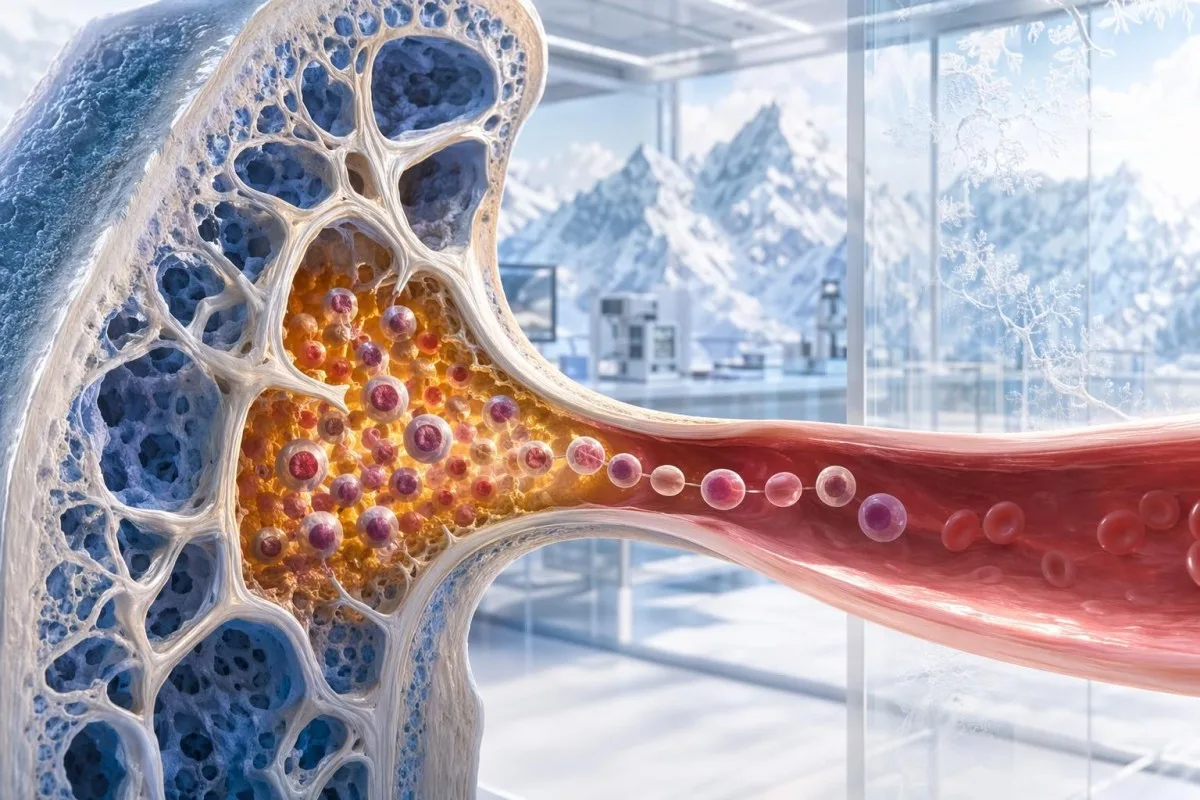
ចំនួន reticulocyte ទាប ជាទូទៅមិនសូវមានលំនាំរោគសញ្ញាដោយខ្លួនឯងទេ។ លទ្ធផលមានសារៈសំខាន់ ព្រោះវាប្រាប់គ្រូពេទ្យថា ខួរឆ្អឹងកំពុងបរាជ័យក្នុងការឆ្លើយតបនឹងភាពស្លេកស្លាំង (anemia) ឬអត់ឲ្យបានត្រឹមត្រូវ។.


- រោគសញ្ញា reticulocytes ទាប ជាទូទៅគឺរោគសញ្ញា anemia មិនមែនជារោគសញ្ញាឯកទេសរបស់ reticulocytes ទេ៖ អស់កម្លាំង, ដង្ហើមខ្លី, វិលមុខ, ញ័រទ្រូង, ស្លេកស្លាំង, និងសមត្ថភាពធ្វើលំហាត់ប្រាណថយចុះ។.
- ຈຳນວນເຣຕິຄູໂລໄຊທ໌ຕ່ຳ នៅមនុស្សពេញវ័យ ជាទូទៅទាបជាងប្រហែល 25 × 10^9/L ប៉ុន្តែ មន្ទីរពិសោធន៍នីមួយៗកំណត់ជួរយោង (reference range) របស់ខ្លួន។.
- ភាគរយ reticulocyte ជាទូទៅ 0.5-2.5% នៅមនុស្សពេញវ័យ ប៉ុន្តែ ចំនួន reticulocyte សរុប (absolute reticulocyte count) មានភាពជឿជាក់ជាង នៅពេល hemoglobin ទាប។.
- សន្ទស្សន៍ reticulocyte ដែលបានកែតម្រូវ (corrected reticulocyte index) ក្រោម 2 ក្នុង anemia បង្ហាញពីការឆ្លើយតបរបស់ខួរឆ្អឹងមិនសកម្ម; លើសពី 3 បង្ហាញថា ការបាត់បង់ឈាម ឬ hemolysis ទំនងជាមានច្រើនជាង។.
- រោគសញ្ញា anemia ជាមួយនឹង reticulocytes ទាប កាន់តែគួរឲ្យព្រួយបារម្ភ នៅពេល hemoglobin ទាបជាង 80 g/L ឬ 8 g/dL ជាពិសេស ប្រសិនបើមានឈឺទ្រូង, ដួលសន្លប់, ឬដង្ហើមខ្លីពេលសម្រាក។.
- មូលហេតុដែល reticulocytes ទាប ລວມທັງຂາດທາດເຫຼັກ, ຂາດ B12 ຫຼື ຂາດ folate, ການອັກເສບຊຳເຮື້ອ, ພະຍາດໄຕ, ພາວະຕ່ອມໄທລອຍຕ່ຳ (hypothyroidism), ພະຍາດຂອງ marrow, ການຮັກສາດ້ວຍຄີໂມເທຣາພີ (chemotherapy), ແລະ ບາງພາວະທາງພູມຄຸ້ມກັນ ຫຼື ພະຍາດໄວຣັສ.
- ສັນຍານອັນຕະລາຍຂອງ marrow ລວມທັງ reticulocytes ຕ່ຳ ພ້ອມກັບ ຈຳນວນເມັດເລືອດຂາວຕ່ຳ, ເກັດເລືອດຕ່ຳ (platelets) , ຕົວອັກສອນ (blasts) ໃນ smear, ຊ້ຳບໍ່ຮູ້ສາເຫດ, ໄຂ້, ເຫື່ອອອກຕອນກາງຄືນ, ຫຼື ນ້ຳໜັກຫຼຸດ.
- ການກວດຕໍ່ ມັກຈະລວມ ferritin, transferrin saturation, B12, folate, CRP, ESR, creatinine/eGFR, TSH, LDH, bilirubin, haptoglobin, ແລະ peripheral smear.
អត្ថន័យពិតនៃរោគសញ្ញា reticulocytes ទាប
រោគសញ្ញា reticulocytes ទាប ມັກຈະເປັນອາການຂອງໂລຫິດເລືອດ (anemia) ພ້ອມກັບ ການຕອບສະໜອງຂອງ marrow ທີ່ອ່ອນແອ, ບໍແມ່ນຊຸດອາການແຍກຕ່າງທີ່ເກີດຈາກ reticulocytes ເອງ. ໃນການປະຕິບັດ, ຈຳນວນ reticulocyte ຕ່ຳ ບອກພວກເຮົາວ່າ marrow ບໍ່ໄດ້ປ່ອຍເມັດເລືອດແດງໜຸ່ມພຽງພໍ ເພື່ອຊົດເຊີຍໂລຫິດເລືອດທີ່ຕ່ຳ. ຂໍ້ມູນນີ້ປ່ຽນການກວດຕໍ່ໄປ: ທາດເຫຼັກ, B12, folate, ການເຮັດວຽກຂອງໄຕ, ຕົວຊີ້ວັດການອັກເສບ, ການກວດຕ່ອມໄທລອຍ (thyroid test), ການທົບທວນຢາ, ແລະ ບາງຄັ້ງການປະເມີນ marrow.
A reticulocyte ແມ່ນເມັດເລືອດແດງໜຸ່ມ, ມັກຈະຖືກປ່ອຍອອກຈາກ marrow ປະມານ 1 ມື້ ກ່ອນຈະກາຍເປັນເມັດເລືອດແດງທີ່ສຸກແລ້ວ. Kantesti ແມ່ນ ແພລດຟອມການອ່ານຜົນກວດເລືອດຂອງ AI ທີ່ອ່ານ reticulocytes ຄຽງຄູ່ກັບ hemoglobin, MCV, RDW, ferritin, ຕົວຊີ້ວັດຂອງໄຕ, ແລະ ຜົນການອັກເສບ ແທນທີ່ຈະປິ່ນປົວຈຳນວນນັ້ນເປັນຕົວເລກດຽວຢູ່ຄົນດຽວ.
ເວລາຂ້ອຍທົບທວນ panel ທີ່ມີ hemoglobin 92 g/L, MCV 82 fL, ferritin 9 ng/mL, ແລະ absolute reticulocytes 18 × 10^9/L, ຂ້ອຍບໍ່ໄດ້ຖາມວ່າ reticulocytes ຕ່ຳ ເປັນສາເຫດຂອງຄວາມເມື່ອຍລ້າບໍ. ຂ້ອຍຖາມວ່າເປັນຫຍັງ marrow ບໍ່ໄດ້ເພີ່ມການຜະລິດ; ຂອງພວກເຮົາ ຄູ່ມືຮູບແບບພາວະໂລກຈາງ ອະທິບາຍເຫດຜົນນັ້ນໄດ້ດີກວ່າ ການມີປ້າຍສະຖານະປົກກະຕິ-ຜິດປົກກະຕິ ອັນດຽວ.
ຂ້ອຍແມ່ນ Thomas Klein, MD, ຫົວໜ້າຝ່າຍການແພດ (Chief Medical Officer) ຢູ່ ບໍລິສັດ Kantesti ຈຳກັດ, ແລະ ຂ້ອຍເຫັນຄວາມຜິດພາດນີ້ທຸກອາທິດ: ຄົນເຈັບຊອກຫາອາການທີ່ເປັນເອກະລັກຂອງ reticulocytes. ປົກກະຕິບໍ່ມີ. ຜົນ reticulocyte ແມ່ນຄຳຕອບຂອງ marrow ຕໍ່ anemia, ແລະ ຄຳຕອບທີ່ງຽບໆ ອາດມີຄວາມສຳຄັນທາງຄລີນິກຫຼາຍກວ່າຄ່າ hemoglobin ເອງ.
ចន្លោះចំនួន reticulocytes ទាប ដែលគ្រូពេទ្យប្រើជាក់ស្តែង
A ຈຳນວນ reticulocyte ຕ່ຳ ມັກເປັນ absolute reticulocyte count ຕ່ຳກວ່າປະມານ 25 × 10^9/L ໃນຜູ້ໃຫຍ່, ແຕ່ຈຸດຕັດສິນ (cutoff) ຂຶ້ນກັບຫ້ອງທົດລອງ ແລະ ລະດັບຂອງ anemia. ອັດຕາສ່ວນ reticulocyte ທີ່ເບິ່ງປົກກະຕິ ຍັງອາດບໍ່ພຽງພໍ ເມື່ອ hemoglobin ຕ່ຳ.
ອັດຕາສ່ວນ reticulocyte ຂອງຜູ້ໃຫຍ່ ມັກຖືກລາຍງານປະມານ 0.5-2.5%, ໃນຂະນະທີ່ absolute count ມັກຈະ 25-100 × 10^9/L. ອັດຕາສ່ວນອາດຊັກນຳໄດ້ ເພາະ 1.5% ຂອງເມັດເລືອດແດງທີ່ມີຈຳນວນນ້ອຍເກີນໄປ ຍັງອາດສະທ້ອນການຜະລິດທີ່ບໍ່ດີ.
ໄດ້ ดัชนีเซลล์สุ้มเลือดแดงที่แก้ไขแล้ว ປັບຕາມຄວາມຮຸນແຮງຂອງ anemia; ຄ່າຕ່ຳກວ່າ 2 ມັກຈະໝາຍຄວາມວ່າ ການຕອບສະໜອງຂອງ marrow ບໍ່ພຽງພໍ. ວິທີການວິນິດໄຊຂອງ Tefferi ໃນ Mayo Clinic Proceedings ໄດ້ເນັ້ນຍ້ຳການແຍກຄວາມເປັນໄປໄດ້ລະຫວ່າງ “ການຜະລິດບໍ່ພຽງພໍ” ກັບ “ການທຳລາຍ” ເປັນຈຸດແຍກທຳອິດ ໃນການປະເມີນ anemia ຂອງຜູ້ໃຫຍ່ (Tefferi, 2003).
ບາງລາຍງານຈາກອັງກິດ ແລະ ເອີຣົບ ໃຫ້ reticulocytes ເປັນ 10^9/L, ໃນຂະນະທີ່ ຫຼາຍເວັບໄຊອາເມລິກາ ສະແດງຈຳນວນເຊວລ໌ຕໍ່ microliter, ເຊັ່ນ 25,000-100,000/µL. ຖ້າຮູບແບບລາຍງານຂອງທ່ານຮູ້ສຶກວ່າອ່ານຍາກ, ຂອງພວກເຮົາ ຄູ່ມືການນັບ reticulocyte ອະທິບາຍຜ່ານຄວາມແຕກຕ່າງຂອງໜ່ວຍວັດ ໂດຍບໍ່ໄດ້ສົມມຸດວ່າທຸກຫ້ອງທົດລອງໃຊ້ຊ່ວງອ້າງອີງດຽວກັນ.
រោគសញ្ញា anemia ជាមួយនឹង reticulocytes ទាប
រោគសញ្ញា anemia ជាមួយនឹង reticulocytes ទាប ມັກຈະລວມເຖິງ ຄວາມເມື່ອຍລ້າ, ຫາຍໃຈສັ້ນເວລາເຮັດກິດຈະກຳ, ວິນຫົວ, ໃຈສັ່ນ, ຜິວຫນັງຈືດ, ເຈັບຫົວ, ບໍ່ທົນຄວາມເຢັນ, ແລະ ຄວາມທົນທານບໍ່ດີ. ອາການດຽວກັນນີ້ອາດເກີດໄດ້ໃນຂະນະທີ່ reticulocytes ສູງ; ຜົນຕ່ຳບອກພວກເຮົາວ່າ marrow ບໍ່ທັນກັບຄວາມຕ້ອງການ.
ຜູ້ໃຫຍ່ສ່ວນຫຼາຍເລີ່ມສັງເກດອາການເວລາເຮັດກິດຈະກຳ ເມື່ອ hemoglobin ຕົກຕ່ຳກວ່າປະມານ 100 g/L ຫຼື 10 g/dL, ແຕ່ນັກກິລາ ແລະຜູ້ສູງອາຍຸອາດຈະສັງເກດການປ່ຽນແປງໄດ້ໄວກວ່າ. ນັກຂີ່ຈັກລົດຖີບທີ່ມີ hemoglobin 112 g/L ອາດຈະຮູ້ສຶກຄວາມຍາກຂອງເນີນພູ ກ່ອນທີ່ຄົນທີ່ນັ່ງຢູ່ຈະຮູ້ສຶກຄວາມຍາກຂອງຂັ້ນໄດ.
ວິນຫົວ, ເກືອບຈະເປັນລົມ, ແລະ ຫົວໃຈເຕັ້ນໄວ ມັກຈະສະທ້ອນການສົ່ງອົກຊີເຈນທີ່ຫຼຸດລົງ ຫຼາຍກວ່າຜົນສະເພາະຂອງ reticulocyte. ຖ້າອາການຫຼັກແມ່ນວິນຫົວ, ໃຫ້ປຽບທຽບ CBC ກັບຜົນ glucose, sodium, ແລະ thyroid ໂດຍໃຊ້ ບັນຊີກວດອາການວິນຫົວ (dizziness) ຂອງພວກເຮົາ.
ຜິວຫນັງຈືດ, ເລັບບອບບາງ, ຂາບໍ່ຢຸດຢັ້ງ, ແລະ ຜົມຫຼົ່ນ ມັກຈະຊີ້ໄປຫາພາວະຂາດເຫຼັກ (iron deficiency), ໂດຍສະເພາະເມື່ອ ferritin ຕ່ຳກວ່າ 15-30 ng/mL. ຂອງພວກເຮົາ ຄໍາແນະນໍາຮີໂມໂກບິນຕໍ່າ ອະທິບາຍວ່າເຫດໃດທີ່ຈຳນວນ hemoglobin ຢ່າງດຽວບໍ່ສາມາດແຍກ iron deficiency ອອກຈາກການອັກເສບ (inflammation), ພະຍາດໄຕ (kidney disease), ຫຼືການກົດກັ້ນຂອງ marrow.
ហេតុអ្វីការឆ្លើយតបខ្សោយរបស់ខួរឆ្អឹង ប្តូររបៀបពិនិត្យបន្ត
ການຕອບສະໜອງຂອງ marrow ທີ່ອ່ອນແອມີຄວາມສຳຄັນ ເພາະວ່າໂດຍປົກກະຕິ anemia ຄວນກະຕຸ້ນໃຫ້ມີການຜະລິດເມັດເລືອດແດງເພີ່ມຂຶ້ນພາຍໃນບໍ່ກີ່ມື້. ຖ້າ hemoglobin ຕ່ຳ ແລະ reticulocytes ຍັງຕ່ຳ, ທ່ານໝໍຈະຊອກຫາວັດຖຸດິບທີ່ຂາດ, erythropoietin ຕ່ຳ, ການຖືກກັ້ນຈາກການອັກເສບ, ພິດຈາກຢາ, ຫຼືພະຍາດຂອງ marrow.
marrow ສາມາດເພີ່ມຜົນຜະລິດເມັດເລືອດແດງໄດ້ປະມານ 2-3 ເທົ່າ ໃນຫຼາຍສະພາບຂອງ anemia ຉຸດທັນທີ (acute) ຖ້າວ່າ iron, B12, folate, ແລະສັນຍານ erythropoietin ພຽງພໍ. ເມື່ອບໍ່ໄດ້, anemia ມັກຈະເອີ້ນວ່າ hypoproliferative ຫຼື anemia ຈາກການຜະລິດບໍ່ພຽງພໍ (underproduction anemia).
Kantesti AI ຕີຄວາມໝາຍຈຳນວນ reticulocytes ຕ່ຳ ໂດຍກວດເບິ່ງວ່າ hemoglobin, RBC count, MCV, MCH, RDW, platelets, WBC, ແລະຕົວຊີ້ວັດຂອງໄຕ (kidney markers) ຂະຍາຍໂຕໃນຮູບແບບທີ່ສອດຄ່ອງກັນບໍ່. ນີ້ມີຄວາມສຳຄັນ ເພາະວ່າ RBC count ຕ່ຳທີ່ hemoglobin ປົກກະຕິ ໝາຍຄວາມວ່າບໍ່ເຫມືອນກັບຄວາມບໍ່ສອດຄ່ອງ (mismatch) ທີ່ອະທິບາຍໃນ RBC ទល់នឹង hemoglobin ບົດຄວາມ.
ກັບດັກທາງຄລີນິກອັນໜຶ່ງ: ອັດຕາ reticulocyte ຂອງ 1.8% ສາມາດເຮັດໃຫ້ເບິ່ງວ່າປອດໄພຜິດໆ ເມື່ອ hemoglobin ແມ່ນ 75 g/L. ໃນສະພາບນັ້ນ, 1.8% ບໍ່ແມ່ນການຕອບສະໜອງຂອງ marrow ທີ່ແຂງແຮງ; ມັນແມ່ນ marrow ທີ່ງຽບໆ ທີ່ໃສ່ປ້າຍປົກກະຕິ.
មូលហេតុដែល reticulocytes ទាប ធ្វើឲ្យគ្រូពេទ្យពិនិត្យជាមុន
មូលហេតុដែល reticulocytes ទាប ມັກຈະລວມເຖິງ ຂາດເຫຼັກ, ຂາດ B12 ຫຼື folate, ພະຍາດເລືອດຈາກການອັກເສບ (anemia of inflammation), ພະຍາດໄຕເຮື້ອຮັງ (chronic kidney disease), hypothyroidism, ພິດສຸລາ (alcohol toxicity), ການຮັກສາດ້ວຍ chemotherapy, ການກົດກັ້ນ marrow ຈາກພູມຄຸ້ມກັນ, viral red-cell aplasia, ແລະ ພະຍາດຂອງ marrow. ລຳດັບການກວດຂຶ້ນກັບດັດຊະນີ CBC ແລະປະຫວັດການເຈັບປ່ວຍ.
ແຄນເທສຕີ ເປັນ ឧបករណ៍វិភាគតេស្តឈាមដែលដំណើរការដោយ AI ຖືກໃຊ້ໂດຍ 2M+ ຄົນ ໃນ 127+ ປະເທດ, ແລະ ຕົວຈັດການຕົກລົງຂອງຮູບແບບພວກເຮົາ ຖືວ່າ reticulocytes ເປັນສັນຍານການຜະລິດ. ຈຳນວນຕ່ຳພ້ອມ MCV 72 fL ຊີ້ໄປທາງການຜະລິດທີ່ຖືກຈຳກັດໂດຍເຫຼັກ; ຈຳນວນຕ່ຳພ້ອມ MCV 112 fL ຍ້າຍ B12, folate, ຢາ, ຕັບ, ແລະ ສາເຫດຂອງ marrow ໃຫ້ຂຶ້ນໄປຢູ່ໃນລາຍຊື່ທີ່ສູງກວ່າ.
ການທົບທວນຢາບໍ່ແມ່ນພາກເສີມ. Methotrexate, azathioprine, hydroxyurea, linezolid, zidovudine, ບາງ antiepileptics, chemotherapy, ແລະ ການດື່ມເຫຼົ້າເກີນຂະໜາດ ສາມາດກົດກັ້ນ marrow ໄດ້, ບາງຄັ້ງກ່ອນທີ່ຄົນເຈັບຈະຮູ້ສຶກວ່າບໍ່ສະບາຍຢ່າງຮຸນແຮງ.
ຊຸດກວດທຳອິດທີ່ເປັນປະໂຫຍດ ມັກຈະເປັນ CBC ພ້ອມ differential, reticulocytes, ferritin, transferrin saturation, B12, folate, CRP ຫຼື ESR, creatinine/eGFR, liver enzymes, TSH, ແລະ smear. ຂອງພວກເຮົາ ຄູ່ມືຕົວຊີ້ວັດທາງຊີວະພາບ ອະທິບາຍວ່າ ຕົວຊີ້ວັດເຫຼົ່ານີ້ຈັບກຸ່ມກັນແນວໃດ ໃນຄຳສັບການກວດຫຼາຍກວ່າ 15,000 ລາຍການ.
កង្វះជាតិដែក អាចធ្វើឲ្យ reticulocytes នៅទាប
ຂາດເຫຼັກ ສາມາດເຮັດໃຫ້ reticulocytes ຕ່ຳ ຫຼື ປົກກະຕິຢ່າງບໍ່ເໝາະສົມ ເພາະວ່າ marrow ບໍ່ສາມາດສ້າງ hemoglobin ໄດ້ ຖ້າບໍ່ມີເຫຼັກທີ່ພຽງພໍ. Ferritin ຕ່ຳກວ່າ 15 ng/mL ເປັນຂໍ້ຊີ້ບອກຢ່າງແຮງວ່າຮ້ານເກັບເຫຼັກຖືກລົດລົງໃນຜູ້ໃຫຍ່ຫຼາຍຄົນ, ໃນຂະນະທີ່ການອັກເສບສາມາດເຮັດໃຫ້ ferritin ເບິ່ງປົກກະຕິຜິດໆ.
ການທบทວນຂອງ Camaschella ປີ 2015 ໃນ New England Journal of Medicine ໄດ້ອະທິບາຍ ferritin ວ່າເປັນຕົວຊີ້ວັດການເກັບເຫຼັກທີ່ໃຊ້ປະໂຫຍດຫຼາຍທີ່ສຸດພຽງຕົວດຽວ, ແຕ່ກໍ່ໄດ້ເຕືອນວ່າການອັກເສບປ່ຽນແປງການຕີຄວາມໝາຍຂອງມັນ (Camaschella, 2015). ໃນຄລີນິກຂອງຂ້ອຍ, ferritin 28 ng/mL ກັບ CRP 18 mg/L ບໍ່ໄດ້ເຮັດໃຫ້ຂ້ອຍຮູ້ສຶກປອດໄພ ແບບດຽວກັນກັບ ferritin 28 ng/mL ກັບ CRP 1 mg/L.
Transferrin saturation ទាបជាង 16-20% ສະໜັບສະໜູນ iron-restricted erythropoiesis, ໂດຍສະເພາະເມື່ອ MCV ແລະ MCH ຕ່ຳ. ຖ້າ panel ຂອງທ່ານມີ iron, TIBC, ແລະ saturation, ຂອງພວກເຮົາ ຄູ່ມືການສຶກສາກ່ຽວກັບທາດເຫຼັກ ອະທິບາຍວ່າ ເຫຼັກໃນເລືອດ (serum iron) ຢ່າງດຽວ ສະເດັດໄປມາຫຼາຍເກີນໄປ ຕະຫຼອດມື້ ເພາະຫຍັງ.
ຫຼັງຈາກການຮັກສາເຫຼັກທີ່ໄດ້ຜົນ, reticulocytes ມັກຈະເພີ່ມຂຶ້ນພາຍໃນ 3-5 ວັນ ហើយអាចឡើងដល់កំពូលប្រហែល 7-10 ວັນ ກ່ອນທີ່ hemoglobin ຈະເພີ່ມຂຶ້ນແບບມີນັຍສຳຄັນ. ຖ້າ ferritin ຕ່ຳ ໂດຍບໍ່ມີປະຈຳເດືອນຫຼາຍ, ຂ້ອຍກໍ່ຄິດເຖິງການສູນເສຍທາງລຳໄສ້, ປະຫວັດການໃຫ້ເລືອດ, ໂລກ celiac, ແລະ ອາຫານ; ຂອງພວກເຮົາ ຄູ່ມືການດຳເນີນການເຫຼັກຕ່ຳ ເຈາະເລິກລົງໄປໃນສາຂານັ້ນຂອງທາງເລືອກ.
តម្រុយ B12, folate, MCV, និង RDW
ຂາດ B12 ແລະ folate ສາມາດເຮັດໃຫ້ reticulocytes ຕ່ຳ ເພາະວ່າການສັງເຄາະ DNA ຊ້າລົງພາຍໃນເມັດເລືອດແດງທີ່ກຳລັງພັດທະນາ. MCV ເກີນ 100 fL, ການເພີ່ມຂອງ RDW, reticulocytes ຕ່ຳ, ແລະ ອາການທາງປະສາດ ເພີ່ມຄວາມສົງໄສ, ແຕ່ MCV ປົກກະຕິ ບໍ່ໄດ້ຕັດອອກຂາດ B12 ໃນໄລຍະເລີ່ມຕົ້ນ.
ຜົນ B12 ຕ່ຳກວ່າປະມານ 200 pg/mL ມັກຖືກປິ່ນປົວວ່າຂາດ, ໃນຂະນະທີ່ 200-350 pg/mL ອາດເປັນເຂດສີເທົາ ທີ່ methylmalonic acid ຊ່ວຍໄດ້. ຂອງພວກເຮົາ មគ្គុទេសក៍តេស្ត MMA ເປັນປະໂຫຍດເມື່ອອາການ ແລະ B12 ບໍ່ສອດຄ່ອງກັນຢ່າງຊັດເຈນ.
ຂາດ Folate ມັກຈະກະທົບຕໍ່ກຸ່ມຈຸລັງ marrow ທີ່ແບ່ງຕົວໄວ ກ່ອນທີ່ຈະເຮັດໃຫ້ພົບອາການທາງປະສາດຢ່າງຮຸນແຮງ. Serum folate ສາມາດເພີ່ມຂຶ້ນຫຼັງຈາກອາຫານທີ່ເສີມວິຕາມິນຄັ້ງດຽວ, ນັ້ນແມ່ນເຫດທີ່ folate ໃນເມັດເລືອດແດງ (red-cell folate) ບາງຄັ້ງຈຶ່ງໃຫ້ບໍລິບົດການເຂົ້າໃຈໃນໄລຍະກາງທີ່ດີກວ່າ; ເບິ່ງຂອງພວກເຮົາ ຄູ່ມື RBC folate ຖ້າລາຍງານຂອງທ່ານລົງທັງສອງ.
RDW ມັກຈະສູງຂຶ້ນແຕ່ໄວໆ ເພາະວ່າໄຂກະດູກປ່ອຍຂະໜາດເມັດເລືອດທີ່ບໍ່ສະໝໍ່າສະເໝີ ເມື່ອໂພຊະນາການບໍ່ຄົງທີ່. ຄົນເຈັບທີ່ມີ MCV 96 fL, RDW 16.8%, B12 235 pg/mL, ແລະ reticulocytes ຕໍ່າ ອາດຍັງຄວນໄດ້ຮັບການກວດກາ B12, ເຖິງແມ່ນວ່າ MCV ຍັງບໍ່ໄດ້ຂ້າມເກນ macrocytic ທີ່ເປັນຄລາສສິກ.
ជំងឺតម្រងនោម និងសញ្ញា erythropoietin ទាប
ໂລກໄຕເຮື້ອຮັງ (chronic kidney disease) ສາມາດເຮັດໃຫ້ reticulocytes ຕໍ່າ ເພາະໄຕທີ່ເສຍຫາຍຜະລິດ erythropoietin ໜ້ອຍລົງ, ຮໍໂມນທີ່ບອກໄຂກະດູກໃຫ້ຜະລິດເມັດເລືອດແດງ. ພາວະເລືອດຈາງຈາກ CKD ພົບໄດ້ຫຼາຍຂຶ້ນເມື່ອ eGFR ຕົກຕໍ່າກວ່າ ສະແດງວ່າເປັນ CKD, ຕ່ຳກວ່າ ແລະພົບໄດ້ຫຼາຍຂຶ້ນຫຼາຍກວ່າເມື່ອຕົກຕໍ່າກວ່າ 30.
ຄູ່ມືເລືອດຈາງຂອງ KDIGO ແນະນຳໃຫ້ປະເມີນເລືອດຈາງໃນ CKD ດ້ວຍ CBC, reticulocytes, ferritin, transferrin saturation, B12, ແລະ folate ແທນການສົມມຸດວ່າເລືອດຈາງຕໍ່າທັງໝົດແມ່ນມາຈາກໄຕຢ່າງດຽວ (KDIGO Anemia Work Group, 2012). ເຫດຜົນນີ້ມີຄວາມເໝາະສົມ ເພາະວ່າ CKD ແລະ iron deficiency ມັກຈະເກີດພ້ອມກັນ.
ຮູບແບບທົ່ວໄປຂອງ CKD ແມ່ນເລືອດຈາງແບບ normocytic: MCV ປະມານ 80-100 ຟລໍຣີນ, reticulocytes ຕໍ່າ ຫຼື ປົກກະຕິ, ແລະ creatinine ຫຼື cystatin-C ເປັນຫຼັກຖານວ່າການກັ່ນຕອງຫຼຸດລົງ. ຂໍ້ຂຽນຂອງພວກເຮົາ ການກວດການເຮັດວຽກຂອງໄຕ (renal function panel) ອະທິບາຍວ່າ creatinine, urea, electrolytes, ແລະ eGFR ຄວນອ່ານຮ່ວມກັນແນວໃດ.
ຢາທີ່ກະຕຸ້ນການສ້າງເມັດເລືອດແດງ (erythropoiesis-stimulating medicines) ບໍ່ໄດ້ຕັດສິນດ້ວຍ hemoglobin ຢ່າງດຽວ. ທ່ານແພດຈະສັງເກດຄວາມດັນເລືອດ, ferritin, transferrin saturation, ແລະການຕອບສະໜອງຂອງ reticulocyte ເພາະການດັນ hemoglobin ໃຫ້ສູງເກີນໄປໃນ CKD ມີຂໍ້ຈຳກັດດ້ານຄວາມປອດໄພ.
ការរលាកអាចលាក់ជាតិដែកពីខួរឆ្អឹង
ການອັກເສບສາມາດຫຼຸດ reticulocytes ໂດຍການກັກທາດເຫຼັກໄວ້ໃນແຫຼ່ງສະສົມ ແລະຫຼຸດຄວາມຕອບສະໜອງຂອງໄຂກະດູກຕໍ່ erythropoietin. ຮູບແບບນີ້ມັກເອີ້ນວ່າ anemia of inflammation ຫຼື anemia of chronic disease.
ໃນຮູບແບບນີ້, ferritin ອາດຈະປົກກະຕິ ຫຼື ສູງ, ບາງເທື່ອ 100-500 ng/mL, ໃນຂະນະທີ່ transferrin saturation ຍັງຕໍ່າກວ່າ 20%. CRP ສູງກວ່າ 10 mg/L ຫຼື ESR ສູງກວ່າຄ່າທີ່ປັບຕາມອາຍຸ ສາມາດອະທິບາຍໄດ້ວ່າແຫຼ່ງເຫຼັກເໝືອນຈະເຫັນວ່າມີຢູ່ ແຕ່ບໍ່ພ້ອມໃຊ້ແບບທາງໜ້າທີ່.
ຂ້ອຍເຫັນສິ່ງນີ້ໃນ rheumatoid arthritis, inflammatory bowel disease, chronic infection, kidney disease, ແລະການຕິດຕາມການຮັກສາມະເຮັງ. ບົດຄວາມຂອງພວກເຮົາກ່ຽວກັບ ESR ສູງພ້ອມກັບ hemoglobin ຕ່ຳ ສະແດງວ່າເຫດຜົນທີ່ຕົວຊີ້ວັດການອັກເສບ ແລະ CBC ມັກຈະຕ້ອງຖືກຕີຄວາມເປັນຮູບແບບດຽວກັນ.
ສ່ວນທີ່ຍາກແມ່ນວ່າ iron deficiency ແລະ ການອັກເສບສາມາດຢູ່ຮ່ວມກັນໄດ້. Ferritin 70 ng/mL ກັບ CRP 35 mg/L ຍັງອາດຊ່ອນ true iron deficiency ໄວ້ ນັ້ນແມ່ນເຫດຜົນທີ່ transferrin saturation, soluble transferrin receptor ໃນບາງກໍລະນີທີ່ເໝາະສົມ, ແລະບັນທຶກທາງຄລີນິກ ອາດຈະສຳຄັນກວ່າການຕັດສິນ ferritin ຄ່าດຽວ.
សញ្ញាព្រមានពីខួរឆ្អឹង (bone marrow) នៅពីក្រោយ reticulocytes ទាប
reticulocytes ຕໍ່າຈະໜ້າກັງວົນຫຼາຍຂຶ້ນ ເມື່ອມັນປາກົດພ້ອມກັບ WBC ຕໍ່າ, platelets ຕໍ່າ, ຜົນ smear ຜິດປົກກະຕິ, ຫຼື ອາການທາງລະບົບທີ່ບໍ່ມີສາເຫດອະທິບາຍ. ການຮວມກັນນີ້ຊີ້ວ່າໄຂກະດູກອາດຈະບໍ່ສາມາດຜະລິດໄດ້ທົ່ວໂລກ, ຖືກແອອັດ, ມີຄວາມຜິດປົກກະຕິ (dysplastic), ຫຼື ຖືກກົດກັນ.
ຈຳນວນ platelet ຕ່ຳກວ່າ 100 × 10^9/L, ANC ຕໍ່າກວ່າ 1.0 × 10^9/L, ຫຼື WBC ຕໍ່າກວ່າ 3.0 × 10^9/L ປ່ຽນຄວາມດ່ວນຂອງການສົນທະນາ. reticulocytes ຕໍ່າພ້ອມກັບເມັດເລືອດຕໍ່າອີກ 2 ສາຍ ບໍ່ແມ່ນສິ່ງທີ່ຄວນລໍຖ້າ 6 ເດືອນ.
ສາເຫດທີ່ເປັນໄປໄດ້ ລວມມີ aplastic anemia, myelodysplastic syndromes, leukemia, marrow infiltration, ການກົດກັນຈາກໄວຣັສຮ້າຍແຮງ, ການບາດເຈັບຂອງໄຂກະດູກແບບ autoimmune, ແລະພິດຈາກຢາ. ບົດຄວາມຂອງພວກເຮົາ ផ្លូវសម្រាប់ជំងឺមហារីកឈាម ពិពណ៌នាថា CBC, smear, flow cytometry និងការធ្វើតេស្តឆ្អឹងខួររបៀបណាដែលត្រូវគ្នា ដោយមិនលោតទៅគិតអំពីស្ថានភាពអាក្រក់បំផុតភ្លាមៗ.
បុរស/ស្ត្រីអាយុ 68 ឆ្នាំដែលមាន MCV 108 fL, hemoglobin 88 g/L, platelets 82 × 10^9/L, neutrophils 0.9 × 10^9/L និង reticulocytes 12 × 10^9/L សមនឹងទទួលការពិនិត្យជាបន្ទាន់ដោយអ្នកឯកទេសជំងឺឈាម។ ចំណែកអ្នកអាយុ 24 ឆ្នាំដែលមាន ferritin 6 ng/mL និងចំនួនឈាមធម្មតាផ្សេងៗជាធម្មតា ត្រូវការផ្លូវបន្តផ្សេងទៀត ដែលមិនសូវគួរឱ្យព្រួយបារម្ភ.
ពេលណា reticulocytes គួរតែខ្ពស់ជំនួសវិញ
ជាទូទៅ reticulocytes គួរតែកើនឡើងបន្ទាប់ពីការហូរឈាម, hemolysis ឬការព្យាបាលភាពស្លេកស្លាំងដែលទទួលបានជោគជ័យ ប្រសិនបើឆ្អឹងខួរមានសុខភាពល្អ។ ការឆ្លើយតប reticulocyte ខ្ពស់ ជាញឹកញាប់បង្ហាញពីការបាត់បង់ ឬការបំផ្លាញកោសិកាឈាមក្រហម ជាជាងការផលិតមិនគ្រប់.
ក្នុង hemolysis ជាញឹកញាប់វេជ្ជបណ្ឌិតឃើញ reticulocytes ខ្ពស់ជាង 100 × 10^9/L, LDH កើនឡើង, indirect bilirubin កើនឡើង និង haptoglobin ទាប។ មគ្គុទេសក៍ haptoglobin របស់យើងពន្យល់ថា ហេតុអ្វី haptoglobin ទាប អាចជាសញ្ញានៃការបំផ្លាញ មិនមែនជាសញ្ញានៃការខ្វះអាហារូបត្ថម្ភ.
បន្ទាប់ពីការហូរឈាមស្រួចស្រាវ reticulocytes អាចត្រូវការ 2-4 ថ្ងៃ ដើម្បីកើនឡើង ព្រោះឆ្អឹងខួរត្រូវការពេលដើម្បីឆ្លើយតប។ ដូច្នេះ ការរាប់ reticulocyte ឆាប់ពេក អាចធ្វើឱ្យប៉ាន់ស្មានទាបជាងការឆ្លើយតបដែលនឹងកើតឡើង ជាពិសេសប្រសិនបើគំរូត្រូវបានយកក្នុងរយៈពេល 24 ម៉ោងដំបូង.
ប្រសិនបើ reticulocytes នៅតែទាប បន្ទាប់ពីការជំនួស iron, B12 ឬ folate គ្រប់គ្រាន់ ខ្ញុំចាប់ផ្តើមសួរអំពីការស្រូបយក, ការធ្វើតាមការណែនាំ, ការរលាកបន្ត, សញ្ញាពីតម្រងនោម ឬបញ្ហាឆ្អឹងខួរ។ លំនាំ LDH អាចជួយនៅទីនេះ; our LDH explainer បំបែកសញ្ញា hemolysis ចេញពីលំនាំការខូចខាតរបស់ថ្លើម សាច់ដុំ និងជាលិកា.
អ្វីដែលគ្រូពេទ្យជាទូទៅពិនិត្យបន្ទាប់
បន្ទាប់ពីរកឃើញ reticulocytes ទាបជាមួយនឹងភាពស្លេកស្លាំង វេជ្ជបណ្ឌិតជាទូទៅពិនិត្យ iron studies, B12, folate, មុខងារតម្រងនោម, សញ្ញាសម្គាល់ការរលាក, មុខងារក្រពេញទីរ៉ូអ៊ីត, ការប៉ះពាល់ថ្នាំ, សញ្ញាសម្គាល់ hemolysis និង smear។ លំដាប់ពិតប្រាកដអាស្រ័យលើ MCV, RDW, បន្ទាត់កោសិកាផ្សេងៗ និងភាពធ្ងន់ធ្ងរនៃរោគសញ្ញា.
បន្ទះតេស្តបន្ទាប់ដែលអនុវត្តបានរួមមាន ferritin, transferrin saturation, B12, folate, CRP, ESR, creatinine/eGFR, TSH, LDH, bilirubin, haptoglobin និងពេលខ្លះ direct antiglobulin testing។ workflow ពិនិត្យព្យាបាលរបស់ Kantesti ដាក់សញ្ញាដូចជា hemoglobin ទាបជាង 100 g/L បូកនឹង corrected reticulocyte index ទាបជាង 2 ជាការជំរុញសម្រាប់ការតាមដាន មិនមែនជាការធ្វើរោគវិនិច្ឆ័យ.
វិធីសាស្ត្ររបស់ Kantesti ត្រូវបានពិពណ៌នានៅក្នុង ການຢັ້ງຢືນທາງດ້ານຄລີນິກ ឯកសាររបស់យើង រួមទាំងរបៀបដែលការត្រួតពិនិត្យលំនាំកាត់បន្ថយការធានាខុសពីលទ្ធផលធម្មតាតែមួយចំនួន។ ប្រសិនបើភាពខុសប្រក្រតីក្នុងមន្ទីរពិសោធន៍ស្រាល យើង ຄູ່ມືການກວດຊ້ຳ ពន្យល់ថា ពេលណាការត្រួតពិនិត្យឡើងវិញ 2-8 សប្តាហ៍សមហេតុផល និងពេលណាមិនសមហេតុផល.
smear នៅតែមានសារៈសំខាន់នៅឆ្នាំ 2026។ ម៉ាស៊ីនវិភាគស្វ័យប្រវត្តិល្អណាស់ ប៉ុន្តែ smear ដែលត្រូវបានពិនិត្យដោយមនុស្សអាចបង្ហាញ target cells, fragments, teardrop forms, dysplasia, nucleated red cells ឬ blasts ដែលការរាប់ reticulocyte តែមួយមុខមិនអាចពន្យល់បាន.
ពេលណា reticulocytes ទាប រួមជាមួយ anemia គឺបន្ទាន់
رتیکولوسیتهای پایین همراه با انمی یک وضعیت فوری است زمانی که علائم نشاندهنده رساندن ناکافی اکسیژن باشد یا وقتی سایر ردههای سلولی بهطور خطرناکی پایین باشند. درد قفسه سینه، غش کردن، تنگی نفس در حالت استراحت، گیجی، مدفوع سیاه، بارداری همراه با انمی قابل توجه، یا تب همراه با نوتروپنی نیاز به مراقبت پزشکی در همان روز دارد.
ຮີໂມໂກບິນຕ່ຳກວ່າ 70 گرم/لیتر یا 7 گرم/دسیلیتر یک آستانه رایج برای بحث درباره انتقال خون در بزرگسالان بستریِ پایدار است، هرچند بیماری قلبی، خونریزی، بارداری و علائم میتواند آستانه اقدام را پایین بیاورد. اگر حالتان بهطور حاد بد است، از آن عدد بهعنوان مجوز برای منتظر ماندن استفاده نکنید.
اگر رتیکولوسیتهای پایین همراه با پلاکتهای کمتر از 50 × 10^9/L, ANC ຕໍ່າກວ່າ 0.5 × 10^9/L, ، کبودی جدید، تب بالاتر از 38°C، یا تنگی نفس شدید باشد، فوراً تماس بگیرید. این ترکیبها خطر خونریزی، عفونت یا نارسایی مغز استخوان را بیش از یک نتیجه منفردِ رتیکولوسیت پایین افزایش میدهد.
اگر مطمئن نیستید که نتیجهتان میتواند منتظر بماند یا نه، بهجای حدس زدن از روی پرچمِ پورتال، درخواست بازبینی کنید. ما ຄູ່ມືຄຳວິນິດໄສທາງທີສອງ یک چکلیست عملی برای اینکه چه چیزهایی ارسال شود ارائه میدهد: CBC، نتیجه رتیکولوسیت، علائم، داروها، وضعیت بارداری، سابقه خونریزی، و آزمایشهای قبلی.
របៀបតាមដានការជាសះស្បើយ ដោយមិនប្រតិកម្មខ្លាំងពេក
بهبود ابتدا با روند رتیکولوسیتها پیگیری میشود، سپس هموگلوبین، فریتین، MCV، و علائم طی هفتهها. افزایش رتیکولوسیت میتواند ظرف 3-10 ມື້ پس از درمان مؤثر دیده شود، در حالی که هموگلوبین اغلب برای نشان دادن افزایش واضح 2-4 ອາທິດ زمان میبرد.
در کمبود آهن، دوست دارم ببینم هموگلوبین حدود 10 گرم/لیتر یا 1 گرم/دسیلیتر پس از 2-4 هفته بالا میرود اگر درمان مؤثر باشد و خونریزی متوقف شده باشد. بالا نرفتن همیشه به معنی خطر نیست، اما یعنی برنامه نیاز به بررسی دقیق دارد.
ແຄນເທສຕີ ເປັນ ແພລດຟອມການຕີຄວາມໝາຍ biomarker ຂອງ AI که نتایج جدید را با مقادیر پایه قبلی مقایسه میکند؛ این کار مفید است چون شمارش رتیکولوسیت 28 × 10^9/L ممکن است برای یک نفر نشانه بهبود باشد و برای دیگری نشانه کاهش. ما ຄູ່ມືການວິເຄາະແນວໂນ້ມ توضیح میدهد چرا شیبها، نه فقط پرچمها، اغلب داستان را روشن میکنند.
از 27 ژوئن 2026، محتوای بررسیشده توسط پزشک ما با مشارکت از سوی ຄະນະທີ່ປຶກສາທາງການແພດ و استانداردهای مهندسی توصیفشده در ຄູ່ມືດ້ານເທັກໂນໂລຍີ. نظارت میشود. جمعبندی: رتیکولوسیتهای پایین منبعِ علامت نیستند؛ آنها سرنخی هستند که پاسخ مغز استخوان شما نیاز به زمینهسازی دارد.
ຄໍາຖາມທີ່ຖາມເລື້ອຍໆ
ອາການຂອງຈຳນວນ reticulocytes ຕ່ຳ ແມ່ນຫຍັງ?
Reticulocytes ต่ำมักไม่ก่อให้เกิดอาการเฉพาะเจาะจงด้วยตัวเอง อาการมักมาจากภาวะโลหิตจาง เช่น อ่อนเพลีย หายใจสั้น เวียนศีรษะ ใจสั่น ผิวซีด ปวดศีรษะ และความสามารถในการออกกำลังกายลดลง จำนวน reticulocytes ที่ต่ำมีความสำคัญเพราะบ่งชี้ว่ากระดูกไขกระดูกไม่ได้ผลิตเม็ดเลือดแดงใหม่ได้เพียงพอตามระดับของภาวะโลหิตจาง ในผู้ใหญ่ จำนวน reticulocytes แบบสัมบูรณ์ต่ำกว่าประมาณ 25 × 10^9/L มักถือว่าต่ำ แต่ช่วงค่าของห้องปฏิบัติการอาจแตกต่างกัน.
ທ່ານສາມາດມີ reticulocytes ຕໍ່າໂດຍບໍ່ມີພາວະຈາງ (anemia) ໄດ້ບໍ?
បាទ/ចាស ចំនួន reticulocyte ទាបបន្តិចអាចកើតមានដោយគ្មានភាពស្លេកស្លាំង ជាពិសេសបើ hemoglobin, MCV, RDW, កោសិកាឈាមស និង platelets មានលក្ខណៈធម្មតា។ ក្នុងស្ថានភាពនោះ គ្រូពេទ្យជាញឹកញាប់ធ្វើការធ្វើតេស្ត CBC និងចំនួន reticulocyte ឡើងវិញ ជាជាងធ្វើរោគវិនិច្ឆ័យជំងឺប៉ះពាល់ខួរឆ្អឹងភ្លាមៗ។ លទ្ធផលនឹងមានសារៈសំខាន់កាន់តែខ្លាំង ប្រសិនបើ hemoglobin ទាប, corrected reticulocyte index < 2, ឬបន្ទាត់កោសិកាផ្សេងទៀតមានភាពមិនប្រក្រតី។ ការព្យាបាលដោយគីមីពីមុន ជំងឺតម្រងនោម ការរលាក និងកង្វះអាហារូបត្ថម្ភ ប្រែប្រួលល្បឿនដែលគួរត្រូវពិនិត្យឡើងវិញ។.
Nguyên nhân phổ biến nhất của hồng cầu lưới thấp kèm theo thiếu máu là gì?
สาเหตุที่พบบ่อยที่สุดของจำนวนเรติคูโลไซต์ต่ำร่วมกับภาวะโลหิตจาง ได้แก่ การขาดธาตุเหล็ก การอักเสบเรื้อรัง โรคไตที่มีสัญญาณการส่งเสริมการสร้างเม็ดเลือดแดงต่ำ และการขาดวิตามิน B12 หรือโฟเลต การขาดธาตุเหล็กมักพบว่ามีเฟอร์ริตินต่ำกว่า 15-30 ng/mL หรือมีค่าความอิ่มตัวของทรานสเฟอร์รินต่ำกว่า 16-20% แม้ว่าอาการอักเสบอาจทำให้เฟอร์ริตินถูกปกปิด โรคโลหิตจางที่เกี่ยวข้องกับไตจะพบได้บ่อยขึ้นเมื่อ eGFR ต่ำกว่า 60 mL/min/1.73 m² และโดยเฉพาะอย่างยิ่งต่ำกว่า 30 ดัชนีจาก CBC เช่น MCV และ RDW ช่วยตัดสินว่ามีสาเหตุใดที่น่าจะเป็นไปได้มากที่สุด.
ຈຳນວນ reticulocyte ຕ່ຳ ແມ່ນອັນຕະລາຍບໍ?
ຈຳນວນ reticulocyte ຕ່ຳບໍ່ແມ່ນອັນຕະລາຍໂດຍອັດຕະໂນມັດ, ແຕ່ມັນສາມາດເປັນຂໍ້ບົ່ງຊີ້ທີ່ຮ້າຍແຮງເມື່ອມີພາວະເລືອດຈາງ (anemia). ມັນຈະໜ້າກັງວົນຫຼາຍເມື່ອ hemoglobin ຕ່ຳກວ່າ 80 g/L, ດັດແກ້ reticulocyte index ຕ່ຳກວ່າ 2, ຫຼື ຈຳນວນ white cells ແລະ platelets ກໍຕ່ຳດ້ວຍ. ອາການສຸກເສີນປະກອບມີ ເຈັບໜ້າເອິກ, ສະຫຼົບລົ້ມ, ຫາຍໃຈບໍ່ອອກແມ່ນເວລາພັກຢູ່, ສັບສົນ, ອາຈົມດຳ, ໄຂ້ພ້ອມ neutropenia, ຫຼື ເລືອດອອກຫນັກຕໍ່ເນື່ອງ. ຄວາມອັນຕະລາຍມາຈາກສາເຫດແລະຄວາມຮ້າຍແຮງ, ບໍ່ແມ່ນຈາກ reticulocytes ເອງ.
Reticulocytes ຄວນຂຶ້ນໄວປານໃດຫຼັງການຮັກສາດ້ວຍເຫຼັກ ຫຼື B12?
Reticulocytes ມັກຈະເພີ່ມຂຶ້ນພາຍໃນ 3-5 ວັນຫຼັງຈາກການໃຫ້ທາດເຫຼັກ, B12, ຫຼື folate ທີ່ມີຜົນສຳເລັດ ແລະອາດຈະສູງສຸດປະມານ 7-10 ວັນ. Hemoglobin ມັກຈະເພີ່ມຂຶ້ນຊ້າກວ່າ ໂດຍທົ່ວໄປປະມານ 10 g/L ຫຼື 1 g/dL ໃນໄລຍະ 2-4 ອາທິດ ຖ້າການຮັບຢາຖືກດູດຊຶມແລະການເລືອດອອກຢຸດແລ້ວ. ຖ້າ reticulocytes ບໍ່ເພີ່ມຂຶ້ນ ທ່ານໝໍຈະທົບທວນຄືນການກິນຢາຕາມຄຳສັ່ງ, ການດູດຊຶມ, ການວິນິດໄຊ, ການອັກເສບ, ພະຍາດໄຕ, ແລະ ການເຮັດວຽກຂອງ marrow. ການກວດ reticulocyte ຄັ້ງດຽວໃນໄລຍະເຊົ້າພາຍໃນ 24-48 ຊົ່ວໂມງຫຼັງຈາກເລີ່ມການຮັກສາ ອາດຍັງໄວເກີນໄປທີ່ຈະຕັດສິນໄດ້.
มีการตรวจสอบอะไรบ้างหลังจากพบเรติคูโลไซต์ต่ำ?
ການກວດຕິດຕາມທົ່ວໄປຫຼັງຈາກ reticulocytes ຕໍ່າ ປະກອບມີ CBC ພ້ອມ differential, ferritin, transferrin saturation, B12, folate, CRP, ESR, creatinine/eGFR, TSH, LDH, bilirubin, haptoglobin, ແລະ peripheral smear. ຖ້າຈຳນວນເມັດເລືອດຂາວ ຫຼື platelets ກໍຕໍ່າດ້ວຍ ອາດຈະຕ້ອງມີການກວດທາງ hematology ໄວກວ່ານັ້ນ. ຖ້າມີພະຍາດໄຕ ການສົ່ງສັນຍານ erythropoietin ແລະຄວາມພ້ອມຂອງເຫຼັກຈະກາຍເປັນປະເດັນຫຼັກ. ຖ້າ MCV ສູງກວ່າ 100 fL, B12, folate, ຢາ, ການສຳຜັດເຫຼົ້າ, ພະຍາດຕ່ອມໄທຣອຍດ໌, ແລະພະຍາດຂອງ marrow ຈະຖືກຈັດຢູ່ໃນລຳດັບສູງຂຶ້ນ.
ยาสามารถลด reticulocytes ได้แม้ว่าโลหิตจางของฉันจะไม่รุนแรงหรือไม่?
ได้ ยาเคมีบำบัดและยาบางชนิดที่กดการทำงานของระบบภูมิคุ้มกันหรือส่งผลต่อการสร้างเซลล์สามารถลดผลผลิตจากไขกระดูกได้ อย่าหยุดยาที่แพทย์สั่งด้วยตนเอง ให้สอบถามผู้สั่งยาเกี่ยวกับว่าการเปลี่ยนแปลงของค่าการตรวจนับเม็ดเลือดตามช่วงเวลานั้นจำเป็นต้องตรวจซ้ำหรือควรพิจารณาการรักษาทางเลือกหรือไม่.
ຮັບການວິເຄາະຜົນກວດເລືອດດ້ວຍ AI ທັນທີ
ເຂົ້າຮ່ວມຜູ້ໃຊ້ຫຼາຍກວ່າ 2 ລ້ານຄົນທົ່ວໂລກ ທີ່ໄວ້ໃຈ Kantesti ສຳລັບການວິເຄາະການກວດເລືອດທີ່ທັນທີ ແລະຖືກຕ້ອງ. ອັບໂຫຼດຜົນກວດເລືອດຂອງທ່ານ ແລະຮັບການຕີຄວາມໝາຍຢ່າງຄົບຖ້ວນຂອງ biomarker 15,000+ ໃນວິນາທີ.
📚 ບົດຄວາມວິຈັຍທີ່ອ້າງອີງ
Klein, T., Mitchell, S., & Weber, H. (2026). ກອບການຢືນຢັນທາງຄລີນິກ v2.0 (ໜ້າການຢືນຢັນທາງການແພດ). ການຄົ້ນຄວ້າທາງການແພດຂອງ AI Kantesti.
Klein, T., Mitchell, S., & Weber, H. (2026). ເຄື່ອງວິເຄາະການກວດເລືອດດ້ວຍ AI: ກວດວິເຄາະ 2.5M ກໍລະນີ | ລາຍງານສຸຂະພາບທົ່ວໂລກ 2026. ການຄົ້ນຄວ້າທາງການແພດຂອງ AI Kantesti.
📖 ເອກະສານອ້າງອີງທາງການແພດພາຍນອກ
KDIGO Anemia Work Group (2012). KDIGO ຄູ່ມືການປະຕິບັດທາງຄລີນິກສຳລັບໂລກເລືອດຈາງໃນໂລກໄຕເຮື້ອຮັງ. Kidney International Supplements.
⚕️ ຂໍ້ສັງເກດທາງການແພດ
ບົດຄວາມນີ້ມີຈຸດປະສົງເພື່ອການສຶກສາເທົ່ານັ້ນ ແລະບໍ່ແມ່ນຄຳແນະນຳທາງການແພດ. ຄວນປຶກສາຜູ້ໃຫ້ບໍລິການດ້ານສຸຂະພາບທີ່ມີຄຸນວຸດທິສະເໝີ ສຳລັບການວິນິດໄຊ ແລະ ການຕັດສິນໃຈດ້ານການຮັກສາ.
ສັນຍານຄວາມໄວ້ໃຈ E-E-A-T
ປະສົບການ
ການທົບທວນຄລີນິກຂອງແພດຜູ້ນຳພາ ກ່ຽວກັບຂັ້ນຕອນການຕີຄວາມໝາຍຜົນການກວດໃນຫ້ອງທົດລອງ.
ຄວາມຊ່ຽວຊານ
ວິຊາການແພດທົດລອງ (ການແພດທາງຫ້ອງທົດລອງ) ເນັ້ນໃສ່ວ່າຕົວຊີ້ວັດ (biomarkers) ມີພຶດຕິກຳແນວໃດໃນບັນບົດທາງຄລີນິກ.
ຄວາມເປັນອຳນາດ
ຂຽນໂດຍທ່ານດຣ. Thomas Klein ໂດຍມີການກວດທານໂດຍທ່ານດຣ. Sarah Mitchell ແລະ ສາດສະດາຈານດຣ. Hans Weber.
ຄວາມໜ້າເຊື່ອຖື
ການຕີຄວາມໝາຍອີງຕາມຫຼັກຖານດ້ວຍເສັ້ນທາງຕິດຕາມທີ່ຊັດເຈນ ເພື່ອຫຼຸດການຕົກໃຈ.