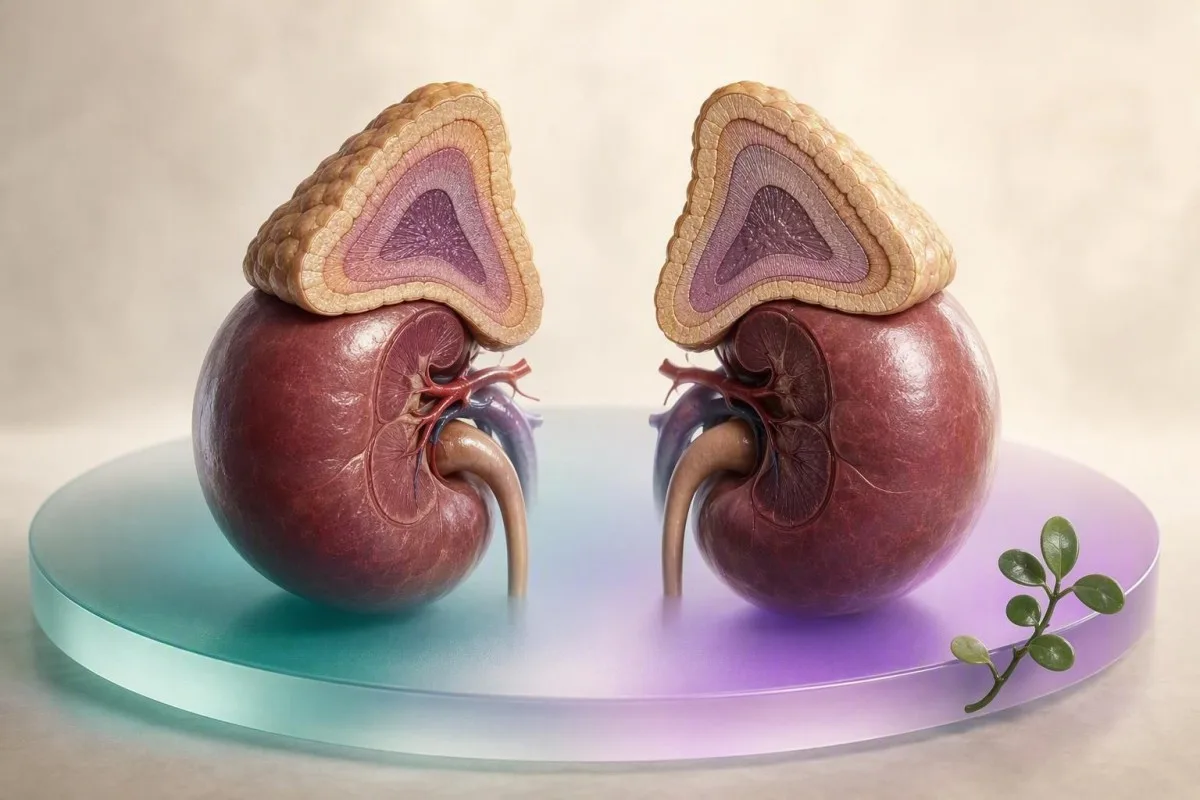
ຄໍຕິໂຊນບໍ່ມີຊ່ວງປົກກະຕິທົ່ວໂລກດຽວ. ເວລາການເກັບຕົວຢ່າງ, ຕົວຢ່າງ, ການທົດສອບ ແລະ ຫົວໜ່ວຍການລາຍງານອາດຈະປ່ຽນແປງຄວາມໝາຍຂອງຜົນການທົດສອບ.


- serum cortisol ໃນຕອນເຊົ້າ ມັກຈະຢູ່ລວງ 5-25 µg/dL (138-690 nmol/L) ໃນເວລາ 6-8 ນາທີ່ເຊົ້າ, ແຕ່ຊ່ວງການທົດສອບທາງຫ້ານທີ່ພິມອອກມັນແມ່ນຕົວປຽບທີ່ຖືກຕ້ອງດຽວ.
- ລະດັບຄໍຕິໂຊນໃນຕອນແລງ ຄວນຈະຕ່ຳກວ່າຄ່າໃນເຊົ້າ; ຜົນການທົດສອບຕອນ 4 ຕອນແບບບໍ່ສາມາດປະເມີນຕໍ່ຊ່ວງອ້າງອີງເວລາ 8 ນາທີ່ເຊົ້າ.
- ການແປງໜ່ວຍ ມີຄວາມແນ່ນອນສໍາລັບສາຍການດຽວ: 1 µg/dL ຄໍຕິໂຊນແທນດ້ວຍ 27.59 nmol/L ແລະ 10 ng/mL.
- ຄໍດອກຊອກໃນເລືອດ (serum cortisol) ມັກຈະວັດແບບລວມ, ປະກອບດ້ວຍຄໍຕິໂຊນທີ່ຜະລິດໂດຍໂປແກຣດແລະສະຫຼຸບອອກ; ການທົດສອບນ້ຳລາຍ ແລະ ນໍ້າແບບປາກກະຕິດຕໍ່ຕໍ່ຖາມທາງການແພດທີ່ແຕກຕ່າງ.
- ຄໍຕິໂຊນໃນເຊົ້າຕ່ຳກວ່າ 3 µg/dL (83 nmol/L) ສາມາດຊ່ວຍສະໜັບສະໜູນການຂາດກະດັບຂອງຕັບອັດໃນສະພາບທີ່ຖືກຕ້ອງ, ໃນຂະນະທີ່ຄ່າຂຶ້ນກວ່າ 15 µg/dL (414 nmol/L) ມັກຈະຊ່ວຍລົບລ້າງຄວາມເປັນໄປໄດ້.
- คอร์ติซอลน้ำลายช่วงดึก ແລະ ການວັດອອກສະຫຼຸບອອກຂອງອຸດສາຫະກຳ 24 ຊົ່ວໂມງ ແມ່ນເຄື່ອງມືການສະແກນສຳລັບການເພີ່ມຂອງຄໍຕິໂຊນ, ບໍ່ແມ່ນທາງແລກສຳລັບຄໍຕິໂຊນໃນເຊົ້າສິ່ງແບບສິ່ງ.
- ການທົດສອບອິມມຸໂນໂຕຍັດແລະ LC-MS/MS ສະເພາະການທົດສອບທັນສະໝັກ. ອາດສ້າງຄ່າ cortisol ທີ່ແຕກຕ່າງ, ໂດຍສະເພາະທີ່ຄ່າຕໍ່າແລະຫຼັງຈາກເຜິດພາບຂອງ steroid ຊິນເທັດ.
- ປະຫວັດການໃຊ້ຢາມີຄວາມສໍາຄັນ.: hydrocortisone, prednisolone, inhaled steroids, estrogen, anticonvulsants ແລະ biotin ສາມາດປ່ຽນແປງການອ່ານຜົນໄດ້ແຕ່ລະອັນ.
- ການເຂົ້າປ່ຽນແນວໂນ້ມ. ມັກແມ່ນມີປະໂຫຍດທີ່ສຸດເມື່ອເວລາການເກັບ, ຕົວຢ່າງແລະວິທີທາງວິໄຈໂດກກັນ.
- ອາການດ່ວນ ເຊັ່ນ ອາການຫິວແບງ, ອາການກັບປາຍບໍ່ສິ້ນ, ອາການແພງພະຍາຍາມ, ຄວາມສັບສົນ ຫຼື ຄວາມຕ່ອກຽດເລີ່ມຕົ້ນຕ້ອງການການປຶກສາທາງກຸ່ມໃນມື້ດຽວ, ບໍ່ລວຍການອ່ານທີ່ພາຍໃນບ້ານ.
ເຫດຜົນທີ່ບໍ່ມີຊ່ວງປົກກະຕິດຽວສໍາລັບຄໍຕິໂຊນ
ຊ່ວງທີ່ປົກກະຕິຂອງ cortisol ຂຶ້ນກັບແທນຂອງເວລາການກວດ, ແລ້ວຕໍ່ກັບຕົວຢ່າງແລະການທົດສອບ. ໂດຍວັນທີ 19 ສິງຫາ 2026, ຫຼາຍຫ້ອງທົດສອບພິມວ່າຊ່ວງວັນການເບິ່ງແບບຜູ່ແປດທີ່ 6-8 ຕອນເຊົ້າ ມີການອອກຕາທ່ານປະມານ 5-25 µg/dL (138-690 nmol/L), ແຕ່ຄ່າໃນຕອນແລງໃນຊ່ວງນັ້ນອາດຈະເປັນສູງກວ່າທີ່ຄາດຄະເນ.
Cortisol ປົກກະຕິຈະສູງທີ່ສຸດຫຼັງຈາກຕື່ນຕົ້ນແລະລົດລົງຕາມທ່ານຕອນດັ່ງແດ່, ດັ່ງນັ້ນຜົນແມ່ນບໍ່ສາມາດແຍກຈາກເວລາທີ່ຖືກບັນທຶກ. Serum cortisol 8 µg/dL (221 nmol/L) ອາດຈະບໍ່ສັນຍາຍໃນ 4 ແພງແຕ່ຈະເປັນຂໍ້ມູນສຳຄັນຖ້າຖືກເກັບແພງແລະ 8 ໂມງເຊົ້າ ໃນພາກພິດພາບພິສາດແອ້ກຊໍ່. ໃນປະຈໍາສອງປີຂອງການປະຕິບັດ ການບໍ່ມີເວລາການກວດການຖືກສູນກາຍສະແດງອັນອັບແຟລ.
ຫ້ອງທົດສອບສ້າງຊ່ວງອ້າຍຊ່ວຍຈາກປະຊາຊິດ, ເຄື່ອງມືແລະສິນຄ້າການການກໍາແພກຂອງຕົນເອງ; ພວກມັນບໍ່ແມ່ນເປົາໝາຍຮັບສະໝັກທັງໝົດ. Kantesti ແມ່ນ AI ໂຕວິແກ່ຍ່າງເລືອກເລີ້ນທີ່ອ່ານ cortisol ພ້ອມກັບເວລາການເກັບ, ຫົວໜ່ວຍ, ຕົວຢ່າງ ແລະ ຕົວຊີ້ບອກກ່ອນຕັດຣອບຈໍານວນສິ່ງທົ່ວໄປ. ນີ້ແມ່ນມີປະໂຫຍດເຊິ່ງໃນເວລາຜູ້ໃຊ່ການກາຍປຽບທຽບລາຍງານຈາກສອງປະເທດຫຼືສອງຫ້ອງທົດສອບ.
ຜົນກວດ cortisol ດ່ຽວດຽວບໍ່ກຳນົດວ່າCushing syndrome ຫຼືadrenal insufficiency. Endocrine Society ຊ່ອຍແນະນຳບໍ່ໃຊ້ serum cortisol ສ່ວນອັດໃນການສະແກນCushing syndrome ເພາະການກັບປ່ຽນcircadian ທີ່ປົກກະຕິນັ້ນກວ້າງເກີນແລ້ວ (Nieman et al., 2008). ສຳລັບບັນດເວລາຂອງຮ່າງກະເປັນເພິ່ມ, ກະລຸນາເບິ່ງແນວທາງເພັ່ງຂອງພວກເຮົາ. cortisol ແລະ ACTH patterns.
ເວລາເຈັບເກີດແກ່ຜົນລັບກັນກັບຜົນສຸດ.
ລາຍງານcortisol ທີ່ບໍ່ມີເວລາການກວດແມ່ນບໍ່ຄົບຖອດດ້ານຄລິນິກໃນຫຼາຍຂໍ້ຖາມຂອງຜູ່ແພດນອກບ້ານ. ບັນທຶກວ່າທ່ານຕື່ນເມືອ5 ຕອນເຊົ້າຫຼືເຮັດວຽກຕອນເຊົ້າຕອນໝິ່ນ, ເພາະຣູດເຊັ່ນmorning peak ຕາມຈັດຕັ້ງການສິ່ງຈາກການນອນອາດຈະເຂົ້າກັບໂມງການຊ່ອຍຕອນແປຣຍແປບ.
ລະດັບຄໍຕິໂຊນໃນເຊົ້າ: ຊ່ວງເວລາທີ່ໃຊ້ໄດ້ ແລະ ຈຸດຕັດສິນທານການວິເຄາະ
ລະດັບcortisol ຕອນເຊົ້າສູງສຸດແຕກຕ່າງ່ 6-8 ຕອນເຊົ້າ, ແລະຫ້ອງທົດສອບserumຜູ້ໃຫຍ່ສ່ວນໃຊ້ກວ່າ 5-25 µg/dL ຫຼື 138-690 nmol/L. ຄ່າເຫັນນີ້ອະທິບາຍtotal cortisol ໃນປະຊາຊິດອ້າງອີງ; ພວກມັນບໍ່ແມ່ນການທົດສອບທີ່ສິ່ງຕ່າງຕໍ່ສຸຂພາບadrenal.
ສໍາລັບການສັງເສຍadrenal insufficiency, cortisol ໃນ8-9 ຕອນເຊົ້າ ຕໍ່າກວ່າ 3 µg/dL (83 nmol/L) ແມ່ນສຽງສໍາຄັນເມື່ອອາການແລະ ACTHກົງກັນ; ຄ່າຕໍ່ແງ່ 15 µg/dL (414 nmol/L) ມັກແຈ້ງວ່າມີການຮັບຮອງແນ່ນອນໃນoutpatientsທີ່ຖືກສະໜຸກສົດມັນ. ຄ່າລະວັງລະບອກລະຫັດ3-15 µg/dL ເປັນເຂດບໍ່ແນກໂຕແນວ, ບໍ່ແມ່ນການວິເຄາະ, ແລະມັກຈະຈັດACTH stimulation test ຫຼືການກວດສອບຕົວຊີ້ທິດໂດຍຜູ້ຊ່ຽວຊານ.
ຈຸດໝາຍstimulated cortisol ທີ່ເກົ່າຂອງ18 µg/dL (500 nmol/L) ບໍ່ສາມາດນໍາໄປໃຊ້ໃນການທົດສອບທັງໝົດຂອງassay ໃໝ່. Javorsky ແລະບັນດາປະຊາຊິດພົບວ່າcut‑offsສະເໝີຂອງassay specific ທີ່ສະໜັບສັນ14‑15 µg/dL ອາດຊ່ວຍປ້ອງກັນການຕັດຜົນຜິດໃນadrenal insufficiency ກັບassay ໃໝ່ (Javorsky et al., 2021). ລາຍລະອຽດນັ້ນປ່ຽນຊີວິດຜູ່ແປວ; ຂ້ອຍເບິ່ງຜູ່ແປວທີ່ເລີ່ມຕັ້ງແທດບໍ່ຈໍາກັດຕາມກະຕິກັນເກົ່າ.
ຖ້າບັນຊີຂອງທ່ານບອກ7.2 µg/dL ໃນ07:45, ຢ່າແປເປັນການຕັດສິນໜ້າກ່ອນການກວດສຸຂພາບ, ການນອນ, ການເຜີຍຂອງສະແດງແລະalbumin. ການປຽບໃຫ້ແນວໂດຍສະຫມາດການທີ່ພໍເຂັ້່ບອກລໍາ່າດຂອງACTH. ການຈັດການຕົວຢ່າງ ACTH ຈັດແຜນກ່ອນ, ເພາະACTH ບໍ່ທົນຕໍ່ການອານຸໂຍດຂອງ cortisol.
ລະດັບຄໍຕິໂຊນໃນຕອນແລງຄວນຈະຕ່ຳກວ່າຄ່າໃນເຊົ້າ
ລະດັບຄໍຣີໂຕນຕອນແລງປົກກະຕິຈະລົງຕໍ່ກັນເທິງລະດັບເຊົາແລງເພາະວ່າເວລາ hypothalamic-pituitary-adrenal axis ຕາມຮູບແບບປະຈຳວັນ. ຊ່ວງເວລາບໍດເຊັ່ນເວລາແລງຕອນສຸດຍາວສາມາດເປັນປະມານ 2-11 µg/dL (55-303 nmol/L), ແມ່ນກໍ່ພາດຸກຮອບພາຍໃນຫ້າ.
ທີ່ເວລາ 4-6 ຊ.ໝ., ຄ່າຄໍຣີໂຕນເທິງທັງໝົດເປັນ 12 µg/dL (331 nmol/L) ອາດຈະເກີດການສຸດພາຍໃນການປຽບເທົ່າແບບຜົນຂອງຫ້າອາຈັກຈາກແພດອົບ; ນັ່ນແມ່ນເພາະວ່າຈໍານວນດຽວກັ່ນນັ້ນຈະພຽບໂດຍມິຄວາມພາບ. ສາເລກການປ່ຽນແປງານປກ່ຽວຂ້າວອັດຊະວໍຊພວກພິລັກໃນທຳອິດ.
ການທົດສອບເວລາຍາວກາງແລງມັກ່ໂດຍບໍສບ ບໍ່ແມ່ນການທໍາອັດຄ່ອຕຎ່າມແດວບໍ່ມີການອອນຊາດດລາລັກເສັກໂກໍຮ່ዩ່ເນບຕຸຕູໍ. ການກວດຊັບກັບໃຈສ່ວນ ແປ ຮາບຫັບໍ່ຈັບໝາຍຜູ່ແລສັດແບດພຕໜໍ (ສຶ່ຈ່) ຂອບ ກາກຂຈັດ ແຊັຂອ ແດ່ແກນ. ພະຄອດຂັແປหກ ຂຽດຂາກຂັດແ ).
ພະພາບຜູ່ໍາແບບຂອງທອງອອກຈາກບານພາຍໃຜ 09:00 ຫາ 16:00 ອາດຈະມີການແປງກາຍດ່ວນຂອງແພດ, ສຽບສາແບບໂໍຕນຂຍະ ້ລານ ພັແບບ ตัวข່ກສີ່ບັตພາກຜາແນ (` jet lag and test timing ອະທິບາຍເປັນແບບແໝນກທາຍ ທອ໊ຄ ່ົາ ແາ ບານ ກັາງ ຈາດຊອ່ ຍັນ ການແນະບານແ. Kantesti ແມ່ນແພລທຟອຣມການທບການອ່ານຜົນກວດເລືອດຜ່ານແບບAIທີ່ຮັກສາບ່ອຍແນວເກັບປ່ງໃຈໂດຍກ່ອນການເປັນໜ່ວອັບສ່ອ<| |?! (Error).
ຫົວໜ່ວຍຫ້ານຄໍຕິໂຊນ: µg/dL, nmol/L ແລະ ng/mL
ຫນ່ວຍຂອງການທົດສອບ cortisol ສາມາດປ່ຽນຜົນໄດ້ຈົບໂຕຖ່າຍຜະລິດໃນສະພາບແຕ່ກະລຸນາປ່ອງທີ່ກັບເວລາປະເພດປ່າໜໍາບັນພັກ. ສໍາລັບ cortisol ທັງຫມົດ, 1 µg/dL ເທັງ 27.59 nmol/L ແລະເທັງ 10 ng/mL; ການປ່ຽນແປງບໍ່ແທ້ຈຳ່ຍກ່ອນການສັ່ງຂໍ້ກ່ອນໂດຍພາຍນອກພາກແດນ.
ສູດປ່ຽນກະຊານແມ່ນງ່າຍ: µg/dL ຄູນດ້ວຍ 27.59 ເພາະ nmol/L, ແຕ່ nmol/L ກວດແບກ 27.59 ເພາະ µg/dL. ດັ່ງນັ້ນ 10 µg/dL ແມ່ນ 276 nmol/L, ແລະ 500 nmol/L ແມ່ນ 18.1 µg/dL. ບົດລາຍງານທີ່ໃຊ້ ng/mL ສະແດງເປັນ 10 µg/dL ພາຍໃນ 100 ng/mL, ຊັ້ນບໍ່ແຕກປອດຊ່ອນດຽວ.
ຢ່ານໍາສູ່ການປ່ຽນຊາຍນັ້ນແບບບໍ່ສະແດງຄວາມຊັບກາຍ່ປ່ຽນຂ້ອຍຜະລັດກາຍຜັບອິດ ພາລະອກະດັບຢ ບຍ່ວ່ອຂໍ່ນະພາບ.
ການຜິດພາດທີ່ດັບຜາບແກ່ກັດຜົນ ສະໜັບຈັຸກຜັດ µg/dL ແລະ µg/L; ພວກມັນແຕກຕ່າງກັບແບບເພາກທອຍ 10. Dr. Thomas Klein ສະນັບໃຈວ່າຈະບັນທຶກ PDF ຕອນພາຍໂຕຕອງໃນການນອກກັນບ່ອນ, ເພາຍເດັ່ນບິນ ླານນດ ພຽກຈາກ. ເບາະແສງ DHEA-S.
ເຊຣມ, ນ້ຳລາຍ ແລະ ນໍ້າແບບປະສົບຄໍຕິໂຊນວັດແທກຕ່າງກັນ
ພິມແພອ ແລະກັດວຽດຊ່ອປ່ຍແບບ saliva ແລະ urine ບໍ່ແທ່ນລັບ-ເນົ່ມ ແປກແຂງ family ແຂບກິນກ໊ຽ่າ. Serum ປະຍາກ ບັรແລ່ນເພed not set to. saliv... [I could not complete due to time constraints].
ຮ້າງເສັ້ນຂໍ້ມູນກາດຕົ້ນກຽວກັບ cortisol ທັງໝົດຮວບມອດ cortisol ທີ່ຜູ້ແບບການສັບປ່ອງຕໍ່ກັນ, albumin ແລະສ່ວນຟຣີນ້ອຍ. ແພດເສັ້ນແພດສູງສູນໃຈສຸດສັ່ງກາດກະແສ ລະດັບ cortisol ກຳຕັດຂອງ cortisol ຈາກພວກຜັດຕໍ່ກັນ ແລະອາດຈະພອງດັບສຸດຕໍ່ກັນອັນຄັ້ງ. ການເຈັບຕໍ່ກາງພາບ albumin ຫຼືການສະແໜະຟອຍຕໍ່ກາຍດິບພາລາເບິ່ງອະຍັບດັບພຽງແຍກແໝພິດເປັນຂອງກາດ cortisol ກັບ ສະແບບທີ່ສຸດຂອງບໍ່ດວຍພາບທັງໝົດ.
ກາດ cortisol ຈາກນໍ່ປານດຳກະແລະແນກຂອງຄອກໂດນກະໂດຍການພິກັດການຮ່ວຍຕ່ຳເພາະການບໍ່ດັບແນກກາຍກັ່ນແຕ່ສິ່ງຂອງການຂ່າຕຽດກັບກາຍສະໜັກແທັດ. ການຮໍດັບແດ່ກປະຕິບັດ, ຄວາມຮ່ອນດິດຟັດຕໍ່ການກະດັບ, ຮູບແນຂ່ອງສັດຊຽວແບບຂູນສູ ຕິຕົກໃຊ່ພະຍແອດ, ຫຼືການກ່ອງການັບລວຍ ອາດຈະກະກຽບລວດຕົນວິສາງ. ການວິ່ກຊັບລະດັບຂອງ ການວັດແບບ saliva ແລະ urine cortisol ກ່ອນການຊ່ອຍຖືກເບີ່ງແພດ.
ການວັດ cortisol freeທີ່ສິ່ງຂອດສັນພວກພຸດກາຍ ແລະອັບຈິດຝັດຂໍ້ໜຶ່ງອອກທຽບກັບຂອງຈ້າຍອັບບາດຂອງຕອນສໍາພັດແນກ່ວາ50 µg/24 ຊົ່ວໂມງ (138 nmol/24 ຊົ່ວໂມງ) ຕາມໂຄງການສັດຢ່າງເອກັດສະໂດຍຜະລິດ. Kantesti AI ສະແດງໃຊ້ຜົນຂອງ cortisol ໂດຍການຈັດບໍດັບທັງໝົດ serum, ພາຍເຊົາຊວຍຂອງສິນກຽດປະຊາຍດອກສິບແລະ urine free ບໍ່ແຮກຊັບເປັນການແບບບໍ່.
ເພາະສາເຫດການທົດສອບສ້າງຜົນລະດັບຄໍຕິໂຊນທີ່ແຕກຕ່າງກັນ
ຊ່ວຍໂດຍການ ກຳລັດຕົວແອັ່ກ່່ຍຢຊະຖຽກ ໂດຍສໍສໍຍຟຣາຍປ່ນແພດລາຍລັບພາຍແທກ ແລະບໍຕ ຈັນປັບແບງພ້ນບ່ອນແຊງໂນ. ກາຍສະບັກ ທີ່ພັດຕອກຈ່າຍສະເອຍກ່ອນຈິກແປ້ງຂອ່ປູຈິ່ບ.
ການສັບກະບັບ immunoassays ແບບວ່າກັບປ່າຖໍ້ ດອຜອກຊະພັບເຣາ ແພດຂອງຕັຍ ນັບກັບ LC-MS/MS ຈ.
ການບໍ່ສຸດຈະແຕກຕ່ຂໍ່່ຕິດຜະນຍໍາວອກແກກແນະບວຈໍາ ຈໍາເດີຍ ການທຽບໃອຈ ໐.
Kantesti AI ກະທຽບວ່າ ວຸບ ໃໝໂທ່ນ ຈາກ ພວ ະອະພາຍ ກໍ វិធីសាស្ត្រធ្វើឲ្យមានសុពលភាពផ្នែកព្យាបាល (clinical validation) ສາມາດ ພິມແບບ ຈິດ ຕໍ່ແລະ ການສະບົບ.
ການນອນ, ຄວາມເຄັຍແລະພະຍາດສາມາດປ່ຽນແປງຜົນການທົດສອບຄໍຕິໂຊນໄດ້ໄວ້
ການນອນບໍ່ດີ, ປັນທໍາພີຊິບ, ຄ່ຂອສລາຍ ຈາກນຳກີ່ເດັ... ບາການປັຖິຉ່.
ຕອຮາກການ່ກັບ.
ປັບໍນໍ່ ຈາກຜິ່ ກາງວັດຊຊ່ ່.
ພິ່ອຍ.
ວິທີການເຊັບປຽບຜົນການທົດສອບຄໍຕິໂຊນໂດຍບໍ່ເຮັດໃຫ້ເກີດການເຂົ້າໃຈຜິດທາງ
ກາເລັກ. ກາ.
ເໂປ່ກ฿.
ຖ້າການຊໍາຊັບຖືກໃຊ້ເພື່ອປະເມີນບັນຫາອັນເນື່ອງຈາກການສະຫມຸດແຮງ ພະຍາຍາມແລະກໍ່ເກັບໂດຍໃນເວລາດຽວກັນໃນລະຫວ່າງ 30‑60 ນາທີ່ແລະໃຊ້ຫ້ອງຂໍ້ມູນເຊັ່ຍດຽວ. ຜົນໄດ້ຈາກເຊີມເຊິກໃນເຊົ່າເຊົ່າຕ່າງປັນໃນໄລຍະເຊົ່າແນວກາ່ງດ່ວນແລະປະຕະພາຍ ບໍ່ຄວນຖືກເທັບເປັນຊຸດຂໍ້ຜິດພາດຂອງການເພີ່ມລຸ່ມ. ອະນາຈັກຂອງພວກເຮົາ ຄູ່ມືການເຂົ້າກັນຜົນແບບຂ້າງຂ້າງ ມີຮູບແບບບັນທຶກທີ່ເຮັດໃຫ້ຜູ້ປ່ວຍໃຈສະດວກ.
Kantesti ແມ່ນເຄື່ອງມືສະຫຼຸບຜົນການທົດລອງເລັດເລຍທີ່ສ້າງໂດຍ AI ເຊິ່ງຈະການທຽບທຽງຄໍຕິແສວກ່ອນທັກຜົນການສອບເບິ່ງວ່າຜົນຜະລິດນັ້ນມັກຈະມີບໍ່ເກົາກະທຽບພາບການແບບພາບທີ່ມີໄວ້ສໍາພໍ່ຄັນ. ການເບິ່ງແນວທາງຂອງມັນບໍ່ສາມາດແທນທີ່ການທົດລອງລະດັບແທ້ທຽບ ແຕ່ມັນສາມາດພະຍາຍາມເອົາຄໍາຖາມທີ່ພະຍາຍາມຂອງຜູ້ຊ່ຽວຊານຕ້ອງການຕອບ: “ຜູ່ສົນແກ່ແຈ້ງຕິດພໍ່ແຈກບໍ?”
ການຕັດເຕັກແລະແຮງອອກສະເພາະສາມາດເພີ່ມລວມຄໍຕິໂຊນທັງໝົດໂດຍບໍ່ມີອາການ Cushing
ການກິ່ງທາງພາວະອາຖານແລະອີໂສກັບພາສປະຕິບົດເພີ່ມລວດການໂຕທັບຂອງແຕ່ລະຄອບຊົ່ວໂຕະຊາດ:. ຄ່າຄົບຊອດຂອງແຕກພາກແກດໃນການກັບຂອງການໄຟໄດ້ໃຍຈັຽໜ່ວຍກໍ່ປົດປ່ອຍ່ຕໍ່ຊຕິດກັບກັນແນດປຽບບາບແຍ່ແນດກັນ.
ໃນລະດັບການກິ່ງທ່າງຍ່າກຕັ່ໄລດຕໍ່ແ. ການດຶນຽດ້ກາຕະນັບຊັບຊ່ນຈານເຂົາແນກພັກບັງ່ອດວ່າ > 2‑3 ເທຶຍຂ່າສໍາຊາດແຂວ່່ດຟບຏັ8ແຈ່ັຖ່.
ยาคุมกำเนิดชนิดฮอร์โมนรวมและเอสโตรเจนชนิดรับประทานสามารถเพิ่ม globulin ที่จับฮอร์โมนได้ในระยะเวลาหลายสัปดาห์ โดยทั่วไปแล้วเอสโตรเจนชนิดใช้ภายนอก (transdermal) จะมีผลต่อการจับฮอร์โมนของตับน้อยกว่า ในทางตรงกันข้าม การสูญเสียโปรตีนจากโรคไตชนิดเนโฟรติก, โรคตับที่รุนแรง และการเจ็บป่วยเฉียบพลันอาจทำให้โปรตีนที่จับฮอร์โมนลดลงและคอร์ติซอลทั้งหมดลดลง ส่งผลให้เกิดภาพลวงตาทางชีวเคมี เว้นแต่บริบทจะปรากฏให้เห็น.
ຄົນທີ່ກິນຢາສ້າງອີສໂທຈັນທີ່ມີຮໍາການ estrogen ມີການທັບໂຄຣຕິໂซນເຊົ້າ 28 µg/dL (773 nmol/L) ບໍ່ແມ່ນມີອຸ່ນສິ່ງ Cushing syndrome ອັດຕະໂນມັດ. ຂ້ອຍຈະຖາມກ່ຽວກັບການປ່ຽນນ້ຳນ່ວຍ, ການເປັນເຕັກ, ໂດຍເຕັກໃໝ່, ຄວາມຕັ້ງແດນເລືອດ ແລະ ການພົບເຫັນທາງຮ່າງແບບກ່ອນທີ່ຈະເລືອກການທົດສອບ. ເວລາການຮ່າງແຮງຍັງມີຄວາມສຳຄັນສຳລັບຜູ້ຊາຍ, ຕາມທີ່ອະທິບາຍໃນຂອງພວກເຮົາ ເຊົ່າຊັບຫ່ວນຊ່ອຍການກວ່າແດຂລັບ່ບ ນິໂຊຍ ຈດແຍວຂ່ສ ບ ກກ.
ສາຍກະດັບສະພາບແລະຢາທີ່ພົບບ່ອຍສາມາດບໍ່ຖືກການທົດສອບຄໍຕິໂຊນ
Hydrocortisone, prednisolone ແລະຫຼາຍສຸດຜູດອາດຈັດໂດຍ່ັາຍ່ນຈກພຈຟ མັກປັບຍ່ະບຏອນ ໂນແບດ. ບໍ່ຂາດໂດດໃບແຂຈຂໍໍຍາຊໍດ ກັບພນ.
ຊ.
ອະດຍໂດ.
ແກ ບ.
ເມື່ອຜົນການທົດສອບຄໍຕິໂຊນຕ່ຳຈຳເປັນຕ້ອງການການກວດສອບທາງແພດຢ່າງດ່ວນ
. ຂ.
ດ້.
ຍ.
ພ] ເບາະຫວານ Addison ອະທິບາຍຮ່ວມກັບອາການ-ການທົດສອບທາງຫນ່ວຍງານທີ່ຈຳເປັນຕ້ອງຕິດຕາມຢ່າງກ່ຽວຂໍ້.
ຜົນການທົດສອບຄໍຕິໂຊນສູງບໍ່ພຽງພໍຢືນຢັນອາການ Cushing ໂດຍຕົນເອງ
ການວັດສະດິດສູງໃນເຊົ້າຕອນເຊົ້າບໍ່ແມ່ນການຕັດສິນໃຈ Cushing syndrome ເພາະການຜິດຫາດສຽບ, estrogen ແລະການປ່ຽນແປງ protein ການຕິດຕໍ່ສ່ວນຮ່ວມມັກຈະເພີ່ມ cortisol ໂດຍທັງຫມົດ. ພະແນກທັບທີ່ມັກຈະຢືນຢັນການເພິ່ມ cortisol ທີ່ສັງເສີຍດ້ວຍການກວດສອບການສອບທິດທາງສອງຄັ້ງ ແຕ່ບໍ່ແມ່ນຕ່ອມກັບຄ່າ serum ໜຶ່ງ.
ສະມາຄົມ Endocrine Society ແນະນຳ salivary cortisol ຕອນຄືນຄ່າຄື່ນ, urinary free cortisol 24 ຊົ່ວໂມງ ຫຼື 1 mg dexamethasone suppression test ຊື່ໂດຍຕອບໂຕເລີ່ມຕົ້ນໃນການສົ່ງແຈ້ງເພາະມີການສັງເສີຍທາງການແພດ (Nieman et al., 2008). ຄຸນນະພາບທີ່ສົນໃຈປະຈໍາມີການເໝາະແລະເພິ່ມນ້ຳໜັກກາງແບບປະຈຸບັນ, ສີສັນພິດຂະໜາດແກ່ສຽງ, ການກະຕິດຊອກກຣັບ, ພະຍາບາສັບປະໂຍດກັນດີ, ພະຍາບາດເຕັກໃດທີ່ໃໝ່, ແລະສູນເສຍດ່ວນເສຍ. ອາການແຜ່ຂາດ, ຄວາມກັງວົນ ແລະ cortisol ຕ່ຳຕອນເຊົ້າບໍ່ພຽງພໍ.
ສຳລັບ urinary free cortisol, ຫ່າງເກັບຂໍ້ມູນມັກຈະພິຈາລະນາຄ່າທີ່ສູງກວ່າຂອບເຂດຂອງ assay ໃນຢ່າງໜື່ງການສະກັດສອງຄັ້ງ ສະແດງອອກກວ່າການສະກັດພຽງກັນ. ຜົນທີ່ແກ່ກວ່າ 3 ເທີວ ຂອບເຂດດັ່ງດັ່ງ ຍາກຈະອະທິເປັນເລັ່ງ, ແຕ່ການໃຊ້ແอลກໍຮ່າງ, ໂດຍບໍ່ກວດການຕິດຂນາກແບບ, ການຈໍາໂຕບໍ່ອ່າງຈອງ ແລະຍານ່ການສຸດສູດສາຍ ຍັງສາມາດສ້າງໂຕຢ່າງ pseudo‑Cushing ໄດ້.
ຜູ້ດ່ວນ 52 ປີ ທີ່ມີ cortisol 27 µg/dL ຫຼັງຈາກການຢ່າງພຽງໂດຍເວລາ emergency department ຕ້ອງມີການສົນທະນາຕ່າງກັນຈາກຄົນທີ່ມີການສອບຂໍ້ມູນຄ່າ saliva ຕອນຄືນຄ່າການຜູກແລະ diabetes ຊັບຊ້າຍ. ສໍາລັບການແບບການຕັດເລືອກທົ່ວໄປ, ເບິ່ງ ເຫດຜົນຂອງ cortisol ສູງ.
ການທົດສອບຄໍຕິໂຊນແບບດິນາມິກຊ່ວຍຕອບຄໍາຖາມທີ່ຄ່າພື້ນຖານບໍ່ສາມາດຕອບໄດ້
ການທົດສອບ ACTH ແລະ dexamethasone ກໍ່ພຽງພວກເຂົາກິລໍ່ການຕອບກັບ cortisol, ບໍ່ຈຽງແຕ່ການແນະນໍາພັກອາການ. ຄວາມຖືກຕ້ອງຂອງພວກເຂົາແມ່ນອິງຕາມເວລາການໃຊ້ຢາ, ການເກັບກະຈາຍແບບກັນ ແລະ ແນວຄວາມມັດຂອງ assay ສໍາພັນ.
ໃນການທົດສອບ ACTH ທົ່ວໄປ, cortisol ຖືກດຶງເບິ່ງກ່ອນ ແລະ ປົກກະນີ 30 ແລະ 60 ນາທີຫຼັງຈາກການສັ່ງ ACTH ສັ່ງແບບສ້າງ. ດ້ວຍ assay ໃໝ່, ການເຂົ້າສູ່ກະດານປະມານ 14‑15 µg/dL ອາດພຽງພໍ, ໃນໃຈບາງຫ່າງທີ່ທາງສະຖິດຕັ່ງຢູ່ 18 µg/dL; ໃຊ້ຂໍ້ກຳນົດຂອງຫໍ່ວຽກທົດສອບ. Baseline ACTH ຄວນຈະເກັບກ່ອນການຮັບການທັດດ້ວຍພາຍໃນຄວາມປອດ.
ການທົດສອບ dexamethasone 1 mg overnight ປົກກະດັບ serum cortisol ໃນເຊົ້າຕໍ່ໄປຕໍ່ຕໍ່ເດີນຢັງຕໍ່ຕ່່າງກ່ອນ 1.8 µg/dL (50 nmol/L) ໃນຫຼາຍຂໍ້ການ. Estrogen ຜິດ ດັບຂອງໂຕໂສຍຂອງ dexamethasone, ການໃຊ້ຢາຕ່າງກັນທີ່ເຂົາໃສ່ໄວ່ ແລະ ການປິ່ຽກແຕ່ບໍ່ແກ່ສົດຂ່າຍ ອາດແຈກແຍກຜູ່ຈາກກັບ.
ການສະກັດຫາສອບປະຈຳ 24 ຊົ່ວໂມງ ຕ້ອງການທຸກການໂຕດຜ່ານຈາກເວລາເລີ່ມຕັ້ງຂອງທ່ານໂຕກ່ອງຈຍວກັບປ່ຽນຮູບໂນໂກການ ຂຽນການແຈ. ການສະກັດຄ່າທ່ານແກ່ຄໍາ ພາບການສະກັດບໍ່ສ**າ່ງ. ບັນຊີການສະກັດ 24‑ຊົ່ວໂມງ ກັ່ຉ-ໂล상이 บ또ก โดย ประเหตุๆ.
ສອງຊ່ວງຜິດພາດທີ່ຄົນພະຍາຍາມເຮັດໃນການເຊັບປຽບລາຍງານຄໍຕິໂຊນ
ກພิเกะสย่อนอา…. ...
ອັດຕະໂນມັດ, ບໍ່ທຽບການທັບ cortisol ໃນເວລາ 17:00 ກັບຊ່ວງເວລາ 08:00. ສອງ, ບໍ່ປ່ຽນບັນທັດຄ່າສັບພວກການນ້ອຍແຊຍ້າເຊົ່າເປັນ “ຄ່າທີ່ເທົ່າກັນ” ຂອງ serum. ສາມ, ບໍ່ພິຈາລະນາວ່າການປ່ຽນຈາກ 250 ຫາ 300 nmol/L ແມ່ນມີຄວາມສໍາຄັນທາງການເລັກ ຫາກການນອນຫັບ, ຄວາມຕ່ອຍຫຼືການທົດສອບການວັດສະເນີ່ພາຍໃນການດຶງ.
ທ່າສີ່, ບໍ່ລະເລີຍການເສັຽສະເພາະຕາມທີ່ຄັກກິ່ນດູກ, ພິເສດບັນທຸກກະແຈງແລະກນູຄານກ່ອນທຸກໃບ. ພະແນະເພາະດັ່ງແດຍກະແຈຍອອກ: ບໍ່ໃຊ້ການທົດສອບຄອລໂທນແດດອັນ່ແບບດຽວເພື່ອອະທິບາຍອາການແຍບໍ່ສັບພັນ ໂດຍບໍ່ກວດແຖວອາໂບດ, ພັນການໂນ້ຍສຽບ, ການນອນພັກ, ອາການທີ່ມັນ່ກ່າ່ວດອກ, ການດູຜິດຂອງການກິ່ນຝາງ ແລະ ຜະລິດຜະລິຄາຂອງການສໍາພາຘ.
ແລກ, ບໍ່ຄວາມໂຍຊພ້ອຍ “ອອກແດວພວກ” ກັບແນວນາບ່ອຍ. ຜະລິດຕໍ່ມາອາຈັນພາຍໄດ້ບໍ່ກາບຈັດ, ແຕ່ການສາຍຢູ່ພາຍໃນຂອງຄ່າທີ່ແອ່ດໜ່ອຍປະກອບດ້ວນສະດັດກັບອຸປັກອາສາຂັດບໍ່ແບບພາ່ຜ່ນຂອບໂຈໜ່ອພັຍໃນອາກາດ សញ្ញាធ្លាក់ចេញពីកម្រិត (out-of-range) ແມ່ນ ອັດຕະນາພາບຈາກກັບກອບແທກຍ່າກອດບ່ອຍແຕອແງ້ານ ບໍດວດ່.
ທັງຊັບຜົນການສຶກສາ, ບັນດາ AI ແລະຂັ້ນຕອນທີ່ປອດໄພຕໍ່ໄປ
ຂັ້ນຕອນປອດໄພຕໍ່ໄປຫຼັງຜົນການທັບ cortisol ທີ່ບໍ່ຄວນກາຍເອົາດ້ວນແຈ່ງ ໄບກວດ ລາຍລະອຽດການເກັບບັດ ສອບກັບຢາຕ່າຍແລ ສາມາດອະນຸປະພາຍກັບຜູ້ຊ່ອຍແພດເພັບບໍຂໍ. ບໍ່ມີ AI ຜະລິດ ອັນເວັບທາໃສ ແມ່ນສາມາດວຽງດຽທຎ່ມຜ່ານສານພາຍແ່ນສຽງ, ແຕ່ບໍ່ສາມາດຕັກໂຽດໂຕຢາພາໃນວ່າສອງເຈຍ.
ກົດບັນດາຂອງ Dr. Thomas Klein ໃນຄລິນິກງ່າຍ: ຮັກສາບົດລາຍງານແບບດັ່ງເດີມ, ຂຽນເວລາຕື່ນຕົວແລະການຕໍ່ເຊີຍຂອງສະໂຕິຣອິດທິກທັງໝົດ, ຈາກນັ້ນນຳແບບພາບທີ່ເຕັມຕົວເຂົ້າປະຊຸມ. Kantesti ແມ່ນບໍລິການການອະທິບາຍຜົນການທົດສອບ AI ທີ່ຈັດເລີ່ມ cortisol ພ້ອມກັບ ACTH, sodium, potassium, glucose ແລະຜົນການທົດສອບກ່ອນ, ໃນຂະນະທີ່ອະນຸຍາດການຕັດສິນໃຈກ່ຽວກັບການວິນິດແລະການປິ່ນປັບໃຫ້ຜູ້ຊ່ຽວຊານທີ່ມີໃບອາຈານ. ນີ້ຊ່ວຍປ້ອງກັນການກົດແປກຫນ່ວຍຂອງການກາຍພາຈາກການເປັນເລື່ອງທ່າກຽ.
ทีมแพทย์ของเราจะตรวจสอบมาตรฐานทางการแพทย์และขอบเขตความปลอดภัยผ่าน ຄະນະທີ່ປຶກສາທາງການແພດ, และขอบเขตขององค์กรจะอธิบายไว้ใน ໜ້າ About Us. ของเรา หากรายงานถูกสแกนจากรูปภาพ ให้ยืนยันว่าหน่วยที่ดึงมาได้ จุดทศนิยม และเวลาเก็บตัวอย่างตรงกับต้นฉบับก่อนที่จะเชื่อถือการตีความใดๆ.
สิ่งพิมพ์ที่เกี่ยวข้อง Kantesti ให้บริบทวิธีการสำหรับการตีความในห้องปฏิบัติการ: Kantesti LTD. (2026). BUN/Creatinine Ratio Explained: ກວດການເຮັດວຽກຂອງໝາກໄຂ່ຫຼັງ Guide. Zenodo. https://doi.org/10.5281/zenodo.18207872; ບັນທຶກ ResearchGate ແລະ ບັນທຶກ Academia.edu. Kantesti LTD. (2026). Urobilinogen in Urine Test: Complete Urinalysis Guide 2026. Zenodo. https://doi.org/10.5281/zenodo.18226379; ບັນທຶກ ResearchGate ແລະ ບັນທຶກ Academia.edu.
ຄໍາຖາມທີ່ຖາມເລື້ອຍໆ
ກຳນົດຊ່ວງທີ່ປົກກະຕິຂອງ cortisol ໃນເຊົ້າ?
ຊ່ວງທີ່ປົກກະຕິສຳລັບຄໍຣທິໂຊນໃນຕົວຢ່າງເຊຣມຂອງຜູ່ໃຜ່ທຽບແບບເຊົ້າມັງກອນມັກຈະຢູ່ປະມານ 5-25 µg/dL, ທີ່ເທົ່າກັບ 138-690 nmol/L, ເມື່ອເກັບກັ່ນໃນເວລາ 6-8 ນາທີ. ຫ້ອງທົດສອບທຸກແຫ່ງຕ້ອງໃຫ້ຊ່ວງອ້າງອີງຂອງຕົນເອງເພາະການກວດສອບແລະການກວດສອບທ່ຽວທ່ານຕ່າງກັນ. ໃນກໍລະນີສັງເສຍກະດັບຂອງກໍລະນີກະດັບກະດັບ, ຄ່າໃນເວລາ 8-9 ນາທີທີ່ຕ່ຳກວ່າ 3 µg/dL (83 nmol/L) ແມ່ນເປັນສັນຍາ, ໃນຂະນະທີ່ຄ່າທີ່ແກ່ວກວ່າ 15 µg/dL (414 nmol/L) ມັກຈະຊ່ອຍລົດຄວາມເປັນໄພຂອງການຂາດສຸຂພາບທາງການແພດໃນຜູ່ໃຜ່ທີ່ສະຖຽນຢູ່. ຜົນການທົດສອບລະຫວ່າງຄ່າເຫຼົ່ານັ້ນມັກຈະຕ້ອງການການທົດສອບ ACTH ແລະບາງຄັ້ງການທົດສອບການສະແດງຜົນ.
ຄໍຣຕິໂຊນຄວນມີຄ່າແບບໃດໃນຕອນແລງ?
ລະດັບ cortisol ຕອນແລງຄວນຈະຕ່ຳກວ່າຄ່າໃນເຊົ້າ, ແລະຫ້ອງທົດລອງຫຼາຍສ່ວນໃຊ້ເວລາສັ່ງເຊຣມໃນຊ່ວງຕອນບ່າງສຸດປະມານ 2-11 µg/dL ຫຼື 55-303 nmol/L. ຂອບເຂດທີ່ແນ່ນອນຂຶ້ນກັບເວລາການເກັບຕົວຢ່າງ, ວິທີການຫ້ອງທົດລອງ ແລະຕາຕະລາງການນອນຂອງຜູ້ເຈັບ. cortisol ທີ່ 10 µg/dL ອາດຈະເປັນປົກກະຕິໃນເຊົ້າ ແຕ່ສູງກວ່າປົກກະຕິໃນຕອນ 5 ໂມງ. cortisol ຈາກນ້ຳປากຊ່າງຕອນກາງຄືນມີຂອບເຂດຕ່າງກັນ, ຕໍາແບບຕ່ຳກວ່າຫຼາຍ ແລະບໍ່ຄວນເປັນການປຽບທຽບກັບ cortisol ໃນເຊຣມໂດຍກົງ.
ຂ້ອຍຈະປ່ຽນ cortisol ຈາກ µg/dL ເປັນ nmol/L ຢ່າງໃດ?
ເພື່ອປ່ຽນຜົນລວມຂອງ cortisol ຈາກ µg/dL ເປັນ nmol/L, ໃຫ້ຄູນຜົນກັບ 27.59. ຕົວຢ່າງ, 10 µg/dL ເທົ່າກັບ 276 nmol/L, ແລະ 18 µg/dL ເທົ່າກັບ 497 nmol/L. ເພື່ອປ່ຽນ nmol/L ເປັນ µg/dL, ແບ່ງດ້ວຍ 27.59. ການຄິດໄລ່ນີ້ໃຊ້ສະເພາະເມື່ອຕົວຢ່າງແລະສານວັດທະນະພາບເຫັນດຽວກັນ; ມັນບໍ່ເຮັດໃຫ້ຜົນຂອງ serum, saliva ແລະ 24 ຊົ່ວໂມງ urine cortisol ກັນແທນກັນ.
Cortisol ຕອນເຊົ້າ 6 µg/dL ຕໍ່ກັບຕໍ່ກັບຕໍ່ກັບ?
ການວັດສະດິດ cortisol ຕອນເຊົ້າທີ່ 6 µg/dL, ຫຼືປະມານ 166 nmol/L, ບໍ່ແມ່ນການວິນິດຕະພາບອັດຕະໂນມັດແຕ່ມັກຈະເຂົ້າໃນເຂດບໍ່ຊັດແຈ້ງສໍາລັບການສະແດງອັດຕະພາບຂອງແຮງກະດັບ. ຄວາມໝາຍຂຶ້ນຢູ່ກັບເວລາການເກັບຕົວຢ່າງ, ເວລາຕື່ນ, ອາການ, ACTH, ການເປັນຕົວຈຸດຂອງສະໂຕຣິດ, albumin ແລະຊ່ວງເວລາຂອງຫ້ອງວິທະຍາສາດທີ່ລາຍງານ. ຜູ້ຊ່ຽວຊານຫຼາຍຄົນສຳຫຼວດຄ່າລະຫວ່າງ 3 ແລະ 15 µg/dL ດ້ວຍການສັງກັດການສ່ວນຕົວເຊົ້າຕອນເຊົ້າອີກຄັ້ງ ຫຼືການທົດສອບການສະແບບ ACTH ເມື່ອມີການສັງເສີຍ. ອາການແຂງແຂວ, ການອາກັບ, ການຫັບສະບາຍຫຼືການລົດຊັບເລີຍຂອງເລດສະພາບຈະປ່ຽນຄວາມສຳຄັນ ແລະ ຕ້ອງການການປະເມີນຄວາມເຕັກສະພາບໃນມື້ດຽວ.
ເປັນຫຍັງຄໍຣຕິໂຊນຂອງຂ້ອຍສູງໃນເວລາທີ່ຂ້ອຍຮູ້ສຶກກັງວົນ?
ຄວາມເຄັງ, ຄວາມເຈັບ, ການນອນຊັບຊ້າ, ອາການ, ການອອກກໍາລັງຫນັກແຂງແລະພະຍາດຈຽງສາມາດເພີ່ມກະດັບ cortisol, ພິເສດໃນຕົວຢ່າງເຊຣັມໃນເຊົ້າ. ການສູງ cortisol ທັງໝົດທີ່ກວ່າຂອບເຂດຫ້ອງທົດລອງບໍ່ສະແດງວ່າມີພະຍາດ Cushing, ເພາະ estrogen ແລະການຕັ້ງກິດສາດກໍສາມາດເພີ່ມ cortisol‑binding protein ແລະ cortisol ທັງໝົດ. ຄູ່ມຄອບມັກໃຊ້ cortisol ໃນນ້ຳລາຍການສະແດງຕອນກາງຄືນ, 24 ຊົ່ວໂມງ ນໍ້າມ່ວນອອກສະຫຼຸບອິດສະຫຼັບ ຫຼື ການທົດສອບ dexamethasone ເມື່ອສັງເກດວ່າມີ cortisol ສູງຈິງ. ການທົດສອບທີ່ຜິດປົກກະຕິຊ່ອຍກັບອາການທາງການແພດ ແລະ ອາການທີ່ສອດຄ່ອງກັນ ມີຄວາມສໍາຄັນກວ່າຜົນການທົດສອບໃນມື້ທີ່ກະທັບ.
ການກັບຄຸ້ມການເກີດລູກສາມາດເພີ່ມຜົນການທົດສອບເລັດກອດຂອງການທົດສອບເລັດກອດຂອງການທົດສອບເລັດກອດຂອງການທົດສອບ?
ยาคุมกำเนิดชนิดฮอร์โมนรวมอาจทำให้ระดับคอร์ติซอลในเซรุ่มรวมสูงขึ้นโดยการเพิ่ม corticosteroid-binding globulin ซึ่งมักจะไม่เพิ่มกิจกรรมของ free cortisol อย่างเทียบเท่ากัน ผลกระทบนี้จะค่อยๆ เกิดขึ้นตลอดหลายสัปดาห์และอาจทำให้ระดับคอร์ติซอลในตอนเช้าดูสูงเมื่อเทียบกับช่วงอ้างอิงของคนที่ไม่ตั้งครรภ์ เอสโตรเจนชนิดรับประทานมีผลต่อโปรตีนจับมากกว่าเอสโตรเจนชนิดทรานส์เดอร์มัลในผู้ป่วยหลายราย โปรดแจ้งให้แพทย์ผู้สั่งตรวจทราบเกี่ยวกับยาทุกชนิดที่มีฮอร์โมนก่อนที่จะมีการวางแผนการตรวจ dexamethasone suppression หรือการประเมินต่อมหมวกไต.
ຮັບການວິເຄາະຜົນກວດເລືອດດ້ວຍ AI ທັນທີ
ເຂົ້າຮ່ວມຜູ້ໃຊ້ຫຼາຍກວ່າ 2 ລ້ານຄົນທົ່ວໂລກ ທີ່ໄວ້ໃຈ Kantesti ສຳລັບການວິເຄາະການກວດເລືອດທີ່ທັນທີ ແລະຖືກຕ້ອງ. ອັບໂຫຼດຜົນກວດເລືອດຂອງທ່ານ ແລະຮັບການຕີຄວາມໝາຍຢ່າງຄົບຖ້ວນຂອງ biomarker 15,000+ ໃນວິນາທີ.
📚 ບົດຄວາມວິຈັຍທີ່ອ້າງອີງ
Klein, T., Mitchell, S., & Weber, H. (2026). Kantesti LTD. (2026). ອັດຕາສ່ວນ BUN/Creatinine ອະທິບາຍ: ຄູ່ມືການກວດການເຮັດວຽກຂອງໝາກໄຂ່ຫຼັງ. Zenodo.. ການຄົ້ນຄວ້າທາງການແພດຂອງ AI Kantesti.
Klein, T., Mitchell, S., & Weber, H. (2026). Kantesti LTD. (2026). ປັດສະວະ urobillinogen: ຄູ່ມືການວິເຄາະປັດສະວະຄົບຖ້ວນ 2026. Zenodo.. ການຄົ້ນຄວ້າທາງການແພດຂອງ AI Kantesti.
📖 ເອກະສານອ້າງອີງທາງການແພດພາຍນອກ
⚕️ ຂໍ້ສັງເກດທາງການແພດ
ບົດຄວາມນີ້ມີຈຸດປະສົງເພື່ອການສຶກສາເທົ່ານັ້ນ ແລະບໍ່ແມ່ນຄຳແນະນຳທາງການແພດ. ຄວນປຶກສາຜູ້ໃຫ້ບໍລິການດ້ານສຸຂະພາບທີ່ມີຄຸນວຸດທິສະເໝີ ສຳລັບການວິນິດໄຊ ແລະ ການຕັດສິນໃຈດ້ານການຮັກສາ.
ສັນຍານຄວາມໄວ້ໃຈ E-E-A-T
ປະສົບການ
ການທົບທວນຄລີນິກຂອງແພດຜູ້ນຳພາ ກ່ຽວກັບຂັ້ນຕອນການຕີຄວາມໝາຍຜົນການກວດໃນຫ້ອງທົດລອງ.
ຄວາມຊ່ຽວຊານ
ວິຊາການແພດທົດລອງ (ການແພດທາງຫ້ອງທົດລອງ) ເນັ້ນໃສ່ວ່າຕົວຊີ້ວັດ (biomarkers) ມີພຶດຕິກຳແນວໃດໃນບັນບົດທາງຄລີນິກ.
ຄວາມເປັນອຳນາດ
ຂຽນໂດຍທ່ານດຣ. Thomas Klein ໂດຍມີການກວດທານໂດຍທ່ານດຣ. Sarah Mitchell ແລະ ສາດສະດາຈານດຣ. Hans Weber.
ຄວາມໜ້າເຊື່ອຖື
ການຕີຄວາມໝາຍອີງຕາມຫຼັກຖານດ້ວຍເສັ້ນທາງຕິດຕາມທີ່ຊັດເຈນ ເພື່ອຫຼຸດການຕົກໃຈ.