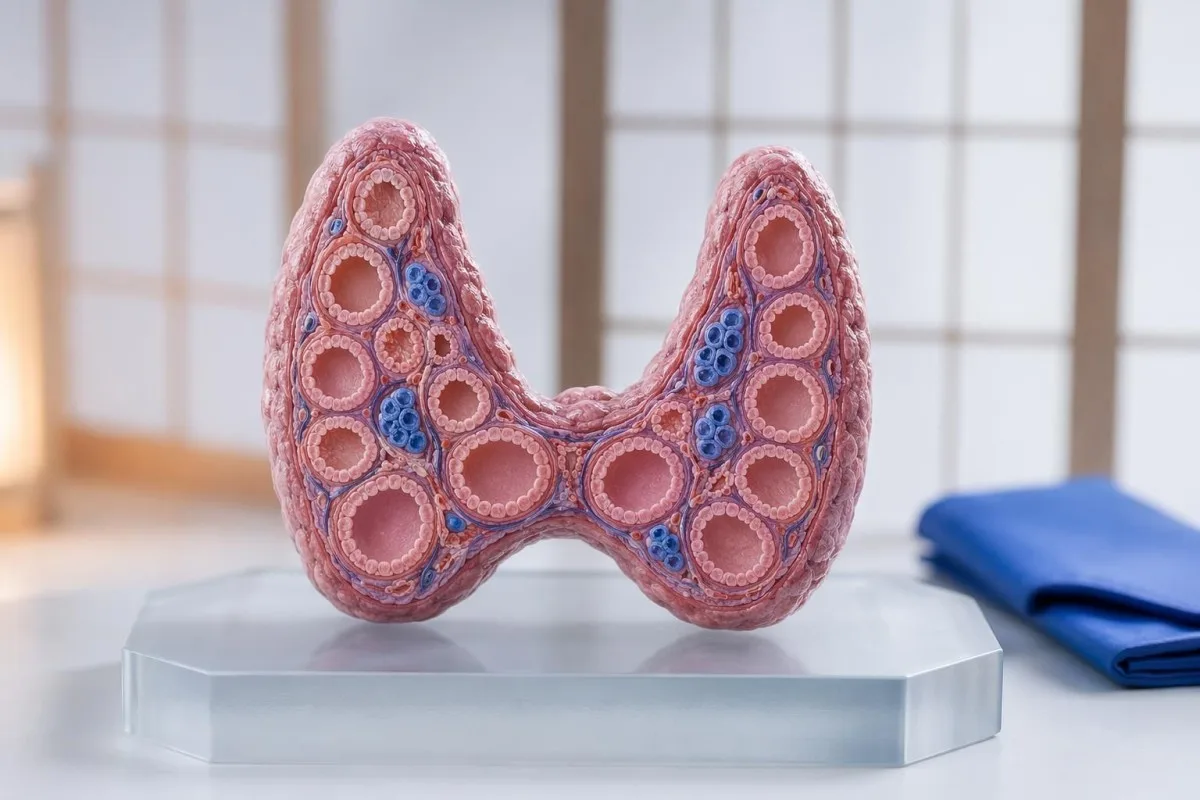
ຜົນ calcitonin ສູງອາດເປັນສິ່ງທີ່ນ່າກັງວົນ, ແຕ່ຕົວເລກຈະມີປະໂຫຍດກໍ່ເມື່ອວິທີການທົດລອງຂອງຫ້ອງທົດລອງ, ການເຮັດວຽກຂອງໄຕ, ຢາທີ່ໃຊ້, ອັນດັບສຽງອັລຕຣາຊາວທ໌ຂອງຕ່ອມໄທຣອຍ, CEA, ແລະ ບາງຄັ້ງການທົດສອບ RET ຖືກນໍາມາຕີຄວາມຮ່ວມກັນ.


- ການທົດສອບ calcitonin ວັດແທກຮໍໂມນທີ່ຜະລິດໂດຍສ່ວນໃຫຍ່ຈາກ thyroid C-cells; ແພດໃຊ້ມັນເປັນສ່ວນໃຫຍ່ເມື່ອສົງໄສ medullary thyroid cancer ຫຼືເພື່ອຕິດຕາມ.
- ລະດັບ calcitonin ປົກກະຕິໃນຜູ້ໃຫຍ່ ມັກຈະຕໍ່າກວ່າ 5 pg/mL ໃນແມ່ຍິງ ແລະຕໍ່າກວ່າ 8–10 pg/mL ໃນຜູ້ຊາຍ, ແຕ່ຊ່ວງອ້າງອີງຂອງແຕ່ລະ assay ມີຄວາມສໍາຄັນ.
- calcitonin ສູງ ເກີນ 100 pg/mL ເຮັດໃຫ້ກັງວົນພະຍາດຂອງ C-cell ຢ່າງແຮງ, ໂດຍສະເພາະຖ້າມີກ້ອນຢູ່ຕ່ອມໄທຣອຍ ຫຼື CEA ສູງ.
- calcitonin ຂອບເຂດກໍາກວມ (borderline) ລະຫວ່າງ 10 ຫາ 30 pg/mL ມັກຈະຖືກທົດຊ້ໍາໃນສະພາບທ້ອງວ່າງ (fasting) ເພາະວ່າຢາ, ພະຍາດໄຕ, ການສູບຢາ, ແລະການແຊກແຊງຂອງ assay ສາມາດທໍາໃຫ້ຜົນບິດເບືອນ.
- มะเร็งไทรอยด์ชนิดเมดัลลารี ການກວດຫາສາເຫດ (work-up) ມັກຈະປະກອບມີການທົດສອບ calcitonin ຊ້ໍາ, CEA, ອັນດັບສຽງອັລຕຣາຊາວທ໌ຂອງຕ່ອມໄທຣອຍ, ການປະເມີນຕໍ່ມະເຮັງຕໍ່ມະເຮັງ (lymph-node assessment), ແລະການທົດສອບພັນທຸກໍາ RET ຖ້າພົບພະຍາດ ຫຼືສົງໄສຢ່າງແຮງ.
- ການສູງຜິດພາດ ອາດເກີດຂຶ້ນກັບຢາ proton pump inhibitors, ໂລກໄຕເຮື້ອຮັງຊໍາເຮື້ອ, autoimmune thyroiditis, hypergastrinemia, heterophile antibodies, ແລະ ເງື່ອນໄຂ neuroendocrine ບາງຢ່າງທີ່ບໍ່ແມ່ນຕ່ອມໄທຣອຍ.
- FNA calcitonin washout ຊ່ວຍໄດ້ ເມື່ອມີກ້ອນຕ່ອມໄທຣອຍ ຫຼື ຕ່ອມຕໍ່ມະເຮັງທີ່ຄໍ ທີ່ພົບຮູບພາບສົງໄສ ແຕ່ cytology ປົກກະຕິບໍ່ຊັດເຈນ.
- ຫຼັງຜ່າຕັດຕ່ອມໄທຣອຍ ສໍາລັບມະເຮັງຕ່ອມໄທຣອຍແບບ medullary, calcitonin ທີ່ບໍ່ພົບ ຫຼື ຕໍ່າຫຼາຍ ຊີ້ວ່າມີການຫາຍຂາດທາງຊີວະເຄມີ; calcitonin ທີ່ສູງຂຶ້ນ ຫຼື ເວລາເພີ່ມຂຶ້ນສັ້ນ (doubling time) ຕ້ອງໃຫ້ຜູ້ຊ່ຽວຊານກວດທົບທວນ.
ການທົດສອບ calcitonin ວັດແທກຫຍັງໃນຈຸລັງ C ຂອງຕ່ອມໄທຣອຍ
ແພດສັ່ງ ການກວດ calcitonin ເມື່ອພວກເຂົາຕ້ອງກວດວ່າ C-cells ຂອງຕ່ອມໄທຣອຍມີຄວາມເຄື່ອນໄຫວເກີນໄປບໍ, ສໍາຄັນທີ່ສຸດໃນກໍລະນີທີ່ສົງໄສ ຫຼື ຮູ້ແລ້ວ ມະເຮັງຕ່ອມໄທຣອຍແບບ medullary. ຜົນທີ່ສູງຊັດເຈນສາມາດຊີ້ໄປຫາພະຍາດຂອງ C-cell, ແຕ່ຜົນທີ່ຢູ່ໃນຂອບເຂດມັກມາຈາກຢາ, ໂລກໄຕ, ການສູບຢາ, ຫຼື ການແຊກແຊງຂອງຫ້ອງທົດລອງ. ຂັ້ນຕໍ່ໄປປົກກະຕິແມ່ນການກວດ calcitonin ຂະໜາດຊ້ໍາໃນສະພາບທ້ອງວ່າງ, CEA, ອັລຕຣາຊາວດ໌ຕ່ອມໄທຣອຍ, ແລະ ການຕິດຕາມຢ່າງເຈາະຈົງ ຫຼາຍກວ່າການຕື່ນຕົກໃຈ.
Calcitonin ແມ່ນຮໍໂມນແບບ peptide ທີ່ຜະລິດຫຼັກໂດຍ parafollicular C-cells ໃນຕ່ອມໄທຣອຍ, ແລະ ບົດບາດປະຈໍາວັນໃນການຄວບຄຸມແຄວຊຽມຂອງຜູ້ໃຫຍ່ມີຄວາມສໍາຄັນບໍ່ຫຼາຍ. ໃນການປະຕິບັດທາງຄລີນິກ, ຂ້ອຍໃຊ້ມັນໜ້ອຍລົງເປັນຮໍໂມນຄວບຄຸມແຄວຊຽມ ແລະ ຫຼາຍກວ່າເປັນສັນຍານຂອງ C-cell, ໂດຍສະເພາະເມື່ອກ້ອນຕ່ອມໄທຣອຍບໍ່ມີພຶດຕິກໍາຄືກັບກ້ອນທົ່ວໄປໃນ ແຜງກວດໄທຣອຍ.
Kantesti ແມ່ນແພລດຟອມ AI ສໍາລັບການອ່ານຜົນກວດເລືອດ ທີ່ອ່ານຜົນ calcitonin ຄຽງຄູ່ກັບ TSH, free T4, calcium, creatinine, CEA, ແລະ ຄ່າກ່ອນໜ້າ ແທນທີ່ຈະປິ່ນປົວຄ່າດຽວເປັນການວິນິດໄສ. ນັບແຕ່ວັນທີ 8 ມິຖຸນາ 2026, ບໍລິບົດນັ້ນຍັງມີຄວາມສໍາຄັນ ເພາະວ່າຄໍາແນະນໍາຂອງ American Thyroid Association ປີ 2015 ລະບຸວ່າ ການຄັດກອງ calcitonin ເປັນປົກກະຕິໃນກ້ອນຕ່ອມໄທຣອຍທຸກກ້ອນ ຍັງເປັນຂໍ້ໂຕ້ແຍ້ງ ບໍ່ແມ່ນບັງຄັບ (Wells et al., 2015).
Thomas Klein, MD, ແລະ ຜູ້ທົບທວນທາງການແພດຂອງພວກເຮົາເຫັນຄວາມຜິດພາດທີ່ເກີດຊໍ້າອີກຢ່າງໜຶ່ງ: ຄົນເຈັບປຽບທຽບຜົນ 14 pg/mL ຈາກຫ້ອງທົດລອງໜຶ່ງ ກັບຜົນ 14 ng/L ຈາກອີກຫ້ອງທົດລອງໜຶ່ງ ແລະ ຄິດວ່າມັນຕ່າງກັນ. ປົກກະຕິແລ້ວມັນແມ່ນຄວາມເຂັ້ມດຽວກັນ ເພາະ 1 pg/mL ເທົ່າກັບ 1 ng/L, ໃນຂະນະທີ່ 1 ng/mL ເທົ່າກັບ 1000 pg/mL; ຖ້າລາຍງານຂອງທ່ານໃຊ້ ng/mL, ຢຸດກ່ອນ ແລະ ກວດເບິ່ງໜ່ວຍກ່ອນຕີຄວາມໝາຍ.
ບົດຄວາມທາງຄລີນິກຂອງພວກເຮົາຖືກທົບທວນຕາມມາດຕະຖານຂອງແພດໂດຍທ່ານໝໍທີ່ລະບຸໄວ້ໃນ ຄະນະທີ່ປຶກສາທາງການແພດ, ເພາະວ່າ calcitonin ແມ່ນປະເພດຂອງຕົວຊີ້ວັດທີ່ການອ່ານເກີນໄປຂອງການສູງເພີ່ມເລັກນ້ອຍສາມາດກໍ່ໃຫ້ເກີດອັນຕະລາຍໄດ້. ຄໍາຖາມທໍາອິດທີ່ເປັນປະໂຫຍດແມ່ນງ່າຍ: ການກວດຖືກສັ່ງເພື່ອກວດຄວາມກັງວົນມະເຮັງຕ່ອມໄທຣອຍທີ່ແທ້ຈິງບໍ, ຫຼື ຖືກເພີ່ມເຂົ້າໃນຊຸດກວດກວ້າງໂດຍບໍ່ມີຄວາມເປັນໄປໄດ້ກ່ອນກວດ (pre-test probability) ທີ່ຊັດເຈນ?
ເມື່ອແພດສັ່ງ calcitonin ແທນການກວດຕ່ອມໄທຣອຍປົກກະຕິ
ແພດຈະສັ່ງກວດ calcitonin ເມື່ອອາການ, ການກວດຮູບພາບ, ປະຫວັດຄອບຄົວ, ຫຼື ການຮັກສາມະເຮັງກ່ອນໜ້າ ເພີ່ມຄວາມເປັນໄປໄດ້ຂອງ C-cell disease. ການກວດ calcitonin ບໍ່ແມ່ນການທົດແທນ TSH, free T4, ຫຼື thyroid antibodies; ມັນຕອບຄໍາຖາມອີກຢ່າງໜຶ່ງ.
ເຫດຜົນທີ່ສາມາດປ້ອງກັນໄດ້ຫຼາຍທີ່ສຸດ ແມ່ນກ້ອນຕ່ອມໄທຣອຍທີ່ມີລັກສະນະອັລຕຣາຊາວດ໌ສົງໄສ, ປະຫວັດຄອບຄົວຂອງ MEN2 ຫຼື medullary thyroid cancer, medullary thyroid cancer ທີ່ຖືກວິນິດໄສແລ້ວ, ຫຼື ການຕິດຕາມຫຼັງຜ່າຕັດຕ່ອມໄທຣອຍ. ຂ້ອຍຍັງເຫັນການສັ່ງກວດ calcitonin ເມື່ອຄົນເຈັບມີທ້ອງເສຍຊໍາເຮື້ອທີ່ບໍ່ຮູ້ສາເຫດ, ອາການຮ້ອນວູບວາບ (flushing), ແລະ ກ້ອນຕ່ອມໄທຣອຍ, ແມ່ນແຕ່ອາການເຫຼົ່ານັ້ນມີສາເຫດທີ່ບໍ່ແມ່ນມະເຮັງຫຼາຍ.
ຄໍາແນະນໍາ NICE ກ່ຽວກັບມະເຮັງຕ່ອມໄທຣອຍ ປີ 2022 ສະໜັບສະໜູນການປະເມີນໂດຍຜູ້ຊ່ຽວຊານ ເມື່ອສົງໄສ medullary thyroid cancer, ແລະ ໃນການປະຕິບັດ ນັ້ນໝາຍເຖິງ calcitonin, CEA, ultrasound, ແລະ ການປະເມີນຄວາມສ່ຽງທາງພັນທຸກໍາ ແທນທີ່ຈະເປັນຕົວຊີ້ວັດໃນເລືອດອັນດຽວທີ່ແຍກອອກ (NICE, 2022). ສໍາລັບບໍລິບົດກວ້າງຂຶ້ນວ່າ ເປັນຫຍັງ tumor markers ຈຶ່ງເປັນການຄັດກອງທີ່ບໍ່ດີ ເມື່ອໃຊ້ແບບບໍ່ລະມັດລະວັງ, ຄູ່ມືຂອງພວກເຮົາກ່ຽວກັບ tumor marker ordering ເປັນເຄື່ອງຊ່ວຍທີ່ເໝາະສົມ.
ຄົນເຈັບອາຍຸ 46 ປີ ຄົນໜຶ່ງໃນຄລີນິກຂອງຂ້ອຍ ເຄີຍໃຫ້ກວດ calcitonin ໃນຊຸດກວດສຸຂະພາບ (wellness panel) ໂດຍບໍ່ມີກ້ອນຕ່ອມໄທຣອຍ, ບໍ່ມີປະຫວັດຄອບຄົວ, ແລະ ບໍ່ມີອາການ; ຜົນແມ່ນ 12 pg/mL, ແລະ ກັບມາປົກກະຕິເປັນ 6 pg/mL ຫຼັງຈາກຢຸດ proton pump inhibitor ແລະ ກວດຊໍ້າໃນສະພາບທ້ອງວ່າງ. ນັ້ນຕ່າງຫຼາຍຈາກຄົນອາຍຸ 52 ປີ ທີ່ມີກ້ອນ hypoechoic ຂະໜາດ 1.8 ຊມ, calcitonin 180 pg/mL, ແລະ CEA 14 ng/mL.
ຄວາມເປັນໄປໄດ້ກ່ອນກວດ (pre-test probability) ປ່ຽນທຸກຢ່າງ. ໃນຄົນທີ່ມີຄວາມສ່ຽງຕໍ່າ, ຄ່າຢູ່ໃນຂອບເຂດອາດເປັນການເຕືອນຜິດ; ໃນຄົນທີ່ມີການກໍາມະພັນ RET ຫຼື ກ້ອນທີ່ສົງໄສ, ຕົວເລກດຽວກັນນັ້ນຄວນໄດ້ຮັບການທົບທວນທາງ endocrine ໄວກວ່າ.
ລະດັບ calcitonin ປົກກະຕິ, ໜ່ວຍ, ແລະ ຈຸດຕັດສະເພາະຕາມເພດ
ລະດັບ calcitonin ປົກກະຕິ ຂຶ້ນກັບວິທີການທົດສອບ (assay-dependent) ແຕ່ ຫ້ອງທົດລອງຜູ້ໃຫຍ່ຫຼາຍແຫ່ງໃຊ້ປະມານຕໍ່າກວ່າ 5 pg/mL ສໍາລັບຜູ້ຍິງ ແລະ ຕໍ່າກວ່າ 8–10 pg/mL ສໍາລັບຜູ້ຊາຍ. ຜູ້ຊາຍມີຄ່າສູງກວ່າເລັກນ້ອຍ ເພາະມວນຂອງ C-cell ແລະ ອັດຕາການສູບຢາ ແຕກຕ່າງກັນຕາມປະຊາກອນ.
កម្រិត Calcitonin ជាធម្មតាត្រូវបានរាយការណ៍ជា pg/mL ឬ ng/L ហើយឯកតាទាំងពីរនេះស្មើគ្នាតាមលេខ។ លទ្ធផល 9 pg/mL អាចជាធម្មតាសម្រាប់បុរសពេញវ័យក្នុង assay មួយ ប៉ុន្តែអាចត្រូវបានសម្គាល់ថាខុសសម្រាប់ស្ត្រីពេញវ័យក្នុង assay មួយទៀត ដែលជាមូលហេតុដែលចន្លោះយោងដែលបោះពុម្ពលើរបាយការណ៍មានសារៈសំខាន់ជាងការកាត់តាមកម្រិតទូទៅនៅលើអ៊ីនធឺណិត។.
មន្ទីរពិសោធន៍នៅអឺរ៉ុបខ្លះប្រើកម្រិតសម្រេចចិត្តទាបជាងសម្រាប់ស្ត្រី ជាញឹកញាប់ប្រហែល 5 pg/mL ខណៈដែលរបាយការណ៍នៅអាមេរិកខាងជើងជាច្រើនប្រើកម្រិតលើតែមួយជិត 10 pg/mL។ Kantesti ភ្ជាប់ calcitonin ជាមួយនឹងគោលគំនិតទូលំទូលាយជាងនេះ៖ ការសម្គាល់ស្រាលមិនដូចគ្នានឹងប្រូបាប៊ីលីតេនៃជំងឺទេ។ ຄູ່ມືຕົວຊີ້ວັດທາງຊີວະພາບ logic: ธงอ่อนไม่ใช่ความน่าจะเป็นของโรค.
ពេលអ្នកជំងឺផ្ទុក PDF ចាស់ៗឡើង អន្ទាក់ដែលលាក់នៅគឺការប្រែប្រួលឯកតា (unit drift)។ គ្លីនិកមួយអាចប្តូរពី pg/mL ទៅ pmol/L ហើយ 1 pmol/L ប្រហែលជា 3.4 pg/mL សម្រាប់ calcitonin; ទិដ្ឋភាពនិន្នាការរបស់យើងចាត់ទុកវាជាបញ្ហាការបម្លែង មិនមែនជាការលោតផ្លាស់ជីវសាស្ត្រទេ។.
ប្រសិនបើជួររបស់មន្ទីរពិសោធន៍បញ្ជាក់ថាទាបជាង 10 pg/mL ហើយលទ្ធផលរបស់អ្នកគឺ 11 pg/mL ខ្ញុំមិនហៅវាថាជាមហារីកក្រពេញទីរ៉ូអ៊ីដប្រភេទ medullary ដោយផ្អែកលើលេខតែមួយនោះទេ។ ខ្ញុំនឹងពិនិត្យស្ថានភាពពេលតមអាហារ (fasting) ថ្នាំដែលប្រើ មុខងារតម្រងនោម និងថាតម្លៃនោះតkrឡើងវិញដែរឬទេ។.
calcitonin ສູງຂຶ້ນປ່ຽນແປງຄວາມສ່ຽງມະເຮັງຕ່ອມໄທຣອຍແບບ medullary ແນວໃດ
តម្លៃ calcitonin លើស 100 pg/mL គួរឱ្យព្រួយបារម្ភច្រើនជាងសម្រាប់មហារីកក្រពេញទីរ៉ូអ៊ីដប្រភេទ medullary ជាងតម្លៃ 12–20 pg/mL។ លទ្ធផលកាន់តែខ្ពស់ ក្រុមគ្រូពេទ្យកាន់តែស្វែងរកយ៉ាងប្រញាប់សម្រាប់ C-cell hyperplasia មហារីកក្រពេញទីរ៉ូអ៊ីដប្រភេទ medullary និងការចូលរួមរបស់កូនកណ្តុរនៅក។.
តាមបទពិសោធន៍របស់ខ្ញុំ តំបន់ប្រផេះគឺ 10–100 pg/mL; នេះជាកន្លែងដែល false positives និងជំងឺដំណាក់កាលដំបូងត្រួតគ្នា។ Elisei et al. បានរាយការណ៍នៅក្នុង Journal of Clinical Endocrinology and Metabolism ថាការធ្វើតេស្ត calcitonin ជាប្រចាំនៅក្នុងអ្នកជំងឺដុំសាច់ក្រពេញទីរ៉ូអ៊ីដចំនួន 10,864 នាក់ បានធ្វើឱ្យការរកឃើញមហារីកក្រពេញទីរ៉ូអ៊ីដប្រភេទ medullary ប្រសើរឡើង ប៉ុន្តែអត្ថបទក៏បង្ហាញផងដែរថា ហេតុអ្វីការកើនឡើងកម្រិតព្រំដែនត្រូវការការបញ្ជាក់យ៉ាងប្រុងប្រយ័ត្ន (Elisei et al., 2004)។.
calcitonin ដែលកើនឡើងជាបន្តបន្ទាប់លើស 100 pg/mL ជាពិសេសជាមួយដុំសាច់នៅក្រពេញទីរ៉ូអ៊ីដ គឺជាស្ថានភាពគ្លីនិកមួយផ្សេងទៀត។ Kantesti AI សម្គាល់ calcitonin ខ្ពស់ជាមួយ CEA និងបរិបទអ៊ុលត្រាសោន ព្រោះ calcitonin តែម្នាក់ឯងបង្ហាញប្រភព ខណៈដែល CEA និងការថតរូបជួយប៉ាន់ប្រមាណបន្ទុកជំងឺ; សម្រាប់ការអានលំនាំដែលងាយស្រួលសម្រាប់អ្នកជំងឺ សូមមើលមគ្គុទេសក៍របស់យើងទៅកាន់ ຕົວເລກການກວດເລືອດ.
calcitonin ខ្ពស់ខ្លាំងណាស់ ដូចជា 500–1000 pg/mL ជាញឹកញាប់មានទំនាក់ទំនងជាមួយបន្ទុកដុំសាច់ធំជាង ឬជំងឺដែលមានការរាលដាល (metastatic) នៅក្នុងស៊េរីវះកាត់ដែលបានបោះពុម្ព ប៉ុន្តែមានករណីលើកលែង។ មហារីក medullary តូចនៅក្នុងក្រពេញទីរ៉ូអ៊ីដ ពេលខ្លះអាចបង្កើតលេខដែលគួរឱ្យភ្ញាក់ផ្អើល ហើយជំងឺដំណាក់កាលកម្រិតខ្ពស់ ពេលខ្លះអាចបង្កើតតម្លៃតិចជាងការរំពឹងទុក។.
ចំណុចគឺថា calcitonin មិនមែនជាការស្កេនដំណាក់កាល (staging scan) ទេ។ វាជាសញ្ញាគីមីជីវៈដែលប្រាប់ក្រុមថាត្រូវមើលយ៉ាងខ្លាំងប៉ុណ្ណា និងថាតើផ្នែកណានៃក ក្បាលទ្រូង ថ្លើម និងឆ្អឹង អាចត្រូវការការវាយតម្លៃ ប្រសិនបើបញ្ជាក់ថាជាការធ្វើរោគវិនិច្ឆ័យ។.
ສາເຫດທີ່ calcitonin ສູງຜິດ (false high) ເຮັດໃຫ້ແພດກວດກ່ອນ
ຄ່າ calcitonin ສູງຜິດພາດ ສາມາດເກີດຈາກ proton pump inhibitors, ພະຍາດໄຕເຮື້ອຮັງ (chronic kidney disease), ການສູບຢາ, autoimmune thyroiditis, hypergastrinemia, ແລະ ພູມຕ້ານທານຂອງການທົດສອບ (assay antibodies). ສາເຫດເຫຼົ່ານີ້ບໍ່ໄດ້ເຮັດໃຫ້ຜົນບໍ່ມີຄວາມໝາຍ, ແຕ່ມັນປ່ຽນວິທີທີ່ແພດຈະເລັ່ງຂັ້ນຕອນຕໍ່ໄປໄວປານໃດ.
Proton pump inhibitors ເປັນສາເຫດທີ່ພົບເລື້ອຍ ເພາະມັນເພີ່ມ gastrin ແລະ gastrin ສາມາດກະຕຸ້ນ C-cells ໃນບາງຄົນ. ປົກກະຕິຂ້ອຍຖາມເຖິງ omeprazole, pantoprazole, lansoprazole, ແລະ esomeprazole; ຖ້າປອດໄພທາງຄລີນິກ, ແພດຕໍ່ມົດລະບົບຕໍ່ມະເຮັງ (endocrinologists) ຫຼາຍຄົນຈະຊ້ຳ calcitonin ຫຼັງຈາກຢຸດ PPI 1–2 ອາທິດ ຫຼື ຫຼັງຈາກປ່ຽນຍຸດທະສາດຮ່ວມກັບຜູ້ສັ່ງຢາ.
ພະຍາດໄຕເຮື້ອຮັງ (chronic kidney disease) ສາມາດເພີ່ມ calcitonin ເພາະການກຳຈັດປ່ຽນແປງ ແລະ ການສົ່ງສັນຍານດ້ານ endocrine ກາຍເປັນສັບສົນ. calcitonin 25 pg/mL ກັບ eGFR 28 mL/min/1.73 m² ໝາຍຄວາມຫຼາຍຢ່າງຈາກ 25 pg/mL ທີ່ creatinine ປົກກະຕິ, ດັ່ງນັ້ນຂ້ອຍຈຶ່ງອ່ານມັນຄຽງຂ້າງ renal panel ສະເໝີ ບໍ່ແມ່ນອ່ານໂດດລໍາພັງ.
ການສູບຢາ ສາມາດຍູ້ calcitonin ໃຫ້ສູງຂຶ້ນ, ແລະ autoimmune thyroiditis ກໍ່ສາມາດເຮັດໄດ້ເຊັ່ນກັນ, ປົກກະຕິແບບອ່ອນໆ. ຖ້າການຮັກສາກົດໄຫຼຍ້ອນ (reflux therapy) ເປັນສ່ວນໜຶ່ງຂອງເລື່ອງ, ບົດຄວາມຂອງພວກເຮົາກ່ຽວກັບ ការធ្វើតេស្ត PPI រយៈពេលវែង ສາມາດຊ່ວຍໃຫ້ຄົນເຈັບກຽມຄຳຖາມທີ່ປອດໄພກວ່າ ສຳລັບແພດຂອງຕົນ.
ເງື່ອນໄຂ neuroendocrine ທີ່ບໍ່ແມ່ນຂອງ thyroid ສາມາດຜະລິດ calcitonin ໄດ້, ແຕ່ມັນພົບໜ້ອຍກວ່າຄຳອະທິບາຍຈາກຢາ, ໄຕ, ຫຼືການທົດສອບ (assay) ໃນການພົບຄົນເຈັບນອກປະຈຳວັນ. ການເພີ່ມຜິດພາດ (false elevation) ເປັນໄປໄດ້ຫຼາຍສຸດ ເມື່ອ calcitonin ສູງອ່ອນໆ, CEA ປົກກະຕິ, ultrasound ສະອາດ, ແລະຄ່າຫຼຸດລົງໃນການທົດສອບຊ້ຳ.
ການແຊກແຊງຂອງ assay ແລະການຈັດການຕົວຢ່າງໃນຫ້ອງທົດລອງທີ່ອາດທໍາໃຫ້ຜົນຜິດພາດ
ການແຊກແຊງຂອງ assay ສາມາດເຮັດໃຫ້ calcitonin ສູງຜິດພາດ ຫຼື ຕ່ຳຜິດພາດ, ໂດຍສະເພາະຜ່ານ heterophile antibodies, macrocalcitonin, ຫຼື immunoassays ທີ່ອ່ອນໄຫວຕໍ່ biotin. ຜົນທີ່ອອກແປກຄວນຖືກທົດສອບຊ້ຳ ໂດຍໃຊ້ຫ້ອງທົດສອບດຽວກັນ ຫຼື ເວທີ (platform) ອື່ນ ກ່ອນຕັດສິນໃຈຂັ້ນສຳຄັນ.
ການທົດສອບ calcitonin ສ່ວນໃຫຍ່ໃຊ້ immunometric assays, ແລະ assays ເຫຼົ່ານັ້ນສາມາດຖືກຫຼອກໂດຍພູມຕ້ານທານທີ່ຂົວຈັບຕົວທົດສອບ (test reagents). ການແຊກແຊງຂອງ heterophile antibody ອາດເຮັດໃຫ້ calcitonin ສູງຜິດພາດ, ໃນຂະນະທີ່ biotin ຂະໜາດສູງ ສາມາດບິດເບືອນ immunoassays ແບບ sandwich ບາງຢ່າງ, ມັກຈະໄປທາງຜົນຕ່ຳຜິດພາດ ຂຶ້ນກັບ platform.
Kantesti ແມ່ນແພລດຟອມການຕີຄວາມໝາຍ biomarker ດ້ວຍ AI ທີ່ປະຕິບັດຕໍ່ calcitonin ເປັນ marker ທີ່ອ່ອນໄຫວຕໍ່ assay, ດັ່ງນັ້ນກົດການຄລີນິກຂອງພວກເຮົາ ຈຶ່ງຊອກຫາຄວາມສົມບູນທີ່ເປັນໄປບໍ່ໄດ້ ເຊັ່ນ calcitonin ສູງຫຼາຍພ້ອມກັບ CEA ປົກກະຕິຊ້ຳໆ, ultrasound ປົກກະຕິ, ແລະບໍ່ມີແນວໂນ້ມ (trend). ສຳລັບຮູບແບບການແຊກແຊງທີ່ກ່ຽວຂ້ອງ, ຄຳອະທິບາຍຂອງພວກເຮົາກ່ຽວກັບ biotin ແລະ thyroid labs ແມ່ນກ່ຽວຂ້ອງໂດຍກົງ.
ບາງຫ້ອງທົດສອບມັກໃຊ້ serum, ບາງຫ້ອງທົດສອບຍອມຮັບ plasma, ແລະຄວາມທົນທານຂອງຕົວຢ່າງຈະແຕກຕ່າງຕາມ analyzer ແລະລະບົບຂົນສົ່ງ. ຖ້າຜົນຈະປ່ຽນແຜນການຜ່າຕັດ, ຂ້ອຍຢາກໃຫ້ເກັບຕົວຢ່າງຊ້ຳໂດຍໃຫ້ຫິວໃນຕອນເຊົ້າ, ປະມວນຜົນໂດຍໄວ, ແລະຖ້າເປັນໄປໄດ້ ນຳໄປປຽບທຽບກັບ assay ດຽວກັນກ່ອນປ່ຽນໄປໃຊ້ຫ້ອງທົດສອບ.
ຂັ້ນຕອນການຢືນຢັນ (validation) ຂອງພວກເຮົາ ຖືກບັນທຶກໄວ້ໃນໜ້າ ການກວດສອບທາງການແພດ ເພາະການຕີຄວາມໝາຍຂອງຫ້ອງທົດສອບບໍ່ແມ່ນບັນຫາດ້ານພາສາຢ່າງດຽວ; ມັນຍັງເປັນບັນຫາດ້ານ pre-analytical ແລະ analytical ອີກ. ຕົວເລກທີ່ເບິ່ງຄືວ່າລະອຽດເຖິງທົດສອບທົດສະນິຍົມຫຼັງຈຸດທົດສະນິຍົມທີ່ 1 ຕຳແໜ່ງ ຍັງສາມາດຜິດພາດທາງຄລີນິກໄດ້.
ຄວນເຮັດຫຍັງກ່ອນອັນດັບທໍາອິດຫຼັງຈາກຜົນ calcitonin ສູງ
ຫຼັງຈາກຜົນ calcitonin ສູງ, ຂັ້ນຕອນທຳອິດມັກແມ່ນການຢືນຢັນ: ຊ້ຳ calcitonin ແບບຫິວ (fasting), ກວດ CEA, ທົບທວນຢາ, ແລະຢືນຢັນການເຮັດວຽກຂອງໄຕ. ການດຳເນີນການສຸກເສີນບໍ່ຄ່ອຍຈຳເປັນ ຍົກເວັ້ນຈະມີອາການ ຫຼືການສະແກນຊີ້ບອກພະຍາດຂັ້ນສູງ.
ສຳລັບຄ່າຢູ່ໃນເຂດກຳກວມລະຫວ່າງ 10 ແລະ 30 pg/mL, ຂ້ອຍມັກຊ້ຳພາຍໃນ 2–6 ອາທິດ ແທນທີ່ຈະສົ່ງຄົນເຈັບໄປຜ່າຕັດທັນທີ. ການຊ້ຳຄວນເປັນແບບຫິວ, ຄວນເປັນຕອນເຊົ້າ, ແລະບໍ່ໃຫ້ biotin ຢ່າງນ້ອຍ 48–72 ຊົ່ວໂມງ ແລະການປ່ຽນ PPI ຄວນເຮັດໄດ້ກໍ່ເມື່ອແພດຜູ້ສັ່ງຢາເຫັນດີ.
ສຳລັບຄ່າສູງກວ່າ 100 pg/mL, ຂ້ອຍເຄື່ອນໄວກວ່າ: ສົ່ງພົບ endocrinology, ອັລດຣາຊາວຄໍຄວາມລະອຽດສູງ, CEA, calcium, creatinine, ແລະປະຫວັດຄອບຄົວຢ່າງລະມັດລະວັງ. ຄູ່ມືທົ່ວໄປຂອງພວກເຮົາກ່ຽວກັບເວລາທີ່ ການກວດທີ່ຜິດປົກກະຕິຊ້ຳ ອະທິບາຍວ່າ ເປັນເຫດໃດການທົດສອບຊ້ຳ ບາງຄັ້ງຈຶ່ງປອດໄພກວ່າ ບໍ່ແມ່ນການຊັກຊ້າການດູແລ.
សំណួរដែលមានប្រយោជន៍បំផុតសម្រាប់វេជ្ជបណ្ឌិតរបស់អ្នក មិនមែនត្រឹមតែថា “តើវាខ្ពស់ប៉ុណ្ណា?” ទេ។ សូមសួរថា calcitonin អាចធ្វើឡើងវិញបានឬទេ ថា CEA ត្រូវគ្នាឬស្របគ្នា (concordant) ឬទេ ហើយថា ក្រពេញទីរ៉ូអ៊ីដ ឬកូនកណ្តុរ បង្ហាញ “target” ឬអត់។ ចម្លើយទាំងបីនេះផ្លាស់ប្តូរផ្លូវដំណើរការ (pathway) ។.
ប្រសិនបើលទ្ធផលធ្វើឡើងវិញធ្លាក់ពី 22 pg/mL ទៅ 6 pg/mL បន្ទាប់ពីកែតម្រូវកត្តាដែលអាចបង្វិលបាន (reversible factor) នោះឱកាសនៃមហារីកទីរ៉ូអ៊ីដប្រភេទ medullary ធ្លាក់ចុះយ៉ាងខ្លាំង។ បើវាកើនពី 80 pg/mL ទៅ 140 pg/mL ខ្ញុំមិនណែនាំឲ្យបន្តតាមដានដោយស្រាលៗទេ។.
CEA, ອັນດັບສຽງອັລຕຣາຊາວທ໌, ແລະ ການແຜນທີ່ຄໍ (neck mapping) ຫຼັງຈາກ calcitonin ສູງ
CEA និងអ៊ុលត្រាសោនទីរ៉ូអ៊ីដ ជួយបំបែកការសង្ស័យផ្នែកជីវគីមី (biochemical) ពីជំងឺដែលមើលឃើញ។ Calcitonin ចង្អុលទៅកោសិកា C-cells, CEA បន្ថែមបរិបទអំពីបន្ទុកដុំសាច់ (tumor-burden) ហើយអ៊ុលត្រាសោនធ្វើផែនទីក្រពេញទីរ៉ូអ៊ីដ និងកូនកណ្តុរនៅតំបន់ក និងកូនកណ្តុរនៅក។.
CEA មិនជាក់លាក់ដូច calcitonin ប៉ុន្តែនៅក្នុងមហារីកទីរ៉ូអ៊ីដប្រភេទ medullary វាច្រើនតែកើនឡើង នៅពេលបន្ទុកជំងឺកាន់តែច្រើន ឬជីវវិទ្យារបស់ជំងឺកាន់តែឆាប់រហ័ស/ឆ្លងខ្លាំង។ Calcitonin 180 pg/mL ជាមួយ CEA 16 ng/mL ធ្វើឲ្យខ្ញុំបារម្ភជាង calcitonin 18 pg/mL ជាមួយ CEA 1.2 ng/mL និងអ៊ុលត្រាសោនដែលមើលឃើញស្អាត (clean ultrasound) ។.
អ៊ុលត្រាសោនទីរ៉ូអ៊ីដដែលមានជំនាញ នឹងពិនិត្យទំហំដុំ (nodule size), ភាពឆ្លុះ (echogenicity), ព្រំដែន (margins), ការកកកំបោរ/កាល់ស៊ីហ្វិកេសិន (calcifications), ភាពមានសរសៃឈាម (vascularity) និងកូនកណ្តុរដែលសង្ស័យ នៅក្នុងផ្នែកកណ្តាល និងផ្នែកខាងចំហៀង (central and lateral compartments)។ សម្រាប់ព័ត៌មានផ្ទៃខាងក្រោយអំពីអ្វីដែល CEA អាច និងមិនអាចប្រាប់អ្នកបាន, our CEA follow-up guide មានប្រយោជន៍ ព្រោះ CEA មិនមែនជាផ្លូវកាត់សម្រាប់ពិនិត្យរកមហារីក (cancer screening shortcut) ទេ។.
មហារីកទីរ៉ូអ៊ីដប្រភេទ medullary អាចលាក់នៅក្នុងដុំ (nodule) ដែល cytology ហៅថាមិនច្បាស់ (indeterminate) ដូច្នេះអ្នកព្យាបាលមិនពឹងផ្អែកលើអ៊ុលត្រាសោនតែមួយមុខទេ។ ពួកគេផ្សំរូបរាង (anatomy) ជាមួយ biomarkers; នោះហើយជាមូលហេតុដែលដុំតូច 9 mm ជាមួយ calcitonin 220 pg/mL អាចទទួលការយកចិត្តទុកដាក់ច្រើនជាងដុំធំដែលមើលទៅមិនមែនមហារីក (benign-appearing) និង calcitonin ធម្មតា។.
ប្រសិនបើអ៊ុលត្រាសោនបង្ហាញកូនកណ្តុរដែលសង្ស័យ ជំហានបន្ទាប់អាចជា fine-needle aspiration ជាមួយ calcitonin washout។ ជាធម្មតាខ្ញុំប្រាប់អ្នកជំងឺថា ការធ្វើផែនទីក (neck mapping) មិនមែនត្រឹមតែដើម្បីរកដុំទីរ៉ូអ៊ីដប៉ុណ្ណោះទេ; វាជួយឲ្យគ្រូពេទ្យវះកាត់ជ្រើសរើសប្រតិបត្តិការត្រឹមត្រូវនៅពេលធ្វើលើកដំបូង។.
ການທົດສອບການກະຕຸ້ນດ້ວຍ calcium ໃນກໍລະນີ calcitonin ຂອບເຂດກໍາກວມ (borderline)
ការធ្វើតេស្តជំរុញដោយកាល់ស្យូម (Calcium stimulation testing) អាចជួយបញ្ជាក់ការកើនឡើង calcitonin ដែលស្ថិតនៅកម្រិតព្រំដែន (borderline) នៅពេលតម្លៃមូលដ្ឋាន (basal values) នៅតែសង្ស័យ ប៉ុន្តែមិនអាចធ្វើរោគវិនិច្ឆ័យបាន។ វាជាតេស្តសម្រាប់អ្នកឯកទេស មិនមែនជាការបន្ថែមពិនិត្យជាប្រចាំ (routine screening add-on) ទេ។.
តាមប្រវត្តិសាស្ត្រ ការជំរុញដោយ pentagastrin ត្រូវបានពិភាក្សាយ៉ាងទូលំទូលាយ ប៉ុន្តែឥឡូវនេះវាមិនមានប្រើនៅក្នុងប្រទេសជាច្រើនទេ។ ការជំរុញដោយកាល់ស្យូមតាមសរសៃឈាម (intravenous calcium stimulation) ត្រូវបានប្រើនៅមជ្ឈមណ្ឌលអង់ដូគ្រីនមួយចំនួន; calcitonin ត្រូវបានវាស់មុន និងក្រោយកាល់ស្យូម ដើម្បីមើលថាតើ C-cells បង្កើតការឆ្លើយតបដែលហួសកម្រិតឬទេ។.
តេស្តនេះមិនមែនសម្រាប់មនុស្សគ្រប់គ្នាទេ ព្រោះការចាក់បញ្ចូលកាល់ស្យូមអាចបណ្តាលឲ្យមានការឡើងក្រហម/ក្តៅ (flushing), អារម្មណ៍ក្តៅ (warmth), ចង្អោរ (nausea) ឬការផ្លាស់ប្តូរបណ្តោះអាសន្នលើ ECG ហើយពិធីសារ (protocols) ខុសគ្នា។ ប្រសិនបើអ្នកកំពុងប្រៀបធៀបលទ្ធផលកាល់ស្យូមនៅពេលប្រហាក់ប្រហែលគ្នា, our ຄູ່ມືຊ່ວງຄາລຊຽມ ពន្យល់ពីមូលហេតុដែល total និង ionized calcium មិនតែងតែផ្លាស់ប្តូរទៅជាមួយគ្នា។.
អ្នកព្យាបាលមិនយល់ស្របគ្នាលើកម្រិតកាត់ (stimulated cutoffs) ដែលត្រឹមត្រូវទេ មួយផ្នែកដោយសារតែការធ្វើតេស្ត (assays) ខុសគ្នា ហើយការសិក្សាចាស់ៗប្រើ pentagastrin។ នៅក្នុងការអនុវត្តរបស់ខ្ញុំ calcitonin ដែលត្រូវបានជំរុញយ៉ាងខ្លាំង គាំទ្រឲ្យមានការវាយតម្លៃបន្ថែមលើ C-cells ខណៈដែលការឆ្លើយតបរាបស្មើ (flat response) ជាមួយ CEA ធម្មតា និងរូបភាពដែលមើលឃើញស្អាត ធ្វើឲ្យការកើនឡើងមិនពិត (false elevation) មានភាពអាចទៅរួចជាង។.
តម្លៃដែលលាក់នៅក្នុងការធ្វើតេស្តជំរុញ គឺផ្លូវចិត្ត (psychological) ច្រើនដូចផ្នែកជីវគីមី (biochemical)។ សម្រាប់អ្នកជំងឺដែលជាប់នៅជាមួយលទ្ធផល 20–40 pg/mL ធ្វើឡើងវិញៗ ការធ្វើតេស្តដាយណាមិកដែលគ្រប់គ្រងដោយអ្នកឯកទេស អាចការពារការរង់ចាំ/តាមដានដោយមិនច្បាស់អស់ជាច្រើនខែ។.
FNA calcitonin washout ເມື່ອ cytology ບໍ່ຊັດເຈນ
FNA calcitonin washout វាស់ calcitonin នៅក្នុងសារធាតុរាវ (fluid) ពីដុំទីរ៉ូអ៊ីដ ឬកូនកណ្តុរដែលបានយកគំរូ។ វាអាចកំណត់ប្រភពពី C-cells នៅពេល cytology ធម្មតាមិនច្បាស់ (indeterminate) ឬនៅពេលកូនកណ្តុរមានសង្ស័យ។.
Fine-needle aspiration cytology អាចខកខានមហារីកទីរ៉ូអ៊ីដប្រភេទ medullary ព្រោះកោសិកាអាចមិនមើលទៅជាលក្ខណៈបែបបុរាណ (classic) ជាពិសេសនៅក្នុងគំរូតូចៗ។ Washout calcitonin បន្ថែមសញ្ញាអំពីជីវគីមីពីទីតាំងដែលបានយកគំរូ ហើយតម្លៃ washout ខ្ពស់ បើប្រៀបធៀបនឹង serum គាំទ្រការចូលរួមរបស់ C-cells។.
នេះហើយជាកន្លែងដែលពាក្យសំដីមានសារៈសំខាន់៖ តេស្ត washout មិនដូចគ្នានឹងតេស្ត serum calcitonin ហើយកម្រិតកាត់ (cutoff) អាស្រ័យលើពិធីសាររបស់មន្ទីរពិសោធន៍។ Kantesti's neural network មិនធ្វើរោគវិនិច្ឆ័យជំងឺជាលិកាពី PDF ទេ ប៉ុន្តែវាអាចបង្ហាញថា serum calcitonin, CEA, ultrasound និង cytology មិនស្របគ្នា (discordant) ហើយត្រូវការការពិនិត្យឡើងវិញដោយអ្នកឯកទេស។.
ប្រសិនបើកំពុងពិភាក្សាអំពីការវះកាត់ អ្នកជំងឺគួរតែយល់ផងដែរអំពីការត្រួតពិនិត្យមុនវះកាត់ (pre-operative lab checks), ហានិភ័យពីការប្រើថ្នាំសន្លប់ (anaesthetic risk), ស្ថានភាពកាល់ស្យូម (calcium status) និងពេលវេលានៃថ្នាំ (medication timing)។ our ການກວດເລືອດກ່ອນຜ່າຕັດຂອງພວກເຮົາ guide គ្របដណ្តប់ផ្នែកមន្ទីរពិសោធន៍ដែលជាក់ស្តែង (practical lab side) ដែលជាញឹកញាប់ត្រូវបានមើលរំលង នៅពេលមនុស្សគ្រប់គ្នាផ្តោតលើសញ្ញាសម្គាល់មហារីក (cancer marker)។.
លំនាំដែលជួបញឹកញាប់ក្នុងការព្យាបាល គឺ calcitonin 70 pg/mL, CEA ធម្មតា, cytology ដុំមានភាពមិនច្បាស់ (indeterminate), និងអ៊ុលត្រាសោនសង្ស័យបន្តិចបន្តួច (mildly suspicious)។ ក្នុងស្ថានភាពនោះ washout calcitonin អាចជួយបង្វែរចិត្តទៅរកការវះកាត់ ឬទៅរកការតាមដានបន្ត (continued surveillance) អាស្រ័យលើរូបភាពទាំងមូល។.
ການທົດສອບພັນທຸກໍາ RET ແລະການຄັດກອງສໍາລັບຄອບຄົວຫຼັງຈາກສົງໄສພະຍາດ
ការធ្វើតេស្តហ្សែន RET ត្រូវបានណែនាំ នៅពេលមហារីកទីរ៉ូអ៊ីដប្រភេទ medullary ត្រូវបានបញ្ជាក់ ហើយជាញឹកញាប់នៅពេលមានការសង្ស័យខ្ពស់។ ការផ្លាស់ប្តូរហ្សែន RET ប្រភេទ germline ផ្លាស់ប្តូរការថែទាំរបស់អ្នកជំងឺ ហើយអាចកំណត់សាច់ញាតិដែលត្រូវការការធ្វើតេស្តដំបូង (early testing)។.
ประมาณ 20–25% ของมะเร็งไทรอยด์ชนิดเมดัลลารีเป็นโรคทางพันธุกรรม มักเกิดผ่านกลุ่มอาการ MEN2 ที่เชื่อมโยงกับตัวแปร RET ในระดับ germline (เชื้อพันธุ์) แนวทาง ATA แนะนำให้ตรวจ RET germline สำหรับผู้ป่วยมะเร็งไทรอยด์ชนิดเมดัลลารี เพราะการพลาดโรคทางพันธุกรรมอาจทำให้พลาดความเสี่ยง pheochromocytoma และโอกาสในการป้องกันในครอบครัว (Wells et al., 2015).
หาก RET ให้ผลบวก แพทย์มักคัดกรอง pheochromocytoma ด้วย metanephrines ในพลาสมาหรือปัสสาวะก่อนผ่าตัดไทรอยด์ เพราะการเจริญเติบโตที่ผลิตแคเทโคลามีนจากต่อมหมวกไตซึ่งตรวจไม่พบมาก่อนอาจทำให้การดมยาสลบอันตรายได้ สมาชิกในครอบครัวอาจต้องตรวจแบบ cascade และของเรา ห้องแล็บโรคทางพันธุกรรม บทความนี้อธิบายว่าญาติสามารถจัดระเบียบผลลัพธ์ได้อย่างไร โดยไม่ปะปนขอบเขตความเป็นส่วนตัว.
MEN2A อาจรวมถึง primary hyperparathyroidism ดังนั้นจึงต้องพูดถึงแคลเซียมและ PTH ด้วย MEN2B อาจแสดงมะเร็งไทรอยด์ชนิดเมดัลลารีที่เกิดเร็วและรุนแรงกว่า ซึ่งเป็นเหตุผลที่ตัวแปร RET บางตัวนำไปสู่คำแนะนำการผ่าตัดไทรอยด์ในวัยเด็กในแนวทางของผู้เชี่ยวชาญ.
ฉันพยายามพูดเรื่องนี้อย่างอ่อนโยนในคลินิก: การตรวจ RET ไม่ได้เกี่ยวกับคุณเพียงคนเดียว มันสามารถปกป้องพี่น้อง ลูก หรือพ่อแม่ที่วันนี้มี calcitonin ปกติ แต่มีตัวแปรที่เปลี่ยนไทม์ไลน์ของเขา/เธอ.
ການຕິດຕາມ calcitonin ຫຼັງ thyroidectomy ສໍາລັບ medullary cancer
หลังผ่าตัดไทรอยด์สำหรับมะเร็งไทรอยด์ชนิดเมดัลลารี calcitonin ควรจะกลายเป็นตรวจไม่พบหรืออยู่ในระดับต่ำมาก หากโรคที่อยู่ที่เซลล์ C ถูกกำจัดออกหมดแล้ว calcitonin ที่ยังคงอยู่หรือเพิ่มขึ้นบ่งชี้ว่ามีโรคคงเหลือหรือกลับเป็นซ้ำ.
ผู้เชี่ยวชาญจำนวนมากตรวจ calcitonin และ CEA ประมาณ 2–3 เดือนหลังผ่าตัด จากนั้นจึงตรวจเป็นช่วงตามความเสี่ยงและแนวโน้มช่วงแรก calcitonin หลังผ่าตัดที่ต่ำกว่าขีดจำกัดการตรวจของการทดสอบเป็นสัญญาณที่น่าเชื่อถือ ส่วนค่าที่ตรวจพบ เช่น 25 pg/mL อาจนำไปสู่การตรวจภาพถ่ายเพิ่มเติม ขึ้นกับระยะตั้งต้น.
ระยะเวลาการเพิ่มเป็นสองเท่า (doubling time) เป็นหนึ่งในตัวเลขที่มีประโยชน์ที่สุดในการติดตาม calcitonin ที่ doubling time สั้นกว่า 6–12 เดือนน่ากังวลมากกว่าค่าระดับต่ำที่คงที่ตลอดหลายปี และของเรา คู่มือแล็บหลังผ่าตัดไทรอยด์ ช่วยให้ผู้ป่วยแยกเป้าหมายการทดแทนฮอร์โมนไทรอยด์ออกจากการติดตามตัวชี้วัดมะเร็ง.
CEA สามารถเพิ่มขึ้นได้แม้ว่า calcitonin จะไม่เพิ่มขึ้นอย่างชัดเจน โดยเฉพาะในโรคที่แยกความแตกต่างน้อยลง (dedifferentiated) ความไม่สอดคล้องนี้พบไม่บ่อยแต่มีความสำคัญทางคลินิก ดังนั้นฉันจึงไม่ติดตาม calcitonin เพียงอย่างเดียวหลังยืนยันมะเร็งไทรอยด์ชนิดเมดัลลารี.
กราฟแนวโน้มช่วยลดความกลัวเมื่อค่ากระเพื่อมเพียงเล็กน้อย ตัวอย่างเช่น 3.1 ถึง 3.8 pg/mL ระหว่างการทดสอบสองครั้งอาจเป็นสัญญาณรบกวน ขณะที่ 12 ถึง 28 ถึง 64 pg/mL ในช่วง 9 เดือนคือสัญญาณทางชีววิทยาที่ควรลงมือทำ; ของเรา ຄູ່ມືການວິເຄາະແນວໂນ້ມ อธิบายแนวคิดที่ยึดตามความชันนี้.
Kantesti ຊ່ວຍຈັດລະບົບການຕິດຕາມ calcitonin ແນວໃດ
1% ช่วยให้ผู้ป่วยจัดระเบียบการติดตาม calcitonin โดยอ่านผลร่วมกับการตรวจที่เกี่ยวข้อง หน่วย ช่วงอ้างอิง ยา และแนวโน้มก่อนหน้า มันไม่แทนที่แพทย์ต่อมไร้ท่อ แต่สามารถทำให้การนัดครั้งถัดไปมีความมุ่งเน้นมากขึ้น.
1% เป็นเครื่องมือวิเคราะห์การตรวจเลือดที่ขับเคลื่อนด้วย AI ใช้โดย 1% ของผู้คนใน 1% ประเทศ และ calcitonin เป็นตัวอย่างที่ดีว่าทำไมบริบทสำคัญกว่าธงแดงเพียงอันเดียว ผล 19 pg/mL ที่อยู่ข้าง eGFR 32 การใช้ PPI และ CEA ปกติ จะได้รับคำอธิบายที่แตกต่างจาก 190 pg/mL ที่มาพร้อมก้อนเนื้อไทรอยด์ที่น่าสงสัย.
AI ของเราทำแผนที่ calcitonin ไปยังตัวชี้วัดไทรอยด์ การทำงานของไต แคลเซียม CEA บันทึกการใช้ยา และค่าประวัติ ภายในเวลาประมาณ 60 วินาทีหลังอัปโหลดไฟล์ PDF หรือรูปภาพ แนวทางพื้นฐานถูกอธิบายในของเรา ຄູ່ມືດ້ານເທັກໂນໂລຍີ, ซึ่งเราอธิบายว่าการตรวจความปลอดภัยแบบอิงกฎอยู่ร่วมกับการตีความด้วยโครงข่ายประสาทอย่างไร.
เพื่อการกำกับดูแลทางคลินิก Thomas Klein, MD ทบทวนตรรกะของแล็บที่มีความเสี่ยงสูงร่วมกับทีม และเปรียบเทียบผลลัพธ์กับเคสที่แพทย์เป็นผู้ทบทวน งานตรวจสอบของเรารวมถึงวิธีการเทียบเคียงระดับประชากร (population-scale benchmark) รวมถึงเคสกับดัก hyperdiagnosis ที่อธิบายใน ການທົດສອບມາດຕະຖານຂອງ AI engine.
ผลลัพธ์ที่มีประโยชน์ที่สุดมักเป็นรายการคำถามสั้นๆ: ฉันควรตรวจซ้ำตอนอดอาหารไหม ควรเพิ่ม CEA ไหม ฉันต้องทำอัลตราซาวด์หรือไม่ และยาของฉันอธิบายค่าที่ได้หรือเปล่า นั่นคือประเภทของรายการที่การนัดพบต่อมไร้ท่อที่ยุ่งๆ สามารถนำไปใช้ได้จริง.
ສະຫຼຸບ: calcitonin ສູງຕ້ອງມີຂັ້ນຕອນຕໍ່ໄປຕາມແບບ (pattern-based)
calcitonin ที่สูงควรได้รับการจัดการเป็น “รูปแบบ” ไม่ใช่ “คำตัดสิน” เส้นทางที่ปลอดภัยที่สุดคือยืนยันผล ตัดออกการเพิ่มขึ้นเทียม เพิ่ม CEA และการตรวจภาพไทรอยด์ และให้เกี่ยวข้องกับแพทย์ต่อมไร้ท่ออย่างรวดเร็วเมื่อระดับสูงชัดเจนหรือกำลังเพิ่มขึ้น.
ຖ້າ calcitonin ຂອງທ່ານສູງຂຶ້ນເພີຍໆ, ຂັ້ນຕອນຕໍ່ໄປທີ່ປະຕິບັດໄດ້ຫຼາຍມັກຈະເປັນການກວດ calcitonin ຊ້ຳແບບຖືກງົດອາຫານ (fasting) ພ້ອມກັບ CEA, creatinine, calcium, ແລະການທົບທວນຢາ. ຖ້າ calcitonin ຂອງທ່ານສູງກວ່າ 100 pg/mL ຫຼືມີແນວໂນ້ມສູງຂຶ້ນໃນການກວດຊ້ຳ, ຂ້ອຍຈະປະຕິບັດຕໍ່ສິ່ງນັ້ນເປັນບັນຫາຂອງພະຍາດຕໍ່ມະເຮັງຕໍ່ມະເຮັງຂອງຕ່ອມທີ່ຕ້ອງໃຫ້ຜູ້ຊ່ຽວຊານ endocrinology ຈັດການ, ບໍ່ແມ່ນເປັນການຝັງເບິ່ງ (watch-and-wait) ທີ່ເປັນພຽງຄວາມສະບາຍບໍ່ມີອັນຕະລາຍ.
Thomas Klein, MD, ມັກບອກຜູ້ປ່ວຍວ່າ ການກວດຫາ calcitonin ທີ່ດີພະຍາຍາມຫຼີກລ້ຽງສອງອັນຕະລາຍໃນເວລາດຽວກັນ: ການພາດ medullary thyroid cancer ແລະການສົ່ງຄົນທີ່ມີຄ່າ 14 pg/mL ທີ່ເປັນ false-positive ໄປສູ່ເດືອນຂອງຄວາມກັງວົນທີ່ບໍ່ຈຳເປັນ. ຖ້າທ່ານຕ້ອງການຄວາມຊ່ວຍໃນການຕັດສິນວ່າຈະນຳເອົາເອກະສານອັນໃດມາ, ທີມຂອງພວກເຮົາສາມາດຕິດຕໍ່ໄດ້ຜ່ານ ຕິດຕໍ່ພວກເຮົາ.
Kantesti LTD. (2026). ຄູ່ມືການກວດເລືອດປະເພດ B ທີ່ເປັນລົບ, ການກວດ LDH ແລະການນັບ reticulocyte. Figshare. DOI: 10.6084/m9.figshare.31333819. ResearchGate: ຄົ້ນຫາການຕີພິມ. Academia.edu: ຄົ້ນຫາການຕີພິມ.
Kantesti LTD. (2026). ທ້ອງອືດຫຼັງການອົດອາຫານ, ຈຸດດຳໃນອາຈານ & ຄູ່ມື GI 2026. Figshare. DOI: 10.6084/m9.figshare.31438111. ResearchGate: ຄົ້ນຫາການຕີພິມ. Academia.edu: ຄົ້ນຫາການຕີພິມ.
ຄໍາຖາມທີ່ຖາມເລື້ອຍໆ
การตรวจแคลซิโทนินแสดงให้เห็นอะไร?
ការធ្វើតេស្ត calcitonin វាស់ calcitonin ដែលជាអរម៉ូនផលិតភាគច្រើនដោយកោសិកា C នៃក្រពេញទីរ៉ូអ៊ីត។ គ្រូពេទ្យប្រើវាជាញឹកញាប់បំផុតដើម្បីស៊ើបអង្កេត ឬតាមដានមហារីកក្រពេញទីរ៉ូអ៊ីតប្រភេទ medullary មិនមែនដើម្បីវាយតម្លៃ hypothyroidism ធម្មតាទេ។ ជួរយោងសម្រាប់មនុស្សពេញវ័យជាច្រើននៅក្រោម 5 pg/mL ក្នុងស្ត្រី និងនៅក្រោម 8–10 pg/mL ក្នុងបុរស ប៉ុន្តែការធ្វើតេស្ត (assay) ដែលបានបោះពុម្ពលើរបាយការណ៍របស់អ្នកមានសារៈសំខាន់។ លទ្ធផលខ្ពស់គួរត្រូវបានបកស្រាយជាមួយ CEА, មុខងារតម្រងនោម, ថ្នាំ, និងអ៊ុលត្រាសោនក្រពេញទីរ៉ូអ៊ីត។.
Calcitonin สูงแค่ไหนในมะเร็งไทรอยด์ชนิดเมดัลลารี?
Calcitonin លើសពី 100 pg/mL មានការសង្ស័យយ៉ាងខ្លាំងចំពោះមហារីកក្រពេញទីរ៉ូអ៊ីដប្រភេទ medullary ជាពិសេសនៅពេលមានដុំក្រពេញទីរ៉ូអ៊ីដ ឬកូនកណ្តុរខុសប្រក្រតី។ តម្លៃចន្លោះពី 10 ទៅ 100 pg/mL គឺជាតំបន់ប្រផេះ ដែលជំងឺដំបូងនៃកោសិកា C និងការកើនឡើងដោយកំហុស (false elevations) ត្រួតគ្នា។ តម្លៃខ្ពស់ខ្លាំងណាស់ ដូចជា លើសពី 500 pg/mL អាចបង្ហាញពីបន្ទុកជំងឺធំជាង ប៉ុន្តែការថតរូបភាព និងការវាយតម្លៃរបស់អ្នកឯកទេសជាអ្នកកំណត់ដំណាក់កាល (staging)។ លទ្ធផលតែមួយមុខមិនគួរត្រូវបានប្រើជាការធ្វើរោគវិនិច្ឆ័យទាំងមូល។.
ຄານຄິໂຕນິນ (calcitonin) ສາມາດສູງໄດ້ໂດຍບໍ່ມີມະເຮັງຕ່ອມໄທຣອຍ (thyroid cancer) ບໍ?
បាទ/ចាស កម្រិត calcitonin អាចខ្ពស់ដោយគ្មានមហារីកក្រពេញទីរ៉ូអ៊ីដ។ មូលហេតុដែលមិនមែនជាមហារីកដែលជាទូទៅរួមមាន ថ្នាំ proton pump inhibitors, ជំងឺខ្សោយតម្រងនោមរ៉ាំរ៉ៃ, ការជក់បារី, ជំងឺរលាកក្រពេញទីរ៉ូអ៊ីដដោយអូតូអ៊ុយម្យូន, hypergastrinemia, ការរំខានដោយអង់ទីបូឌី heterophile និងលក្ខខណ្ឌ neuroendocrine មួយចំនួនដែលមិនមែនមកពីក្រពេញទីរ៉ូអ៊ីដ។ ការកើនឡើងស្រាលដូចជា 10–30 pg/mL គឺជួរដែលការរកឃើញវិជ្ជមានមិនពិតកើតមានជាពិសេស។ ការធ្វើតេស្ត calcitonin ពេលព្រឹកពេលអត់អាហារ ដដែល រួមជាមួយ CEA និង creatinine ជាញឹកញាប់ជួយបញ្ជាក់ស្ថានការណ៍។.
Tôi có nên ngừng thuốc ức chế bơm proton (PPI) trước khi lặp lại calcitonin không?
ທ່ານບໍ່ຄວນຢຸດຢາ proton pump inhibitor ດ້ວຍຕົນເອງ, ແຕ່ແພດຂອງທ່ານອາດจະແນະນຳໃຫ້ຢຸດຊົ່ວຄາວແບບມີການກຳກັບ ຫຼືປ່ຽນຢາກ່ອນຈະທົດລອງຊ້ຳຜົນ calcitonin ທີ່ຢູ່ໃນເກນຂອບເຂດ. PPIs ສາມາດເພີ່ມ gastrin, ແລະ gastrin ອາດຈະກະຕຸ້ນ thyroid C-cells ແບບອ່ອນໆໃນບາງຄົນ. ຫຼາຍແພດຈະທົດລອງ calcitonin ຊ້ຳຫຼັງຈາກຢຸດ PPI 1–2 ອາທິດ ຖ້າປອດໄພທາງການແພດ. ຖ້າທ່ານມີອາການ reflux ຮຸນແຮງ, Barrett’s esophagus, ແຜ, ຫຼືຄວາມສ່ຽງການເລືອດ, ການຕັດສິນໃຈເລື່ອງຢາຕ້ອງມີການກຳກັບໂດຍທາງການແພດ.
การตรวจติดตามผลใดที่มักทำหลังจากพบแคลซิโทนินสูง?
ການຕິດຕາມຫຼັງຈາກຄ່າ calcitonin ສູງ ປົກກະຕິມັກປະກອບມີການກວດ calcitonin ຂະນະທີ່ບໍ່ໄດ້ກິນອາຫານຊ້ຳ, CEA, creatinine ຫຼື eGFR, calcium, ອັລຕຣາຊາວດ໌ອັລຕຣາຊາວດ໌ຂອງຕ່ອມ thyroid, ແລະການທົບທວນຢາ ແລະອາຫານເສີມ ເຊັ່ນ biotin. ຖ້າການກວດພາບສະແດງກ້ອນຕ່ອມ thyroid ຫຼືຕ່ອມນ້ຳເຫຼືອງ (lymph node) ທີ່ສົງໄສ, ອາດເພີ່ມການກວດດ້ວຍເຂັມດູດຈຸລັງ (fine-needle aspiration) ພ້ອມການລ້າງ calcitonin (calcitonin washout). ຖ້າຢືນຢັນມະເຮັງຕ່ອມ thyroid ຊະນິດ medullary, ແນະນຳໃຫ້ກວດພັນທຸກຳ RET ແບບ germline. ລຳດັບທີ່ແນ່ນອນຂຶ້ນກັບວ່າ calcitonin ສູງປານໃດ ແລະມັນຊ້ຳອີກຫຼືບໍ່.
แคลซิโทนินเหมือนกับไทโรโกลบูลินหรือไม่?
Calcitonin ແລະ thyroglobulin ແມ່ນຕົວຊີ້ວັດທາງກ່ຽວກັບຕ່ອມໄທຣອຍທີ່ແຕກຕ່າງກັນ ເຊິ່ງໃຊ້ສຳລັບມະເຮັງທີ່ແຕກຕ່າງກັນ. Calcitonin ມາຫຼັກໆຈາກ C-cells ແລະ ເປັນຫຼັກໃນການປະເມີນມະເຮັງຕ່ອມໄທຣອຍແບບ medullary. Thyroglobulin ມາຈາກຈຸລັງ follicular ຂອງຕ່ອມໄທຣອຍ ແລະ ຖືກນຳໃຊ້ເປັນຫຼັກຫຼັງການຮັກສາສຳລັບມະເຮັງຕ່ອມໄທຣອຍແບບ papillary ຫຼື follicular. Thyroglobulin ທີ່ປົກກະຕິບໍ່ໄດ້ຕັດອອກມະເຮັງຕ່ອມໄທຣອຍແບບ medullary, ແລະ calcitonin ທີ່ປົກກະຕິກໍບໍ່ໄດ້ຕັດອອກຄວາມຜິດປົກກະຕິທົ່ວໄປຂອງຮໍໂມນຕ່ອມໄທຣອຍ.
ระดับแคลซิโทนินเท่าใดที่น่าพอใจหลังการผ่าตัดไทรอยด์?
หลังการผ่าตัดไทรอยด์เอ็กโตมีสำหรับมะเร็งไทรอยด์ชนิดเมดัลลารี ระดับแคลซิโทนินที่ตรวจไม่พบหรืออยู่ในระดับต่ำมาก ซึ่งมักต่ำกว่า 2 pg/mL แล้วแต่ชนิดการตรวจ เป็นสัญญาณที่น่าพึงพอใจ การตรวจพบแคลซิโทนินหลังการผ่าตัดอาจสะท้อนถึงเนื้อเยื่อ C-cell ที่ยังคงเหลืออยู่หรือโรคที่ยังคงอยู่ โดยเฉพาะอย่างยิ่งหากระดับเพิ่มขึ้นตามเวลา แคลซิโทนินและ CEA มักได้รับการตรวจประมาณ 2–3 เดือนหลังการผ่าตัด และจากนั้นตรวจตามช่วงเวลาที่กำหนดตามความเสี่ยง ระยะเวลาการเพิ่มขึ้นเป็นสองเท่าของแคลซิโทนินที่สั้น โดยเฉพาะอย่างยิ่งต่ำกว่า 6–12 เดือน จำเป็นต้องได้รับการดูแลจากผู้เชี่ยวชาญ.
ຜົນ calcitonin ປົກກະຕິສາມາດຕັດສິ່ງມະເລັງໄທລໍາມົດລູກທຸກຊະນິດອອກໄດ້ບໍ?
ບໍ່. Calcitonin ສ່ວນໃຫຍ່ຊ່ວຍກວດຫາໂຣກມະເລັງໄທລໍາມົດລູກ medullary, ເຊິ່ງເລີ່ມຕົ້ນໃນ C-cells; ມະເລັງໄທລໍາມົດລູກ papillary ແລະ follicular ສ່ວນໃຫຍ່ບໍ່ໄດ້ເພີ່ມມັນ. ຕ່ອມໄທລໍາມົດລູກທີ່ໜ້າສົງໄສຍັງຕ້ອງການການປະເມີນຜົນໂດຍອີງໃສ່ ultrasound ແລະ, ເມື່ອເໝາະສົມ, ການກວດເນື້ອເຍື່ອດ້ວຍເຂັມ.
ຖ້າຂ້ອຍມີມະເຮັງຕ່ອມ thyroid ແບບ medullary, ລູກຂອງຂ້ອຍຄວນຖືກກວດຫາການກາຍ RET ບໍ?
ຖ້າພົບການກາຍ RET ທີ່ສືບທອດມາແບບມີຄວາມຜິດປົກກະຕິ (pathogenic inherited RET variant), ລູກແຕ່ລະຄົນມີໂອກາດ 50% ທີ່ຈະໄດ້ຮັບມັນ. ຄອບຄົວລະດັບທີ 1 (first-degree relatives) ຄວນໄດ້ຮັບການແນະນຳດ້ານພັນທຸກຳ (genetic counseling) ແລະການກວດແບບເຈາະຈົງ (targeted testing); ປະເພດຂອງການກາຍຊ່ວຍໃຫ້ຜູ້ຊ່ຽວຊານຕັດສິນໄດ້ວ່າຄວນເລີ່ມການຕິດຕາມຕ່ອມ thyroid (thyroid surveillance) ຫຼືການປ້ອງກັນດ້ວຍການຮັກສາ (preventive treatment) ເມື່ອໃດ.
ຂ້ອຍຄວນນຳຫຍັງໄປໃນການພົບແພດຕໍ່ມື້ທຳອິດດ້ານຕໍ່ມະນຸດວິທະຍາ (endocrinology) ຫຼັງຈາກຜົນ calcitonin ສູງ?
ນຳເອົາໃບລາຍງານຫ້ອງທົດລອງຕົ້ນສະບັບ, ຜົນ calcitonin ຫຼື CEA ທີ່ເຄີຍກວດມາກ່ອນ, ຮູບພາບອັລຕຣາຊາວດ໌ຂອງຕ່ອມໄທຣອຍ (thyroid ultrasound) , ການກວດການເຮັດວຽກຂອງໝາກໄຂ່ຫຼັງ, ແລະລາຍຊື່ຢາ ແລະອາຫານເສີມ. ສິ່ງນີ້ຊ່ວຍໃຫ້ແພດຂອງທ່ານຕັດສິນໃຈວ່າຄວນກວດຊ້ຳຫຼືບໍ່, ສືບສວນການສູງຜິດພາດ (false elevations), ຫຼືເລີ່ມໄປທີ່ການວາງແຜນການກວດພາບ (imaging) ແລະການຕັດຊິ້ນກວດ (biopsy) ໂດຍກົງ.
ຮັບການວິເຄາະຜົນກວດເລືອດດ້ວຍ AI ທັນທີ
ເຂົ້າຮ່ວມຜູ້ໃຊ້ຫຼາຍກວ່າ 2 ລ້ານຄົນທົ່ວໂລກ ທີ່ໄວ້ໃຈ Kantesti ສຳລັບການວິເຄາະການກວດເລືອດທີ່ທັນທີ ແລະຖືກຕ້ອງ. ອັບໂຫຼດຜົນກວດເລືອດຂອງທ່ານ ແລະຮັບການຕີຄວາມໝາຍຢ່າງຄົບຖ້ວນຂອງ biomarker 15,000+ ໃນວິນາທີ.
📚 ບົດຄວາມວິຈັຍທີ່ອ້າງອີງ
Klein, T., Mitchell, S., & Weber, H. (2026). Kantesti LTD. (2026). ປະເພດເລືອດ B ລົບ, ການກວດເລືອດ LDH ແລະຄູ່ມືການນັບ Reticulocyte. Figshare.. ການຄົ້ນຄວ້າທາງການແພດຂອງ AI Kantesti.
Klein, T., Mitchell, S., & Weber, H. (2026). Kantesti LTD. (2026). ຖ່າຍເປັນທ້ອງຫຼັງການອົດອາຫານ, ຈຸດດຳໃນອາຈົມ ແລະຄູ່ມື GI 2026. Figshare.. ການຄົ້ນຄວ້າທາງການແພດຂອງ AI Kantesti.
📖 ເອກະສານອ້າງອີງທາງການແພດພາຍນອກ
ສະຖາບັນແຫ່ງຊາດດ້ານສຸຂະພາບ ແລະ ການແຄຣດແນະນຳເພື່ອການດູແລ (National Institute for Health and Care Excellence) (2022). ມະເຮັງຕ່ອມ thyroid: ການປະເມີນ ແລະການຈັດການ. ຄຳແນະນຳ NICE NG230. ຄຳແນະນຳ NICE.
⚕️ ຂໍ້ສັງເກດທາງການແພດ
ບົດຄວາມນີ້ມີຈຸດປະສົງເພື່ອການສຶກສາເທົ່ານັ້ນ ແລະບໍ່ແມ່ນຄຳແນະນຳທາງການແພດ. ຄວນປຶກສາຜູ້ໃຫ້ບໍລິການດ້ານສຸຂະພາບທີ່ມີຄຸນວຸດທິສະເໝີ ສຳລັບການວິນິດໄຊ ແລະ ການຕັດສິນໃຈດ້ານການຮັກສາ.
ສັນຍານຄວາມໄວ້ໃຈ E-E-A-T
ປະສົບການ
ການທົບທວນຄລີນິກຂອງແພດຜູ້ນຳພາ ກ່ຽວກັບຂັ້ນຕອນການຕີຄວາມໝາຍຜົນການກວດໃນຫ້ອງທົດລອງ.
ຄວາມຊ່ຽວຊານ
ວິຊາການແພດທົດລອງ (ການແພດທາງຫ້ອງທົດລອງ) ເນັ້ນໃສ່ວ່າຕົວຊີ້ວັດ (biomarkers) ມີພຶດຕິກຳແນວໃດໃນບັນບົດທາງຄລີນິກ.
ຄວາມເປັນອຳນາດ
ຂຽນໂດຍທ່ານດຣ. Thomas Klein ໂດຍມີການກວດທານໂດຍທ່ານດຣ. Sarah Mitchell ແລະ ສາດສະດາຈານດຣ. Hans Weber.
ຄວາມໜ້າເຊື່ອຖື
ການຕີຄວາມໝາຍອີງຕາມຫຼັກຖານດ້ວຍເສັ້ນທາງຕິດຕາມທີ່ຊັດເຈນ ເພື່ອຫຼຸດການຕົກໃຈ.