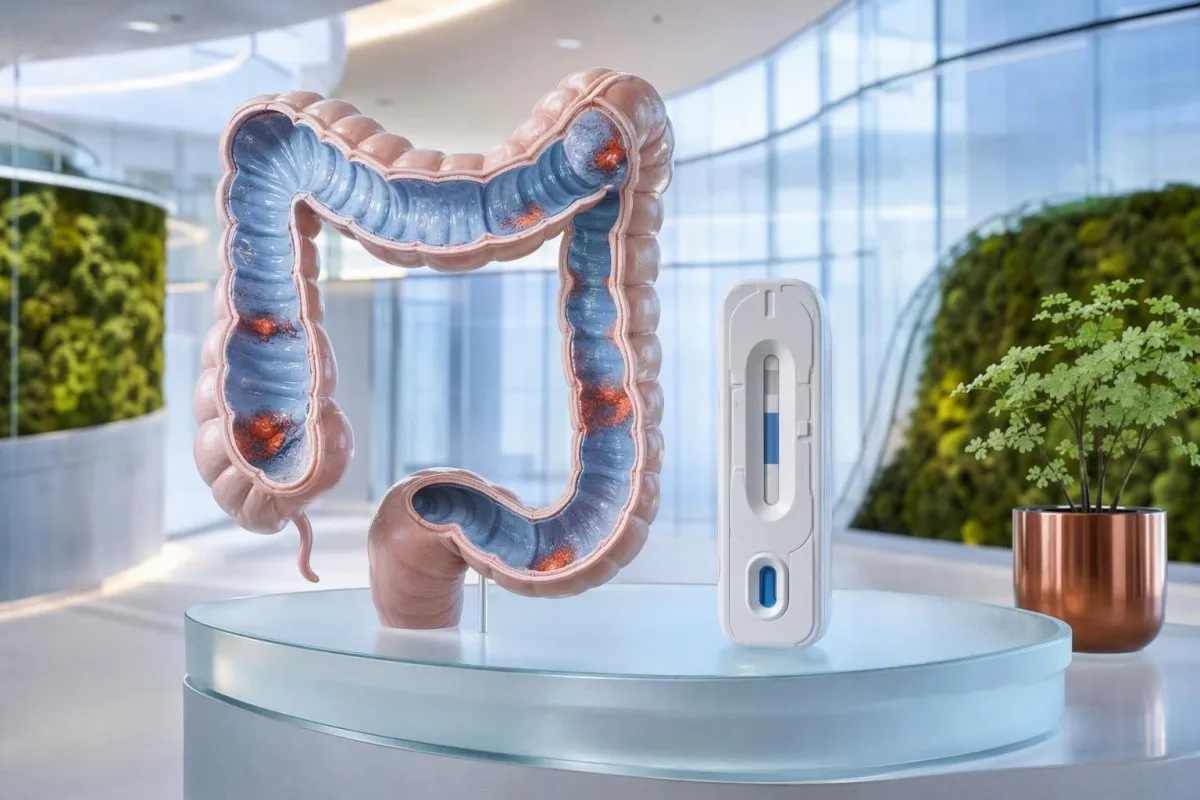
ผล calprotectin ในอุจจาระที่สูงขึ้นเล็กน้อย มักจะกลับสู่ปกติหลังจากการติดเชื้อ การใช้ยาต้านการอักเสบ หรือเมื่อเวลาผ่านไป แต่ตัวเลข อาการ และแนวโน้มจะเป็นตัวกำหนดขั้นตอนต่อไป.


- ช่วงที่ไม่แน่นอน: ห้องปฏิบัติการสำหรับผู้ใหญ่หลายแห่งเรียกว่า 50–120 หรือ 50–150 µg/g ว่าไม่แน่นอน ในขณะที่บางแห่งใช้ 100–250 µg/g เป็นช่วงกลาง.
- ເວລາກວດຊ້ຳ: ตรวจ fecal calprotectin ซ้ำประมาณ 2–6 สัปดาห์หลังจากการเจ็บป่วยด้วยอาการท้องร่วงระยะสั้นหายดีแล้ว และหลังจากปรึกษาแพทย์เกี่ยวกับการใช้ยา NSAID.
- อย่าหยุดยาเอง: ยา Ibuprofen, naproxen, aspirin และบางครั้งยาในกลุ่ม proton-pump inhibitors สามารถทำให้ calprotectin สูงขึ้นได้ การรักษาตามใบสั่งแพทย์จำเป็นต้องได้รับการประเมินโดยแพทย์.
- ข้อบ่งชี้การติดเชื้อ: โรคกระเพาะและลำไส้อักเสบจากเชื้อแบคทีเรียเฉียบพลันสามารถให้ค่าสูงกว่า 250 µg/g ดังนั้นผลลัพธ์สูงเพียงครั้งเดียวระหว่างท้องร่วงจึงไม่สามารถวินิจฉัยโรคเกี่ยวกับลำไส้อักเสบได้.
- เกณฑ์การส่งต่อ: ผลลัพธ์ที่สูงขึ้นอย่างต่อเนื่องเหนือ 250 µg/g หรือผลลัพธ์ที่เพิ่มขึ้นพร้อมกับอาการที่น่ากังวล มักจะจำเป็นต้องได้รับการประเมินจากแพทย์ผู้เชี่ยวชาญด้านระบบทางเดินอาหาร.
- រោគសញ្ញាបន្ទាន់៖ อุจจาระสีดำ เลือดออกในทวารหนักจำนวนมาก มีไข้พร้อมกับอาการปวดที่แย่ลง ภาวะขาดน้ำ น้ำหนักลดโดยไม่ตั้งใจ หรือภาวะโลหิตจาง จำเป็นต้องได้รับการประเมินทางการแพทย์อย่างเร่งด่วน.
- บริบทมีความสำคัญ: Calprotectin วัดการทำงานของ neutrophils ในลำไส้ ไม่สามารถแยกโรค Crohn, ลำไส้ใหญ่อักเสบเป็นแผล, การติดเชื้อ, ลำไส้โป่งพอง, มะเร็ง หรือการระคายเคืองจากยาได้ด้วยตัวเอง.
- บันทึกภาคปฏิบัติ: บันทึกการทดสอบ, หน่วย, อาการลำไส้, ยา, การเดินทางล่าสุด, ยาปฏิชีวนะ และวันที่ทดสอบก่อนที่จะทำการทดสอบซ้ำ.
คุณควรทำอะไรเป็นอันดับแรกหลังจากได้ผลที่ไม่แน่ชัด?
Calprotectin ในอุจจาระระดับก้ำกึ่ง ควรทำอย่างไร: อย่าเพิ่งสันนิษฐานว่าเป็นโรคเกี่ยวกับลำไส้อักเสบจากผลอุจจาระที่สูงเพียงเล็กน้อยเพียงครั้งเดียว ตรวจสอบช่วงอ้างอิงของห้องปฏิบัติการ, บันทึกอาการท้องเสียและยาที่ใช้ล่าสุด, และนัดหมายเพื่อทดสอบซ้ำประมาณ 2–6 สัปดาห์ หากคุณมีอาการดีขึ้นตามปกติและไม่มีอาการที่น่ากังวล.
ณ วันที่ 28 สิงหาคม 2026 ผลลัพธ์ที่ใกล้เคียงกับค่าตัดจะได้รับการจัดการที่ดีที่สุดเสมือนเป็น สัญญาณให้ทบทวนบริบท, ไม่ใช่การวินิจฉัย ในคลินิกของฉัน ค่า 82 µg/g ในผู้ที่กำลังฟื้นตัวจากอาการท้องเสีย 48 ชั่วโมง จะนำไปสู่แผนการรักษาที่แตกต่างอย่างมากจากค่า 82 µg/g ที่มีอาการท้องเสียตอนกลางคืนมาหกสัปดาห์และระดับฮีโมโกลบินลดลง.
Fecal calprotectin สะท้อนถึง neutrophils ที่เข้าสู่ลำไส้ ดังนั้นจึงไวต่อการอักเสบในลำไส้ แต่ไม่เฉพาะเจาะจงต่อสาเหตุ Kantesti เป็น ແພລດຟອມການອ່ານຜົນກວດເລືອດຂອງ AI ที่ช่วยจัดวางผลลัพธ์ที่เกี่ยวข้อง เช่น CRP, การนับเม็ดเลือดสมบูรณ์, ferritin และ albumin ควบคู่ไปกับผลอุจจาระ พร้อมทั้งทำให้ชัดเจนว่าตัวบ่งชี้ในอุจจาระไม่สามารถวินิจฉัย IBD ได้เพียงอย่างเดียว.
จดวันที่, ผลการทดสอบ, หน่วย, ความถี่ในการขับถ่าย, ประเภทอุจจาระ Bristol, การเดินทางล่าสุด, การสัมผัสยาปฏิชีวนะ และยาทุกชนิดที่ใช้เป็นประจำหรือเป็นครั้งคราว តារាង Bristol stool chart มีประโยชน์อย่างน่าประหลาดใจที่นี่ เพราะการถ่ายอุจจาระเหลว, ความเร่งด่วน และการตื่นนอนตอนกลางคืน เปลี่ยนแปลงความน่าจะเป็นก่อนการทดสอบได้มากกว่าความแตกต่าง 10 µg/g ใกล้ค่าตัด.
ค่า fecal calprotectin ใดบ้างที่ถือว่าไม่แน่นอนจริงๆ?
Fecal calprotectin ในผู้ใหญ่ต่ำกว่า 50 µg/g มักถือว่าปกติ แต่เกณฑ์ก้ำกึ่งและเกณฑ์การส่งต่อจะแตกต่างกันไปตามการทดสอบและแนวทางปฏิบัติในท้องถิ่น. แนวทางปฏิบัติหลายแห่งในสหราชอาณาจักรใช้ 100–250 µg/g เป็นแถบกลาง และค่าที่สูงกว่า 250 µg/g เป็นตัวบ่งชี้ที่ชัดเจนของการอักเสบในลำไส้อย่างรุนแรง.
ผลลัพธ์ 60 µg/g สูงกว่าค่าตัด 50 µg/g เพียงเล็กน้อย ไม่เท่ากับ 220 µg/g British Society of Gastroenterology ระบุว่าเกณฑ์ 250 µg/g มักใช้เพื่อบ่งชี้การอักเสบที่รุนแรงใน IBD ที่ทราบแล้ว แม้ว่าเกณฑ์ที่ถูกต้องจะขึ้นอยู่กับว่าคำถามคือการวินิจฉัย, การติดตามการกลับเป็นซ้ำ หรือการส่งต่อ (Lamb et al., 2019).
การทดสอบที่แตกต่างกันใช้แอนติบอดี, อุปกรณ์สกัด และวิธีการสอบเทียบที่แตกต่างกัน ดังนั้นการเปรียบเทียบควรใช้ห้องปฏิบัติการเดียวกัน Ideally Kantesti AI อ่านช่วงห้องปฏิบัติการที่พิมพ์ไว้ก่อนและไม่ติดป้ายผลลัพธ์ว่ารุนแรงเพียงเพราะห้องปฏิบัติการอื่นจะติดป้ายแตกต่างกัน; การทำความเข้าใจเครื่องหมายที่อยู่นอกช่วง ป้องกันความตื่นตระหนกที่ไม่จำเป็นมากมาย.
ค่าต่ำกว่า 100 µg/g ในผู้ใหญ่ที่ไม่มีสัญญาณอันตราย ทำให้ IBD ที่รุนแรงไม่น่าจะเป็นไปได้ แต่ก็ไม่ได้ตัดโรคเซลิแอค, ท้องเสียจากกรดน้ำดี, ลำไส้อักเสบชนิดจุลทรรศน์, การติดเชื้อ หรือโรคของลำไส้ใหญ่และทวารหนัก ในทางกลับกัน ค่าที่สูงกว่า 250 µg/g สมควรได้รับการใส่ใจทางคลินิก แต่ยังคงต้องการการหาสาเหตุมากกว่าการวินิจฉัยโรค Crohn โดยอัตโนมัติ.
เมื่อใดควรทำการตรวจ fecal calprotectin ซ้ำ?
ຜູ້ໃຫຍ່ສ່ວນໃຫຍ່ທີ່ມີສະຖຽນລະພາບທາງຄລີນິກທີ່ມີ fecal calprotectin ສູງເລັກນ້ອຍສາມາດເຮັດການທົດສອບຄືນຫຼັງຈາກ 2–6 ອາທິດ, ເມື່ອອາການຖອກທ້ອງຮຸນແຮງດີຂຶ້ນ ແລະ ປັດໄຈທີ່ປ່ຽນແປງໄດ້ໄດ້ຮັບການແກ້ໄຂແລ້ວ. ການເຮັດຊ້ຳໃນມື້ຕໍ່ໄປໂດຍທົ່ວໄປແລ້ວຈະເພີ່ມສຽງລົບກວນຫຼາຍກວ່າຄວາມຊັດເຈນ.
ສໍາລັບຜົນໄດ້ຮັບ 50–100 µg/g ທີ່ມີອາການດີຂຶ້ນ, ຂ້ອຍມັກໃຊ້ 4-week repeat; ສໍາລັບ 100–250 µg/g, 2–4 ອາທິດແມ່ນມີເຫດຜົນຖ້າອາການຍັງຄົງຢູ່ແຕ່ບໍ່ມີອາການຮີບດ່ວນ. ການເຮັດຊ້ຳບໍ່ຄວນຊັກຊ້າການກວດກາໃນຄົນທີ່ມີເລືອດອອກ, ນ້ຳໜັກຫຼຸດ, ໂລກເລືອດຈາງຂາດທາດເຫຼັກ ຫຼື ອາການເຈັບປວດຮຸນແຮງ.
ຢ່າພະຍາຍາມຈັດການຜົນໄດ້ຮັບດ້ວຍການອົດອາຫານ, ອາຫານທີ່ຈຳກັດ ຫຼື ຢາລະບາຍ. ຮັກສາອາຫານປົກກະຕິຂອງເຈົ້າເປັນເວລາຫຼາຍມື້, ຫຼີກລ້ຽງການເກັບຈາກນ້ຳໃນຫ້ອງນ້ຳ ຫຼື ປັດສະວະ, ແລະປະຕິບັດຕາມຄຳແນະນຳການເກັບຮັກສາຂອງຊຸດ; ການຈັດການຕົວຢ່າງ ແລະ ຄວາມແຕກຕ່າງທາງຊີວະວິທະຍາສາມາດເຮັດໃຫ້ເກີດການປ່ຽນແປງທີ່ເບິ່ງໃຫຍ່ກວ່າທີ່ມັນເປັນຈິງ. ຂອງພວກເຮົາ ຄູ່ມືການປ່ຽນແປງທີ່ແທ້ຈິງລະຫວ່າງການໄປພົບແພດ ອະທິບາຍວ່າເປັນຫຍັງແນວໂນ້ມຈຶ່ງຕ້ອງການກຳນົດເວລາທາງຄລີນິກ.
Thomas Klein, MD, ໄດ້ເຫັນຄົນເຈັບເຮັດການທົດສອບຄືນຫຼັງຈາກພຽງ 72 ຊົ່ວໂມງ ແລະ ເກີດຄວາມຕົກໃຈຈາກການປ່ຽນແປງທີ່ບໍ່ມີຜົນກະທົບຈາກ 96 ຫາ 118 µg/g. ສິ່ງທີ່ປ່ຽນແປງການຈັດການແມ່ນການເພີ່ມຂຶ້ນຢ່າງຕໍ່ເນື່ອງ, ໂດຍສະເພາະການເພີ່ມຂຶ້ນສອງເທົ່າໄປສູ່ຫຼືເກີນ 250 µg/g, ບໍ່ແມ່ນການເຄື່ອນໄຫວເລັກນ້ອຍປະມານຈຸດຕັດ.
การติดเชื้อสามารถทำให้ผล fecal calprotectin เป็นผลบวกปลอมได้หรือไม่?
ແມ່ນແລ້ວ—ການຕິດເຊື້ອໃນລະບົບທາງເດີນອາຫານແມ່ນສາເຫດທົ່ວໄປຂອງ fecal calprotectin ທີ່ເປັນຜົນບວກຜິດສໍາລັບ IBD. Campylobacter, Salmonella, Shigella, C. difficile ແລະການຕິດເຊື້ອພະຍາດບາງຊະນິດສາມາດເພີ່ມ calprotectin ໄດ້ຢ່າງຫຼວງຫຼາຍໃນລະຫວ່າງອາການຖອກທ້ອງຮຸນແຮງ.
Calprotectin ບໍ່ໄດ້ກວດຫາການອັກເສບຢ່າງຜິດພາດໃນລະຫວ່າງການຖອກທ້ອງຈາກການຕິດເຊື້ອ; ການອັກເສບແມ່ນແທ້ຈິງ, ແຕ່ສາເຫດຂອງມັນອາດຈະເປັນການຊົ່ວຄາວຫຼາຍກວ່າ IBD ຊໍາເຮື້ອ. Waugh et al. ພົບວ່າ fecal calprotectin ມີປະໂຫຍດໃນການແຍກສະພາບລໍາໄສ້ອັກເສບອອກຈາກສະພາບທີ່ບໍ່ອັກເສບ, ແຕ່ມັນບໍ່ສາມາດກໍານົດການບົ່ງມະຕິການອັກເສບສະເພາະໄດ້ຢ່າງໜ້າເຊື່ອຖື (Waugh et al., 2013).
ຖາມກ່ຽວກັບອາການໃນ 4 ອາທິດທີ່ຜ່ານມາ: ໄຂ້, ຮາກ, ຜູ້ສຳຜັດທີ່ເຈັບປ່ວຍ, ການເດີນທາງ, ນ້ຳທີ່ບໍ່ໄດ້ຮັບການປິ່ນປົວ, ຢາຕ້ານເຊື້ອ, ການເຂົ້າໂຮງໝໍ ແລະ ການເປີດເຜີຍອາຫານໃໝ່. PCR ຫຼື ການເພາະເຊື້ອໃນອາຈົມມີປະໂຫຍດໂດຍສະເພາະເມື່ອອາການຖອກທ້ອງຍັງຄົງຢູ່, ແລະ ຄໍາອະທິບາຍຂອງພວກເຮົາ លទ្ធផលដាំវប្បធម៌លាមក ສະຫຼຸບວ່າເປັນຫຍັງອົງການທີ່ກວດພົບຍັງຕ້ອງການການຕີລາຄາທາງຄລີນິກ.
ການທົດສອບ Calprotectin ທີ່ເຮັດໃນລະຫວ່າງການຖອກທ້ອງຈາກການຕິດເຊື້ອຄວນເຮັດຊ້ຳຫຼັງຈາກຟື້ນຕົວແທນທີ່ຈະໃຊ້ເພື່ອບົ່ງມະຕິ IBD. ຖ້າອາການຖອກທ້ອງເປັນເວລາດົນກວ່າ 7 ວັນ, ມີເລືອດອອກ, ຕິດຕາມການໃຊ້ຢາຕ້ານເຊື້ອ, ຫຼື ມາພ້ອມກັບໄຂ້ສູງກວ່າ 38.0°C, ຕິດຕໍ່ຫາທ່ານໝໍແທນທີ່ຈະລໍຖ້າການເຮັດຊ້ຳຕາມປົກກະຕິ.
ยาชนิดใดบ้างที่สามารถทำให้ calprotectin สูงขึ้นได้โดยไม่มี IBD?
NSAIDs ແມ່ນປັດໄຈລົບກວນຢາທີ່ຊັດເຈນທີ່ສຸດສໍາລັບຜົນ fecal calprotectin ທີ່ສູງເລັກນ້ອຍ. Ibuprofen, naproxen, diclofenac ແລະ aspirin ສາມາດເຮັດໃຫ້ລໍາໄສ້ນ້ອຍລະຄາຍເຄືອງແລະເພີ່ມກິດຈະກໍາຂອງ neutrophils ໃນລໍາໄສ້, ບາງຄັ້ງກໍ່ແມ່ນເມື່ອມີອາການເຈັບປວດໜ້ອຍ.
ວິທີການປະຕິບັດແມ່ນການຖາມຜູ້ສັ່ງຢາວ່າ NSAIDs ທີ່ບໍ່ຈໍາເປັນສາມາດຫຼີກລ້ຽງໄດ້ປະມານ 2 ອາທິດ ກ່ອນທີ່ຈະທົດສອບ calprotectin ອີກຄັ້ງ; ຢ່າຢຸດຢາ aspirin ທີ່ສັ່ງຫຼັງຈາກກິນຢາຫົວໃຈ, ສະອງ, ຫຼື stent ໂດຍບໍ່ມີຄຳແນະນຳທາງການແພດໂດຍກົງ. NSAID enteropathy ງ່າຍຕໍ່ການພາດເພາະວ່າມັນອາດເຮັດໃຫ້ເກີດການລະຄາຍເຄືອງທີ່ເຊື່ອງໄວ້ໂດຍບໍ່ມີອາການບົ່ງບອກທົ່ວໄປ.
ຢາກຸ່ມ Proton-pump inhibitors ເຊັ່ນ omeprazole ຖືກກ່ຽວຂ້ອງກັບການເພີ່ມຂຶ້ນເລັກນ້ອຍໃນບາງການສຶກສາສັງເກດການ, ແຕ່ຫຼັກຖານແມ່ນປະສົມປະສານກັນ ແລະການຢຸດເຊົາອາດເປັນອັນຕະລາຍຕໍ່ຜູ້ທີ່ມີພະຍາດແຜ ຫຼື ອາການແລ່ນລົງຢ່າງຮຸນແຮງ. ຄວນທົບທວນ metformin, ຢາຕ້ານເຊື້ອ, ການປິ່ນປົວດ້ວຍພູມຕ້ານທານ ແລະ ຢາລະບາຍ; ລາຍການຢາທີ່ຄົບຖ້ວນມີປະໂຫຍດຫຼາຍກວ່າການຄາດເດົາຈາກຢາໜຶ່ງຊະນິດ.
ແຄນເທສຕີ ເປັນ ឧបករណ៍វិភាគតេស្តឈាមដែលដំណើរការដោយ AI ທີ່ສາມາດຈັດຕັ້ງສະພາບແວດລ້ອມໃນຫ້ອງທົດລອງທີ່ກ່ຽວຂ້ອງກັບຢາ, ລວມທັງລະດັບ ferritin ຕ່ ຳ ຫຼືການເພີ່ມຂຶ້ນຂອງ CRP, ແຕ່ແພດຕ້ອງຕັດສິນວ່າການປ່ຽນແປງຢາແມ່ນເໝາະສົມບໍ. ຖ້າການສະກັດກັ້ນອາຊິດໃນໄລຍະຍາວແມ່ນສ່ວນໜຶ່ງຂອງເລື່ອງ, ບົດຄວາມຂອງພວກເຮົາກ່ຽວກັບ ການຕິດຕາມໃນລະຫວ່າງການໃຊ້ PPI ກວມເອົາເຄື່ອງໝາຍເລືອດທີ່ແພດຕິດຕາມເປັນປະຈຳ.
การเก็บตัวอย่างหรือความผันแปรตามธรรมชาติสามารถอธิบายการเพิ่มขึ้นเล็กน้อยได้หรือไม่?
ຄວາມຜິດພາດໃນການເກັບຕົວຢ່າງບໍ່ຄ່ອຍເຮັດໃຫ້ຜົນ calprotectin ສູງ, ແຕ່ການເກັບຕົວຢ່າງອາຈົມທີ່ບໍ່ສະໝ່ຳສະເໝີ, ຄວາມແຕກຕ່າງຂອງການວິເຄາະ ແລະຊີວະວິທະຍາໃນແຕ່ລະມື້ສາມາດເຮັດໃຫ້ຄ່ານ້ອຍຂ້າມຂີດໝາຍໄດ້. ນີ້ແມ່ນເຫດຜົນທີ່ຊຸດ, ຫ້ອງທົດລອງ ແລະວິທີການເກັບຕົວຢ່າງດຽວກັນມີຄວາມສຳຄັນສຳລັບການທົດສອບ calprotectin ອາຈົມຄືນໃໝ່.
ເກັບຕົວຢ່າງຈາກພາຊະນະທີ່ສະອາດ, ແຫ້ງແທນທີ່ຈະເປັນນ້ຳໃນຫ້ອງນ້ຳໂດຍກົງ, ແລະຫຼີກລ້ຽງການປົນເປື້ອນກັບນ້ຳຍ່ຽວ ຫຼືຜະລິດຕະພັນທຳຄວາມສະອາດ. ເອົາສ່ວນນ້ອຍໆຈາກຫຼາຍກວ່າໜຶ່ງບໍລິເວນ ຖ້າຊຸດຄຳແນະນຳດັ່ງກ່າວ, ເພາະວ່າເຍື່ອເມືອກ ແລະບໍລິເວນທີ່ອ່ອນກວ່າອາດມີຄວາມເຂັ້ມຂຸ້ນຂອງອັກເສບແຕກຕ່າງກັນ.
ຫຼີກລ້ຽງການຕີຄວາມໝາຍຜົນທີ່ເປັນກາງຈາກຕົວຢ່າງທີ່ເກັບທັນທີຫຼັງຈາກການກຽມສຳລັບການສ່ອງລຳໄສ້, ການສວນ, ຫຼືອາການຖອກທ້ອງຄັ້ງໃຫຍ່ ວ່າເປັນຄ່ານ້ອຍຄົງທີ່. ສຳລັບຜູ້ທີ່ມີອາການຖອກທ້ອງແຕກຕ່າງກັນ, ຂ້າພະເຈົ້າແນະນຳໃຫ້ສັງເກດຮູບແບບອາຈົມ ແລະ ບໍ່ວ່າຈະມີເຍື່ອເມືອກ ຫຼືເລືອດອອກທີ່ເຫັນໄດ້ໃນມື້ເກັບຕົວຢ່າງ; ຄູ່ມືຂອງພວກເຮົາກ່ຽວກັບ ເຍື່ອເມືອກໃນອາຈົມ ອະທິບາຍວ່າການສັງເກດການນັ້ນມີຄວາມສຳຄັນເມື່ອໃດ.
ການປ່ຽນແປງຈາກ 55 ຫາ 72 µg/g ອາດຈະບໍ່ມີຄວາມສຳຄັນທາງການວິເຄາະ, ໃນຂະນະທີ່ການເພີ່ມຂຶ້ນຈາກ 75 ຫາ 380 µg/g ນັ້ນຍາກທີ່ຈະບໍ່ສົນໃຈ. ຮັກສາລາຍງານໄວ້ແທນທີ່ຈະອີງໃສ່ການຕິດສະຫຼາກໃນ portal —ຊື່ການວິເຄາະ ແລະລະດັບຫ້ອງທົດລອງແມ່ນລາຍລະອຽດທາງຄລີນິກທີ່ສຳຄັນ.
อาการใดบ้างที่ควรได้รับการตรวจระบบทางเดินอาหารแทนที่จะรอตรวจซ้ำ?
ການອອກເລືອດທາງຮູທະວານ, ນ້ຳໜັກຫຼຸດລົງໂດຍບໍ່ໄດ້ຕັ້ງໃຈ, ຖອກທ້ອງໃນເວລາກາງຄືນ, ໄຂ້ສູງ, ໂລກເລືອດຈາງຂາດທາດເຫຼັກ ແລະ ກ້ອນເນື້ອທີ່ຮູ້ສຶກໄດ້ໃນທ້ອງແມ່ນຮຽກຮ້ອງໃຫ້ມີການກວດທາງການແພດໂດຍບໍ່ຄຳນຶງເຖິງຄ່າ calprotectin ທີ່ເປັນກາງ. ຜົນລັບບໍ່ຄວນຈະມາແທນທີ່ອາການທີ່ໜ້າເປັນຫ່ວງ.
ຂໍການປະເມີນຜົນທັນທີໃນມື້ດຽວກັນສຳລັບອາຈົມສີດຳ, ການອອກເລືອດທາງຮູທະວານຢ່າງຮຸນແຮງ, ເປັນລົມ, ເຈັບທ້ອງຢ່າງຮຸນແຮງ ຫຼືຮຸນແຮງຂຶ້ນ, ບໍ່ສາມາດດື່ມນ້ຳໄດ້, ສັບສົນ, ຫຼືອາການຂອງການຂາດນ້ຳຢ່າງຮຸນແຮງ. ເຫຼົ່ານີ້ແມ່ນອາການລຳດັບ, ບໍ່ແມ່ນຂີດຈຳກັດຂອງ calprotectin; ຄ່າຕ່ຳ ຫຼືເປັນກາງບໍ່ໄດ້ເຮັດໃຫ້ພວກມັນປອດໄພທີ່ຈະບໍ່ສົນໃຈ.
ການກວດສຸຂະພາບໂດຍແພດທົ່ວໄປພາຍໃນສອງສາມມື້ແມ່ນມີຄວາມສົມເຫດສົມຜົນສຳລັບການນ້ຳໜັກຫຼຸດລົງຫຼາຍກວ່າ 5% ຂອງນ້ຳໜັກຕົວໃນ 6–12 ເດືອນ, ຖອກທ້ອງທີ່ເຮັດໃຫ້ເຈົ້ານອນບໍ່ຫຼັບ, ໄຂ້, ການປ່ຽນແປງອາຈົມຄັ້ງໃໝ່ຫຼັງອາຍຸ 50 ປີ, ຫຼືປະຫວັດຄອບຄົວໃກ້ຊິດຂອງມະເຮັງລຳໄສ້ໃຫຍ່ ຫຼື IBD. ຜົນລັບ FIT ທີ່ເປັນບວກ ຫຼື FOBT ຈະຕິດຕາມເສັ້ນທາງການວິນິດໄສທີ່ແຕກຕ່າງກັນ ແລະບໍ່ຄວນອະທິບາຍດ້ວຍ calprotectin.
ເຫດຜົນທີ່ໂລກເລືອດຈາງປ່ຽນແປງຮູບພາບແມ່ນວ່າການອັກເສບໃນລຳໄສ້ຊຳເຮື້ອ, ການສູນເສຍເລືອດໃນຈຸລິນຊີ ແລະການດູດຊຶມທີ່ຜິດປົກກະຕິສາມາດເກີດຂຶ້ນພ້ອມກັນໄດ້. ການນັບເມັດເລືອດເຕັມ, ferritin ແລະ CRP ອາດຈະມີຂໍ້ມູນຫຼາຍກວ່າເມື່ອລວມກັນ ກ່ວາຄ່າອາຈົມໃດໆ.
แพทย์ทั่วไปมักจะตรวจอะไรหลังจากค่าที่สูงขึ้นเล็กน้อย?
ແພດທົ່ວໄປມັກຈະຄູ່ຄ່າ fecal calprotectin ທີ່ເພີ່ມຂຶ້ນເລັກນ້ອຍກັບການທົບທວນອາການ, ການກວດຮ່າງກາຍ, ການນັບເມັດເລືອດເຕັມ, CRP ຫຼື ESR, ferritin, ການທົດສອບ coeliac serology ແລະການທົດສອບການຕິດເຊື້ອໃນອາຈົມເມື່ອມີຄວາມຈຳເປັນ. ເປົ້າໝາຍຄືການລະບຸວ່າໃຜຕ້ອງການການສົ່ງຕໍ່ຢ່າງໄວວາ ແລະໃຜສາມາດທົດສອບຄືນໃໝ່ຢ່າງປອດໄພ.
ການນັບເລືອດທັງໝົດສາມາດລະບຸອາການເລືອດຈາງ, ເກັດເລືອດສູງຫຼືເມັດເລືອດຂາວສູງ, ໃນຂະນະທີ່ CRP ສະທ້ອນເຖິງການອັກເສບທົ່ວໄປຫຼາຍກວ່າການອັກເສບຂອງລຳໄສ້. CRP ປົກກະຕິບໍ່ໄດ້ຍົກເວັ້ນພະຍາດ Crohn, ໂດຍສະເພາະການເປັນພະຍາດຂອງລຳໄສ້ນ້ອຍ, ແຕ່ CRP, albumin, ແລະ hemoglobin ປົກກະຕິເຮັດໃຫ້ການອັກເສບຮຸນແຮງໜ້ອຍລົງ.
ການກວດຫາພະຍາດ Celiac ຄວນລວມເອົາ tissue transglutaminase IgA ແລະ total IgA ໃນຂະນະທີ່ຄົນນັ້ນກິນເຂົ້າສາລີ. ຖ້າ total IgA ຕ່ຳ, ການທົດສອບ Celiac ທີ່ອີງໃສ່ IgA ປົກກະຕິອາດເຮັດໃຫ້ສະບາຍໃຈຜິດ; ເບິ່ງຄູ່ມືປະຕິບັດຂອງພວກເຮົາໄປຫາ ການຂາດ IgA ແລະກັບດັກຂອງ coeliac ທີ່ພົບເລື້ອຍ ໄປຫາຂັ້ນຕອນຕໍ່ໄປຕາມປົກກະຕິ.
Thomas Klein, MD, ແນະນຳໃຫ້ເອົາຂໍ້ເທັດຈິງໜຶ່ງໜ້າໄປນຳການນັດໝາຍ: ການເລີ່ມຕົ້ນອາການ, ຄວາມຖີ່ຂອງການຖ່າຍ, ຢາ, ປະຫວັດຄອບຄົວ, ການກວດສອງລຳໄສ້ຄັ້ງກ່ອນ, ການເດີນທາງແລະຜົນທີ່ແທ້ຈິງ. ມັນເຮັດໃຫ້ການປຶກສາຫາລືຄົມຊັດຂຶ້ນ, ໂດຍສະເພາະເມື່ອອາການຂັດຂ້ອງມາຫຼາຍເດືອນ.
calprotectin ที่ไม่แน่นอนหมายถึง IBS หรือโรคเกี่ยวกับลำไส้อักเสบหรือไม่?
fecal calprotectin ທີ່ຢູ່ລະຫວ່າງກາງບໍ່ໄດ້ວິນິດໄສ IBS ຫລື IBD. IBS ປົກກະຕິມີຜົນທີ່ປົກກະຕິ, ໃນຂະນະທີ່ການເພີ່ມຂຶ້ນຢ່າງຕໍ່ເນື່ອງເພີ່ມຄວາມສົງໄສກ່ຽວກັບ IBD, ແຕ່ການຕິດເຊື້ອ, ພະຍາດ diverticular, ພະຍາດ Celiac, ມະເຮັງລຳໄສ້ໃຫຍ່ແລະການບາດເຈັບຈາກ NSAID ຍັງຄົງເປັນຄຳອະທິບາຍທີ່ເປັນໄປໄດ້.
IBS ສາມາດເຮັດໃຫ້ມີອາການປວດກ້າມ, ທ້ອງອືດແລະການປ່ຽນແປງຄວາມຖີ່ຂອງການຖ່າຍໂດຍບໍ່ມີການອັກເສບຂອງລຳໄສ້ທີ່ຂັບເຄື່ອນໂດຍເມັດເລືອດຂາວ, ດັ່ງນັ້ນ calprotectin ຕ່ຳກວ່າ 50 µg/g ສະໜັບສະໜູນ—ແຕ່ບໍ່ໄດ້ພິສູດ—ຄຳອະທິບາຍແບບ IBS. ໃນຜູ້ໃຫຍ່ທີ່ມີຜົນລະຫວ່າງກາງຄັ້ງທຳອິດ, ຄຳຖາມທາງການແພດມັກຈະເປັນວ່າອາການແລະແນວໂນ້ມສົມຄວນກວດສອງລຳໄສ້ຫລືບໍ່, ບໍ່ແມ່ນວ່າຄົນເຈັບຕ້ອງເລືອກປ້າຍ IBS ຫລື IBD ມື້ນີ້.
ພະຍາດ Crohn ອາດຈະມີສ່ວນກ່ຽວຂ້ອງກັບລຳໄສ້ນ້ອຍແລະໂລກລຳໄສ້ອັກເສບມັກຈະສົ່ງຜົນກະທົບຕໍ່ລຳໄສ້ໃຫຍ່, ແຕ່ທັງສອງຢ່າງສາມາດສະແດງໃຫ້ເຫັນ calprotectin ທີ່ເພີ່ມຂຶ້ນ. Microscopic colitis ອາດຈະມີ calprotectin ປົກກະຕິຫຼືເພີ່ມຂຶ້ນເລັກໜ້ອຍເທົ່ານັ້ນ, ເຊິ່ງເປັນເຫດຜົນໜຶ່ງທີ່ອາການຖ່າຍເປັນນ້ຳໃນຜູ້ໃຫຍ່ອາຍຸກວ່າ 50 ປີຍັງຄົງສົມຄວນໄດ້ຮັບການກວດສອບເຖິງວ່າຈະມີຕົວເລກທີ່ໜ້າປະທັບໃຈກໍຕາມ.
Kantesti AI ຕີຄວາມໝາຍຕົວຊີ້ວັດເລືອດທີ່ກ່ຽວຂ້ອງໂດຍການກວດຫາຮູບແບບເຊັ່ນ albumin ຕ່ຳ, ການຂາດທາດເຫຼັກແລະການເພີ່ມຂຶ້ນຂອງການອັກເສບພ້ອມກັບຜົນການຖ່າຍ. ເພື່ອການປຽບທຽບ, fecal lactoferrin ເປັນອີກຕົວຊີ້ວັດການຖ່າຍທີ່ກ່ຽວຂ້ອງກັບເມັດເລືອດຂາວ, ເຖິງວ່າມັນປະເຊີນກັບຂໍ້ຈຳກັດຄວາມສະເພາະຫຼາຍອັນດຽວກັນ.
อายุ การตั้งครรภ์ และ IBD ที่ทราบแล้วจะเปลี่ยนแปลงแนวทางการรักษาได้อย่างไร?
ເດັກນ້ອຍ, ຜູ້ໃຫຍ່ຜູ້ສູງອາຍຸ, ແມ່ຍິງຖືພາແລະຄົນເຈັບທີ່ເປັນ IBD ທີ່ໄດ້ຮັບການວິນິດໄສແລ້ວຕ້ອງການການຕີຄວາມໝາຍ fecal calprotectin ທີ່ເປັນເອກກະລາດ. ເດັກນ້ອຍສາມາດມີຄ່າພື້ນຖານສູງກວ່າ, ໃນຂະນະທີ່ອາການລຳໄສ້ໃຫມ່ຫຼັງຈາກອາຍຸ 50 ປີບໍ່ຄວນໄດ້ຮັບການປິ່ນປົວດ້ວຍການທົດສອບຊ້ຳອີກເທົ່ານັ້ນ.
ເດັກນ້ອຍແລະເດັກນ້ອຍອ່ອນມັກຈະມີຄ່າ calprotectin ສູງກວ່າຂອບເຂດຂອງຜູ້ໃຫຍ່, ດັ່ງນັ້ນຂອບເຂດຂອງຜູ້ໃຫຍ່ບໍ່ຄວນນຳໃຊ້ກັບເດັກໂດຍບໍ່ມີຄຳແນະນຳທາງການແພດເດັກ. ເດັກນ້ອຍທີ່ມີການເຕີບໂຕຊ້າ, ມີເລືອດໃນອາຈົມ, ຖາຍເປັນນ້ຳຢ່າງຕໍ່ເນື່ອງຫລືມີອາການເຈັບທ້ອງຢ່າງຮຸນແຮງຕ້ອງການການປະເມີນທາງການແພດເດັກແທນການທົດສອບຢູ່ເຮືອນຊ້ຳອີກ; pH ອາຈົມຕ່ຳໃນເດັກ ອາດຈະຕອບຄຳຖາມທີ່ແຕກຕ່າງກັນກ່ຽວກັບການຍ່ອຍຄາໂບໄຮເດຣດທີ່ບໍ່ສົມບູນ.
ການຖືພາເອງບໍ່ແມ່ນເຫດຜົນທີ່ຈະປະຕິເສດການຖາຍເປັນນ້ຳຢ່າງຕໍ່ເນື່ອງ, ມີເລືອດໃນອາຈົມຫລືນ້ຳໜັກຫຼຸດ. Calprotectin ສາມາດຊ່ວຍໃນການປະເມີນຜົນ, ແຕ່ທີມແພດຜະດຸງຄັນ, ທີມຕິດເຊື້ອແລະທີມ GI ຄວນຕີຄວາມໝາຍມັນດ້ວຍປະຫວັດການຖືພາແລະບັນຊີຢາຄົບຖ້ວນ.
ສໍາລັບ IBD ທີ່ໄດ້ຮັບການວິນິດໄສແລ້ວ, ຜົນທີ່ສູງກວ່າ 250 µg/g ອາດຊີ້ໃຫ້ເຫັນການອັກເສບຂອງເຍື່ອເມືອກເຖິງແມ່ນວ່າອາການຈະໜ້ອຍ, ແຕ່ການປິ່ນປົວບໍ່ຄວນໄດ້ຮັບການປ່ຽນແປງພຽງແຕ່ຈາກຜົນຢູ່ເຮືອນ. ຄຳແນະນຳຂອງ BSG ສະໜັບສະໜູນການໃຊ້ calprotectin ເປັນໜຶ່ງໃນອົງປະກອບຂອງການປະເມີນການກັບຄືນມາຂອງອາການ, ຄຽງຄູ່ກັບອາການ, ຕົວຊີ້ວັດເລືອດແລະບາງຄັ້ງການສ່ອງກ້ອງລຳໄສ້ (Lamb et al., 2019).
คุณควรอ่านแนวโน้ม calprotectin อย่างไร?
ແນວໂນ້ມ calprotectin ທີ່ເພີ່ມຂຶ້ນຢ່າງຕໍ່ເນື່ອງຫລືສູງຢ່າງຕໍ່ເນື່ອງແມ່ນມີປະສິດທິພາບຫຼາຍກວ່າຄ່າລະຫວ່າງກາງໜຶ່ງຄັ້ງ. ການເພີ່ມຂຶ້ນຈາກ 70 ຫາ 280 µg/g ໃນໄລຍະ 4–8 ອາທິດ, ໂດຍສະເພາະກັບອາການຖາຍທີ່ຮ້າຍແຮງຂຶ້ນ, ທາງຄລີນິກແຕກຕ່າງຈາກຄ່າທີ່ຄົງທີ່ປະມານ 70 µg/g.
ໃຊ້ຫ້ອງທົດລອງດຽວກັນເທົ່າທີ່ເປັນໄປໄດ້ແລະປຽບທຽບຊ່ວງເວລາທີ່ເໝາະສົມກັບສະຖານະການທາງຄລີນິກ. ໃນອາການທີ່ຄົງທີ່, ຊ່ວງເວລາ 4–8 ອາທິດມັກຈະໃຫ້ສັນຍານທີ່ຊັດເຈນກວ່າການທົດສອບປະຈຳອາທິດ; ໃນ IBD ທີ່ຮູ້ຈັກດ້ວຍແຜນການແພດອອກລິດ, ທີມປິ່ນປົວອາດແນະນຳຊ່ວງເວລາທີ່ສັ້ນກວ່າ.
ແຄນເທສຕີ ເປັນ ແພລດຟອມການຕີຄວາມໝາຍ biomarker ຂອງ AI ທີ່ສາມາດຮັກສາສະພາບແວດລ້ອມຫ້ອງທົດລອງທີ່ມີວັນທີແລະສະແດງແນວໂນ້ມທີ່ມີຄວາມໝາຍເພື່ອທົບທວນ, ແທນທີ່ຈະປິ່ນປົວທຸກຄ່າທີ່ຜິດປົກກະຕິເລັກໜ້ອຍເປັນເຫດສຸກເສີນໃຫມ່. ວິທີການນັ້ນສະທ້ອນເຖິງຫຼັກການໃນຂອງພວກເຮົາ ຄູ່ມືຜົນຕາມໄລຍະ (longitudinal result guide): ທິດທາງ, ອັດຕາ ແລະ ອາການທີ່ມາພ້ອມກັນແມ່ນສຳຄັນ.
ຢ່າປຽບທຽບຜົນໄດ້ຮັບຈາກອາຈົມເຫຼວໃນລະຫວ່າງພະຍາດກະເພາະລຳໄສ້ອັກເສບ ກັບຕົວຢ່າງອາຈົມແຂງໜຶ່ງເດືອນຕໍ່ມາ ຄືກັບວ່າເປັນສະພາບດຽວກັນ. ການໝາຍເຫດໄທມລາຍດ້ວຍການໃຊ້ NSAID, ຢາຕ້ານເຊື້ອ, ການຕິດເຊື້ອ ແລະ ການມີເລືອດອອກປະຈຳເດືອນ ສາມາດປ້ອງກັນບໍ່ໃຫ້ແນວໂນ້ມທີ່ເບິ່ງຄືຈະຖືກຕີຄວາມໝາຍເກີນໄປ.
คุณควรงดเว้นการทำอะไรหลังจากค่าที่สูงขึ้นเล็กน้อย?
ຢ່າເລີ່ມກິນສະເຕີຣອຍດ໌ເອງ, ງົດອາຫານຫຼາຍຊະນິດ, ຢຸດຢາຕາມໃບສັ່ງແພດ, ຫລື ສັ່ງກວດ calprotectin ປະຈຳວັນຊ້ຳໆ ຫລັງຈາກໄດ້ຮັບຜົນທີ່ສູງຂຶ້ນເລັກໜ້ອຍ. ການກະທຳເຫຼົ່ານີ້ ສາມາດເຮັດໃຫ້ຮູບພາບການວິນິດໄສເບິ່ງບໍ່ຊັດເຈນ ແລະ, ໃນບາງກໍລະນີ, ສ້າງຄວາມເສຍຫາຍທີ່ແທ້ຈິງ.
ສະເຕີຣອຍດ໌ ສາມາດຫຼຸດຕົວຊີ້ວັດການອັກເສບ ພ້ອມກັບປິດບັງການຕິດເຊື້ອ, ແລະ ການຈຳກັດອາຫານທີ່ບໍ່ຈຳເປັນ ສາມາດເຮັດໃຫ້ນ້ຳໜັກລົດລົງ ຫລື ຂາດທາດເຫຼັກຮ້າຍແຮງຂຶ້ນ. ຖ້າອາການຊີ້ບອກເຖິງ IBD, ການວິນິດໄສໂດຍທົ່ວໄປ ຕ້ອງການການປະເມີນທາງຄລີນິກ ແລະ ມັກຈະໄດ້ຫຼັກຖານຈາກການສ່ອງກ້ອງຫລື ການຖ່າຍພາບ ກ່ອນທີ່ຈະເລີ່ມການປິ່ນປົວໄລຍະຍາວ.
ຢ່າໃຊ້ calprotectin ເປັນການກວດຄັດກອງມະເຮັງລຳໄສ້. FIT ตรวจจับ hemoglobin ຂອງມະນຸດ ແລະ ຖືກໃຊ້ໃນເສັ້ນທາງຂອງມະເຮັງລຳໄສ້ໃຫຍ່; calprotectin ວັດແທກກິດຈະກຳການອັກເສບ, ດັ່ງນັ້ນການກວດແມ່ນຕອບຄຳຖາມທີ່ແຕກຕ່າງກັນ. ການປຽບທຽບຂອງພວກເຮົາ FIT และ colonoscopy ອະທິບາຍວ່າເປັນຫຍັງເຄື່ອງໝາຍອາຈົມທີ່ເປັນລົບຈຶ່ງບໍ່ສາມາດທົດແທນການກວດຄັດກອງທີ່ເໝາະສົມຕາມອາຍຸ ແລະ ຄວາມສ່ຽງໄດ້.
ບໍ່ມີອາຫານເສີມທີ່ເຊື່ອຖືໄດ້ ທີ່ສາມາດຫຼຸດ calprotectin ໄດ້ຢ່າງປອດໄພໂດຍສຸມໃສ່ຕົວເລກນັ້ນເອງ. ການປິ່ນປົວຕົວເລກແທນສາເຫດ ກໍຄືການເຮັດໃຫ້ສຽງລົດສັນຍານເຕືອນໄຟໄໝ້ງຽບໄປໂດຍບໍ່ໄດ້ກວດຫ້ອງ.
คุณจะเตรียมตัวอย่างไรสำหรับการนัดหมายกับแพทย์ผู้เชี่ยวชาญด้านระบบทางเดินอาหาร?
ນຳເອົາບັນທຶກອາການ ແລະ ການໃຊ້ຢາຕາມວັນທີ, ຜົນອາຈົມທຸກຄັ້ງພ້ອມຊ່ວງຄ່ານິຍົມຂອງຫ້ອງທົດລອງ, ປະຫວັດຄອບຄົວ, ລາຍງານການຖ່າຍພາບຫລື ການສ່ອງກ້ອງຄັ້ງກ່ອນ, ແລະ ການກວດເລືອດຫຼ້າສຸດ ໄປພົບແພດຜູ້ຊ່ຽວຊານດ້ານ GI. ນີ້ສາມາດຫຼຸດຜ່ອນການກວດຊ້ຳຊ້ອນ ແລະ ຊ່ວຍໃຫ້ຜູ້ຊ່ຽວຊານຕັດສິນຄວາມຮີບດ່ວນ.
ຄຳຖາມທີ່ເປັນປະໂຫຍດ ລວມມີ: ນີ້ອາດຈະເປັນການຕິດເຊື້ອ ຫລື ການບາດເຈັບຈາກ NSAID ບໍ? ຂ້ອຍຕ້ອງການ stool PCR, coeliac serology, FIT, colonoscopy, small-bowel imaging ຫລື repeat calprotectin ບໍ? ຖາມວ່າລະດັບໃດ ແລະ ໄລຍະເວລາໃດ ຈະກະຕຸ້ນການເພີ່ມຂຶ້ນໃນກໍລະນີຂອງເຈົ້າ, ເພາະວ່າເສັ້ນທາງທ້ອງຖິ່ນແຕກຕ່າງກັນ.
ຖ້າແນະນຳໃຫ້ສ່ອງກ້ອງລຳໄສ້, ໂດຍປົກກະຕິແມ່ນຍ້ອນອາການ, ອາຍຸ, ປະຫວັດຄອບຄົວ, ໂລກເລືອດຈາງ ຫລື ການອັກເສບທີ່ persistent justify ການປະເມີນໂດຍກົງຂອງລຳໄສ້ — ບໍ່ແມ່ນຍ້ອນຜົນ calprotectin ໄດ້ວິນິດໄສມະເຮັງ. Ferritin ຕ່ຳໂດຍບໍ່ມີການມີເລືອດອອກປະຈຳເດືອນໜັກໜ່ວງ ສາມາດເພີ່ມນ້ຳໜັກໃຫ້ກັບການສືບສວນ; ຄູ່ມືຂອງພວກເຮົາ ຄຳແນະນຳ GI ໃນ Ferritin ຕ່ຳ ການກວດເລືອດທີ່ສາມາດຊີ້ໄປຫາມະເຮັງ.
Kantesti AI ສາມາດກະກຽມການບັນທຶກຫ້ອງທົດລອງທີ່ກະທັດຮັດເພື່ອນຳໄປປຶກສາ, ແຕ່ມັນບໍ່ສາມາດທົດແທນການປະເມີນໂດຍຜູ້ຊ່ຽວຊານໄດ້. ຜູ້ອ່ານຍັງສາມາດທົບທວນມາດຕະຖານທາງຄລີນິກ ແລະ ການຄວບຄຸມຂອງພວກເຮົາ ຜ່ານ ການກວດສອບທາງການແພດ ກ່ອນທີ່ຈະໃຊ້ການຕີຄວາມອັດຕະໂນມັດໃດໆ ເປັນສ່ວນໜຶ່ງຂອງການກະກຽມການນັດໝາຍ.
แนวทางการตัดสินใจเชิงปฏิบัติสำหรับ calprotectin ที่สูงขึ้นเล็กน้อย
ສຳລັບຜົນ fecal calprotectin ທີ່ສູງຂຶ້ນເລັກໜ້ອຍ, ໃຫ້ທົບທວນ red flags ກ່ອນ, ຕັດການຕິດເຊື້ອທີ່ຫ້າວຫັນ ແລະ ຜົນກະທົບຂອງຢາອອກໄປກ່ອນ, ຈາກນັ້ນກວດຊ້ຳໃນ 2–6 ອາທິດ ຖ້າເໝາະສົມທາງຄລີນິກ. ຄ່າທີ່ສູງຂຶ້ນຢ່າງຕໍ່ເນື່ອງ, ຄ່າທີ່ສູງກວ່າ 250 µg/g, ຫລື ອາການທີ່ໜ້າເປັນຫ່ວງ ຄວນຈະນຳພາເສັ້ນທາງໄປສູ່ການທົບທວນໂດຍ GP ຫລື ຜູ້ຊ່ຽວຊານດ້ານກະເພາະລຳໄສ້.
ຖ້າຜົນລັບແມ່ນ 50–100 µg/g borderline or mildly elevated 100–250 µg/g, clearly elevated, rising, or accompanied by concerning symptoms.
A borderline result is not a diagnosis. Results should be interpreted against the reporting laboratory’s reference range and the wider clinical picture. Recent gastrointestinal infection, NSAID use, strenuous exercise, and other factors can raise calprotectin temporarily.
Kantesti ຄະນະທີ່ປຶກສາທາງການແພດ clinical safety review ຄູ່ມືການກວດເລືອດ biomarkers blood-test interpretation guide.
ຄໍາຖາມທີ່ຖາມເລື້ອຍໆ
80 µg/g ຂອງ calprotectin ในอุจจาระถือว่าสูงหรือไม่?
ຜົນ fecal calprotectin 80 µg/g ຖືວ່າສູງຂື້ນເລັກນ້ອຍ ຖ້າຫ້ອງທົດລອງໃຊ້ຄ່ານອກໜຶ່ງຂອງຜູ້ໃຫຍ່ 50 µg/g, ແຕ່ມັກຈະຖືວ່າເປັນຄ່າກາງໆ ຫຼາຍກວ່າການເປັນພະຍາດ IBD. ອາການຖອກທ້ອງບໍ່ດົນ, ການໃຊ້ NSAID ແລະເວລາເກັບຕົວຢ່າງສາມາດອະທິບາຍໄດ້ໃນລະດັບນີ້. ໃນຜູ້ໃຫຍ່ທີ່ສະຖຽນລະພາບທາງຄລີນິກໂດຍບໍ່ມີອາການເຕືອນ, ທ່ານໝໍມັກຈະທົດສອບຄືນຫຼັງຈາກປະມານ 2-6 ອາທິດ. ອາການທີ່ຍັງຄົງຢູ່ ຫຼືຜົນທີ່ເພີ່ມຂຶ້ນຄວນຮຽກຮ້ອງໃຫ້ແພດທົ່ວໄປທົບທວນໃນໄວໆນີ້.
ຄວເຮົາຄວນຖ້າດົນປານໃດຈຶ່ງຈະກວດ fecal calprotectin ອີກຄັ້ງ?
ຜູ້ໃຫຍ່ສ່ວນຫຼາຍທີ່ມີຜົນ fecal calprotectin ສູງເລັກน้อย ຈະໄດ້ຮັບການກວດຊ້ຳຄືນຫຼັງຈາກ 2-6 ອາທິດ, ເມື່ອພະຍາດກະເພາະລຳໄສ້ແບບສ້ ຳເຣັດຮູບຫາຍໄປ. ໄລຍະຫ່າງ 4 ອາທິດແມ່ນເປັນການປະຕິບັດທີ່ເປັນໄປໄດ້ສໍາລັບຄ່າປະມານ 50-100 µg/g, ໃນຂະນະທີ່ 100-250 µg/g ອາດຈະມີເຫດຜົນໃນການຕິດຕໍ່ທ່ານໝໍກ່ອນໜ້ານີ້. ການກວດຊ້ຳຄວນໃຊ້ຫ້ອງທົດລອງດຽວກັນເທົ່າທີ່ເປັນໄປໄດ້. ຢ່າຊັກຊ້າການປະເມີນຜົນ ຖ້າມີເລືອດອອກທາງຮູທະວານ, ນ້ ຳໜັກລົດ, ໂລກເລືອດຈາງ, ໄຂ້ ຫຼື ອາການເຈັບປວດຮຸນແຮງ.
ຢາໄອບູໂປຣເຟນ ສາມາດເພີ່ມຄ່າ fecal calprotectin ໄດ້ບໍ?
Ibuprofen ແລະ NSAID ອື່ນໆ, ລວມທັງ naproxen ແລະ diclofenac, ສາມາດເພີ່ມ fecal calprotectin ໄດ້ໂດຍການເຮັດໃຫ້ເກີດການລະຄາຍເຄືອງຂອງລໍາໄສ້. ທ່ານຫມໍອາດຈະແນະນໍາໃຫ້ຫຼີກລ້ຽງ NSAID ທີ່ບໍ່ຈໍາເປັນສໍາລັບປະມານ 2 ອາທິດກ່ອນການທົດສອບຊ້ໍາ, ແຕ່ຢາ aspirin ຕາມໃບສັ່ງແພດຫຼືການປິ່ນປົວຕ້ານການອັກເສບບໍ່ຄວນຢຸດເຊົາໂດຍບໍ່ມີຄໍາແນະນໍາທາງການແພດ. ການເພີ່ມຂຶ້ນທີ່ກ່ຽວຂ້ອງກັບ NSAID ສາມາດທັບຊ້ອນກັບລະດັບຂອບເຂດ 50–250 µg/g. ດັ່ງນັ້ນ, ຕາຕະລາງການໃຊ້ຢາຈຶ່ງເປັນສ່ວນຫນຶ່ງຂອງການຕີຄວາມຫມາຍທີ່ເຊື່ອຖືໄດ້.
ການຕິດເຊື້ອໃນກະເພາະອາຫານສາມາດເຮັດໃຫ້ລະດັບ fecal calprotectin ສູງຂຶ້ນໄດ້ບໍ?
ການຕິດເຊື້ອໃນກະເພາະລຳໄສ້ຈາກເຊື້ອແບັກທີເຣຍ ຫຼື ແມ່ກາຝາກ ສາມາດເຮັດໃຫ້ລະດັບ fecal calprotectin ສູງກວ່າ 250 µg/g ໄດ້ເນື່ອງຈາກມັນເຮັດໃຫ້ເກີດກິດຈະກຳຂອງ neutrophils ໃນລຳໄສ້. ນີ້ບໍ່ໄດ້ໝາຍຄວາມວ່າຄົນນັ້ນເປັນພະຍາດ Crohn's ຫລື ພະຍາດລຳໄສ້ອັກເສບເປັນບາດແຜ. ຖອກທ້ອງຢ່າງຕໍ່ເນື່ອງ, ໄຂ້, ການສຳຜັດເມື່ອເດີນທາງ, ການໃຊ້ຢາຕ້ານເຊື້ອ, ຫລື ການຕິດຕໍ່ກັບຄົນເຈັບ ອາດຈະພຽງພໍສຳລັບການກວດ stool PCR ຫລື culture. ການກວດ calprotectinซ้ำ ໂດຍທົ່ວໄປແລ້ວຈະໃຫ້ຂໍ້ມູນຫຼາຍຂຶ້ນ ຫລັງຈາກການຕິດເຊື້ອໄດ້ດີຂຶ້ນແລ້ວ.
ລະດັບ calprotectin ເທົ່າໃດຈຶ່ງຕ້ອງການການສ່ອງກະເພາະລຳໄສ້ໃຫຍ່?
ບໍ່ມີຄ່າ fecal calprotectin ຄົນດຽວໃດໆທີ່ຮຽກຮ້ອງໃຫ້ມີການສ່ອງລຳໄສ້ທັງໝົດ ເພາະອາການ, ອາຍຸ, ໂລກເລືອດຈາງ, ປະຫວັດຄອບຄົວ ແລະ ແນວໂນ້ມຂອງການກວດ ຈະເປັນໂຕກຳນົດການຕັດສິນໃຈ. ຄ່າທີ່ສູງຄົງທີ່ເຫຼືອ 250 µg/g ໂດຍທົ່ວໄປແລ້ວສະໜັບສະໜູນການສົ່ງຕໍ່ໄປຫາແພດຊ່ຽວຊານດ້ານເຄື່ອງຍ່ອຍ, ໂດຍສະເພາະເມື່ອມີອາການຖອກທ້ອງ ຫຼື CRP ສູງ. ຜູ້ທີ່ມີອາຍຸຫຼາຍກວ່າ 50 ປີ ທີ່ມີການປ່ຽນແປງຂອງນິໄສການຂັບຖ່າຍຄັ້ງໃໝ່ ຫຼື ໂລກເລືອດຈາງຂາດທາດເຫຼັກອາດຕ້ອງການການກວດສອບ ເຖິງແມ່ນວ່າ calprotectin ຈະຕໍ່າກວ່າ 100 µg/g. ໃນທາງກົງກັນຂ້າມ, ຜົນລັບຊົ່ວຄາວ 120 µg/g ຫຼັງຈາກເປັນພະຍາດກະເພາະລຳໄສ້ອັກເສບອາດຈະປົກກະຕິໃນການກວດຊ້ຳ.
IBS ສາມາດເຮັດໃຫ້ fecal calprotectin ຢູ່ໃນລະດັບທີ່ບໍ່ແນ່ນອນໄດ້ບໍ?
ໂດຍທົ່ວໄປແລ້ວ IBS ຈະມີ fecal calprotectin ຕ່ຳກວ່າ 50 µg/g, ເຖິງແມ່ນວ່າຈະມີການເພີ່ມຂຶ້ນເລັກน้อย ຢູ່ບໍລິເວນຂອບເຂດກໍ່ສາມາດເກີດຂຶ້ນໄດ້ ແລະ ບໍ່ໄດ້ຍົກເວັ້ນ IBS ໂດຍອັດຕະໂນມັດ. ຄ່າທີ່ສູງກວ່າ 100–150 µg/g ຢ່າງຕໍ່ເນື່ອງຄວນກະຕຸ້ນໃຫ້ທ່ານໝໍພິຈາລະນາການອັກເສບ, ການຕິດເຊື້ອ, ຢາ ແລະ ການວິນິດໄສທາງເລືອກອື່ນແທນການກຳນົດ IBS ໂດຍບໍ່ມີການທົບທວນ. ອາການຂອງ IBS ສາມາດເກີດຂຶ້ນຮ່ວມກັບ IBD ໄດ້, ສະນັ້ນຮູບແບບອາການ ແລະ ແນວໂນ້ມແມ່ນມີຄວາມສຳຄັນ. ຖອກທ້ອງໃນຕອນກາງຄືນ, ມີເລືອດອອກ, ນ້ຳໜັກລົດ ແລະ ໂລກເລືອດຈາງ ບໍ່ແມ່ນລັກສະນະທົ່ວໄປຂອງ IBS ແລະ ຕ້ອງການການປະເມີນ.
ຮັບການວິເຄາະຜົນກວດເລືອດດ້ວຍ AI ທັນທີ
ເຂົ້າຮ່ວມຜູ້ໃຊ້ຫຼາຍກວ່າ 2 ລ້ານຄົນທົ່ວໂລກ ທີ່ໄວ້ໃຈ Kantesti ສຳລັບການວິເຄາະການກວດເລືອດທີ່ທັນທີ ແລະຖືກຕ້ອງ. ອັບໂຫຼດຜົນກວດເລືອດຂອງທ່ານ ແລະຮັບການຕີຄວາມໝາຍຢ່າງຄົບຖ້ວນຂອງ biomarker 15,000+ ໃນວິນາທີ.
📚 ບົດຄວາມວິຈັຍທີ່ອ້າງອີງ
Klein, T., Mitchell, S., & Weber, H. (2026). Klein, T. ແລະຄະນະ (2026). ລະບົບສະໜັບສະໜູນການຕັດສິນໃຈທາງຄລີນິກດ້ວຍ AI ຫຼາຍພາສາ ສຳລັບການຄັດກອງໄວຣັສຮັນຕາໃນໄລຍະຕົ້ນ: ການອອກແບບ, ການກວດສອບທາງວິສະວະກຳ ແລະການນຳໃຊ້ຈິງກັບລາຍງານຜົນກວດເລືອດທີ່ແປໂດຍລ່າມ 50,000 ລາຍງານ. Figshare. https://doi.org/10.6084/m9.figshare.32230290. ResearchGate: https://www.researchgate.net. Academia.edu: https://www.academia.edu.. ການຄົ້ນຄວ້າທາງການແພດຂອງ AI Kantesti.
Klein, T., Mitchell, S., & Weber, H. (2026). Klein, T. ແລະຄະນະ (2026). ການທົດສອບມາດຕະຖານທາງເຕັກນິກແບບອັດຕະໂນມັດ ໂດຍໃຊ້ເກນປະເມີນ ແລະລົງທະບຽນລ່ວງໜ້າ ຂອງເຄື່ອງຈັກແປຜົນກວດເລືອດ Kantesti ກັບກໍລະນີທົດສອບສັງເຄາະ 100,000 ກໍລະນີ. Figshare. https://doi.org/10.6084/m9.figshare.32095435. ResearchGate: https://www.researchgate.net. Academia.edu: https://www.academia.edu.. ການຄົ້ນຄວ້າທາງການແພດຂອງ AI Kantesti.
📖 ເອກະສານອ້າງອີງທາງການແພດພາຍນອກ
⚕️ ຂໍ້ສັງເກດທາງການແພດ
ບົດຄວາມນີ້ມີຈຸດປະສົງເພື່ອການສຶກສາເທົ່ານັ້ນ ແລະບໍ່ແມ່ນຄຳແນະນຳທາງການແພດ. ຄວນປຶກສາຜູ້ໃຫ້ບໍລິການດ້ານສຸຂະພາບທີ່ມີຄຸນວຸດທິສະເໝີ ສຳລັບການວິນິດໄຊ ແລະ ການຕັດສິນໃຈດ້ານການຮັກສາ.
ສັນຍານຄວາມໄວ້ໃຈ E-E-A-T
ປະສົບການ
ການທົບທວນຄລີນິກຂອງແພດຜູ້ນຳພາ ກ່ຽວກັບຂັ້ນຕອນການຕີຄວາມໝາຍຜົນການກວດໃນຫ້ອງທົດລອງ.
ຄວາມຊ່ຽວຊານ
ວິຊາການແພດທົດລອງ (ການແພດທາງຫ້ອງທົດລອງ) ເນັ້ນໃສ່ວ່າຕົວຊີ້ວັດ (biomarkers) ມີພຶດຕິກຳແນວໃດໃນບັນບົດທາງຄລີນິກ.
ຄວາມເປັນອຳນາດ
ຂຽນໂດຍທ່ານດຣ. Thomas Klein ໂດຍມີການກວດທານໂດຍທ່ານດຣ. Sarah Mitchell ແລະ ສາດສະດາຈານດຣ. Hans Weber.
ຄວາມໜ້າເຊື່ອຖື
ການຕີຄວາມໝາຍອີງຕາມຫຼັກຖານດ້ວຍເສັ້ນທາງຕິດຕາມທີ່ຊັດເຈນ ເພື່ອຫຼຸດການຕົກໃຈ.