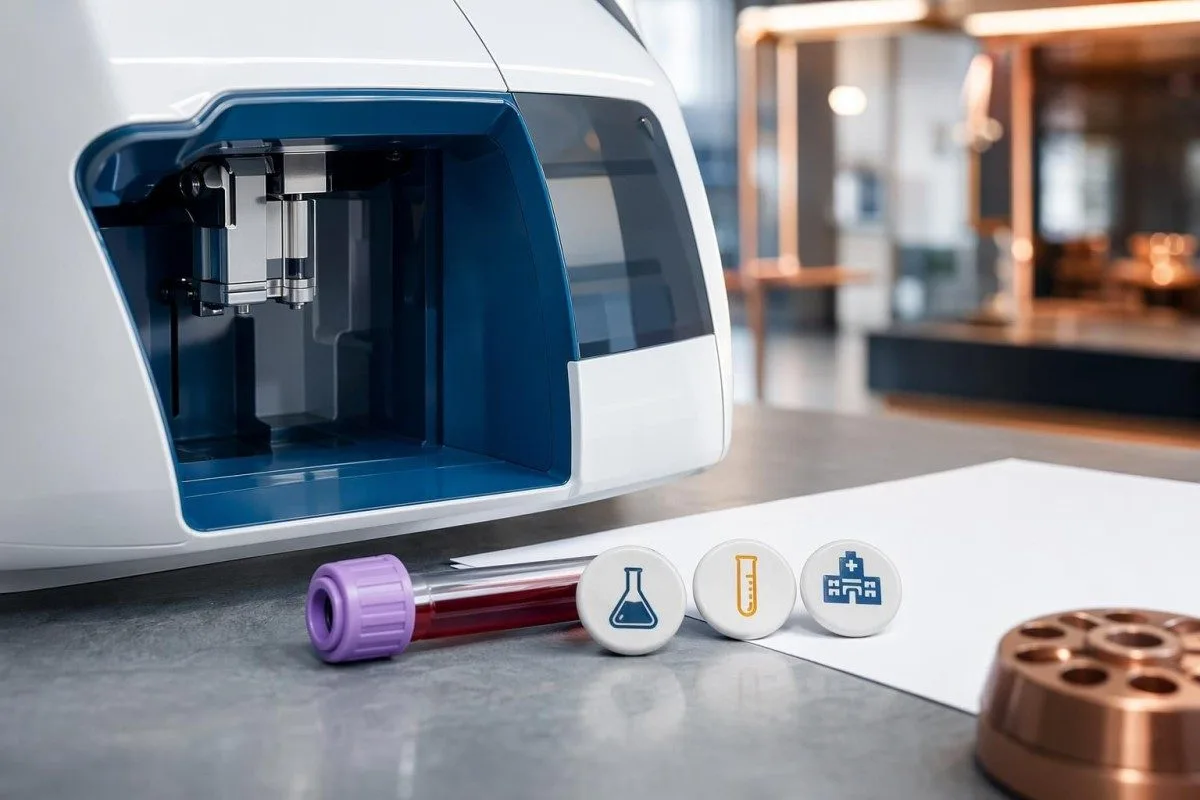
ຄູ່ມືທີ່ນຳພາໂດຍແພດຜູ້ປະຕິບັດ ເພື່ອຊ່ວຍຄາດຄະເນລາຄາການກວດໃນຫ້ອງທົດລອງປະຈຳກ່ອນທີ່ທ່ານຈະສັ່ງກວດ. ສິ່ງທີ່ເຮັດໃຫ້ມີຄວາມປະຫຼາດໃຈຫຼາຍສ່ວນຫຼາຍບໍ່ແມ່ນຕົວການກວດເອງ, ແຕ່ເປັນຄ່າເກັບຕົວຢ່າງ, ສະຖານທີ່ໃນການອອກໃບບິນ, ແລະການກວດຊ້ຳ.

- ຄ່າໃຊ້ການກວດເລືອດ ໂດຍປົກກະຕິແມ່ນລວມລາຄາການທົດສອບ, ຄ່າເກັບຕົວຢ່າງ, ຄ່າປະມວນຜົນ ຫຼືຄ່າສະຖານທີ່, ແລະຄ່າທີ່ແພດຫຼືຄ່າສັ່ງກວດອື່ນໆ.
- ການກວດເລືອດເປັນປົກກະຕິ ລາຄາແຕກຕ່າງຫຼາຍ: ການກວດ CBC ອາດມີລາຄາປະມານ $10-$60 ສຳລັບການຈ່າຍເງິນສົດ, ໃນຂະນະທີ່ການກວດວິຕາມິນ D ອາດມີລາຄາ $30-$150 ຂຶ້ນກັບສະຖານທີ່.
- ການກວດເລືອດມາດຕະຖານ ກຸ່ມການກວດ (panels) ມັກຈະຖືກກວ່າການສັ່ງກວດຕົວຊີ້ວັດດຽວທີລະອັນ, ແຕ່ຈະປະຢັດໄດ້ກໍຕໍ່ເມື່ອທ່ານຈຳເປັນຕ້ອງກວດສ່ວນໃຫຍ່ຂອງການກວດທີ່ລວມມາໃນຊຸດແທ້ໆ.
- ສະຖານະການມີປະກັນໄພ ປ່ຽນແປງໃບບິນ ເພາະວ່າລາຄາລາຍການ, ຈຳນວນທີ່ປະກັນໄພຍອມຮັບ (negotiated allowed amount), ຄວາມຮັບຜິດຊົດເຊີຍກ່ອນ (deductible responsibility), ແລະລາຄາຈ່າຍເງິນສົດ ອາດເປັນຕົວເລກທີ່ບໍ່ຄືກັນ.
- ຄ່າເກັບເລືອດ ມັກຈະເພີ່ມ $5-$35 ໃນສະຖານທີ່ທີ່ເປັນອິດສະຫຼະ (independent settings) ແລະອາດສູງກວ່າຫຼາຍໃນພາກສ່ວນຄົນເຈັບນອກຂອງໂຮງໝໍ.
- ສະຖານທີ່ ມີຄວາມສຳຄັນ: ການກວດເລືອດຂອງໂຮງໝໍສຳລັບຄົນເຈັບນອກອາດຈະຄິດແພງກວ່າຫ້ອງທົດລອງອິດສະຫຼະ 2-10 ເທົ່າ ສຳລັບການກວດເຄມີປະຈຳທົ່ວໄປອັນດຽວກັນ.
- ການກວດຊ້ຳ ຄຸ້ມຄ່າທີ່ຈະຈ່າຍເມື່ອເວລາກະທົບການຈັດການ; ການກວດຄ່າໂພແທດຊຽມທີ່ຢູ່ໃກ້ຂອບເຂດຫຼັງຈາກການເກັບຕົວຢ່າງທີ່ຍາກ ສາມາດປ້ອງກັນການດູແລສຸກເສີນທີ່ບໍ່ຈຳເປັນ.
- ການຄວບຄຸມຄ່າໃຊ້ ເລີ່ມກ່ອນການສັ່ງກວດ: ຂໍລະຫັດ CPT, ລາຄາຈ່າຍເງິນສົດ, ຄ່າເກັບຕົວຢ່າງ, ຄ່າສະຖານທີ່, ເວລາຄາດວ່າຈະໄດ້ຜົນ, ແລະວ່າແພັກເປັນຊຸດຈະຖືກກວ່າການກວດແຕ່ລາຍການບໍ.
ອັນໃດທີ່ກຳນົດຄ່າໃຊ້ການກວດເລືອດແທ້?
ຄ່າໃຊ້ການກວດເລືອດ ປ່ຽນແປງເພາະທ່ານຈ່າຍຫຼາຍກວ່າຢ່າງດຽວ: ການທົດລອງຂອງຫ້ອງທົດລອງ, ການເກັບຕົວຢ່າງ, ການປະມວນຜົນ, ຄ່າໃຊ້ພື້ນທີ່ຂອງສະຖານທີ່, ສັນຍາປະກັນໄພ, ແລະບາງຄັ້ງການກວດຊ້ຳ. ນັບແຕ່ວັນທີ 27 ເມສາ 2026, ການກວດ CBC ປະຈຳອາດເປັນ $10-$60 ຈ່າຍເງິນສົດ, ໃນຂະນະທີ່ຊຸດກວດເຄມີທີ່ໂຮງໝໍຄິດໃຫ້ອາດຈະສູງກວ່າ $200. ຂອງພວກເຮົາ ຄ່າກວດເລືອດ ເຄື່ອງມືຊ່ວຍໃຫ້ຄົນເຈັບເຂົ້າໃຈຜົນຫຼັງການກວດ, ແຕ່ການປະຢັດທີ່ສະຫຼາດທີ່ສຸດເກີດຂຶ້ນກ່ອນທີ່ຈະສັ່ງກວດ.
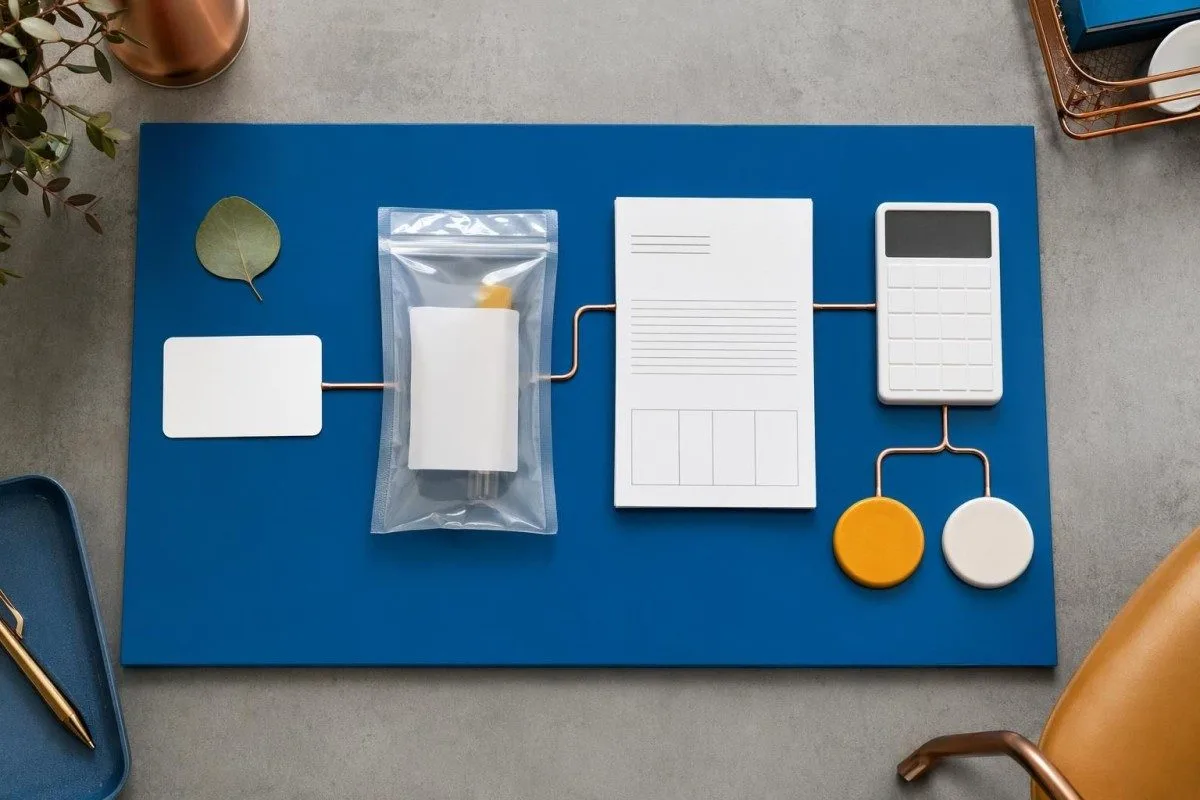
ໃນຄລິນິກ, ຂ້ອຍພົບເຫັນບໍ່ຄ່ອຍວ່າຄົນເຈັບຈະຕົກໃຈກັບ ferritin ສູງ ຫຼື ວິຕາມິນດີຕ່ຳ; ພວກເຂົາຕົກໃຈກັບໃບບິນ $187 ສຳລັບສິ່ງທີ່ພວກເຂົາຄິດວ່າເປັນຫຼອດລາຄາຖືກອັນດຽວ. ທ່ານດຣ. Thomas Klein ເຄີຍເຫັນຮູບແບບນີ້ຊ້ຳໆ: ອັນດຽວກັນ ການກວດເລືອດປະຈຳ ສາມາດກຳນົດລາຄາໄດ້ 3 ວິທີ — ລາຄາລາຍການ, ຈຳນວນທີ່ປະກັນໄພອະນຸຍາດ, ແລະລາຄາຈ່າຍເງິນສົດສ່ວນຕົວ.
ການກວດເລືອດທົ່ວໄປບໍ່ໄດ້ຖືກລາຄາແບບດຽວກັບສິນຄ້າໃນຮ້ານຂາຍອາຫານ. CMP ອາດຈະມີລາຄາ $15-$80 ທີ່ຫ້ອງທົດລອງຈ່າຍເງິນສົດ, ແຕ່ເກືອບກັນກັບ sodium, potassium, creatinine, ALT ແລະ glucose ອັນດຽວກັນ ສາມາດຖືກບິນແຍກຕ່າງຫາກໄດ້ ຖ້າສະຖານທີ່ໃຊ້ການບິນແບບລາຍການສຳລັບຄົນເຈັບນອກຂອງໂຮງໝໍ.
ການກະທຳທີ່ເປັນປະໂຫຍດແມ່ນການຄາດຄະເນລາຄາທັງໝົດຂອງການພົບແພດ, ບໍ່ແມ່ນແຕ່ຊື່ຫ້ອງທົດລອງ. ສຳລັບການແຈກແຍກລາຄາແບບລຶກກວ່າພຽງແຕ່ລາຄາ, ຄູ່ມືຂອງພວກເຮົາກ່ຽວກັບ ລາຄາການກວດໃນຫ້ອງທົດລອງປະຈຳ ອະທິບາຍວ່າ ຊ່ວງລາຄາຈ່າຍເງິນສົດທົ່ວໄປທີ່ຄົນເຈັບເຫັນໂດຍບໍ່ມີປະກັນໄພແມ່ນຫຍັງ.
ປະກັນໄພ, ລາຄາຈ່າຍເງິນສົດ, ແລະໃບບິນທີ່ທ່ານຈ່າຍຈິງ
ປະກັນໄພປ່ຽນແປງຄ່າກວດເລືອດ ເພາະຈຳນວນທີ່ຖືກບິນບໍ່ແມ່ນຈຳນວນທີ່ຕ້ອງຈ່າຍ. ຕົວເລກທີ່ສຳຄັນແມ່ນ ຈຳນວນທີ່ອະນຸຍາດ ຫຼັງຈາກຜູ້ປະກັນໄພປະມວນການຮ້ອງຂໍ, ລົບດ້ວຍຈຳນວນທີ່ແຜນຂອງທ່ານຈ່າຍກ່ອນ ຫຼື ຫຼັງຈາກການຫັກຄ່າຫຼຸດພັກ (deductible).
ຄົນເຈັບທີ່ມີແຜນ deductible ສູງ ອາດຈະຈ່າຍອັດຕາທີ່ຕົກລົງທັງໝົດຈົນກວ່າຈະບັນລຸ deductible. ຄົນເຈັບທີ່ບໍ່ມີປະກັນໄພ ອາດຈະຈ່າຍເປັນຊຸດລາຄາສົດຕ່ຳກວ່າ ຖ້າຂໍລ່ວງໜ້າ, ໂດຍສະເພາະສຳລັບ CBC, CMP, lipid panel, TSH ຫຼື HbA1c.
ສິ່ງທີ່ແປກຄື ລາຄາຈ່າຍເງິນສົດສາມາດຖືກກວ່າລາຄາທີ່ປະກັນໄພຈ່າຍ. ຂ້ອຍເຄີຍເຫັນ HbA1c ຈ່າຍເງິນສົດ $22 ກາຍເປັນການຄິດຄ່າ $96 ທີ່ຜ່ານການປະມວນໂດຍປະກັນໄພ ເພາະຄົນເຈັບໃຊ້ຈຸດເກັບຕົວຢ່າງຄົນເຈັບນອກຂອງໂຮງໝໍທີ່ຜູກກັບຄ່າສະຖານທີ່.
Kantesti ເປັນບໍລິສັດຂອງອັງກິດທີ່ບໍລິການຜູ້ໃຊ້ໃນ 127+ ປະເທດ, ດັ່ງນັ້ນພວກເຮົາຈຶ່ງໄດ້ຮັບລາຍງານຈາກລະບົບສ່ວນຕົວ, ລັດ ແລະປະສົມ; ບົດຮຽນເລື່ອງການບິນເດີນທາງໄດ້ດີກວ່າທີ່ຄາດ. ທ່ານອ່ານເພີ່ມໄດ້ກ່ຽວກັບ Kantesti ໃນຖານະເປັນອົງກອນ ແລະເຫດຜົນທີ່ພວກເຮົາແຍກການອ່ານຜົນອອກຈາກກົນໄກທາງທຸລະກິດຂອງການສັ່ງກວດໃນຫ້ອງທົດລອງ.
ຄ່າດຶງເລືອດ ແລະຄ່າຈັດການທີ່ຄົນເຈັບມັກພາດ
ຄ່າເກັບຕົວຢ່າງແມ່ນຄ່າທີ່ແຍກຕ່າງສຳລັບການເກັບ ແລະກຽມຕົວຢ່າງຂອງຫ້ອງທົດລອງ, ແລະມັນສາມາດເພີ່ມ $5-$35 ໃນຫຼາຍສະຖານທີ່ຄົນເຈັບນອກ. ຄ່າເກັບຕົວຢ່າງຄົນເຈັບນອກຂອງໂຮງໝໍ ຫຼືສູນດ່ວນ ອາດສູງກວ່າ, ບາງຄັ້ງ $50-$150 ກ່ອນຈະມີການບິນຄ່າກວດຈິງ.
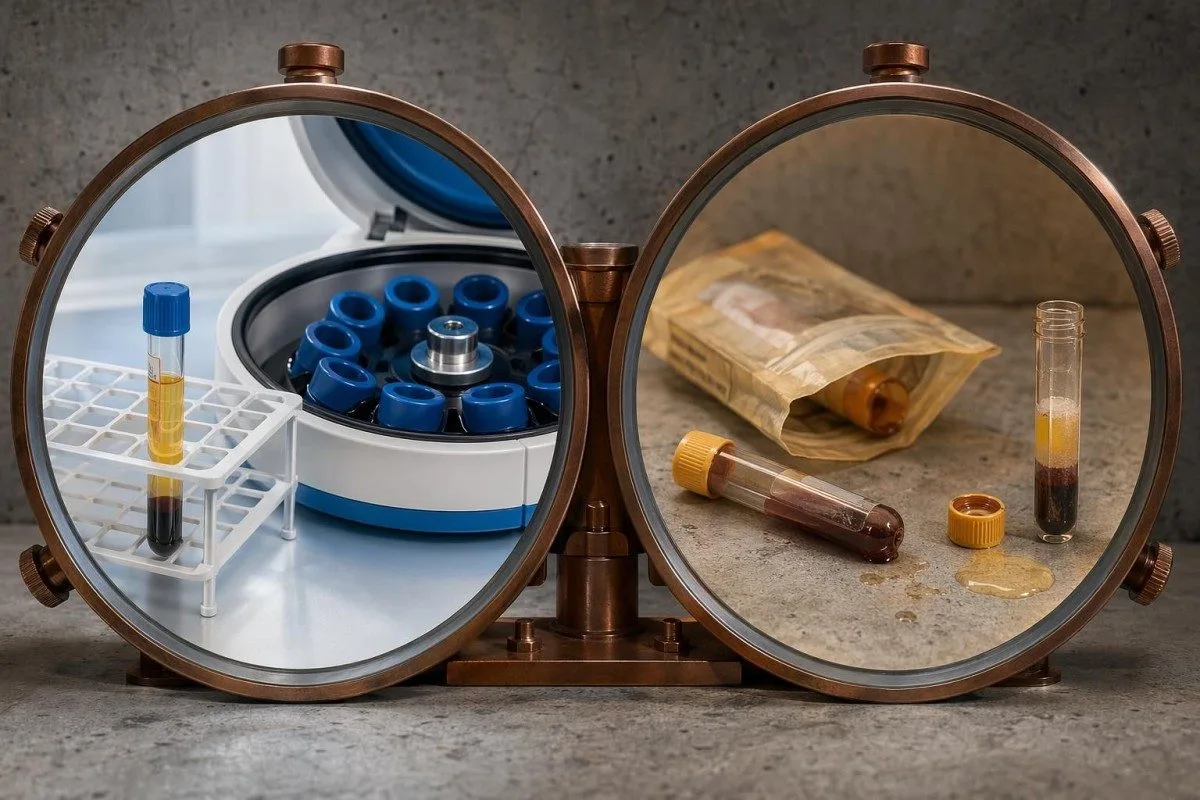
ຄ່ານີ້ອາດຄຸ້ມຄອງເວລາຂອງການເຈາະເລືອດ, ການຈັດການຫຼອດ, ການປັ່ນເຊັນຕຣີຟູກ, ການຫຸ້ມຫໍ່ຮັກສາຄວາມເຢັນ (cold-chain packaging), ການຂົນສົ່ງດ້ວຍຄົນຂົນສົ່ງ (courier transport) ແລະການບັນທຶກເຂົ້າລະບົບຂອງຫ້ອງທົດລອງ. ບໍ່ມີສິ່ງໃດປ່ຽນວ່າ potassium ຂອງທ່ານແມ່ນ 4.2 mmol/L, ແຕ່ມັນປ່ຽນໃບບິນ.
ຄົນເຈັບບາງຄົນສັ່ງກວດລາຄາຖືກໜຶ່ງຢ່າງ ແລ້ວຈ່າຍເພີ່ມສຳລັບຄ່າເກັບຕົວຢ່າງຫຼາຍກວ່າຄ່າກວດວິເຄາະ. CBC $12 ບວກກັບຄ່າເກັບຕົວຢ່າງ $25 ຍັງເປັນການພົບພົບ $37 ຢູ່, ເຊິ່ງມີຄວາມສຳຄັນຖ້າທ່ານກວດຊ້ຳທຸກ 8-12 ອາທິດ.
ຖ້າທ່ານຄົ້ນຫາສະຖານທີ່ໃກ້ບ້ານ, ກວດເບິ່ງວ່າລາຄາທີ່ລະບຸນັ້ນລວມຄ່າເກັບຕົວຢ່າງບໍ. ບົດຄວາມຂອງພວກເຮົາກ່ຽວກັບການເລືອກການ ສູນກວດທີ່ເຊື່ອຖືໄດ້ໃນທ້ອງຖິ່ນ ລວມຄຳຖາມດ້ານຄຸນນະພາບທີ່ຂ້ອຍຈະຖາມກ່ອນຈະຍອມໃຫ້ລາຄາຕັດສິນທຸກຢ່າງ.
ກຸ່ມການກວດ (panels) ທຽບກັບການກວດແຕ່ລະລາຍການ: ເມື່ອໃດການຈັດເປັນຊຸດຈະປະຢັດເງິນ
ແພັກເກັດ (panel) ຊ່ວຍປະຢັດເງິນ ເມື່ອມັນລວມຫຼາຍການກວດທີ່ທ່ານຕ້ອງການຢູ່ແລ້ວ ແລະລາຄາທີ່ລວມມາຖືກກວ່າລວມຄ່າກວດແຕ່ລາຍຢ່າງ. A ການກວດເລືອດມາດຕະຖານ ມັກໝາຍເຖິງ CBC ບວກກັບຕົວຊີ້ວັດສານທາງເຄມີ (chemistry markers) ແຕ່ເນື້ອໃນທີ່ແນ່ນອນຈະແຕກຕ່າງຕາມປະເທດ, ຄລີນິກ ແລະຜູ້ຂາຍໂຮງງານກວດວິເຄາະ.
CMP ເປັນຕົວຢ່າງທີ່ດີ. ການສັ່ງ sodium, potassium, chloride, bicarbonate, creatinine, glucose, calcium, albumin, bilirubin, ALP, ALT ແລະ AST ແຕ່ລະຢ່າງຕ່າງຫາກ ມັກຈະແພງກວ່າ panel ກວດສານເຄມີ (chemistry panel) ອັນດຽວ.
ແພັກເກັດຈະກາຍເປັນຂີ້ເສຍ ເມື່ອ panel ຖືກເພີ່ມຕົວຊີ້ວັດມູນຄ່າຕ່ຳ. ແພັກເກັດ wellness 28 ການກວດອາດຈະເບິ່ງຄຸ້ມຄ່າ ແຕ່ຖ້າ 12 ການກວດບໍ່ມີແຜນການປະຕິບັດ, ທ່ານກຳລັງຊື້ຄວາມກັງວົນ ແລະຄ່າໃຊ້ຈ່າຍຕິດຕາມ.
ເວລາຂ້ອຍທົບທວນ panel ທີ່ສະແດງ AST 89 IU/L ໃນນັກແລ່ນ marathon ອາຍຸ 52 ປີ, ຂ້ອຍຖາມກ່ອນເລື່ອງການຝຶກ, ເຫຼົ້າ, ອາຫານເສີມ ແລະອາການກ່ຽວກັບກ້າມເນື້ອ ກ່ອນຈະແນະນຳການກວດອື່ນເພີ່ມ. ຂອງພວກເຮົາ ແຜງການກວດເລືອດຢ່າງລະອຽດ ຄູ່ມືອະທິບາຍວ່າຕົວຊີ້ວັດທີ່ລວມມາມັກຈະສຳຄັນ ແລະຕົວໃດທີ່ມັກເປັນພຽງການຕົກແຕ່ງ.
ຊ່ວງລາຄາຈ່າຍເງິນສົດທົ່ວໄປສຳລັບການກວດເລືອດປະຈຳ ແລະການກວດມາດຕະຖານ
ລາຄາຈ່າຍເງິນສົດສຳລັບການກວດເລືອດທົ່ວໄປ ມີຕັ້ງແຕ່ປະມານ $10 ສຳລັບ CBC ອັນດຽວຢູ່ໂຮງງານລາຄາຖືກ ໄປຫາ $150 ຫຼືຫຼາຍກວ່ານັ້ນສຳລັບການກວດວິເຄາະວິຕາມິນ ຫຼືຮໍໂມນສະເພາະ. ຊ່ວງເຫຼົ່ານີ້ແມ່ນການຄາດຄະເນ, ບໍ່ແມ່ນການຮັບປະກັນ, ເພາະວ່າພາສີ, ສະກຸນເງິນ, ຄ່າເກັບຕົວຢ່າງ ແລະຄ່າບໍລິການສະຖານທີ່ຈະແຕກຕ່າງກັນ.

A ການກວດເລືອດປະຈຳ panel ໃນຕະຫຼາດພາກເອກະຊົນຂອງອັງກິດ ອາດຈະປະມານ £40-£150 ກ່ອນຄ່າປຶກສາເພີ່ມ. ໃນຫຼາຍສະຖານການຈ່າຍເອງໃນສະຫະລັດ, CBC ພື້ນຖານ, CMP ແລະ lipid panel ຮ່ວມກັນ ອາດຈະຢູ່ປະມານ $45-$180 ຖ້າເກັບຢູ່ນອກສະຖານພະຍາບານ.
ການອົດອາຫານສາມາດມີຜົນຕໍ່ວ່າທ່ານຈຳເປັນຕ້ອງກວດຊ້ຳ glucose ຫຼື triglycerides ບໍ. ກ່ອນຈະຈ່າຍຊ້ຳສອງຄັ້ງ, ກວດເບິ່ງຄູ່ມືຂອງພວກເຮົາວ່າ ການກວດທົ່ວໄປອັນໃດທີ່ຕ້ອງອົດອາຫານ.
ການກວດສະເພາະຈະຂະຫຍາຍຊ່ວງຄວາມແຕກຕ່າງ. ວິຕາມິນດີມັກຈະເປັນ $30-$150, ApoB ອາດເປັນ $25-$90, ພູມຕ້ານທານຕ່ອມໄທລອຍສາມາດເປັນ $30-$120 ແຕ່ລະອັນ, ແລະການກວດຮໍໂມນເພດອາດຈະແຕກຕ່າງຕາມວິທີການຫຼາຍກວ່າທີ່ຄົນເຈັບຄາດຫວັງ.
ເປັນຫຍັງສະຖານທີ່ຈຶ່ງປ່ຽນແປງໃບບິນຂອງຫ້ອງທົດລອງ
ຄ່າກວດເລືອດປ່ຽນໄປຕາມສະຖານທີ່ ເພາະໂຮງໝໍ ສູນກວດຄົນເຈັບນອກ ບໍລິສັດກວດທີ່ເອກະລາດ ບໍລິການເກັບເລືອດທີ່ບ້ານ ແລະຈຸດສັ່ງກວດໂດຍກົງ ຈະບວກຄ່າໃຊ້ພາລະທີ່ຕ່າງກັນເຂົ້າໃນຕົວຊີ້ວັດດຽວກັນ. ຜົນ creatinine 0.9 mg/dL ອາດມາຈາກແຜງເງິນສົດ $12 ຫຼືການຮຽກເກັບຂອງໂຮງໝໍທີ່ເກີນ $150.
ພະແນກຄົນເຈັບນອກຂອງໂຮງໝໍມັກມີຄ່າບໍລິການສະຖານທີ່ທີ່ບໍ່ມີຢູ່ໃນຫ້ອງທົດລອງເອກະລາດ. ຄວາມແຕກຕ່າງນີ້ບໍ່ແມ່ນບໍ່ຍຸດຕິທຳອັດຕະໂນມັດ — ໂຮງໝໍຮັບພາລະການຈັດພະນັກງານ 24 ຊົ່ວໂມງ ການຮັບຮອງທີ່ຊັບຊ້ອນ ແລະຄວາມພ້ອມສຳລັບສຸກເສີນ — ແຕ່ມັນອາດຈະເປັນພາລະຫນັກສຳລັບການຕິດຕາມປົກກະຕິ.
ການເກັບທີ່ບ້ານຊ່ວຍປະຢັດເວລາເດີນທາງ ແຕ່ເພີ່ມຄ່າບໍລິການ. ຊຸດກວດທີ່ບ້ານອາດເໝາະສົມສຳລັບບັນຫາການເຄື່ອນໄຫວ ໄລຍະທາງໄກໃນຊົນນະບົດ ຫຼືການຕິດຕາມຊ້ຳໆ ແຕ່ຂອງພວກເຮົາ ກວດເລືອດຢູ່ບ້ານ ຄູ່ມືອະທິບາຍວ່າເຫດຜົນທີ່ຄຸນນະພາບການເກັບ ແລະເວລາຂົນສົ່ງມີຄວາມສຳຄັນ.
ສຳລັບການກວດຊ້ຳທີ່ງ່າຍໆ ປົກກະຕິຂ້ອຍບອກໃຫ້ຄົນເຈັບຖາມວ່າ ສະຖານທີ່ເກັບທີ່ບໍ່ແມ່ນໂຮງໝໍສາມາດເປັນໄດ້ບໍ. ຄຳຖາມດຽວນັ້ນສາມາດຫຼຸດຄ່າໃຊ້ຈ່າຍຈາກກະເປົາລົງ 30-70% ໃນບາງຕະຫຼາດ.
ການກວດຊ້ຳ: ເມື່ອຜົນທີສອງຄຸ້ມຄ່າ
ການກວດຊ້ຳຄຸ້ມຄ່າກັບຄ່າໃຊ້ຈ່າຍ ເມື່ອຜົນຄັ້ງທຳອິດອາດບໍ່ໝັ້ນຄົງທາງຊີວະພາບ ບໍ່ເຊື່ອຖືໄດ້ທາງດ້ານເຕັກນິກ ຫຼືໃກ້ກັບຂອບເກນການຕັດສິນທາງຄລີນິກ. Kantesti AI ສາມາດຕິດຕາມຜົນຕາມເວລາໄດ້ ແຕ່ການຕີຄວາມແນວໂນ້ມຈະເປັນປະໂຫຍດກໍ່ເມື່ອເວລາກວດຊ້ຳສອດຄ່ອງກັບຊີວະພາບຂອງຕົວຊີ້ວັດ.

ໂພແທດຊຽມແມ່ນຕົວຢ່າງຄລາສສິກ. ໂພແທດຊຽມ 5.7 mmol/L ຫຼັງຈາກການເກັບທີ່ຍາກ ອາດປັບປ່ຽນເປັນ 4.4 mmol/L ໃນການກວດຊ້ຳ ຊ່ວຍຫຼີກລ່ຽງການໄປຫ້ອງສຸກເສີນ ຖ້າຄົນເຈັບສະບາຍດີ ແລະແພດເຫັນດີວ່າປອດໄພທີ່ຈະກວດຊ້ຳ.
ການກວດຊ້ຳອື່ນໆບໍ່ຄວນຮີບຮ້ອນ. HbA1c ສະທ້ອນການກ່ອນນ້ຳຕານປະມານ 8-12 ອາທິດ, TSH ມັກຈະຕ້ອງໃຊ້ 6-8 ອາທິດຫຼັງການປ່ຽນຂະໜາດຢາ levothyroxine, ແລະ ferritin ອາດຍັງບິດເບືອນຢູ່ເປັນຫຼາຍອາທິດຫຼັງຈາກເຈັບປ່ວຍສຸກເສີນ.
ໃນການວິເຄາະຂອງພວກເຮົາກ່ຽວກັບໃບລາຍງານກວດເລືອດທີ່ອັບໂຫຼດ 2M+, ຮູບແບບການກວດຊ້ຳທີ່ເປັນປະໂຫຍດສຸດແມ່ນມີໄລຍະຫ່າງພໍທີ່ຈະສະແດງທິດທາງ. ຂອງພວກເຮົາ ປະຫວັດການກວດເລືອດ ຄຸນສົມບັດນີ້ຖືກສ້າງຂຶ້ນ ເພາະຄ່າຂອບເຂດດຽວມັກຈະຊັກນຳໄດ້ຫຼາຍກວ່າແນວໂນ້ມທີ່ສະໝ່ຳສະເໝີໃນໄລຍະ 3 ປີ.
ການກວດເລືອດທົ່ວໄປອັນໃດທີ່ຄວນຈ່າຍກ່ອນ?
ການກວດເລືອດທົ່ວໄປທີ່ມີຄ່າສູງສຸດ ແມ່ນການກວດທີ່ກົງກັບອາຍຸ ປັດໃຈສ່ຽງ ອາການ ແລະປະຫວັດການໃຊ້ຢາຂອງທ່ານ. ສຳລັບຜູ້ໃຫຍ່ຫຼາຍຄົນ, CBC, CMP, HbA1c ຫຼື glucose ຂະໜາດທ້ອງວ່າງ, ແຜງໄຂມັນ, TSH ເມື່ອມີອາການ, ferritin ເມື່ອມີໂລຫິດຈາງ (anemia) ຫຼືຜົມຫຼົ່ນ, ແລະຕົວຊີ້ວັດຂອງໝາກໄຂ່ຫຼັງ ເມື່ອມີຄວາມສ່ຽງ ແມ່ນເປັນປະໂຫຍດຫຼາຍກວ່າແຜງກວດທີ່ກວ້າງໆດ້ວຍຄວາມຢາກຮູ້.
USPSTF ແນະນຳໃຫ້ຄັດກອງຜູ້ໃຫຍ່ອາຍຸ 35-70 ປີ ທີ່ມີນ້ຳໜັກເກີນ ຫຼືພະຍາດອ້ວນ ສຳລັບ prediabetes ແລະໂລກເບົາຫວານປະເພດ 2 ເຊິ່ງເຮັດໃຫ້ HbA1c ຫຼື glucose ຂະໜາດທ້ອງວ່າງ ເປັນການກວດທີ່ເຫມາະສົມທີ່ຈ່າຍໃນກຸ່ມນັ້ນ (USPSTF, 2021). HbA1c 6.5% ຫຼືສູງກວ່າ ຕອບສະໜອງຂອບເກນຂອງຫ້ອງທົດລອງສຳລັບການວິນິດໄຊໂລກເບົາຫວານ ເມື່ອຢືນຢັນຢ່າງເໝາະສົມ.
ຄູ່ມືຄຳແນະນຳດ້ານໄຂມັນຂອງ 2018 AHA/ACC ສະໜັບສະໜູນການກວດໄຂມັນເພື່ອປະເມີນຄວາມສ່ຽງດ້ານຫົວໃຈ ແລະ LDL-C ຍັງຄົງເປົ້າໝາຍການຮັກສາຫຼັກໃນຜູ້ໃຫຍ່ທີ່ມີຄວາມສ່ຽງສູງ (Grundy et al., 2019). ຖ້າທ່ານກຳລັງຕັດສິນໃຈລະຫວ່າງການກວດ, ຫຼືແຜງຄັດກອງລ່າສຸດ, ລອງ ຫຼືແຜງໄຂມັນ ມັກຈະມີຂັ້ນຕອນການປະຕິບັດທີ່ຊັດເຈນກວ່າຊຸດກວດໄມໂຄຣສານອາຫານສຸ່ມໆ.
ການຄັດກອງສຳລັບໝາກໄຂ່ຫຼັງແມ່ນບ່ອນທີ່ບາງຄັ້ງຄົນເຈັບຊື້ການກວດທີ່ບໍ່ຖືກ. KDIGO 2024 ເນັ້ນທັງ eGFR ແລະອັດຕາສ່ວນ albumin ຕໍ່ creatinine ໃນປັດສະວະ ສຳລັບການປະເມີນ CKD ດັ່ງນັ້ນການຈ່າຍຄ່າ cystatin C ກ່ອນ creatinine ແລະ albuminuria ພື້ນຖານ ມັກຈະຍ້ອນກັບທິດ ຍົກເວັ້ນວ່າແພດມີເຫດຜົນ (KDIGO, 2024). ສຳລັບລາຍລະອຽດດ້ານໄຂມັນ ເບິ່ງຂອງພວກເຮົາ ຜົນການກວດໄຂມັນໃນເລືອດ ທີ່ແນະນຳ.
ການອົດອາຫານ ແລະເວລາການກວດ ຊ່ວຍປ້ອງກັນການກວດຊ້ຳທີ່ບໍ່ຈຳເປັນແນວໃດ
ການກວດທ້ອງວ່າງ ແລະການກຳນົດເວລາ ຊ່ວຍຫຼຸດຄ່າກວດເລືອດ ໂດຍການຫຼຸດໂອກາດທີ່ຈະໄດ້ຜົນທີ່ຊັກນຳ ເຊິ່ງຕ້ອງກວດຊ້ຳ. Glucose, triglycerides, cortisol, testosterone, ການກວດການເຄື່ອນໄຫວຂອງເຫຼັກ (iron studies) ແລະລະດັບຢາບາງຊະນິດ ໂດຍສະເພາະຈະອ່ອນໄຫວຕໍ່ເວລາ ອາຫານ ຫຼືອາຫານເສີມ.
Triglycerides ອາດສູງຂຶ້ນຢ່າງຫຼວງຫຼາຍຫຼັງອາຫານມີໄຂມັນສູງ ໃນຂະນະທີ່ glucose ຂະໜາດທ້ອງວ່າງ ອາດເບິ່ງສູງຂຶ້ນຫຼັງນອນບໍ່ພໍ ຄວາມກົດດັນສຸກເສີນ ຫຼືຢາສະເຕີຣອຍ. ຄູ່ມືຂອງພວກເຮົາ ການງົດອາຫານກ່ອນກວດເລືອດ ໃຫ້ກົດເກນການກຳນົດເວລາທີ່ເປັນປະໂຫຍດສຳລັບນ້ຳ ກາເຟ ແລະຄຳຖາມກ່ຽວກັບຢາ.
Biotin ແມ່ນຕົວກຳນົດຄ່າໃຊ້ຈ່າຍທີ່ແຝງຢູ່. ຂະໜາດ 5,000-10,000 micrograms ຕໍ່ມື້ ສາມາດແຊກແຊງກັບການກວດພູມຄຸ້ມກັນຂອງ thyroid ແລະຮໍໂມນບາງຢ່າງ ເຮັດໃຫ້ໄດ້ຜົນທີ່ບໍ່ສອດຄ່ອງກັບຄົນເຈັບ ແລະມັກຈະກະຕຸ້ນໃຫ້ກວດຊ້ຳ.
ການອອກກຳລັງກໍສາມາດທຳໃຫ້ຕົວເລກບິດເບືອນໄດ້. ການຝຶກຄວາມແຂງແຮງຢ່າງໜັກ 24-48 ຊົ່ວໂມງກ່ອນການກວດອາດຈະເພີ່ມ CK, AST ແລະບາງຄັ້ງ ALT, ນີ້ແມ່ນເຫດທີ່ຂ້ອຍຖາມນັກກິລາເລື່ອງການຝຶກກ່ອນສັ່ງກວດການເຮັດວຽກຂອງຕັບ. ຖ້າຕົວເລກການກວດໄທລອຍເບິ່ງແປກ, ຂອງພວກເຮົາ ການກວດໄທລອຍ ແລະ biotin ບົດຄວາມນີ້ຄວນອ່ານກ່ອນຈ່າຍເພື່ອການກວດຊ້ຳອີກຄັ້ງ.
ວິທີຄາດຄະເນຄ່າໃຊ້ຂອງທ່ານກ່ອນທີ່ຈະສັ່ງກວດ
ທ່ານສາມາດຄາດຄະເນຄ່າກວດເລືອດໄດ້ໂດຍການຂໍຊື່ການກວດ, CPT ຫຼື ລະຫັດການເກັບເງິນທ້ອງຖິ່ນ, ຄ່າເກັບຕົວຢ່າງ, ຄ່າສະຖານທີ່, ລາຄາຈ່າຍສົດ, ການຄາດຄະເນວ່າປະກັນຈະອະນຸຍາດເທົ່າໃດ, ແລະວ່າຫ້ອງທົດລອງຢູ່ໃນເຄືອຂ່າຍບໍ. ເຮັດແບບນີ້ກ່ອນຈະເກັບຕົວຢ່າງ, ເພາະການປັບປ່ຽນການເກັບເງິນຫຼັງຈາກນັ້ນຍາກກວ່າຫຼາຍ.

ຂໍໃຫ້ລະບຸອົງປະກອບຂອງແພັກເຈາະຈົງໆ. ແພັກເຄມີມາດຕະຖານອາດມີ 14 ຕົວຊີ້ວັດໃນບ່ອນໜຶ່ງ ແລະ 17 ໃນອີກບ່ອນ, ແລະ ແພັກການກວດໄທລອຍອາດໝາຍເຖິງ TSH ຢ່າງດຽວ, TSH ພ້ອມ free T4, ຫຼື TSH ພ້ອມກັບພູມຕ້ານທານ.
ຈາກນັ້ນຖາມວ່າມີລາຄາຈ່າຍສົດບໍ ຖ້າທ່ານຍັງຕ່ຳກວ່າຄ່າຫັກສະສົມ (deductible). ບາງຄລີນິກບໍ່ສາມາດປ່ຽນເສັ້ນທາງການຈ່າຍໄດ້ຢ່າງຖືກກົດໝາຍ ຫຼື ຕາມສັນຍາ ຫຼັງຈາກໃຊ້ປະກັນແລ້ວ, ດັ່ງນັ້ນຕັດສິນໃຈທີ່ໜ້າໂຕະຮັບບັນທຶກ ບໍ່ແມ່ນຫຼັງຈາກສ້າງໃບຮຽກເກັບເງິນ.
ຜູ້ປ່ວຍສັ່ງກວດໂດຍບໍ່ມີທ່ານໝໍຜູ້ຊີ້ນຳຄວນເຂົ້າໃຈກົດລະບຽບທ້ອງຖິ່ນ ແລະ ຄວາມຮັບຜິດຊອບການຕິດຕາມ. ຄູ່ມືຂອງພວກເຮົາກ່ຽວກັບ ກວດເລືອດອອນໄລນ໌ ອະທິບາຍວ່າສາມາດສັ່ງກວດໄດ້ໂດຍກົງແລະເມື່ອໃດການທົບທວນທາງການແພດຈະປອດໄພກວ່າ.
ສະຄຣິບຄາດຄະເນຄ່າໃຊ້ຈ່າຍ
ກ່າວວ່າ: ຂ້ອຍພະຍາຍາມຄາດຄະເນຄ່າໃຊ້ຈ່າຍທີ່ຂ້ອຍຕ້ອງຈ່າຍເອງ. ທ່ານຊ່ວຍຢືນຢັນຊື່ແພັກ, ລະຫັດການເກັບເງິນ, ຄ່າເກັບເລືອດ, ຄ່າສະຖານທີ່, ສະຖານະໃນເຄືອຂ່າຍ, ລາຄາຈ່າຍສົດ ແລະ ມີຜົນການກວດໃດບໍທີ່ຈະຕ້ອງມີການນັດຕິດຕາມທີ່ຈ່າຍເພີ່ມບໍ?
ການຈ່າຍເອງ, HSA, ແລະກັບດັກຈາກການຈອງສະໝັກ
ການຈ່າຍເອງ (self-pay) ສາມາດຫຼຸດຄ່າກວດເລືອດໄດ້ ເມື່ອຊຸດຈ່າຍສົດທີ່ໂປ່ງໃສມາທົດແທນການເກັບເງິນຕາມ deductible ທີ່ສູງ, ແຕ່ການຈອງສະມາຊິກ (subscriptions) ອາດຈະມີລາຄາແພງຖ້າມັນຊັກຈູງໃຫ້ກວດໂດຍບໍ່ມີແຜນ. ລາຄາຕໍ່ເດືອນທີ່ຕ່ຳບໍ່ແມ່ນຂໍ້ດີຖ້າມັນສ້າງ $300 ຂອງການຕິດຕາມທຸກໄຕມາດ.
ບັນຊີອອມເງິນສຸຂະພາບ (health savings accounts) ແລະ ບັນຊີຈ່າຍຢ່າງຍືດຫຍຸ່ນ (flexible spending accounts) ອາດຊ່ວຍຫຼຸດຜ່ອນຜົນກະທົບໄດ້, ແຕ່ພວກມັນບໍ່ໄດ້ເຮັດໃຫ້ການກວດທີ່ມີມູນຄ່າຕ່ຳກາຍເປັນການທີ່ເປັນປະໂຫຍດທາງການແພດ. ຂ້ອຍບອກຜູ້ປ່ວຍໃຫ້ໃຊ້ເງິນ HSA ຄືກັບເງິນສົດ, ເພາະມັນກໍແມ່ນສິ່ງນັ້ນເປັນຫຼັກ.
ແພັກກວດສຸຂະພາບ (wellness panels) ແຕ່ຈະມີສາລະສົມຄວນໄປຫາຈົນວຸ້ນວາຍ. ແພັກ $99 ທີ່ມີ CBC, CMP, ໄຂມັນ (lipids) ແລະ HbA1c ອາດເໝາະສົມສຳລັບຄົນອາຍຸ 48 ປີທີ່ມີຄວາມສ່ຽງຈາກຄອບຄົວ, ແຕ່ແພັກ $399 ທີ່ເຕັມໄປດ້ວຍຕົວຊີ້ວັດມະເຮັງ (tumor markers) ໃນຜູ້ໃຫຍ່ທີ່ສຸຂະພາບດີ ສາມາດສ້າງການເຕືອນໄພທີ່ເປັນຄວາມຈິງບໍ່ໄດ້ (false alarms).
ຫຼັກຖານທີ່ນີ້ຖືກປະສົມກັນຢ່າງຊື່ກົງສຳລັບແພັກກວດຄັດກອງກວ້າງໃນຄົນທີ່ມີຄວາມສ່ຽງຕ່ຳ. ຖ້າທ່ານກຳລັງປຽບທຽບແພັກຂະໜາດໃຫຍ່, ຄູ່ມືຂອງພວກເຮົາ ຄວາມວຸ້ນວາຍຂອງແພັກກວດສຸຂະພາບ ຊ່ວຍແຍກການກວດທີ່ເປັນປະໂຫຍດອອກຈາກການຕະຫຼາດ.
ເມື່ອຖືກກວ່າບໍ່ແມ່ນປອດໄພກວ່າ
ການກວດເລືອດທີ່ຖືກບໍ່ແມ່ນທາງເລືອກທີ່ປອດໄພທີ່ສຸດສະເໝີໄປ ຖ້າການຈັດການຕົວຢ່າງ, ການຮັບຮອງ (accreditation), ການຢືນຢັນຜົນ (result verification) ຫຼື ການຕິດຕາມອ່ອນແອ. ຫ້ອງທົດລອງທີ່ລາຄາຕ່ຳຄວນຍັງໃຊ້ວິທີທີ່ຜ່ານການຢືນຢັນ, ພະນັກງານທີ່ມີຄຸນສົມບັດ, ການຈັດການຂໍ້ມູນທີ່ປອດໄພ ແລະ ເສັ້ນທາງທີ່ຊັດເຈນສຳລັບຜົນທີ່ສຳຄັນ (critical-result pathways).
ຊອກຫາການຮັບຮອງທ້ອງຖິ່ນທີ່ເໝາະສົມກັບປະເທດຂອງທ່ານ, ເຊັ່ນ ISO 15189, ການຢັ້ງຢືນ CLIA ຫຼື ການກຳກັບດູແລລະດັບຊາດທີ່ເທົ່າທຽມ. ຄວາມປອດໄພຂອງຂໍ້ມູນກໍສຳຄັນ; Kantesti ຖືກຮັບຮອງ ISO 27001 ສຳລັບຄວາມປອດໄພຂໍ້ມູນ, ໃນຂະນະທີ່ການຮັບຮອງຂອງຫ້ອງທົດລອງແມ່ນຂໍ້ກຳນົດອີກຢ່າງໜຶ່ງສຳລັບຫ້ອງທົດລອງທີ່ດຳເນີນການທົດສອບ.
ບັນຫາດ້ານຄຸນນະພາບຈະເສຍເງິນໃນພາຍຫຼັງ. ໂພແທດຊຽມ (potassium) ທີ່ເມື່ອຍເມື່ອ (hemolyzed), ການປະມວນຜົນ glucose ຊ້າ, ປະເພດຫຼອດຜິດ, ຫຼື ຕິດປ້າຍຕົວຢ່າງຜິດ ສາມາດກະຕຸ້ນການກວດຊ້ຳ, ນັດເພີ່ມ ແລະ ບາງຄັ້ງການຮັກສາທີ່ບໍ່ຈຳເປັນ.
ທ່ານໝໍຂອງພວກເຮົາທົບທວນມາດຕະຖານເນື້ອຫາຜ່ານ Kantesti's ການກວດສອບທາງການແພດ ຂະບວນການ, ແລະ ການກຳກັບດູແລທາງການແພດຖືກລະບຸຜ່ານຂອງພວກເຮົາ ຄະນະທີ່ປຶກສາທາງການແພດ. ການກວດທີ່ຖືກບໍ່ເປັນຫຍັງ; ການອ່ານຜົນທີ່ຖືກໂດຍບໍ່ມີການປ້ອງກັນ ແມ່ນບ່ອນທີ່ຜູ້ປ່ວຍຈະເຈັບປວດ.
ການຕີຄວາມໂດຍ AI ຫຼັງຈາກການກວດໃນຫ້ອງທົດລອງ
ການຕີຄວາມໝາຍດ້ວຍ AI ສາມາດຫຼຸດຕົ້ນທຶນທີ່ຕາມມາໄດ້ ໂດຍຊ່ວຍໃຫ້ຄົນເຈັບຈັດລະບຽບຜົນກວດ, ກວດພົບແບບແຜນ, ແລະ ກະກຽມຄຳຖາມໄດ້ດີຂຶ້ນ, ແຕ່ບໍ່ສາມາດທົດແທນການຮັກສາດ່ວນ ຫຼື ທ່ານໝໍທີ່ຮູ້ຈັກອາການຂອງທ່ານ. ແພລດຟອມຂອງພວກເຮົາ ວິເຄາະ PDF ຫຼືຮູບພາບທີ່ອັບໂຫຼດໃນປະມານ 60 ວິນາທີ ແລະ ສະໜັບສະໜູນການທົບທວນແນວໂນ້ມຂ້າມການກວດຊ້ຳ.
Kantesti AI ຕີຄວາມໝາຍການກວດເລືອດທົ່ວໄປໂດຍອ່ານໜ່ວຍ, ຊ່ວງອ້າງອີງ, ສັນຍານ, ບໍລິບົດການໃຊ້ຢາ ແລະ ແບບຮູບແບບຂ້າມຕົວຊີ້ວັດ ແທນທີ່ຈະຕັດສິນເອົາຄ່າດຽວໂດຍລຳພັງ. ຄ່າ creatinine 1.2 mg/dL ໝາຍຄວາມໝາຍບໍ່ເໝືອນກັນສຳລັບຄົນອາຍຸ 28 ປີທີ່ມີກ້າມເນື້ອ ກັບຄົນອາຍຸ 82 ປີທີ່ອ່ອນແອ ແລະ eGFR ກຳລັງຫຼຸດລົງ.
ການປະຢັດແມ່ນເປັນໄປໄດ້ຈິງ. ຖ້າຄົນເຈັບອັບໂຫຼດ CBC, CMP, ferritin ແລະ TSH ກ່ອນມາພົບແພດ, ພວກເຂົາມັກຈະຖາມຄຳຖາມທີ່ແຫຼມຂຶ້ນ ແລະ ຫຼີກລ້ຽງການຈ່າຍຄ່າຊຸດການກວດຊ້ຳທີ່ໄດ້ເຮັດແລ້ວ 3 ອາທິດກ່ອນໜ້ານັ້ນ.
ພວກເຮົາໄດ້ຮັບໃບໝາຍ CE ແລະ ສ້າງຂຶ້ນໃຫ້ສອດຄ່ອງກັບຄວາມຄາດຫວັງຂອງ HIPAA ແລະ GDPR, ແຕ່ພວກເຮົາຍັງບອກຜູ້ໃຊ້ເມື່ອອາການມີອຳນາດເໜືອການຕີຄວາມໝາຍຜົນກວດໃນຫ້ອງທົດລອງ. ສຳລັບຂອບເຂດຂອງການເຮັດອັດຕະໂນມັດ, ອ່ານ ການຕີຄວາມໝາຍດ້ວຍ AI ຄູ່ມື, ແລະ ສຳລັບຄວາມປອດໄພຂອງເອກະສານເບິ່ງ ການອັບໂຫຼດ PDF.
ສະຄຣິບທີ່ໃຊ້ໄດ້ຈິງເພື່ອປະຢັດຄ່າໃຊ້ສຳລັບການກວດເລືອດປະຈຳ
ວິທີໄວທີ່ສຸດໃນການປະຢັດເງິນ ແມ່ນຂໍການກວດທີ່ຖືກຕ້ອງ, ເຫດຜົນສຳລັບແຕ່ລະການກວດ, ແລະ ລາຄາທັງໝົດກ່ອນການເກັບຕົວຢ່າງ. ຖ້າທ່ານມີຜົນກວດແລ້ວ, ລອງ ການວິເຄາະເລືອດດ້ວຍ AI ຟຣີຂອງພວກເຮົາ ກ່ອນ ເພື່ອທ່ານຈະຮູ້ວ່າສິ່ງທີ່ຂາດແທ້ໆແມ່ນຫຍັງ ກ່ອນຈ່າຍຄ່າຊຸດການກວດອີກຊຸດໜຶ່ງ.
ໃຊ້ຂໍ້ຄວາມນີ້: ຜົນກວດອັນໃດຈະປ່ຽນແປງການດູແລຂອງຂ້ອຍໃນ 30-90 ວັນຕໍ່ໜ້າ, ແລະ ອັນໃດສາມາດລໍຖ້າໄດ້ຈົນກວດທົບທວນປະຈຳປີ? ຄຳຖາມນີ້ມັກຈະຕັດອອກອົງປະກອບເພີ່ມທີ່ມີມູນຄ່າຕ່ຳ ໂດຍບໍ່ຟັງດູເປັນການປະເຊີນໜ້າ.
ຖາມວ່າຜົນກວດລ່າສຸດສາມາດນຳກັບໃຊ້ໄດ້ບໍ. CBC ປົກກະຕິຈາກ 2 ອາທິດກ່ອນອາດພຽງພໍສຳລັບຈຸດປະສົງທົ່ວໄປຫຼາຍຢ່າງ, ແຕ່ potassium ກ່ອນເລີ່ມໃຊ້ ACE inhibitor ອາດຈຳເປັນຕ້ອງເປັນຂໍ້ມູນປັດຈຸບັນ.
ຮັກສາສຳເນົາທຸກລາຍງານ, ລວມທັງໜ່ວຍ ແລະ ຊ່ວງອ້າງອີງ. ຄົນເຈັບທີ່ສາມາດເຂົ້າເຖິງ ຜົນກວດເລືອດອອນໄລນ໌ ຫຼີກລ້ຽງການຈ່າຍຄ່າກວດຊ້ຳ ພຽງແຕ່ວ່າຜົນກວດເກົ່າບໍ່ມີໃຫ້.
ກວດສອບ 60 ວິນາທີຂອງຂ້ອຍ
ລະບຸຄຳຖາມທາງຄລີນິກ, ລາຍຊື່ການກວດ, ຢືນຢັນເວລາ, ຂໍລາຄາທັງໝົດ, ກວດສະຖານະໃນເຄືອຂ່າຍ, ຫຼີກລ້ຽງຕົວຊີ້ວັດຊ້ຳ, ແລະ ບັນທຶກ PDF. ມັນຟັງຄືພື້ນຖານ. ມັນໃຊ້ໄດ້.
ການຄົ້ນຄວ້າ Kantesti, ການຢືນຢັນ, ແລະຂອບເຂດດ້ານການແພດ
ວຽກຄົ້ນຄວ້າຂອງ Kantesti ຊ່ວຍໃຫ້ການຕີຄວາມໝາຍຫຼັງການກວດມີຄວາມປອດໄພຂຶ້ນ, ບໍ່ແມ່ນການເກັບຕົວຢ່າງໃນຫ້ອງທົດລອງທີ່ຖືກລົງ. ຂອງພວກເຮົາ ການທຽບຄຽງຂອງ Kantesti ເອກະສານວ່າເຄື່ອງຈັກ AI ຖືກປະເມີນແນວໃດໃນຫຼາຍສາຂາ ລວມທັງກໍລະນີກັບດັກທີ່ການວິນິດໄສເກີນຄວາມຈຳເປັນຈະເປັນອັນຕະລາຍ.
ການທຽບຄຽງທີ່ pre-registered ຂອງ Figshare ອະທິບາຍກໍລະນີການກວດເລືອດທີ່ບໍ່ລະບຸຕົວຕົນ 15 ກໍລະນີ ໃນ 7 ສາຂາທາງການແພດ ແລະ ລວມມີກັບດັກ hyperdiagnosis ທີ່ອອກແບບເພື່ອລົງໂທດການຕີຄວາມໝາຍທີ່ໝັ້ນໃຈເກີນໄປ. ບັນທຶກ DOI ມີໃຫ້ເປັນ ການທຽບຄຽງທີ່ pre-registered.
ລາຍງານສຸຂະພາບໂລກຂອງ Zenodo ສະຫຼຸບແບບແຜນການຕີຄວາມໝາຍຜົນກວດເລືອດຂະໜາດໃຫຍ່ຈາກການກວດທີ່ວິເຄາະ 2.5M. ຂ້ອຍເບິ່ງວ່ານີ້ເປັນການຊ່ວຍຮຽນຮູບແບບ, ບໍ່ແມ່ນໃບອະນຸຍາດໃຫ້ວິນິດໄສຄົນເຈັບໂດຍບໍ່ມີປະຫວັດ, ການກວດຮ່າງກາຍ ຫຼື ການທົບທວນທາງຄລີນິກພາຍໃນທ້ອງຖິ່ນ.
ກົດຂໍ້ຄລີນິກຂອງທ່ານດຣ. Thomas Klein ແມ່ນງ່າຍ: AI ຄວນເຮັດໃຫ້ການສົນທະນາຄັ້ງຕໍ່ໄປຂອງມະນຸດດີຂຶ້ນ. ຖ້າຜົນກວດມີຄວາມສຳຄັນ — ເຊັ່ນ potassium ສູງກວ່າ 6.0 mmol/L, glucose ສູງກວ່າ 400 mg/dL, hemoglobin ຕ່ຳກວ່າ 7 g/dL, ຫຼື platelets ຕ່ຳກວ່າ 20,000/µL — ຄຳຖາມເລື່ອງຄ່າໃຊ້ຈ່າຍຈະມາຫຼັງຈາກຄວາມປອດໄພທາງການແພດດ່ວນ.
ຄໍາຖາມທີ່ຖາມເລື້ອຍໆ
ການກວດເລືອດປົກກະຕິມີລາຄາເທົ່າໃດ ຫາກບໍ່ມີປະກັນໄພ?
ການກວດເລືອດປະຈຳຕາມປົກກະຕິ ໂດຍບໍ່ມີປະກັນໄພ ມັກຈະມີລາຄາປະມານ $10-$60 ສຳລັບການກວດເລືອດຄົບຖ້ວນ (CBC), $15-$80 ສຳລັບ CMP, $20-$100 ສຳລັບການກວດໄຂມັນໃນເລືອດ (lipid panel), ແລະ $20-$70 ສຳລັບ HbA1c ກ່ອນການເອົາເລືອດ ຫຼືຄ່າທຳນຽມຂອງສະຖານທີ່. ຊຸດການກວດປະຈຳຕາມລວມ (combined routine panel) ອາດມີລາຄາປະມານ $45-$180 ໃນຫຼາຍສະຖານທີ່ກວດຄົນເຈັບນອກທີ່ຈ່າຍເອງ. ລາຄາອາດສູງກວ່າຫຼາຍໃນພະແນກກວດຄົນເຈັບນອກຂອງໂຮງໝໍ ເພາະອາດມີການເພີ່ມຄ່າທຳນຽມສະຖານທີ່.
ເປັນຫຍັງການກວດເລືອດຂອງຂ້ອຍຈຶ່ງມີລາຄາແພງກວ່າເມື່ອໃຊ້ປະກັນໄພ ທຽບກັບລາຄາຈ່າຍສົດ?
ການກວດເລືອດອາດມີລາຄາສູງຂຶ້ນກັບປະກັນໄພ ເມື່ອມີການນຳໃຊ້ຄ່າຫັກສະມົດ (deductible) ແລະຜູ້ປະກັນໄພດຳເນີນການປະມວນຈຳນວນທີ່ອະນຸຍາດ (negotiated allowed amount) ເຊິ່ງສູງກວ່າຊຸດລາຄາຈ່າຍເອງຂອງຫ້ອງທົດລອງ. ຈຳນວນທີ່ຖືກຮຽກເກັບ (billed amount), ຈຳນວນທີ່ອະນຸຍາດ (allowed amount), ຄວາມຮັບຜິດຊອບຂອງຄົນເຈັບ (patient responsibility) ແລະລາຄາຈ່າຍເປັນເງິນສົດ (cash price) ແມ່ນ 4 ຈຳນວນທີ່ບໍ່ຄືກັນ. ກ່ອນການກວດ, ຂໍໃຫ້ຫ້ອງທົດລອງສະໜອງທັງການຄາດຄະເນສຳລັບປະກັນໄພ ແລະລາຄາສຳລັບການຈ່າຍເອງ, ໂດຍສະເພາະຖ້າທ່ານຍັງບໍ່ໄດ້ຈ່າຍຄ່າຫັກສະມົດ (deductible) ຄົບຕາມທີ່ກຳນົດ.
ແຜງກວດເລືອດມີລາຄາຖືກກວ່າການສັ່ງກວດແຕ່ລະລາຍການບໍ?
ຊຸດການກວດເລືອດ (blood test panels) ມັກຈະລາຄາຖືກກວ່າ ເມື່ອມີຕົວຊີ້ວັດທີ່ທ່ານຕ້ອງການແທ້ໆ ເຊັ່ນ CMP ແທນການສັ່ງສະແຍກໂຊດຽວໆ ສຳລັບ sodium, potassium, creatinine, glucose, ALT ແລະ AST. ຊຸດການກວດຈະມີລາຄາແພງ ເມື່ອມັນເພີ່ມການກວດທີ່ມີຄ່າຕ່ຳ ຊຶ່ງສ້າງຜົນບວກຜິດ (false positives) ຫຼື ຈຳເປັນຕ້ອງກັບໄປກວດຊ້ຳ. ຂໍ້ແນະນຳທີ່ດີ ແມ່ນໃຫ້ສັ່ງຊຸດການກວດ ກໍ່ຕໍ່ເມື່ອຢ່າງໜ້ອຍ 70-80% ຂອງສິ່ງທີ່ຢູ່ໃນຊຸດ ສາມາດຕອບຄຳຖາມທາງຄລີນິກທີ່ເປັນຈິງໄດ້.
ຄ່າທຳນຽມທີ່ຖືກເຊື່ອງໄວ້ອັນໃດຂ້ອຍຄວນຖາມກ່ອນການກວດເລືອດ?
ສອບຖາມຄ່າທຳອິດການເກັບເລືອດ, ຄ່າບໍລິການສະຖານທີ່, ຄ່າຂົນສົ່ງ ຫຼື ຄ່າຈັດການ, ຄ່າສັ່ງກວດຂອງແພດ, ນະໂຍບາຍການກວດຊ້ຳ, ແລະວ່າຫ້ອງທົດລອງຢູ່ໃນເຄືອຂ່າຍບໍ. ຄ່າທຳອິດການເກັບເລືອດມັກຈະເພີ່ມຂຶ້ນ $5-$35 ໃນຫຼາຍສະຖານທີ່ກວດຄົນເຈັບນອກ, ໃນຂະນະທີ່ຄ່າບໍລິການສະຖານທີ່ສຳລັບຄົນເຈັບນອກຂອງໂຮງໝໍອາດສູງກວ່າຫຼາຍ. ທ່ານຄວນຖາມດ້ວຍວ່າລາຄາທີ່ອ້າງມາລວມການເກັບຕົວຢ່າງ ຫຼື ລວມແຕ່ການວິເຄາະ (assay) ເທົ່ານັ້ນ.
ການກວດເລືອດປະຈຳຕົວຄວນທຳການຊ້ຳບໍ່ເລື້ອຍປານໃດ?
ການກວດເລືອດປະຈຳວັນຄວນຖືກກວດຊ້ຳຕາມຄວາມສ່ຽງ, ອາການ, ຢາທີ່ໃຊ້, ແລະວ່າຜົນຈະປ່ຽນແປງການດູແລບໍ. HbA1c ມັກຈະສະທ້ອນການສຳຜັດນ້ຳຕານປະມານ 8-12 ອາທິດ, TSH ມັກຈະຕ້ອງກວດຫຼັງຈາກປ່ຽນຢາກວດໄທລອຍ 6-8 ອາທິດ, ແລະ potassium ອາດຈະຕ້ອງກວດຊ້ຳໃນມື້ດຽວກັນ ຫຼືມື້ຖັດໄປ ຖ້າສົງໄສວ່າການເກັບຕົວຢ່າງສູງຜິດປົກກະຕິ. ການກວດຊ້ຳຊຸດຄ່າປົກກະຕິທີ່ສະເຖຍທຸກໆສອງສາມອາທິດ ມັກບໍ່ເພີ່ມຄຸນຄ່າ ຍົກເວັ້ນວ່າແພດກຳລັງຕິດຕາມສະພາບສະເພາະຢູ່.
ປັນຍາປະດິດ (AI) ຊ່ວຍໃຫ້ຂ້ອຍຫຼີກລ້ຽງການຈ່າຍເງິນສຳລັບການກວດເລືອດຊ້ຳທີ່ບໍ່ຈຳເປັນໄດ້ບໍ?
ການວິເຄາະເລືອດດ້ວຍ AI ສາມາດຊ່ວຍຈັດລະບຽບຜົນກ່ອນໜ້າ, ປຽບທຽບແນວໂນ້ມ, ແລະ ກຳນົດວ່າຄ່າໃດເປັນຄ່າໃໝ່, ຄົງທີ່ ຫຼື ຊ້ຳກັນ, ເຊິ່ງອາດຊ່ວຍຫຼຸດຜ່ອນການກວດຊ້ຳທີ່ບໍ່ຈຳເປັນ. Kantesti AI ອ່ານ PDF ຫຼືຮູບຖ່າຍຂອງຫ້ອງທົດລອງທີ່ອັບໂຫຼດໃນປະມານ 60 ວິນາທີ ແລະ ປຽບທຽບຕົວຊີ້ວັດຕາມເວລາເມື່ອມີລາຍງານ. AI ບໍ່ຄວນຊັກຊ້າການແພດດ່ວນສຳລັບຜົນທີ່ສຳຄັນຕໍ່ການຮັກສາ ເຊັ່ນ ໂພແທດຊຽມສູງກວ່າ 6.0 mmol/L, ນ້ຳຕານສູງກວ່າ 400 mg/dL ຫຼື ໂລຫິດຈາງຮ້າຍແຮງ.
ຂ້ອຍສາມາດໃຊ້ການກວດຄັດກອງຈາກການບໍລິຈາກເລືອດແທນການຈ່າຍຄ່າກວດເລືອດປະຈຳໄດ້ບໍ?
ການກວດຄັດກອງໃນການບໍລິຈາກເລືອດຊ່ວຍປົກປ້ອງແຫຼ່ງສຳຮອງເລືອດ; ມັນບໍ່ໄດ້ໃຊ້ແທນການກວດສຸຂະພາບ, ການກວດໄຂມັນໃນເລືອດ ຫຼືການກວດຄັດກອງໂລກເບົາຫວານ. ຖ້າທ່ານຈຳເປັນຕ້ອງກວດແຕ່ບໍ່ສາມາດຈ່າຍໄດ້, ໃຫ້ສອບຖາມສູນສຸຂະພາບຊຸມຊົນກ່ຽວກັບຄ່າບໍລິການແບບປັບຕາມລາຍໄດ້.
ຂ້ອຍຄວນເຮັດແນວໃດຖ້າໃບເກັບເງິນໃນຫ້ອງທົດລອງສຸດທ້າຍຂອງຂ້ອຍສູງກວ່າການປະເມີນທີ່ຂ້ອຍໄດ້ຮັບ?
ຂໍໃຫ້ຫ້ອງການອອກໃບເກັບເງິນຮ້ອງຂໍລາຍການ, ແລະປຽບທຽບແຕ່ລະຄ່າໃຊ້ຈ່າຍກັບການປະເມີນແລະຄໍາອະທິບາຍຜົນປະໂຫຍດຂອງຜູ້ປະກັນຕົນຂອງທ່ານ. ຖ້າການບໍລິການຖືກລະຫັດຜິດ, ຫຼືທ່ານບໍ່ໄດ້ຮັບແຈ້ງກ່ຽວກັບຄ່າທໍານຽມສະຖານທີ່, ໃຫ້ຮ້ອງຂໍການແກ້ໄຂ, ແລະຊອກຮູ້ວ່າມີການປັບລາຄາສໍາລັບຜູ້ຈ່າຍເອງ ຫຼືການຈ່າຍເງິນທັນທີ.
ໝໍຂອງຂ້ອຍຈະຍອມຮັບຜົນກວດເລືອດຈາກຫ້ອງທົດລອງອິດສະຫຼະທີ່ມີລາຄາຕ່ຳບໍ?
ທ່ານໝໍສ່ວນໃຫຍ່ສາມາດໃຊ້ຜົນຈາກຫ້ອງທົດລອງທີ່ໄດ້ຮັບການຮັບຮອງທີ່ເຊື່ອຖືໄດ້ ຖ້າມີວິທີການກວດ, ວັນທີ່ເກັບຕົວຢ່າງ, ຊ່ວງອ້າງອີງ, ແລະຂໍ້ມູນທີ່ລະບຸຕົວຕົນຂອງທ່ານ. ສົ່ງ PDF ກ່ອນການນັດພົບ, ແລະຖາມວ່າມີການກວດພິເສດໃດທີ່ຈຳເປັນຕ້ອງກວດຊ້ຳທີ່ຫ້ອງທົດລອງທີ່ທ່ານໝໍຕ້ອງການບໍ.
តើខ្ញុំអាចប្រើការបញ្ជាទិញមន្ទីរពិសោធន៍ពីរដ្ឋផ្សេង ឬតាមអនឡាញ ដើម្បីសន្សំប្រាក់បានទេ?
ពេលខ្លះបាន ប៉ុន្តែត្រូវពិនិត្យថាតើក្រុមហ៊ុនអាចបញ្ជាទិញការធ្វើតេស្តបានស្របច្បាប់នៅក្នុងរដ្ឋរបស់អ្នក ដែលឈាមនឹងត្រូវយក និងអ្នកណាដែលពិនិត្យមើលភាពមិនប្រក្រតីដែលត្រូវការបន្ទាន់។ ការបញ្ជាទិញតាមអនឡាញដែលថោកជាង ប្រហែលជាមិនមានប្រយោជន៍ច្រើនទេ ប្រសិនបើអ្នកមិនអាចទទួលការតាមដានឲ្យទាន់ពេលវេលាសម្រាប់លទ្ធផលសំខាន់ៗ ដូចជា ប៉ូតាស្យូម (potassium) តម្រងនោម (kidney) ឬចំនួនឈាម (blood count)។.
ຮັບການວິເຄາະຜົນກວດເລືອດດ້ວຍ AI ທັນທີ
ເຂົ້າຮ່ວມຜູ້ໃຊ້ຫຼາຍກວ່າ 2 ລ້ານຄົນທົ່ວໂລກ ທີ່ໄວ້ໃຈ Kantesti ສຳລັບການວິເຄາະການກວດເລືອດທີ່ທັນທີ ແລະຖືກຕ້ອງ. ອັບໂຫຼດຜົນກວດເລືອດຂອງທ່ານ ແລະຮັບການຕີຄວາມໝາຍຢ່າງຄົບຖ້ວນຂອງ biomarker 15,000+ ໃນວິນາທີ.
📚 ບົດຄວາມວິຈັຍທີ່ອ້າງອີງ
Klein, T., Mitchell, S., & Weber, H. (2026). ການຢັ້ງຢືນທາງຄລີນິກຂອງ Kantesti AI Engine (2.78T) ສຳລັບ 15 ກໍລະນີກວດເລືອດທີ່ບໍ່ລະບຸຕົວຕົນ: Benchmark ອີງຕາມ Rubric ທີ່ລົງທະບຽນໄວ້ລ່ວງໜ້າ ລວມເຖິງກໍລະນີກັບດັກ Hyperdiagnosis ຂ້າມທຸກສາຂາທາງການແພດເຈັດດ້ານ. ການຄົ້ນຄວ້າທາງການແພດຂອງ AI Kantesti.
Klein, T., Mitchell, S., & Weber, H. (2026). ເຄື່ອງວິເຄາະການກວດເລືອດດ້ວຍ AI: ກວດວິເຄາະ 2.5M ກໍລະນີ | ລາຍງານສຸຂະພາບທົ່ວໂລກ 2026. ການຄົ້ນຄວ້າທາງການແພດຂອງ AI Kantesti.
📖 ເອກະສານອ້າງອີງທາງການແພດພາຍນອກ
ຄະນະກຳມະການ CKD ຂອງ Kidney Disease: Improving Global Outcomes (2024). 2024 KDIGO Clinical Practice Guideline for the Evaluation and Management of Chronic Kidney Disease. Kidney International.


⚕️ ຂໍ້ສັງເກດທາງການແພດ
ບົດຄວາມນີ້ມີຈຸດປະສົງເພື່ອການສຶກສາເທົ່ານັ້ນ ແລະບໍ່ແມ່ນຄຳແນະນຳທາງການແພດ. ຄວນປຶກສາຜູ້ໃຫ້ບໍລິການດ້ານສຸຂະພາບທີ່ມີຄຸນວຸດທິສະເໝີ ສຳລັບການວິນິດໄຊ ແລະ ການຕັດສິນໃຈດ້ານການຮັກສາ.
ສັນຍານຄວາມໄວ້ໃຈ E-E-A-T
ປະສົບການ
ການທົບທວນຄລີນິກຂອງແພດຜູ້ນຳພາ ກ່ຽວກັບຂັ້ນຕອນການຕີຄວາມໝາຍຜົນການກວດໃນຫ້ອງທົດລອງ.
ຄວາມຊ່ຽວຊານ
ວິຊາການແພດທົດລອງ (ການແພດທາງຫ້ອງທົດລອງ) ເນັ້ນໃສ່ວ່າຕົວຊີ້ວັດ (biomarkers) ມີພຶດຕິກຳແນວໃດໃນບັນບົດທາງຄລີນິກ.
ຄວາມເປັນອຳນາດ
ຂຽນໂດຍທ່ານດຣ. Thomas Klein ໂດຍມີການກວດທານໂດຍທ່ານດຣ. Sarah Mitchell ແລະ ສາດສະດາຈານດຣ. Hans Weber.
ຄວາມໜ້າເຊື່ອຖື
ການຕີຄວາມໝາຍອີງຕາມຫຼັກຖານດ້ວຍເສັ້ນທາງຕິດຕາມທີ່ຊັດເຈນ ເພື່ອຫຼຸດການຕົກໃຈ.