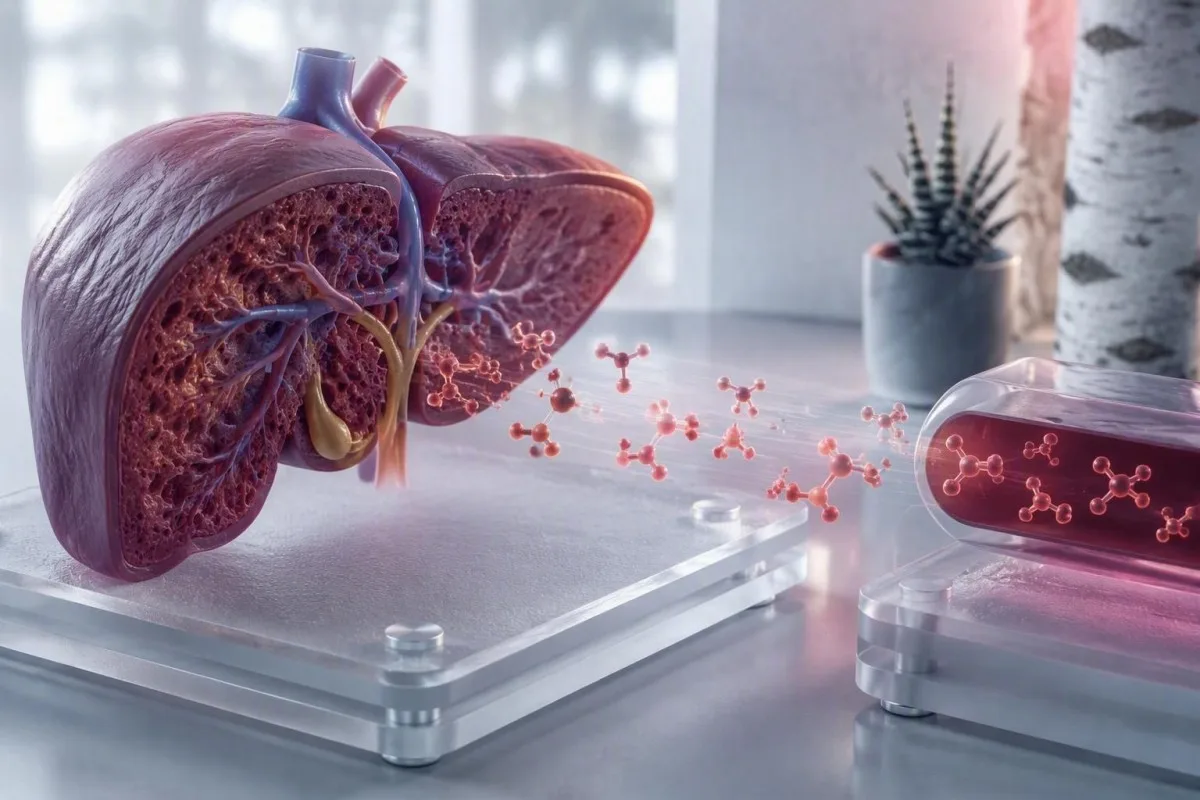
ຜົນການກວດຫາຄີໂຕນໃນເລືອດທີ່ສູງຂຶ້ນອາດເປັນການຕອບສະໜອງພະລັງງານປົກກະຕິ ຫຼືເປັນສັນຍານເຕືອນເບື້ອງຕົ້ນຂອງໂລກເບົາຫວານ ketoacidosis. ຈໍານວນມີຄວາມສໍາຄັນ, ແຕ່ລະດັບນໍ້າຕານໃນເລືອດ, bicarbonate, ອາການ ແລະຢາ ຈະເປັນຜູ້ຕັດສິນຄວາມສ່ຽງ.


- Normal beta-hydroxybutyrate ປົກກະຕິຈະຕໍ່າກວ່າ 0.6 mmol/L ໃນຜູ້ໃຫຍ່ທີ່ກິນອາຫານແລ້ວ, ບໍ່ເປັນໂລກເບົາຫວານ.
- Nutritional ketosis ປົກກະຕິຜະລິດ 0.5-3.0 mmol/L ໂດຍບໍ່ມີ acidosis ອັນຕະລາຍ.
- ລະດັບ 1.6-3.0 mmol/L ໃນຄົນເຈັບເບົາຫວານຕ້ອງການຄຳແນະນຳທາງຄລີນິກໃນມື້ດຽວກັນ ແລະກວດຊໍ້າ.
- ລະດັບສູງກວ່າ 3.0 mmol/L ທີ່ພ້ອມມີອາການເຈັບປ່ວຍ, ຮາກ, ນໍ້າຕານໃນເລືອດສູງ ຫຼືຫາຍໃຈໄວ ອາດຊີ້ບອກເຖິງໂລກເບົາຫວານ ketoacidosis.
- DKA ຕ້ອງການ acidosis, ໂດຍທົ່ວໄປແລ້ວ pH venous ຕໍ່າກວ່າ 7.30 ຫຼື bicarbonate ຕໍ່າກວ່າ 18 mmol/L; ຄີໂຕນຢ່າງດຽວບໍ່ສາມາດວິນິດໄສມັນໄດ້.
- ຢາ SGLT2 ສາມາດເຮັດໃຫ້ເກີດ euglycaemic DKA, ບ່ອນທີ່ນ້ ຳ ຕານໃນເລືອດອາດຈະຕ່ ຳ ກວ່າ 250 mg/dL (13.9 mmol/L).
- ketones ຂອງປັດສະວະຊ້າກວ່າ ketones ຂອງເລືອດ ເພາະວ່າ dipsticks ສ່ວນຫຼາຍແມ່ນກວດຫາ acetoacetate ແທນ beta-hydroxybutyrate.
- ການຖືພາ, ການອົດອາຫານເປັນເວລາດົນ ແລະ ການດື່ມເຫຼົ້າ ສາມາດຜະລິດ ketones ທີ່ມີຄວາມສຳຄັນທາງຄລີນິກໃນຄວາມເຂັ້ມຂຸ້ນຂອງນ້ ຳ ຕານຕ່ ຳ.
ລະດັບ beta-hydroxybutyrate ໝາຍເຖິງຫຍັງໃນການປະຕິບັດ
ລະດັບ beta-hydroxybutyrate ຕ່ ຳ ກວ່າ 0.6 mmol/L ໂດຍທົ່ວໄປແມ່ນປົກກະຕິ; 0.5-3.0 mmol/L ສາມາດສະທ້ອນເຖິງ ketosis ທີ່ຄາດໄວ້; ແລະລະດັບສູງກວ່າ 3.0 mmol/L ຮຽກຮ້ອງໃຫ້ມີການປະເມີນຢ່າງຮີບດ່ວນສຳລັບ ketoacidosis ເມື່ອມີອາການຫຼືພະຍາດເບົາຫວານ. ຄວາມແຕກຕ່າງແມ່ນສະຖານະອາຊິດ-ດ່າງ, ບໍ່ແມ່ນ ketones ຢ່າງດຽວ. ນັບຕັ້ງແຕ່ວັນທີ 17 ກັນยายน 2026, ນັ້ນຍັງຄົງເປັນກອບການປະຕິບັດທີ່ເປັນປະໂຫຍດທີ່ສຸດ.
Beta-hydroxybutyrate, ຫຍໍ້ BHB, ເປັນ ketone body ທີ່ໄຫຼວຽນຫຼັກເມື່ອ insulin ຕ່ ຳ ແລະການເຜົາຜານໄຂມັນເພີ່ມຂຶ້ນ. ຕັບຜະລິດມັນຈາກອາຊິດໄຂມັນ, ແລະສະໝອງ, ຫົວໃຈ ແລະກ້າມເນື້ອສາມາດໃຊ້ເປັນເຊື້ອເພີງໄດ້. ການກວດເລືອດ beta-hydroxybutyrate ຈຶ່ງລາຍງານການມີຢູ່ຂອງເຊື້ອເພີງ, ບໍ່ແມ່ນການເຈັບປ່ວຍໂດຍອັດຕະໂນມັດ.
ເມື່ອຂ້ອຍກວດເບິ່ງຜົນ 1.2 mmol/L ໃນຄົນທີ່ມີສຸຂະພາບດີທີ່ອົດອາຫານຄືນ, ອອກກຳລັງກາຍເປັນປະຈຳ, ຫຼືປະຕິບັດຕາມອາຫານທີ່ມີຄາໂບໄຮເດຣດຕ່ ຳ, ຂ້ອຍບໍ່ເອີ້ນວ່າມັນ ketoacidosis. ແຕ່ 1.2 mmol/L ໃນຄົນທີ່ເປັນໂລກເບົາຫວານປະເພດ 1, ປວດຮາກ ແລະ ມີນ້ ຳ ຕານ 290 mg/dL ແມ່ນຮູບພາບທາງຄລີນິກທີ່ແຕກຕ່າງກັນຢ່າງສິ້ນເຊີງ. ຄູ່ມື ketones ຂອງປັດສະວະ ອະທິບາຍວ່າເປັນຫຍັງຜົນປັດສະວະ ແລະເລືອດຈຶ່ງອາດຈະບໍ່ສອດຄ່ອງກັນ.
ແຄນເທສຕີ ເປັນ AI ເຄື່ອງວິເຄາະເລືອດ ທີ່ອ່ານ BHB ຄຽງຄູ່ກັບນ້ ຳ ຕານ, ຄາບອນໄດອອກໄຊ, ໄຟຟ້າ ແລະ ຕົວຊີ້ວັດไตແທນທີ່ຈະສະແດງຕົວເລກ ketone ດຽວໂດດດ່ຽວ. ຮູບແບບນັ້ນມີຄວາມສຳຄັນເພາະວ່າ bicarbonate 24 mmol/L ບອກເລື່ອງທີ່ໜ້າສະບາຍໃຈກວ່າ bicarbonate 12 mmol/L.
ເປັນຫຍັງຊື່ຈຶ່ງເຮັດໃຫ້ສັບສົນ
ເຖິງວ່າຈະມີຊື່, beta-hydroxybutyrate ທາງເທັກນິກແລ້ວແມ່ນ hydroxy acid ແທນທີ່ຈະເປັນ ketone. ນັກປິ່ນປົວໂລກຍັງຈັດກຸ່ມມັນກັບ acetoacetate ແລະ acetone ເປັນ ketone body ເພາະທັງສາມຢ່າງເກີດຂື້ນໃນລະຫວ່າງ ketogenesis ຂອງຕັບ.
ລະດັບຄີໂຕນໃນເລືອດ: ketosis ຂອງການອົດອາຫານ vs ທີ່ເປັນໄປໄດ້ DKA
ລະດັບ BHB ໃນເລືອດຕ່ ຳ ກວ່າ 0.6 mmol/L ໂດຍທົ່ວໄປແມ່ນປົກກະຕິ, 0.6-1.5 mmol/L ແມ່ນ ketonaemia ອ່ອນໆ, 1.6-3.0 mmol/L ເປັນທີ່ໜ້າເປັນຫ່ວງໃນພະຍາດເບົາຫວານ, ແລະສູງກວ່າ 3.0 mmol/L ເຮັດໃຫ້ມີຄວາມເປັນຫ່ວງຢ່າງແຮງຕໍ່ ketoacidosis. ຈຸດຕັດເຫຼົ່ານີ້ແມ່ນຄຳແນະນຳໃນການປະຕິບັດ; ພວກເຂົາບໍ່ແມ່ນການວິນິດໄສໂດຍບໍ່ມີ pH ຫຼື bicarbonate.
ຫ້ອງທົດລອງໂຮງໝໍສ່ວນຫຼາຍໃຊ້ enzymatic assay ແລະລາຍງານ BHB ໃນ mmol/L. ເຄື່ອງວັດແທກ ketones ໃນເລືອດຢູ່ເຮືອນໃຊ້ຕົວຢ່າງ capillary ແລະເປັນປະໂຫຍດສຳລັບແນວໂນ້ມໄວ, ເຖິງແມ່ນວ່າຜົນທີ່ໜ້າປະຫລາດໃຈຄວນໄດ້ຮັບການຢືນຢັນໃນສະພາບແວດລ້ອມທາງຄລີນິກ ຖ້າຄົນນັ້ນຮູ້ສຶກບໍ່ສະບາຍ. ຄວາມແມ່ນຍຳຂອງເຄື່ອງວັດແທກມັກຈະອ່ອນແອທີ່ສຸດໃນຄວາມເຂັ້ມຂຸ້ນຕ່ ຳ, ດັ່ງນັ້ນການປ່ຽນແປງຈາກ 0.1 ຫາ 0.3 mmol/L ບໍ່ຄ່ອຍມີຄວາມໝາຍທາງຄລີນິກ.
ລາຍງານການເຫັນດີເປັນເອກະສັນສາກົນປີ 2024 ກຳນົດ DKA ໂດຍໃຊ້ສາມອົງປະກອບ: ພະຍາດເບົາຫວານຫຼື hyperglycemia, BHB ຢ່າງໜ້ອຍ 3.0 mmol/L, ແລະ metabolic acidosis ດ້ວຍ pH ຕ່ ຳ ກວ່າ 7.30 ຫຼື bicarbonate ຕ່ ຳ ກວ່າ 18 mmol/L (Umpierrez et al., 2024). ຜົນ 3.4 mmol/L ດ້ວຍ bicarbonate ປົກກະຕິອາດເກີດຂຶ້ນໃນລະຫວ່າງການອົດອາຫານ, ແຕ່ມັນແມ່ນເລື່ອງຜິດປົກກະຕິພໍທີ່ຈະສືບສວນຢ່າງຮີບດ່ວນ.
ສຳລັບສະພາບແວດລ້ອມເຄມີທີ່ກວ້າງຂວາງ, ໃຫ້ປຽບທຽບ anion gap, chloride ແລະ CO2 ໃນ ການກວດພື້ນຖານດ້ານການເຜົາຜານ (basic metabolic panel). An anion gap above 12 mmol/L can support an acid accumulation pattern, though the local laboratory reference interval always takes priority.
ລະດັບ beta-hydroxybutyrate ທີ່ຄາດໄວ້ໃນອາຫານ keto
Nutritional ketosis usually sits between 0.5 and 3.0 mmol/L, with many stable ketogenic-diet users measuring about 0.8-2.0 mmol/L. These values are not evidence of acidosis if the person is hydrated, eating adequately and has normal glucose and bicarbonate.
The popular idea that 1.5-3.0 mmol/L is a uniquely ideal zone is more marketing than settled medicine. Weight loss and glycaemic improvement can occur below 1.0 mmol/L, and chasing higher values by fasting longer may increase dehydration or reduce protein intake. In my clinic, symptoms and sustainable food quality matter more than a single target.
BHB often rises after an overnight fast, endurance exercise, reduced carbohydrate intake, or missed meals. A 24-hour fast can produce 1.0-2.0 mmol/L in many healthy adults, while several days of fasting can reach 3.0-5.0 mmol/L without DKA because endogenous insulin remains sufficient to limit acid production.
ແຄນເທສຕີ ເປັນ ແພລດຟອມການອ່ານຜົນກວດເລືອດຂອງ AI that places diet-related ketones alongside triglycerides, liver enzymes and glucose trends. That is useful because a ketogenic diet can improve triglycerides yet raise LDL cholesterol substantially in a minority of people; our triglyceride testing guide helps frame that trade-off.
ການອົດອາຫານ, ການອອກກໍາລັງກາຍ ແລະການເຈັບປ່ວຍມີຜົນຕໍ່ BHB ແນວໃດ
Fasting and prolonged exercise can raise BHB to 1.0-3.0 mmol/L without ketoacidosis, while acute infection, vomiting or insulin deficiency can push the same person into dangerous acidosis. The rate of rise and the accompanying chemistry are more informative than a lifestyle label.
A hard training session can transiently raise BHB because working muscle first consumes glycogen and then shifts toward fat-derived fuel. This is more noticeable after low-carbohydrate eating, but a post-exercise BHB value should not be interpreted with a dehydrated creatinine result as though it were a routine baseline. Our ຄູ່ມື creatinine ທີ່ກ່ຽວຂ້ອງກັບການອອກກຳລັງກາຍ covers that common mismatch.
Illness is less predictable. Fever raises stress hormones, vomiting reduces carbohydrate intake, and dehydration reduces kidney clearance of acids; together, those factors can accelerate ketone accumulation. A person with diabetes should check BHB every 2-4 hours during vomiting or persistent glucose elevation, following their individual sick-day plan.
Starvation ketosis generally preserves a near-normal pH because low but measurable insulin restrains lipolysis. DKA develops when insulin is insufficient relative to glucagon and stress hormones, allowing ketone generation to outpace buffering and renal excretion. The physiology sounds academic, but it explains why the same 2.0 mmol/L can be benign one day and alarming the next.
ອັນໃດທີ່ກໍານົດໂລກເບົາຫວານ ketoacidosis ຢ່າງແທ້ຈິງ
Diabetic ketoacidosis is defined by significant ketonaemia plus metabolic acidosis, not by a high ketone result alone. BHB of 3.0 mmol/L or higher, pH below 7.30, or bicarbonate below 18 mmol/L is the core biochemical pattern.
DKA occurs most often in type 1 diabetes but can occur in type 2 diabetes during severe illness, missed insulin, pancreatitis, stroke or certain medicines. The 2024 consensus classification considers mild DKA compatible with BHB 3.0-6.0 mmol/L and bicarbonate 15-18 mmol/L; severe DKA commonly has BHB above 6.0 mmol/L and bicarbonate below 10 mmol/L (Umpierrez et al., 2024).
Deep, rapid breathing is the body's attempt to lower carbon dioxide and partly compensate for acidosis. Abdominal pain, repeated vomiting, profound thirst, confusion, fruity breath and inability to keep fluids down are emergency signs even before every laboratory result returns. For pH and compensation details, see our arterial blood gas explainer.
Dr. Thomas Klein's practical rule is simple: never reassure a person with diabetes purely because a glucose reading has fallen. If ketones remain high and the patient feels ill, acidosis may still be evolving and needs urgent assessment.
ຄວາມສ່ຽງຂອງ Euglycaemic DKA ແລະຢາ SGLT2
Euglycaemic DKA can present with BHB above 3.0 mmol/L and serious acidosis despite glucose below 250 mg/dL (13.9 mmol/L). It is particularly associated with SGLT2 inhibitors, fasting, surgery, pregnancy, heavy alcohol use and reduced insulin doses.
SGLT2 inhibitors increase urinary glucose loss, which can lower glucose while insulin remains inadequate for the body's needs. Peters and colleagues described this misleading pattern in Diabetes Care in 2015, warning that normal-looking glucose values may delay recognition of DKA (Peters et al., 2015). This is one reason ketones should be measured during nausea or fasting, not dismissed because glucose is modest.
People taking an SGLT2 inhibitor are commonly advised to pause it during acute illness, poor oral intake and before planned surgery; the exact interval depends on the drug and procedure, often at least 3 days. Do not stop insulin because food intake is low without specific prescriber advice. Insulin deficiency, not carbohydrate intake alone, drives DKA.
Kantesti AI interprets BHB results with medication context, which is particularly relevant when a lower glucose result masks risk. Our SGLT2 eGFR article discusses another expected medication effect that should not be confused with injury.
ເປັນຫຍັງການຖືພາ ແລະເຫຼົ້າຈຶ່ງຫຼຸດຂອບເຂດຄວາມປອດໄພ
Pregnancy and alcohol-related illness can produce clinically important ketoacidosis at lower glucose levels and after shorter periods without food. Vomiting with diabetes during pregnancy warrants early obstetric or emergency assessment, even if glucose is not severely high.
Pregnancy increases insulin resistance later in gestation and changes respiratory buffering, so ketones can rise rapidly during gastroenteritis or hyperemesis. A BHB result of 1.5 mmol/L with ongoing vomiting in pregnancy is not something I would manage casually at home. Glucose can be normal or only mildly elevated.
Alcoholic ketoacidosis usually follows several days of low intake, vomiting and recent heavy alcohol exposure. Glucose may be low, normal or moderately high, while BHB and the anion gap rise. Thiamine is typically given before glucose-containing fluids in hospital because deficiency can contribute to neurological complications.
A low bicarbonate result also has non-ketone causes, including diarrhoea and renal tubular acidosis. The renal tubular acidosis pattern guide is useful when ketones are modest but chloride is disproportionately high.
ການກວດຫາຄີໂຕນໃນເລືອດ vs ການກວດຫາຄີໂຕນໃນຍ່ຽວ
A beta-hydroxybutyrate blood test detects the ketone that predominates in DKA, whereas urine strips mainly detect acetoacetate and can lag behind real-time risk. Blood BHB is therefore preferred for diabetes sick-day decisions when available.
During DKA, the BHB-to-acetoacetate ratio rises because the liver's redox environment shifts toward BHB production. Urine dipsticks can therefore underestimate early severity. Later, as treatment restores circulation and BHB converts back to acetoacetate, urine ketones may remain strongly positive even while the patient is improving.
A negative urine strip is reassuring only when it fits the wider picture. A person with diabetes who has repeated vomiting, abdominal pain or rapid breathing needs clinical assessment regardless of a single home strip result. Urine concentration also changes with hydration, which adds another source of error.
ຂອງພວກເຮົາ urine dipstick results guide explains the common false-positive and timing issues. I advise patients to record the time, glucose, BHB, insulin doses, food intake and symptoms together; isolated numbers are hard to interpret safely.
ຜົນການກວດໃນຫ້ອງທົດລອງທີ່ທ່ານໝໍອ່ານຄຽງຄູ່ກັບ BHB
BHB becomes concerning when it accompanies low bicarbonate, a raised anion gap, abnormal pH, rising glucose or dehydration-related kidney changes. A normal bicarbonate of roughly 22-29 mmol/L makes active ketoacidosis much less likely, although repeat testing may be needed early in illness.
The anion gap is calculated as sodium minus chloride minus bicarbonate; many laboratories consider 8-12 mmol/L typical, though albumin and local methods alter the interval. In DKA, unmeasured ketoacids widen the gap. If albumin is low, the apparent gap may underestimate acid burden by roughly 2.5 mmol/L for each 1 g/dL albumin below 4.0.
Potassium is especially deceptive. Total-body potassium is often depleted through urinary loss, yet the initial serum potassium may be normal or high because acidosis and insulin lack shift potassium out of cells. Treatment can lower serum potassium quickly, which is why hospital teams check it repeatedly; review electrolyte warning patterns for the broader context.
Kantesti ຂອງ ឧបករណ៍វិភាគតេស្តឈាមដែលដំណើរការដោយ AI checks whether BHB, CO2, anion gap, creatinine and glucose point in the same direction. It cannot diagnose or treat DKA, but it can help patients spot a pattern worth escalating before they assume ketones are diet-related.
ເມື່ອ beta-hydroxybutyrate ສູງຕ້ອງການການດູແລຢ່າງຮີບດ່ວນ
Seek emergency care now for BHB above 3.0 mmol/L with vomiting, abdominal pain, deep breathing, confusion, severe weakness, or inability to drink. People with diabetes should seek urgent advice sooner when BHB is 1.6 mmol/L or higher, especially during illness or pregnancy.
A useful home action threshold is BHB 0.6-1.5 mmol/L: drink carbohydrate-containing fluids if appropriate for your diabetes plan, continue prescribed basal insulin, recheck glucose and ketones within 2 hours, and look for a trigger. This is general education, not a substitute for an individual sick-day plan.
At 1.6-3.0 mmol/L, contact the diabetes team or an urgent-care service the same day because additional insulin or intravenous fluid may be required. Above 3.0 mmol/L, do not drive yourself if dizzy, confused or weak. Call emergency services where appropriate.
Children, older adults, people using insulin pumps, and those who are pregnant can deteriorate faster because insulin interruption or dehydration may be missed. A blood-test preparation timeline can help distinguish a planned fasting draw from results obtained during acute illness.
ຄວາມເຂົ້າໃຈຜິດສີ່ຢ່າງກ່ຽວກັບຄີໂຕນ ແລະ ketoacidosis
High ketones do not automatically mean DKA, and normal glucose does not reliably exclude DKA. The safest interpretation always combines BHB with symptoms, insulin status and acid-base chemistry.
Misconception one: a purple urine strip proves fat loss. It only proves detectable acetoacetate in urine, which is affected by hydration and timing. Misconception two: more ketones always mean better metabolic health; persistent BHB above 3.0 mmol/L is not a wellness target.
Misconception three: DKA occurs only with type 1 diabetes. It can occur in insulin-deficient type 2 diabetes, latent autoimmune diabetes, pregnancy and SGLT2 use. Misconception four: an insulin pump alarm is a minor inconvenience; interruption of rapid-acting insulin can raise ketones within hours.
Dr. Thomas Klein has seen patients delay care because a social-media fasting group reassured them that nausea was “just adaptation.” New or persistent vomiting is not a keto adaptation symptom to normalise. Use the low glucose safety guide if alcohol, fasting or diabetes medication may be lowering glucose at the same time.
ວິທີໄດ້ຮັບຜົນ beta-hydroxybutyrate ທີ່ເຊື່ອຖືໄດ້
A reliable BHB result requires correct timing, clean meter technique and documentation of food intake, exercise, insulin and medication use. A repeat measurement after 1-2 hours is often more useful than a single borderline value during illness.
For a home meter, wash and dry hands thoroughly before testing; food residue can distort a capillary sample. Store strips sealed and within their expiry date, and remember that altitude, temperature and meter-specific calibration can contribute small differences. Use the same meter for trends whenever possible.
For an outpatient beta-hydroxybutyrate blood test, fasting is not always required. The ordering clinician may specifically want a non-fasting value during symptoms, while a metabolic research or diet-monitoring sample may be scheduled after 8-12 hours without calories. Do not fast if you are ill, pregnant, or have been told not to.
Kantesti supports result review across PDF and photo uploads, but our clinical team recommends preserving the original units and collection time. Our lab upload accuracy checklist is particularly helpful when a decimal point changes a ketone result tenfold.
ແຜນການປະຕິບັດສຳລັບຜົນ BHB ທີ່ສູງຂຶ້ນ
For BHB below 1.5 mmol/L in a well person without diabetes, hydration and a repeat check are often enough; for diabetes, symptoms, pregnancy or BHB of 1.6 mmol/L or more, contact a clinician promptly. Never use this plan to override a personalised insulin sick-day protocol.
First, ask why BHB was measured. If you intentionally fasted for 18 hours and feel well, 0.9 mmol/L is usually expected. If you tested because of vomiting, the same value deserves closer observation, particularly if it is rising or if glucose is unstable.
Second, pair BHB with glucose and bicarbonate. A glucose of 105 mg/dL, BHB 1.0 mmol/L and bicarbonate 25 mmol/L after fasting is very different from glucose 215 mg/dL, BHB 1.0 mmol/L and bicarbonate 17 mmol/L after two days of vomiting. The latter warrants urgent assessment even though BHB has not crossed 3.0 mmol/L.
Third, share the whole trend with your clinician rather than one screenshot. Kantesti's ການວິເຄາະຫ້ອງທົດລອງຕາມໄລຍະ (longitudinal lab analysis) can organise repeated values, while our ມາດຕະຖານການຢັ້ງຢືນທາງການແພດ explain why AI interpretation remains a support tool, not an emergency service.
ການກວດ BHB ສາມາດບອກຫຍັງເຈົ້າໄດ້ ແລະບອກຫຍັງເຈົ້າບໍ່ໄດ້
BHB testing identifies circulating ketone burden but cannot independently diagnose DKA, explain every cause of acidosis, or determine the correct insulin dose. Clinical examination, venous blood gas testing and repeated electrolytes are needed when risk is meaningful.
A high BHB result does not tell us whether the trigger is missed insulin, infection, starvation, alcohol exposure, pregnancy or medication. In hospital, clinicians usually assess vital signs, hydration, infection clues, kidney function, lactate and sometimes toxic alcohol exposure alongside ketones. Lactate and ketones can coexist, especially in shock or sepsis.
A normal BHB is also not a blanket reassurance. Metabolic acidosis can result from diarrhoea, renal failure, lactic acidosis or toxin exposure without ketosis. The lactate result guide explains one important alternative pathway.
Kantesti works with medical oversight and privacy-focused result handling across multilingual reports, but emergency symptoms require local urgent care rather than an online interpretation. Readers who want to understand our clinical governance can review the ຄະນະທີ່ປຶກສາທາງການແພດ.
ຄໍາຖາມທີ່ຖາມເລື້ອຍໆ
ລະດັບ beta-hydroxybutyrate ປົກກະຕິແມ່ນເທົ່າໃດ?
ລະດັບ beta-hydroxybutyrate ປົກກະຕິໂດຍທົ່ວໄປແມ່ນຕໍ່າກວ່າ 0.6 mmol/L ໃນຄົນທີ່ກິນອາຫານປົກກະຕິແລະບໍ່ມີພະຍາດເບົາຫວານທີ່ຄວບຄຸມບໍ່ໄດ້. ລະດັບ 0.6-1.5 mmol/L ອາດເກີດຂຶ້ນຫຼັງຈາກອົດອາຫານ, ອອກກຳລັງກາຍ, ກິນອາຫານຄາໂບໄຮເດຣດຕ່ຳ, ຫຼືເຈັບປ່ວຍເລັກນ້ອຍ. ຜົນໄດ້ຮັບຕ້ອງໄດ້ຮັບການຕີລາຄາຮ່ວມກັບລະດັບນ້ຳຕານໃນເລືອດ, bicarbonate, ແລະອາການຕ່າງໆ ເພາະວ່າ BHB ຢ່າງດຽວບໍ່ສາມາດວິນິດໄສ ketoacidosis ໄດ້. ໃນຄົນເຈັບເບົາຫວານທີ່ຮູ້ສຶກບໍ່ສະບາຍ, ແມ້ແຕ່ 1.0 mmol/L ກໍ່ຄວນຈະກະຕຸ້ນໃຫ້ມີການທົດສອບຊ້ຳ ແລະທົບທວນແຜນການດູແລໃນມື້ທີ່ເຈັບປ່ວຍ.
1,5 mmol/L ຂອງ beta-hydroxybutyrate ອັນຕະລາຍບໍ?
ລະດັບ beta-hydroxybutyrate 1.5 mmol/L ມັກຈະບໍ່ເປັນອັນຕະລາຍໃນຜູ້ໃຫຍ່ທີ່ມີສຸຂະພາບດີ, ອົດອາຫານໃນອາຫານ ketogenic, ແຕ່ມັນເປັນຜົນສະແດງເຖິງຄວາມລະມັດລະວັງໃນພະຍາດເບົາຫວານຫຼືການຖືພາ. ຖ້າລະດັບ glucose ສູງ, ມີອາການຮາກ, ຫຼືຄ່າເພີ່ມຂຶ້ນ, ໃຫ້ຕິດຕໍ່ກັບແພດເບົາຫວານໃນມື້ດຽວກັນແລະກວດຄືນພາຍໃນປະມານ 2 ຊົ່ວໂມງ. BHB 1.6-3.0 mmol/L ມັກຈະຖືວ່າເປັນລະດັບທີ່ຕ້ອງປະຕິບັດເພາະມັນອາດນຳໄປສູ່ DKA. Bicarbonate ຕ່ຳກວ່າ 18 mmol/L ຫຼື pH ຕ່ຳກວ່າ 7.30 ປ່ຽນສະຖານະການຈາກ ketonaemia ໄປສູ່ metabolic acidosis.
ketone bodies ລະດັບ beta-hydroxybutyrate ໃດທີ່ເປັນ ketoacidosis?
ภาวะเลือดเป็นกรดจากเบาหวาน (Diabetic ketoacidosis) น่าจะเกิดขึ้นเมื่อระดับ beta-hydroxybutyrate ตั้งแต่ 3.0 mmol/L ขึ้นไป และมีภาวะเลือดเป็นกรด (metabolic acidosis) โดยทั่วไปคือระดับ bicarbonate ต่ำกว่า 18 mmol/L หรือ pH ต่ำกว่า 7.30 ระดับ BHB ที่สูงกว่า 3.0 mmol/L โดยไม่มีภาวะเลือดเป็นกรด อาจเกิดขึ้นได้ในภาวะอดอาหารเป็นเวลานาน แต่ก็ยังต้องได้รับการประเมินทางการแพทย์อย่างเร่งด่วนหากมีอาการหรือโรคเบาหวาน ภาวะ DKA รุนแรงมักทำให้เกิด BHB สูงกว่า 6.0 mmol/L แม้ว่าความรุนแรงจะขึ้นอยู่กับค่า pH, bicarbonate และระดับความรู้สึกตัวด้วย การอาเจียนซ้ำๆ, การหายใจลึก, สับสน หรือภาวะขาดน้ำ เป็นอาการฉุกเฉินที่ระดับคีโตนสูงได้.
ທ່ານສາມາດເກີດ ketoacidosis ໂດຍທີ່ນ້ຳຕານໃນເລືອດຍັງປົກກະຕິໄດ້ບໍ?
ແມ່ນແລ້ວ, ภาวะ ketoacidosis ທີ່ພົບເລື້ອຍໃນຄົນເຈັບເບົາຫວານທີ່ກິນຢາ SGLT2 inhibitors ອາດເກີດຂື້ນໄດ້ ໂດຍມີລະດັບນ້ຳຕານໃນເລືອດຕ່ຳກວ່າ 250 mg/dL (13.9 mmol/L). ຂໍ້ຄົ້ນພົບທີ່ສຳຄັນແມ່ນລະດັບ BHB ສູງ, ໂດຍປົກກະຕິຢ່າງໜ້ອຍ 3.0 mmol/L, ແລະ metabolic acidosis ແທນທີ່ຈະເປັນภาวะ hyperglycaemia ຮຸນແຮງ. ການອົດອາຫານ, ການຜ່າຕັດ, ການຫຼຸດ insulin, ການຖືພາ ແລະ ການໃຊ້ເຫຼົ້າສາມາດເພີ່ມຄວາມສ່ຽງນີ້ໄດ້. ຜູ້ໃດກໍ່ຕາມທີ່ກິນຢາ SGLT2 ທີ່ຮູ້ສຶກຄືໜ້າວຽນ, ຮາກ, ເຈັບທ້ອງ ຫຼື ອິດເມື່ອຍຜິດປົກກະຕິຄວນກວດ ketones ແລະ ໄປພົບແພດທັນທີ.
ketones ໃນເລືອດແມ່ນຖືກຕ້ອງກວ່າ ketones ໃນຍ່ຽວບໍ?
ການກວດຫາຄີโตນໃນເລືອດ ມັກຈະມີປະໂຫຍດຫຼາຍກວ່າການກວດໃນຍ່ຽວ ເພາະມັນວັດແທກ beta-hydroxybutyrate, ຄີโตນ ທີ່ພົບຫຼາຍໃນສະภาວະ ketoacidosis ສ້ວຍແຫຼມ. ແຖບທົດສອບໃນຍ່ຽວ ສ່ວນຫຼາຍຊອກຫາ acetoacetate ແລະ ອາດປະເມີນ DKA ໄລຍະເລີ່ມຕົ້ນຕ່ຳເກີນໄປ ຫຼື ຍັງຄົງເປັນບວກໃນໄລຍະຟື້ນຕົວ. ຜົນ BHB ໃນເລືອດຕ່ຳກວ່າ 0.6 mmol/L ໂດຍທົ່ວໄປຖືວ່າ ປອດໄພດີໃນຄົນທີ່ສຸຂະພາບດີ, ໃນຂະນະທີ່ 1.6 mmol/L ຫຼືສູງກວ່າ ຕ້ອງໄດ້ດຳເນີນການຢ່າງໃກ້ຊິດໃນຜູ້ເປັນເບົາຫວານ. ການກວດໃນຍ່ຽວຍັງມີປະໂຫຍດເມື່ອບໍ່ສາມາດກວດເລືອດໄດ້, ແຕ່ອາການຕ່າງໆ ຈະມີຄວາມສຳຄັນກວ່າຜົນຂອງແຖບທົດສອບສະເໝີ.
ລະດັບ beta-hydroxybutyrate ຫຼຸດລົງໄວເທົ່າໃດຫຼັງຈາກການປິ່ນປົວ?
ດ້ວຍການຮັກສາອິນຊູລິນ ແລະ ນ້ຳຢ່າງມີປະສິດທິພາບສຳລັບ DKA, beta-hydroxybutyrate ມັກຈະຫຼຸດລົງຢ່າງວັດແທກໄດ້ພາຍໃນສອງສາມຊົ່ວໂມງ, ແຕ່ອັດຕາທີ່ແນ່ນອນແມ່ນຂຶ້ນກັບການເຮັດວຽກຂອງไต, ການຈັດສົ່ງອິນຊູລິນ ແລະ ສາເຫດທີ່ເກີດຂຶ້ນ. ທີມງານໂຮງໝໍມັກຈະເຮັດຊ້ຳ ketones, glucose ແລະ electrolytes ທຸກໆ 2-4 ຊົ່ວໂມງຈົນກວ່າ BHB ຈະຫຼຸດລົງຕໍ່າກວ່າ 1.0 mmol/L ແລະ ອາຊິດຈະດີຂຶ້ນ. ketones ໃນຍ່ຽວອາດຈະຍັງຄົງເປັນບວກດົນກວ່າເພາະວ່າ beta-hydroxybutyrate ຈະປ່ຽນເປັນ acetoacetate ໃນລະຫວ່າງການຟື້ນຕົວ. ຢ່າຕັດສິນການຟື້ນຕົວຈາກ ketones ໃນຍ່ຽວເທົ່ານັ້ນ.
ຮັບການວິເຄາະຜົນກວດເລືອດດ້ວຍ AI ທັນທີ
ເຂົ້າຮ່ວມຜູ້ໃຊ້ຫຼາຍກວ່າ 2 ລ້ານຄົນທົ່ວໂລກ ທີ່ໄວ້ໃຈ Kantesti ສຳລັບການວິເຄາະການກວດເລືອດທີ່ທັນທີ ແລະຖືກຕ້ອງ. ອັບໂຫຼດຜົນກວດເລືອດຂອງທ່ານ ແລະຮັບການຕີຄວາມໝາຍຢ່າງຄົບຖ້ວນຂອງ biomarker 15,000+ ໃນວິນາທີ.
📚 ບົດຄວາມວິຈັຍທີ່ອ້າງອີງ
Klein, T., Mitchell, S., & Weber, H. (2026). Klein, T. (2026). BUN/Creatinine Ratio Explained: Kidney Function Test Guide. Zenodo. https://doi.org/10.5281/zenodo.18207872. ResearchGate: https://www.researchgate.net. Academia.edu: https://www.academia.edu.. ການຄົ້ນຄວ້າທາງການແພດຂອງ AI Kantesti.
Klein, T., Mitchell, S., & Weber, H. (2026). Klein, T. (2026). Urobilinogen in Urine Test: Complete Urinalysis Guide 2026. Zenodo. https://doi.org/10.5281/zenodo.18226379. ResearchGate: https://www.researchgate.net. Academia.edu: https://www.academia.edu.. ການຄົ້ນຄວ້າທາງການແພດຂອງ AI Kantesti.
📖 ເອກະສານອ້າງອີງທາງການແພດພາຍນອກ
⚕️ ຂໍ້ສັງເກດທາງການແພດ
ບົດຄວາມນີ້ມີຈຸດປະສົງເພື່ອການສຶກສາເທົ່ານັ້ນ ແລະບໍ່ແມ່ນຄຳແນະນຳທາງການແພດ. ຄວນປຶກສາຜູ້ໃຫ້ບໍລິການດ້ານສຸຂະພາບທີ່ມີຄຸນວຸດທິສະເໝີ ສຳລັບການວິນິດໄຊ ແລະ ການຕັດສິນໃຈດ້ານການຮັກສາ.
ສັນຍານຄວາມໄວ້ໃຈ E-E-A-T
ປະສົບການ
ການທົບທວນຄລີນິກຂອງແພດຜູ້ນຳພາ ກ່ຽວກັບຂັ້ນຕອນການຕີຄວາມໝາຍຜົນການກວດໃນຫ້ອງທົດລອງ.
ຄວາມຊ່ຽວຊານ
ວິຊາການແພດທົດລອງ (ການແພດທາງຫ້ອງທົດລອງ) ເນັ້ນໃສ່ວ່າຕົວຊີ້ວັດ (biomarkers) ມີພຶດຕິກຳແນວໃດໃນບັນບົດທາງຄລີນິກ.
ຄວາມເປັນອຳນາດ
ຂຽນໂດຍທ່ານດຣ. Thomas Klein ໂດຍມີການກວດທານໂດຍທ່ານດຣ. Sarah Mitchell ແລະ ສາດສະດາຈານດຣ. Hans Weber.
ຄວາມໜ້າເຊື່ອຖື
ການຕີຄວາມໝາຍອີງຕາມຫຼັກຖານດ້ວຍເສັ້ນທາງຕິດຕາມທີ່ຊັດເຈນ ເພື່ອຫຼຸດການຕົກໃຈ.