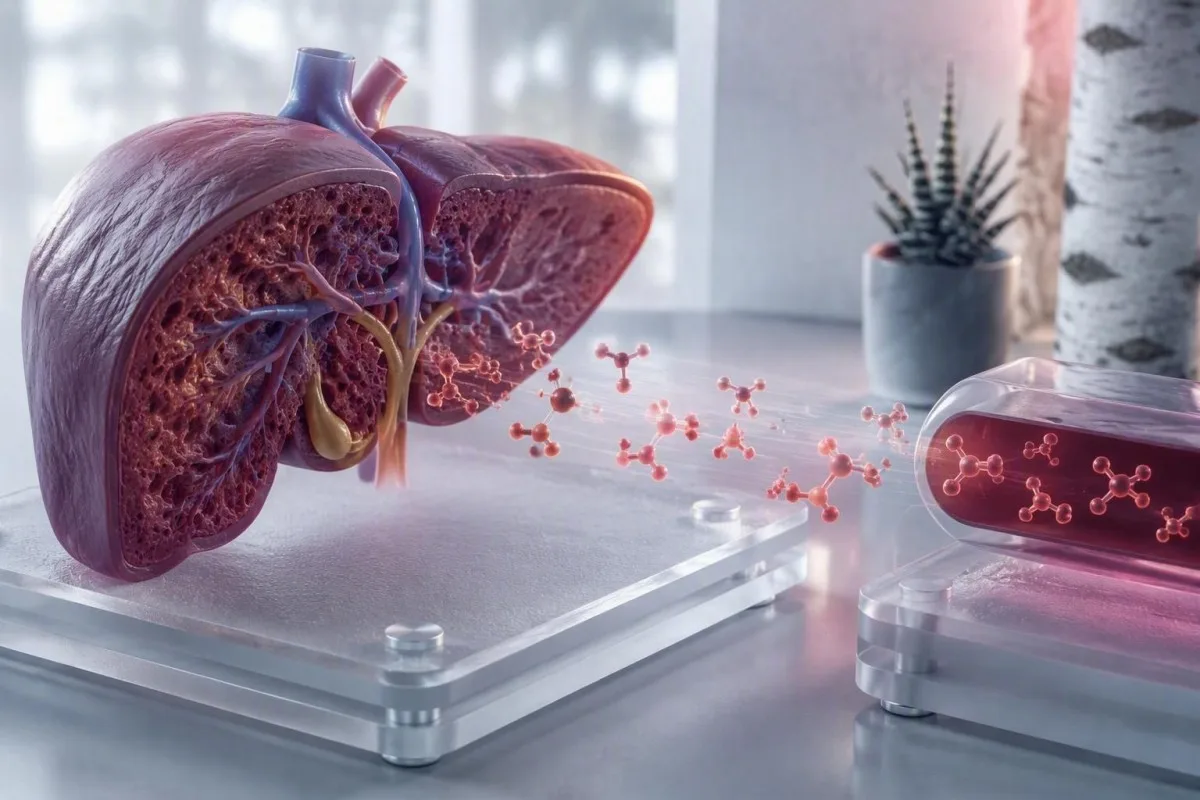
Faodaidh toradh àrd de cetone san fhuil a bhith na fhreagairt connaidh àbhaisteach no rabhadh tràth mu chiteacais diabetic. Tha an àireamh cudromach, ach tha glùsaid, bicarbonate, comharraidhean agus cungaidhean-leigheis a’ dearbhadh an cunnart.


- Beta-hydroxybutyrate àbhaisteach mar as trice fo 0.6 mmol/L ann an neach-ìosal gun thinneas an t-siùcair.
- Ketosis beathachaidh mar as trice a’ toirt a-mach 0.5-3.0 mmol/L às aonais acidosis cunnartach.
- Ìre de 1.6-3.0 mmol/L ann an neach le tinneas an t-siùcair feumach air comhairle clionaigeach an aon latha agus ath-dheuchainn.
- Ìre os cionn 3.0 mmol/L le tinneas, cuir a-mach, glùsaid àrd no anail luath faodaidh e a bhith a’ nochdadh citeacais diabetic.
- Feumaidh DKA acidosis, mar as trice pH venous fo 7.30 no bicarbonate fo 18 mmol/L; chan eil cetones leotha fhèin ga dhearbhadh.
- Cungaidhean SGLT2 Faodaidh e adhbhrachadh euglycaemic DKA, far am faod glùcós a bhith fo 250 mg/dL (13.9 mmol/L).
- Bidh ketones anns an urine a' dèanamh adhart nas fhaide na ketones san fhuil leis gu bheil dipsticks a' lorg acetoacetate nas motha na beta-hydroxybutyrate.
- Torrachas, fastadh fada agus cleachdadh deoch làidir faodaidh iad ketones a thoirt gu buil a tha ciallach gu clionaigeach aig dùmhlachdan glùcós nas ìsle.
Dè tha ìrean beta-hydroxybutyrate a’ ciallachadh ann an cleachdadh
Tha ìrean Beta-hydroxybutyrate fo 0.6 mmol/L mar as trice àbhaisteach; faodaidh 0.5-3.0 mmol/L nochdadh ketosis ris a bheil dùil; agus tha ìrean os cionn 3.0 mmol/L a' feumachdainn measadh èiginneach airson ketoacidosis nuair a tha comharran no tinneas an t-siùcair an làthair. Is e an diofar staid searbhag-alcaileach, chan e ketones a-mhàin. Mar an 17 Sultain, 2026, is e sin fhathast an fhrèam-obrach practaigeach as feumail.
Beta-hydroxybutyrate, air a ghiorrachadh BHB, is e am prìomh bhodhaig ketone a tha a' sruthadh nuair a tha insulin ìosal agus oxidation geir ag èirigh. Bidh an grùthan ga dhèanamh bho dh'aigéid shaille, agus faodaidh an eanchainn, an cridhe agus fèith a chleachdadh mar connadh. Mar sin, bidh deuchainn fala beta-hydroxybutyrate a' clàradh ruigsinneachd connlaidh, chan e tinneas gu fèin-obrachail.
Nuair a nì mi ath-sgrùdadh air toradh de 1.2 mmol/L ann an duine fallain a tha air fastadh tron oidhche, a' dèanamh eacarsaich gu cunbhalach, no a' leantainn daithead le carb-ìseal, cha chanas mi sin ri ketoacidosis. Ach tha 1.2 mmol/L ann an neach le tinneas an t-siùcair seòrsa 1, nausea agus glùcós de 290 mg/dL na dhealbh clionaigeach gu tur eadar-dhealaichte. Tha an iùl ketone anns an urine a' mìneachadh carson a dh'fhaodadh toraidhean urine agus fala a bhith eadar-dhealaichte.
Tha Kantesti na Anailisiche deuchainn fala AI a leughas BHB ri taobh glùcós, carbon dà-ogsaid, electrolytes agus comharran dubhaig an àite a bhith a' comharrachadh aon àireamh ketone air leth. Tha am pàtran sin cudromach oir tha bicarbonate de 24 mmol/L a' toirt sgeulachd fada nas misneachaile na bicarbonate de 12 mmol/L.
Carson a dh’ fhaodadh an t-ainm a bhith troimh-chèile
A dh'aindeoin an ainm, tha beta-hydroxybutyrate gu teicnigeach na searbhag hydroxy seach ketone. Bidh luchd-clionaigeach fhathast ga chur còmhla ri acetoacetate agus acetone mar bhodhaig ketone oir tha iad uile a' tighinn am follais rè ketogenesis grùthanach.
Raointean cetone fala: ketosis fastaidh an aghaidh DKA a dh’ fhaodadh a bhith ann
Tha ìre BHB san fhuil fo 0.6 mmol/L mar as trice àbhaisteach, tha 0.6-1.5 mmol/L na ketonaemia tlàth, tha 1.6-3.0 mmol/L draghail ann an tinneas an t-siùcair, agus tha os cionn 3.0 mmol/L a' togail dragh mòr airson ketoacidosis. Bidh na crìochan sin a' stiùireadh gnìomh; chan e breithneachadh a th' annta às aonais pH no bicarbonate.
Bidh a' mhòr-chuid de dh'obair-lann ospadail a' cleachdadh assay enzymatic agus a' clàradh BHB ann an mmol/L. Bidh meatairean ketone fala dachaigh a' cleachdadh sampallan capillary agus tha iad feumail airson gluasadan luath, ged a bu chòir toradh iongnadh a dhearbhadh ann an suidheachadh clionaigeach ma tha an neach a' faireachdainn tinn. Tha mionaideachd meatair gu tric as laige faisg air dùmhlachdan ìosal, agus mar sin is ann ainneamh a tha atharrachadh bho 0.1 gu 0.3 mmol/L a' ciallachadh gu clionaigeach.
Tha aithisg co-aontachd eadar-nàiseanta 2024 a' mìneachadh DKA a' cleachdadh trì pàirtean: tinneas an t-siùcair no hyperglycemia, BHB co-dhiù 3.0 mmol/L, agus acidosis metabolach le pH fo 7.30 no bicarbonate fo 18 mmol/L (Umpierrez et al., 2024). Faodaidh toradh de 3.4 mmol/L le bicarbonate àbhaisteach tachairt rè an acras, ach tha e gu leòr neo-àbhaisteach airson a sgrùdadh gu sgiobalta.
Airson an tuilleadh co-theacs ceimigeach, dèan coimeas ris an bheàrn anion, clòraid agus CO2 air pannal meatabolach bunaiteach. An anion gap above 12 mmol/L can support an acid accumulation pattern, though the local laboratory reference interval always takes priority.
Beta-hydroxybutyrate ris am biodh dùil air daithead ketogenic
Nutritional ketosis usually sits between 0.5 and 3.0 mmol/L, with many stable ketogenic-diet users measuring about 0.8-2.0 mmol/L. These values are not evidence of acidosis if the person is hydrated, eating adequately and has normal glucose and bicarbonate.
The popular idea that 1.5-3.0 mmol/L is a uniquely ideal zone is more marketing than settled medicine. Weight loss and glycaemic improvement can occur below 1.0 mmol/L, and chasing higher values by fasting longer may increase dehydration or reduce protein intake. In my clinic, symptoms and sustainable food quality matter more than a single target.
BHB often rises after an overnight fast, endurance exercise, reduced carbohydrate intake, or missed meals. A 24-hour fast can produce 1.0-2.0 mmol/L in many healthy adults, while several days of fasting can reach 3.0-5.0 mmol/L without DKA because endogenous insulin remains sufficient to limit acid production.
Tha Kantesti na àrd-ùrlar mìneachaidh deuchainn fala AI that places diet-related ketones alongside triglycerides, liver enzymes and glucose trends. That is useful because a ketogenic diet can improve triglycerides yet raise LDL cholesterol substantially in a minority of people; our triglyceride testing guide helps frame that trade-off.
Mar a bhios fastadh, eacarsaich agus tinneas ag atharrachadh BHB
Fasting and prolonged exercise can raise BHB to 1.0-3.0 mmol/L without ketoacidosis, while acute infection, vomiting or insulin deficiency can push the same person into dangerous acidosis. The rate of rise and the accompanying chemistry are more informative than a lifestyle label.
A hard training session can transiently raise BHB because working muscle first consumes glycogen and then shifts toward fat-derived fuel. This is more noticeable after low-carbohydrate eating, but a post-exercise BHB value should not be interpreted with a dehydrated creatinine result as though it were a routine baseline. Our stiùireadh creatine co-cheangailte ri eacarsaich covers that common mismatch.
Illness is less predictable. Fever raises stress hormones, vomiting reduces carbohydrate intake, and dehydration reduces kidney clearance of acids; together, those factors can accelerate ketone accumulation. A person with diabetes should check BHB every 2-4 hours during vomiting or persistent glucose elevation, following their individual sick-day plan.
Starvation ketosis generally preserves a near-normal pH because low but measurable insulin restrains lipolysis. DKA develops when insulin is insufficient relative to glucagon and stress hormones, allowing ketone generation to outpace buffering and renal excretion. The physiology sounds academic, but it explains why the same 2.0 mmol/L can be benign one day and alarming the next.
Dè a mhìnicheas gu fìrinneach citeacais diabetic
Diabetic ketoacidosis is defined by significant ketonaemia plus metabolic acidosis, not by a high ketone result alone. BHB of 3.0 mmol/L or higher, pH below 7.30, or bicarbonate below 18 mmol/L is the core biochemical pattern.
DKA occurs most often in type 1 diabetes but can occur in type 2 diabetes during severe illness, missed insulin, pancreatitis, stroke or certain medicines. The 2024 consensus classification considers mild DKA compatible with BHB 3.0-6.0 mmol/L and bicarbonate 15-18 mmol/L; severe DKA commonly has BHB above 6.0 mmol/L and bicarbonate below 10 mmol/L (Umpierrez et al., 2024).
Deep, rapid breathing is the body's attempt to lower carbon dioxide and partly compensate for acidosis. Abdominal pain, repeated vomiting, profound thirst, confusion, fruity breath and inability to keep fluids down are emergency signs even before every laboratory result returns. For pH and compensation details, see our arterial blood gas explainer.
Dr. Thomas Klein's practical rule is simple: never reassure a person with diabetes purely because a glucose reading has fallen. If ketones remain high and the patient feels ill, acidosis may still be evolving and needs urgent assessment.
Cunnart DKA euglycaemic agus cungaidhean SGLT2
Euglycaemic DKA can present with BHB above 3.0 mmol/L and serious acidosis despite glucose below 250 mg/dL (13.9 mmol/L). It is particularly associated with SGLT2 inhibitors, fasting, surgery, pregnancy, heavy alcohol use and reduced insulin doses.
SGLT2 inhibitors increase urinary glucose loss, which can lower glucose while insulin remains inadequate for the body's needs. Peters and colleagues described this misleading pattern in Diabetes Care in 2015, warning that normal-looking glucose values may delay recognition of DKA (Peters et al., 2015). This is one reason ketones should be measured during nausea or fasting, not dismissed because glucose is modest.
People taking an SGLT2 inhibitor are commonly advised to pause it during acute illness, poor oral intake and before planned surgery; the exact interval depends on the drug and procedure, often at least 3 days. Do not stop insulin because food intake is low without specific prescriber advice. Insulin deficiency, not carbohydrate intake alone, drives DKA.
Kantesti AI interprets BHB results with medication context, which is particularly relevant when a lower glucose result masks risk. Our SGLT2 eGFR article discusses another expected medication effect that should not be confused with injury.
Carson a tha torrachas agus deoch-làidir a’ lughdachadh iomaill sàbhailteachd
Pregnancy and alcohol-related illness can produce clinically important ketoacidosis at lower glucose levels and after shorter periods without food. Vomiting with diabetes during pregnancy warrants early obstetric or emergency assessment, even if glucose is not severely high.
Pregnancy increases insulin resistance later in gestation and changes respiratory buffering, so ketones can rise rapidly during gastroenteritis or hyperemesis. A BHB result of 1.5 mmol/L with ongoing vomiting in pregnancy is not something I would manage casually at home. Glucose can be normal or only mildly elevated.
Alcoholic ketoacidosis usually follows several days of low intake, vomiting and recent heavy alcohol exposure. Glucose may be low, normal or moderately high, while BHB and the anion gap rise. Thiamine is typically given before glucose-containing fluids in hospital because deficiency can contribute to neurological complications.
A low bicarbonate result also has non-ketone causes, including diarrhoea and renal tubular acidosis. The renal tubular acidosis pattern guide is useful when ketones are modest but chloride is disproportionately high.
Deuchainn cetone fala an aghaidh deuchainn cetone fual
A beta-hydroxybutyrate blood test detects the ketone that predominates in DKA, whereas urine strips mainly detect acetoacetate and can lag behind real-time risk. Blood BHB is therefore preferred for diabetes sick-day decisions when available.
During DKA, the BHB-to-acetoacetate ratio rises because the liver's redox environment shifts toward BHB production. Urine dipsticks can therefore underestimate early severity. Later, as treatment restores circulation and BHB converts back to acetoacetate, urine ketones may remain strongly positive even while the patient is improving.
A negative urine strip is reassuring only when it fits the wider picture. A person with diabetes who has repeated vomiting, abdominal pain or rapid breathing needs clinical assessment regardless of a single home strip result. Urine concentration also changes with hydration, which adds another source of error.
Ar urine dipstick results guide explains the common false-positive and timing issues. I advise patients to record the time, glucose, BHB, insulin doses, food intake and symptoms together; isolated numbers are hard to interpret safely.
Am pàtran obair-lann a leughas luchd-clionaigeach còmhla ri BHB
BHB becomes concerning when it accompanies low bicarbonate, a raised anion gap, abnormal pH, rising glucose or dehydration-related kidney changes. A normal bicarbonate of roughly 22-29 mmol/L makes active ketoacidosis much less likely, although repeat testing may be needed early in illness.
The anion gap is calculated as sodium minus chloride minus bicarbonate; many laboratories consider 8-12 mmol/L typical, though albumin and local methods alter the interval. In DKA, unmeasured ketoacids widen the gap. If albumin is low, the apparent gap may underestimate acid burden by roughly 2.5 mmol/L for each 1 g/dL albumin below 4.0.
Potassium is especially deceptive. Total-body potassium is often depleted through urinary loss, yet the initial serum potassium may be normal or high because acidosis and insulin lack shift potassium out of cells. Treatment can lower serum potassium quickly, which is why hospital teams check it repeatedly; review electrolyte warning patterns for the broader context.
Kantesti's Inneal mion-sgrùdaidh deuchainn fala le cumhachd AI checks whether BHB, CO2, anion gap, creatinine and glucose point in the same direction. It cannot diagnose or treat DKA, but it can help patients spot a pattern worth escalating before they assume ketones are diet-related.
Cuin a dh’ fheumas beta-hydroxybutyrate àrd cùram èiginneach
Seek emergency care now for BHB above 3.0 mmol/L with vomiting, abdominal pain, deep breathing, confusion, severe weakness, or inability to drink. People with diabetes should seek urgent advice sooner when BHB is 1.6 mmol/L or higher, especially during illness or pregnancy.
A useful home action threshold is BHB 0.6-1.5 mmol/L: drink carbohydrate-containing fluids if appropriate for your diabetes plan, continue prescribed basal insulin, recheck glucose and ketones within 2 hours, and look for a trigger. This is general education, not a substitute for an individual sick-day plan.
At 1.6-3.0 mmol/L, contact the diabetes team or an urgent-care service the same day because additional insulin or intravenous fluid may be required. Above 3.0 mmol/L, do not drive yourself if dizzy, confused or weak. Call emergency services where appropriate.
Children, older adults, people using insulin pumps, and those who are pregnant can deteriorate faster because insulin interruption or dehydration may be missed. A blood-test preparation timeline can help distinguish a planned fasting draw from results obtained during acute illness.
Ceithir mì-thuigse mu cetones agus ketoacidosis
High ketones do not automatically mean DKA, and normal glucose does not reliably exclude DKA. The safest interpretation always combines BHB with symptoms, insulin status and acid-base chemistry.
Misconception one: a purple urine strip proves fat loss. It only proves detectable acetoacetate in urine, which is affected by hydration and timing. Misconception two: more ketones always mean better metabolic health; persistent BHB above 3.0 mmol/L is not a wellness target.
Misconception three: DKA occurs only with type 1 diabetes. It can occur in insulin-deficient type 2 diabetes, latent autoimmune diabetes, pregnancy and SGLT2 use. Misconception four: an insulin pump alarm is a minor inconvenience; interruption of rapid-acting insulin can raise ketones within hours.
Dr. Thomas Klein has seen patients delay care because a social-media fasting group reassured them that nausea was “just adaptation.” New or persistent vomiting is not a keto adaptation symptom to normalise. Use the low glucose safety guide if alcohol, fasting or diabetes medication may be lowering glucose at the same time.
Mar a gheibhear toradh beta-hydroxybutyrate earbsach
A reliable BHB result requires correct timing, clean meter technique and documentation of food intake, exercise, insulin and medication use. A repeat measurement after 1-2 hours is often more useful than a single borderline value during illness.
For a home meter, wash and dry hands thoroughly before testing; food residue can distort a capillary sample. Store strips sealed and within their expiry date, and remember that altitude, temperature and meter-specific calibration can contribute small differences. Use the same meter for trends whenever possible.
For an outpatient beta-hydroxybutyrate blood test, fasting is not always required. The ordering clinician may specifically want a non-fasting value during symptoms, while a metabolic research or diet-monitoring sample may be scheduled after 8-12 hours without calories. Do not fast if you are ill, pregnant, or have been told not to.
Kantesti supports result review across PDF and photo uploads, but our clinical team recommends preserving the original units and collection time. Our lab upload accuracy checklist is particularly helpful when a decimal point changes a ketone result tenfold.
Plana practaigeach airson toradh BHB àrd
For BHB below 1.5 mmol/L in a well person without diabetes, hydration and a repeat check are often enough; for diabetes, symptoms, pregnancy or BHB of 1.6 mmol/L or more, contact a clinician promptly. Never use this plan to override a personalised insulin sick-day protocol.
First, ask why BHB was measured. If you intentionally fasted for 18 hours and feel well, 0.9 mmol/L is usually expected. If you tested because of vomiting, the same value deserves closer observation, particularly if it is rising or if glucose is unstable.
Second, pair BHB with glucose and bicarbonate. A glucose of 105 mg/dL, BHB 1.0 mmol/L and bicarbonate 25 mmol/L after fasting is very different from glucose 215 mg/dL, BHB 1.0 mmol/L and bicarbonate 17 mmol/L after two days of vomiting. The latter warrants urgent assessment even though BHB has not crossed 3.0 mmol/L.
Third, share the whole trend with your clinician rather than one screenshot. Kantesti's mion-sgrùdadh obair-lann fad-ùine can organise repeated values, while our inbhean dearbhaidh meidigeach explain why AI interpretation remains a support tool, not an emergency service.
Dè as urrainn agus nach urrainn deuchainn BHB innse dhut
BHB testing identifies circulating ketone burden but cannot independently diagnose DKA, explain every cause of acidosis, or determine the correct insulin dose. Clinical examination, venous blood gas testing and repeated electrolytes are needed when risk is meaningful.
A high BHB result does not tell us whether the trigger is missed insulin, infection, starvation, alcohol exposure, pregnancy or medication. In hospital, clinicians usually assess vital signs, hydration, infection clues, kidney function, lactate and sometimes toxic alcohol exposure alongside ketones. Lactate and ketones can coexist, especially in shock or sepsis.
A normal BHB is also not a blanket reassurance. Metabolic acidosis can result from diarrhoea, renal failure, lactic acidosis or toxin exposure without ketosis. The lactate result guide explains one important alternative pathway.
Kantesti works with medical oversight and privacy-focused result handling across multilingual reports, but emergency symptoms require local urgent care rather than an online interpretation. Readers who want to understand our clinical governance can review the Bòrd Comhairleachaidh Meidigeach.
Ceistean Bitheanta
Dè an ìre beta-hydroxybutyrate a tha àbhaisteach?
Tha ìre àbhaisteach beta-hydroxybutyrate mar as trice nas ìsle na 0.6 mmol/L ann an neach a tha ag ithe gu h-àbhaisteach agus aig nach eil tinneas an t-siùcair neo-riaghlaidh. Faodaidh ìrean de 0.6-1.5 mmol/L tachairt às dèidh fastadh, eacarsaich, ithe glè bheag de charbohydrate no tinnear beag. Feumar toradh a mhìneachadh le glùcois, bicarbonate agus comharraidhean oir chan urrainn do BHB leis fhèin ketoacidosis a dhearbhadh. Ann an neach le tinneas an t-siùcair a tha a’ faireachdainn tinn, bu chòir eadhon 1.0 mmol/L a bhith a’ brosnachadh ath-dheuchainn agus ath-sgrùdadh air a’ phlana latha tinn.
A bheil beta-hydroxybutyrate de 1.5 mmol/L cunnartach?
Tha ìre beta-hydroxybutyrate de 1.5 mmol/L gu tric gun cunnart ann an inbheach fallain, fastach air dait chotogineach, ach is e toradh rabhaidh a th’ ann ann am tinneas an t-siùcair no torrachas. Ma tha glùcois àrd, tha cuir a-mach an làthair, no ma tha an luach a’ dol am meud, cuir fios gu neach-clionaigeach tinneas an t-siùcair an aon latha agus ath-sgrùdaich taobh a-staigh timcheall air 2 uair. Mar as trice thèid BHB de 1.6-3.0 mmol/L a làimhseachadh mar raon gnìomh oir faodaidh e a bhith ron DKA. Tha bicarbonate fo 18 mmol/L no pH fo 7.30 ag atharrachadh an t-suidheachaidh bho ketonaemia gu searbhachd metabolach.
Aig dè an ìre de beta-hydroxybutyrate a tha co-cheangailte ri acidosis?
Tha cianail-bheairteas tinneas an t-siùcair dualach nuair a tha beta-hydroxybutyrate 3.0 mmol/L no nas àirde agus searbhachd metabolach an làthair, mar as trice bicarboine fon 18 mmol/L no pH fon 7.30. Faodaidh BHB os cionn 3.0 mmol/L às aonais searbhachd tachairt ann an acras leantainneach, ach feumaidh e fhathast measadh meidigeach sgiobalta ma tha comharraidhean no tinneas an t-siùcair an làthair. Bidh DKA dona gu tric a’ toirt a-mach BHB os cionn 6.0 mmol/L, ged a tha cho dona cuideachd air a dhearbhadh le pH, bicarboine agus staid inntinn. Tha cur a-mach ath-aithris, anail dhomhainn, troimh-chèile no dìth uisge nan comharran èiginn aig ìre sam bith de cheaton àrd.
An urrainn dhut ketoacidosis a bhith agad le siùcar fala àbhaisteach?
Tha, faodaidh acadais cheotach diabetic euglicaemic tachairt le glùcois fo 250 mg/dL (13.9 mmol/L), gu sònraichte ann an daoine a tha a’ gabhail luchd-dìon SGLT2. Is e na prìomh rudan a lorgar BHB àrdaichte, mar as trice co-dhiù 3.0 mmol/L, agus searbhachd metabolach seach hyperglycemia mòr. Faodaidh fastadh, obair-lannsa, insulin nas ìsle, torrachas agus cleachdadh deoch làidir an cunnart seo a mheudachadh. Bu chòir do dhuine sam bith a tha a’ gabhail cungaidh-leigheis SGLT2 a tha a’ faighinn nausea, vomiting, pian bhoilg no sgìths neo-àbhaisteach sgrùdadh a dhèanamh air ketones agus comhairle mheidigeach èiginneach iarraidh.
A bheil cetonaichean fala nas cruinne na cetonaichean fual?
Tha deuchainn cetoin fala mar as fheumail na deuchainn fual airson amharas DKA leis gu bheil e a’ tomhas beta-hydroxybutyrate, an ceton a tha a’ faighinn thairis aig àm searbhachd keto dlùth. Bidh dipsticks fual gu ìre mhòr a’ lorg acetoacetate agus faodaidh iad DKA tràth a thoirt sìos no fuireach deimhinneach aig àm faighneachd. Tha toradh BHB fala fo 0.6 mmol/L sa chumantas a’ gealltainn ann an neach fallain, fhad ‘s a tha 1.6 mmol/L no nas àirde ag iarraidh gnìomh nas dlùithe ann an tinneas an t-siùcair. Tha deuchainn fual fhathast feumail nuair nach eil deuchainn fala ri fhaighinn, ach tha comharran an-còmhnaidh a’ faighinn làmh an uachdair air toradh strì.
Dè cho luath 's a thuiteas ìrean beta-hydroxybutyrate an dèidh làimhseachaidh?
Le leigheas èifeachdach air insulin agus lionn airson DKA, mar as trice bidh beta-hydroxybutyrate a’ tuiteam gu tomhaiseach taobh a-staigh beagan uairean a thìde, ach tha an ìre cheart an urra ri gnìomh dubhaig, lìbhrigeadh insulin agus an adhbhar bunaiteach. Bidh sgiobaidhean ospadail gu tric ag ath-aithris ketones, glùcois agus electrolytes a h-uile 2-4 uairean gus am bi BHB a’ tuiteam fo timcheall air 1.0 mmol/L agus gun tèid an searbhachd seachad. Dh’fhaodadh ketones anns an fhual fuireach deimhinneach nas fhaide leis gu bheil beta-hydroxybutyrate ag atharrachadh gu acetoacetate rè ath-bheothachaidh. Na dèan breith air ath-bheothachadh bho ketones anns an fhual a-mhàin.
Faigh Mion-sgrùdadh Deuchainn Fala le Cumhachd AI an-diugh
Thig còmhla ri còrr is 2 mhillean neach air feadh an t-saoghail a tha a’ earbsa Kantesti airson mion-sgrùdadh sa bhad, ceart air deuchainnean obair-lann. Luchdaich suas na toraidhean deuchainn fala agad agus faigh mìneachadh coileanta air biomarcair 15,000+ ann an diogan.
📚 Foillseachaidhean Rannsachaidh le Iomraidhean
Klein, T., Mitchell, S., & Weber, H. (2026). Klein, T. (2026). BUN/Creatinine Ratio Explained: Kidney Function Test Guide. Zenodo. https://doi.org/10.5281/zenodo.18207872. ResearchGate: https://www.researchgate.net. Academia.edu: https://www.academia.edu.. Rannsachadh Leigheis AI Kantesti.
Klein, T., Mitchell, S., & Weber, H. (2026). Klein, T. (2026). Urobilinogen in Urine Test: Complete Urinalysis Guide 2026. Zenodo. https://doi.org/10.5281/zenodo.18226379. ResearchGate: https://www.researchgate.net. Academia.edu: https://www.academia.edu.. Rannsachadh Leigheis AI Kantesti.
📖 Iomraidhean Meidigeach Taobh a-muigh
⚕️ Àicheadh Meidigeach
Tha an artaigil seo dìreach airson adhbharan foghlaim agus chan eil e a’ dèanamh comhairle mheidigeach. Cuir fios an-còmhnaidh gu solaraiche cùram slàinte teisteanasach airson co-dhùnaidhean breithneachaidh is leigheis.
Comharran earbsa E-E-A-T
Eòlas
Lèirmheas clionaigeach air a stiùireadh le lighiche air sruthan-obrach mìneachaidh obair-lann.
Eòlas
Fòcas air leigheas obair-lann air mar a bhios bith-chomharraidhean (biomarkers) a’ giùlan ann an co-theacsa clionaigeach.
Ùghdarrasachd
Air a sgrìobhadh le Dr. Thomas Klein le ath-sgrùdadh le Dr. Sarah Mitchell agus Prof. Dr. Hans Weber.
Earbsachd
Mìneachadh stèidhichte air fianais le slighean leanmhainn soilleir gus dragh a lughdachadh.