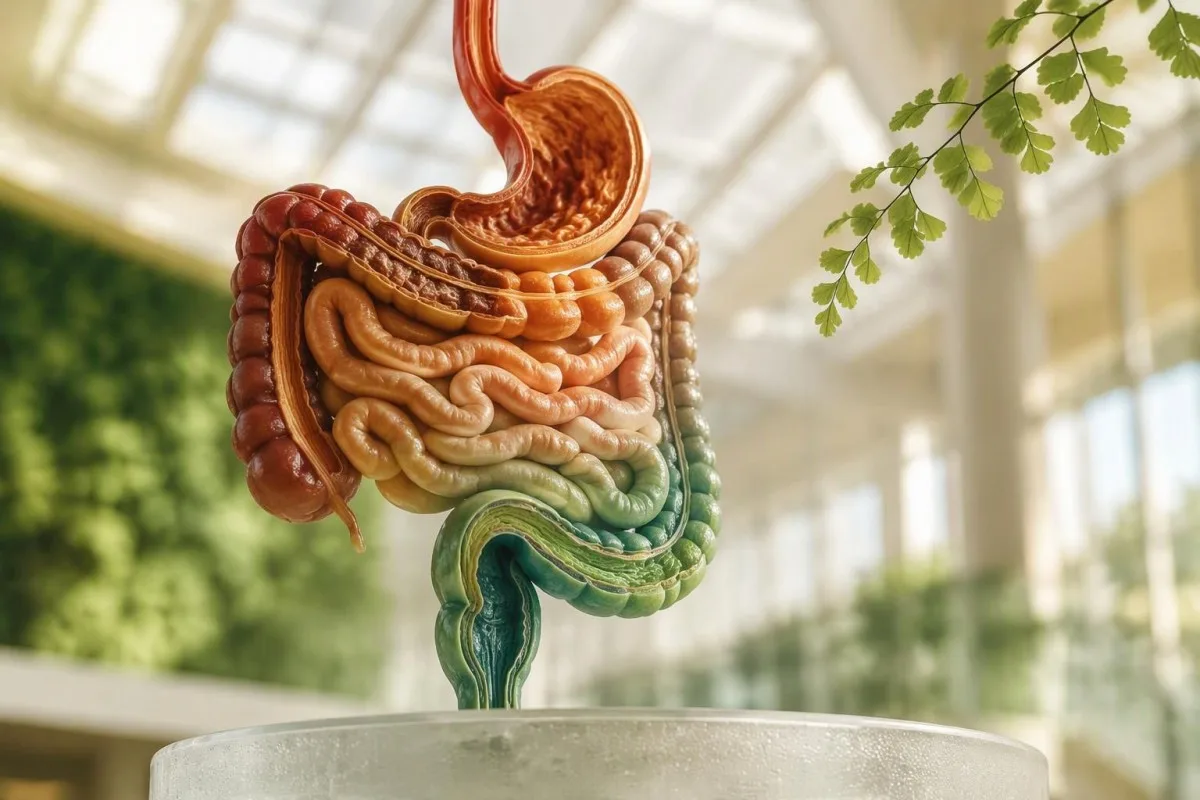
Заңдын түсү ичеги-карындын канашын аныктоого жардам берет, бирок түсү гана себебин диагноздой албайт. Бул симптом-биринчи колдонмо шашылыш эскертүү белгилерин дагы эле өз убагында медициналык кароону талап кылган жагдайлардан бөлүп турат.


- Кара самы сымал заң ичеги-карындын жогорку бөлүгүнүн канашын билдириши мүмкүн жана баш айлануу, алсыздык же кусуу менен өзгөчө бир күндө шашылыш баалоону талап кылат.
- Заңдагы ачык кызыл кан көбүнчө геморрой же жаракалардан келип чыгат, бирок 40 жаштан өткөндөн кийин кайталануучу кан кетүү клиникалык баалоону талап кылат.
- Күрөң кызыл заң ичегинин же ичке ичегинин ылдамдаган же олуттуу канашын көрсөтүшү мүмкүн жана аны үйдө байкап отурбоо керек.
- Өзгөчө кырдаалдык босого эс-учун жоготуу, көкүрөк ооруу, дем алуунун кыйындашы, башаламандык, катуу ичтин оорушу же тез жүрөк кагуусу менен коштолгон ар кандай заңдагы кан кетүү болуп саналат.
- CBC белгиси: гемоглобиндин төмөндөшү же креатининдин мочевинага болгон катышынын жогорулашы ичеги-карындын клиникалык жактан олуттуу кан жоготуусун колдошу мүмкүн.
- Дары-дармектерди карап чыгуу маселе: аспирин, ибупрофен, напроксен, антикоагулянттар, кортикостероиддер жана кээ бир кошумчалар кан кетүү коркунучун жогорулатышы мүмкүн.
- Тамак-ашка окшоштор кызылча, кызыл тамак боёгу, висмут жана темир кирет; алар заъдын түсүн өзгөртө алышат, бирок заңдагы кандын анализин оң деп түшүндүрүшпөйт.
- Дарыгер жазып берген антикоагулянттарды токтотпоңуз аларды жазып берген клиницисттен шашылыш кеңеш алмайынча, эгерде ичегиден кан кетсе да.
Биринчи саатта заңдагы кандын түсү эмнени билдире алат
Заңдагы кан жогорку ичеги-карын жолунан ануска чейин бир жерде кан кетүү болушу мүмкүн; кара, жабышкак заң көбүнчө даараткана кагазындагы бир нече жаркыраган кызыл сызыктардан көбүрөөк шашылыш болуп саналат. 25-сентябрь, 2026-жылга карата менин практикалык эрежеси жөнөкөй: эгер өзүңүздү алсыз, эстен танган, дем жетпеген, тердеген сезсеңиз же кара, жабышкак заңду байкасаңыз, үйдө себебин аныктоого аракет кылгандан көрө, азыр шашылыш жардамга кайрылыңыз.
Жаркыраган кызыл кан, адатта, сиңирүүгө аз убакыт кеткен, ошондуктан ал көбүнчө көтөн чучуктан же анал каналынан келет. Кара, жабышкак заң, мелена деп аталат, адатта, канды ашказандын кислотасы жана ичеги ферменттери өзгөрткөнүн билдирет, көбүнчө кызыл өңгөч, ашказан же он эки эли ичегиден. Бир түс булагын далилдебейт, бирок ал шашылыштыкты өзгөртөт.
Күрөң же кара шарап түстүү заң оң жоон ичегиден, ичке ичегиден же тез кан жогорку ичеги-карын жолунан кан кетүүдөн пайда болушу мүмкүн. Клиникалык практикада, пульсу мүнөтүнө 100 соккудан жогору, жаңы баш айлануу же зааранын чыгышы азайган күрөң заң, далилденгенге чейин, ички кан жоготуу потенциалдуу маанилүү деп эсептелет.
Кантести - бул AI кан анализи анализатору бул колдонуучуларга клиницист шашылыш симптомдорду чечкенден кийин CBC, темир изилдөөлөрү, бөйрөк маркерлери жана боор тесттерин контекстке коюуга жардам берет. Ичегинин үлгүлөрү боюнча кеңештер үчүн биздин колдонмону караңыз Bristol заң диаграммасы.
Түстү үй шартында диагноз коюу үчүн колдонбоңуз
Кызылча, кызыл боёк, помидордун кабыгы, темир таблеткалары жана висмут тынчсыздандыруучу түс өзгөрүшүн туурайт. Чындап жабышкак болгон заң, адатта, ачык кара, жылтырак, жабышкак жана өзгөчө жагымсыз жыттуу болот - жөн эле кара күрөң эмес.
Заңдагы ачык кызыл кан: жалпы себептери жана чектөөлөрү
Заңдагы жаркыраган кызыл кан көбүнчө геморрой, анал жаракасы, көтөн чучуктун сезгенүүсү же төмөнкү ичегинин жарасынан келип чыгат. Кагаздагы кичинекей оорутпаган сызыктар майда болушу мүмкүн, бирок кайталануучу эпизоддор, заңга аралашкан кан же салмак жоготуу менен кан кетүү медициналык кароону талап кылат.
Геморрой көбүнчө идиштеги жаркыраган кызыл тамчыларды же сүрткөндөн кийинки сызыктарды, айрыкча ич катканда, кош бойлуулукта, оор көтөргөндө же узакка созулган күч келтиргенде пайда кылат. Анал жаракасы көбүнчө ичеги кыймылы учурунда же андан кийин курч ооруну пайда кылат; клиницист, адатта, аларды кылдат текшерүү менен айырмалай алат.
Кан болсо аралашкан заңдын үстүндө эмес, анын ичине аралашкан, көбүрөөк көңүл бурууга татыктуу, анткени ал көтөн чучуктун же жоон ичегинин жогору жагынан келип чыгышы мүмкүн. NICE рактан шектенген жолу 50 жаштан ашкан чоңдордо, айрыкча ичтин оорушу же ичегинин режими өзгөргөндө (NICE, 2025) түшүндүрүлбөгөн ичегиден кан кетүүнү тез арада иликтөөнү сунуштайт.
Пайдалуу практикалык кадам - бул заңды жеке өзүңүз сүрөткө тарта алсаңыз гана сүрөткө тартуу, андан кийин убакытты, көлөмдү, ооруну, ичегинин жыштыгын жана дары-дармектерди жазуу. Туруктуу ич катуу жаракаларды же геморройду начарлатышы мүмкүн; биздин макала жөнүндө сиңирилбеген тамак-аш жана эскертүү белгилери заңдын өзгөрүшү эмнени жана эмнени билдирбейт деп түшүндүрөт.
Кара самы сымал заңдын себептери жана шашылыш чектөөлөрү
Black tarry stool causes include peptic ulcer bleeding, gastritis, oesophageal varices, and medicines that irritate the stomach lining; true melaena warrants same-day urgent assessment. Black stool plus faintness, vomiting that resembles coffee grounds, or severe weakness is an emergency.
Melaena is classically black, sticky, and difficult to flush because digested haemoglobin changes stool texture as well as colour. Iron supplements may make stool dark green-black, but they usually do not create the sticky, tar-like quality or the illness symptoms that accompany an active upper gastrointestinal bleed.
A urea level that rises out of proportion to creatinine can occur in upper gastrointestinal bleeding because digested protein is absorbed and converted to urea. This pattern is supportive rather than diagnostic; hydration status, kidney function, and steroid use can produce similar results. Our BUN жана креатинин катышы explains those competing explanations.
The 2021 American College of Gastroenterology guideline recommends risk assessment at presentation for overt upper gastrointestinal bleeding and supports endoscopy within 24 hours for patients admitted or under observation (Laine et al., 2021). I would not advise driving yourself if you are dizzy or passing repeated black stools.
Күрөң кызыл заңдын мааниси: эмне үчүн бул түс шашылыш кароону талап кылат
Maroon stool means blood may be moving through the bowel quickly enough that it is only partly digested, and it should be assessed urgently if new or ongoing. It can arise from the colon, small intestine, or occasionally a rapid upper gastrointestinal source.
Maroon stool is not a harmless middle ground between red and black. A person can lose a clinically meaningful volume of blood before the stool becomes obviously red, particularly if they are older, take beta-blockers, or have limited cardiac reserve.
Diverticular bleeding is often painless and can be surprisingly brisk, while colitis more commonly brings urgency, cramps, diarrhoea, fever, or mucus. A new maroon stool after a recent colonoscopy, polyp removal, or change in anticoagulant dose should prompt immediate contact with the treating team.
The 2016 ACG guideline states that haematochezia with haemodynamic instability may indicate an upper gastrointestinal source and merits upper endoscopy consideration (Strate and Gralnek, 2016). Review our positive FIT follow-up guide if screening test results are part of the picture.
Качан заңдагы кан шашылыш болуп саналат
Call emergency services or go to an emergency department now if stool bleeding occurs with fainting, confusion, chest pain, shortness of breath, severe abdominal pain, or repeated large-volume blood loss. A normal-looking blood pressure does not reliably exclude early blood loss, especially in fit younger adults.
A resting heart rate above 100 beats per minute, systolic pressure below 100 mmHg, cold sweaty skin, or inability to stand without dizziness are practical danger signs. In my experience, patients often minimise these symptoms because the bleeding seems to have stopped; that can be misleading after an intermittent bleed.
Seek urgent care the same day for black stool, maroon stool, recurrent red bleeding, or any bleeding while taking warfarin, apixaban, rivaroxaban, dabigatran, clopidogrel, or dual antiplatelet therapy. Do not independently skip an anticoagulant dose unless an emergency clinician tells you to—stroke and clot risk can rise quickly.
Кантешти AI кан анализинин жыйынтыгы платформасы can organise trends in haemoglobin, platelets, kidney tests, and iron markers, but it is not an emergency service and cannot rule out active bleeding. If the bleeding is paired with breathlessness, our дем алуунун жетишсиздигине кан анализдери article explains why anaemia is only one possibility.
Качан кадимки жолугушуу акылга сыярлык
A routine primary-care appointment is reasonable for one small episode of bright-red blood clearly linked to constipation or painful wiping when you feel entirely well. Arrange review within days rather than months if it recurs, even when you suspect haemorrhoids.
The lower-risk pattern is a few drops of red blood on paper after a hard stool, with no blood mixed into stool, no abdominal symptoms, and no anaemia symptoms. Even then, age, family history of colorectal cancer, inflammatory bowel disease, and prior polyps alter the threshold for investigation.
New rectal bleeding with unexplained fatigue, unintentional weight loss, persistent altered bowel habit, or abdominal mass should not be labelled haemorrhoids without an examination. A full blood count is often useful, but a normal haemoglobin does not exclude an early lesion or intermittent bleeding.
Dr. Thomas Klein advises patients to bring a complete medication and supplement list, including turmeric, fish oil, ginkgo, NSAIDs, and iron. A clinician may use a faecal immunochemical test, examination, sigmoidoscopy, or colonoscopy; compare FIT and FOBT testing before assuming the tests are interchangeable.
Себептери жаш курагына, ооруга жана ичеги режиміне жараша болот
The most likely cause of blood in stool changes with age and symptoms: fissures and infectious diarrhoea are common in younger adults, while diverticular disease, polyps, angiodysplasia, and cancer become more relevant with age. Pain, diarrhoea, fever, and medication use refine the pattern.
Painful bright bleeding after constipation points toward a fissure, while painless intermittent bleeding may fit haemorrhoids, polyps, or diverticular disease. Cramping with bloody diarrhoea raises concern for infectious colitis, inflammatory bowel disease, or ischaemic colitis—particularly after dehydration, low blood pressure, or vascular disease.
In adults under 50, colorectal cancer is still less common than benign causes, but incidence has risen enough that persistent rectal bleeding should never be dismissed by age alone. The presence of iron-deficiency anaemia, a first-degree relative with colorectal cancer, or symptoms that wake someone at night changes the risk calculation substantially.
Stool inflammatory markers can sometimes clarify whether diarrhoea reflects intestinal inflammation, although they cannot identify the cause by themselves. See калпротектин менен лактоферриндин салыштырмалуу анализи for sensible next questions after recurrent loose, bloody stool.
Кандоо рискин өзгөртүүчү дары-дармектер, алкоголь жана кошумчалар
Aspirin, ibuprofen, naproxen, anticoagulants, antiplatelet drugs, corticosteroids, and heavy alcohol use can make gastrointestinal bleeding more likely or more severe. The combination of an NSAID with an anticoagulant is more concerning than either medicine alone.
NSAIDs reduce protective prostaglandins in the stomach and duodenum, which can allow ulcers to form or bleed. A person taking ibuprofen 600 mg three times daily for several days may be at higher risk than they realise, especially if they are also older than 65, use steroids, or have had an ulcer before.
Warfarin requires an INR check when bleeding occurs, but a normal INR does not make rectal bleeding unimportant. Direct oral anticoagulants do not have a simple routine blood level that excludes clinically meaningful bleeding; emergency clinicians use timing of the last dose, kidney function, and bleeding severity.
Dark stool after iron is common, while bismuth can turn stool black and the tongue darker. If you take iron because of low ferritin, review the underlying reason with our төмөн ферритин симптому боюнча колдонмо rather than assuming replacement has solved the cause.
Дарыгерлер кан жана заң тесттеринде эмнени текшеришет
Clinicians commonly check a full blood count, ferritin, urea, creatinine, liver tests, clotting studies, and stool tests when blood in stool is recurrent or significant. No single laboratory result can identify the exact bleeding site.
A haemoglobin below the laboratory reference range supports anaemia, while a low mean corpuscular volume and low ferritin can suggest longer-term iron loss. Ferritin below 15 ng/mL is highly specific for depleted iron stores in many adults, although inflammation can raise ferritin and hide deficiency.
Platelet count, prothrombin time, INR, activated partial thromboplastin time, albumin, bilirubin, and liver enzymes may be relevant when bleeding is unexpected or liver disease is possible. A platelet count below 50 × 10^9/L increases procedural and spontaneous bleeding concerns, though individual decisions depend on context.
Кантести - бул AI менен иштеген кан анализин талдоо куралы that compares these markers across reports so a clinician can see whether a low haemoglobin is new, stable, or worsening. For why red-cell size matters, read our аз MCV себептери боюнча колдонмо.
Заңдагы канды ого бетер тынчсыздандырган анемиянын белгилери
Blood in stool becomes more concerning when it is paired with falling haemoglobin, low ferritin, fatigue, exertional breathlessness, palpitations, or pale skin. Chronic small-volume bleeding may cause iron deficiency before a person sees obvious red blood.
A haemoglobin decrease of 2 g/dL or more over days to weeks is clinically meaningful and should be interpreted urgently when bleeding is suspected. Acute blood loss can initially leave haemoglobin looking deceptively normal because fluid shifts take time; symptoms and vital signs still matter.
Iron deficiency can produce fatigue, restless legs, reduced exercise tolerance, hair shedding, and concentration difficulty before anaemia develops. In men and postmenopausal women, confirmed iron-deficiency anaemia commonly prompts gastrointestinal evaluation because menstrual loss is not an adequate explanation.
Dr. Thomas Klein has seen patients reassured by a “normal” haemoglobin of 13.2 g/dL despite a clear downward trend from 15.8 g/dL over six months. Our haematocrit and haemoglobin guide shows why both numbers and trends deserve attention.
Кош бойлуулук, балдар жана улгайган адамдарда заңдагы кан
Pregnancy, childhood, and older age each change the likely causes of blood in stool, but black stool or systemic illness is urgent at any age. In infants and children, a paediatric clinician should assess recurrent bleeding rather than relying on adult haemorrhoid explanations.
Pregnancy increases constipation and haemorrhoids, so small bright-red streaks are common, yet severe abdominal pain, heavy bleeding, dizziness, or black stool still needs urgent assessment. Iron supplements can darken stool during pregnancy, but they do not make a person safe from gastrointestinal bleeding.
In children, fissures from constipation are common, but bloody diarrhoea with fever, reduced drinking, lethargy, or abdominal swelling needs same-day paediatric care. Currant-jelly-like stool with episodic severe pain is an emergency pattern because intussusception is one possible cause.
Older adults may have less pain despite substantial bleeding, especially with diverticular disease or angiodysplasia. If there is a bleeding tendency in the wider family, our von Willebrand disease symptoms guide may help prepare for the right questions.
Медициналык кеңеш күтүп жатканда эмне кылбоо керек
Do not take extra ibuprofen or aspirin for abdominal pain, use anti-diarrhoeal medicines for bloody diarrhoea without advice, or stop critical anticoagulants on your own. These choices can worsen bleeding, hide important symptoms, or create clotting risk.
Avoid alcohol, strenuous exercise, and fasting if you are light-headed or continuing to pass blood. Drink small amounts of fluid if you can keep them down, but do not force fluids if vomiting, severe pain, or confusion is present—those are reasons for urgent in-person assessment.
Do not use a home stool test to reassure yourself after visible blood. A negative result can miss intermittent bleeding, while a positive result cannot identify whether the cause is a fissure, inflammation, polyp, ulcer, or cancer.
Write down the last normal stool, estimated amount of bleeding, medicine doses, and any prior endoscopy results. If you use warfarin, see our explanation of what INR means before discussing results with your care team.
Дарыгерлер ичеги-карындын канашынын булагын кантип аныкташат
Doctors locate gastrointestinal bleeding using symptom pattern, examination, laboratory trends, and targeted procedures such as endoscopy, colonoscopy, CT angiography, or capsule endoscopy. The test choice depends on whether bleeding is active, likely upper or lower, and whether the person is stable.
Upper endoscopy examines the oesophagus, stomach, and duodenum and can often treat a bleeding ulcer during the same procedure. Colonoscopy examines the colon and rectum, but preparation quality, active bleeding, and medical stability influence timing and visibility.
CT angiography can identify active bleeding when the rate is high enough to detect, but a negative scan does not rule out a slow or intermittent source. Capsule endoscopy is sometimes used for suspected small-bowel bleeding after standard upper and lower examinations are unrevealing.
Kantesti AI interprets supportive laboratory patterns, not images or endoscopic findings, and our медициналык валидациялоо ыкмасы explains why clinical context and human oversight remain necessary. A normal test on one day is not proof that intermittent bleeding never occurred.
Пайдалуу медициналык жолугушууга кантип даярдануу керек
The most useful appointment preparation is a precise timeline of stool colour, amount, pain, bowel changes, medicines, family history, and prior laboratory results. This often shortens the path to the appropriate test more than a vague description such as “a little blood.”
Tell the clinician whether blood is on paper, drips into the bowl, coats stool, or is mixed throughout it; these descriptions change the working diagnosis. Record associated symptoms including fever, urgency, nocturnal diarrhoea, nausea, weight change, and fatigue, plus whether you have travelled or recently used antibiotics.
Bring prior CBC, ferritin, liver, kidney, and coagulation results if available. A longitudinal view can reveal a gradual decline that a single report conceals; our кан анализинин тенденциясы боюнча колдонмо outlines what to save between visits.
Kantesti is used across 127+ countries as an AI лабораториялык тест чечмелөө кызматы аркылуу жарыяланат, but no automated interpretation should delay a clinician’s assessment of visible gastrointestinal bleeding. Our doctors and reviewers follow clinical oversight standards described by the Медициналык кеңеш.
Түс жана симптом боюнча практикалык иш-аракет планы
Treat black tarry stool, maroon stool, large-volume red bleeding, or any bleeding with weakness or faintness as urgent; arrange timely review for recurring bright-red bleeding even if haemorrhoids seem likely. The safest decision is based on colour plus how you feel, not colour alone.
Call emergency services for fainting, chest pain, severe shortness of breath, confusion, severe abdominal pain, or ongoing large-volume bleeding. Go for same-day urgent evaluation for melaena, maroon stool, coffee-ground vomiting, or bleeding while on anticoagulants.
Book a prompt outpatient appointment for recurring bright red blood, blood mixed in stool, changed bowel habits lasting more than 3 weeks, unexplained fatigue, or weight loss. A presumed haemorrhoid diagnosis should be revisited when the pattern changes or symptoms persist.
The practical lesson from my clinical work is that people rarely regret seeking assessment for a potentially serious bleed; they more often regret waiting because a familiar explanation seemed plausible. For a broader overview of clinical test interpretation safeguards, visit our AI технология боюнча колдонмо.
Көп берилүүчү суроолор
Геморрой заъар менен аралашкан канга себеп болобу?
Haemorrhoids usually cause bright-red blood on toilet paper, on the stool surface, or as drops in the bowl rather than blood thoroughly mixed through stool. Blood mixed into stool can come from higher in the rectum or colon and should be assessed, particularly if it recurs or occurs after age 40. Seek faster care if there is weight loss, changed bowel habit, abdominal pain, fatigue, or a haemoglobin decline of 2 g/dL or more. A clinician can confirm haemorrhoids, but visible bleeding should not be self-diagnosed indefinitely.
Заң кара болсо, ар дайым канбы?
Black stool is not always blood because iron tablets, bismuth-containing medicines, and some foods can darken stool. True melaena is usually jet black, glossy, sticky, and unusually foul-smelling, and it may occur with weakness, dizziness, or a heart rate above 100 beats per minute. Black tarry stool should receive same-day urgent medical assessment, even if you take iron. Emergency care is needed if fainting, vomiting, chest pain, or shortness of breath accompanies it.
Күрөң заң эмнени билдирет?
Maroon stool can mean bleeding from the right colon, small intestine, or a rapidly bleeding upper gastrointestinal source. It is more concerning than a few small bright-red streaks because it can reflect blood moving quickly through the bowel. Maroon stool with light-headedness, low urine output, fast pulse, or repeated bowel movements needs emergency assessment. Doctors may use a CBC, urea and creatinine, CT angiography, colonoscopy, or upper endoscopy depending on stability.
Качан заңда кан кеткенде тез жардамга барышым керек?
Go to the emergency department immediately for black tarry stool, maroon stool, large amounts of red blood, fainting, confusion, chest pain, severe abdominal pain, shortness of breath, or a resting pulse above 100 beats per minute. These features can indicate substantial blood loss or a serious gastrointestinal condition. People taking warfarin, apixaban, rivaroxaban, dabigatran, clopidogrel, or dual antiplatelet therapy should seek same-day advice for any new visible stool bleeding. Do not drive yourself if you feel weak or dizzy.
Темир таблеткалары заңды кара кылабы?
Iron tablets commonly make stool dark green or black, and this effect can begin within 24 to 48 hours of starting treatment. Iron-related dark stool is usually not sticky or tar-like and does not typically cause dizziness, weakness, coffee-ground vomiting, or a falling haemoglobin level. Do not assume black stool is from iron if the appearance is new, very tarry, foul-smelling, or accompanied by illness symptoms. A clinician can decide whether a CBC, ferritin, and urgent gastrointestinal evaluation are needed.
Ички ашказан-ичеги кандыгын кандай кан анализдери көрсөтө алат?
A full blood count can show low haemoglobin, low haematocrit, and sometimes a low MCV when blood loss has been ongoing long enough to deplete iron. Ferritin below 15 ng/mL strongly supports depleted iron stores in many adults, although inflammation can make ferritin appear higher than expected. Urea may rise disproportionately to creatinine in upper gastrointestinal bleeding because digested protein increases urea production. Normal laboratory results do not exclude a recent or intermittent bleed, especially during the first hours.
Бүгүн AI менен күчөтүлгөн кан анализин талдоону алыңыз
Дүйнө жүзү боюнча 2 миллиондон ашык колдонуучу Kantestiти заматта, так лабораториялык анализ талдоосу үчүн ишенет. Кан анализиңизди жүктөп, бир нече секунд ичинде 15,000+ биомаркерлеринин комплекстүү чечмелөөсүн алыңыз.
📚 Шилтемеленген изилдөө басылмалары
Кляйн, Т., Митчелл, С., & Вебер, Х. (2026). BUN/Creatinine Ratio Explained: Kidney Function Test Guide. Kantesti Research Publication. Zenodo.. Kantesti AI медициналык изилдөө.
Кляйн, Т., Митчелл, С., & Вебер, Х. (2026). Urobilinogen in Urine Test: Complete Urinalysis Guide 2026. Kantesti Research Publication. Zenodo.. Kantesti AI медициналык изилдөө.
📖 Тышкы медициналык шилтемелер
Улуттук саламаттыкты сактоо жана тажрыйба боюнча мыктылар институту (2025). Suspected cancer: recognition and referral. NICE guideline NG12.
⚕️ Медициналык эскертүү
Бул макала билим берүү максатында гана жана медициналык кеңеш болуп саналбайт. Диагноз коюу жана дарылоо чечимдери үчүн дайыма квалификациялуу саламаттыкты сактоо адисине кайрылыңыз.
E-E-A-T ишеним сигналдары
Тажрыйба
Дарыгер жетектеген лабораториялык чечмелөө иш процесстерин клиникалык кароо.
Экспертиза
Биомаркерлер клиникалык контекстте кандай жүрөрүнө лабораториялык медицина багыты.
Авторитеттүүлүк
Доктор Томас Клейн жазган, доктор Сара Митчелл жана профессор доктор Ханс Вебер тарабынан каралган.
Ишенимдүүлүк
Тынчсызданууну азайтуу үчүн так кийинки кадамдар менен далилге негизделген чечмелөө.