Suspected methanol poisoning needs immediate emergency assessment, even before symptoms appear. New blurred vision after possible exposure is an emergency—not a reason to wait for a blood test.

خاڵە سەرەکییەکان
- هەڵسەنگاندنی دەستبەجێ is needed after suspected methanol poisoning; having 0 symptoms does not establish safety.
- Delayed symptoms often develop around 6–24 hours after exposure, but ethanol taken at the same time can postpone deterioration beyond this window.
- بینایی تێکچوو after possible methanol exposure requires emergency care, even if only 1 eye seems affected or the change feels mild.
- Methanol concentration of 20 mg/dL, approximately 6.2 mmol/L, is a commonly used hospital antidote threshold—not a home observation cutoff.
- Acid–base testing assesses pH and bicarbonate; a usual arterial pH is 7.35–7.45, but a normal early result cannot exclude poisoning.
- Osmolal and anion gaps provide 2 different clues: the first may rise before toxic metabolites accumulate, while the second often rises later.
- Severe acidemia with pH at or below 7.15 is one EXTRIP indication for dialysis; new visual deficits can justify dialysis independently of that number.
- کردارێکی هە بیانی means calling 999 or 112 in the UK, 911 in the US, or the local emergency number; do not drive yourself, induce vomiting, or drink alcohol as treatment.
When do methanol poisoning symptoms require emergency care?
Suspected methanol poisoning requires immediate emergency assessment, even without symptoms. Blurred vision, deep or rapid breathing, confusion, seizures, or difficulty staying awake after possible exposure are emergency warning signs; call 999 or 112 in the UK, 911 in the US, or your local emergency number.
An initially comfortable person can still have a dangerous exposure because the most harmful effects follow conversion of methanol into formate. The often-quoted 6–24-hour delay is not a recommended observation period, and neither normal conversation nor the ability to walk establishes safety. Emergency clinicians assess the substance, route, timing, symptoms, and laboratory pattern together rather than waiting for a complete symptom checklist.
Sudden loss of vision or new neurological symptoms also need emergency assessment when the exposure history is uncertain. Our guide to sudden neurological warning signs explains another time-sensitive cause; possible poisoning and stroke cannot reliably be distinguished at home. Tell the emergency dispatcher about both the visual change and the suspected substance rather than choosing one explanation yourself.
Kantesti is an AI blood test analyzer for understanding laboratory reports, not an emergency poison-assessment service. A methanol result below 20 mg/dL cannot, by itself, overrule visual symptoms or unexplained acidosis; timing and prior treatment change its meaning. Our سنوورەکانی زیرەکی دەستکردی بەرپرسانەی ئێمە explain why an online interpretation must never delay emergency examination or antidote decisions.
What is the methanol poisoning symptoms timeline?
Methanol poisoning symptoms commonly become apparent after a delay of roughly 6–24 hours, with substantial variation. Some people develop early intoxication or stomach symptoms, while serious visual and metabolic effects emerge later; ethanol co-exposure can extend the apparently well interval beyond 24 hours.

The liver first converts methanol to formaldehyde, which is rapidly converted to formate; formate accumulation drives much of the acidosis and visual toxicity. Early headache, nausea, dizziness, or sleepiness can resemble ordinary intoxication, but their absence is equally unreliable. The American Academy of Clinical Toxicology guideline describes this latent phase and the importance of treatment before severe toxicity develops (Barceloux et al., 2002).
Ethanol competes for alcohol dehydrogenase and can slow methanol conversion, postponing symptoms until the ethanol concentration falls. An exposure at 10 pm followed by a relatively comfortable morning therefore does not establish that the danger has passed, especially if alcohol was consumed simultaneously. This delay is a pharmacological effect, not a protective strategy people should attempt to reproduce themselves.
Delayed toxicity is not unique to methanol, but each poison has its own testing rules. Our explanation of overdose testing by timing shows why a result collected at one time cannot be interpreted as though it were collected at another. For suspected methanol poisoning, give clinicians the earliest and latest plausible exposure times rather than selecting a falsely precise single hour.
Why is methanol poisoning blurred vision an emergency?
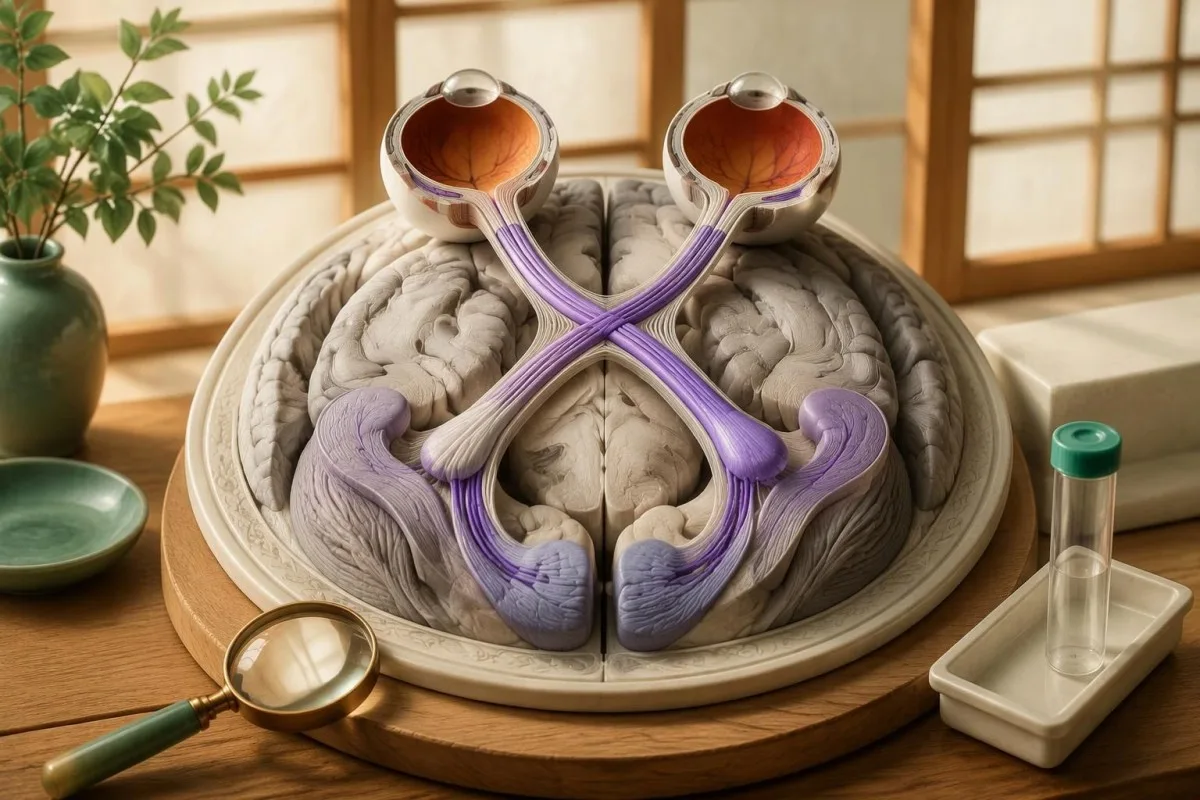
Blurred vision after possible methanol exposure is an emergency because formate can impair the retina and optic nerve, potentially causing permanent visual loss. Visual symptoms may include dimming, central blind spots, light sensitivity, or a snowfield-like appearance; there is no minimum degree of blurring that makes waiting safe.
Methanol-related visual changes often involve both eyes, but a person may notice one side first or describe the disturbance inconsistently. Even 1 newly affected eye warrants urgent assessment after possible exposure, because other emergencies also cause sudden visual change. Pain is not required, and a symptom that improves temporarily does not prove that the optic nerve is unaffected.
An early eye examination can appear less alarming than the patient's symptoms suggest. Clinicians assess visual acuity, pupils, colour perception, and the optic disc, but normal findings on 1 component do not exclude evolving toxicity or replace acid–base testing. Routine eye pressure and OCT testing answers different questions and should not become a detour before emergency toxicology assessment.
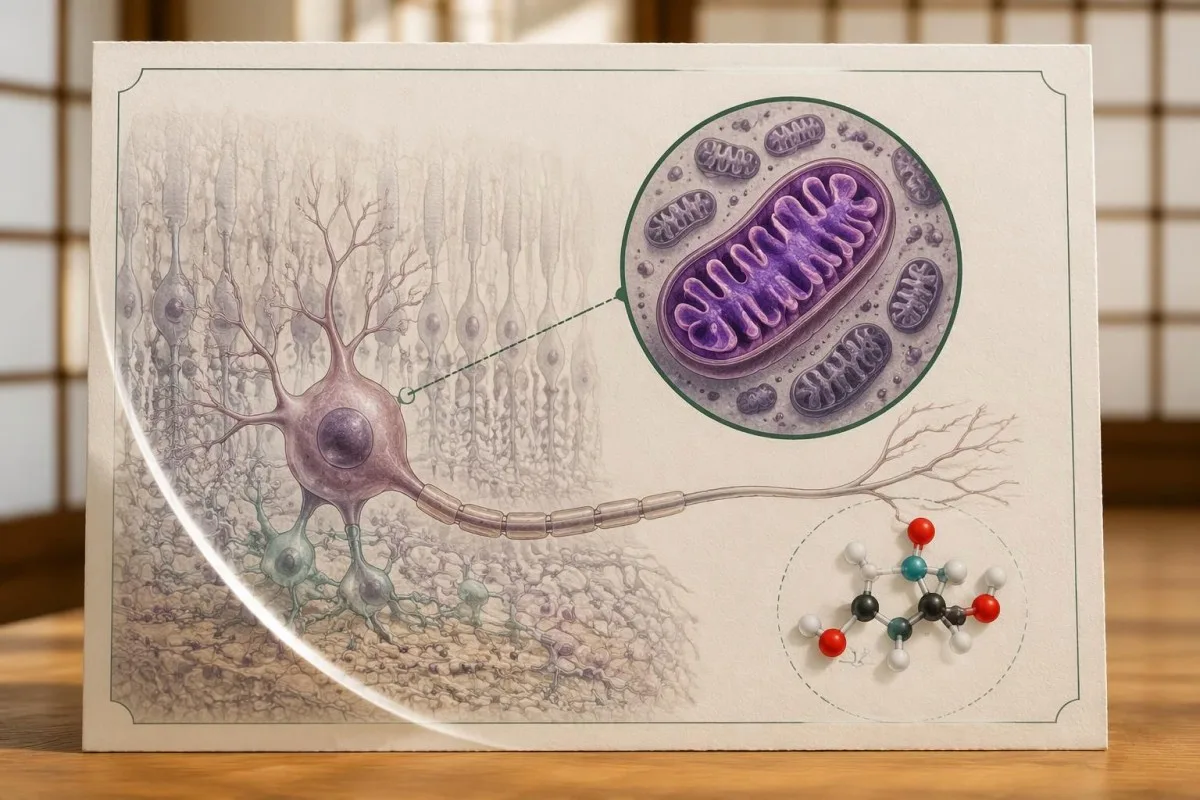
Formate interferes with mitochondrial energy production, making metabolically demanding visual tissues particularly vulnerable. EXTRIP recommends extracorporeal treatment for new visual deficits attributable to methanol poisoning, independently of whether the measured methanol concentration exceeds its concentration-based dialysis thresholds (Roberts et al., 2015). Describe the exact change—such as missing central detail or washed-out colours—but do not spend 20 minutes performing home vision comparisons before calling.
Which exposures can cause signs of methanol poisoning?
Methanol poisoning can follow ingestion of methanol-containing products or contaminated drinks, and substantial inhalation or skin exposure can also cause systemic toxicity. Risk depends on concentration, duration, route, and absorbed amount; a brief incidental splash is not equivalent to swallowing a solvent, but uncertain exposure still needs prompt poison-service advice.
Potential sources include some industrial solvents, fuels, windshield-washer fluids, and improperly produced or adulterated drinks; formulations differ between countries and products. A product marketed as an alcohol or solvent may contain ethanol, methanol, isopropanol, or a mixture, so the name alone cannot establish its toxicity. Photograph the ingredient panel and concentration if available, but do not taste or deliberately smell an unidentified liquid.
Ordinary alcohol-related biomarkers do not identify acute methanol poisoning. For example, PEth results and limitations concern ethanol exposure history, not whether an unfamiliar liquid contains methanol or whether formate is accumulating now. There is no reliable home calculation from a drink's appearance, perceived strength, or number of sips to a safe absorbed dose.
Different chemicals produce different emergency patterns, and 2 people exposed to the same container may absorb very different amounts. Our guide to pesticide poisoning warning signs describes excessive secretions and other features that are not the characteristic methanol pattern. Bring the product identity into the discussion, but let emergency clinicians investigate mixed exposure rather than trying to diagnose the chemical from symptoms alone.
What should you do immediately after suspected exposure?
Call emergency services immediately for suspected methanol ingestion or symptoms suggesting poisoning; do not wait for a home test or an appointment. In the US, Poison Control is also available at 1-800-222-1222; in the UK, symptomatic or suspected serious poisoning belongs with 999 or 112, not a routine booking.
Move away from fumes into fresh air only if doing so is safe, and never enter a contaminated enclosed space to rescue someone without appropriate protection. Remove contaminated clothing and rinse exposed skin; for an eye splash, begin irrigation with clean lukewarm water for at least 15–20 minutes while arranging professional advice. These decontamination steps do not replace emergency assessment when ingestion or substantial systemic exposure is suspected.
Do not induce vomiting, drink alcohol as an antidote, or take activated charcoal unless a clinician specifically directs you. Methanol is absorbed rapidly and binds poorly to charcoal; hospital ethanol treatment requires controlled dosing and monitoring, unlike drinking spirits at home. If the person is unconscious or cannot swallow safely, give nothing by mouth and follow the dispatcher's instructions for breathing assessment and resuscitation.
Record 3 practical details if available: the product, the approximate exposure time, and the likely route or amount. A photo is safer than transporting a leaking container, and neither should delay departure. The same exposure-first approach applies to تاقیکردنەوەی مۆنۆکسیدی کاربۆن و سەلامەتی: remove the immediate hazard, seek care, and let clinicians interpret measurements in their time context.
Which tests do clinicians order for suspected methanol poisoning?
Clinicians combine a specific methanol concentration with acid–base testing, electrolytes, measured serum osmolality, glucose, and kidney-function tests. They commonly request an ethanol level and tests for alternative causes of acidosis; a routine metabolic panel does not automatically include methanol, formate, or a blood gas.
Blood gas testing provides pH and carbon dioxide information, while an electrolyte panel supplies sodium, chloride, and bicarbonate or total carbon dioxide for calculating the anion gap. Serum total CO2 is mainly a bicarbonate estimate, not a direct measurement of arterial ventilation. Our ڕێنمایی لێکدانەوەی پانێڵی ئەلیکترۆلایتەکانماندا explains why combinations of results reveal more than an isolated flagged value.
Direct methanol measurement often uses gas chromatography, and some hospitals must send the sample to another laboratory. A delay of several hours is a service limitation—not a reason to postpone antidote treatment when the exposure history and clinical pattern are concerning. Formate measurement may help where available, but many emergency departments cannot obtain it rapidly enough to guide the first treatment decision.
Kantesti AI can support later understanding of reported laboratory values, but the emergency team must verify the original report, specimen time, units, and treatments already given. If sodium, osmolality, and ethanol are collected at 3 different times, combining them can create a misleading osmolal gap. Clinicians therefore prefer coordinated sampling and repeat measurements when an evolving exposure could make an initially reassuring result obsolete.
How are methanol levels interpreted in emergency care?
A methanol concentration of at least 20 mg/dL, approximately 6.2 mmol/L, is a commonly used indication for alcohol-dehydrogenase-blocking treatment. A lower concentration does not exclude serious late poisoning, because methanol may already have been converted into formate; symptoms and acid–base findings remain central.
Unit conversion can prevent a major reading error: 20 mg/dL equals 200 mg/L, and 1 mg/dL methanol is approximately 0.312 mmol/L. A number written as 20 mg/L therefore represents a different concentration from 20 mg/dL. The AACT guideline uses concentration alongside exposure history and metabolic evidence rather than treating any single threshold as a complete diagnosis (Barceloux et al., 2002).
EXTRIP's concentration-based dialysis recommendations distinguish patients receiving fomepizole, ethanol, or no alcohol-dehydrogenase inhibitor: the respective thresholds are greater than 70, 60, and 50 mg/dL. These are dialysis criteria, not thresholds for deciding whether to attend hospital or start an antidote. Visual deficits, coma, seizures, severe or persistent acidosis, and other clinical findings can independently justify extracorporeal treatment (Roberts et al., 2015).
A laboratory's word 'negative' needs its detection limit and sampling context, especially after treatment or a long delay. Our guide to ئەنجامی کوالێتی جیاواز یان چەندایەتی explains why a detected/not-detected answer contains less information than a concentration with units. Ask the team what the result measures, when the sample was taken, and whether it addresses parent methanol rather than its toxic metabolite.
What do pH and bicarbonate show in methanol poisoning?
Low pH and low bicarbonate can indicate metabolic acidosis from accumulated formate, a major marker of methanol toxicity. Usual adult arterial pH is 7.35–7.45; a normal early pH cannot exclude poisoning, and mixed acid–base disturbances can partly mask the degree of metabolic illness.
Serum bicarbonate is commonly around 22–28 mmol/L, although laboratories use different intervals and specimen methods. A falling value means buffering capacity is being consumed, but it does not identify the acid by itself; ketoacidosis, lactic acidosis, and kidney dysfunction are alternative explanations. Our ڕوونکردنەوەی گازی خوێنی شەریان separates metabolic changes from carbon dioxide changes caused by breathing.
Deep, rapid breathing can be compensation for metabolic acidosis rather than an isolated lung problem. With bicarbonate of 10 mmol/L, Winter's formula estimates an expected arterial CO2 of about 23 mmHg, allowing roughly ±2 mmHg; a substantially higher CO2 suggests inadequate respiratory compensation. This is a clinician's cross-check, not a home decision rule, and sample type matters when comparing venous and arterial measurements.
Kantesti is an AI blood test interpretation platform that helps explain routine biomarkers, including why bicarbonate must be read alongside other results. Our rêbernameya referansê ya nîşankerên biyolojîk cannot turn a pH of 7.40 into clearance after suspected methanol exposure: early sampling, vomiting-related alkalosis, or treatment may alter the apparent pattern. Emergency decisions require examination, repeat testing, and toxicology input rather than an automated normal-range label.
| ئاست | مەودا | مانای چییە |
|---|---|---|
| Usual adult arterial pH | 7.35–7.45 | A reference interval, not a rule-out test for early methanol poisoning. |
| Common serum bicarbonate interval | 22–28 mmol/L | Local intervals and measurement methods vary. |
| Usual adult arterial CO2 | 35–45 mmHg | Must be assessed against the expected respiratory response to metabolic acidosis. |
| EXTRIP severe-acidemia dialysis criterion | pH ≤7.15 | Supports extracorporeal treatment in methanol poisoning; other indications can apply at higher pH. |
Can normal osmolal or anion gaps exclude methanol poisoning?
Neither a normal osmolal gap nor a normal anion gap reliably excludes methanol poisoning. Unmetabolized methanol can raise the osmolal gap early, while formate raises the anion gap later; the relationship changes with time, ethanol co-exposure, baseline variation, and treatment.
The osmolal gap is measured osmolality minus calculated osmolarity; a common calculation in conventional units is 2 × sodium + glucose/18 + BUN/2.8. Ethanol requires an additional correction when present, and laboratories differ in the coefficient used. Our serum osmolality interpretation guide explains why a gap above about 10 mOsm/kg is a clue, not proof of a specific toxic alcohol.
The anion gap is usually sodium minus chloride minus bicarbonate when potassium is excluded. Many laboratories quote approximately 8–12 mmol/L, but analyzer-dependent intervals vary; low albumin can hide an increase, with a commonly used correction adding about 2.5 mmol/L for each 1 g/dL that albumin is below 4 g/dL. A late falling methanol level and normalizing osmolal gap can coexist with worsening formate-related acidosis.
Other acid–base conditions produce different patterns, so the gap cannot be interpreted independently of history, glucose, ketones, lactate, and kidney function. Our guide to شێوەکانی کەمبوونی ترشی بۆڕیی گورچیلە explains an important usually normal-gap alternative. EXTRIP includes an anion gap greater than 24 mmol/L among its methanol dialysis indications, but clinicians should not wait for that value if new visual deficits are present.
How can apparently reassuring results still be dangerous?
Apparently reassuring results can be dangerous when a sample is collected before metabolite accumulation, after methanol conversion, or after treatment. The following 3 hypothetical examples illustrate clinical reasoning only; they are not diagnostic templates and must never be used to decide whether someone can remain at home.
Hypothetical early exposure: a person presents 2 hours after swallowing a suspected solvent, with pH 7.39 and bicarbonate 24 mmol/L, while the direct methanol result is pending. Those values describe acid–base status at that moment, not the safety of the exposure. A credible ingestion history can justify immediate specialist assessment and empiric antidote treatment before laboratory confirmation or development of blurred vision.
Hypothetical late exposure: 24 hours after an uncertain drink, a person has new blurred vision, pH 7.12, bicarbonate 8 mmol/L, and methanol 12 mg/dL. The concentration is below the commonly used 20 mg/dL antidote threshold, but the clinical picture suggests serious metabolite toxicity rather than reassurance. New visual deficits and severe acidemia can support dialysis decisions without a higher parent-alcohol concentration.
Hypothetical competing diagnosis: a person has glucose 420 mg/dL, bicarbonate 12 mmol/L, and elevated ketones after a possible chemical exposure. Our ڕێنمایی کێتۆز بەرامبەر کێتۆئاسیدۆز explains why diabetic ketoacidosis is another urgent possibility, not proof that methanol is absent. At Kantesti, we explain these examples as pattern comparisons; only the treating team can determine whether one cause, mixed causes, or neither fits.
Why may treatment start before methanol confirmation?
Clinicians may start an antidote before methanol confirmation because blocking further metabolism can prevent additional formate formation while laboratory results are pending. Fomepizole is commonly preferred where available; ethanol is a hospital alternative requiring carefully controlled administration, glucose checks, and monitoring.
Fomepizole inhibits alcohol dehydrogenase, interrupting the first metabolic step rather than neutralizing methanol directly. Brent et al.'s prospective study in the New England Journal of Medicine supported its clinical use in methanol poisoning, although the study was not a large randomized comparison of every treatment strategy (Brent et al., 2001). A 20 mg/dL concentration is one common treatment trigger, but convincing exposure and metabolic findings can also justify action.
Antidote treatment does not instantly remove formate already present, which is why severe acidosis and visual changes demand additional assessment. Clinicians may administer bicarbonate for acidemia and folinic acid or folic acid to support formate metabolism; the evidence for adjunctive folate is less definitive than its biochemical rationale. These treatments are monitored hospital interventions, not a reason to take supplements or attempt oral alkalinization at home.
Blocking metabolism can leave parent methanol circulating for longer, so persistent detectability during treatment does not automatically mean the antidote has failed. Conversely, a lower concentration is not enough to establish recovery if pH or vision is worsening. Our discussion of aspirin toxicity treatment timing illustrates a related principle: poisoning care tracks symptoms, acid–base status, and serial levels rather than celebrating one falling number.
When is dialysis needed for methanol poisoning?
Dialysis is recommended for severe methanol poisoning when features such as new visual deficits, coma, seizures, marked acidemia, or persistent metabolic acidosis are present. EXTRIP includes pH ≤7.15 and anion gap >24 mmol/L among its indications; a patient does not need to meet every criterion.
Extracorporeal treatment can remove both methanol and formate while correcting acid–base and electrolyte abnormalities. EXTRIP generally prefers intermittent hemodialysis when available; continuous techniques may be used when circumstances require them, with different clearance rates and treatment durations (Roberts et al., 2015). Antidote therapy continues during dialysis, and clinicians adjust its administration because extracorporeal treatment also affects drug clearance.
Dialysis for methanol poisoning is not reserved for people with chronic kidney disease. Someone with previously normal creatinine can need urgent dialysis because the target is toxic-alcohol and metabolite clearance, not simply replacement of failed kidney function. Our BUN و creatinine explains why these kidney markers cannot, on their own, measure the urgency of a poisoning-related dialysis decision.
EXTRIP suggests stopping extracorporeal treatment when methanol is below 20 mg/dL and clinical improvement is evident, with ongoing treatment and reassessment determined by the team. Kidney impairment adds another reason for concern, but a symptom checklist for low kidney-function warning signs should not become a requirement before escalation. Duration depends on the initial burden, technique, metabolic response, and visual or neurological course—not a universal number of dialysis hours.
What follow-up is needed after hospital treatment?
Follow-up after methanol poisoning may include ophthalmology, neurological assessment, repeat metabolic testing, and support for the circumstances of exposure. A low or undetectable methanol concentration does not guarantee recovery of vision; persistent visual or cognitive changes require an individualized plan rather than interpretation of one discharge result.
A discharge summary should identify the exposure history, antidote, dialysis if used, relevant sample times, and outstanding follow-up. Keep the actual units: a final value of 15 mg/L is not 15 mg/dL, and a post-treatment result cannot reconstruct the original absorbed amount. Ask whether any visual deficit requires formal acuity, colour, field, or optic-nerve assessment and what change should trigger immediate reassessment.
Recovery varies with the severity and duration of metabolic disturbance, treatment timing, and visual or neurological involvement. Symptoms persisting 1 week after discharge cannot be judged from the original methanol concentration alone, and there is no reliable home prediction of permanent visual outcome. New or worsening blurring, confusion, breathing difficulty, or reduced consciousness after treatment should prompt urgent medical reassessment rather than waiting for a scheduled review.
Kantesti is an AI-powered blood test analysis tool that can help organize routine follow-up results after emergency clinicians have completed acute care. Our سنوورەکانی پشتڕاستکردنەوە و کلینیکی distinguish report explanation from diagnosing poisoning or predicting optic-nerve recovery; methanol below 20 mg/dL is not a stand-alone recovery endpoint. If exposure was intentional, involve urgent mental-health support alongside medical care, with a safety plan agreed before discharge.
Research publications and safe interpretation boundaries
Methanol emergency guidance should be based on toxicology evidence, not unrelated laboratory publications or an AI-generated normal-range assessment. The 2002 AACT guideline, 2001 fomepizole study, and 2015 EXTRIP recommendations support the clinical discussion here; the separate DOI publications below are not evidence for methanol diagnosis or treatment.
The Kantesti medical content team distinguishes established treatment principles from areas with limited comparative evidence. Immediate assessment, metabolism-blocking treatment when indicated, and extracorporeal treatment for severe poisoning have specialist support, but not every intervention has large randomized trials behind it. The 2015 EXTRIP paper explicitly combines a systematic evidence review with expert consensus, so its precise thresholds should be applied in clinical context rather than presented as infallible biological dividing lines.
Reliable interpretation also means explaining assumptions behind a calculation rather than publishing a single universal cutoff. For example, an albumin of 2 g/dL can conceal an approximately 5 mmol/L increase in an uncorrected anion gap under a commonly used correction; our ڕێبەری ئێمەمان لەبارەی ئەلبوومین و پرۆتینەکانی سیرمەوە provides supporting background. Neither that correction nor a mechanistic illustration validates a diagnosis without exposure history, examination, and appropriately timed measurements.
These 2 Kantesti DOI publications cover gastrointestinal and women's-health education, not toxic-alcohol outcomes, and should be read only as separate publications. A DOI identifies a deposited work; it does not itself establish peer review, clinical validation, or relevance to an emergency treatment claim. Our ستانداردەکانی ناوەڕۆکی پزیشکی explain the distinction between educational material and clinical evidence, while the external references below identify the sources directly relevant to methanol care.
پرسیاره باوهكان
How long does it take for methanol poisoning symptoms to appear?
نیشانەکانی ژەهراویبوون بە مێتانۆڵ زۆرجار دوای نزیکەی ٦–٢٤ کاتژمێر دەردەکەون، بەڵام دواخستنەکە زۆر جیاوازە. خواردنەوەی ئیتانۆڵ لە هەمان کاتدا، بە هێواشکردنەوەی میتابۆلیزمی مێتانۆڵ، دەتوانێت نیشانە توندەکان زیاتر لە ٢٤ کاتژمێر دوا بخات. دڵتێکچوون یان سەرگێژەی سەرەتایی لەوانەیە پێش گۆڕانی بینین و ئەسیدۆز ڕووبدات، بەڵام هەندێک کەس لە سەرەتادا هەستیان بە هیچ ناخۆشییەک ناکات. لە گومانبردن بە ژەهراویبووندا پێویستە بێدرەنگ هەڵسەنگاندنی فریاکەوتنی پزیشکی بکرێت، نەک چاوەڕێی ئەوە بکرێت تا ئەم ماوەیە تەواو بێت.
ئایا دوای خواردنەوەی خواردنەوەیەکی گوماناوی پیسبوو، تەمبوونی بینین دۆخێکی فریاکەوتنە؟
تاربوونی نوێی بینین دوای خواردنەوەیەکی ئەگەری پیسبوو، دۆخێکی فریاکەوتنە، چونکە بەرهەمەکانی شکانەوەی مێتانۆڵ دەتوانن کاریگەری لەسەر پەردەی تەنینەوە و دەمارە بیناییەکە دابنێن. هیچ کەمترین ئاستێکی تاربوونی بینین یان ماوەیەکی کەمترین نییە کە چاودێریکردن لە ماڵەوە بە سەلامەتی مسۆگەر بکات. لە بەریتانیا پەیوەندی بە 999 یان 112 بکە، لە ئەمریکا 911، یان ژمارەی فریاکەوتنی ناوچەکەت؛ خۆت ئۆتۆمبێل مەخوڕە. بە فەرماندەی فریاکەوتن بڵێ کە خواردنەوەکەت چی بووە و گۆڕانکاریی بینینت هەیە، تەنانەت ئەگەر بڕی خواردنەوەکەت دڵنیا نەبێت.
ئایا تاقیکردنەوە ئاساییەکانی خوێن دەتوانن ژەهراویبوون بە مەیتانۆڵ ڕەت بکەنەوە؟
تاقیکردنەوە ئاساییەکانی خوێن لە سەرەتادا ناتوانن بە متمانەوە ژەهراویبوون بە مێتانۆڵ ڕەت بکەنەوە. پێوانەی pHی خوێنی شەریانی لەوانەیە پێش ئەوەی فۆرمەیت بە قەدری پێویست کۆببێتەوە، لە نێوان 7.35–7.45 بمێنێتەوە، و پەنێڵی ئاساییی مێتابۆلیکی بە شێوەیەکی ئۆتۆماتیکی مێتانۆڵ ناپێوێت. هەروەها، بۆشایی ئۆسمۆلاڵی ئاسایی ناتوانێت ژەهراویبوون ڕەت بکاتەوە، بە تایبەتی لە قۆناغە دواترەکانی نەخۆشییەکەدا. پزیشکان مێژووی بەرکەوتن، تاقیکردنەوەی تایبەتیی ئەلکۆڵە ژەهراوییەکان، دۆخی ئەسید–باز، نیشانەکان و پێوانەکردنەوەکان لەگەڵ یەکدا هەڵدەسەنگێنن.
ئاستی مەتیانۆڵ لە خوێندا چەند بێت بە مەترسیدار دادەنرێت؟
چڕی مێتانۆل بە بڕی لانیکەم 20 mg/dL، کە نزیکەی 6.2 mmol/L ـە، سنوورێکی باوی نەخۆشخانەییە بۆ بەکارهێنانی دژەژەهر. چڕییەکی خوارتر لە 20 mg/dL سەلامەتی مسۆگەر ناکات، کاتێک مێتانۆل پێشتر گۆڕاوە بۆ فۆرمەیتی ژەهراوی. ئەسیدۆزی توند یان کەمبوونەوەی تازەی بینین ڕەنگە پێویستی بە چارەسەری پەلە و دیالیز هەبێت، بەبێ گوێدانە ئاستی کەمتری مێتانۆلی سەرەتایی. ئەم سنوورانە ڕێنمایی پزیشکانن و نابێت بۆ بڕیاردان لەسەر ئەوەی پێویستە داوای چاودێریی فریاکەوتن بکرێت یان نا، بەکاربهێنرێن.
ئایا دوای بەرکەوتن بە مێتانۆڵ پێویستە کحول بخۆمەوە یان چارکۆڵی چالاککراو بەکاربهێنم؟
ئەگەر گومانی ژەهراویبوون بە مێتانۆڵ هەیە، مەی مەخۆرەوە، خۆتان ڕشان مەکەنەوە و چارکۆڵی چالاک وەک چارەسەری ماڵەوە مەخۆن. ئێتانۆڵ دەتوانرێت وەک دژەژەهر لە نەخۆشخانە بەکاربهێنرێت، بەڵام پێویستی بە بەڕێوەبردنی کۆنترۆڵکراو و چاودێرییە؛ چارکۆڵ مێتانۆڵ بە باشی دەبەستێتەوە. ئەگەر گومانی خواردنەوەی مێتانۆڵ یان نیشانەکانی ژەهراویبوون هەیە، پەیوەندی بە فریاکەوتنی فریاکەوتنەوە بکەن؛ لە ئەمریکاش دەتوانن لە ڕێگەی 1-800-222-1222 پەیوەندی بە ناوەندی کۆنترۆڵی ژەهرەوە بکەن. هەڵسەنگاندنی دەستبەجێ سەلامەتترە لە هەوڵدان بۆ دووبارەکردنەوەی چارەسەری نەخۆشخانە.
بۆچی کەسێک کە کارکردنی گورچیلەکانی ئاساییە، لە ژەهراویبوون بە مێتانۆڵدا پێویستی بە دیالیز هەبێت؟
دیالیز لە ژەهراویبوون بە مەثانۆڵدا مەثانۆڵ و فۆرمەیت لادەبات و یارمەتیی چاککردنەوەی ئەسیدۆزی توند دەدات؛ بۆیە تەنانەت ئەگەر کارکردنی گورچیلەکان پێشتر ئاسایی بووبێت، ڕەنگە پێویست بێت. EXTRIP لە نیشانەکانی خۆیدا کەموکوڕییە بینایییە نوێیەکان، کۆما، تشەنج، pH لە 7.15 یان کەمتر، و جیاوازی ئەنیۆنی لە سەرووی 24 mmol/L دەخاتەڕوو. ئاستە سنوورییەکانی پەیوەست بە چڕیی مادەکە هەروەها پەیوەستن بەوەی فۆمێپیزۆڵ، ئیتانۆڵ یان دژەژەهرێک کە ڕێگری لە میتابۆلیزم دەکات بەکاربهێنرێت یان نا. تیمی چارەسەرکەری ژەهرناسی و چاودێرییە چڕەکان بەپێی وێنەی تەواوی کلینیکی بڕیار دەدات، نەک تەنها بەپێی کرێاتینین.
ئەنجامەکانی تاقیکردنەوەی خوێنت ڕوون بکەرەوە
ڕاپۆرتی تاقیگەکەت باربکە و AIی Kantesti لە چەند چرکەیەکدا هەر بایۆمارکەرێک بە زمانی سادە ڕوون دەکاتەوە. زیاتر لە 2 ملیۆن کەس لە سەرانسەری جیهان بەکاری دەهێنن.
Referans
- کلاین، تی.، میچڵ، ئێس.، و وێبەر، ھ. (٢٠٢٦). سکچوون دوای ڕۆژووگرتن، خاڵە ڕەشەکان لە پاشماوەدا و ڕێبەری گەوارەی 2026. توێژینەوەی پزیشکیی AIی Kantesti. DOI
- کلاین، تی.، میچڵ، ئێس.، و وێبەر، ھ. (٢٠٢٦). ڕێبەری تەندروستیی ژنان: هێلکەدان، پچڕانی مانگانە و نیشانە هۆرمۆنییەکان. توێژینەوەی پزیشکیی AIی Kantesti. DOI
- Barceloux DG et al. (2002). American Academy of Clinical Toxicology practice guidelines on the treatment of methanol poisoning. Journal of Toxicology: Clinical Toxicology. DOI
- Roberts DM et al. (2015). Recommendations for the role of extracorporeal treatments in the management of acute methanol poisoning: a systematic review and consensus statement. Critical Care Medicine. DOI
- Brent J et al. (2001). Fomepizole for the treatment of methanol poisoning. New England Journal of Medicine. DOI
- 2M+تاقیکردنەوە شیکراوەکان
- 127+Welat
- 100+Ziman
دەربارەی تیمی پزیشکی


سەنگەری باوەڕپێکردن E-E-A-T
Tecribe
ڕەوی پشکنینی کلینیکی لەلایەن پزیشکەوە بۆ ڕێکخستنی ڕووداوەکانی لێکدانەوەی ئازمایش.
Pisporî
گرێدانی لابراتۆرییەی پزیشکی بەوەی چۆن بایۆمارکەرەکان لە کۆنتێکستی کلینیکی دەگۆڕن.
Desthilatdarî
پێداچوونەوەی پزیشکی بۆ کراوە لەلایەن دکتۆر توماس کلاینەوە، بە بەشداریی دکتۆر سارا میچڵ و پرۆفیسۆر دکتۆر هانس ڤێبەر.
Bawerî
لێکدانەوە بە بنەمای دڵنیابوون (Evidence-based) بە ڕێڕەوی دوایینەوەی ڕوون بۆ کەمکردنەوەی هەست بە ترس/هەڵوەشاندن.



ڕاگەیاندنی بەرپرسیاریەتی پزیشکی
ئەم مادەیە تەنها بۆ. I think I must continue but user expects all items.
بڵاوکراوهتهوه · پەیوەندی بکە بە تیمی دەستەنووس
بڵاوکراوەتەوە لەلایەن Kantesti Ltd، تۆمارکراو لە ئینگلتەرا و وێڵز، ژمارەی کۆمپانیا. 17090423, ، لەندەن، شانشینی یەکگرتوو.
