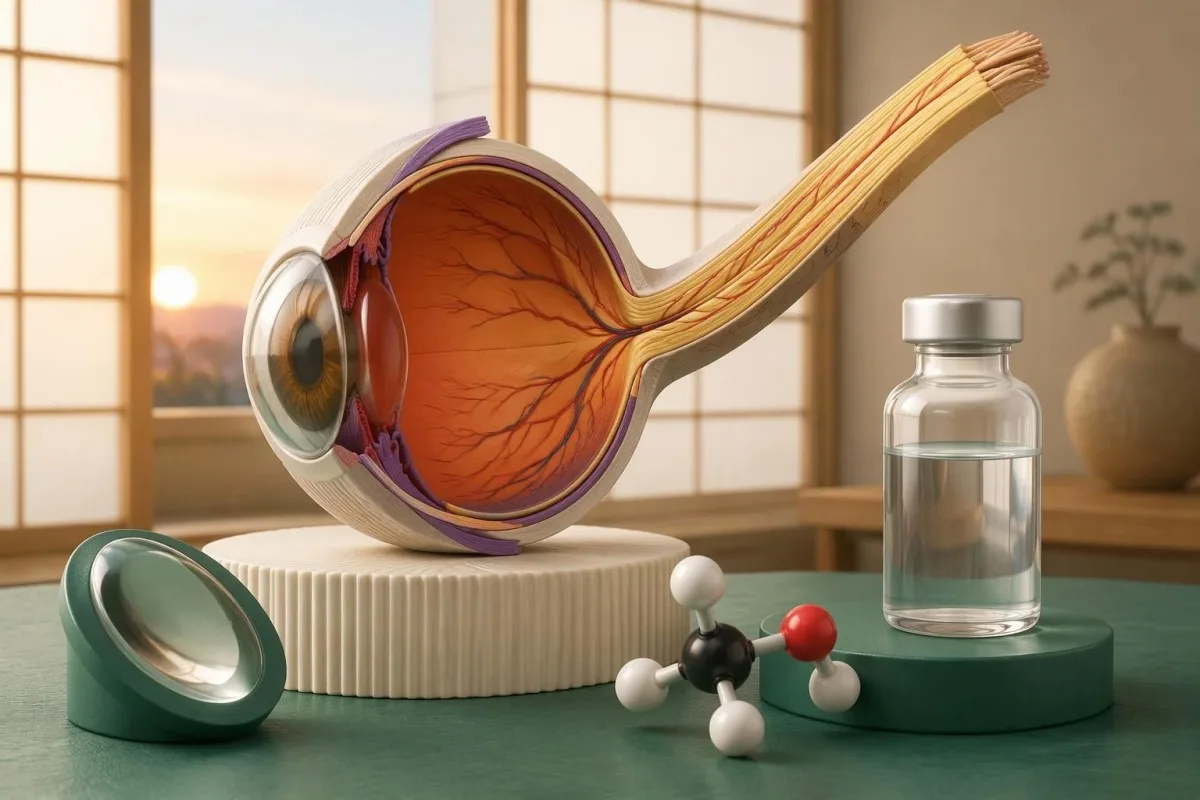
חשד להרעלת מתנול מחייב הערכה רפואית דחופה ומיידית, עוד לפני הופעת תסמינים. טשטוש ראייה חדש לאחר חשיפה אפשרית הוא מצב חירום — לא סיבה להמתין לבדיקת דם.

נקודות עיקריות
- הערכה מיידית נדרשת לאחר חשד להרעלת מתנול; היעדר תסמינים אינו מעיד על כך שהמצב בטוח.
- תסמינים מאוחרים מתפתחים לעיתים קרובות כ-6–24 שעות לאחר החשיפה, אך אתנול שנצרך באותו הזמן עלול לדחות את ההחמרה אל מעבר לחלון זמן זה.
- ראייה מטושטשת לאחר חשיפה אפשרית למתנול מחייב ט טיפול חירום, גם אם נראה שרק עין אחת מושפעת או שהשינוי מרגיש קל.
- ריכוז מתנול של 20 mg/dL, שהם בקירוב 6.2 mmol/L, הוא סף מקובל לטיפול בנוגדן בבית חולים — ולא סף לקביעה שאפשר להסתפק בהשגחה בבית.
- בדיקת חומצה–בסיס מעריכה את ה-pH ואת הביקרבונט; pH עורקי תקין הוא 7.35–7.45, אך תוצאה תקינה בשלב מוקדם אינה יכולה לשלול הרעלה.
- פערים אוסמולריים ואניוניים מספקים שני רמזים שונים: הראשון עשוי לעלות לפני שמצטברים מטבוליטים רעילים, ואילו השני עולה לעיתים קרובות מאוחר יותר.
- חמצת חמורה עם pH של 7.15 ומטה היא אחת ההתוויות של EXTRIP לדיאליזה; חסרים חדשים בראייה עשויים להצדיק דיאליזה ללא תלות בערך זה.
- פעולה דחופה פירושו להתקשר למספר 999 או 112 בבריטניה, 911 בארה״ב, או למספר החירום המקומי; אל תנהגו בעצמכם, אל תגרמו להקאה ואל תשתו אלכוהול כטיפול.
מתי תסמיני הרעלת מתנול מחייבים טיפול חירום?
חשד להרעלת מתנול מחייב הערכת חירום מיידית, גם בהיעדר תסמינים. טשטוש ראייה, נשימה עמוקה או מהירה, בלבול, פרכוסים או קושי להישאר ערים לאחר חשיפה אפשרית הם סימני אזהרה למצב חירום; התקשרו למספר 999 או 112 בבריטניה, 911 בארה״ב, או למספר החירום המקומי שלכם.
גם אדם שמרגיש בנוח בתחילה עלול להיחשף לחומר מסוכן, מכיוון שההשפעות המזיקות ביותר נגרמות לאחר הפיכת המתנול לפורמאט. העיכוב המצוטט לעיתים קרובות, 6–24 שעות, אינו פרק זמן מומלץ להשגחה, וגם שיחה רגילה או יכולת הליכה אינן מעידות שהמצב בטוח. צוותי רפואה דחופה מעריכים יחד את החומר, דרך החשיפה, מועד החשיפה, התסמינים ודפוס בדיקות המעבדה, במקום להמתין להופעת כל התסמינים ברשימה.
גם אובדן ראייה פתאומי או תסמינים נוירולוגיים חדשים מחייבים הערכת חירום כאשר היסטוריית החשיפה אינה ודאית. המדריך שלנו בנושא סימני אזהרה נוירולוגיים פתאומיים מסביר סיבה נוספת שמחייבת טיפול מהיר; אי אפשר להבחין באופן מהימן בבית בין הרעלה אפשרית לבין שבץ. ספרו למוקדן החירום הן על השינוי בראייה והן על החומר החשוד, במקום לבחור בעצמכם הסבר אחד.
Kantesti הוא מנתח בדיקות דם מבוסס בינה מלאכותית, שנועד לסייע בהבנת דוחות מעבדה, ולא שירות להערכת הרעלות במצבי חירום. תוצאה של מתנול מתחת ל־20 mg/dL אינה יכולה, כשלעצמה, לגבור על תסמיני ראייה או חמצת בלתי מוסברת; מועד הבדיקה וטיפול קודם משנים את משמעותה. המאמרים שלנו גבולות בינה מלאכותית אחראית מסבירים מדוע אסור לפרשנות מקוונת לעולם לעכב בדיקת חירום או החלטות לגבי נוגדן.
מהו ציר הזמן של תסמיני הרעלת מתנול?
תסמיני הרעלת מתנול מתגלים בדרך כלל לאחר עיכוב של כ־6–24 שעות, עם שונות ניכרת. אצל חלק מהאנשים מופיעים בתחילה שכרות או תסמיני קיבה, בעוד שהשפעות חמורות על הראייה ועל חילוף החומרים מתפתחות מאוחר יותר; חשיפה משולבת לאתנול עלולה להאריך את פרק הזמן שבו האדם נראה בריא, מעבר ל־24 שעות.

הכבד ממיר תחילה מתנול לפורמלדהיד, שמומר במהירות לפורמאט; הצטברות פורמאט גורמת לחלק ניכר מהחמצת ומהרעילות לראייה. כאב ראש, בחילה, סחרחורת או ישנוניות מוקדמים עשויים להידמות לשכרות רגילה, אך היעדרם אמין באותה מידה. הנחיות האקדמיה האמריקאית לטוקסיקולוגיה קלינית מתארות את השלב הסמוי הזה ואת חשיבות הטיפול לפני שמתפתחת רעילות חמורה (Barceloux et al., 2002).
אתנול מתחרה על האנזים אלכוהול דהידרוגנאז ועשוי להאט את המרת המתנול, ובכך לדחות את הופעת התסמינים עד שריכוז האתנול יורד. לכן חשיפה בשעה 10 בערב ולאחריה בוקר שבו מרגישים טוב יחסית אינה מוכיחה שהסכנה חלפה, במיוחד אם נצרך אלכוהול במקביל. העיכוב הזה הוא השפעה פרמקולוגית, ולא אמצעי הגנה שאנשים צריכים לנסות לשחזר בעצמם.
רעילות מאוחרת אינה ייחודית למתנול, אך לכל רעל יש כללי בדיקה משלו. ההסבר שלנו בנושא בדיקות להרעלת יתר לפי מועד מראה מדוע אי אפשר לפרש תוצאה שנאספה במועד אחד כאילו נאספה במועד אחר. בחשד להרעלת מתנול, מסרו לרופאים את מועדי החשיפה האפשריים המוקדמים והמאוחרים ביותר, במקום לבחור שעה מדויקת לכאורה.
מדוע טשטוש ראייה עקב הרעלת מתנול הוא מצב חירום?
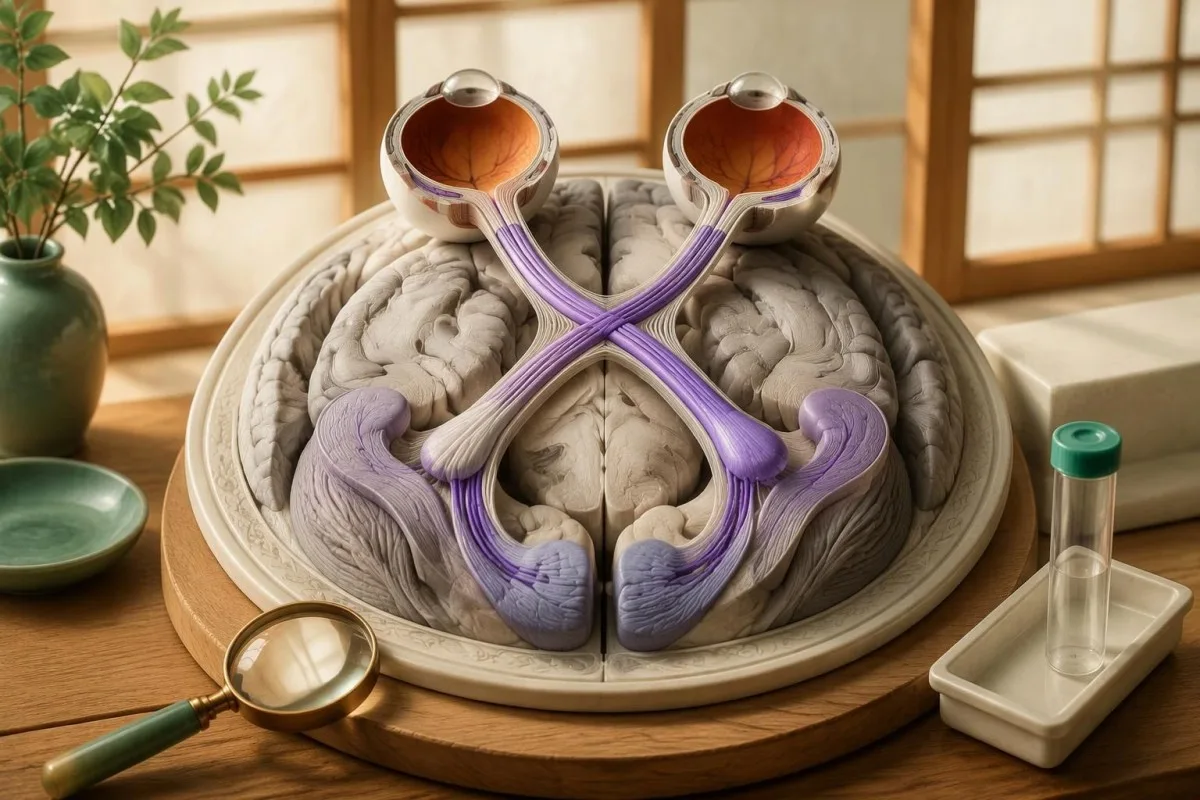
טשטוש ראייה לאחר חשיפה אפשרית למתנול הוא מצב חירום, מכיוון שפורמאט עלול לפגוע ברשתית ובעצב הראייה ולגרום לאובדן ראייה קבוע. תסמיני ראייה עשויים לכלול החשכה, כתמים עיוורים מרכזיים, רגישות לאור או מראה דמוי שדה שלג; אין דרגה מזערית של טשטוש שהופכת המתנה לבטוחה.
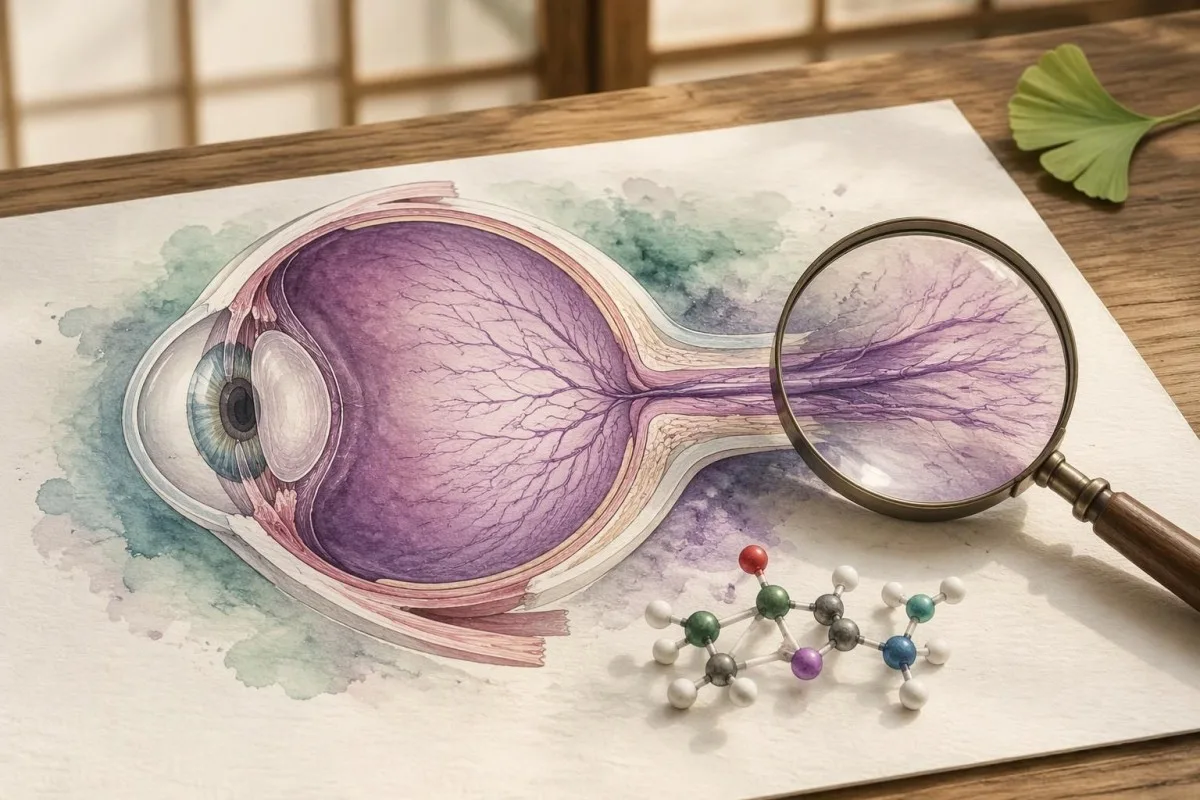
שינויים בראייה הקשורים למתנול מערבים לעיתים קרובות את שתי העיניים, אך אדם עשוי להבחין תחילה בצד אחד או לתאר את ההפרעה באופן לא עקבי. גם עין אחת שנפגעה לאחרונה מחייבת הערכה דחופה לאחר חשיפה אפשרית, מכיוון שגם מצבי חירום אחרים גורמים לשינוי פתאומי בראייה. כאב אינו הכרחי, ותסמין שמשתפר זמנית אינו מוכיח שעצב הראייה לא נפגע.
An early eye examination can appear less alarming than the patient's symptoms suggest. Clinicians assess visual acuity, pupils, colour perception, and the optic disc, but normal findings on 1 component do not exclude evolving toxicity or replace acid–base testing. Routine eye pressure and OCT testing answers different questions and should not become a detour before emergency toxicology assessment.
Formate interferes with mitochondrial energy production, making metabolically demanding visual tissues particularly vulnerable. EXTRIP recommends extracorporeal treatment for new visual deficits attributable to methanol poisoning, independently of whether the measured methanol concentration exceeds its concentration-based dialysis thresholds (Roberts et al., 2015). Describe the exact change—such as missing central detail or washed-out colours—but do not spend 20 minutes performing home vision comparisons before calling.
אילו חשיפות עלולות לגרום לסימני הרעלת מתנול?
Methanol poisoning can follow ingestion of methanol-containing products or contaminated drinks, and substantial inhalation or skin exposure can also cause systemic toxicity. Risk depends on concentration, duration, route, and absorbed amount; a brief incidental splash is not equivalent to swallowing a solvent, but uncertain exposure still needs prompt poison-service advice.
Potential sources include some industrial solvents, fuels, windshield-washer fluids, and improperly produced or adulterated drinks; formulations differ between countries and products. A product marketed as an alcohol or solvent may contain ethanol, methanol, isopropanol, or a mixture, so the name alone cannot establish its toxicity. Photograph the ingredient panel and concentration if available, but do not taste or deliberately smell an unidentified liquid.
Ordinary alcohol-related biomarkers do not identify acute methanol poisoning. For example, PEth results and limitations concern ethanol exposure history, not whether an unfamiliar liquid contains methanol or whether formate is accumulating now. There is no reliable home calculation from a drink's appearance, perceived strength, or number of sips to a safe absorbed dose.
Different chemicals produce different emergency patterns, and 2 people exposed to the same container may absorb very different amounts. Our guide to pesticide poisoning warning signs describes excessive secretions and other features that are not the characteristic methanol pattern. Bring the product identity into the discussion, but let emergency clinicians investigate mixed exposure rather than trying to diagnose the chemical from symptoms alone.
מה יש לעשות מיד לאחר חשד לחשיפה?
Call emergency services immediately for suspected methanol ingestion or symptoms suggesting poisoning; do not wait for a home test or an appointment. In the US, Poison Control is also available at 1-800-222-1222; in the UK, symptomatic or suspected serious poisoning belongs with 999 or 112, not a routine booking.
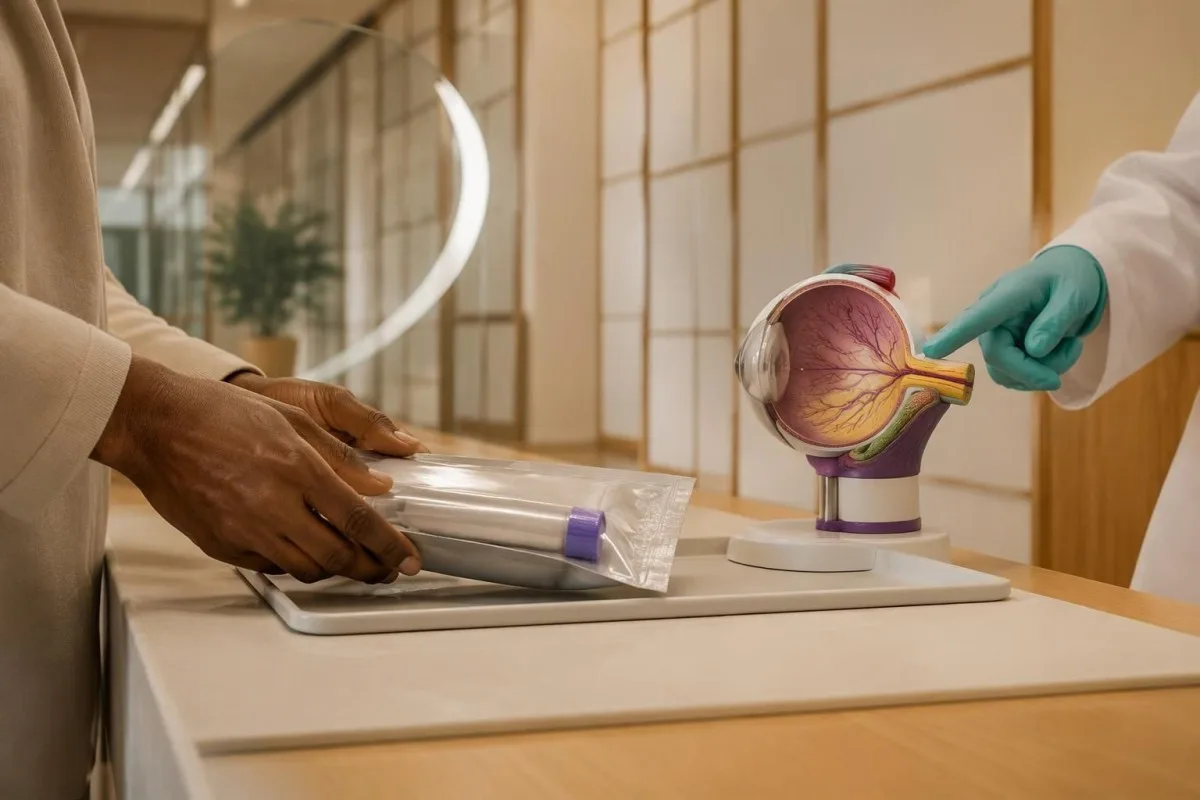
Move away from fumes into fresh air only if doing so is safe, and never enter a contaminated enclosed space to rescue someone without appropriate protection. Remove contaminated clothing and rinse exposed skin; for an eye splash, begin irrigation with clean lukewarm water for at least 15–20 minutes while arranging professional advice. These decontamination steps do not replace emergency assessment when ingestion or substantial systemic exposure is suspected.
Do not induce vomiting, drink alcohol as an antidote, or take activated charcoal unless a clinician specifically directs you. Methanol is absorbed rapidly and binds poorly to charcoal; hospital ethanol treatment requires controlled dosing and monitoring, unlike drinking spirits at home. If the person is unconscious or cannot swallow safely, give nothing by mouth and follow the dispatcher's instructions for breathing assessment and resuscitation.
Record 3 practical details if available: the product, the approximate exposure time, and the likely route or amount. A photo is safer than transporting a leaking container, and neither should delay departure. The same exposure-first approach applies to בדיקת פחמן חד־חמצני ובטיחות: remove the immediate hazard, seek care, and let clinicians interpret measurements in their time context.
אילו בדיקות מזמינים אנשי צוות רפואי כשיש חשד להרעלת מתנול?
Clinicians combine a specific methanol concentration with acid–base testing, electrolytes, measured serum osmolality, glucose, and kidney-function tests. They commonly request an ethanol level and tests for alternative causes of acidosis; a routine metabolic panel does not automatically include methanol, formate, or a blood gas.
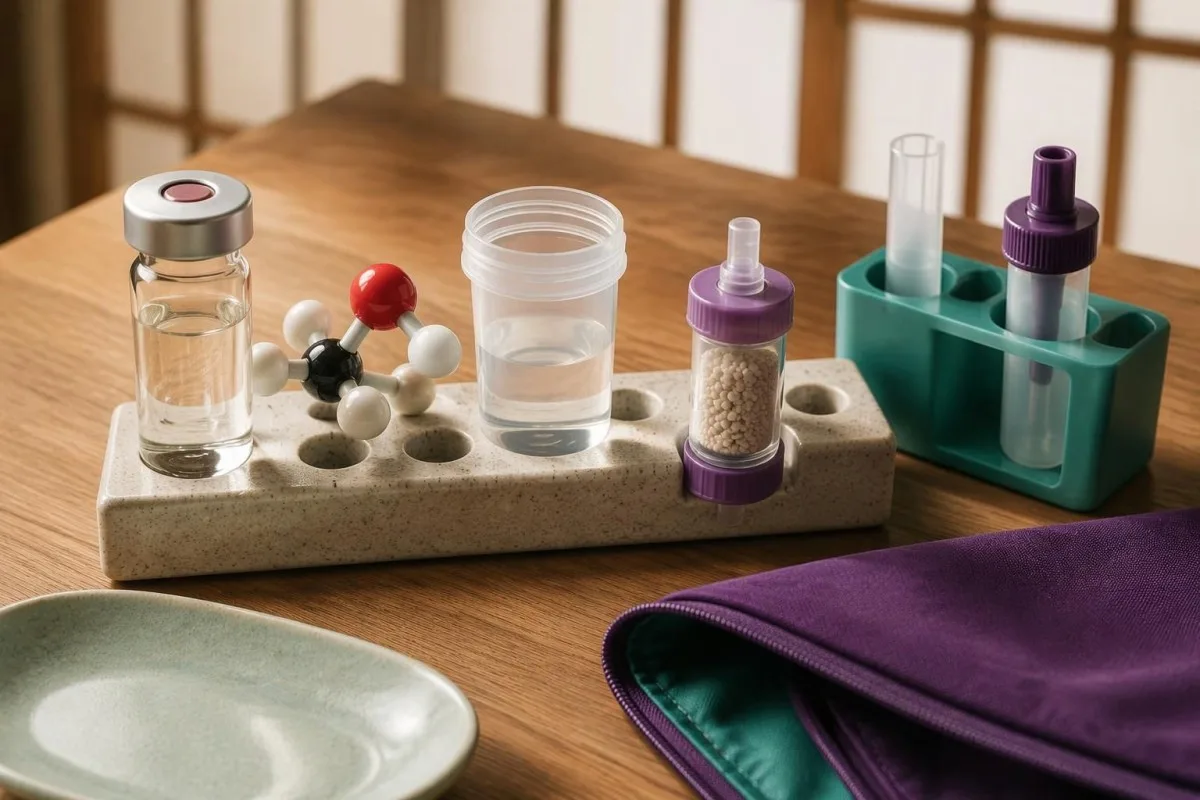
Blood gas testing provides pH and carbon dioxide information, while an electrolyte panel supplies sodium, chloride, and bicarbonate or total carbon dioxide for calculating the anion gap. Serum total CO2 is mainly a bicarbonate estimate, not a direct measurement of arterial ventilation. Our מדריך לפענוח בדיקת אלקטרוליטים explains why combinations of results reveal more than an isolated flagged value.
Direct methanol measurement often uses gas chromatography, and some hospitals must send the sample to another laboratory. A delay of several hours is a service limitation—not a reason to postpone antidote treatment when the exposure history and clinical pattern are concerning. Formate measurement may help where available, but many emergency departments cannot obtain it rapidly enough to guide the first treatment decision.
Kantesti AI can support later understanding of reported laboratory values, but the emergency team must verify the original report, specimen time, units, and treatments already given. If sodium, osmolality, and ethanol are collected at 3 different times, combining them can create a misleading osmolal gap. Clinicians therefore prefer coordinated sampling and repeat measurements when an evolving exposure could make an initially reassuring result obsolete.
כיצד מפרשים את רמות המתנול בטיפול חירום?
A methanol concentration of at least 20 mg/dL, approximately 6.2 mmol/L, is a commonly used indication for alcohol-dehydrogenase-blocking treatment. A lower concentration does not exclude serious late poisoning, because methanol may already have been converted into formate; symptoms and acid–base findings remain central.
Unit conversion can prevent a major reading error: 20 mg/dL equals 200 mg/L, and 1 mg/dL methanol is approximately 0.312 mmol/L. A number written as 20 mg/L therefore represents a different concentration from 20 mg/dL. The AACT guideline uses concentration alongside exposure history and metabolic evidence rather than treating any single threshold as a complete diagnosis (Barceloux et al., 2002).
EXTRIP's concentration-based dialysis recommendations distinguish patients receiving fomepizole, ethanol, or no alcohol-dehydrogenase inhibitor: the respective thresholds are greater than 70, 60, and 50 mg/dL. These are dialysis criteria, not thresholds for deciding whether to attend hospital or start an antidote. Visual deficits, coma, seizures, severe or persistent acidosis, and other clinical findings can independently justify extracorporeal treatment (Roberts et al., 2015).
A laboratory's word 'negative' needs its detection limit and sampling context, especially after treatment or a long delay. Our guide to תוצאות איכותניות לעומת כמותניות explains why a detected/not-detected answer contains less information than a concentration with units. Ask the team what the result measures, when the sample was taken, and whether it addresses parent methanol rather than its toxic metabolite.
מה מראים ערכי ה-pH והביקרבונט בהרעלת מתנול?
Low pH and low bicarbonate can indicate metabolic acidosis from accumulated formate, a major marker of methanol toxicity. Usual adult arterial pH is 7.35–7.45; a normal early pH cannot exclude poisoning, and mixed acid–base disturbances can partly mask the degree of metabolic illness.
Serum bicarbonate is commonly around 22–28 mmol/L, although laboratories use different intervals and specimen methods. A falling value means buffering capacity is being consumed, but it does not identify the acid by itself; ketoacidosis, lactic acidosis, and kidney dysfunction are alternative explanations. Our גזים בדם עורקי separates metabolic changes from carbon dioxide changes caused by breathing.
Deep, rapid breathing can be compensation for metabolic acidosis rather than an isolated lung problem. With bicarbonate of 10 mmol/L, Winter's formula estimates an expected arterial CO2 of about 23 mmHg, allowing roughly ±2 mmHg; a substantially higher CO2 suggests inadequate respiratory compensation. This is a clinician's cross-check, not a home decision rule, and sample type matters when comparing venous and arterial measurements.
Kantesti is an AI blood test interpretation platform that helps explain routine biomarkers, including why bicarbonate must be read alongside other results. Our מדריך עזר לביומרקרים cannot turn a pH of 7.40 into clearance after suspected methanol exposure: early sampling, vomiting-related alkalosis, or treatment may alter the apparent pattern. Emergency decisions require examination, repeat testing, and toxicology input rather than an automated normal-range label.
| רמה | טווח | מה פירוש הדבר |
|---|---|---|
| Usual adult arterial pH | 7.35–7.45 | A reference interval, not a rule-out test for early methanol poisoning. |
| Common serum bicarbonate interval | 22–28 mmol/L | Local intervals and measurement methods vary. |
| Usual adult arterial CO2 | 35–45 mmHg | Must be assessed against the expected respiratory response to metabolic acidosis. |
| EXTRIP severe-acidemia dialysis criterion | pH ≤7.15 | Supports extracorporeal treatment in methanol poisoning; other indications can apply at higher pH. |
האם פערים אוסמולריים או אניוניים תקינים יכולים לשלול הרעלת מתנול?
Neither a normal osmolal gap nor a normal anion gap reliably excludes methanol poisoning. Unmetabolized methanol can raise the osmolal gap early, while formate raises the anion gap later; the relationship changes with time, ethanol co-exposure, baseline variation, and treatment.
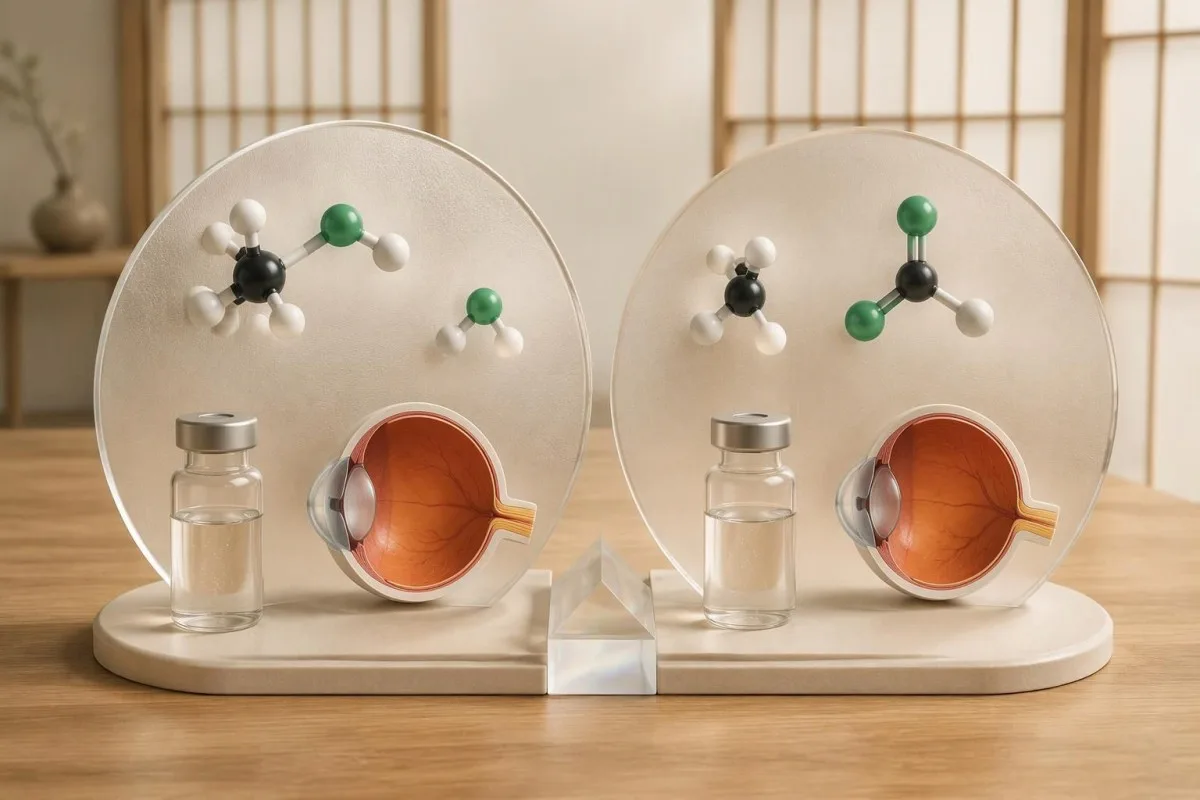
The osmolal gap is measured osmolality minus calculated osmolarity; a common calculation in conventional units is 2 × sodium + glucose/18 + BUN/2.8. Ethanol requires an additional correction when present, and laboratories differ in the coefficient used. Our serum osmolality interpretation guide explains why a gap above about 10 mOsm/kg is a clue, not proof of a specific toxic alcohol.
The anion gap is usually sodium minus chloride minus bicarbonate when potassium is excluded. Many laboratories quote approximately 8–12 mmol/L, but analyzer-dependent intervals vary; low albumin can hide an increase, with a commonly used correction adding about 2.5 mmol/L for each 1 g/dL that albumin is below 4 g/dL. A late falling methanol level and normalizing osmolal gap can coexist with worsening formate-related acidosis.
Other acid–base conditions produce different patterns, so the gap cannot be interpreted independently of history, glucose, ketones, lactate, and kidney function. Our guide to דפוסי חמצת צינורי כלייתי explains an important usually normal-gap alternative. EXTRIP includes an anion gap greater than 24 mmol/L among its methanol dialysis indications, but clinicians should not wait for that value if new visual deficits are present.
כיצד תוצאות שנראות לכאורה מרגיעות עדיין עלולות להיות מסוכנות?
Apparently reassuring results can be dangerous when a sample is collected before metabolite accumulation, after methanol conversion, or after treatment. The following 3 hypothetical examples illustrate clinical reasoning only; they are not diagnostic templates and must never be used to decide whether someone can remain at home.
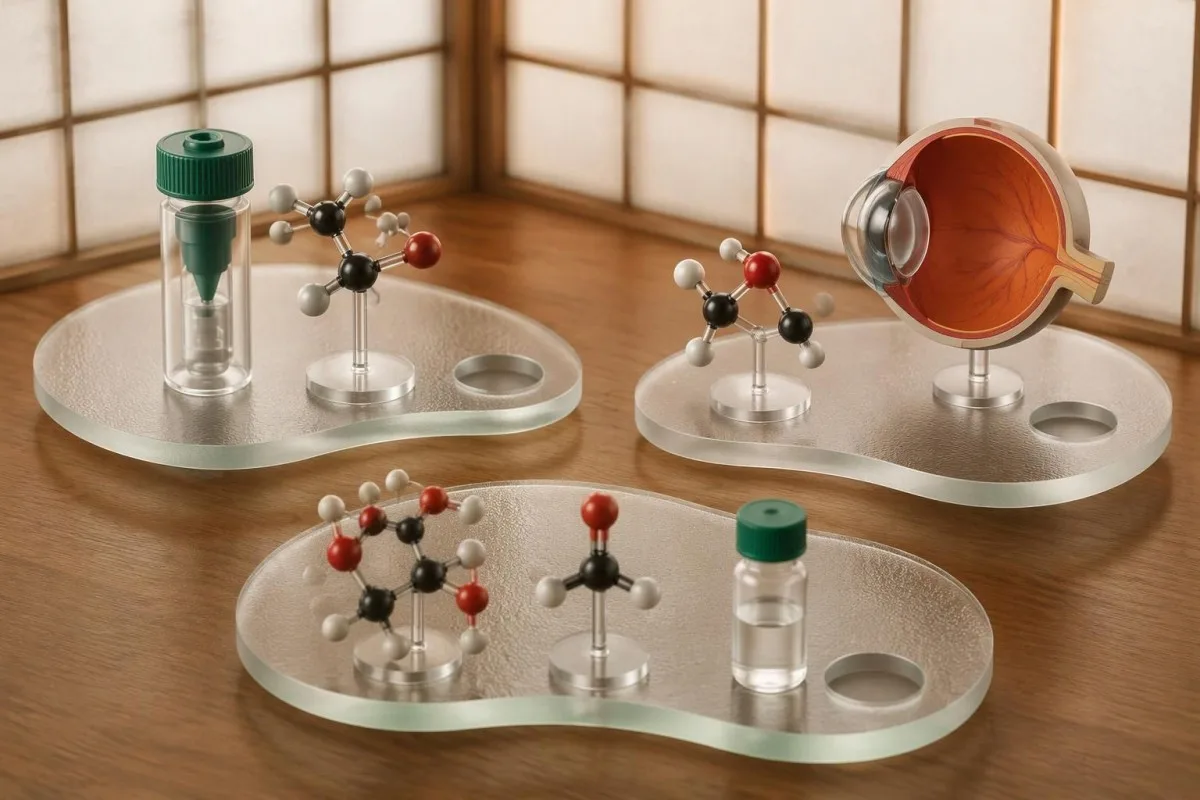
Hypothetical early exposure: a person presents 2 hours after swallowing a suspected solvent, with pH 7.39 and bicarbonate 24 mmol/L, while the direct methanol result is pending. Those values describe acid–base status at that moment, not the safety of the exposure. A credible ingestion history can justify immediate specialist assessment and empiric antidote treatment before laboratory confirmation or development of blurred vision.
Hypothetical late exposure: 24 hours after an uncertain drink, a person has new blurred vision, pH 7.12, bicarbonate 8 mmol/L, and methanol 12 mg/dL. The concentration is below the commonly used 20 mg/dL antidote threshold, but the clinical picture suggests serious metabolite toxicity rather than reassurance. New visual deficits and severe acidemia can support dialysis decisions without a higher parent-alcohol concentration.
Hypothetical competing diagnosis: a person has glucose 420 mg/dL, bicarbonate 12 mmol/L, and elevated ketones after a possible chemical exposure. Our קטונים מול קטוזיס explains why diabetic ketoacidosis is another urgent possibility, not proof that methanol is absent. At Kantesti, we explain these examples as pattern comparisons; only the treating team can determine whether one cause, mixed causes, or neither fits.
מדוע ייתכן שהטיפול יתחיל לפני אישור הרעלת מתנול?
Clinicians may start an antidote before methanol confirmation because blocking further metabolism can prevent additional formate formation while laboratory results are pending. Fomepizole is commonly preferred where available; ethanol is a hospital alternative requiring carefully controlled administration, glucose checks, and monitoring.
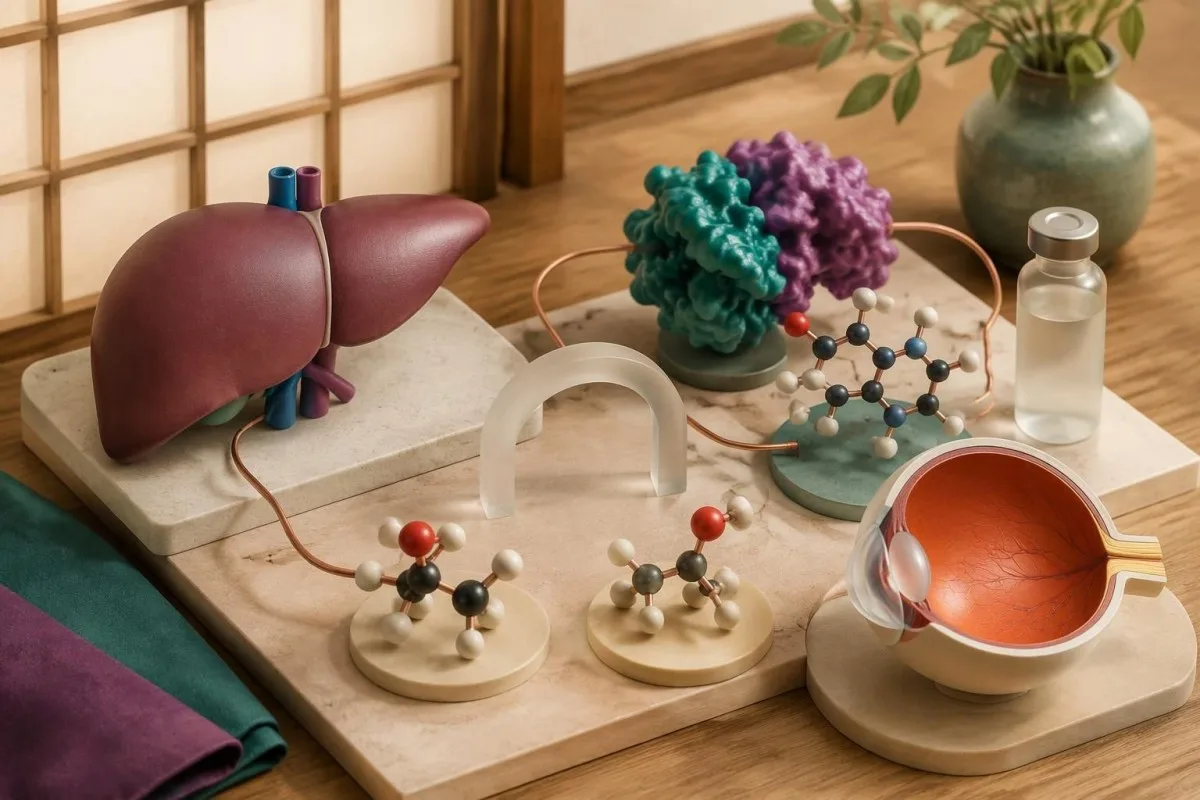
Fomepizole inhibits alcohol dehydrogenase, interrupting the first metabolic step rather than neutralizing methanol directly. Brent et al.'s prospective study in the New England Journal of Medicine supported its clinical use in methanol poisoning, although the study was not a large randomized comparison of every treatment strategy (Brent et al., 2001). A 20 mg/dL concentration is one common treatment trigger, but convincing exposure and metabolic findings can also justify action.
Antidote treatment does not instantly remove formate already present, which is why severe acidosis and visual changes demand additional assessment. Clinicians may administer bicarbonate for acidemia and folinic acid or folic acid to support formate metabolism; the evidence for adjunctive folate is less definitive than its biochemical rationale. These treatments are monitored hospital interventions, not a reason to take supplements or attempt oral alkalinization at home.
Blocking metabolism can leave parent methanol circulating for longer, so persistent detectability during treatment does not automatically mean the antidote has failed. Conversely, a lower concentration is not enough to establish recovery if pH or vision is worsening. Our discussion of aspirin toxicity treatment timing illustrates a related principle: poisoning care tracks symptoms, acid–base status, and serial levels rather than celebrating one falling number.
מתי נדרשת דיאליזה בהרעלת מתנול?
Dialysis is recommended for severe methanol poisoning when features such as new visual deficits, coma, seizures, marked acidemia, or persistent metabolic acidosis are present. EXTRIP includes pH ≤7.15 and anion gap >24 mmol/L among its indications; a patient does not need to meet every criterion.
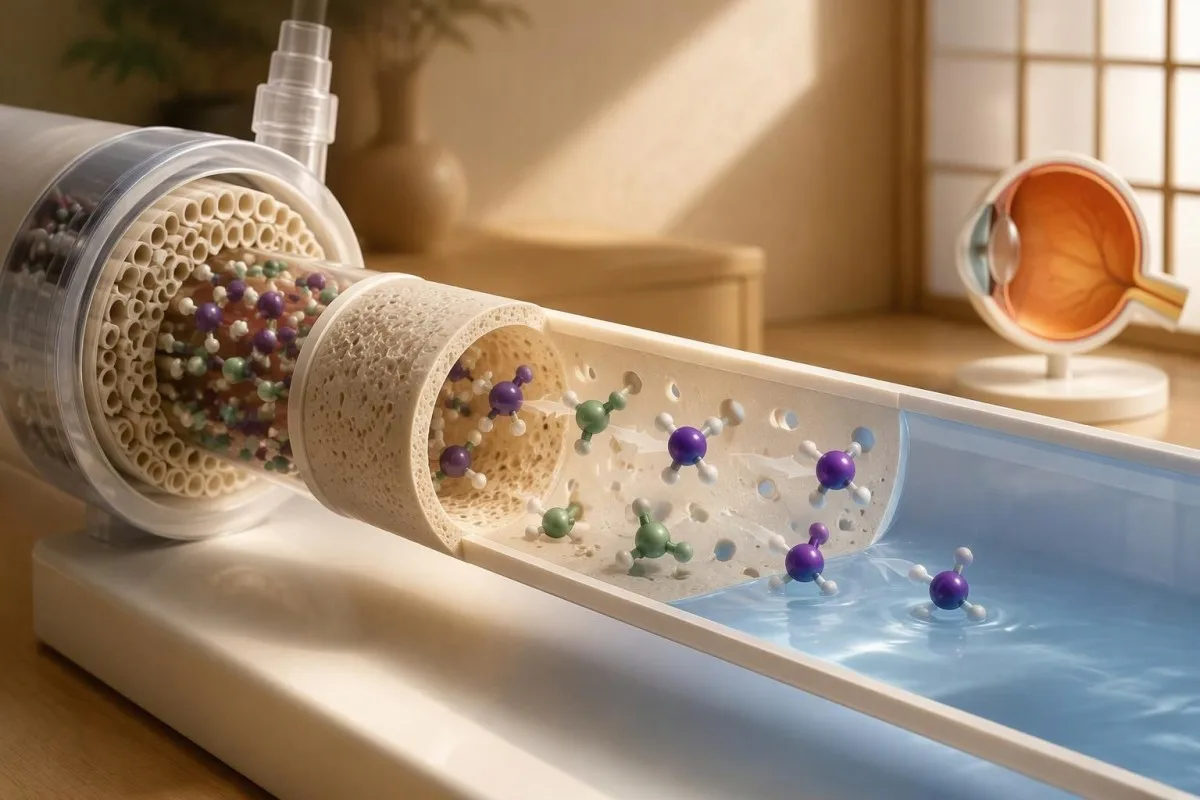
Extracorporeal treatment can remove both methanol and formate while correcting acid–base and electrolyte abnormalities. EXTRIP generally prefers intermittent hemodialysis when available; continuous techniques may be used when circumstances require them, with different clearance rates and treatment durations (Roberts et al., 2015). Antidote therapy continues during dialysis, and clinicians adjust its administration because extracorporeal treatment also affects drug clearance.
Dialysis for methanol poisoning is not reserved for people with chronic kidney disease. Someone with previously normal creatinine can need urgent dialysis because the target is toxic-alcohol and metabolite clearance, not simply replacement of failed kidney function. Our המדריך ל-BUN וקריאטינין explains why these kidney markers cannot, on their own, measure the urgency of a poisoning-related dialysis decision.
EXTRIP suggests stopping extracorporeal treatment when methanol is below 20 mg/dL and clinical improvement is evident, with ongoing treatment and reassessment determined by the team. Kidney impairment adds another reason for concern, but a symptom checklist for low kidney-function warning signs should not become a requirement before escalation. Duration depends on the initial burden, technique, metabolic response, and visual or neurological course—not a universal number of dialysis hours.
איזה מעקב נדרש לאחר טיפול בבית החולים?
Follow-up after methanol poisoning may include ophthalmology, neurological assessment, repeat metabolic testing, and support for the circumstances of exposure. A low or undetectable methanol concentration does not guarantee recovery of vision; persistent visual or cognitive changes require an individualized plan rather than interpretation of one discharge result.
A discharge summary should identify the exposure history, antidote, dialysis if used, relevant sample times, and outstanding follow-up. Keep the actual units: a final value of 15 mg/L is not 15 mg/dL, and a post-treatment result cannot reconstruct the original absorbed amount. Ask whether any visual deficit requires formal acuity, colour, field, or optic-nerve assessment and what change should trigger immediate reassessment.
Recovery varies with the severity and duration of metabolic disturbance, treatment timing, and visual or neurological involvement. Symptoms persisting 1 week after discharge cannot be judged from the original methanol concentration alone, and there is no reliable home prediction of permanent visual outcome. New or worsening blurring, confusion, breathing difficulty, or reduced consciousness after treatment should prompt urgent medical reassessment rather than waiting for a scheduled review.
Kantesti is an AI-powered blood test analysis tool that can help organize routine follow-up results after emergency clinicians have completed acute care. Our גבולות האימות והקליניקה distinguish report explanation from diagnosing poisoning or predicting optic-nerve recovery; methanol below 20 mg/dL is not a stand-alone recovery endpoint. If exposure was intentional, involve urgent mental-health support alongside medical care, with a safety plan agreed before discharge.
פרסומי מחקר וגבולות הפרשנות הבטוחה
Methanol emergency guidance should be based on toxicology evidence, not unrelated laboratory publications or an AI-generated normal-range assessment. The 2002 AACT guideline, 2001 fomepizole study, and 2015 EXTRIP recommendations support the clinical discussion here; the separate DOI publications below are not evidence for methanol diagnosis or treatment.
The Kantesti medical content team distinguishes established treatment principles from areas with limited comparative evidence. Immediate assessment, metabolism-blocking treatment when indicated, and extracorporeal treatment for severe poisoning have specialist support, but not every intervention has large randomized trials behind it. The 2015 EXTRIP paper explicitly combines a systematic evidence review with expert consensus, so its precise thresholds should be applied in clinical context rather than presented as infallible biological dividing lines.
Reliable interpretation also means explaining assumptions behind a calculation rather than publishing a single universal cutoff. For example, an albumin of 2 g/dL can conceal an approximately 5 mmol/L increase in an uncorrected anion gap under a commonly used correction; our מדריך לאלבומין וחלבונים בסרום provides supporting background. Neither that correction nor a mechanistic illustration validates a diagnosis without exposure history, examination, and appropriately timed measurements.
These 2 Kantesti DOI publications cover gastrointestinal and women's-health education, not toxic-alcohol outcomes, and should be read only as separate publications. A DOI identifies a deposited work; it does not itself establish peer review, clinical validation, or relevance to an emergency treatment claim. Our תקני תוכן רפואי explain the distinction between educational material and clinical evidence, while the external references below identify the sources directly relevant to methanol care.
שאלות נפוצות
How long does it take for methanol poisoning symptoms to appear?
תסמיני הרעלת מתנול מתגלים לעיתים קרובות כעבור כ־6–24 שעות, אך משך ההשהיה משתנה במידה ניכרת. אתנול שנצרך באותו הזמן עלול לדחות את הופעתם של תסמינים חמורים מעבר ל־24 שעות, בכך שהוא מאט את חילוף החומרים של המתנול. בחילה או סחרחורת עשויות להופיע בשלב מוקדם, לפני שינויים בראייה וחמצת, אך יש אנשים שמרגישים תחילה בטוב. חשד להרעלה מחייב הערכה רפואית דחופה ומיידית, ולא המתנה עד שיחלוף פרק הזמן הזה.
האם טשטוש ראייה לאחר שתיית משקה שנחשד כמזוהם הוא מצב חירום?
טשטוש ראייה חדש לאחר שתיית משקה שאולי היה מזוהם הוא מצב חירום, משום שמטבוליטים של מתנול עלולים לפגוע ברשתית ובעצב הראייה. אין רמה מינימלית של טשטוש או משך מינימלי שבזכותם בטוח להישאר בבית ולהשגיח. התקשרו ל־999 או ל־112 בבריטניה, ל־911 בארצות הברית או למספר החירום המקומי, ואל תנהגו בעצמכם. ספרו למוקדן על המשקה ועל השינוי בראייה, גם אם אינכם בטוחים מהי הכמות ששתיתם.
האם בדיקות דם רגילות יכולות לשלול הרעלת מתנול?
בדיקות דם מוקדמות תקינות אינן יכולות לשלול באופן מהימן הרעלת מתנול. ה-pH העורקי עשוי להישאר בטווח 7.35–7.45 עד להצטברות של כמות מספקת של פורמאט, ופאנל מטבולי שגרתי אינו מודד מתנול באופן אוטומטי. גם פער אוסמולרי תקין אינו יכול לשלול הרעלה, במיוחד בשלבים מאוחרים יותר של המהלך. רופאים משלבים בין פרטי החשיפה, בדיקות ייעודיות לאלכוהולים רעילים, מצב חומצה–בסיס, תסמינים ומדידות חוזרות.
איזו רמת מתנול בדם נחשבת למסוכנת?
ריכוז מתנול של לפחות 20 מ״ג/ד״ל, שהם כ־6.2 מילימול/ליטר, הוא סף מקובל בבתי חולים למתן טיפול נוגד. ריכוז הנמוך מ־20 מ״ג/ד״ל אינו מעיד שהמצב בטוח כאשר המתנול כבר הומר לפורמאט רעיל. חמצת חמורה או ליקויי ראייה חדשים עשויים לחייב טיפול דחוף ודיאליזה, גם אם רמת המתנול המקורי נמוכה יותר. ספים אלה משמשים להנחיית אנשי רפואה, ואין להשתמש בהם כדי להחליט אם לפנות לקבלת טיפול חירום.
האם עליי לשתות אלכוהול או ליטול פחם פעיל לאחר חשיפה למתנול?
אין לשתות אלכוהול, לגרום להקאה או ליטול פחם פעיל כטיפול ביתי במקרה של חשד להרעלת מתנול. אתנול יכול לשמש כתרופת נגד בבית חולים, אך נדרשים מתן מבוקר וניטור; פחם פעיל קושר מתנול בצורה גרועה. במקרה של חשד לבליעה או להופעת תסמיני הרעלה, יש להתקשר לשירותי החירום. בארה״ב ניתן לפנות גם למרכז לבקרת רעלים בטלפון 1-800-222-1222. הערכה רפואית מיידית בטוחה יותר מניסיון לחקות טיפול בבית חולים.
מדוע אדם שתפקוד הכליות שלו תקין יזדקק לדיאליזה במקרה של הרעלת מתנול?
דיאליזה בהרעלת מתנול מסלקת מתנול ופורמט ומסייעת בתיקון של חמצת קשה, ולכן ייתכן שיהיה צורך בה גם אם תפקוד הכליות היה תקין קודם לכן. לפי EXTRIP, הפרעות ראייה חדשות, תרדמת, פרכוסים, pH של 7.15 ומטה ופער אניונים העולה על 24 mmol/L נכללים בין ההתוויות. גם הספים המבוססים על ריכוז תלויים בשאלה אם נעשה שימוש בפומפיזול, באתנול או בנוגדן שאינו חוסם את חילוף החומרים. צוות הטוקסיקולוגיה והטיפול הנמרץ המטפל מחליט על סמך התמונה הקלינית המלאה, ולא על סמך הקריאטינין בלבד.
קבלו הסבר על תוצאות בדיקות הדם שלכם
העלו את דוח המעבדה שלכם, וה-AI של Kantesti יסביר כל סמן ביולוגי בשפה פשוטה בתוך שניות. יותר מ-2 מיליון אנשים ברחבי העולם משתמשים בו.
הפניות
- Klein, T., Mitchell, S., & Weber, H. (2026). שלשול לאחר צום, נקודות שחורות בצואה ומדריך למערכת העיכול לשנת 2026. מחקר רפואי של Kantesti AI. DOI
- Klein, T., Mitchell, S., & Weber, H. (2026). מדריך לבריאות האישה: ביוץ, גיל המעבר ותסמינים הורמונליים. מחקר רפואי של Kantesti AI. DOI
- Barceloux DG et al. (2002). American Academy of Clinical Toxicology practice guidelines on the treatment of methanol poisoning. Journal of Toxicology: Clinical Toxicology. DOI
- Roberts DM et al. (2015). Recommendations for the role of extracorporeal treatments in the management of acute methanol poisoning: a systematic review and consensus statement. Critical Care Medicine. DOI
- Brent J et al. (2001). Fomepizole for the treatment of methanol poisoning. New England Journal of Medicine. DOI
- 2 מיליון+בדיקות שנותחו
- 127+מדינות
- 100+שפות
על הצוות הרפואי


אותות אמון E-E-A-T
הִתנַסוּת
סקירה קלינית בהובלת רופא של תהליכי עבודה לפענוח בדיקות מעבדה.
מוּמחִיוּת
רפואה מעבדתית מתמקדת באופן שבו סמנים ביולוגיים מתנהגים בהקשר קליני.
סמכותיות
נבדק רפואית על ידי ד״ר Thomas Klein, בתרומתם של ד״ר Sarah Mitchell ופרופ׳ ד״ר Hans Weber.
אֲמִינוּת
פרשנות מבוססת-ראיות עם מסלולי המשך ברורים כדי להפחית בהלה.



הצהרה רפואית
מאמר זה מיועד למטרות חינוכיות בלבד ואינו מהווה ייעוץ רפואי. תמיד יש להתייעץ עם גורם מוסמך בתחום הבריאות לצורך החלטות אבחון וטיפול.
פורסם · צרו קשר עם צוות העריכה
פורסם על ידי Kantesti Ltd, הרשומה באנגליה ובוויילס, מספר חברה. 17090423, לונדון, בריטניה.
