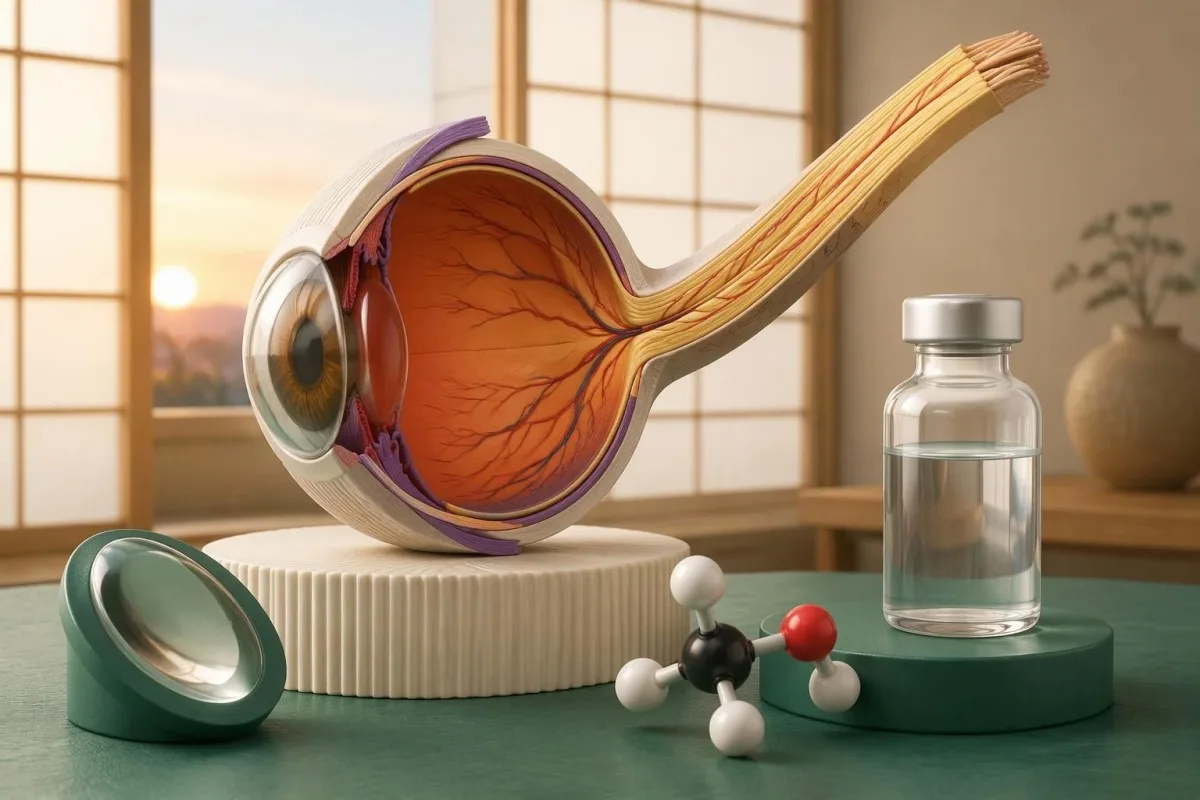
Մեթանոլով թունավորման կասկածի դեպքում անհրաժեշտ է անհապաղ շտապ բժշկական գնահատում՝ նույնիսկ մինչև ախտանիշների ի հայտ գալը։ Հնարավոր ազդեցությունից հետո տեսողության նոր մշուշումը շտապ դեպք է, այլ ոչ թե արյան անալիզին սպասելու պատճառ։

Հիմնական եզրակացությունները
- Անհապաղ գնահատում անհրաժեշտ է մեթանոլով թունավորման կասկածից հետո. 0 ախտանիշի առկայությունը չի հաստատում անվտանգությունը։
- Ուշացած ախտանիշներ հաճախ ի հայտ են գալիս ազդեցությունից մոտ 6–24 ժամ անց, սակայն միաժամանակ ընդունված էթանոլը կարող է վատթարացումը հետաձգել այս ժամանակահատվածից ավելի։
- Մշուշոտ տեսողություն հնարավոր մեթանոլի ազդեցությունից հետո պահանջում է շտապ օգնություն, նույնիսկ եթե ախտահարված է թվում միայն 1 աչքը, կամ փոփոխությունը թեթև է թվում։
- Մեթանոլի կոնցենտրացիա 20 mg/dL-ը, որը մոտավորապես 6.2 mmol/L է, հիվանդանոցում հաճախ կիրառվող հակաթույնի նշանակման շեմն է, ոչ թե տնային պայմաններում հետևելու սահմանը։
- Թթվահիմնային հետազոտություն գնահատում է pH-ը և բիկարբոնատը. զարկերակային արյան սովորական pH-ը 7.35–7.45 է, սակայն վաղ փուլում ստացված նորմալ արդյունքը չի կարող բացառել թունավորումը։
- Օսմոլալ և անիոնային տարբերություններ տրամադրում է 2 տարբեր հուշում. առաջինը կարող է ի հայտ գալ մինչև թունավոր մետաբոլիտների կուտակվելը, իսկ երկրորդը հաճախ ի հայտ է գալիս ավելի ուշ։
- Ծանր ացիդեմիան 7.15 կամ ավելի ցածր pH-ով EXTRIP-ի դիալիզի ցուցումներից մեկն է. տեսողության նոր խանգարումները կարող են դիալիզի ցուցում լինել՝ անկախ այդ ցուցանիշից։
- Արտակարգ գործողություն նշանակում է զանգահարել 999 կամ 112՝ ՄԹ-ում, 911՝ ԱՄՆ-ում, կամ տեղական շտապ օգնության համարով. ինքներդ մեքենա մի վարեք, փսխում մի առաջացրեք և որպես բուժում ալկոհոլ մի օգտագործեք։
Ե՞րբ են մեթանոլով թունավորման ախտանիշները պահանջում շտապ օգնություն։
Մեթանոլով թունավորման կասկածի դեպքում անհրաժեշտ է անհապաղ շտապ բժշկական զննում, նույնիսկ եթե ախտանիշներ չկան։ Հնարավոր ազդեցությունից հետո տեսողության մշուշումը, խորը կամ արագ շնչառությունը, շփոթվածությունը, ցնցումները կամ արթուն մնալու դժվարությունը շտապ օգնության դիմելու նախազգուշական նշաններ են. զանգահարեք 999 կամ 112՝ ՄԹ-ում, 911՝ ԱՄՆ-ում, կամ տեղական շտապ օգնության համարով։
Սկզբում ինքնազգացողությունից չգանգատվող անձը նույնպես կարող է ենթարկված լինել վտանգավոր ազդեցության, քանի որ առավել վնասակար հետևանքներն առաջանում են մեթանոլը ֆորմատի վերածվելուց հետո։ Հաճախ նշվող 6–24-ժամյա ուշացումը դիտարկման առաջարկվող ժամանակահատված չէ, և ո՛չ սովորական խոսելու, ո՛չ քայլելու կարողությունը չի հաստատում, որ վտանգ չկա։ Շտապ օգնության բժիշկները համատեղ գնահատում են նյութը, ազդեցության ուղին, ժամանակը, ախտանիշներն ու լաբորատոր ցուցանիշները՝ չսպասելով ախտանիշների ամբողջական ցանկին։
Տեսողության հանկարծակի կորուստը կամ նոր նյարդաբանական ախտանիշները նույնպես շտապ գնահատման կարիք ունեն, երբ ազդեցության պատմությունն անորոշ է։ Մեր ուղեցույցը՝ նյարդաբանական հանկարծակի նախազգուշական նշանների վերաբերյալ, բացատրում է մեկ այլ ժամանակազգայուն պատճառ. հնարավոր թունավորումն ու ինսուլտը տանը հնարավոր չէ հուսալիորեն տարբերակել։ Շտապ օգնության դիսպետչերին տեղեկացրեք և՛ տեսողության փոփոխության, և՛ կասկածվող նյութի մասին՝ ինքներդ մեկ բացատրություն չընտրելով։
Kantesti-ն AI արյան թեստերի վերլուծիչ է՝ լաբորատոր հետազոտությունների պատասխանները հասկանալու համար, այլ ոչ թե թունավորման շտապ գնահատման ծառայություն։ 20 mg/dL-ից ցածր մեթանոլի արդյունքն ինքնին չի կարող անտեսել տեսողության ախտանիշները կամ անհասկանալի ացիդոզը. ժամանակը և նախկինում ստացած բուժումը փոխում են դրա նշանակությունը։ Մեր պատասխանատու AI-ի սահմանները բացատրում են, թե ինչու առցանց մեկնաբանությունը երբեք չպետք է հետաձգի շտապ զննումը կամ հակաթույն նշանակելու որոշումը։
Ինչպիսի՞ն է մեթանոլով թունավորման ախտանիշների ժամանակագրությունը։
Մեթանոլով թունավորման ախտանիշները սովորաբար ի հայտ են գալիս մոտավորապես 6–24-ժամյա ուշացումից հետո, սակայն այդ ժամանակահատվածը կարող է զգալիորեն տարբերվել։ Որոշ մարդկանց մոտ վաղ փուլում ի հայտ են գալիս հարբածության կամ ստամոքսի ախտանիշներ, մինչդեռ տեսողության և նյութափոխանակության լուրջ խանգարումներն ի հայտ են գալիս ավելի ուշ. էթանոլի հետ համատեղ ազդեցությունը կարող է թվացյալ լավ ինքնազգացողության շրջանը երկարացնել ավելի քան 24 ժամով։

Լյարդը սկզբում մեթանոլը վերածում է ֆորմալդեհիդի, որն արագ վերածվում է ֆորմատի. ֆորմատի կուտակումն է առաջացնում ացիդոզի և տեսողության թունավոր վնասի մեծ մասը։ Վաղ գլխացավը, սրտխառնոցը, գլխապտույտը կամ քնկոտությունը կարող են նմանվել սովորական հարբածության, բայց դրանց բացակայությունն էլ նույնքան անվստահելի է։ Ամերիկյան կլինիկական թունաբանության ակադեմիայի ուղեցույցում նկարագրված են այս թաքնված փուլը և ծանր թունավորության զարգացումից առաջ բուժման կարևորությունը (Barceloux et al., 2002)։
Էթանոլը մրցակցում է ալկոհոլդեհիդրոգենազի հետ և կարող է դանդաղեցնել մեթանոլի վերափոխումը՝ ախտանիշների ի հայտ գալը հետաձգելով մինչև էթանոլի կոնցենտրացիայի նվազումը։ Հետևաբար, երեկոյան ժամը 10-ին տեղի ունեցած ազդեցությունից հետո առավոտյան համեմատաբար լավ ինքնազգացողությունը չի նշանակում, որ վտանգն անցել է, հատկապես եթե ալկոհոլը միաժամանակ է օգտագործվել։ Այս ուշացումը դեղաբանական ազդեցություն է, ոչ թե պաշտպանիչ միջոց, որը մարդիկ պետք է փորձեն ինքնուրույն կրկնել։
Հետաձգված թունավորությունը միայն մեթանոլին բնորոշ չէ, սակայն յուրաքանչյուր թույնի համար հետազոտության կանոնները տարբեր են։ Մեր բացատրությունը՝ գերդոզավորման հետազոտության՝ ըստ ժամանակի, ցույց է տալիս, թե ինչու մի ժամանակահատվածում վերցված նմուշի արդյունքը չի կարելի մեկնաբանել այնպես, կարծես այն մեկ այլ ժամանակահատվածում է վերցվել։ Մեթանոլով կասկածվող թունավորման դեպքում բժիշկներին հայտնեք ազդեցության ամենավաղ և ամենաուշ հնարավոր ժամերը՝ մեկ կեղծ ճշգրիտ ժամ նշելու փոխարեն։
Ինչո՞ւ է մեթանոլով թունավորման հետևանքով առաջացած մշուշոտ տեսողությունը շտապ դեպք։
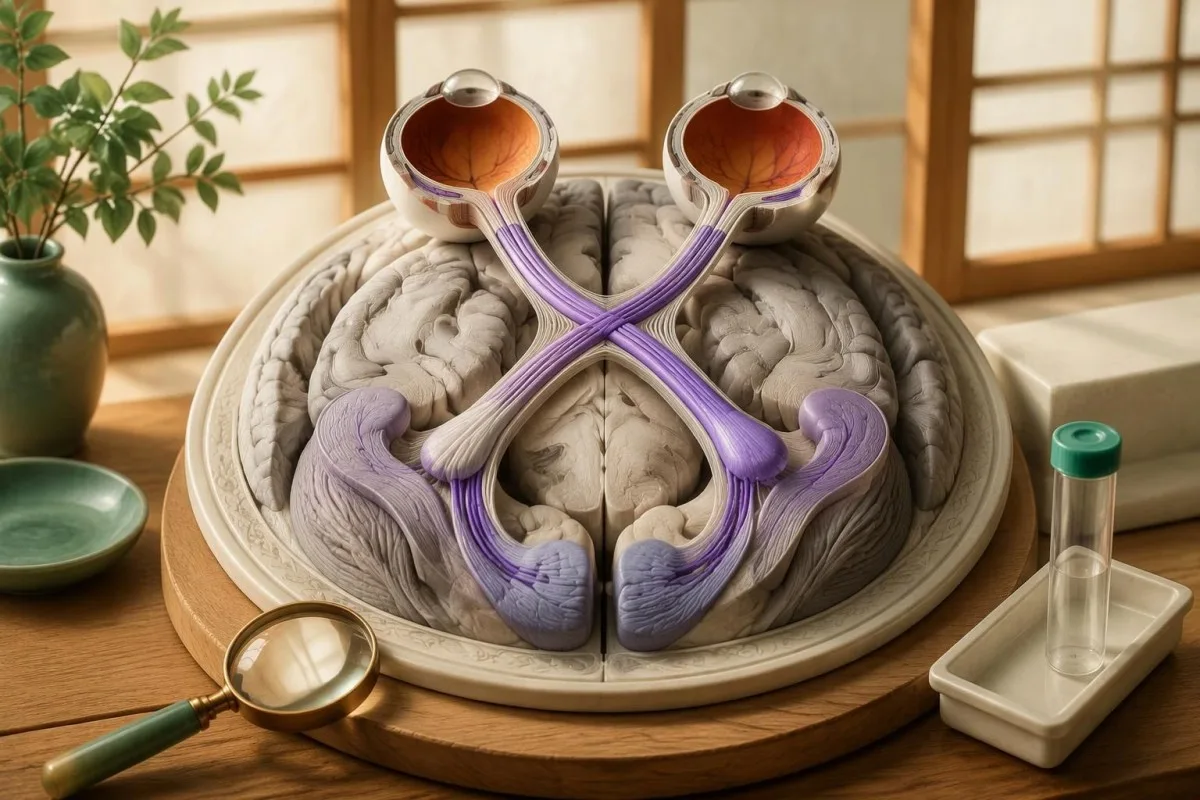
Հնարավոր մեթանոլային ազդեցությունից հետո տեսողության մշուշումը շտապ իրավիճակ է, քանի որ ֆորմատը կարող է վնասել ցանցաթաղանթն ու տեսողական նյարդը՝ հնարավոր է առաջացնելով տեսողության մշտական կորուստ։ Տեսողության ախտանիշներից կարող են լինել մթագնումը, տեսադաշտի կենտրոնական կույր բծերը, լուսազգայունությունը կամ ձնադաշտի նման տեսապատկերը. մշուշման նվազագույն աստիճան չկա, որի դեպքում սպասելն անվտանգ լինի։
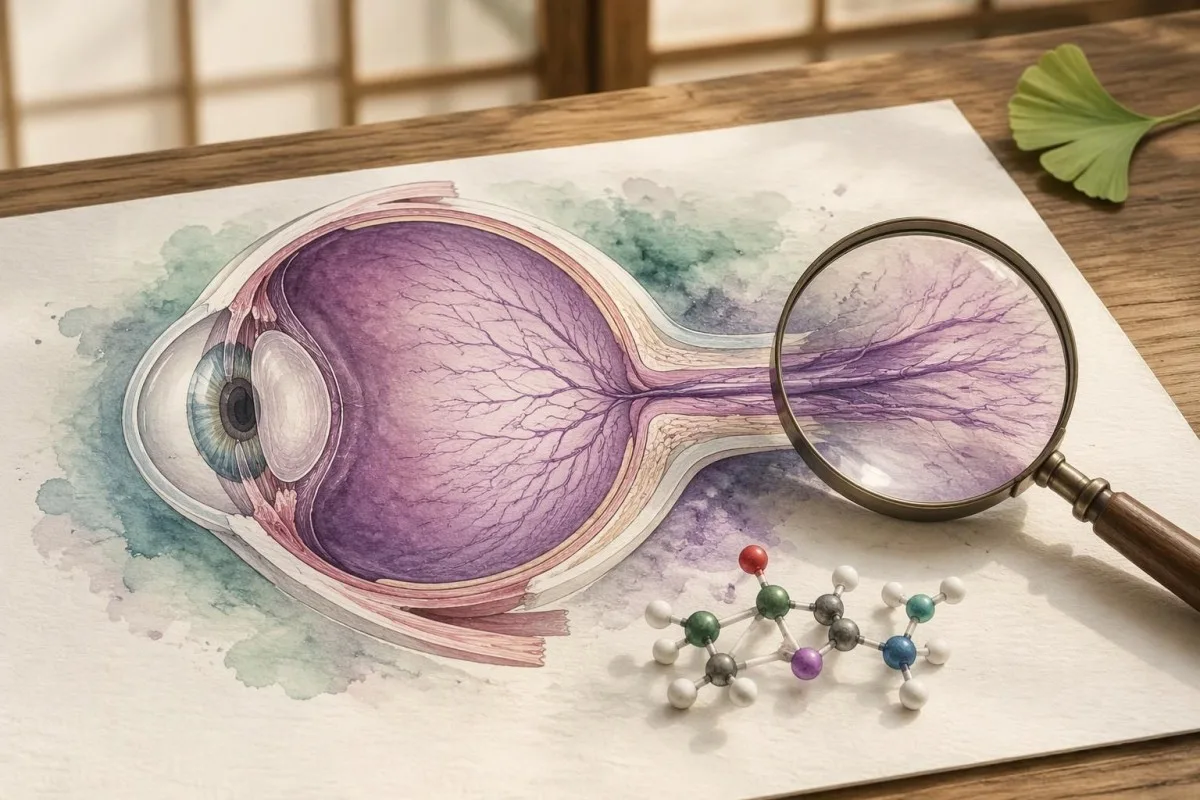
Մեթանոլի հետևանքով տեսողության փոփոխությունները հաճախ ընդգրկում են երկու աչքն էլ, սակայն անձը կարող է նախ նկատել մի կողմի փոփոխությունը կամ խանգարումը նկարագրել անհետևողականորեն։ Նույնիսկ նոր ախտահարված 1 աչքը հնարավոր ազդեցությունից հետո անհետաձգելի զննման հիմք է, քանի որ այլ շտապ վիճակներն էլ են տեսողության հանկարծակի փոփոխություն առաջացնում։ Ցավի առկայությունը պարտադիր չէ, իսկ ժամանակավորապես լավացող ախտանիշը չի ապացուցում, որ տեսողական նյարդը վնասված չէ։
An early eye examination can appear less alarming than the patient's symptoms suggest. Clinicians assess visual acuity, pupils, colour perception, and the optic disc, but normal findings on 1 component do not exclude evolving toxicity or replace acid–base testing. Routine eye pressure and OCT testing answers different questions and should not become a detour before emergency toxicology assessment.
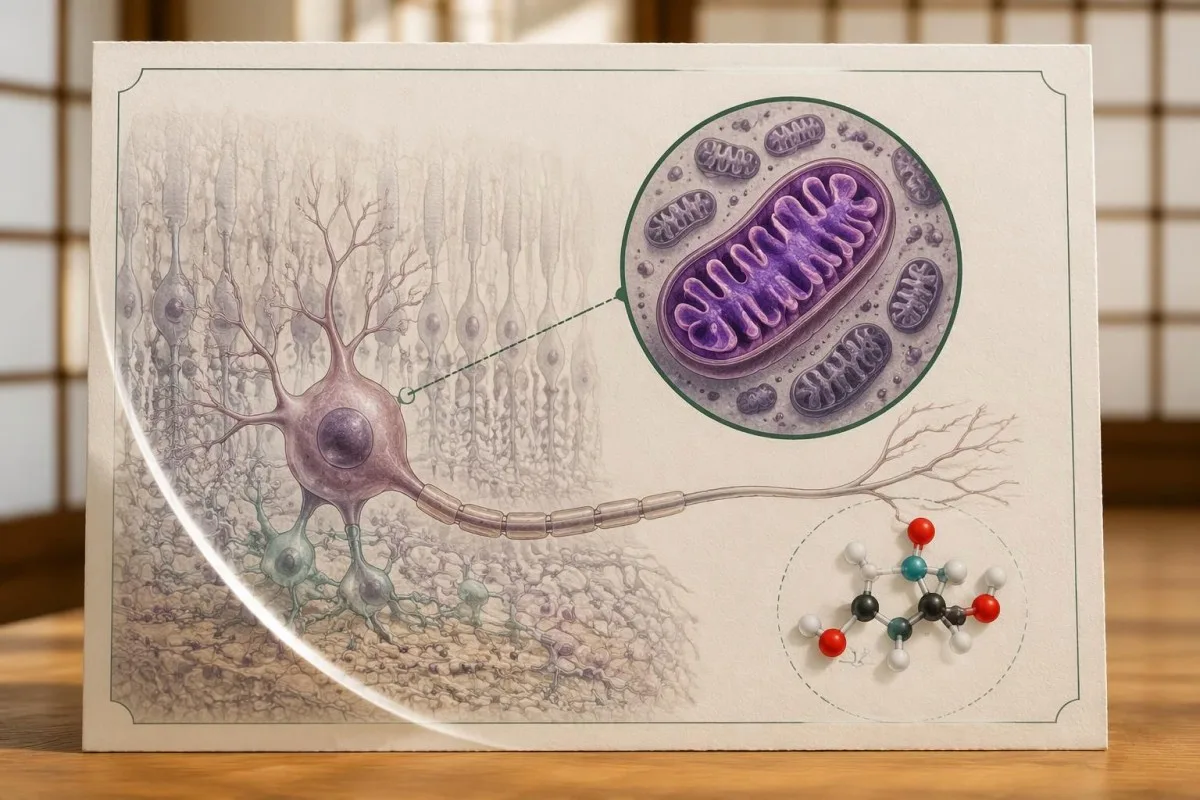
Formate interferes with mitochondrial energy production, making metabolically demanding visual tissues particularly vulnerable. EXTRIP recommends extracorporeal treatment for new visual deficits attributable to methanol poisoning, independently of whether the measured methanol concentration exceeds its concentration-based dialysis thresholds (Roberts et al., 2015). Describe the exact change—such as missing central detail or washed-out colours—but do not spend 20 minutes performing home vision comparisons before calling.
Ի՞նչ ազդեցություններ կարող են առաջացնել մեթանոլով թունավորման նշաններ։
Methanol poisoning can follow ingestion of methanol-containing products or contaminated drinks, and substantial inhalation or skin exposure can also cause systemic toxicity. Risk depends on concentration, duration, route, and absorbed amount; a brief incidental splash is not equivalent to swallowing a solvent, but uncertain exposure still needs prompt poison-service advice.
Potential sources include some industrial solvents, fuels, windshield-washer fluids, and improperly produced or adulterated drinks; formulations differ between countries and products. A product marketed as an alcohol or solvent may contain ethanol, methanol, isopropanol, or a mixture, so the name alone cannot establish its toxicity. Photograph the ingredient panel and concentration if available, but do not taste or deliberately smell an unidentified liquid.
Ordinary alcohol-related biomarkers do not identify acute methanol poisoning. For example, PEth results and limitations concern ethanol exposure history, not whether an unfamiliar liquid contains methanol or whether formate is accumulating now. There is no reliable home calculation from a drink's appearance, perceived strength, or number of sips to a safe absorbed dose.
Different chemicals produce different emergency patterns, and 2 people exposed to the same container may absorb very different amounts. Our guide to pesticide poisoning warning signs describes excessive secretions and other features that are not the characteristic methanol pattern. Bring the product identity into the discussion, but let emergency clinicians investigate mixed exposure rather than trying to diagnose the chemical from symptoms alone.
Ի՞նչ պետք է անել անմիջապես՝ հնարավոր ազդեցությունից հետո։
Call emergency services immediately for suspected methanol ingestion or symptoms suggesting poisoning; do not wait for a home test or an appointment. In the US, Poison Control is also available at 1-800-222-1222; in the UK, symptomatic or suspected serious poisoning belongs with 999 or 112, not a routine booking.
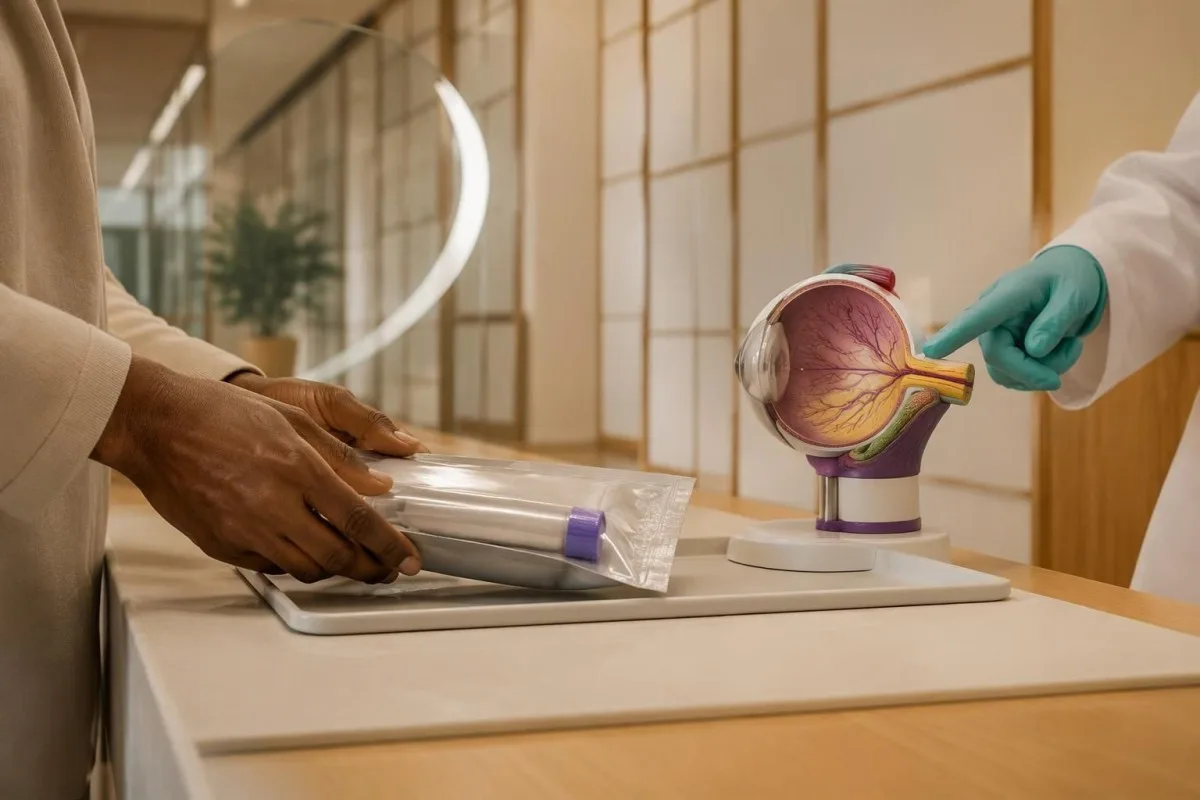
Move away from fumes into fresh air only if doing so is safe, and never enter a contaminated enclosed space to rescue someone without appropriate protection. Remove contaminated clothing and rinse exposed skin; for an eye splash, begin irrigation with clean lukewarm water for at least 15–20 minutes while arranging professional advice. These decontamination steps do not replace emergency assessment when ingestion or substantial systemic exposure is suspected.
Do not induce vomiting, drink alcohol as an antidote, or take activated charcoal unless a clinician specifically directs you. Methanol is absorbed rapidly and binds poorly to charcoal; hospital ethanol treatment requires controlled dosing and monitoring, unlike drinking spirits at home. If the person is unconscious or cannot swallow safely, give nothing by mouth and follow the dispatcher's instructions for breathing assessment and resuscitation.
Record 3 practical details if available: the product, the approximate exposure time, and the likely route or amount. A photo is safer than transporting a leaking container, and neither should delay departure. The same exposure-first approach applies to ածխածնի մոնօքսիդի հետազոտությունն ու անվտանգության միջոցառումները: remove the immediate hazard, seek care, and let clinicians interpret measurements in their time context.
Ի՞նչ հետազոտություններ են նշանակում բժիշկները մեթանոլով թունավորման կասկածի դեպքում։
Clinicians combine a specific methanol concentration with acid–base testing, electrolytes, measured serum osmolality, glucose, and kidney-function tests. They commonly request an ethanol level and tests for alternative causes of acidosis; a routine metabolic panel does not automatically include methanol, formate, or a blood gas.
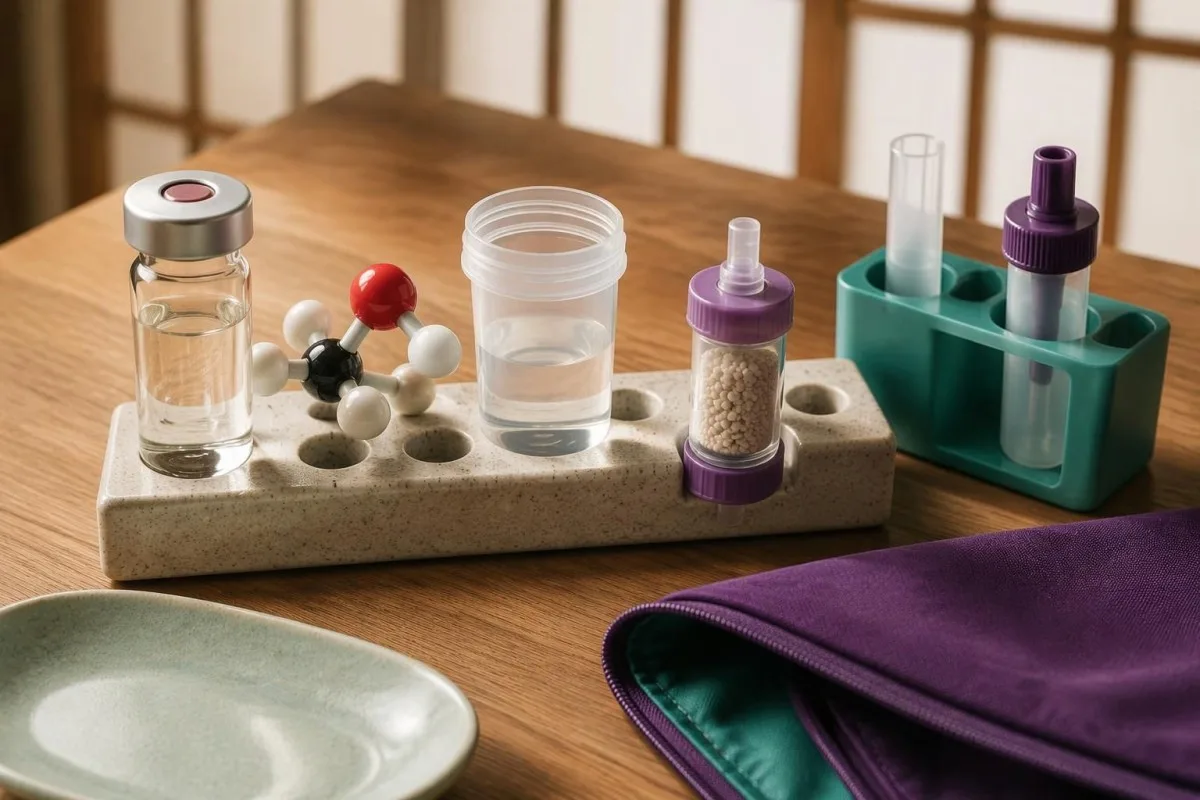
Blood gas testing provides pH and carbon dioxide information, while an electrolyte panel supplies sodium, chloride, and bicarbonate or total carbon dioxide for calculating the anion gap. Serum total CO2 is mainly a bicarbonate estimate, not a direct measurement of arterial ventilation. Our էլեկտրոլիտային վահանակի արդյունքների մեկնաբանման ուղեցույցում explains why combinations of results reveal more than an isolated flagged value.
Direct methanol measurement often uses gas chromatography, and some hospitals must send the sample to another laboratory. A delay of several hours is a service limitation—not a reason to postpone antidote treatment when the exposure history and clinical pattern are concerning. Formate measurement may help where available, but many emergency departments cannot obtain it rapidly enough to guide the first treatment decision.
Kantesti AI can support later understanding of reported laboratory values, but the emergency team must verify the original report, specimen time, units, and treatments already given. If sodium, osmolality, and ethanol are collected at 3 different times, combining them can create a misleading osmolal gap. Clinicians therefore prefer coordinated sampling and repeat measurements when an evolving exposure could make an initially reassuring result obsolete.
Ինչպե՞ս են շտապ օգնության պայմաններում մեկնաբանում մեթանոլի մակարդակները։
A methanol concentration of at least 20 mg/dL, approximately 6.2 mmol/L, is a commonly used indication for alcohol-dehydrogenase-blocking treatment. A lower concentration does not exclude serious late poisoning, because methanol may already have been converted into formate; symptoms and acid–base findings remain central.
Unit conversion can prevent a major reading error: 20 mg/dL equals 200 mg/L, and 1 mg/dL methanol is approximately 0.312 mmol/L. A number written as 20 mg/L therefore represents a different concentration from 20 mg/dL. The AACT guideline uses concentration alongside exposure history and metabolic evidence rather than treating any single threshold as a complete diagnosis (Barceloux et al., 2002).
EXTRIP's concentration-based dialysis recommendations distinguish patients receiving fomepizole, ethanol, or no alcohol-dehydrogenase inhibitor: the respective thresholds are greater than 70, 60, and 50 mg/dL. These are dialysis criteria, not thresholds for deciding whether to attend hospital or start an antidote. Visual deficits, coma, seizures, severe or persistent acidosis, and other clinical findings can independently justify extracorporeal treatment (Roberts et al., 2015).
A laboratory's word 'negative' needs its detection limit and sampling context, especially after treatment or a long delay. Our guide to որակական ընդդեմ քանակական արդյունքների explains why a detected/not-detected answer contains less information than a concentration with units. Ask the team what the result measures, when the sample was taken, and whether it addresses parent methanol rather than its toxic metabolite.
Ի՞նչ են ցույց տալիս pH-ը և բիկարբոնատը մեթանոլով թունավորման դեպքում։
Low pH and low bicarbonate can indicate metabolic acidosis from accumulated formate, a major marker of methanol toxicity. Usual adult arterial pH is 7.35–7.45; a normal early pH cannot exclude poisoning, and mixed acid–base disturbances can partly mask the degree of metabolic illness.
Serum bicarbonate is commonly around 22–28 mmol/L, although laboratories use different intervals and specimen methods. A falling value means buffering capacity is being consumed, but it does not identify the acid by itself; ketoacidosis, lactic acidosis, and kidney dysfunction are alternative explanations. Our զարկերակային արյան գազերի բացատրությունը separates metabolic changes from carbon dioxide changes caused by breathing.
Deep, rapid breathing can be compensation for metabolic acidosis rather than an isolated lung problem. With bicarbonate of 10 mmol/L, Winter's formula estimates an expected arterial CO2 of about 23 mmHg, allowing roughly ±2 mmHg; a substantially higher CO2 suggests inadequate respiratory compensation. This is a clinician's cross-check, not a home decision rule, and sample type matters when comparing venous and arterial measurements.
Kantesti is an AI blood test interpretation platform that helps explain routine biomarkers, including why bicarbonate must be read alongside other results. Our բիոմարկերների հղման ուղեցույց cannot turn a pH of 7.40 into clearance after suspected methanol exposure: early sampling, vomiting-related alkalosis, or treatment may alter the apparent pattern. Emergency decisions require examination, repeat testing, and toxicology input rather than an automated normal-range label.
| Մակարդակ | Միջակայք | Ինչ է նշանակում |
|---|---|---|
| Usual adult arterial pH | 7.35–7.45 | A reference interval, not a rule-out test for early methanol poisoning. |
| Common serum bicarbonate interval | 22–28 mmol/L | Local intervals and measurement methods vary. |
| Usual adult arterial CO2 | 35–45 mmHg | Must be assessed against the expected respiratory response to metabolic acidosis. |
| EXTRIP severe-acidemia dialysis criterion | pH ≤7.15 | Supports extracorporeal treatment in methanol poisoning; other indications can apply at higher pH. |
Օսմոլալ կամ անիոնային նորմալ տարբերությունները կարո՞ղ են բացառել մեթանոլով թունավորումը։
Neither a normal osmolal gap nor a normal anion gap reliably excludes methanol poisoning. Unmetabolized methanol can raise the osmolal gap early, while formate raises the anion gap later; the relationship changes with time, ethanol co-exposure, baseline variation, and treatment.
The osmolal gap is measured osmolality minus calculated osmolarity; a common calculation in conventional units is 2 × sodium + glucose/18 + BUN/2.8. Ethanol requires an additional correction when present, and laboratories differ in the coefficient used. Our serum osmolality interpretation guide explains why a gap above about 10 mOsm/kg is a clue, not proof of a specific toxic alcohol.
The anion gap is usually sodium minus chloride minus bicarbonate when potassium is excluded. Many laboratories quote approximately 8–12 mmol/L, but analyzer-dependent intervals vary; low albumin can hide an increase, with a commonly used correction adding about 2.5 mmol/L for each 1 g/dL that albumin is below 4 g/dL. A late falling methanol level and normalizing osmolal gap can coexist with worsening formate-related acidosis.
Other acid–base conditions produce different patterns, so the gap cannot be interpreted independently of history, glucose, ketones, lactate, and kidney function. Our guide to երիկամային խողովակային ացիդոզի նախշեր explains an important usually normal-gap alternative. EXTRIP includes an anion gap greater than 24 mmol/L among its methanol dialysis indications, but clinicians should not wait for that value if new visual deficits are present.
Ինչպե՞ս կարող են թվացյալ հուսադրող արդյունքները, այնուամենայնիվ, վտանգավոր լինել։
Apparently reassuring results can be dangerous when a sample is collected before metabolite accumulation, after methanol conversion, or after treatment. The following 3 hypothetical examples illustrate clinical reasoning only; they are not diagnostic templates and must never be used to decide whether someone can remain at home.
Hypothetical early exposure: a person presents 2 hours after swallowing a suspected solvent, with pH 7.39 and bicarbonate 24 mmol/L, while the direct methanol result is pending. Those values describe acid–base status at that moment, not the safety of the exposure. A credible ingestion history can justify immediate specialist assessment and empiric antidote treatment before laboratory confirmation or development of blurred vision.
Hypothetical late exposure: 24 hours after an uncertain drink, a person has new blurred vision, pH 7.12, bicarbonate 8 mmol/L, and methanol 12 mg/dL. The concentration is below the commonly used 20 mg/dL antidote threshold, but the clinical picture suggests serious metabolite toxicity rather than reassurance. New visual deficits and severe acidemia can support dialysis decisions without a higher parent-alcohol concentration.
Hypothetical competing diagnosis: a person has glucose 420 mg/dL, bicarbonate 12 mmol/L, and elevated ketones after a possible chemical exposure. Our կետոզը ընդդեմ կետոացիդոզի ուղեցույցը explains why diabetic ketoacidosis is another urgent possibility, not proof that methanol is absent. At Kantesti, we explain these examples as pattern comparisons; only the treating team can determine whether one cause, mixed causes, or neither fits.
Ինչո՞ւ կարող է բուժումը սկսվել մինչև մեթանոլի հաստատումը։
Clinicians may start an antidote before methanol confirmation because blocking further metabolism can prevent additional formate formation while laboratory results are pending. Fomepizole is commonly preferred where available; ethanol is a hospital alternative requiring carefully controlled administration, glucose checks, and monitoring.
Fomepizole inhibits alcohol dehydrogenase, interrupting the first metabolic step rather than neutralizing methanol directly. Brent et al.'s prospective study in the New England Journal of Medicine supported its clinical use in methanol poisoning, although the study was not a large randomized comparison of every treatment strategy (Brent et al., 2001). A 20 mg/dL concentration is one common treatment trigger, but convincing exposure and metabolic findings can also justify action.
Antidote treatment does not instantly remove formate already present, which is why severe acidosis and visual changes demand additional assessment. Clinicians may administer bicarbonate for acidemia and folinic acid or folic acid to support formate metabolism; the evidence for adjunctive folate is less definitive than its biochemical rationale. These treatments are monitored hospital interventions, not a reason to take supplements or attempt oral alkalinization at home.
Blocking metabolism can leave parent methanol circulating for longer, so persistent detectability during treatment does not automatically mean the antidote has failed. Conversely, a lower concentration is not enough to establish recovery if pH or vision is worsening. Our discussion of aspirin toxicity treatment timing illustrates a related principle: poisoning care tracks symptoms, acid–base status, and serial levels rather than celebrating one falling number.
Ե՞րբ է անհրաժեշտ դիալիզ մեթանոլով թունավորման դեպքում։
Dialysis is recommended for severe methanol poisoning when features such as new visual deficits, coma, seizures, marked acidemia, or persistent metabolic acidosis are present. EXTRIP includes pH ≤7.15 and anion gap >24 mmol/L among its indications; a patient does not need to meet every criterion.
Extracorporeal treatment can remove both methanol and formate while correcting acid–base and electrolyte abnormalities. EXTRIP generally prefers intermittent hemodialysis when available; continuous techniques may be used when circumstances require them, with different clearance rates and treatment durations (Roberts et al., 2015). Antidote therapy continues during dialysis, and clinicians adjust its administration because extracorporeal treatment also affects drug clearance.
Dialysis for methanol poisoning is not reserved for people with chronic kidney disease. Someone with previously normal creatinine can need urgent dialysis because the target is toxic-alcohol and metabolite clearance, not simply replacement of failed kidney function. Our BUN և կրեատինինի ուղեցույցը explains why these kidney markers cannot, on their own, measure the urgency of a poisoning-related dialysis decision.
EXTRIP suggests stopping extracorporeal treatment when methanol is below 20 mg/dL and clinical improvement is evident, with ongoing treatment and reassessment determined by the team. Kidney impairment adds another reason for concern, but a symptom checklist for low kidney-function warning signs should not become a requirement before escalation. Duration depends on the initial burden, technique, metabolic response, and visual or neurological course—not a universal number of dialysis hours.
Ի՞նչ հետագա հսկողություն է անհրաժեշտ հիվանդանոցային բուժումից հետո։
Follow-up after methanol poisoning may include ophthalmology, neurological assessment, repeat metabolic testing, and support for the circumstances of exposure. A low or undetectable methanol concentration does not guarantee recovery of vision; persistent visual or cognitive changes require an individualized plan rather than interpretation of one discharge result.
A discharge summary should identify the exposure history, antidote, dialysis if used, relevant sample times, and outstanding follow-up. Keep the actual units: a final value of 15 mg/L is not 15 mg/dL, and a post-treatment result cannot reconstruct the original absorbed amount. Ask whether any visual deficit requires formal acuity, colour, field, or optic-nerve assessment and what change should trigger immediate reassessment.
Recovery varies with the severity and duration of metabolic disturbance, treatment timing, and visual or neurological involvement. Symptoms persisting 1 week after discharge cannot be judged from the original methanol concentration alone, and there is no reliable home prediction of permanent visual outcome. New or worsening blurring, confusion, breathing difficulty, or reduced consciousness after treatment should prompt urgent medical reassessment rather than waiting for a scheduled review.
Kantesti is an AI-powered blood test analysis tool that can help organize routine follow-up results after emergency clinicians have completed acute care. Our վավերացման և կլինիկական սահմանները distinguish report explanation from diagnosing poisoning or predicting optic-nerve recovery; methanol below 20 mg/dL is not a stand-alone recovery endpoint. If exposure was intentional, involve urgent mental-health support alongside medical care, with a safety plan agreed before discharge.
Հետազոտական հրապարակումներ և անվտանգ մեկնաբանման սահմաններ
Methanol emergency guidance should be based on toxicology evidence, not unrelated laboratory publications or an AI-generated normal-range assessment. The 2002 AACT guideline, 2001 fomepizole study, and 2015 EXTRIP recommendations support the clinical discussion here; the separate DOI publications below are not evidence for methanol diagnosis or treatment.
The Kantesti medical content team distinguishes established treatment principles from areas with limited comparative evidence. Immediate assessment, metabolism-blocking treatment when indicated, and extracorporeal treatment for severe poisoning have specialist support, but not every intervention has large randomized trials behind it. The 2015 EXTRIP paper explicitly combines a systematic evidence review with expert consensus, so its precise thresholds should be applied in clinical context rather than presented as infallible biological dividing lines.
Reliable interpretation also means explaining assumptions behind a calculation rather than publishing a single universal cutoff. For example, an albumin of 2 g/dL can conceal an approximately 5 mmol/L increase in an uncorrected anion gap under a commonly used correction; our ալբումինը և շիճուկային սպիտակուցները ուղեցույց են provides supporting background. Neither that correction nor a mechanistic illustration validates a diagnosis without exposure history, examination, and appropriately timed measurements.
These 2 Kantesti DOI publications cover gastrointestinal and women's-health education, not toxic-alcohol outcomes, and should be read only as separate publications. A DOI identifies a deposited work; it does not itself establish peer review, clinical validation, or relevance to an emergency treatment claim. Our բժշկական բովանդակության չափանիշներ explain the distinction between educational material and clinical evidence, while the external references below identify the sources directly relevant to methanol care.
Հաճախ տրվող հարցեր
Որքա՞ն ժամանակ է պահանջվում, մինչև ի հայտ գան մեթանոլային թունավորման ախտանիշները:
Մեթանոլային թունավորման ախտանիշները հաճախ ի հայտ են գալիս մոտ 6–24 ժամ անց, սակայն ուշացման տևողությունը զգալիորեն տատանվում է։ Միաժամանակ օգտագործված էթանոլը կարող է լուրջ ախտանիշների ի հայտ գալը հետաձգել ավելի քան 24 ժամով՝ դանդաղեցնելով մեթանոլի նյութափոխանակությունը։ Վաղ փուլում կարող են առաջանալ սրտխառնոց կամ գլխապտույտ՝ նախքան տեսողության խանգարումներն ու ացիդոզը, սակայն որոշ մարդիկ սկզբում իրենց լավ են զգում։ Թունավորման կասկածի դեպքում անհրաժեշտ է անհապաղ դիմել շտապ օգնության՝ ոչ թե սպասել, մինչև այս ժամանակահատվածն անցնի։
Արդյո՞ք կասկածելիորեն աղտոտված ըմպելիք խմելուց հետո տեսողության մշուշումը արտակարգ վիճակ է:
Հնարավոր աղտոտված ըմպելիք օգտագործելուց հետո առաջացած նոր տեսողության մշուշումը շտապ իրավիճակ է, քանի որ մեթանոլի մետաբոլիտները կարող են վնասել ցանցաթաղանթն ու տեսողական նյարդը։ Մշուշման նվազագույն աստիճան կամ տևողություն չկա, որի դեպքում տանը հետևելը անվտանգ կլինի։ Մեծ Բրիտանիայում զանգահարեք 999 կամ 112, ԱՄՆ-ում՝ 911, կամ տեղական շտապ օգնության համարին, և ինքներդ մեքենա մի վարեք։ Դիսպետչերին տեղեկացրեք և՛ ըմպելիքի, և՛ տեսողության փոփոխության մասին, նույնիսկ եթե օգտագործած քանակը հստակ չէ։
Կարո՞ղ են արյան սովորական անալիզները բացառել մեթանոլով թունավորումը։
Նորմալ վաղ արյան հետազոտությունները չեն կարող հուսալիորեն բացառել մեթանոլով թունավորումը։ Զարկերակային pH-ը կարող է մնալ 7.35–7.45 միջակայքում, մինչև բավարար քանակությամբ ֆորմիատ կուտակվի, իսկ սովորական նյութափոխանակային վահանակը մեթանոլն ինքնաբերաբար չի չափում։ Օսմոլալության նորմալ տարբերությունը նույնպես չի կարող բացառել թունավորումը, հատկապես՝ հիվանդության ավելի ուշ փուլերում։ Բժիշկները համադրում են ազդեցության պատմությունը, թունավոր սպիրտների հատուկ հետազոտությունների արդյունքները, թթվահիմնային վիճակը, ախտանիշները և կրկնակի չափումները։
Մեթանոլի արյան ո՞ր մակարդակն է համարվում վտանգավոր:
Մեթանոլի առնվազն 20 մգ/դլ կոնցենտրացիան, որը մոտավորապես համապատասխանում է 6.2 մմոլ/լ-ի, հիվանդանոցներում հակաթույնի կիրառման համար սովորաբար օգտագործվող շեմ է։ 20 մգ/դլ-ից ցածր կոնցենտրացիան չի հաստատում, որ վիճակն անվտանգ է, երբ մեթանոլն արդեն վերածվել է թունավոր ֆորմատի։ Ծանր ացիդոզի կամ տեսողության նոր խանգարումների դեպքում կարող է պահանջվել անհետաձգելի բուժում և դիալիզ՝ անկախ սկզբնական մեթանոլի ավելի ցածր մակարդակից։ Այս շեմերը նախատեսված են բժիշկներին ուղղորդելու համար և չպետք է օգտագործվեն որոշելու համար՝ դիմե՞լ արդյոք շտապ բուժօգնության։
Մեթանոլի ազդեցությունից հետո պե՞տք է ալկոհոլ օգտագործեմ, թե՞ ակտիվացված ածուխ ընդունեմ։
Կասկածվող մեթանոլային թունավորման դեպքում տնային պայմաններում բուժման նպատակով մի՛ օգտագործեք ալկոհոլ, մի՛ առաջացրեք փսխում և մի՛ ընդունեք ակտիվացված ածուխ։ Էթանոլը կարող է օգտագործվել որպես հակաթույն հիվանդանոցում, սակայն դրա ընդունումը պետք է վերահսկվի, և հիվանդի վիճակը՝ հսկվի․ ածուխը վատ է կապում մեթանոլը։ Կասկածվող կուլ տալու կամ թունավորման ախտանիշների դեպքում զանգահարեք շտապ օգնություն, իսկ ԱՄՆ-ում կարող եք կապվել նաև Թունավորումների վերահսկման կենտրոնի հետ՝ 1-800-222-1222 հեռախոսահամարով։ Անհապաղ բժշկական գնահատումն ավելի անվտանգ է, քան հիվանդանոցային բուժումը տնային պայմաններում կրկնօրինակելու փորձը։
Ինչո՞ւ երիկամների նորմալ ֆունկցիա ունեցող մարդուն կարող է անհրաժեշտ լինել դիալիզ՝ մեթանոլով թունավորման դեպքում?
Մեթանոլային թունավորման դեպքում դիալիզը հեռացնում է մեթանոլն ու ֆորմիատը և օգնում շտկել ծանր ացիդոզը, ուստի այն կարող է անհրաժեշտ լինել նույնիսկ այն դեպքում, երբ երիկամների գործառույթը նախկինում նորմալ է եղել։ EXTRIP-ի ցուցումների թվում են տեսողության նոր խանգարումները, կոման, ցնցումները, 7.15 կամ ավելի ցածր pH-ը և 24 մմոլ/լ-ից բարձր անիոնային բացը։ Կոնցենտրացիայի վրա հիմնված շեմերը կախված են նաև նրանից, թե կիրառվում է ֆոմեպիզոլ, էթանոլ, թե նյութափոխանակությունն արգելակող հակաթույն չի կիրառվում։ Բուժող թունաբանական և ինտենսիվ թերապիայի թիմը որոշում է կայացնում՝ հաշվի առնելով կլինիկական ամբողջական պատկերը, ոչ թե միայն կրեատինինը։
Ստացեք ձեր արյան անալիզի արդյունքների բացատրությունը
Վերբեռնեք ձեր լաբորատոր հաշվետվությունը, և Kantesti-ի AI-ն վայրկյանների ընթացքում պարզ լեզվով կբացատրի յուրաքանչյուր կենսամարկեր։ Օգտագործում է ավելի քան 2 միլիոն մարդ ամբողջ աշխարհում։.
Հղումներ
- Klein, T., Mitchell, S., & Weber, H. (2026). Փորլուծություն ծոմապահությունից հետո, կղանքում սև մասնիկներ և ստամոքսաղիքային ուղեցույց 2026։. Kantesti AI բժշկական հետազոտություն։. ԴՕԻ
- Klein, T., Mitchell, S., & Weber, H. (2026). Կանանց առողջության ուղեցույց․ օվուլյացիա, դաշտանադադար և հորմոնալ ախտանիշներ։. Kantesti AI բժշկական հետազոտություն։. ԴՕԻ
- Barceloux DG et al. (2002). American Academy of Clinical Toxicology practice guidelines on the treatment of methanol poisoning. Journal of Toxicology: Clinical Toxicology. ԴՕԻ
- Roberts DM et al. (2015). Recommendations for the role of extracorporeal treatments in the management of acute methanol poisoning: a systematic review and consensus statement. Critical Care Medicine. ԴՕԻ
- Brent J et al. (2001). Fomepizole for the treatment of methanol poisoning. New England Journal of Medicine։. ԴՕԻ
- 2 միլիոն+Վերլուծված թեստեր
- 127+Երկրներ
- 100+Լեզուներ
Բժշկական թիմի մասին


E-E-A-T վստահության ազդանշաններ
Փորձառություն
Բժշկի կողմից ղեկավարվող կլինիկական վերանայում՝ լաբորատոր մեկնաբանության աշխատանքային հոսքերի համար։.
Մասնագիտություն
Լաբորատոր բժշկության կենտրոնացում՝ այն բանի վրա, թե ինչպես են բիոմարկերները դրսևորվում կլինիկական համատեքստում։.
Հեղինակություն
Բժշկական գրախոսությունը՝ դոկտոր Թոմաս Քլայնի կողմից, դոկտոր Սառա Միտչելի և պրոֆ. դոկտոր Հանս Վեբերի մասնակցությամբ։.
Հուսալիություն
Ապացույցների վրա հիմնված մեկնաբանություն՝ հստակ հետագա քայլերի ուղիներով՝ ահազանգերը նվազեցնելու համար։.




Բժշկական հրաժարում պատասխանատվությունից
Այս հոդվածը միայն կրթական նպատակների համար է և չի հանդիսանում բժշկական խորհրդատվություն։ Ախտորոշման և բուժման որոշումների համար միշտ խորհրդակցեք որակավորված բուժաշխատողի հետ։.
Հրապարակված · Կապ հաստատել խմբագրական թիմի հետ
Հրատարակված է Kantesti Ltd-ի կողմից, գրանցված Անգլիայում և Ուելսում, ընկերության համար. 17090423, Լոնդոն, Միացյալ Թագավորություն։.
