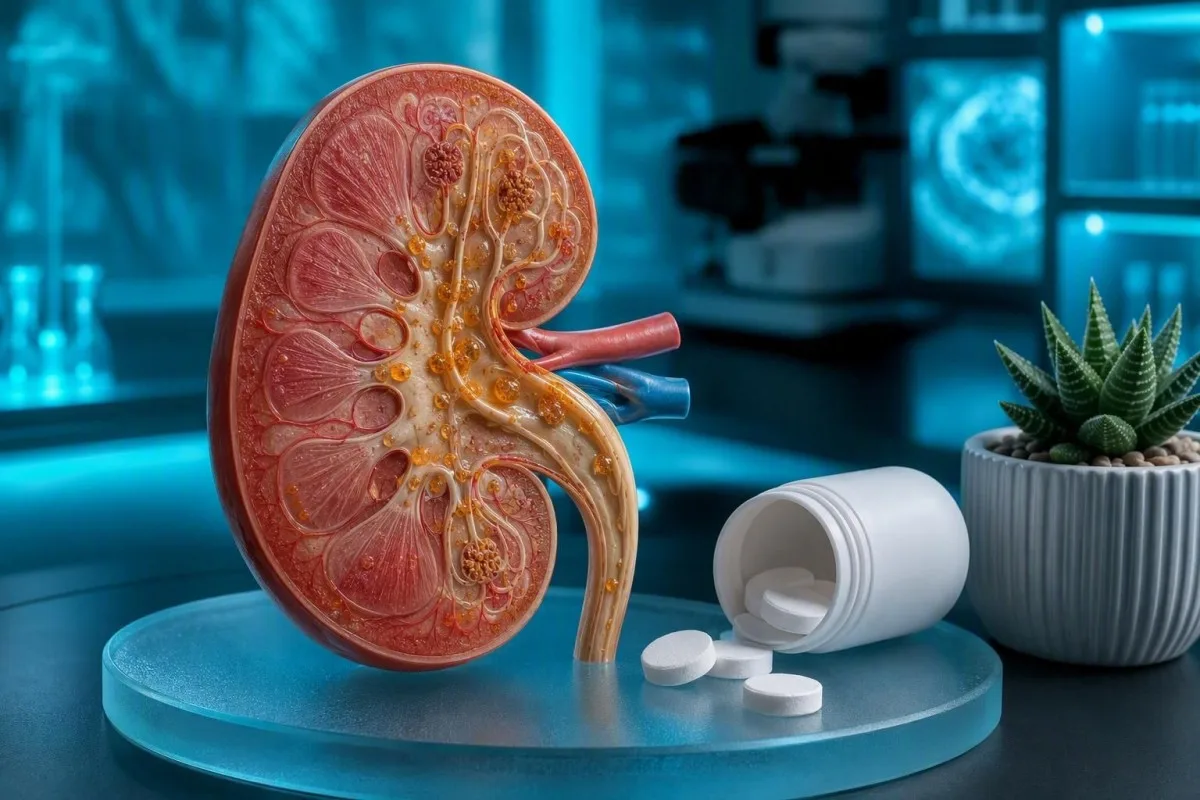
ಕ್ಯಾಲ್ಸಿಯಂ ಕಾರ್ಬೋನೇಟ್ ಎದೆಯುರಿ ನಿವಾರಿಸಬಹುದು, ಆದರೆ ಪುನರಾವರ್ತಿತ ಡೋಸ್ಗಳು ಕ್ಯಾಲ್ಸಿಯಂ ಹೆಚ್ಚಿಸಬಹುದು, ರಕ್ತವನ್ನು ಕ್ಷಾರಗೊಳಿಸಬಹುದು ಮತ್ತು ಮೂತ್ರಪಿಂಡಗಳ ಮೇಲೆ ಹಠಾತ್ ಒತ್ತಡವನ್ನು ಉಂಟುಮಾಡಬಹುದು. ವಾಂತಿ, ನಿರ್ಜಲೀಕರಣ, ವಿಟಮಿನ್ ಡಿ, ಅಥವಾ ಮೂತ್ರಪಿಂಡದ ಕಾರ್ಯಕ್ಷಮತೆ ಕಡಿಮೆಯಾದಾಗ ಅಪಾಯ ಗರಿಷ್ಠವಾಗಿರುತ್ತದೆ.


- ಅಧಿಕ ಕ್ಯಾಲ್ಸಿಯಂ ಸಾಮಾನ್ಯವಾಗಿ ಸುಮಾರು 2.60 mmol/L (10.4 mg/dL) ಗಿಂತ ಹೆಚ್ಚಿನ ಒಟ್ಟು ಕ್ಯಾಲ್ಸಿಯಂ ಅನ್ನು ಸೂಚಿಸುತ್ತದೆ, ಆದರೆ ಅಲ್ಬುಮಿನ್ ಮತ್ತು ಅಯಾನೀಕೃತ ಕ್ಯಾಲ್ಸಿಯಂ ಫಲಿತಾಂಶವು ನಿಜವೋ ಅಲ್ಲವೋ ಎಂಬುದನ್ನು ನಿರ್ಧರಿಸುತ್ತದೆ.
- ಕ್ಯಾಲ್ಸಿಯಂ ಕಾರ್ಬೊನೇಟ್ 40% ನೈಜ ಕ್ಯಾಲ್ಸಿಯಂ: 1,000 mg ಟ್ಯಾಬ್ಲೆಟ್ನಲ್ಲಿ ಸುಮಾರು 400 mg ನೈಜ ಕ್ಯಾಲ್ಸಿಯಂ ಇರುತ್ತದೆ.
- ಹಾಲು-ಕ್ಷಾರ ಸಿಂಡ್ರೋಮ್ ಹೀರಿಕೊಳ್ಳಬಹುದಾದ ಕ್ಷಾರ ಮತ್ತು ಕ್ಯಾಲ್ಸಿಯಂ ಸೇವನೆಯ ನಂತರ ಹೈಪರ್ಕ್ಯಾಲ್ಸೆಮಿಯಾ, ಮೆಟಬಾಲಿಕ್ ಅಲ್ಕಾಲೋಸಿಸ್ ಮತ್ತು ತೀವ್ರ ಮೂತ್ರಪಿಂಡದ ಗಾಯದ ಸಂಯೋಜನೆಯಾಗಿದೆ.
- ತುರ್ತು ಮಿತಿ: 3.0 mmol/L (12 mg/dL) ಅಥವಾ ಅದಕ್ಕಿಂತ ಹೆಚ್ಚಿನ ಕ್ಯಾಲ್ಸಿಯಂಗೆ ಅದೇ ದಿನದ ವೈದ್ಯಕೀಯ ಮೌಲ್ಯಮಾಪನ ಅಗತ್ಯ, ವಿಶೇಷವಾಗಿ ರೋಗಲಕ್ಷಣಗಳು ಅಥವಾ ಕ್ರಿಯೇಟಿನೈನ್ ಹದಗೆಡುತ್ತಿದ್ದರೆ.
- ತುರ್ತು ಲಕ್ಷಣಗಳು ಗೊಂದಲ, ಮೂರ್ಛೆ, ತೀವ್ರ ದೌರ್ಬಲ್ಯ, ಹೃದಯ ಬಡಿತ, ಪುನರಾವರ್ತಿತ ವಾಂತಿ, ಕಡಿಮೆ ಮೂತ್ರ ವಿಸರ್ಜನೆ, ಅಥವಾ ದ್ರವವನ್ನು ಹಿಡಿದಿಟ್ಟುಕೊಳ್ಳಲು ಅಸಮರ್ಥತೆಯನ್ನು ಒಳಗೊಂಡಿರುತ್ತದೆ.
- ನಿರ್ಜಲೀಕರಣ ಲೂಪ್ ವಿಷಯಗಳು: ಅಧಿಕ ಕ್ಯಾಲ್ಸಿಯಂ ಬಾಯಾರಿಕೆ ಮತ್ತು ಮೂತ್ರ ವಿಸರ್ಜನೆಗೆ ಕಾರಣವಾಗುತ್ತದೆ, ನಂತರ ಪ್ರಮಾಣ ನಷ್ಟವು ಮೂತ್ರಪಿಂಡದ ಕ್ಯಾಲ್ಸಿಯಂ ತೆರವುಗೊಳಿಸುವಿಕೆಯನ್ನು ಕಡಿಮೆ ಮಾಡುತ್ತದೆ ಮತ್ತು ಕ್ಯಾಲ್ಸಿಯಂ ಅನ್ನು ಇನ್ನಷ್ಟು ಹೆಚ್ಚಿಸುತ್ತದೆ.
- ಸ್ವಯಂ ಚಿಕಿತ್ಸೆ ಮಾಡಬೇಡಿ ಅತಿಯಾದ ಪ್ರಮಾಣದ ನೀರನ್ನು ಕುಡಿಯುವ ಮೂಲಕ ಅಥವಾ ಹೆಚ್ಚಿನ ಪೂರಕಗಳನ್ನು ತೆಗೆದುಕೊಳ್ಳುವ ಮೂಲಕ ಅಧಿಕ ಕ್ಯಾಲ್ಸಿಯಂ ಫಲಿತಾಂಶ; ಸೂಚಿಸದ ಕ್ಯಾಲ್ಸಿಯಂ ಕಾರ್ಬೊನೇಟ್ ಅನ್ನು ನಿಲ್ಲಿಸಿ ಮತ್ತು ವೈಯಕ್ತಿಕ ಸಲಹೆಯನ್ನು ಪಡೆಯಿರಿ.
- ಉಪಯುಕ್ತ ಲ್ಯಾಬ್ ಕ್ಲಸ್ಟರ್ ಸರಿಹೊಂದಿಸಿದ ಅಥವಾ ಅಯಾನೀಕರಿಸಿದ ಕ್ಯಾಲ್ಸಿಯಂ, ಕ್ರಿಯೇಟಿನೈನ್/eGFR, ಬೈಕಾರ್ಬೊನೇಟ್ ಅಥವಾ ಒಟ್ಟು CO2, ಫಾಸ್ಫೇಟ್, ಮೆಗ್ನೀಸಿಯಂ, ಪೊಟ್ಯಾಸಿಯಂ, ಮತ್ತು ಪ್ಯಾರಾಥೈರಾಯ್ಡ್ ಹಾರ್ಮೋನ್ ಅನ್ನು ಒಳಗೊಂಡಿದೆ.
ಆಂಟಾಸಿಡ್ಗಳನ್ನು ತೆಗೆದುಕೊಂಡ ನಂತರ ಅಧಿಕ ಕ್ಯಾಲ್ಸಿಯಂ ಎಂದರೆ ಏನು?
ಆಂಟಾಸಿಡ್ಗಳ ನಂತರ ಅಧಿಕ ಕ್ಯಾಲ್ಸಿಯಂ ಎಂದರೆ ಏನು? ಕ್ಯಾಲ್ಸಿಯಂ ಕಾರ್ಬೊನೇಟ್ ಸೇವನೆಯು ಹೈಪರ್ಕಾಲ್ಸೆಮಿಯಾಗೆ ಕೊಡುಗೆ ನೀಡುತ್ತಿದೆ ಎಂದು ಇದರ ಅರ್ಥ, ವಿಶೇಷವಾಗಿ ಫಲಿತಾಂಶವು ಅಧಿಕ ಬೈಕಾರ್ಬೊನೇಟ್ ಮಟ್ಟ ಮತ್ತು ಹೆಚ್ಚುತ್ತಿರುವ ಕ್ರಿಯೇಟಿನೈನ್ ಜೊತೆಗೆ ಕಂಡುಬಂದಾಗ. ಏಕ ಗಡಿರೇಖೆಯ ಫಲಿತಾಂಶವು ರೋಗನಿರ್ಣಯವಲ್ಲ, ಆದರೆ ಕ್ಯಾಲ್ಸಿಯಂ 3.0 mmol/L (12 mg/dL) ಅಥವಾ ಅದಕ್ಕಿಂತ ಹೆಚ್ಚು ಅದೇ ದಿನದ ಮೌಲ್ಯಮಾಪನಕ್ಕೆ ಅರ್ಹವಾಗಿದೆ.
ಆಂಟಾಸಿಡ್ಗಳಿಂದ ಬರುವ ಅಧಿಕ ಕ್ಯಾಲ್ಸಿಯಂ ಅನ್ನು ಸಾಮಾನ್ಯವಾಗಿ ಕ್ಯಾಲ್ಸಿಯಂ-ಆಲ್ಕಲಿ ಸಿಂಡ್ರೋಮ್, ಎಂದು ಕರೆಯಲಾಗುತ್ತದೆ, ಹಿಂದೆ ಮಿಲ್ಕ್-ಆಲ್ಕಲಿ ಸಿಂಡ್ರೋಮ್. ಆಧುನಿಕ ಮಾದರಿಯು ಹಾಲಿನ ಬಗ್ಗೆ ಕಡಿಮೆ ಮತ್ತು ಕ್ಯಾಲ್ಸಿಯಂ ಕಾರ್ಬೊನೇಟ್ ಚೂಯಬಲ್ಗಳು, ಆಸ್ಟಿಯೊಪೊರೋಸಿಸ್ ಪೂರಕಗಳು, ಬಲವರ್ಧಿತ ಉತ್ಪನ್ನಗಳು, ಅಥವಾ ಇವುಗಳಲ್ಲಿ ಹಲವು ಒಟ್ಟಿಗೆಯ ಬಗ್ಗೆ ಹೆಚ್ಚು. ನನ್ನ ಕ್ಲಿನಿಕಲ್ ಕೆಲಸದಲ್ಲಿ, ಮರೆತುಹೋದ ಸುಳಿವು ರೋಗಿಯು ಹೇಳುವುದು, “ಅವು ಕೇವಲ ಆಂಟಾಸಿಡ್ಗಳು,” ಕೆಟ್ಟ ರಿಫ್ಲಕ್ಸ್ ದಿನಗಳಲ್ಲಿ 8 ರಿಂದ 12 ಮಾತ್ರೆಗಳನ್ನು ತೆಗೆದುಕೊಳ್ಳುವಾಗ.
ಒಟ್ಟು ಕ್ಯಾಲ್ಸಿಯಂ ಸಾಮಾನ್ಯವಾಗಿ ಸುಮಾರು 2.15 ರಿಂದ 2.55 mmol/L (8.6 ರಿಂದ 10.2 mg/dL) ಅನೇಕ ವಯಸ್ಕ ಪ್ರಯೋಗಾಲಯಗಳಲ್ಲಿ, ಶ್ರೇಣಿ ಮತ್ತು ಸರಿಹೊಂದಿಸುವ ವಿಧಾನವು ಭಿನ್ನವಾಗಿದ್ದರೂ. ಅಲ್ಬುಮಿನ್ಗೆ ಬಂಧಿತವಾಗಿರುವ ಕ್ಯಾಲ್ಸಿಯಂ ನಿರ್ಜಲೀಕರಣದ ಸಮಯದಲ್ಲಿ ಒಟ್ಟು ಕ್ಯಾಲ್ಸಿಯಂ ಅನ್ನು ಹೆಚ್ಚಾಗಿ ಕಾಣುವಂತೆ ಮಾಡಬಹುದು; ಅಯಾನೀಕರಿಸಿದ ಕ್ಯಾಲ್ಸಿಯಂ, ಸಾಮಾನ್ಯವಾಗಿ ಸುಮಾರು 1.15 ರಿಂದ 1.30 mmol/L, ಜೈವಿಕವಾಗಿ ಸಕ್ರಿಯವಾಗಿರುವ ಭಾಗವಾಗಿದೆ. ನಮ್ಮ ಮಕ್ಕಳಿಗಾಗಿ ಕ್ಯಾಲ್ಸಿಯಂ ಮಾರ್ಗದರ್ಶಿ ವಯಸ್ಸಿಗೆ-ನಿರ್ದಿಷ್ಟ ಶ್ರೇಣಿಗಳನ್ನು ವಯಸ್ಕರಿಗೆ ಏಕೆ ಎರವಲು ಪಡೆಯಲಾಗುವುದಿಲ್ಲ ಎಂಬುದನ್ನು ವಿವರಿಸುತ್ತದೆ.
ಆಗಸ್ಟ್ 30, 2026 ರಂತೆ, ನಾನು ಕ್ಯಾಲ್ಸಿಯಂ ಫಲಿತಾಂಶವನ್ನು ಕ್ಲಿನಿಕಲ್ ಮಾದರಿಯಾಗಿ ಪರಿಗಣಿಸುತ್ತೇನೆ, ಆಪ್ಟಿಮೈಸ್ ಮಾಡಲು ಸ್ಕೋರ್ ಆಗಿ ಅಲ್ಲ. Kantesti ಒಂದು AI ರಕ್ತ ಪರೀಕ್ಷಾ ವಿಶ್ಲೇಷಕ ಇದು ಮೂತ್ರಪಿಂಡದ ಕಾರ್ಯ, ಅಲ್ಬುಮಿನ್, CO2, ಮತ್ತು ಹಿಂದಿನ ಫಲಿತಾಂಶಗಳ ಪಕ್ಕದಲ್ಲಿ ಕ್ಯಾಲ್ಸಿಯಂ ಅನ್ನು ಇರಿಸುತ್ತದೆ, ಏಕೆಂದರೆ ಆ ಸಂಯೋಜನೆಯು ಪ್ರತ್ಯೇಕ H ಧ್ವಜಕ್ಕಿಂತ ಹೆಚ್ಚು ಮಾಹಿತಿ ನೀಡುತ್ತದೆ. ಡಾ. ಥಾಮಸ್ ಕ್ಲೈನ್ ಅವರ ಪ್ರಾಯೋಗಿಕ ನಿಯಮ: ಪ್ರತಿ ಆಂಟಾಸಿಡ್, ಪೂರಕ, ಮತ್ತು ಮಲ್ಟಿವಿಟಮಿನ್ ಪ್ಯಾಕೆಟ್ ಅನ್ನು ಮೌಲ್ಯಮಾಪನಕ್ಕೆ ತರಲು.
ಕ್ಯಾಲ್ಸಿಯಂ ಕಾರ್ಬೋನೇಟ್ ಡೋಸ್ ಲೆಕ್ಕಾಚಾರವನ್ನು ರೋಗಿಗಳು ಸಾಮಾನ್ಯವಾಗಿ ತಪ್ಪಿಸಿಕೊಳ್ಳುತ್ತಾರೆ
ಕ್ಯಾಲ್ಸಿಯಂ ಕಾರ್ಬೊನೇಟ್ ಹೆಚ್ಚಿನ ಕ್ಯಾಲ್ಸಿಯಂಗೆ ಕಾರಣವಾಗಬಹುದು ಏಕೆಂದರೆ ಅದು 40% ಮೂಲ ಕ್ಯಾಲ್ಸಿಯಂ ಅನ್ನು ಹೊಂದಿರುತ್ತದೆ ಮತ್ತು ಹೀರಿಕೊಳ್ಳುವ ಕ್ಷಾರವನ್ನು ಸಹ ನೀಡುತ್ತದೆ. 1,000 mg ಕ್ಯಾಲ್ಸಿಯಂ ಕಾರ್ಬೊನೇಟ್ ತೋರಿಸುವ ಲೇಬಲ್ 1,000 mg ಕ್ಯಾಲ್ಸಿಯಂ ಎಂದರ್ಥವಲ್ಲ; ಇದು ಸುಮಾರು ಒದಗಿಸುತ್ತದೆ 400 mg ಮೂಲ ಕ್ಯಾಲ್ಸಿಯಂ.
ಈ ವ್ಯತ್ಯಾಸವು ಗಣಿತವನ್ನು ಬದಲಾಯಿಸುತ್ತದೆ. ಐದು 1,000 mg ಕ್ಯಾಲ್ಸಿಯಂ ಕಾರ್ಬೊನೇಟ್ ಮಾತ್ರೆಗಳು ಸುಮಾರು ಒದಗಿಸುತ್ತವೆ 2,000 mg ಮೂಲ ಕ್ಯಾಲ್ಸಿಯಂ, ಆಹಾರದ ಕ್ಯಾಲ್ಸಿಯಂ, ಮಲ್ಟಿವಿಟಾಮಿನ್, ಅಥವಾ ಮೂಳೆ-ಆರೋಗ್ಯ ಉತ್ಪನ್ನವನ್ನು ಲೆಕ್ಕಹಾಕುವ ಮೊದಲು. ಕೆಲವು ಆಂಟಾಸಿಡ್ ಲೇಬಲ್ಗಳು 24 ಗಂಟೆಗಳಲ್ಲಿ 7,500 mg ಕ್ಯಾಲ್ಸಿಯಂ ಕಾರ್ಬೊನೇಟ್ಗಿಂತ ಹೆಚ್ಚಿಲ್ಲ ಎಂದು ಶಿಫಾರಸು ಮಾಡುತ್ತವೆ, ಆದರೆ ಆ ಲೇಬಲ್ ಗರಿಷ್ಠವು ದೀರ್ಘಕಾಲದ ಮೂತ್ರಪಿಂಡ ಕಾಯಿಲೆ, ನಿರ್ಜಲೀಕರಣ, ಅಥವಾ ವಿಟಮಿನ್ ಡಿ ಚಿಕಿತ್ಸೆ ಹೊಂದಿರುವ ವ್ಯಕ್ತಿಗೆ ವೈಯಕ್ತಿಕ ಸುರಕ್ಷತಾ ಗ್ಯಾರಂಟಿ ಅಲ್ಲ.
ಮಿಲ್ಕ್-ಆಲ್ಕಲಿ ಸಿಂಡ್ರೋಮ್ ಹಳೆಯ ಪಠ್ಯಪುಸ್ತಕ ವಿವರಣೆಗಳಿಗಿಂತ ಕಡಿಮೆ ಸೇವನೆಗಳಲ್ಲಿ ಸಂಭವಿಸಿದೆ, ದಿನಕ್ಕೆ 4 ಗ್ರಾಂ ಮೂಲ ಕ್ಯಾಲ್ಸಿಯಂಗಿಂತ ಹೆಚ್ಚು. ಫೆಲ್ಸೆನ್ಫೆಲ್ಡ್ ಮತ್ತು ಲೆವಿನ್ ಸಿಂಡ್ರೋಮ್ ಅನ್ನು ಕ್ಯಾಲ್ಸಿಯಂ ಹೋಮಿಯೋಸ್ಟಾಸಿಸ್ನ ಸ್ವಯಂ-ಬಲಪಡಿಸುವ ಅಡಚಣೆ ಎಂದು ವಿವರಿಸಿದ್ದಾರೆ, ಸರಳ ಡೋಸ್ ಥ್ರೆಶೋಲ್ಡ್ಗೆ ಬದಲಾಗಿ (ಫೆಲ್ಸೆನ್ಫೆಲ್ಡ್ ಮತ್ತು ಲೆವಿನ್, 2006). ಹಳೆಯ ವಯಸ್ಸು, ಥಯಾಜೈಡ್ ಮೂತ್ರವರ್ಧಕಗಳು, ಕಡಿಮೆಯಾದ eGFR, ಮತ್ತು ಕಡಿಮೆ ದ್ರವ ಸೇವನೆಯು ದೋಷದ ಅಂಚನ್ನು ಕಡಿಮೆಗೊಳಿಸುತ್ತದೆ.
ನಿಂದ ಕ್ಯಾಲ್ಸಿಯಂ ಎಣಿಕೆ ಎಲ್ಲಾ ಮೂಲಗಳು ಒಂದು ಸಾಮಾನ್ಯ ವಾರಕ್ಕೆ, ಕೆಟ್ಟ ದಿನಕ್ಕೆ ಮಾತ್ರವಲ್ಲ. ಇದು ಚೂಯಬಲ್ಸ್, ದ್ರವ ಆಂಟಾಸಿಡ್ಗಳು, ಪ್ರಸವಪೂರ್ವ ಉತ್ಪನ್ನಗಳು, ಕ್ಯಾಲ್ಸಿಯಂ/ವಿಟಮಿನ್ ಡಿ ಸಂಯೋಜನೆಗಳು ಮತ್ತು ಬಲವರ್ಧಿತ ಶೇಕ್ಗಳನ್ನು ಒಳಗೊಂಡಿರುತ್ತದೆ. ಲೇಬಲ್ ಭಾಷೆ ಗೊಂದಲಮಯವಾಗಿದ್ದರೆ, ನಮ್ಮ ರಕ್ತ ಪರೀಕ್ಷೆ ಬಯೋಮಾರ್ಕರ್ ಮಾರ್ಗದರ್ಶಿ ಸಂಬಂಧಿತ ಲ್ಯಾಬ್ ಹೆಸರುಗಳನ್ನು ರೂಪಿಸಲು ಸಹಾಯ ಮಾಡಬಹುದು, ಆದರೆ ಫಾರ್ಮಸಿಸ್ಟ್ ನಿಜವಾದ ಉತ್ಪನ್ನ ಸೂತ್ರೀಕರಣವನ್ನು ಪರಿಶೀಲಿಸಲು ವೇಗವಾದ ವ್ಯಕ್ತಿ.
ಚೂಯಬಲ್ ಮಾತ್ರೆಗಳು ಏಕೆ ಸುಳ್ಳು ಸುರಕ್ಷತೆಯ ಭಾವನೆಯನ್ನು ಸೃಷ್ಟಿಸುತ್ತವೆ
ಚೂಯಬಲ್ಸ್ ಪುನರಾವರ್ತಿಸಲು ಸುಲಭ ಏಕೆಂದರೆ ಪರಿಹಾರವು ತಕ್ಷಣವೇ ಇರುತ್ತದೆ ಆದರೆ ಕ್ಯಾಲ್ಸಿಯಂ ಸಂಗ್ರಹವು ಮೌನವಾಗಿರುತ್ತದೆ. ರೋಗಿಯು ಊಟದ ನಂತರ ಎರಡು, ಮಲಗುವ ಸಮಯದಲ್ಲಿ ಎರಡು, ಮತ್ತು ಹಲವಾರು ರಾತ್ರಿಯಿಡೀ ತೆಗೆದುಕೊಳ್ಳಬಹುದು, ಇದನ್ನು “ಔಷಧಿ ಬಳಕೆ” ಎಂದು ಗ್ರಹಿಸದೆ. ಟ್ಯಾಬ್ಲೆಟ್ ಶಕ್ತಿ, ತೆಗೆದುಕೊಂಡ ಸಂಖ್ಯೆ, ಮತ್ತು ಸಮಯವನ್ನು ಬರೆಯಿರಿ; ಆ ದಾಖಲೆಯು ನೆನಪಿನಿಂದ ಅಂದಾಜು ಮಾಡುವುದಕ್ಕಿಂತ ಕ್ಲಿನಿಕಲ್ ಆಗಿ ಹೆಚ್ಚು ಉಪಯುಕ್ತವಾಗಿದೆ.
ಹಾಲು-ಕ್ಷಾರ ಸಿಂಡ್ರೋಮ್ ಲಕ್ಷಣಗಳು ಮತ್ತು ಮೂರು-ಲ್ಯಾಬ್ ಮಾದರಿ
ಮಿಲ್ಕ್-ಆಲ್ಕಲಿ ಸಿಂಡ್ರೋಮ್ ಲಕ್ಷಣಗಳು ಹೆಚ್ಚಿನ ಕ್ಯಾಲ್ಸಿಯಂ, ಚಯಾಪಚಯ ಅಲ್ಕಲೋಸಿಸ್, ಮತ್ತು ಮೂತ್ರಪಿಂಡದ ದುರ್ಬಲತೆಯ ತ್ರಿವಳಿಗಳಿಂದ ಉದ್ಭವಿಸುತ್ತವೆ. ಕ್ಲಾಸಿಕ್ ಲ್ಯಾಬೊರೇಟರಿ ಮಾದರಿಯು ಹೆಚ್ಚಿದ ಕ್ಯಾಲ್ಸಿಯಂ, ಹೆಚ್ಚಿದ ಬೈಕಾರ್ಬೋನೇಟ್ ಅಥವಾ ಒಟ್ಟು CO2, ಮತ್ತು ಗಣನೀಯ ಕ್ಯಾಲ್ಸಿಯಂ ಮತ್ತು ಕ್ಷಾರ ಮಾನ್ಯತೆಯ ನಂತರ ವ್ಯಕ್ತಿಯ ಬೇಸ್ಲೈನ್ ಮೇಲೆ ಕ್ರಿಯೇಟಿನೈನ್ ಆಗಿದೆ.
ರೋಗಲಕ್ಷಣಗಳು ಕಿರಿಕಿರಿಗೊಳಿಸುವಷ್ಟು ನಿರ್ದಿಷ್ಟವಲ್ಲದಿರಬಹುದು: ಮಲಬದ್ಧತೆ, ವಾಕರಿಕೆ, ಹಸಿವು ಕಡಿಮೆಯಾಗುವುದು, ಆಯಾಸ, ಬಾಯಾರಿಕೆ, ಆಗಾಗ್ಗೆ ಮೂತ್ರ ವಿಸರ್ಜನೆ, ಮಂಜು ಆಲೋಚನೆ, ಅಥವಾ ಸ್ನಾಯು ದೌರ್ಬಲ್ಯ. ಅದಕ್ಕಾಗಿಯೇ ರೋಗಿಯು “ಜಠರಗರುಳಿನ” ಲಕ್ಷಣಗಳು ಮತ್ತು ಬೈಕಾರ್ಬೋನೇಟ್ 30 mmol/L ಅಥವಾ ಅದಕ್ಕಿಂತ ಹೆಚ್ಚಿನದರೊಂದಿಗೆ "ಜಠರಗರುಳಿನ" ಲಕ್ಷಣಗಳನ್ನು ಹೊಂದಿರುವಾಗ ನಾನು ನಿರ್ದಿಷ್ಟವಾಗಿ ಆಂಟಾಸಿಡ್ಗಳ ಬಗ್ಗೆ ಕೇಳುತ್ತೇನೆ. 30 mmol/L ಅಥವಾ ಅದಕ್ಕಿಂತ ಹೆಚ್ಚು. ವಾಂತಿ ಕೂಡ ಬೈಕಾರ್ಬೋನೇಟ್ ಅನ್ನು ಹೆಚ್ಚಿಸಬಹುದು, ಆದ್ದರಿಂದ ಔಷಧಿಗಳ ಇತಿಹಾಸವು ಮುಖ್ಯವಾಗಿದೆ.
ಶರೀರಶಾಸ್ತ್ರವು ವೃತ್ತಾಕಾರವಾಗಿದೆ. ಕ್ಯಾಲ್ಸಿಯಂ ಮೂತ್ರಪಿಂಡದ ರಕ್ತನಾಳಗಳನ್ನು ಸಂಕುಚಿತಗೊಳಿಸುತ್ತದೆ ಮತ್ತು ಸೋಡಿಯಂ ಮರು ಹೀರಿಕೊಳ್ಳುವಿಕೆಯನ್ನು ಕಡಿಮೆ ಮಾಡುತ್ತದೆ, ಉಪ್ಪು ಮತ್ತು ನೀರಿನ ನಷ್ಟಕ್ಕೆ ಕಾರಣವಾಗುತ್ತದೆ; ನಂತರ ಪರಿಮಾಣದ ಸಂಕೋಚನವು ಬೈಕಾರ್ಬೊನೇಟ್ ಧಾರಣವನ್ನು ಹೆಚ್ಚಿಸುತ್ತದೆ ಮತ್ತು ಕ್ಯಾಲ್ಸಿಯಂ ವಿಸರ್ಜನೆಯನ್ನು ಕಡಿಮೆ ಮಾಡುತ್ತದೆ. ಮೆಡಾರೋವ್ ಅವರ ಮೇಯೊ ಕ್ಲಿನಿಕ್ ವಿಮರ್ಶೆಯು ಇಲ್ಲಿ ಉಪಯುಕ್ತವಾಗಿದೆ: ಕ್ಯಾಲ್ಸಿಯಂ-ಆಲ್ಕಲಿ ಸಿಂಡ್ರೋಮ್ ವಾಕರಿಕೆ ಮತ್ತು ಕಡಿಮೆಯಾದ ದ್ರವಗಳ ಹೊರತಾಗಿಯೂ ಸೇವನೆಯು ಮುಂದುವರಿದರೆ ವೇಗವಾಗಿ ಪ್ರಗತಿಸಬಹುದು (ಮೆಡಾರೋವ್, 2009).
ಕಾಂತೆಸ್ಟಿ ಒಬ್ಬ AI ರಕ್ತ ಪರೀಕ್ಷೆ ವರದಿ ಅರ್ಥ ಪ್ಲಾಟ್ಫಾರ್ಮ್ ಇದು ಕ್ಯಾಲ್ಸಿಯಂ, CO2, ಕ್ರಿಯೇಟಿನೈನ್ ಮತ್ತು eGFR ಒಂದು ಫಲಕದಾದ್ಯಂತ ಒಟ್ಟಿಗೆ ಚಲಿಸುವಾಗ ಈ ಗುಂಪನ್ನು ಎತ್ತಿ ತೋರಿಸುತ್ತದೆ. ಇದು ಹಾಲು-ಆಲ್ಕಲಿ ಸಿಂಡ್ರೋಮ್ ಅನ್ನು ರೋಗನಿರ್ಣಯ ಮಾಡುವುದಿಲ್ಲ, ಏಕೆಂದರೆ ಪ್ರಾಥಮಿಕ ಹೈಪರ್ಪ್ಯಾರಾಥೈರಾಯಡಿಸಂ ಮತ್ತು ಮಾರಣಾಂತಿಕತೆಯು ಹೈಪರ್ಕಾಲ್ಸೆಮಿಯಾವನ್ನು ಉಂಟುಮಾಡಬಹುದು, ಆದರೆ ಇದು ಔಷಧದ ಪ್ರಶ್ನೆಯನ್ನು ತಪ್ಪಿಸಿಕೊಳ್ಳಲು ಕಷ್ಟಕರವಾಗಿಸುತ್ತದೆ. ನಮ್ಮ ಮಾರ್ಗದರ್ಶಿಯೊಂದಿಗೆ ಮೂತ್ರಪಿಂಡದ ಬದಲಾವಣೆಯನ್ನು ಹೋಲಿಕೆ ಮಾಡಿ ನಿರ್ಜಲೀಕರಣದ ನಂತರ ತಾತ್ಕಾಲಿಕ eGFR ಕುಸಿತ.
ನಿರ್ಜಲೀಕರಣವು ಕ್ಯಾಲ್ಸಿಯಂ ಕಾರ್ಬೋನೇಟ್ ವಿಷತ್ವವನ್ನು ಏಕೆ ಉಲ್ಬಣಗೊಳಿಸುತ್ತದೆ
ನಿರ್ಜಲೀಕರಣವು ಸಾಧಾರಣ ಆಂಟಾಸಿಡ್ ಅತಿಯಾದ ಬಳಕೆಯನ್ನು ಕ್ಲಿನಿಕಲ್ ಆಗಿ ಮಹತ್ವದ ಹೈಪರ್ಕಾಲ್ಸೆಮಿಯಾವಾಗಿ ಪರಿವರ್ತಿಸಬಹುದು ಏಕೆಂದರೆ ಮೂತ್ರಪಿಂಡಗಳಿಗೆ ಕ್ಯಾಲ್ಸಿಯಂ ವಿಸರ್ಜಿಸಲು ಪರಿಚಲನೆ ಪರಿಮಾಣದ ಅಗತ್ಯವಿದೆ. ಗಾಢವಾದ ಮೂತ್ರ, ನಿಂತಿರುವಾಗ ತಲೆತಿರುಗುವಿಕೆ, ಬಾಯಿ ಒಣಗುವುದು ಮತ್ತು ಮೂತ್ರದ ಪ್ರಮಾಣ ಕಡಿಮೆಯಾಗುವುದು ತೊಂದರೆಗಳಲ್ಲ, ಎಚ್ಚರಿಕೆ ನೀಡುವ ಮಾದರಿಗಳು.
ಹೆಚ್ಚಿನ ಕ್ಯಾಲ್ಸಿಯಂ ಮೂತ್ರವನ್ನು ಕೇಂದ್ರೀಕರಿಸುವ ಮೂತ್ರಪಿಂಡದ ಸಾಮರ್ಥ್ಯವನ್ನು ಕಡಿಮೆ ಮಾಡುತ್ತದೆ, ಆದ್ದರಿಂದ ವ್ಯಕ್ತಿಯು ಆರಂಭದಲ್ಲಿ ಅಸಾಮಾನ್ಯವಾಗಿ ದೊಡ್ಡ ಪ್ರಮಾಣದ ಮೂತ್ರವನ್ನು ಹಾದುಹೋಗಬಹುದು ಮತ್ತು ಬಾಯಾರಿಕೆಯಾಗಬಹುದು. ನಂತರ, ವಾಂತಿ, ಕಡಿಮೆ ಸೇವನೆ, ಅಥವಾ ವಯಸ್ಸಾದ ವ್ಯಕ್ತಿಯು ರಾತ್ರಿ ಮೂತ್ರ ವಿಸರ್ಜನೆ ತಪ್ಪಿಸಲು ದ್ರವಗಳನ್ನು ತಪ್ಪಿಸುವುದು ಗಮನಾರ್ಹವಾಗಿ ವಿಭಿನ್ನ ಚಿತ್ರವನ್ನು ಉಂಟುಮಾಡಬಹುದು: ತುಂಬಾ ಕಡಿಮೆ ಮೂತ್ರ ಮತ್ತು ಹೆಚ್ಚುತ್ತಿರುವ ಕ್ರಿಯೇಟಿನೈನ್. ಪಾಲಿಉರಿಯಾದಿಂದ ಅಲಿಗೂರಿಯಾಕ್ಕೆ ಬದಲಾವಣೆಯು ವಿಶೇಷವಾಗಿ ಕಾಳಜಿ ವಹಿಸುತ್ತದೆ.
ಹೆಚ್ಚಿದ ಯೂರಿಯಾ-ಕ್ರಿಯೇಟಿನೈನ್ ಅನುಪಾತವು ಪರಿಮಾಣದ ಕ್ಷೀಣತೆಯನ್ನು ಬೆಂಬಲಿಸಬಹುದು, ಆದರೆ ಇದು ವಿಶ್ವಾಸಾರ್ಹ ಏಕ ರೋಗನಿರ್ಣಯವಲ್ಲ. ಕ್ರಿಯೇಟಿನೈನ್ ಹೆಚ್ಚಾಗಬಹುದು 24 ರಿಂದ 48 ಗಂಟೆಗಳವರೆಗೆ ಹೆಚ್ಚಿಸಬಹುದು ಗಮನಾರ್ಹ ದ್ರವದ ಹಾನಿಯ, ಆದರೆ ವೇಗವಾಗಿ ಬದಲಾಗುತ್ತಿರುವ ತೀವ್ರ ಕಾಯಿಲೆಯ ಸಮಯದಲ್ಲಿ eGFR ಕಡಿಮೆ ವಿಶ್ವಾಸಾರ್ಹವಾಗಿದೆ. ನಮ್ಮ BUN ಮತ್ತು ಕ್ರಿಯಾಟಿನಿನ್ ಅನುಪಾತ (ratio) ಮಿತಿಗಳನ್ನು ವಿವರಿಸುತ್ತದೆ ಎರಡೂ ಮೌಲ್ಯಗಳಿಗೆ ಸಂದರ್ಭದ ಅಗತ್ಯವಿರುವುದಕ್ಕೆ ಕಾರಣವನ್ನು ಒಳಗೊಂಡಿದೆ.
ನೀವು ಹೃದಯ ವೈಫಲ್ಯ, ಮುಂದುವರಿದ ಮೂತ್ರಪಿಂಡದ ಕಾಯಿಲೆ, ಅಥವಾ ವಾಂತಿ ಮಾಡುತ್ತಿದ್ದರೆ, ತೀವ್ರವಾದ ನೀರಿನ ಸೇವನೆಯೊಂದಿಗೆ ಕ್ಯಾಲ್ಸಿಯಂ ಅನ್ನು “ಹೊರಹಾಕಲು” ಪ್ರಯತ್ನಿಸಬೇಡಿ. ನೀವು ನುಂಗಲು ಸಾಧ್ಯವಾದರೆ ಮತ್ತು ಯಾವುದೇ ದ್ರವ ನಿರ್ಬಂಧವಿಲ್ಲದಿದ್ದರೆ, ಆರೈಕೆಯನ್ನು ಏರ್ಪಡಿಸುವಾಗ ಸಣ್ಣ ಆಗಾಗ್ಗೆ ಸಿಪ್ಸ್ ಸಮಂಜಸವಾಗಿರಬಹುದು, ಆದರೆ ಅಭಿದಮನಿ ದ್ರವದ ನಿರ್ಧಾರಗಳು ವೈದ್ಯರದ್ದಾಗಿರುತ್ತವೆ. ಗಾಢವಾದ ಮೂತ್ರದ ಎಚ್ಚರಿಕೆ ಮಾರ್ಗದರ್ಶಿ ನೀವು ಗಮನಿಸುವ ಮೊದಲ ಬದಲಾವಣೆಗಳಲ್ಲಿ ಮೂತ್ರದ ಬಣ್ಣವು ಒಂದಾಗಿದ್ದಾಗ ಇದು ಉಪಯುಕ್ತವಾಗಿದೆ.
ಆಂಟಾಸಿಡ್ಗಳಿಂದ ಅಧಿಕ ಕ್ಯಾಲ್ಸಿಯಂನ ಮೂತ್ರಪಿಂಡಗಳ ಮೇಲಿನ ಪರಿಣಾಮಗಳು
ಹೆಚ್ಚಿನ ಕ್ಯಾಲ್ಸಿಯಂ ಮೂತ್ರಪಿಂಡದ ರಕ್ತದ ಹರಿವನ್ನು ಕಡಿಮೆ ಮಾಡುವ ಮೂಲಕ, ನೀರಿನ ನಷ್ಟವನ್ನು ಉತ್ತೇಜಿಸುವ ಮೂಲಕ, ಮತ್ತು ಮಾನ್ಯತೆ ಮುಂದುವರಿದಾಗ ಮೂತ್ರಪಿಂಡದ ಅಂಗಾಂಶದಲ್ಲಿ ಕ್ಯಾಲ್ಸಿಯಂ ಸಂಗ್ರಹಿಸುವ ಮೂಲಕ ತೀವ್ರ ಮೂತ್ರಪಿಂಡದ ಗಾಯವನ್ನು ಉಂಟುಮಾಡಬಹುದು. ಬೇಸ್ಲೈನ್ ನಿಂದ ಕ್ರಿಯೇಟಿನೈನ್ ಹೆಚ್ಚಳ ಮತ್ತು 2.60 mmol/L ಗಿಂತ ಹೆಚ್ಚಿನ ಕ್ಯಾಲ್ಸಿಯಂ ಯಾವುದೇ ಅಸಹಜತೆಗಿಂತ ಹೆಚ್ಚು ಕಾಳಜಿಯನ್ನುಂಟುಮಾಡುತ್ತದೆ.
ಮೂತ್ರಪಿಂಡದ ಫಲಕವು ಕ್ರಿಯೇಟಿನೈನ್, eGFR, ಯೂರಿಯಾ ಅಥವಾ BUN, ಸೋಡಿಯಂ, ಪೊಟ್ಯಾಸಿಯಂ, ಕ್ಲೋರೈಡ್, ಬೈಕಾರ್ಬೊನೇಟ್/CO2, ಮೆಗ್ನೀಸಿಯಂ, ಫಾಸ್ಫೇಟ್, ಮತ್ತು ಅಗತ್ಯವಿದ್ದಾಗ ಮೂತ್ರ ವಿಶ್ಲೇಷಣೆಯನ್ನು ಒಳಗೊಂಡಿರಬೇಕು. ಕಡಿಮೆ ಫಾಸ್ಫೇಟ್ ಕ್ಯಾಲ್ಸಿಯಂ-ಆಲ್ಕಲಿ ಸಿಂಡ್ರೋಮ್ ಜೊತೆಗೂಡಿರಬಹುದು ಏಕೆಂದರೆ ಕ್ಯಾಲ್ಸಿಯಂ ಕರುಳಿನಲ್ಲಿ ಫಾಸ್ಫೇಟ್ ಅನ್ನು ಬಂಧಿಸುತ್ತದೆ, ಆದರೂ ಮಾದರಿ ಸಾರ್ವತ್ರಿಕವಲ್ಲ. ಸಾಮಾನ್ಯ ಪೊಟ್ಯಾಸಿಯಂ ಗಂಭೀರ ಮೂತ್ರಪಿಂಡದ ಒತ್ತಡವನ್ನು ತಳ್ಳಿಹಾಕುವುದಿಲ್ಲ.
KDIGO ತೀವ್ರ ಮೂತ್ರಪಿಂಡದ ಗಾಯವನ್ನು ಭಾಗಶಃ creatinine ಹೆಚ್ಚಳ ಎಂದು ವ್ಯಾಖ್ಯಾನಿಸುತ್ತದೆ 0.3 mg/dL (26.5 µmol/L) 48 ಗಂಟೆಗಳೊಳಗೆ ಅಥವಾ 7 ದಿನಗಳಲ್ಲಿ ಬೇಸ್ಲೈನ್ ನ 1.5 ಪಟ್ಟು (KDIGO, 2012). ಆ ಮಿತಿಯನ್ನು ಮುಂಚಿನ ಪತ್ತೆಗಾಗಿ ವಿನ್ಯಾಸಗೊಳಿಸಲಾಗಿದೆ, ಭರವಸೆಗಾಗಿ ಅಲ್ಲ; ಕಡಿಮೆ ಸ್ನಾಯುವಿನ ದ್ರವ್ಯರಾಶಿ ಹೊಂದಿರುವ ವ್ಯಕ್ತಿಯು creatinine “ಸಾಮಾನ್ಯ” ವಾಗಿ ಕಾಣಿಸಿದರೂ ಸಹ ಕ್ಲಿನಿಕಲ್ ಆಗಿ ಮಹತ್ವದ ಗಾಯವನ್ನು ಹೊಂದಿರಬಹುದು.”
ರೋಗಿಗಳು 55 ರಿಂದ 110 µmol/L ಗೆ ದ್ವಿಗುಣಗೊಂಡ ಕ್ರಿಯೇಟಿನೈನ್ ಅನ್ನು ನಿರ್ಲಕ್ಷಿಸುತ್ತಾ, ಸೌಮ್ಯವಾಗಿ ಹೆಚ್ಚಿದ ಕ್ಯಾಲ್ಸಿಯಂ ಮೇಲೆ ಗಮನಹರಿಸುವುದನ್ನು ನಾನು ನೋಡಿದ್ದೇನೆ. ಪ್ರಯೋಗಾಲಯದ ಉಲ್ಲೇಖ ಶ್ರೇಣಿಯು ವಿಶಾಲವಾಗಿದ್ದರೂ ಸಹ ಆ ಬದಲಾವಣೆಯು ಕ್ರಮವನ್ನು ಪ್ರೇರೇಪಿಸಬೇಕು. ಚೇತರಿಸಿಕೊಂಡ ನಂತರ ಮೂತ್ರಪಿಂಡ-ರಕ್ಷಿತ ಪೂರಕ ಆಯ್ಕೆಗಳಿಗಾಗಿ, ನೋಡಿ ಪೂರಕಗಳು ಮತ್ತು ದೀರ್ಘಕಾಲದ ಮೂತ್ರಪಿಂಡದ ಕಾಯಿಲೆ.
ಕ್ಯಾಲ್ಸಿಯಂ ಫಲಿತಾಂಶಕ್ಕೆ ಇಂದು ತುರ್ತು ಆರೈಕೆ ಯಾವಾಗ ಬೇಕಾಗುತ್ತದೆ
3.0 mmol/L (12 mg/dL) ಅಥವಾ ಅದಕ್ಕಿಂತ ಹೆಚ್ಚಿನ ಕ್ಯಾಲ್ಸಿಯಂ, ಯಾವುದೇ ವೇಗವಾಗಿ ಏರುತ್ತಿರುವ ಕ್ಯಾಲ್ಸಿಯಂ, ಅಥವಾ ವಾಂತಿ, ಗೊಂದಲ, ದೌರ್ಬಲ್ಯ, ಹೃದಯ ಬಡಿತ, ಅಥವಾ ಕಡಿಮೆಯಾದ ಮೂತ್ರದೊಂದಿಗೆ ಹೆಚ್ಚಿನ ಫಲಿತಾಂಶಕ್ಕಾಗಿ ತಕ್ಷಣದ ಅದೇ ದಿನದ ಮೌಲ್ಯಮಾಪನವನ್ನು ಪಡೆಯಿರಿ. ಕುಸಿದರೆ, ತೀವ್ರವಾದ ನಿದ್ರಾವಸ್ಥೆ, ಎದೆ ನೋವು, ಅಥವಾ ಹೊಸ ದಿಕ್ಕುತಪ್ಪುವಿಕೆ ಇದ್ದರೆ ನಿಮ್ಮನ್ನು ಓಡಿಸುವ ಬದಲು ತುರ್ತು ಸೇವೆಗಳನ್ನು ಕರೆ ಮಾಡಿ.
ಕ್ಯಾಲ್ಸಿಯಂನಿಂದ ಮಾತ್ರ ತೀವ್ರತೆಯನ್ನು ನಿರ್ಧರಿಸಲಾಗುವುದಿಲ್ಲ. 2.75 mmol/L ಸ್ಥಿರವಾದ ಮೂತ್ರಪಿಂಡದ ಕಾರ್ಯನಿರ್ವಹಣೆಯೊಂದಿಗೆ ಆರೋಗ್ಯವಂತ ವ್ಯಕ್ತಿಯಲ್ಲಿ, 2.65 mmol/L ಅನ್ನು ಪುನರಾವರ್ತಿತ ವಾಂತಿ, eGFR 25 mL/min/1.73 m², ಅಥವಾ ಹೊಸ ಲಯದ ಲಕ್ಷಣದೊಂದಿಗೆ ಆಸ್ಪತ್ರೆ ಚಿಕಿತ್ಸೆಯ ಅಗತ್ಯವಿರಬಹುದು. ರೋಗಲಕ್ಷಣಗಳು ಮತ್ತು ಪ್ರವೃತ್ತಿಯು ತುರ್ತುಸ್ಥಿತಿಯನ್ನು ನಿರ್ಧರಿಸುತ್ತದೆ.
ತುರ್ತು ವೈದ್ಯರು ಸಾಮಾನ್ಯವಾಗಿ ಕ್ಯಾಲ್ಸಿಯಂ ಅನ್ನು ಪುನರಾವರ್ತಿಸುತ್ತಾರೆ, ಅಯಾನೀಕೃತ ಕ್ಯಾಲ್ಸಿಯಂ ಅನ್ನು ಪರಿಶೀಲಿಸುತ್ತಾರೆ, ಎಲೆಕ್ಟ್ರೋಲೈಟ್ಗಳು ಮತ್ತು ಕ್ರಿಯೇಟಿನೈನ್ ಅನ್ನು ಪಡೆಯುತ್ತಾರೆ, ECG ಅನ್ನು ಪರಿಶೀಲಿಸುತ್ತಾರೆ ಮತ್ತು ಸೂಕ್ತವಾದರೆ IV ಐಸೊಟೋನಿಕ್ ದ್ರವವನ್ನು ನೀಡುತ್ತಾರೆ. ಹೈಪರ್ಕ್ಯಾಲ್ಸೆಮಿಯಾ QT ಅಂತರವನ್ನು ಕಡಿಮೆ ಮಾಡಬಹುದು ಮತ್ತು ಲಯದ ಅಡಚಣೆಯನ್ನು ಉಂಟುಮಾಡಬಹುದು, ಆದರೂ ಕ್ಯಾಲ್ಸಿಯಂ ಸಮಸ್ಯೆಯು ನಿಜವಾಗಿದ್ದರೂ ಸಹ ECG ಸಾಮಾನ್ಯವಾಗಬಹುದು. ಕಾಯುವಾಗ கும கும ಅಥವಾ ಅಜೀರ್ಣವನ್ನು ನಿವಾರಿಸಲು ಹೆಚ್ಚು ಕ್ಯಾಲ್ಸಿಯಂ ಕಾರ್ಬೋನೇಟ್ ತೆಗೆದುಕೊಳ್ಳಬೇಡಿ.
Kantesti AI ಕ್ಯಾಲ್ಸಿಯಂ ಜೊತೆಗೆ ಮೂತ್ರಪಿಂಡ ಮತ್ತು ಎಲೆಕ್ಟ್ರೋಲೈಟ್ ಅಸಹಜತೆಗಳನ್ನು ಅನುಸರಣಾ ಪ್ರಚೋದಕವಾಗಿ ಗುರುತಿಸುತ್ತದೆ, ಒಂದು ಮೌಲ್ಯವು ಕಾರಣವನ್ನು ಸ್ಥಾಪಿಸುತ್ತದೆ ಎಂದು ಬಳಕೆದಾರರಿಗೆ ಹೇಳುವ ಬದಲು. ವಿಶಾಲವಾದ ಟ್ರಿಯೇಜ್ ಚೌಕಟ್ಟಿಗಾಗಿ, ನಮ್ಮ ತುರ್ತು ಎಲೆಕ್ಟ್ರೋಲೈಟ್ ಮಾದರಿಗಳ ಮಾರ್ಗದರ್ಶಿ.
ಕ್ಯಾಲ್ಸಿಯಂ ಸಂಖ್ಯೆಯನ್ನು ಮೀರಿ ಕೆಂಪು ಧ್ವಜಗಳು
ಗೊಂದಲ, ತೀವ್ರ ದೌರ್ಬಲ್ಯ, ದ್ರವಗಳನ್ನು ಉಳಿಸಿಕೊಳ್ಳುವ ಅಸಮರ್ಥತೆ, ಮೂರ್ಛೆ, ಹೃದಯ ಬಡಿತ, ಮತ್ತು ಮೂತ್ರ ವಿಸರ್ಜನೆಯ ಸ್ಪಷ್ಟ ಕುಸಿತವು ಕ್ಯಾಲ್ಸಿಯಂ ಫಲಿತಾಂಶ ಲಭ್ಯವಾಗುವ ಮೊದಲು ಕೆಂಪು ಧ್ವಜಗಳಾಗಿವೆ. ವಯಸ್ಸಾದವರಲ್ಲಿ, ಹೊಸ ಮಲಬದ್ಧತೆ ಮತ್ತು ನಿಧಾನಗತಿಯ ಚಿಂತನೆ ಗಮನಾರ್ಹ ಬಾಯಾರಿಕೆಯ ಬದಲಿಗೆ ಮೊದಲ ಗೋಚರ ಪ್ರಸ್ತುತಿಯಾಗಬಹುದು.
ನರವೈಜ್ಞಾನಿಕ ರೋಗಲಕ್ಷಣಗಳು ಕಿರಿಕಿರಿ ಮತ್ತು ಕಡಿಮೆ ಏಕಾಗ್ರತೆಯಿಂದ ಹಿಡಿದು ಲೆಥಾರ್ಜಿ ಮತ್ತು ಕೋಮಾ ವರೆಗೆ ಹೆಚ್ಚಿನ ಮಟ್ಟದಲ್ಲಿ ಇರಬಹುದು. ಹೆಚ್ಚಳದ ದರವು ಸಾಮಾನ್ಯವಾಗಿ ಏಕ ಮಾಪಕಕ್ಕಿಂತ ಹೆಚ್ಚಾಗಿರುತ್ತದೆ: ಕ್ಯಾಲ್ಸಿಯಂ 2.40 ರಿಂದ 3.05 mmol/L ವರೆಗೆ ಎರಡು ದಿನಗಳಲ್ಲಿ ಏರುವುದು, ವರ್ಷಗಳಿಂದ 2.70 ರ ಸ್ಥಿರ ಮೌಲ್ಯದಿಂದ ವಿಭಿನ್ನ ಕ್ಲಿನಿಕಲ್ ಘಟನೆಯಾಗಿದೆ. ಕುಟುಂಬ ಸದಸ್ಯರು ಸಾಮಾನ್ಯವಾಗಿ ಪರಿಣಾಮ ಬೀರುವ ವ್ಯಕ್ತಿಗಿಂತ ಚಿಂತನೆಯಲ್ಲಿನ ಬದಲಾವಣೆಯನ್ನು ಗಮನಿಸುವಲ್ಲಿ ಉತ್ತಮರಾಗಿದ್ದಾರೆ.
ಮಲಬದ್ಧತೆ ಸಾಮಾನ್ಯವಾಗಿದೆ ಆದರೆ ಅದನ್ನು ಸುಲಭವಾಗಿ ಕಡೆಗಣಿಸಬಹುದು, ವಿಶೇಷವಾಗಿ ಈಗಾಗಲೇ ಅಜೀರ್ಣಕ್ಕಾಗಿ ಆಂಟಾಸಿಡ್ಗಳನ್ನು ಬಳಸುತ್ತಿರುವ ಜನರಲ್ಲಿ. ಮಲಬದ್ಧತೆ ಬಾಯಾರಿಕೆ, கும கும, ದೌರ್ಬಲ್ಯ, ಮತ್ತು ಅಧಿಕ ಕ್ಯಾಲ್ಸಿಯಂ ಕಾರ್ಬೋನೇಟ್ ಬಳಕೆಯೊಂದಿಗೆ ಸಂಭವಿಸಿದಾಗ, ಇನ್ನೊಂದು ಮೆಗ್ನೀಸಿಯಂ- ಅಥವಾ ಕ್ಯಾಲ್ಸಿಯಂ-ಒಳಗೊಂಡಿರುವ ಪರಿಹಾರವನ್ನು ಶಿಫಾರಸು ಮಾಡುವ ಮೊದಲು ನಾನು ಹೈಪರ್ಕ್ಯಾಲ್ಸೆಮಿಯಾವನ್ನು ಪರಿಗಣಿಸುತ್ತೇನೆ. ಸಂಬಂಧಿತ ಮಲಬದ್ಧತೆ ಲ್ಯಾಬ್ ಸುಳಿವುಗಳು ವೈದ್ಯರ ಭೇಟಿಗೆ ತಯಾರಿ ನಡೆಸಲು ಸಹಾಯ ಮಾಡಬಹುದು.
ಹೊಸ ಜತೆ ನೋವು, ಜ್ವರ, ಅಥವಾ ಮೂತ್ರದಲ್ಲಿ ಗೋಚರಿಸುವ ರಕ್ತಕ್ಕೆ ಪ್ರತ್ಯೇಕ ಮೌಲ್ಯಮಾಪನ ಬೇಕಾಗುತ್ತದೆ; ಕಲ್ಲುಗಳು ಮತ್ತು ಮೂತ್ರನಾಳದ ಅಡಚಣೆಗಳು ಹೆಚ್ಚಿನ ಕ್ಯಾಲ್ಸಿಯಂನೊಂದಿಗೆ ಸಹ-ಅಸ್ತಿತ್ವದಲ್ಲಿರಬಹುದು ಆದರೆ ಒಂದೇ ಸಮಸ್ಯೆಯೆಂದು ಊಹಿಸಬಾರದು. ಮನೆಯನ್ನು ಬಿಡುವ ಮೊದಲು ಔಷಧಿ ಪ್ಯಾಕೆಟ್ಗಳನ್ನು ಇಟ್ಟುಕೊಳ್ಳಿ ಮತ್ತು ಲೇಬಲ್ಗಳ ಛಾಯಾಚಿತ್ರವನ್ನು ತೆಗೆದುಕೊಳ್ಳಿ. ಇದು ತುರ್ತು ಆರೈಕೆಯಲ್ಲಿ ಸಮಯವನ್ನು ಉಳಿಸುತ್ತದೆ.
ಸರಿಪಡಿಸಿದ ಕ್ಯಾಲ್ಸಿಯಂ ವರ್ಸಸ್ ಅಯಾನೀಕೃತ ಕ್ಯಾಲ್ಸಿಯಂ: ಯಾವುದು ಮುಖ್ಯ?
ಅಯಾನೀಕೃತ ಕ್ಯಾಲ್ಸಿಯಂ ಹೆಚ್ಚು ಶರೀರಶಾಸ್ತ್ರೀಯವಾಗಿ ನೇರ ಅಳತೆ, ಆದರೆ ಅಲ್ಬುಮಿನ್-ಹೊಂದಾಣಿಕೆಯ ಕ್ಯಾಲ್ಸಿಯಂ ಒಂದು ಅಂದಾಜು, ಇದು ತೀವ್ರ ಕಾಯಿಲೆಯಲ್ಲಿ ದಾರಿ ತಪ್ಪಿಸಬಹುದು. ಒಟ್ಟು ಕ್ಯಾಲ್ಸಿಯಂ ಫಲಿತಾಂಶವನ್ನು ಅದರ ಅಲ್ಬುಮಿನ್, ಮಾದರಿ ಸಂದರ್ಭ, ಮತ್ತು ಪ್ರಯೋಗಾಲಯದ ಉಲ್ಲೇಖದ ಅಂತರವಿಲ್ಲದೆ ಎಂದಿಗೂ ವ್ಯಾಖ್ಯಾನಿಸಬಾರದು.
ಅನೇಕ UK ಪ್ರಯೋಗಾಲಯಗಳು ಇದಕ್ಕೆ ಹೋಲುವ ಹೊಂದಾಣಿಕೆಯನ್ನು ಬಳಸುತ್ತವೆ: ಹೊಂದಾಣಿಕೆಯ ಕ್ಯಾಲ್ಸಿಯಂ = ಅಳತೆ ಕ್ಯಾಲ್ಸಿಯಂ + 0.02 × (40 − ಅಲ್ಬುಮಿನ್ g/L ನಲ್ಲಿ). ಈ ಸಮೀಕರಣವು ಅಸ್ಸೆ- ಮತ್ತು ಪ್ರಯೋಗಾಲಯ-ನಿರ್ದಿಷ್ಟವಾಗಿದೆ, ಮತ್ತು ಇದು ತೀವ್ರ ಕಾಯಿಲೆ, ತೀವ್ರ ಆಮ್ಲ-ಕ್ಷಾರ ಅಡಚಣೆ, ಪ್ಯಾರಾಪ್ರೋಟಿನೆಮಿಯಾ, ಅಥವಾ ದೊಡ್ಡ ದ್ರವ ಬದಲಾವಣೆಗಳ ನಂತರ ಕಡಿಮೆ ವಿಶ್ವಾಸಾರ್ಹವಾಗುತ್ತದೆ. ಒದಗಿಸಿದರೆ ನಿಮ್ಮ ಸ್ವಂತ ಲ್ಯಾಬ್ನಿಂದ ಮುದ್ರಿಸಲಾದ ಹೊಂದಾಣಿಕೆಯನ್ನು ಬಳಸಿ.
ಕ್ಷಾರತೆ ಅಲ್ಬುಮಿನ್ಗೆ ಕ್ಯಾಲ್ಸಿಯಂ ಬೈಂಡಿಂಗ್ ಅನ್ನು ಹೆಚ್ಚಿಸುತ್ತದೆ ಮತ್ತು ಕಡಿಮೆ ಮಾಡಬಹುದು ಅಯಾನೀಕೃತ ಕ್ಯಾಲ್ಸಿಯಂ ಒಟ್ಟು ಕ್ಯಾಲ್ಸಿಯಂ ಹೆಚ್ಚಾಗಿದ್ದರೂ ಸಹ. ಇದು ವಿರುದ್ಧವಾಗಿ ಧ್ವನಿಸುತ್ತದೆ, ಆದರೆ ಅಸಾಮಾನ್ಯ ಒಟ್ಟು ಕ್ಯಾಲ್ಸಿಯಂ ಮಾದರಿಯೊಂದಿಗೆ ಮರಗಟ್ಟುವಿಕೆ ಅಥವಾ ಸೆಳೆತ ಏಕೆ ಕೆಲವೊಮ್ಮೆ ಸಹ-ಅಸ್ತಿತ್ವದಲ್ಲಿರಬಹುದು ಎಂಬುದನ್ನು ಇದು ವಿವರಿಸುತ್ತದೆ; ಇದು ಲೆಕ್ಕಾಚಾರದ ಮೇಲೆ ಅವಲಂಬಿತವಾಗುವುದಕ್ಕಿಂತ ಅಯಾನೀಕೃತ ಕ್ಯಾಲ್ಸಿಯಂ ಅನ್ನು ಪುನಃ ಪರಿಶೀಲಿಸಲು ವೈದ್ಯರು ಕಾರಣಗಳಲ್ಲಿ ಒಂದಾಗಿದೆ. ಆಮ್ಲ-ಕ್ಷಾರ ಸ್ಥಿತಿಯು ವರದಿಯನ್ನು ಕೇವಲ ಮಾರ್ಪಡಿಸುವುದಿಲ್ಲ, ಜೀವಶಾಸ್ತ್ರವನ್ನು ಬದಲಾಯಿಸುತ್ತದೆ.
ಕಷ್ಟಕರವಾದ ಮಾದರಿಯು ಫಲಿತಾಂಶಗಳನ್ನು ವಿರೂಪಗೊಳಿಸಬಹುದು. ದೀರ್ಘಕಾಲದ ಟೂರ್ನಿಕೆಟ್ ಬಳಕೆ ಮತ್ತು ಗುರುತಿಸಲಾದ ನಿರ್ಜಲೀಕರಣವು ಪ್ರೋಟೀನ್ಗಳನ್ನು ಕೇಂದ್ರೀಕರಿಸಬಹುದು, ಆದರೆ ಪ್ರಯೋಗಾಲಯದ ವಿಧಾನಗಳು ಬದಲಾಗುತ್ತವೆ. ಅಪಾಯಕಾರಿ ಪ್ರವೃತ್ತಿಯನ್ನು ಊಹಿಸುವ ಮೊದಲು, ನಮ್ಮೊಂದಿಗೆ ಸಮಯವನ್ನು ಹೋಲಿಕೆ ಮಾಡಿ ರಕ್ತ ಪರೀಕ್ಷೆಯ ವ್ಯತ್ಯಾಸ ಮಾರ್ಗದರ್ಶಿಯನ್ನು ಬಳಸಿ ಸಮಯ ಮತ್ತು ಪರಿಸ್ಥಿತಿಗಳನ್ನು ಹೋಲಿಸಲು ನಾವು ಓದುಗರಿಗೆ ಸಲಹೆ ನೀಡುತ್ತೇವೆ ಮತ್ತು ಮಾದರಿಯನ್ನು ತುರ್ತಾಗಿ ವೈದ್ಯಕೀಯ ಮೇಲ್ವಿಚಾರಣೆಯಲ್ಲಿ ಪುನರಾವರ್ತಿಸಬೇಕೇ ಎಂದು ಕೇಳಿ.
ವೈದ್ಯರು ಆಂಟಾಸಿಡ್-ಸಂಬಂಧಿತ ಕ್ಯಾಲ್ಸಿಯಂ ಅನ್ನು ಇತರ ಕಾರಣಗಳಿಂದ ಹೇಗೆ ಪ್ರತ್ಯೇಕಿಸುತ್ತಾರೆ
கால்சியம் கார்பனேಟ್ನೊಂದಿಗೆ ಹೆಚ್ಚಿನ ಬೈಕಾರ್ಬೋನೇಟ್ ಮತ್ತು ಅಡಗಿದ ಪ್ಯಾರಾಥೈರಾಯ್ಡ್ ಹಾರ್ಮೋನ್ನಿಂದಾಗಿ ಕ್ಯಾಲ್ಸಿಯಂ ಹೆಚ್ಚಾದಾಗ ಆಂಟಾಸಿಡ್-ಸಂಬಂಧಿತ ಹೈಪರ್ಕಾಲ್ಸೆಮಿಯಾ ಹೆಚ್ಚು ಸಂಭವನೀಯವಾಗಿದೆ, ಆದರೆ ಇದು ಎಂದಿಗೂ ಏಕೈಕ ಕಾರಣವಲ್ಲ. ಪ್ರಾಥಮಿಕ ಹೈಪರ್ಪ್ಯಾರಾಥೈರಾಯಡಿಸಮ್ ಮತ್ತು ಮಾರಣಾಂತಿಕತೆಗಳು ವಯಸ್ಕರಲ್ಲಿ ನಿರಂತರವಾದ ಹೆಚ್ಚಿನ ಕ್ಯಾಲ್ಸಿಯಂಗೆ ಸಾಮಾನ್ಯ ವಿವರಣೆಗಳಾಗಿವೆ.
ಪ್ಯಾರಾಥೈರಾಯ್ಡ್ ಹಾರ್ಮೋನ್ (PTH) ಕ್ಯಾಲ್ಸಿಯಂ ಹೆಚ್ಚಾದಾಗ ಸಾಮಾನ್ಯವಾಗಿ ಬೀಳಬೇಕು. PTH-ಆಶ್ರಿತ ಕಾರಣಗಳನ್ನು, ವಿಶೇಷವಾಗಿ ಪ್ರಾಥಮಿಕ ಹೈಪರ್ಪ್ಯಾರಾಥೈರಾಯಡಿಸಮ್ ಅನ್ನು ಸೂಚಿಸುವ ದೃಢಪಡಿಸಿದ ಹೈಪರ್ಕಾಲ್ಸೆಮಿಯಾದೊಂದಿಗೆ ಎತ್ತರದ ಅಥವಾ ಅನುಚಿತವಾಗಿ ಸಾಮಾನ್ಯ PTH ತನಿಖೆಯನ್ನು ಹೆಚ್ಚಿಸುತ್ತದೆ. ಕಡಿಮೆ PTH ತನಿಖೆಯನ್ನು ಕ್ಯಾಲ್ಸಿಯಂ ಸೇವನೆ, ವಿಟಮಿನ್ ಡಿ-ಸಂಬಂಧಿತ ಕಾರಣಗಳು, ಮಾರಣಾಂತಿಕತೆ, ಗ್ರ್ಯಾನುಲೋಮ್ಯಾಟಸ್ ರೋಗ, ಥೈರಾಯ್ಡ್ ರೋಗ ಮತ್ತು ಕೆಲವು ಔಷಧಿಗಳ ಕಡೆಗೆ ತಿರುಗಿಸುತ್ತದೆ.
ಕ್ಯಾಲ್ಸಿಯಂ ಕಾರ್ಬೋನೇಟ್ ಪೂರ್ಣ ವಿವರಣೆಯ ಬದಲಿಗೆ ಕೊಡುಗೆಯಾಗಿರಬಹುದು. ವಾಂತಿ ಕಾಯಿಲೆಯ ಸಮಯದಲ್ಲಿ ತೀವ್ರವಾದ ಪ್ರಸ್ತುತಿಯನ್ನು ಉಂಟುಮಾಡುವ ಅಂಡರ್ಲೈಯಿಂಗ್ ಮೈಲ್ಡ್ ಹೈಪರ್ಪ್ಯಾರಾಥೈರಾಯಡಿಸಮ್ ಅನ್ನು ಉಲ್ಬಣಗೊಳಿಸುವ ಆಂಟಾಸಿಡ್ ಬಳಕೆಯ ರೋಗಿಗಳಿಗೆ ನಾನು ಚಿಕಿತ್ಸೆ ನೀಡಿದ್ದೇನೆ. ಮಾತ್ರೆಗಳನ್ನು ನಿಲ್ಲಿಸುವುದರಿಂದ ಸಂಖ್ಯೆಯನ್ನು ಸುಧಾರಿಸಬಹುದು, ಆದರೂ ಚೇತರಿಸಿಕೊಂಡ ನಂತರ ಕ್ಯಾಲ್ಸಿಯಂ ಹೆಚ್ಚಾಗಿ ಉಳಿದಿದ್ದರೆ ರೋಗನಿರ್ಣಯವನ್ನು ಪೂರ್ಣಗೊಳಿಸಬೇಕಾಗಿದೆ.
ಥಯಾಜೈಡ್ ಮೂತ್ರವರ್ಧಕಗಳು, ಲಿಥಿಯಂ, ವಿಟಮಿನ್ ಎ ಉತ್ಪನ್ನಗಳು, ವಿಟಮಿನ್ ಡಿ ಡೋಸ್ಗಳು ಮತ್ತು ಸ್ಥಗಿತಗೊಳಿಸುವಿಕೆ ಬಗ್ಗೆ ಕೇಳಿ. ಥಯಾಜೈಡ್ಗಳು ಮೂತ್ರದಲ್ಲಿ ಕ್ಯಾಲ್ಸಿಯಂ ವಿಸರ್ಜನೆಯನ್ನು ಕಡಿಮೆ ಮಾಡುತ್ತದೆ; ಲಿಥಿಯಂ PTH ನಿಯಂತ್ರಣವನ್ನು ಬದಲಾಯಿಸಬಹುದು. ನಮ್ಮ ಲೇಖನ ಹೆಚ್ಚಿನ ವಿಟಮಿನ್ ಡಿ ಎಚ್ಚರಿಕೆ ಚಿಹ್ನೆಗಳು 25-ಹೈಡ್ರಾಕ್ಸಿವಿಟಮಿನ್ ಡಿ ಅನ್ನು ಪರಿಶೀಲಿಸುವುದು ಏಕೆ ಸಾಮಾನ್ಯವಾಗಿ ಬುದ್ಧಿವಂತಿಕೆ ಎಂದು ವಿವರಿಸುತ್ತದೆ, ಆದರೆ ಪ್ರತಿ ಅಧಿಕ ಕ್ಯಾಲ್ಸಿಯಂ ಫಲಿತಾಂಶವು ವಿಟಮಿನ್ ಡಿ ವಿಷತ್ವವಲ್ಲ.
ಅಪಾಯವನ್ನು ಹೆಚ್ಚಿಸುವ ಔಷಧಿಗಳು ಮತ್ತು ಆರೋಗ್ಯ ಪರಿಸ್ಥಿತಿಗಳು
ಕಡಿಮೆಯಾದ ಮೂತ್ರಪಿಂಡದ ಕಾರ್ಯ, ಥಯಾಜೈಡ್ ಮೂತ್ರವರ್ಧಕಗಳು, ವಿಟಮಿನ್ ಡಿ ಚಿಕಿತ್ಸೆ, ಗರ್ಭಧಾರಣೆ, ವಯಸ್ಸಾದ ವಯಸ್ಸು ಮತ್ತು ಪರಿಮಾಣದ ಕೊರತೆ ಆಂಟಾಸಿಡ್ಗಳಿಂದ ಅಧಿಕ ಕ್ಯಾಲ್ಸಿಯಂ ಅಪಾಯವನ್ನು ಹೆಚ್ಚಿಸುತ್ತದೆ. eGFR ಕಡಿಮೆಯಿರುವವರು 60 mL/min/1.73 m² ಕ್ಯಾಲ್ಸಿಯಂ ಮತ್ತು ಕ್ಷಾರ ಲೋಡ್ಗಳಿಗೆ ಕಡಿಮೆ ಮೀಸಲು ಹೊಂದಿವೆ.
ಥಯಾಜೈಡ್ಗಳು, ಸಾಮಾನ್ಯವಾಗಿ ರಕ್ತದೊತ್ತಡಕ್ಕಾಗಿ ಸೂಚಿಸಲಾಗುತ್ತದೆ, ಮೂತ್ರದಲ್ಲಿ ಕ್ಯಾಲ್ಸಿಯಂ ವಿಸರ್ಜನೆಯನ್ನು ಕಡಿಮೆ ಮಾಡುತ್ತದೆ. ಆಂಜಿಯೋಟೆನ್ಸಿನ್-ಕನ್ವರ್ಟಿಂಗ್ ಎಂಜೈಮ್ ಇನ್ಹಿಬಿಟರ್ಗಳು, ARB ಗಳು ಮತ್ತು NSAID ಗಳು ಕ್ಯಾಲ್ಸಿಯಂ ಅನ್ನು ನೇರವಾಗಿ ಹೆಚ್ಚಿಸುವುದಿಲ್ಲ, ಆದರೆ ನಿರ್ಜಲೀಕರಣದ ಸಮಯದಲ್ಲಿ ಅವು ಮೂತ್ರಪಿಂಡದ ರಕ್ತದ ಹರಿವಿನ ಸಮಸ್ಯೆಯನ್ನು ಉಲ್ಬಣಗೊಳಿಸಬಹುದು. ಸೂಚಿಸಲಾದ ಔಷಧವನ್ನು ಇದ್ದಕ್ಕಿದ್ದಂತೆ ನಿಲ್ಲಿಸಬೇಡಿ; ಸೂಕ್ತ ಸಲಹೆಗಾಗಿ ಪ್ರಿಸ್ಕ್ರೈಬರ್ ಅಥವಾ ತುರ್ತು ಸೇವೆಯನ್ನು ಸಂಪರ್ಕಿಸಿ.
ಗರ್ಭಧಾರಣೆಯು ಹೆಚ್ಚುವರಿ ಕಾಳಜಿಗೆ ಅರ್ಹವಾಗಿದೆ ಏಕೆಂದರೆ குமಟೆಯು ಆಂಟಾಸಿಡ್ ಬಳಕೆಯನ್ನು ಹೆಚ್ಚಿಸಬಹುದು, ಆದರೆ ನಿರ್ಜಲೀಕರಣವು ತ್ವರಿತವಾಗಿ ಬೆಳೆಯಬಹುದು. ಗರ್ಭಾವಸ್ಥೆಯಲ್ಲಿ ಕ್ಯಾಲ್ಸಿಯಂ ಅಗತ್ಯತೆಗಳು ನಿಜವಾದವು, ಆದರೆ ಪ್ರತ್ಯೇಕ ಪ್ರಸವಪೂರ್ವ ಕ್ಯಾಲ್ಸಿಯಂ ಉತ್ಪನ್ನಗಳು, ಆಂಟಾಸಿಡ್ಗಳು ಮತ್ತು ಬಲವರ್ಧಿತ ಪಾನೀಯಗಳು ಅತಿಕ್ರಮಿಸಬಹುದು. ಅದೇ ದಿನದ ಗರ್ಭಧಾರಣಾ ಲ್ಯಾಬ್ ರೆಡ್ ಫ್ಲ್ಯಾಗ್ಗಳನ್ನು ಪರಿಶೀಲಿಸಿ ಸಾಮಾನ್ಯ ವಯಸ್ಕರ ಮಿತಿಯಿಂದ ಊಹಿಸುವುದಕ್ಕಿಂತ ಸುರಕ್ಷಿತ ಮಾರ್ಗದರ್ಶಿಯಾಗಿವೆ.
ಮೂತ್ರಪಿಂಡದ ಕಲ್ಲುಗಳು, ಸಾರ್ಕೊಯಿಡೋಸಿಸ್, ಹಿಂದಿನ ಹೈಪರ್ಕಾಲ್ಸೆಮಿಯಾ, ಅಥವಾ ಬರಿಯಾಟ್ರಿಕ್ ಶಸ್ತ್ರಚಿಕಿತ್ಸೆಯ ಇತಿಹಾಸವನ್ನು ಹೊಂದಿರುವ ಜನರು ವೈದ್ಯಕೀಯ ವಿಮರ್ಶೆಯಿಲ್ಲದೆ ದೀರ್ಘಕಾಲದ ಕ್ಯಾಲ್ಸಿಯಂ ಕಾರ್ಬೋನೇಟ್ ಕೋರ್ಸ್ಗಳನ್ನು ಬಳಸಬಾರದು. ಕೊಟ್ಟಿರುವ ಪ್ರಮಾಣದಲ್ಲಿ ಕ್ಯಾಲ್ಸಿಯಂ-ಕ್ಷಾರ ಸಿಂಡ್ರೋಮ್ ಅನ್ನು ಯಾರು ಅಭಿವೃದ್ಧಿಪಡಿಸುತ್ತಾರೆ ಎಂಬುದರ ಬಗ್ಗೆ ಪುರಾವೆಗಳು ಪ್ರಾಮಾಣಿಕವಾಗಿ ಮಿಶ್ರಣವಾಗಿವೆ; ಬಾಳಿಕೆ ಲಘು ಎಣಿಕೆಗಿಂತ ಕನಿಷ್ಠ ಅರ್ಧದಷ್ಟು ಮುಖ್ಯವಾಗಿದೆ.
ಆಂಟಾಸಿಡ್ಗಳಿಂದ ಅಧಿಕ ಕ್ಯಾಲ್ಸಿಯಂ ಇರಬಹುದು ಎಂದು ನೀವು ಅನುಮಾನಿಸಿದರೆ ಈಗ ಏನು ಮಾಡಬೇಕು
ಸೂಚಿಸದ ಕ್ಯಾಲ್ಸಿಯಂ ಕಾರ್ಬೋನೇಟ್ ಮತ್ತು ಕ್ಯಾಲ್ಸಿಯಂ-ಒಳಗೊಂಡಿರುವ ಪೂರಕಗಳನ್ನು ನಿಲ್ಲಿಸಿ, ನೀವು ಏನು ತೆಗೆದುಕೊಂಡಿದ್ದೀರಿ ಎಂಬುದನ್ನು ದಾಖಲಿಸಿ, ಮತ್ತು ನಿಮ್ಮ ಕ್ಯಾಲ್ಸಿಯಂ ಹೆಚ್ಚಾಗಿದ್ದರೆ ಅಥವಾ ನಿಮಗೆ ರೋಗಲಕ್ಷಣಗಳಿದ್ದರೆ ತ್ವರಿತ ಕ್ಲಿನಿಕಲ್ ಸಲಹೆಯನ್ನು ಏರ್ಪಡಿಸಿ. ಎದೆಯುರಿ ಮರಳುವುದರಿಂದ ಉತ್ಪನ್ನವನ್ನು ಮರುಪ್ರಾರಂಭಿಸಬೇಡಿ; ವಿಮರ್ಶೆಯ ನಂತರ ರಿಫ್ಲಕ್ಸ್ ಚಿಕಿತ್ಸೆಯನ್ನು ಸುರಕ್ಷಿತವಾಗಿ ಬದಲಾಯಿಸಬಹುದು.
ಹಿಂದಿನ 7 ದಿನಗಳಲ್ಲಿ ಸೇವಿಸಿದ ಬ್ರಾಂಡ್, ಶಕ್ತಿ, ಮಾತ್ರೆಗಳು ಅಥವಾ ಚಮಚಗಳ ಸಂಖ್ಯೆ, ಸಮಯ, ವಿಟಮಿನ್ ಡಿ ಡೋಸ್ ಮತ್ತು ಯಾವುದೇ ಕ್ಯಾಲ್ಸಿಯಂ-ಬಲವರ್ಧಿತ ಪಾನೀಯಗಳನ್ನು ಬರೆಯಿರಿ. ಲ್ಯಾಕ್ಸಾಟಿವ್ಗಳು ಅಥವಾ ಅಜೀರ್ಣ ಪರಿಹಾರಗಳಂತಹ ಸಂಬಂಧವಿಲ್ಲದಂತೆ ತೋರುವ ಓವರ್-ದಿ-ಕೌಂಟರ್ ಉತ್ಪನ್ನಗಳನ್ನು ಸೇರಿಸಿ. ಈ ಸರಳ ಮಾನ್ಯತೆ ಇತಿಹಾಸವು “ಸಾಂದರ್ಭಿಕ ಬಳಕೆ” ಯ ಮಂದ ಹೇಳಿಕೆಗಿಂತ ಹೆಚ್ಚು ರೋಗನಿರ್ಣಯಕಾರಿಯಾಗಿದೆ.”
ನೀವು ಚೆನ್ನಾಗಿ ಭಾವಿಸಿದರೆ ಮತ್ತು ಸ್ವಲ್ಪ ಏರಿಕೆಯಾಗಿದ್ದರೆ, ವೈದ್ಯರು ಔಷಧೀಯ ವಿಮರ್ಶೆ ಮತ್ತು ಸಾಮಾನ್ಯ ಆರ್ದ್ರತೆಯ ನಂತರ ಕ್ಯಾಲ್ಸಿಯಂ, ಅಲ್ಬುಮಿನ್, ಕ್ರಿಯೇಟಿನೈನ್, CO2, ಮತ್ತು PTH ಅನ್ನು ಪುನರಾವರ್ತಿಸಬಹುದು. ನಿಮಗೆ ರೋಗಲಕ್ಷಣಗಳಿದ್ದರೆ ಅಥವಾ ಕ್ಯಾಲ್ಸಿಯಂ ಆಗಿದ್ದರೆ 3.0 mmol/L ಅಥವಾ ಹೆಚ್ಚು, ನಿಯಮಿತ ಪುನರಾವರ್ತಿತ ನೇಮಕಾತಿಗಾಗಿ ಕಾಯಬೇಡಿ. ಮೂಲ ಮೆಟಾಬಾಲಿಕ್ ಪ್ಯಾನೆಲ್ ಮಾರ್ಗದರ್ಶಿ ಪುನರಾವರ್ತಿತವಾಗುವ ಪರೀಕ್ಷೆಗಳನ್ನು ವಿವರಿಸುತ್ತದೆ.
ಕಾಂತೆಸ್ಟಿ ಒಬ್ಬ AI-ಚಾಲಿತ ರಕ್ತ ಪರೀಕ್ಷೆ ವಿಶ್ಲೇಷಣೆ ಸಾಧನ ಲ್ಯಾಬ್ ಫಲಿತಾಂಶಗಳನ್ನು ವೈದ್ಯರಿಗೆ-ಸಿದ್ಧವಾದ ಸಮಯಾವಧಿಯಲ್ಲಿ ಸಂಘಟಿಸಲು ಬಳಸಲಾಗುತ್ತದೆ, ಕ್ಯಾಲ್ಸಿಯಂ ಮತ್ತು ಕ್ರಿಯೇಟಿನೈನ್ ಒಟ್ಟಿಗೆ ಬದಲಾಗಿದೆಯೇ ಎಂಬುದನ್ನು ಒಳಗೊಂಡಂತೆ. ಇದು ಪರೀಕ್ಷೆ, ECG ವಿಮರ್ಶೆ, ಅಥವಾ ತುರ್ತು ಚಿಕಿತ್ಸೆಯನ್ನು ಬದಲಾಯಿಸಲು ಸಾಧ್ಯವಿಲ್ಲ; ಸಮಾಲೋಚನೆಯನ್ನು ಹೆಚ್ಚು ಪರಿಣಾಮಕಾರಿಯಾಗಿ ಮಾಡುವ ದಿನಾಂಕಗಳು, ಮೌಲ್ಯಗಳು ಮತ್ತು ಉತ್ಪನ್ನ ಇತಿಹಾಸವನ್ನು ಸಂರಕ್ಷಿಸಲು ಇದನ್ನು ಬಳಸಿ.
ಇನ್ನೊಂದು ಪೂರಕದೊಂದಿಗೆ ಸರಿದೂಗಿಸಬೇಡಿ
ಹೈಪರ್ಕ್ಯಾಲ್ಸೆಮಿಯಾ ಪರಿಹರಿಸುವವರೆಗೆ ಇಂಟರ್ನೆಟ್ ಸಲಹೆಯ ಆಧಾರದ ಮೇಲೆ ಮೆಗ್ನೀಸಿಯಂ, ಫಾಸ್ಫೇಟ್, ಪೊಟ್ಯಾಸಿಯಂ, ಅಥವಾ ಹೆಚ್ಚಿನ ಡೋಸ್ ವಿಟಮಿನ್ ಡಿ ಅನ್ನು ಪ್ರಾರಂಭಿಸುವುದನ್ನು ತಪ್ಪಿಸಿ. ಈ ಉತ್ಪನ್ನಗಳು ನಿರ್ದಿಷ್ಟ ಕೊರತೆಗಳಲ್ಲಿ ಉಪಯುಕ್ತವಾಗಿರಬಹುದು, ಆದರೂ ಮೂತ್ರಪಿಂಡದ ಗಾಯವು ಅವುಗಳನ್ನು ಎಷ್ಟು ಸುರಕ್ಷಿತವಾಗಿ ನಿರ್ವಹಿಸಲಾಗುತ್ತದೆ ಎಂಬುದನ್ನು ಬದಲಾಯಿಸುತ್ತದೆ. ಪುನರಾವರ್ತಿತ ಪರೀಕ್ಷೆಯ ನಂತರ ವೈದ್ಯರು ಚಿಕಿತ್ಸೆಯನ್ನು ಗುರಿಯಾಗಿಸಬಹುದು.
ತುರ್ತು ಆರೈಕೆ ಮತ್ತು ಆಸ್ಪತ್ರೆ ಚಿಕಿತ್ಸೆಯಲ್ಲಿ ಏನಿರಬಹುದು
ರೋಗಲಕ್ಷಣದ ಅಥವಾ ತೀವ್ರವಾದ ಆಂಟಾಸಿಡ್-ಸಂಬಂಧಿತ ಹೈಪರ್ಕ್ಯಾಲ್ಸೆಮಿಯಾಕ್ಕೆ ಆಸ್ಪತ್ರೆ ಆರೈಕೆ ಸಾಮಾನ್ಯವಾಗಿ ಕ್ಯಾಲ್ಸಿಯಂ ಮೂಲವನ್ನು ನಿಲ್ಲಿಸುವುದು, ಎಚ್ಚರಿಕೆಯಿಂದ IV ಐಸೊಟೋನಿಕ್ ದ್ರವ ಬದಲಾವಣೆಯನ್ನು ಮಾಡುವುದು, ಮತ್ತು ಆಗಾಗ್ಗೆ ಎಲೆಕ್ಟ್ರೋಲೈಟ್ ಮತ್ತು ಮೂತ್ರಪಿಂಡದ ಮೇಲ್ವಿಚಾರಣೆಯಿಂದ ಪ್ರಾರಂಭವಾಗುತ್ತದೆ. ಮೂತ್ರಪಿಂಡದ ಕ್ಯಾಲ್ಸಿಯಂ ಹೊರಹಾಕುವಿಕೆಯನ್ನು ಪುನಃಸ್ಥಾಪಿಸುವ ಗುರಿಯನ್ನು ಚಿಕಿತ್ಸೆಯು ಹೊಂದಿದೆ, ಆದರೆ ದ್ರವದ ಅಧಿಕವನ್ನು ತಪ್ಪಿಸುತ್ತದೆ.
ಮೊದಲ ಕೆಲವು ಗಂಟೆಗಳು ಮುಖ್ಯವಾಗುತ್ತವೆ ಏಕೆಂದರೆ ರಕ್ತಪರಿಚಲನೆ ಸುಧಾರಿಸಿದಂತೆ ಮತ್ತು ಮೂತ್ರಪಿಂಡವು ಮತ್ತೆ ಕ್ಯಾಲ್ಸಿಯಂ ಹೊರಹಾಕಲು ಪ್ರಾರಂಭಿಸಿದಂತೆ ಕ್ಯಾಲ್ಸಿಯಂ ಕಡಿಮೆಯಾಗಬಹುದು. ವೈದ್ಯರು ಮೂತ್ರದ ಉತ್ಪಾದನೆ, ಕ್ರಿಯೇಟಿನೈನ್, ಸೋಡಿಯಂ, ಪೊಟ್ಯಾಸಿಯಂ, ಮೆಗ್ನೀಸಿಯಂ, ಫಾಸ್ಫೇಟ್, ಬೈಕಾರ್ಬೋನೇಟ್, ಮತ್ತು ಪುನರಾವರ್ತಿತ ಕ್ಯಾಲ್ಸಿಯಂ ಅನ್ನು ಮೇಲ್ವಿಚಾರಣೆ ಮಾಡುತ್ತಾರೆ. ಲೂಪ್ ಡೈಯೂರಟಿಕ್ ಒಂದು ಸಾಮಾನ್ಯ “ಕ್ಯಾಲ್ಸಿಯಂ ಚಿಕಿತ್ಸೆ” ಅಲ್ಲ; ಇದನ್ನು ದ್ರವ ಅಧಿಕ ಅಪಾಯವಿರುವ ಆಯ್ದ ರೋಗಿಗಳಲ್ಲಿ ಸಾಕಷ್ಟು ಪರಿಮಾಣವನ್ನು ತುಂಬಿದ ನಂತರ ಮಾತ್ರ ಬಳಸಬಹುದು.
ಬಿಸ್ಫಾಸ್ಫೋನೇಟ್ಸ್, ಕ್ಯಾಲ್ಸಿಟೋನಿನ್, ಗ್ಲುಕೋಕಾರ್ಟಿಕಾಯ್ಡ್ಸ್, ಅಥವಾ ಡಯಾಲಿಸಿಸ್ ಅನ್ನು ನಿರ್ದಿಷ್ಟ ಕಾರಣಗಳಿಗಾಗಿ ಅಥವಾ ಉಗ್ರವಾದ ತೀವ್ರ ಹೈಪರ್ಕ್ಯಾಲ್ಸೆಮಿಯಾಕ್ಕಾಗಿ ಕಾಯ್ದಿರಿಸಲಾಗುತ್ತದೆ. ಕ್ಯಾಲ್ಸಿಯಂ-ಆಲ್ಕಲಿ ಸಿಂಡ್ರೋಮ್ನಲ್ಲಿ, ಆಂಟಿರೆಸೋರ್ಟಿವ್ drugs ಷಧಗಳು ಆಗಾಗ್ಗೆ ಅನಗತ್ಯವಾಗಿರುತ್ತವೆ ಮತ್ತು ಕ್ಯಾಲ್ಸಿಯಂ ಮೂಲವನ್ನು ನಿಲ್ಲಿಸಿದ ನಂತರ ಹೈಪೋಕ್ಯಾಲ್ಸೆಮಿಯಾಕ್ಕೆ ಅತಿಯಾಗಿ ಹೋಗಬಹುದು. ಆದ್ದರಿಂದ ಪ್ರತಿಫಲಿತ ಚಿಕಿತ್ಸೆಯ ಮೊದಲು ಕಾರಣವನ್ನು ಗುರುತಿಸುವುದು ವೈದ್ಯಕೀಯವಾಗಿ ಮೌಲ್ಯಯುತವಾಗಿದೆ.
ಹೆಚ್ಚಿನ ರೋಗಿಗಳು ಒಡ್ಡಿಕೊಳ್ಳುವುದು ಮತ್ತು ನಿರ್ಜಲೀಕರಣವನ್ನು ಸರಿಪಡಿಸಿದಾಗ ಸುಧಾರಿಸುತ್ತಾರೆ, ಆದರೆ ಚೇತರಿಕೆ ಎಂದರೆ ಫಾಲೋ-ಅಪ್ ಅನ್ನು ಬಿಟ್ಟುಬಿಡುವುದು ಎಂದರ್ಥವಲ್ಲ. ಕ್ಯಾಲ್ಸಿಯಂ, ಕ್ರಿಯೇಟಿನೈನ್, ಮತ್ತು ಬೈಕಾರ್ಬೋನೇಟ್ ಮೂಲ ಸ್ಥಿತಿಗೆ ಮರಳಬೇಕು; ನಿರಂತರ ಅಸಹಜತೆಗಳಿಗೆ ವ್ಯಾಪಕವಾದ ಅಂತಃಸ್ರಾವಕ ಅಥವಾ ಮೂತ್ರಪಿಂಡದ ಕೆಲಸದ ಅಗತ್ಯವಿದೆ. ಬಗ್ಗೆ ಓದಿ 퇴원 후 검사 수치의 변화 ಡಿಸ್ಚಾರ್ಜ್ ನಂತರದ ಆರಂಭಿಕ ಫಲಕಗಳನ್ನು ಹೋಲಿಸುವ ಮೊದಲು.
ಆಂಟಾಸಿಡ್ ಬಳಕೆಯಿಂದ ಪುನರಾವರ್ತಿತ ಅಧಿಕ ಕ್ಯಾಲ್ಸಿಯಂ ಅನ್ನು ತಡೆಗಟ್ಟುವುದು
ಸುರಕ್ಷಿತವಾದ ತಡೆಗಟ್ಟುವಿಕೆಯ ತಂತ್ರವೆಂದರೆ ಆಗಾಗ್ಗೆ ಎದೆಯುರಿ ಉಂಟಾಗುವುದನ್ನು ಕ್ಯಾಲ್ಸಿಯಂ ಕಾರ್ಬೊನೇಟ್ ಮಾತ್ರೆಗಳನ್ನು ಹೆಚ್ಚಿಸುವ ಬದಲು ಪರಿಶೀಲನೆಗೆ ಕಾರಣವೆಂದು ಪರಿಗಣಿಸುವುದು. ಹೆಚ್ಚಾಗಿ ಮಲಗುವ ಸಮಯದಲ್ಲಿ ಆಂಟಾಸಿಡ್ಗಳು ಬೇಕಾಗುತ್ತವೆ 2 ವಾರಗಳು ಕೆಮ್ಮು, ವಾಂತಿ, ಎದೆಯುರಿ, ಗ್ಯಾಸ್, ಅಜೀರ್ಣ, ಹೊಟ್ಟೆ ನೋವು, ಅಥವಾ ಅತಿಸಾರಕ್ಕೆ ಕಾರಣವಾಗಬಹುದು, ಇದು ಬೆಲ್ಚಿಂಗ್, ಬರ್ಪ್ಸ್, ಮತ್ತು ವಾಯು ರೀತಿಯ molestias ಗಳಿಗೆ ಕಾರಣವಾಗಬಹುದು.
ಕ್ರಮದಿಂದ ಪ್ರಾರಂಭಿಸಿ: ತಡವಾದ ಊಟ, ದೊಡ್ಡ ಕೊಬ್ಬಿನ ಊಟ, ಕೆಫೀನ್, ಧೂಮಪಾನ, ಮದ್ಯಪಾನ, NSAID ಬಳಕೆ, ತೂಕ ಬದಲಾವಣೆ, ಗರ್ಭಧಾರಣೆ, ಮತ್ತು ಎಚ್ಚರಿಕೆಯ ಲಕ್ಷಣಗಳು ಎಲ್ಲವೂ ಮುಖ್ಯ. ಆಗಾಗ್ಗೆ ಅಜೀರ್ಣವು ರಿಫ್ಲಕ್ಸ್, ಗ್ಯಾಸ್ಟ್ರೈಟಿಸ್, H. ಪೈಲೋರಿ, ಔಷಧೀಯ ಕಿರಿಕಿರಿ, ಹುಣ್ಣು ರೋಗ, ಅಥವಾ ಕೆಲವೊಮ್ಮೆ ಹೆಚ್ಚು ಗಂಭೀರವಾದದ್ದು ಆಗಿರಬಹುದು. ಆಂಟಾಸಿಡ್ಗಳು ಆಮ್ಲೀಯತೆಯನ್ನು ಮರೆಮಾಡುತ್ತವೆ; ರೋಗಲಕ್ಷಣಗಳು ಏಕೆ ಪುನರಾವರ್ತಿತವಾಗುತ್ತಿವೆ ಎಂಬುದನ್ನು ಅವು ವಿವರಿಸುವುದಿಲ್ಲ.
ವೈದ್ಯರು ಮೂಳೆ ಆರೋಗ್ಯಕ್ಕಾಗಿ ಕ್ಯಾಲ್ಸಿಯಂ ಶಿಫಾರಸು ಮಾಡಿದರೆ, ಸೂಚಿಸಲಾದ ಮೂಲ ಡೋಸ್ ಅನ್ನು ಬಳಸಿ ಮತ್ತು ಆಂಟಾಸಿಡ್ಗಳ ಮೂಲಕ ಅದನ್ನು ದ್ವಿಗುಣಗೊಳಿಸುವುದನ್ನು ತಪ್ಪಿಸಿ. ಕ್ಯಾಲ್ಸಿಯಂ ಸಾಮಾನ್ಯವಾಗಿ ವಿಭಜಿತ ಡೋಸ್ಗಳಲ್ಲಿ ಉತ್ತಮವಾಗಿ ಹೀರಲ್ಪಡುತ್ತದೆ 500 ರಿಂದ 600 mg ಮೂಲ ಕ್ಯಾಲ್ಸಿಯಂ ಅಥವಾ ಅದಕ್ಕಿಂತ ಕಡಿಮೆ ಒಂದೇ ಬಾರಿಗೆ, ಆದರೆ ನಿಖರವಾದ ಯೋಜನೆಯು ಆಹಾರ, ಮುರಿತದ ಅಪಾಯ, ಮೂತ್ರಪಿಂಡದ ಕಾರ್ಯ, ಮತ್ತು ಕ್ಯಾಲ್ಸಿಯಂ ಸಿಟ್ರೇಟ್ ಆದ್ಯತೆ ನೀಡುತ್ತದೆಯೇ ಎಂಬುದರ ಮೇಲೆ ಅವಲಂಬಿತವಾಗಿರುತ್ತದೆ. ಸೂಚನೆಯನ್ನು ಪರಿಶೀಲಿಸದೆ ಸೂತ್ರೀಕರಣಗಳನ್ನು ಬದಲಾಯಿಸಬೇಡಿ.
ನನ್ನ ಅನುಭವದಲ್ಲಿ, ಪ್ರತಿ ಲ್ಯಾಬ್ ಡ್ರಾದಲ್ಲಿ ನವೀಕರಿಸಲಾದ ಔಷಧ ಪಟ್ಟಿಯು ಸಾಮಾನ್ಯ ಎಚ್ಚರಿಕೆಗಳಿಗಿಂತ ಪುನರಾವರ್ತಿತ ಸಂಚಯನಗಳನ್ನು ಉತ್ತಮವಾಗಿ ತಡೆಯುತ್ತದೆ. ನಮ್ಮ ದೀರ್ಘಕಾಲೀನ PPI ಮೇಲ್ವಿಚಾರಣೆ ಮಾರ್ಗದರ್ಶಿ ವಿಭಿನ್ನ ಆಮ್ಲ-ನಿಗ್ರಹ ಮಾರ್ಗ ಮತ್ತು ಅದರ ಮೇಲ್ವಿಚಾರಣೆ ವ್ಯಾಪಾರ-ಆಫ್ಗಳನ್ನು ಚರ್ಚಿಸುತ್ತದೆ; ಇದು ಸ್ವತಂತ್ರವಾಗಿ PPI ಅನ್ನು ಪ್ರಾರಂಭಿಸಲು ಅಥವಾ ನಿಲ್ಲಿಸಲು ಶಿಫಾರಸು ಅಲ್ಲ.
ಕಾಲಾನಂತರದಲ್ಲಿ ಕ್ಯಾಲ್ಸಿಯಂ ಮತ್ತು ಮೂತ್ರಪಿಂಡದ ಫಲಿತಾಂಶಗಳನ್ನು ಹೇಗೆ ಪರಿಶೀಲಿಸುವುದು
ಅರ್ಥಪೂರ್ಣ ಕ್ಯಾಲ್ಸಿಯಂ ವಿಮರ್ಶೆಯು ಪ್ರಸ್ತುತ ಫಲಿತಾಂಶವನ್ನು ಹಿಂದಿನ ಕ್ಯಾಲ್ಸಿಯಂ, ಅಲ್ಬುಮಿನ್, ಕ್ರಿಯೇಟಿನೈನ್, eGFR, CO2, ಮತ್ತು ಅದೇ ಸಮಯದ ಮಿತಿಯಲ್ಲಿ ಔಷಧ ಒಡ್ಡಿಕೊಳ್ಳುವುದರೊಂದಿಗೆ ಹೋಲಿಸುತ್ತದೆ. ಒಂದು ಫಲಿತಾಂಶವು ನಿರ್ಜಲೀಕರಣದಿಂದ ವಿರೂಪಗೊಳ್ಳಬಹುದು, ಆದರೆ ಪುನರಾವರ್ತಿಸಬಹುದಾದ ಮೇಲ್ಮುಖ ಓಟವು ಪ್ರತಿ ಮೌಲ್ಯವು ಸ್ವಲ್ಪ ಹೆಚ್ಚಾಗಿದ್ದರೂ ಸಹ ಕ್ಲಿನಿಕಲ್ ಸಂಕೇತವಾಗಿದೆ.
ದಿಕ್ಕು ಮತ್ತು ವೇಗಕ್ಕಾಗಿ ನೋಡಿ. ಹಲವಾರು ತಿಂಗಳುಗಳಲ್ಲಿ 2.58, 2.62, ಮತ್ತು 2.77 mmol/L ನ ಕ್ಯಾಲ್ಸಿಯಂ, ಅತಿಸಾರ ಜ್ವರದ ಸಮಯದಲ್ಲಿ ಏಕಾಂಗಿ 2.77 ಗಿಂತ ಭಿನ್ನವಾದ ಸಮಸ್ಯೆಯನ್ನು ಸೂಚಿಸುತ್ತದೆ; ಎರಡೂ ಇನ್ನೂ ವಿಮರ್ಶೆಯ ಅಗತ್ಯವಿದೆ, ಆದರೆ ಪ್ರಶ್ನೆ ಬದಲಾಗುತ್ತದೆ. ಪುನರಾವರ್ತನೆಯು ಸಾಮಾನ್ಯವಾಗಿ ಸಾಧ್ಯವಾದರೆ ಅದೇ ಪ್ರಯೋಗಾಲಯ ವಿಧಾನವನ್ನು ಬಳಸಬೇಕು, ಏಕೆಂದರೆ ಉಲ್ಲೇಖದ ಅಂತರಗಳು ಮತ್ತು ಅಲ್ಬುಮಿನ್ ಹೊಂದಾಣಿಕೆಯು ಭಿನ್ನವಾಗಿರುತ್ತದೆ.
Kantesti AI ಹಿಂದಿನ ವರದಿಗಳನ್ನು ಹೋಲಿಸಬಹುದು ಮತ್ತು ನಿಮ್ಮ ವೈದ್ಯರೊಂದಿಗೆ ಚರ್ಚಿಸಲು ಕ್ಯಾಲ್ಸಿಯಂ, ಅಲ್ಬುಮಿನ್, ಮತ್ತು ಮೂತ್ರಪಿಂಡದ ಮಾರ್ಕರ್ಗಳಲ್ಲಿನ ಬದಲಾವಣೆಗಳನ್ನು ಮೇಲ್ಮೈಗೆ ತರಬಹುದು. ನಮ್ಮ ಉದ್ದದ ರಕ್ತ ಪರೀಕ್ಷೆ ವಿಶ್ಲೇಷಣೆ ಮಾರ್ಗದರ್ಶಿ ನಿಮ್ಮದೇ ಆದ ಮೂಲ ಮಾಪನವು ಜನಸಮೂಹದ ವ್ಯಾಪ್ತಿಗಿಂತ ಹೆಚ್ಚಿನ ಅರ್ಥವನ್ನು ಏಕೆ ನೀಡುತ್ತದೆ ಎಂಬುದನ್ನು ವಿವರಿಸುತ್ತದೆ. ನಾವು ಫಲಿತಾಂಶಗಳನ್ನು ಖಾಸಗಿ ಆರೋಗ್ಯ ಡೇಟಾವಾಗಿ ನಿರ್ವಹಿಸುತ್ತೇವೆ, ಆದರೆ ಅಂತಿಮ ವ್ಯಾಖ್ಯಾನವು ವೈದ್ಯಕೀಯವಾಗಿಯೇ ಉಳಿಯುತ್ತದೆ.
ಡಾ. ಥಾಮಸ್ ಕ್ಲೈನ್ ಅವರು ಫ್ಲ್ಯಾಗ್ ಮಾಡಲಾದ ಮೌಲ್ಯಗಳ ಸ್ಕ್ರೀನ್ಶಾಟ್ ಅನ್ನು ಮಾತ್ರವಲ್ಲದೆ, ಮೂಲ PDF ಅನ್ನು ಉಳಿಸಲು ಶಿಫಾರಸು ಮಾಡುತ್ತಾರೆ. ಡ್ರಾ ದಿನಾಂಕ, ಯುನಿಟ್ಗಳು, ಉಲ್ಲೇಖ ಮಧ್ಯಂತರ, ಉಪವಾಸ ಸ್ಥಿತಿ, ಇತ್ತೀಚಿನ ಅನಾರೋಗ್ಯ, ಮತ್ತು ಪೂರಕಗಳ ಒಡ್ಡಿಕೊಳ್ಳುವಿಕೆ - ಇವೆಲ್ಲವೂ ಒಂದು ಪ್ರವೃತ್ತಿಯು ನಿಜವಾಗಿ ಏನು ಅರ್ಥೈಸುತ್ತದೆ ಎಂಬುದರ ಮೇಲೆ ಪರಿಣಾಮ ಬೀರುತ್ತವೆ. ಒಂದು ಗ್ರಾಫ್ನಲ್ಲಿ ಭಯಾನಕವಾಗಿ ಕಾಣುವ ಬದಲಾವಣೆಯು ಅನಾರೋಗ್ಯದ ನಂತರದ ತಿಳಿದಿರುವ ಬದಲಾವಣೆಯಾಗಿರಬಹುದು—ಅಥವಾ ನಿಜವಾದ ಅಸ್ವಸ್ಥತೆಯ ಮೊದಲ ಸುಳುವಾಗಿರಬಹುದು.
ಅಧಿಕ ಕ್ಯಾಲ್ಸಿಯಂ ಫಲಿತಾಂಶದ ನಂತರ ನಿಮ್ಮ ವೈದ್ಯರನ್ನು ಕೇಳಬೇಕಾದ ಪ್ರಶ್ನೆಗಳು
ನಿಮ್ಮ ಕ್ಯಾಲ್ಸಿಯಂ ಅನ್ನು ಅಲ್ಬುಮಿನ್-ಹೊಂದಾಣಿಕೆ ಮಾಡಲಾಗಿದೆಯೇ ಅಥವಾ ಅಯಾನೀಕರಿಸಲಾಗಿದೆಯೇ, ಮೂತ್ರಪಿಂಡದ ಕಾರ್ಯವು ಮೂಲದಿಂದ ಬದಲಾಗಿದೆಯೇ, ಮತ್ತು PTH ಸೂಕ್ತವಾಗಿ ತಡೆಯಲ್ಪಟ್ಟಿದೆಯೇ ಎಂದು ಕೇಳಿ. ಈ ಮೂರು ಪ್ರಶ್ನೆಗಳು ಸಂಭಾವ್ಯ ತಾತ್ಕಾಲಿಕ ಆಂಟಾಸಿಡ್-ಸಂಬಂಧಿತ ಮಾದರಿಯನ್ನು ವಿಶಾಲವಾದ ಹೈಪರ್ಕಾಲ್ಸೆಮಿಯಾ ತನಿಖೆಯ ಅಗತ್ಯದಿಂದ ಪ್ರತ್ಯೇಕಿಸುತ್ತವೆ.
ಉಪಯುಕ್ತ ಪ್ರಶ್ನೆಗಳು: “ನನ್ನ ಆಂಟಾಸಿಡ್ ಡೋಸ್ ಈ ಪ್ರಮಾಣದ ಮೂಲ ಕ್ಯಾಲ್ಸಿಯಂ ಅನ್ನು ನೀಡಬಹುದೇ?”, “ನನ್ನ CO2 ಅಥವಾ ಬೈಕಾರ್ಬೊನೇಟ್ ಹೆಚ್ಚಾಗಿದೆಯೇ?”, “ನನಗೆ ಇಂದು ಪುನರಾವರ್ತಿತ ಕ್ಯಾಲ್ಸಿಯಂ ಮತ್ತು ಕ್ರಿಯೇಟಿನೈನ್ ಅಗತ್ಯವಿದೆಯೇ?”, ಮತ್ತು “ಅನಾರೋಗ್ಯದಲ್ಲಿದ್ದಾಗ ನಾನು ಯಾವ ಸೂಚಿತ ಔಷಧಿಗಳನ್ನು ಮುಂದುವರಿಸಬೇಕು?” ಯುನಿಟ್ಗಳಿಗಾಗಿ ಕೇಳಿ; mg/dL ಮತ್ತು mmol/L ಪರಿವರ್ತನೆ ಇಲ್ಲದೆ ಬದಲಾಯಿಸಲಾಗುವುದಿಲ್ಲ. ಕ್ಯಾಲ್ಸಿಯಂಗೆ, 1 mmol/L ಸುಮಾರು 4 mg/dL ಗೆ ಸಮನಾಗಿರುತ್ತದೆ.
ಅನುಮಾನಿತ ಮೂಲವನ್ನು ನಿಲ್ಲಿಸಿದ ನಂತರ ಎಷ್ಟು ಬೇಗನೆ ಮರುಪರೀಕ್ಷಿಸಬೇಕು ಮತ್ತು ನಿರಂತರ ಏರಿಕೆಗೆ PTH, 25-ಹೈಡ್ರಾಕ್ಸಿವಿಟಮಿನ್ D, ಫಾಸ್ಫೇಟ್, ಮೆಗ್ನೀಸಿಯಂ, ಮೂತ್ರ ಕ್ಯಾಲ್ಸಿಯಂ, ಅಥವಾ ಇಮೇಜಿಂಗ್ ಅಗತ್ಯವಿದೆಯೇ ಎಂದು ಸಹ ಕೇಳಿ. ತೀವ್ರತೆ ಮತ್ತು ರೋಗಲಕ್ಷಣಗಳೊಂದಿಗೆ ಉತ್ತರ ಬದಲಾಗುತ್ತದೆ. ಮೂತ್ರಪಿಂಡದ ಕಾರ್ಯವು ಬದಲಾಗುತ್ತಿರುವಾಗ “ಒಂದು ತಿಂಗಳಲ್ಲಿ ಮರುಪರಿಶೀಲಿಸಿ” ಎಂಬ ಯಾವುದೇ ಅರ್ಥಪೂರ್ಣ, ಎಲ್ಲರಿಗೂ ಅನ್ವಯಿಸುವ ನಿಯಮವಿಲ್ಲ.
Kantesti ಯ ವೈದ್ಯಕೀಯ ವಿಷಯವನ್ನು ಕ್ಲಿನಿಕಲ್ ಮೇಲ್ವಿಚಾರಣೆಯೊಂದಿಗೆ ಪರಿಶೀಲಿಸಲಾಗುತ್ತದೆ; ನಮ್ಮ ವೈದ್ಯಕೀಯ ಸಲಹಾ ಮಂಡಳಿ ಫಲಿತಾಂಶಗಳಿಗೆ ಸುರಕ್ಷತಾ ಗಡಿಗಳನ್ನು ನಿಗದಿಪಡಿಸಲು ಸಹಾಯ ಮಾಡುತ್ತದೆ, ಅದು ವೈದ್ಯರ ಮೌಲ್ಯಮಾಪನಕ್ಕೆ ಅರ್ಹವಾಗಿದೆ. ಸ್ವಯಂಚಾಲಿತ ವ್ಯಾಖ್ಯಾನದ ಕಾರ್ಯವಿಧಾನ ಮತ್ತು ಮಿತಿಗಳಿಗಾಗಿ, ನಮ್ಮ ಕ್ಲಿನಿಕಲ್ ವ್ಯಾಲಿಡೇಶನ್ ಮಾಹಿತಿ.
ಸಂಶೋಧನೆ ಟಿಪ್ಪಣಿಗಳು ಮತ್ತು ಸ್ವಯಂ-ವ್ಯಾಖ್ಯಾನದ ಮಿತಿಗಳು
ಪ್ರಕಟಿತ ಪುರಾವೆಗಳು ಕ್ಯಾಲ್ಸಿಯಂ ಕಾರ್ಬೊನೇಟ್ ಒಡ್ಡಿಕೊಳ್ಳುವಿಕೆಯನ್ನು ಹೈಪರ್ಕಾಲ್ಸೆಮಿಯಾ, ಅಲ್ಕಲೋಸಿಸ್, ಮತ್ತು ಮೂತ್ರಪಿಂಡದ ಗಾಯಕ್ಕೆ ಹಿಂತಿರುಗಿಸಬಹುದಾದ ಕಾರಣವೆಂದು ಬೆಂಬಲಿಸುತ್ತವೆ, ಆದರೆ ಯಾವುದೇ ಅಪ್ಲಿಕೇಶನ್ ಅಥವಾ ಲೇಖನವು ಒಬ್ಬ ವ್ಯಕ್ತಿಯಲ್ಲಿ ಕಾರಣವನ್ನು ಸ್ಥಾಪಿಸಲು ಸಾಧ್ಯವಿಲ್ಲ. ಅನುಮಾನಿತ ಔಷಧಿಯನ್ನು ನಿಲ್ಲಿಸಿದ ನಂತರ ನಿರಂತರ ಅಧಿಕ ಕ್ಯಾಲ್ಸಿಯಂ ಯಾವಾಗಲೂ ವೈದ್ಯಕೀಯ ಮೌಲ್ಯಮಾಪನವನ್ನು ಬಯಸುತ್ತದೆ.
ಫೆಲ್ಸೆನ್ಫೆಲ್ಡ್ ಮತ್ತು ಲೆವಿನ್ (2006) ಕ್ಯಾಲ್ಸಿಯಂ-ಆಲ್ಕಲಿ ಸಿಂಡ್ರೋಮ್ ಫೀಡ್ಬ್ಯಾಕ್ ಲೂಪ್ ಅನ್ನು ವಿವರವಾಗಿ ವಿವರಿಸಿದರು, ಆದರೆ ಮೆಡರೋವ್ (2009) ಆಧುನಿಕ ಓವರ್-ದಿ-ಕೌಂಟರ್ ಕ್ಯಾಲ್ಸಿಯಂ ಉತ್ಪನ್ನಗಳು ಸಿಂಡ್ರೋಮ್ನ ಸಾಂಕ್ರಾಮಿಕ ರೋಗಶಾಸ್ತ್ರವನ್ನು ಹೇಗೆ ಬದಲಾಯಿಸಿವೆ ಎಂಬುದನ್ನು ತೋರಿಸಿದರು. ಈ ಲೇಖನಗಳು ಒಂದು ಪ್ರಾಯೋಗಿಕ ಅಂಶವನ್ನು ಬೆಂಬಲಿಸುತ್ತವೆ: ಅಧಿಕ ಕ್ಯಾಲ್ಸಿಯಂ, ಅಲ್ಕಲೋಸಿಸ್, ಮತ್ತು ಮೂತ್ರಪಿಂಡದ ದುರ್ಬಲತೆಯ ಸಂಯೋಜನೆಯು ಯಾವುದೇ ರೋಗಲಕ್ಷಣಕ್ಕಿಂತ ಹೆಚ್ಚು ನಿರ್ದಿಷ್ಟವಾಗಿದೆ. ಅವು ಸ್ವಯಂ-ರೋಗನಿರ್ಣಯವನ್ನು ಸಮರ್ಥಿಸುವುದಿಲ್ಲ.
Kantesti 127 ದೇಶಗಳಲ್ಲಿ 2 ಮಿಲಿಯನ್ಗಿಂತಲೂ ಹೆಚ್ಚು ವರದಿಗಳನ್ನು ವಿಶ್ಲೇಷಿಸಿದೆ, ಆದರೂ ನಮ್ಮ ಬಳಕೆದಾರರ ಜನಸಂಖ್ಯೆಯಲ್ಲಿ ಇರುವಿಕೆಯು ಕ್ಲಿನಿಕಲ್ ಅಪಾಯದ ಅಂದಾಜು ಎಂದು ಬಳಸಲಾಗುವುದಿಲ್ಲ ಏಕೆಂದರೆ ಅಪ್ಲೋಡ್ ಮಾಡಲಾದ ಪರೀಕ್ಷೆಗಳು ಸ್ವಯಂ-ಆಯ್ಕೆಯಾಗಿರುತ್ತವೆ. Kantesti ಒಂದು AI ಲ್ಯಾಬ್ ಟೆಸ್ಟ್ ಇಂಟರ್ಪ್ರಿಟೇಶನ್ ಸೇವೆ ಪ್ರಯೋಗಾಲಯ ಭಾಷೆಯನ್ನು ಸ್ಪಷ್ಟಪಡಿಸಲು ವಿನ್ಯಾಸಗೊಳಿಸಲಾಗಿದೆ, ತುರ್ತು ಮೌಲ್ಯಮಾಪನವನ್ನು ಬದಲಿಸಲು ಅಲ್ಲ. ನಮ್ಮ AI ವೈದ್ಯಕೀಯ ವರದಿ ಸುರಕ್ಷತಾ ಮಾರ್ಗದರ್ಶಿಯನ್ನು ಓದಿ ಫಲಿತಾಂಶಗಳನ್ನು ಕ್ರಮ ಕೈಗೊಳ್ಳುವ ಮೊದಲು ರೋಗಿಗಳು ಮಾಡಬೇಕಾದ ಮೂಲ ತಪಾಸಣೆಗಳನ್ನು ವಿವರಿಸುತ್ತದೆ.
ತಾಂತ್ರಿಕ ಸಂದರ್ಭಕ್ಕಾಗಿ, Kantesti AI ತಂತ್ರಜ್ಞಾನ ಮಾರ್ಗದರ್ಶಿ. ವಿಮರ್ಶಿಸಿ. ಕೆಳಗಿನ ಸಂಶೋಧನಾ ಉಲ್ಲೇಖಗಳು ನಮ್ಮ ವರದಿ ಮಾಡುವ ಕೆಲಸವನ್ನು ವಿವರಿಸುತ್ತವೆ ಮತ್ತು ಈ ಲೇಖನದಲ್ಲಿ ಬಳಸಲಾದ ಬಾಹ್ಯ ವೈದ್ಯಕೀಯ ಪುರಾವೆಗಳಿಂದ ಪ್ರತ್ಯೇಕವಾಗಿವೆ.
Kantesti ಸಂಶೋಧನಾ ಪ್ರಕಟಣೆಗಳು
ಕ್ಲೈನ್ ಟಿ. (2026). AI ರಕ್ತ ಪರೀಕ್ಷೆ ವಿಶ್ಲೇಷಕ: 2.5M ಪರೀಕ್ಷೆಗಳು ವಿಶ್ಲೇಷಿಸಲಾಗಿದೆ | ಗ್ಲೋಬಲ್ ಹೆಲ್ತ್ ರಿಪೋರ್ಟ್ 2026. Zenodo. https://doi.org/10.5281/zenodo.18175532. ResearchGate ದಾಖಲೆ: https://www.researchgate.net/search.Search.html?query=AIBloodTestAnalyzer2.5MTestsAnalyzed. Academia.edu ದಾಖಲೆ: https://www.academia.edu/search?q=AIBloodTestAnalyzer2.5MTestsAnalyzed
ಕ್ಲೈನ್ ಟಿ. (2026). RDW ರಕ್ತ ಪರೀಕ್ಷೆ: RDW-CV, MCV ಮತ್ತು MCHC ಗೆ ಸಂಪೂರ್ಣ ಮಾರ್ಗದರ್ಶಿ. Zenodo. https://doi.org/10.5281/zenodo.18202598. ResearchGate ದಾಖಲೆ: https://www.researchgate.net/search.Search.html?query=RDWBloodTestCompleteGuide. Academia.edu ದಾಖಲೆ: https://www.academia.edu/search?q=RDWBloodTestCompleteGuide
ಪದೇ ಪದೇ ಕೇಳಲಾಗುವ ಪ್ರಶ್ನೆಗಳು
கால்சியம் கார்பனேட் ஆன்டாசிಡ್ಗಳು ಅಧಿಕ ಕ್ಯಾಲ್ಸಿಯಂಗೆ ಕಾರಣವಾಗಬಹುದೇ?
ಹೌದು. ಕ್ಯಾಲ್ಸಿಯಂ ಕಾರ್ಬೋನೇಟ್ ಆಂಟಾಸಿಡ್ಗಳು ಹೈಪರ್ಕಾಲ್ಸೆಮಿಯಾಕ್ಕೆ ಕಾರಣವಾಗಬಹುದು ಏಕೆಂದರೆ ಕ್ಯಾಲ್ಸಿಯಂ ಕಾರ್ಬೋನೇಟ್ ಸುಮಾರು 40% ಮೂಲಾಂಶ ಕ್ಯಾಲ್ಸಿಯಂ ಅನ್ನು ಹೊಂದಿರುತ್ತದೆ ಮತ್ತು ಹೀರಿಕೊಳ್ಳುವ ಕ್ಷಾರವನ್ನೂ ಒದಗಿಸುತ್ತದೆ. 1,000 mg ಮಾತ್ರೆಗಳ ಐದು ಮಾತ್ರೆಗಳು ಸುಮಾರು 2,000 mg ಮೂಲಾಂಶ ಕ್ಯಾಲ್ಸಿಯಂ ಅನ್ನು ಒದಗಿಸುತ್ತವೆ, ಆಹಾರ ಅಥವಾ ಪೂರಕಗಳಿಂದ ಕ್ಯಾಲ್ಸಿಯಂ ಸೇರಿಸುವ ಮೊದಲು. ನಿರ್ಜಲೀಕರಣ, ಮೂತ್ರಪಿಂಡದ ಕಾರ್ಯಕ್ಷಮತೆ ಕಡಿಮೆಯಾಗುವುದು, ಥಯಾಜೈಡ್ ಮೂತ್ರವರ್ಧಕಗಳು ಮತ್ತು ವಿಟಮಿನ್ ಡಿ ಚಿಕಿತ್ಸೆಯೊಂದಿಗೆ ಅಪಾಯವು ತೀವ್ರವಾಗಿ ಹೆಚ್ಚಾಗುತ್ತದೆ. 2.60 mmol/L (10.4 mg/dL) ಕ್ಕಿಂತ ಹೆಚ್ಚಿನ ಕ್ಯಾಲ್ಸಿಯಂ ಫಲಿತಾಂಶವು ಔಷಧದ ಪರಿಶೀಲನೆಯನ್ನು ಉತ್ತೇಜಿಸಬೇಕು, ಮತ್ತು 3.0 mmol/L (12 mg/dL) ಅಥವಾ ಅದಕ್ಕಿಂತ ಹೆಚ್ಚಿನದು ಸಾಮಾನ್ಯವಾಗಿ ಅದೇ ದಿನದ ಮೌಲ್ಯಮಾಪನದ ಅಗತ್ಯವಿರುತ್ತದೆ.
ಹಾಲು-ಕ್ಷಾರ ಸಿಂಡ್ರೋಮ್ನ ಲಕ್ಷಣಗಳು ಯಾವುವು?
ಹಾಲಿನ-ಕ್ಷಾರ ಸಿಂಡ್ರೋಮ್ನ ಸಾಮಾನ್ಯ ಲಕ್ಷಣಗಳು: ವಾಕರಿಕೆ, ಮಲಬದ್ಧತೆ, ಬಾಯಾರಿಕೆ, ಆಗಾಗ್ಗೆ ಮೂತ್ರ ವಿಸರ್ಜನೆ, ಆಯಾಸ, ದೌರ್ಬಲ್ಯ ಮತ್ತು ಗಮನಹರಿಸುವಲ್ಲಿ ತೊಂದರೆ. ಗಂಭೀರ ಸಂದರ್ಭಗಳಲ್ಲಿ, ಪದೇ ಪದೇ ವಾಂತಿ, ಗೊಂದಲ, ಎದೆಬಡಿತ, ಮೂರ್ಛೆಹೋಗುವುದು, ಮೂತ್ರದ ಉತ್ಪತ್ತಿ ತೀರಾ ಕಡಿಮೆಯಾಗುವುದು ಮತ್ತು ತೀವ್ರ ಮೂತ್ರಪಿಂಡದ ಗಾಯಕ್ಕೆ ಕಾರಣವಾಗಬಹುದು. ಪ್ರಯೋಗಾಲಯದ ತ್ರಿವಳಿ: ಹೆಚ್ಚಿನ ಕ್ಯಾಲ್ಸಿಯಂ, ಹೆಚ್ಚಿನ ಬೈಕಾರ್ಬೊನೇಟ್ ಅಥವಾ ಒಟ್ಟು CO2, ಮತ್ತು ಕ್ಯಾಲ್ಸಿಯಂ ಮತ್ತು ಕ್ಷಾರಕ್ಕೆ ಒಡ್ಡಿಕೊಂಡ ನಂತರ ಮೂತ್ರಪಿಂಡದ ಕಾರ್ಯಕ್ಷಮತೆ ಕುಂದುವುದು. ಕ್ಯಾಲ್ಸಿಯಂ 3.0 mmol/L (12 mg/dL) ಅಥವಾ ಅದಕ್ಕಿಂತ ಹೆಚ್ಚಿರುವ ಲಕ್ಷಣಗಳನ್ನು ತುರ್ತಾಗಿ ಮೌಲ್ಯಮಾಪನ ಮಾಡಬೇಕು.
ಕ್ಯಾಲ್ಸಿಯಂ ಕಾರ್ಬೋನೇಟ್ ಎಷ್ಟು ಪ್ರಮಾಣದಲ್ಲಿ ಅತಿಯಾಗುತ್ತದೆ?
ಪ್ರತಿಯೊಬ್ಬ ವ್ಯಕ್ತಿಗೂ ಸುರಕ್ಷಿತವಾದ ಒಂದೇ ಒಂದು ಕ್ಯಾಲ್ಸಿಯಂ ಕಾರ್ಬೋನೇಟ್ ಡೋಸ್ ಇಲ್ಲ, ಏಕೆಂದರೆ ಮೂತ್ರಪಿಂಡದ ಕಾರ್ಯ, ಆರ್ದ್ರತೆ, ವಿಟಮಿನ್ ಡಿ ಮಾನ್ಯತೆ ಮತ್ತು ಇತರ ಔಷಧಿಗಳ ಮೇಲೆ ಇದರ ಅಪಾಯ ಅವಲಂಬಿತವಾಗಿರುತ್ತದೆ. ಒಂದು ಗ್ರಾಂ ಕ್ಯಾಲ್ಸಿಯಂ ಕಾರ್ಬೋನೇಟ್ ಸುಮಾರು 400 mg ಮೂಲವಸ್ತುವಿನ ಕ್ಯಾಲ್ಸಿಯಂ ಅನ್ನು ಹೊಂದಿರುತ್ತದೆ, ಆದ್ದರಿಂದ ಪುನರಾವರ್ತಿತ ಚೂಯಬಲ್ಗಳು ತ್ವರಿತವಾಗಿ ಸೇರಿಕೊಳ್ಳಬಹುದು. ಹಳೆಯ 4 ಗ್ರಾಂ ಮೂಲವಸ್ತುವಿನ ಕ್ಯಾಲ್ಸಿಯಂ ದೈನಂದಿನ ಮಿತಿಯ ಕೆಳಗೆ, ಸೂಕ್ಷ್ಮ ವ್ಯಕ್ತಿಗಳಲ್ಲಿ ಕ್ಯಾಲ್ಸಿಯಂ-ಆಲ್ಕಲಿ ಸಿಂಡ್ರೋಮ್ ಪ್ರಕರಣಗಳು ಸಂಭವಿಸಿವೆ. ಉತ್ಪನ್ನದ ಲೇಬಲ್ ಅನ್ನು ಅನುಸರಿಸಿ, ಆದರೆ ನಿಮಗೆ ಹೆಚ್ಚಿನ ದಿನಗಳವರೆಗೆ ಕ್ಯಾಲ್ಸಿಯಂ ಕಾರ್ಬೋನೇಟ್ ಅಗತ್ಯವಿದ್ದರೆ ಅಥವಾ ನೀವು ಇನ್ನೊಂದು ಕ್ಯಾಲ್ಸಿಯಂ ಉತ್ಪನ್ನವನ್ನು ತೆಗೆದುಕೊಳ್ಳುತ್ತಿದ್ದರೆ ವೈದ್ಯಕೀಯ ಸಲಹೆ ಪಡೆಯಿರಿ.
ನನ್ನ ರಕ್ತದ ಕ್ಯಾಲ್ಸಿಯಂ ಮಟ್ಟ ಹೆಚ್ಚಾಗಿದ್ದರೆ, ನಾನು ಕ್ಯಾಲ್ಸಿಯಂ ಪೂರಕಗಳನ್ನು ನಿಲ್ಲಿಸಬೇಕೇ?
ಅತಿಯಾದ ಕ್ಯಾಲ್ಸಿಯಂ ಫಲಿತಾಂಶಕ್ಕಾಗಿ ವೈದ್ಯಕೀಯ ಸಲಹೆ ಪಡೆಯುವಾಗ, ವೈದ್ಯರು ನಿರ್ದಿಷ್ಟವಾಗಿ ಬೇರೆ ಹೇಳದ ಹೊರತು, ವೈದ್ಯರ ಪ್ರಿಸ್ಕ್ರಿಪ್ಷನ್ ಇಲ್ಲದ ಕ್ಯಾಲ್ಸಿಯಂ ಪೂರಕಗಳು ಮತ್ತು ಕ್ಯಾಲ್ಸಿಯಂ ಕಾರ್ಬೋನೇಟ್ ಅಂಟಾಸಿಡ್ಗಳನ್ನು ನಿಲ್ಲಿಸಿ. ಪ್ರಿಸ್ಕ್ರಿಪ್ಷನ್ ಪಡೆದ ಚಿಕಿತ್ಸೆಯನ್ನು, ವಿಶೇಷವಾಗಿ ಗರ್ಭಧಾರಣೆ, ಆಸ್ಟಿಯೊಪೊರೋಸಿಸ್ ಚಿಕಿತ್ಸೆ, ಅಥವಾ ತೀವ್ರ ಮೂತ್ರಪಿಂಡ ಕಾಯಿಲೆಯಲ್ಲಿ, ಸೂಚನೆ ನೀಡಿದವರನ್ನು ಸಂಪರ್ಕಿಸದೆ ದಿಢೀರನೆ ನಿಲ್ಲಿಸಬೇಡಿ. ಪೂರಕದ ಲೇಬಲ್ ತಂದು, ಮೂಲ ಕ್ಯಾಲ್ಸಿಯಂ ಡೋಸ್ ಅನ್ನು mg ನಲ್ಲಿ ದಾಖಲಿಸಿ. ಕ್ಯಾಲ್ಸಿಯಂ ಅನ್ನು ಪುನರಾರಂಭಿಸಬಹುದೇ ಎಂದು ನಿರ್ಧರಿಸುವ ಮೊದಲು ವೈದ್ಯರು ಕ್ಯಾಲ್ಸಿಯಂ, ಅಲ್ಬುಮಿನ್, ಕ್ರಿಯೇಟಿನೈನ್, ಬೈಕಾರ್ಬೋನೇಟ್ ಮತ್ತು PTH ಅನ್ನು ಪುನರಾವರ್ತಿಸಬಹುದು.
ನಿರ್ಜಲೀಕರಣವು ಸುಳ್ಳು ಅಧಿಕ ಕ್ಯಾಲ್ಸಿಯಂ ಫಲಿತಾಂಶಕ್ಕೆ ಕಾರಣವಾಗಬಹುದೇ?
ನಿರ್ಜಲೀಕರಣವು ಅಲ್ಬುಮಿನ್ ಮತ್ತು ಇತರ ಪ್ರೋಟೀನ್ಗಳನ್ನು ಕೇಂದ್ರೀಕರಿಸುವ ಮೂಲಕ ಒಟ್ಟು ಕ್ಯಾಲ್ಸಿಯಂ ಅನ್ನು ಹೆಚ್ಚಿಸಬಹುದು, ಆದರೆ ಇದು ಮೂತ್ರಪಿಂಡದ ಕ್ಯಾಲ್ಸಿಯಂ ವಿಸರ್ಜನೆಯನ್ನು ಕಡಿಮೆ ಮಾಡುವ ಮೂಲಕ ನಿಜವಾದ ಹೈಪರ್ಕಾಲ್ಸೆಮಿಯಾವನ್ನು ಉಂಟುಮಾಡಬಹುದು. ಅಲ್ಬುಮಿನ್-ಹೊಂದಿಕೆಯ ಕ್ಯಾಲ್ಸಿಯಂ ಅಥವಾ ಅಯಾನೀಕೃತ ಕ್ಯಾಲ್ಸಿಯಂ ಪರೀಕ್ಷೆಯು ಈ ಸಾಧ್ಯತೆಗಳನ್ನು ಪ್ರತ್ಯೇಕಿಸಲು ಸಹಾಯ ಮಾಡುತ್ತದೆ, ಆದರೂ ತೀವ್ರ ಅನಾರೋಗ್ಯದ ಸಮಯದಲ್ಲಿ ಹೊಂದಾಣಿಕೆಯ ಸೂತ್ರಗಳು ಪರಿಪೂರ್ಣವಾಗಿಲ್ಲ. 48 ಗಂಟೆಗಳೊಳಗೆ 26.5 µmol/L (0.3 mg/dL) ಕ್ರಿಯೇಟಿನೈನ್ ಏರಿಕೆಯು ತೀವ್ರ ಮೂತ್ರಪಿಂಡದ ಗಾಯಕ್ಕೆ ಒಂದು KDIGO ಮಾನದಂಡವನ್ನು ಪೂರೈಸುತ್ತದೆ. ಆದ್ದರಿಂದ, ನಿರ್ಜಲೀಕರಣ ಮತ್ತು ಅಧಿಕ ಕ್ಯಾಲ್ಸಿಯಂ ಅನ್ನು ಪ್ರಯೋಗಾಲಯದ ಕಲಾಕೃತಿ ಎಂದು ತಳ್ಳಿಹಾಕಬಾರದು, ಆದರೆ ಸಂಭವನೀಯ ಕ್ಲಿನಿಕಲ್ ಸಮಸ್ಯೆಯಾಗಿ ಪರಿಗಣಿಸಬೇಕು.
ಅತಿಯಾದ ಕ್ಯಾಲ್ಸಿಯಂ ಯಾವಾಗ ನನ್ನನ್ನು ತುರ್ತು ವಿಭಾಗಕ್ಕೆ ಕಳುಹಿಸಬೇಕು?
ಗೊಂದಲ, ಮೂರ್ಛೆ, ತೀವ್ರವಾದ ದೌರ್ಬಲ್ಯ, ಹೃದಯ ಬಡಿತ, ಎದೆ ನೋವು, ಪದೇ ಪದೇ ವಾಂತಿ, ಕುಡಿಯಲು ಅಸಾಧ್ಯ, ಅಥವಾ ಮೂತ್ರ ವಿಸರ್ಜನೆ ತೀವ್ರವಾಗಿ ಕಡಿಮೆಯಾಗುವುದರೊಂದಿಗೆ ಅಧಿಕ ಕ್ಯಾಲ್ಸಿಯಂ ಇದ್ದರೆ ತುರ್ತು ಆರೈಕೆಗೆ ಹೋಗಿ. 3.5 mmol/L (14 mg/dL) ಅಥವಾ ಅದಕ್ಕಿಂತ ಹೆಚ್ಚಿನ ಕ್ಯಾಲ್ಸಿಯಂ ಸಾಮಾನ್ಯವಾಗಿ ತೀವ್ರವಾಗಿರುತ್ತದೆ ಮತ್ತು ಆಸ್ಪತ್ರೆ ಚಿಕಿತ್ಸೆಯ ಅಗತ್ಯವಿರುತ್ತದೆ, ಆದರೆ 3.0 mmol/L (12 mg/dL) ಅಥವಾ ಅದಕ್ಕಿಂತ ಹೆಚ್ಚಿನ ಕ್ಯಾಲ್ಸಿಯಂ ಸ್ಪಷ್ಟ ಲಕ್ಷಣಗಳಿಲ್ಲದಿದ್ದರೂ ಸಹ ಅದೇ ದಿನದ ಮೌಲ್ಯಮಾಪನಕ್ಕೆ ಅರ್ಹವಾಗಿರುತ್ತದೆ. ಮೂತ್ರಪಿಂಡ ರೋಗ, ಹೃದಯ ವೈಫಲ್ಯ, ಗರ್ಭಧಾರಣೆ, ಅಥವಾ ತಮ್ಮ ಮೂಲ ಸ್ಥಿತಿಯಿಂದ ತ್ವರಿತ ಬದಲಾವಣೆಗಳನ್ನು ಹೊಂದಿರುವ ಜನರು ತುರ್ತು ಸಲಹೆಗೆ ಕಡಿಮೆ ಮಿತಿಯನ್ನು ಬಳಸಬೇಕು. ನಿಮಗೆ ನಿದ್ದೆ, ಗೊಂದಲ, ಅಥವಾ ಮೂರ್ಛೆಯಾಗುತ್ತಿದ್ದರೆ ನೀವೇ ವಾಹನ ಚಲಾಯಿಸಬೇಡಿ.
ಇಂದು AI-ಸಕ್ರಿಯ ರಕ್ತ ಪರೀಕ್ಷೆ ವಿಶ್ಲೇಷಣೆಯನ್ನು ಪಡೆಯಿರಿ
ತಕ್ಷಣದ, ನಿಖರವಾದ ಲ್ಯಾಬ್ ಪರೀಕ್ಷಾ ವಿಶ್ಲೇಷಣೆಗೆ Kantesti ಅನ್ನು ನಂಬುವ ವಿಶ್ವದಾದ್ಯಂತ 2 ಮಿಲಿಯನ್ಗಿಂತ ಹೆಚ್ಚು ಬಳಕೆದಾರರಿಗೆ ಸೇರಿ. ನಿಮ್ಮ ರಕ್ತ ಪರೀಕ್ಷೆ ಫಲಿತಾಂಶಗಳನ್ನು ಅಪ್ಲೋಡ್ ಮಾಡಿ ಮತ್ತು ಕೆಲವೇ ಸೆಕೆಂಡುಗಳಲ್ಲಿ 15,000+ ಬಯೋಮಾರ್ಕರ್ಗಳ ಸಮಗ್ರ ಅರ್ಥೈಸಿಕೆಯನ್ನು ಪಡೆಯಿರಿ.
📚 ಉಲ್ಲೇಖಿತ ಸಂಶೋಧನಾ ಪ್ರಕಟಣೆಗಳು
Klein, T., Mitchell, S., & Weber, H. (2026). AI ರಕ್ತ ಪರೀಕ್ಷೆ ವಿಶ್ಲೇಷಕ: 2.5M ಪರೀಕ್ಷೆಗಳು ವಿಶ್ಲೇಷಿಸಲಾಗಿದೆ | ಗ್ಲೋಬಲ್ ಹೆಲ್ತ್ ರಿಪೋರ್ಟ್ 2026. Kantesti AI ವೈದ್ಯಕೀಯ ಸಂಶೋಧನೆ.
Klein, T., Mitchell, S., & Weber, H. (2026). RDW ರಕ್ತ ಪರೀಕ್ಷೆ: RDW-CV, MCV & MCHC ಗೆ ಸಂಪೂರ್ಣ ಮಾರ್ಗದರ್ಶಿ. Kantesti AI ವೈದ್ಯಕೀಯ ಸಂಶೋಧನೆ.
📖 ಬಾಹ್ಯ ವೈದ್ಯಕೀಯ ಉಲ್ಲೇಖಗಳು
⚕️ ವೈದ್ಯಕೀಯ ಹಕ್ಕುತ್ಯಾಗ
ಈ ಲೇಖನವು ಕೇವಲ ಶಿಕ್ಷಣ ಉದ್ದೇಶಗಳಿಗಾಗಿ이며 ವೈದ್ಯಕೀಯ ಸಲಹೆಯನ್ನು ನೀಡುವುದಿಲ್ಲ. ರೋಗನಿರ್ಣಯ ಮತ್ತು ಚಿಕಿತ್ಸೆ ನಿರ್ಧಾರಗಳಿಗಾಗಿ ಸದಾ ಅರ್ಹ ಆರೋಗ್ಯ ಸೇವಾ ಪೂರೈಕೆದಾರರನ್ನು ಸಂಪರ್ಕಿಸಿ.
E-E-A-T ವಿಶ್ವಾಸ ಸಂಕೇತಗಳು
ಅನುಭವ
ಲ್ಯಾಬ್ ಅರ್ಥೈಸುವ ಕಾರ್ಯಪ್ರವಾಹಗಳ ಮೇಲೆ ವೈದ್ಯರಿಂದ ನೇತೃತ್ವದ ಕ್ಲಿನಿಕಲ್ ವಿಮರ್ಶೆ.
ಪರಿಣಿತಿ
ಕ್ಲಿನಿಕಲ್ ಸಂದರ್ಭದಲ್ಲಿನ ಬಯೋಮಾರ್ಕರ್ಗಳು ಹೇಗೆ ವರ್ತಿಸುತ್ತವೆ ಎಂಬುದರ ಮೇಲೆ ಪ್ರಯೋಗಾಲಯ ವೈದ್ಯಕೀಯದ ಕೇಂದ್ರೀಕರಣ.
ಅಧಿಕಾರಯುತತೆ
ಡಾ. ಥಾಮಸ್ ಕ್ಲೈನ್ ಬರಹ; ಡಾ. ಸಾರಾ ಮಿಚೆಲ್ ಮತ್ತು ಪ್ರೊ. ಡಾ. ಹಾನ್ಸ್ ವೆಬರ್ ಅವರ ವಿಮರ್ಶೆಯೊಂದಿಗೆ.
ವಿಶ್ವಾಸಾರ್ಹತೆ
ಎಚ್ಚರಿಕೆಯನ್ನು ಕಡಿಮೆ ಮಾಡಲು ಸ್ಪಷ್ಟವಾದ ಮುಂದಿನ ಹಂತಗಳೊಂದಿಗೆ ಸಾಕ್ಷ್ಯಾಧಾರಿತ ಅರ್ಥೈಸಿಕೆ.