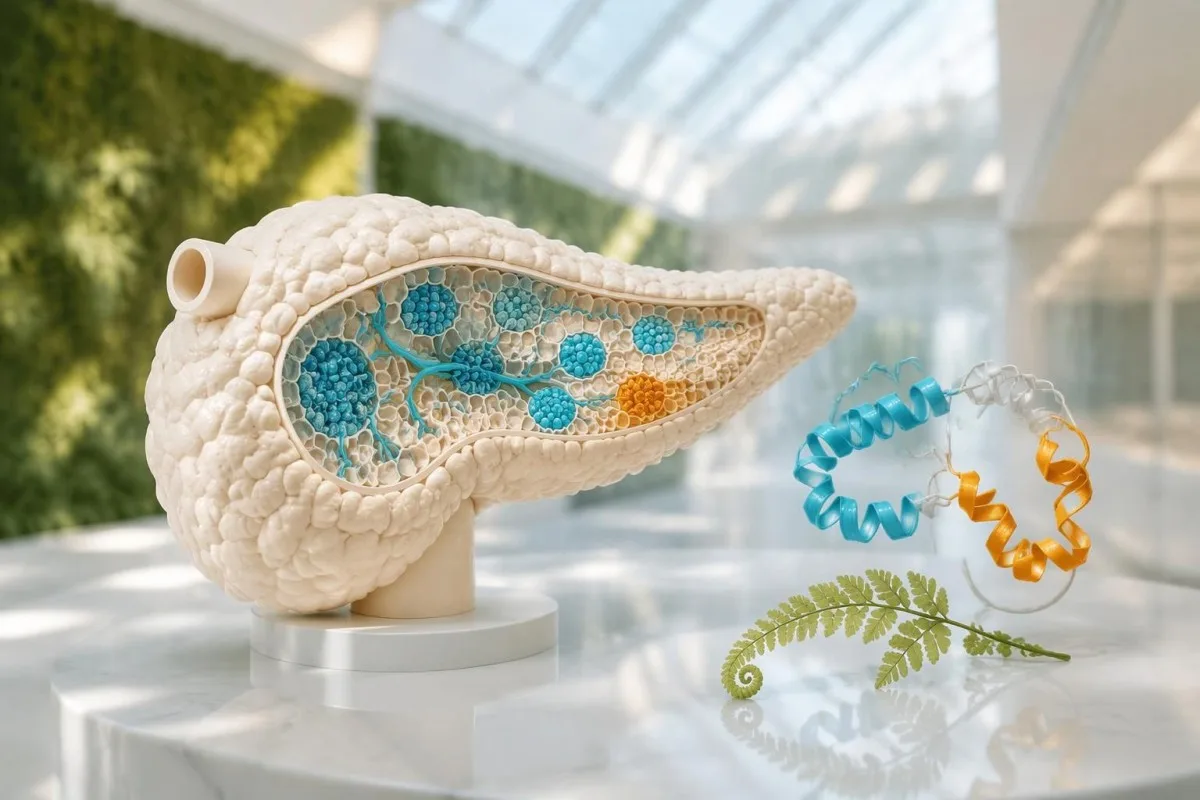
ಪ್ರೊಇನ್ಸುಲಿನ್ ಹೆಚ್ಚಿರುವುದರಿಂದ ಮಾತ್ರ ಇನ್ಸುಲಿನೋಮಾ ರೋಗನಿರ್ಣಯ ಮಾಡಲು ಸಾಧ್ಯವಿಲ್ಲ. ದಾಖಲಿತ ಹೈಪೊಗ್ಲೈಸೀಮಿಯಾ ಸಂದರ್ಭದಲ್ಲಿ ತೆಗೆದ ಮಾದರಿಯನ್ನು ವೈದ್ಯರು ಗ್ಲೂಕೋಸ್, ಇನ್ಸುಲಿನ್, C-ಪೆಪ್ಟೈಡ್ ಮತ್ತು ಔಷಧಿ ತಪಾಸಣೆಯೊಂದಿಗೆ ಅರ್ಥೈಸಬೇಕು—ನಿತ್ಯದ ಚಯಾಪಚಯ ಪರೀಕ್ಷೆಯಲ್ಲಿ ಕಂಡುಬರುವ ಹೆಚ್ಚಿನ ಫಲಿತಾಂಶವೊಂದನ್ನೇ ಆಧರಿಸಿ ಅಲ್ಲ.

ಪ್ರಮುಖ ಅಂಶಗಳು
- ಪ್ರೊಇನ್ಸುಲಿನ್ ಪರೀಕ್ಷೆ ವಯಸ್ಕರಲ್ಲಿ ಹೈಪೊಗ್ಲೈಸೀಮಿಯಾ ಮೌಲ್ಯಮಾಪನದ ವೇಳೆ ಸಾಮಾನ್ಯವಾಗಿ 55 mg/dL (3.0 mmol/L) ಗಿಂತ ಕಡಿಮೆ ಇರುವ, ಪ್ರಯೋಗಾಲಯದಲ್ಲಿ ದೃಢೀಕರಿಸಿದ ಕಡಿಮೆ ಗ್ಲೂಕೋಸ್ ಜೊತೆಗೆ ಅಳೆಯುವಾಗ ಫಲಿತಾಂಶಗಳು ರೋಗನಿರ್ಣಯಕ್ಕೆ ಉಪಯುಕ್ತವಾಗುತ್ತವೆ.
- ಪ್ರೊಇನ್ಸುಲಿನ್ ಮಟ್ಟಗಳು ಹೆಚ್ಚಿರುವುದು ಮಾತ್ರದಿಂದ ಇನ್ಸುಲಿನೋಮಾ ದೃಢವಾಗುವುದಿಲ್ಲ; ಇನ್ಸುಲಿನ್ ಪ್ರತಿರೋಧ, ಔಷಧಿಗಳ ಪರಿಣಾಮ, ಮೂತ್ರಪಿಂಡದ ಕಾರ್ಯಕ್ಷಮತೆ ಕುಂಠಿತವಾಗಿರುವುದು ಮತ್ತು ಪರೀಕ್ಷಾ ವಿಧಾನಗಳಲ್ಲಿನ ವ್ಯತ್ಯಾಸಗಳು ಫಲಿತಾಂಶದ ಅರ್ಥೈಸುವಿಕೆಯನ್ನು ಬದಲಾಯಿಸಬಹುದು.
- ಅಂತರ್ಜಾತ ಇನ್ಸುಲಿನ್ ಸ್ರವಿಸುವಿಕೆ ಹೈಪೊಗ್ಲೈಸೀಮಿಯಾ ಸಂದರ್ಭದಲ್ಲಿ ಇನ್ಸುಲಿನ್ ಕನಿಷ್ಠ 3 µIU/mL, C-ಪೆಪ್ಟೈಡ್ ಕನಿಷ್ಠ 0.6 ng/mL ಮತ್ತು ಪ್ರೊಇನ್ಸುಲಿನ್ ಕನಿಷ್ಠ 5 pmol/L ಇದ್ದರೆ ಬೆಂಬಲಿತವಾಗುತ್ತದೆ; ಇದನ್ನು ಒಂದು ಮಾದರಿಯಾಗಿ ಅರ್ಥೈಸಬೇಕು.
- 5 pmol/L ಮಿತಿ ಕಡಿಮೆ ಗ್ಲೂಕೋಸ್ ಸಂದರ್ಭದಲ್ಲಿ ಬಳಸುವ ಮಾರ್ಗಸೂಚಿ ನಿರ್ಧಾರ ಬಿಂದುವಾಗಿದೆ; ಇದು ಎಲ್ಲರಿಗೂ ಅನ್ವಯಿಸುವ ಮೇಲಿನ ಉಲ್ಲೇಖ ಮಿತಿಯೂ ಅಲ್ಲ, ಗಡ್ಡೆಗೆ ನಿರ್ದಿಷ್ಟವಾದ ಮಿತಿಯೂ ಅಲ್ಲ.
- ಔಷಧಿಗಳ ತಪಾಸಣೆ ಇನ್ಸುಲಿನೋಮಾದಂತ ಪ್ರಯೋಗಾಲಯ ಮಾದರಿಯನ್ನು ಈ ಔಷಧಿಗಳು ಮರುಸೃಷ್ಟಿಸಬಹುದಾದ್ದರಿಂದ, ಸಂಬಂಧಿತ ಸಲ್ಫೋನೈಲ್ಯೂರಿಯಾಗಳು ಮತ್ತು ಮೆಗ್ಲಿಟಿನೈಡ್ಗಳನ್ನು ಒಳಗೊಂಡಿರಬೇಕು.
- ಮೇಲ್ವಿಚಾರಣೆಯಲ್ಲಿನ ಉಪವಾಸ ಪರೀಕ್ಷೆ ಶಂಕಿತ ಉಪವಾಸ ಹೈಪೊಗ್ಲೈಸೀಮಿಯಾವನ್ನು ಸ್ವಯಂಸ್ಫೂರ್ತಿಯಾಗಿ ದಾಖಲಿಸಲಾಗದಿದ್ದಾಗ 72 ಗಂಟೆಗಳವರೆಗೆ ಮುಂದುವರಿಯಬಹುದು; ಈ ಪರೀಕ್ಷೆಯನ್ನು ಮನೆಯಲ್ಲಿ ಎಂದಿಗೂ ಮರುಸೃಷ್ಟಿಸಬೇಡಿ.
- ಊಟಕ್ಕೆ ಸಂಬಂಧಿಸಿದ ಘಟನೆಗಳು ದೀರ್ಘಕಾಲದ ಉಪವಾಸದ ಬದಲಿಗೆ, ಕೆಲವೊಮ್ಮೆ 5 ಗಂಟೆಗಳವರೆಗೆ ವಿಸ್ತರಿಸುವ ಮೇಲ್ವಿಚಾರಣೆಯ ಮಿಶ್ರ-ಊಟದ ಮೌಲ್ಯಮಾಪನದ ಅಗತ್ಯವಿರಬಹುದು.
- ತಕ್ಷಣದ ಸುರಕ್ಷತೆ ಮೊದಲು ಮುಖ್ಯ: ಎಚ್ಚರವಾಗಿದ್ದು ನುಂಗಬಲ್ಲ ವ್ಯಕ್ತಿಯು ವೇಗವಾಗಿ ಕಾರ್ಯನಿರ್ವಹಿಸುವ 15–20 g ಕಾರ್ಬೊಹೈಡ್ರೇಟ್ ತೆಗೆದುಕೊಂಡು, 15 ನಿಮಿಷಗಳ ನಂತರ ಗ್ಲೂಕೋಸ್ ಅನ್ನು ಮರುಪರಿಶೀಲಿಸಬಹುದು.
ಪ್ರೊಇನ್ಸುಲಿನ್ ಪರೀಕ್ಷೆಯ ಫಲಿತಾಂಶ ಹೆಚ್ಚಿದ್ದರೆ ಇನ್ಸುಲಿನೋಮಾ ಎಂದರ್ಥವೇ?
ಪ್ರೋಇನ್ಸುಲಿನ್ ಪರೀಕ್ಷೆಯ ಹೆಚ್ಚಿನ ಫಲಿತಾಂಶವು ಇನ್ಸುಲಿನೋಮಾವನ್ನು ಪತ್ತೆಹಚ್ಚುವುದಿಲ್ಲ. ರಕ್ತದ ಪ್ರಯೋಗಾಲಯದ ಪ್ಲಾಸ್ಮಾ ಗ್ಲೂಕೋಸ್ ಕಡಿಮೆಯಿರುವಾಗ—ಸಾಮಾನ್ಯವಾಗಿ 55 mg/dL (3.0 mmol/L) ಗಿಂತ ಕೆಳಗೆ—ಮೇದೋಜ್ಜೀರಕ ಗ್ರಂಥಿಯ ಇನ್ಸುಲಿನ್ ಸ್ರವಿಸುವಿಕೆ ಸಕ್ರಿಯವಾಗಿಯೇ ಉಳಿದಿದೆಯೇ ಮತ್ತು ಔಷಧಿಗಳು ಅಥವಾ ಇತರ ವಿವರಣೆಗಳು ಆ ಮಾದರಿಗೆ ಕಾರಣವಾಗಿವೆಯೇ ಎಂಬುದೇ ವೈದ್ಯಕೀಯವಾಗಿ ಮಹತ್ವದ ಪ್ರಶ್ನೆ.
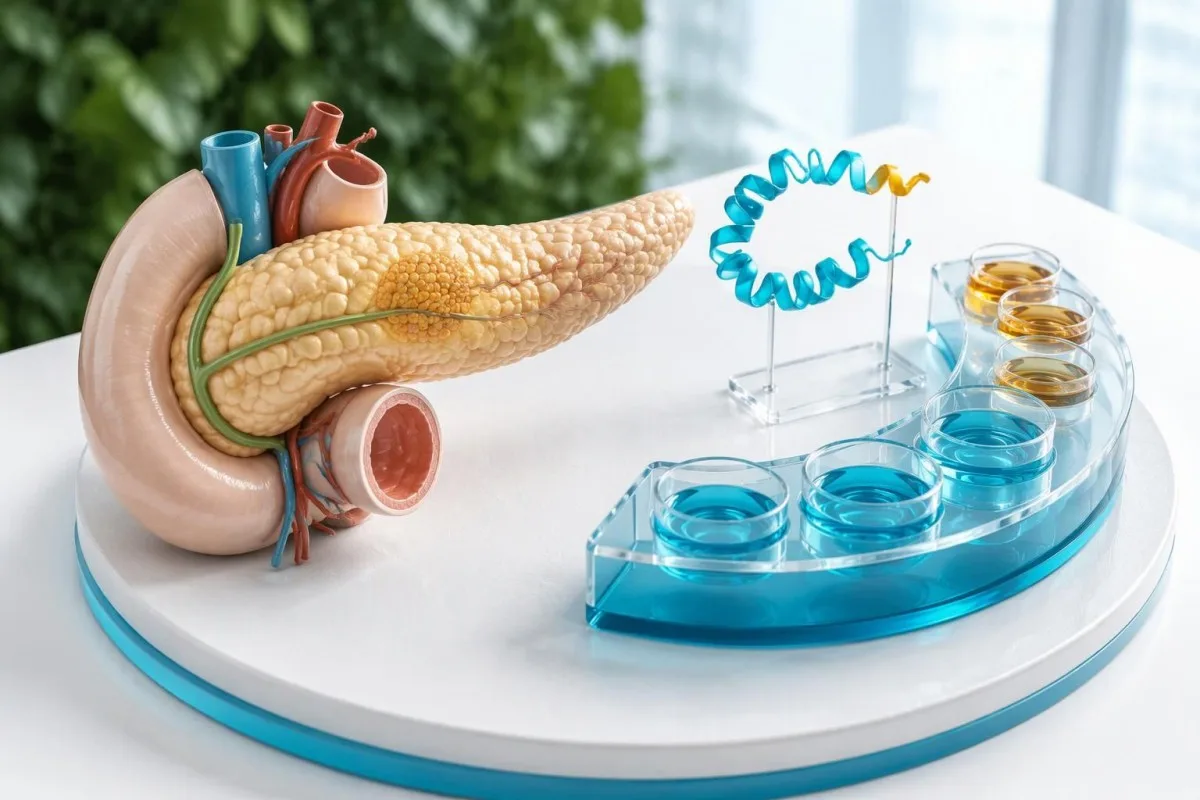
ಒಂದು ಇನ್ಸುಲಿನೋಮಾ ಇನ್ಸುಲಿನ್ ಸ್ರವಿಸುವ ಮೇದೋಜ್ಜೀರಕ ಗ್ರಂಥಿಯ ನ್ಯೂರೋಎಂಡೋಕ್ರೈನ್ ಬೆಳವಣಿಗೆಯಾಗಿದೆ; ಪ್ರೋಇನ್ಸುಲಿನ್ ಫಲಿತಾಂಶದಿಂದ ಅದರ ಸ್ಥಳ, ವರ್ತನೆ ಅಥವಾ ಅಸ್ತಿತ್ವವನ್ನು ಸ್ಥಾಪಿಸಲಾಗುವುದಿಲ್ಲ. ಗ್ಲೂಕೋಸ್ 104 mg/dL ಇದ್ದಾಗ ಪಡೆದ 18 pmol/L ಮೌಲ್ಯವು, ಗ್ಲೂಕೋಸ್ 42 mg/dL ಇದ್ದಾಗ ಪಡೆದ ಅದೇ ಮೌಲ್ಯಕ್ಕಿಂತ ಭಿನ್ನವಾದ ಪ್ರಶ್ನೆಗೆ ಉತ್ತರಿಸುತ್ತದೆ; ಏಕೆಂದರೆ ಹೈಪೊಗ್ಲೈಸೀಮಿಯಾದ ಸಮಯದಲ್ಲಿ ಸಾಮಾನ್ಯ ಮೇದೋಜ್ಜೀರಕ ಗ್ರಂಥಿಯ ಸ್ರವಿಸುವಿಕೆ ತೀವ್ರವಾಗಿ ನಿಗ್ರಹಗೊಳ್ಳಬೇಕು.
ಕಾಂತೆಸ್ಟಿ ಒಬ್ಬ AI ರಕ್ತ ಪರೀಕ್ಷಾ ವಿಶ್ಲೇಷಕ ಅದರಿಂದಲೇ ಪ್ರೋಇನ್ಸುಲಿನ್ನ 18 pmol/L ಮೌಲ್ಯವನ್ನು ಅದೇ ಸಮಯದ ಗ್ಲೂಕೋಸ್ ಮೌಲ್ಯದಿಂದ ಪ್ರತ್ಯೇಕವಾಗಿ ಅರ್ಥೈಸಲಾಗುವುದಿಲ್ಲ ಎಂಬುದು ವಿವರವಾಗುತ್ತದೆ. ನಮ್ಮ ಬಯೋಮಾರ್ಕರ್ ವ್ಯಾಖ್ಯಾನ ಮಾರ್ಗದರ್ಶಿ ಪ್ರಯೋಗಾಲಯದ ಫಲಿತಾಂಶಗಳನ್ನು ಸಂದರ್ಭಕ್ಕೆ ತಕ್ಕಂತೆ ಓದಲು ನೆರವಾಗುತ್ತದೆ; ಆದರೆ AI ವಿವರಣೆಯಿಂದ ನಿರ್ಣಾಯಕ ಮಾದರಿಯನ್ನು ಸಂಗ್ರಹಿಸಲು, ಔಷಧಿ ಸೇವನೆಯ ಸಾಧ್ಯತೆಯನ್ನು ಹೊರತುಪಡಿಸಲು ಅಥವಾ ಮೇದೋಜ್ಜೀರಕ ಗ್ರಂಥಿಯ ರೋಗನಿರ್ಣಯವನ್ನು ದೃಢೀಕರಿಸಲು ಸಾಧ್ಯವಿಲ್ಲ.
ಎಂಡೋಕ್ರೈನ್ ಸೊಸೈಟಿಯ ಮಾರ್ಗಸೂಚಿಯು, ಕೆಳಗಿನವು Whipple’s triad ದಾಖಲಾದಾಗ ವಯಸ್ಕರಲ್ಲಿ ಹೈಪೊಗ್ಲೈಸೀಮಿಯಾ ಅಸ್ವಸ್ಥತೆಯನ್ನು ಮೌಲ್ಯಮಾಪನ ಮಾಡಲು ಶಿಫಾರಸು ಮಾಡುತ್ತದೆ: ಹೊಂದಿಕೆಯಾಗುವ ಲಕ್ಷಣಗಳು, ಕಡಿಮೆ ಪ್ಲಾಸ್ಮಾ ಗ್ಲೂಕೋಸ್ ಮತ್ತು ಗ್ಲೂಕೋಸ್ ಏರಿದ ಬಳಿಕ ಸುಧಾರಣೆ (Cryer et al., 2009). ಈ 3 ಅಂಶಗಳು ಪ್ರತ್ಯೇಕ ಪ್ರಯೋಗಾಲಯ ಸೂಚನೆ ಅಥವಾ ಸೆನ್ಸರ್ ಎಚ್ಚರಿಕೆಯನ್ನು ಅಕಾಲಿಕ ಇನ್ಸುಲಿನೋಮಾ ಗುರುತಾಗಿ ಪರಿವರ್ತಿಸುವುದನ್ನು ತಡೆಯುತ್ತವೆ; ಎಲ್ಲ ರೋಗನಿರ್ಣಯ ವಿವರಗಳು ಲಭ್ಯವಾಗುವ ಮೊದಲು ಕೂಡ ತೀವ್ರ ಲಕ್ಷಣಗಳಿಗೆ ಚಿಕಿತ್ಸೆ ನೀಡಬೇಕಾಗುತ್ತದೆ.
ಮೇದೋಜ್ಜೀರಕ ಗ್ರಂಥಿಯ ಸ್ರಾವದಲ್ಲಿ ಪ್ರೊಇನ್ಸುಲಿನ್ ಏನನ್ನು ಅಳೆಯುತ್ತದೆ?
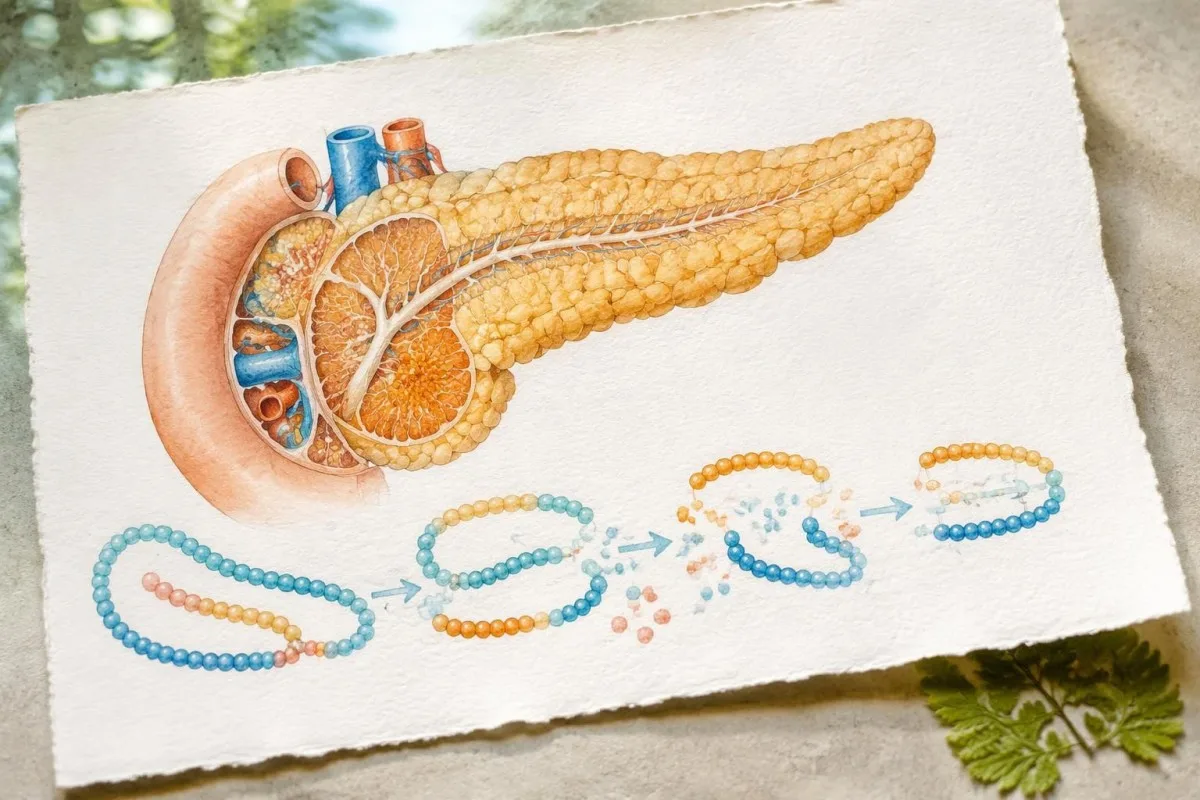
ಪ್ರೋಇನ್ಸುಲಿನ್ ಎಂದರೆ ಮೇದೋಜ್ಜೀರಕ ಗ್ರಂಥಿಯ ಬೀಟಾ ಕೋಶಗಳು ಇನ್ಸುಲಿನ್ ಮತ್ತು C-ಪೆಪ್ಟೈಡ್ ಉತ್ಪಾದಿಸುವ ಪೂರ್ವಗಾಮಿ. ಸಂಸ್ಕರಣೆಯ ಬಳಿಕ ಪಕ್ವ ಇನ್ಸುಲಿನ್ನಲ್ಲಿ 2 ಪೆಪ್ಟೈಡ್ ಸರಪಳಿಗಳು ಉಳಿಯುತ್ತವೆ; C-ಪೆಪ್ಟೈಡ್ ಪ್ರತ್ಯೇಕವಾಗಿ ಬಿಡುಗಡೆಯಾಗುತ್ತದೆ. ರಕ್ತದಲ್ಲಿ ಸಂಚರಿಸುವ ಪ್ರೋಇನ್ಸುಲಿನ್, ಸ್ರವಿಸುವಿಕೆ ಮತ್ತು ಆ ಪೂರ್ವಗಾಮಿ ಎಷ್ಟು ಸಮರ್ಥವಾಗಿ ಸಂಸ್ಕರಿಸಲ್ಪಡುತ್ತದೆ ಎಂಬ ಎರಡನ್ನೂ ಪ್ರತಿಬಿಂಬಿಸುತ್ತದೆ.
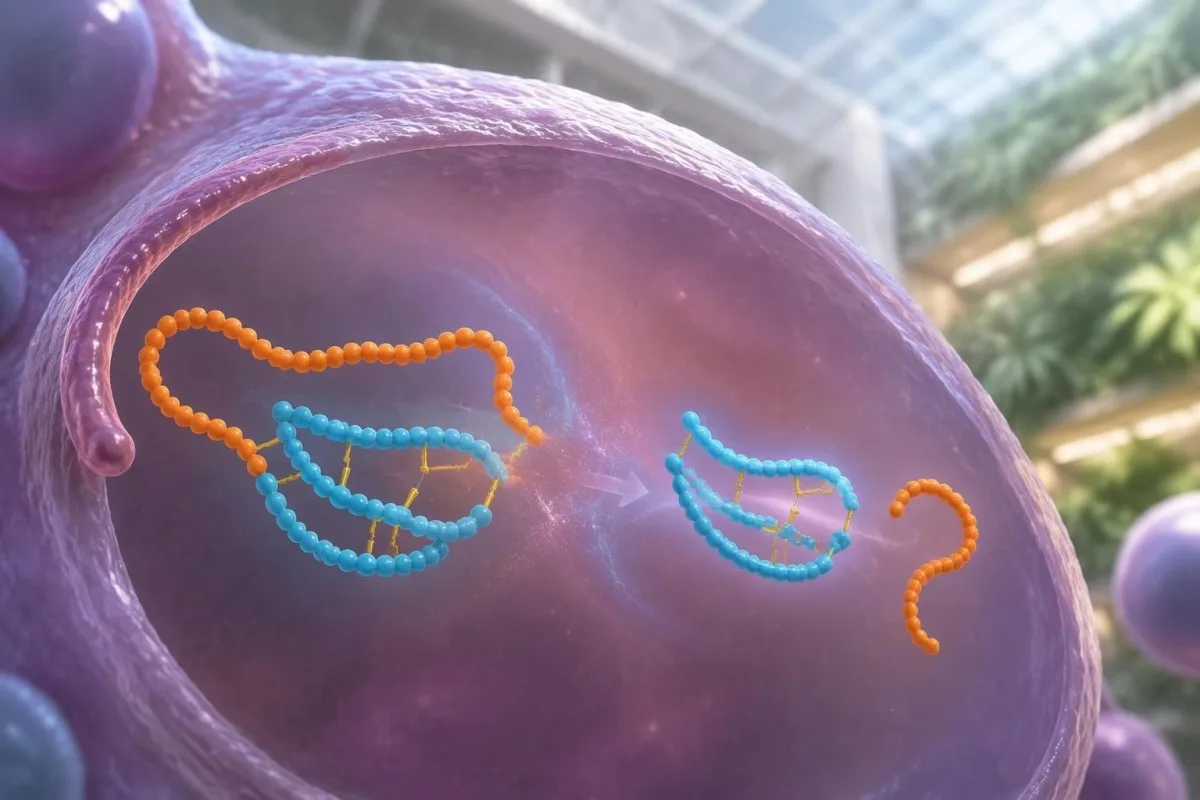
ಪ್ರೋಇನ್ಸುಲಿನ್ ಎಂಬುದು ಇನ್ಸುಲಿನ್ಗೆ ಇರುವ ಮತ್ತೊಂದು ಹೆಸರು ಮಾತ್ರವಲ್ಲ, ಮತ್ತು ಈ 2 ಪರೀಕ್ಷೆಗಳು ಪರಸ್ಪರ ಬದಲಾಯಿಸಬಹುದಾದವುಗಳಲ್ಲ. ಹೆಚ್ಚಿನ ಪೂರ್ವಗಾಮಿ ಸಂಸ್ಕರಣೆಯು ಬಿಡುಗಡೆಯಾಗುವ ಮೊದಲು ಬೀಟಾ-ಕೋಶಗಳ ಸ್ರಾವಕ ಕಣಗಳ ಒಳಗೆ ನಡೆಯುತ್ತದೆ; ಹೆಚ್ಚಿದ ಸ್ರವಿಸುವಿಕೆಯ ಬೇಡಿಕೆ ಅಥವಾ ಅಸಹಜ ಸಂಸ್ಕರಣೆಯಿಂದ ರಕ್ತದಲ್ಲಿ ಸಂಚರಿಸುವ ಪೂರ್ವಗಾಮಿ ಅಣುಗಳು ಹೆಚ್ಚಬಹುದು. ಹೀಗಾಗಿ, ಹೆಚ್ಚಿನ ಫಲಿತಾಂಶವು ಮೇದೋಜ್ಜೀರಕ ಗ್ರಂಥಿಯ ಬೆಳವಣಿಗೆಯಿಂದ ಸ್ವಾಯತ್ತ ಸ್ರವಿಸುವಿಕೆಯನ್ನು ಸೂಚಿಸುವ ಬದಲಿಗೆ, ಬೀಟಾ-ಕೋಶಗಳ ಕಾರ್ಯಭಾರವನ್ನು ಪ್ರತಿಬಿಂಬಿಸಬಹುದು.
C-ಪೆಪ್ಟೈಡ್ ಇದನ್ನು ಗುರುತಿಸಲು ಸಹಾಯ ಮಾಡುತ್ತದೆ ದೇಹದೊಳಗಿನ ಇನ್ಸುಲಿನ್ ಉತ್ಪಾದನೆಯನ್ನು ಏಕೆಂದರೆ ಚುಚ್ಚುಮದ್ದಿನ ಇನ್ಸುಲಿನ್ನಲ್ಲಿ C-ಪೆಪ್ಟೈಡ್ ಇರುವುದಿಲ್ಲ. ಹೈಪೊಗ್ಲೈಸೀಮಿಯಾದ ಸಮಯದಲ್ಲಿ, ಇತರ ಫಲಿತಾಂಶಗಳ ಜೊತೆಗೆ ಅರ್ಥೈಸಿದಾಗ ಕನಿಷ್ಠ 0.6 ng/mL ನ C-ಪೆಪ್ಟೈಡ್ ಆಂತರಿಕ ಸ್ರವಿಸುವಿಕೆ ಮುಂದುವರಿದಿರುವುದನ್ನು ಬೆಂಬಲಿಸುತ್ತದೆ; ಹೈಪೊಗ್ಲೈಸೀಮಿಯಾದ ಹೊರಗೆ, ನಮ್ಮ ಹೆಚ್ಚಿನ C-ಪೆಪ್ಟೈಡ್ ಫಲಿತಾಂಶಗಳ ಚಯಾಪಚಯದ ಬೇಡಿಕೆ ಮತ್ತು ಮೂತ್ರಪಿಂಡಗಳ ತೆರವು ಇದೇ ರೀತಿಯ ಸೂಚನೆಯನ್ನು ಏಕೆ ಉಂಟುಮಾಡಬಹುದು ಎಂಬುದನ್ನು ವಿವರಿಸುತ್ತದೆ.
Some laboratories measure intact proinsulin, while other methods detect additional processing intermediates to differing degrees. Two reports both expressed in pmol/L may therefore have different reference intervals and diagnostic performance; when comparing an 8 pmol/L result with an earlier 14 pmol/L result, check the method and sampling conditions before assuming pancreatic function improved.
ಪರೀಕ್ಷೆಗೆ ಮೊದಲು ದಾಖಲಿತ ಹೈಪೊಗ್ಲೈಸೀಮಿಯಾ ಎಂದು ಯಾವುದನ್ನು ಪರಿಗಣಿಸಲಾಗುತ್ತದೆ?
Documented hypoglycemia requires a reliable glucose measurement interpreted with symptoms and recovery. Laboratory plasma glucose below 55 mg/dL (3.0 mmol/L) is a commonly used diagnostic context in adults without diabetes; a home meter or continuous glucose monitor alone does not establish insulinoma.
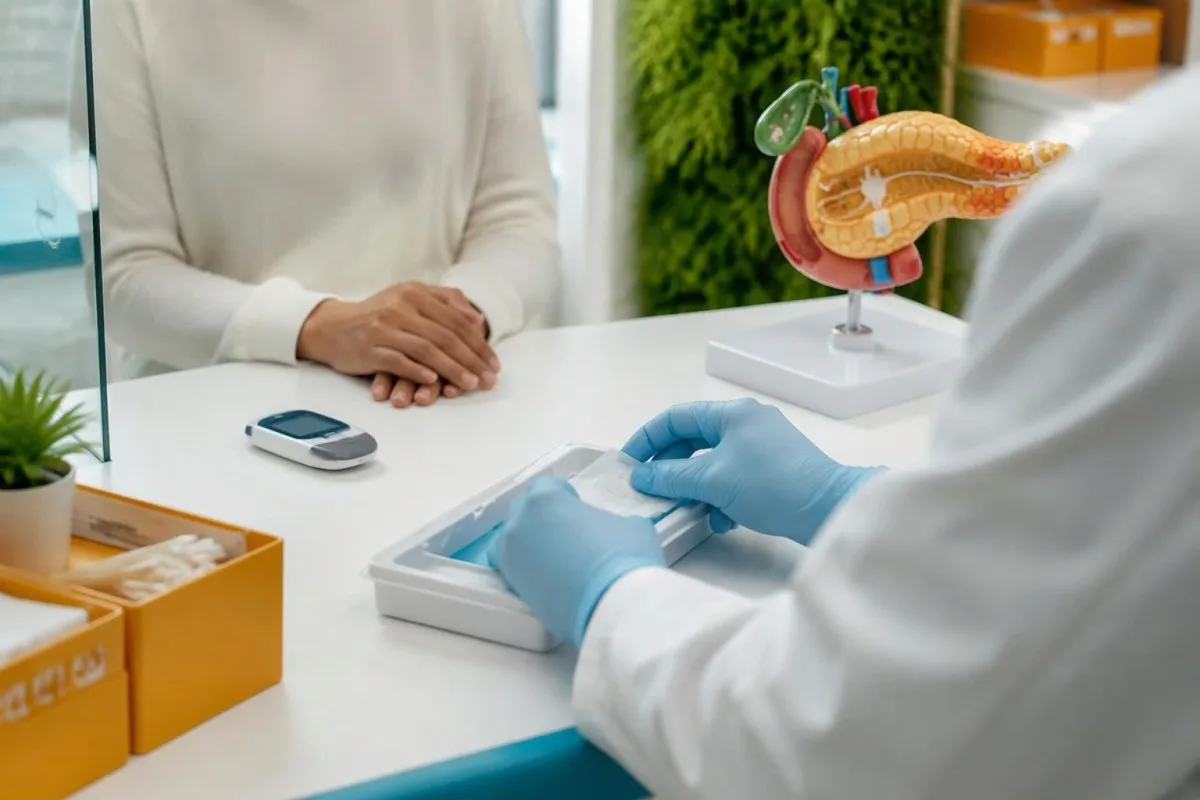
Whipple’s triad links symptoms to the low glucose rather than merely showing that both occurred on the same day. For example, shakiness with a laboratory glucose of 43 mg/dL followed by improvement after carbohydrate is more informative than shakiness with glucose of 91 mg/dL; our ಕಡಿಮೆ ಗ್ಲೂಕೋಸ್ ಕಾರಣಗಳು guide explains competing medication, illness and fasting explanations.
Continuous glucose monitors measure interstitial glucose, and their readings can lag behind circulating glucose during rapid changes. A nighttime sensor value of 48 mg/dL can also result from pressure on the sensor; discuss repeated alerts with a clinician, but do not deliberately avoid food to reproduce an unconfirmed episode or treat a sensor trace as biochemical proof.
Palpitations, sweating and tremor are autonomic symptoms, while confusion, impaired coordination and unusual behavior can reflect inadequate glucose delivery to the brain. Symptoms with glucose of 85 mg/dL need another explanation, potentially including causes covered in our ಆರ್ಹೆತ್ಮಿಯಾದ ಅಸೆಸ್ಮೆಂಟ್ ಗೈಡ್; absence of classic sweating does not exclude hypoglycemia, especially after recurrent episodes.
ರಕ್ತದಲ್ಲಿನ ಗ್ಲೂಕೋಸ್ ಕಡಿಮೆಯಿರುವಾಗ ಪ್ರೊಇನ್ಸುಲಿನ್ ಜೊತೆಗೆ ಯಾವ ಫಲಿತಾಂಶಗಳಿರಬೇಕು?
The critical sample includes plasma glucose, insulin, C-peptide, proinsulin, beta-hydroxybutyrate and hypoglycemic medication screening. When glucose is below 55 mg/dL, clinicians ask whether insulin-related markers are inadequately suppressed, rather than whether they exceed ordinary fasting reference ranges.
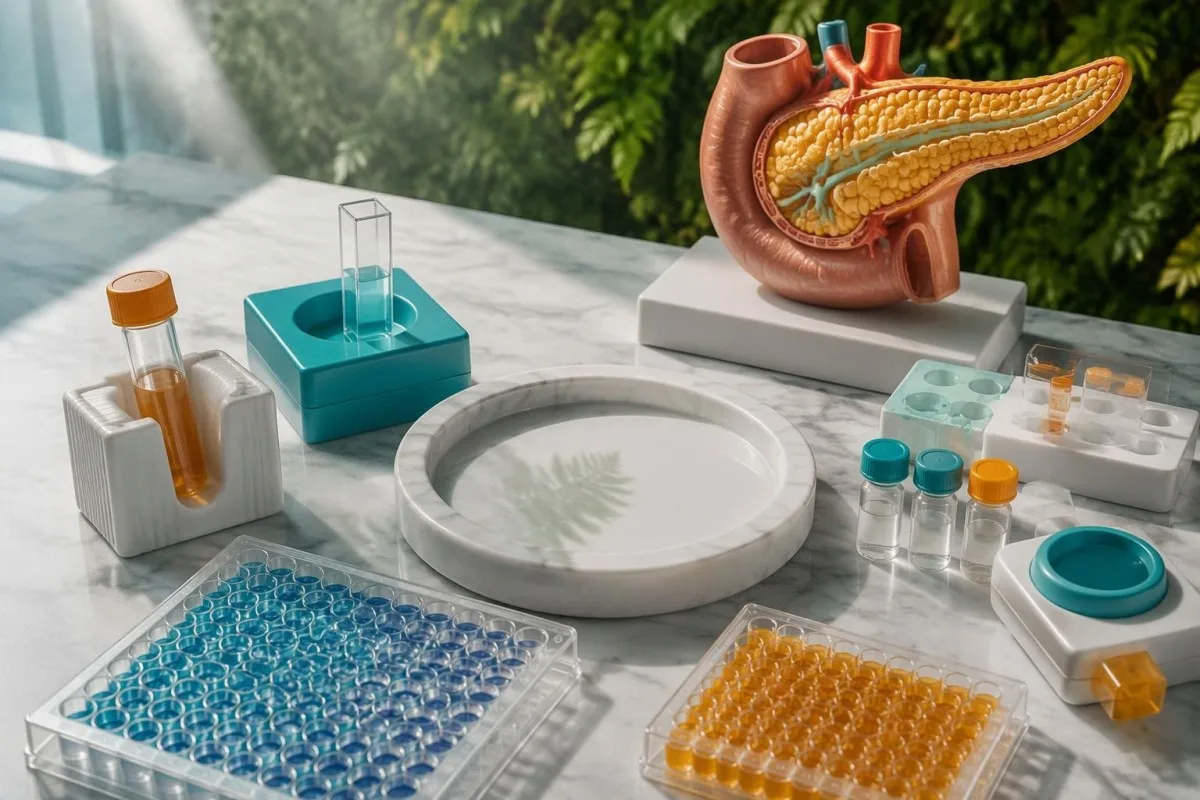
The Endocrine Society guideline describes insulin at least 3 µIU/mL, C-peptide at least 0.6 ng/mL and proinsulin at least 5 pmol/L during hypoglycemia as evidence supporting endogenous hyperinsulinism (Cryer et al., 2009). These values are context-dependent decision thresholds, not an independent checklist that diagnoses a pancreatic growth; clinical circumstances, kidney function and analytical reliability still matter.
Beta-hydroxybutyrate of 2.7 mmol/L or less supports an insulin-mediated mechanism because insulin restrains ketone production. A low ketone result is supportive rather than tumor-specific: injected insulin and insulin-releasing medications can also suppress ketones, while our ಬೀಟಾ-ಹೈಡ್ರಾಕ್ಸಿಬ್ಯೂಟೈರೇಟ್ ವ್ಯಾಖ್ಯಾನ ಮಾರ್ಗದರ್ಶಿ explains why nutritional ketosis and ketoacidosis represent different clinical questions.
Samples should be collected during the same hypoglycemic episode, ideally before carbohydrate or intravenous glucose when that does not delay treatment. Pairing proinsulin from 09:00 with glucose from 11:00 can create a misleading pattern; in a supervised setting, a glucose increase of at least 25 mg/dL after intravenous glucagon provides additional evidence of preserved hepatic glycogen in an insulin-mediated episode.
| ಮಟ್ಟ | ವ್ಯಾಪ್ತಿ | ಅದರ ಅರ್ಥ |
|---|---|---|
| Low plasma glucose | <55 mg/dL (<3.0 mmol/L) | Common diagnostic context for adult hypoglycemia assessment; symptoms and sampling reliability remain necessary. |
| Insulin not suppressed | ≥3 µIU/mL | Supports inappropriate insulin activity during hypoglycemia; not an ordinary high-insulin definition. |
| C-peptide not suppressed | ≥0.6 ng/mL (≥0.2 nmol/L) | Supports endogenous secretion; insulin-releasing medications and kidney impairment must be considered. |
| Proinsulin not suppressed | ≥5 pmol/L | Guideline evidence supporting endogenous hyperinsulinism, not an insulinoma-specific cutoff. |
| Ketones suppressed | Beta-hydroxybutyrate ≤2.7 mmol/L | Supports insulin or insulin-like activity; does not distinguish a growth from medication effects. |
| Medication screen | Relevant secretagogues assessed | A detected sulfonylurea or meglitinide can explain an otherwise insulinoma-like pattern. |
5 pmol/L ಏಕೆ ಎಲ್ಲರಿಗೂ ಅನ್ವಯಿಸುವ ಇನ್ಸುಲಿನೋಮಾ ಮಿತಿಯಲ್ಲ?
Proinsulin of 5 pmol/L is a hypoglycemia decision threshold, not a universal normal-range ceiling. Its specificity for insulinoma is limited when used alone; higher end-of-fast thresholds have performed better in selected studies, but they cannot be transferred uncritically between assays and populations.
Guettier et al. examined this problem in the Journal of Clinical Endocrinology & Metabolism in 2013 and found that an end-of-fast proinsulin threshold around 22 pmol/L discriminated insulinoma cases from controls better than 5 pmol/L in their study population. That finding explains why a specialist may treat 6 pmol/L differently from 60 pmol/L, without declaring either value diagnostic in isolation.
A laboratory reference interval describes results expected under that laboratory’s specified conditions; it does not necessarily describe appropriate hormone suppression during hypoglycemia. In a clearly hypothetical laboratory with a fasting interval of 1–8 pmol/L, a result of 7 pmol/L would not be flagged high, yet it could still be inadequately suppressed if simultaneous plasma glucose were 41 mg/dL.
There is no defensible universal set of mild, moderate and critical proinsulin bands for diagnosing insulinoma. Comparing 12 pmol/L with 20 pmol/L requires the glucose context, method and episode timing—not just percentage change; our guide to ಪ್ರಯೋಗಾಲಯದ ಭೇಟಿಗಳ ನಡುವಿನ ವ್ಯತ್ಯಾಸಗಳ explains why analytical and biological variation can complicate trends.
ಔಷಧಿಗಳು ಪ್ರೊಇನ್ಸುಲಿನ್ ಮತ್ತು ಇನ್ಸುಲಿನೋಮಾದ ಮಾದರಿಗಳನ್ನು ಹೇಗೆ ಹೋಲುವಂತೆ ಮಾಡಬಹುದು?
Sulfonylureas and meglitinides can reproduce the biochemical pattern of insulinoma by stimulating pancreatic insulin release. During glucose of 45 mg/dL, high insulin, C-peptide and proinsulin cannot distinguish a growth from these medications without an appropriately timed and sufficiently broad drug screen.
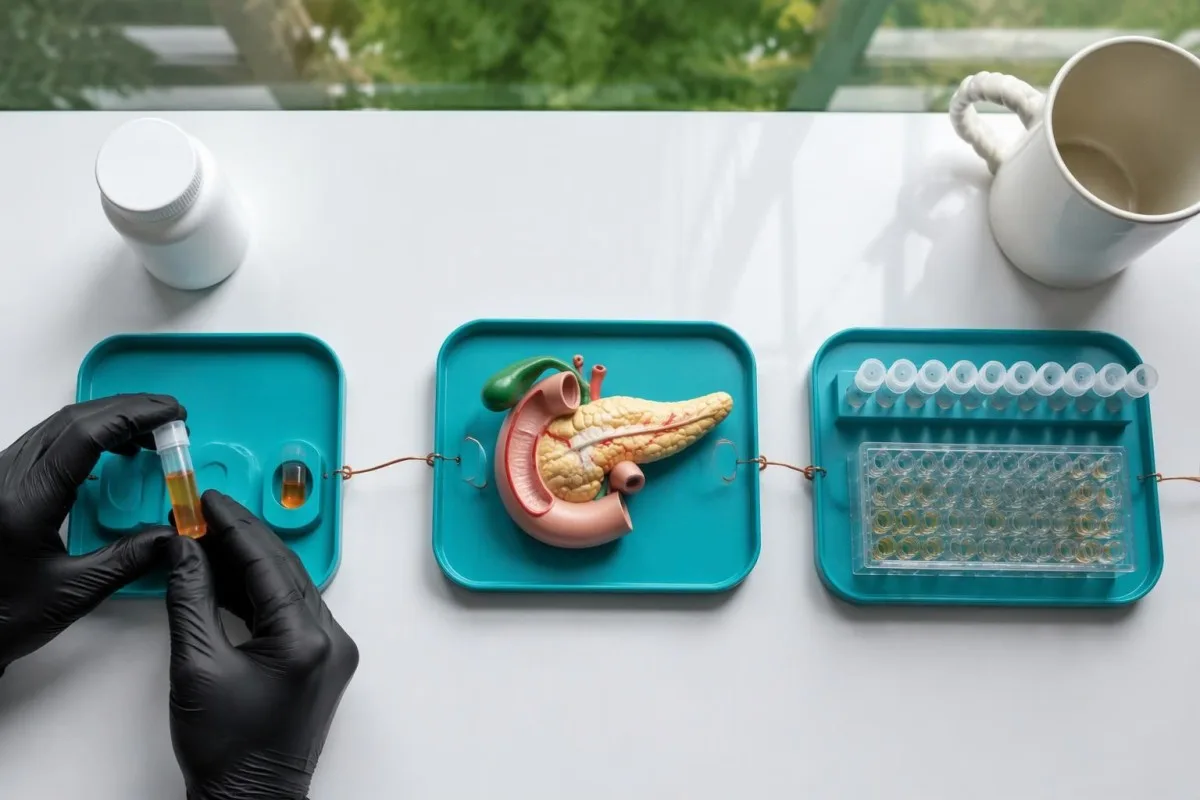
Examples include gliclazide, glimepiride, glipizide, repaglinide and nateglinide; a laboratory panel may not include every agent used internationally. A negative result from a sample collected 24 hours after an episode may be less informative than a simultaneous critical sample, depending on the drug and assay sensitivity; ask which medications were actually tested rather than accepting the word negative without qualification.
Injected insulin typically produces suppressed C-peptide and proinsulin during hypoglycemia, but insulin assays differ in how well they recognize insulin analogues. Thus, glucose of 39 mg/dL with unexpectedly low measured insulin does not always exclude insulin exposure; the same contextual issue is discussed in our low insulin interpretation guide, and specialist laboratories may need a different analytical method.
Medication reconciliation should include prescribed products, accidental mix-ups and access to another household member’s diabetes treatment, without assuming deliberate exposure. Older adults can have prolonged episodes after a single dose when clearance is impaired; our ವಯಸ್ಸಾದವರಲ್ಲಿ ಔಷಧಿಗಳ ಪರಿಣಾಮಗಳ guide supports this review, while insulin antibodies may be investigated when results and episode timing suggest an autoimmune mechanism.
ಮೂತ್ರಪಿಂಡದ ಕಾರ್ಯಕ್ಷಮತೆ ಕುಂಠಿತವಾಗಿರುವುದು ಅಥವಾ ಮಾದರಿಯಲ್ಲಿನ ದೋಷಗಳು ಪ್ರೊಇನ್ಸುಲಿನ್ ಮಟ್ಟವನ್ನು ಹೆಚ್ಚಿಸಬಹುದೇ?
Reduced kidney clearance can elevate proinsulin and C-peptide, while sample problems can distort the surrounding glucose or insulin results. An eGFR of 24 mL/min/1.73 m² makes straightforward application of standard hypoglycemia thresholds less reliable than it would be with preserved kidney function.
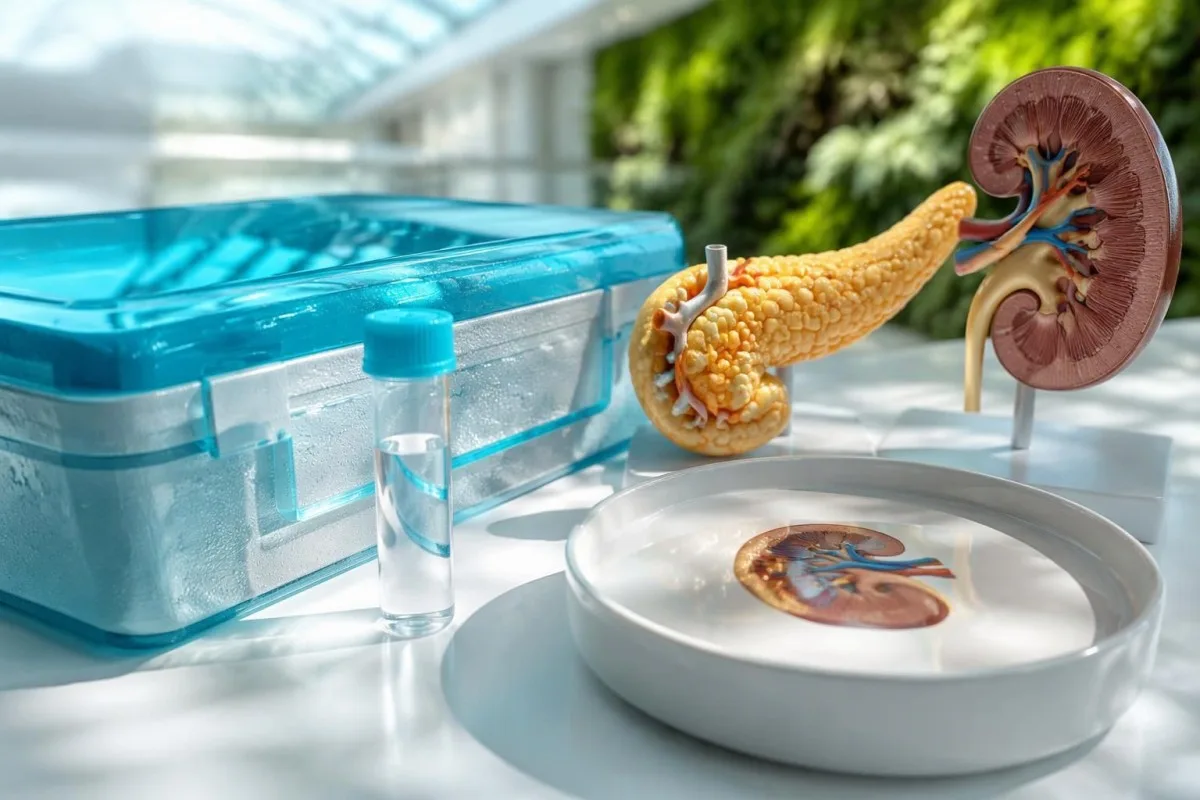
Kidney disease affects both marker clearance and susceptibility to hypoglycemia through medication accumulation, nutrition and altered glucose production. A C-peptide result of 2.1 ng/mL with glucose of 48 mg/dL therefore needs more cautious interpretation in advanced kidney impairment; our low eGFR assessment guide explains why kidney context changes the urgency and meaning of laboratory abnormalities.
Delayed sample processing can create artifactual low glucose because cellular elements continue consuming glucose after collection, while hemolysis can lower measured insulin in susceptible circumstances. A recorded glucose of 44 mg/dL without compatible symptoms may prompt review of processing and a repeat properly handled sample; our kidney chemistry interpretation guide also explains why one chemistry value should not stand in for overall clearance.
Kantesti can help organize a proinsulin result of 16 pmol/L alongside kidney markers, but our explanation cannot determine whether an assay suffered interference or a sample was mishandled. Ask the laboratory about intact versus total proinsulin, insulin cross-reactivity, relevant supplement interference and specimen quality; discordant results sometimes require repeat measurement using another method rather than more aggressive imaging.
ಸಂಯೋಜಿತ ಪ್ರೊಇನ್ಸುಲಿನ್ ಫಲಿತಾಂಶಗಳು ಪ್ರಾಯೋಗಿಕವಾಗಿ ಹೇಗಿರುತ್ತವೆ?
The same proinsulin value can mean different things at different glucose concentrations. The following 3 hypothetical examples illustrate clinical reasoning, not diagnostic predictions; each assumes a correctly processed sample, and none substitutes for a specialist assessment of the complete episode.
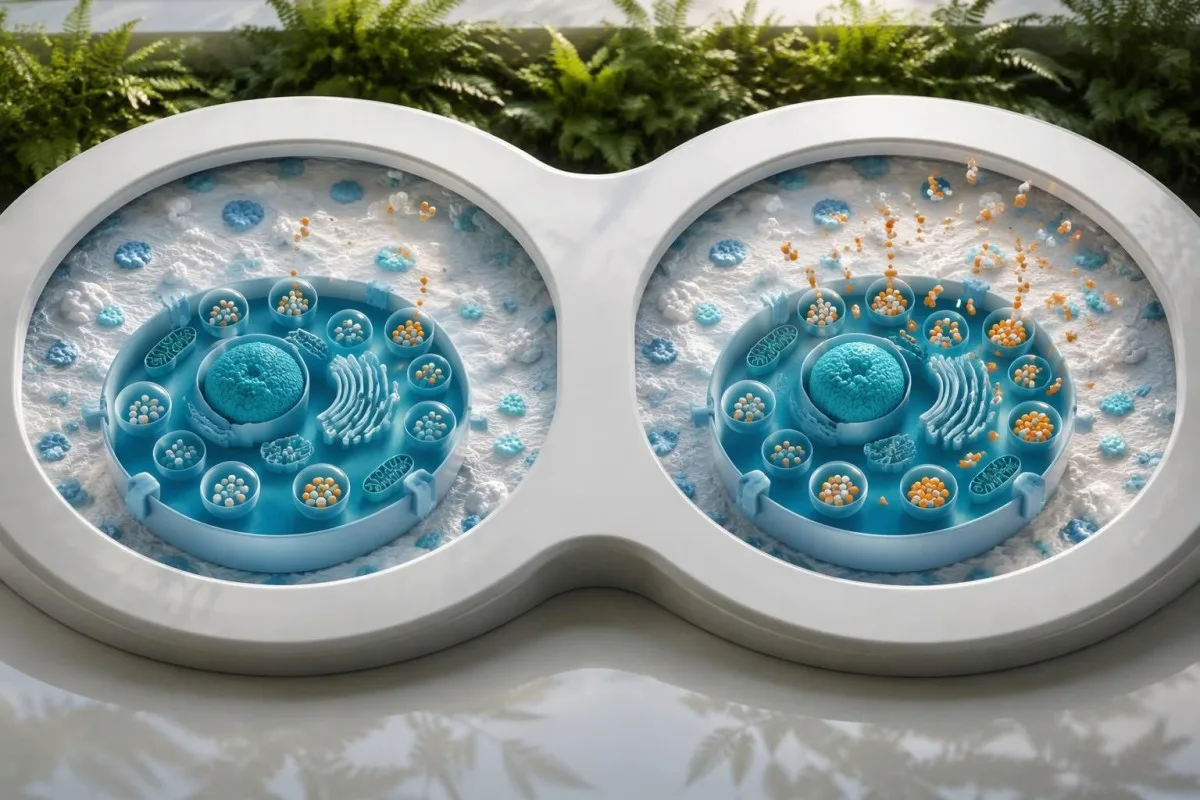
Example 1: an adult has glucose of 106 mg/dL, insulin of 24 µIU/mL, C-peptide of 4.2 ng/mL and proinsulin of 19 pmol/L during routine fasting testing. This pattern can fit increased secretory demand, including insulin resistance; without documented hypoglycemia, it does not establish an insulinoma pathway, even if proinsulin exceeds the laboratory’s reference interval.
Example 2: during confusion, plasma glucose is 42 mg/dL, insulin 8 µIU/mL, C-peptide 1.6 ng/mL, proinsulin 34 pmol/L and beta-hydroxybutyrate 0.4 mmol/L. This pattern strongly supports insulin-mediated endogenous secretion, but a detected sulfonylurea would change the explanation; a negative comprehensive screen and clinical evaluation would make autonomous pancreatic secretion a more serious consideration.
Example 3: plasma glucose is 46 mg/dL, insulin 1.4 µIU/mL, C-peptide 0.9 ng/mL and proinsulin 58 pmol/L during a supervised assessment. Unusually prominent proinsulin secretion can make the insulin result deceptively unimpressive, so one below-threshold marker should not automatically dismiss the pattern; our ರಕ್ತ ಪರೀಕ್ಷೆಯ ಸಮಯನಿರ್ಧಾರ ಮಾರ್ಗದರ್ಶಿ explains why same-episode alignment remains necessary.
ಇದು ಇನ್ಸುಲಿನ್ ಪ್ರತಿರೋಧದ ಪರೀಕ್ಷೆಯಿಂದ ಹೇಗೆ ಭಿನ್ನವಾಗಿದೆ?
Insulin-resistance testing evaluates metabolic demand, not failure to suppress insulin during hypoglycemia. A routine overnight fasting panel with glucose of 98 mg/dL is therefore not equivalent to a critical sample collected at glucose of 43 mg/dL, even when both include insulin and proinsulin.

HOMA-IR estimates insulin resistance from fasting insulin and glucose; the conventional formula using mg/dL is insulin multiplied by glucose, divided by 405. For example, insulin of 15 µIU/mL and glucose of 100 mg/dL produce about 3.7, but there is no universal diagnostic cutoff across assays and populations; our borderline fasting insulin guide explains those limitations.
High proinsulin levels and an increased proinsulin-to-insulin ratio have been studied as markers of beta-cell processing stress, but these measures are not standard stand-alone tests for insulin resistance or insulinoma. Ratios can become unstable when insulin approaches the assay’s detection limit, and mixing pmol/L with µIU/mL creates an invalid calculation; 2 apparently comparable ratios may therefore reflect different methods rather than different biology.
ಕಾಂತೆಸ್ಟಿ ಒಬ್ಬ AI ಬಯೋಮಾರ್ಕರ್ ವ್ಯಾಖ್ಯಾನ ವೇದಿಕೆ that explains why glucose of 100 mg/dL with elevated insulin belongs to a different reasoning pathway from symptomatic glucose of 43 mg/dL. In conditions such as PCOS, established metabolic assessment remains more useful than isolated precursor testing; our PCOS diagnostic criteria guide separates reproductive diagnosis from metabolic risk assessment.
ಇನ್ಸುಲಿನೋಮಾ ಶಂಕಿತವಾಗಿರುವಾಗ ಮೇಲ್ವಿಚಾರಣೆಯ ಉಪವಾಸ ಪರೀಕ್ಷೆ ಯಾವಾಗ ಸೂಕ್ತ?
A supervised fast is appropriate when fasting hypoglycemia is convincingly suspected but a spontaneous critical sample cannot be obtained. The assessment may continue for up to 72 hours, with monitored sampling and predefined stopping rules; an isolated high proinsulin result is not sufficient reason to perform it.

An endocrinology team considers the episode pattern, medication history and quality of previous glucose documentation before arranging a fast. Symptoms before breakfast, during prolonged gaps between meals or after exercise may justify this pathway, whereas a single mildly elevated proinsulin value with glucose of 96 mg/dL usually calls for clarification rather than immediate admission for prolonged fasting.
During the fast, staff monitor symptoms and obtain repeated laboratory samples, increasing sampling frequency as glucose falls; the final critical sample is collected according to the protocol before treatment when safe. The 72-hour duration is a maximum, not a target, and many diagnostic episodes occur earlier; the Endocrine Society protocol explicitly places biochemical assessment and supervised stopping criteria ahead of simply completing a clock interval (Cryer et al., 2009).
Never attempt a 72-hour diagnostic fast at home, including while wearing a glucose sensor. Ordinary meal-timing practices discussed in our ಮಧ್ಯಂತರ ಉಪವಾಸದ ಪ್ರಯೋಗಾಲಯ ಮಾರ್ಗದರ್ಶಿ are not substitutes for an endocrine investigation; suspected hypoglycemia may make intentional fasting unsafe, and changes to insulin or other diabetes medicines require a clinician-directed plan.
ಉಪವಾಸದ ಬದಲಿಗೆ ಊಟದ ನಂತರ ಲಕ್ಷಣಗಳು ಕಂಡುಬಂದರೆ ಏನು ಮಾಡಬೇಕು?
Predominantly meal-related hypoglycemia may require a supervised mixed-meal test rather than a prolonged fast. Monitoring can extend to 5 hours after a representative meal, with glucose and hormone samples obtained during symptoms; the meal pattern alone neither proves nor excludes insulinoma.
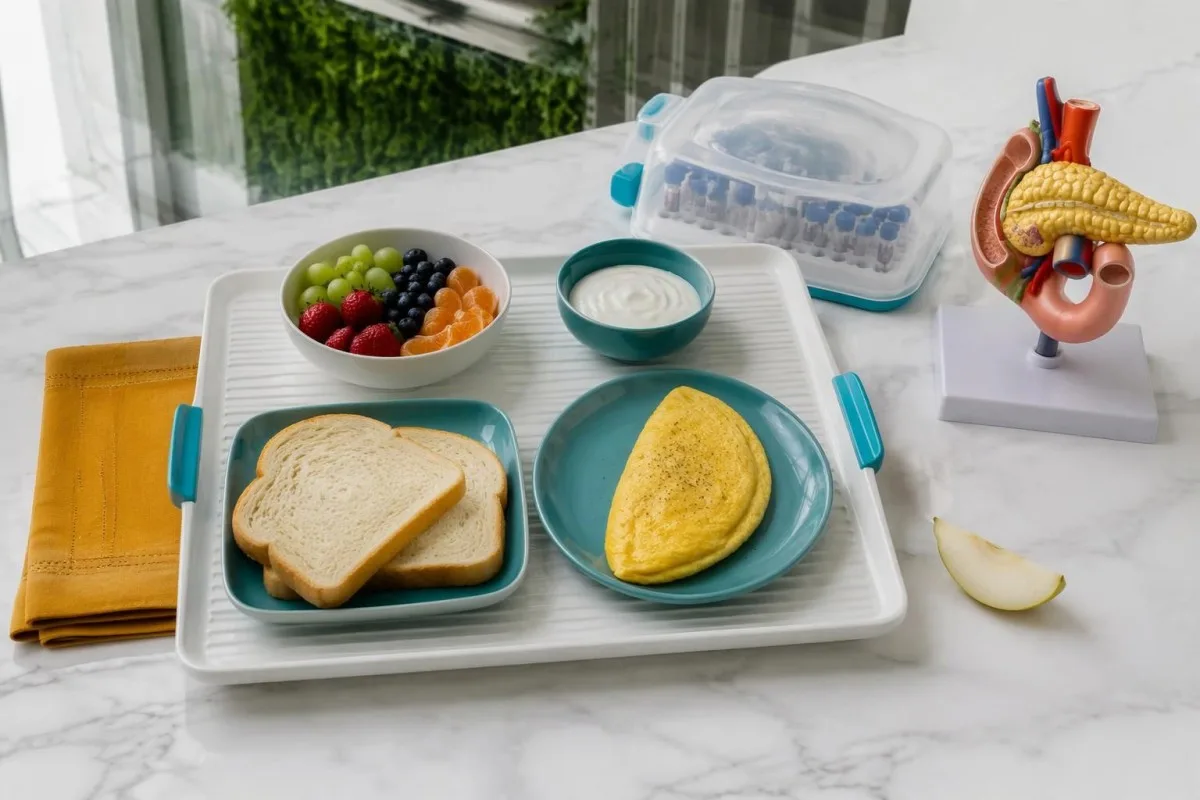
Hypoglycemia after upper gastrointestinal surgery can reflect altered nutrient delivery and exaggerated insulin release, rather than a pancreatic growth. An episode 2–3 hours after eating therefore requires the surgical history as well as the hormone pattern; endogenous hyperinsulinism is a biochemical description, not a promise that imaging will identify a solitary insulinoma.
An oral glucose tolerance test is generally not the preferred investigation for suspected postprandial hypoglycemia because a glucose drink can create results that do not reproduce everyday meals. A supervised mixed meal better matches the clinical trigger, although meal composition and interpretation are less standardized than a fasting protocol; uncertainty should be discussed rather than hidden behind a single post-meal proinsulin cutoff.
Sugar cravings, fatigue and irritability 1–2 hours after lunch do not establish biochemical hypoglycemia. Record meal timing, symptoms and available glucose readings, then seek an appropriate assessment rather than self-ordering repeated proinsulin panels; our sugar cravings testing guide explains why these symptoms alone are insufficient evidence of an insulin-secreting disorder.
ಇನ್ಸುಲಿನೋಮಾ ರೋಗನಿರ್ಣಯದ ಹಂತಗಳಲ್ಲಿ ಸ್ಕ್ಯಾನ್ಗಳನ್ನು ಯಾವಾಗ ಮಾಡಲಾಗುತ್ತದೆ?
Pancreatic imaging generally follows biochemical confirmation of endogenous hyperinsulinemic hypoglycemia and exclusion of relevant medications. Glucose of 42 mg/dL with an appropriate hormone pattern provides a reason to investigate localization; proinsulin of 20 pmol/L with normal glucose does not justify the same assumption.
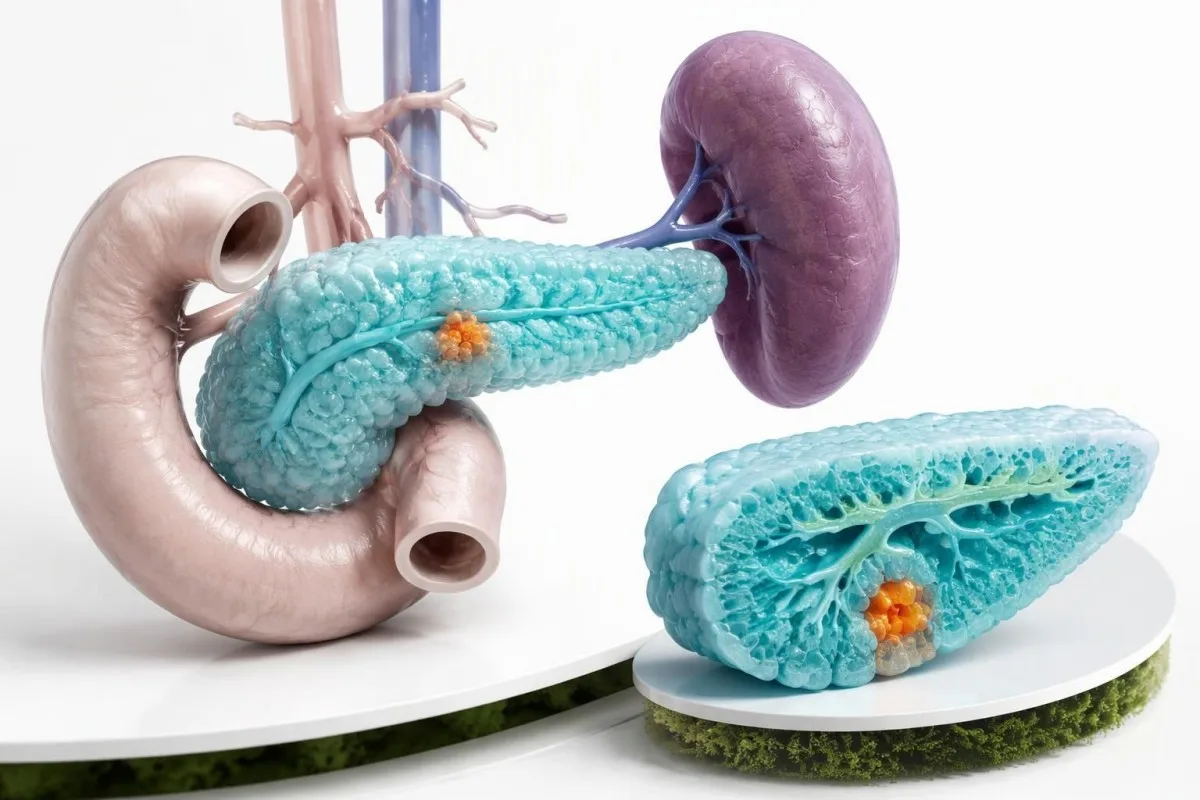
CT, MRI and endoscopic ultrasound can identify or characterize a pancreatic source, but small insulinomas may evade an initial scan. A negative first study does not cancel convincing biochemistry, while an incidental pancreatic finding does not prove that it caused hypoglycemia; those 2 directions of error are why localization and hormone diagnosis must remain separate steps.
When standard imaging is unrevealing, specialist centers may consider receptor-based imaging or selective arterial calcium stimulation with hepatic venous sampling. These are localization tools for a selected patient, not routine responses to a proinsulin result of 11 pmol/L; the choice depends on previous studies, local expertise, availability and whether the clinical pattern supports focal or more diffuse insulin secretion.
Multiple endocrine neoplasia type 1 may become relevant when pancreatic findings coexist with personal or family evidence of other endocrine disorders. A raised gastrin result—for example 300 pg/mL while taking a proton-pump inhibitor—does not independently establish that syndrome; our high gastrin interpretation guide explains why medication effects and clinical context are also necessary here.
ಪ್ರೊಇನ್ಸುಲಿನ್ ವರದಿ ಹೆಚ್ಚಿದೆ ಎಂದು ತೋರಿಸಿದರೆ ಈಗ ಏನು ಮಾಡಬೇಕು?
Your next step depends on documented glucose and symptoms, not the proinsulin flag alone. Severe confusion, seizure or inability to swallow requires emergency help; an alert person who can swallow can take 15–20 g of fast-acting carbohydrate and recheck glucose after 15 minutes.
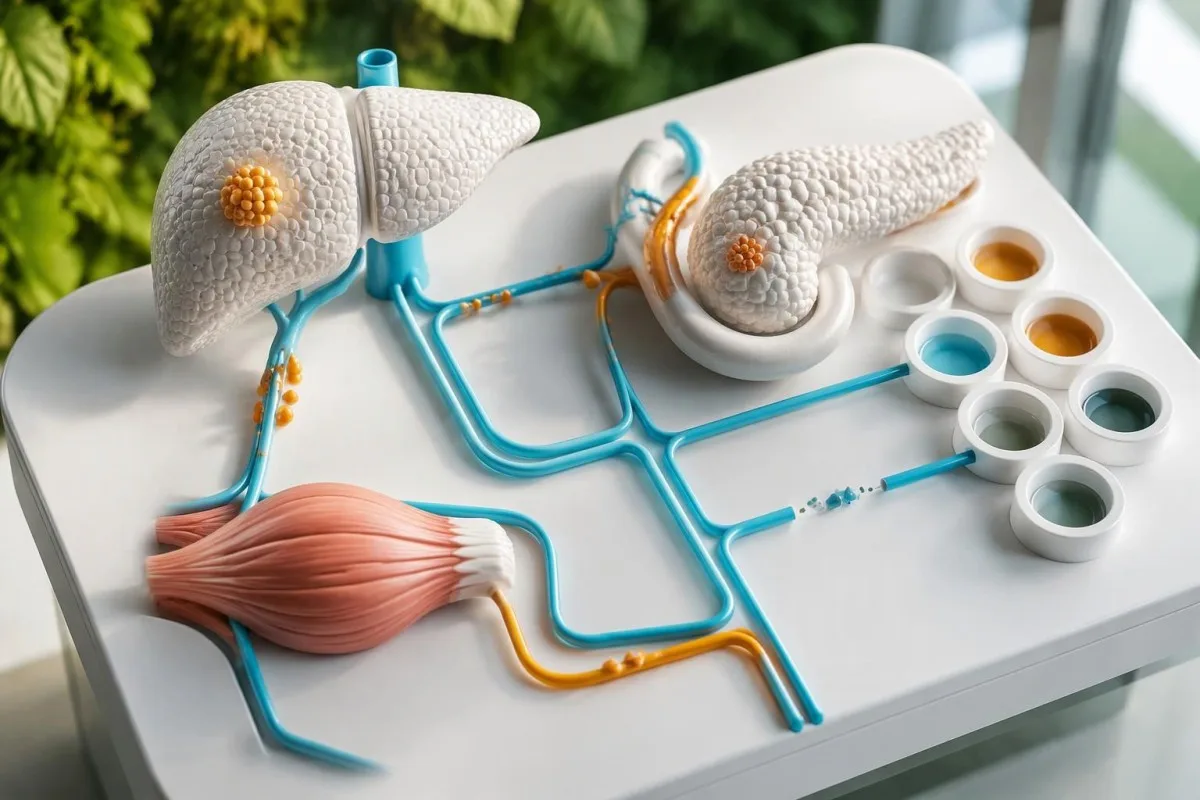
Do not give food or drink to someone who cannot swallow safely; use prescribed rescue glucagon if available and follow the emergency plan. Recurrent confirmed readings below 54 mg/dL, or episodes that require another person’s help, warrant prompt clinical review rather than waiting for another proinsulin result; avoid driving during symptoms and obtain advice about driving safety after recurrent episodes.
ಕಾಂತೆಸ್ಟಿ ಒಬ್ಬ AI ರಕ್ತ ಪರೀಕ್ಷೆ ವರದಿ ಅರ್ಥ ಪ್ಲಾಟ್ಫಾರ್ಮ್ that can explain uploaded laboratory reports in about 60 seconds, but it cannot monitor a fast or certify that glucose of 43 mg/dL was measured during symptoms. Kantesti Ltd is a UK organization described on our company information page; our role is educational interpretation, not emergency monitoring or autonomous diagnosis.
Kantesti AI explanations should be checked against the report’s units, collection times, medication list and glucose context before any clinical decision. Our ಜವಾಬ್ದಾರಿಯುತ AI ತತ್ವಗಳು explain the need for human oversight; the AI ತಂತ್ರಜ್ಞಾನ ಮಾರ್ಗದರ್ಶಿ describes the interpretation workflow, which cannot replace the 6 components of a properly collected critical sample or a specialist-supervised assessment.
ಪ್ರೊಇನ್ಸುಲಿನ್ ಪರೀಕ್ಷೆಯ ಫಲಿತಾಂಶದ ಅರ್ಥೈಸುವಿಕೆಗೆ ಯಾವ ಸಾಕ್ಷ್ಯಾಧಾರ ಬೆಂಬಲ ನೀಡುತ್ತದೆ?
The diagnostic framework is supported by clinical hypoglycemia guidance and studies evaluating insulin and proinsulin during supervised fasting. The 2 medical references below directly address those questions; the separate Figshare publications are general educational resources, not evidence validating an insulinoma cutoff.
Cryer et al.’s 2009 Endocrine Society guideline provides the framework for Whipple’s triad, critical sampling and a supervised fast of up to 72 hours. Guettier et al.’s 2013 study adds a specific caution: the 5 pmol/L proinsulin decision point has limited specificity for insulinoma when treated as a stand-alone result, and higher study-derived cutoffs require assay-aware interpretation.
The 2 Figshare guides listed below cover hematology markers and digestive symptoms associated with fasting; neither establishes the sensitivity or specificity of a proinsulin test. Our ಉಪವಾಸ ಮತ್ತು ಜೀರ್ಣಕಾರಿ ಲಕ್ಷಣಗಳ ಮಾರ್ಗದರ್ಶಿ addresses a different clinical question, and digestive discomfort is not a reason to attempt a prolonged insulinoma investigation without supervision.
Before an endocrine appointment, bring at least 1 complete report showing the glucose value, collection time, proinsulin method if available and any simultaneous insulin or C-peptide measurements. Add a medication list and a brief symptom timeline; our ವೈದ್ಯಕೀಯ ವಿಷಯದ ಮಾನದಂಡಗಳು explain why we distinguish published clinical evidence, hypothetical examples and platform capabilities rather than presenting them as equivalent proof.
ಆಗಾಗ್ಗೆ ಕೇಳಲಾಗುವ ಪ್ರಶ್ನೆಗಳು
ಹೆಚ್ಚಿನ ಪ್ರೋಇನ್ಸುಲಿನ್ ಮಟ್ಟಗಳು ಇನ್ಸುಲಿನೋಮಾವನ್ನು ಪತ್ತೆಹಚ್ಚಬಹುದೇ?
0 ಅಧಿಕ ಪ್ರೋಇನ್ಸುಲಿನ್ ಮಟ್ಟಗಳು, ಗ್ಲೂಕೋಸ್ ಮಟ್ಟ ಮತ್ತು ವೈದ್ಯಕೀಯ ಸಂದರ್ಭವಿಲ್ಲದೆ ಇನ್ಸುಲಿನೋಮಾವನ್ನು ನಿರ್ಣಯಿಸಲು ಸಾಧ್ಯವಿಲ್ಲ. ಪ್ರಯೋಗಾಲಯದಲ್ಲಿ ದೃಢೀಕರಿಸಲಾದ ಹೈಪೊಗ್ಲೈಸೀಮಿಯಾ ಸಂದರ್ಭದಲ್ಲಿ, ಸಾಮಾನ್ಯವಾಗಿ 55 mg/dL (3.0 mmol/L) ಗಿಂತ ಕಡಿಮೆ ಇರುವಾಗ, ಸಮರ್ಪಕವಾಗಿ ನಿಗ್ರಹವಾಗದ ಪ್ರೋಇನ್ಸುಲಿನ್ ಅಂತರ್ಜಾತ ಇನ್ಸುಲಿನ್ ಸ್ರವಿಸುವಿಕೆಯನ್ನು ಬೆಂಬಲಿಸಬಹುದು. ವೈದ್ಯರು ಇನ್ಸುಲಿನ್, C-ಪೆಪ್ಟೈಡ್, ಬೀಟಾ-ಹೈಡ್ರಾಕ್ಸಿಬ್ಯುಟೈರೇಟ್ ಮತ್ತು ಸಂಬಂಧಿತ ಔಷಧಿಗಳ ತಪಾಸಣೆಯನ್ನೂ ಮೌಲ್ಯಮಾಪನ ಮಾಡುತ್ತಾರೆ. ಅಂತರ್ಜಾತ ಸ್ರವಿಸುವಿಕೆಯ ಮಾದರಿ ಎಷ್ಟೇ ಮನವರಿಕೆಯಾಗುವಂತಿದ್ದರೂ, ಮೇದೋಜ್ಜೀರಕ ಗ್ರಂಥಿಯಲ್ಲಿ ಸ್ಥಳವನ್ನು ಪತ್ತೆಹಚ್ಚುವ ಮೊದಲು ಅದನ್ನು ಇನ್ಸುಲಿನ್ ಬಿಡುಗಡೆ ಮಾಡುವ ಔಷಧಿಗಳು ಮತ್ತು ಇತರ ಕಾರಣಗಳಿಂದ ಪ್ರತ್ಯೇಕಿಸಬೇಕು.
ಯಾವ ಪ್ರೊಇನ್ಸುಲಿನ್ ಮಟ್ಟವು ಇನ್ಸುಲಿನೋಮಾವನ್ನು ಸೂಚಿಸುತ್ತದೆ?
0 ಕನಿಷ್ಠ 5 pmol/L ಪ್ರೊಇನ್ಸುಲಿನ್ ಎಂಬುದು ಹೈಪೊಗ್ಲೈಸೀಮಿಯಾ ಸಂದರ್ಭದಲ್ಲಿ ಅಂತರ್ಜಾತ ಹೈಪರ್ಇನ್ಸುಲಿನಿಸಂ ಅನ್ನು ಬೆಂಬಲಿಸುವ ಮಾರ್ಗಸೂಚಿಯ ನಿರ್ಧಾರ ಮಿತಿಯಾಗಿದೆ; ಇದು ಇನ್ಸುಲಿನೋಮಾವನ್ನು ನಿರ್ದಿಷ್ಟವಾಗಿ ಪತ್ತೆಹಚ್ಚುವ ರೋಗನಿರ್ಣಯವಲ್ಲ. Guettier et al. ಅವರ 2013ರ ಅಧ್ಯಯನದಲ್ಲಿ, ಅವರ ಅಧ್ಯಯನದ ಜನಸಂಖ್ಯೆಯಲ್ಲಿ ಉಪವಾಸದ ಕೊನೆಯಲ್ಲಿನ ಸುಮಾರು 22 pmol/L ಮಿತಿಯು 5 pmol/L ಗಿಂತ ಹೆಚ್ಚು ವಿವೇಚನಾತ್ಮಕವಾಗಿರುವುದು ಕಂಡುಬಂದಿತು. ಪರೀಕ್ಷಾ ವಿಧಾನಗಳು, ಮೂತ್ರಪಿಂಡದ ಕಾರ್ಯ ಮತ್ತು ಮಾದರಿ ಸಂಗ್ರಹಣೆಯ ಪರಿಸ್ಥಿತಿಗಳು ಈ ಮೌಲ್ಯಗಳು ವ್ಯಕ್ತಿಯೊಬ್ಬರಿಗೆ ಹೇಗೆ ಅನ್ವಯಿಸುತ್ತವೆ ಎಂಬುದರ ಮೇಲೆ ಪರಿಣಾಮ ಬೀರುತ್ತವೆ. ಸಾಮಾನ್ಯ ಗ್ಲೂಕೋಸ್ ಮಟ್ಟವಿರುವಾಗ ಪಡೆದ ಸಾಮಾನ್ಯ ಪರೀಕ್ಷಾ ಫಲಿತಾಂಶವನ್ನು, ಹೈಪೊಗ್ಲೈಸೀಮಿಯಾದಲ್ಲಿನ ಉಪವಾಸದ ಕೊನೆಯ ಮಿತಿಯನ್ನು ಬಳಸಿ ಅರ್ಥೈಸಲು ಸಾಧ್ಯವಿಲ್ಲ.
ಇನ್ಸುಲಿನ್ ಪ್ರತಿರೋಧದಿಂದಾಗಿ ಪ್ರೊಇನ್ಸುಲಿನ್ ಹೆಚ್ಚಿರಬಹುದೇ?
0 ಪ್ರೊಇನ್ಸುಲಿನ್ ಹೆಚ್ಚಿದ ಬೀಟಾ-ಕೋಶ ಸ್ರವಣದ ಬೇಡಿಕೆ ಮತ್ತು ಬದಲಾದ ಪೂರ್ವಗಾಮಿ ಸಂಸ್ಕರಣೆಯೊಂದಿಗೆ ಹೆಚ್ಚಾಗಬಹುದು; ಇನ್ಸುಲಿನ್ ಪ್ರತಿರೋಧಕ್ಕೆ ಸಂಬಂಧಿಸಿದ ಸಂದರ್ಭಗಳೂ ಇದರಲ್ಲಿ ಸೇರಿವೆ. ಆದ್ದರಿಂದ, 105 mg/dL ಗ್ಲೂಕೋಸ್ ಮಟ್ಟದೊಂದಿಗೆ 18 pmol/L ಪ್ರೊಇನ್ಸುಲಿನ್ ಇರುವುದರಿಂದ ಇನ್ಸುಲಿನೋಮಾ ಇದೆ ಎಂದು ಸ್ಥಾಪಿಸಲಾಗುವುದಿಲ್ಲ. ವೈದ್ಯಕೀಯ ಪ್ರಶ್ನೆಗೆ ಅನುಗುಣವಾಗಿ, ಸಾಮಾನ್ಯ ಚಯಾಪಚಯ ಮೌಲ್ಯಮಾಪನದಲ್ಲಿ ಗ್ಲೂಕೋಸ್, HbA1c, ಲಿಪಿಡ್ಗಳು ಮತ್ತು ಆಯ್ದ ಇನ್ಸುಲಿನ್ ಮಾಪನಗಳು ಸೇರಿರಬಹುದು. ಪ್ರೊಇನ್ಸುಲಿನ್ ಮತ್ತು ಪ್ರೊಇನ್ಸುಲಿನ್-ಟು-ಇನ್ಸುಲಿನ್ ಅನುಪಾತಗಳು ಇನ್ಸುಲಿನ್ ಪ್ರತಿರೋಧವನ್ನು ಪತ್ತೆಹಚ್ಚಲು ಪ್ರತ್ಯೇಕವಾಗಿ ಬಳಸುವ ಪ್ರಮಾಣಿತ ಪರೀಕ್ಷೆಗಳಲ್ಲ.
ಸಿ-ಪೆಪ್ಟೈಡ್ ಮತ್ತು ಔಷಧಿ ತಪಾಸಣೆ ಏಕೆ ಅಗತ್ಯ?
C-peptide ಮತ್ತು ಔಷಧಗಳ ತಪಾಸಣೆಯು ದೇಹದಲ್ಲೇ ಉತ್ಪತ್ತಿಯಾಗುವ ಇನ್ಸುಲಿನ್ ಸ್ರವಿಸುವಿಕೆಯನ್ನು ಚುಚ್ಚುಮದ್ದಿನ ಇನ್ಸುಲಿನ್ ಮತ್ತು ಇನ್ಸುಲಿನ್ ಬಿಡುಗಡೆ ಮಾಡುವ ಔಷಧಗಳಿಂದ ಪ್ರತ್ಯೇಕಿಸಲು ಸಹಾಯ ಮಾಡುತ್ತವೆ. ಹೈಪೊಗ್ಲೈಸೀಮಿಯಾ ಸಮಯದಲ್ಲಿ ಕನಿಷ್ಠ 0.6 ng/mL ಇರುವ C-peptide, ಮೇದೋಜ್ಜೀರಕ ಗ್ರಂಥಿಯಿಂದ ಸ್ರವಿಸುವಿಕೆ ಮುಂದುವರಿದಿರುವುದನ್ನು ಸೂಚಿಸುತ್ತದೆ; ಆದರೆ ಸಲ್ಫೋನಿಲ್ಯೂರಿಯಾಗಳು ಮತ್ತು ಮೆಗ್ಲಿಟಿನೈಡ್ಗಳು ಅದೇ ಮಾದರಿಯನ್ನು ಉಂಟುಮಾಡಬಹುದು. ನಕಾರಾತ್ಮಕ ಔಷಧ ತಪಾಸಣೆಯು, ಅದು ಒಳಗೊಳ್ಳುವ ಔಷಧಗಳು, ಸಂವೇದನಾಶೀಲತೆ ಮತ್ತು ಮಾದರಿ ಸಂಗ್ರಹದ ಸಮಯದಷ್ಟೇ ಮಾಹಿತಿಯುಕ್ತವಾಗಿರುತ್ತದೆ. ಮೂತ್ರಪಿಂಡದ ಕಾರ್ಯನಷ್ಟ ಮತ್ತು ಇನ್ಸುಲಿನ್ ಪರೀಕ್ಷೆಯಲ್ಲಿ ಅನಲಾಗ್ಗಳನ್ನು ಗುರುತಿಸುವ ಸಾಮರ್ಥ್ಯವು ವ್ಯಾಖ್ಯಾನವನ್ನು ಮತ್ತಷ್ಟು ಸಂಕೀರ್ಣಗೊಳಿಸಬಹುದು.
ಹೆಚ್ಚಿನ ಪ್ರೊಇನ್ಸುಲಿನ್ ಫಲಿತಾಂಶಕ್ಕಾಗಿ ನನಗೆ 72-ಗಂಟೆಗಳ ಉಪವಾಸ ಅಗತ್ಯವಿದೆಯೇ?
0 ಪ್ರತ್ಯೇಕವಾಗಿ ಪ್ರೊಇನ್ಸುಲಿನ್ ಮಟ್ಟ ಹೆಚ್ಚಿರುವ ಫಲಿತಾಂಶವೊಂದೇ 72-ಗಂಟೆಗಳ ಉಪವಾಸವನ್ನು ಸ್ವಯಂಚಾಲಿತವಾಗಿ ಸಮರ್ಥಿಸುವುದಿಲ್ಲ. ಉಪವಾಸದ ಸಮಯದಲ್ಲಿ ಹೈಪೊಗ್ಲೈಸೀಮಿಯಾ ಇರುವುದಾಗಿ ಬಲವಾಗಿ ಶಂಕಿಸಿದಾಗ ಮತ್ತು ಸ್ವಯಂಸ್ಫೂರ್ತಿಯಾಗಿ ನಿರ್ಣಾಯಕ ಮಾದರಿಯನ್ನು ಪಡೆಯಲು ಸಾಧ್ಯವಾಗದಿದ್ದಾಗ ಮೇಲ್ವಿಚಾರಣೆಯಲ್ಲಿನ ಉಪವಾಸವನ್ನು ಪರಿಗಣಿಸಲಾಗುತ್ತದೆ. ಈ ಪರೀಕ್ಷೆಯಲ್ಲಿ ಮೇಲ್ವಿಚಾರಣೆಯಡಿ ಮಾದರಿಗಳನ್ನು ಸಂಗ್ರಹಿಸುವ ಕ್ರಮ ಮತ್ತು ನಿಲ್ಲಿಸುವ ಮಾನದಂಡಗಳಿರುತ್ತವೆ; ಇದು ಸಾಮಾನ್ಯವಾಗಿ ಗರಿಷ್ಠ ಅವಧಿಗಿಂತ ಮೊದಲೇ ಕೊನೆಗೊಳ್ಳುತ್ತದೆ. ನಿರಂತರ ಗ್ಲೂಕೋಸ್ ಮಾನಿಟರ್ ಇದ್ದರೂ ಸಹ, ಮನೆಯಲ್ಲಿ ಎಂದಿಗೂ ದೀರ್ಘಕಾಲದ ರೋಗನಿರ್ಣಯ ಉಪವಾಸ ಮಾಡಬೇಡಿ.
ಇನ್ಸುಲಿನ್ ಮಟ್ಟ ಹೆಚ್ಚಿಲ್ಲದಿದ್ದರೂ ಇನ್ಸುಲಿನೋಮಾ ಇರಬಹುದೇ?
0 ಕಡಿಮೆ ಅಥವಾ ಸಾಮಾನ್ಯವಾಗಿ ಕಾಣುವ ಇನ್ಸುಲಿನ್ ಫಲಿತಾಂಶವು ಹೈಪೊಗ್ಲೈಸೀಮಿಯಾ ಸಮಯದಲ್ಲಿ ಇನ್ಸುಲಿನೋಮಾವನ್ನು ಸಂಪೂರ್ಣವಾಗಿ ಹೊರತುಪಡಿಸುವುದಿಲ್ಲ; ವಿಶೇಷವಾಗಿ ಪ್ರೊಇನ್ಸುಲಿನ್ ಸ್ರವಿಸುವಿಕೆ ಅಸಾಮಾನ್ಯವಾಗಿ ಹೆಚ್ಚಿರುವಾಗ ಅಥವಾ ಅಸ್ಸೇ ಸಮಸ್ಯೆಗಳಿರುವಾಗ. ಪ್ರೊಇನ್ಸುಲಿನ್ ಗಮನಾರ್ಹವಾಗಿ ಹೆಚ್ಚಿದ್ದು, C-ಪೆಪ್ಟೈಡ್ ಸಮರ್ಪಕವಾಗಿ ದಮನಗೊಳ್ಳದಿದ್ದರೆ, 3 µIU/mL ಗಿಂತ ಕಡಿಮೆ ಇನ್ಸುಲಿನ್ ಇದ್ದರೂ ಅದನ್ನು ಸ್ವಯಂಚಾಲಿತವಾಗಿ ತಳ್ಳಿಹಾಕದೆ ತಜ್ಞರು ಅರ್ಥೈಸಬೇಕು. ಗ್ಲೂಕೋಸ್ ಸಾಂದ್ರತೆ, ಕೀಟೋನ್ ಪ್ರತಿಕ್ರಿಯೆ, ಔಷಧಿ ತಪಾಸಣೆ ಮತ್ತು ವಿಶ್ಲೇಷಣಾ ವಿಧಾನವನ್ನು ಒಟ್ಟಿಗೆ ಪರಿಶೀಲಿಸಬೇಕು. ಸಾಮಾನ್ಯ ವರದಿಯಲ್ಲಿ ಸಾಮಾನ್ಯ ಎಂದು ವಿವರಿಸಲಾದ ಇನ್ಸುಲಿನ್, 42 mg/dL ಗ್ಲೂಕೋಸ್ ಮಟ್ಟದಲ್ಲಿ ಇನ್ನೂ ಅನುಚಿತವಾಗಿರಬಹುದು.
ಪರೀಕ್ಷೆಗಾಗಿ ಕಾಯುತ್ತಿರುವಾಗ ನನ್ನ ರಕ್ತದಲ್ಲಿನ ಗ್ಲೂಕೋಸ್ ಮಟ್ಟ ಕಡಿಮೆಯಾದರೆ ನಾನು ಏನು ಮಾಡಬೇಕು?
0 ಎಚ್ಚರವಾಗಿದ್ದು ನುಂಗಲು ಸಾಧ್ಯವಿರುವ ವ್ಯಕ್ತಿಯು 15–20 g ವೇಗವಾಗಿ ಕಾರ್ಯನಿರ್ವಹಿಸುವ ಕಾರ್ಬೋಹೈಡ್ರೇಟ್ ತೆಗೆದುಕೊಂಡು, 15 ನಿಮಿಷಗಳ ನಂತರ ಗ್ಲೂಕೋಸ್ ಅನ್ನು ಮರುಪರಿಶೀಲಿಸಬಹುದು; ಗ್ಲೂಕೋಸ್ ಕಡಿಮೆಯಾಗಿಯೇ ಉಳಿದಿದ್ದರೆ, ಅವರ ಆರೈಕೆ ಯೋಜನೆಯ ಪ್ರಕಾರ ಚಿಕಿತ್ಸೆಯನ್ನು ಪುನರಾವರ್ತಿಸಬಹುದು. ತೀವ್ರ ಗೊಂದಲ, ಸೆಳವು, ಪ್ರಜ್ಞಾಹೀನತೆ ಅಥವಾ ನುಂಗಲು ಅಸಮರ್ಥತೆ ಇದ್ದರೆ ತುರ್ತು ನೆರವು ಪಡೆಯಬೇಕು; ಬಾಯಿಯ ಮೂಲಕ ಆಹಾರ ಅಥವಾ ಪಾನೀಯ ನೀಡಬಾರದು. ಲಭ್ಯವಿದ್ದರೆ, ಸೂಚಿಸಲಾದ ತುರ್ತು ಬಳಕೆಯ ಗ್ಲುಕಾಗಾನ್ ಬಳಸಿ ಮತ್ತು ತುರ್ತು ಸೂಚನೆಗಳನ್ನು ಅನುಸರಿಸಿ. ಪ್ರೊಇನ್ಸುಲಿನ್ ಮಾದರಿಯನ್ನು ಪಡೆಯಲು ಚಿಕಿತ್ಸೆಯನ್ನು ವಿಳಂಬಿಸಬೇಡಿ; ಮರುಕಳಿಸುವ ಪ್ರಸಂಗಗಳಿಗೆ ತಕ್ಷಣ ವೈದ್ಯಕೀಯ ಪರಿಶೀಲನೆ ಅಗತ್ಯ.
ನಿಮ್ಮ ರಕ್ತ ಪರೀಕ್ಷೆ ಫಲಿತಾಂಶಗಳನ್ನು ವಿವರಿಸಿಕೊಳ್ಳಿ
ನಿಮ್ಮ ಪ್ರಯೋಗಾಲಯ ವರದಿಯನ್ನು ಅಪ್ಲೋಡ್ ಮಾಡಿ; Kantestiಯ AI ಕೆಲವೇ ಸೆಕೆಂಡುಗಳಲ್ಲಿ ಪ್ರತಿಯೊಂದು ಜೈವಿಕ ಸೂಚಕವನ್ನು ಸರಳ ಭಾಷೆಯಲ್ಲಿ ವಿವರಿಸುತ್ತದೆ. ವಿಶ್ವದಾದ್ಯಂತ 2 ದಶಲಕ್ಷಕ್ಕೂ ಹೆಚ್ಚು ಜನರು ಬಳಸಿದ್ದಾರೆ.
ಉಲ್ಲೇಖಗಳು
- Klein, T., Mitchell, S., & Weber, H. (2026). B ಋಣಾತ್ಮಕ ರಕ್ತದ ಗುಂಪು, LDH ರಕ್ತ ಪರೀಕ್ಷೆ ಮತ್ತು ರೆಟಿಕ್ಯುಲೋಸೈಟ್ ಎಣಿಕೆ ಮಾರ್ಗದರ್ಶಿ. Kantesti AI ವೈದ್ಯಕೀಯ ಸಂಶೋಧನೆ. ಡಿಒಐ
- Klein, T., Mitchell, S., & Weber, H. (2026). ಉಪವಾಸದ ನಂತರದ ಅತಿಸಾರ, ಮಲದಲ್ಲಿನ ಕಪ್ಪು ಚುಕ್ಕೆಗಳು ಮತ್ತು GI ಮಾರ್ಗದರ್ಶಿ 2026. Kantesti AI ವೈದ್ಯಕೀಯ ಸಂಶೋಧನೆ. ಡಿಒಐ
- Cryer PE et al. (2009). Evaluation and Management of Adult Hypoglycemic Disorders: An Endocrine Society Clinical Practice Guideline. Journal of Clinical Endocrinology & Metabolism. ಡಿಒಐ ಪಬ್ಮೆಡ್
- Guettier JM et al. (2013). The Role of Proinsulin and Insulin in the Diagnosis of Insulinoma: A Critical Evaluation of the Endocrine Society Clinical Practice Guideline. Journal of Clinical Endocrinology & Metabolism. ಡಿಒಐ ಪಬ್ಮೆಡ್
- 2ಮಿ+ವಿಶ್ಲೇಷಿಸಿದ ಪರೀಕ್ಷೆಗಳು
- 127+ದೇಶಗಳು
- 100+ಭಾಷೆಗಳು
ವೈದ್ಯಕೀಯ ತಂಡದ ಬಗ್ಗೆ


E-E-A-T ವಿಶ್ವಾಸ ಸಂಕೇತಗಳು
ಅನುಭವ
ಲ್ಯಾಬ್ ಅರ್ಥೈಸುವ ಕಾರ್ಯಪ್ರವಾಹಗಳ ಮೇಲೆ ವೈದ್ಯರಿಂದ ನೇತೃತ್ವದ ಕ್ಲಿನಿಕಲ್ ವಿಮರ್ಶೆ.
ಪರಿಣಿತಿ
ಕ್ಲಿನಿಕಲ್ ಸಂದರ್ಭದಲ್ಲಿನ ಬಯೋಮಾರ್ಕರ್ಗಳು ಹೇಗೆ ವರ್ತಿಸುತ್ತವೆ ಎಂಬುದರ ಮೇಲೆ ಪ್ರಯೋಗಾಲಯ ವೈದ್ಯಕೀಯದ ಕೇಂದ್ರೀಕರಣ.
ಅಧಿಕಾರಯುತತೆ
ಡಾ. ಥಾಮಸ್ ಕ್ಲೈನ್ ಅವರ ವೈದ್ಯಕೀಯ ವಿಮರ್ಶೆ; ಡಾ. ಸಾರಾ ಮಿಚೆಲ್ ಮತ್ತು ಪ್ರೊ. ಡಾ. ಹಾನ್ಸ್ ವೆಬರ್ ಅವರ ಕೊಡುಗೆಗಳೊಂದಿಗೆ.
ವಿಶ್ವಾಸಾರ್ಹತೆ
ಎಚ್ಚರಿಕೆಯನ್ನು ಕಡಿಮೆ ಮಾಡಲು ಸ್ಪಷ್ಟವಾದ ಮುಂದಿನ ಹಂತಗಳೊಂದಿಗೆ ಸಾಕ್ಷ್ಯಾಧಾರಿತ ಅರ್ಥೈಸಿಕೆ.
ವೈದ್ಯಕೀಯ ಹಕ್ಕುತ್ಯಾಗ
ಈ ಲೇಖನವು ಕೇವಲ ಶಿಕ್ಷಣ ಉದ್ದೇಶಗಳಿಗಾಗಿ이며 ವೈದ್ಯಕೀಯ ಸಲಹೆಯನ್ನು ನೀಡುವುದಿಲ್ಲ. ರೋಗನಿರ್ಣಯ ಮತ್ತು ಚಿಕಿತ್ಸೆ ನಿರ್ಧಾರಗಳಿಗಾಗಿ ಸದಾ ಅರ್ಹ ಆರೋಗ್ಯ ಸೇವಾ ಪೂರೈಕೆದಾರರನ್ನು ಸಂಪರ್ಕಿಸಿ.
ಪ್ರಕಟಿಸಲಾಗಿದೆ · ಸಂಪಾದಕೀಯ ತಂಡವನ್ನು ಸಂಪರ್ಕಿಸಿ
Kantesti Ltd ಪ್ರಕಟಿಸಿದೆ, ಇಂಗ್ಲೆಂಡ್ ಮತ್ತು ವೇಲ್ಸ್ನಲ್ಲಿ ನೋಂದಾಯಿತವಾಗಿದೆ, ಕಂಪನಿ ಸಂಖ್ಯೆ. 17090423, ಲಂಡನ್, ಯುನೈಟೆಡ್ ಕಿಂಗ್ಡಮ್.
