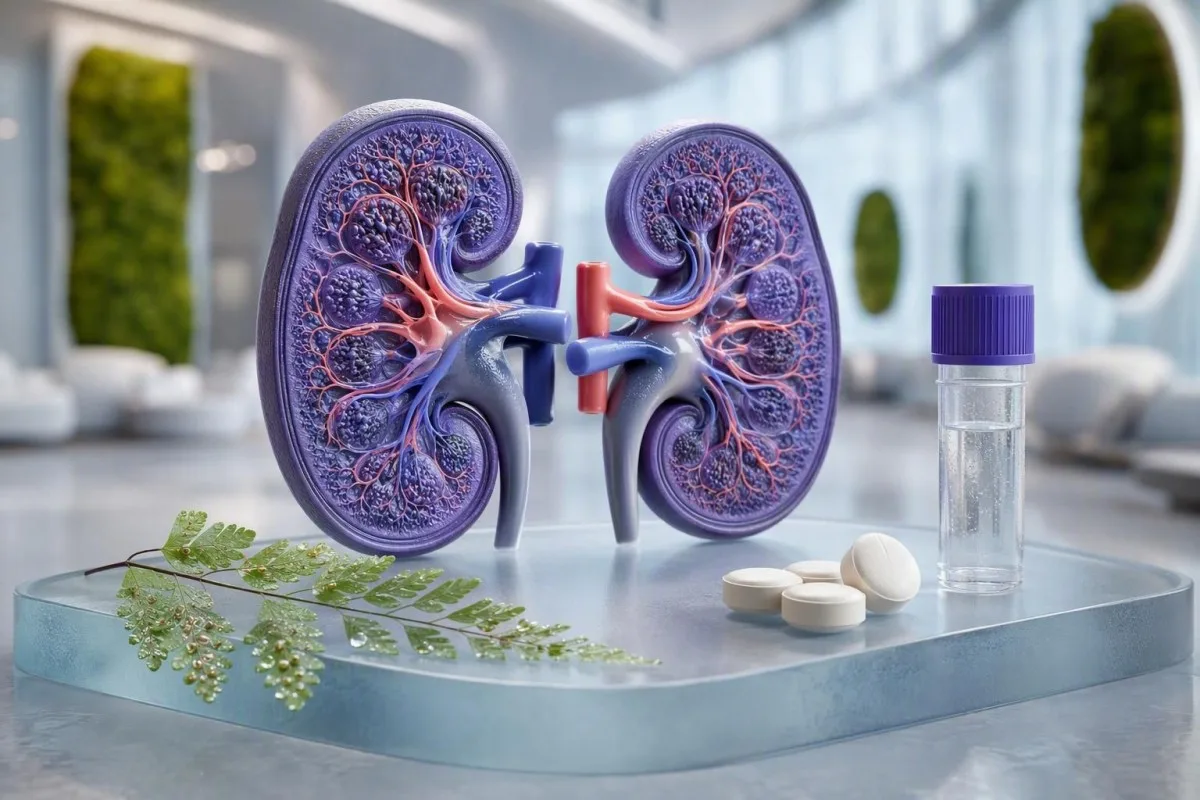
Кейінгі жылдарығы көптеген ауытқулар жаңа ауруға емес, дәрі-дәрмектерге, сусыздануға немесе уақытқа байланысты болуы мүмкін. Пайдалы сұрақ - бұл көрсеткіштер рецепт тізіміне сәйкес келе ме және олар өзгере ме.


- Калий 5,5 ммоль/л-ден жоғары АСЕ ингибиторын, АРБ-ны, спиронолактонды немесе триметопримді қабылдау кезінде шұғыл дәрігермен байланысу қажет; әлсіздік немесе жүрек соғысының жиілеуі жеделдетуді талап етеді.
- Натрий 130 ммоль/л төмен егде жастағы адамдарда, әсіресе тиазидті диуретиктермен, SSRI-лармен және карбамазепинмен бірге құлауға, шатасуға және құрысуларға әкелуі мүмкін.
- eGFR-дің 30% -ке дейін төмендеуі АСЕ ингибиторын, АРБ-ны немесе SGLT2 ингибиторын бастағаннан кейін гемодинамикалық әсердің күтілетін нәтижесі болуы мүмкін, бірақ үлкен немесе прогрессивті төмендеуді тексеру қажет.
- Витамин B12 200 пг/мл (148 пмоль/л) төмен метформинмен немесе ұзақ мерзімді протон-помпа ингибиторларымен қолданумен жиі байланысты және оны кәдімгі қартаю ретінде елемеу керек.
- АСТ немесе ALT зертханалық жоғары шегінен үш есе жоғары жаңа дәрі-дәрмектерді қабылдағаннан кейін, әсіресе сарғаю, қара несеп немесе жүрек айнуы болған кезде, сол аптада клиникалық бағалауды талап етеді.
- INR көрсеткілері белгіленген диапазоннан жоғары варфарин қабылдайтын адамда антибиотиктерді қабылдау, тағамдағы К дәруменінің азаюы, диарея немесе әсер ететін жаңа дәрі-дәрмектер болуы мүмкін.
- HbA1c жалған төмен болуы мүмкін жақында құю, қан жоғалту немесе гемолизден кейін; глюкоза деңгейлері мен фруктозамин бірнеше апта бойы ақпараттырақ болуы мүмкін.
- Дәрі-дәрмектер тізімі, дозасы, басталу күні және соңғы доза уақыты бір реттік сілтеме-диапазон белгісінен гөрі, көп жағдайда егде адамның қан анализін жақсырақ түсіндіреді.
Қарттардағы қан анализінің нәтижесін ауру деп ойламас бұрын оқу жолдары
Егде адамның қан анализін жалғыз қарауға болмайды, оны толық дәрі-дәрмектер мен қоспалар тізімімен қатар оқу керек. Дозаны өзгерткеннен кейін 2-ден 12 апта ішінде пайда болатын жаңа ауытқулар көбінесе дәрі-дәрмектерге байланысты, бірақ ол автоматты түрде растаудан гөрі клиницисттің интерпретациясын талап етеді.
2026 жылдың 2 қыркүйегіндегі жағдай бойынша, ең тиімді бірінші қадам - әрбір рецепт бойынша берілетін дәрі-дәрмектерді, рецептсіз сатылатын өнімдерді, шөптен жасалған құралдарды және қабылдау уақытын жазып алу. Менің клиникалық жұмысымда, жиі жоғалтатын нәрсе - супермаркеттен сатып алынған ибупрофен, магний іш жүргізетін дәрі немесе құрамында калий бар тұз алмастырғыш, ал рецепт бойынша берілген антигипертензивті емес.
Сілтеме интервалдары зертхананың салыстыру популяциясының X%-ын сипаттайды; олар жеке емдеу мақсаттары емес. 1,15 мг/дл креатинин деңгейі бір егде адам үшін елеусіз, ал алты ай бұрын 0,75 мг/дл болған басқа адам үшін алаңдаушылық тудыруы мүмкін; біздің басшылық егде адамдарға арналған қан анализі әлсіздік пен құлаулар интерпретацияны қалай өзгертетінін түсіндіреді.
Кантести - бұл AI қан анализінің анализаторы дәрі-дәрмектерді ескере отырып, есептелген мәндерді және бұрынғы нәтижелерді салыстыратын, әрбір қызыл белгіні диагноз ретінде қабылдамайтын. Томас Кляйн, MD, түпнұсқа есепті және дәрі-дәрмектердің қораптарын қабылдауды ұсынады; брендті алмастыру және біріктірілген таблеткалар байқаусыз ұмытылып кетуі оңай.
Қалыпты қартаю өзгерістері мен дәрі-дәрмектердің әсерін салыстыру
Жастыққа байланысты бүйрек сүзгісі мен альбумин өндірісі аздап төмендейді, бірақ бұл электролиттердің, бауыр ферменттерінің немесе қан жасушаларының кенеттен өзгеруін түсіндірмейді. Дәрі-дәрмек қабылдау басталғаннан кейін тез өзгерген нәтиже, керісінше дәлелденгенге дейін мүмкін жағымсыз әсер ретінде қарастырылуы керек.
Орташа есептелген GFR орта жастан кейін жыл сайын шамамен 1 мл/мин/1,73 м²-ға төмендейді, дегенмен жеке айырмашылықтар кең. 60-тан төмен eGFR кем дегенде 3 ай бойы тек бүйрек зақымдануының басқа белгісімен расталған немесе бірге жүрген кезде ғана созылмалы бүйрек ауруын анықтайды; базалық қан анализі кейінгі салыстыруларды әлдеқайда қауіпсіз етеді.
100 fL-дан жоғары жаңа MCV жасқа толған кезде болатын қалыпты жағдай емес. Алкоголь, фолий қышқылының жетіспеушілігі, В12 дәруменінің жетіспеушілігі, гипотиреоз, бауыр ауруы, гидроксиурея, метотрексат және кейбір құрысуға қарсы препараттар жиі кездесетін себептер болып табылады, ал гемоглобиннің төмендеуімен қатар жүретін макроцитоз тиісті қан жағындысын және клиникалық тексеруді талап етеді.
2023 жылғы Американың Гериатриялық Қоғамының Бэрс критерийлері егде адамдарда айтарлықтай қауіп төндіретін бірнеше дәрі-дәрмектерді, соның ішінде ұзақ мерзімді протондық сорғыш ингибиторларды және бүйрек функциясына немесе калийге әсер ететін комбинацияларды (American Geriatrics Society Beers Criteria Update Expert Panel, 2023) ерекше атап көрсетеді. Практикалық мәні қарапайым: жас әсер етуге деген осалдықты арттырады; бірақ ол әсерді зиянсыз етпейді.
Креатинин және eGFR-дің жалпы дәрі-дәрмектермен өзгеруі
ҚҚАИБ, АӨИБ, диуретиктер, триметоприм және SGLT2 ингибиторлары креатинин мен eGFR-ді болжамды, бірақ клиникалық түрлі жолдармен өзгертуі мүмкін. Базалық көрсеткіштен 30%-дан жоғары eGFR төмендеуі немесе зәр шығарудың азаюы, құсу немесе ісінумен қатар жүретін креатининнің жоғарылауы жедел тексеруді қажет етеді.
АӨІБ және АӨІБ бүйрек артериоласын босаңсытады, сондықтан ем басталғаннан кейін креатинин жоғарылауы мүмкін. KDIGO 2024 қандай да бір дегидратация, бүйрек артериясының ауруы, ҚҚАИБ қолдануы немесе диурезтің артық мөлшері болған жағдайда, әсіресе, бастаудан кейін немесе дозаны арттырғаннан кейін 30% немесе одан жоғары креатининнің жедел жоғарылауын зерттеуді ұсынады (KDIGO, 2024).
Дәстүрлі жоғары қауіпті комбинация - бұл АӨФ ингибиторы немесе АРБ, диуретик және ҚҚАИБ - "үштік қауіп" деп аталады. Тізе жарақатынан кейін рамиприл, фуросемид және напроксен қабылдаған 79 жастағы науқаста сұйықтықтың аз мөлшерде түсуінен бірнеше күн ішінде eGFR-дің елеулі төмендеуі пайда болуы мүмкін; сусызданудан кейін уақытша төмен eGFR туралы көбірек оқыңыз уақытша төмен eGFR сусызданғаннан кейін.
AI бүйрек нәтижелерін тек креатининмен емес, өзгеріс бағыты мен жылдамдығы бойынша талдайды; 0,2 мг/дл өсуі 0,6 мг/дл базалық мәнінде 2,4 мг/дл қарағанда басқа мағынаға ие. Біздің клиникалық валидация тәсілі адамның бақылауын қажет ететін комбинацияларды белгілеуге арналған, тағайындалған дәрі-дәрмектерді тоқтатуға кеңес беруге емес.
Дәрі-дәрмектер өзгерте алатын натрий мен калий нәтижелері
Тиазидті диуретиктер мен SSRI әдетте натрийді төмендетеді, ал АӨФ ингибиторлары, АРБ, спиронолактон және триметоприм калийді жоғарылатуы мүмкін. 125 ммоль/л төмен натрий немесе 6,0 ммоль/л жоғары немесе тең калий әдетте шұғыл, сол күні бағалауды талап етеді, тіпті симптомдар жеңіл болса да.
Гипонатриемияны айыру әсіресе оңай, өйткені егде жастағы адамдарда ашық шөлдеуден гөрі шаршау, тұрақсыздық, ойлаудың баяулауы немесе құлау болуы мүмкін. 130 ммоль/л төмен натрий концентрациясы клиникалық тұрғыдан маңызды; тиазидтер оны алғашқы 2 апта ішінде тудыруы мүмкін, бірақ ол бірнеше айдан кейін, қосымша ауру кезінде де пайда болуы мүмкін.
5,6 ммоль/л калийді қан алудың гемолизі, бүйрек қызметі, диета және дәрі-дәрмектерді ескере отырып, тез арада қайта тексеру керек. 6,0 ммоль/л немесе одан жоғары калий жүрек өткізгіштігіне әсер етуі мүмкін, ал бұл тәуекел мәні тез көтерілгенде артады; біздің электролит нәтижелері жөніндегі нұсқаулық ЭКГ келесі қадамның бөлігі болатын жағдайларды түсіндіреді.
Ілмекті диуретиктер көбінесе калий мен магнийді төмендетеді, ал спиронолактон калийді сақтап қалады. Калий қоспаларымен немесе тұз алмастырғыштарымен өз бетінше түзету жасамаңыз: eGFR 35 мл/мин/1,73 м² болатын адамда бұл жақсы ниетті қадам кішігірім аномалияны төтенше жағдайға айналдыруы мүмкін.
Глюкоза, HbA1c және қант диабетіне арналған дәрі-дәрмектерді бақылау
Инсулин мен сульфонилмочевиналар қауіпті төмен глюкозаны тудыруы мүмкін, ал стероидтер әдетте 24-48 сағат ішінде глюкозаны жоғарылатады. Әлсіз егде адамда HbA1c 6.5% төмен болса, бұл әрдайым қажетті нәтиже бола бермейді, егер ол 70 мг/дл (3.9 ммоль/л) төмен қайталанатын көрсеткіштермен бірге келсе.
70 мг/дл төмен кездейсоқ глюкоза гипогликемия болып табылады, бірақ симптоматика созылмалы гипергликемияға үйренген адамда жоғары деңгейде басталуы мүмкін. Инсулин немесе гликлазид қабылдағаннан кейін дірілдеу, тершеңдік, шатасу, көрудің өзгеруі немесе жаңа құлау жағдайлары келесі жоспарлы егде адамның қан анализін күтудің орнына, шұғыл глюкозаны тексеруді және дәрігермен байланысуды талап етеді.
Таңертең қабылданған 20 мг Prednisone әдетте түскі және кешкі асқа дейін ең үлкен глюкозаның жоғарылауын тудырады, ал аш қарынға глюкоза алдамшы түрде қалыпты болуы мүмкін. HbA1c шамамен 8-12 апталық гликемияны көрсетеді, бірақ қан құю, елеулі қан кету, гемолиз, эритропоэтинмен емдеу немесе бүйрек ауруының өршуінен кейін сенімділігі азаяды; біздің түсіндірмемізді қараңыз HbA1c қашан алдауы мүмкін екендігі туралы.
SGLT2 ингибиторлары бастапқыда eGFR-ді аздап төмендетуі мүмкін, бірақ тиісті пациенттерде бүйрек пен жүрек-тамыр жүйесіне ұзақ мерзімді пайда әкелуі мүмкін. Сондықтан SGLT2-ден кейінгі eGFR өзгерісі сұйықтық балансы, ауырған кездегі кетондар және төмендеудің мөлшерімен бағаланады - рефлекторлық тоқтатумен емес.
B12, фолий қышқылы және ұзақ мерзімді дәрі-дәрмектердің анемия қаупі
Метформин, протон-тығырыс ингибиторлары, H2 блокаторлары, метотрексат, триметоприм және құрысуға қарсы дәрілер B12, фолат және қан жасушалары индекстерін өзгертуі мүмкін. 5200 пг/мл немесе 148 пмоль/л төмен B12 деңгейін, әсіресе аяқтардың ұйып қалуы, есте сақтау қабілетінің өзгеруі, тілдің ауырсынуы немесе MCV 100 фл жоғары болған жағдайда бағалау қажет.
Метформинмен байланысты B12 тапшылығы жоғары дозада және ұзақ уақыт бойы, әсіресе бірнеше жыл бойы күніне 1500 мг-нан жоғары болғанда жиі кездеседі. 200-300 пг/мл аралығындағы сарысулық B12 - бұл белгісіз аймақ; метилмалонат қышқылы мен гомоцистеин көмектесе алады, бірақ бүйрек жеткіліксіздігі метилмалонат қышқылын дербес түрде жоғарылатуы мүмкін.
Қышқылды ұзақ мерзімді басу асқазандағы тағамға байланысты B12 бөлінуін азайтуы мүмкін, бірақ әрбір төмен-қалыпты мән инъекцияны талап ете бермейді. Қысқа, практикалық келесі қадам - емдеу алдында симптомдарды, толық қан санағын, B12, фолатты және мүмкін MMA-ны тексеру; біздің мақаламыз PPI дәрі-дәрмектерін бақылау туралы жалпы үлгіні қамтиды.
Егде адамдағы темір тапшылығын тек қышқылды басуға ғана жатқызуға болмайды. 30 нг/мл төмен ферритин көптеген қарапайым жағдайларда темір қорының таусылғанын күшті түрде қолдайды, ал қалыпты ферритин қабыну кезінде тапшылықты жасыруы мүмкін; тек сарысулық темірдің орнына толық темір зерттеулері жөніндегі нұсқаулықта қамтимыз пайдаланыңыз.
Кальций, магний және сүйекке арналған емдеу қауіпсіздігі зертханалары
Кальций қоспалары, D дәрумені, тиазидтер, антацидтер, бисфосфонаттар, деносумаб және PPI-лар кальций, магний немесе фосфатты өзгертуі мүмкін. 12.0 мг/дл (3.0 ммоль/л) жоғары түзетілген кальций немесе деносумабтан кейін симптомдық төмен кальций жағдайы шұғыл дәрігерді қарауды талап етеді.
Кальций альбуминмен бірге оқылуы керек, себебі төмен альбумин биологиялық белсенді иондалған кальцийді азайтпай-ақ жалпы кальцийді төмендетеді. Тұрақты жоғары кальций нәтижесі қайталануы және паратироид гормонымен, бүйрек функциясымен, сондай-ақ кальций карбонатты кәмпиттер, D дәрумені және тиазидті дәрілердің мұқият тізімімен сәйкестендірілуі керек.
Протон-сорғы тежегіштері ұзақ уақыт қолданғаннан кейін, кейде 12 айдан астам уақыттан кейін магнийді төмендетуі мүмкін. 1,2 мг/дл (0,5 ммоль/л) төмен магний треморға, құрысуларға, калийдің төмендеуіне және аритмияға ықпал етуі мүмкін; біздің шолуымыз дәрі-дәрмекке байланысты магнийдің төмендеуі клиницистер бақылайтын комбинацияны сипаттайды.
Деносумаб клиникалық маңызы бар гипокальциемияны тудыруы мүмкін, әсіресе созылмалы бүйрек ауруының соңғы сатыларында. Инъекциядан кейін ауыздың айналасындағы шаншу, қолдың спазмы, шатасу немесе жаңа бұлшықеттің жиырылуы интернет дозасын есептеумен басқарылатын симптомдар емес; емдеу қызметіне дереу хабарласыңыз.
Бауыр ферменттері, билирубин және дәрі-дәрмектердің әсері
Статиндер, амиодарон, антибиотиктер, фунгицидтер, парацетамолдың артық дозалануы, құрысуға қарсы препараттар және қоспалар бауыр сынақтарын жоғарылатуы мүмкін, бірақ бұл ферменттің біреуінен гөрі үлгісі маңыздырақ. Қалыпты шектен үш есе жоғары ALT немесе AST, немесе қараңғы зәрмен бірге жаңа сарғыштану жедел бағалауды қажет етеді.
Қалыпты шектен екі есе төмен жалғыз жеңіл ALT жоғарылауы жиі кездеседі және көбінесе өздігінен жоғалады, бірақ оны алкогольді тұтыну, майлы бауырдың пайда болу қаупі, вирустық инфекция, жаттығулар және дәрі-дәрмек уақытымен салыстыру керек. GGT сезімтал, бірақ спецификалық емес; қалыпты билирубинмен жоғарылаған GGT фермент индукциясын көрсетуі мүмкін, ал билирубиннің жоғарылауы шұғылдықты өзгертеді.
Статинге байланысты аминотрансферазаның жоғарылауы әдетте жеңіл және өтпелі болып табылады, ал нақты ауыр бауыр зақымдануы сирек кездеседі. 2018 жылғы AHA/ACC холестерин нұсқаулығы әрбір кішігірім ферменттің жоғарылауы үшін әдеттегідей тоқтатудың орнына, клиникалық бағалаумен статинді қолдануды жалғастыруды қолдайды (Grundy et al., 2019); біздің шектес ALT бойынша нұсқаулық ақылды қайталау стратегиясын егжей-тегжейлі баяндайды.
Кантести - бұл AI зертханалық талдау интерпретациясы қызметінде жарияланады ALT, ALP, GGT, билирубин және альбуминды үлгі ретінде оқитын және ықтимал дәрі-дәрмек үлесін жазатын. Томас Клейн, MD, сарғыш көздер, бозғылт нәжіс, шатасу, қатты іштің ауруы немесе қараңғы зәр үшін шұғыл түрде жеке бақылауды әлі де кеңес етеді - AI түсіндірмесі жедел бауыр зақымдануын жоққа шығара алмайды.
Варфарин, антикоагулянттар және қан көрсеткішін бақылау
Варфарин INR мониторингін қажет етеді, себебі антибиотиктер, фунгицидтер, амиодарон, диарея және К дәруменінің аз қабылдануы оның әсерін күшейтуі мүмкін. Ірі қан кетусіз 5,0-тен жоғары INR әдетте сол күнгі антикоагулянттық кеңесті қажет етеді, ал кез келген елеулі қан кету немесе бас жарақаттары шұғыл болып табылады.
INR мақсаттары әдетте фибрилляцияның жыпылықтауы және көптеген веналық тромб көрсеткіштері үшін 2,0-3,0 құрайды, дегенмен механикалық клапан мақсаттары әртүрлі. Тұрақты варфарин дозасы тұрақты INR-ге кепілдік бермейді: ауру және 7 күндік антибиотик рецепті оны айтарлықтай өзгертуі мүмкін; неге екенін қараңыз антибиотиктер INR-ді жоғарылатуы мүмкін.
Апиксабан сияқты тікелей ауызша антикоагулянттар дозаны бақылау үшін INR-ді қолданбайды, бірақ бүйрек функциясы, гемоглобин, тромбоциттер және дәрі-дәрмектердің өзара әрекеттесуі әлі де маңызды. Жақындағы тұрақты нәтижеден 2 г/дл немесе одан да көп гемоглобиннің төмендеуі әдеттегі анемия ретінде белгіленудің орнына қан кету, гемолиз, сұйылту және басқа себептерді іздеуді бастауы керек.
Антикоагулянттарды қолданатын адамдарда тромбоциттердің 50 × 10⁹/л төмен болуы қан кету қаупін айтарлықтай арттырады, бірақ EDTA тромбоциттерінің кластерленуінен жалған төмен санақ болуы мүмкін. Цитаттық түтікшеде қайталау немесе фильмді қарау қажетсіз дәрі-дәрмек өзгерісін болдырмауы мүмкін; біздің тромбоцит кластерлеуін түсіндіру зертханалық логиканы көрсетеді.
Статиндер, липидтер, CK және бұлшықет симптомдары
Статиндер LDL холестеринін төмендетеді, бірақ кейде ALT немесе креатинкиназаны (CK) жоғарылатуы мүмкін; жаңа қатты бұлшықет ауыруы, әлсіздік немесе қараңғы зәр шұғыл бағалауды қажет етеді. Зертханалық жоғары шектен 10 есе жоғары CK - бұл дәрі-дәрмекті тоқтатудың жалпы шегі, бұл клиницистер бұлшықеттің зақымдану мүмкіндігін бағалап жатқанда.
LDL-ті азайту әдетте емдеудің мақсатты әсері болып табылады, зертханалық мәселе емес. 2018 жылғы AHA/ACC нұсқаулығы 75 жастан асқан ересектерді кардиоваскулярлық тәуекелді, функцияны, артықшылықтарды, өзара әрекеттесулерді және күтілетін пайданы ескере отырып, жеке дара қарастырылуы тиіс статинмен емдеуді жалғастыру немесе бастау тобы ретінде анықтайды (Grundy et al., 2019).
Қалыпты CK статиндермен байланысты бұлшықет симптомдарын жоққа шығармайды, ал жоғарылаған CK ауыр физикалық жүктемеден, құлаудан, инъекциялардан немесе гипотиреоздан кейін пайда болуы мүмкін. CK 1000 ХБ/л-ден жоғары болған жағдайда, әсіресе несеп шығарудың азаюы немесе несептің қараюымен қатар жүрсе, дереу медициналық тексеруді қажет етеді; біздің жоғары CK ескертуі туралы нұсқаулық практикалық қауіпті белгілерді береді.
Жалпы холестериннің төмендеуіне байланысты статинды тоқтатуға болмайды. Маңызды сұрақ - LDL, ApoB, триглицеридтер, бауыр сынақтары, симптомдар және қатар жүретін тәуекелдер қазіргі дозаны қолдай ма; жасырын LDL тәуекелі біздің жоғары LDL шолуында.
Қалқанша без анализі левотироксин немесе биотин қолданған кезде
қарастырылады. Левотироксин дозасының өзгеруін әдетте шамамен 6-8 аптадан кейін, бірнеше күннен кейін емес, TSH арқылы бағалау керек. Биотин қоспалары кейбір иммундық-ферменттік зерттеулерде TSH-ті жалған төмендетіп, еркін T4-ті жалған жоғарылатуы мүмкін, бұл гипертиреозға ұқсас жалған көріністі тудырады.
Бастапқы гипотиреоз үшін TSH әдетте негізгі дозаны бақылау сынағы болып табылады, дегенмен егде жастағы адамдарда шамадан артық емдеу жүрекше фибрилляциясы мен сүйек жоғалуының тәуекелдерін арттыратындықтан, мақсаттар жеке дара белгіленуі керек. Левотироксин қабылдаған кезде 0,1 мкМЕ/л-ден төмен TSH-тің бәсеңдеуі, әсіресе жүрек қағысы, діріл, салмақ жоғалту немесе құлау болса, дәрігерді тексеруді қажет етеді.
Левотироксинді тұрақсыз қабылдау, кальций немесе темірмен бірге немесе үлгі алғанға дейін қысқа уақыт бұрын қабылдау интерпретацияны қиындатуы мүмкін. Кальций карбонаты мен темір сульфатын әдетте левотироксиннен кем дегенде 4 сағат бұрын бөлу керек; левотироксин бренді ауысуы, 6-8 аптадан кейін TSH қайта тексеру орынды.
Шаш пен тырнаққа арналған күніне 5-10 мг дозадағы биотин қоспалары диеталық қабылдаудан әлдеқайда жоғары және сезімтал сынақтарға әсер етуі мүмкін. Зертханадан немесе дәрігерден қайта сынақ алмас бұрын биотинды 48-72 сағатқа тоқтату дұрыс болатынын сұраңыз; дәрігердің нақты кеңесінсіз ешқашан қалқанша безінің дәрі-дәрмектерін тоқтатпаңыз.
Иммундық жүйені тежейтін дәрі-дәрмектер үшін Қан анализі (CBC) және бауырды бақылау
Метотрексат, азатиоприн, сульфасалазин, биологиялық препараттар және кейбір антиконвульсанттар сүйек кемігін бәсеңдетуі немесе симптомдар пайда болғанға дейін органдарға әсер етуі мүмкін болғандықтан, CBC, бауыр және бүйрек функцияларын үнемі бақылауды қажет етеді. Абсолютті нейтрофильдік санақ 1,0 × 10⁹/л-ден төмен немесе тромбоциттер 100 × 10⁹/л-ден төмен болса, уақытында дәрігермен байланысу қажет.
Инфекция қаупін анықтайтын - тек пайыз емес, абсолютті нейтрофильдік санақ. ANC 1,5 × 10⁹/л-ден төмен болуы нейтропения болып табылады, ал 0,5 × 10⁹/л-ден төмен болуы айтарлықтай жоғары қауіпті білдіреді; 38,0°C немесе одан жоғары температураның ауыр нейтропениямен қатар жүруі сол күнгі төтенше жағдай болып табылады.
Метотрексаттың уыттылығы бүйрек функциясының төмендеуімен, дозалау қателерімен, триметоприммен, сусызданумен және фолий қышқылының төмендеуімен бірге көбірек кездеседі. Ауыз қуысының ойық жаралары, көгеру, жаңа ентігу немесе диарея, ақ қан клеткаларының немесе тромбоциттердің азаюымен бірге жүретін жағдайлар, тек негізгі аурудың асқынуы ретінде емес, дәрі-дәрмектердің қауіпсіздік сигналы ретінде қарастырылуы керек.
Кантести - бұл AI арқылы қуаттандырылған қан талдауын жүргізу құралы CBC, трансаминаза, eGFR және бұрынғы мәндерді бір дәрі-дәрмектерді бақылау уақытша шкаласына орналастыра алатын. Оның интерпретациясы мамандар тобының хаттамасын қолдайды, бірақ алмастыра алмайды; біздің медициналық консультативтік кеңес бұл қауіпсіздік принциптерін клиникалық бақылауды қамтамасыз етеді.
Шұғыл тексеруді қажет ететін қарттардағы қан анализінің нәтижелері
Кейбір нәтижелер зертханалық белгінің “жоғары” немесе “төмен” деп көрсетуіне байланысты емес, мән мен симптомдарға негізделген әрекеттерді қажет етеді.” Калий 6,0 ммоль/л немесе одан жоғары, натрий 125 ммоль/л-ден төмен, глюкоза 54 мг/дл-ден төмен және гемоглобиннің жылдам төмендеуі шұғыл бағалауды талап етеді.
Кеудедегі ауырсыну, естен тану, жаңа пайда болған бір жақты әлсіздік, қатты ентігу, құрысулар, қара нәжіс, қан құсу, сананың шатасуы немесе қатты сусыздану жағдайларында жедел жәрдемге жүгініңіз - есептегі нақты санға қарамастан. Зертхана нәтижесі симптомдарды қауіпсіз триаждай алмайды, бірақ алаңдаушылық деңгейін көтере алады.
Калий үлгісі гемолизден немесе қиын жинаудан жалған жоғары болуы мүмкін, бірақ нәтиже 6,0 ммоль/л немесе одан жоғары болғанда бұл ешқашан assumed болмауы керек. Әдеттегі жауап - жедел қайта сынақ және ЭКГ, әсіресе бүйрек ауруы немесе калийді сақтайтын дәрі-дәрмектерді қабылдайтын адамдарда; біздің калий сәл жоғарылаған.
нұсқаулығымызды қараңыз. Гемоглобиннің 8 г/дл-ден төмен болуы егде жастағы адамдарда жиі клиникалық маңызды болып табылады, бірақ дұрыс жауап базалық деңгейге, симптомдарға, жүрек ауруларына және төмендеу жылдамдығына байланысты. Ауруханадан шыққаннан кейінгі төмендеу сұйықтықты, қан кетуді, қалпына келуді немесе сүйек кемігінің бәсеңдеуін көрсетеді; бір нәтижеге реакция жасаудан гөрі, сапарларды салыстыру көбірек ақпарат береді. метаболизм панелінің нәтижесі.
Дәрі-дәрмектерді бақылау бойынша келесі кездесуге қалай дайындалуға болады
Жақсы бақылау жоспарында қай нәтижені қайталау керектігі, оны қашан қайталау керектігі және қандай симптомдар күтуге болатыны көрсетіледі. Көптеген тұрақты дәрі-дәрмектерді өзгерткен жағдайда, 1-2 апта ішінде панельді қайталау қажет; бүйрек, калий және натрий өзгерістері ертерек тексеруді қажет етуі мүмкін.
Зерттеу күні мен уақытын, аш күйін, жақында болған ауруды, су ішуді, жаттығуды, алкогольді, қоспаларды және соңғы дозаның уақытын жазыңыз. Бұл кішігірім күнделік нақты нәтиже өзгерісін әдеттегі өзгерістерден ажыратуға көмектеседі; біздің зертханалық трендтерді талдау жөніндегі нұсқаулық екі мәннің бір мәннен неге жиі пайдалы екенін түсіндіреді.
Ағынды ұйытатын дәрілерді, стероидтерді, құрысуға қарсы дәрілерді, инсулинді, қалқанша безі гормонын немесе қан қысымын төмендететін дәрілерді тек есепке сүйеніп тоқтатпаңыз, егер төтенше жағдай клиницисті сізге бұйырмаса. Кенеттен тоқтату зертханалық ауытқудан да қауіпті болуы мүмкін, ал тағайындаушы дәрігер дозаны реттеуі, өзара әрекеттесуді жоюы немесе қайта зерттеуді ұйымдастыруы мүмкін.
Kantesti AI пайдаланушыларға PDF есептер мен фотосуреттерді жүктеуді қоса алғанда, зертханалық мониторингті жүргізуге көмектеседі, бірақ диагноз пен емдеуді клиницист шешеді. Біздің әдістеріміздің дереккөздерді тексеру және белгісіздікпен қалай жұмыс істейтіні туралы түсініктеме алу үшін, AI технологиясы бойынша нұсқаулық.
Егде жастағы адамдардың зертхана нәтижелері өзгергеннен кейін қойылатын бес сұрақ
Ескі ересектердің зертханалық нәтижелері өзгерген кезде қойылатын ең жақсы сұрақтар нақты: не өзгерді, қандай дәрі-дәрмек оны түсіндіруі мүмкін, не қайталау керек және қандай симптомдар әрекет етуді қажет етеді? Алдыңғы мәнді және күтілетін уақытты сұрау көбінесе алаңдаушылық белгісін нақты жоспарға айналдырады.
Сұраңыз: “Бұл менің базалық көрсеткіштерімнен нақты өзгеріс пе, әлде күтілетін ауытқулар шеңберінде ме?” Креатинин, гемоглобин және натрий үшін өзгеру жылдамдығы сілтеме шеңберінен өтуден маңыздырақ болуы мүмкін; қатар салыстырмалы зертханалық талдау траекторияны көруге мүмкіндік береді.
Сұраңыз: “Кез келген рецепт, қоспа, азық-түлік өнімі немесе жақында болған ауру доғарына себеп бола ала ма?” Пайдалы дәрі-дәрмектерді қарауға көз тамшылары, жергілікті дәрі-дәрмектер, шөп өнімдері және қажеттілік бойынша ауырсынуды басатын дәрілер кіреді, себебі бұл электрондық дәрі-дәрмек тізімдерінде жиі болмайды.
Соңында сұраңыз: “Қандай сан немесе симптом мені бүгін қоңырау шалуға итермелеуі керек?” Құпиялылықты сақтайтын зертханалық интерпретацияға бағытталған Kantesti ұйымы пайдаланушыларды жеке сандарды емес, толық есепті бөлісуге шақырады; біздің клиникалық командамыз және өкілеттіктеріміз туралы біліңіз «Біз туралы» бетінде. Көптеген пациенттер жазбаша қайталау күні мен қызыл белгілер тізімі зияндылықты жіберіп алуды да, себепсіз паниканы да азайтатынын анықтайды.
Жиі қойылатын сұрақтар
Бірнеше дәрі қабылдап жүрген егде жастағы адамдар қандай қан тестілерін тексеруі керек?
Егдеулеу жастағы адамдарға, әдетте, бірнеше дәрі-дәрмек қабылдайтын болса, толық қан есебі, креатинин және eGFR, натрий, калий, бауыр сынақтары, глюкоза немесе HbA1c және В12 немесе магний сияқты тағамдық заттарға арналған сынақтар қажет. Дұрыс панелі препаратқа байланысты: ACE ингибиторлары мен диуретиктерге жиі бүйрек функциясы мен калийді бақылау қажет, ал метформин В12 сынағын негіздеуі мүмкін. 130 ммоль/л-ден төмен натрий немесе 5.5 ммоль/л-ден жоғары калий уақытылы дәрігермен байланысуды талап етуі керек. Тағайындаушы дәрігер аралықты белгілеуі керек, өйткені жаңа дозаны 1-2 апта ішінде тексеру қажет болуы мүмкін, ал тұрақты ұзақ мерзімді режимді тексеру қажет болмауы мүмкін.
Дәрі-дәрмектер қарт адамдарда натрийдің төмендеуіне себеп бола ала ма?
Иә. Тиазидті диуретиктер, ССРТ, карбамазепин, десмопрессин және кейбір антипсихотиктер егде жастағы адамдарда натрийдің төмендеуіне себеп болуы немесе оны нашарлатуы мүмкін. Натрийдің 135 ммоль/л-ден төмен болуы гипонатриемия болып табылады, ал 130 ммоль/л-ден төмен деңгейлер құлауға, шатасуға, жүрек айнуға және тұрақсыздыққа ықпал етуі мүмкін. Натрийдің 125 ммоль/л-ден төмен болуы, әсіресе неврологиялық симптомдар болған кезде, шұғыл медициналық бағалауды талап етеді. Егде жастағы адамдар дәрігердің кеңесінсіз тұзды көбейтпеуі немесе тағайындалған дәрі-дәрмекті тоқтатпауы керек, себебі себебі мен қауіпсіз түзету жылдамдығы маңызды.
ACE ингибиторы басталғаннан кейін қаншалықты креатининнің жоғарылауы қабылданады?
Креатининнің 30%-дан аз eGFR төмендеуіне сәйкес келетін өсуі ACE ингибиторын немесе ARB-ні бастағаннан немесе арттырғаннан кейін пайда болуы мүмкін, себебі бұл дәрі-дәрмектер бүйрек сүзгісіндегі қысымды өзгертеді. KDIGO 2024 30% немесе одан да көп креатининнің өсуін зерттеуді ұсынады, әсіресе сусыздану, NSAID қолдану, бүйрек артериясы ауруы немесе диуретиктердің жоғары дозалары мүмкін болған кезде. Нәтиже әдетте дәрі-дәрмек өзгергеннен кейін 1-2 апта ішінде емдеу алдындағы бастапқы көрсеткішпен салыстырылуы керек. Зәр шығарудың азаюы, ісіну, бас айналу, құсу немесе жоғары калий көрсеткіштері шолуды күшейтуді талап етеді.
Статиндер егде жастағы адамдарда бауыр ферменттерін көтере ме?
Статиндер бауырдың АЛТ немесе АСТ деңгейлерінің шамалы жоғарылауына әкелуі мүмкін, бірақ дәрі-дәрмектерге байланысты бауырдың ауыр зақымдануы сирек кездеседі. Зертханалық жоғарғы шектен үш есе жоғары АЛТ немесе АСТ көрсеткіштері, әсіресе сарғаю, несептің қоңырлануы, қатты жүрек айнуы немесе билирубиннің жоғарылауы кезінде, шұғыл клиникалық бағалауды қажет етеді. Ферменттердің шамалы, оқшауланған жоғарылауы статинді тоқтату керек дегенді білдірмейді, себебі майлы бауыр, алкоголь, вирустық аурулар, жаттығулар және басқа дәрі-дәрмектер де себепкер болуы мүмкін. Бауырдың нәтижелерін симптомдармен, билирубинмен, АҚФ, ГГТ және емнің пайдасымен бірге бағалау керек.
Метформин қан анализінде В12 витаминінің төмендеуіне себеп бола ма?
Метформин, әсіресе ұзақ мерзімді қолданғанда және күніне 1500 мг-нан жоғары дозаларда, В12 витаминінің сіңуін азайта алады. 200 пг/мл-дан төмен В12 деңгейі, 148 пмоль/л-ға тең, көптеген зертханаларда жетіспеушілікті растайды; 200-ден 300 пг/мл-ға дейінгі мәндер метилмалон қышқылымен немесе басқа клиникалық бағалаумен тексеруді қажет етуі мүмкін. Тітіркену, тепе-теңдіктің бұзылуы, когнитивті симптомдар, тілдің ауырсынуы, анемия немесе MCV-нің 100 фл-дан жоғары болуы бақылауды жеделдетеді. Емдеу метформинді тоқтатпай-ақ жетіспеушілікті жиі түзетуі мүмкін, бірақ жоспарды тағайындаушы дәрігер анықтауы керек.
Егде жастағы адам қалыптан тыс қан анализінің нәтижесі үшін қашан жедел көмекке жүгінуі керек?
Егделікті көмекке жүгіну қажет: қарттарға калий деңгейі 6,0 ммоль/л немесе одан жоғары, натрий деңгейі 125 ммоль/л-ден төмен, глюкоза деңгейі 54 мг/дл немесе 3,0 ммоль/л-ден төмен, гемоглобиннің жылдам төмендеуі, немесе кез келген нәтиже ауыр симптомдармен бірге болса. Шұғыл симптомдарға кеуде қуысының ауыруы, естен тану, қатты демнің тарылуы, құрысулар, шатасу, қарайған нәжіс, қан құсу немесе зәр шығарудың айтарлықтай азаюы жатады. Үлгі қателігіне байланысты кейбір нәтижелерді растау қажет болуы мүмкін, бірақ мәннің маңыздылығы жоғары болса немесе симптомдар болса, шұғыл қарауды кешіктіруге болмайды. Зертхана, рецепт жазатын клиника, шұғыл медициналық көмек көрсету қызметі немесе жедел жәрдем бөлімі ең қауіпсіз жедел жолды кеңес бере алады.
Бүгін AI арқылы қан талдауы нәтижесін алыңыз
Kantesti-ті лезде әрі дәл зертханалық талдау үшін сенетін бүкіл әлем бойынша 2 миллионнан астам пайдаланушыға қосылыңыз. Қан анализінің нәтижелерін ж.үктеп, бірнеше секунд ішінде 15,000+ биомаркерлерінің жан-жақты түсіндірмесін алыңыз.
📚 Сілтеме жасалған ғылыми жарияланымдар
Кляйн, Т., Митчелл, С., & Вебер, Х. (2026). Әйелдер денсаулығына арналған нұсқаулық: овуляция, менопауза және гормоналды белгілер. Kantesti AI медициналық зерттеулер.
Кляйн, Т., Митчелл, С., & Вебер, Х. (2026). Ерте Хантавирус триажына арналған көптілді AI көмегімен клиникалық шешім қабылдауды қолдау: дизайн, инженерлік валидация және 50,000 интерпретацияланған қан талдауы есебі бойынша нақты өмірде орналастыру. Kantesti AI медициналық зерттеулер.
📖 Сыртқы медициналық сілтемелер
⚕️ Медициналық ескерту
Бұл мақала тек білім беру мақсатында ғана және медициналық кеңес болып табылмайды. Диагноз және ем туралы шешімдер үшін әрдайым білікті медицина қызметкеріне жүгініңіз.
E-E-A-T сенім сигналдары
Тәжірибе
Дәрігер басқаратын зертханалық талдауды түсіндіру жұмыс ағындарын клиникалық шолу.
Сараптама
Биомаркерлердің клиникалық контексте қалай әрекет ететініне зертханалық медицина фокусы.
Билік
Доктор Томас Клейн жазған, доктор Сара Митчелл және профессор доктор Ханс Вебер шолған.
Сенімділік
Дабыл қаупін азайту үшін айқын бақылау жолдарымен дәлелге негізделген түсіндіру.