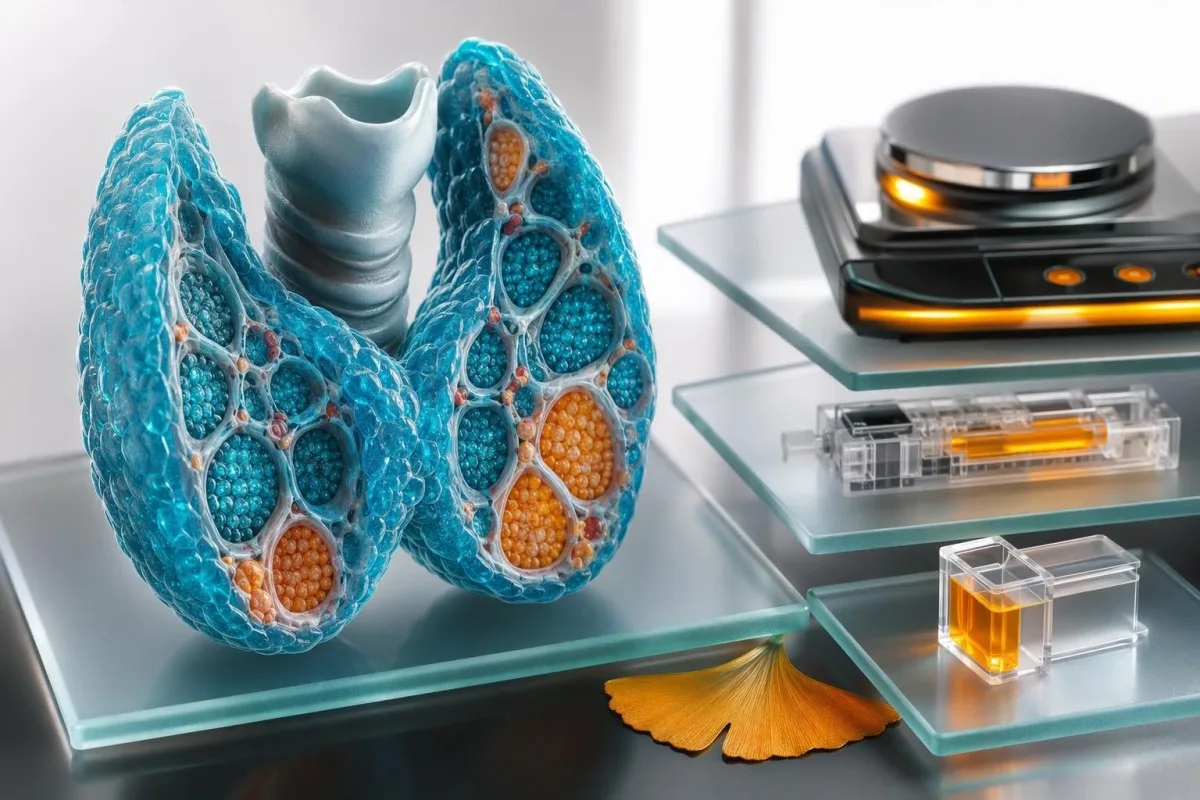
Un vero plateau di solito non è uno spegnimento metabolico misterioso: prima conferma il deficit energetico, poi usa sintomi e trend per scegliere test mirati. Disfunzioni tiroidee, carenza di ferro, disregolazione del glucosio, farmaci e cambiamenti degli ormoni riproduttivi possono avere un ruolo, ma un pannello ampio senza indizi clinici spesso crea più confusione che risposte.


- Plateau vero significa nessun andamento verso il basso del peso corporeo medio o della misura della vita per almeno 3-4 settimane nonostante un deficit calorico verificato.
- TSH è comunemente 0,4-4,0 mIU/L negli adulti; un TSH sopra 10 mIU/L con T4 libera bassa richiede una valutazione clinica tempestiva.
- Ferritina sotto 15 ng/mL conferma l’esaurimento delle riserve di ferro nella maggior parte degli adulti, mentre 15-30 ng/mL possono ancora spiegare la stanchezza quando coesistono sintomi e saturazione bassa della transferrina.
- HbA1c di 5,7-6,4% indica prediabete e un valore di 6.5% o superiore nei test di conferma supporta il diabete nella maggior parte degli adulti non in gravidanza.
- Glicemia a digiuno 100-125 mg/dL è alterata glicemia a digiuno; un HbA1c normale non esclude sempre una resistenza insulinica precoce.
- Revisione della terapia farmacologica spesso batte test extra: glucocorticoidi, insulina, sulfoniluree, diversi antipsicotici e alcuni farmaci per l’umore possono aumentare l’appetito o la ritenzione di liquidi.
- Periodi irregolari o nuovi sintomi da androgeni giustifica i test mirati per la gravidanza, TSH, prolattina e androgeni, invece di un pannello ormonale casuale.
- disponibilità energetica molto bassa può appiattire i progressi riducendo il movimento spontaneo, il recupero e la massa magra; non si risolve semplicemente aggiungendo più esercizio.
- rapido aumento di peso con gonfiore, fiato corto, confusione o grave debolezza richiede una valutazione medica, non un altro aggiustamento della dieta.
Prima, conferma che il plateau sia biologicamente reale
A plateau della perdita di peso di solito è reale solo quando la media del peso di 7 giorni e la circonferenza vita non si sono mosse per 3-4 settimane durante un deficit calorico documentato. Le variazioni giornaliere della bilancia di 1-3 kg possono riflettere glicogeno, contenuto intestinale, spostamenti di acqua legati al ciclo mestruale, apporto di sodio o allenamento intenso, più che aumento di grasso.
Prima di richiedere esami del sangue per la perdita di peso, chiedo 14 giorni di pesate mattutine, pasti al ristorante, alcol, oli da cucina, snack e assunzione nel weekend. Un deficit giornaliero di 300 kcal è solo 2.100 kcal a settimana—un take-away non tracciato o diverse porzioni generose di olio possono annullarlo. Non è un giudizio sulla persona; il tracciamento nutrizionale è intrinsecamente impreciso.
la spesa energetica a riposo diminuisce quando diminuisce la massa corporea, ma di solito di decine fino a poche centinaia di kcal al giorno, non per il drammatico danno metabolico che i pazienti temono comprensibilmente. Nella mia clinica, la metrica più rivelatrice è spesso il numero di passi: qualcuno che partiva da 9.000 passi può scendere a 5.000 mentre è a dieta, perdendo in silenzio 150-300 kcal di movimento quotidiano. La nostra guida a macro per la perdita di grasso spiega come i dati su proteine e attività rendano questo audit più utile.
Il Dr. Thomas Klein ha visto molti pazienti che hanno definito un blocco di due settimane un fallimento quando la loro circonferenza vita era scesa di 2 cm e la stitichezza aveva aggiunto quasi 1 kg alla bilancia. Misura la vita nello stesso punto, dopo una normale espirazione, una volta a settimana. Se sia la circonferenza vita sia il peso restano piatti per quattro settimane, gli indizi medici mirati diventano più utili.
Quali esami del sangue meritano davvero un posto dopo un plateau?
Il più utile esami del sangue per plateau della perdita di peso vengono scelti in base a sintomi, farmaci, storia mestruale e risultati precedenti—non acquistati come uno screening metabolico generico. Un primo approccio mirato include spesso TSH con free T4 quando ci sono sintomi tiroidei, CBC più ferritina e saturazione della transferrina per la stanchezza o periodi abbondanti, e glucosio o HbA1c quando è presente un rischio glicemico.
un set di richieste iniziale sensato spesso include CBC, ferritina, saturazione della transferrina, TSH, free T4, HbA1c, glicemia a digiuno, creatinina/eGFR, ALT e AST—ma non ogni persona ha bisogno di ogni voce. Per esempio, una persona di 27 anni con cicli regolari, nessuna stanchezza e risultati precedenti normali non ha bisogno di cortisolo, ormoni sessuali, reverse T3 o insulina a digiuno solo perché la perdita di peso ha rallentato.
Kantesti è un Analizzatore di analisi del sangue AI che colloca i risultati caricati accanto ai sintomi, agli intervalli di riferimento, ai farmaci e ai valori precedenti, invece di trattare ogni numero segnalato come una diagnosi. Questa distinzione conta perché una ferritina di 24 ng/mL può essere significativa in un corridore con periodi abbondanti e stanchezza, ma non spiegare un plateau in qualcuno con emoglobina nella norma, nessun sintomo e un’infezione recente. I lettori possono controllare cosa contiene ciascuna richiesta nel nostro guida di riferimento sui biomarcatori.
Il timing cambia l’interpretazione. HbA1c riflette circa 8-12 settimane di esposizione al glucosio, la ferritina aumenta durante l’infiammazione e TSH può spostarsi temporaneamente durante una malattia acuta o dopo una dose elevata di biotina. Registra integratori, stato di digiuno, giorno del ciclo, eventi recenti di resistenza e malattia insieme ai risultati; i dettagli pratici spesso evitano test ripetuti non necessari.
Indizi tiroidei che possono davvero rallentare i progressi
Ipotiroidismo conclamato, definita da un TSH elevato con free T4 basso, può contribuire a stanchezza, stitichezza, ritenzione di liquidi e un modesto aumento di peso. Un lieve aumento di TSH con free T4 normale è molto meno probabile che sia la sola ragione per cui un deficit calorico smette di funzionare.
La maggior parte dei laboratori usa un intervallo di riferimento per TSH intorno a 0,4-4,0 mUI/L, anche se il limite superiore varia in base al saggio, all’età e al Paese. Un TSH di 4.8 mIU/L con free T4 normale si chiama ipotiroidismo subclinico; TSH persistentemente sopra 10 mIU/L è il livello al quale il trattamento è più comunemente considerato, specialmente in presenza di sintomi o anticorpi tiroidei. La linea guida dell'American Thyroid Association sottolinea che il dosaggio e il follow-up della levotiroxina devono essere individualizzati, e non usati come farmaco per la perdita di peso (Jonklaas et al., 2014).
Quando rivedo gli esami della tiroide per preoccupazioni di plateau della perdita di peso, voglio TSH e T4 libero insieme. La Free T3 e la reverse T3 raramente chiariscono i plateau ambulatoriali di routine, e una T3 bassa durante una malattia o una restrizione severa può riflettere una fisiologia adattativa piuttosto che un disturbo tiroideo. La nostra guida all’“esame tiroide” spiega cosa significano queste abbreviazioni nei referti del Regno Unito e internazionali.
Un indizio clinico utile è la sproporzione: intolleranza al freddo, pelle secca, stipsi progressiva, frequenza cardiaca rallentata, voce rauca o gonfiore del collo rendono l’esame della tiroide più convincente del solo peso. Al contrario, una persona che dorme cinque ore a notte, mangia 1.900 kcal nei giorni feriali e molto di più nei weekend, con TSH 2,1 mIU/L, non dovrebbe sentirsi dire che il problema è la tiroide. È una deviazione comune e costosa.
La carenza di ferro può imitare un problema di motivazione
Carenza di ferro e perdita di peso si collegano soprattutto attraverso la tolleranza all’esercizio, la qualità del sonno, le gambe senza riposo e la fatica—non tramite un interruttore diretto che arresta la perdita di grasso. La ferritina sotto 15 ng/mL è altamente specifica per riserve di ferro esaurite in adulti altrimenti in buona salute, mentre la ferritina sotto 30 ng/mL spesso merita attenzione quando coesistono sintomi o bassa saturazione della transferrina.
Una CBC può apparire normale mentre le riserve di ferro sono già basse. saturazione della transferrina inferiore a 20% insieme a ferritina sotto 30 ng/mL supporta una disponibilità limitata di ferro in molti contesti clinici; una larghezza di distribuzione dei globuli rossi elevata può comparire prima che l’emoglobina scenda. La linea guida della British Society of Gastroenterology identifica la ferritina come il singolo marcatore più utile per la carenza di ferro, riconoscendo però che l’infiammazione può aumentarla in modo falsamente positivo (Snook et al., 2021).
Ricordo una insegnante di 38 anni la cui registrazione alimentare era meticolosa, ma le cui passeggiate serali erano diventate impossibili. La sua emoglobina era 12,4 g/dL, facilmente liquidabile come normale, ma la ferritina era 9 ng/mL e la saturazione della transferrina 11%; un’emorragia mestruale abbondante spiegava il quadro. Dopo aver indagato la causa e averla trattata con il suo medico, non ha iniziato improvvisamente a perdere grasso più velocemente—ha potuto allenarsi e dormire di nuovo normalmente.
La ferritina sopra 100 ng/mL non significa automaticamente che le riserve di ferro siano eccellenti quando CRP è alta, è presente una malattia renale cronica o la malattia epatica è attiva. Rivedi ferritina con CRP e non iniziare ferro ad alte dosi alla cieca; un eccesso di ferro può causare stipsi, nausea e, in persone selezionate, sovraccarico. Un esame completo delle indagini sul ferro è più informativo del solo ferro sierico.
I pattern del glucosio che contano prima che la bilancia cambi
Prediabete e diabete possono complicare la gestione di appetito, fame ed energia, anche se nessuno dei due rende impossibile la perdita di grasso. La glicemia a digiuno di 100-125 mg/dL (5,6-6,9 mmol/L) indica una glicemia a digiuno alterata e un HbA1c di 5,7-6,4% indica prediabete nella maggior parte degli adulti non in gravidanza.
Un HbA1c di 6,5% o superiore supporta il diabete quando viene confermato in un altro giorno, a meno che non siano presenti sintomi classici e un’iperglicemia inequivocabile. Una glicemia plasmatica a digiuno di 126 mg/dL (7,0 mmol/L) o superiore è un altro criterio diagnostico. Gli standard dell’American Diabetes Association raccomandano di confermare risultati diagnostici anomali quando la situazione clinica non è chiara (American Diabetes Association Professional Practice Committee, 2025).
Un HbA1c normale non esclude tutta la disglicemia precoce. Una persona con HbA1c 5,4%, trigliceridi 240 mg/dL, adiposità centrale e sonnolenza dopo i pasti può richiedere una glicemia a digiuno, una revisione della terapia farmacologica e talvolta un test orale di tolleranza al glucosio, invece di rassicurarsi basandosi su una singola media. L’insulina a digiuno può aggiungere contesto nei casi selezionati, ma non esiste un cut-off diagnostico universale per l’insulina, perché gli esami sono poco standardizzati.
Kantesti AI interpreta glucosio, HbA1c, trigliceridi, enzimi epatici e risultati precedenti come un pattern, che è più sicuro che attribuire una diagnosi a un singolo risultato di insulina. Se il tuo A1c sembra normale ma il pattern è preoccupante, il nostro articolo su resistenza insulinica nonostante un A1c normale descrive le domande da porre a un clinico.
Gli indizi di farmaci e fluidi spesso superano un altro test ormonale
Il cambiamento di peso correlato ai farmaci è comune e spesso viene trascurato, soprattutto quando cambiano appetito, bilancio dei liquidi o gestione del glucosio dopo una nuova prescrizione. Glucocorticoidi orali o iniettabili, insulina, sulfoniluree, diversi antipsicotici, valproato, litio e alcuni antidepressivi possono contribuire all’aumento di peso nelle persone predisposte.
Fai due domande specifiche per data: cosa è cambiato entro 8-12 settimane prima del plateau e il salto di peso è avvenuto in pochi giorni o è aumentato gradualmente nell’arco di mesi? Un aumento di 2 kg nelle 72 ore, gonfiore alle caviglie o una nuova mancanza di fiato sono più coerenti con ritenzione di liquidi che con grasso e richiedono una valutazione di fattori renali, cardiaci, epatici e legati ai farmaci. Non interrompere da solo il trattamento prescritto.
Il litio merita particolare attenzione perché può influire sulla funzione tiroidea e renale; gli inibitori di pompa protonica a lungo termine e la metformina possono contribuire a problemi nutrizionali in pazienti selezionati. Le persone che usano metformina possono trarre beneficio da una revisione programmata della funzione renale e della vitamina B12 nel tempo; il nostro articolo su gli esami dopo l’inizio della metformina tratta i tempi pratici.
I farmaci GLP-1 possono ridurre l’assunzione di cibo a sufficienza da esporre a un basso apporto proteico, disidratazione o carenze di nutrienti, soprattutto dopo nausea. Un plateau con uno di questi farmaci non è una prova che il trattamento abbia fallito: i tempi di dosaggio, la stitichezza, l’attività, il sonno e la protezione della massa magra richiedono una revisione. Per un monitoraggio sensato, vedi la nostra elenco di controllo degli esami per GLP-1.
Quando cambiano gli indizi di mestruazioni, androgeni e prolattina
Irregolarità mestruali, acne, nuova crescita di peli sul viso, galattorrea o sintomi di infertilità giustificano test riproduttivi mirati durante un plateau. Non dimostrano la sindrome dell’ovaio policistico, la menopausa o un problema di testosterone, ma modificano il percorso diagnostico.
In caso di mestruazioni irregolari o assenti, i clinici escludono comunemente prima la gravidanza e poi considerano TSH e prolattina, con androgeni o gonadotropine scelti in base alla storia. La prolattina spesso è sotto 25 ng/mL nelle donne non in gravidanza e sotto 20 ng/mL negli uomini, ma gli intervalli di laboratorio variano. Un risultato lievemente aumentato può seguire stress, esercizio, stimolazione del capezzolo, farmaci o un prelievo non a digiuno, quindi spesso è più saggio ripetere la conferma che andare nel panico.
La PCOS è una diagnosi clinica, non un singolo esame del sangue. I criteri di Rotterdam usano due dei tre elementi—ovulazione irregolare, eccesso di androgeni clinico o biochimico e morfologia ovarica caratteristica—dopo aver escluso le condizioni che la imitano. Una nuova crescita rapida dei peli, un tono di voce che si abbassa o risultati chiaramente elevati di androgeni richiedono una revisione medica più urgente rispetto alla normale frustrazione per il plateau.
La perimenopausa può alterare il sonno, la composizione corporea e la ritenzione di acqua mentre HbA1c e lipidi si modificano anch’essi con l’età. Kantesti AI è un Strumento di analisi degli esami del sangue basato su AI che può confrontare risultati legati agli ormoni con il timing del ciclo e le segnalazioni precedenti, ma non può diagnosticare PCOS o menopausa senza la storia clinica e l’esame di un clinico. La nostra guida a esami per periodi mestruali irregolari spiega la sequenza abituale.
Il pattern di sottoalimentazione: perché una restrizione maggiore può ritorcersi contro
La bassa disponibilità energetica può ridurre la qualità dell’allenamento, i movimenti spontanei, la libido e il recupero prima di produrre alterazioni drammatiche degli esami del sangue anomali. È particolarmente rilevante quando un plateau segue una riduzione aggressiva delle calorie, l’allenamento di resistenza, un infortunio, un’illnessia ricorrente o la perdita della regolarità mestruale.
Per gli adulti attivi, un apporto persistente al di sotto dell’energia necessaria per la fisiologia di base più l’esercizio può portare a una riduzione dell’attività non legata all’esercizio e a prestazioni peggiori nell’allenamento di forza. Non esiste un singolo marcatore di laboratorio per la carenza energetica relativa nello sport, o RED-S. Ferritina bassa, T3 bassa o bassa-normale durante la restrizione, stress injuries ricorrenti, funzione riproduttiva soppressa e anamnesi di bassa densità ossea sono indizi che devono essere letti insieme.
Obiettivi proteici di 1,2-1,6 g/kg/giorno sono ragionevoli per molte persone che perdono peso, mentre l’allenamento di resistenza di solito preserva meglio la massa magra rispetto all’aggiunta di cardio illimitato. Una persona di 70 kg, quindi, spesso ha bisogno di circa 84-112 g di proteine al giorno, adeguati per la malattia renale, le preferenze alimentari e le indicazioni del clinico. L’obiettivo è una distribuzione adeguata del carburante, non una gara per mangiare il meno possibile.
Un maratoneta amatoriale di 52 anni può avere AST 89 UI/L dopo una corsa lunga impegnativa senza malattia epatica; CK, tempistica e ALT aiutano a distinguere il rilascio muscolare dai segnali epatici. Il nostro guida di laboratorio per atlete di endurance E guida agli enzimi epatici correlati all’esercizio aiuta a prevenire un’interpretazione fuorviante.
Riscontri su fegato, reni e intestino che cambiano il piano
Enzimi epatici anomali, ridotta funzione renale o sintomi di malassorbimento raramente spiegano ogni plateau, ma possono modificare scelte sicure di dieta e farmaci. ALT al di sopra del limite superiore di riferimento del laboratorio dovrebbe essere ripetuta e valutata nel contesto, in particolare con rischio di diabete, esposizione ad alcol, integratori o rapida perdita di peso recente.
La steatopatia epatica non alcolica, ora spesso definita steatopatia associata a disfunzione metabolica, viaggia comunemente con insulino-resistenza e trigliceridi elevati. ALT può rimanere normale nonostante il grasso nel fegato, quindi un risultato normale non la esclude. Un aumento transitorio di ALT può verificarsi durante una perdita di peso rapida, ma un’elevazione persistente richiede una revisione guidata dal clinico di alcol, farmaci, rischi virali, fattori metabolici e imaging quando appropriato.
Un eGFR inferiore a 60 mL/min/1,73 m² per almeno tre mesi soddisfa un criterio di malattia renale cronica, mentre un singolo valore di eGFR più basso può riflettere idratazione, massa muscolare o variazione di laboratorio. Diete ad alto contenuto proteico e integratori di creatina possono complicare l’interpretazione della creatinina. Rivedi la tua pannello metabolico di base prima di apportare cambiamenti importanti alla dieta.
Diarrea cronica, feci voluminose, carenza di ferro inspiegata o perdita di peso nonostante un apporto adeguato indicano di allontanarsi da un semplice plateau e verso una valutazione gastrointestinale. Il test per la celiachia richiede abbastanza glutine nella dieta per rimanere interpretabile e la IgA totale dovrebbe accompagnare tTG-IgA in molti percorsi di test. Le insidie dei test a bassa IgA sono facili da perdere.
Infiammazione, sonno e stress: contesto utile, risposte di laboratorio limitate
CRP, ESR e cortisolo non sono test di plateau di routine perché sono aspecifici e facilmente sovrainterpretati. Diventano utili quando sono presenti sintomi articolari, febbre, diarrea cronica, marcata stanchezza, esposizione a steroidi, ecchimosi, debolezza muscolare o indizi di disturbi respiratori durante il sonno.
La CRP ad alta sensibilità al di sotto di 1 mg/L è spesso considerata un rischio infiammatorio cardiovascolare basso, 1-3 mg/L intermedio e oltre 3 mg/L più alto, ma infezione, obesità, malattia parodontale ed esercizio fisico recente possono aumentarla. L’ESR aumenta più lentamente ed è influenzata dall’età, dall’anemia e dalla gravidanza. Nessuno dei due test identifica da soli una causa.
La sindrome di Cushing è rara e un controllo casuale di cortisolo di routine non può diagnosticarla. I clinici la valutano quando sono presenti caratteristiche specifiche, come ecchimosi facili, strie da stiramento porpora ampie, debolezza muscolare prossimale, nuova ipertensione difficile, oppure diabete in rapido peggioramento; il cortisolo salivare notturno, il cortisolo libero urinario nelle 24 ore o la soppressione con desametasone sono test selezionati. Il nostro pattern di cortisolo e ACTH guida spiega perché un singolo cortisolo del mattino raramente chiarisce la questione.
L’apnea notturna può compromettere la regolazione dell’appetito e l’attività diurna anche con esami del sangue standard nella norma. Russamento rumoroso, pause osservate, mal di testa al mattino, ipertensione resistente o un ematocrito elevato dovrebbero portare a una discussione di valutazione del sonno, invece di un costoso pannello surrenalico. Nella pratica, trattare il sonno può far sentire di nuovo possibile l’aderenza.
Leggi i trend e i cluster, non un singolo campanello rosso o verde
Un pattern di plateau significativo è di solito un gruppo di risultati che cambiano nella stessa direzione nel tempo. Un calo della ferritina da 52 a 18 ng/mL, l’aumento di RDW, mestruazioni abbondanti e un peggioramento della stanchezza hanno un peso clinico maggiore rispetto a un singolo valore isolato di ferritina vicino al limite di riferimento.
I test ripetuti dovrebbero rispecchiare la biologia. HbA1c di solito richiede circa 90 giorni per riflettere un intero ciclo di intervento, mentre TSH viene comunemente rivalutato 6-8 settimane dopo un aggiustamento della dose di levotiroxina. La ferritina può spostarsi nell’arco di settimane o mesi a seconda della sostituzione, dell’assorbimento, della perdita di sangue e dell’infiammazione in corso. Fare il test ogni settimana misura per lo più il rumore.
Di Kantesti piattaforma di interpretazione dei biomarcatori AI confronta i report precedenti e segnala cambiamenti direzionali clinicamente significativi, incluse variazioni che restano tecnicamente entro l’intervallo di riferimento. Il nostro guida ai test longitudinali spiega perché il tuo valore basale può contare più di un intervallo di popolazione.
Il dott. Thomas Klein consiglia di registrare tre fatti contestuali a ogni prelievo: l’andamento attuale del peso, eventuali cambiamenti di farmaci o integratori e se eri malato o hai fatto allenamenti intensi nelle 48 ore precedenti. Questa abitudine a bassa tecnologia rende molto più incisita una successiva conversazione con un clinico. Riduce anche la tentazione di trattare un’oscillazione temporanea del laboratorio.
Test che di solito aumentano i costi senza spiegare un plateau
Reverse T3, pannelli IgG alimentari ampi, cortisolo casuale e pannelli degli ormoni sessuali non temporizzati di solito non spiegano i normali plateau di perdita di peso. Il loro rischio principale è la falsa certezza: un risultato borderline può portare a diete restrittive, integratori non necessari o ansia, mentre il vero problema resta non affrontato.
Reverse T3 aumenta con la malattia, il digiuno e la restrizione calorica, ma le principali linee guida endocrinologiche non lo raccomandano per la diagnosi di ipotiroidismo di routine o per il monitoraggio del trattamento. Allo stesso modo, un singolo risultato di testosterone libero è sensibile all’orario di prelievo, al metodo di analisi, a SHBG, alla malattia e al peso corporeo. Il test è utile quando i sintomi stabiliscono una domanda, non quando un pacchetto benessere ne crea una.
La vitamina D ha senso controllarla per il rischio di salute ossea, per esposizione solare molto limitata, malassorbimento, chirurgia bariatrica o sintomi suggestivi di osteomalacia—ma non è una spiegazione universale per la perdita di grasso bloccata. Molti laboratori definiscono la carenza come 25-idrossivitamina D al di sotto di 20 ng/mL (50 nmol/L), mentre gli obiettivi di trattamento differiscono tra le linee guida. Più integratore non è automaticamente meglio.
Kantesti può identificare un disallineamento tra un risultato riportato e la domanda a cui può realisticamente rispondere, inclusi errori di preparazione come interferenza da biotina. Prima di caricare, usa il nostro checklist per l’accuratezza dei risultati di laboratorio ed evita di assumere biotina ad alto dosaggio per almeno 48 ore, a meno che il tuo laboratorio non dia istruzioni diverse.
Come prepararsi a un appuntamento produttivo per il plateau
Un appuntamento utile per un plateau richiede una timeline concisa, non una pila di risultati isolati. Porta quattro settimane di pesi medi, misurazioni della circonferenza vita, apporto tipico, attività, sonno, cambiamenti mestruali o dei sintomi e un elenco completo di farmaci su prescrizione, prodotti da banco e integratori.
Parti dal cambiamento: “La mia media del peso su 7 giorni è rimasta entro 0,2 kg per quattro settimane nonostante un apporto documentato di 1.750 kcal e 8.000 passi al giorno.” Poi menziona sintomi come intolleranza al freddo, palpitazioni, stipsi severa, sanguinamento abbondante, russamento, gonfiore, sete o nuovi cambiamenti dell’umore. Questa impostazione aiuta un clinico a decidere se TSH, esami del ferro, test della glicemia o un altro percorso abbiano senso.
Una revisione urgente è appropriata per dolore toracico, svenimento, confusione, feci nere, ittero, nuova grave dispnea, vomito persistente o un gonfiore in rapido peggioramento. Un cambiamento improvviso di peso è a volte dovuto ai liquidi e non dovrebbe mai essere gestito spingendo di più l’esercizio. Un plateau è frustrante; quei sintomi rappresentano un problema clinico diverso.
I nostri medici e revisori clinici lavorano sulla base di standard medici, non di marketing per il benessere; vedi la Comitato consultivo medico per i dettagli di supervisione. Kantesti non sostituisce una diagnosi o un prescrittore, ma può aiutare a organizzare domande e tendenze prima della visita.
Che cosa può e non può chiarire la diagnostica di laboratorio
Gli esami del sangue possono identificare contributori trattabili a un plateau, ma non possono misurare l’aderenza, calcolare con precisione i fabbisogni calorici di ogni persona, né diagnosticare una condizione senza anamnesi ed esame. L’esito giusto è spesso una domanda più ristretta—ad esempio se la perdita di ferro, l’ipotiroidismo, la disglicemia o gli effetti dei farmaci meritino un’azione—non una spiegazione metabolica perfetta.
I marker renali illustrano bene il limite: la creatinina varia con la massa muscolare, l’assunzione di carne, l’uso di creatina e l’idratazione, mentre BUN può aumentare con la disidratazione o con un’elevata assunzione di proteine. La rapporto BUN/creatinina sopra 20:1 può suggerire una riduzione del volume circolante nel contesto giusto, ma non diagnostica la disidratazione da sola. Vedi la nostra spiegazione della ricerca su la rapporto BUN-creatinina.
Kantesti è un servizio di interpretazione dei test del laboratorio di IA che traduce i referti di laboratorio in domande per il follow-up clinico preservando i valori originali, gli intervalli e il contesto del referto. A partire dal 25 luglio 2026, il nostro approccio è far emergere pattern e incertezza, non promettere che un algoritmo possa trovare una causa nascosta per ogni plateau. I lettori possono consultare la nostra approccio di validazione clinica per metodologia e supervisione.
Il passo successivo migliore è di solito modesto: verificare il plateau, affrontare un singolo ostacolo clinico plausibile, preservare la massa magra e ripetere solo quando la biologia del marker lo consente. Se i risultati sono nella norma, è un’informazione utile—non un liquidare la questione. Ti permette di tornare a concentrarti su ambiente alimentare, sonno, movimento, allenamento di forza e un deficit sostenibile con meno teorie distraenti.
Pubblicazioni di ricerca
Kantesti LTD. (2026). Spiegazione del rapporto BUN/creatinina: guida al test della funzionalità renale. Zenodo. DOI: 10.5281/zenodo.18207872. Record su ResearchGate. Record su Academia.edu.
Kantesti LTD. (2026). Urobilinogeno nelle urine: guida completa all’analisi delle urine 2026. Zenodo. DOI: 10.5281/zenodo.18226379. Record su ResearchGate. Record su Academia.edu.
Domande frequenti
Quali esami del sangue dovrei richiedere quando la perdita di peso si arresta?
Per un plateau verificato di 3-4 settimane, gli esami del sangue utili dipendono dai sintomi e dalla storia clinica più che da un pannello universale. Esami mirati comuni includono TSH e T4 libera per i sintomi tiroidei, CBC con ferritina e saturazione della transferrina per la stanchezza o mestruazioni abbondanti e glucosio a digiuno o HbA1c per il rischio di diabete. Un HbA1c di 5.7-6.4% indica prediabete, mentre una ferritina inferiore a 15 ng/mL di solito indica riserve di ferro esaurite in un adulto in buona salute. Un clinico dovrebbe inoltre rivedere i farmaci, il sonno, l’anamnesi mestruale e il reale registro di calorie e attività.
Il basso livello di ferro può causare un plateau della perdita di peso?
Il basso ferro non blocca direttamente la perdita di grasso, ma può causare affaticamento, ridotta capacità di allenamento, gambe senza riposo e un sonno peggiore che rendono difficile mantenere un deficit calorico. La ferritina al di sotto di 15 ng/mL è fortemente indicativa di carenza di ferro e la ferritina al di sotto di 30 ng/mL può ancora avere un ruolo quando la saturazione della transferrina è inferiore a 20% o quando sono presenti sintomi. L’emoglobina normale non esclude una carenza di ferro precoce. La causa del basso ferro, inclusi periodi mestruali abbondanti, apporto insufficiente, perdita di sangue gastrointestinale o malassorbimento, deve essere valutata prima di un’autoterapia.
I problemi alla tiroide possono impedire completamente la perdita di peso?
L’ipotiroidismo manifesto può contribuire a stanchezza, stipsi, ritenzione di liquidi e un cambiamento ponderale modesto, ma non rende la perdita di grasso impossibile in ogni circostanza. Un quadro tipico di ipotiroidismo manifesto è TSH sopra 10 mIU/L con T4 libero basso, mentre un TSH intorno a 4,5-10 mIU/L con T4 libero normale è di solito più lieve e richiede un’interpretazione individuale. La levotiroxina dovrebbe ripristinare la normale fisiologia tiroidea quando indicato; non dovrebbe essere usata come medicina per la perdita di peso. Sintomi persistenti con esami tiroidei normali meritano una valutazione più ampia di sonno, stato del ferro, farmaci e anamnesi alimentare.
Dovrei testare l’insulina a digiuno se la mia HbA1c è nella norma?
Un HbA1c normale non esclude una precoce resistenza insulinica, ma l’insulina a digiuno non è un test diagnostico autonomo perché i metodi di laboratorio e gli intervalli di riferimento variano. La glicemia a digiuno di 100-125 mg/dL indica un’alterazione della glicemia a digiuno, mentre un HbA1c di 5.7-6.4% indica prediabete nella maggior parte degli adulti non in gravidanza. Trigliceridi elevati, aumento di peso centrale, familiarità per il diabete e sintomi post-prandiali possono rendere ragionevole una valutazione aggiuntiva. Un clinico può scegliere la glicemia a digiuno, un test di tolleranza al glucosio orale o altri test in base all’intero quadro.
Per quanto tempo dovrebbe durare un plateau della perdita di peso prima di sottopormi a esami del sangue?
Considerare esami del sangue mirati dopo 3-4 settimane senza variazioni della media del peso di 7 giorni o della circonferenza vita nonostante un piano verificato, soprattutto se sono presenti sintomi. Una revisione anticipata è ragionevole per marcata stanchezza, mestruazioni abbondanti, intolleranza al freddo, sete, periodi irregolari, rapido aumento dei liquidi o un nuovo farmaco. HbA1c cambia lentamente e di solito richiede circa 8-12 settimane per mostrare l’effetto completo di un intervento, mentre TSH viene comunemente ricontrollato 6-8 settimane dopo le modifiche della terapia tiroidea. Un aumento improvviso di 2 kg o più in pochi giorni con gonfiore o dispnea richiede una valutazione medica piuttosto che un test di plateau di routine.
Devo smettere di prendere la biotina prima degli esami del sangue per la tiroide?
Gli integratori di biotina possono interferire con alcuni esami di laboratorio per la tiroide e gli ormoni, producendo talvolta risultati fuorvianti. Informa il tuo medico e il laboratorio di tutti gli integratori; potrebbero consigliarti di sospendere la biotina per un breve periodo prima dell'esame, a seconda della dose e del test utilizzato.
Ottieni oggi l’analisi degli esami del sangue con IA (AI-Powered Blood Test Analysis)
Unisciti a oltre 2 milioni di utenti in tutto il mondo che si fidano di Kantesti per un’analisi istantanea e accurata degli esami di laboratorio. Carica i tuoi risultati analisi del sangue e ricevi un’interpretazione completa dei biomarcatori di 15,000+ in pochi secondi.
📚 Pubblicazioni di ricerca di riferimento
Klein, T., Mitchell, S., & Weber, H. (2026). Spiegazione del rapporto BUN/creatinina: guida al test della funzionalità renale. Kantesti AI Medical Research.
Klein, T., Mitchell, S., & Weber, H. (2026). Urobilinogeno nelle urine: guida completa all’analisi delle urine 2026. Kantesti AI Medical Research.
📖 Riferimenti medici esterni
American Diabetes Association Professional Practice Committee (2025). 2. Diagnosi e classificazione del diabete: Standard of Care in Diabetes—2025. Diabetes Care.
⚕️ Esclusione di responsabilità medica
Questo articolo ha solo scopo educativo e non costituisce consulenza medica. Consulta sempre un operatore sanitario qualificato per decisioni su diagnosi e trattamento.
Segnali di fiducia E-E-A-T
Esperienza
Revisione clinica guidata da un medico dei flussi di lavoro di interpretazione degli esami.
Competenza
Focus sulla medicina di laboratorio su come i biomarcatori si comportano nel contesto clinico.
autorevolezza
Scritto dal dott. Thomas Klein con revisione della dott.ssa Sarah Mitchell e del Prof. Dr. Hans Weber.
Affidabilità
Interpretazione basata su evidenze, con percorsi di follow-up chiari per ridurre l’allarme.
Una risposta su “Blood Tests for Weight Loss Plateaus: Medical Clues”
Ciao,
Ottima panoramica su come gli esami del sangue possano rivelare ragioni nascoste dietro un plateau di perdita di peso. Ho vissuto qualcosa di simile e, insieme al mio lavoro di laboratorio.