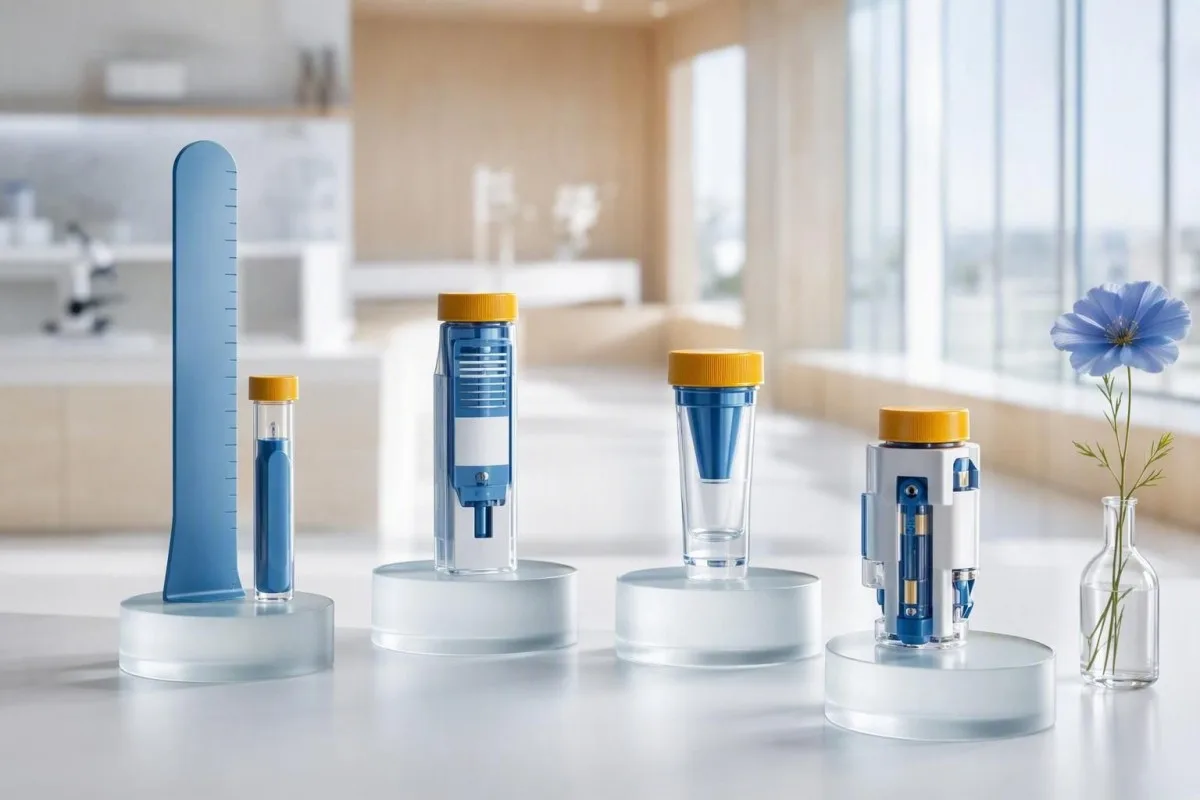
Hagnýt áætlun fyrir heimilispróf er ekki ein stór könnun fyrir alla. Það er stutt, aldurshæft prófasett með skýrri klínískri spurningu, nefndri eftirfylgniáætlun og sérstöku samþykki fyrir hvert fjölskyldumeðlim.


- Byrjaðu á vísbendingu: Pantaðu próf aðeins þegar aldur, einkenni, lyfjaeftirlit, meðganga eða skjalfest fjölskyldusaga breytir því sem þú myndir gera næst.
- Börnin eru frábrugðin: Reglulegt CBC, skjaldkirtill, D-vítamín, járn og hormónakönnun eru ekki mælt með fyrir heilbrigð börn án klínískrar ástæðu.
- Lipíð skipta máli snemma: Almenn fituskoðun án föstu er almennt ráðlögð einu sinni á aldrinum 9–11 ára og aftur á aldrinum 17–21 ára.
- Sykursýkisleit: Fullorðnir á aldrinum 35–70 ára með yfirvigt eða offitu ættu að vera skimaðir fyrir forsykursýki og tegund 2 sykursýki.
- A1c athugasemd: HbA1c getur verið villandi eftir blóðgjafir, í sumum blóðlitarafbrigðum og þegar umbrot rauðra blóðkorna er óeðlilegt.
- Einu sinni Lp(a): Mæling á lípópróteini(a) er skynsamleg einu sinni á fullorðinsaldri, sérstaklega ef ótímabundinn hjarta- og æðasjúkdómur er í fjölskyldunni.
- Forðist tvöfalt prófunarbúnað: CMP inniheldur nú þegar glúkósa, kreatínín, kalsíum, albúmín, AST og ALT; að bæta við sérstökum afritum kostar oft meira, ekki innsýn.
- Fylgstu með þróun áður en þú bregst við: Endurtaktu óljósa niðurstöðu við sambærilegan aðstæður áður en þú stækkar fjölskyldu blóðprófapakka, nema einkenni eða mikilvægt gildi krefjist tafarlausrar umönnunar.
Hvað tilheyrir öruggri áætlun fyrir heimilispróf?
A blóðprufupakka fyrir fjölskyldu ætti aðeins að innihalda próf sem svara mismunandi klínískri spurningu fyrir hvern einstakling: forvarnir fyrir heilbrigðan fullorðinn, lyfjaöryggi fyrir afa eða ömmu, eða einkennamiðað próf fyrir barn. Frá og með 2. september 2026, er ein almenn prófunarbúnaður fyrir foreldra og börn venjulega léleg læknisfræði vegna þess að viðmiðunarmörk, líkleg greining og skaði af falskum jákvæðum eru mjög mismunandi eftir aldri.
Á 15 ára starfsævi hef ég komist að því að besta fyrsta spurningin er ekki “Hvaða merki eru innifalin?” heldur “Hvaða ákvörðun mun þessi niðurstaða breyta?” Venjuleg niðurstaða getur verið fullvissandi, en óvart óljós niðurstaða getur einnig leitt til endurteknar sýnatöku, myndgreiningar, sérfræðingavita og raunverulegrar kvíða – sérstaklega hjá börnum.
Grunnheilsuprófunarbúnaður fyrir fullorðna inniheldur oft blóðþrýsting, þyngd eða mitti mat, lípíðprófíl, glúkósa eða HbA1c þegar við á, og nýrnapróf þegar háþrýstingur, sykursýki eða viðeigandi lyf eru til staðar. A grunnteikna undirbúningsáætlun dregur úr óþarfa breytileika vegna mikillar hreyfingar, ofþornunar og fæðubótarefna.
Kantesti er AI blóðprufugreiningartæki sem hjálpar fjölskyldum að lesa núverandi skýrslur í samhengi, frekar en að hvetja til víðtækra prófana án klínískrar ástæðu. Thomas Klein, MD, skoðar mynstur yfir tengdum merkjum vegna þess að einangrað merki er oft minna gagnlegt en sambandið milli niðurstaðna.
Lágmarksspurningarreglan
Áður en tilraun er pöntuð, skrifaðu niður kveikjuna, væntanlegt niðurstöðusvið og aðgerð fyrir lágar, venjulegar eða háar niðurstöður. Ef engin aðgerð breytist við neina niðurstöðu, tilheyrir prófið venjulega ekki fjölskyldu heilsuáætlun.
Hvenær þurfa börn í raun blóðprufur?
Heilbrigð börn þurfa almennt ekki árleg víðtæk blóðpróf. Prófanir eru viðeigandi þegar vaxtaraukning, mataræði, einkenni, útsetning fyrir lyfjum, nýburaskimun, eða skilgreind erfðaáhætta skapar líklega klíníska spurningu.
CBC og ferritín eru skynsamleg þegar barn hefur fölleika, þreytu, takmarkaðan át, mikla tíðablæðingar, pica, eða minni hreyfiþol; þau eru ekki venjuleg “heilsu” skimun. Ferritín undir 15 ng/mL styður sterkt tæmd járnbú í annars heilbrigðu barni, þótt sýking geti hækkað ferritín og dulit þörf.
Almenn lípíðskimun er oft framkvæmd einu sinni á aldrinum 9–11 ára og aftur á aldrinum 17–21 ára, helst án föstu fyrir upphafsskima. American Academy of Pediatrics Expert Panel mælir með fyrri miðaðri skimun frá 2 ára aldri þegar til staðar er sykursýki, offita, háþrýstingur, langvinnur nýrnasjúkdómur, eða ótímabundinn hjarta- og æðasjúkdómur hjá nánum ættingjum (Expert Panel, 2011). Sjá okkar barnakólesteról tímaleiðbeiningar.
Hormónaprófanir eru algeng uppspretta ofprófunar hjá unglingum. Einn handahófskenndur kortisól, testósterón, estradíól eða vaxtarhormón niðurstaða útskýrir sjaldan þreytu eða vaxtarbreytingar; barnalækningafræði notar vaxtarhraða, kynþroska, tímasetningu og vandlega valda staðfestingarprófanir.
Einkenni sem réttlæta tafarlausar athugun
Klínísk athugun sama viku er viðeigandi vegna viðvarandi mikillar þorsta, þyngdartaps, endurtekinna uppkasta, yfirliðs, gulu, óvenjulegra marbletta, eða verulegs þreytu. Blóðpróf geta verið hluti af mati, en barn sem virðist mjög veikt ætti ekki að bíða eftir heimilisbúnaðar niðurstöðu.
Hvaða kjarnapróf eru skynsamleg fyrir foreldra?
Fyrir flesta fullorðna eru kjarna prófanir lípíðprófíl og sykursýki skimun þegar aldur eða áhætta réttlætir það; nýrna-, lifur-, CBC-, skjaldkirtils-, járn- og vítamínpróf ætti að miða frekar en sjálfkrafa. Fullorðnir á aldrinum 35–70 ára sem eru of þungir eða í offitu ættu að vera skimaðir fyrir forsykursýki og tegund 2 sykursýki samkvæmt leiðbeiningum USPSTF (US Preventive Services Task Force, 2021).
HbA1c frá 5,7 til 6,4% gefur til kynna forsykursýki, en 6,5% eða hærra getur greint sykursýki þegar það er staðfest hjá einkennalausri manneskju. Fastandi plasma glúkósi 100–125 mg/dL gefur til kynna skerta fastandi glúkósa; gildi 126 mg/dL eða hærra krefst einnig staðfestingar nema klassísk einkenni séu til staðar.
Staðlað lípíðprófíl skilar heildarkólesteróli, LDL-C, HDL-C og þríglýseríðum. Þríglýseríð sem eru 500 mg/dL eða hærri auka hættu á brisbólgu og krefjast skjótrar læknisskoðunar, en hófleg einangruð hækkun eftir máltíð kallar oft á skipulagða endurtekningu frekar en neyðarástand; leiðbeiningar okkar um þríglýseríðaniðurstöður án föstu útskýrir muninn.
CBC próf eru rökrétt fyrir óútskýrðri þreytu, endurteknum sýkingum, óeðlilegum blæðingum eða lyfjum sem hafa áhrif á beinmergsstarfsemi, en það er ekki alhliða árleg krafa. Hemóglóbínniðurstöður verða að lesa miðað við kyn, aldur, hæð yfir sjávarmáli, meðgöngustöðu, MCV, ferritín og einkenni.
Hvernig ættu pakkar að breytast fyrir eldri ættingja?
Eldri fullorðnir þurfa lyfja- og ástandssértækt eftirlit meira en stærra forvarnaspjaldi. Nýrnastarfsemi, kalíum, natríum, lifrarensím, CBC og HbA1c verða gagnleg þegar lyf eða greining gerir niðurstöðuna aðgerðahæfa.
ACE hemli, ARB, þvagræsilyf, NSAID, litíum, metformín, statín, segavarnarlyf eða krampastillandi lyf geta hvert um sig réttlætt mismunandi eftirlitsáætlun. Til dæmis getur kalíummagn yfir 6,0 mmól/L verið hættulegt, sérstaklega með veikleika, hjartslætti, nýrnaskerðingu eða hjartalínuriti; staðfesta brýn vegna þess að blóðleysispróf getur ranglega hækkað það.
Áætlað GFR undir 60 mL/mín/1,73 m² í að minnsta kosti 3 mánuði bendir til langvarandi nýrnasjúkdóms, en eitt lágt eGFR eftir ofþornun stofnar ekki greiningunni. Berið kreatínín saman við fyrri gildi og íhugið þvagefnis-kreatínín hlutfall; okkar leiðbeiningar um ofþornun og eGFR fjallar um algengt tímabundið lækkun.
Ættingja blóðpróf ætti aldrei að verða eftirlitsverkfæri sem stýrt er af einum ættingja. Kantesti’s leiðbeiningar um fjölskyldugátt styðja aðskildar snið og leyfi, sem skiptir máli þegar fullorðin börn, maka og eldri foreldrar deila heilsufarsupplýsingum.
Hvaða fjölskyldusögur réttlæta auka merki?
Fjölskyldusaga réttlætir viðbótarpróf aðeins þegar sjúkdómurinn er arfgengur, prófið hefur hæfilegt gagn, og óeðlileg niðurstaða breytir forvörnum eða tilvísun. Snemma hjarta- og æðasjúkdómar, fjölskylduhá kólesteról, blóðkrabbamein, nýrnasjúkdómar og sykursýki eru algeng dæmi.
Fyrsta gráðu ættingi með hjartadrep, heilablóðfall eða enduræðavæðingu fyrir 55 ára aldur karla eða 65 ára aldur kvenna styrkir rökstuðninginn fyrir snemma fiturannsókn og eina lipoprotein(a) mælingu. Lp(a) sem er 50 mg/dL eða hærra, um það bil 125 nmol/L eftir mælingaraðferð, er áhættuaukandi þáttur í 2019 ACC/AHA forvarnarleiðbeiningunum (Arnett o.fl., 2019).
ApoB getur hjálpað þegar þríglýseríð eru há, LDL-C virðist blekkjandi venjulegt, eða efnaskiptaheilkenni er grunur. ApoB sem er 130 mg/dL eða hærra er talið áhættuaukandi stig hjá völdum fullorðnum, en það kemur ekki í stað blóðþrýstings, reykingarmats, sykursýkileitar eða sameiginlegrar ákvarðanatöku.
Ekki prófa alla ættingja fyrir járn yfirhleðslu vegna þess að einn einstaklingur hefur “hátt járn”. Viðvarandi flutningsprótein mettun yfir 45% auk hækkaðs ferritíns er merkilegra mynstur en sermisjárn eitt sér; okkar járnrannsóknarviðmið útskýrir hvers vegna morguntími og fæðubótarefni geta brenglað myndina.
Hvaða próf valda mestri óþarfa eftirfylgni?
Breið hormónaspjöld, æxlismarkar, bólguþættir, fæðu IgG spjöld og örnæringarefni spjöld skapa mest forðanleg falsk viðvörun í heilbrigðum fjölskyldum. Vandamálið er stærðfræðilegt: lágt algengi ástands sem prófað er hjá mörgum heilbrigðum einstaklingum framleiðir fleiri falskar jákvæðar niðurstöður en gagnlegar greiningar.
CA-125, CEA, CA 19-9, PSA, og svipaðir markaðir eru ekki almenn krabbameinsskimun hjá fólki án sérstakrar vísbendingar. PSA er sérstakt sameiginlegt ákvörðunarmál fyrir gjaldgenga karla, en klumpur af æxlismörkum er ekki öryggisnet og getur leitt til myndgreiningar sem finnur skaðlausar óeðlilegar.
CRP og ESR eru ósértækir viðbragðsmarkaðir. CRP 10 mg/L getur hækkað eftir veirusjúkdóm, erfiða líkamsrækt, offitu, reykingar eða tannholds-sjúkdóm, svo það greinir ekki sýkingavaldandi sjúkdóm eða útskýrir óljósa þreytu ein og sér.
Regluleg öfug T3, víðtæk kynhormón, og einangrað kortisól niðurstöður rugla oft frekar en að skýra. Ef skjaldkirtilssjúkdómar eru trúverðugir, er TSH venjulega fyrsta prófið, síðan frjálst T4 þegar TSH er óeðlilegt eða efast um heiladinguls-sjúkdóm; skoðaðu okkar skjaldvakastærðar endurprófunaráætlun.
Hvernig kemurðu í veg fyrir tvöföldun á rannsóknarstofuprófum?
Koma í veg fyrir tvíverknað með því að kortleggja hvern sóttan markaða í núverandi spjaldi og dagsetningu áður en sýni er tekið. Að fullnægju efnaskiptaspjaldið inniheldur natríum, kalíum, klóríð, bíkarbónat, glúkósa, kalsíum, kreatínín, albúmín, bilirúbín, alkalískt fosfatasa, AST og ALT í flestum rannsóknarstofum.
Algengasta tvíverknaðurinn er að panta CMP ásamt sérstökum lifrarensímum, raflausnum, kreatínín, glúkósa, kalsíum og albúmíni. Annar er að panta CBC ásamt sjálfstæðu blóðrauða og hematokrít; þriðja er að endurtaka skjaldkirtilssjúkdóma þegar staðfestur Hashimoto-sjúkdómur er þegar skjalfestur.
Thomas Klein, MD, ráðleggur fjölskyldum að geyma nákvæmt prófnafn, rannsóknarstofu, söfnunardagsetningu, föstuástand, sjúkdóm, nýlega líkamsrækt og fæðubótarefni. Sá litli minnisblað er klínískt verðmætari en annað spjaldið sem dregið er 10 dögum síðar undir allt öðrum kringumstæðum; notaðu fjölskyldu rannsóknarstofu sögurekjasmiður til að halda sniðum aðskildum.
Endurteknar millibili ættu að passa við líffræði. HbA1c endurspeglar gróflega 8–12 vikna glúkósa, á meðan LDL-C má endurskoða með sanngirni 4–12 vikum eftir meiriháttar meðferðarbreytingu; endurtekin prófun sama viku er venjulega aðeins gagnleg til að staðfesta óvænta eða hugsanlega bráða niðurstöðu.
Hvað ætti hver aldurshópur að innihalda?
Aldurstengd spjöld ættu að vera stutt og stigvaxandi: börn fá markvissa prófun, ungir fullorðnir koma sér upp valið grunnlínur, miðaldra fullorðnir einbeita sér að hjarta-efnaskiptaáhrifum, og eldri fullorðnir bæta við eftirlit með sjúkdómum og lyfjum. Prófunarlistinn ætti að stækka með áhættu - ekki bara með afmælum.
Fyrir aldurinn 0–8, fylgdu landsbundnum nýburaskimun og barnaverndaráætlunum, prófaðu síðan aðeins fyrir einkenni eða áhættu. Fyrir aldurinn 9–21, innihalda fituskimun á ráðlögðum gluggum og markvissa CBC, ferrítín, celiac, skjaldkirtil, eða glúkósa prófun aðeins þegar saga og skoðun styðja það.
Fyrir fullorðna 22–39 ára, ná fitusnið, blóðþrýstingsmat og áhættumat fyrir sykursýki venjulega yfir meira en vítamín eða hormónaspjöld. Fólk sem gæti orðið þungað þarf sérsniðna þvergangsmeðferð, þar með talið blóðflokk, ónæmi fyrir sýkingum, erfðafræðilega burðarskimmun og járnmat þar sem mælt er með staðbundinni - ekki almennri heilsuáætlun.
Kantesti er AI blóðrannsóknartúlkunarvettvangur sem ber saman niðurstöður hvers einstaklings við aldursviðeigandi rannsóknarstofubil og eigin fyrri skýrslur. Okkar leiðbeiningar um fjölskylduáætlun um heilsu sýna hvernig á að úthluta ástæðu og endurskoðunardagsetningu fyrir hvern markað.
Af hverju ætti aldrei að fella meðgöngu inn í almennan pakka?
Meðganga krefst fæðingarprófunarleiða vegna þess að eðlileg gildi fyrir blóðrauða, kreatínín, albúmín, alkalískt fosfatasa, lípíð og skjaldkirtilsmarkaði breytast eftir þriðjungi meðgöngu. Almennt fjölskyldusnið getur ranglega merkt eðlilega meðgöngulífeðlisfræði sem sjúkdóm eða sleppt tímtengdu skimun.
Blóðrauði lækkar oft vegna aukinnar rúmmáls í plasma, og albúmín lækkar einnig; þessar breytingar þurfa þriðjungs-sérstaka túlkun frekar en fullorðins óbarnshafandi viðmiðunarbils. Serum kreatínín er venjulega lægra á meðgöngu, svo gildi sem virðist “eðlilegt” utan meðgöngu getur verið athyglisvert þegar það hækkar frá lágri grunnlínu.
Skimun fyrir meðgöngusykursýki fer oft fram á 24–28 vikum, með fyrri mati fyrir há-áhættu meðgöngur. Fastandi glúkósa 92 mg/dL eða hærra er ein þröskuldsútfærsla notuð í 75-g munntengdri glúkosatengingu rannsóknarferli, en staðbundin fæðingarfræðileg verklag eru mismunandi.
Ferrítín undir 30 ng/mL bendir oft til lítilla járnbirgða á meðgöngu jafnvel áður en blóðleysi þróast, þótt nákvæmar þröskuldar mismuni. Leiðbeiningar okkar um þriðjungs ferrítín viðmið eru gagnlegar til að ræða niðurstöður við fæðingarlækni.
Hvenær er landamæra niðurstaða þess virði að endurtaka?
Er athyglisverð niðurstaða sem er óvænt, klínískt trúverðug og líkleg til að breyta meðferð ef hún verður áfram, vænt er endurtekning. Endurtakið undir sambærileganar aðstæður áður en farið er lengra, nema niðurstaðan sé mikilvæg, einkenni séu áhyggjuvekjandi eða þróunin versni hratt.
Viðmiðunarmörk lýsa miðsvæði viðmiðunarhóps, svo um 1 af 20 heilbrigðum niðurstöðum geta fallið fyrir utan mörk fyrir tilviljun. Mild hækkuð ALT af 48 IU/L eftir mikla líkamsrækt, nýleg veikindi eða útsetningu fyrir áfengi verðskuldar samhengi og oft áætlaða endurtekningu, en gula, dökkt þvag eða hækkandi bilirúbín breytir brýnt.
Líffræðileg breytileiki er ekki lítill: þríglýseríð, kortisól, hvítkornafjöldi og kreatínín geta breyst með máltíðum, svefni, streitu, vökvun, hreyfingu og tíma dags. leiðarvísir um mun á milli heimsókna útskýrir viðmiðunarbreytileikagildi, hugtakið sem rannsóknarstofur nota til að meta hvort hreyfing fari fram úr væntanlegu hávaða.
Les AI þróun ásamt söfnunaraðstæðum og bendir á breytingu til klínískrar skoðunar frekar en að lýsa greiningu út frá einni tölu. Þetta er sérstaklega gagnlegt þegar margir ættingjar nota mismunandi rannsóknarstofur og einingar.
Hvernig breyta lyf og fæðubótarefni niðurstöðum fjölskyldunnar?
Lyf og fæðubótarefni geta breytt niðurstöðum, skapað truflun á prófunum eða gert eðlilega niðurstöðu villandi. Hver beiðni um fjölskyldupróf ætti að skrá lyfseðilsskyld lyf, lausasölulyf, stungulyf, duft og vítamín í háum skömmtum sem tekin voru dagana fyrir 7 daga.
Bíótín getur truflað sumar ónæmisfræðilegar prófanir og getur gefið rangan lágt TSH eða rangan hátt frjálsan T4, allt eftir prófhönnun. Margar rannsóknarstofur ráðleggja að hætta háum skömmtum af bíótíni í að minnsta kosti 48 klukkustundir fyrir skjaldkirtilspróf, en sjúklingar ættu að staðfesta við lækninn sem pantaði prófið frekar en að hætta ávísuðum meðferð.
Metformín getur stuðlað að B12 skorti með tímanum, en prótónpumpuhemlar geta dregið úr frásogi B12, magnesíums og járns hjá viðkvæmum einstaklingum. B12 undir um það bil 200 pg/mL er almennt talið lágt, en staðfestandi metýlmalónsýra getur hjálpað þegar sermis B12 er athyglisvert eða einkenni eru taugasjúkdómar.
Ekki bæta við seleni, járni, joði eða D-vítamíni bara vegna þess að einn ættingi hefur óeðlilega niðurstöðu. Gátlisti fyrir fæðubótarefni fyrir prófun getur komið í veg fyrir bæði villandi prófanir og óörugg afritunarskammta.
Hver ætti að hafa stjórn á rannsóknarstofuskjölum fjölskyldunnar?
Hver lögráða fullorðinn ætti að hafa stjórn á eigin rannsóknarstofuskrá, leyfum og samskiptum við lækna. Foreldrar eða lögráðamenn hafa yfirleitt umsjón með skrám barna, en unglingar eiga skilið samræður um friðhelgi þeirra í samræmi við aldur og staðbundin lög geta veitt þeim sjálfstæð réttindi.
Deiling er mest gagnleg þegar hún er sértæk: eldri foreldri getur valið að deila nýrnasjúkdómaraniðurstöðum með fullorðnu barni sem samræmir skipunartíma, en heldur öðrum upplýsingum einkareknum. Niðurstöður sem tengjast meðgöngu, sýkingum, erfðaáhættu, geðheilsu, frjósemi eða eiturlyfjaneyslu krefjast sérstakrar aðgæslu.
Kantesti er AI-knúið blóðprófunargreiningartól hönnuð fyrir sérsniðnar snið, flörtungu túlkun og friðhelgi-einbeitt meðhöndlun á hlaðnar rannsóknarskýrslur. Okkar samþykki og deilingarleiðbeiningar hjálpa heimilum að ákveða hver getur skoðað, flutt út eða rætt hverja skrá.
Fjölskylduskjáborð kemur ekki í stað samskipta við lækna. Ef niðurstaða bendir til tafarlausrar áhættu, ætti viðkomandi sem prófaður var – ekki aðeins reikningsskipuleggjandinn – að fá skýra viðvörun og leið til bráðrar meðferðar.
Hvaða niðurstöður þarfnast tafarlausrar aðgerðar í stað pakkaskipulags?
Sumar niðurstöður krefjast tafarlausrar klínískrar mats og ætti aldrei að meðhöndla sem venjulegt heilsufar eftirfylgni. Dæmi eru kalíum yfir 6,0 mmól/L, glúkósa yfir 300 mg/dL með uppköstum eða rugli, natríum undir 125 mmól/L með taugasjúkdómum, eða mjög lágt blóðrauða með andþyngslum, brjóstverkjum eða yfirliði.
Einkenni breyta merkingu hverrar tölu. Brjóstverkur, ný kvíði, rugl, einhliða veikleiki, svartir hægðir, alvarleg ofþornun, gula, eða barn sem erfitt er að vekja þarf tafarlausrar mats, jafnvel þótt rannsóknarskýrsla sé ekki enn fáanleg.
Blóðflögufjöldi undir 20 × 10⁹/L, daufkyrningar undir 0,5 × 10⁹/L með hita, eða blóðrauði nálægt 7 g/dL eru dæmi sem algengt er að leiða til mats sama dag, þó rétt aðgerð fari eftir einkennum, orsök og staðbundnum þjónustuleiðum. Rangar lágar blóðflögur vegna EDTA kekkingar koma fyrir, en verður að staðfesta fljótt frekar en að gera ráð fyrir; sjá fall af blóðflögu kekkingum.
Kantesti AI er ekki neyðarþjónusta og getur ekki komið í stað læknis, bráðamóttöku eða eiturvarnardeildar. Kerfið okkar er hannað til að merkja athygli vekjandi samsetningar til eftirfylgni, með meginreglum klínískrar eftirlits sem lýst er í okkar læknisfræðilegt staðfestingar- og matsrammi.
Hversu oft ætti að endurskoða fjölskyldupakka?
Flestir heilbrigðir fullorðnir þurfa fyrirbyggjandi rannsókn á rannsóknarstofu á 1–3 ára fresti miðað við áhættu, en börn þurfa aðeins markvissa prófun og fólk á ákveðnum lyfjum gæti þurft eftirlit innan daga til mánaða. Rétt bil fylgir ástandi og inngripi, ekki áskriftardagatal.
Fjölskylda með eðlilegt lípíð, engin áhætta á sykursýki og engin viðeigandi lyf getur með réttu haft langan tíma á milli blóðsýna. Aftur á móti skapar nýr þvagræsilyf, aðlögun skjaldkirtilsskammta, járnmeðferð, meðganga, CKD, sykursýki eða óeðlilegt niðurstaða miðaða endurprófunartímalínu.
Gerðu hverja endurskoðun hagnýta: varðveittu upprunalega PDF-skjalið, taktu fram rannsóknarstofuna og einingarnar, skráðu ný lyf og skráðu hvort viðkomandi fastaði, var óáfengur eða æfði sig mikið. Þessi samhengi gerir framtíðar niðurstöðu túlkunarhæfa og forðast að elta venjulegt hávaða; okkar langsum grunnviðmið útskýrir skrána sem á að geyma.
Kantesti hefur notendur í 127+ löndum og 75+ tungumálum, en klínískar svið og skimunarstefnur eru enn mismunandi eftir svæðum. Fyrir staðla klínískrar endurskoðunar og lækna á bak við nálgun okkar, sjáðu Læknisfræðileg ráðgjafarnefnd; endanleg ákvörðun um prófun er í höndum hæfs læknis viðkomandi.
Algengar spurningar
Hvað ætti fjölskyldu blóðprufusett að innihalda?
Fjölskyldu blóðprófapakkinn ætti að innihalda mismunandi próf fyrir mismunandi fólk, ekki eina stóra prófun fyrir alla. Vel heilsugott fullorðið fólk gæti þurft á fituprófum og sykursýnisskoðun að halda miðað við aldur og áhættu, á meðan barn gæti ekki þurft á blóðprófi að halda nema einkenni, vaxtarkvillar, mataræði, lyf eða fjölskyldusaga gefi skýra ástæðu. Fullorðnir á aldrinum 35–70 ára sem eru í yfirvigt eða offitu ættu að vera skimaðir fyrir forsykursýki eða tegund 2 sykursýki. Lyfjaskimun, meðgöngupróf og erfðaáhættupróf ættu aðeins að bætast við þegar þau breyta klínískri ákvörðun.
Ætti að taka árlegt blóðprufur á heilbrigðum börnum?
Venjulega þurfa heilbrigð börn ekki árlegar víðtækar blóðrannsóknir. Blóðfituskimun er almennt mælt einu sinni á aldrinum 9–11 ára og aftur á aldrinum 17–21 árs, á meðan CBC, ferritín, skjaldkirtils-, D-vítamín- og hormónapróf ættu að vera ábendingamiðuð af einkennum eða áhættu. Ferritín undir 15 ng/mL styður tæmda járnbirgðir, en ferritín getur hækkað við sýkingar og verður að túlka það í samhengi við sögu barnsins. Barnalæknir ættu að leiðbeina um próf vegna lélegs vaxtar, takmarkandi átu, þreytu, mikillar þorsta, endurtekinna uppkasta eða seinkaðrar kynþroska.
Getur fólk og börn notað sama blóðprófaspjald?
Foreldrar og börn ættu ekki að nota sama blóðprófaspjald vegna þess að eðlilegt úrval, líkur á sjúkdómum og skaðsemi prófanna eru mismunandi eftir aldri. Til dæmis getur lítillega hækkað alkalískt fosfatasa hjá barni endurspeglað eðlilegan beinvöxt, en sama mynstur hjá eldri fullorðnum getur bent til mats á lifur eða beinum. HbA1c á bilinu 5.7%–6.4% bendir til forneyslu sykursýki hjá fullorðnum, en ákvarðanir um skimun hjá börnum eru mjög háðar kynþroska, þyngdarferli og áhættuþáttum fyrir sykursýki. Öruggari áætlun notar aldurssértæk spjöld og aðskildar klínískar spurningar.
Hversu oft ættu fjölskyldur að endurtaka blóðrannsóknir?
Flestir fullorðnir með lítinn áhættuþátt geta endurtekið fyrirbyggjandi próf á 1–3 ára fresti, en börn ætti aðeins að prófa þegar klínísk vísbending kemur fram. HbA1c endurspeglar um það bil 8–12 vikna glúkósaútsetningu, svo það er sjaldan gagnlegt að endurtaka það eftir aðeins nokkra daga. LDL-C er oft endurmetið 4–12 vikum eftir að meðferð til að lækka lípíð hefur verið hafin eða breytt. Nýrnastarfsemi og raflausnir gætu þarfnast endurprófunar innan 1–4 vikna eftir ákveðnar lyfjabreytingar, háð lyfinu og grunnáhættuþætti sjúklings.
Hvaða blóðrannsóknir eru oft endurteknar?
Algengustu prófin sem tvöföld eru eru alhliða efnaskiptarannsókn ásamt sérstökum rafefnalausnum, kreatínín, glúkósa, kalsíum, albúmíni og lifrarensímum. CMP inniheldur venjulega þegar natríum, kalíum, bíkarbónat, kreatínín, glúkósa, kalsíum, albúmín, bilirúbín, alkalíska fosfatasa, AST og ALT. CBC tvöföldun kemur einnig fram þegar hemóglóbín og hematókrít eru pöntuð sérstaklega án ástæðu. Að endurskoða nákvæma heiti spjaldsins, söfnunardag og rannsóknarstofu áður en pantað er getur fjarlægt tvöföldun án þess að missa af klínískt gagnlegum upplýsingum.
Þýðir fjölskyldusaga um hjartasjúkdóma að allir þurfi ApoB og Lp(a)?
Fjölskyldusaga um ótímabæra hjarta- og æðasjúkdóma réttlætir fyrrgreindar fiturannsóknir og einu sinni gerða lípoprótein(a) próf hjá mörgum fullorðnum, sérstaklega þegar skyldmenni í beinan aðili varð fyrir áhrifum fyrir 55 ára aldur hjá körlum eða 65 ára hjá konum. Lp(a) sem er 50 mg/dL eða meira, um það bil 125 nmol/L eftir mælingu, er talið vera hjarta- og æðasjúkdómahættuaukandi þáttur. ApoB getur verið gagnlegt þegar þríglýseríð eru hækkuð, grunur leikur á efnaskiptaheilkenni, eða LDL-C virðist ósamræmast heildaráhættu. Enginn niðurstaða kemur í stað blóðþrýstingsmats, reykingarskoðunar, skimunar fyrir sykursýki eða forvarnaráætlunar undir stjórn læknis.
Fáðu AI-knúna greiningu á blóðprufum í dag
Vertu með yfir 2 milljónir notenda um allan heim sem treysta Kantesti fyrir tafarlausa og nákvæma greiningu á blóðprufum. Hladdu upp niðurstöðum blóðrannsókna þinna og fáðu yfirgripsmikla túlkun á 15,000+ lífmerkjum á sekúndum.
📚 Tilvísuð rannsóknarútgáfa
Klein, T., Mitchell, S., & Weber, H. (2026). Kantesti Ltd. (2026). Forritað, matsmiðju-undirstaða sjálfvirkt tæknilegt viðmiðun próf á Kantesti blóðprófa túlkunarvél á 100.000 tilbúnum próftilfellum. Figshare. https://doi.org/10.6084/m9.figshare.32095435. ResearchGate: https://www.researchgate.net/ Academia.edu: https://www.academia.edu/. Kantesti AI Medical Research.
Klein, T., Mitchell, S., & Weber, H. (2026). Kantesti Ltd. (2026). Klínískur staðfestingarrammi v2.0 (Síða um klíníska staðfestingu). Zenodo. https://doi.org/10.5281/zenodo.17993721. ResearchGate: https://www.researchgate.net/ Academia.edu: https://www.academia.edu/. Kantesti AI Medical Research.
📖 Ytri læknisfræðilegar heimildir
⚕️ Fyrirvari vegna læknisfræðilegra mála
Þessi grein er eingöngu til fræðslu og felur ekki í sér læknisráðgjöf. Leitaðu alltaf til hæfs heilbrigðisstarfsmanns vegna ákvarðana um greiningu og meðferð.
E-E-A-T traustmerki
Reynsla
Læknastýrð klínísk yfirferð á vinnuferlum við túlkun rannsóknarniðurstaðna.
Sérþekking
Áhersla á rannsóknarstofulækningar: hvernig lífmarkarar hegða sér í klínísku samhengi.
Yfirvald
Skrifað af Dr. Thomas Klein með yfirferð Dr. Sarah Mitchell og próf. Dr. Hans Weber.
Traustleiki
Rökstudd túlkun byggð á gögnum með skýrum eftirfylgnileiðum til að draga úr ávörun.