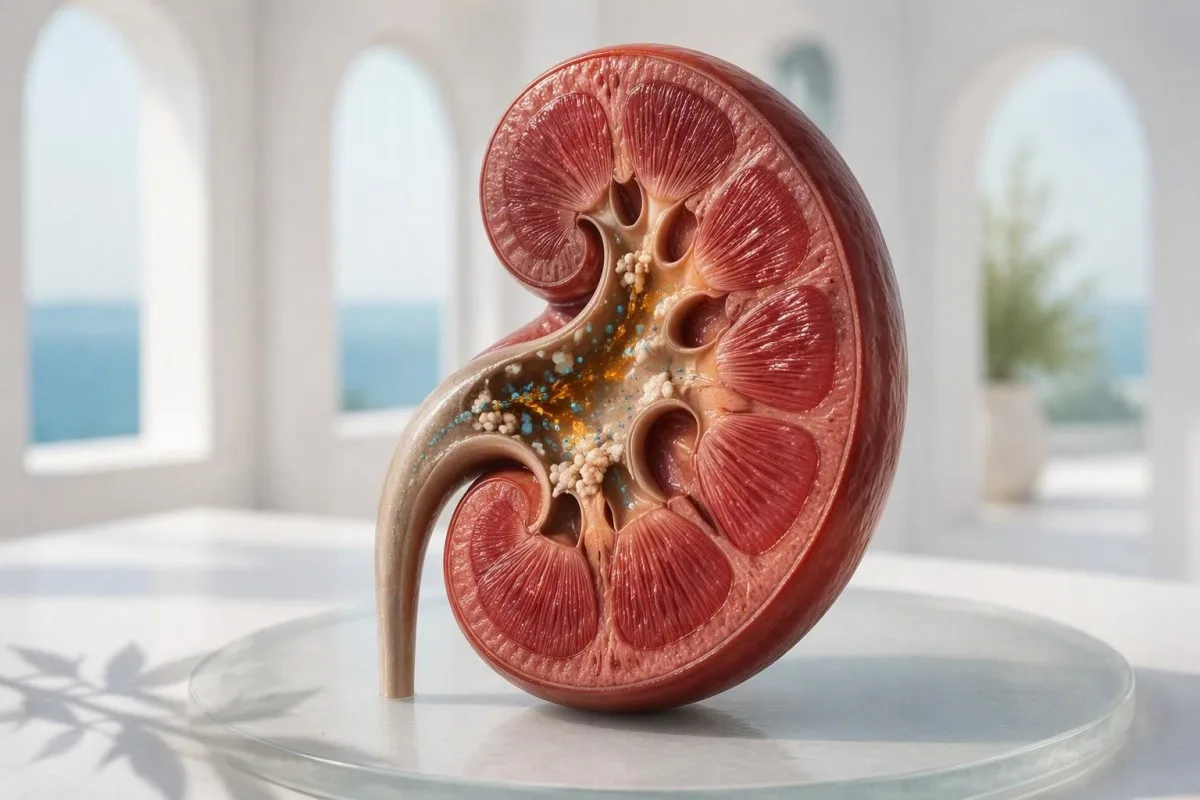
Ցիտրատի ցածր մակարդակը երիկայքարի առաջացման ռիսկի գործոն է, որը կարելի է փոփոխել, այլ ոչ թե ինքնին ախտորոշում։ Հաջորդ օգտակար քայլը դա մեկնաբանելն է՝ միզարտիկի ծավալի, pH-ի, կալցիումի, նատրիումի, օքսալատի և քարի ձևավորման ձեր պատմության հետ մեկտեղ։.


- Հիպոցիտրատուրիա սովորաբար նշանակում է միզարտիկի ցիտրատի ցածր մակարդակ՝ 320 մգ/24 ժամ, թեև լաբորատոր և սեռային թիրախները տարբերվում են։.
- Ցածր մեզի ցիտրատ բարձրացնում է կալցիումական քարերի ռիսկը, քանի որ ցիտրատը կապվում է ազատ միզային կալցիումի հետ և դանդաղեցնում է բյուրեղների աճը։.
- Գործնական թիրախ կրկնվող կալցիումական քարեր ունեցողների համար հաճախ կազմում է առնվազն 600 մգ ցիտրատ օրական, որը մեկնաբանվում է միզարտիկի ծավալի և pH-ի հետ։.
- Կալիումի ցիտրատ սովորաբար նշանակվում է 30-60 մեկ/օրական բաժանված չափաբաժիններով; այն պահանջում է կալիումի և երիկամների ֆունկցիայի մոնիտորինգ։.
- Դիետիկ ալկալի մրգերից և բանջարեղենից կարող է բարձրացնել ցիտրատը, մինչդեռ սպիտակուցային բարձր մակարդակը, նատրիումի ավելցուկը և կալիումի ցածր ընդունումը կարող են այն նվազեցնել։.
- Քրոնիկ դիարեա և դիստալ երիկամային խողովակային ացիդոզը բարձր արդյունք ունեցող պատճառներ են, քանի որ դրանք առաջացնում են թթուների կուտակում և ալկալու կորուստ մեզի մեջ։.
- Հավաքագրման որակը կարևոր է: Մարմնի չափին համապատասխան ցածր 24-ժամյա կրեատինինը կարող է ազդանշան տալ ոչ լիարժեք հավաքագրման մասին և անվստահ դարձնել ցիտրատի արդյունքները։.
- Անհապաղ գնահատում անհրաժեշտ է տենդի դեպքում՝ ցավով, որովայնի շրջանում, անդադար փսխելով, միզարձակման անկարողությամբ, կամ երիկամի մեկ ֆունկցիոնալ միավորի դեպքում՝ կասկածվող խցանման։.
Ինչ է իրականում նշանակում միզարտիկի ցիտրատի ցածր մակարդակը
Մեզի ցիտրատի ցածր մակարդակը, որը կոչվում է հիպոցիտրատուրիա, նշանակում է, որ մեզի մեջ չափազանց քիչ ցիտրատ կա՝ կալցիումի բյուրեղների առաջացումը զսպելու համար։. Մեծահասակների մոտ, քարերի շատ լաբորատորիաներ հիպոցիտրատուրիան սահմանում են որպես 320 մգ-ից պակաս 24-ժամյա հավաքագրման մեջ; կրկնվող կալցիումական քարեր ունեցող մարդու համար, ես սովորաբար ցանկանում եմ տեսնել 600 մգ/օր արժեք կամ ավել, պայմանով, որ մեզի pH-ը արդեն չափազանց բարձր չլինի։.
Ցիտրատը բնական ճանապարհով առաջացող մեզի անիոն է, որը մասամբ ստացվում է սննդից և կարգավորվում երիկամային խողովակների կողմից։ Այն կոմպլեքս է առաջացնում կալցիումի հետ՝ նվազեցնելով ազատ կալցիումի քանակը, որը հասանելի է օքսալատի կամ ֆոսֆատի հետ միանալու համար։ 180 մգ/օր արդյունքը պարզապես սննդային միավոր չէ; դա մեզի քիմիայի չափելի փոփոխություն է, որը կարող է ծանոթ կալցիում-օքսալատ քարի միջավայրը ավելի հարմար դարձնել։.
Թիվը նույնպես ունի հայտարար՝ 24-ժամյա մեզի ցիտրատի արդյունքը 900 մլ հավաքագրման համար նշանակում է տարբեր բան, քան 2.8 լիտր մեզի նույն ցիտրատի արտազատումը։ Ցածր ծավալը խտացնում է քար առաջացնող յուրաքանչյուր լուծված նյութ, ինչի պատճառով էլ 24-ժամյա մեզի հավաքման ուղեցույցը պետք է կարդալ նախքան կենսաբանության աննորմալ լինելը ենթադրելը։.
Սեպտեմբերի 20, 2026-ից ես դեռ տեսնում եմ հիվանդների, ում ասում են, որ ցածր արդյունքը նշանակում է, որ նրանք պետք է խմեն կիտրոնադ և շարունակեն։ Այդ խորհուրդը կարող է ողջամիտ լինել չափավոր անբավարարության համար, բայց այն բաց է թողնում թթու-հիմքային խանգարումները, աղիքային հիվանդությունները, դեղորայքային ազդեցությունները և ոչ լիարժեք հավաքագրումները։ Թոմաս Քլեյն, MD, արդյունքը կդիտարկեր որպես հուշում, որը պահանջում է օրինակով հիմնված վերանայում, այլ ոչ թե առանձին ախտորոշում։.
24-ժամյա միզարտիկի ցիտրատային թեստի միջակայքեր և բուժման թիրախներ
24-ժամյա մեզի ցիտրատի թեստը սովորաբար համարվում է ցածր՝ օրական 320 մգ-ից պակաս, բայց կանխարգելիչ բուժման թիրախը հաճախ ավելի բարձր է, քան լաբորատորիայի ստորին սահմանը։. Մի քանի լաբորատորիաներ օգտագործում են սեռական հատուկ հղման ընդմիջումներ, և ամենաարդյունավետ թիրախը կախված է քարի կազմից և մեզի pH-ից։.
Կլինիկական օգտակար հղման կետ է ցիտրատը օրական 450 մգ-ից բարձր շատ կանանց համար և օրական 550 մգ-ից բարձր շատ տղամարդկանց համար, թեև սրանք համընդհանուր ախտորոշիչ սահմաններ չեն։ Ամերիկյան ուրոլոգիական ասոցիացիայի ուղեցույցը շեշտում է ամբողջական մետաբոլիկ պրոֆիլի օգտագործումը, այլ ոչ թե մեկ հղման ընդմիջումը որպես վերջնական գիծ դիտարկելը (Pearle et al., 2014):.
Կրկնվող կալցիում-օքսալատ քարերի դեպքում ես հաճախ քննարկում եմ առնվազն 600 մգ/օր աշխատանքային թիրախ, երբ այն կարելի է ձեռք բերել՝ մեզի pH-ը չափազանց շատ դեպի վեր չմղելով։ Կալցիում-ֆոսֆատ քարեր առաջացնողների մոտ, pH-ը > 6.8-ից բարձր մնալը կարող է մեծացնել ֆոսֆատի գերհագեցումը, ուստի ավելի շատ ալկալի ավտոմատ լավ չէ; տես մեր բացատրությունը մեզի pH-ի օրինակների վերաբերյալ.
Կանտեստին մի է AI արյան անալիզատոր that can place serum bicarbonate, potassium, calcium, creatinine, and glucose beside a stone-risk panel, but a urine citrate result itself still requires the ordering clinician's interpretation. That distinction matters, because normal serum tests do not exclude a clinically relevant low urinary citrate value.
Why reference intervals differ
Citrate assays and reference populations differ between laboratories, and citrate excretion also tracks body size, diet, and collection quality. A laboratory flag is useful, but the stone-prevention question is whether the measured citrate is adequate for that person's calcium, oxalate, urine volume, and pH profile.
Ինչու է ցիտրատը պաշտպանում կալցիումական երիկայքարերից
Citrate lowers low citrate kidney stone risk by binding urinary calcium and by directly slowing calcium oxalate crystal nucleation, growth, and aggregation. It is particularly relevant for calcium oxalate stones, which account for roughly 70% to 80% of kidney stones in many adult series.
Chemically, citrate forms soluble calcium-citrate complexes, reducing calcium ion activity rather than merely changing the total calcium number. This is why a person can have normal urine calcium, around 150 mg per day, and still form stones when citrate is 150 mg per day and urine volume is low.
Citrate also creates a less favorable surface for calcium oxalate crystals to stick together. That second effect is easy to overlook: a patient may improve citrate from 220 to 480 mg per day without any visible change in serum calcium, yet their supersaturation calculation can fall materially.
The AUA guideline recommends potassium citrate for recurrent calcium stone formers with low or relatively low urinary citrate (Pearle et al., 2014). In my practice, the combination that concerns me most is citrate below 250 mg per day plus urine volume below 1.5 L per day; together they often explain recurrence better than either finding alone. The companion article on կալցիումի օքսալատային բյուրեղների մասին explains why a routine urinalysis cannot quantify this risk.
Կարո՞ղ է հավաքագրման անբավարարությունը պատճառ դառնալ ցիտրատի ցածր արդյունքի
Yes—an incomplete or improperly timed 24-hour collection can falsely lower urine citrate, calcium, sodium, oxalate, and total volume together. Before changing medication, clinicians should compare measured urine creatinine with expected daily creatinine excretion for the person's size and muscle mass.
Most laboratories use 24-hour creatinine as a plausibility check, not a perfect lie detector. Roughly 15–20 mg/kg per day in women and 20–25 mg/kg per day in men is often expected, but age, frailty, vegetarian diet, muscularity, and amputation shift that estimate substantially.
A 62-kg woman whose urine creatinine is 450 mg per day may have an incomplete collection, whereas that same value in an older sarcopenic patient may be plausible. One missing morning or post-workout void can meaningfully change a citrate result because excretion varies over the day.
I ask patients to collect on an ordinary workday, maintain their usual food and fluid pattern, and record any missed samples rather than quietly guessing. Review urine creatinine and dilution before interpreting an unexpectedly extreme result; repeating two collections is often more informative than repeating one.
Հիպոցիտրատուրիայի սննդային պատճառներ
The most common dietary hypocitraturia causes are a high net acid load from animal protein, low fruit and vegetable intake, potassium-poor diets, and low fluid intake. The kidney reabsorbs more citrate during acid stress because citrate can be metabolized to generate bicarbonate.
Animal protein is not forbidden for stone formers, but very high intakes can lower urine pH and citrate while increasing uric acid. A practical first review is portion size: consuming 250–350 g of meat daily while eating few plants can create a substantially different urinary profile than a mixed diet with 75–100 g of protein spread across meals.
Citrus contains citrate, yet the form matters. Lemon and lime juice contain abundant citric acid, but not every commercial lemonade provides meaningful alkali because sugar, dilution, and the accompanying cation alter the effect. Unsweetened lemon juice may help fluid intake, while potassium-rich produce usually has a more dependable alkali effect.
Կանտեստին մի է AI արյան անալիզի մեկնաբանություն հարթակ that helps users connect serum potassium, bicarbonate, uric acid, and kidney-function results with dietary patterns, rather than claiming that one food fixes a stone disorder. For realistic meal changes, our kidney nutrition safety guide also covers when potassium-rich foods need supervision in chronic kidney disease.
Քողի և աղիքային հիվանդություններ, որոնք նվազեցնում են միզարտիկի ցիտրատը
Chronic diarrhea, inflammatory bowel disease, bowel resection, malabsorption, and distal renal tubular acidosis can cause marked hypocitraturia through bicarbonate loss or sustained acid retention. These causes deserve more attention than diet alone because they can drive recurrent stones despite good hydration.
With chronic loose stools, bicarbonate is lost through the gastrointestinal tract; the kidneys respond by reclaiming citrate, often lowering urine citrate well below 200 mg per day. Fat malabsorption adds a separate calcium oxalate risk because unbound oxalate becomes more available for intestinal absorption.
Distal renal tubular acidosis, especially incomplete distal RTA, classically produces a pattern of urine pH persistently above 5.5, low citrate, calcium phosphate stones, and sometimes low serum bicarbonate. Serum CO2 below 22 mmol/L or potassium below 3.5 mmol/L strengthens the case, but incomplete forms can have normal routine bicarbonate between episodes; our renal tubular acidosis overview explains the work-up.
Sjögren syndrome is one autoimmune condition clinicians consider when distal RTA appears, particularly with dry eyes, dry mouth, low potassium, or recurrent calcium phosphate stones. The association is real but not common enough to screen everyone with a citrate of 290 mg per day; targeted review is more sensible, as discussed in our Sjögren testing article.
Դեղեր և հավելումներ, որոնք կապված են ցիտրատի ցածր մակարդակի հետ
Carbonic anhydrase inhibitors such as topiramate and acetazolamide are classic medication causes of low urine citrate because they alter renal bicarbonate handling. Potassium-wasting diuretics, chronic laxative use, and poorly managed diarrhea can also lower citrate indirectly.
Topiramate can raise urine pH, lower citrate, and increase calcium phosphate stone risk; this is a recognizable pattern rather than a reason to stop an effective neurological medicine without advice. In a patient taking 100 mg twice daily for migraine, I would ask about stone history before treatment and repeat urine chemistry after dose changes or a first stone.
Acetazolamide has a similar acid-base effect, while loop diuretics can increase urinary calcium and thiazides can lower potassium, potentially worsening hypocitraturia if potassium is not replaced. Prescription potassium citrate sometimes offsets this, but serum potassium and creatinine must guide the decision.
Supplements can confuse the picture. High-dose vitamin C, often 1,000 mg daily or more, may increase urinary oxalate in susceptible people rather than correcting low citrate; review our evidence-based kidney supplement safety notes. Never discontinue seizure, glaucoma, or diuretic medication based solely on a home interpretation.
Ինչպես կարդալ ցիտրատը քարերի ռիսկի գնահատման մյուս գործոնների հետ մեկտեղ
Low urine citrate is most actionable when interpreted with urine volume, calcium, oxalate, sodium, uric acid, pH, and supersaturation. A citrate value of 280 mg per day carries more risk when paired with 2.8 L of urine calcium or high oxalate supersaturation than when all other values are favorable.
Urine volume is usually the first lever: many stone clinics aim for at least 2.0–2.5 L of urine daily, which commonly requires about 2.5–3.0 L of fluid intake depending on heat and activity. A marathon runner or outdoor worker may need considerably more, and a pale urine color alone does not prove a 24-hour target was met.
Urine sodium above 100 mmol per day often signals an intake that will make hypercalciuria harder to control; sodium-driven calcium excretion can overwhelm a modest improvement in citrate. Urine oxalate above 40 mg per day points toward diet, malabsorption, vitamin C use, or less commonly a primary metabolic disorder.
Կանտեստիի AI-ով աշխատող արյան թեստի վերլուծության գործիք can identify related serum clues such as high calcium, low bicarbonate, impaired eGFR, or high uric acid, but it cannot determine stone composition from blood alone. Pair the urine panel with a stone analysis whenever one is available and read the հիմնական մետաբոլիկ պանելի երիկամային հուշումները in that context.
Սննդի և հեղուկների միջոցներ, որոնք կարող են բարձրացնել միզարտիկի ցիտրատը
Increasing fruits and vegetables, reducing excessive sodium and animal-protein load, and producing at least 2 to 2.5 L of urine daily are the safest first measures for mild low urine citrate. These changes should be individualized for people with diabetes, advanced kidney disease, heart failure, or potassium restrictions.
I favor an addition plan over a deprivation plan: add two servings of fruit and three servings of vegetables most days, then reduce the foods displacing them. Melon, bananas, potatoes, beans, squash, leafy greens, oranges, and many legumes provide potassium precursors that tend to generate alkali after metabolism.
Use fluid scheduling rather than thirst alone. A 500 mL drink with breakfast, lunch, dinner, and evening, plus 250–500 mL around exercise, is easier for most patients than carrying an enormous bottle and forgetting it. The goal is measured urine output, not heroic single-day water intake.
Calcium should usually remain in the diet at roughly 1,000–1,200 mg daily with meals; cutting calcium too low can increase intestinal oxalate absorption. People often confuse a calcium oxalate stone with a need for zero calcium, so our guide to stone-related urine crystals is useful before making major dietary restrictions.
Երբ օգտագործվում է կալիումի ցիտրատով բուժում
Potassium citrate is commonly used for recurrent calcium stones with hypocitraturia, usually starting around 30–60 mEq daily in two or three divided doses. The dose is adjusted to urine citrate, urine pH, tolerance, serum potassium, and kidney function—not simply to eliminate a laboratory flag.
Extended-release tablets are often taken with meals to reduce upper gastrointestinal upset. A clinician may start at 10–20 mEq two or three times daily, then repeat a 24-hour urine study after about 8–12 weeks; doses above 100 mEq per day are uncommon and need careful oversight.
A 2015 Cochrane review found citrate salts reduced recurrent calcium-containing stone events, although the underlying trials varied in quality and treatment adherence was a recurring problem (Phillips et al., 2015). The evidence supports treatment, but it does not tell us that every borderline value requires a prescription.
Potassium citrate is not casual supplementation. It can be unsafe with eGFR below 30 mL/min/1.73 m², baseline hyperkalemia, potassium-sparing diuretics, ACE inhibitors, ARBs, or severe delayed gastric emptying unless the prescriber judges benefits and monitoring appropriate. Our eGFR ախտանիշների ուղեցույցը explains why kidney reserve changes medication choices.
Երբ ցիտրատի ցածր մակարդակը պահանջում է ուրոլոգի կամ նեֆրոլոգի հետևողական խնամք
Specialist follow-up is appropriate after recurrent stones, bilateral stones, a first stone before age 25, calcium phosphate stones, marked hypocitraturia below 100 mg daily, impaired kidney function, or a suspected systemic cause. One uncomplicated first calcium oxalate stone with citrate of 290 mg per day can often begin with primary-care review and a repeat collection.
A urologist can confirm stone type, assess anatomy and obstruction, and decide whether imaging or preventive medication is needed. A nephrologist is particularly valuable when low citrate accompanies metabolic acidosis, potassium abnormalities, reduced eGFR, uncontrolled hypertension, or concern for renal tubular disease.
Thomas Klein, MD, has seen a recurring pattern in stone clinics: patients with three “ordinary” stones over five years are sometimes reassured repeatedly because creatinine is normal. Normal creatinine does not rule out a preventable urine chemistry disorder, particularly in smaller adults or people with preserved filtration despite recurrent obstruction.
Bring the actual 24-hour report, stone analysis, medication list, and a 3-day food record to the appointment. If you use algorithm-assisted interpretation, check how clinical safeguards are applied; our բժշկական վավերացման չափանիշները describe why results should trigger clinician discussion rather than replace it.
Ցիտրատի ցածր մակարդակը հղիության, երեխաների և քրոնիկ երիկամային հիվանդության ժամանակ
Low urine citrate in pregnancy, children, or chronic kidney disease needs individualized assessment because standard adult stone-prevention targets and potassium citrate dosing may not apply. Pregnancy changes filtration and urinary mineral handling, while children require weight-based dosing and an inherited-disorder review.
In children with recurrent stones, clinicians look more carefully for cystinuria, primary hyperoxaluria, bowel disorders, and inherited tubular conditions. A single low citrate value can follow a difficult collection day, so pediatric metabolic testing is often repeated with specialist support before labeling a child with a chronic disorder.
Pregnancy does not make flank pain benign. Hydronephrosis can be physiologic, but fever, escalating pain, or reduced urine output needs urgent obstetric and urologic assessment; see our guide to pregnancy kidney filtration changes for context around blood tests.
In chronic kidney disease, dietary potassium increases and potassium citrate may be appropriate for selected patients but can also produce dangerous hyperkalemia. A serum potassium above 5.0 mmol/L, rising creatinine, or use of a renin-angiotensin system blocker warrants prescriber-led planning rather than a generic citrus or supplement protocol.
Սիմպտոմներ, որոնք պահանջում են անհետաձգելի օգնություն, այլ ոչ թե դիետայի փոփոխություն
Fever or chills with flank pain, vomiting that prevents fluid intake, inability to pass urine, confusion, or pain in a person with one kidney requires urgent medical assessment. A stone plus urinary obstruction can become an infected obstructed system, which is a time-sensitive emergency even when the urine citrate result is old or incidental.
Seek same-day emergency care for a temperature of 38.0°C or higher with suspected renal colic, especially if there is shaking, weakness, or rapid heart rate. Pain intensity alone is unreliable: a small ureteral stone can hurt severely, while a more dangerous obstructing stone may intermittently hurt less.
Visible blood in urine can occur with a stone, but persistent hematuria still needs assessment after the acute episode resolves. Smoking history, age over 35–40, unexplained weight loss, or repeated blood without documented stones broadens the evaluation; our մեզում արյան ուղեցույց explains the usual testing pathway.
Do not use leftover antibiotics, high-dose sodium bicarbonate, or unlimited potassium supplements to self-treat a suspected stone. If you have diabetes, immunosuppression, a solitary kidney, pregnancy, or known CKD, the threshold for urgent assessment should be lower.
90-օրյա գործնական պլան ցիտրատի ցածր արդյունքից հետո
After a reliable low citrate result, the usual next step is to address fluid, diet, medications, and possible acid-base causes, then repeat a 24-hour urine panel in about 8 to 12 weeks. A repeat test should be done on the plan you can actually sustain, not during an unusually strict “perfect week.”
First, confirm collection completeness and obtain stone analysis if a specimen exists. Second, aim for urine output of at least 2.0–2.5 L daily, add plant-based potassium sources if medically safe, moderate sodium, and review medication contributors with the prescriber. Third, check serum bicarbonate, potassium, calcium, creatinine/eGFR, and uric acid when the clinical picture suggests an underlying disorder.
At the repeat test, compare citrate, volume, pH, sodium, calcium, oxalate, uric acid, and supersaturation rather than celebrating one improved number. For example, citrate rising from 180 to 520 mg per day is encouraging, but a simultaneous urine pH of 7.1 in a calcium phosphate stone former calls for a different conversation.
Kantesti-ն՝ ԱԻ լաբորատոր թեստի մեկնաբանման ծառայությունում, can organize the blood-side trends and generate questions for your clinician across 75+ languages, while the stone-risk panel remains a specialist-guided urine test. Our բժշկական խորհրդատվական խորհուրդը reviews the clinical principles behind these safety boundaries; treatment decisions belong with the clinician who knows your stone type, medicines, and kidney function.
Հաճախակի տրվող հարցեր
Որքա՞ն ցածր է համարվում մեզի ցիտրատի մակարդակը։
Մեզի ցիտրատի մակարդը 24-ժամյա ընթացքում 320 մգ-ից ցածր սովորաբար անվանում են հիպոցիտրատուրիա մեծահասակների մոտ, թեև առանձին լաբորատորիաներ օգտագործում են տարբեր վերաբերելի միջակայքեր։ Կրկնվող կալցիումային քարերի կանխարգելման համար շատ կլինիցիստներ ձգտում են առնվազն 600 մգ օրական, երբ մեզի pH-ը և քարի տեսակը թույլ են տալիս։ Օրական 200–319 մգ արդյունքը հաճախ մեղմ, փոփոխելի պակասորդություն է, մինչդեռ 100 մգ-ից ցածր արժեքը պահանջում է ավելի մանրակրկիտ հետազոտություն քրոնիկ թթվային ռետենցիայի, աղիքային կորստի, դեղորայքային ազդեցությունների կամ հավաքման սխալի համար։ Արդյունքը միշտ պետք է կարդալ մեզի ծավալի, pH-ի, կալցիումի, օքսալատի, նատրիումի և քարի կազմի հետ միասին։.
Ցածր մեզի ցիտրատը կարո՞ղ է երիկամաքար առաջացնել։
Միզամուղ ցիտրատի ցածր մակարդակը մեծացնում է կալցիումի երիքամաքարերի առաջացման ռիսկը, քանի որ ցիտրատը կապում է ազատ կալցիումը և դանդաղեցնում կալցիումի օքսալատի բյուրեղների աճն ու կուտակումը։ Սա ռիսկի գործոն է, այլ ոչ թե երաշխիք. ոմանք, որոնց ցիտրատի մակարդակը օրական 320 մգ-ից ցածր է, երբեք քարեր չեն առաջացնում, մինչդեռ ուրիշների մոտ քարեր են առաջանում, քանի որ ցածր ցիտրատը համակցվում է միզման ցածր ծավալի, օքսալատի կամ մեզի մեջ կալցիումի բարձր մակարդակի հետ։ Ռիսկը հաճախ ամենաբարձրն է, երբ ցիտրատը կազմում է օրական 250 մգ-ից ցածր, իսկ միզարտադրությունը՝ օրական 1,5 լ-ից ցածր։ Քարի վերլուծությունը և 24-ժամյա մեզի համապարփակ պանելը որոշում են, թե որ համադրությունն է կիրառելի։.
Արդյո՞ք կիտրոնի հյութը բարձրացնում է մեզի ցիտրատը։
Angles, in geometry, are formed when two rays share a common endpoint. This endpoint is called the vertex, and the rays are called the sides of the angle. Angles can be measured in degrees or radians.
Ո՞ր դեղամիջոցներն են կարող նվազեցնել մեզի ցիտրատը:
Թոփիրամատը և ացետազոլամիդը ցածր մեզի ցիտրատի լավ ճանաչված պատճառներ են, քանի որ դրանք փոփոխում են երիկամների բիկարբոնատի վերաբաշխումը և կարող են բարձրացնել մեզի pH-ը։ Օղակաձև միզամուղները կարող են մեզի կալցիումը բարձրացնել, մինչդեռ կալիումաարտադրող միզամուղները կարող են անուղղակիորեն նպաստել, երբ դրանք իջեցնում են շիճուկային կալիումը։ Լուծողական միջոցների քրոնիկ օգտագործումը և մշտական փորձառություն առաջացնող դեղամիջոցները կարող են նաև ցիտրատը իջեցնել՝ ստամոքս-աղիքային բիկարբոնատի կորստի միջոցով։ Մի դադարեցրեք նշանակված դեղը ցիտրատի արդյունքի պատճառով. խնդրեք նշանակող բժշկին, թե արդյոք հարկավոր է կրկնակի մեզի թեստավորում, կալիումի փոխարինում կամ կանխարգելիչ բուժում։.
Որքա՞ն ժամանակ է պետք կալցիումի ցիտրատի գործելու համար։
Կալիումի ցիտրատը սկսում է փոխել մեզի pH-ը և ցիտրատի արտազատումը օրերի ընթացքում, սակայն կլինիցիստները սովորաբար վերագնահատում են 24-ժամյա մեզի ամբողջական պրոֆիլը՝ կայուն չափաբաժնի 8–12 շաբաթ անց։ Սովորական սկզբնական չափաբաժինները կազմում են օրական 30–60 մEq՝ բաժանված ուտելիքի հետ, այնուհետև հարմարեցվում են ըստ մեզի ցիտրատի, pH-ի, շիճուկի կալիումի և երիկամների ֆունկցիայի։ Նպատակը ոչ թե ամենաբարձր հնարավոր ցիտրատի արժեքն է, քանի որ մոտ 6.8-ից բարձր մեզի pH-ը կարող է հակաարդյունավետ լինել կալցիումի ֆոսֆատային քարերով հիվանդների համար։ Գաստրոինտեստինալ կողմնակի երևույթները և կալիումի մակարդակի բարձրացումը հիմնական գործնական պատճառներն են, որոնց դեպքում չափաբաժինը կարող է պահանջել հարմարեցում։.
Ե՞րբ դիմել երիկամաքաքարերի մասնագետին ցածր ցիտրատի դեպքում։
Դիտեք ուրոլոգի կամ նեֆրոլոգի մոտ կրկնվող քարերի, երկկողմանի քարերի, 25 տարեկանից առաջ քարերի, կալցիում-ֆոսֆատային քարերի, ցածր ցիտրատի (օրական 100 մգ-ից պակաս), eGFR-ի նվազման, շիճուկի ցածր բիկարբոնատի կամ կալիումի աննորմալությունների դեպքում: Մասնագիտական գնահատումը նաև խելամիտ է աղիքային վիրահատությունից, քրոնիկական լուծից կամ տոպիրամատի օգտագործումից հետո, երբ քարերը կրկնվում են: 38.0°C կամ ավելի բարձր ջերմությունը` ցավի, փսխման, միզելու անկարողության կամ մեկ երիկամ ունեցող անձի մոտ ախտանիշների դեպքում, պահանջում է շտապ օգնություն, այլ ոչ թե սովորական մասնագիտական այցելություն: Առաջին անբարդ քարը` չափավոր ցածր ցիտրատով, հաճախ կարող է սկսվել առաջնային բուժզննումով և կրկնակի հավաքմամբ:.
Ստացեք AI-ով աշխատող արյան անալիզի վերլուծություն այսօր
Միացեք ավելի քան 2 միլիոն օգտատերերի ամբողջ աշխարհում, ովքեր վստահում են Kantesti-ին՝ լաբորատոր թեստերի ակնթարթային, ճշգրիտ վերլուծության համար։ Վերբեռնեք ձեր արյան անալիզի արդյունքները և ստացեք 15,000+ բիոմարկերների համապարփակ մեկնաբանություն վայրկյանների ընթացքում։.
📚 Հղված հետազոտական հրապարակումներ
Klein, T., Mitchell, S., & Weber, H. (2026). Klein, T. (2026). BUN/Creatinine Ratio Explained: Kidney Function Test Guide. Zenodo. DOI: 10.5281/zenodo.18207872.։ Kantesti AI Medical Research.
Klein, T., Mitchell, S., & Weber, H. (2026). Klein, T. (2026). Urobilinogen in Urine Test: Complete Urinalysis Guide 2026. Zenodo. DOI: 10.5281/zenodo.18226379.։ Kantesti AI Medical Research.
📖 Արտաքին բժշկական հղումներ
⚕️ Բժշկական հրաժարում
Այս հոդվածը միայն կրթական նպատակների համար է և չի հանդիսանում բժշկական խորհրդատվություն։ Ախտորոշման և բուժման որոշումների համար միշտ խորհրդակցեք որակավորված բուժաշխատողի հետ։.
E-E-A-T վստահության ազդանշաններ
Փորձառություն
Բժշկի կողմից ղեկավարվող կլինիկական վերանայում՝ լաբորատոր մեկնաբանության աշխատանքային հոսքերի համար։.
Մասնագիտություն
Լաբորատոր բժշկության կենտրոնացում՝ այն բանի վրա, թե ինչպես են բիոմարկերները դրսևորվում կլինիկական համատեքստում։.
Հեղինակություն
Գրված է դոկտոր Թոմաս Քլայնի կողմից՝ դոկտոր Սառա Միթչելի և պրոֆեսոր դոկտոր Հանս Վեբերի կողմից վերանայմամբ։.
Հուսալիություն
Ապացույցների վրա հիմնված մեկնաբանություն՝ հստակ հետագա քայլերի ուղիներով՝ ահազանգերը նվազեցնելու համար։.