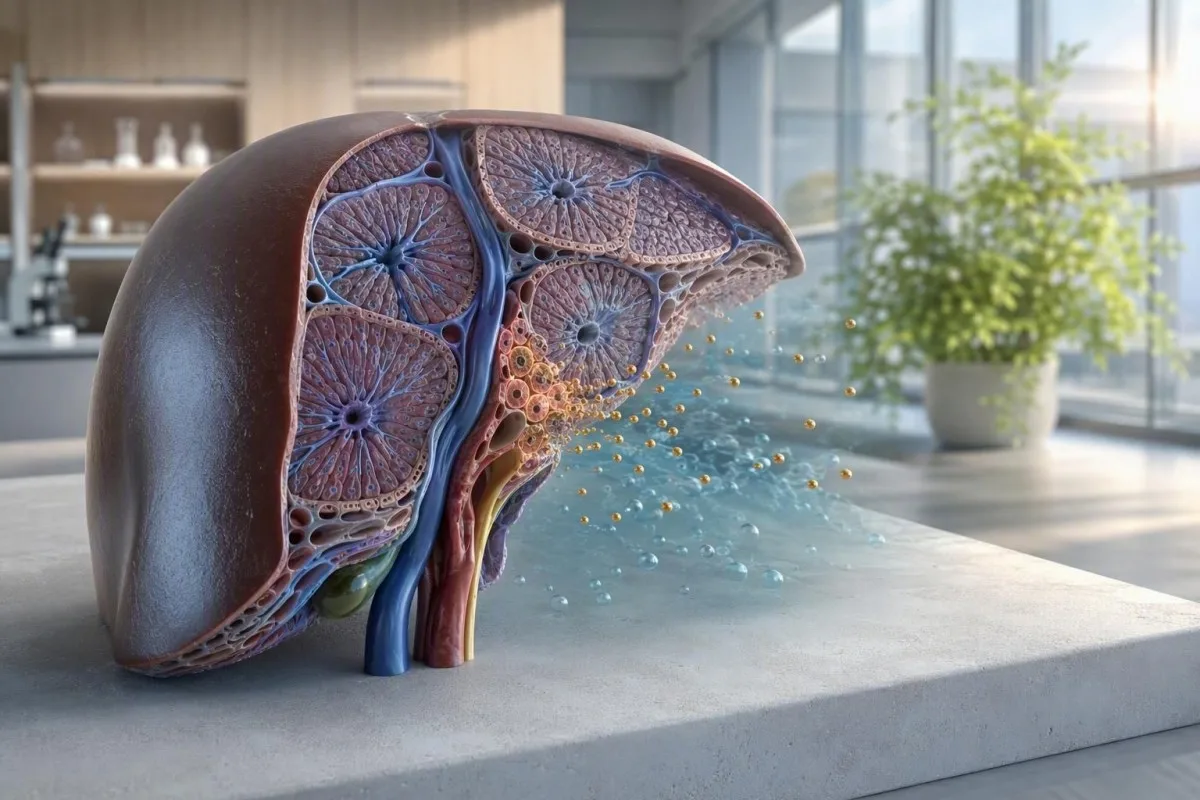
Povišen AST rijetko sam uzrokuje simptome; simptomi potječu od jetre, mišića, srca ili sustavnog stanja koje stoji iza njega. Prateći laboratorijski obrazac znatno je važniji od pojedinačne označene vrijednosti.


- Obično neprimjetno: AST od 45-100 U/L često ne izaziva izravne simptome i zahtijeva kontekst, a ne paniku.
- Referentni raspon: Mnogi laboratoriji za odrasle koriste gornju granicu AST-a blizu 35-40 U/L, ali spolno specifične granice variraju ovisno o analizi.
- Trag vježbanja: Intenzivno vježbanje s otporom može povisiti AST i CK na 7 dana ili dulje, ponekad s AST-om koji premašuje ALT.
- Hitni znakovi: Žute oči, konfuzija, ponovljeno povraćanje, jaka slabost, pritisak u prsima ili mokraća boje kole zahtijevaju procjenu istog dana.
- Uzorak je bitan: AST uz povišen CK sugerira oštećenje mišića; AST uz abnormalnosti bilirubina, INR ili alkalne fosfataze povećava zabrinutost za bolest jetre ili žuči.
- Nemojte se samoliječiti: Neesencijalne dodatke prehrani prestanite uzimati samo nakon razgovora s liječnikom, a propisane lijekove nemojte naglo prestati uzimati.
- Korisno ponovno testiranje: Za blago izolirano povišenje, liječnici obično ponavljaju AST, ALT, ALP, bilirubin, CK i GGT nakon što nekoliko dana izbjegavaju naporne vježbe i alkohol.
Uzrokuje li povišen AST simptome sam po sebi?
Simptomi visokog AST-a obično su odsutni jer je AST enzim curenja, a ne toksin. Većina ljudi s blago povišenim AST-om osjeća se potpuno dobro; simptomi, kada su prisutni, odražavaju temeljni problem jetre, mišića, srca ili sustavni problem, a ne sam broj AST-a.
AST, ili aspartat aminotransferaza, nalazi se u stanicama jetre, ali također u skeletnim mišićima, srcu, uzorcima bogatim crvenim krvnim stanicama, bubrezima i moždanom tkivu. Rezultat od 55 U/L može biti samo 1,4 puta veći od gornje granice jednog laboratorija, dok isti broj može biti bliži 2 puta gornjoj granici u drugom laboratoriju; zastavica za vrijednosti izvan raspona su početne točke, a ne dijagnoze.
U svom kliničkom radu, najzabrinutiji pacijenti su često oni koji se osjećaju savršeno normalno nakon rutinske analize. To je očekivano: rani stadij masne jetre, oslobađanje enzima povezano s lijekovima i oslobađanje mišića nakon vježbanja mogu biti tihi. Dr. Thomas Klein se više puta susreće s praktičnom pogreškom – pretpostavkom da nenormalan enzim sam mora objašnjavati umor, kada gubitak sna, anemija, bolest štitnjače ili simptomi raspoloženja mogu biti odvojeni problemi.
Kantesti je Analizator krvnih testova s umjetnom inteligencijom koji čita AST uz ALT, bilirubin, alkalnu fosfatazu, GGT, CK, dob, spol, lijekove i prethodne vrijednosti, umjesto da pridaje značenje jednoj izoliranoj oznaci. Od 21. kolovoza 2026., naša najsigurnija poruka ostaje jednostavna: osjećati se dobro je umirujuće, ali ne zamjenjuje praćenje temeljeno na obrascima.
Zašto se normalan osjećaj ne uspostavlja kao odgovor
Blago povišen AST može biti prolazan, ali tiha bolest jetre je dovoljno česta da upornost ima značenje. Američki koledž za gastroenterologiju preporučuje potvrdu nenormalnog rezultata jetrenih kemija prije pokretanja opsežne obrade, a zatim procjenu obrazaca i čimbenika rizika (Kwo et al., 2017).
Rasponi AST-a: kada je rezultat blago povišen ili zabrinjavajući?
Referentne granice AST-a za odrasle obično su oko 10-40 U/L, iako je raspon ispisan u svakom laboratoriju pravi usporednik. AST iznad 3 puta gornje granice zaslužuje pravovremenu kliničku procjenu, dok vrijednosti iznad 10-15 puta gornje granice zahtijevaju hitnu procjenu čak i ako su simptomi ograničeni.
AST ne mjeri koliko dobro jetra obavlja svoje funkcije. Bilirubin, INR ili protrombinsko vrijeme, albumin, broj trombocita i mentalno stanje bolje obuhvaćaju obradu žuči, proizvodnju faktora zgrušavanja, znakove kroničnog ožiljkavanja i rizik od akutnog zatajenja jetre. Normalan albumin ne isključuje novu ozljedu jetre jer se albumin mijenja polako, često tijekom tjedana.
Trkač maratona u dobi od 52 godine s AST-om 89 U/L, ALT-om 42 U/L i CK-om 1900 U/L nakon utrke nizbrdo ima vrlo različit profil rizika od sjedilačke osobe s AST-om 89 U/L, ALT-om 130 U/L, bilirubinom 48 µmol/L i tamnim urinom. Prvi obrazac često odražava oporavak mišića; drugi može zahtijevati procjenu jetre isti dan. Naš Vodič za AST-u u usporedbi s ALT-om objašnjava zašto par treba čitati zajedno.
Kantesti AI je Platforma za tumačenje krvnih nalaza pomoću AI-a koji uspoređuje stupanj povišenja AST-a s vlastitim ranijim rezultatima osobe, jer porast s 18 na 78 U/L može biti klinički informativniji od stabilne vrijednosti oko 45 U/L. Iznenadna promjena također opravdava provjeru kvalitete i vremena uzorka.
Zašto povišenja AST-a povezana s jetrom mogu proći neopaženo
Rani poremećaj jetre često ne uzrokuje očite simptome jer jetra ima značajnu funkcionalnu rezervu. Ljudi uglavnom primjećuju simptome tek kada upala, oštećen protok žuči, uznapredovala fibroza ili sustavne bolesti postanu značajnije.
Steatotična bolest jetre povezana s metaboličkom disfunkcijom, ranije često nazivana bolest masne jetre, objašnjava blago povišenje AST-a ili ALT-a. Smjernica EASL-EASD-EASO iz 2024. savjetuje traženje slučajeva kod osoba s dijabetesom tipa 2, pretilošću ili višestrukim metaboličkim čimbenicima rizika jer jetreni enzimi sami mogu biti normalni unatoč steatozi ili fibrozi (EASL-EASD-EASO, 2024.).
Neugodna istina je da je umor nespecifičan. U klinici ne pripisujem umor AST-u od 58 U/L bez pitanja o apneji za vrijeme spavanja, unosu alkohola, virusnim bolestima, depresiji, statusu željeza, rezultatima štitnjače i promjenama lijekova. Uzrok povezan s jetrom postaje vjerojatniji kada se istovremeno pojave mučnina, nelagoda u gornjem desnom dijelu trbuha, svrbež, žutica, blijeda stolica ili tamni urin; pogledajte naš vodič za znakova upozorenja za bilirubin.
Prevlast AST-a ponekad je povezana s oštećenjem jetre povezanim s alkoholom, osobito kada AST:ALT prelazi 2, ali taj omjer sam po sebi nije ni osjetljiv ni dijagnostički. Uznapredovala fibroza, ciroza, nedostatak vitamina B6 i ozljeda mišića također mogu promijeniti omjer – jedan od onih kliničkih detalja koji se gubi u online prečacima.
Simptom koji mijenja hitnost
Nova zbunjenost, neuobičajena pospanost, lako stvaranje modrica ili brzo povećanje žutice s povišenim AST-om nije scenarij za rutinsko ponovno testiranje. Ove značajke mogu ukazivati na oslabljenu funkciju jetre i zahtijevaju hitnu procjenu uživo, uključujući bilirubin, INR, glukozu, funkciju bubrega i pregled lijekova.
Simptomi povišenog AST-a povezanog s mišićima: bolnost, slabost i CK
Oštećenje mišića može značajno povisiti AST, često prije ili istovremeno sa bolovima u mišićima, a CK je ključni test za pojašnjenje. AST viši od ALT-a nakon intenzivnog vježbanja je čest; visoki CK, normalni bilirubin i normalni GGT čine mišićni izvor vjerojatnijim.
Skeletni mišići sadrže obilje AST-a. Pettersson i suradnici otkrili su da je intenzivno dizanje utega kod zdravih muškaraca povisilo AST, ALT, CK, mioglobin i laktatnu dehidrogenazu najmanje 7 dana, dok su bilirubin, GGT i alkalna fosfataza ostali normalni (Pettersson et al., 2008.). Zato snažan trening 24-72 sata prije “jetrene panel” može dati pogrešnu priču.
Osoba s odgođenom boli u mišićima nakon nove CrossFit sesije može imati AST 120 U/L i ALT 55 U/L bez bolesti jetre. Jaka opća slabost, otečeni mišići, smanjeno izlučivanje mokraće, vrućica ili mokraća boje čaja je drugačije: može ukazivati na značajan razgradnju mišića i zahtijeva hitno testiranje CK, kreatinina, kalija, fosfata, kalcija i mokraće. Pročitajte više o opasnim CK obrascima.
Hemoliza u epruveti za prikupljanje također može lažno povisiti AST jer crvene krvne stanice sadrže AST. Ako laboratorij izvijesti o hemolizi ili nevjerojatnom skoku AST-a, čisto ponovno uzimanje uzorka može biti vrjednije od opsežnog testiranja; naš vodič za ponovno uzimanje hemoliziranog uzorka pokriva praktične detalje.
Povišen AST uzrokuje liječnici prvo odvajaju
Glavni uzroci povišenog AST-a su oštećenje jetrenih stanica, oslobađanje iz skeletnih mišića, izloženost alkoholu, lijekovi ili suplementi, virusne bolesti, smanjeni dotok krvi u jetru i hemoliza uzorka. Najsigurniji sljedeći korak je odvojiti jetreni od mišićnog obrasca abnormalnosti, umjesto nagađanja samo na temelju AST-a.
Tragovi jetrenog obrasca uključuju povišenje ALT-a, povišenje bilirubina, povišeni GGT ili alkalnu fosfatazu, nizak broj trombocita i abnormalni INR. Tragovi mišićnog obrasca uključuju visoki CK, nedavno neobično opterećenje, traumu, konvulzije, intramuskularne injekcije, mišićne simptome povezane sa statinima ili upalne mišićne bolesti. AST je manje specifičan za jetru od ALT-a, stoga izolirani porast AST-a zahtijeva dodatan oprez prije nego što se označi kao “oštećenje jetre”.”
Lijekovi zaslužuju preciznu povijest: propisani lijekovi, lijekovi protiv bolova bez recepta, biljni pripravci, proizvodi za bodybuilding i “detoksikacijske” mješavine – sve se računa. Toksičnost acetaminofena ili paracetamola može uzrokovati AST i ALT vrijednosti u tisućama U/L, dok kronični učinci lijekova u niskoj dozi mogu biti skromni i asimptomatski. Nikada nemojte prestati uzimati propisani statin, lijek protiv napadaja ili antidepresiv samo na temelju rezultata aplikacije – prvo pitajte liječnika koji ga je propisao.
Kantesti je Alat za analizu krvnih nalaza uz pomoć AI-a koji identificira uparene signale poput AST i CK, ili AST i bilirubina te ALP, a zatim potiče odgovarajuću kliničku raspravu. Čitatelji koji razmatraju dodatke također bi trebali pregledati naš popis temeljen na dokazima rizici za jetru.
Znakovi upozorenja koji zahtijevaju hitnu pomoć, ne samo ponovni AST
Visoki AST zahtijeva medicinsku procjenu istog dana kada ga prate žutica, zbunjenost, nesvjestica, jaka bol u trbuhu, simptomi u prsima, ponovljeno povraćanje, vrlo taman urin ili duboka slabost. Ovi znakovi upozorenja ukazuju na stanje koje stoji iza AST-a, a ne na opasnu razinu AST-a samu po sebi.
Idite odmah na hitnu pomoć zbog pritiska u prsima, nedostatka daha, znojenja, kolapsa ili boli koja se širi u čeljust, ruku ili leđa. AST se može povisiti kod ozljede srčanog mišića, ali troponin i EKG nalazi – ne AST – vode moderna dijagnostika srčanog udara; naš vodič za hitnost troponina objašnjava razliku.
Potražite hitnu procjenu zbog žutih očiju, zbunjenosti, nemogućnosti zadržavanja tekućine, izrazite boli u gornjem desnom dijelu trbuha ili brzo pogoršavajuće bolesti. Akutno zatajenje jetre definirano je akutnom ozljedom jetre s koagulopatijom, obično INR-om 1,5 ili višim, plus encefalopatijom kod osobe bez poznate ciroze; to je bolnička hitna situacija, a ne problem kućnog praćenja.
Tamno smeđi urin nakon jakog napora, izlaganja toplini ili imobilizacije zaslužuje hitnu procjenu čak i bez boli jer mioglobin može oštetiti bubrege. Ako je urin jednostavno koncentriran nakon slabog unosa tekućine, slika je manje jasna; diferencijacija tamnog urina pomaže u oblikovanju pitanja koja će liječnik postaviti.
Kako AST, ALT, bilirubin, ALP, GGT i CK djeluju zajedno
AST postaje klinički koristan kada se tumači kao obrazac s ALT-om, bilirubinom, alkalnom fosfatazom, GGT-om, CK-om i ponekad INR-om. Nijedan pojedinačni popratni test ne dokazuje izvor, ali kombinacije oštro mijenjaju vjerojatnost uključenosti jetre, žučnog kanala ili mišića.
Povišeni AST i ALT, osobito s prevagom ALT-a, često ukazuju na hepatocelularnu ozljedu. Alkalna fosfataza i GGT koji rastu s direktnim bilirubinom više ukazuju na kolestazu ili oštećeni protok žuči; detaljan vodič za obrazac kolestaze može pomoći čitateljima da se pripreme za taj razgovor.
AST povišen s CK 5 puta iznad gornje granice, normalnim bilirubinom i normalnim GGT-om, mnogo je dosljedniji s doprinosom mišića nego samo procesom jetre. Suprotno tome, AST od 70 U/L s bilirubinom 70 µmol/L i INR-om 1,7 je zabrinjavajući unatoč skromnom broju enzima, jer visina enzima i funkcija jetre nisu isto mjerenje.
Dr. Thomas Klein savjetuje pacijentima da fotografiraju cjelovito izvješće, uključujući referentne intervale i vrijeme prikupljanja, umjesto da prijavljuju samo “moj AST je bio povišen.” Kantesti AI uspoređuje cjelovite panele i trendove, dok naš popis provjere jetrenog panela pokazuje koje su vrijednosti često nedostaju iz osnovnog panela.
Što omjer AST:ALT može, a što ne može reći
Omjer AST:ALT iznad 2 može poduprijeti ozljedu jetre povezanu s alkoholom u pravom kliničkom okruženju, ali ne može dijagnosticirati konzumaciju alkohola ili cirozu. Vježbanje, uznapredovali fibroz, bolest mišića i status vitamina B6 također mogu proizvesti prevagu AST-a.
Omjer se izračunava dijeljenjem AST-a s ALT-om koristeći iste jedinice. AST 80 U/L i ALT 40 U/L daju omjer 2,0, ali praktična interpretacija ovisi o GGT-u, bilirubinu, broju trombocita, povijesti konzumacije alkohola, mišićnim simptomima, CK-u i ranijim rezultatima. Omjer bez stvarnih vrijednosti enzima posebno se lako pogrešno interpretira.
Omjeri manji od 1 ne isključuju značajnu bolest jetre. Kod metaboličke bolesti jetre, ALT može biti viši od AST-a u ranijoj fazi, dok AST može postati relativno viši s progresivnom fibrozom; kliničari koriste neinvazivne bodove i slikovne pretrage umjesto samog omjera. Naš vodič za praćenje graničnog ALT-a objašnjava uobičajeni fazni pristup.
Dokazi su iskreno podijeljeni u pogledu korištenja točne granične vrijednosti omjera izvan prezentacija povezanih s alkoholom. To je koristan klinički trag, a ne presuda – i ta razlika sprječava ljude od lažnog uvjeravanja i nepotrebnog srama.
Prije ponovnog testa AST-a: tjelovježba, alkohol, gladovanje i vrijeme
Kod blagog neobjašnjivog porasta AST-a, izbjegavanje intenzivnog vježbanja i alkohola prije ponovnog testiranja može razjasniti rezultat. Mnogi kliničari koriste pauzu od vježbanja od 5-7 dana kada je moguće oslobađanje mišića, iako točan interval ovisi o razini CK-a, simptomima i intenzitetu treninga.
Nemojte pokušavati “isprati” AST pretjeranom vodom, postom ili proizvodom za detoksikaciju. Hidratacija je razumna ako obično možete piti tekućinu, ali ne popravlja oštećenje jetre niti sprječava razgradnju mišića. Održavajte uobičajene obroke osim ako vam kliničar ne da upute za post, te navedite svaki dodatak s dozom i datumom početka.
Alkohol može izravno povisiti AST, pogoršati masnu bolest jetre i povećati određene rizike od lijekova. Period bez alkohola prije ponovnog testiranja može pomoći u interpretaciji, ali poboljšanje ne dokazuje da je alkohol bio jedini uzrok; trendove treba čitati uz potpunu kliničku priču. Za realna očekivanja, pogledajte promjene krvnih markera nakon prestanka konzumacije alkohola.
Kantesti AI koristi analizu trendova s vremenskim oznakama kako bi pokazao je li se AST normalizirao nakon pauze od treninga ili je nastavio rasti unatoč njoj. Ta razlika često sprječava uobičajenu, ali beskorisnu reakciju naručivanja istog testa više puta bez promjene pretestnih uvjeta.
Testovi koje kliničari mogu naručiti nakon upornog povišenog AST-a
Trajno povišenje AST-a obično dovodi do ponavljanja jetrenih kemija plus testova usmjerenih na sumnjivi izvor, kao što je CK za mišiće ili probir na hepatitis za oštećenje jetre. Široka “sveobuhvatna ploča” rijetko je najbolji prvi korak; povijest bolesti i početni obrazac trebaju voditi testiranje.
Tipičan potvrđeni radni proces za jetrene pokazatelje može uključivati ALT, ALP, GGT, ukupni i izravni bilirubin, albumin, INR, kompletnu krvnu sliku, testiranje na hepatitis B i C, pretrage na željezo, glukozu ili HbA1c, lipidni profil i ultrazvuk gdje je indicirano. Smjernice ACG Kwoa i kolega preporučuju sustavno procjenjivanje uobičajenih uzroka umjesto izoliranog tretiranja vrijednosti AST-a (Kwo et al., 2017).
Ako je moguće oslobađanje mišića, CK, kreatinin, elektroliti, testiranje urina, štitnjače, pregled lijekova i povremeno procjena mijositisa mogu biti informativniji. Trajni umor s povišenim CK-om nije jednostavno “upala mišića nakon teretane”; naš pregled antitijela na mijositis opisuje specijalistički put.
Kantestijev usluzi za tumačenje laboratorijskih testova AI organizira ove komplementarne vrijednosti u izvještaj pogodan za kliničare, ali ne može dijagnosticirati hepatitis, bolest mišića ili ozljedu uzrokovanu lijekovima samo na temelju laboratorijskih podataka. Dizajniran je za podršku pitanjima za stvarni pregled, a ne za zamjenu pregleda ili slikovnih pretraga.
Interpretacija AST-a kod sportaša, trudnica i starijih osoba
Interpretacija AST-a mijenja se s nedavnim treningom, trudnoćom, slabošću, lijekovima i mišićnom masom. Rezultat koji je vjerojatno povezan s vježbanjem kod natjecateljskog sportaša može zaslužiti drugačiju procjenu kod starije odrasle osobe s novim slabošću ili trudnice s visokim krvnim tlakom.
Sportaši često imaju viši bazni CK i veće post-vježbaške izlete AST-a, osobito nakon ekscentričnog vježbanja kao što je trčanje nizbrdo ili teške faze spuštanja. Korisno pitanje nije “je li AST visok?” već “koliko visoko u odnosu na prethodne rezultate povezane s treningom, CK, bubrežnu funkciju, simptome i oporavak?” Naš vodič za testiranje sportaša izdržljivosti dodaje kontekst izvan rutinske ploče.
Tijekom trudnoće, povišenje AST-a ili ALT-a s glavoboljom, vizualnim simptomima, bolovima u gornjem dijelu trbuha, visokim krvnim tlakom ili niskim brojem trombocita zahtijevaju hitnu opstetričku procjenu jer preeklampsija i HELLP sindrom predstavljaju vremenski osjetljive mogućnosti. Referentni intervali specifični za trudnoću i klinički kontekst su važni; pogledajte crvene zastavice laboratorijskih nalaza u trudnoći isti dan.
Kod starijih odraslih osoba, manja mišićna masa može učiniti “normalan” CK manje umirujućim kada je slabost izražena, dok polifarmacija povećava šansu za interakcije lijekova. Ovo je jedno područje gdje preferiram pažljiv pregled nad pouzdanom daljinskom interpretacijom.
Je li povišen AST opasan, ili je opasan uzrok?
Visoka razina AST-a signal je stresa ili ozljede stanice, a ne bolest koja sama po sebi šteti tijelu. Opasnost ovisi o izvoru, brzini promjene, stupnju povišenja, popratnim abnormalnostima bilirubina ili INR-a, simptomima i prisutnosti zahvaćenosti bubrega ili srca.
AST od 48 U/L utvrđen jednom u zdrave osobe obično nije hitan slučaj, posebno nakon vježbanja ili nedavne virusne bolesti. AST od 480 U/L sa žuticom, bolovima u trbuhu i povišenim bilirubinom klinička je situacija drugačija, iako sam broj sam po sebi ne određuje prognozu. Trend plus funkcija je pravilo.
Teške ozljede jetre mogu pokazati pad AST-a i ALT-a dok se pacijentovo stanje pogoršava jer je sve manje stanica sposobno osloboditi enzime; povišeni INR, bilirubin, laktat ili konfuzija u tom su okruženju zloslutniji. Ovaj protuintuitivni obrazac je razlog zašto “moji enzimi su se snizili” nije uvijek siguran zaključak nakon bolničke bolesti.
Kantesti AI označava kombinacije koje trebaju hitan pregled liječnika i usmjerava čitatelje na ljudski nadzor putem naše Medicinski savjetodavni odbor. Ako se osjećate akutno loše, nemojte čekati digitalnu interpretaciju.
Uobičajene zablude o simptomima povišenog AST-a
Nikakav osjećaj ne dokazuje da je povišeni AST bezopasan, a umor ne dokazuje da AST uzrokuje umor. Obje tvrdnje mogu biti istinite u isto vrijeme, zbog čega je potpuni pregled korisniji od traženja simptoma.
“AST znači oštećenje jetre” je nepotpuno. AST može potjecati iz skeletnog mišića, a laboratorijski uzorak oštećen tijekom rukovanja također ga može povisiti. “Moj ALT je normalan, dakle dobro sam” također je nepotpuno jer bolest mišića, obrasci povezani s alkoholom i neka kronična stanja jetre mogu pokazati dominantnost AST-a.
“Detoksikacija jetre” nije tretman za abnormalne jetrene enzime i sami mogu sadržavati koncentrirane biljne sastojke s potencijalom oštećenja jetre. Sigurniji pristup utemeljen na dokazima je identificirati izvor, izbjegavati nepotreban alkohol i dodatke prehrani, upravljati dijabetesom ili težinom gdje je relevantno i slijediti plan ponovnog testiranja; naša recenzija hrane i podrške jetri razdvaja realne savjete od marketinga.
Konačno, nemojte uspoređivati rezultate između laboratorija bez navođenja testa i referentnog raspona. Neki europski laboratoriji koriste niže gornje granice AST-a specifične za spol, tako da isti rezultat može dobiti različitu oznaku unatoč nepostojanju stvarne biološke promjene.
Što ponijeti na pregled zbog povišenog AST-a
Najkorisnija priprema za pregled je datirani potpuni laboratorijski izvještaj plus vremenska crta od 7 dana vježbanja, alkohola, bolesti, lijekova, dodataka prehrani i simptoma. Ove informacije često identificiraju reverzibilni uzrok brže nego ponovljeno mjerenje AST-a bez konteksta.
Ponesite prethodne rezultate AST-a, ALT-a, bilirubina, ALP-a, GGT-a, CK-a, trombocita i kreatinina ako su dostupni. Zabilježite vrijeme intenzivnog vježbanja, vrućice, putovanja, novih lijekova, promjena doza, injekcijskih terapija i dodataka prehrani. Jedna rečenica poput “intenzivan trening nogu 36 sati prije testa” može značajno promijeniti interpretaciju.
Postavite četiri izravna pitanja: Je li ovo vjerojatnije jetra ili mišić? Koji popratni rezultati to podržavaju? Trebam li ponoviti testiranje i pod kojim uvjetima? Koji simptomi bi me trebali poslati na hitnu pomoć? Naša kontrolni popis sažetka krvnih pretraga može vam pomoći organizirati tu raspravu bez zamjene za nju.
Dr. Thomas Klein preporučuje donošenje originalnog PDF-a umjesto ručno prepisanih vrijednosti, jer se jedinice, laboratorijski komentari i skrivene prateće oznake često izostavljaju. Alat za praćenje trendova tvrtke [Company Name] može pomoći u predstavljanju vremenske crte, a naš pristup kliničkoj validaciji opisuje sigurnosne mjere iza tumačenja rezultata.
Praktičan plan sljedećih koraka za povišen rezultat AST-a
Blago izolirano povišenje AST-a bez simptoma upozorenja obično zahtijeva planirano ponovno testiranje i pregled konteksta; izrazito povišenje ili simptomi upozorenja zahtijevaju hitnu osobnu skrb. Nemojte koristiti samo simptome za odlučivanje o važnosti rezultata.
Ako je AST ispod otprilike 2 puta veći od gornje granice laboratorija i osjećate se dobro, kontaktirajte kliničara koji je naručio test, pregledajte vježbanje, alkohol, lijekove i dodatke prehrani te pitajte je li prikladna ponovna pretraga s CK. Izbjegavajte naporne treninge dok plan ne bude jasan ako se sumnja na otpuštanje mišića. Nemojte odgađati hitnu pomoć ako se pojave simptomi.
Ako AST perzistira dulje od 3-6 mjeseci, raste pri ponovnom testiranju ili je povezan s abnormalnostima ALT-a, bilirubina, ALP-a, GGT-a, trombocita ili INR-a, uzrok zahtijeva pažljiviji rad. Čimbenici metaboličkog rizika, izloženost virusnom hepatitisu, obiteljska anamneza preopterećenja željezom i izloženost lijekovima mijenjaju redoslijed testiranja.
Kantesti je platforma za tumačenje biomarkera pomoću AI-a izgrađen da olakša raspravu o ovim obrascima i trendovima, a ne da umiri opasnu kombinaciju. Za točnu i sigurnosnu analizu specifičnu za pacijenta, pregledajte naše vodič uz pomoć AI tehnologije i potražite izravnu medicinsku pomoć za bilo koji crveni znak upozorenja.
Često postavljana pitanja
Može li visoka razina AST-a uzrokovati umor?
Visok AST obično ne uzrokuje izravno umor; umor je posljedica osnovnog stanja, kao što su virusna bolest, upala jetre, loš san, anemija, bolest štitnjače, depresija ili učinci lijekova. Blago povišenje AST-a od 45–100 U/L može se pojaviti i kod osoba koje se osjećaju potpuno dobro. Umor praćen žuticom, tamnom mokraćom, ponavljanim povraćanjem, smetenošću ili izraženom slabošću zahtijeva hitan liječnički pregled jer ti simptomi mogu upućivati na značajnu bolest jetre ili mišića. Cijeli panel pretraga, osobito ALT, bilirubin, ALP, GGT, CK i INR kada je indicirano, pruža više informacija nego samo AST.
Koja je razina AST opasna?
Nijedna pojedinačna vrijednost AST-a sama po sebi nije opasna, ali hitnost raste s veličinom vrijednosti, brzinom porasta, simptomima i popratnim nalazima. AST veći od 10 puta iznad gornje granice referentnog raspona laboratorija, često iznad približno 350–400 U/L kada je gornja granica 35–40 U/L, zahtijeva pravodobnu kliničku procjenu. Čak i vrijednosti AST-a ispod 100 U/L mogu biti zabrinjavajuće kada je bilirubin povišen, INR 1,5 ili viši ili su prisutni smetenost i žutica. Nasuprot tome, AST oko 80 U/L nakon napornog vježbanja, uz visoku vrijednost CK-a i normalan bilirubin, može biti povezan s mišićima, a ne sa zatajenjem jetre.
Može li vježbanje uzrokovati povišen AST uz normalan ALT?
Da, naporno ili neuobičajeno vježbanje može povisiti AST uz normalan ili samo blago povišen ALT jer skeletni mišići sadrže AST. Intenzivno dizanje utega može održavati povišene vrijednosti AST-a i CK-a najmanje 7 dana, dok bilirubin, GGT i alkalna fosfataza mogu ostati normalni. Liječnik može preporučiti izbjegavanje napornog treninga 5–7 dana prije ponovnog testiranja AST-a, ALT-a i CK-a kada anamneza na to upućuje. Mokraća boje kole, jaka slabost, oticanje mišića, smanjeno izlučivanje mokraće ili vrućica nakon vježbanja zahtijevaju hitnu procjenu, a ne rutinsko ponavljanje testiranja.
Trebam li prestati konzumirati alkohol prije ponavljanja testa AST?
Izbjegavanje alkohola prije ponovljenog testiranja AST-a obično je razumno jer alkohol može pridonijeti povišenju AST-a i otežati tumačenje rezultata. Idealni vremenski razmak ovisi o količini i obrascu konzumacije alkohola, drugim jetrenim nalazima, simptomima i lijekovima, stoga zatražite konkretan savjet od liječnika koji je naručio pretragu. Omjer AST:ALT veći od 2 može, u odgovarajućem kliničkom kontekstu, upućivati na oštećenje jetre povezano s alkoholom, ali nije dijagnostički i može se pojaviti i kod ozljede mišića ili uznapredovale fibroze. Nemojte kratko razdoblje bez alkohola i poboljšanje rezultata smatrati dokazom da nije prisutna nijedna druga bolest jetre.
Može li visoka razina AST-a značiti srčani udar?
AST se može povećati nakon oštećenja srčanog mišića, ali se ne koristi za dijagnosticiranje srčanog udara jer nije dovoljno specifičan. Suvremena hitna procjena temelji se na simptomima, nalazu EKG-a i serijskim rezultatima srčanog troponina. Pritisak u prsima, otežano disanje, znojenje, nesvjestica ili bol koja se širi u čeljust, ruku, leđa ili rame zahtijevaju hitnu medicinsku pomoć bez obzira na vrijednost AST-a. Izolirano povišenje AST-a utvrđeno ambulantno, bez srčanih simptoma, mnogo se češće procjenjuje zbog mogućih uzroka povezanih s jetrom, mišićima, lijekovima, alkoholom ili uzorkom.
Koje pretrage treba ponoviti s AST?
Ponovljeni AST često se radi zajedno s ALT-om, alkalnom fosfatazom, GGT-om, ukupnim i izravnim bilirubinom, albuminom, kompletnom krvnom slikom i ponekad INR-om radi procjene mogućeg jetrenog obrasca. CK, kreatinin, elektroliti i analiza urina korisni su kada nedavna tjelovježba, ozljeda, napadaji, bolovi u mišićima, slabost ili tamni urin ukazuju na mišićni uzrok. Testiranje na hepatitis, analize željeza, metabolički probir, ultrazvuk i pregled lijekova mogu uslijediti ako povišenje potraje. Pravilan odabir ovisi o tome je li AST blago povišen, raste li ili je popraćen simptomima ili abnormalnim jetrenim pokazateljima.
Isprobajte analizu krvne slike uz AI već danas
Pridružite se više od 2 milijuna korisnika diljem svijeta koji vjeruju Kantesti-u za trenutačnu i točnu analizu laboratorijskih nalaza. Prenesite svoje rezultate krvne slike i dobijte sveobuhvatno tumačenje 15,000+ biomarkera u sekundama.
📚 Referirane znanstvene publikacije
Klein, T., Mitchell, S., & Weber, H. (2026). Vodič za serumske proteine: Test krvi za globuline, albumine i omjer A/G. Kantesti AI Medical Research.
Klein, T., Mitchell, S., & Weber, H. (2026). Vodič za krvni test komplementa C3 C4 i ANA titra. Kantesti AI Medical Research.
📖 Vanjske medicinske reference
Pettersson J i sur. (2008). Mišićna tjelovježba može uzrokovati izrazito patološke testove jetrene funkcije u zdravih muškaraca. Britanski časopis za kliničku farmakologiju.
EASL-EASD-EASO (2024). EASL-EASD-EASO Kliničke smjernice za upravljanje steatotičnom bolešću jetre povezanu s metaboličkom disfunkcijom (MASLD). Journal of Hepatology.
⚕️ Medicinska izjava o odricanju odgovornosti
Ovaj je članak samo u obrazovne svrhe i ne predstavlja medicinski savjet. Za odluke o dijagnozi i liječenju uvijek se posavjetujte s kvalificiranim pružateljem zdravstvenih usluga.
E-E-A-T signal(i) povjerenja
Iskustvo
Liječnički vođena klinička revizija radnih tokova tumačenja laboratorijskih nalaza.
Stručnost
Fokus laboratorijske medicine na to kako se biomarkeri ponašaju u kliničkom kontekstu.
Autoritativnost
Napisao dr. Thomas Klein, uz recenziju dr. Sarah Mitchell i prof. dr. Hans Weber.
Pouzdanost
Tumačenje utemeljeno na dokazima, s jasnim putovima praćenja kako bi se smanjila uzbuna.